


Play That Tune, Book 2: 29 Tunes to Sing and Play: Piano
29 Tunes to Sing and Play
Arranged by Georges Bermont
Level: Early Intermediate
Item: 00-PB-0000919
$7.99
Pickup currently not available
Related Items
Play That Tune, Book 2: Piano Book |
$7.99
|
View |
Description
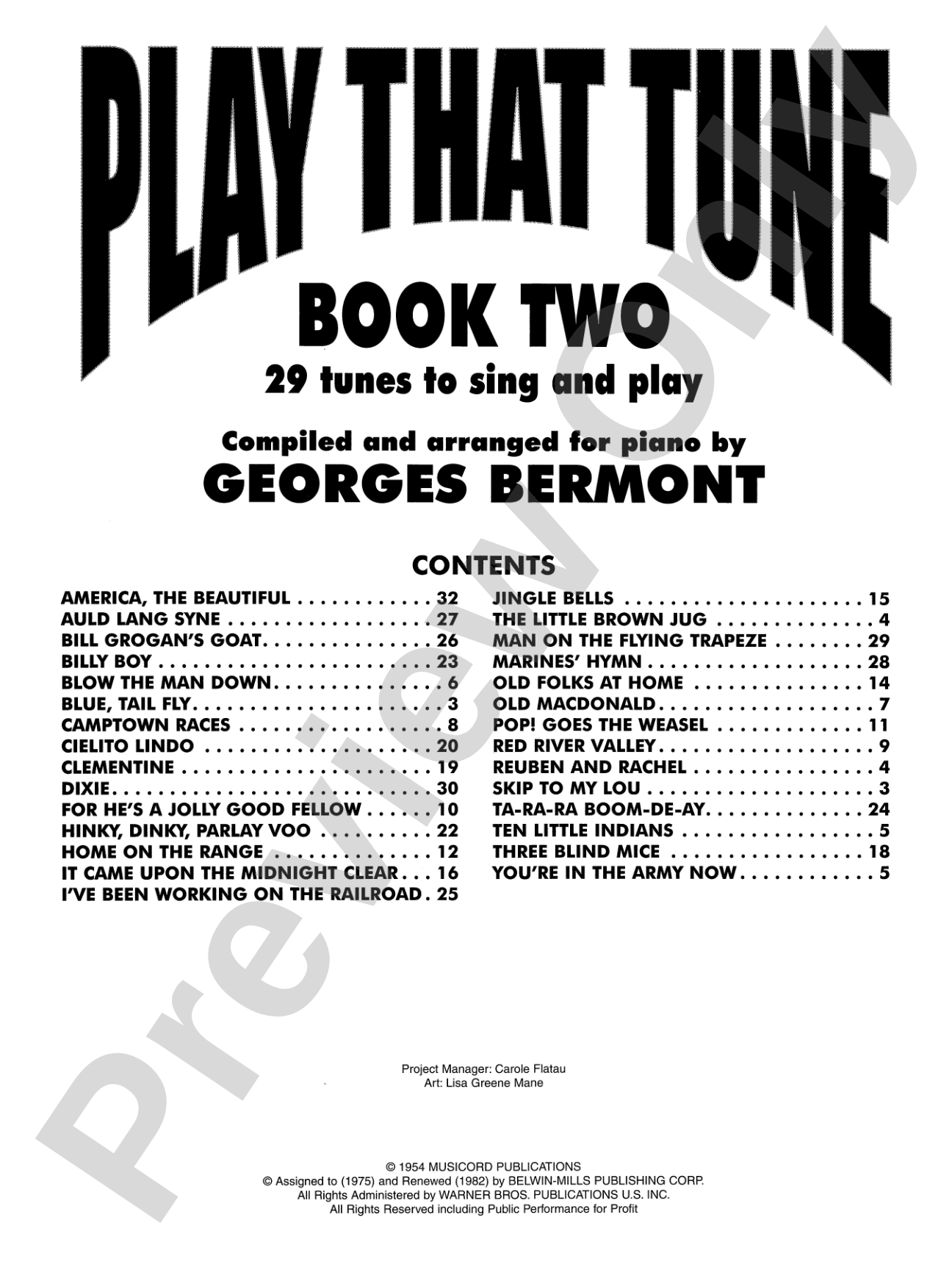
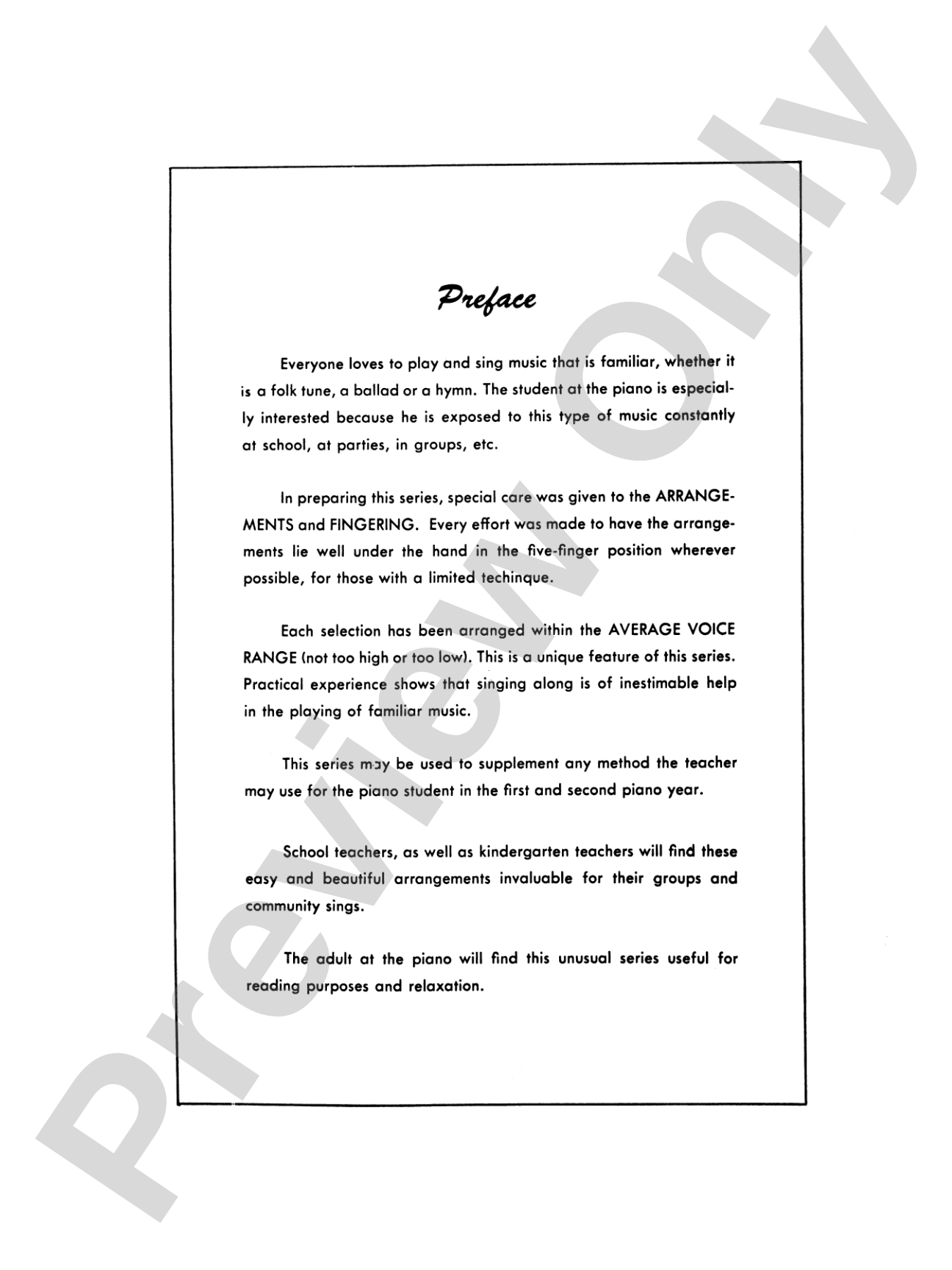
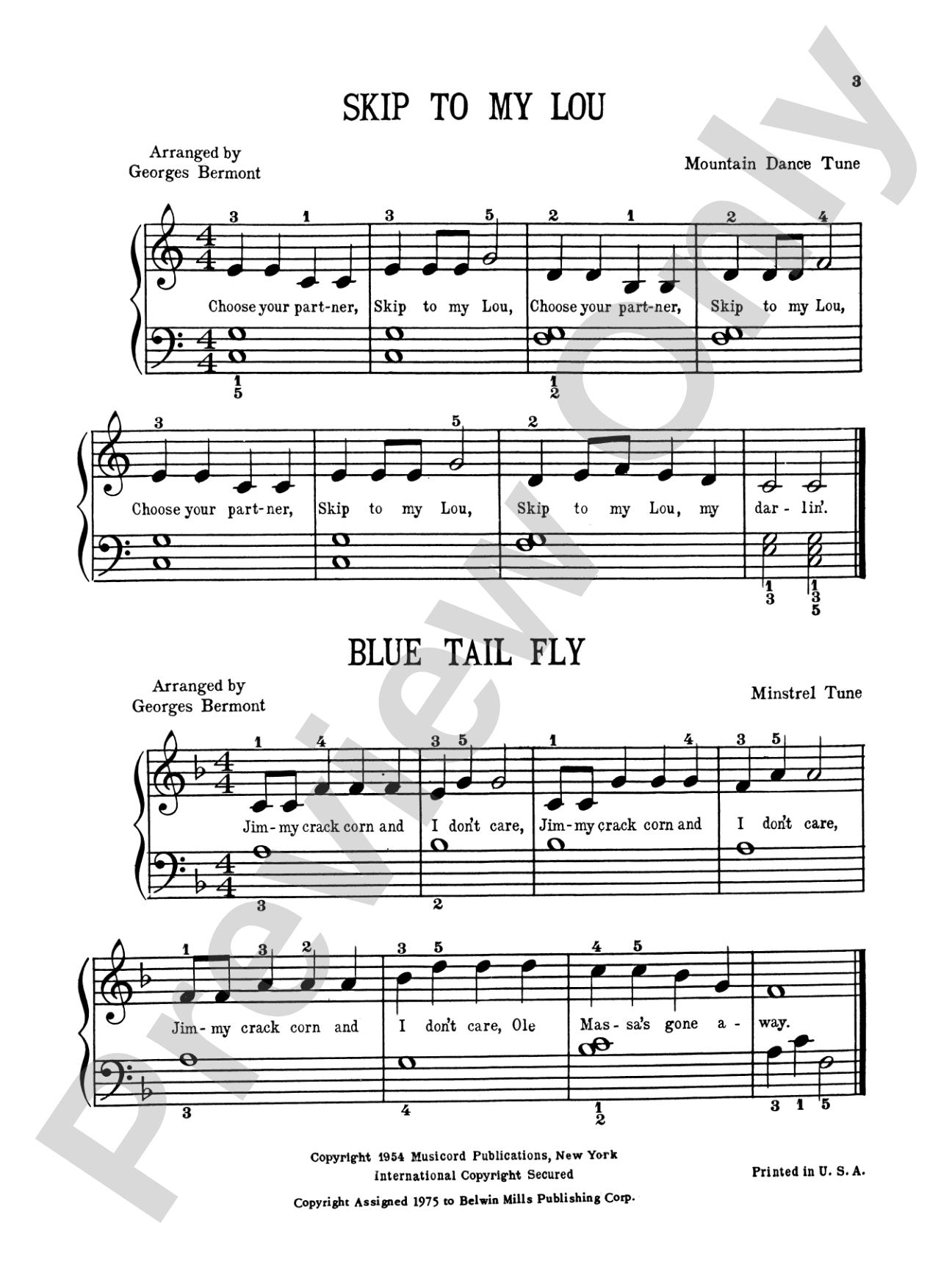
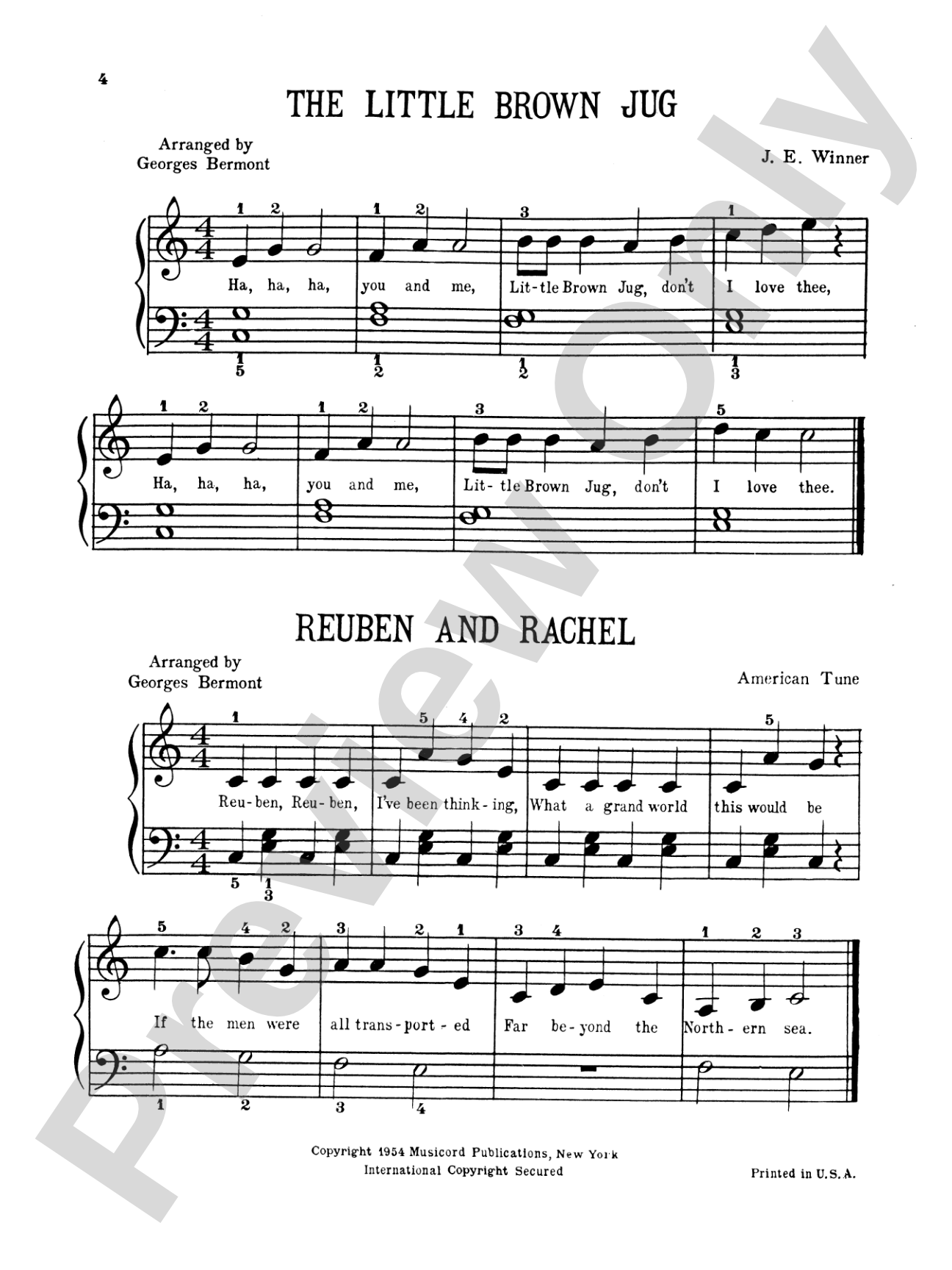
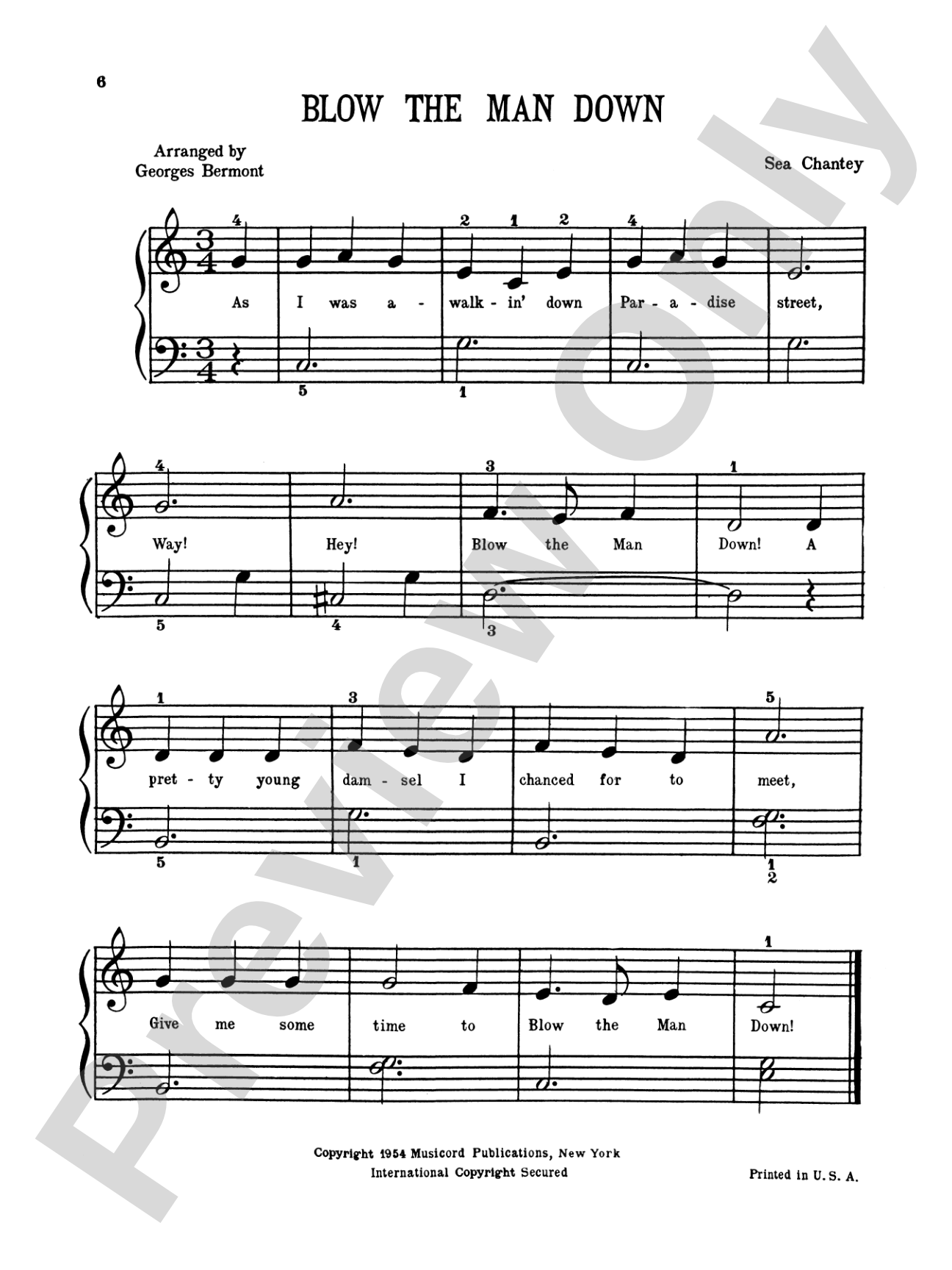
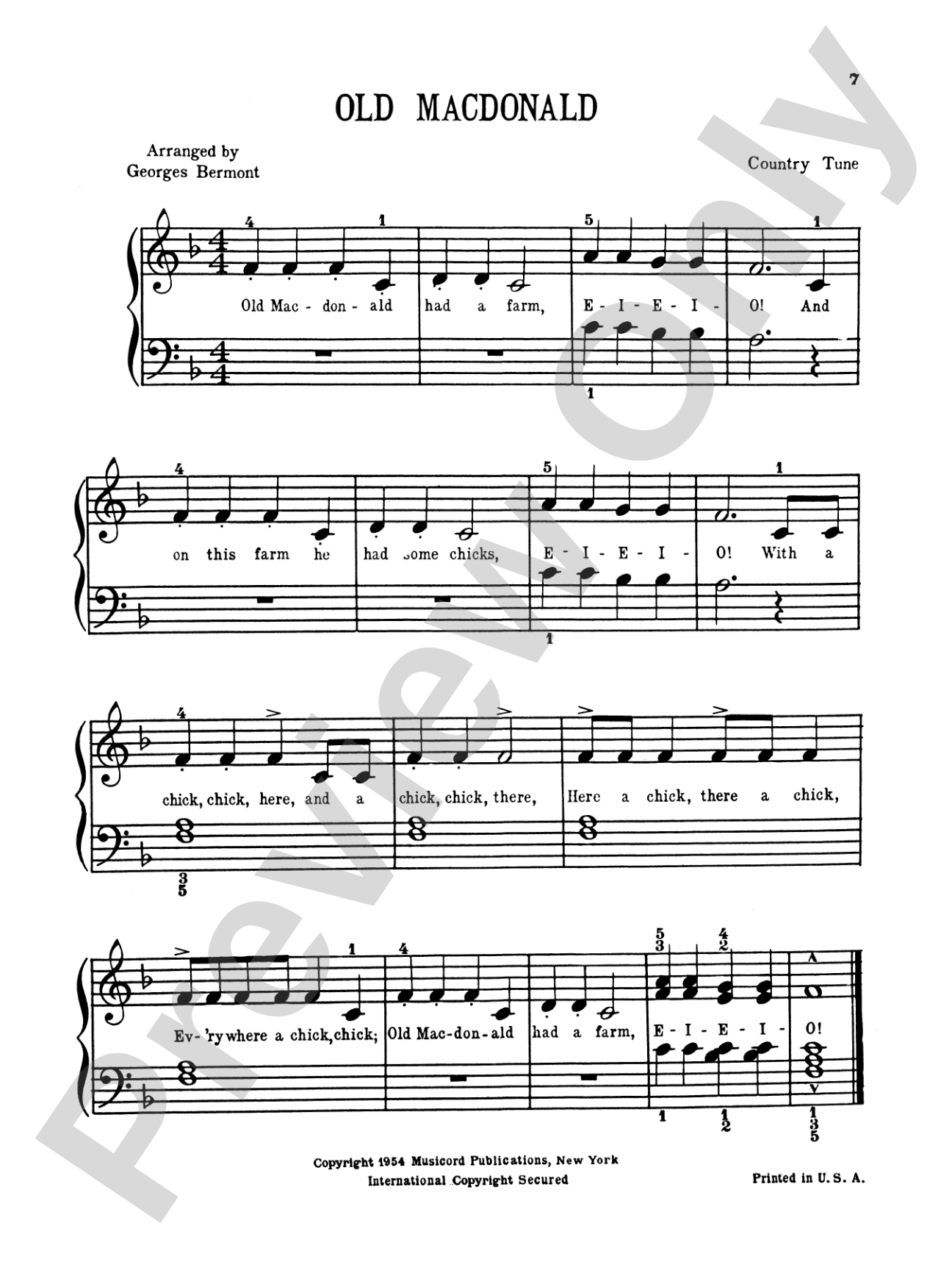
Early Intermediate Level. This is a fine collection of 29 well-known songs "to sing and play." They are arranged in easy keys, with simplicity in both hands, melody in the right hand, and simple chords or single notes in the left hand. Contains: America, the Beautiful * Auld Lang Syne * Bill Grogan's Goat * Billy Boy * Blow the Man Down * Blue Tail Fly * Camptown Races * Cielito Lindo * Clementine * Dixie * For He's a Jolly Good Fellow * Hinky, Dinky, Parlay Voo * Home on the Range * It Came Upon the Midnight Clear * I've Been Working on the Railroad * Jingle Bells * The Little Brown Jug * Man on the Flying Trapeze * Marines' Hymn * Old Folks at Home * Old MacDonald * Pop! Goes the Weasel * Red River Valley * Reuben and Rachel * Skip to My Lou * Ta-Ra-Ra Boom-De-Ay * Ten Little Indians * Three Blind Mice * You're in the Army Now.


Play That Tune, Book 2: 29 Tunes to Sing and Play: Piano isn't in MakeMusic Cloud just yet...but it could be. Let us know you'd like to see it, and you'll help shape what comes next. In the meantime, start a free trial and dive into thousands of interactive titles your students can play along with today.
Request This Title
Tell us you want it.
Start Your Free Trial
Explore everything that's ready to play right now.
Sample Audio
No sample audio found.
Sample Video
No sample videos found.
Additional Details
Publisher:
Alfred Music
Page Count:
32
SKU:
00-PB-0000919
More about this title
Why we love this
Bermont's arrangements strip away unnecessary complexity without sacrificing musicality. Each tune lands exactly where it needs to: melody front and center in the right hand, left-hand support that's genuinely playable. Students encounter real songs they already know, which builds confidence and keeps practice sessions from feeling abstract.
What to expect
Like opening a trunk of American musical nostalgia. You'll recognize nearly every tune immediately, and the simple textures let the melodies shine without technical barriers. There's joy in this collection, the kind that comes from playing something you know and love.
Who it's for
Early intermediate pianists who benefit from repertoire that bridges the gap between beginning method books and more complex arrangements. This collection works especially well for students who sing and want to develop the dual skill of playing accompaniment while maintaining a vocal line.
How to get the most out of it
- Balance the melody in your right hand so it projects clearly, especially when the left hand introduces even modest harmonic movement. Slight dynamic emphasis on the melody line makes the tune immediately recognizable.
- Sing while you play. The "sing and play" concept works best when you're genuinely connecting your voice to the keyboard line, not just reading notes in silence.
- Keep the left-hand support steady and unhurried. Simple doesn't mean rushed; let the chord progressions breathe so the melody has room to emerge.
- Experiment with light pedal use on pieces where sustained harmony supports a singing melody. Test whether the pedal enriches the sound or muddies it in your acoustic space.
How to use it
Build a "sing and play" studio recital where each student performs one or two selections from this collection. The songs work well as warm-up material at the start of ensemble rehearsals, or as pieces that students can teach to younger siblings or friends, extending their musical reach beyond the practice room.
Skills your students will build
- Balancing melody and accompaniment on the keyboard
- Playing melodies while maintaining vocal awareness
- Reading chord progressions and harmonic movement in simple contexts
- Coordinating independent hand roles (melody vs. support)
- Interpreting familiar songs with stylistic control