
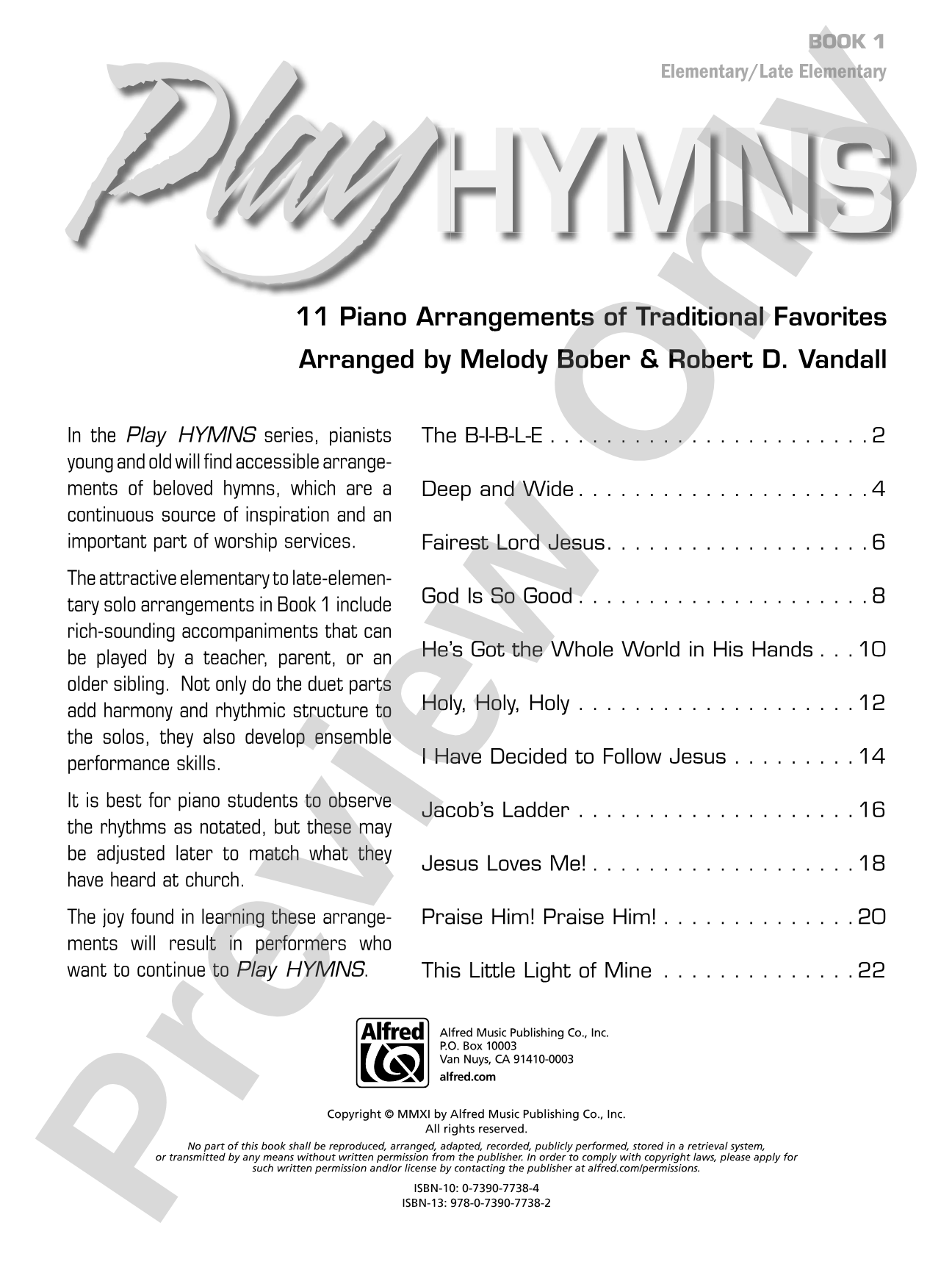

Play Hymns, Book 1: 11 Piano Arrangements of Traditional Favorites: Piano
11 Piano Arrangements of Traditional Favorites
Arr. Melody Bober and Robert D. Vandall
Level: Elementary / Late Elementary
Item: 00-PB-0000890
$7.99
Pickup currently not available
Related Items
Play Hymns, Book 1: Piano Book |
$7.99
|
View |
Description
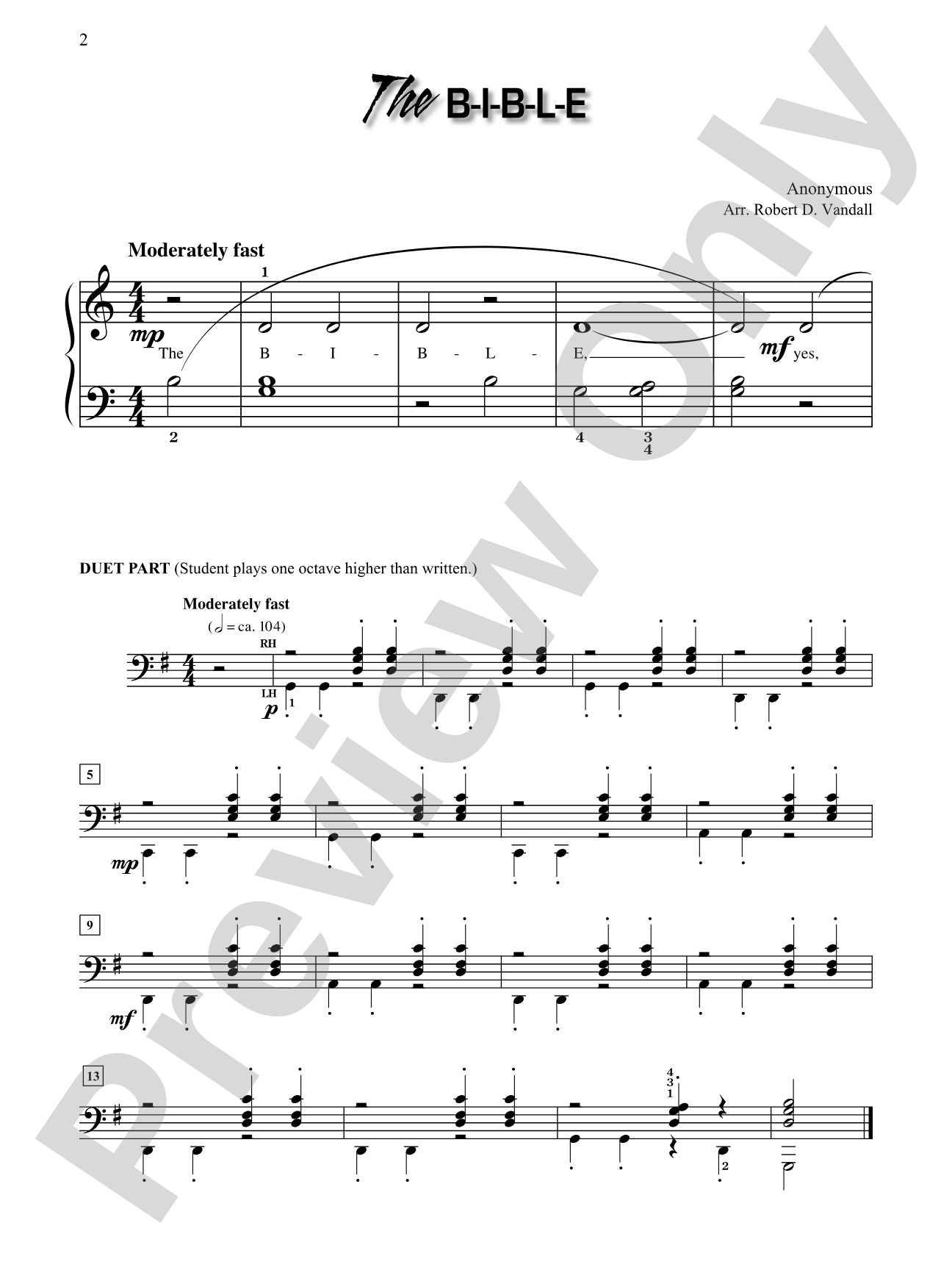
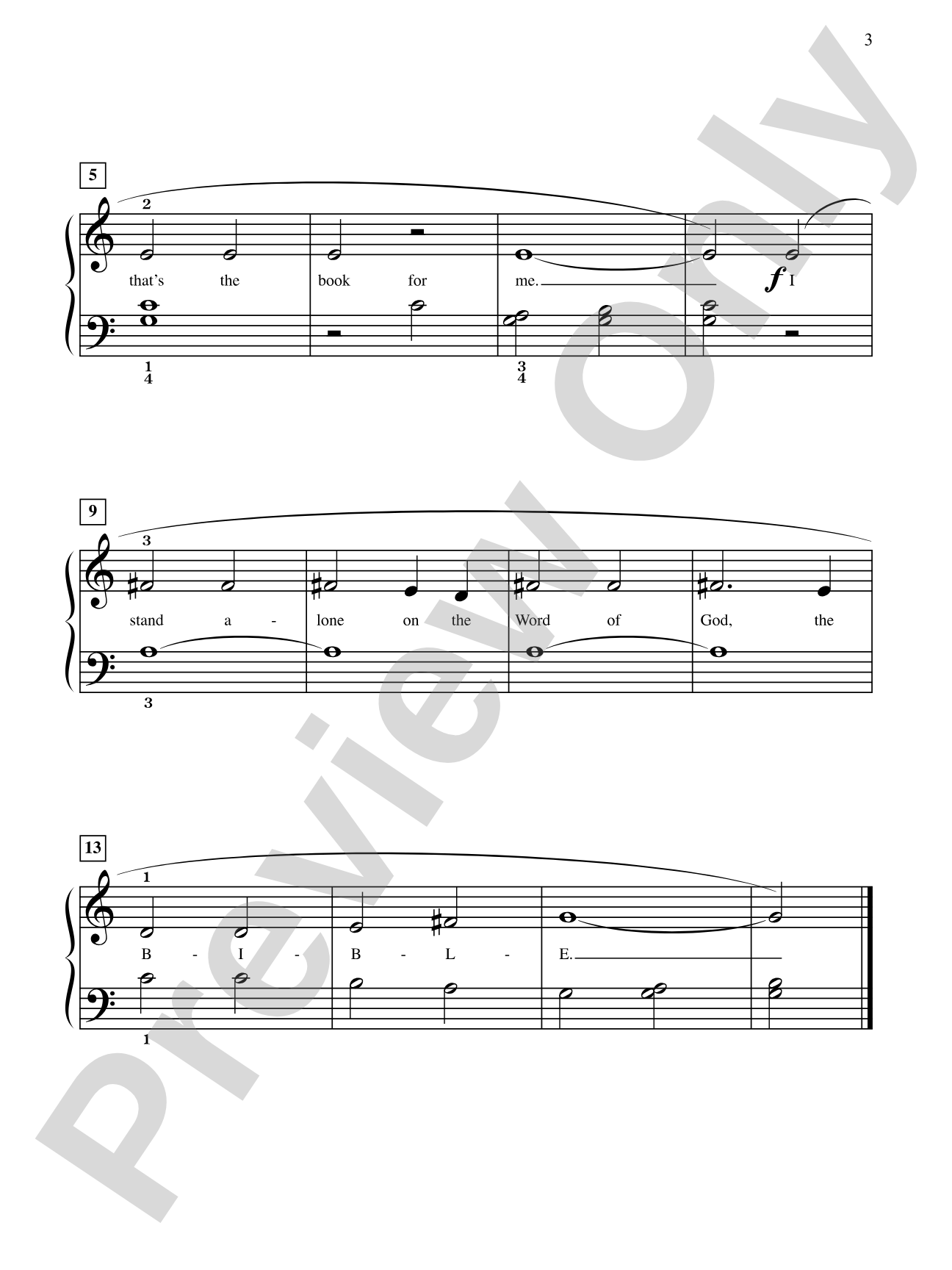
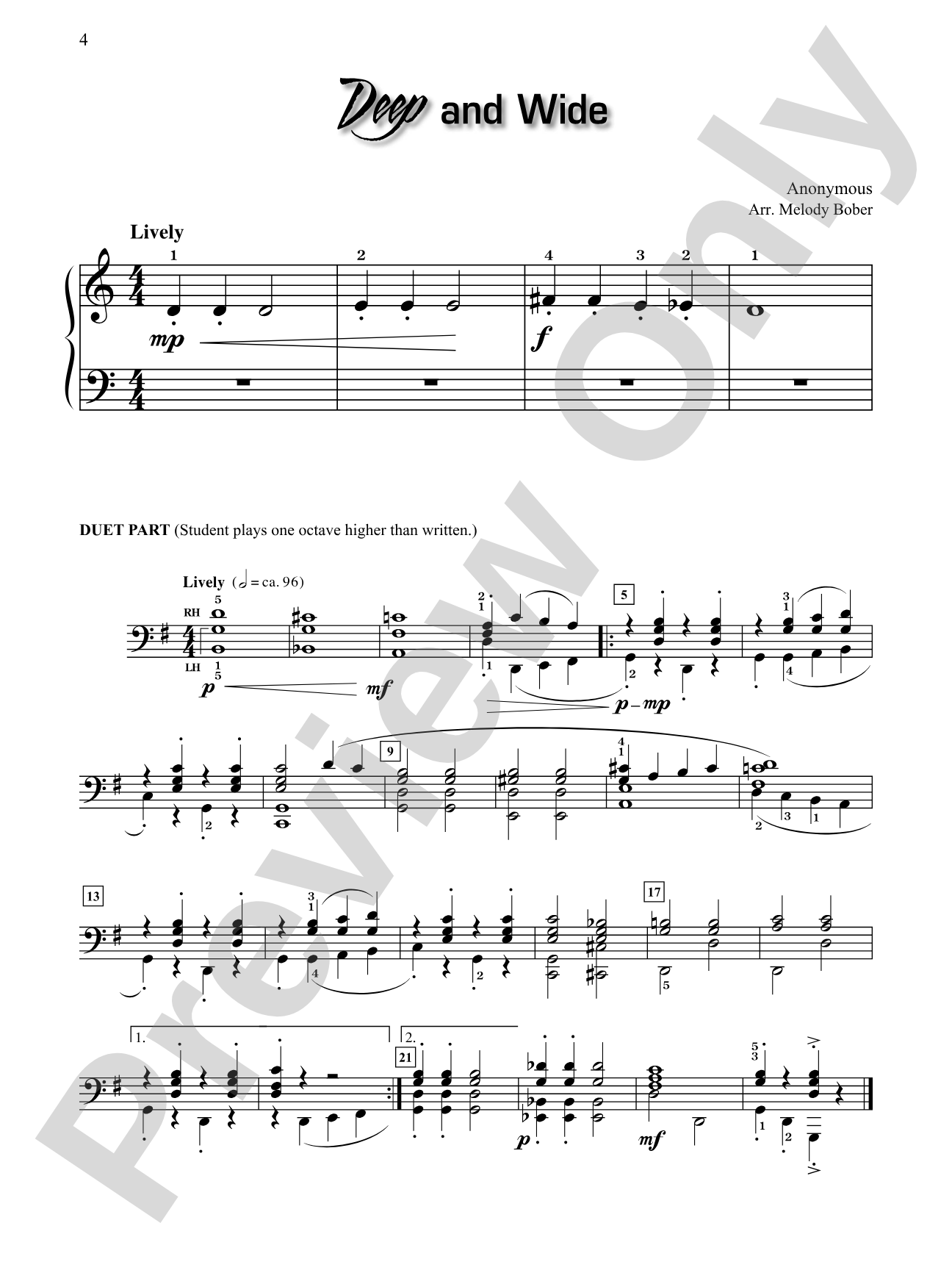
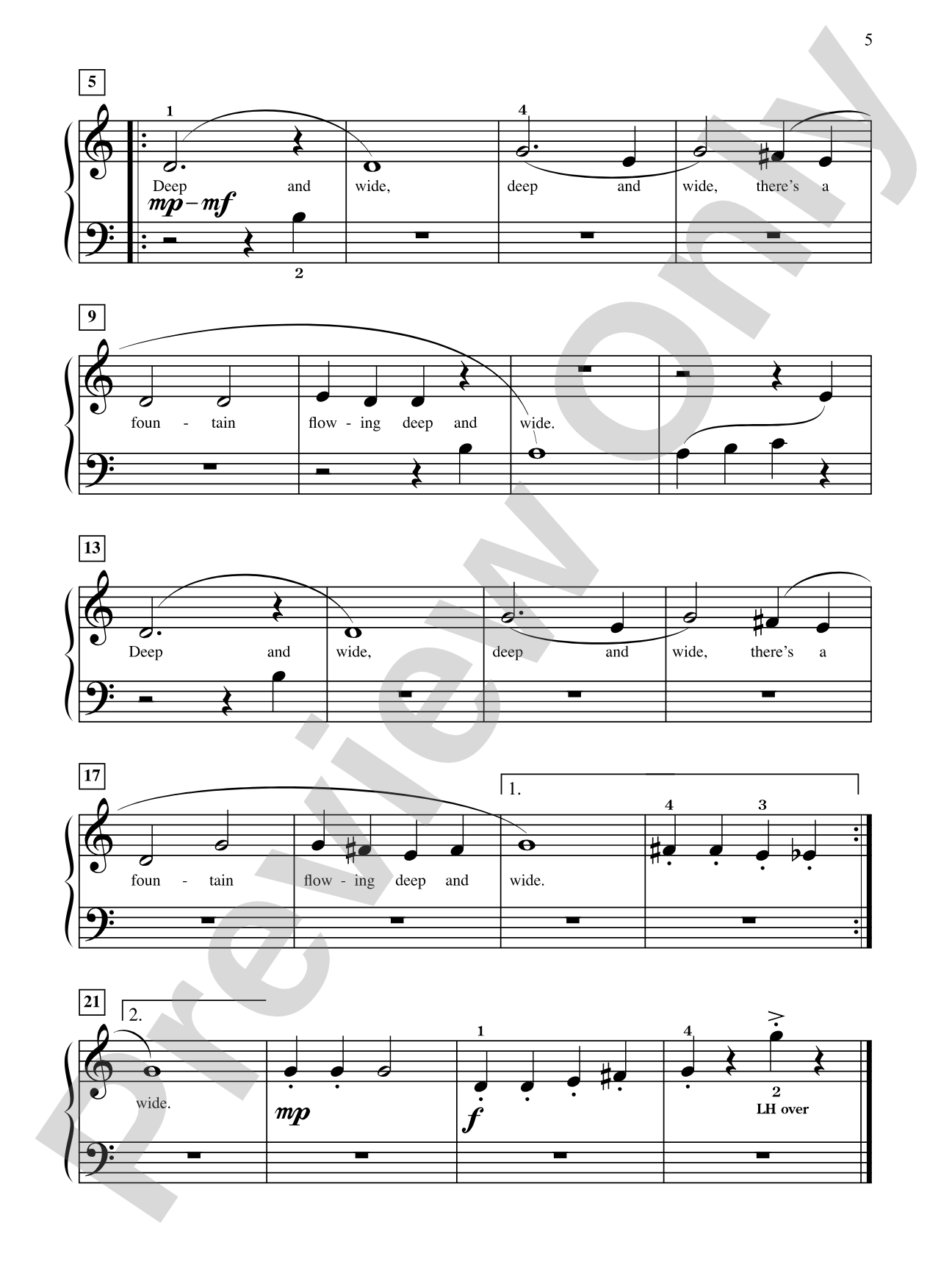
In Play Hymns, Book 1, pianists young and old will find accessible arrangements of beloved hymns, which are a continuous source of inspiration and an important part of worship services. The attractive solo arrangements in this book include rich-sounding accompaniments that can be played by a teacher, parent, or older sibling. Titles: The B-I-B-L-E * Deep and Wide * Fairest Lord Jesus * God Is So Good * He's Got the Whole World in His Hands * Holy, Holy, Holy * I Have Decided to Follow Jesus * Jacob's Ladder * Jesus Loves Me! * Praise Him! Praise Him! * This Little Light of Mine. A Federation Festivals 2024-2028 selection.


Play Hymns, Book 1: 11 Piano Arrangements of Traditional Favorites: Piano isn't in MakeMusic Cloud just yet...but it could be. Let us know you'd like to see it, and you'll help shape what comes next. In the meantime, start a free trial and dive into thousands of interactive titles your students can play along with today.
Request This Title
Tell us you want it.
Start Your Free Trial
Explore everything that's ready to play right now.
Sample Audio
No sample audio found.
Sample Video
No sample videos found.
Additional Details
Series:
Play Hymns
Publisher:
Alfred Music
Page Count:
24
SKU:
00-PB-0000890
More about this title
About the Arranger: Melody Bober

Melody Bober brings two decades of public school teaching and university-level instruction to her work as a composer and arranger. Her formal training includes a bachelor's degree in music education from the University of Illinois at Champaign-Urbana and a Master of Arts in piano performance from Minnesota State University, Moorhead, where she studied under Joel Shapiro and Andrew Froelich.
Beyond the studio and classroom, Bober has served as an active church pianist, accompanist, and music director. Her dual identity as both educator and church musician informs her compositional voice, which prioritizes clarity and accessibility without sacrificing musicality. She is a frequent clinician at teacher conventions and workshops throughout North America and maintains a private teaching studio in Minnesota.
Why we love this
These arrangements strike an uncommon balance between accessibility and genuine musical interest. Rather than stripping hymns down to bare essentials, Bober and Vandall craft accompanimental figures that give younger pianists something engaging to play while allowing the melody to breathe naturally, making each arrangement feel complete and satisfying even at the elementary level.
What to expect
Warm and devotional, yet never heavy-handed. Each arrangement respects the spiritual character of the hymns while remaining light-hearted and approachable, with accompaniments that support rather than overwhelm the familiar melodies. Students encounter rich harmonies that open their ears to how a simple tune can be enhanced without being transformed.
Who it's for
Young pianists working at the elementary to late elementary level who want to expand beyond method book repertoire into genuine hymn literature. Teachers seeking performance material for church services, recitals, or family worship settings will find these arrangements equally valuable for their own teaching studios.
How to get the most out of it
- Let the melody sing above the accompaniment by maintaining a gentle dynamic hierarchy. The right-hand tune should always emerge clearly, even when the left hand contains fuller harmonic textures.
- Work with your accompanist to establish a steady pulse before adding interpretive rubato. Once both parts feel locked together rhythmically, small timing adjustments will feel intentional rather than unsteady.
- Listen for the harmonic shape within each hymn. Many of these melodies follow predictable progressions; knowing where the harmony moves helps you phrase musically rather than metrically.
- Pedal conservatively in the early stages of learning. Once you know the piece securely, experiment with when to change the pedal to enrich the harmonic color without muddying the texture.
How to use it
Build a recital around these pieces as a thematic set, or scatter them throughout a longer program as moments of reflection between more elaborate works. Churches might select individual arrangements for special services or congregational accompaniment contexts where a young pianist leads the music. Families can use these for home worship or gather around the piano on Sunday mornings.
Skills your students will build
- Accompanying a solo melody while maintaining rhythmic and dynamic independence between hands
- Recognizing and playing traditional harmonic progressions common to hymn literature
- Sustaining legato phrasing across longer musical lines
- Managing pedal technique to enhance harmonic resonance without creating muddiness
- Interpreting familiar melodies with appropriate reverence and musical shape