
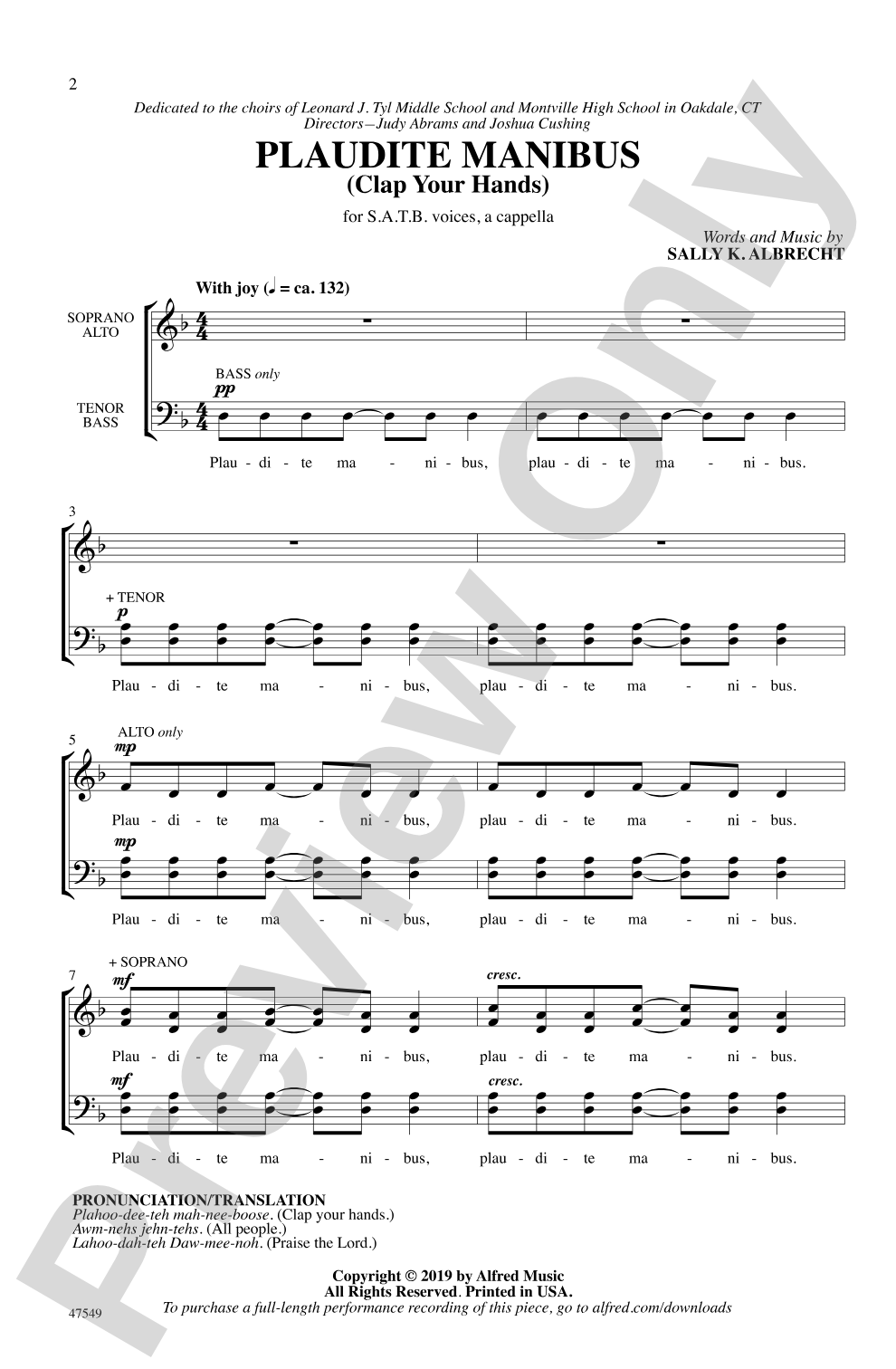
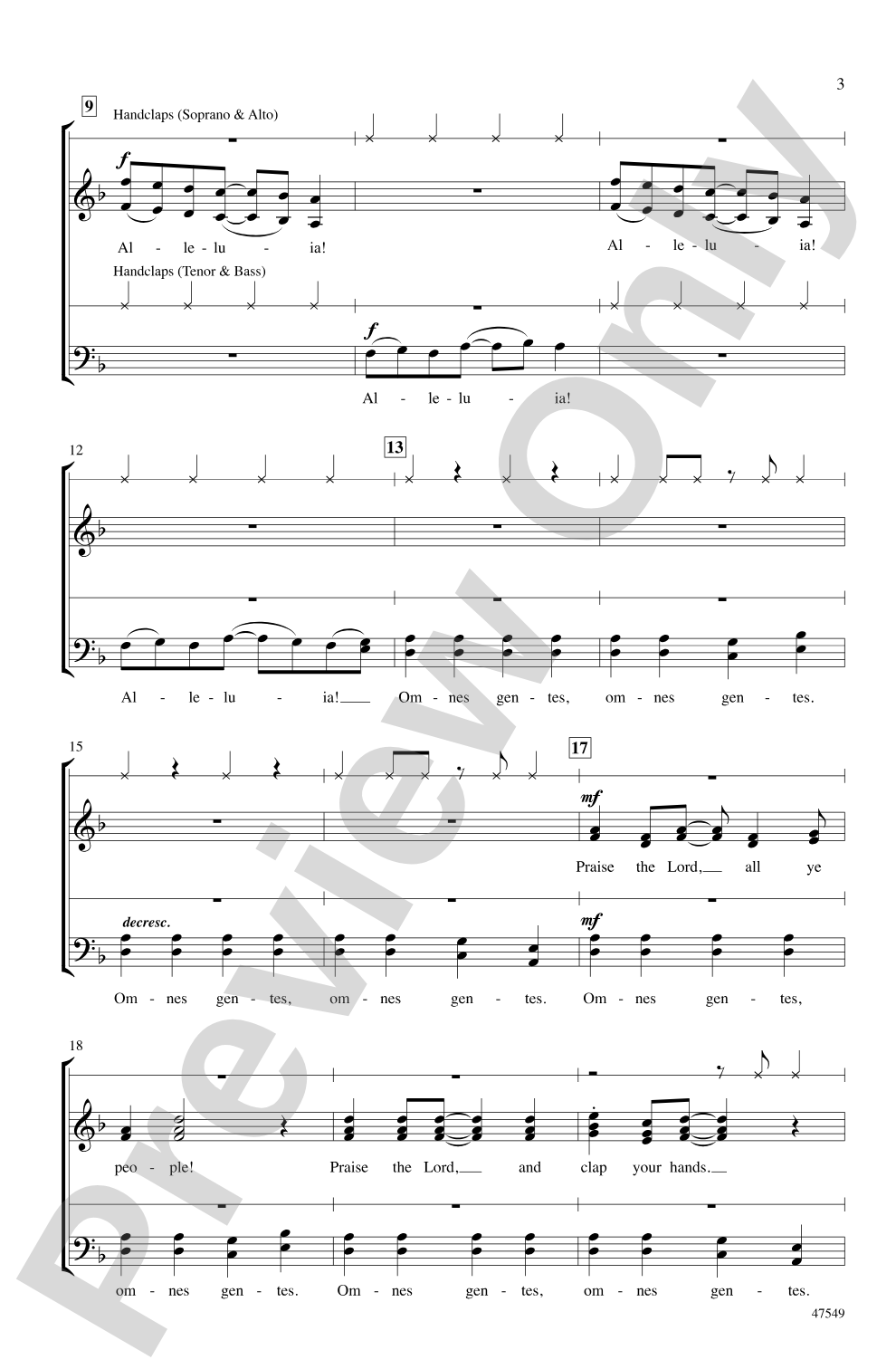

Plaudite Manibus: SATB, a cappella Choral Octavo
(Clap Your Hands)
Words and music by Sally K. Albrecht
Item: 00-PO-0005926
$2.05
Minimum order quantity: 20 copies
Pickup currently not available
Related Items
Plaudite Manibus: SATB, a cappella Choral Octavo |
$2.05
|
View |
Description
Sung on a combination of Latin and English words and punctuated by the clapping of hands, this rhythmic a cappella stunner is both stimulating and musically satisfying. Open fifths underpin a modal theme, which leads to a layered add-on section. The final cadence boasts a dazzling array of stacked chords.


Plaudite Manibus: SATB, a cappella Choral Octavo isn't in MakeMusic Cloud just yet...but it could be. Let us know you'd like to see it, and you'll help shape what comes next. In the meantime, start a free trial and dive into thousands of interactive titles your students can play along with today.
Request This Title
Tell us you want it.
Start Your Free Trial
Explore everything that's ready to play right now.
Sample Audio
1
Audio File
--:--
0:00
0:00
Sample Video
Additional Details
Series:
Alfred Choral Designs
Publisher:
Alfred Music
Page Count:
8
SKU:
00-PO-0005926
More about this title
About the Composer: Sally K. Albrecht
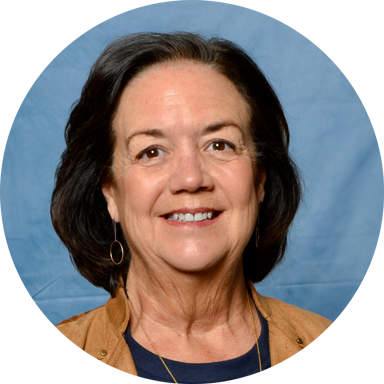
Sally K. Albrecht brings three decades of experience shaping choral music education, having served as Director of School Choral, Vocal, and Elementary Publications at major educational publishers, including Alfred Music. A conductor and clinician widely recognized for her innovative approach to choral movement, she has led honor choirs at prestigious venues including Lincoln Center, Carnegie Hall, and The Kennedy Center.
With over 600 choral publications and 75 larger works in print, Albrecht has received the ASCAP Special Music Award annually since 1987. She holds degrees from Rollins College (B.A. in Music and Theater, 1976), the University of Miami (M.A. in Drama, 1977; M.M. in Accompanying, 1979), and has taught at Oakland University, Jersey City State College, and Meredith College. In 2021, she received the Distinguished Alumna Award from both the University of Miami Frost School of Music and Rollins College, where she serves on the Board of Trustees.
Why we love this
Albrecht crafts a rhythmic device that becomes the piece's signature: hand clapping punctuates the Latin and English text, turning the ensemble into a percussion section without requiring anything but themselves. The harmonic language combines modal open fifths with a stunning final cadence of stacked chords, giving your singers both accessible anchoring sonorities and a moment of genuine harmonic richness to chase.
What to expect
Plaudite Manibus (meaning "Applaud with your hands") feels like controlled excitement. The clapping grounds the piece in physical, percussive vitality, while the modal harmony and layered textures create an almost meditative quality beneath that rhythmic drive. The final chord stack resolves into a moment of pure sonic satisfaction.
Who it's for
Directors seeking an a cappella concert piece that combines rhythmic energy with genuine harmonic sophistication. This works well for groups with solid intonation and the ability to maintain precise rhythmic independence while singing, making it ideal for upper-level high school and college choirs.
How to get the most out of it
- Lock the hand clapping before you worry about pitch. Establish a clear, unified rhythm section among your singers first, then layer the text and melody on top.
- Balance the modal theme carefully so that the open fifth foundation remains audible throughout the layered add-on section. The texture can muddy quickly if upper voices overwhelm the root support.
- Shape the final cadence as a dramatic crescendo of harmonic color. Each stacked chord should feel like a deliberate addition to a sonic architecture, not a casual strum.
How to use it
Pair this on a concert with other a cappella works to create a thematic set, or use it as a closing festival piece where the kinetic energy and hand clapping leave audiences engaged and delighted. The sacred text and concert designation make it suitable for both worship and secular performance contexts.
Skills your students will build
- Maintaining rhythmic precision while singing moving melodic lines
- Balancing modal harmony and open fifth textures
- Reading stacked harmonic structures and voice independence in dense textures
- Coordinating body percussion with vocal production
- Sustaining intonation in a cappella ensemble singing