Pizzicato Polka Cover Image

Pizzicato Polka: String Orchestra Conductor Score

$5.00 USD
Sale price  $5.00 USD Regular price 
Skip to product information
Pizzicato Polka Cover Image

Pizzicato Polka: String Orchestra Conductor Score

Arranged by Robert D. McCashin

Grade: 3

Item: 98-ST6239S

$5.00
Shipped

One moment…

Description
This delightful arrangement highlights all the charm and spirit of the original by Johann (Jr.) and Josef Strauss. To add performance options consistent with some modern interpretations, indications are included for passages that may be played arco. A wonderful change of pace for your next program.

Pizzicato Polka: String Orchestra Conductor Score isn't in MakeMusic Cloud just yet...but it could be. Let us know you'd like to see it, and you'll help shape what comes next. In the meantime, start a free trial and dive into thousands of interactive titles your students can play along with today.

Sample Pages

Sample Audio
No sample audio found.
Sample Video
Additional Details
Series: FJH String Orchestra
Publisher: The FJH Music Company, Inc.
UPC: 241444563564
SKU: 98-ST6239S

More about this title

About the Arranger: Robert D. McCashin
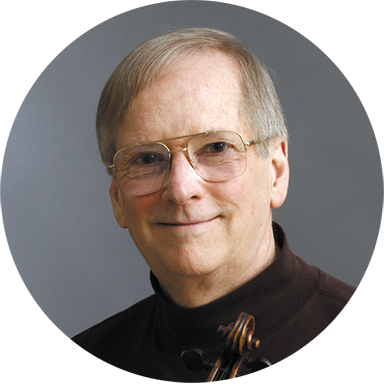
Robert D. McCashin

Robert D. McCashin brings four decades of conducting and string pedagogy to his work as a composer and arranger. A violinist trained at Louisiana State University and the University of Arizona, he spent 43 years directing orchestral programs at James Madison University, where he earned the Distinguished Teacher Award for the College of Visual and Performing Arts in 2015.

McCashin has published nearly 80 educational arrangements and compositions across grades one through five, many of which have become standard repertoire in school programs. His string class methods, New Directions for Strings and A Scale in Time, remain widely adopted. Before his tenure at JMU, he held teaching positions at the University of Texas at Arlington and Texas Wesleyan University, where he also conducted youth orchestras and maintained an active performing career as a freelance violinist.

Why we love this

McCashin's reading respects the buoyancy of the original while introducing modern performance flexibility through optional arco passages that open new interpretive possibilities. At Grade 3, the orchestration sits perfectly in the sweet spot between technical accessibility and genuine musical interest, making it equally rewarding for developing players and experienced ensembles looking for something spirited and fun.

What to expect

Mischievous and lighthearted, with the infectious rhythmic swagger of a Viennese court. The pizzicato texture gives the piece a playful, almost comedic quality while the harmonic language and melodic grace remain genuinely charming.

Who it's for

String orchestras at the intermediate level who want a crowd-pleasing novelty number that doesn't sacrifice musical substance. It works equally well for school programs seeking accessible repertoire and college ensembles programming a lighter contemporary concert selection.

How to get the most out of it

  • Shape the pizzicato articulation with a light bounce; this arrangement relies on rhythmic precision and clarity from the plucked strings, so encourage players to think of each note as a quick gesture rather than a sustained attack.
  • Experiment with the arco alternatives during rehearsals to find what serves your ensemble and concert context best. Some conductors prefer full pizzicato throughout for maximum character, while others use the arco passages as dynamic relief.
  • Keep the tempo brisk and energetic but allow the phrasing to breathe naturally. This isn't a rush; it's a waltz with personality.

How to use it

Program this as a palate cleanser between heavier romantic works or as the closer to an opening classical suite. Its short duration and high energy make it ideal for pops concerts, spring programs, or any occasion where you want to end a set on a warm laugh.

Skills your students will build

  • Precise rhythmic articulation in pizzicato technique
  • Quick, clean string crossings and note changes
  • Understanding of textural contrast and orchestral color
  • Flexibility in interpreting editorial performance options
  • Dynamic control within a single articulation style

You May Also Like