

Pischna: Sixty Progressive Studies: Piano Book
By Josef Pischna
Item: 00-PK-0003276

$14.99
Pickup currently not available
Buy Extra Parts (Digital PDF Download)
Parts Added to Cart!
Related Items
Sixty Progressive Studies: Piano Book |
$14.95
|
View |
Description
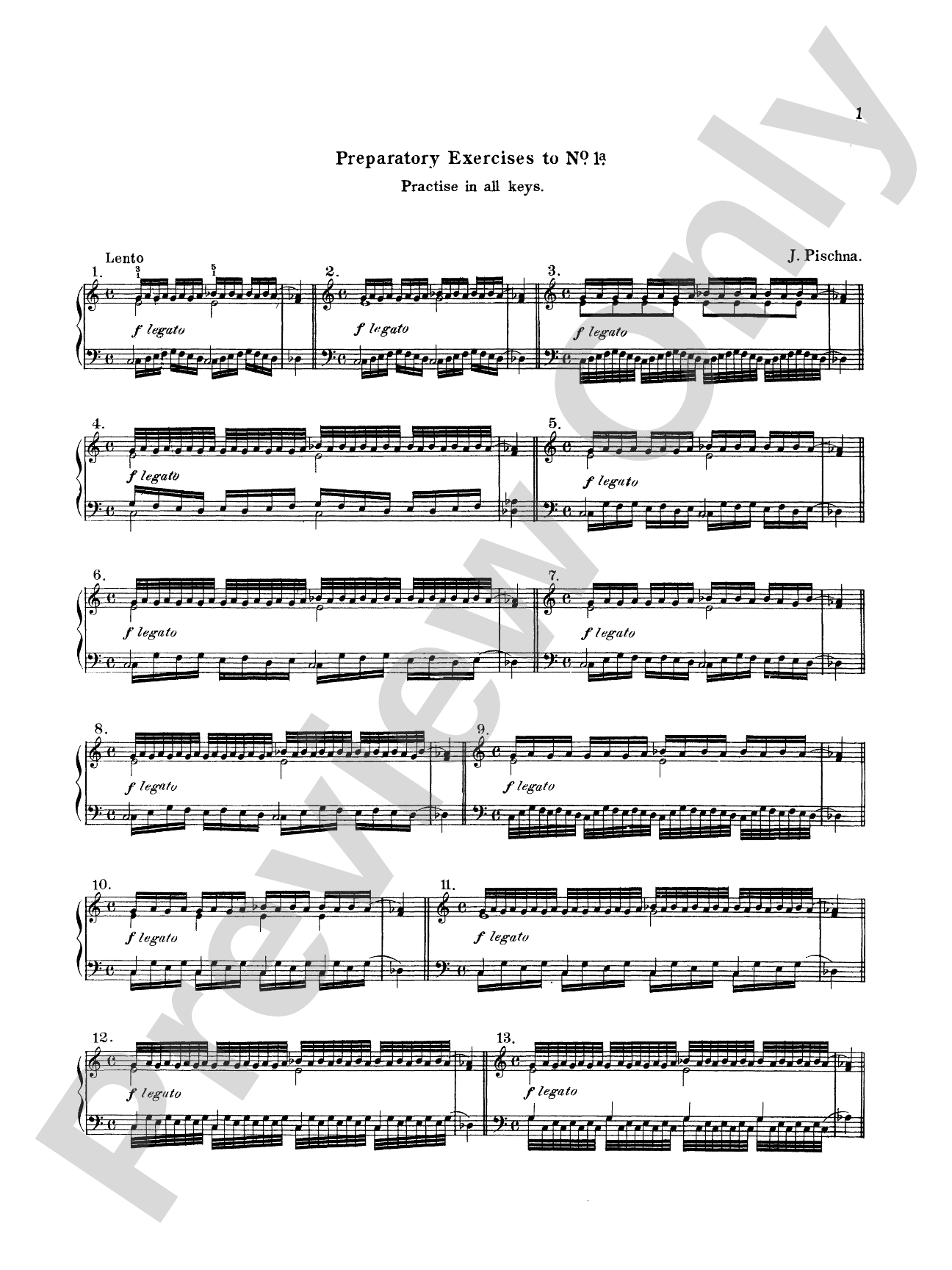
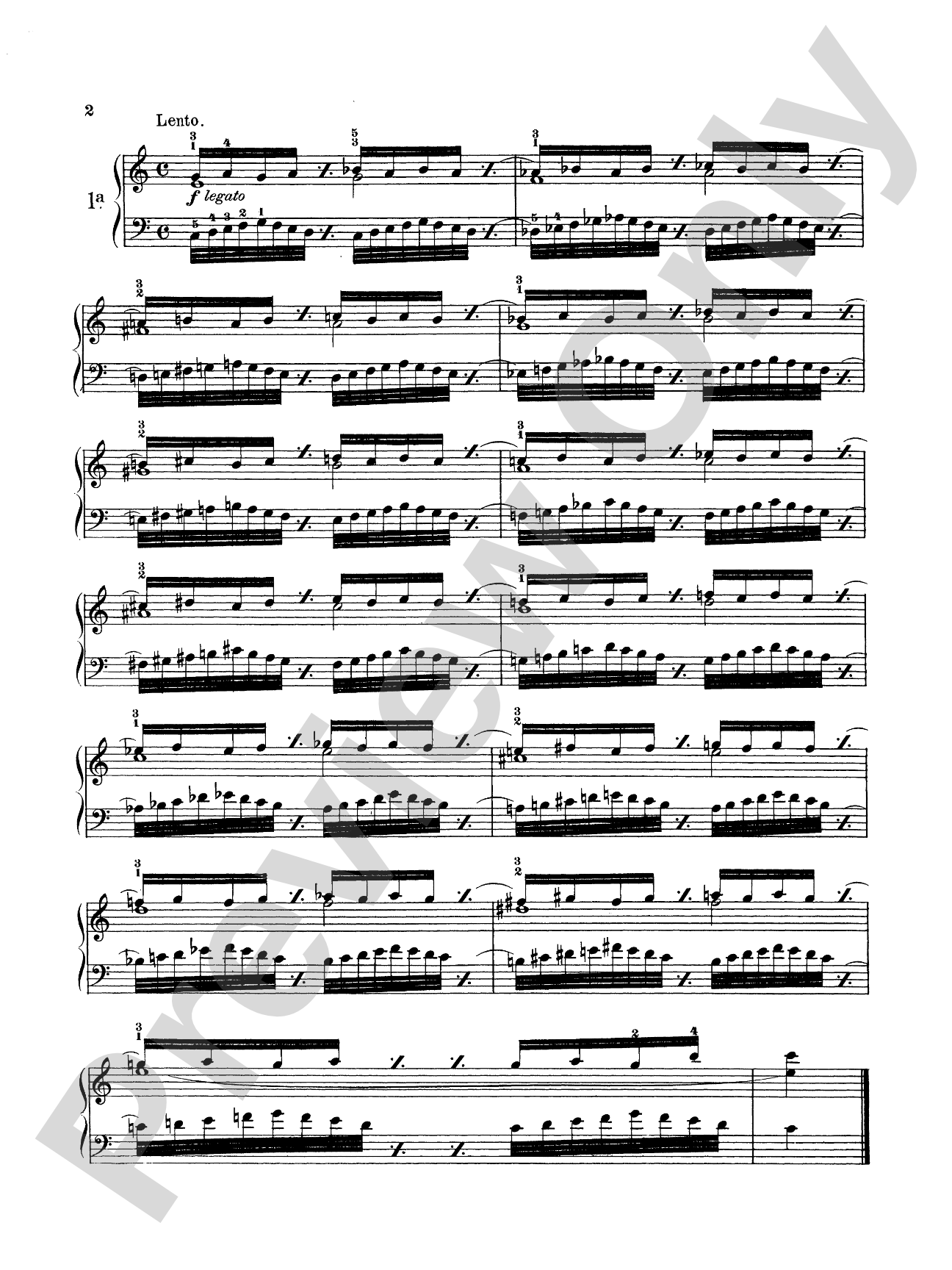
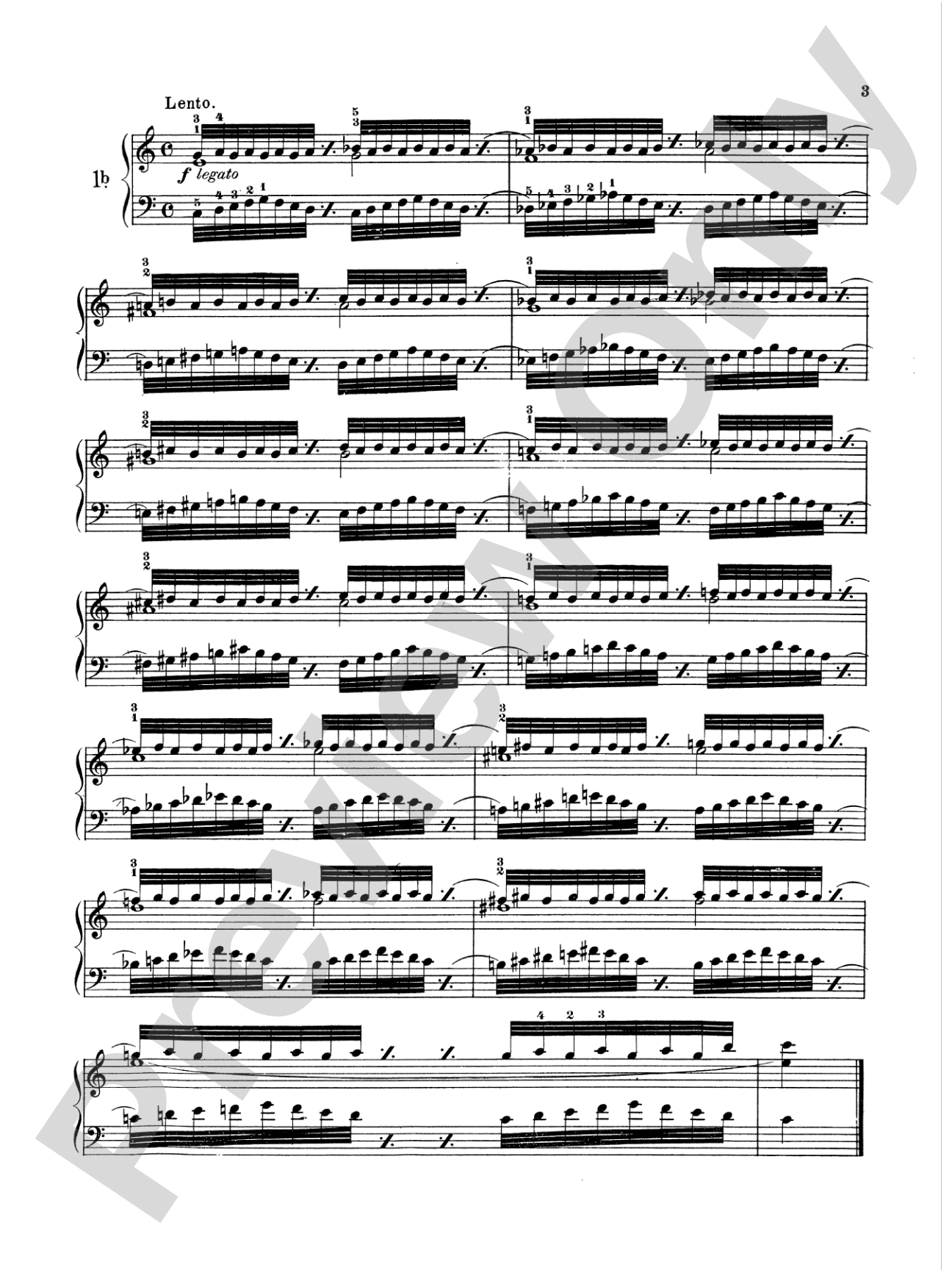
A collection of piano solos composed by Josef Pischna.


Don't just read it, hear it, play along with it, and watch your students grow with it. In MakeMusic Cloud, Pischna: Sixty Progressive Studies: Piano Book comes alive with professional accompaniment, adjustable tempo, and built-in practice tools that turn solo practice into real progress.
Open in the Player
Jump straight in and assign it today.
Start Your Free Trial
Open this title and explore the full library in minutes.
Sample Audio
No sample audio found.
Sample Video
No sample videos found.
Additional Details
Series:
Kalmus Edition
Publisher:
Alfred Music
Page Count:
104
SKU:
00-PK-0003276
More about this title
About the Composer: Josef Pischna
Josef Pischna (1826-1896) was an Austrian pianist and composer whose pedagogical works became cornerstones of piano technique training. Though he composed concertos and chamber music, his lasting legacy rests on the sixty studies that bear his name, which systematically build hand independence, finger strength, and technical precision across the full range of the keyboard.
Why we love this
These studies strike a rare balance between serious technical work and genuine musical interest. Unlike purely mechanical finger drills, Pischna's progressions have harmonic shape and melodic logic that keep students engaged while they're building the mechanics they need.
What to expect
These studies combine the precision of a craftsman's workshop with the elegance of salon-era keyboard writing. Each piece feels purposeful rather than arbitrary, offering small moments of lyrical beauty alongside its technical demands.
Who it's for
Intermediate to advanced piano students (roughly grades 4-6) preparing for conservatory study or serious solo performance. Teachers building a structured technical curriculum will value the graduated difficulty and the variety of pianistic challenges across the full sixty studies.
How to get the most out of it
- Map out the harmonic progression before focusing on tempo; understanding the underlying structure makes technical passages feel less abstract.
- Practice hands separately until the technical patterns become automatic, then unite them at a tempo slow enough to maintain rhythmic clarity.
- Listen for balance between the working hand and the accompanying hand, ensuring neither drowns out the other even in rapid figurations.
- Return to earlier studies periodically as warm-ups; they reveal new musical possibilities as your technique deepens.
How to use it
Use these selectively in student recitals as character pieces that highlight technical achievement without the interpretive weight of standard repertoire. A single well-chosen study serves as an effective bridge between formal training and public performance.
Skills your students will build
- Hand independence in contrasting rhythmic patterns
- Finger strength and articulation in rapid scalar and arpeggio passages
- Control of dynamic variation within single-hand figurations
- Legato and staccato coordination across both hands
- Sight-reading of moderately complex rhythmic and harmonic textures