

Pirate's Code: String Orchestra Conductor Score & Parts
By Steven J. Campbell
Grade: 2
Item: 00-PK-0006682

$49.00
Pickup currently not available
Buy Extra Parts (Digital PDF Download)
| Product | Price | Quantity |
|---|---|---|
| Pirate's Code: Score | $9.00 | |
| Pirate's Code: 1st Violin | $5.99 | |
| Pirate's Code: 2nd Violin | $5.99 | |
| Pirate's Code: Viola | $5.99 | |
| Pirate's Code: Cello | $5.99 | |
| Pirate's Code: String Bass | $5.99 |
Parts Added to Cart!
Description
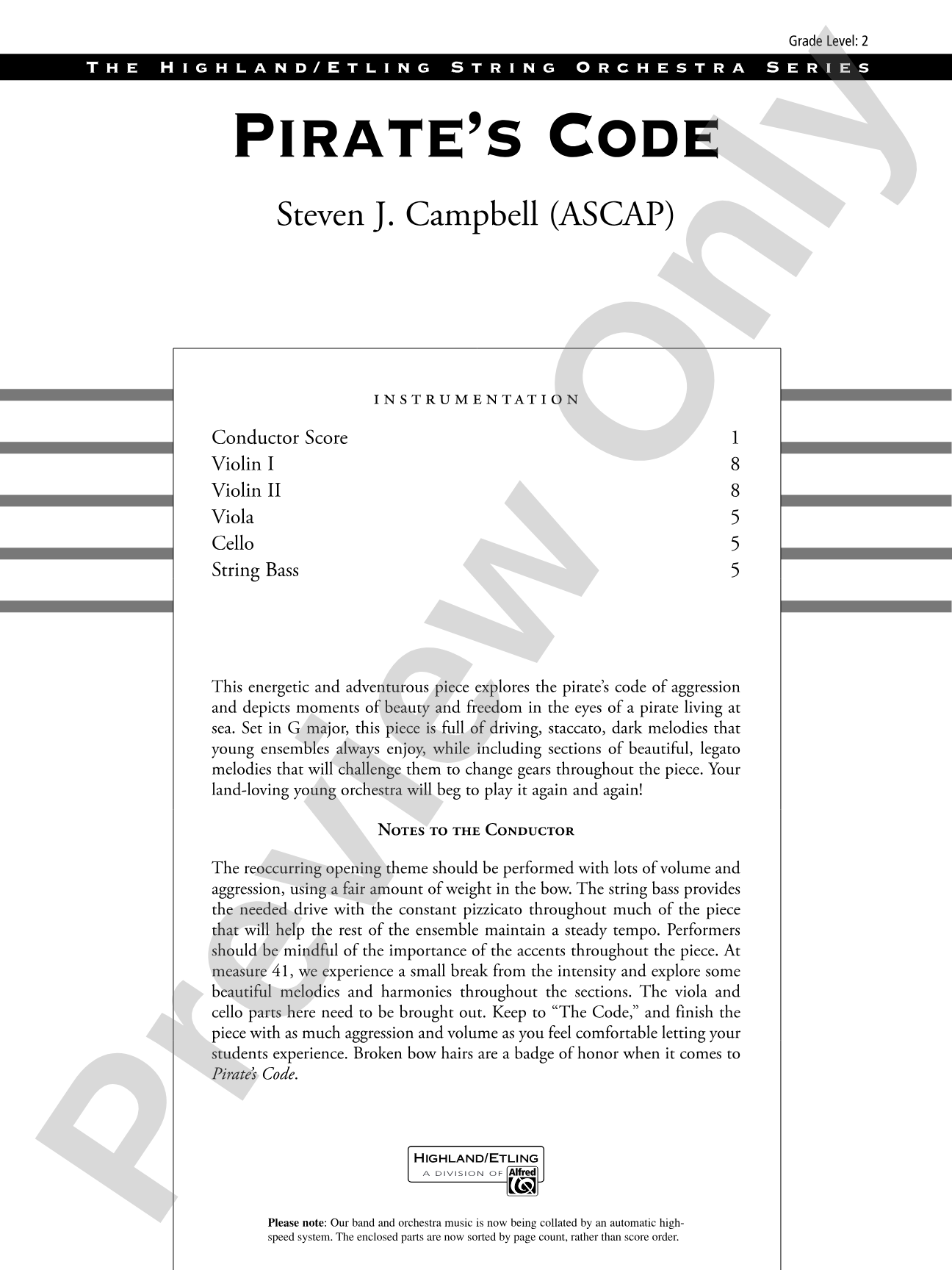
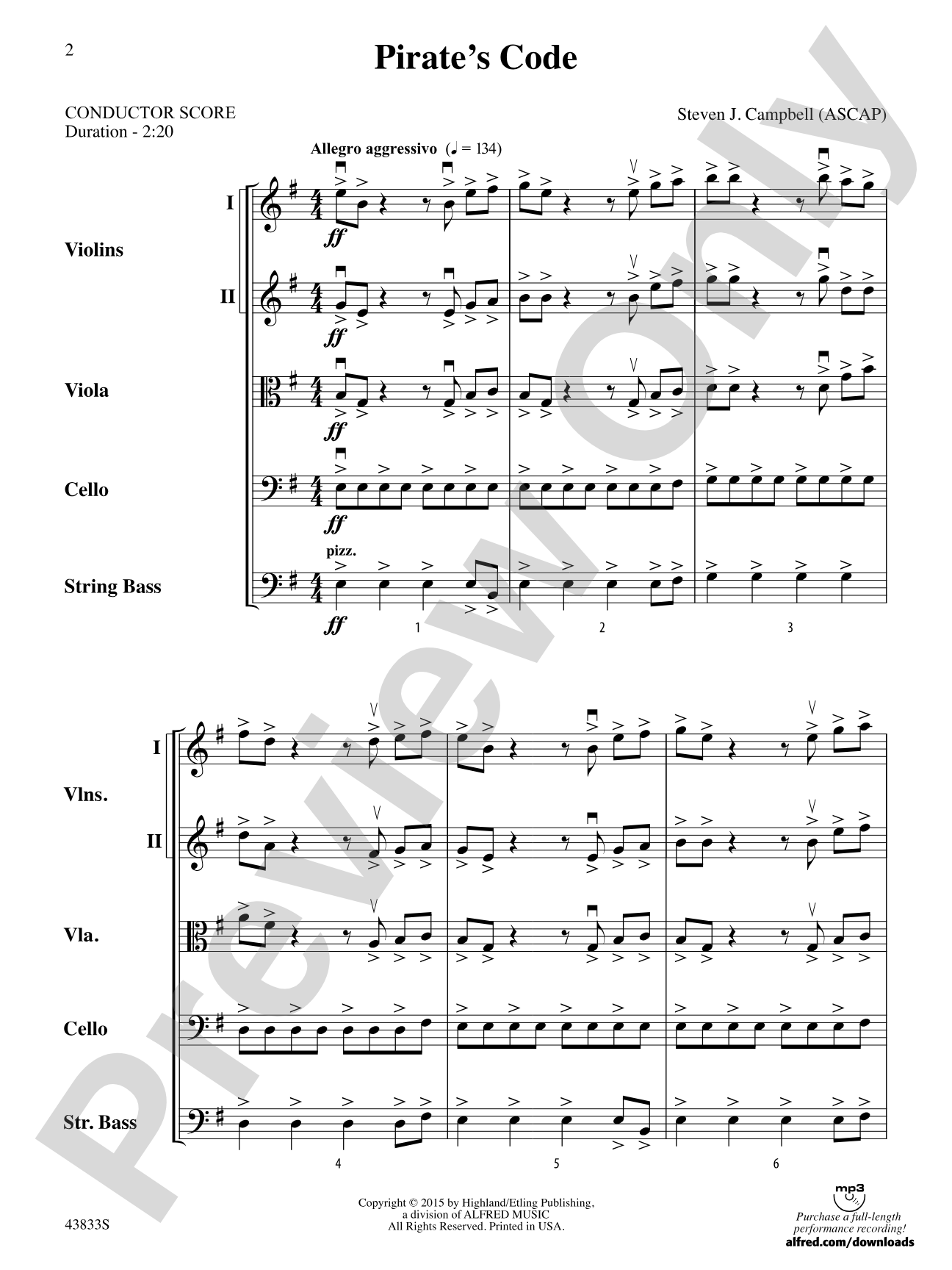
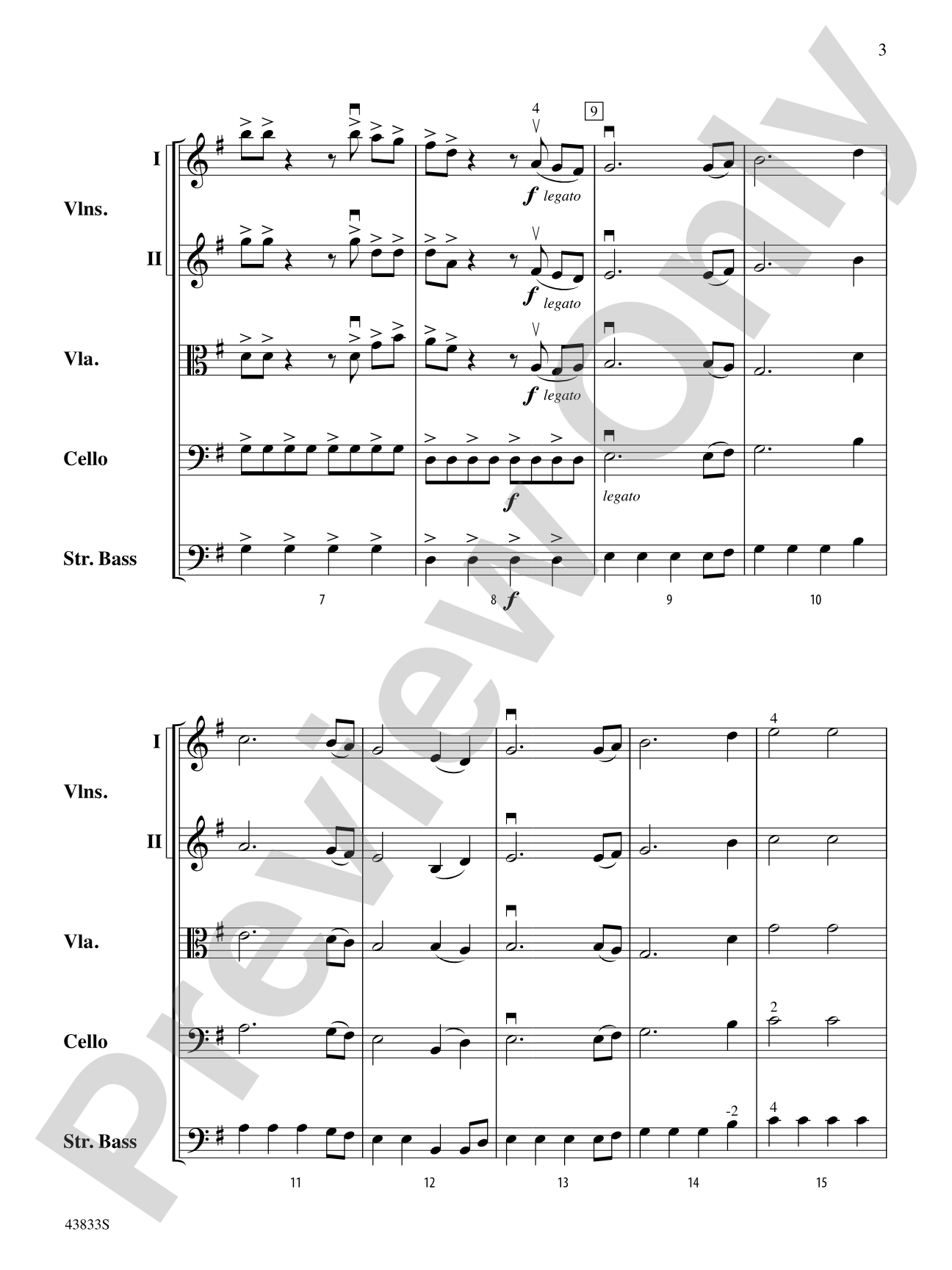
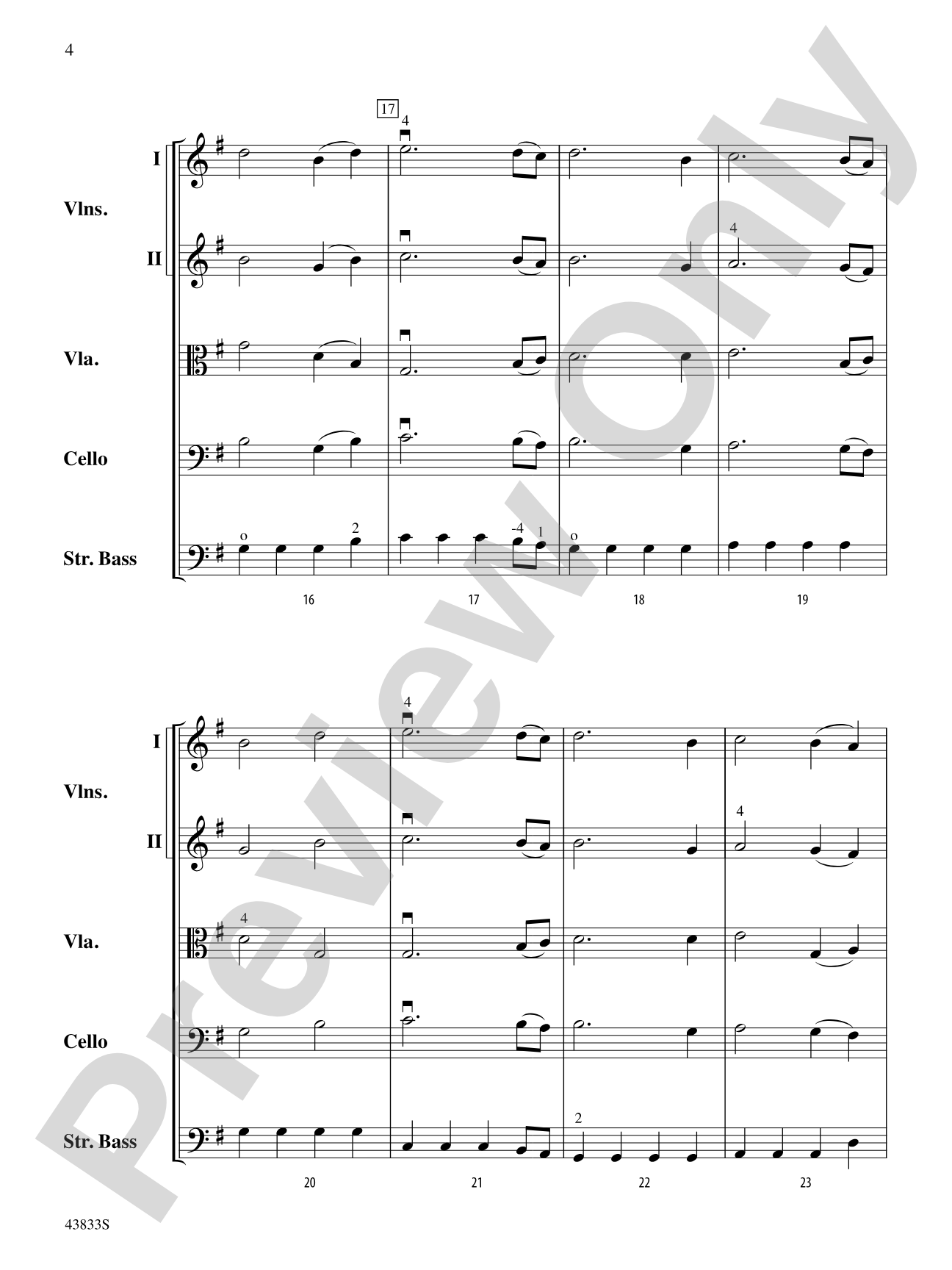
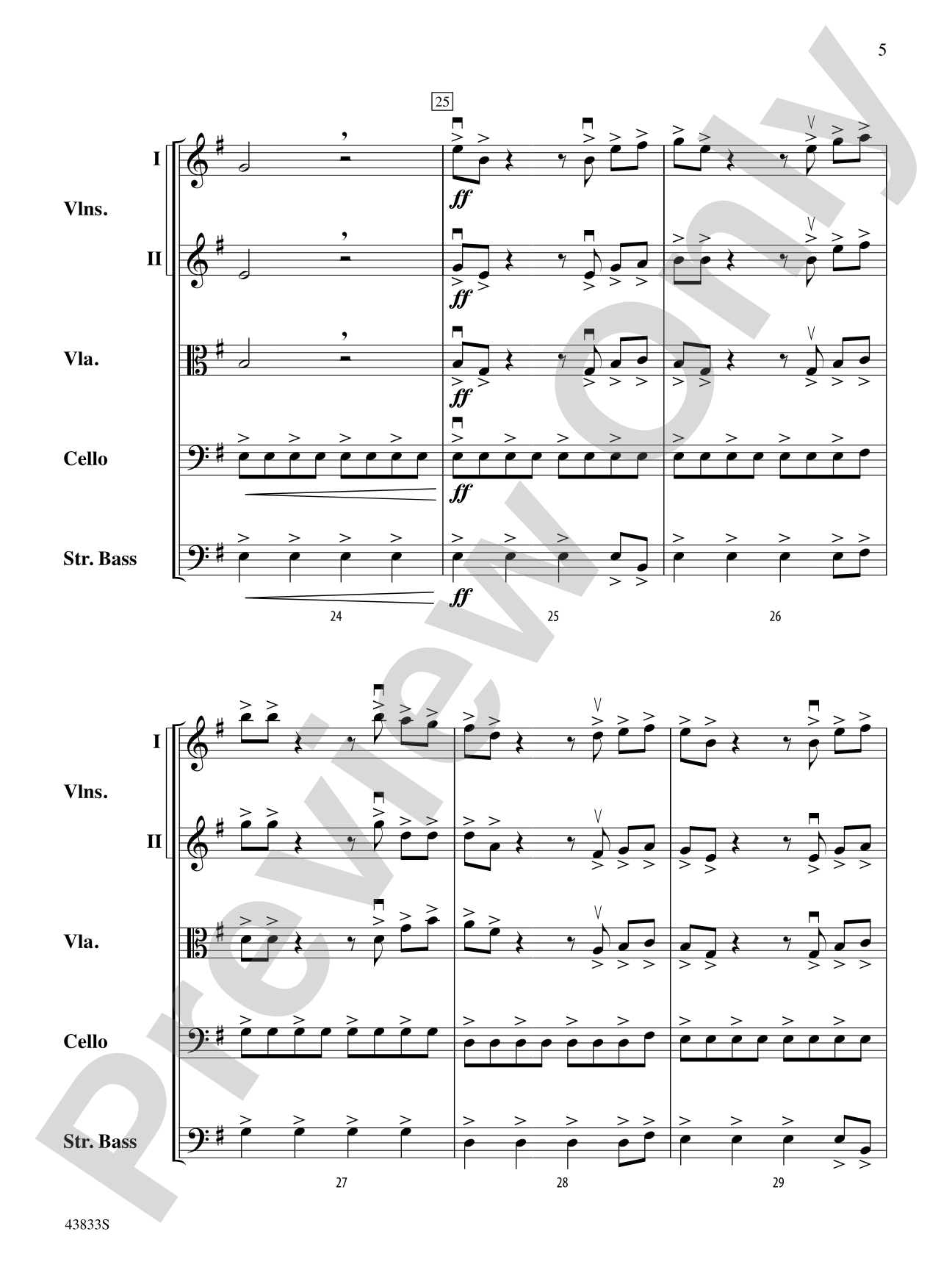
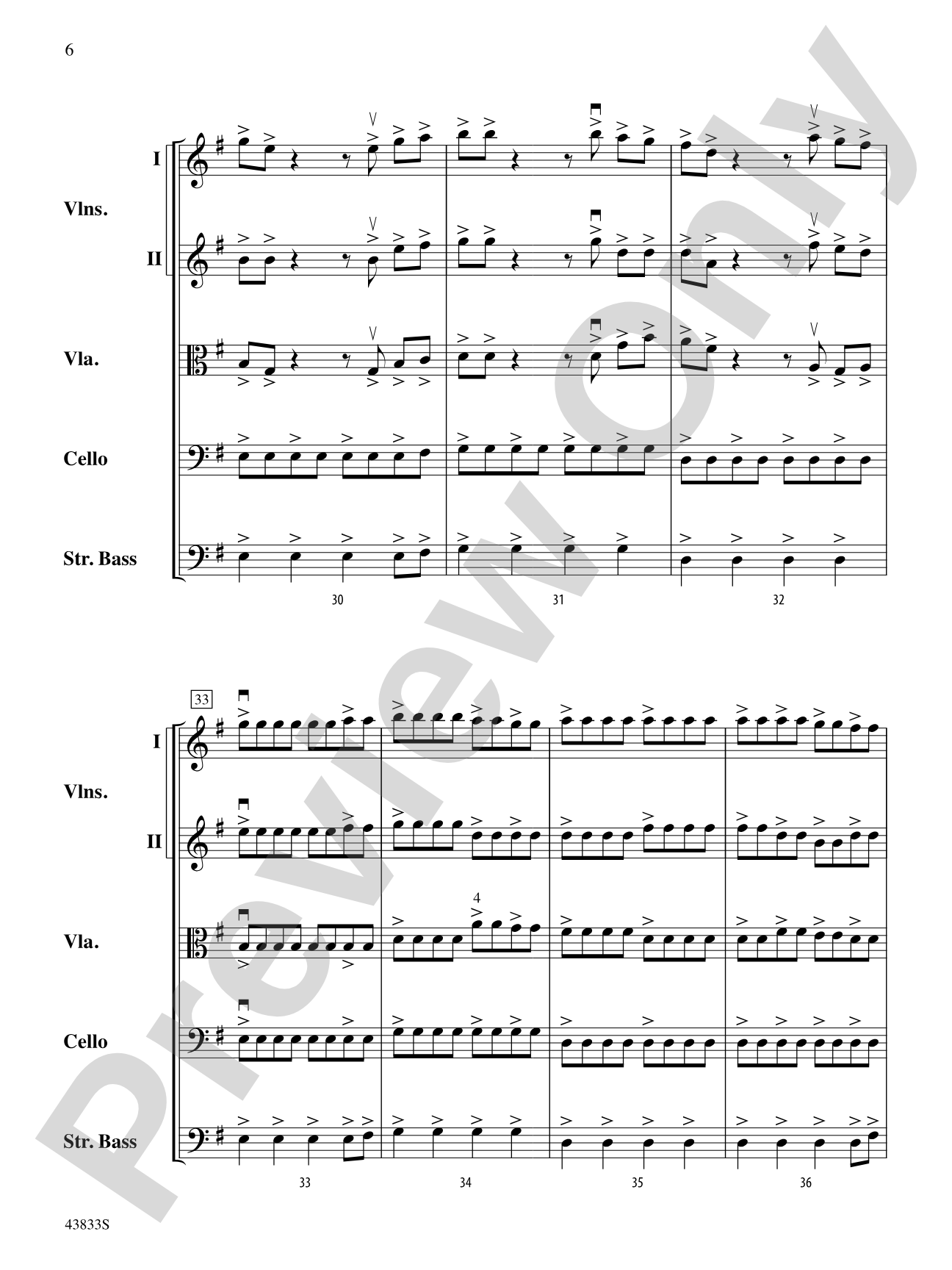
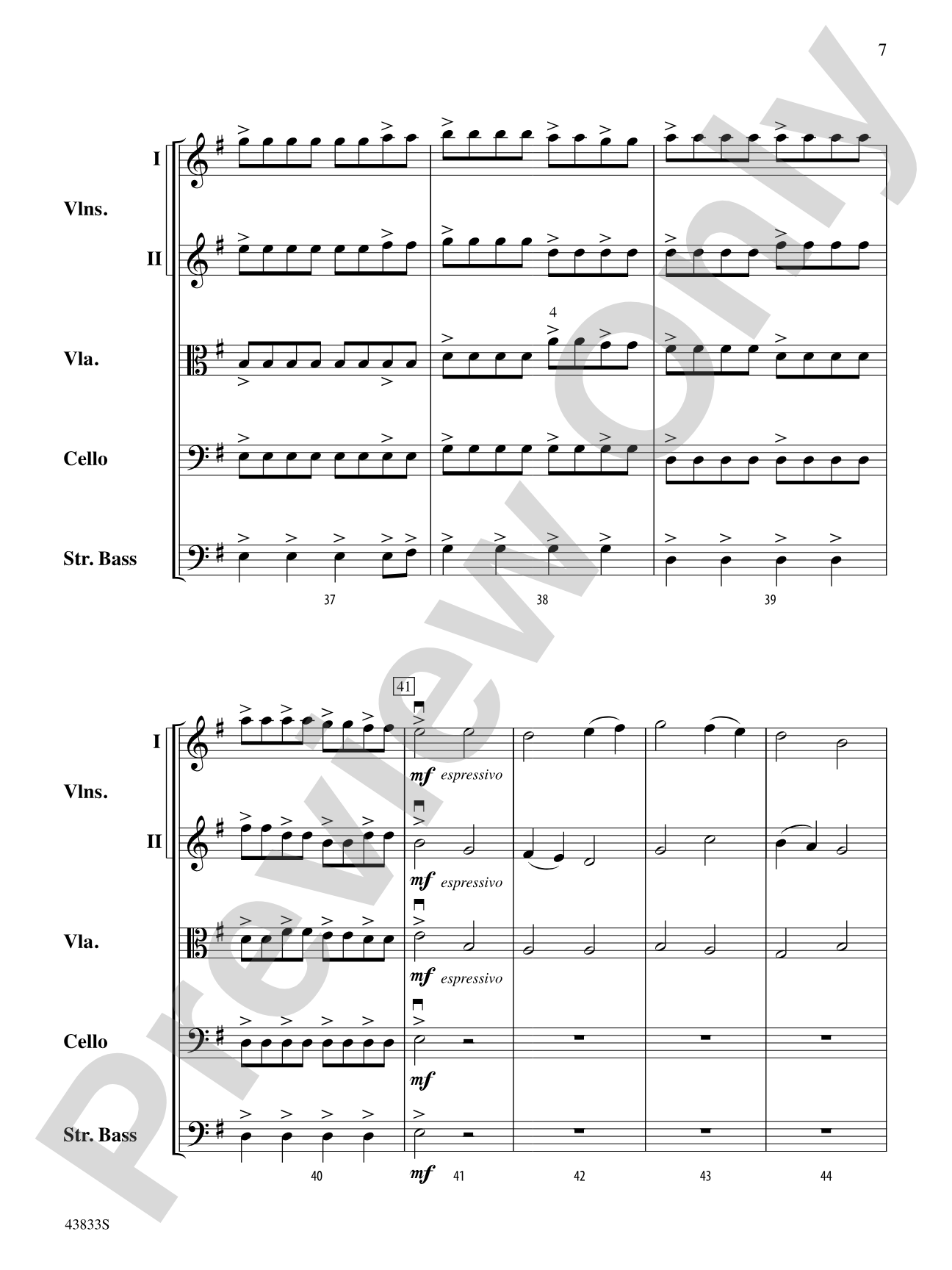
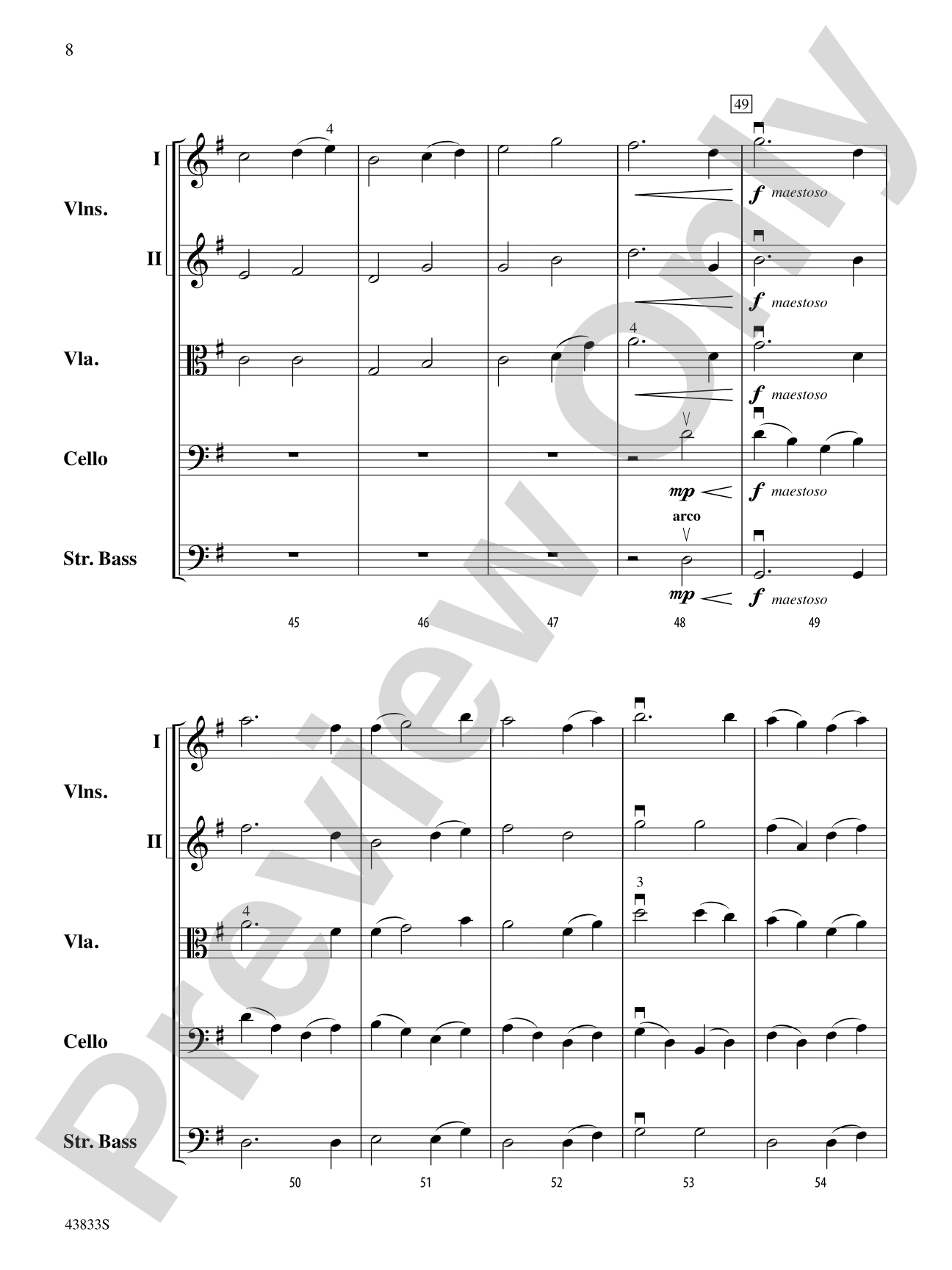
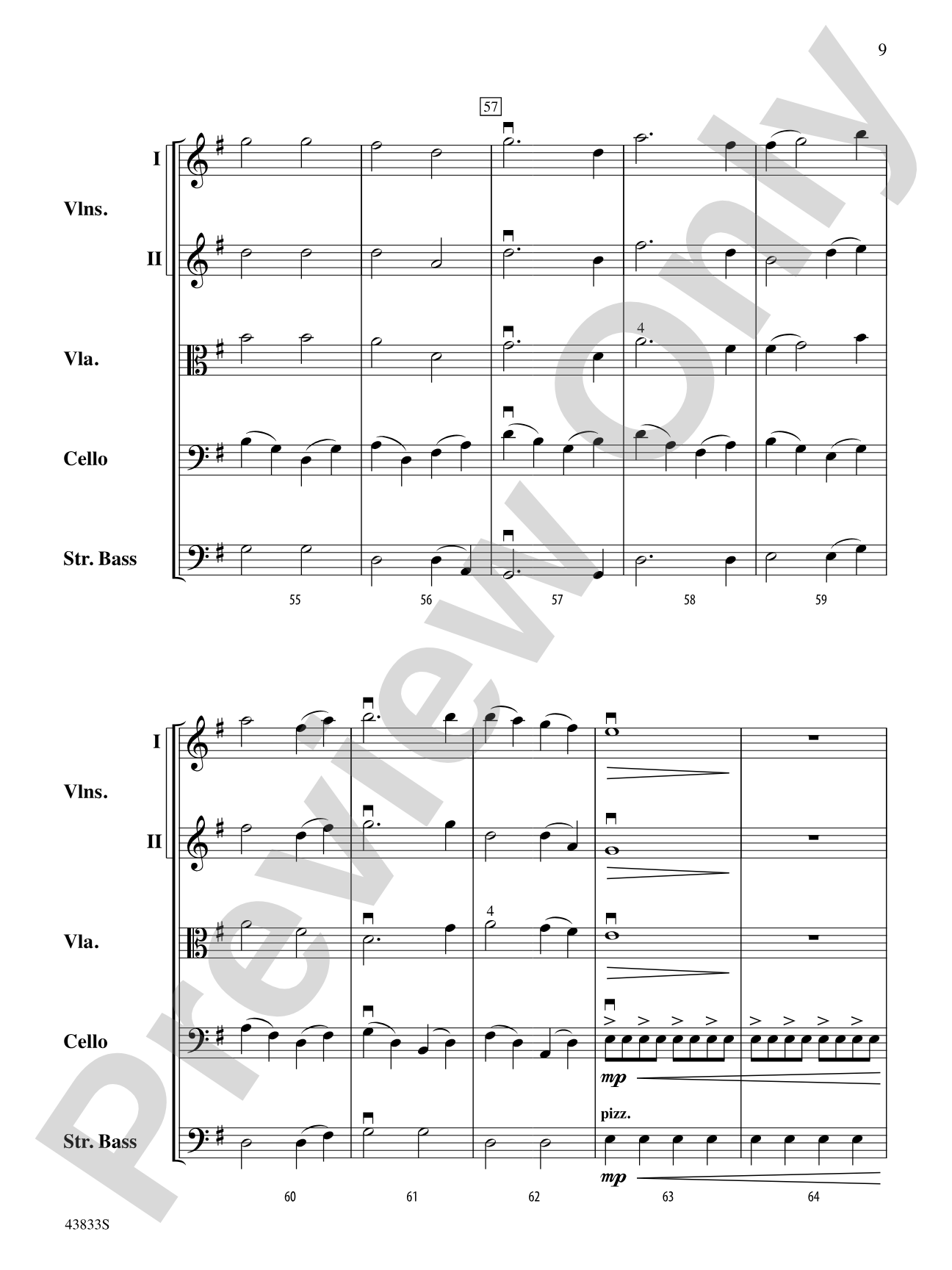
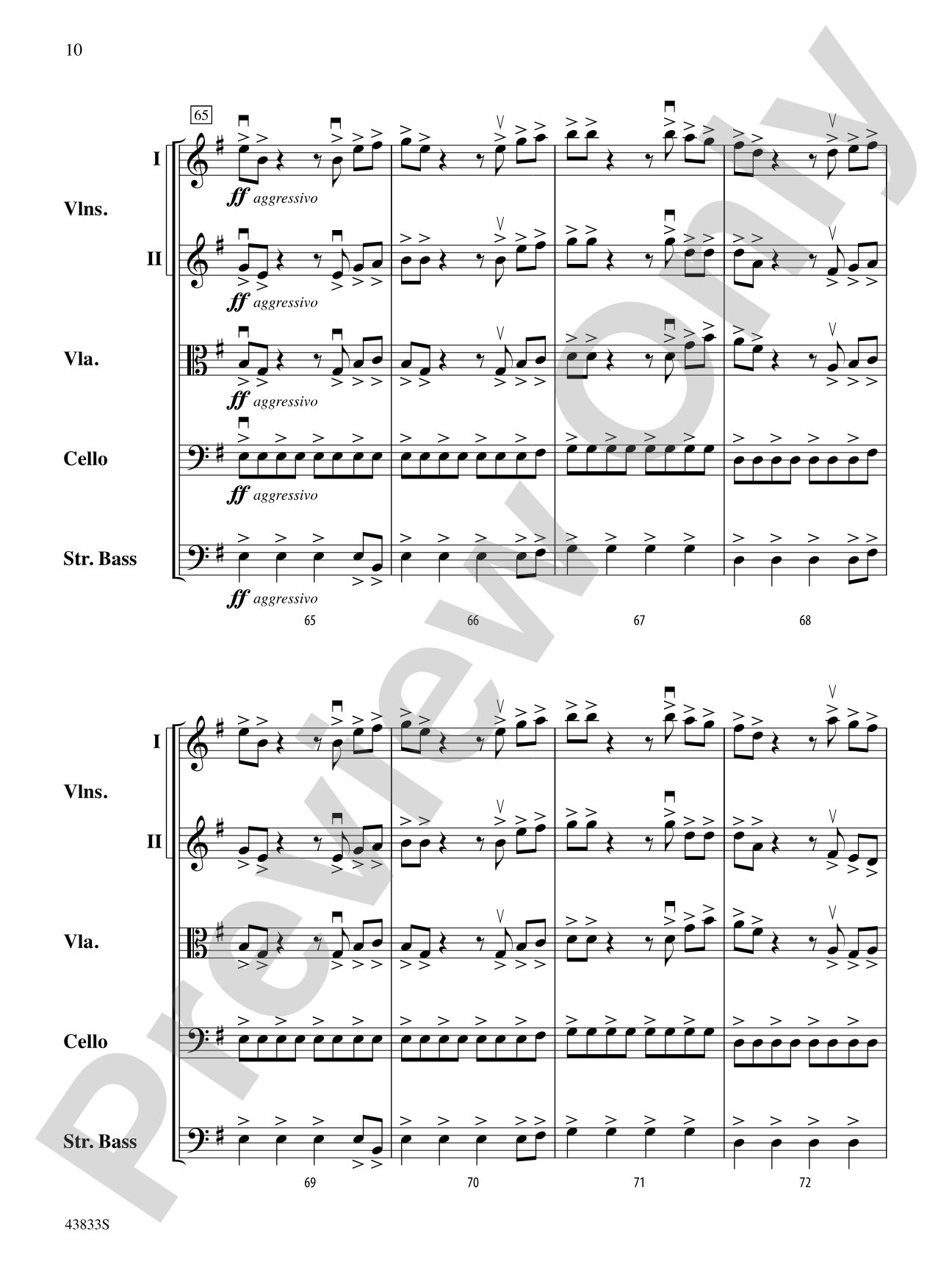
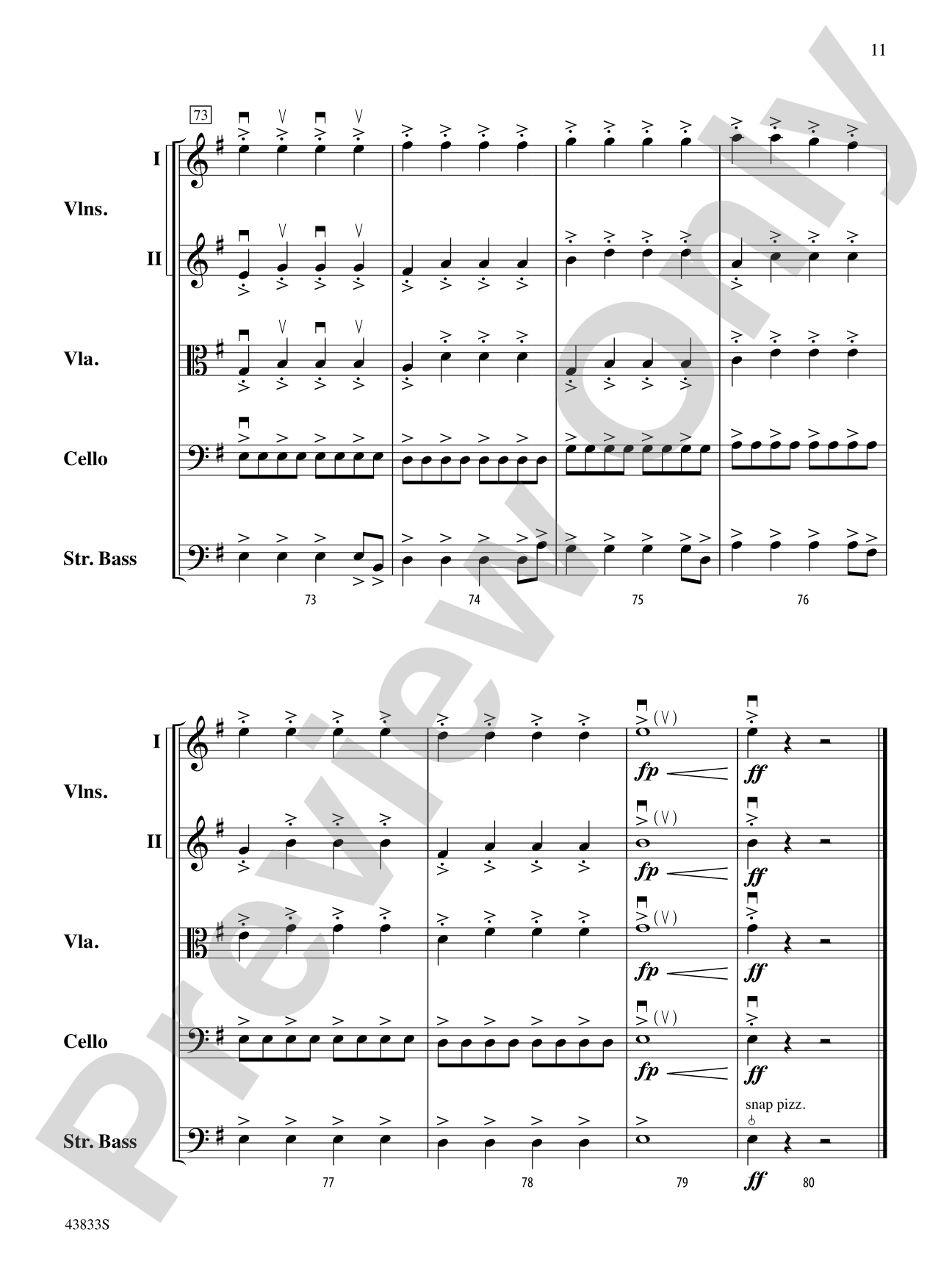
Explore the pirate's code! Set in G major, this piece is full of driving, staccato, dark melodies while including sections of beautiful, legato melodies that will challenge students to change gears. Your land loving young orchestra will beg to play it again and again! (2:20) This title is available in Music Prodigy.


Don't just read it, hear it, play along with it, and watch your students grow with it. In MakeMusic Cloud, Pirate's Code: String Orchestra Conductor Score & Parts comes alive with professional accompaniment, adjustable tempo, and built-in practice tools that turn solo practice into real progress.
Open in the Player
Jump straight in and assign it today.
Start Your Free Trial
Open this title and explore the full library in minutes.
Sample Audio
1
Audio File
--:--
0:00
0:00
Sample Video
No sample videos found.
Additional Details
Series:
Highland/Etling String Orchestra
Publisher:
Alfred Music
Page Count:
124
SKU:
00-PK-0006682
More about this title
About the Composer: Steven J. Campbell
Steven J. Campbell writes music that speaks directly to young musicians and the teachers who guide them. His compositions balance technical clarity with genuine musical substance, creating pieces that students enjoy learning and directors trust will serve their programs well.
Why we love this
Campbell nails the balance between accessibility and genuine musical interest. Grade 2 orchestras rarely get repertoire that demands real interpretive choices, but this piece requires students to make a convincing shift between aggressive, staccato writing and tender legato passages. The programmatic hook makes it memorable enough for audiences while the musical demands keep rehearsals engaging.
What to expect
Swashbuckling energy collides with moments of genuine beauty. The piece captures the double life of piracy: scheming and menacing one moment, then contemplative and vulnerable the next. Students get to inhabit these two worlds in quick succession.
Who it's for
Grade 2 string orchestras ready to handle contrasting musical characters within a single piece. This works for orchestras that have solid bow control and can manage both articulated and sustained playing, but doesn't require advanced technique.
How to get the most out of it
- Lock in the rhythmic precision of the staccato sections early. The driving energy depends on articulation clarity, so have the ensemble practice these passages without slurs before adding bow control.
- Shape the legato melodies with clear dynamic arcs. These contrasting sections will feel more impactful if students hear them as genuine moments of reflection rather than just slower material.
- Use the tempo marking to anchor the piece's two characters. If the staccato sections feel rushed, the transitions to legato become jarring instead of dramatic.
- Balance the accompaniment textures in the legato sections so the melody sings through. Young orchestras often cover the line when playing softly, so isolate and rehearse the supporting parts separately.
How to use it
Program this for a family concert or young people's concert where you want something visually engaging and easy for audiences to follow. The programmatic title and dramatic contrast make it ideal for opening a concert or bridging between heavier classical pieces and lighter fare. The 2:20 length also works well in festival competition sets.
Skills your students will build
- Dynamic contrast between staccato and legato articulation styles
- Tempo consistency through contrasting sections
- Melody and accompaniment balance in legato textures
- Rhythmic precision in syncopated driving sections