
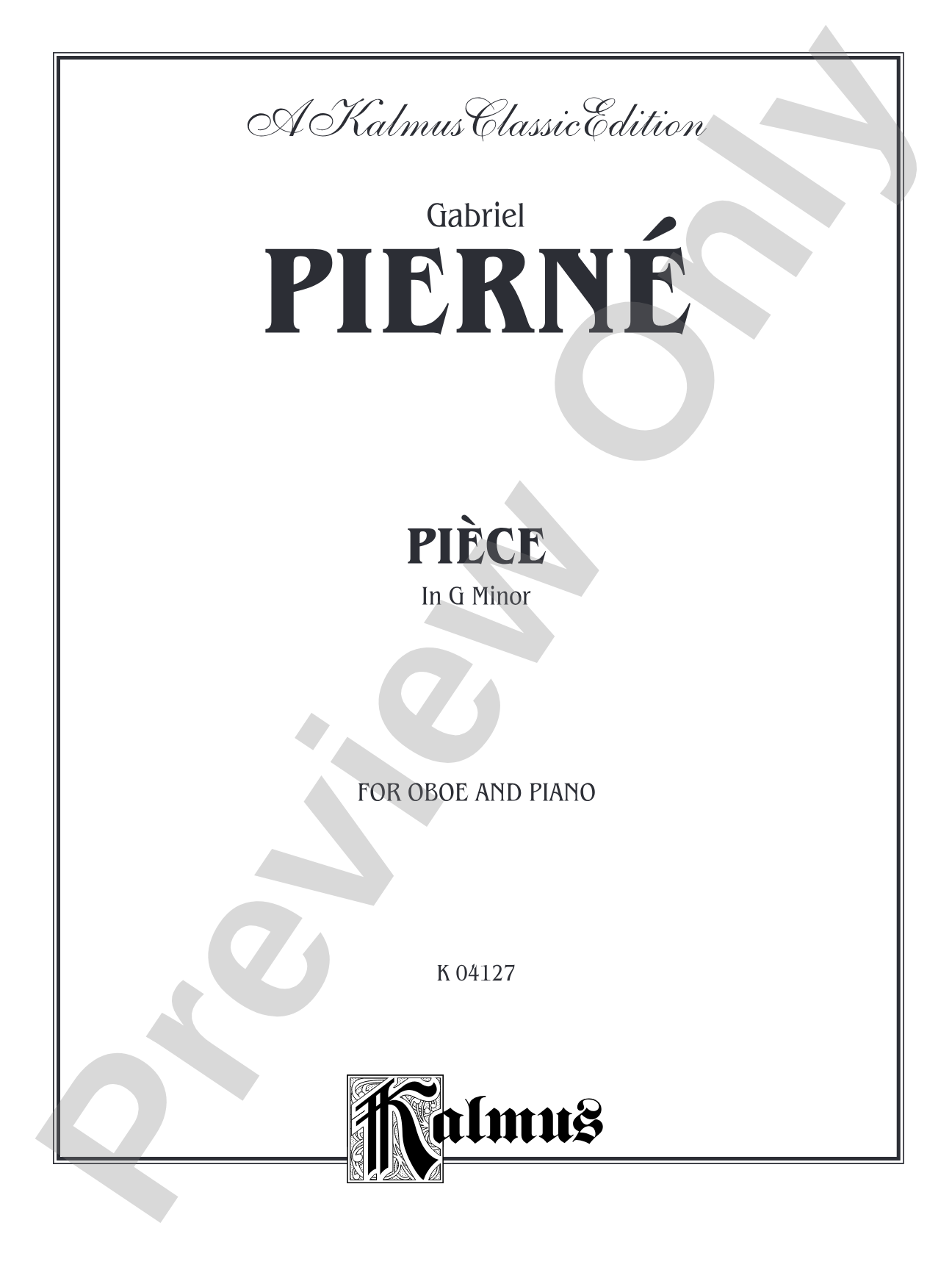

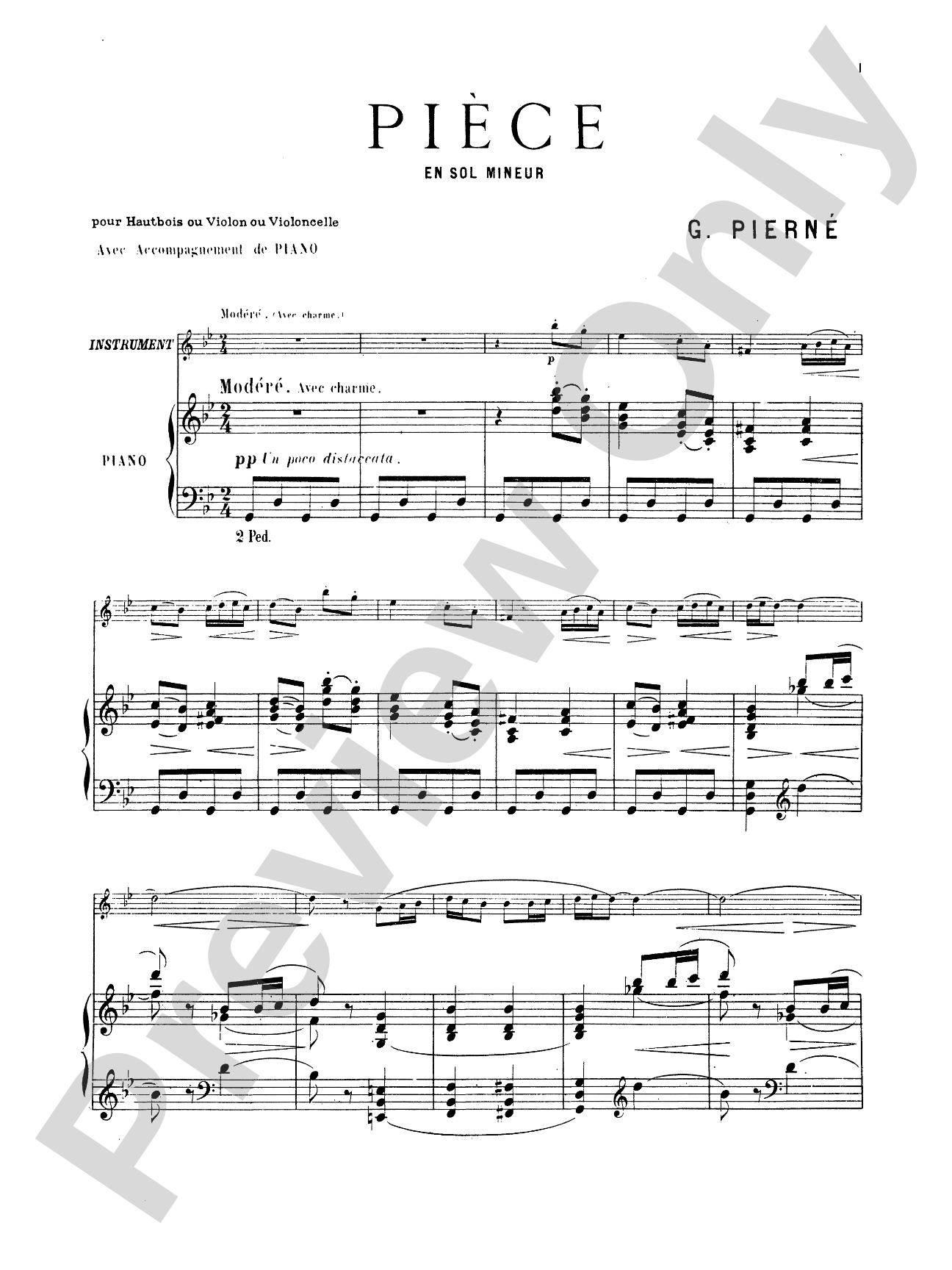
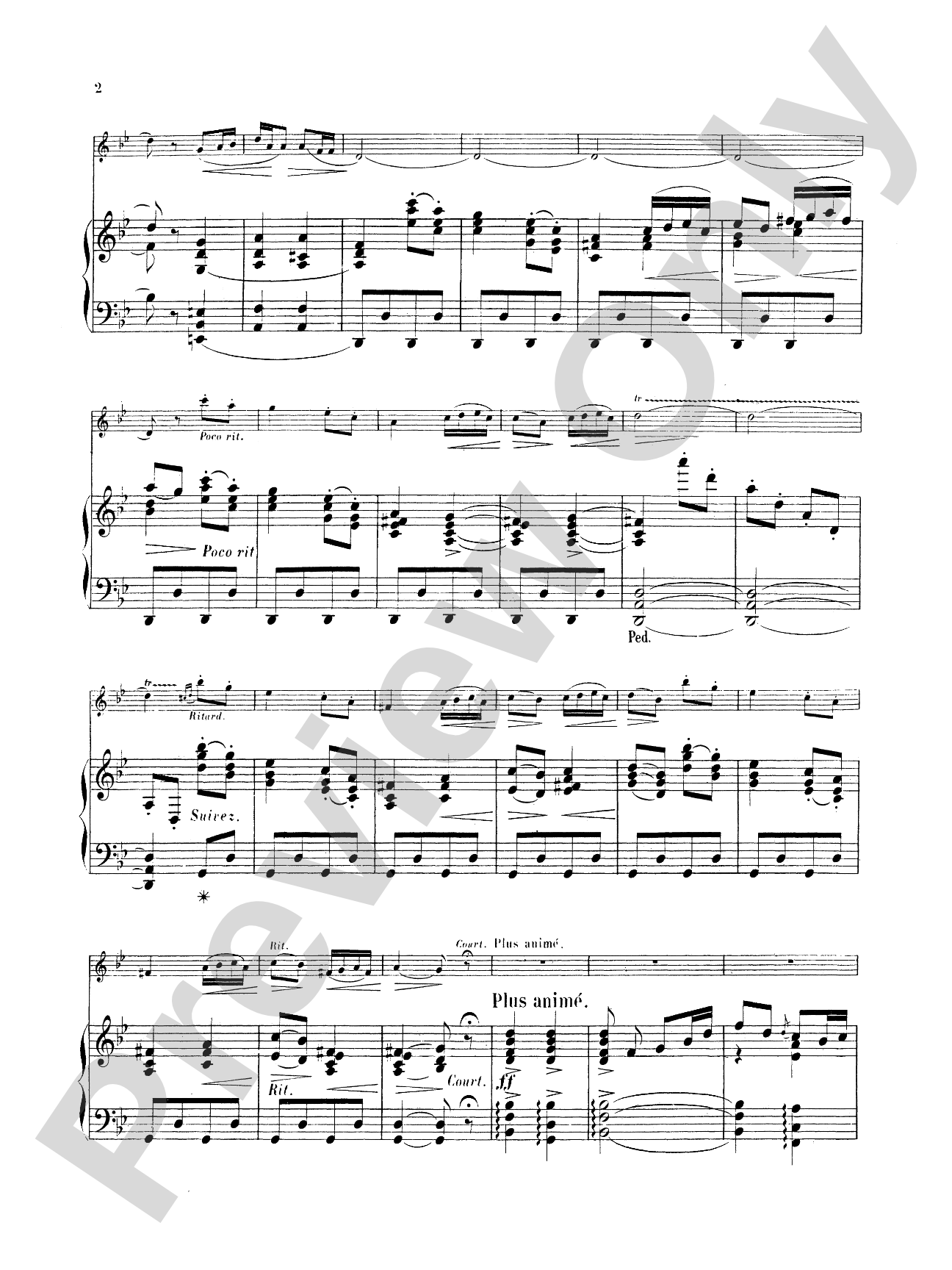
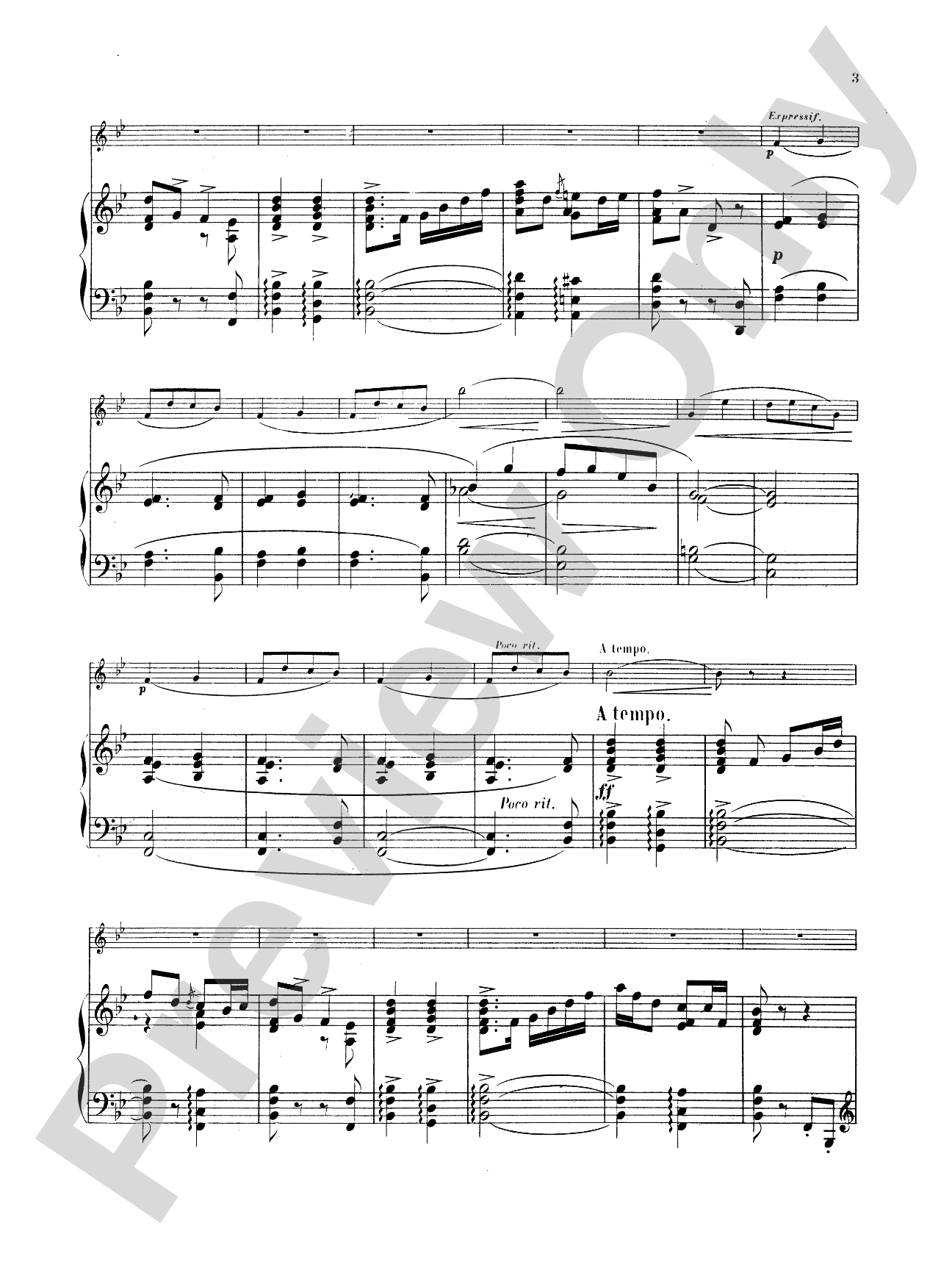
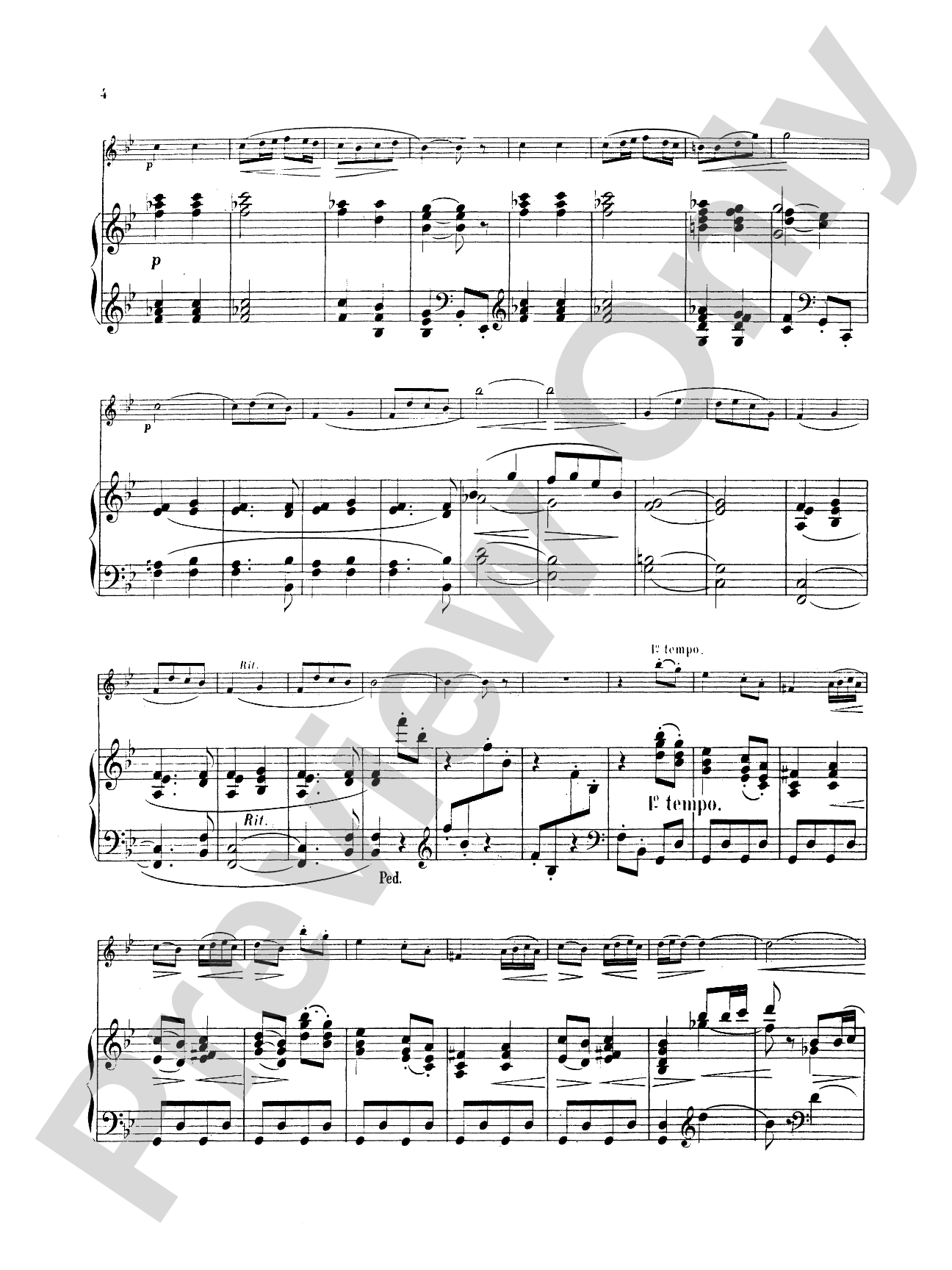
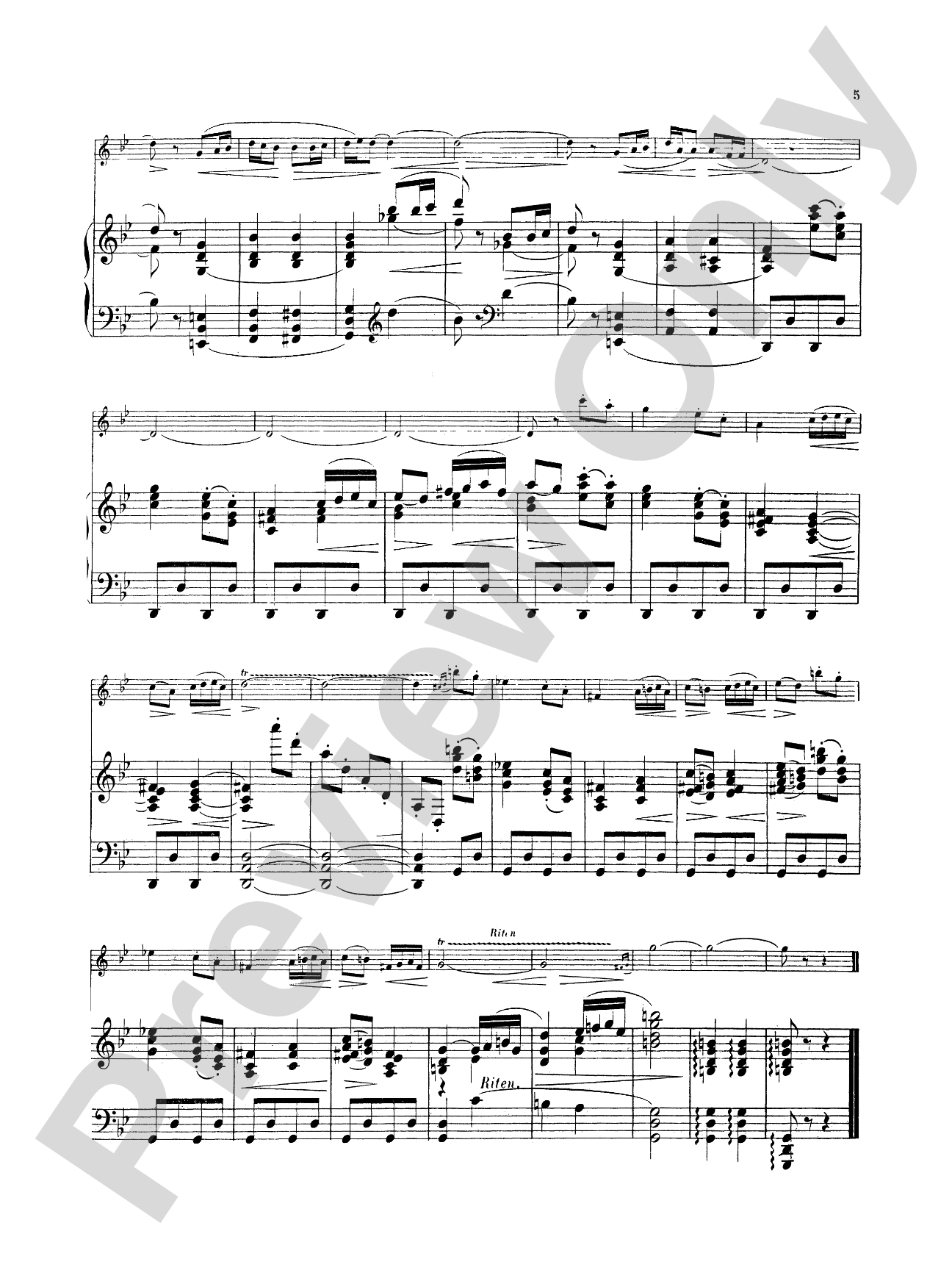


Pierné: Pièce in G Minor: Oboe Part(s)
By Gabriel Pierné
Item: 00-PK-0003422

$7.99
Pickup currently not available
Parts Added to Cart!
Related Items
Piece in G Minor: Oboe Part(s) |
$7.95
|
View |
Description
An Oboe solo, composed by Gabriel Pierné.


Don't just read it, hear it, play along with it, and watch your students grow with it. In MakeMusic Cloud, Pierné: Pièce in G Minor: Oboe Part(s) comes alive with professional accompaniment, adjustable tempo, and built-in practice tools that turn solo practice into real progress.
Open in the Player
Jump straight in and assign it today.
Start Your Free Trial
Open this title and explore the full library in minutes.
Sample Audio
No sample audio found.
Sample Video
No sample videos found.
Additional Details
Series:
Kalmus Edition
Publisher:
Alfred Music
Page Count:
12
SKU:
00-PK-0003422
More about this title
About the Composer: Gabriel Pierné
Gabriel Pierné (1863-1937) was a French composer, conductor, and organist whose career spanned the late Romantic and early 20th-century periods. He studied at the Paris Conservatoire and went on to become a prominent figure in French musical life, serving as conductor of the Colonne Orchestra and composing works across multiple genres including operas, ballets, chamber music, and orchestral pieces. His writing for solo instruments reveals a lyrical sensibility and technical sophistication that made him a respected voice in European concert music.
Pierné's instrumental works remain valuable additions to the solo repertoire, particularly for wind players. His pieces balance accessibility with genuine musical substance, offering performers the chance to explore Romantic-era compositional techniques without requiring virtuosic extremes. The Pièce in G Minor exemplifies his gift for writing idiomatically for individual instruments while maintaining structural clarity and expressive depth.
Why we love this
This piece sits in the sweet spot between artistry and achievability. Pierné writes with an understanding of the oboe's lyrical capabilities while respecting its technical range, making it rewarding for advanced students and semi-professional players alike. The work's concert and contest viability means it serves double duty in a recital program or audition portfolio.
What to expect
The piece inhabits the introspective world of G minor with Romantic lyricism. Its character oscillates between tender, song-like passages and moments of subtle intensity, creating a narrative arc that feels both intimate and assured. The work invites the performer to inhabit a contemplative emotional space while demonstrating clear command of the instrument.
Who it's for
Intermediate to advanced oboe students preparing for recitals, auditions, or festival competitions, as well as semi-professional oboists looking to expand their solo repertoire. Teachers seeking a substantial yet manageable piece that develops both technical and interpretive maturity will find this work particularly useful.
How to get the most out of it
- Shape the longer melodic lines with careful attention to phrase architecture; Pierné's Romantic sensibility rewards singers who think in terms of large gestures rather than note-by-note playing.
- Balance technical clarity in passage work with the warmth of tone required for the lyrical sections, especially in G minor's natural darker coloring.
- Use the key signature's expressive potential; the three flats should inform your interpretation of character, allowing you to explore the introspective and occasionally dramatic qualities inherent in the material.
How to use it
Position this as a standalone oboe feature in a recital devoted to woodwind literature or Romantic-era character pieces. Its 12-page scope makes it substantial enough to anchor a program section while remaining focused enough to pair with other short works. It also serves as an effective choice for regional or state solo competition festivals.
Skills your students will build
- Sustained legit singing tone across a range of dynamics
- Phrasing and structure in Romantic-era melodic writing
- Control in both lyrical and moderately technical passage work
- Interpretive depth within a single key center and emotional sphere
- Preparation for solo competition and recital contexts