

Pieces Are Fun, Book 3: Piano
By David Hirschberg
Item: 00-PB-0002013
$8.99
Pickup currently not available
Related Items
Pieces Are Fun, Book 3: Piano Book |
$8.99
|
View |
Description
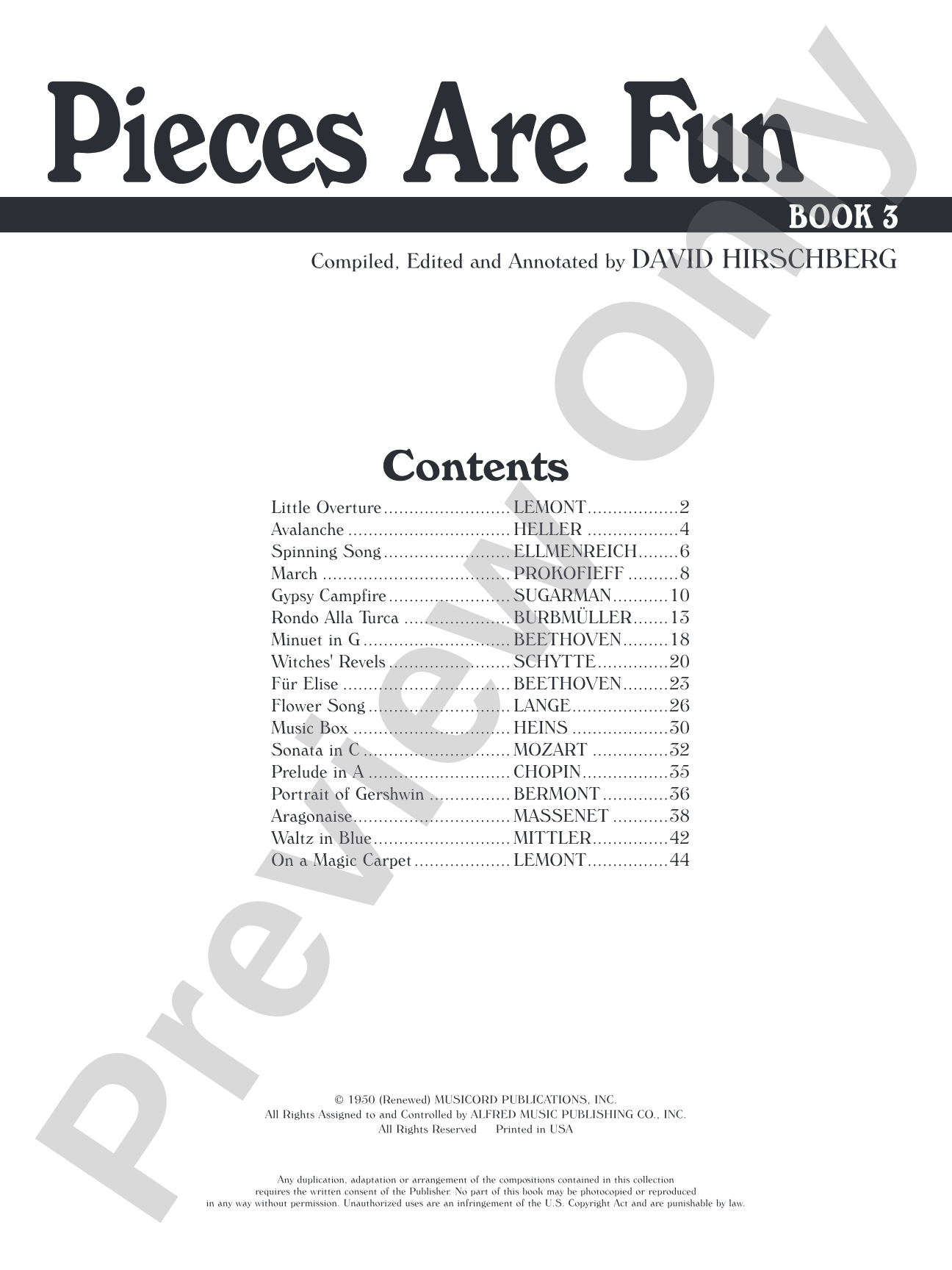
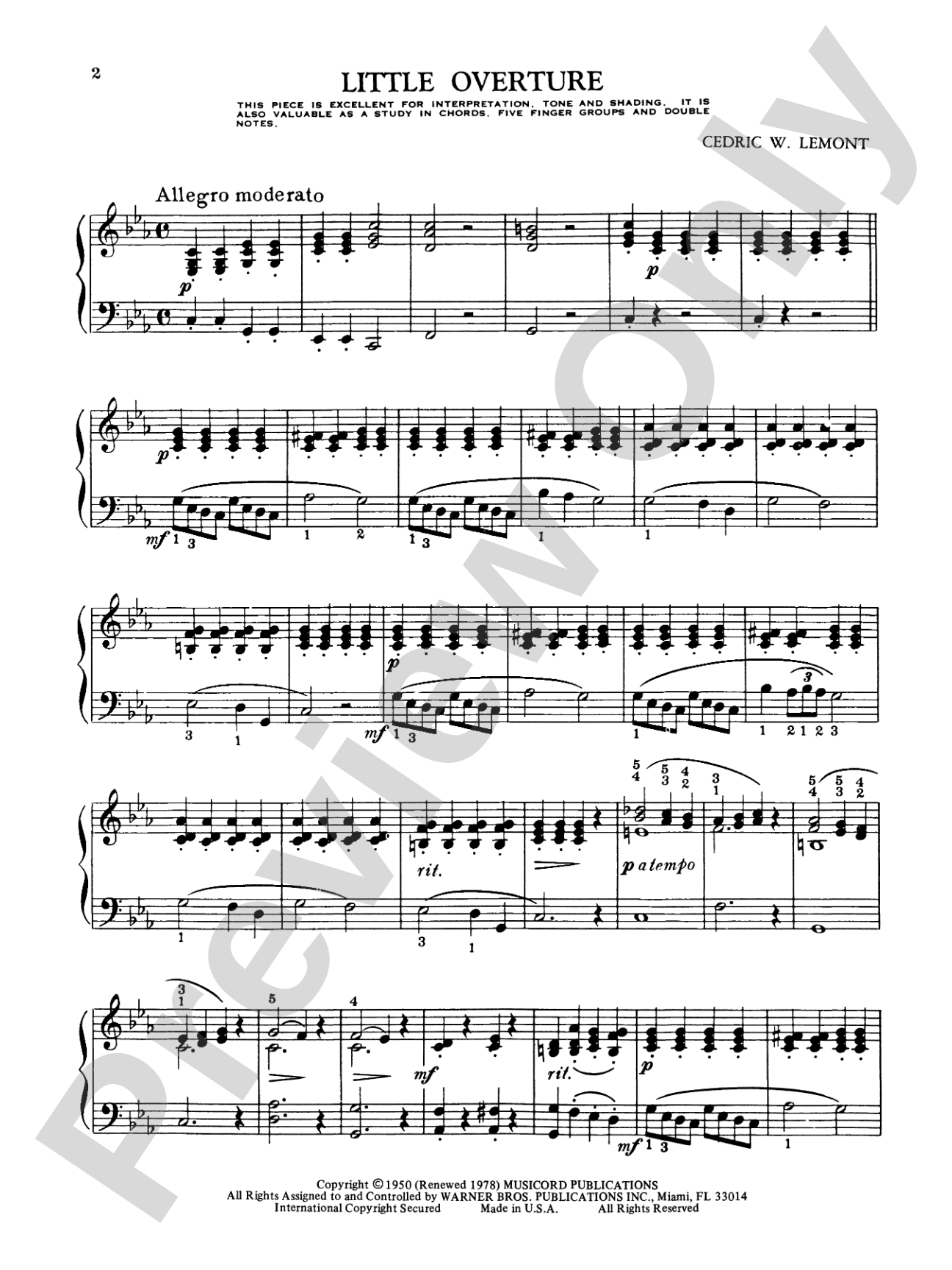
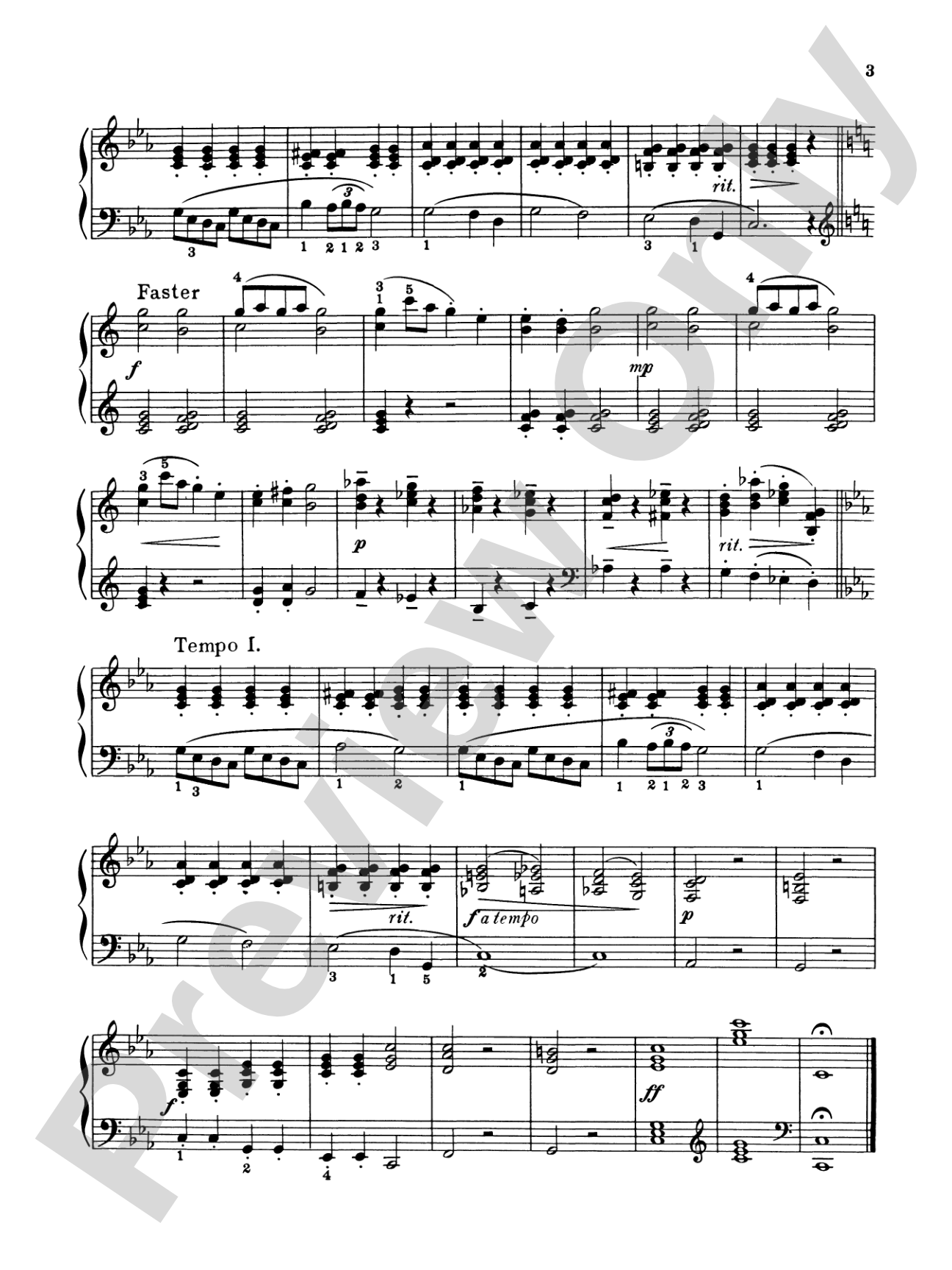
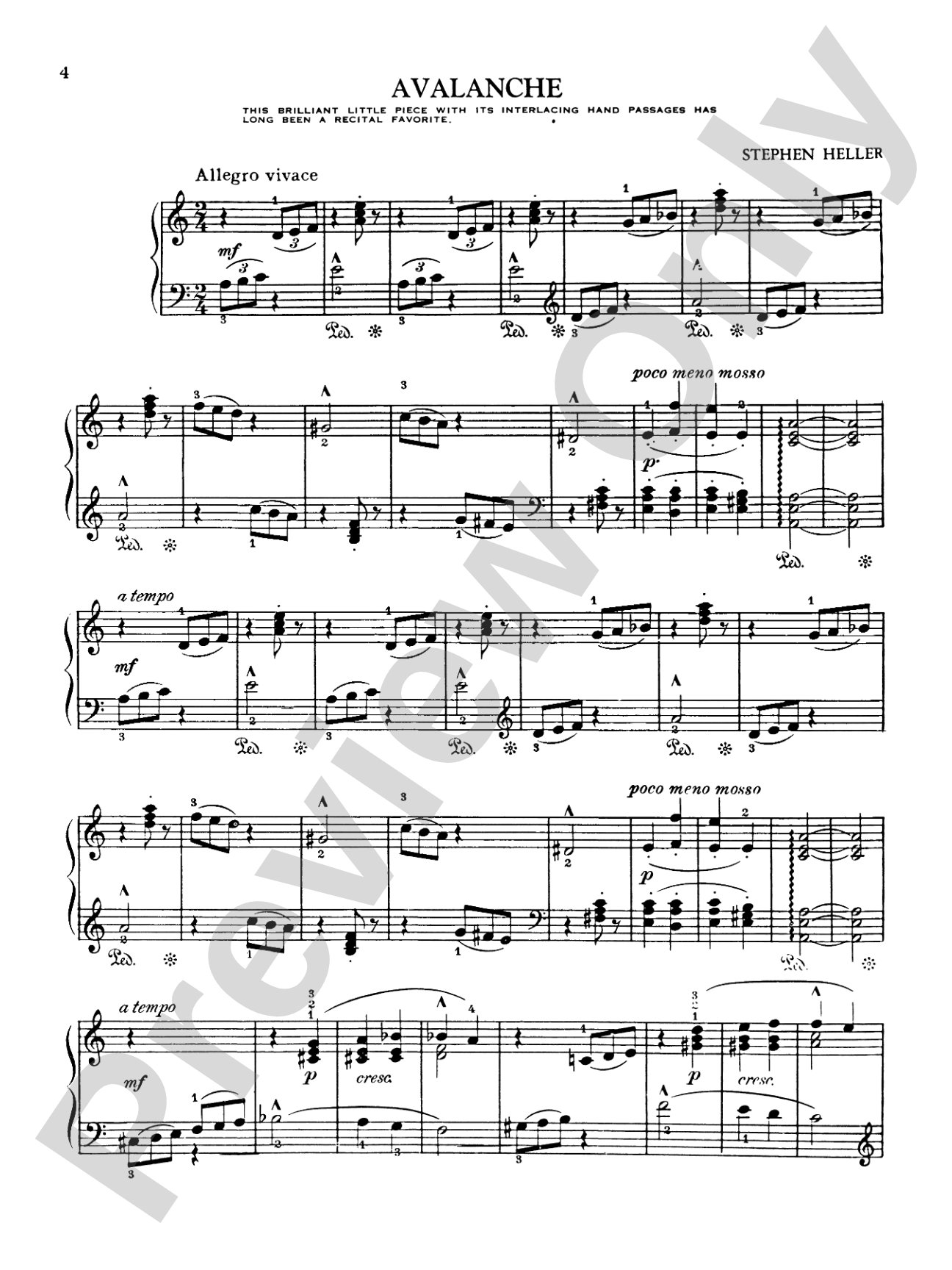
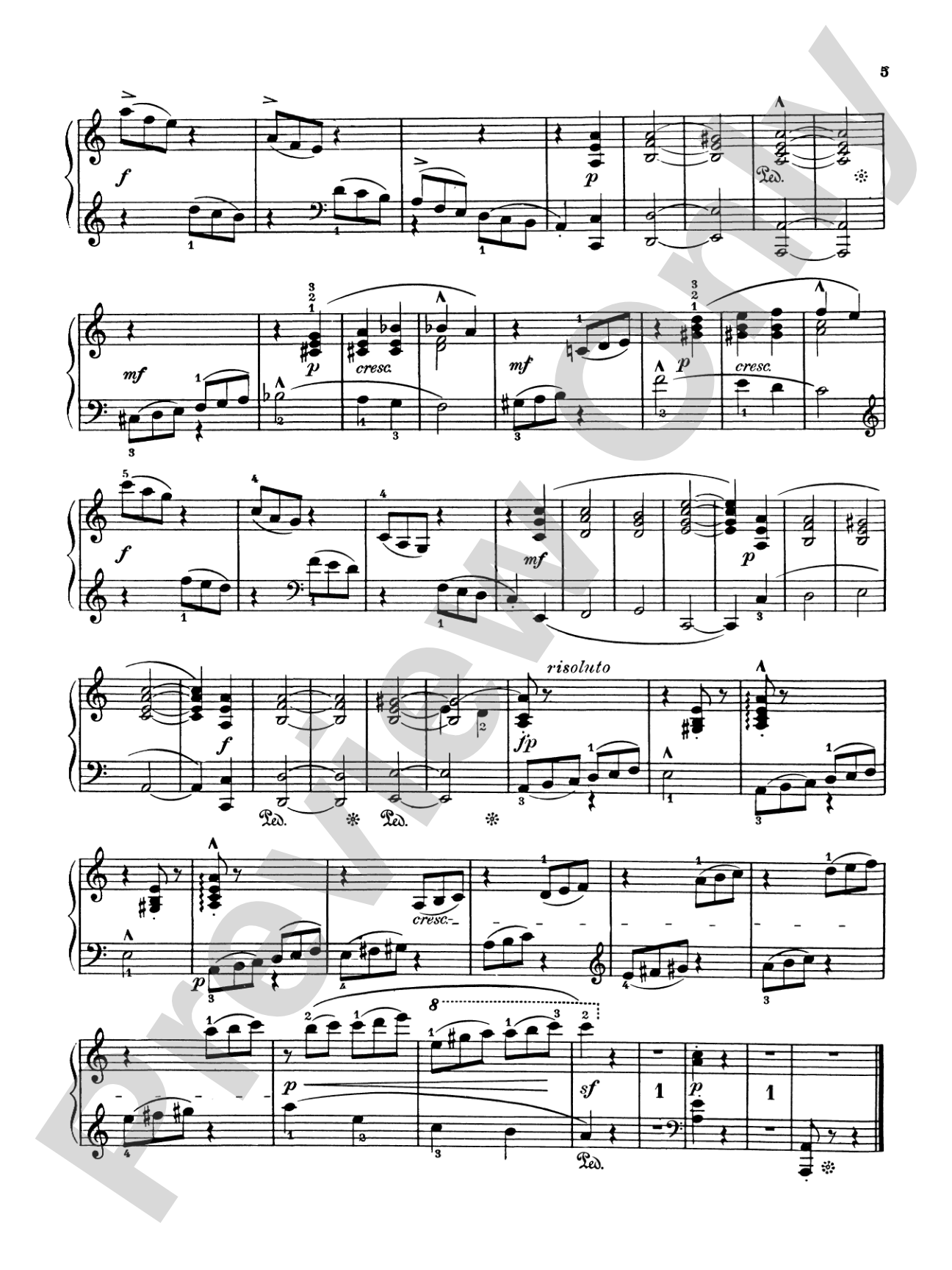
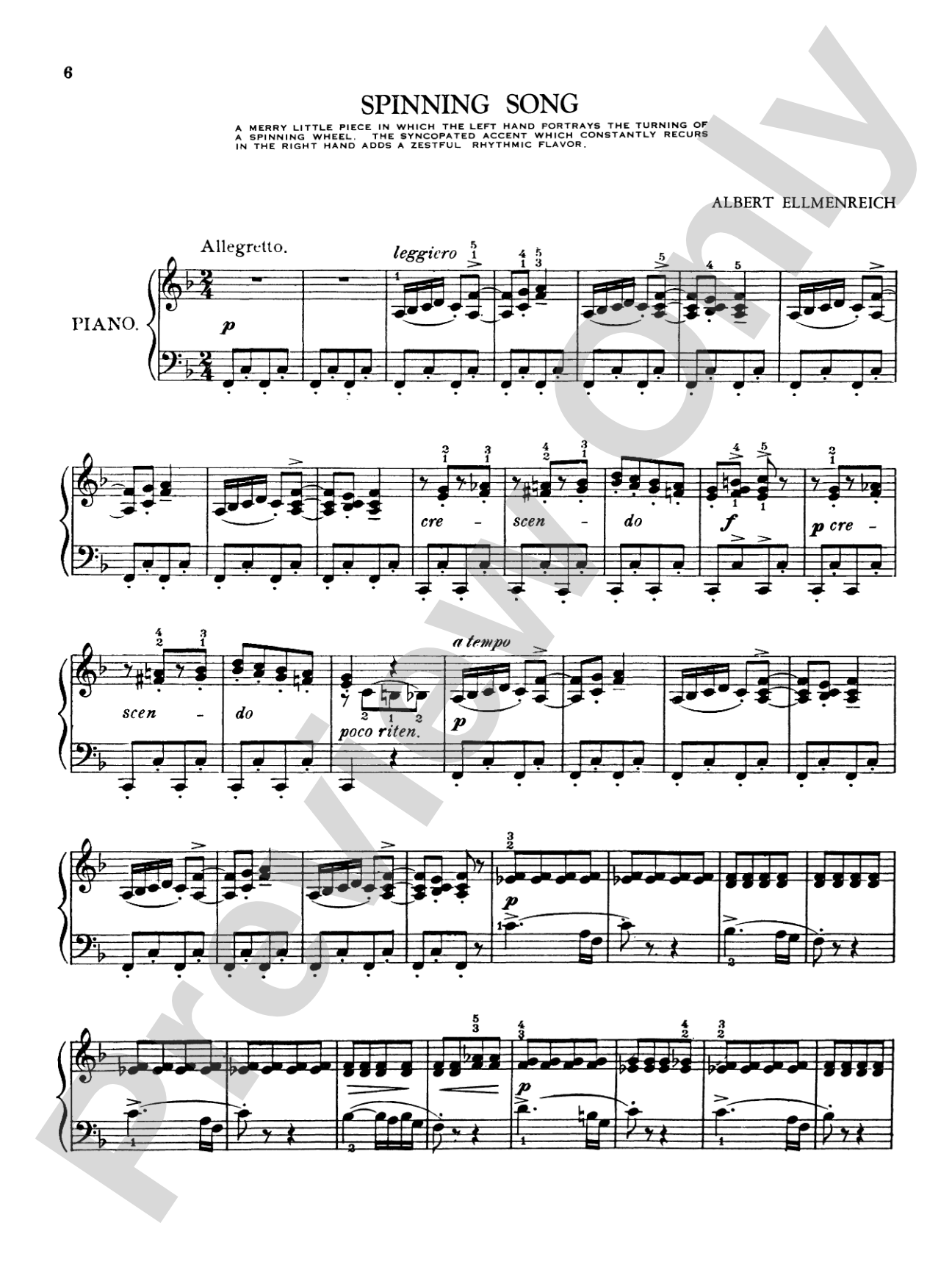
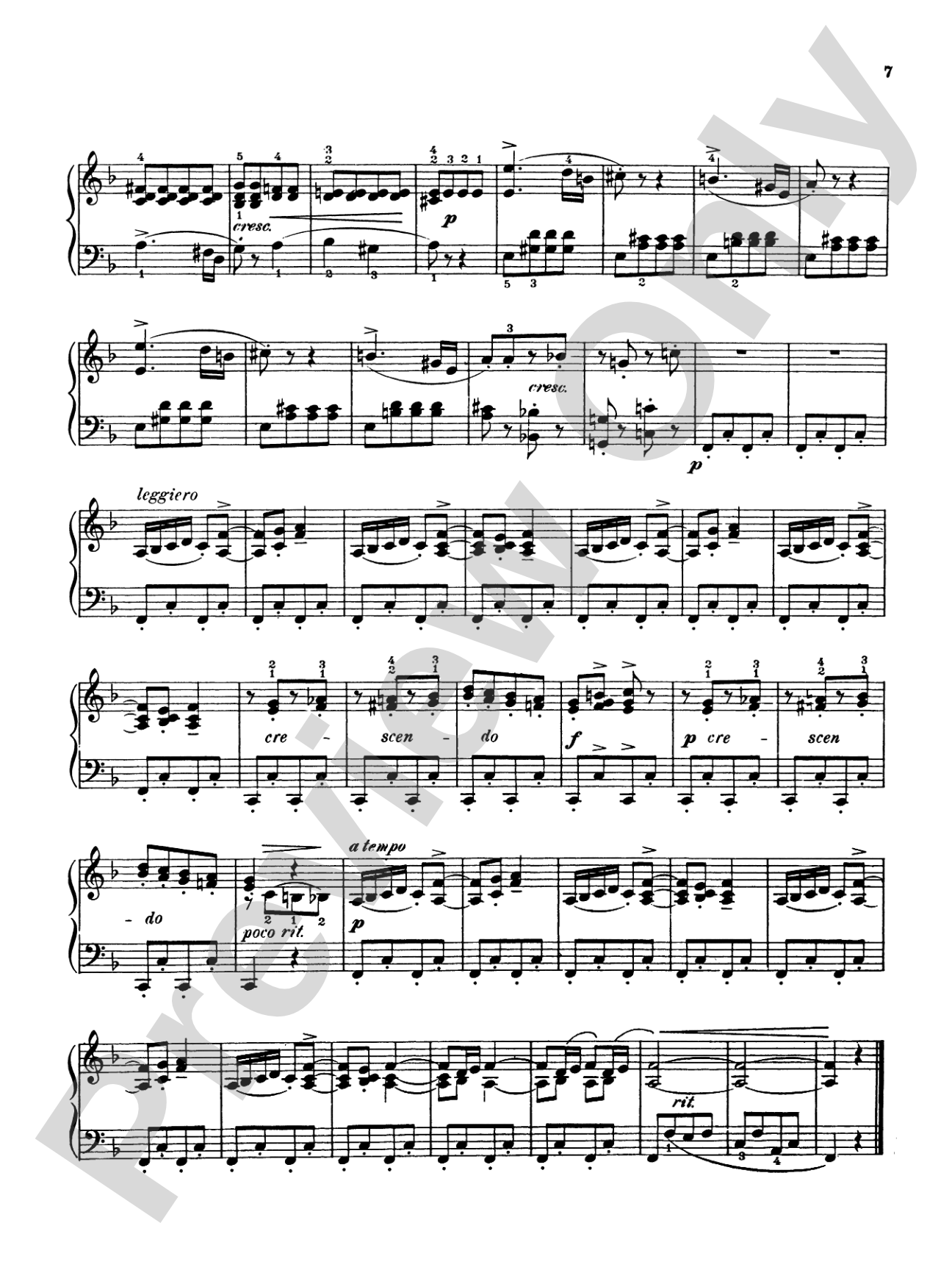
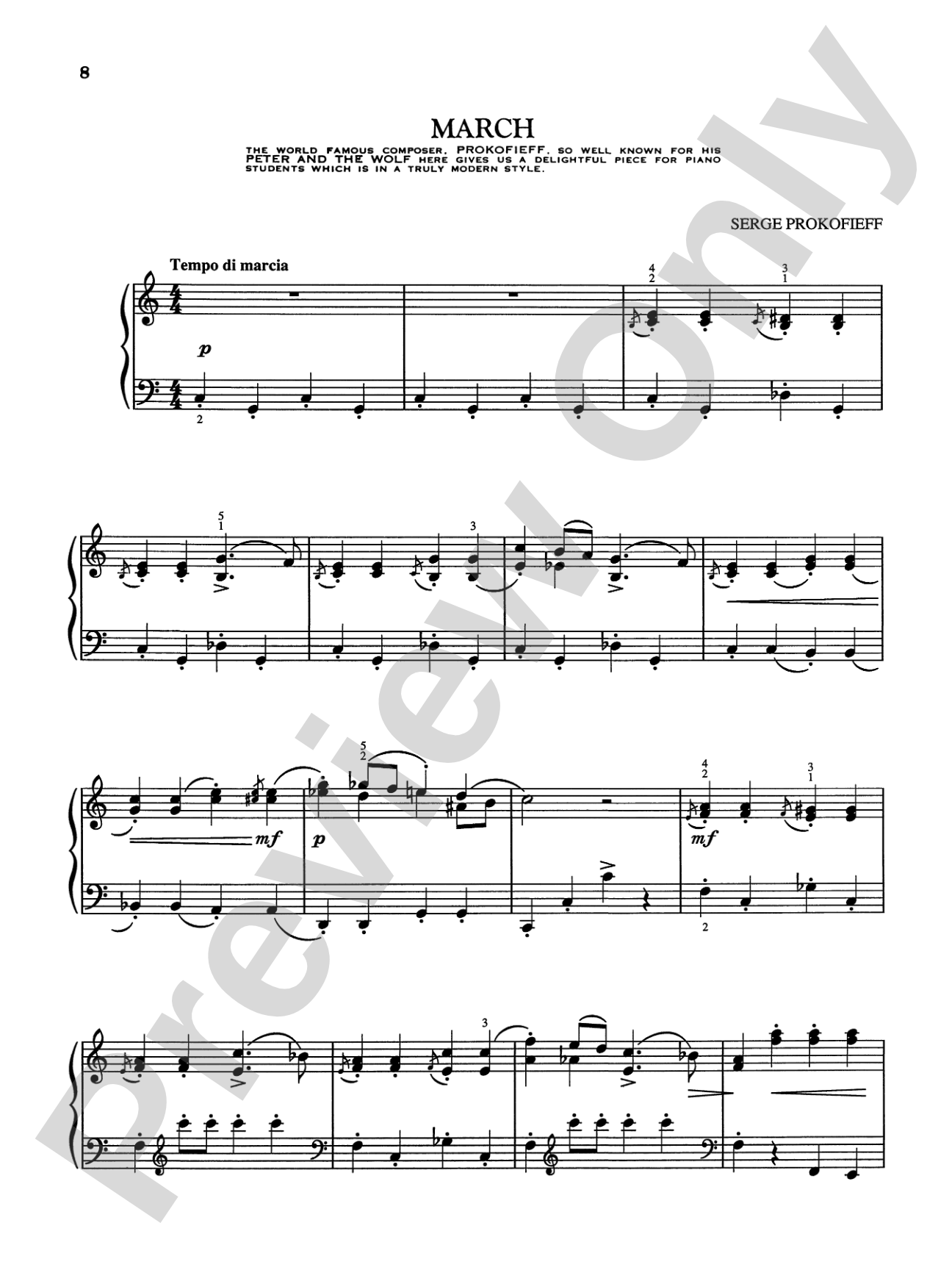
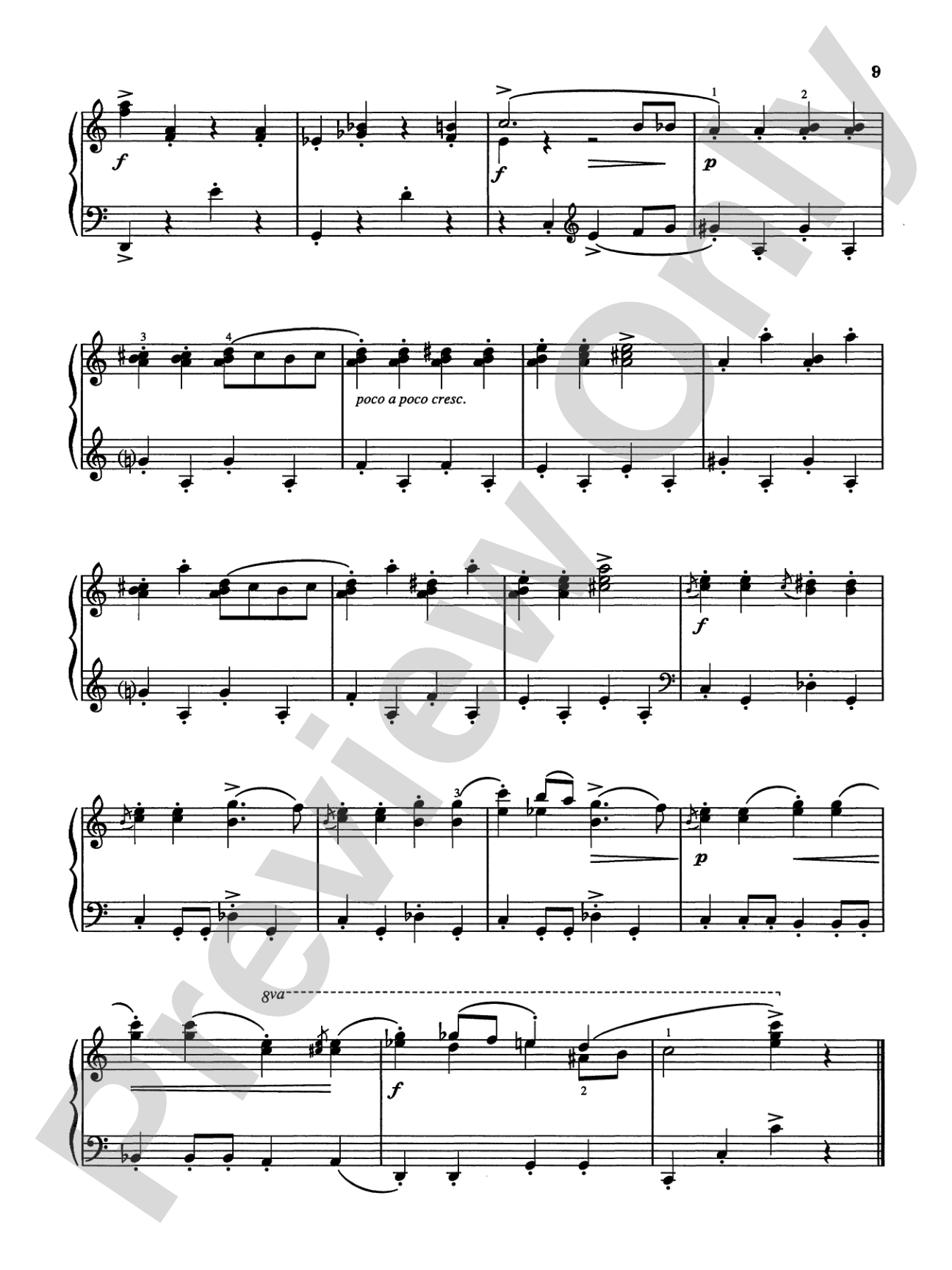
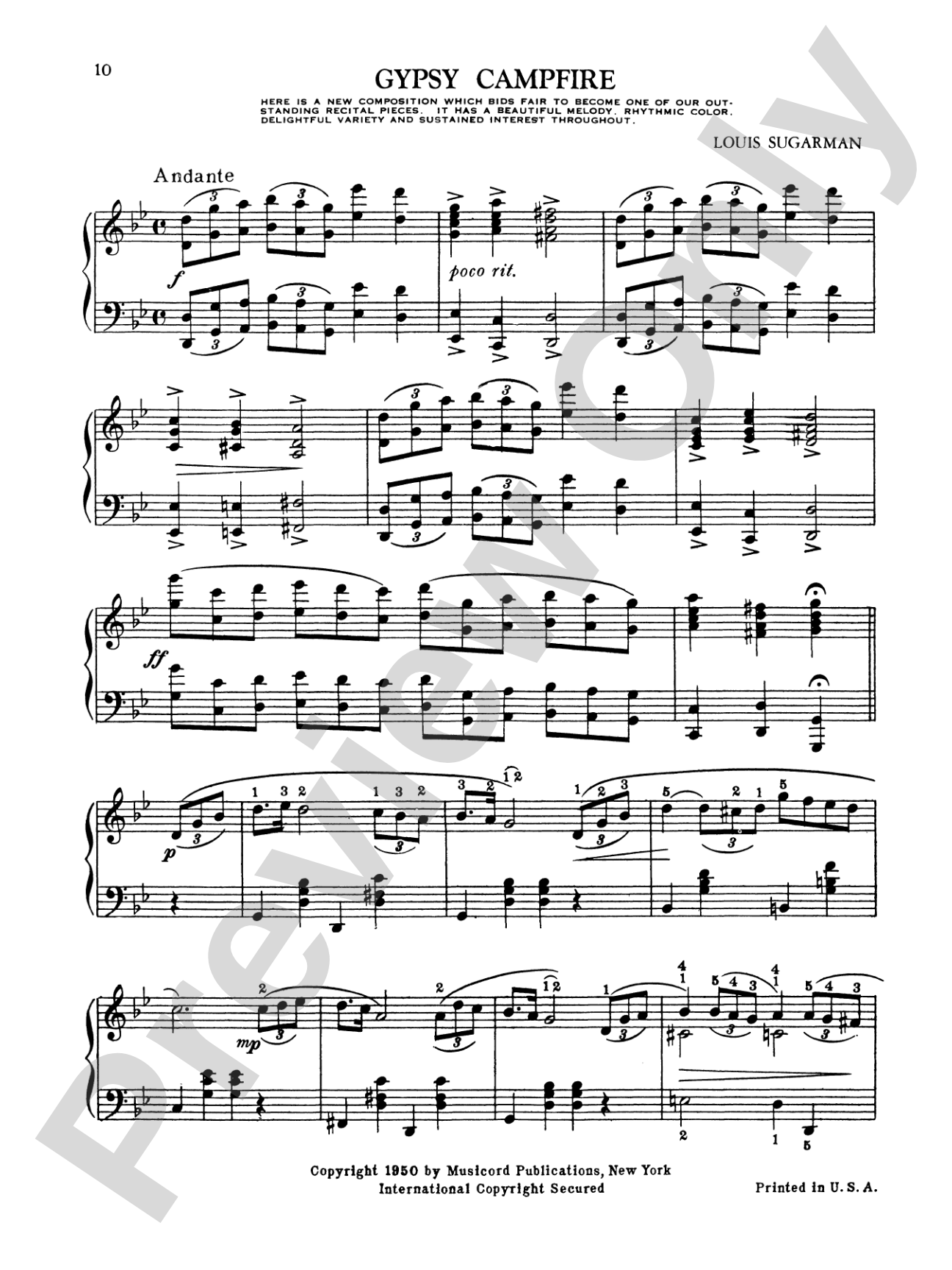
This collection contains a wide variety of styles and periods and should provide an excellent repertoire book for the intermediate to late intermediate student. Contains: Aragonaise (Massenet) * Avalanche (Heller) * Flower Song (Lange) * Fur Elise (Beethoven) * Gypsy Campfire (Sugarman) * Little Overture (Lemont) * March (Prokofieff) * Minuet in G (Beethoven) * Music Box (Heins) * On a Magic Carpet (Lemont) * Portrait of Gershwin (Bermont) * Prelude in A (Chopin) * Ronda Alla Turca (Burgmuller) * Sonata in C (Mozart) * Spinning Song (Ellmenreich) * Waltz in Blue (Mittler) * Witches' Revels (Schytte).


Pieces Are Fun, Book 3: Piano isn't in MakeMusic Cloud just yet...but it could be. Let us know you'd like to see it, and you'll help shape what comes next. In the meantime, start a free trial and dive into thousands of interactive titles your students can play along with today.
Request This Title
Tell us you want it.
Start Your Free Trial
Explore everything that's ready to play right now.
Sample Audio
No sample audio found.
Sample Video
No sample videos found.
Additional Details
Series:
Hirschberg Fun Series
Publisher:
Alfred Music
Page Count:
48
SKU:
00-PB-0002013
More about this title
Why we love this
Hirschberg curated this collection with genuine intelligence about intermediate progression. Rather than padding the book with filler, he paired transcriptions and arrangements of recognizable masterworks with character pieces that challenge without overwhelming, giving students real wins alongside substantive musical study.
What to expect
A tour through musical history without pretension. You'll move between the playfulness of character pieces and the architectural rigor of Mozart and Beethoven, each piece polished enough to perform but honest about the work required to bring it to life.
Who it's for
Intermediate to late intermediate pianists ready to encounter major works without depending on simplified reductions. This book works well for students preparing for recitals or those who benefit from repertoire that balances technical development with musical substance.
How to get the most out of it
- Listen closely to how each piece sits on the keyboard before diving into tempo. The arrangements here respect the original idioms, so understanding what voices carry the melody prevents muddled voicing.
- Treat the Chopin and Beethoven selections with the same interpretive care you would if playing the originals. These aren't simplifications meant to sidestep musicality; they're gateways to understanding those composers' harmonic language.
- Use the variety of styles as a chance to shift your touch between pieces. Moving from the rhythmic drive of the March directly into the lyrical opening of Fur Elise requires real tonal awareness.
How to use it
Draw single pieces for student recitals at various points in the year; the collection's breadth means you can always find something that fits the concert theme or the student's current technical focus. Alternatively, work through several pieces sequentially to build interpretive range and expose students to essential repertoire.
Skills your students will build
- Reading and interpreting varied harmonic language across Classical, Romantic, and contemporary styles
- Hand independence and voice leading through multi-part textures
- Dynamic control and tonal shaping suited to character pieces and transcribed orchestral material
- Tempo and rhythmic precision in pieces ranging from lyrical to rhythmically driven
- Pedaling technique appropriate to different harmonic contexts and eras