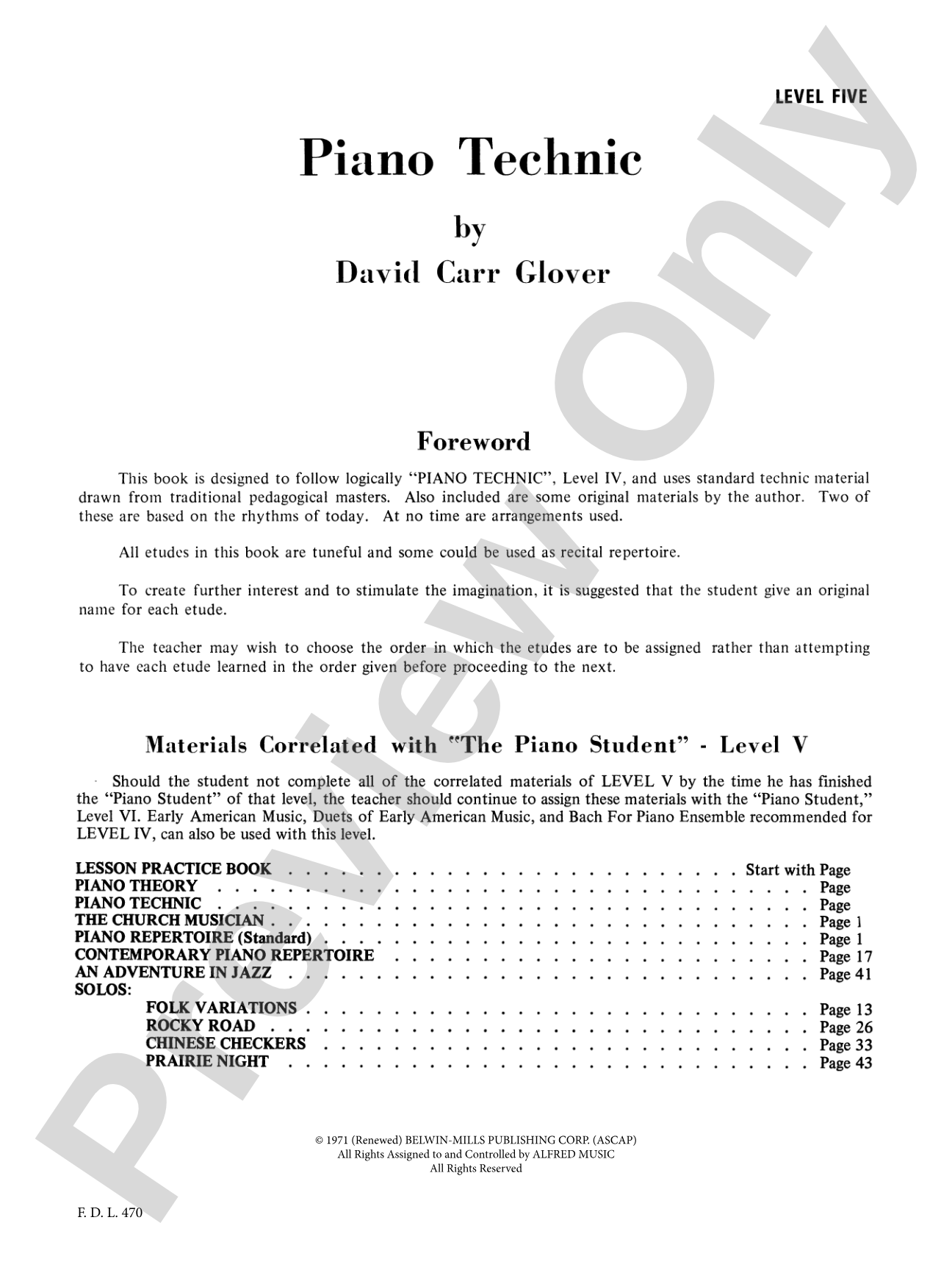
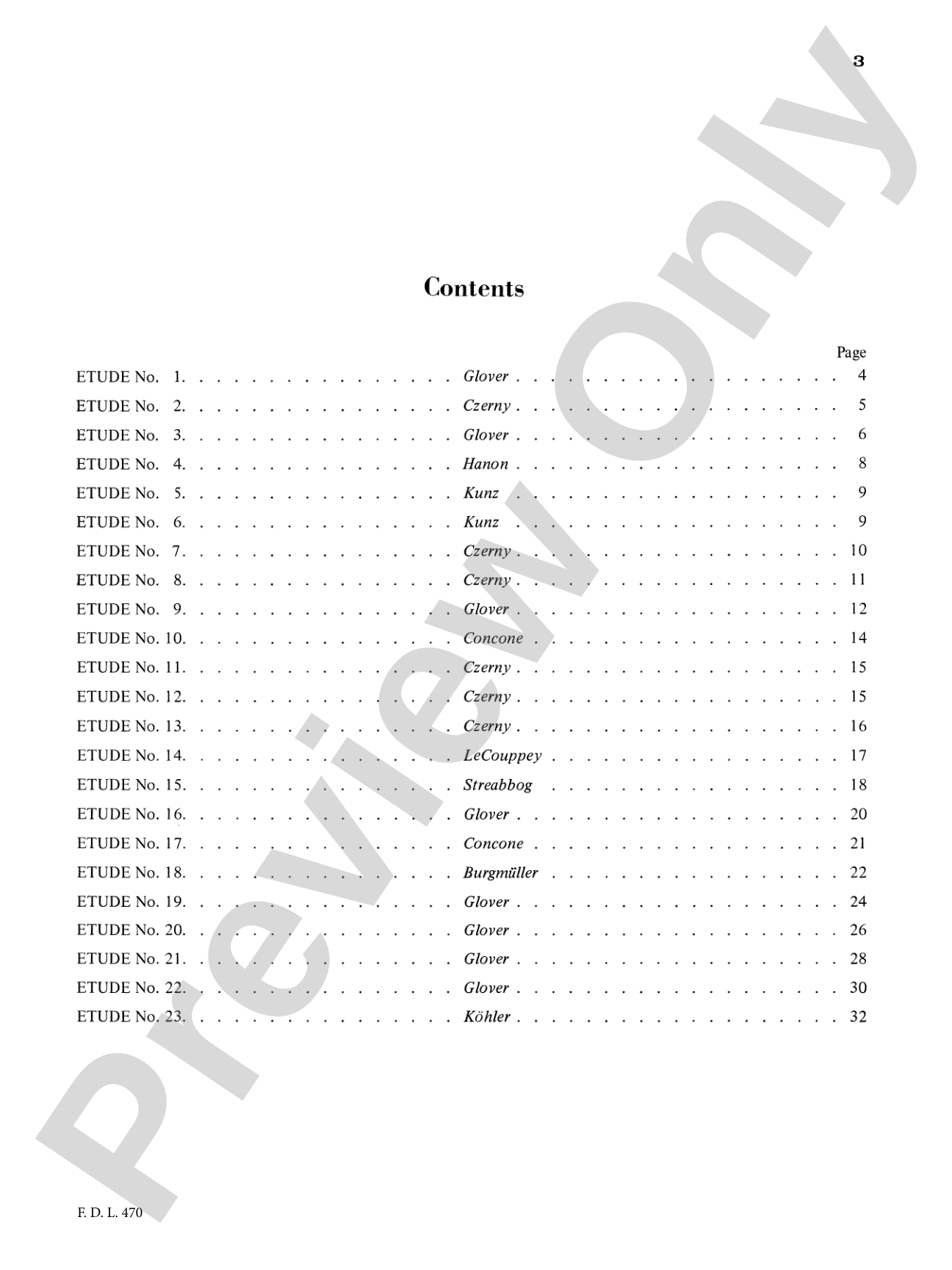
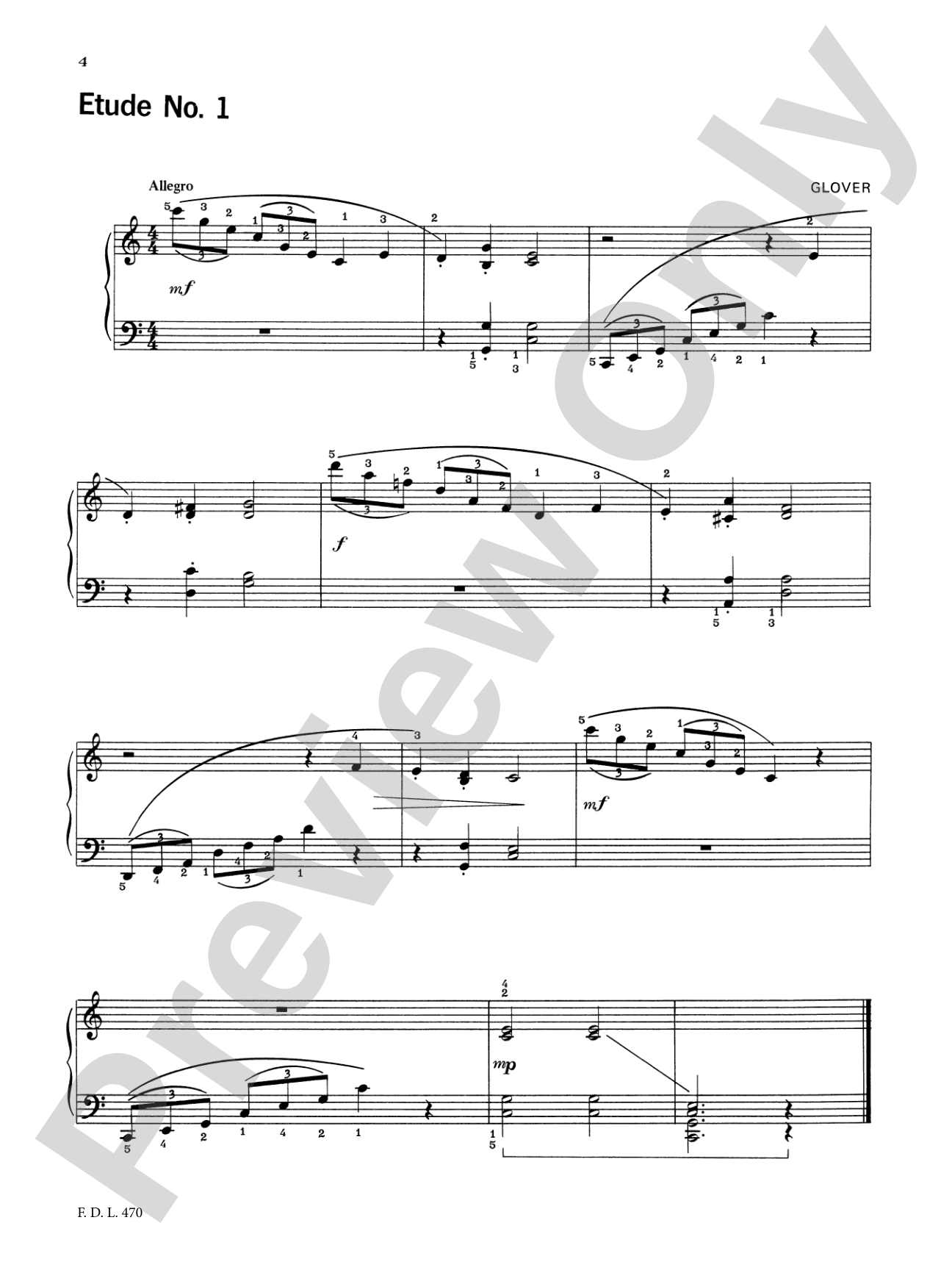
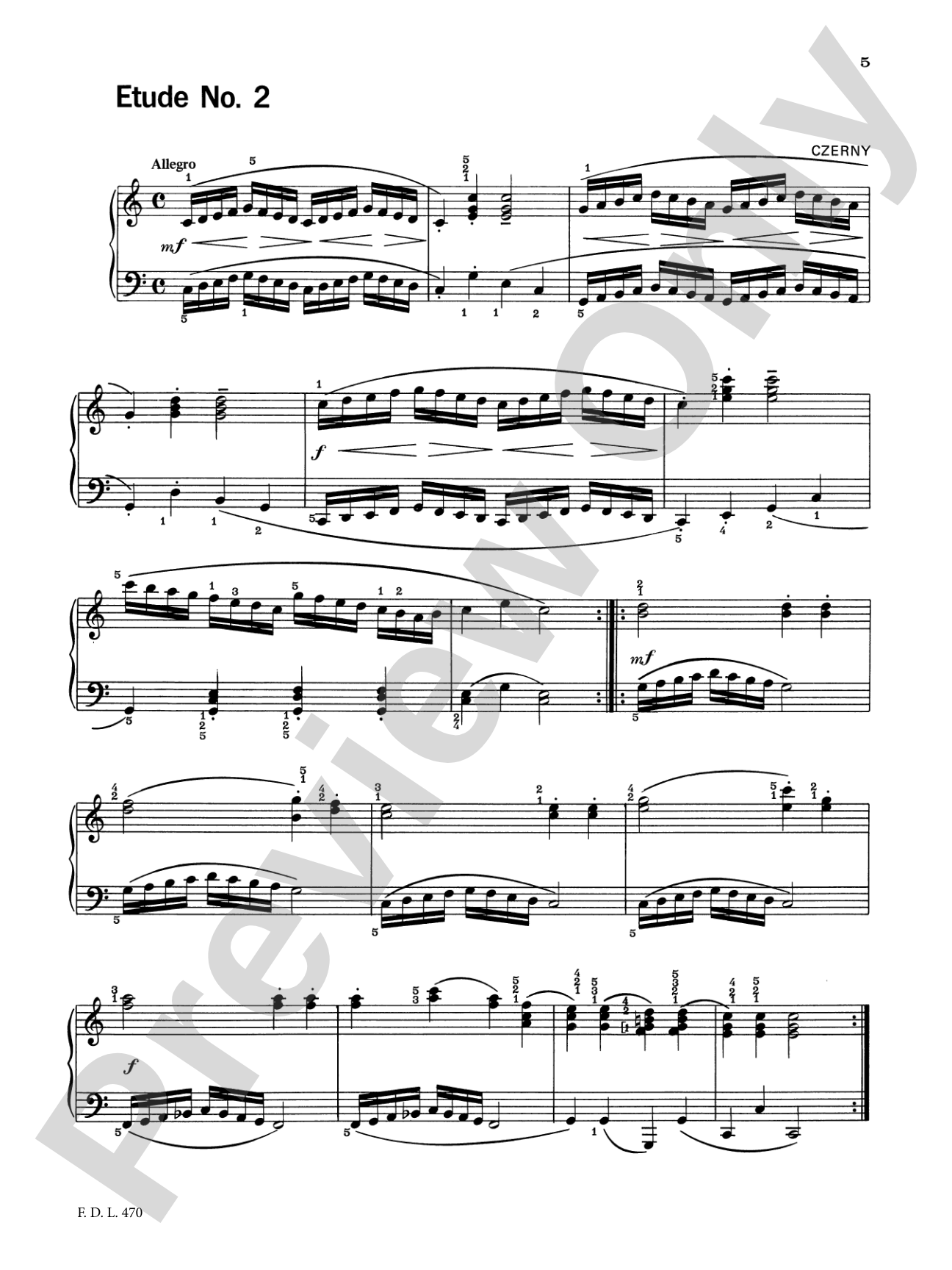
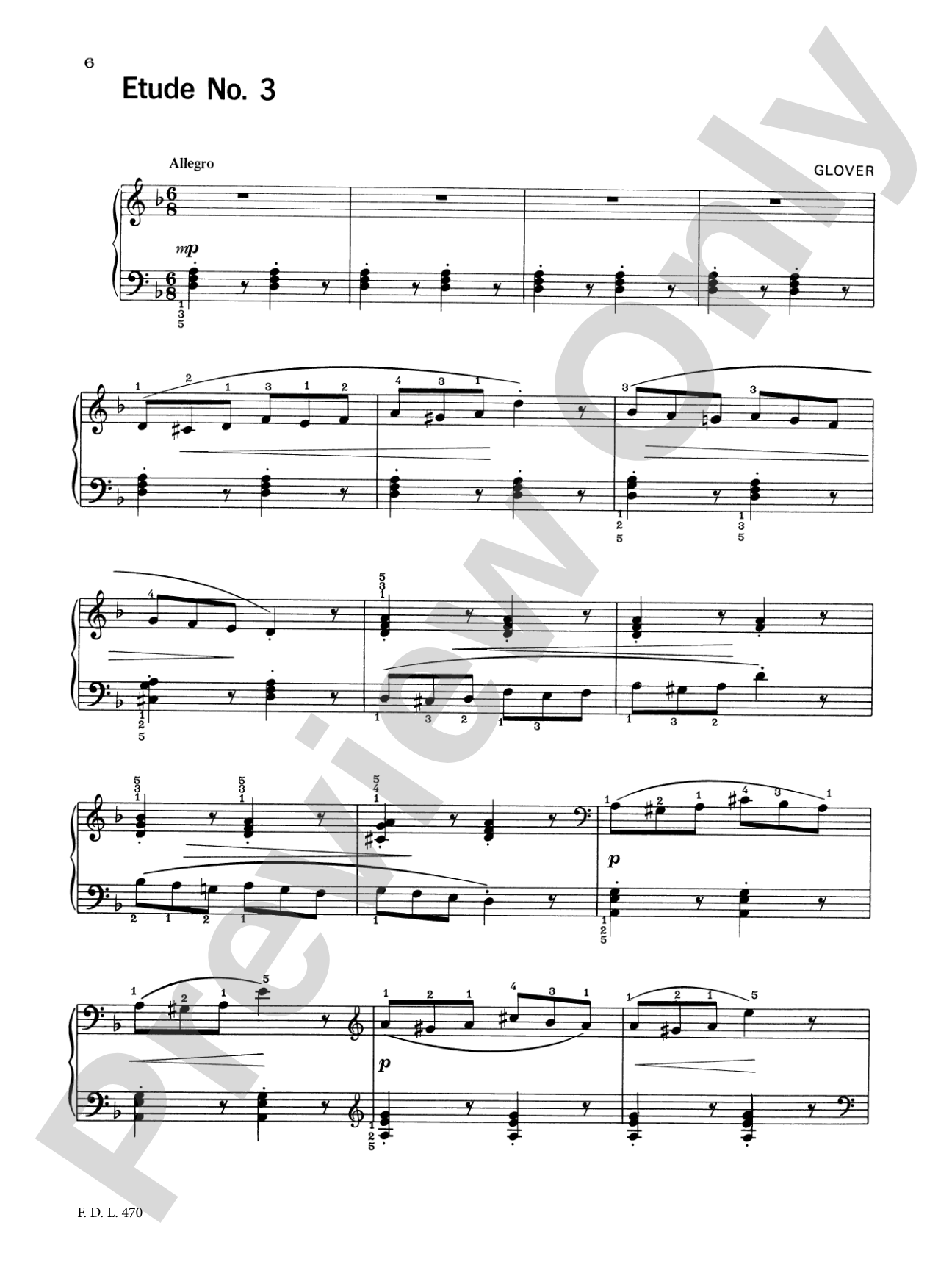
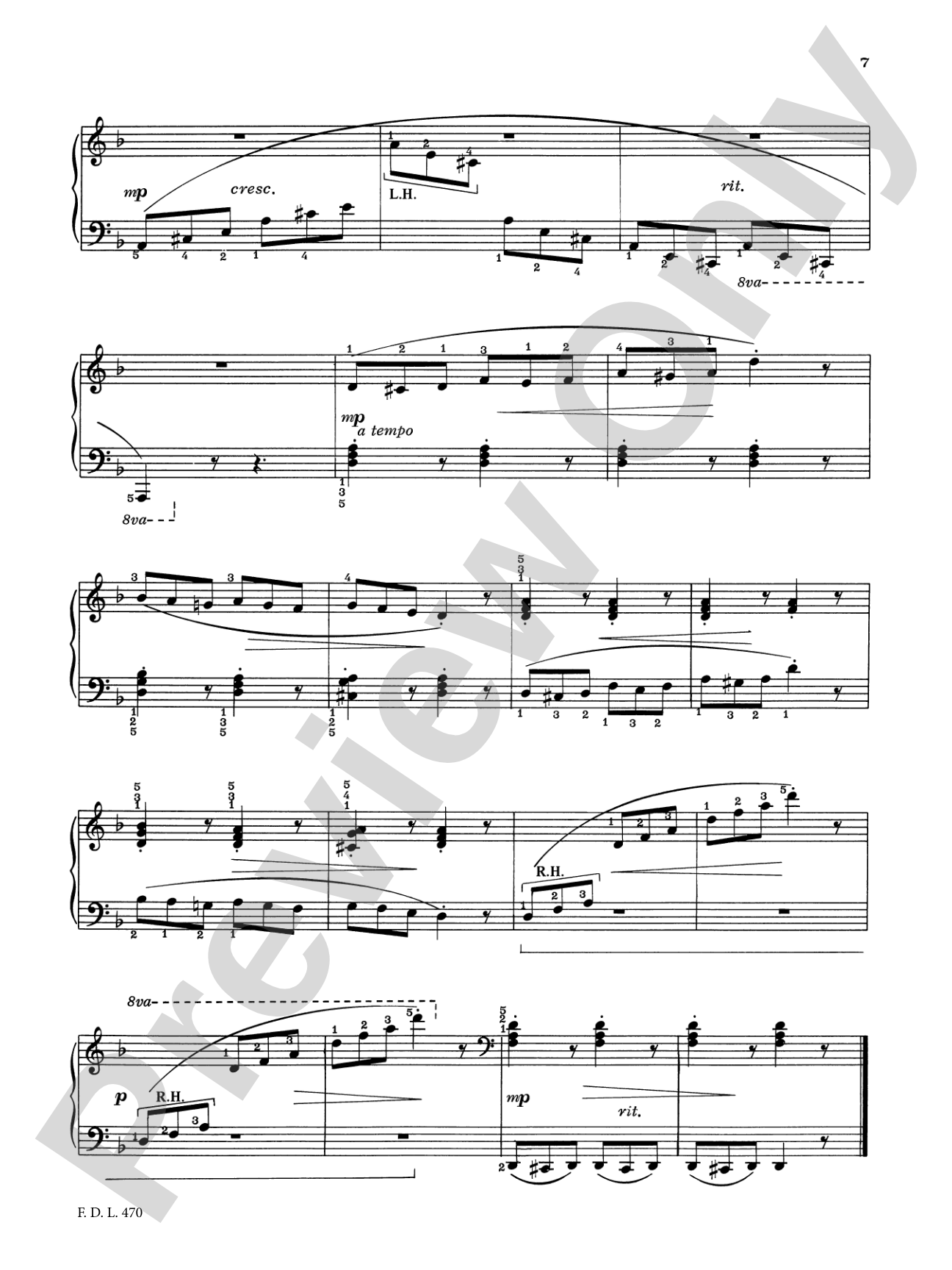
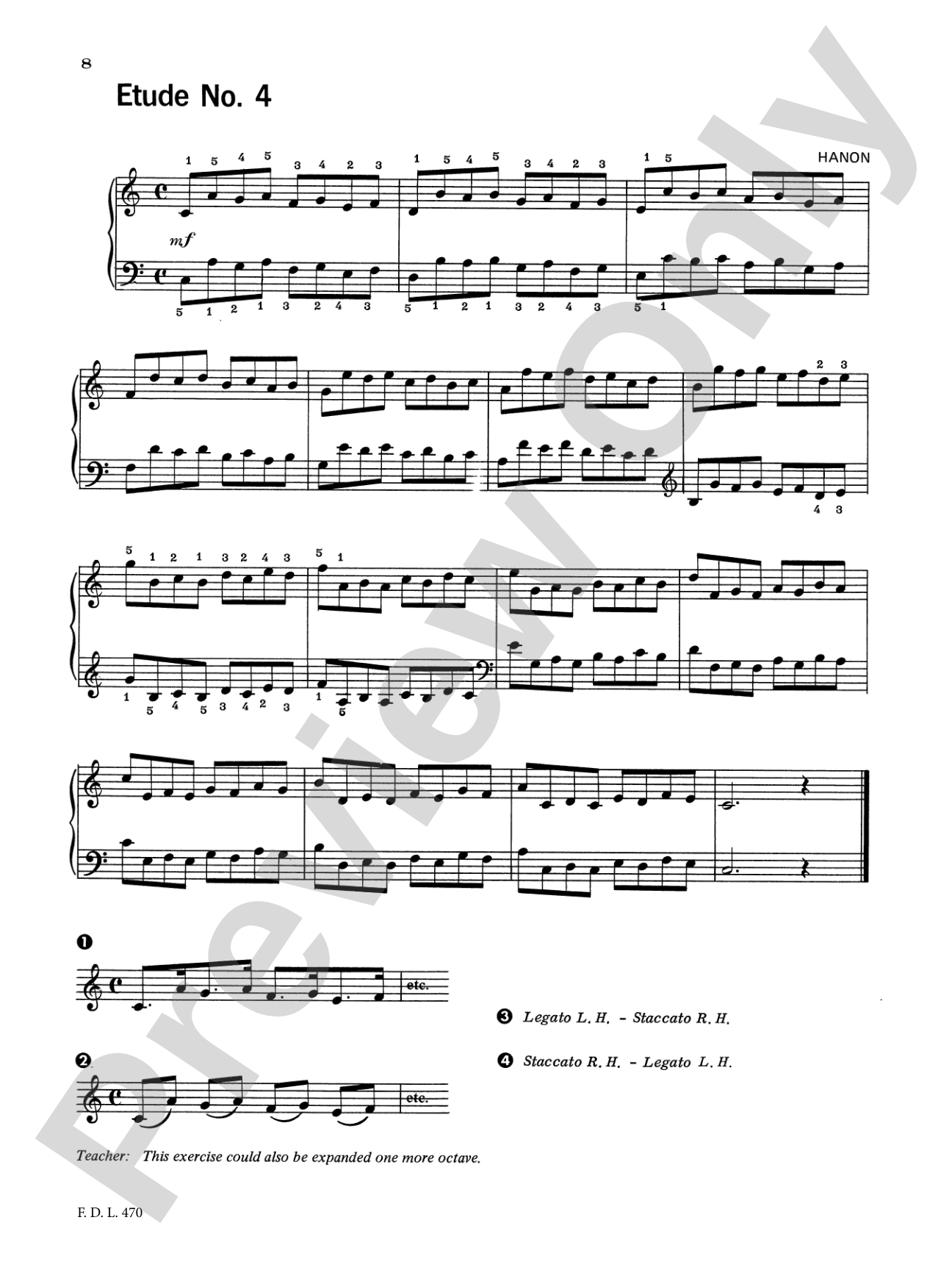
Piano Technic provides a wide variety of studies to develop the necessary technic for performing music. It can be used with any piano course or library. The objective of the authors is to encourage students to play musically through the use of good, interesting materials that are not too difficult and which present one technical problem at a time. The music in the DAVID CARR GLOVER Piano Library is graded gradually so that the student may play with ease, beauty, and an understanding of musical values.
Discover MakeMusic Cloud: thousands of interactive titles your students can play along with today.
David Carr Glover shaped American piano pedagogy through decades of careful, systematic composition. His methodology prioritized musical growth alongside technical mastery, believing that students learned best when each exercise introduced a single clear problem within musically engaging material.
Why we love this
Level 5 sits at that sweet spot where students have enough technique to tackle real musical ideas without drowning in complexity. Glover's gift was knowing exactly how much to ask of a player at each stage. Instead of drilling scales in isolation, you get pieces that *use* technique musically, which means your students understand why they're working on it.
What to expect
Purposeful without being dry. Each study has a clear technical focus, but Glover wrapped it in genuine musical content. You're building fingers and ears at the same time, moving through 32 pages that feel like miniature compositions rather than exercises.
Who it's for
Intermediate pianists working through their third or fourth year of study who need focused technical work without sacrificing musicality. Teachers who want studies that students will actually enjoy practicing because they sound and feel like real music.
How to get the most out of it
Listen through the entire piece before touching the keys. Glover's phrasing often reveals itself through harmonic movement rather than obvious melodic contours.
Pay attention to dynamics and articulation markings as compositional choices, not decorations. They define the character of each study.
Work both hands separately until the technical problem is clear, then combine them while maintaining the musical intention from your first listening.
Slow enough to think about tone quality. These studies deserve the same attention to sound that you'd give a concert piece.
How to use it
Integrate these throughout your students' practice routine all year, rotating through 2-3 pieces per week to maintain consistent technical development. Glover's graded approach means you can also use individual studies from this level to reinforce specific technical needs without pulling from unrelated repertoire.
Skills your students will build
Hand independence in contrasting rhythmic patterns
Control of repeated notes and note patterns
Articulation clarity across changing dynamics
Smooth voice leading in multi-part textures
Reading and interpreting musical directions with precision
Building endurance in moderate-length pieces
You May Also Like
Scan to Complete Your Purchase
Use your phone's camera to scan the code below
You'll log in on your phone and the order will be added to your account