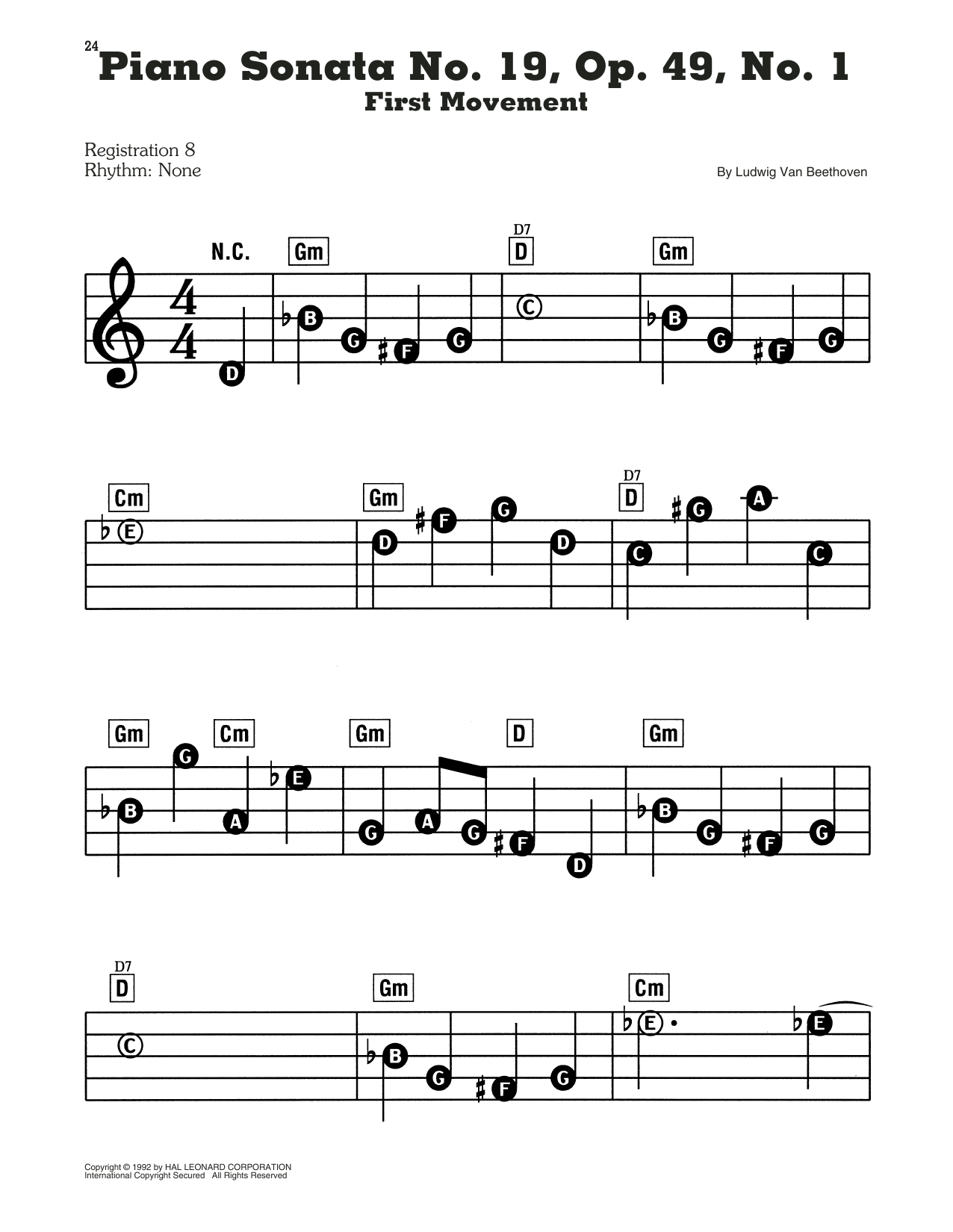
Beethoven fundamentally reshaped the classical sonata form during his lifetime, pushing the genre toward the expressive and structural possibilities that would define Romantic music. His early sonatas, including the nineteen published works for solo piano, document his evolution from a composer working within Mozartian conventions to an innovator expanding harmonic language and dramatic scope.
For students, Beethoven's sonatas represent a crucial bridge in piano pedagogy. They demand technical facility while introducing the architectural thinking required for longer forms. His early works remain accessible enough for developing pianists while containing the seeds of the revolutionary techniques and harmonic boldness he would pursue in later compositions.