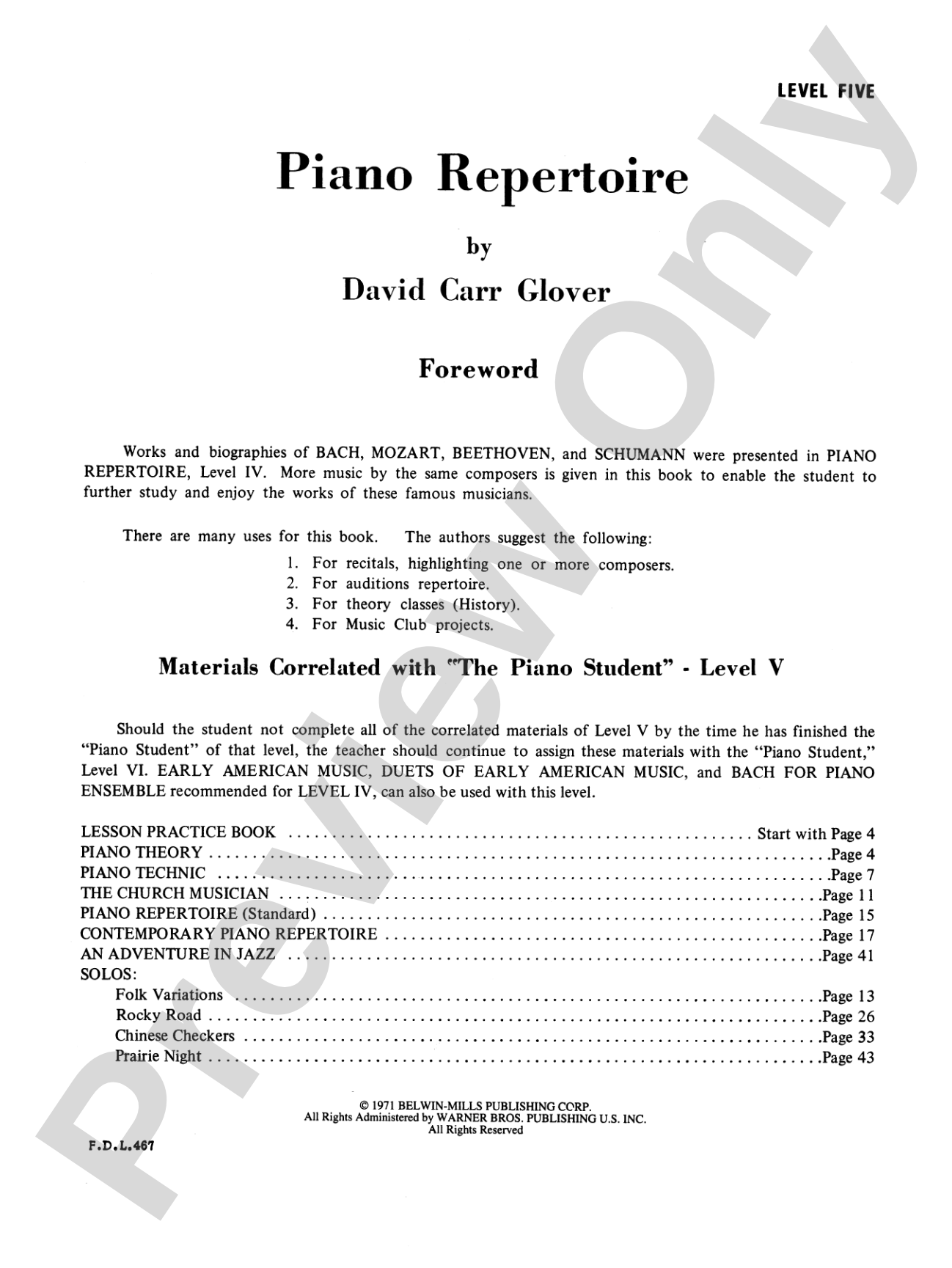
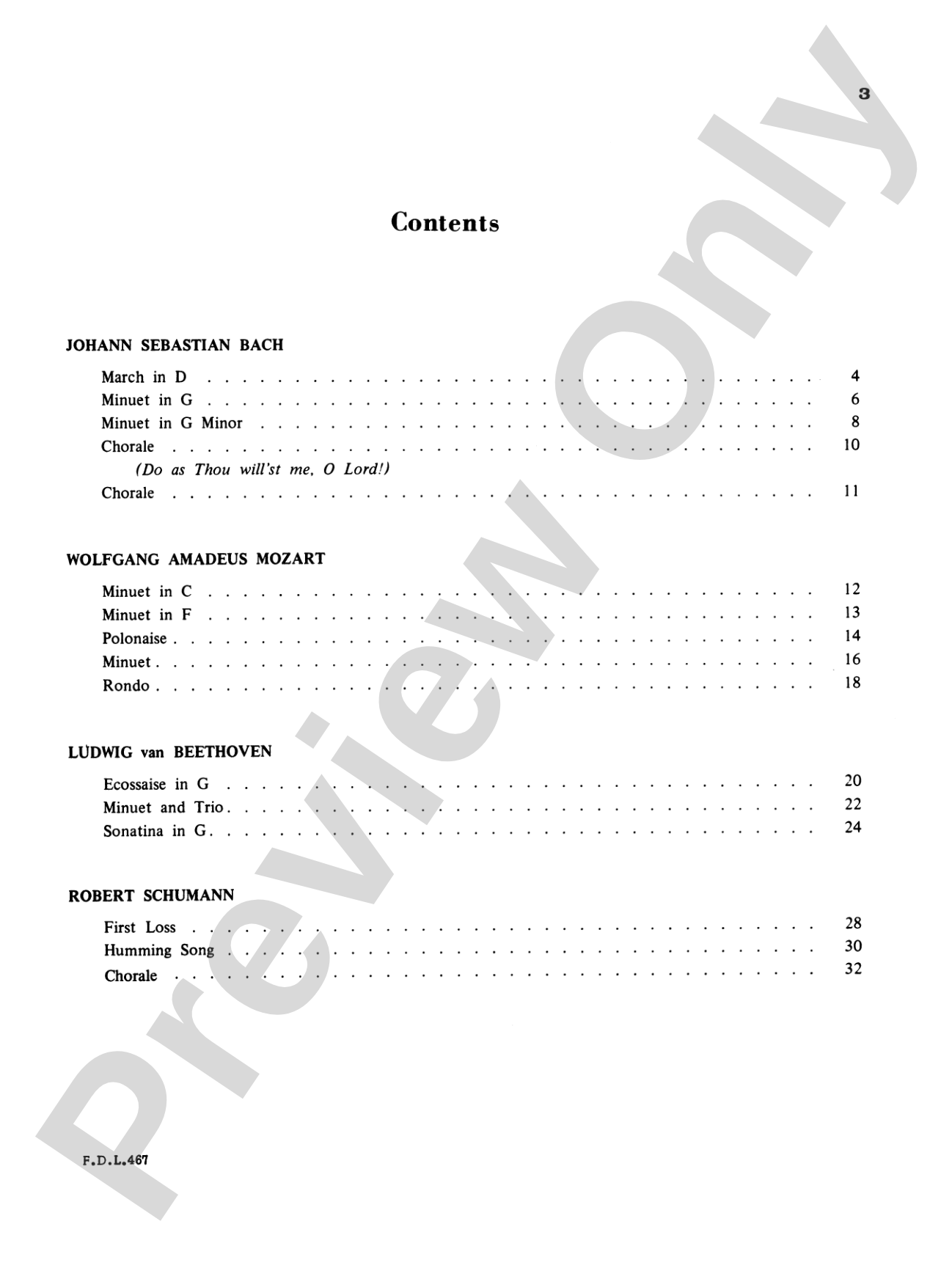
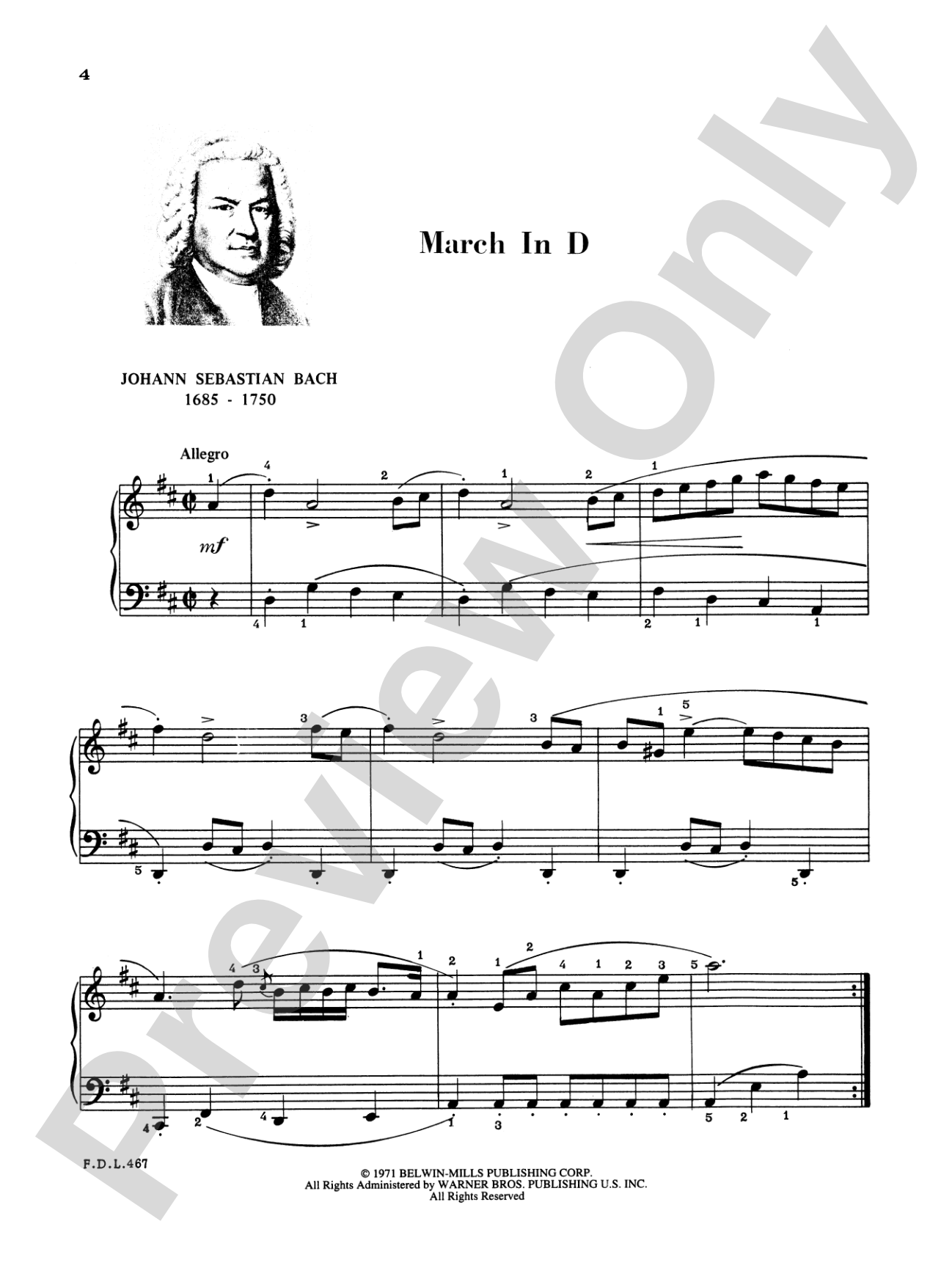
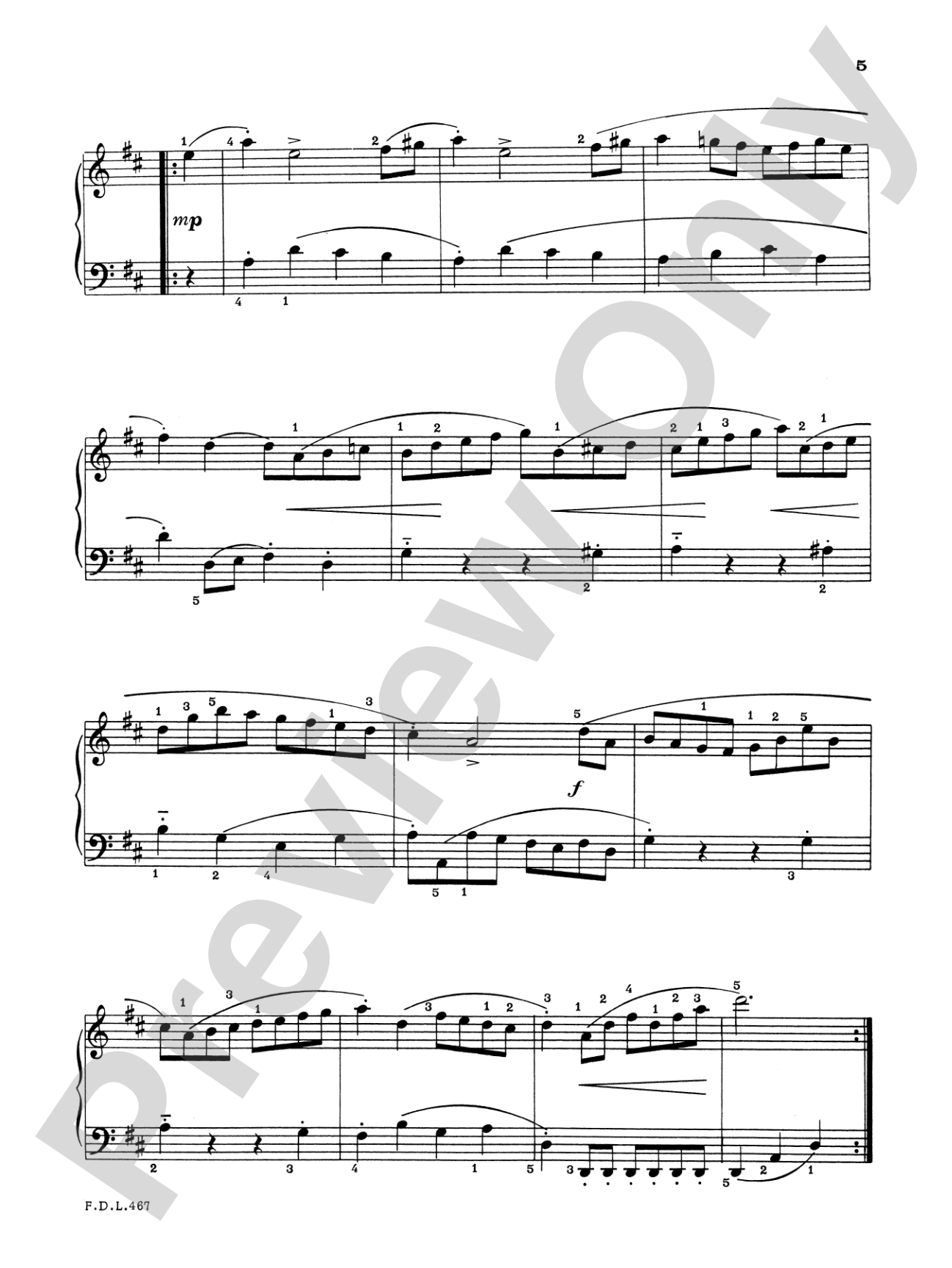
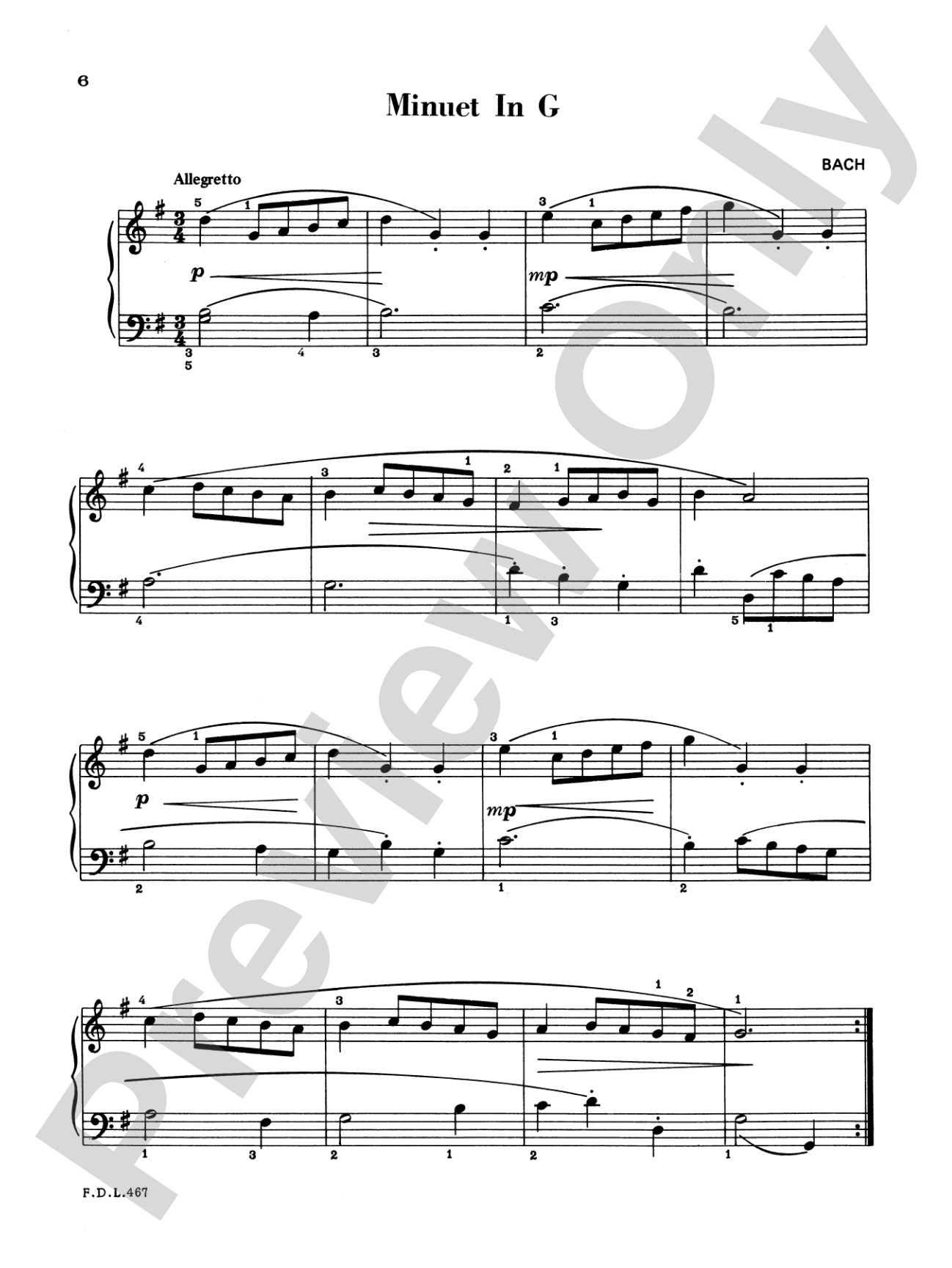
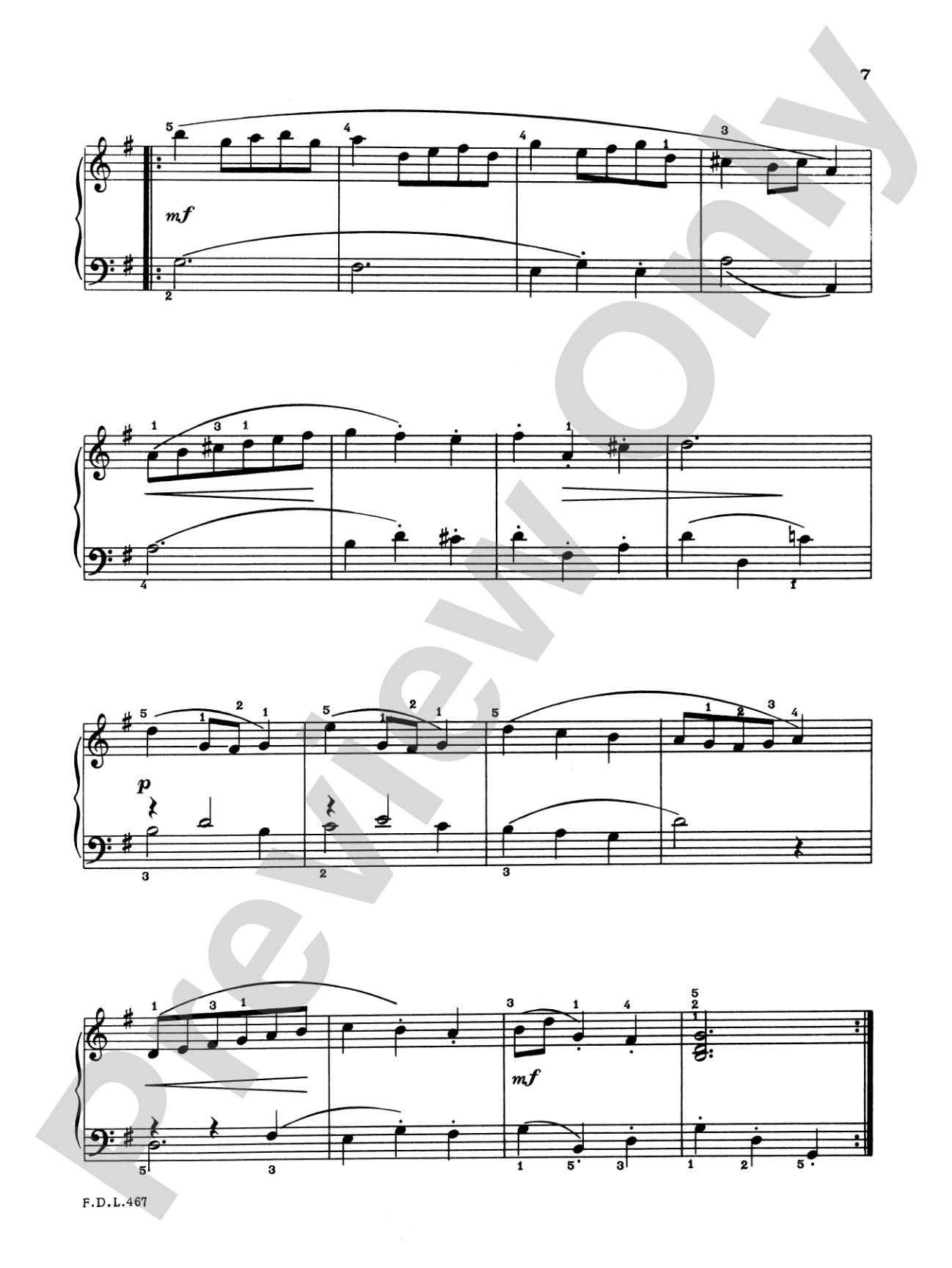
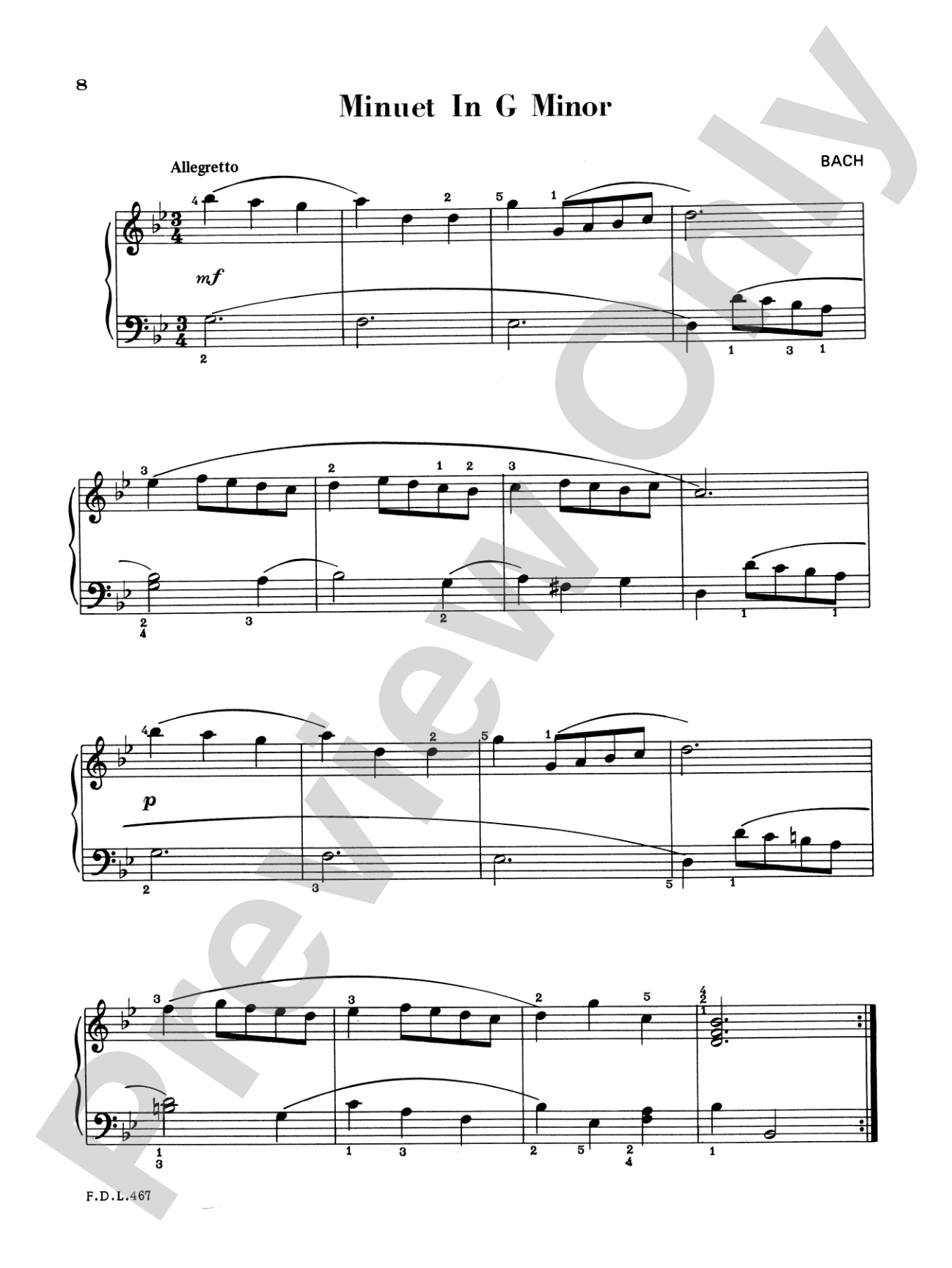
The REPERTOIRE book are written to supplement and reinforce the music fundamentals that the student is learning at this level of advancement. They may be used with any piano course or library. The books of the Primer Level and Levels I & II present familiar folk songs and original solos. Folk songs are used at this early beginning level to give the student materials that he is familiar with and which he will enjoy playing for himself and his friends. This wealth of folk music gives him reading experience, develops musical taste, and acquaints him with folk lore of other countries. Level III is a collection of melodies of famous composers.
Discover MakeMusic Cloud: thousands of interactive titles your students can play along with today.
David Carr Glover built his reputation as a pedagogue who understood what students needed at each stage of their piano journey. His systematic approach to repertoire selection became foundational to countless American music studios, and his work remains a staple in elementary and intermediate piano instruction.
Why we love this
Level 5 strikes the balance between technical growth and genuine musicianship. The mix of folk melodies and original works keeps students engaged without overwhelming them, while the 32-page format gives you enough material to rotate pieces throughout a semester without feeling repetitive.
What to expect
A window into musical traditions from across cultures, presented in ways that feel accessible rather than academic. Each piece invites genuine expression within its harmonic frame, letting young pianists taste what it means to perform rather than simply read notes.
Who it's for
Students completing Level 4 or working solidly in their second or third year of piano study. They're ready for greater melodic independence and can handle longer forms without constant hand position resets.
How to get the most out of it
Listen through the entire piece before touching the keys; identify structural repeats and any dynamic shifts so you know what's coming.
Count measures during rests to maintain steady pulse, especially in pieces with longer note values.
Isolate any hand position changes or key signature transitions and practice them separately at a slower tempo first.
How to use it
Assign one piece per week during regular lessons to build sight-reading stamina and repertoire depth. These works also serve well as recital program fillers or as warm-up material before tackling more demanding contemporary pieces.
Skills your students will build
Sight-reading fluency across multiple keys and time signatures
Phrase shaping and musical phrasing without excessive hand tension
Rhythmic accuracy in simple and compound meters
Left hand independence and balance with melody
Sustaining musical interest across 8 to 16-bar forms
You May Also Like
Scan to Complete Your Purchase
Use your phone's camera to scan the code below
You'll log in on your phone and the order will be added to your account