
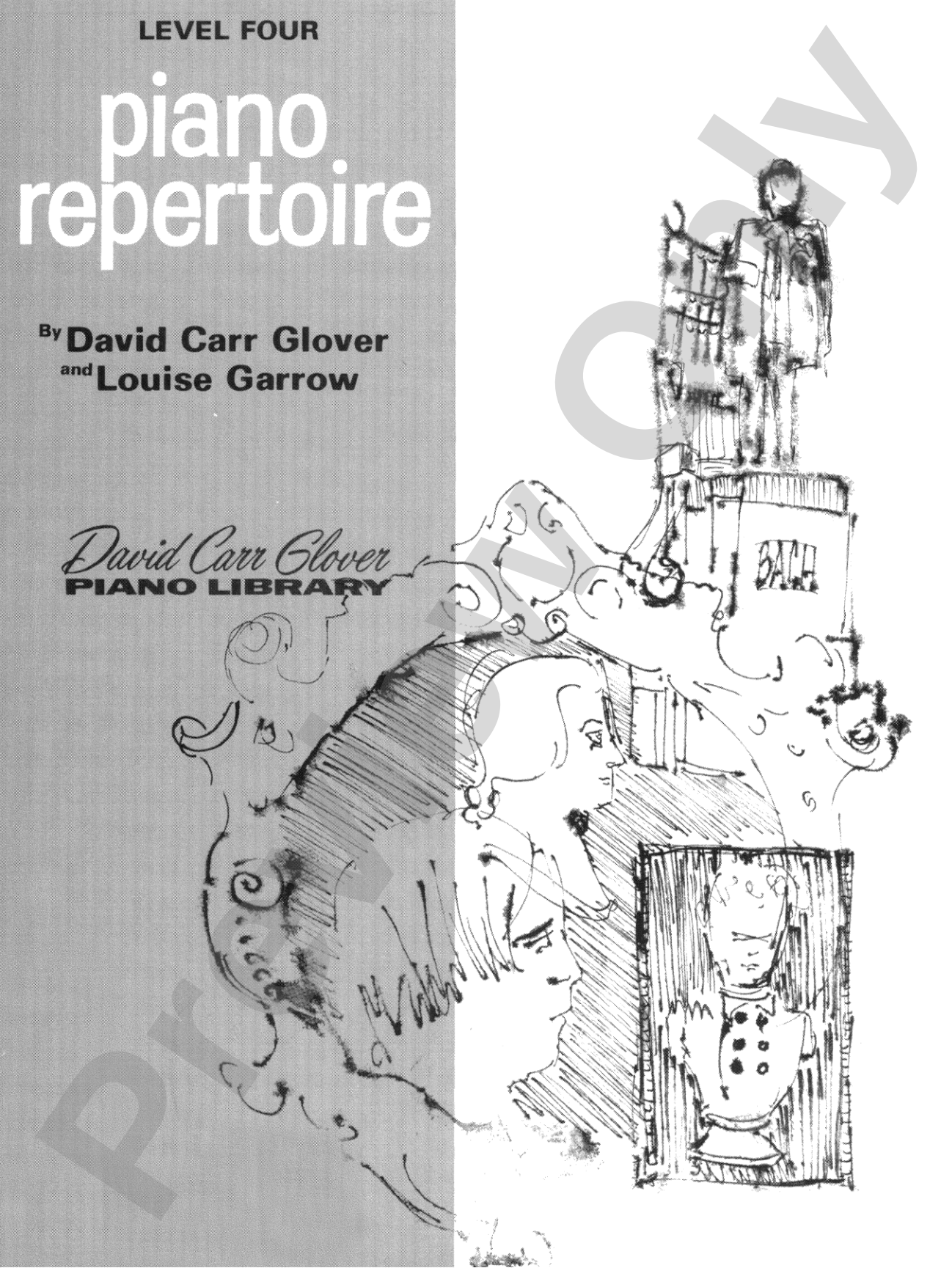

Piano Repertoire, Level 4: Piano
By David Carr Glover and Louise Garrow
Item: 00-PB-0002079
$7.95
Pickup currently not available
Related Items
Piano Repertoire, Level 4: Piano Book |
$7.95
|
View |
Description
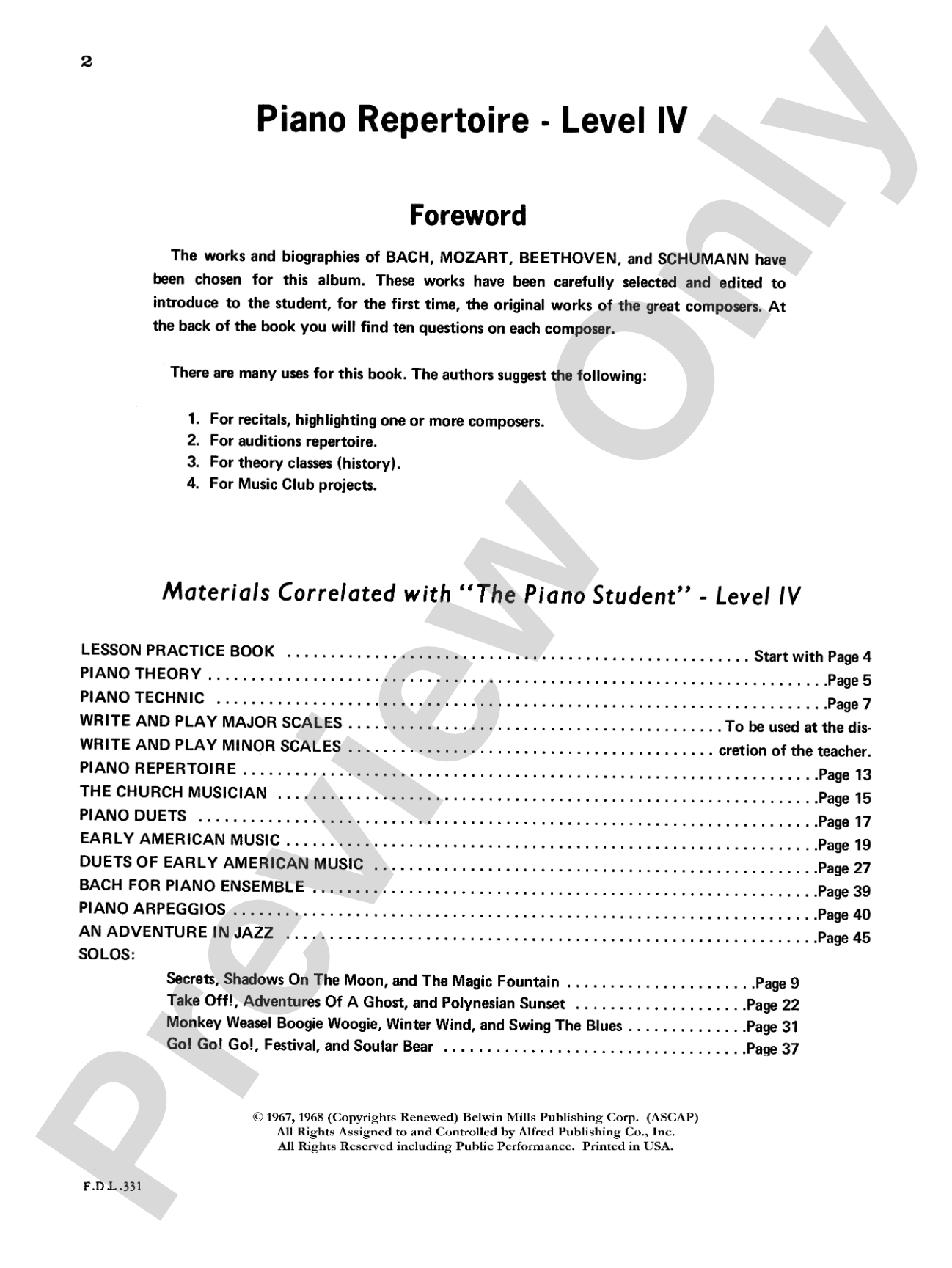
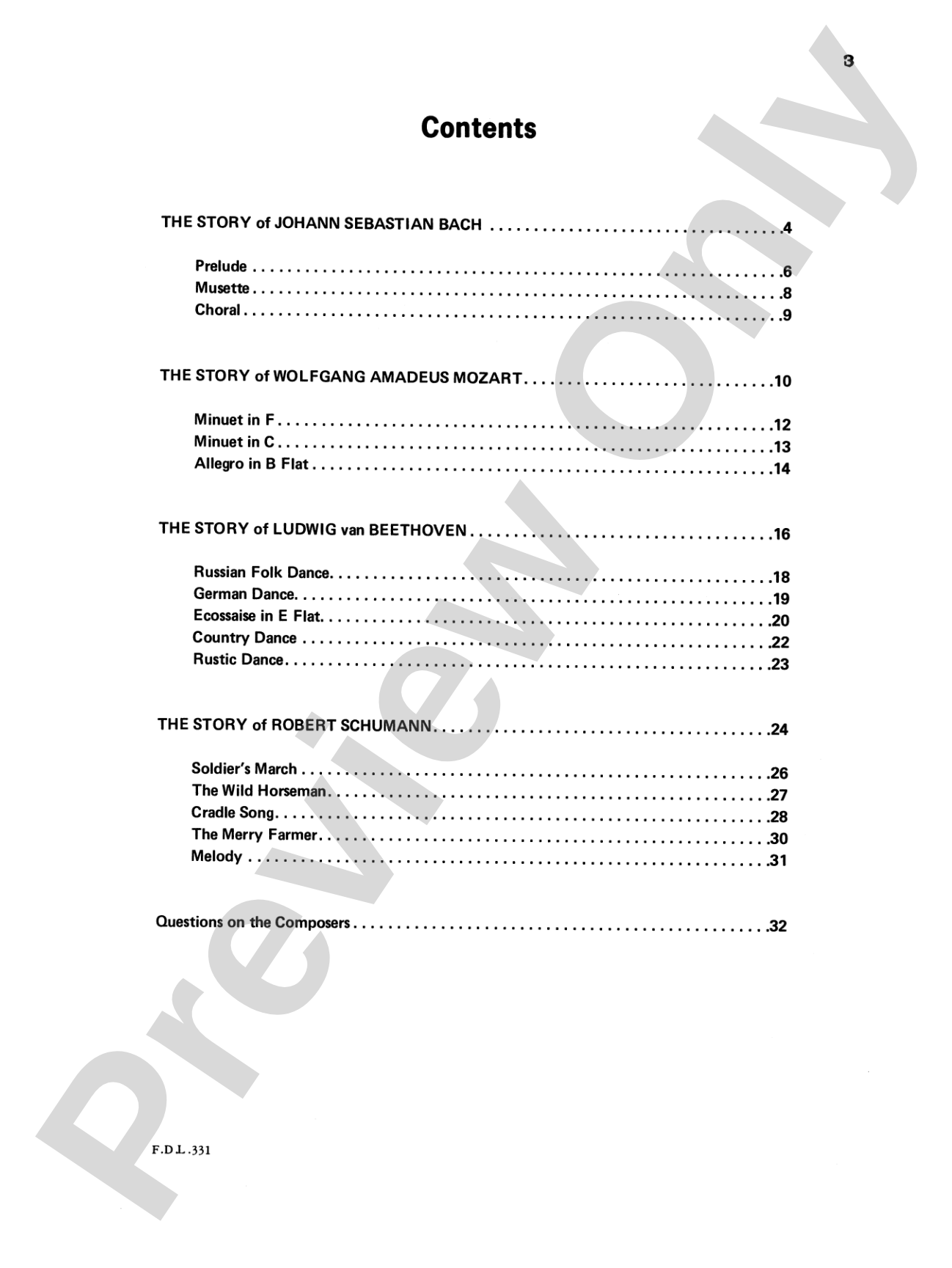
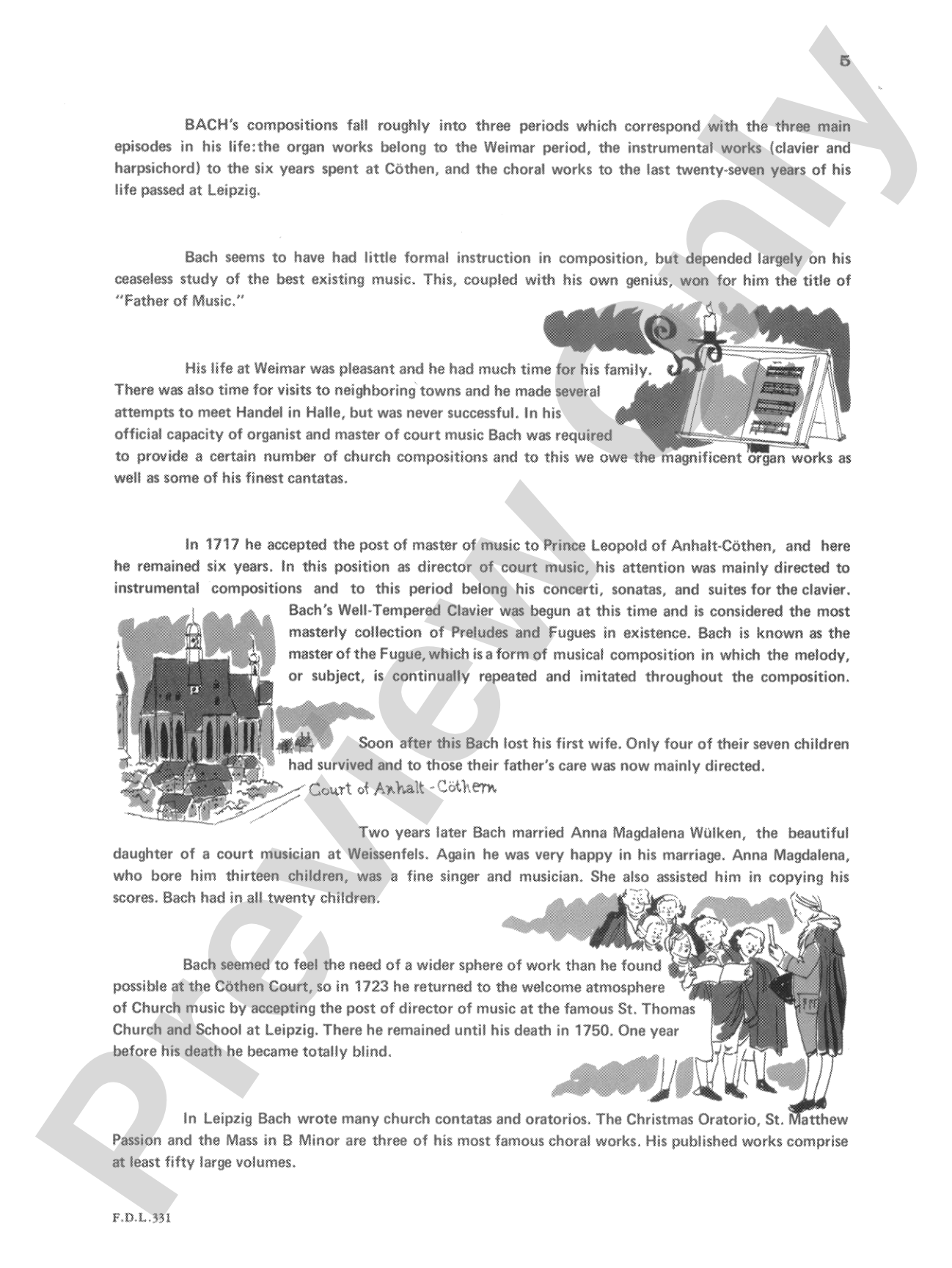
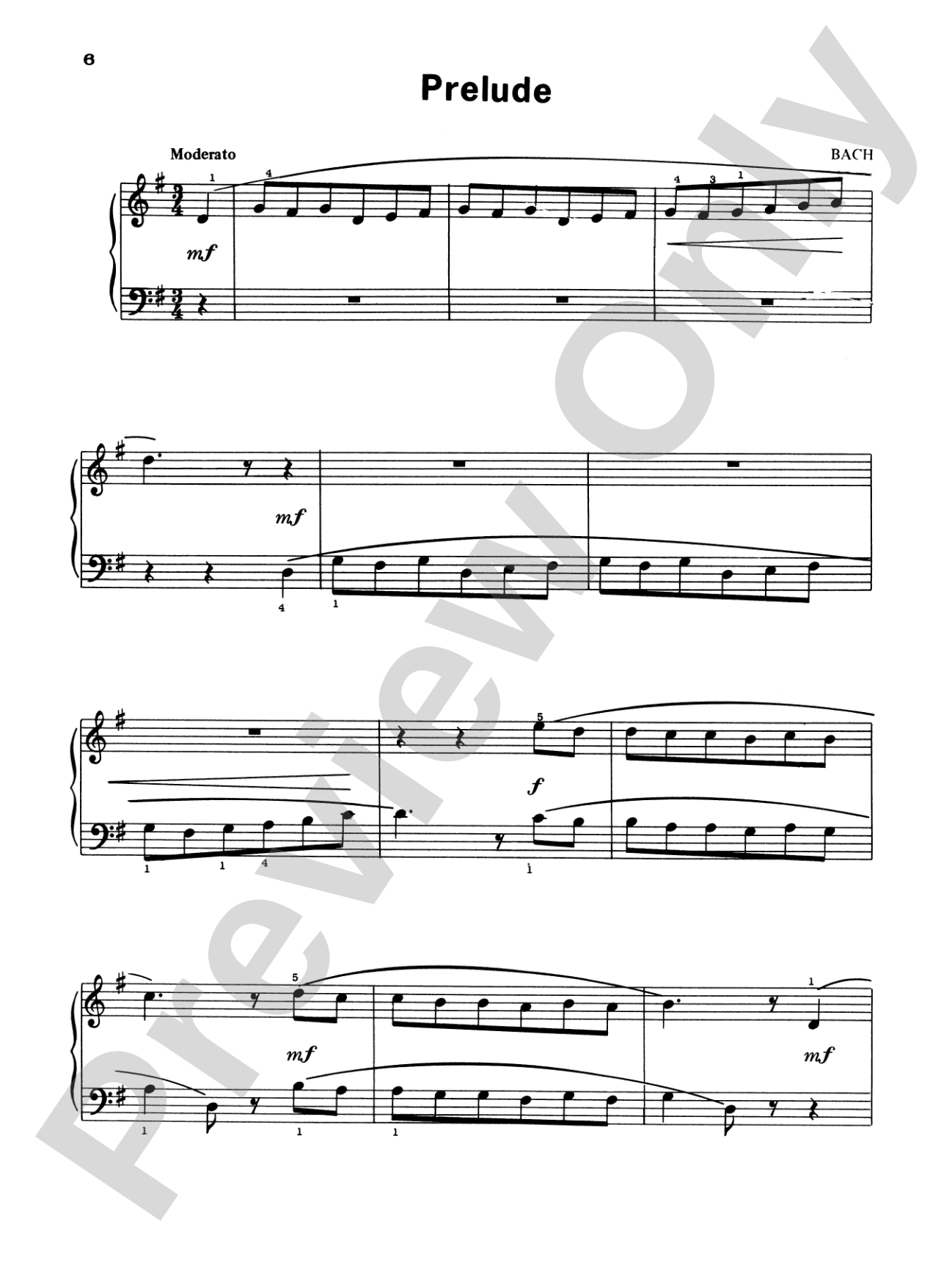
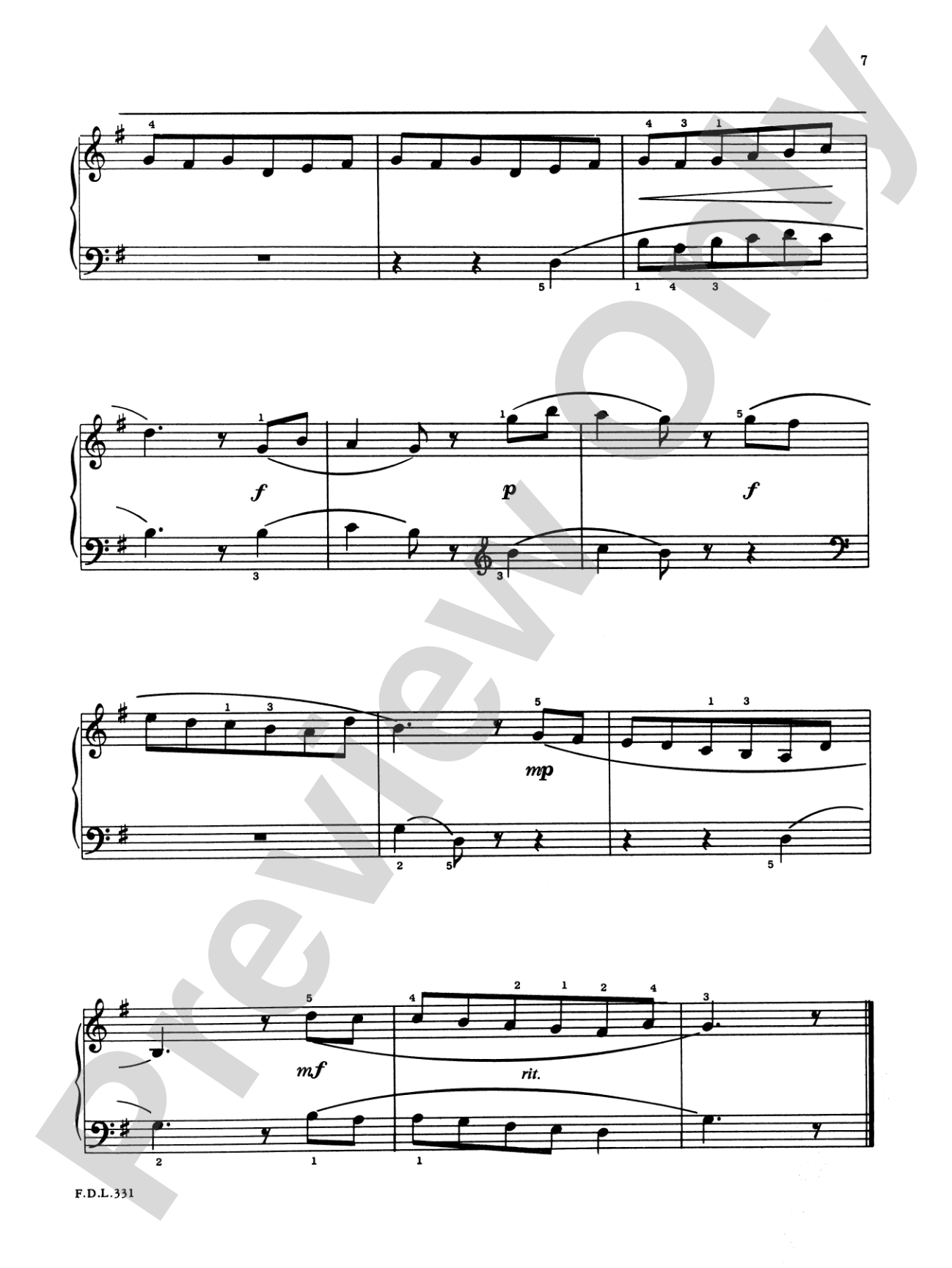
The REPERTOIRE book are written to supplement and reinforce the music fundamentals that the student is learning at this level of advancement. They may be used with any piano course or library. The books of the Primer Level and Levels I & II present familiar folk songs and original solos. Folk songs are used at this early beginning level to give the student materials that he is familiar with and which he will enjoy playing for himself and his friends. This wealth of folk music gives him reading experience, develops musical taste, and acquaints him with folk lore of other countries. Level III is a collection of melodies of famous composers.


Piano Repertoire, Level 4: Piano isn't in MakeMusic Cloud just yet...but it could be. Let us know you'd like to see it, and you'll help shape what comes next. In the meantime, start a free trial and dive into thousands of interactive titles your students can play along with today.
Request This Title
Tell us you want it.
Start Your Free Trial
Explore everything that's ready to play right now.
Sample Audio
No sample audio found.
Sample Video
No sample videos found.
Additional Details
Series:
David Carr Glover Piano Library
Publisher:
Alfred Music
Page Count:
32
SKU:
00-PB-0002079
More about this title
About the Composer: David Carr Glover
David Carr Glover was a prolific composer and pedagogue whose Piano Library has shaped generations of young musicians. His approach to sequenced instruction emphasized musical literacy alongside technical development, creating materials that treated students as musicians from the beginning rather than mere technique machines.
Glover understood that engagement drives progress. By anchoring early levels in folk material students recognized and loved, he gave them immediate musical context and ownership over their learning. His systematic progression toward composed works reflected a deep philosophy about how musicians actually develop.
Why we love this
At Level 4, Glover trusts students to work with actual repertoire from the canon while still providing structured, achievable material. The balance between reinforcing fundamentals and introducing compositional variety keeps practicing musicians engaged rather than drilling through exercises that feel disconnected from real music.
What to expect
Opening this book, you sense a composer who respects the pianist's intelligence. The pieces offer real musical moments without overwrought technical demands. Playing through them feels like encountering actual music rather than exercises wearing a musical costume.
Who it's for
Level 4 pianists ready to move beyond folk song arrangements into genuine composed works while their technique and reading are still developing in parallel. Teachers using the Glover Library will find this book maintains pedagogical continuity while introducing the kind of repertoire students actually want to learn.
How to get the most out of it
- Map the harmonic structure before diving into technical work. At this level, students benefit from knowing where the piece breathes and changes direction, which shapes both phrasing and pedal choices.
- Record yourself playing through the entire piece at a conversational tempo before worrying about speed. This reveals rhythmic habits and musical continuity issues that get buried when practicing in fragments.
- Attend to dynamic contrast as an architectural tool, not decoration. Even modest pieces gain coherence when students shape phrases intentionally rather than playing at a consistent dynamic level.
How to use it
Use these pieces as core recital material for intermediate students, either performed individually or grouped thematically on a larger concert. They also work well as sight-reading preparation across a studio, since the writing is musical and clear without being simplistic.
Skills your students will build
- Reading simple harmonic progressions across both hands
- Sustaining musical phrasing over longer phrase lengths
- Managing pedal use based on harmonic change rather than arbitrary rules
- Interpreting dynamic and tempo markings with expressive intent
- Recognizing formal structures (binary, rondo, period) by ear and sight