

Piano Camp, Book 1: Five Sessions of Musical Activities for the Early Elementary Piano Student: Piano
Five Sessions of Musical Activities for the Early Elementary Piano Student
By June C. Montgomery
Level: Early Elementary / Elementary
Item: 00-PB-0001084
$8.95
Pickup currently not available
Related Items
Piano Camp, Book 1: Piano Book |
$8.95
|
View |
Description
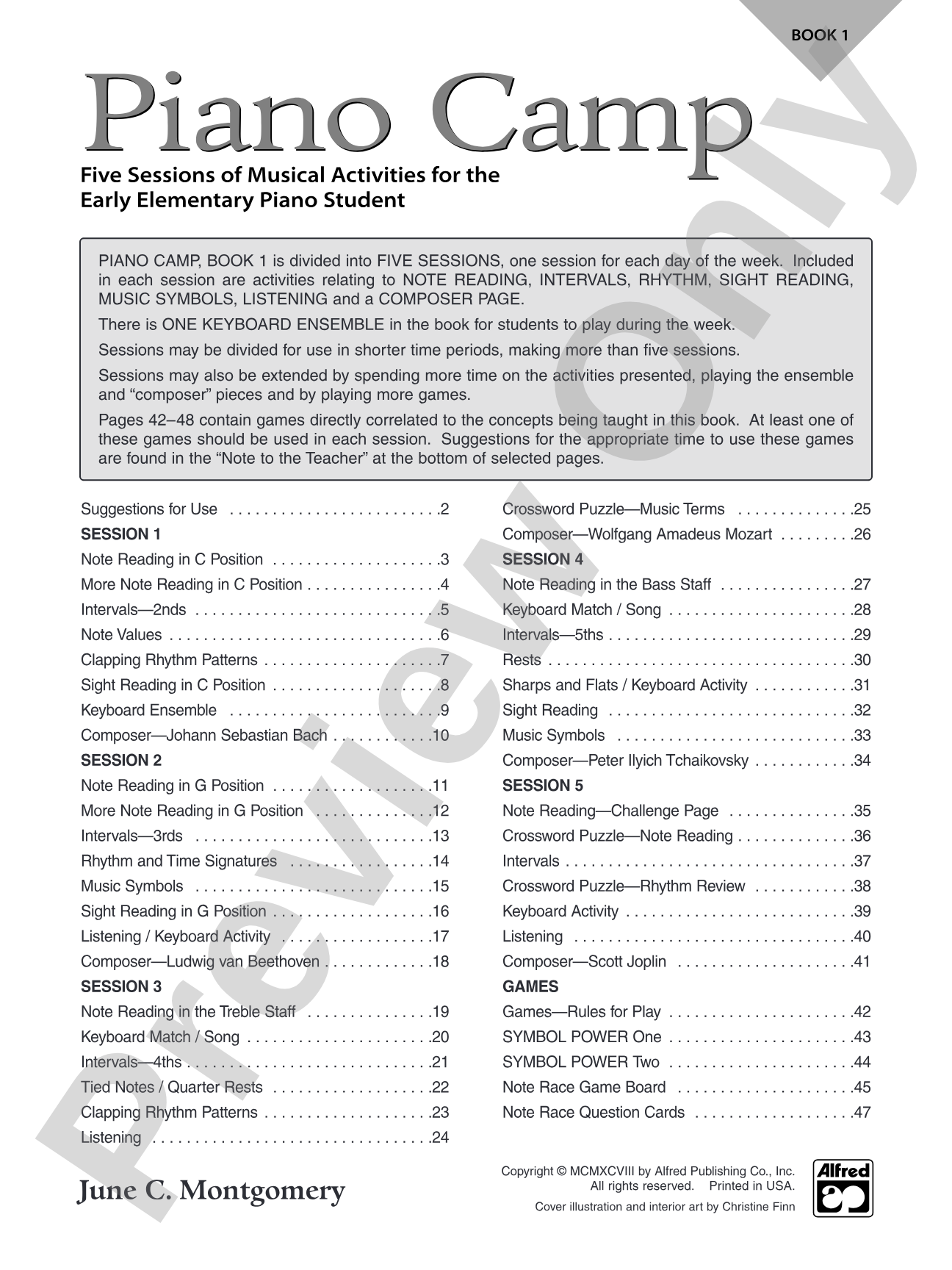
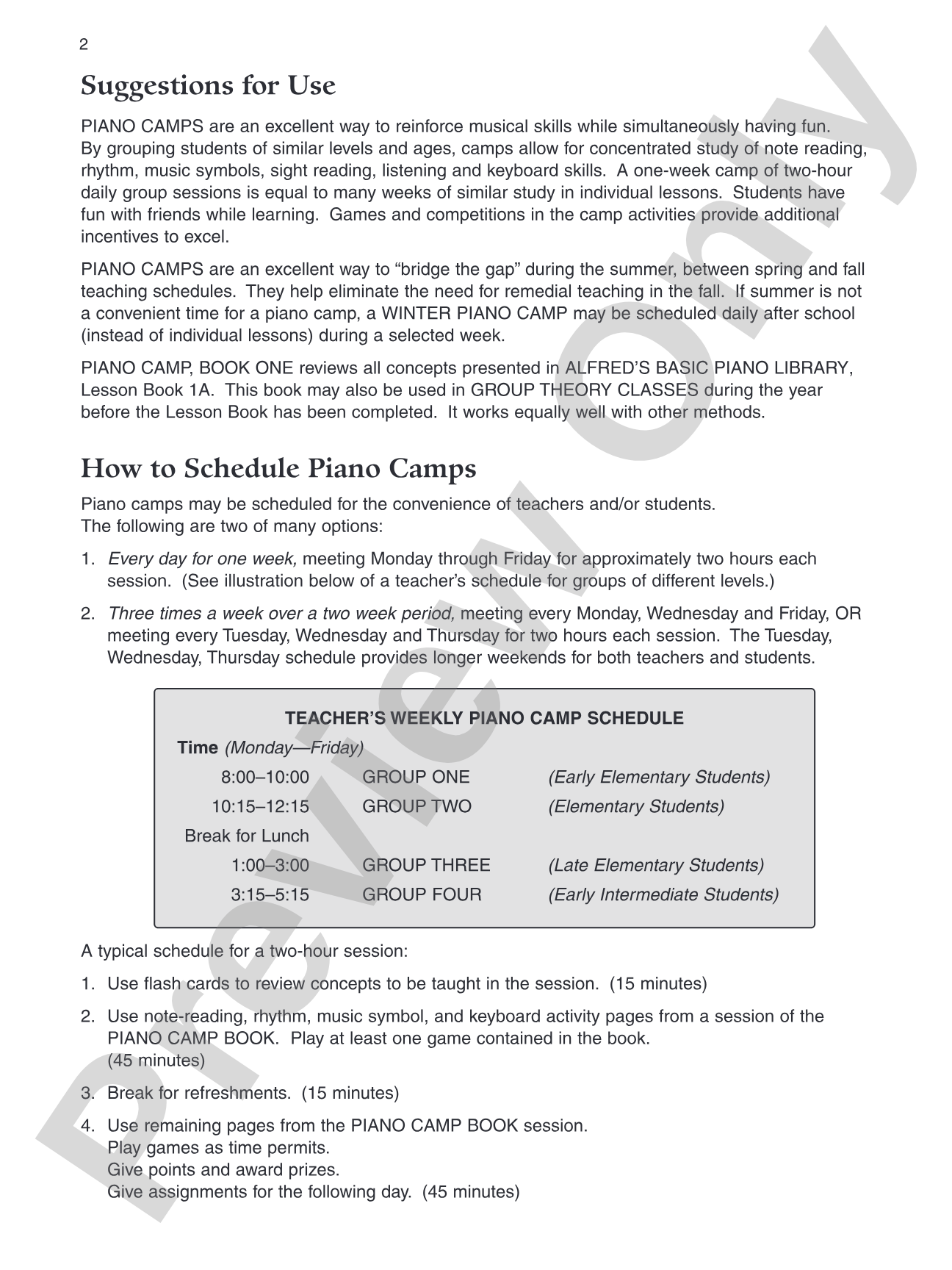
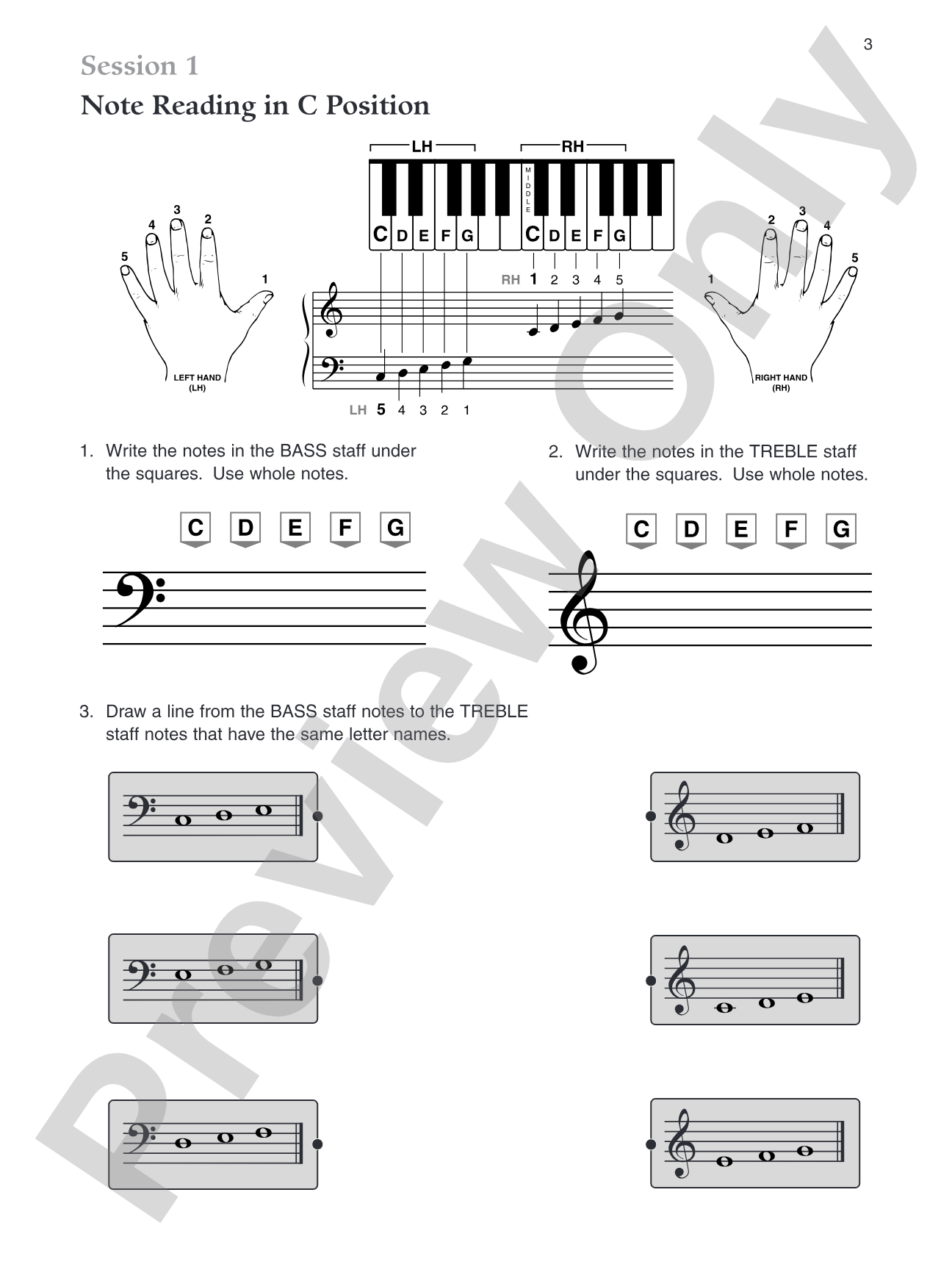
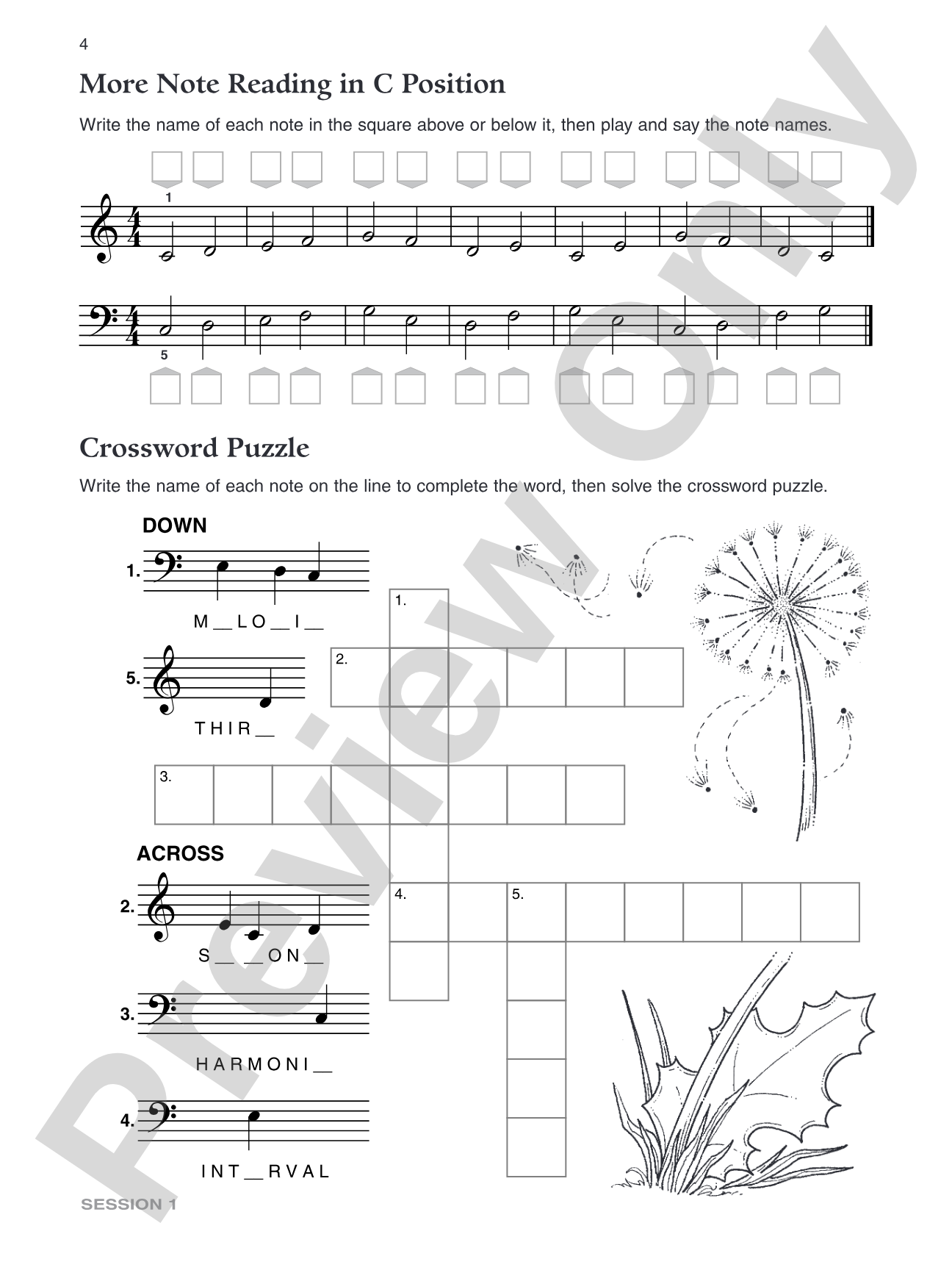
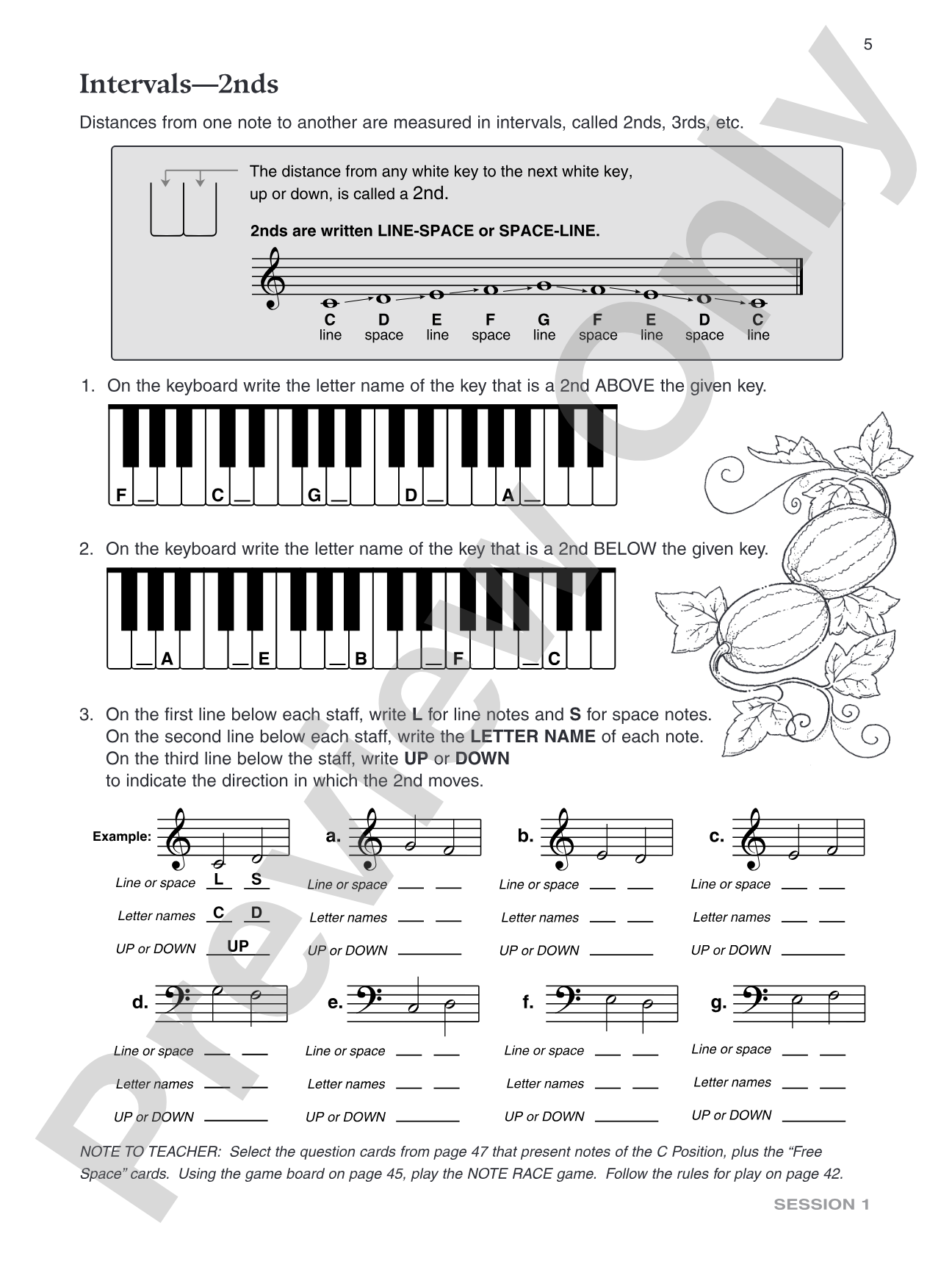
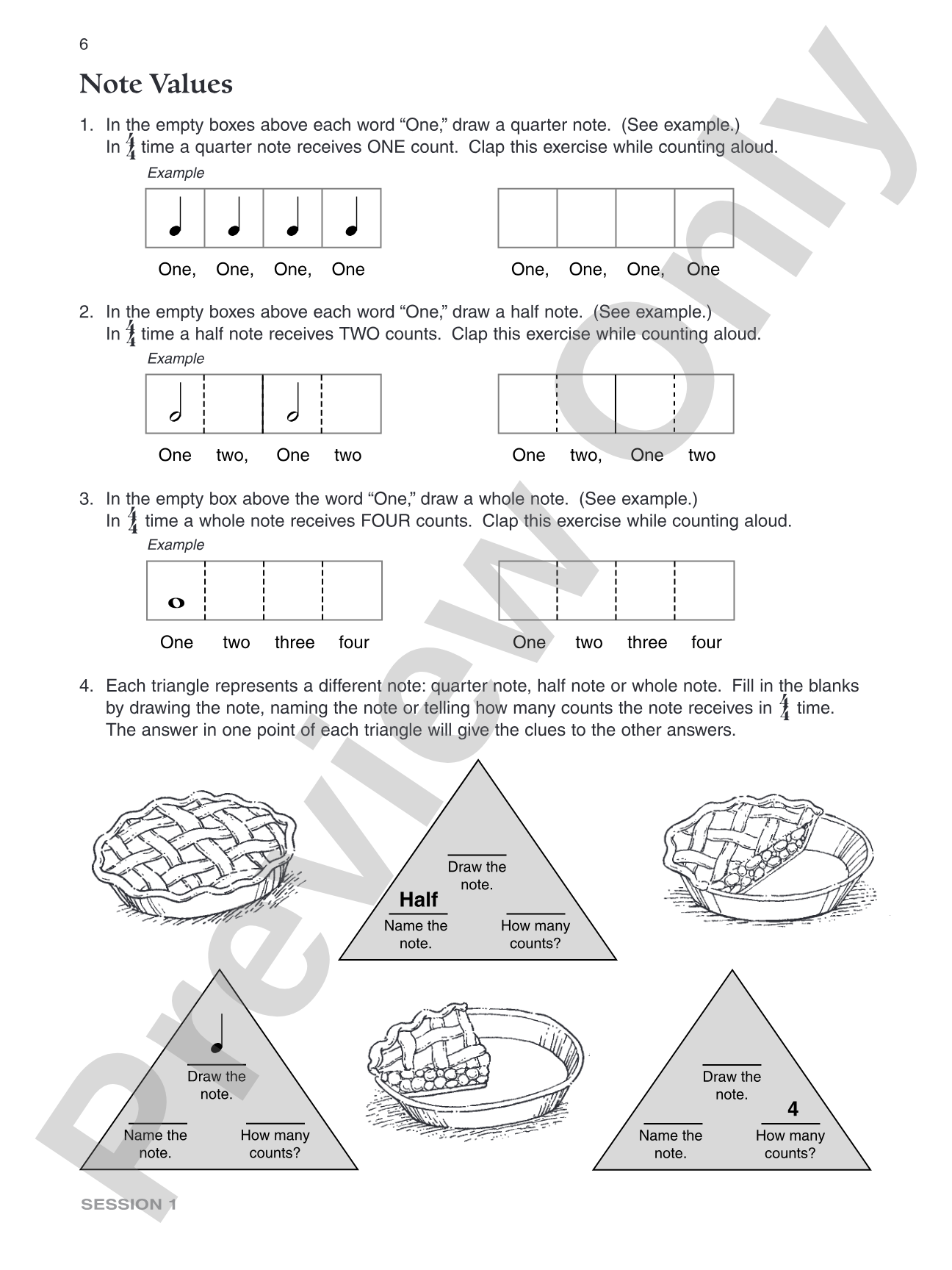
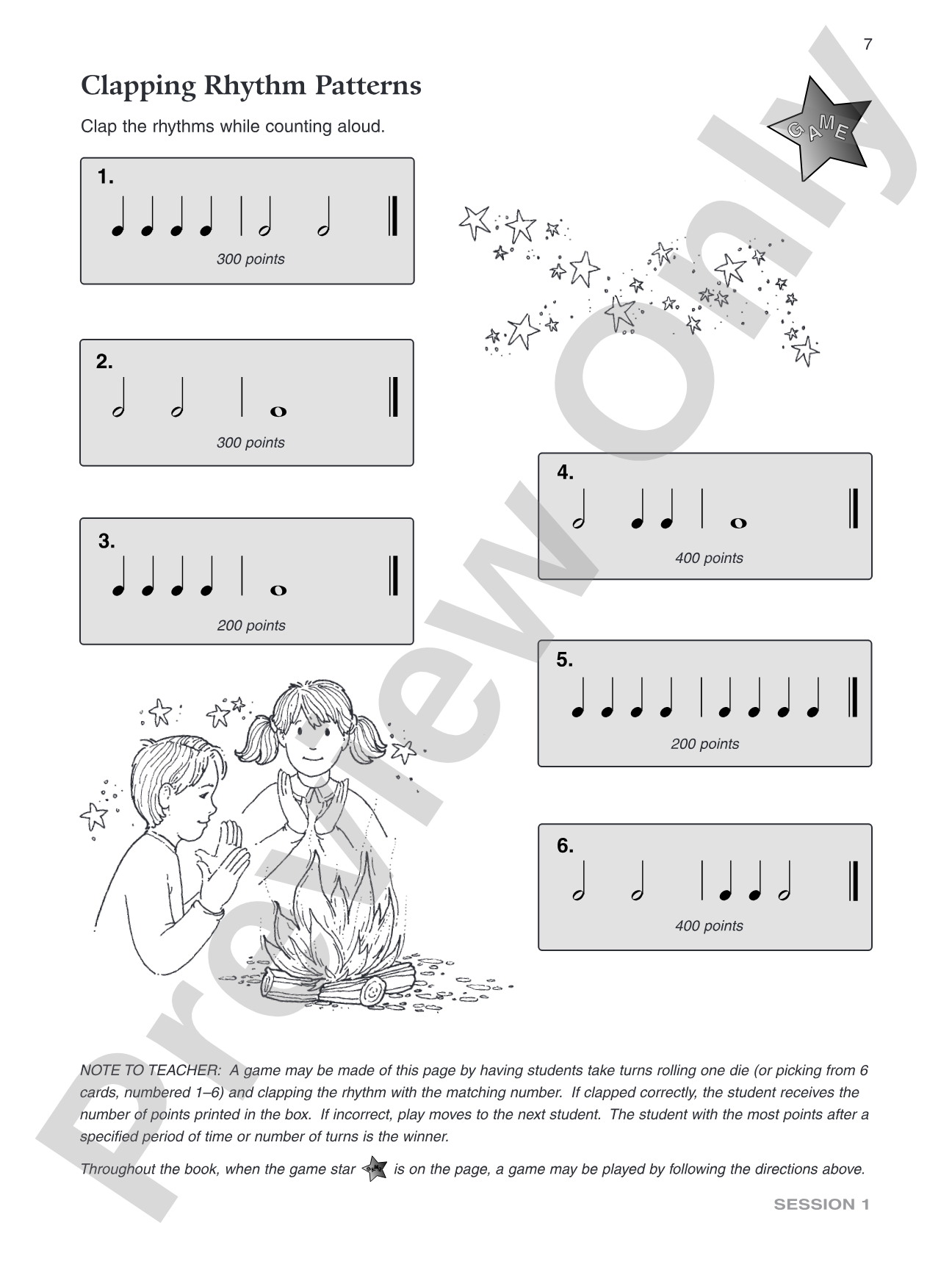
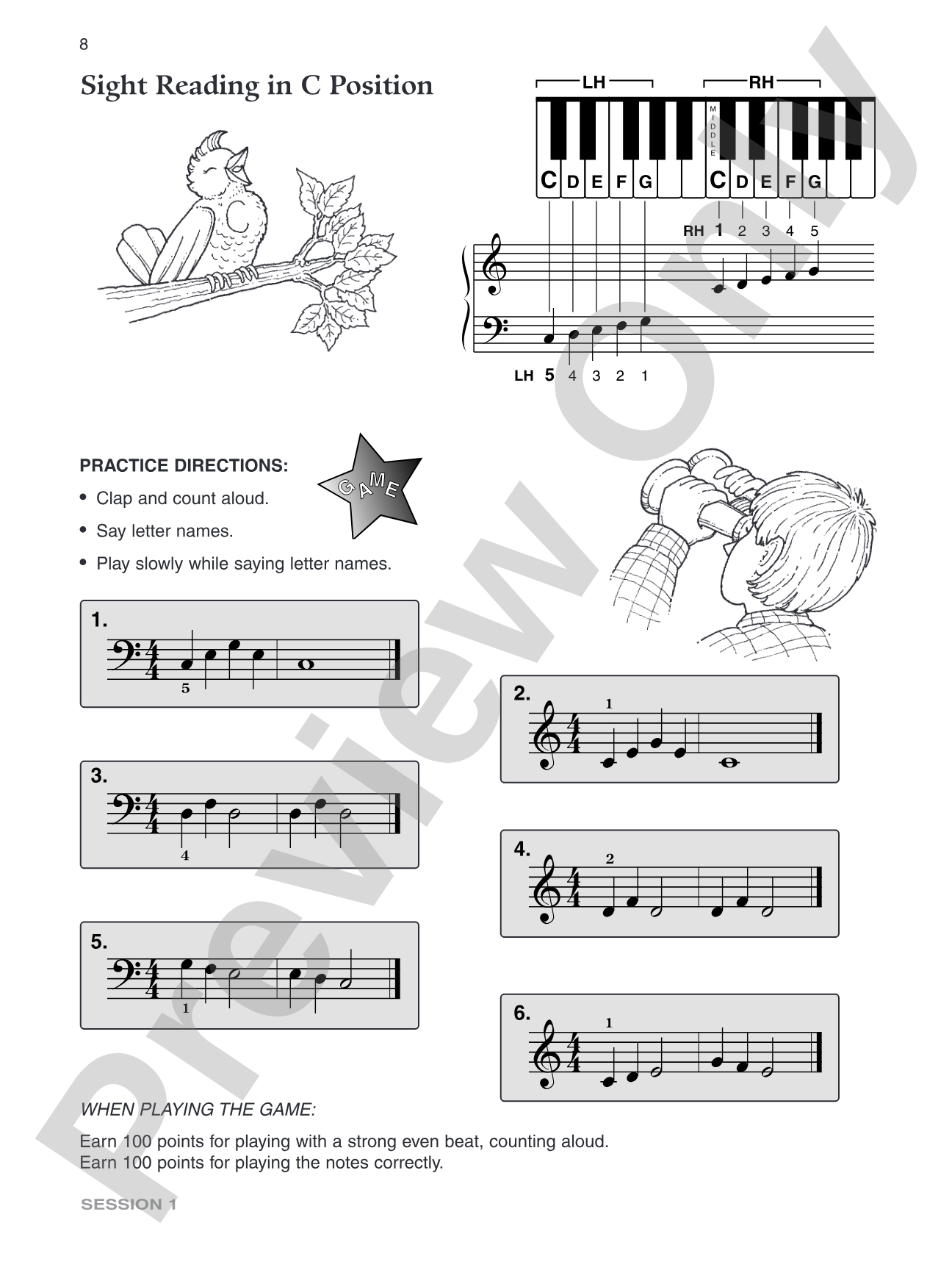
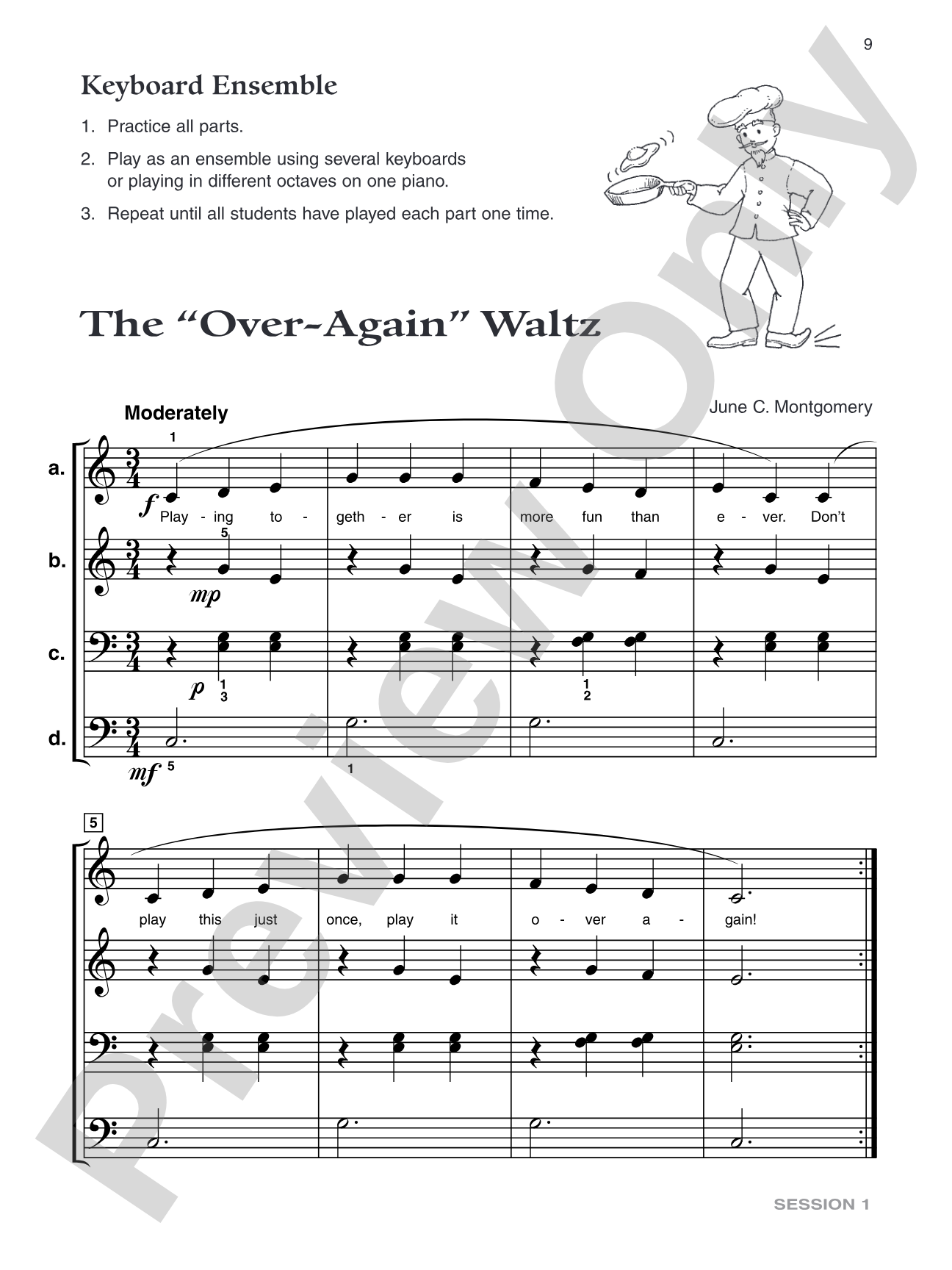
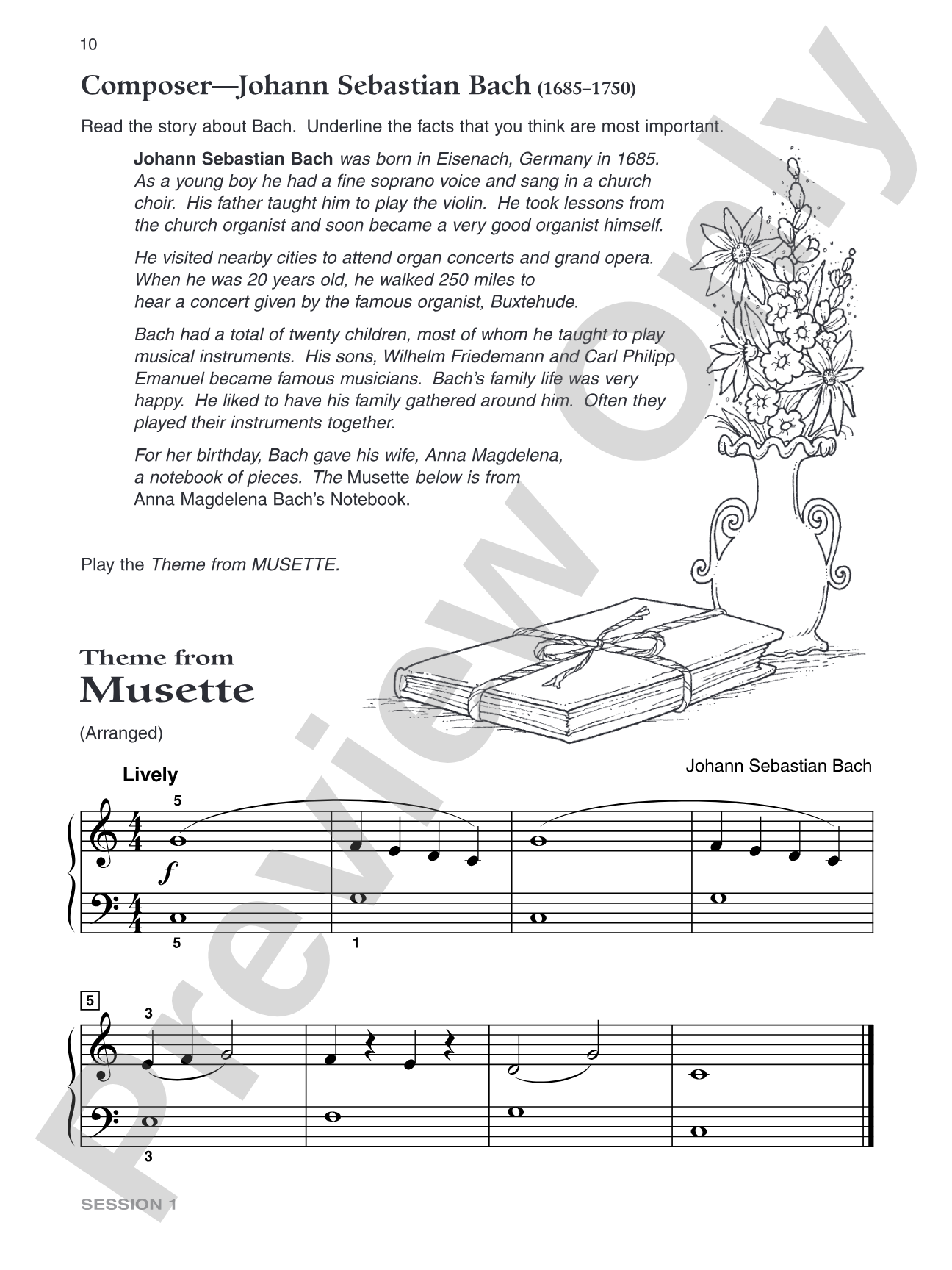
These unique books provide all of the materials you will need to create piano camps for students in the early levels. They include sections on "How to Schedule Piano Camps" and give a sample schedule for a typical two-hour session. Each book contains five 8-page units, each including note reading, intervals, sight reading, rhythm and note values, ear training, music symbols, terms and a composer page. Three group games are included in each book to provide additional incentives to excel. The books correlate with Alfred's Basic Piano Library, Levels 1A-3, but can be used with any method.


Piano Camp, Book 1: Five Sessions of Musical Activities for the Early Elementary Piano Student: Piano isn't in MakeMusic Cloud just yet...but it could be. Let us know you'd like to see it, and you'll help shape what comes next. In the meantime, start a free trial and dive into thousands of interactive titles your students can play along with today.
Request This Title
Tell us you want it.
Start Your Free Trial
Explore everything that's ready to play right now.
Sample Audio
No sample audio found.
Sample Video
No sample videos found.
Additional Details
Publisher:
Alfred Music
Page Count:
48
SKU:
00-PB-0001084
More about this title
About the Composer: June C. Montgomery

June C. Montgomery earned her degree from Florida State University and spent over two decades teaching private piano while also serving as an elementary music educator. Her work in school music led to recognition as an Outstanding Elementary Teacher of America and membership in Delta Kappa Gamma; she has also been active as a clinician at state and national conferences, including presentations at the Music Teachers National Association conventions.
Beyond her teaching practice, Montgomery has established herself as a prolific writer for Alfred Publishing, creating piano solos, comprehensive method supplements, and collaborative works with respected colleagues like Maurice Hinson and Martha Mier. Her service to music extends into her church community, where she has directed children's choirs and served as carillonneur at the Stephen Foster Memorial.
Why we love this
Montgomery has designed these sessions with the specific logistics of group instruction in mind, including real scheduling guidance and a ready-made two-hour plan that teachers can adapt immediately. The structure balances focused skill work (note reading, intervals, ear training) with games that maintain engagement, so students build musicianship without the sessions feeling like drills.
What to expect
Structured yet playful, with enough variety to hold young students' attention across a full session. Each unit balances focused skill work with exploration, and the games feel rewarding rather than tacked-on.
Who it's for
Early elementary piano students working through Levels 1A-3 (or equivalent repertoire in other methods) benefit from these five-unit camps, whether organized during summer breaks or integrated into year-round studio or school settings. Teachers new to group piano instruction or experienced ones seeking structured material will find the scaffolded approach and ready-to-teach format immediately useful.
How to get the most out of it
- Assign students to different units based on their current method book level within Levels 1A-3, rather than assuming everyone moves through them simultaneously. This keeps pacing appropriate and prevents frustration.
- Run the group games as earned incentives after completing assigned unit work, not as filler. Students complete more carefully when they know a game is waiting.
- Use the sample two-hour schedule as a starting point, then adjust timing based on your group's actual pace. Some groups will finish note reading activities in 10 minutes; others need 15.
How to use it
Organize these five sessions into a concentrated week or spread them across multiple Saturdays as a studio supplement or community music initiative. Each 8-page unit stands alone, so you can also weave individual sessions into regular lessons when you want to refresh a student's grasp of intervals or rhythm values through a game-based approach.
Skills your students will build
- Note reading accuracy in the early treble range
- Interval recognition and naming
- Sight reading fluency at the early elementary level
- Rhythm reading and understanding of note values
- Ear training and listening discrimination
- Music symbol recognition and terminology
- Composer identification and music history awareness
- Collaborative learning through structured group games