Piano a la Jazz: Easy Cover Image

Piano a la Jazz: Easy: Piano Book

$6.99 USD
Sale price  $6.99 USD Regular price 
Skip to product information
Piano a la Jazz: Easy Cover Image

Piano a la Jazz: Easy: Piano Book

A Collection of Easy Jazz Solos

By Carl Strommen

Level: Early Intermediate / Intermediate

Item: 00-1843

$6.99
Shipped

One moment…

Description
A collection of original jazz solos designed to provide enjoyable performance material for the beginning student. A wonderful way to support rhythmic and technical development.

Piano a la Jazz: Easy: Piano Book isn't in MakeMusic Cloud just yet...but it could be. Let us know you'd like to see it, and you'll help shape what comes next. In the meantime, start a free trial and dive into thousands of interactive titles your students can play along with today.

Sample Pages

Sample Audio
No sample audio found.
Sample Video
Additional Details
Publisher: Alfred Music
Page Count: 24
ISBN10: 0-7390-1324-6
ISBN13: 978-0-7390-1324-3
UPC: 038081013428
SKU: 00-1843

More about this title

About the Composer: Carl Strommen
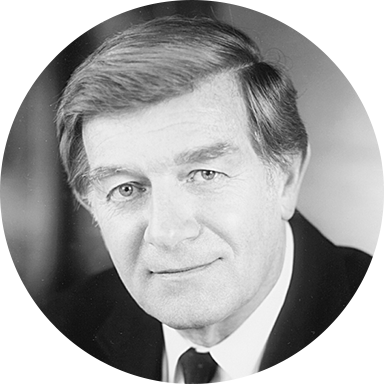
Carl Strommen

Carl Strommen's work spans band, orchestra, jazz ensemble, and vocal settings, making him one of the most widely performed composers and arrangers in North America and abroad. His music regularly appears in concert halls, broadcasts, and film scores. He has received the ASCAP Standard Writers Award annually throughout his career, reflecting the consistent quality and breadth of his output.

Strommen earned his degree from the City College of New York and maintains deep ties to music education as an adjunct professor of orchestration and composition at C.W. Post Campus of Long Island University. He splits his time between Long Island and extended stays in Colorado with his family.

Why we love this

Strommen writes jazz solos that actually sound like jazz without overwhelming young pianists with complex harmony or impossible technical demands. The collection balances genuine musical style with accessibility, giving students real jazz vocabulary to internalize while their hands and ears are still developing.

What to expect

These solos have the relaxed, conversational quality of real jazz, full of rhythmic lift and harmonic color without baroque counterpoint or romantic virtuosity demands. Playing them feels like learning to speak a new musical dialect, one where swing, syncopation, and personal expression matter as much as note accuracy.

Who it's for

Early intermediate to intermediate pianists ready to explore jazz language with pieces written specifically for their level. Students in private study or group piano settings who want performance material that builds technical skill while introducing authentic jazz style and rhythm.

How to get the most out of it

  • Treat the rhythmic figures as conversation starters. Strommen's original melodies often sit on jazz-inflected grooves, so lock into the pulse early and let syncopation settle before pushing tempo.
  • Voice the comping suggestions (if included) to match your hand size and strength. Beginning students sometimes rush or tense up when reaching across multiple octaves; simplify voicings to maintain musicality and flow.
  • Record yourself and listen back for swing feel. Jazz solos on piano require a different relationship to timing than classical pieces; even small adjustments to note duration and articulation shift the groove significantly.
  • Spend time away from the page once you know the notes. Jazz thrives on interpretation and personal touch, so leave room to discover your own phrasing and dynamics.

How to use it

Feature individual pieces in student recitals to showcase stylistic diversity beyond classical repertoire. Jazz collections like this also work well as supplementary performance material in group piano classes or as bridges between technique-focused work and public playing experience.

Skills your students will build

  • Reading and interpreting jazz rhythms and syncopation
  • Swing feel and triplet-based timing
  • Comping and chord voicing at the keyboard
  • Jazz articulation and phrasing distinct from classical style
  • Improvisation foundations through performance of composed solos
  • Left-hand groove and walking patterns in jazz contexts

You May Also Like