
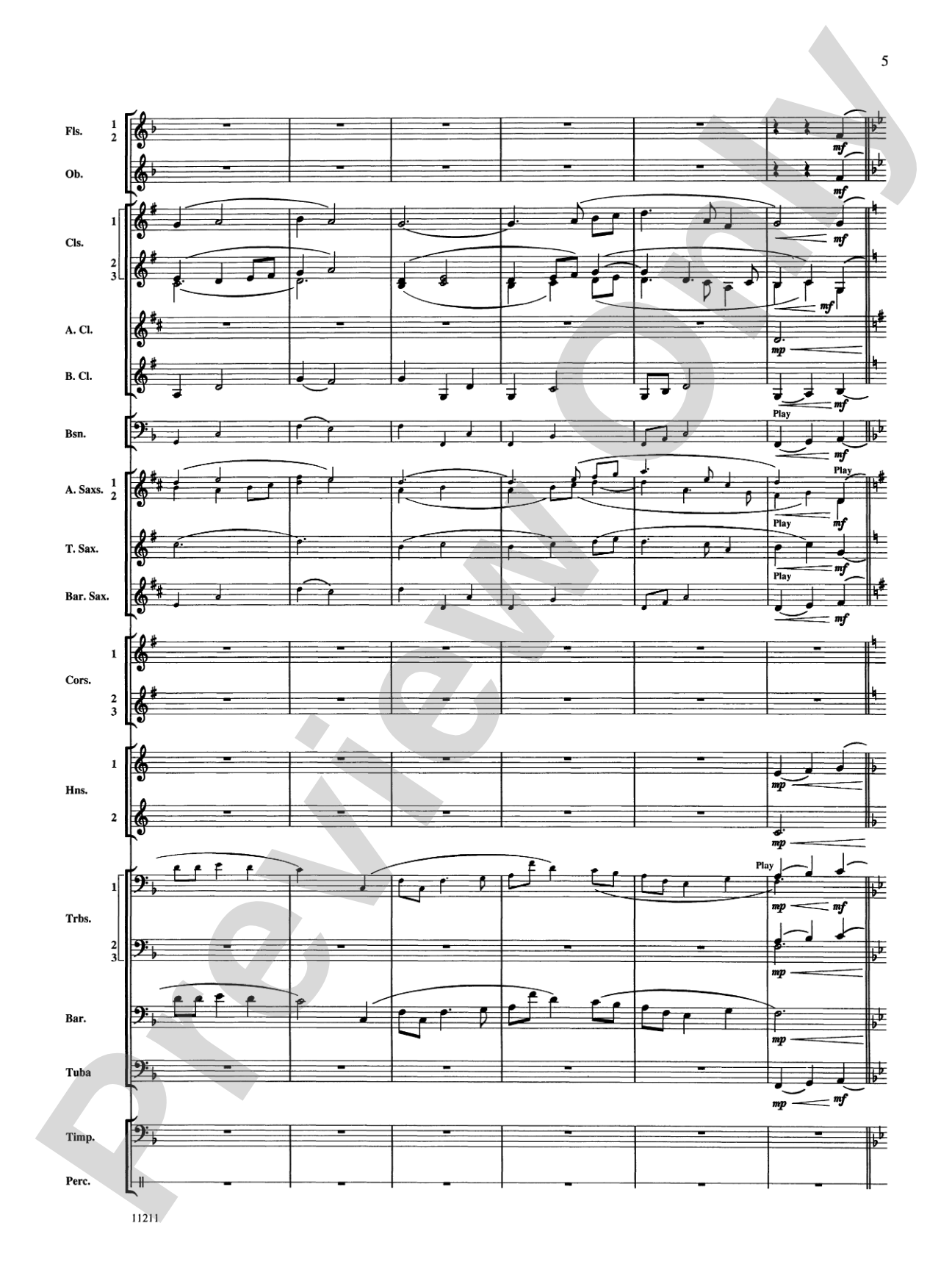
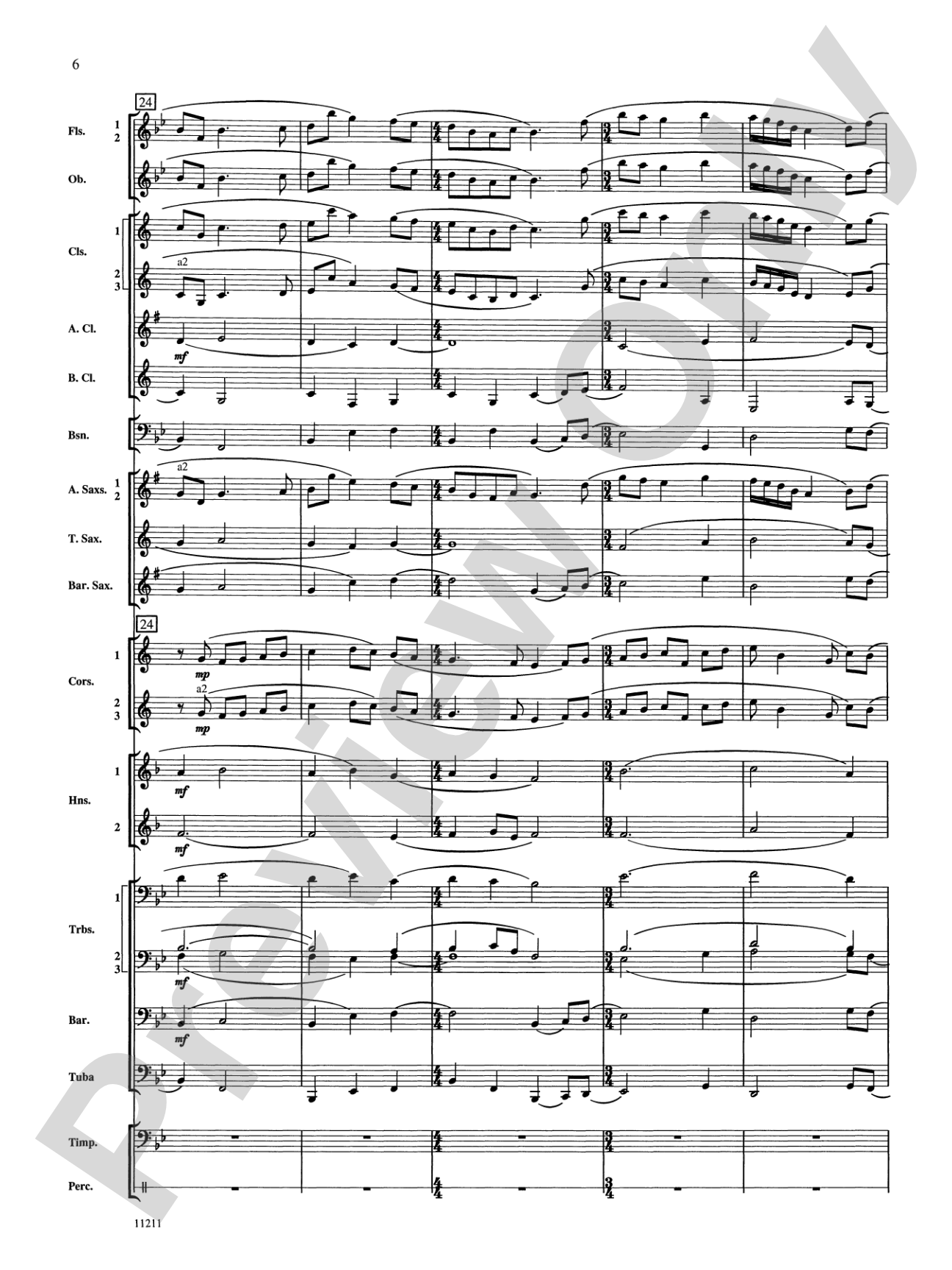
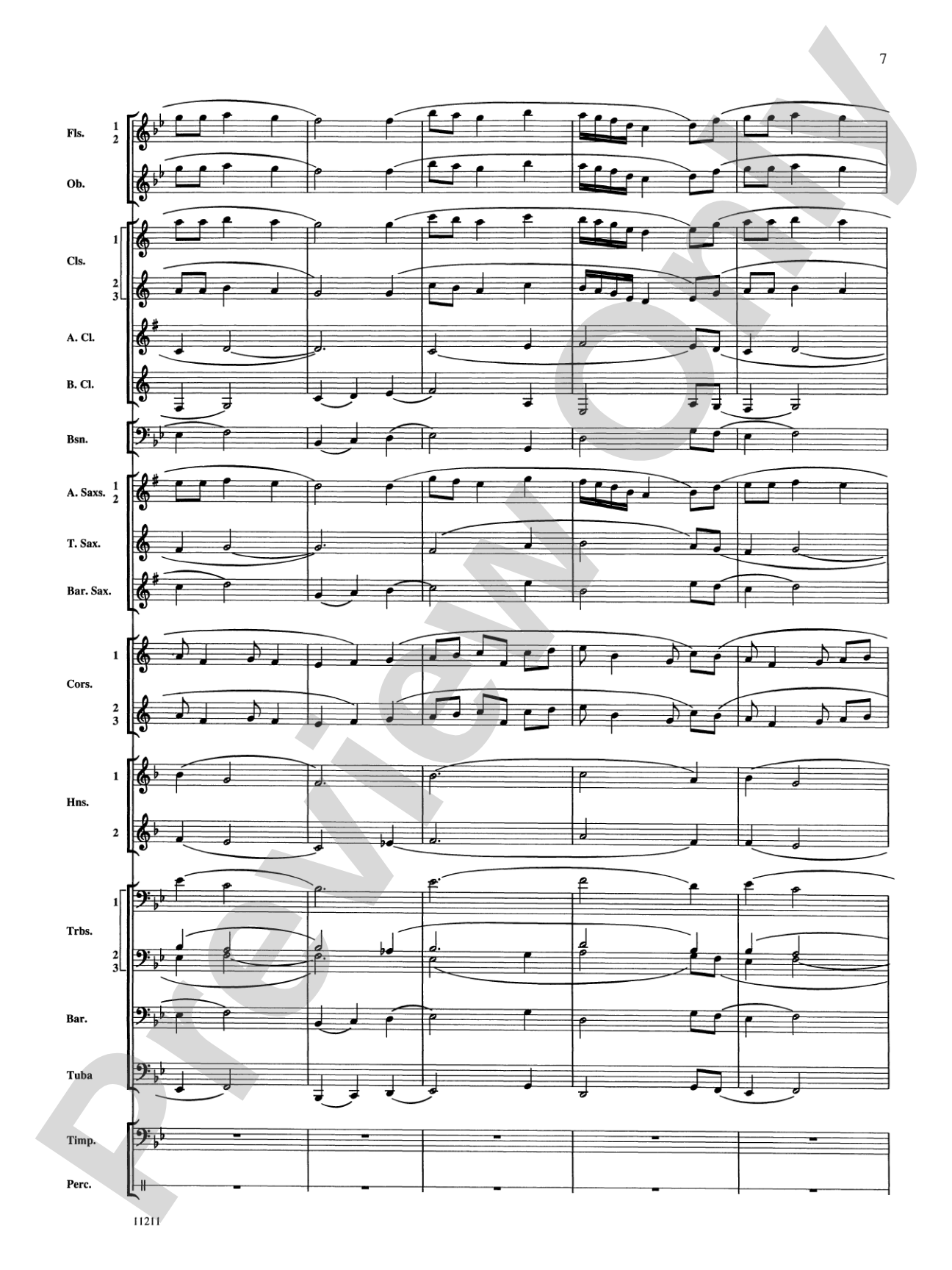
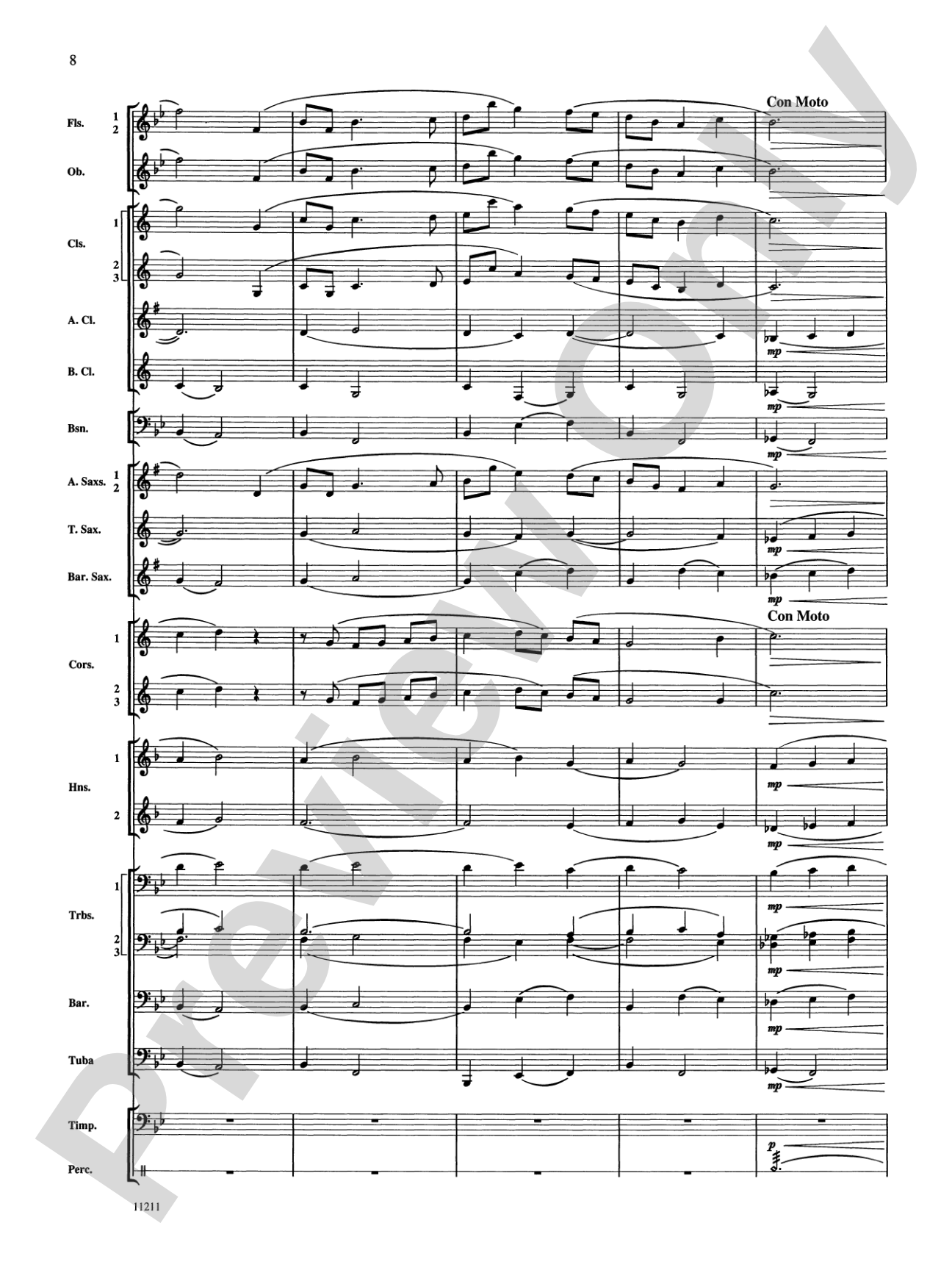

Petty Harbour Bait Skiff: Concert Band Conductor Score & Parts
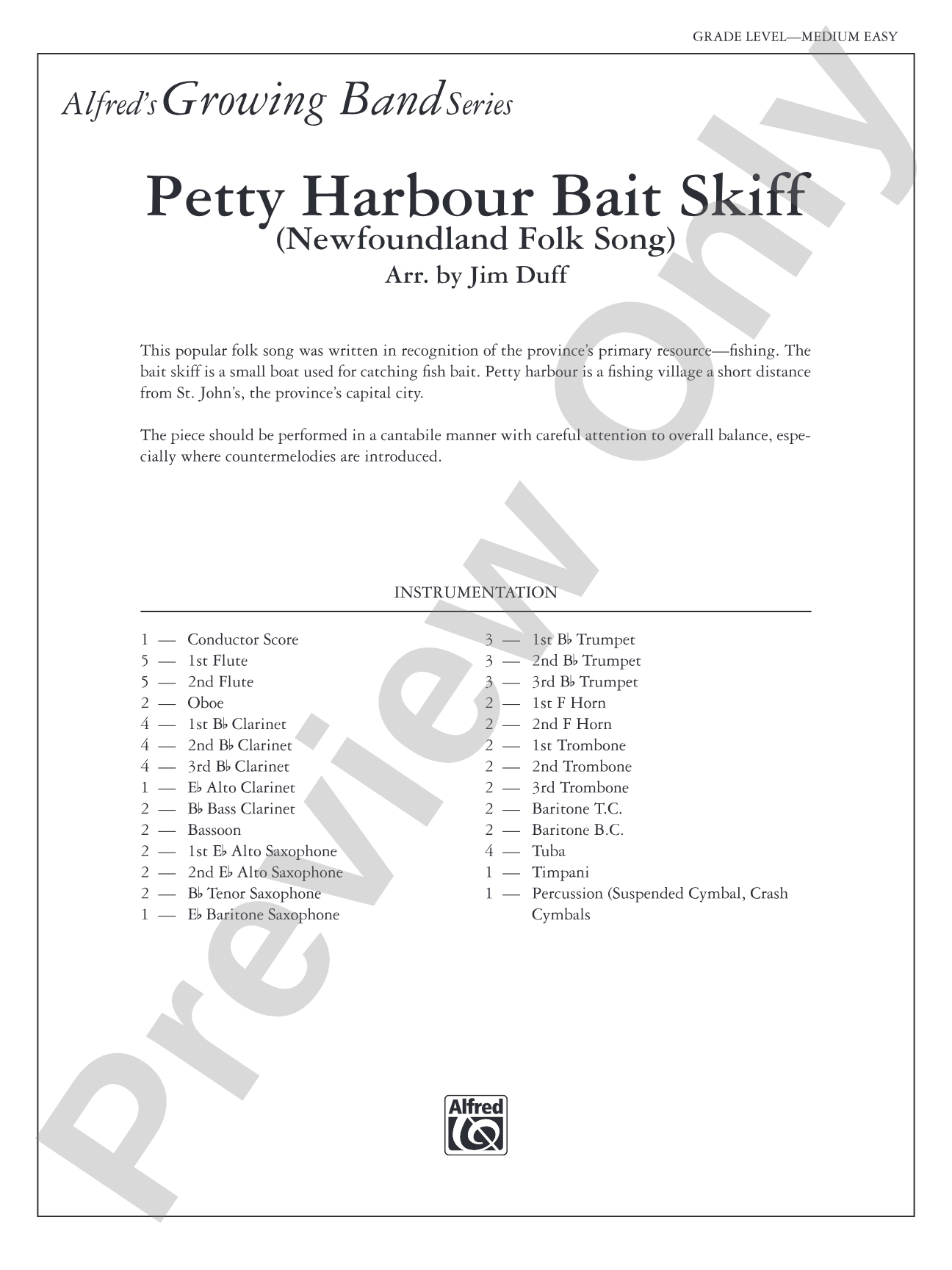
Newfoundland Folk Song / arr. Jim Duff
Grade: 3 (Medium)
Item: 00-PK-0000014

$60.00
Pickup currently not available
Buy Extra Parts (Digital PDF Download)
Parts Added to Cart!
Description
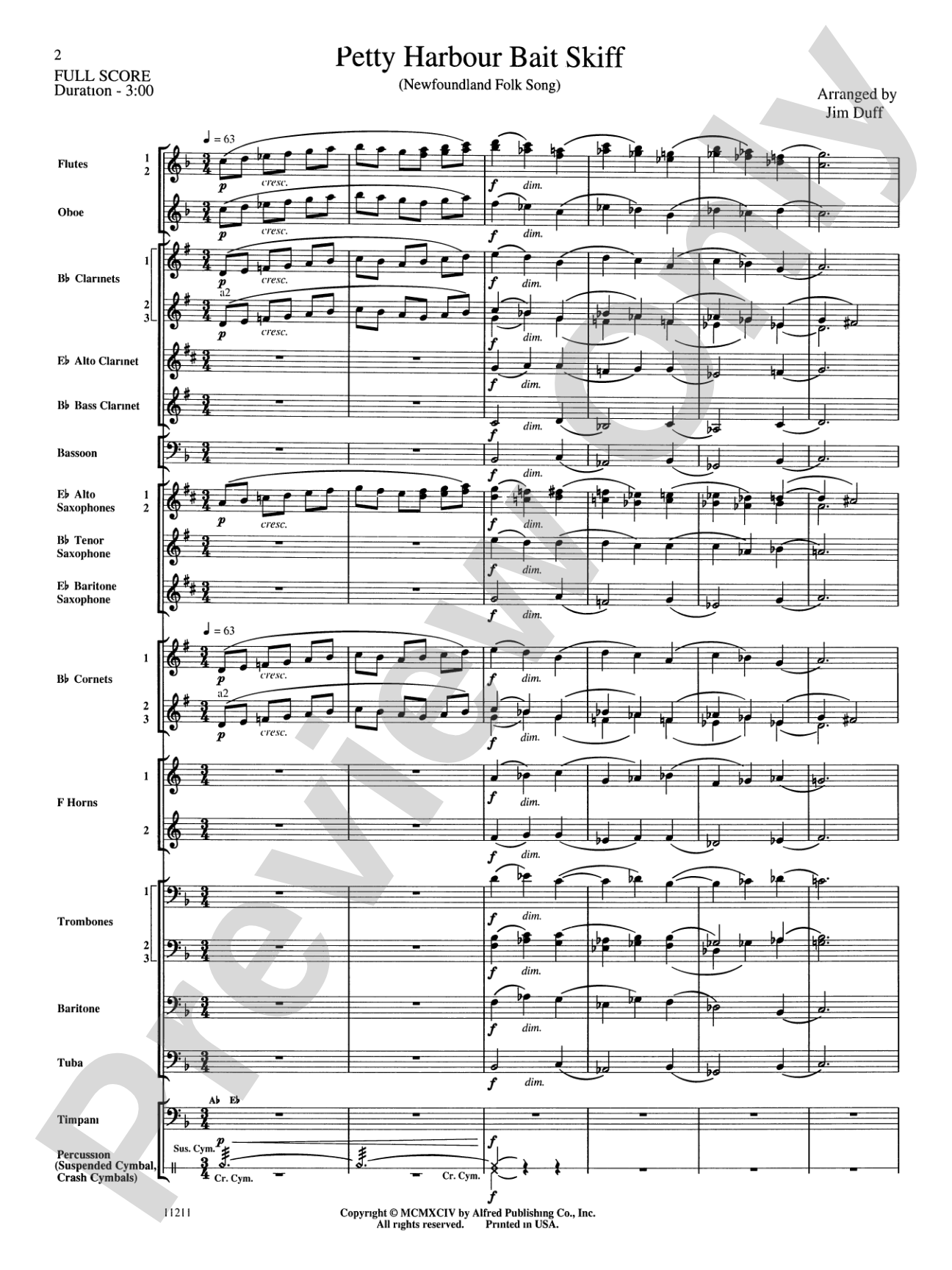
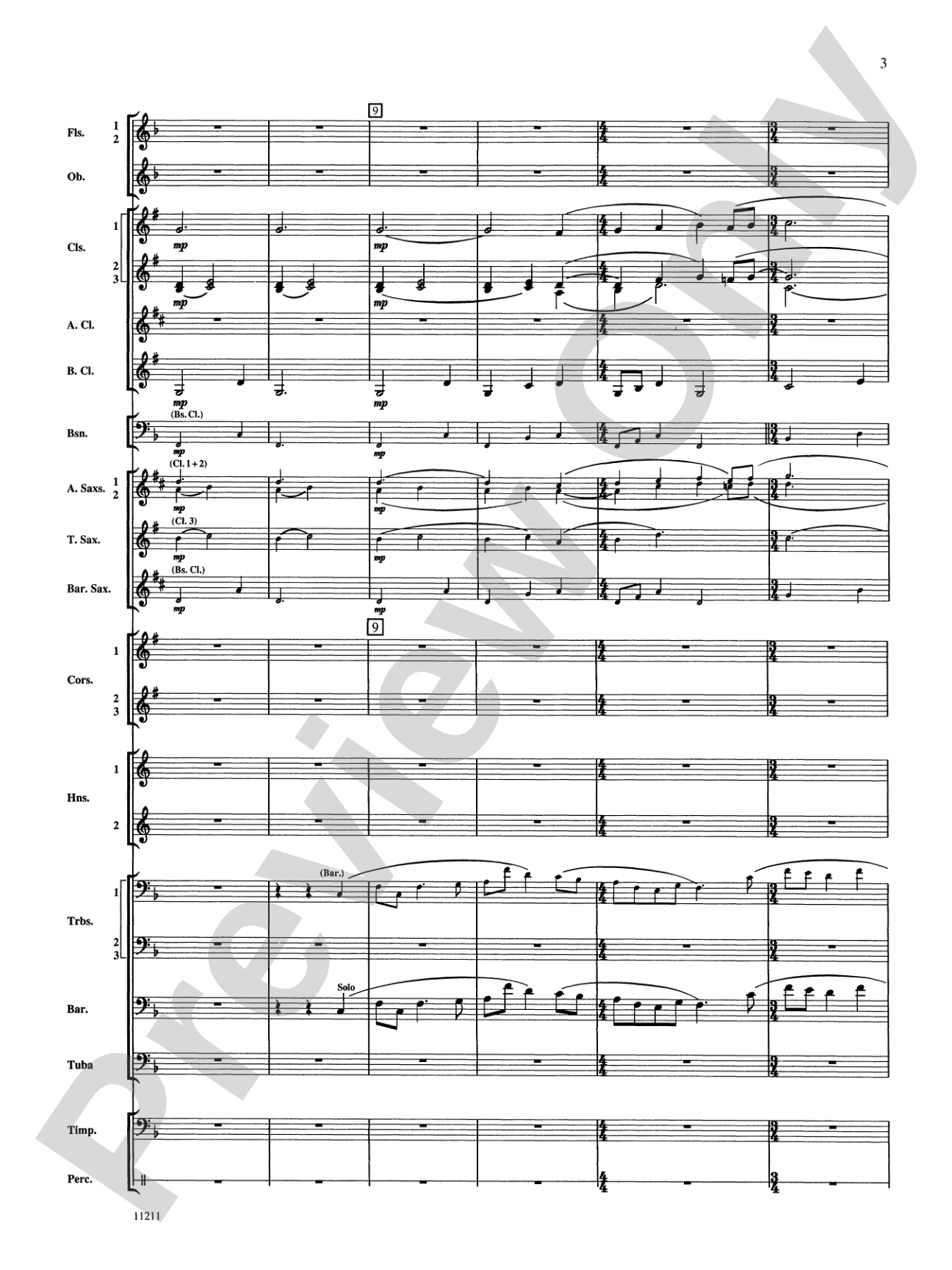
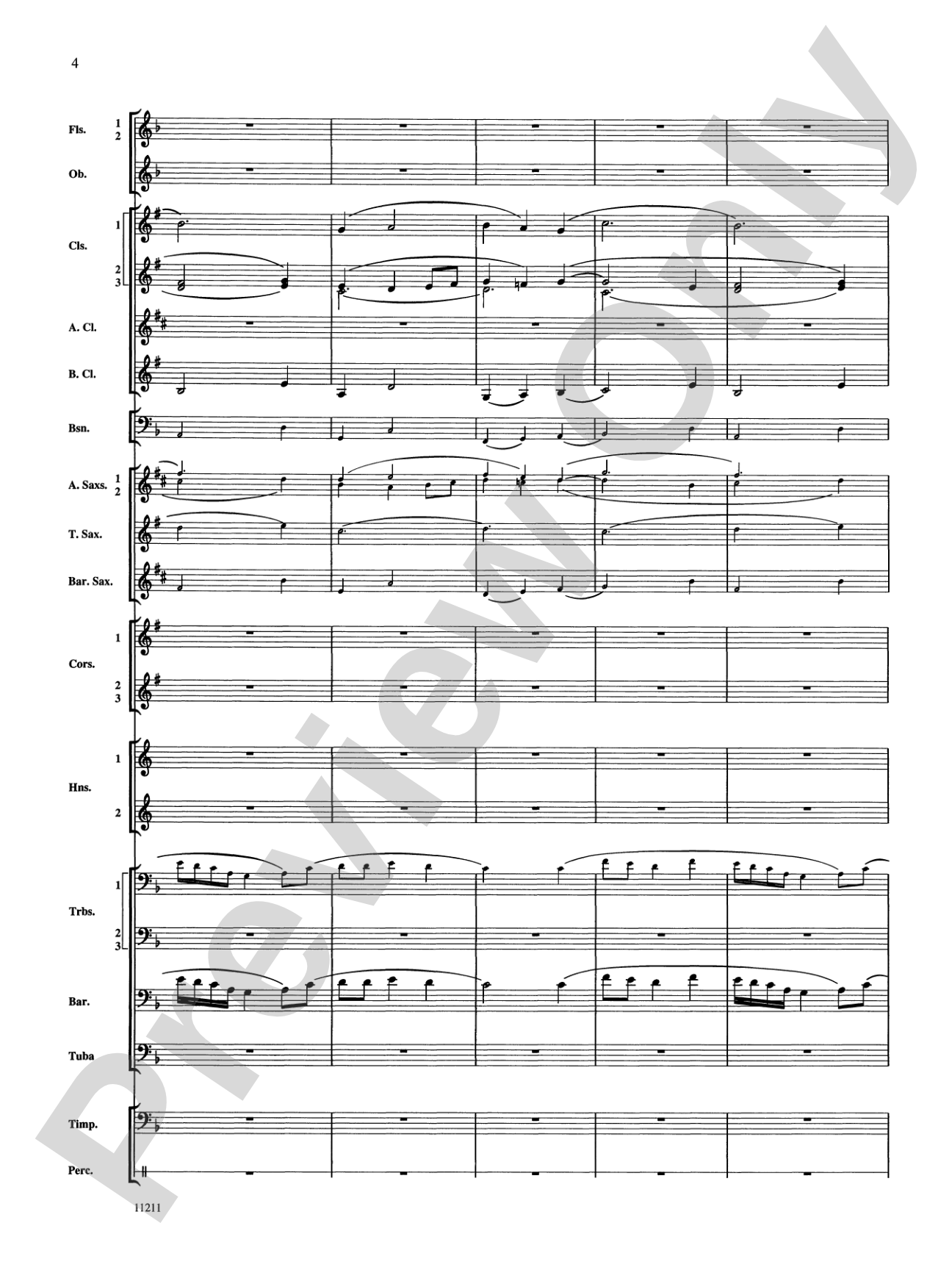
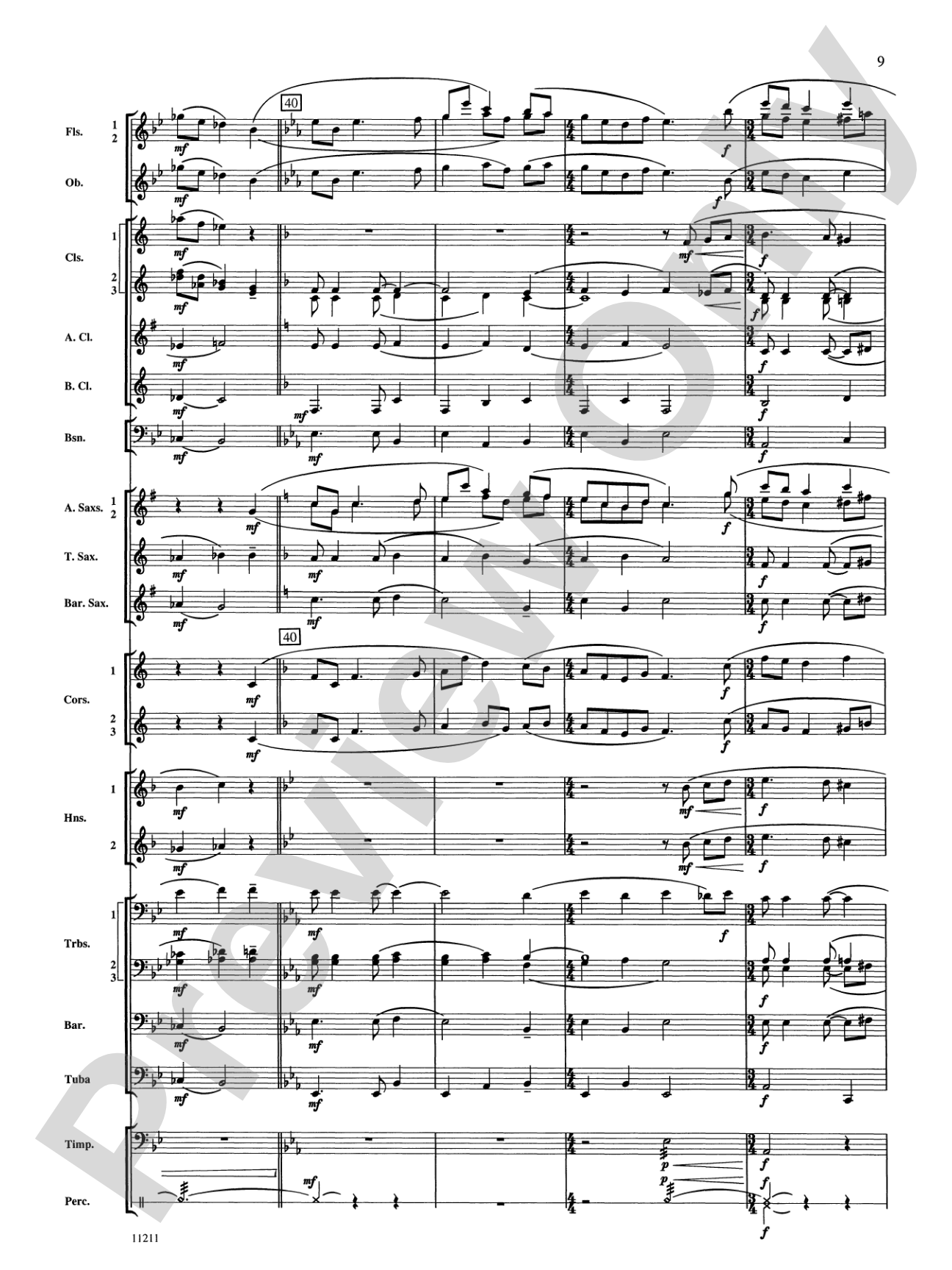
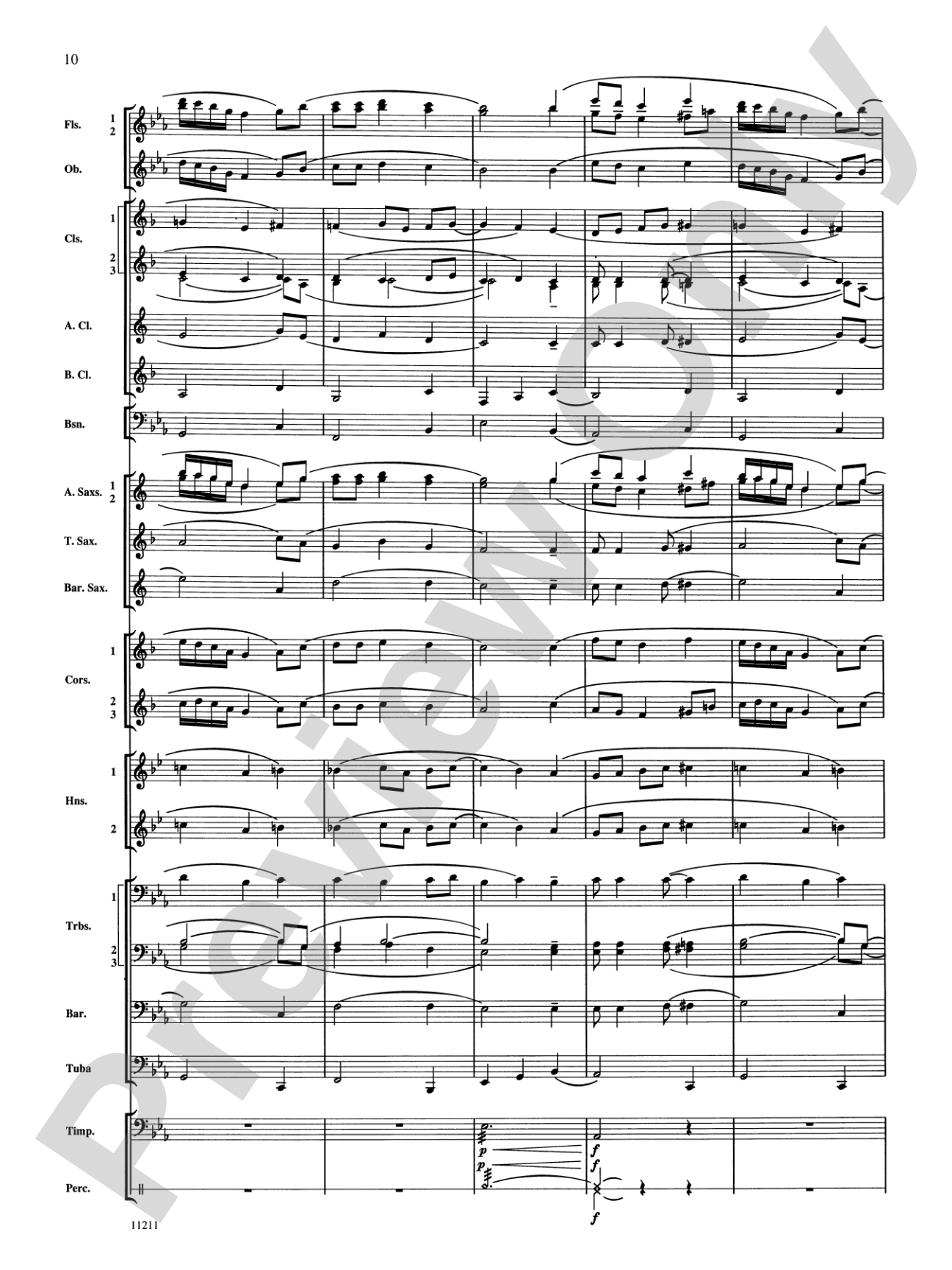
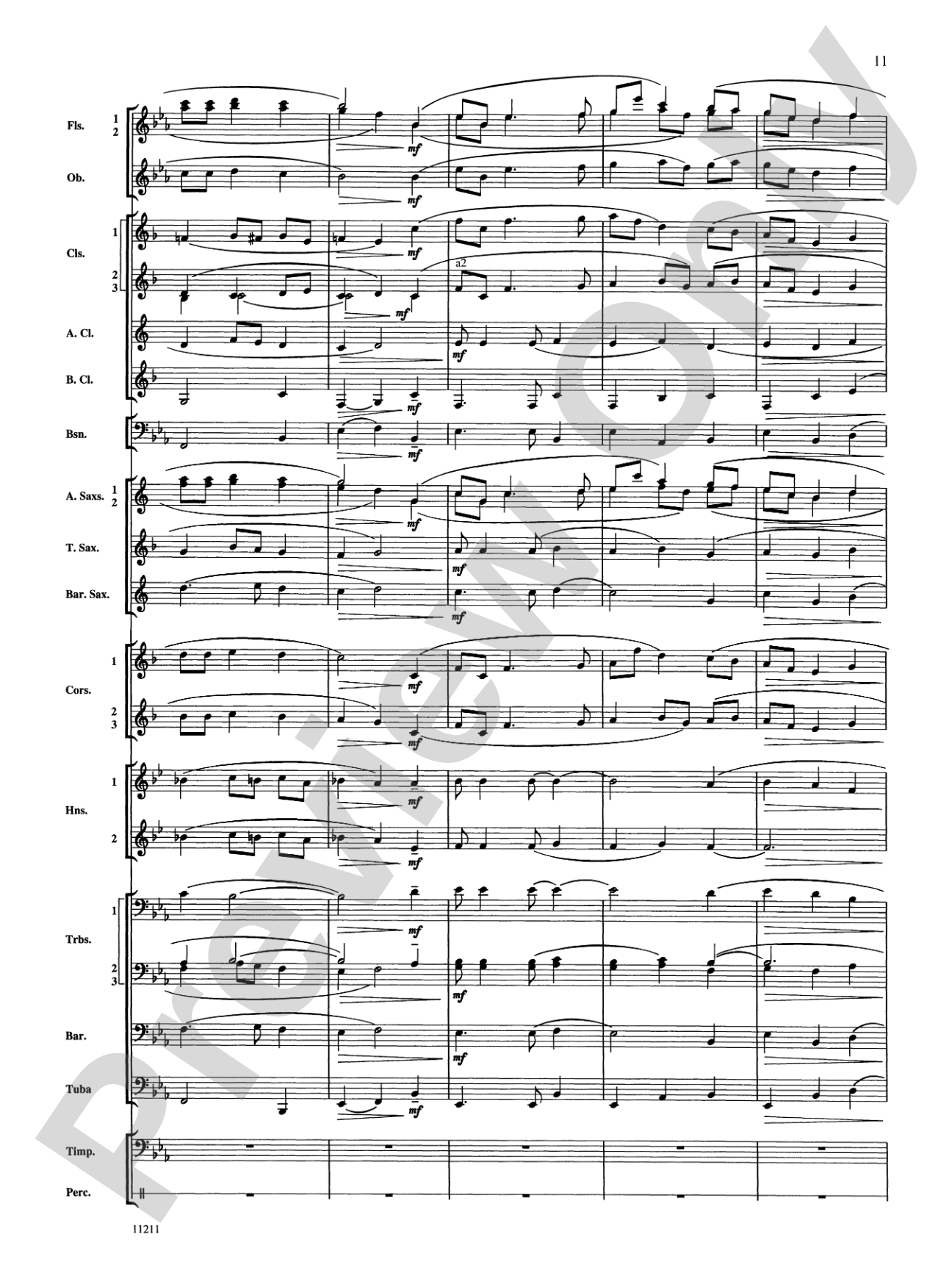
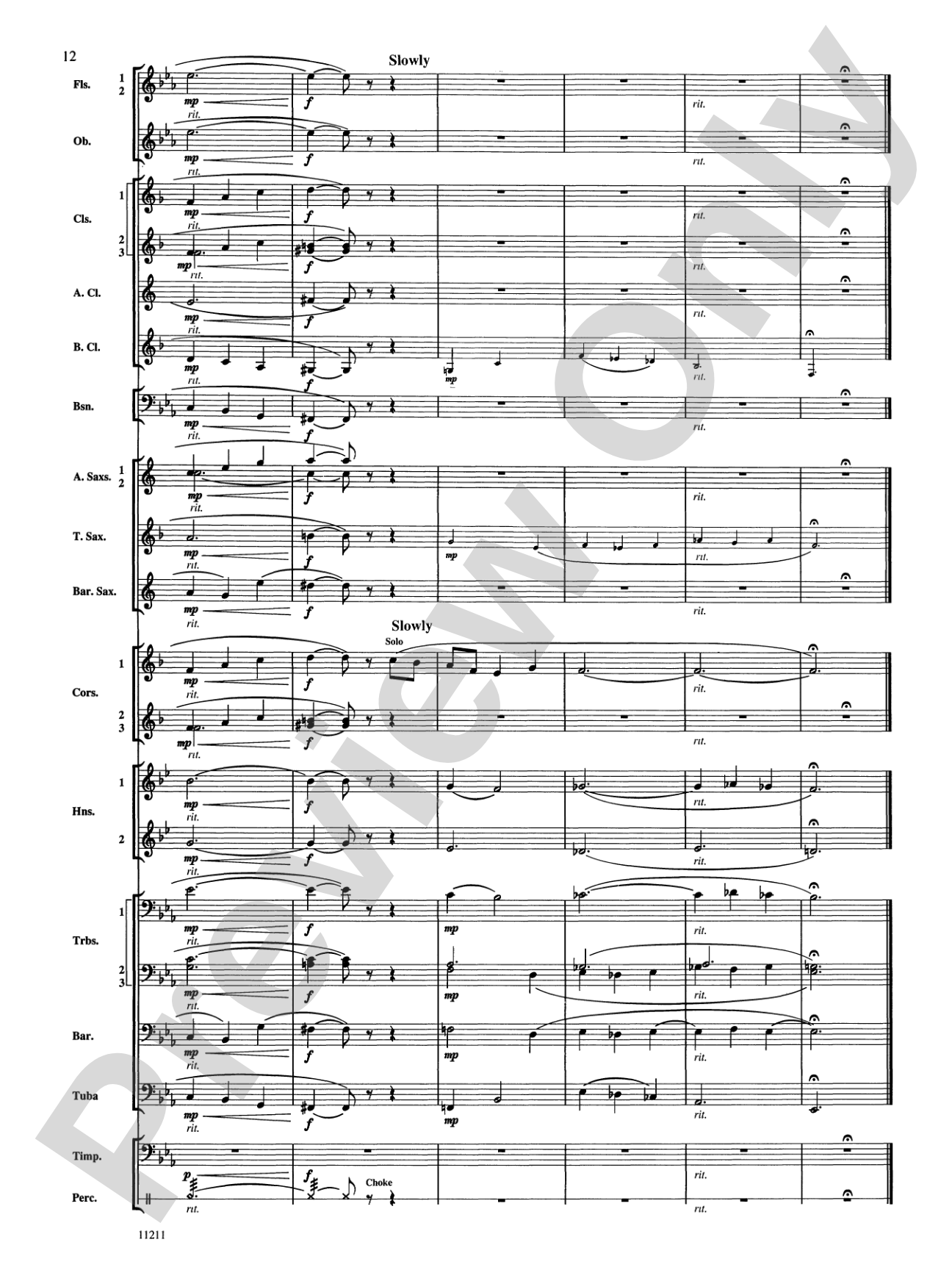
"Petty Harbour Bait Skiff" is a popular Newfoundland folk song written in recognition of the province's primary resource-fishing. This beautiful arrangement opens with a baritone solo playing the theme which is later picked up by the whole band. The melodic lines and sweeping countermelodies rise and fall over the lush harmonies depicting the beauty of the region.


Don't just read it, hear it, play along with it, and watch your students grow with it. In MakeMusic Cloud, Petty Harbour Bait Skiff: Concert Band Conductor Score & Parts comes alive with professional accompaniment, adjustable tempo, and built-in practice tools that turn solo practice into real progress.
Open in the Player
Jump straight in and assign it today.
Start Your Free Trial
Open this title and explore the full library in minutes.
Sample Audio
1
Audio File
--:--
0:00
0:00
Sample Video
No sample videos found.
Additional Details
Series:
Growing Band Series
Publisher:
Alfred Music
Page Count:
130
SKU:
00-PK-0000014
More about this title
Why we love this
Duff's arrangement honors the melodic strength of this Newfoundland folk song while building it across the ensemble in a way that keeps Grade 3 bands engaged and sounding rich. The baritone solo opening gives your middle-level players a genuine moment to shine before the full band enters, creating natural narrative arc without technical excess.
What to expect
Open, reflective, and rooted in place. The melody carries the quiet dignity of a working landscape, unfolding over harmonies that suggest both the beauty and the labor of maritime life. The arrangement breathes with the rhythm of the sea rather than pushing aggressively forward.
Who it's for
Band directors working with Grade 3 ensembles who want to program folk repertoire with real substance and cultural connection. Students playing baritone or euphonium benefit from a genuine solo role, while the full band gets practice balancing melody and countermelody at a manageable technical level.
How to get the most out of it
- Balance the baritone solo carefully during the opening; this is the band's first impression of the melody, so tone quality and phrasing matter as much as technique.
- Shape the countermelodies that rise and fall beneath the main theme; they're what create the sweeping character described in the arrangement, not just harmonic filler.
- Allow the harmonies space to breathe during transitions between solo and full-band sections; resist the urge to rush into tutti moments.
- Mark phrase endings clearly in rehearsal so players understand where the melodic arcs complete, especially when multiple lines are moving simultaneously.
How to use it
This works beautifully on a concert exploring regional music or cultural heritage, paired with other folk arrangements or art songs. It also serves as a thoughtful closer or opener, offering the audience a moment of reflection rather than spectacle.
Skills your students will build
- Singing a lyrical melodic line with phrase awareness and rubato flexibility
- Balancing solo and ensemble textures
- Sustaining harmonic support beneath active melodic material
- Reading and responding to expressive dynamic and tempo markings
- Listening for countermelodies and understanding how they interact with the main theme