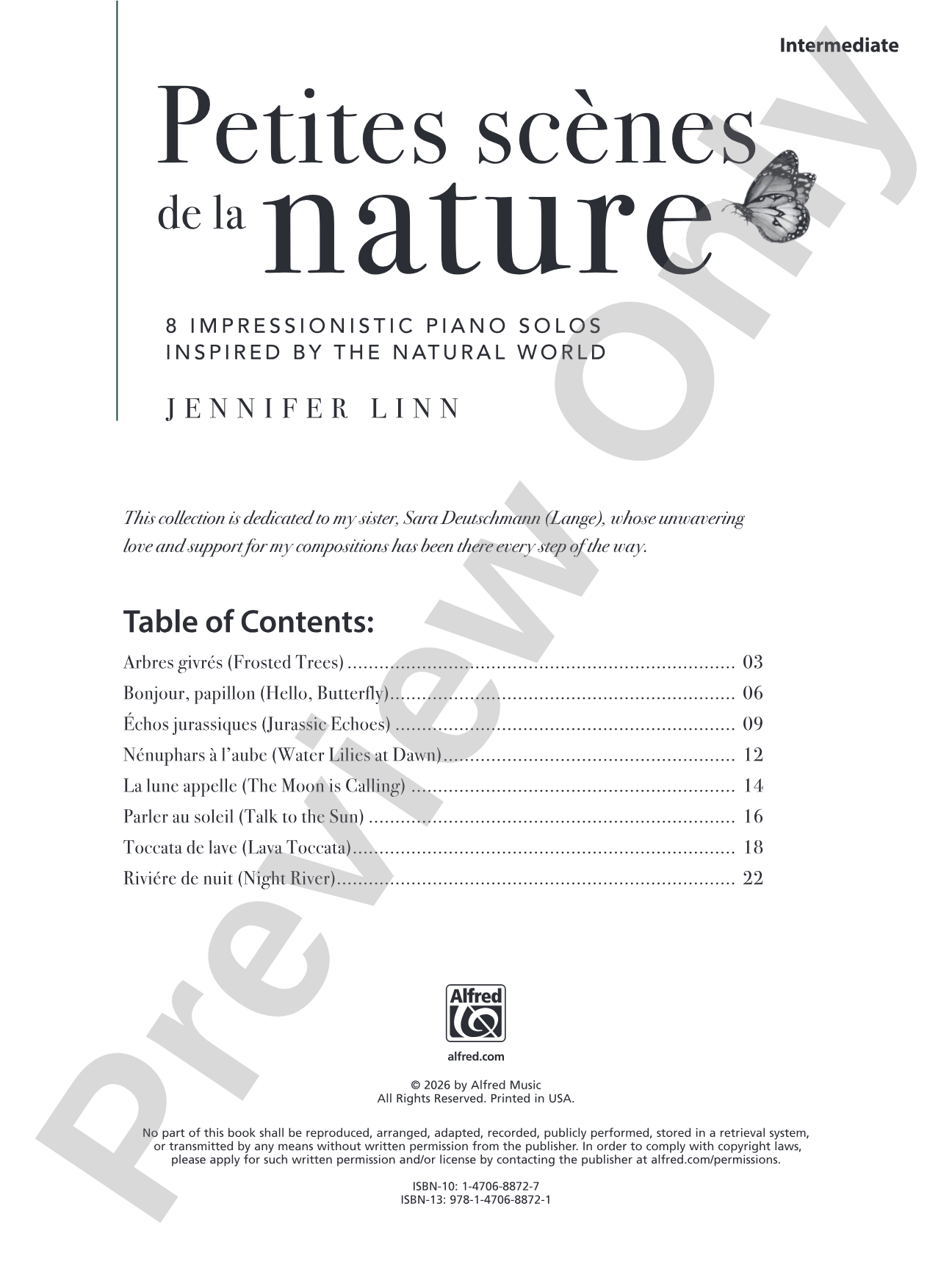
Petites scènes de la nature: 8 Impressionistic Piano Solos Inspired by the Natural World: Piano
8 Impressionistic Piano Solos Inspired by the Natural World
By Jennifer Linn
Level: Intermediate
Item: 00-PB-0002709
Digital Download
$11.99
Pickup currently not available
Description
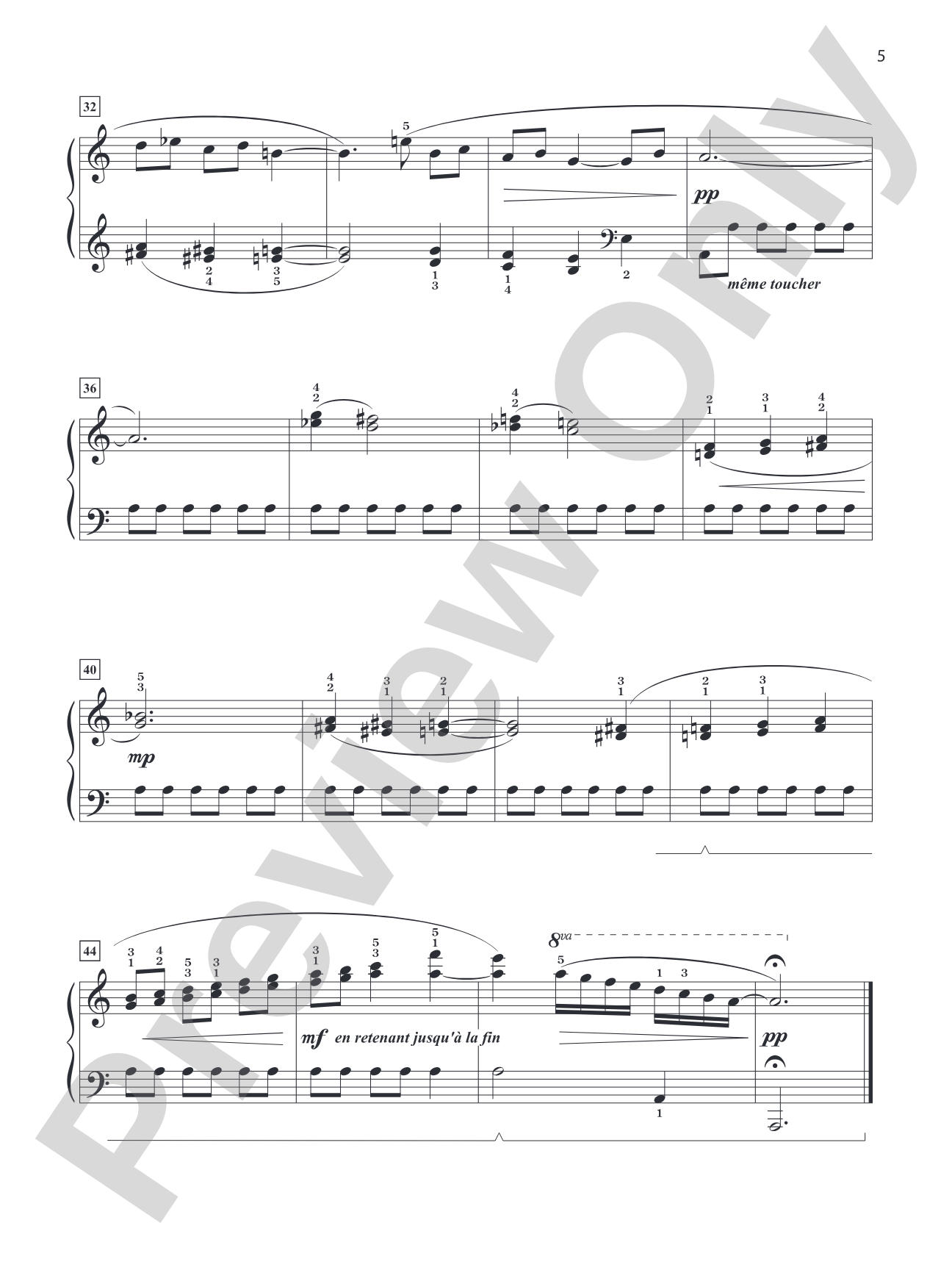
Inspired by the beauty and diversity of the natural world, these imaginative piano solos reflect the color, atmosphere, and artistry of the Impressionist tradition. From floating water lilies and graceful butterflies to volcanic landscapes and prehistoric creatures, each piece transforms its subject into a vivid musical impression. Intermediate pianists will enjoy bringing these musical paintings to life at the keyboard.
Discover MakeMusic Cloud: thousands of interactive titles your students can play along with today.
Jennifer Linn brings three decades of teaching experience to every piece she writes, having worked with piano students across all levels in private studios and university settings. Her output of over 300 published works reflects a deep commitment to meeting students where they are musically and developmentally. At the Hal Leonard Educational Piano division, she spent a decade shaping resources for learners; her recognition as UMKC Alumni of the Year in 2013 and recipient of the Albert Nelson Marquis Lifetime Achievement Award in 2020 speaks to her sustained impact on music education.
A pianist and performer in her own right, Linn earned her degrees with distinction from the UMKC Conservatory, where she won the Concerto-Aria competition and received the Vice Chancellor's award. Her work as a clinician has taken her across the United States, Canada, and India, where she leads master classes and pedagogical workshops. This combination of deep musical training, publishing expertise, and direct classroom knowledge informs every arrangement and original composition she creates.
Why we love this
Linn captures the essence of Impressionism without sacrificing pianistic clarity or student engagement. Each piece stands alone as a complete musical statement while the collection hangs together thematically, giving you flexible programming options for recitals, festivals, or unit-based lessons on musical imagery and tone color.
What to expect
Shimmering and painterly, these pieces invite you to think in colors and textures rather than strict harmonic progressions. You'll find moments of stillness alongside passages of rhythmic energy, all rendered in language that feels both contemporary and rooted in the Impressionist heritage.
Who it's for
Intermediate pianists ready to expand beyond classical forms into descriptive, tone-color-driven writing. Students who respond to storytelling and visual imagery will particularly connect with the natural world subjects Linn sets to music.
How to get the most out of it
Let the pedal work for you, but change it deliberately. These pieces rely on harmonic shimmer and resonance; resist the urge to hold the pedal through entire phrases without refreshing.
Listen to recordings of Debussy and Ravel if you haven't recently. Absorbing how professional pianists shape impressionistic textures will clarify your own interpretive choices and help you understand the tradition Linn is working within.
Balance melodic clarity with atmospheric texture. The subjects (water lilies, butterflies, volcanic landscapes) demand both a singing line and carefully voiced supporting material; neither should dominate entirely.
How to use it
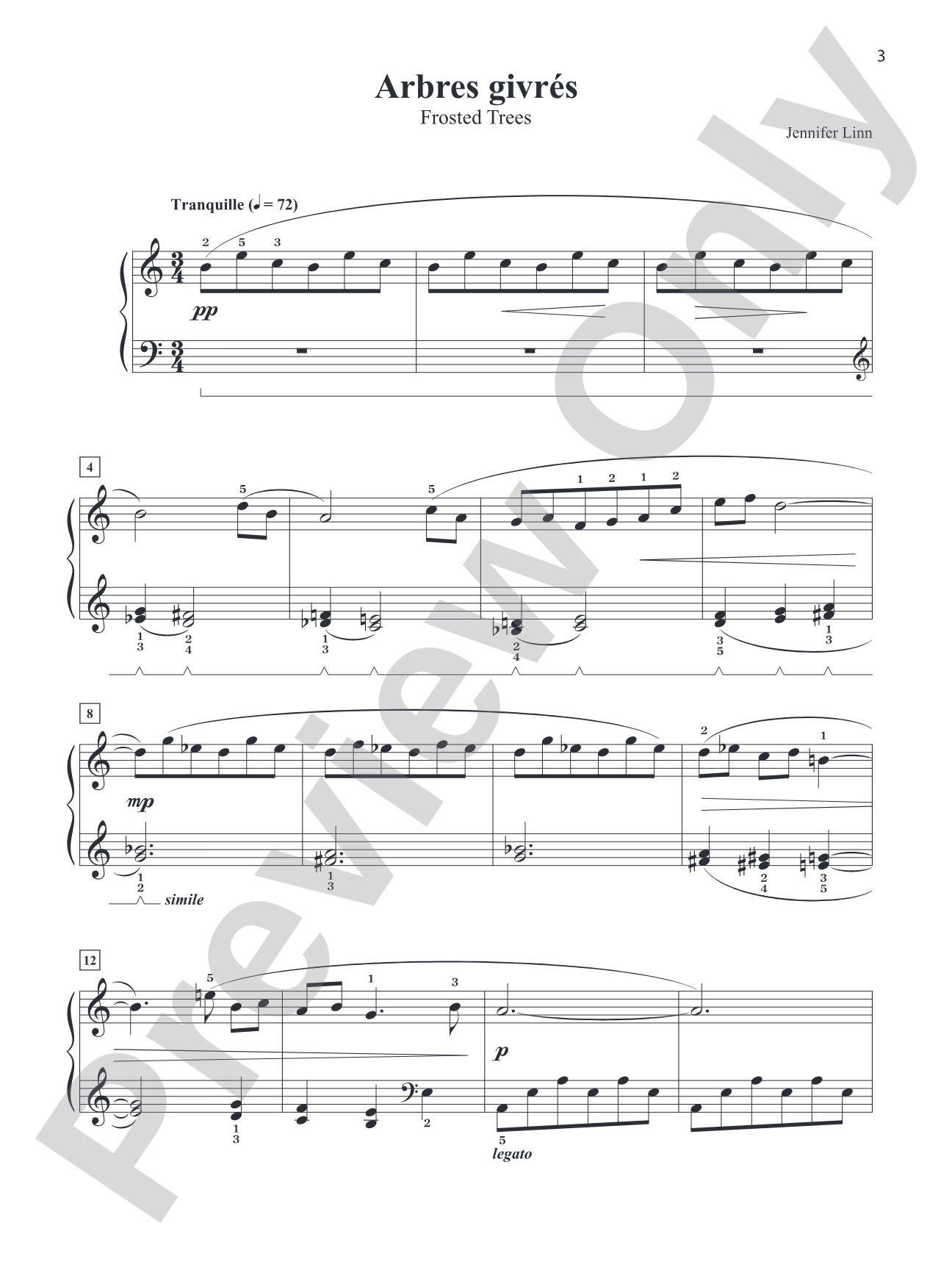
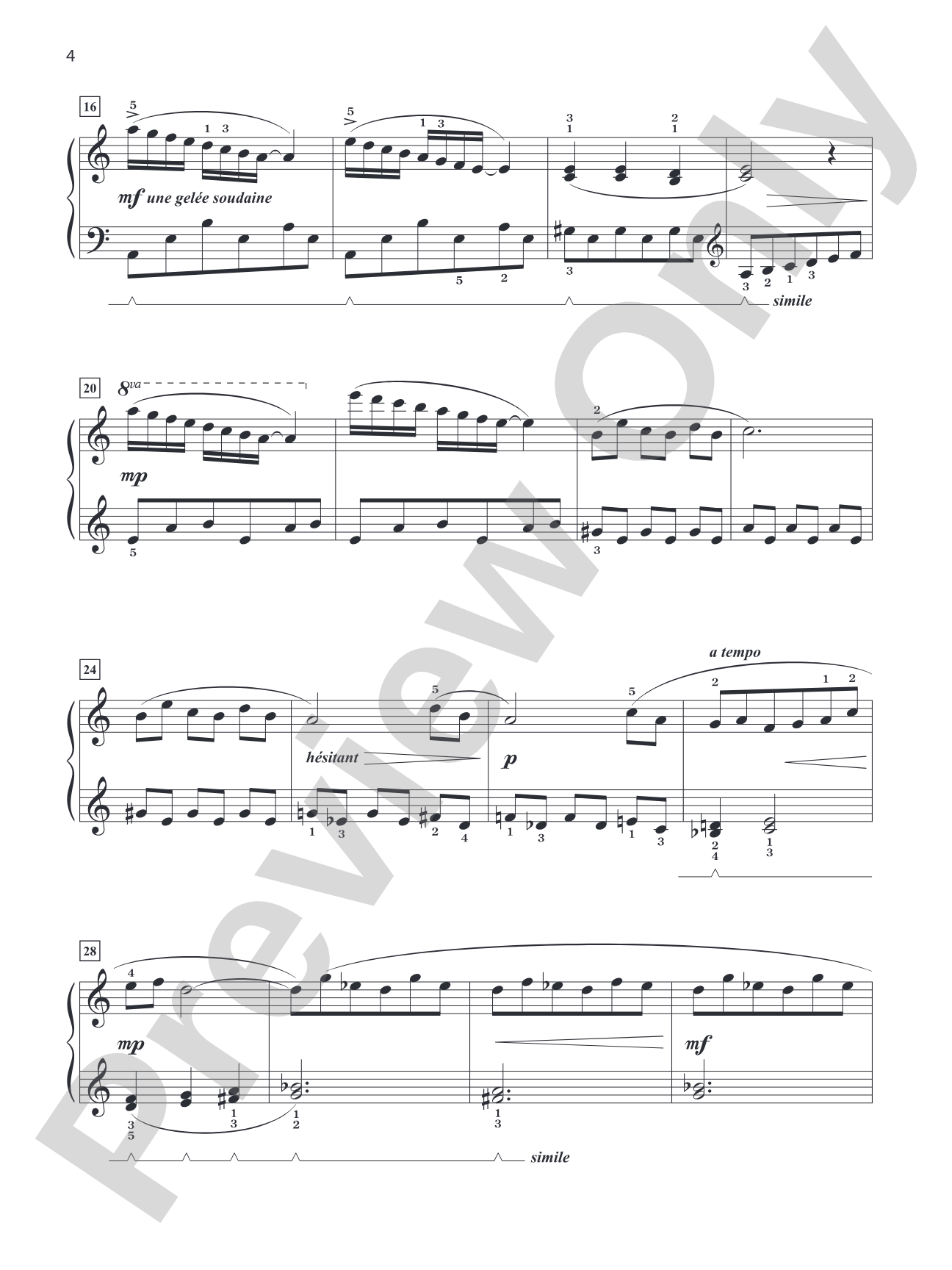
Feature this collection in a thematic recital exploring music and nature, or draw individual pieces to complement repertoire from different eras. The 24 pages also work well as supplementary material for a unit on program music and musical imagery, allowing students to study how composers approach the same subjects differently.
Skills your students will build
Pedal technique and harmonic awareness through impressionistic textures
Tone color and dynamic shaping to convey atmospheric mood
Program music interpretation and connecting visual imagery to musical choices
Voicing and balance between melodic and accompanying material
Hands-together independence in pieces using varied left-hand patterns
You May Also Like
Scan to Complete Your Purchase
Use your phone's camera to scan the code below
You'll log in on your phone and the order will be added to your account