

Peter Gunn: Percussion Ensemble Book & CD
For 8 Players
By Henry Mancini / arr. Phil Faini
Level: Intermediate
Item: 00-PK-0005897

$23.99
Pickup currently not available
Buy Extra Parts (Digital PDF Download)
| Product | Price | Quantity |
|---|---|---|
| Peter Gunn: Score | $8.00 | |
| Peter Gunn: Bells | $3.00 | |
| Peter Gunn: Vibraphone | $3.00 | |
| Peter Gunn: Xylophone | $3.00 | |
| Peter Gunn: Mallets | $3.00 | |
| Peter Gunn: 2nd Mallet Percussion | $3.00 | |
| Peter Gunn: Chimes | $3.00 | |
| Peter Gunn: Piano Accompaniment | $3.00 | |
| Peter Gunn: String Bass | $3.00 | |
| Peter Gunn: Timpani | $3.00 | |
| Peter Gunn: Drums | $3.00 | |
| Peter Gunn: 1st Percussion | $3.00 | |
| Peter Gunn: 2nd Percussion | $3.00 |
Parts Added to Cart!
Description
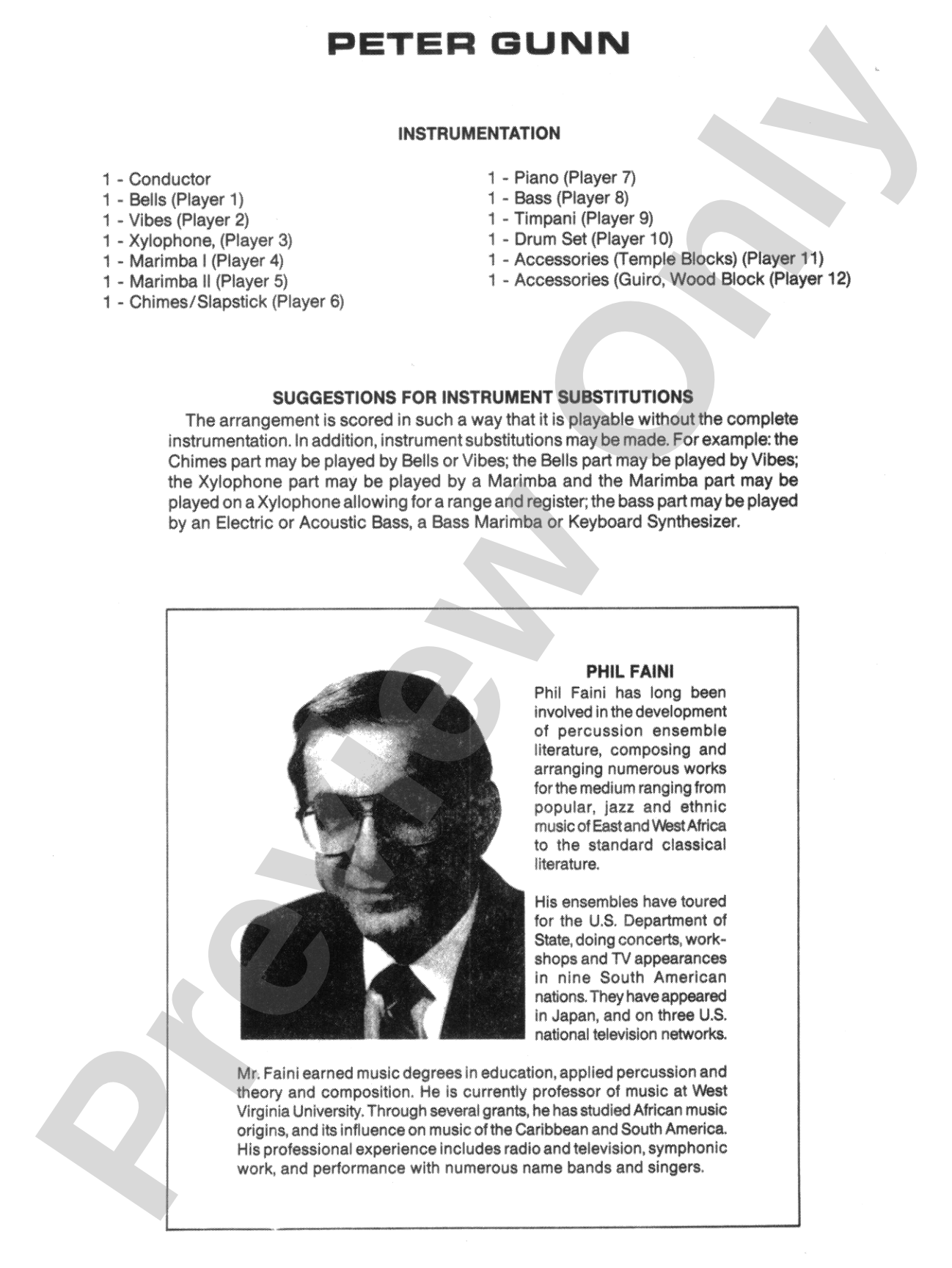
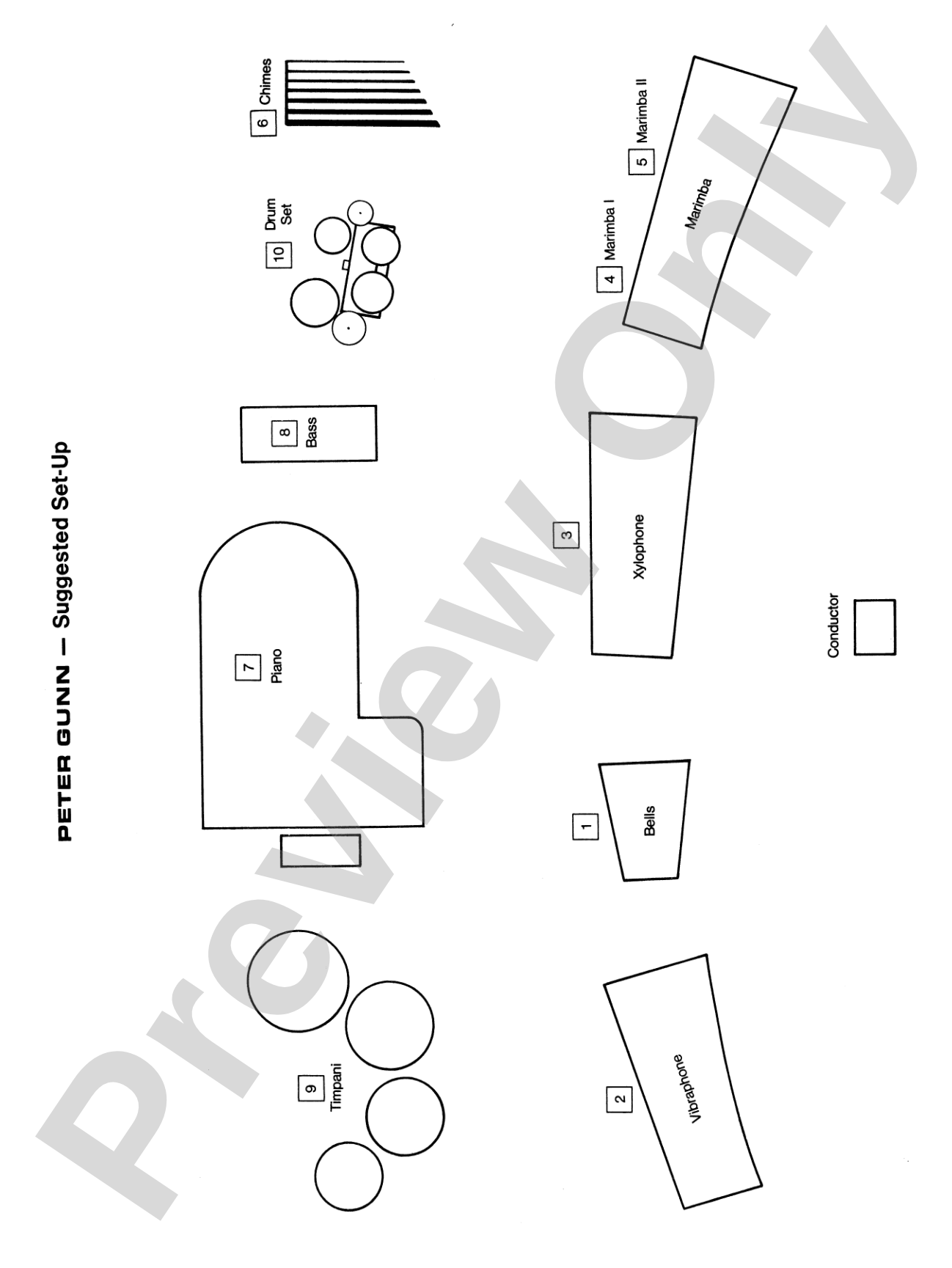
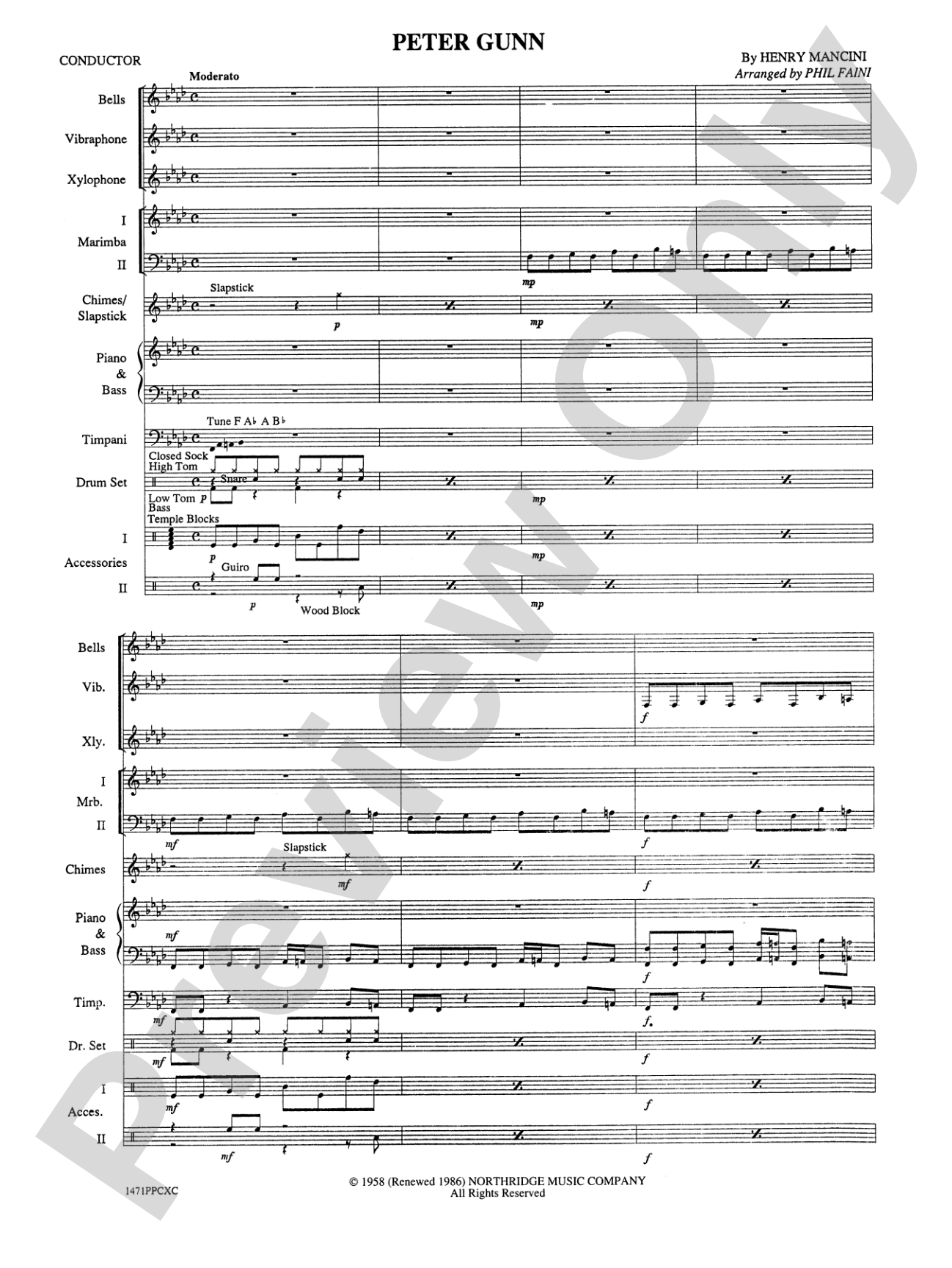
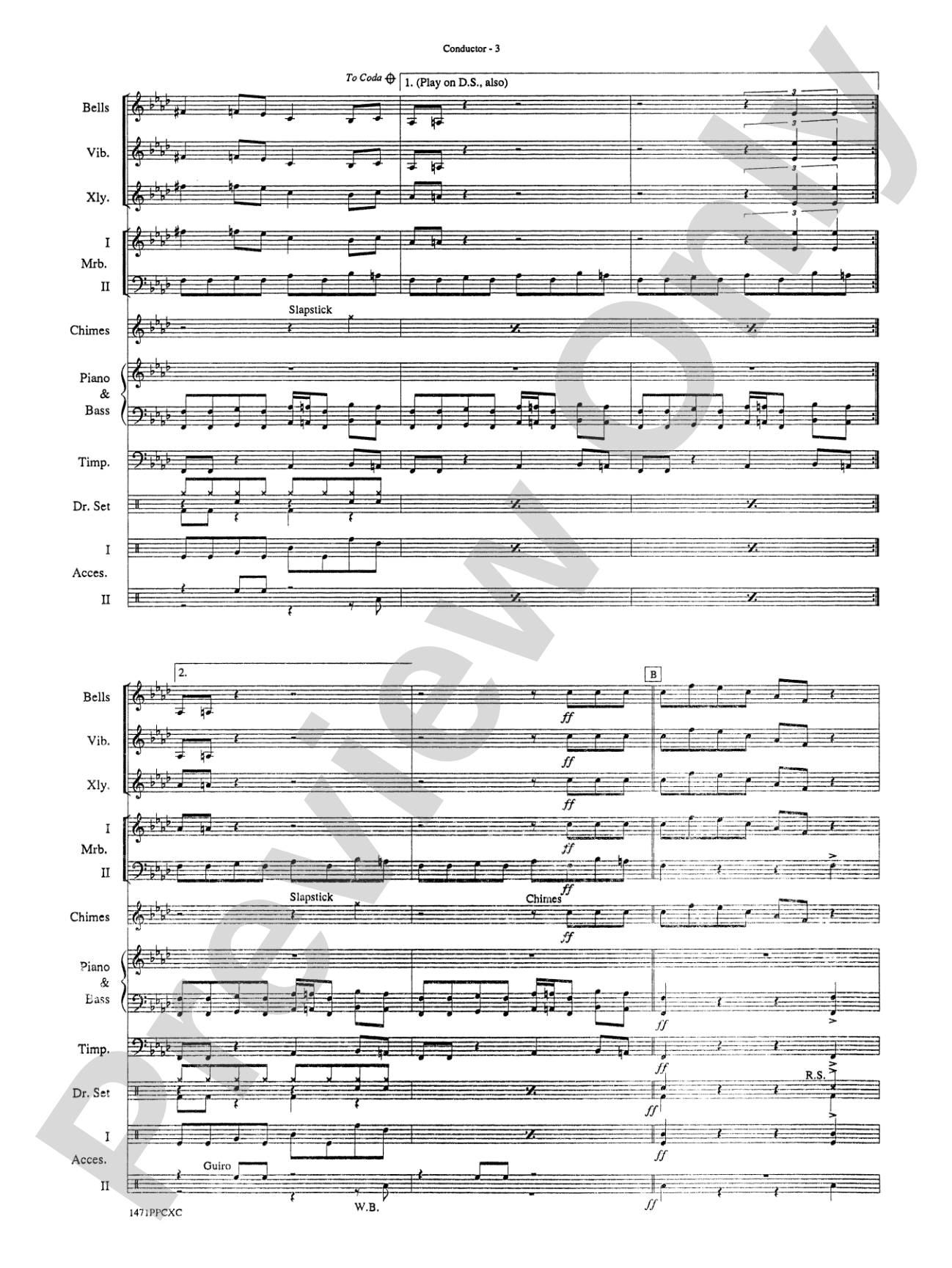
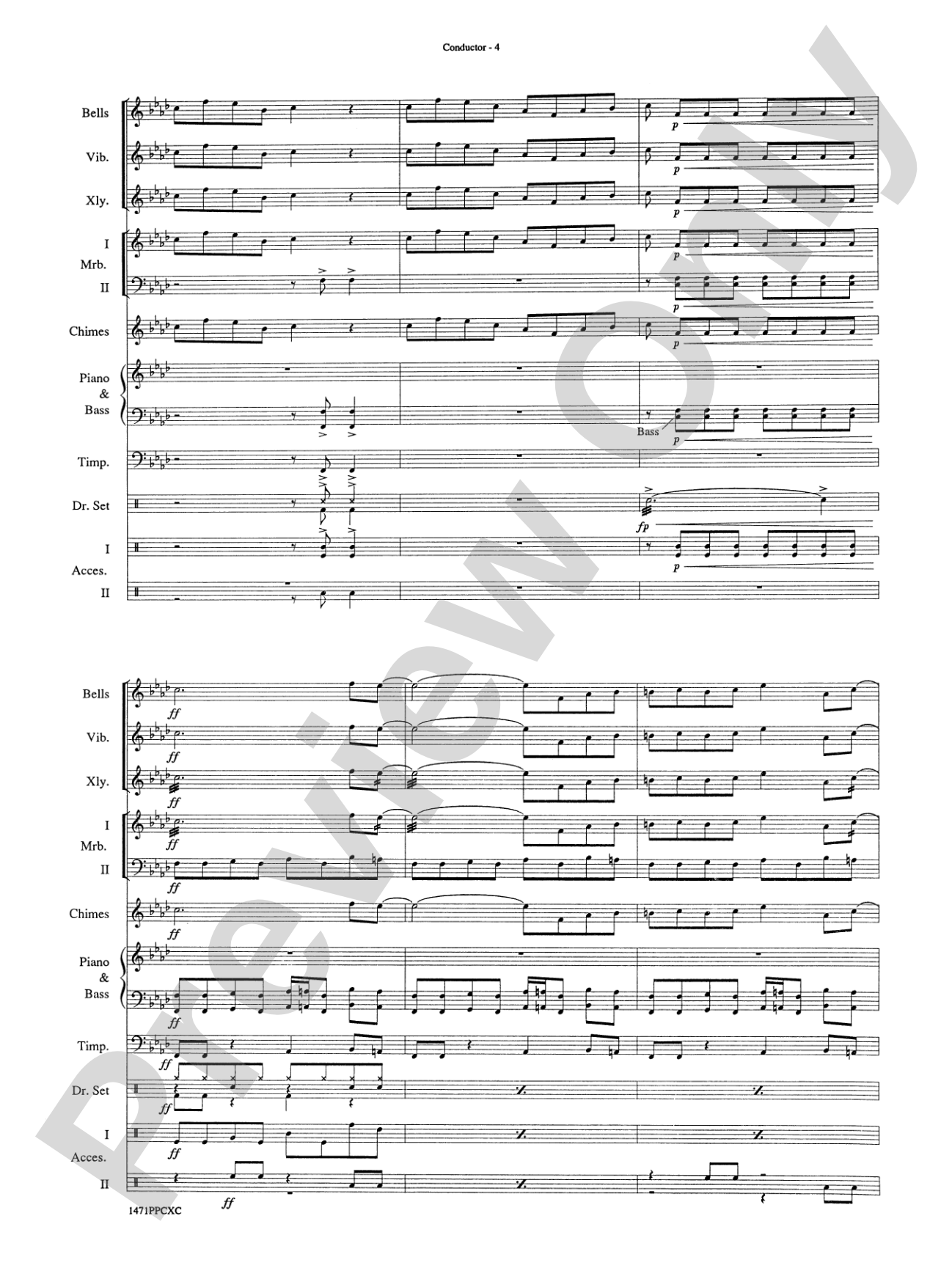
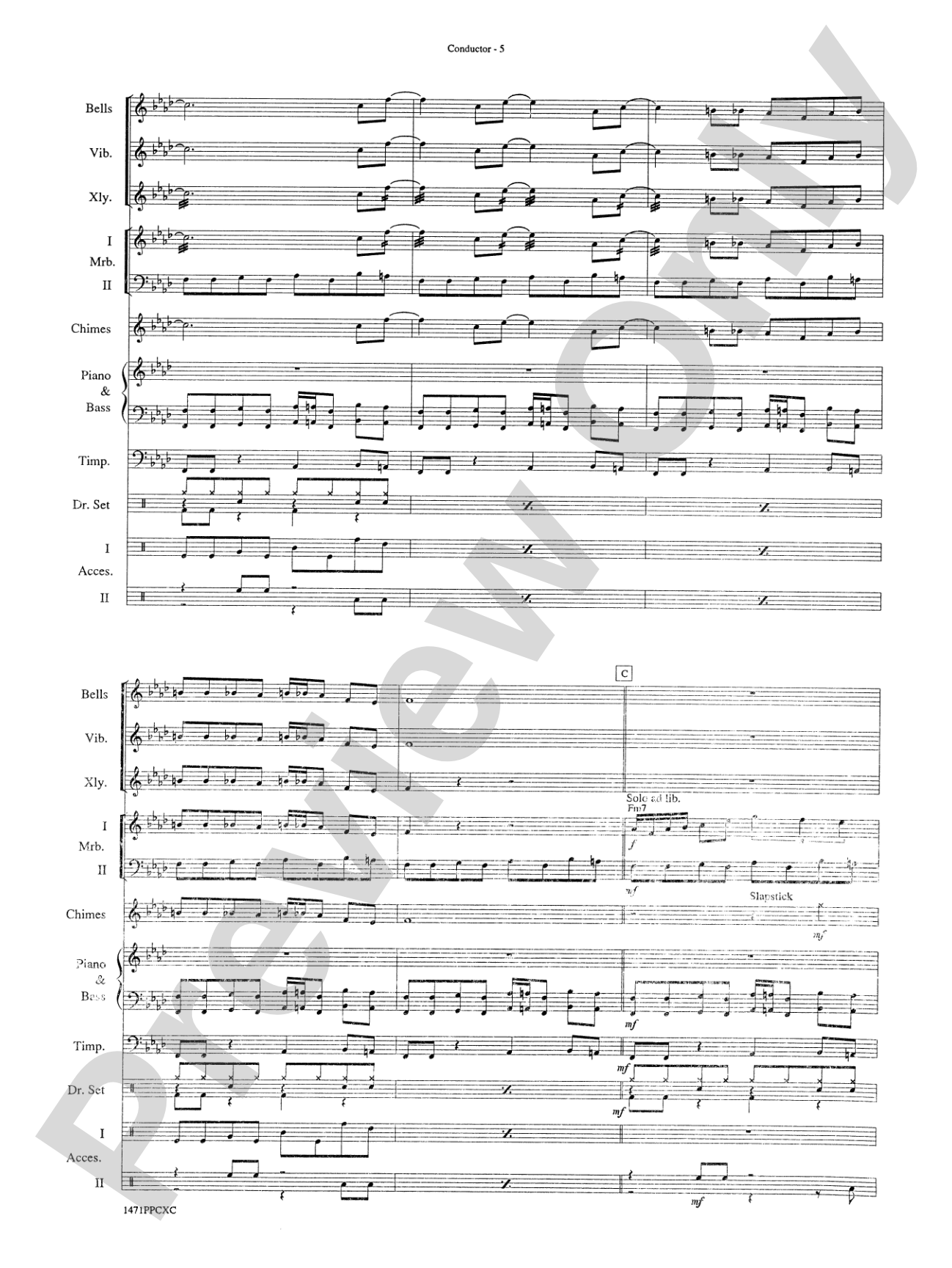
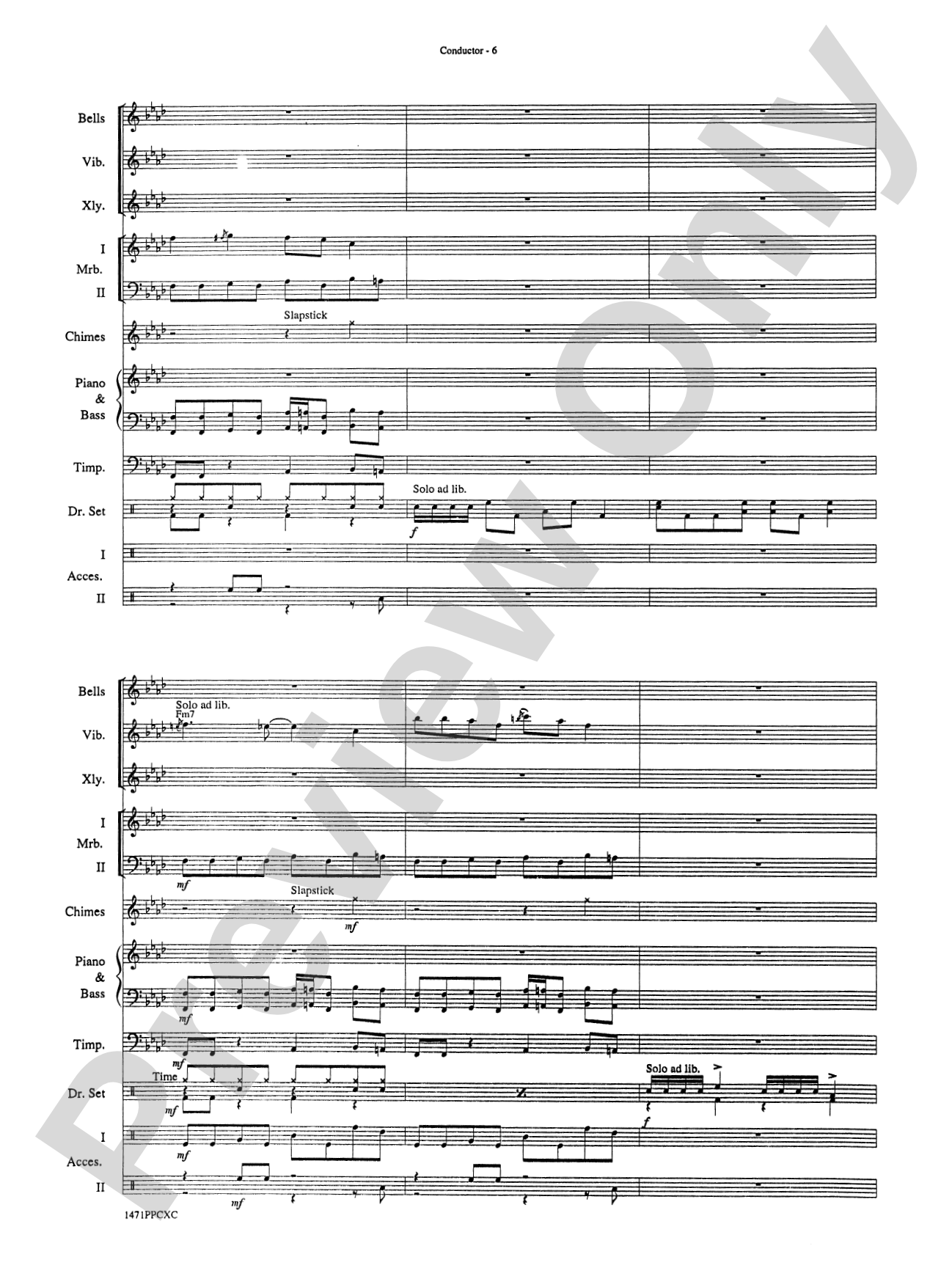
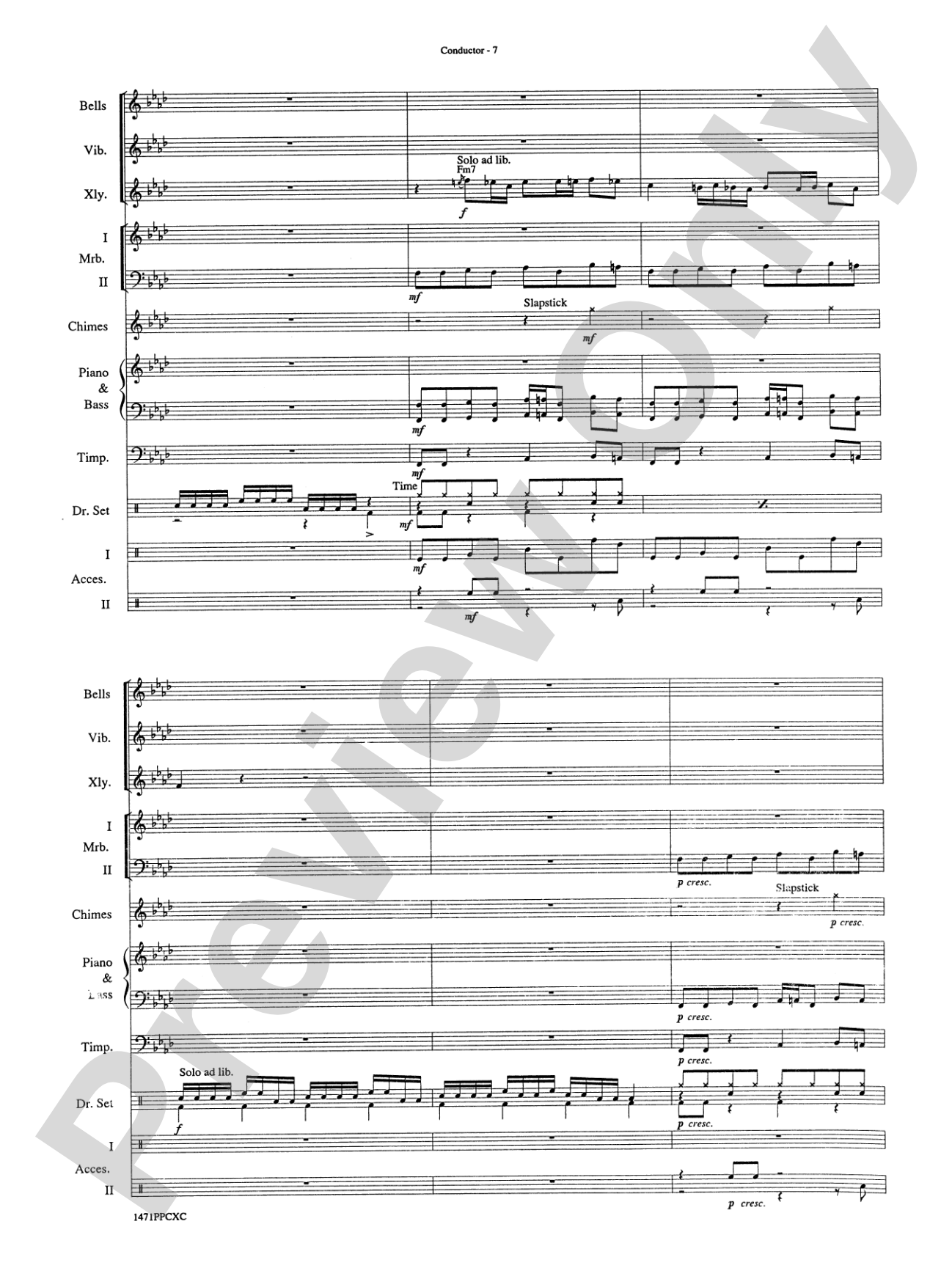
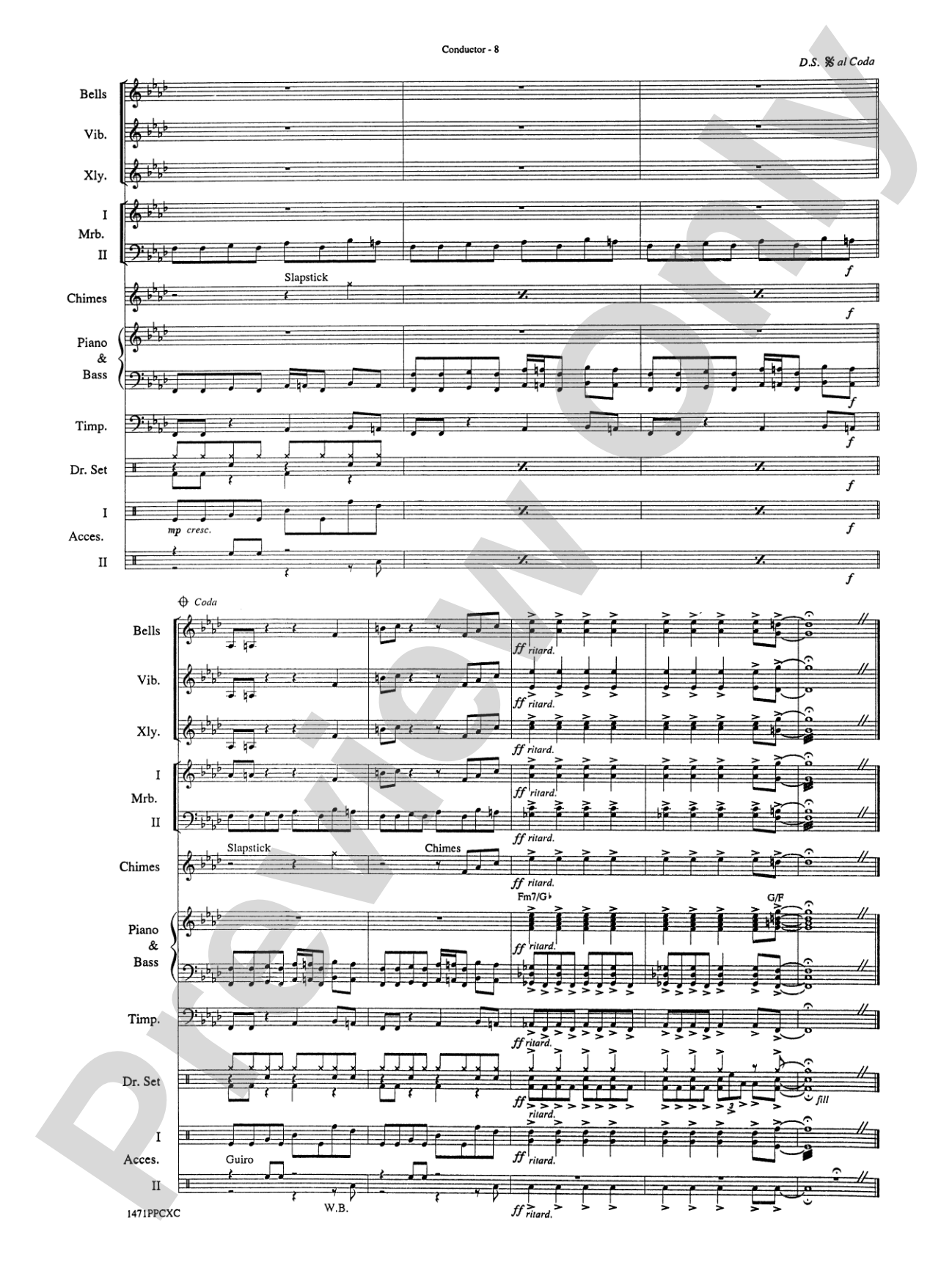
For eight players. An imaginative arrangement of the Henry Mancini hit---this time for percussion ensemble. The Phil Faini arrangement is easy, and a CD recording of the piece, with suggested rehearsal tips, is included with each copy. A FUN piece, highly recommended. Instrumentation: bells, vibes, xylophone, marimba, chimes, slapstick, piano, bass, timpani, drumset, accessories (temple blocks, guiro, woodblock).


Don't just read it, hear it, play along with it, and watch your students grow with it. In MakeMusic Cloud, Peter Gunn: Percussion Ensemble Book & CD comes alive with professional accompaniment, adjustable tempo, and built-in practice tools that turn solo practice into real progress.
Open in the Player
Jump straight in and assign it today.
Start Your Free Trial
Open this title and explore the full library in minutes.
Sample Audio
No sample audio found.
Sample Video
No sample videos found.
Additional Details
Series:
Phil Faini Percussion Ensemble Series
Publisher:
Alfred Music
Page Count:
42
SKU:
00-PK-0005897
More about this title
About the Composer: Henry Mancini
Henry Mancini (1924-1994) composed some of the most recognizable film and television scores of the 20th century. His gift for melody and orchestration made him a bridge between classical training and popular culture; his work earned four Academy Awards and 18 Grammy Awards across a career that spanned five decades.
Mancini's approach to composition prioritized accessibility without sacrificing sophistication. His scores shaped how entire generations heard dramatic moments on screen, and his melodies remain instantly identifiable more than thirty years after his death. For music educators, Mancini's catalog offers students the chance to engage with genuinely compelling material that rewards careful musicianship.
Why we love this
This arrangement brings a classic television theme to life for eight players with genuine personality intact. The Phil Faini adaptation preserves Mancini's iconic melody while distributing it across an ensemble that includes unexpected colors like chimes, temple blocks, and guiro, making every player feel essential to the groove. Your students will recognize the tune immediately, which means they can focus on ensemble balance, precision, and the fun of locking in together.
What to expect
Sleek, spy-thriller cool meets playful percussion writing. The arrangement captures Mancini's signature elegance while letting the percussion section have genuine fun with contrasting textures and rhythmic interplay. There's swagger in this piece; it's the kind of arrangement that makes your ensemble sound more confident than the page might initially suggest.
Who it's for
Percussion ensembles at the intermediate level who want an arrangement with immediate appeal and clear ensemble writing. This works well for groups that include a mix of mallet and drum set players and need material that demonstrates how different percussion voices contribute to a unified sound. High school and advanced middle school ensembles will find the writing both accessible and engaging.
How to get the most out of it
- Balance the vibes and xylophone against the marimba during melody sections; the higher instruments should sit slightly forward, but not so much that the marimba's foundation disappears.
- Keep the bass drum and timpani locked with the drumset player. These three voices anchor the rhythm section, and any separation will weaken the ensemble's cohesion.
- Use the included CD recording to establish the groove before rehearsal. Hearing the piece at proper tempo and balance gives ensemble members a concrete reference point.
- Treat the slapstick and temple blocks as voices, not sound effects. They contribute rhythmic color and deserve clarity and consistent dynamics just like pitched instruments do.
How to use it
Program this as a concert centerpiece or as a crowd-pleaser on a mixed concert of contemporary and classic works. The tune's television fame means audience recognition is automatic, which frees you to focus on the musicianship and ensemble balance in performance. It pairs well with other arranged popular music or as the lighter moment on a percussion-focused program.
Skills your students will build
- Ensemble balance across pitched and non-pitched percussion instruments
- Coordination between mallet section, drum set, and timpani
- Reading and executing independent rhythmic lines that support a shared groove
- Stylistic playing that maintains clarity and precision while serving the melody
- Understanding how accessory percussion contributes texture and color to an arrangement