
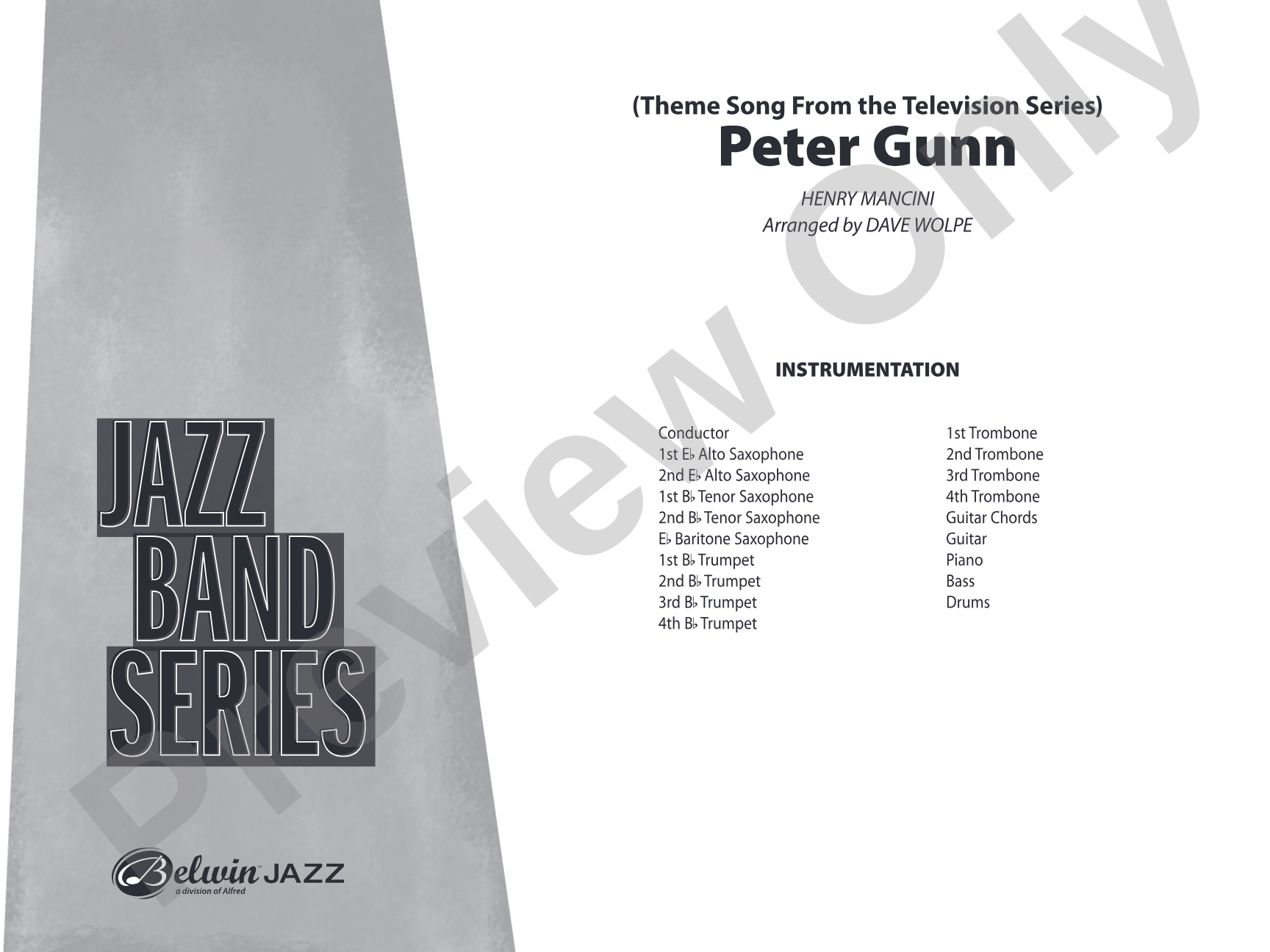

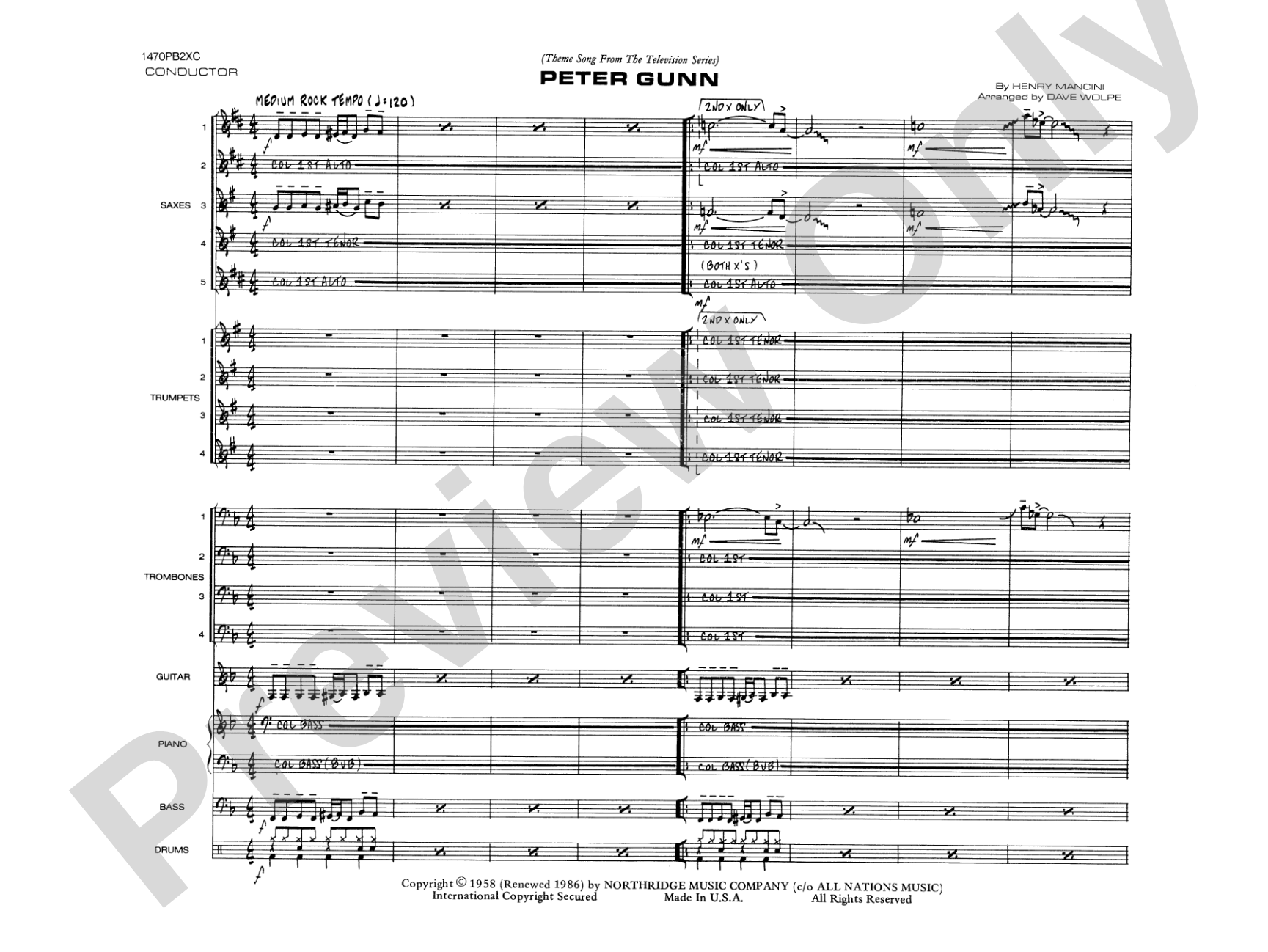
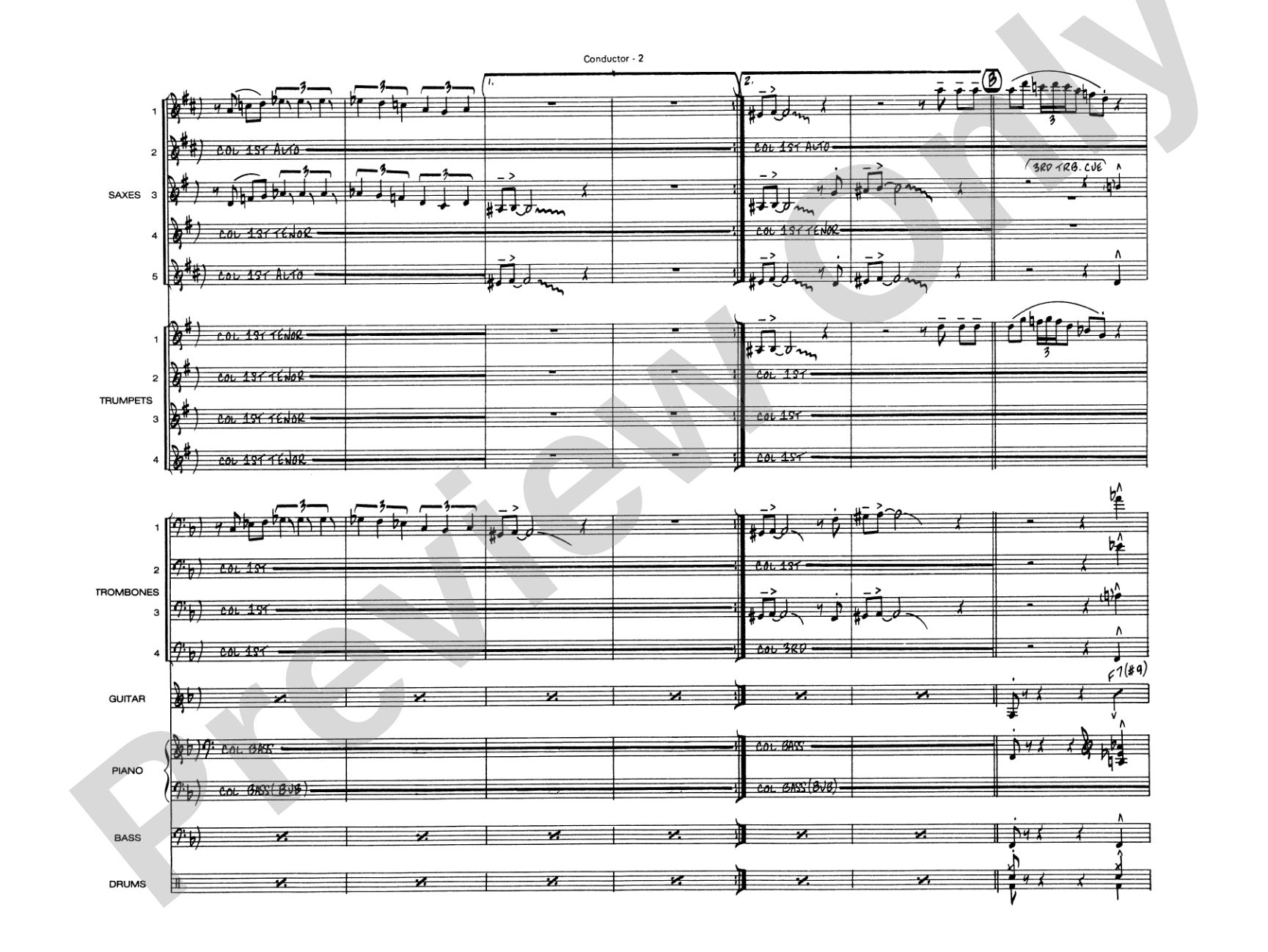
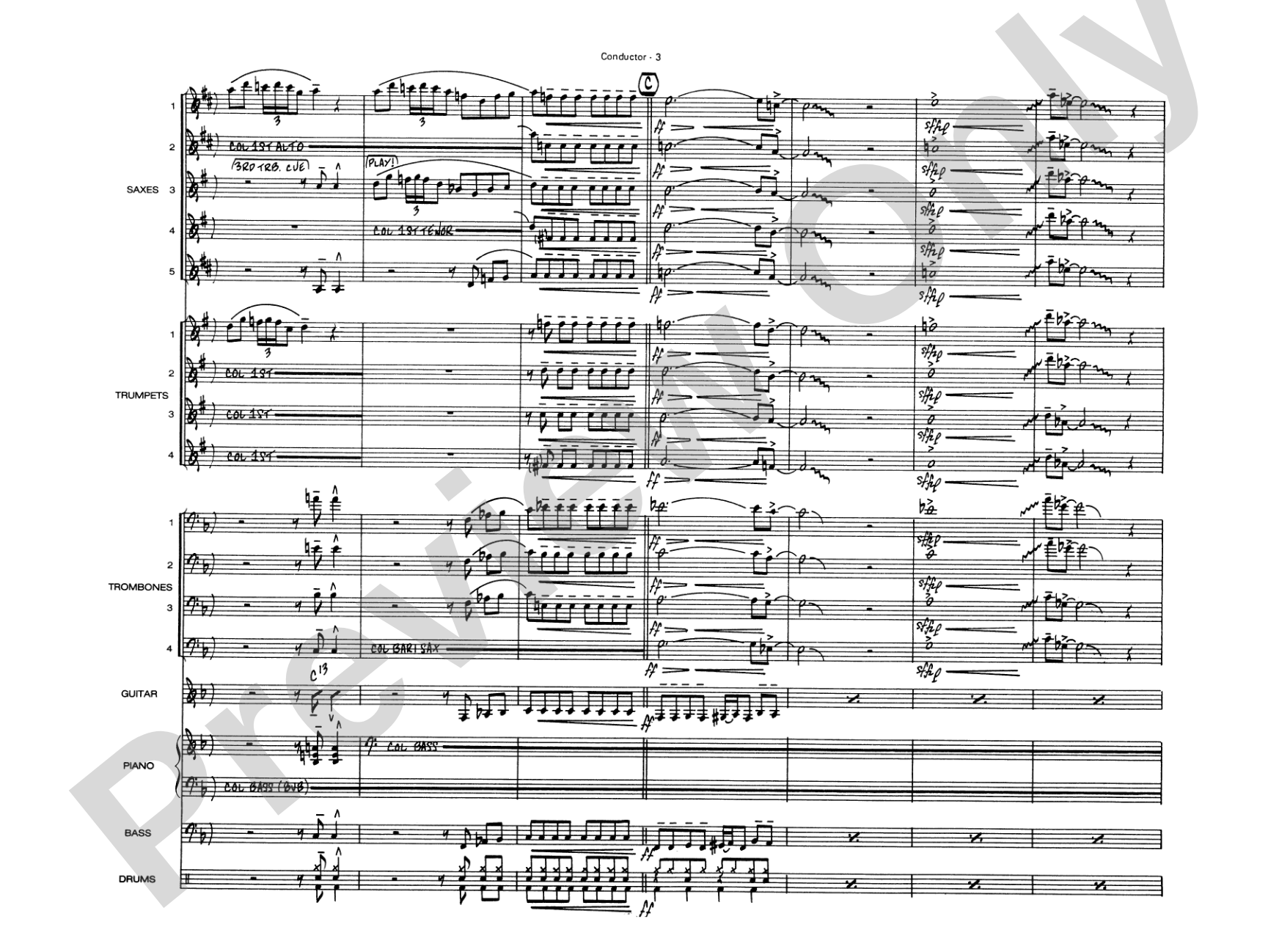
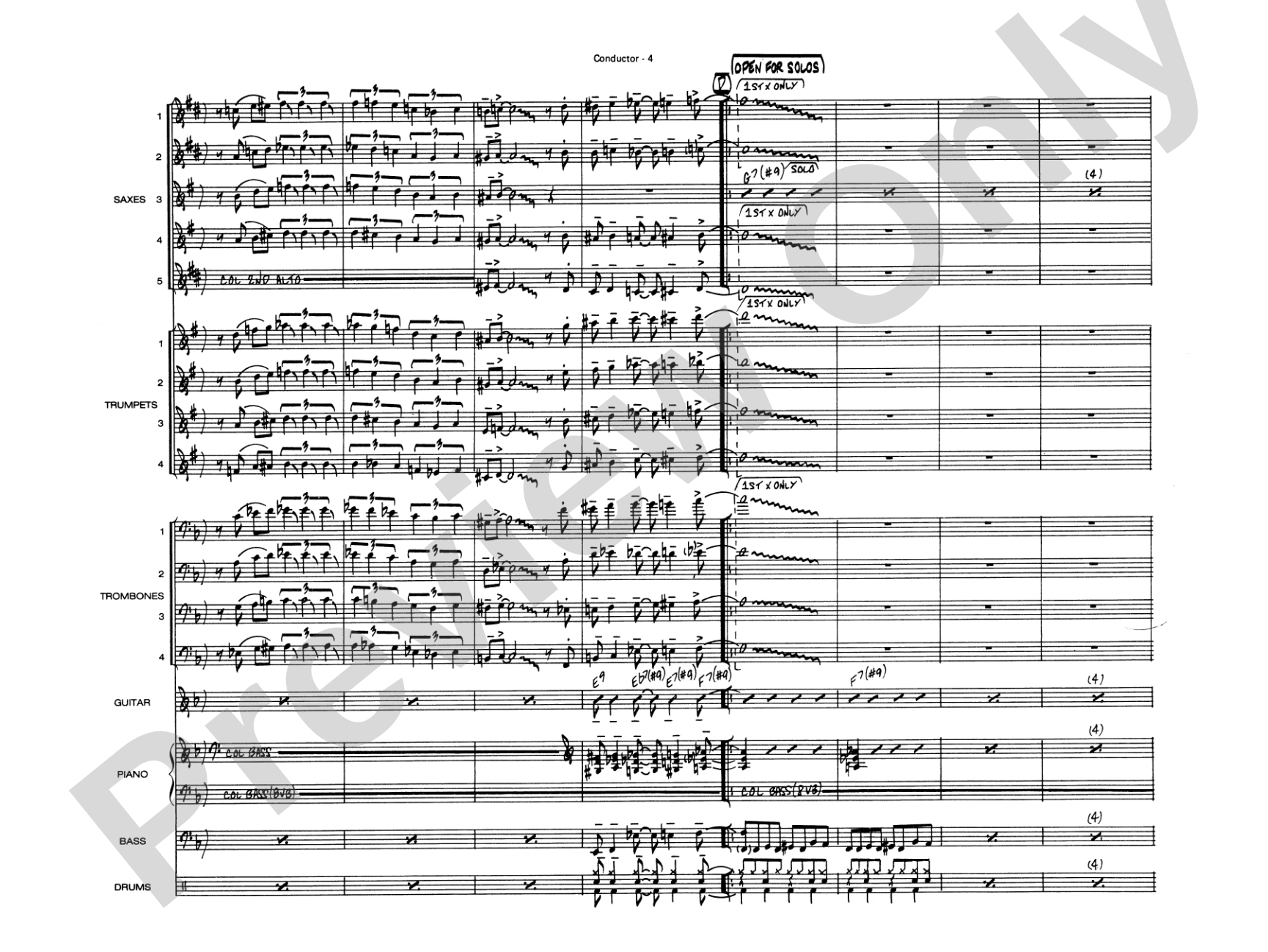
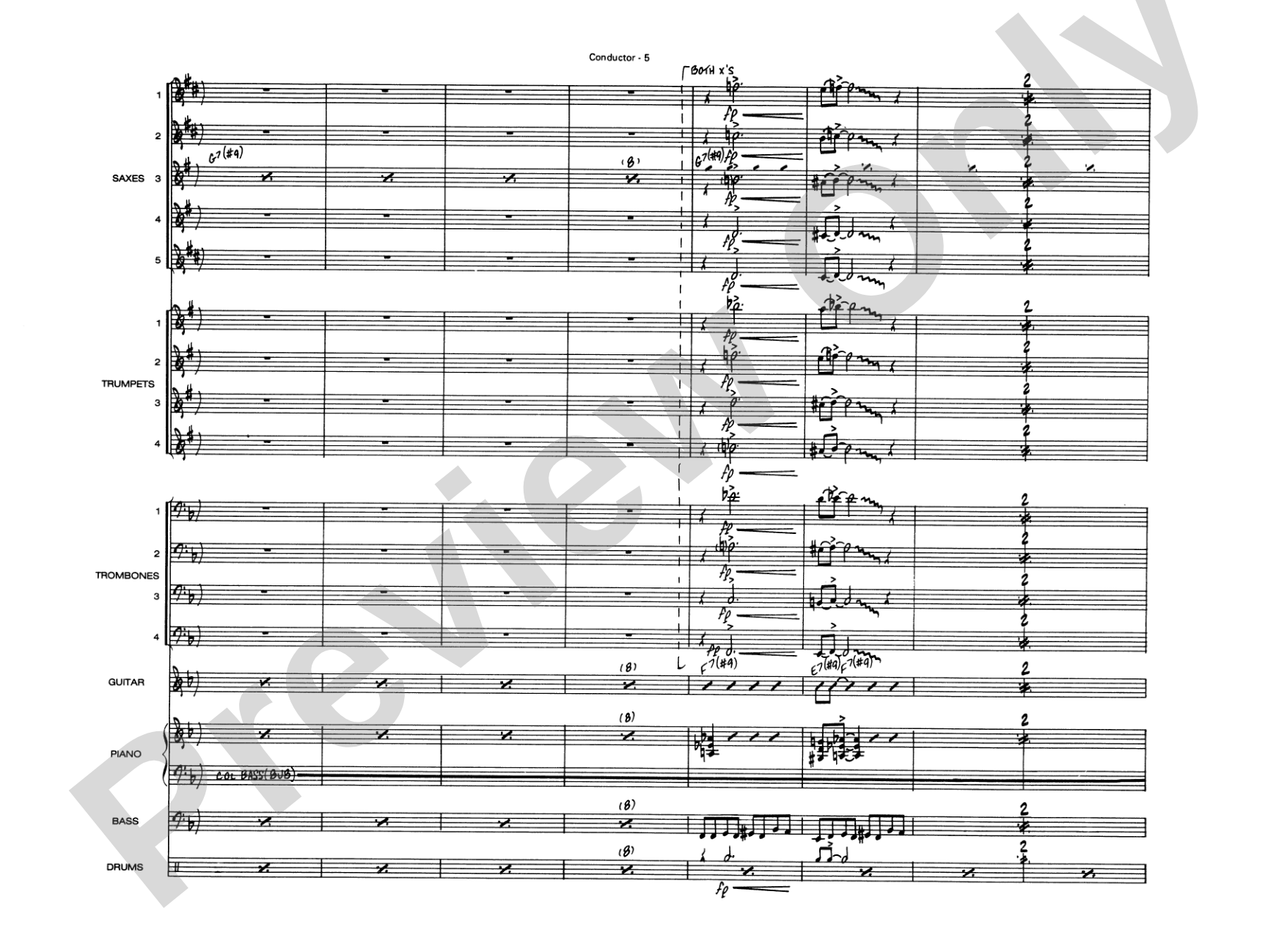
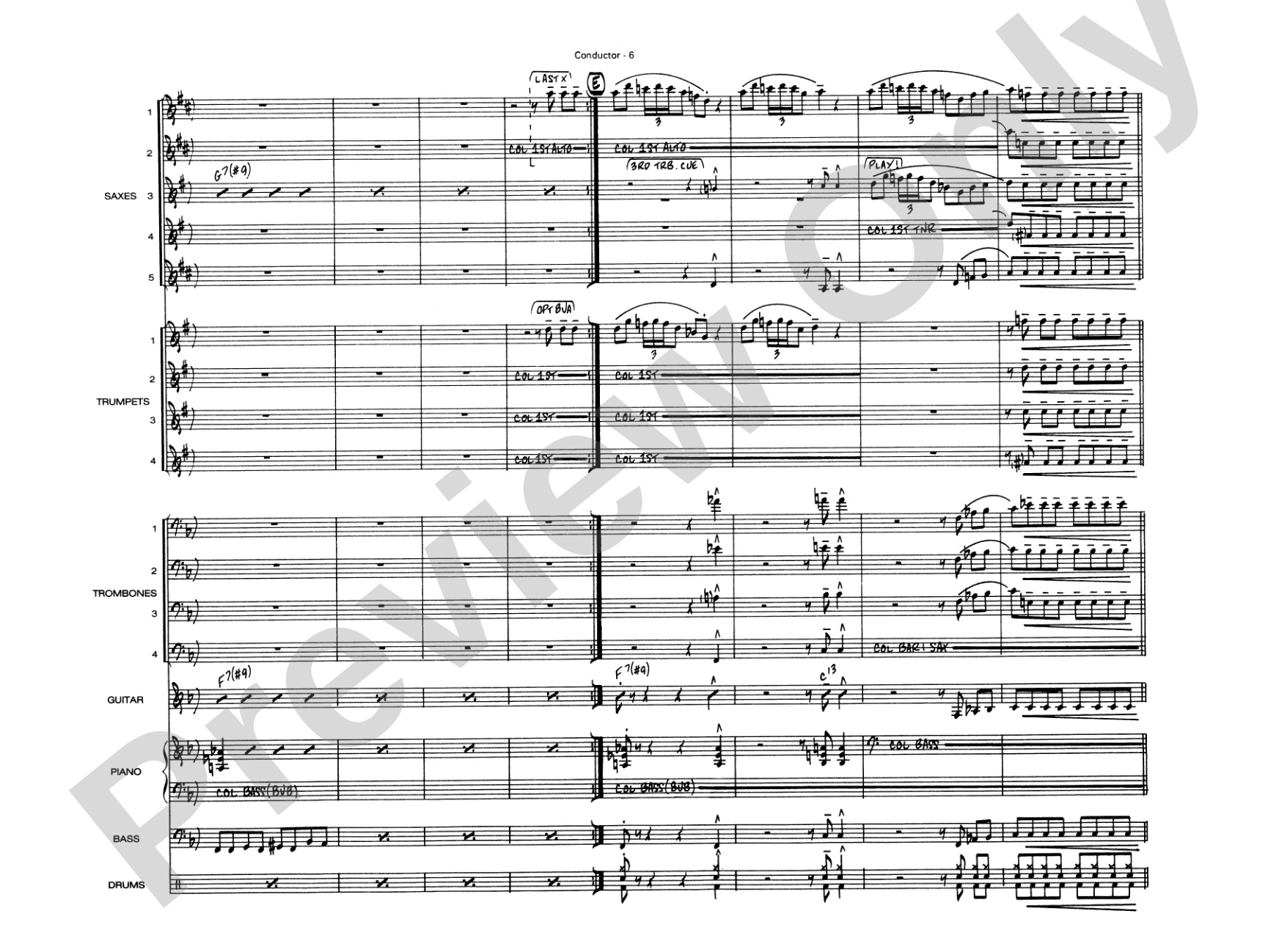
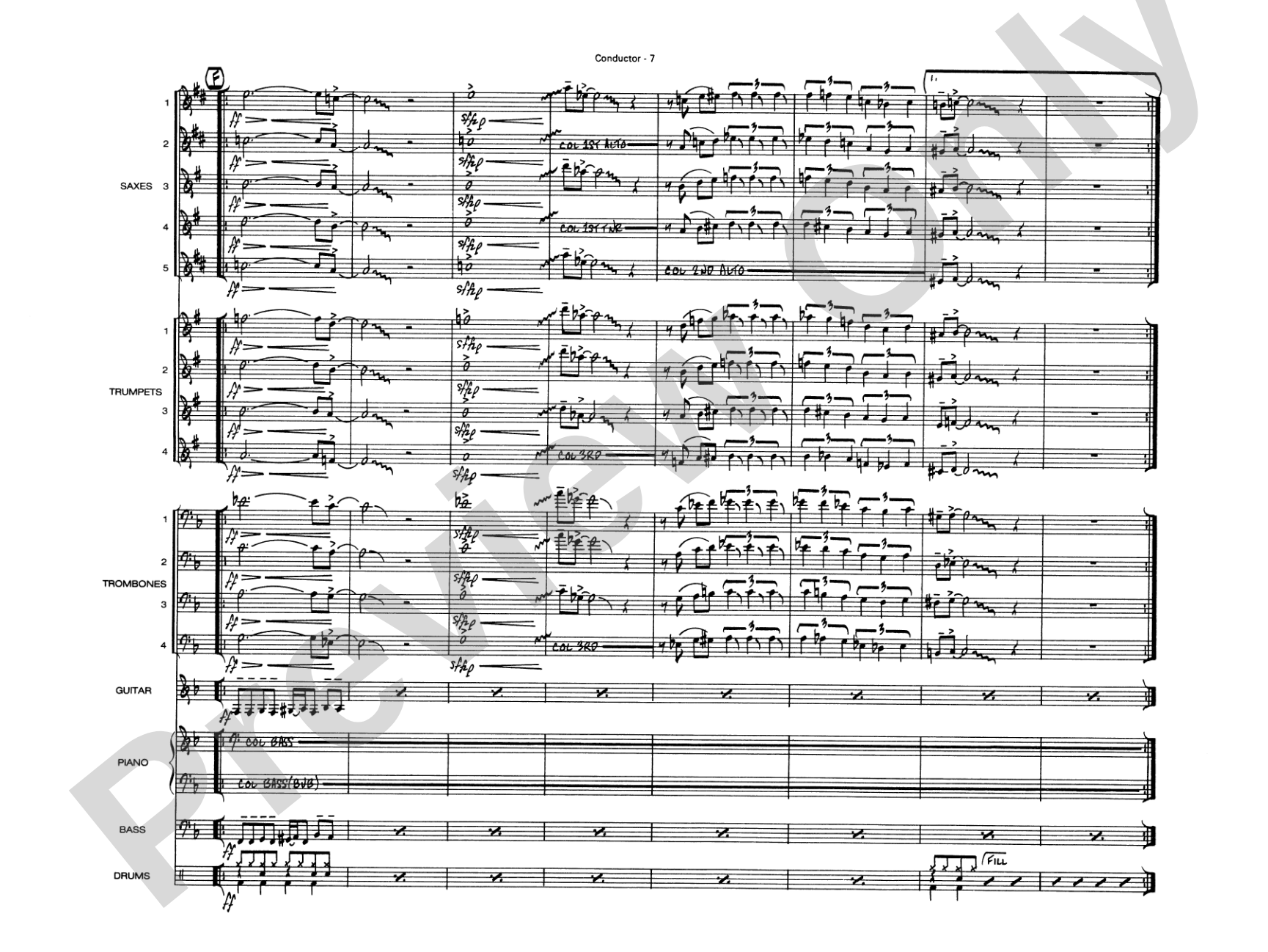
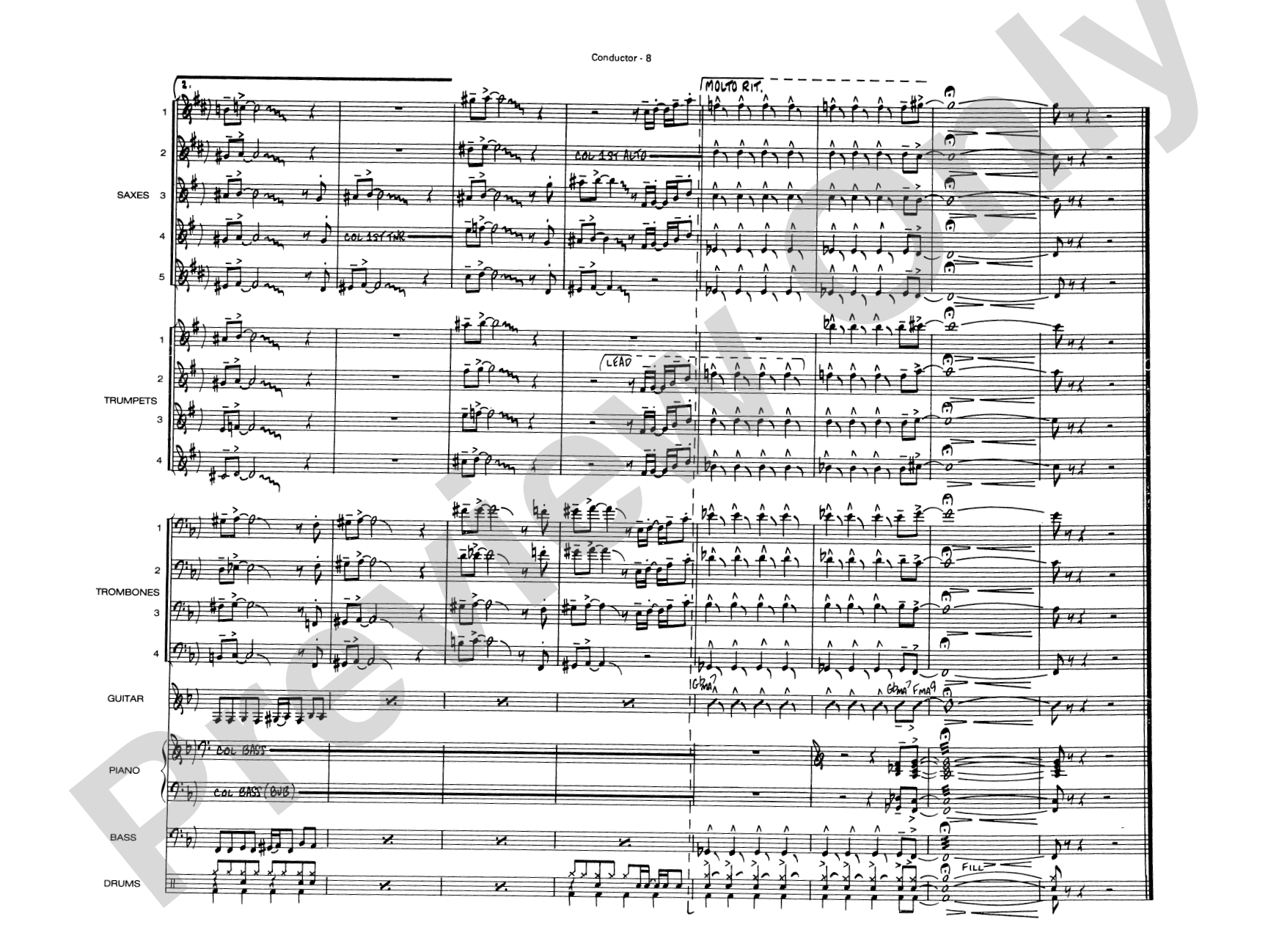



Peter Gunn: Jazz Ensemble Conductor Score & Parts
By Henry Mancini / arr. Dave Wolpe
Grade: 3 (Medium)
Item: 00-PK-0000167

$44.00
Pickup currently not available
Buy Extra Parts (Digital PDF Download)
| Product | Price | Quantity |
|---|---|---|
| Peter Gunn: Score | $7.50 | |
| Peter Gunn: E-flat Alto Saxophone | $3.00 | |
| Peter Gunn: 2nd E-flat Alto Saxophone | $3.00 | |
| Peter Gunn: B-flat Tenor Saxophone | $3.00 | |
| Peter Gunn: 2nd B-flat Tenor Saxophone | $3.00 | |
| Peter Gunn: E-flat Baritone Saxophone | $3.00 | |
| Peter Gunn: 1st B-flat Trumpet | $3.00 | |
| Peter Gunn: 2nd B-flat Trumpet | $3.00 | |
| Peter Gunn: 3rd B-flat Trumpet | $3.00 | |
| Peter Gunn: 4th B-flat Trumpet | $3.00 | |
| Peter Gunn: 1st Trombone | $3.00 | |
| Peter Gunn: 2nd Trombone | $3.00 | |
| Peter Gunn: 3rd Trombone | $3.00 | |
| Peter Gunn: 4th Trombone | $3.00 | |
| Peter Gunn: Guitar Chords | $3.00 | |
| Peter Gunn: Guitar | $3.00 | |
| Peter Gunn: Piano Accompaniment | $3.00 | |
| Peter Gunn: String Bass | $3.00 | |
| Peter Gunn: Drums | $3.00 |
Parts Added to Cart!
Description
Henry Mancini's classic gets a face lift from Dave Wolpe. Easy to recognize, easy to play, and easy to rehearse, this one's a jazz ensemble director's dream.


Don't just read it, hear it, play along with it, and watch your students grow with it. In MakeMusic Cloud, Peter Gunn: Jazz Ensemble Conductor Score & Parts comes alive with professional accompaniment, adjustable tempo, and built-in practice tools that turn solo practice into real progress.
Open in the Player
Jump straight in and assign it today.
Start Your Free Trial
Open this title and explore the full library in minutes.
Sample Audio
No sample audio found.
Sample Video
No sample videos found.
Additional Details
Series:
Jazz Band Series
Publisher:
Alfred Music
Page Count:
37
SKU:
00-PK-0000167
More about this title
About the Composer: Henry Mancini
Henry Mancini (1924-1994) shaped the sound of American film and television for four decades. His gift for memorable melody and sophisticated orchestration made him one of the most recorded composers of the twentieth century, with works ranging from dramatic film scores to playful television themes that became part of the cultural landscape.
Mancini's approach to composition emphasized accessibility without sacrificing musical depth. His arrangements for jazz and popular ensembles demonstrate how elegant writing serves both the performer and the listener, a principle that continues to influence how educators choose repertoire for student musicians.
Why we love this
Dave Wolpe's arrangement strips away nothing essential while honoring what made the original compelling. At Grade 3, this sits at that sweet spot where students encounter a legitimately engaging melody without wrestling through excessive technical hurdles, freeing them to focus on ensemble blend, style, and the kind of relaxed swing that makes jazz feel alive. Programming this builds credibility with audiences who know the tune instantly and with musicians who discover they can handle a real standard.
What to expect
Cool, confident, and effortlessly sophisticated. The tune has the character of late-night television and cocktail lounges, carrying a sense of style and ease that invites listeners to lean in. It swings with restraint rather than pyrotechnics, asking players to feel the groove and trust the melody.
Who it's for
Jazz ensemble directors seeking a confident entry point into the standard repertoire, and student musicians ready to experience why certain melodies endure across generations. This works equally well for a first-year jazz band and for groups looking to build program variety without overextending ability or rehearsal time.
How to get the most out of it
- Shape the melodic phrases with gentle dynamic swells rather than hard attacks; this theme benefits from a warm, conversational delivery that mirrors how the melody was originally voiced.
- Lock the rhythm section early and often. The groove is everything here, so establish your pocket in sectional rehearsals before blending it with the full ensemble.
- Balance the brass section so it sits behind rather than on top of the lead voice. Mancini wrote for clarity of melody, and that principle holds across any voicing.
- Record a rehearsal and listen back for uniformity in jazz articulation. "Easy to play" can slide into "sloppy" if players aren't matching their approach to the style.
How to use it
This is an ideal opener for a jazz concert or a strong closer that leaves audiences on a familiar, satisfying note. Pair it with original compositions or more demanding charts to demonstrate range, or build an entire set around standards at this level to showcase your ensemble's maturity and attention to style.
Skills your students will build
- Jazz articulation and phrasing in an accessible idiom
- Ensemble blend and balance across brass and rhythm sections
- Reading and performing syncopated rhythmic figures
- Maintaining a steady groove and understanding role differentiation in jazz texture
- Stylistic interpretation of a recognizable standard without over-playing