
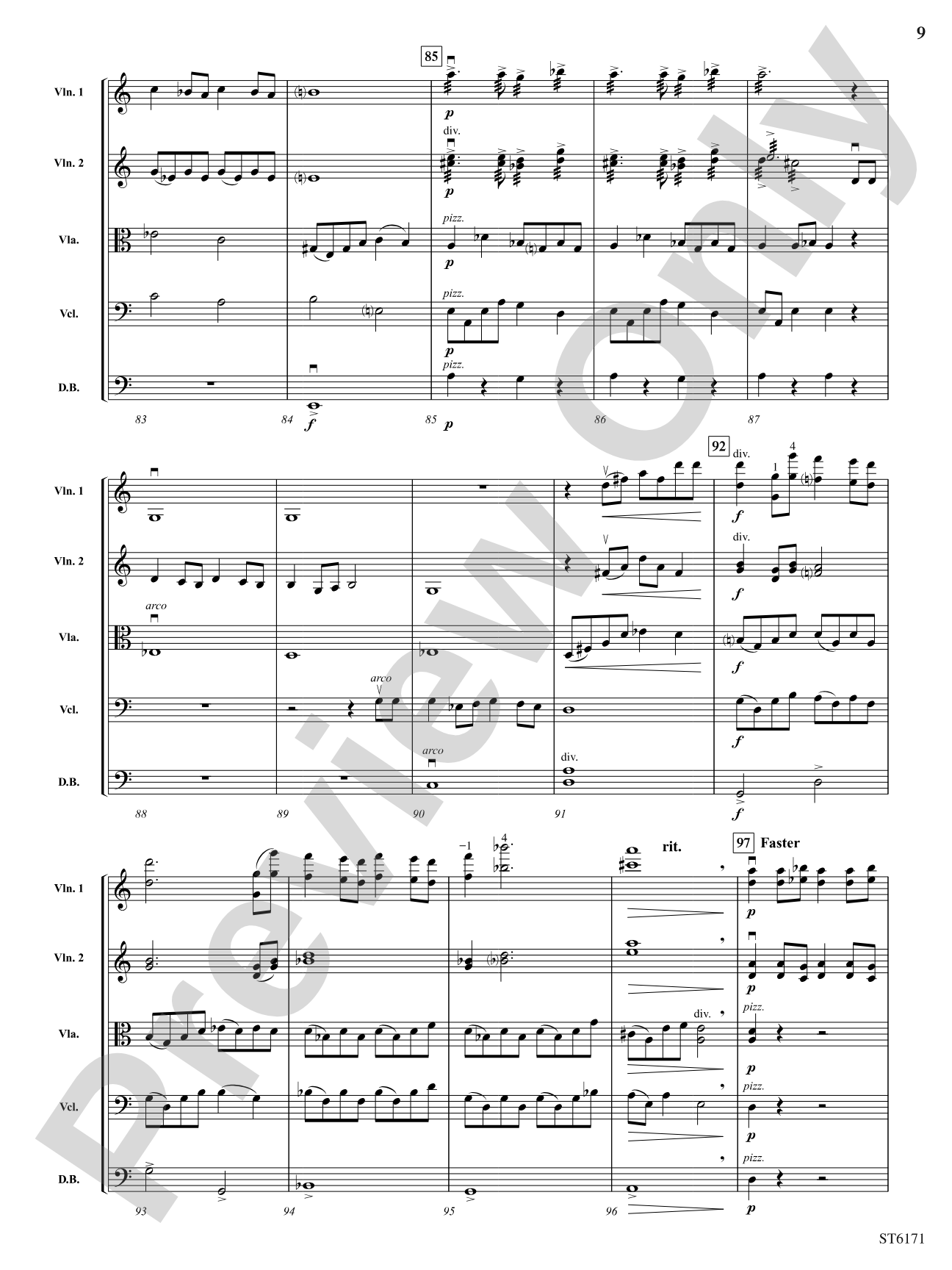
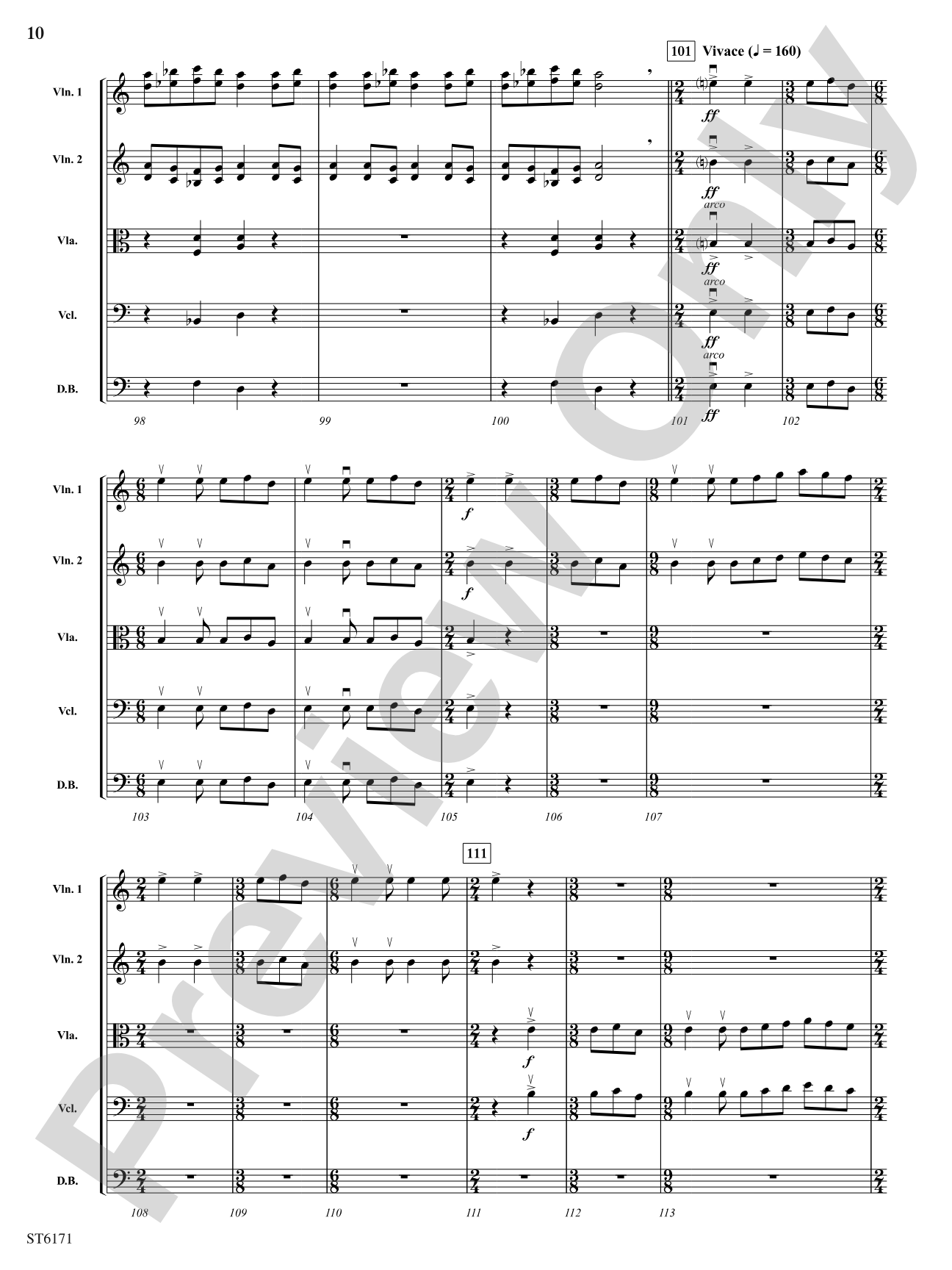
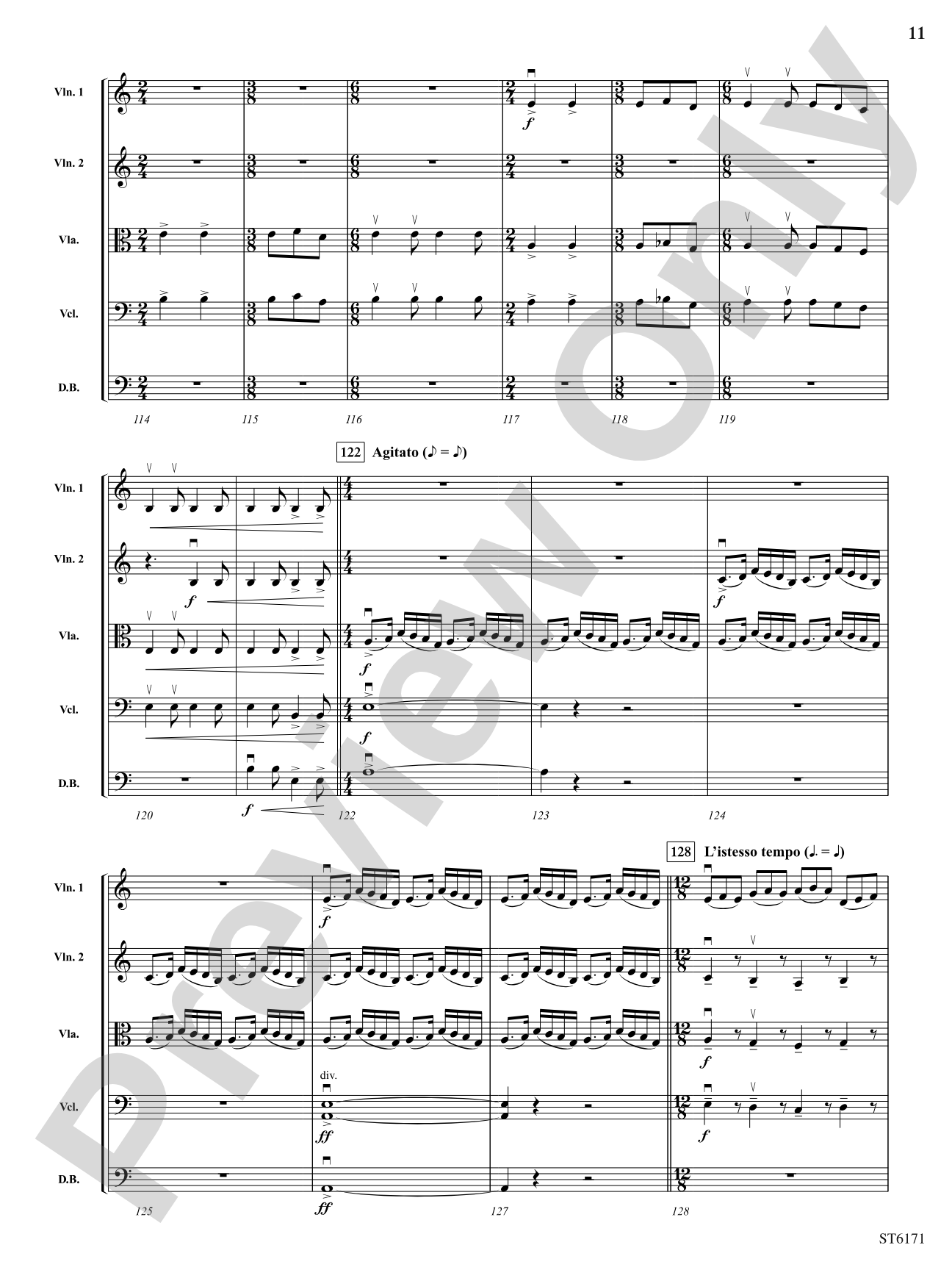
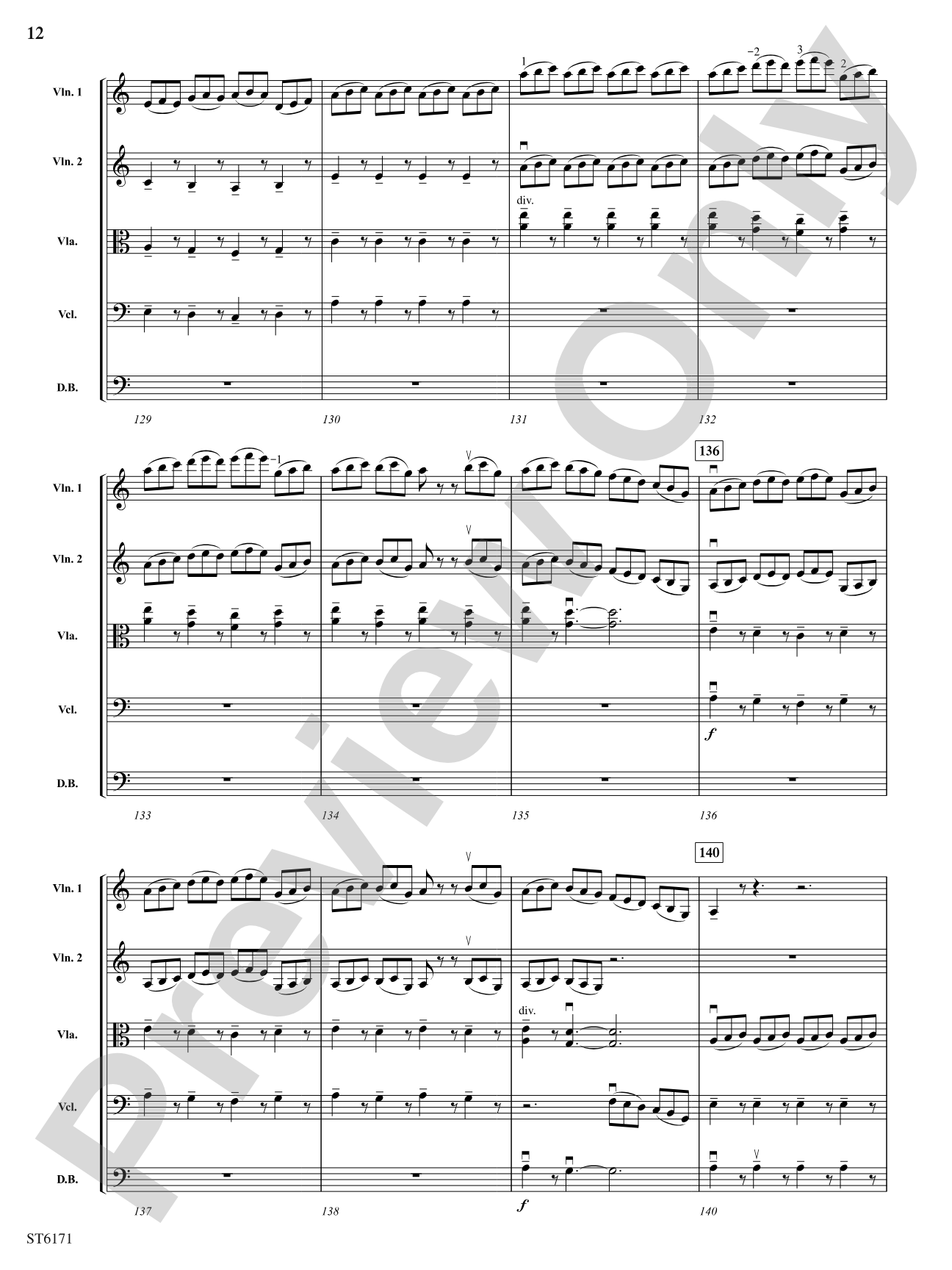
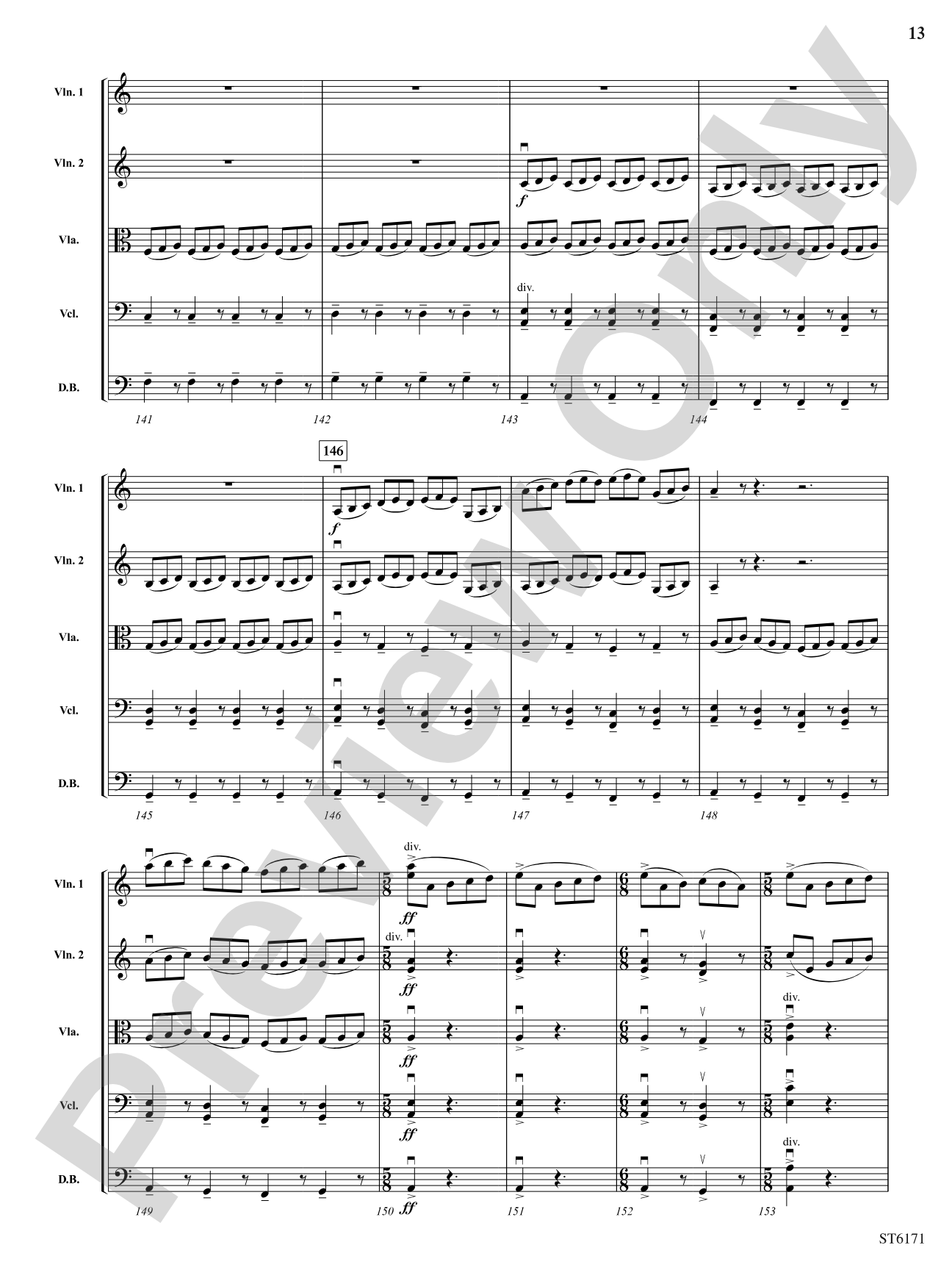
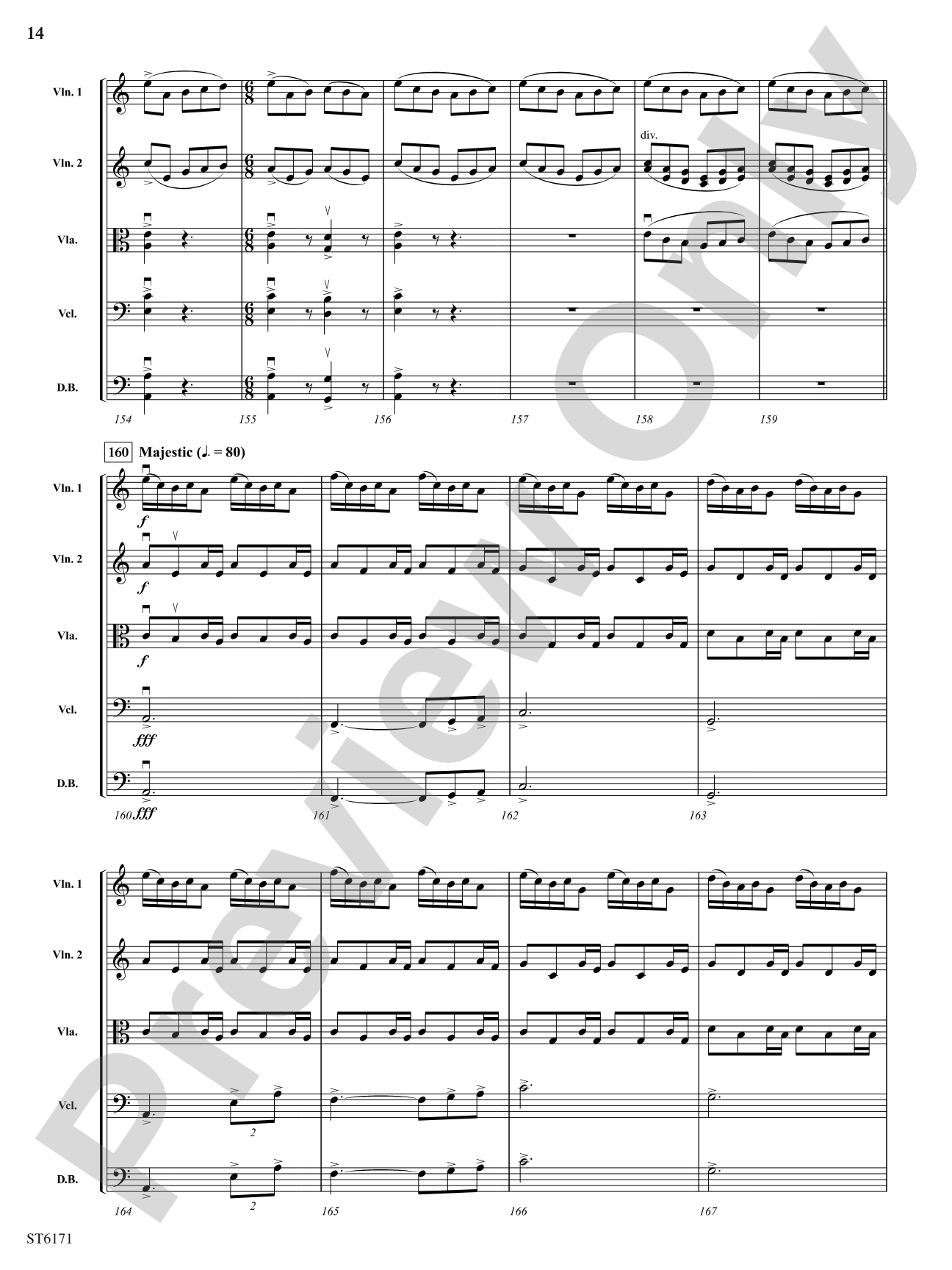
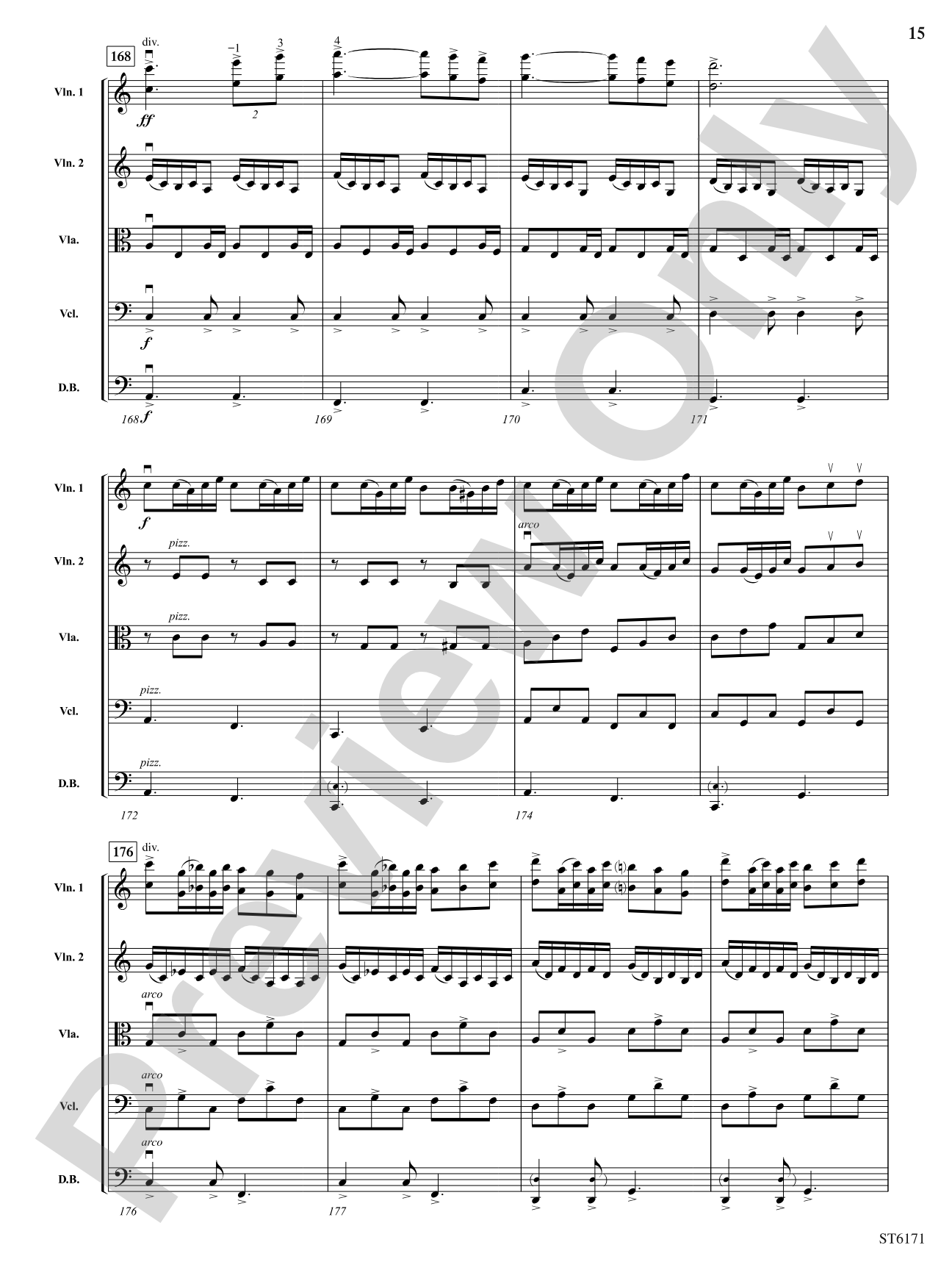
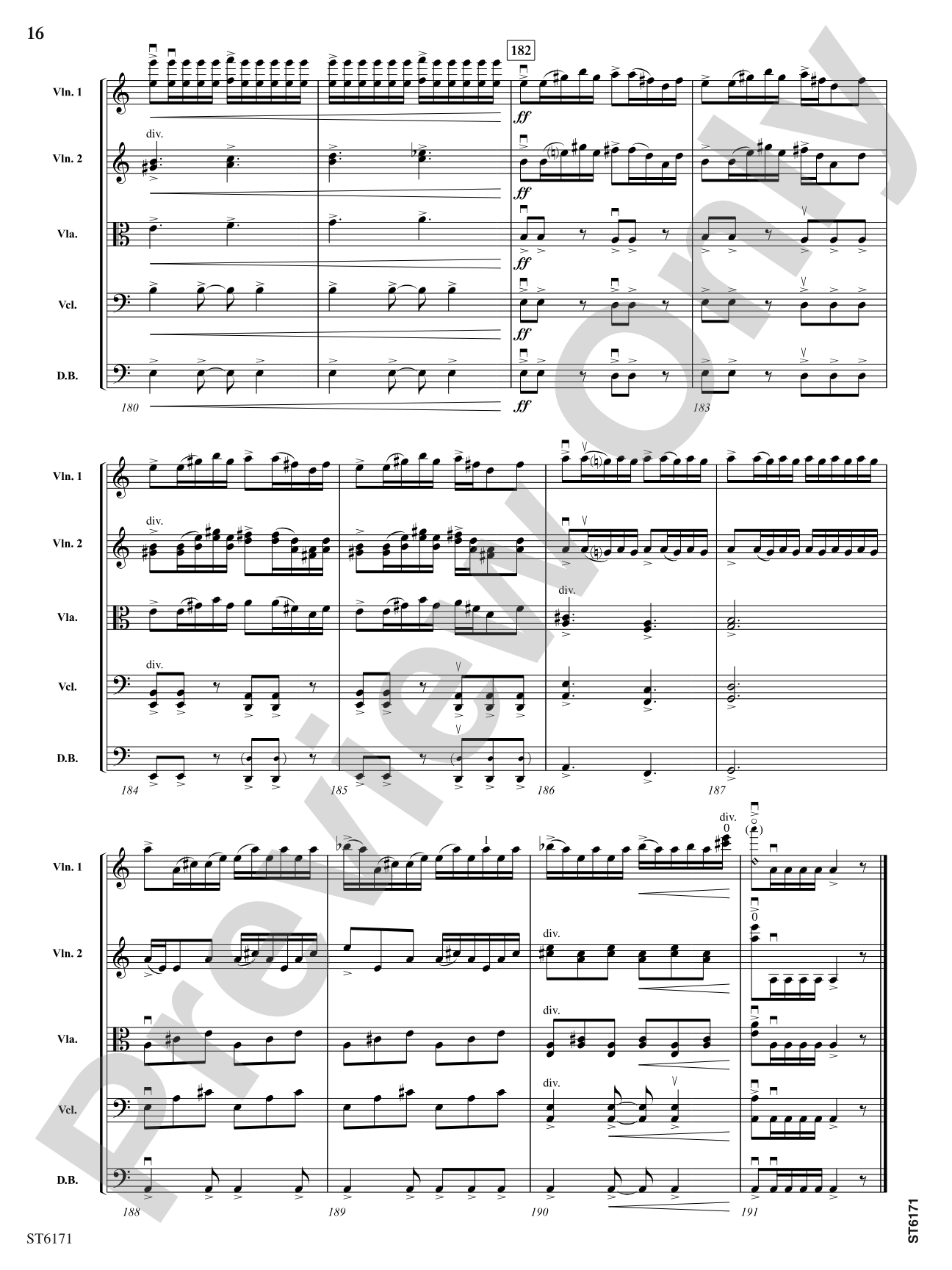

Perseus: Score
By Soon Hee Newbold
Grade: 5
Item: 98-DST6171S
$12.00
Pickup currently not available
Description
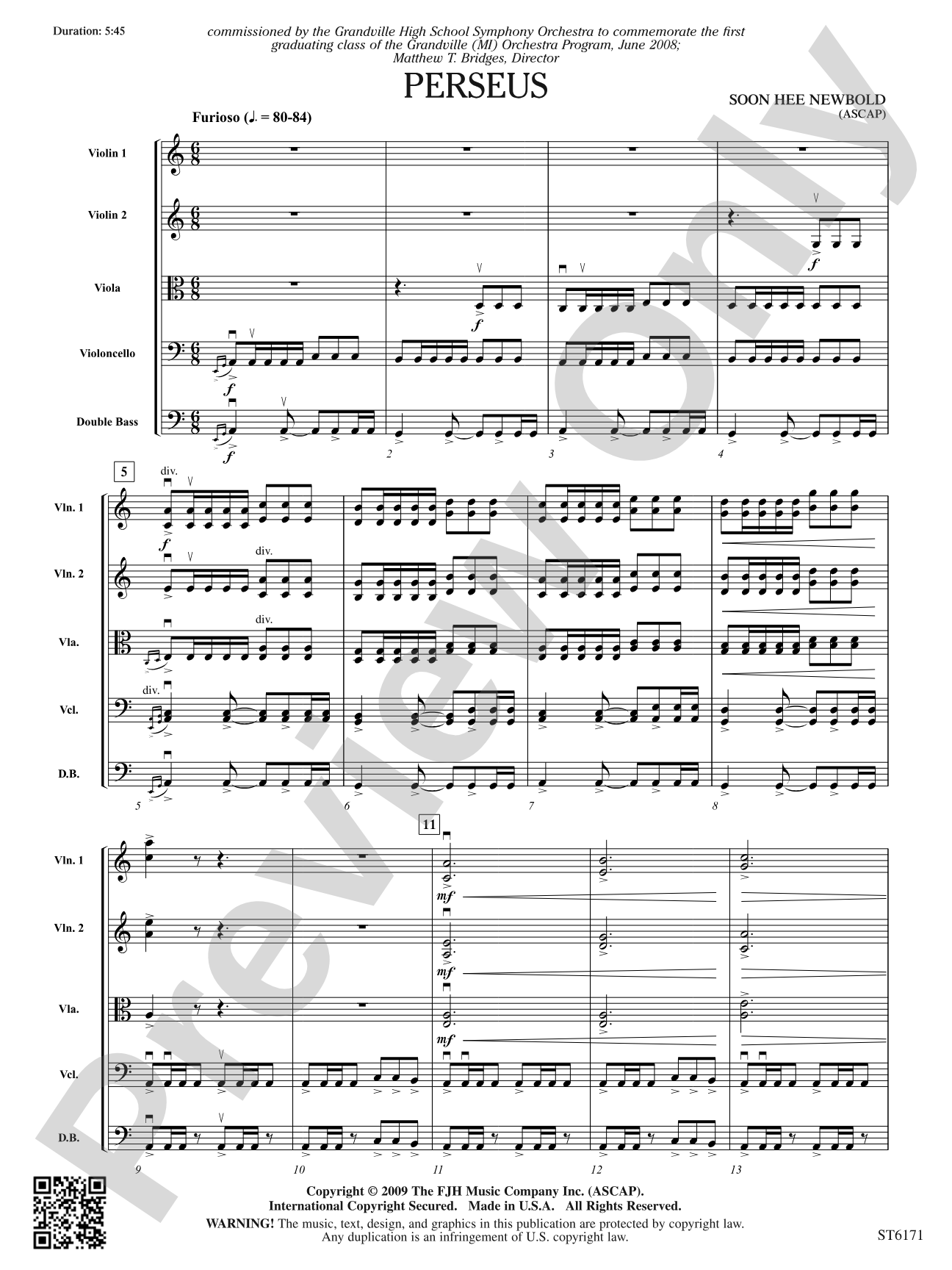
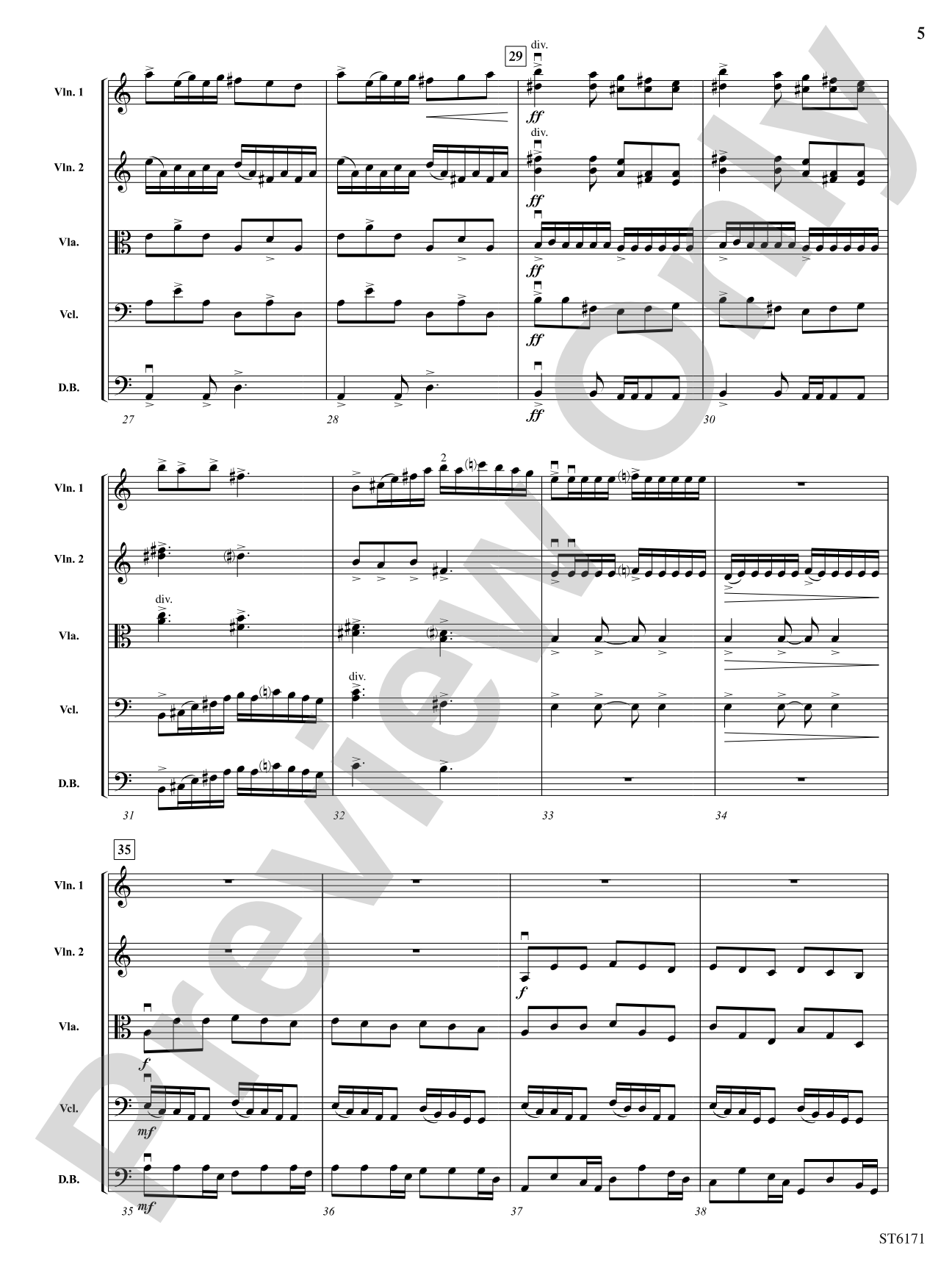
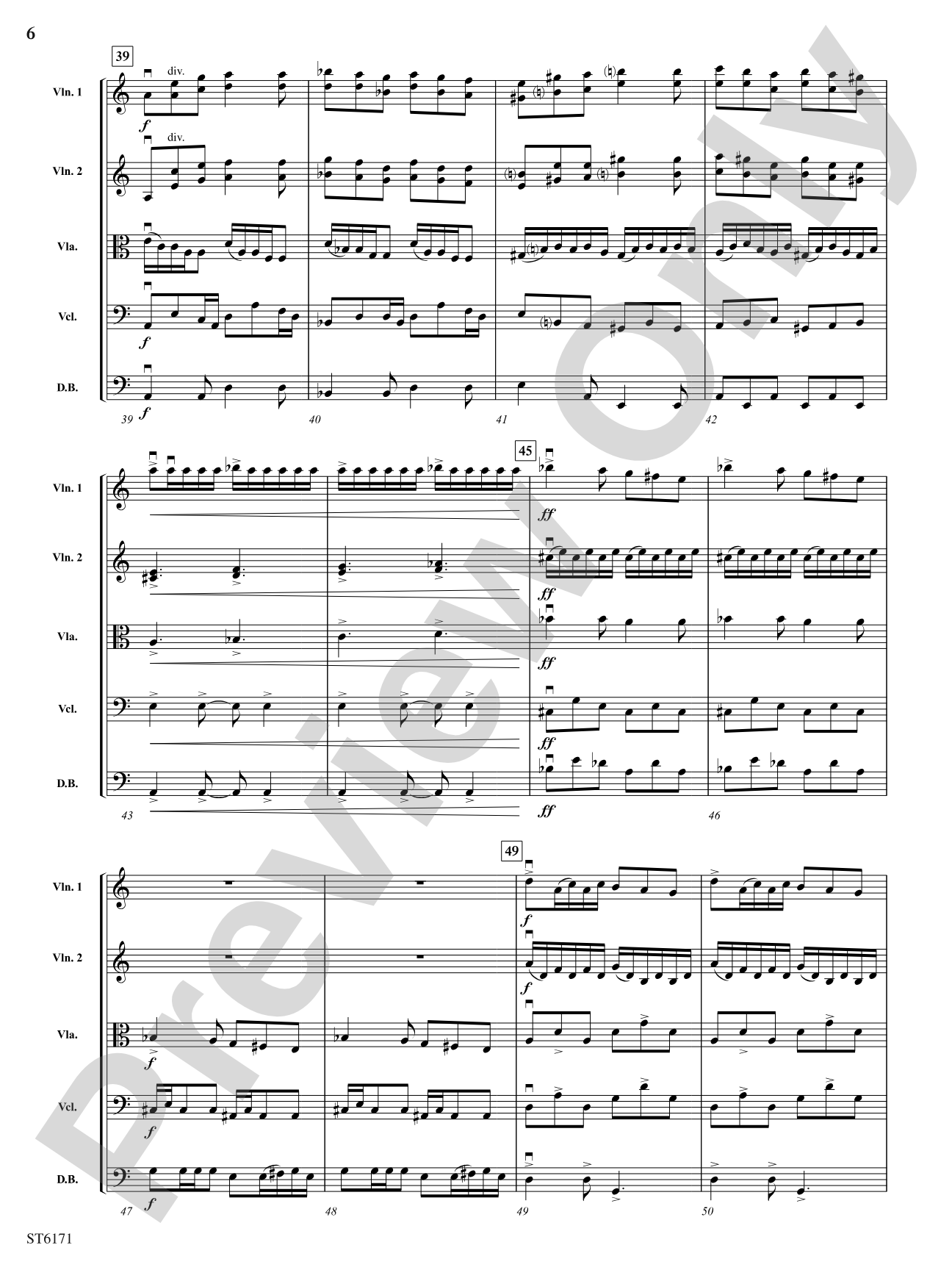
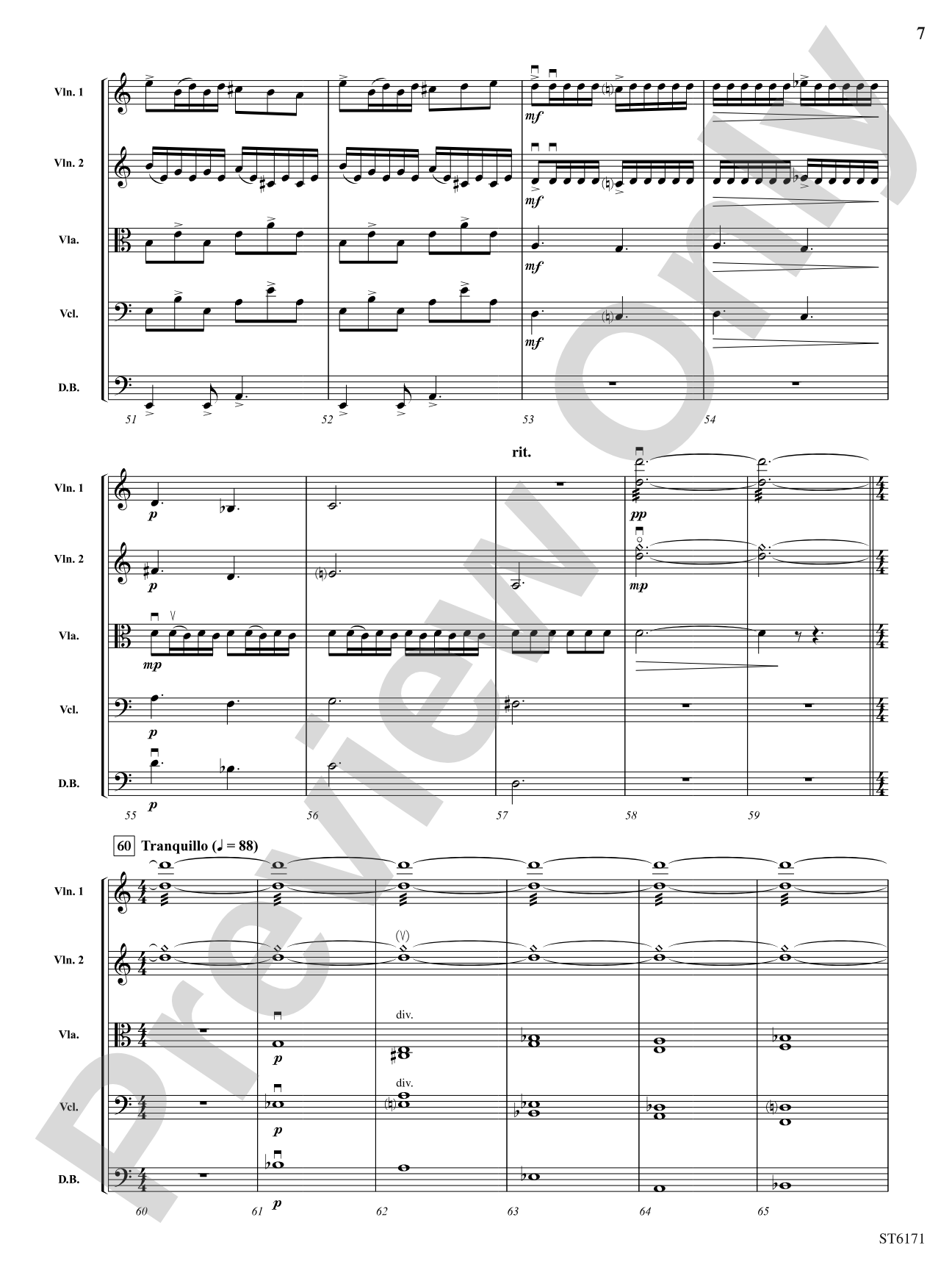
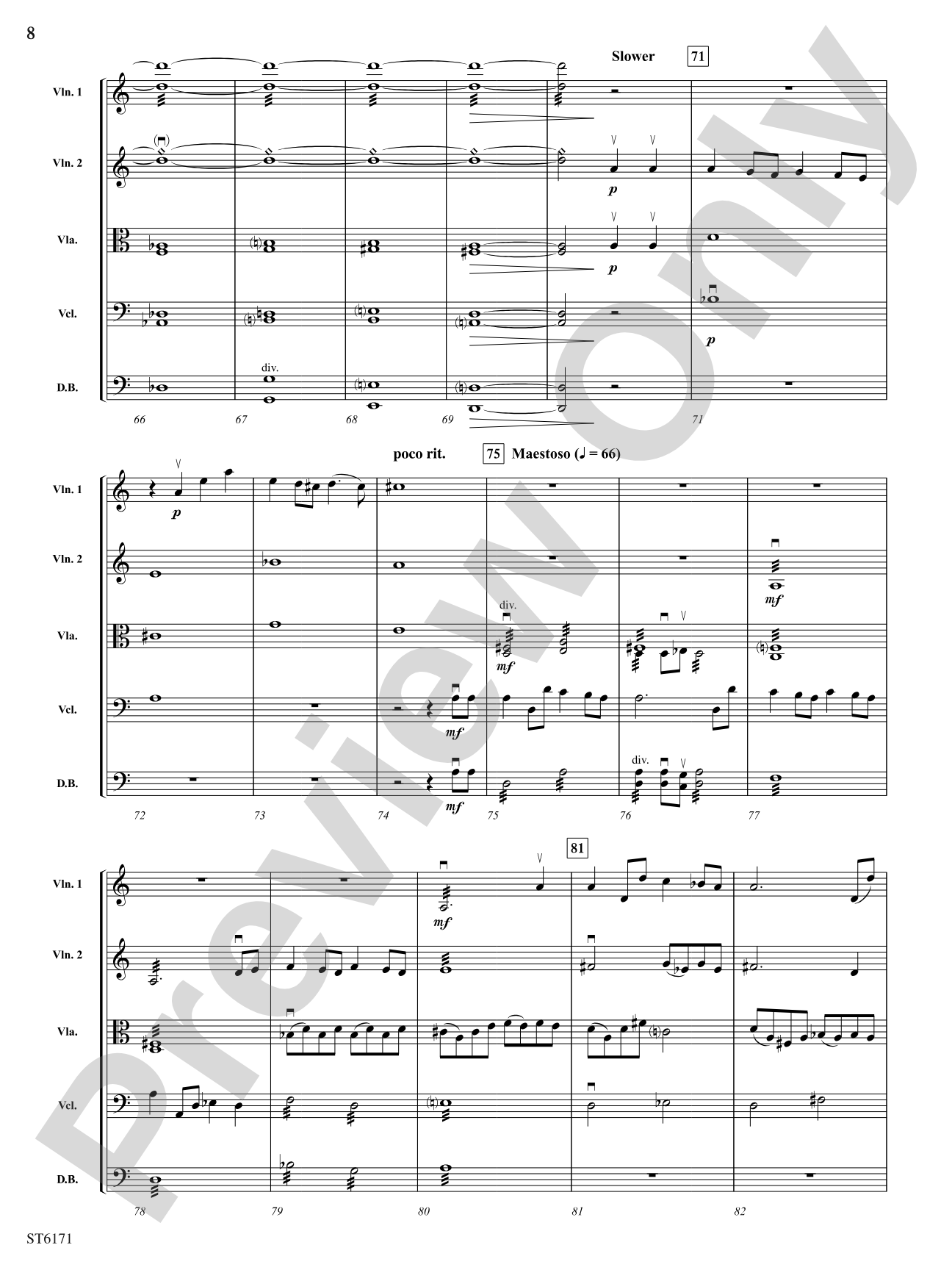
Riveting! Take a journey with the legendary hero Perseus in this dynamic and stunning symphonic work as he slays the snake-haired Medusa and rescues the princess Andromeda. From the opening rhythmic figures to the soaring melodies, this piece will command the attention of your audience and plunge them into a whirlwind of adventure! (5:45)


Don't just read it, hear it, play along with it, and watch your students grow with it. In MakeMusic Cloud, Perseus: Score comes alive with professional accompaniment, adjustable tempo, and built-in practice tools that turn solo practice into real progress.
Open in the Player
Jump straight in and assign it today.
Start Your Free Trial
Open this title and explore the full library in minutes.
Sample Audio
1
Audio File
--:--
0:00
0:00
Sample Video
No sample videos found.
Additional Details
Series:
FJH String Orchestra
Publisher:
The FJH Music Company, Inc.
SKU:
98-DST6171S
More about this title
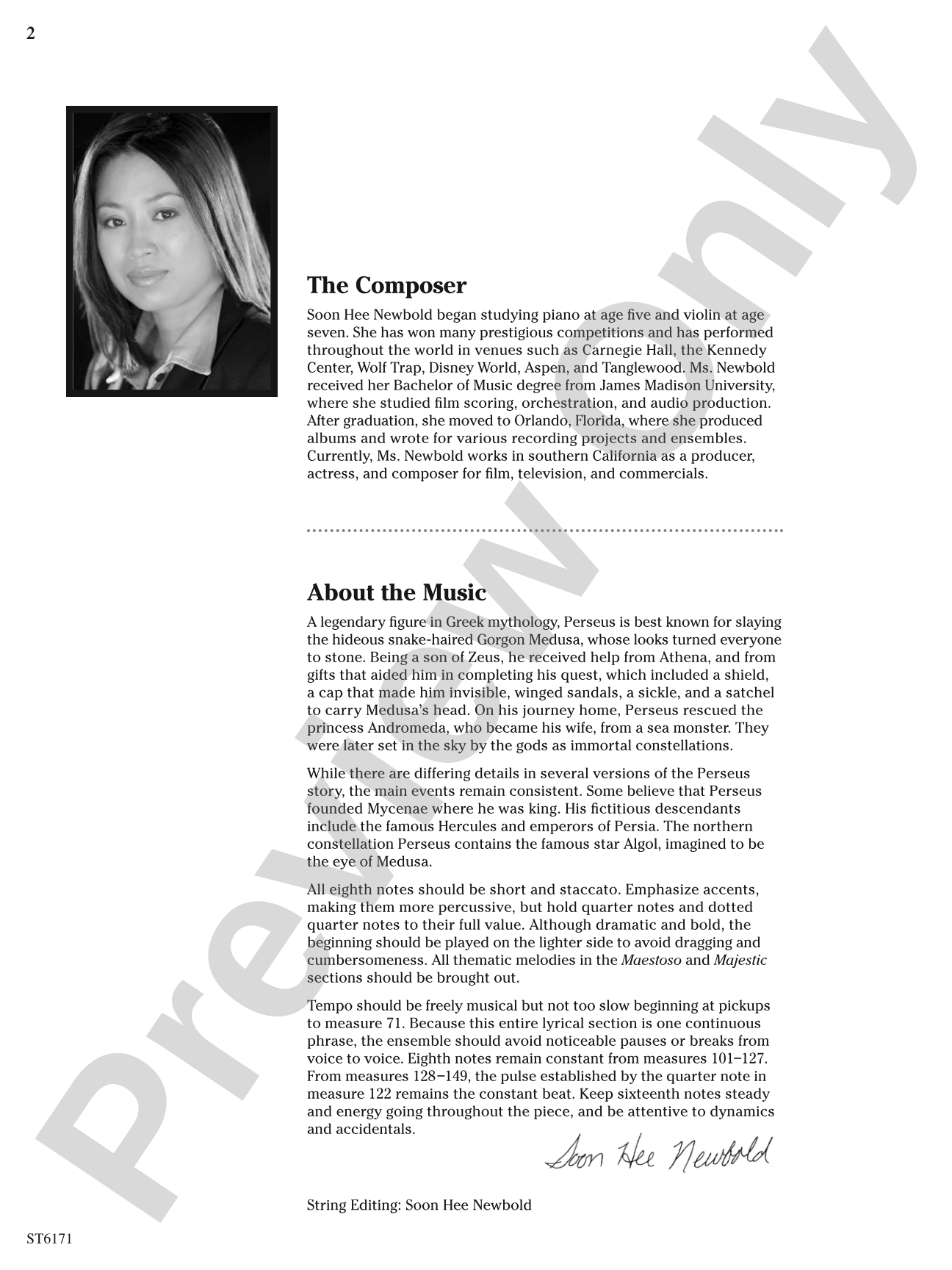
About the Composer: Soon Hee Newbold

Soon Hee Newbold brings a genuinely cosmopolitan compositional voice to the concert hall. Her works draw strength from the cultural and musical traditions she has encountered through decades of performance, travel, and collaboration across multiple continents. From early training in piano and violin, she developed into a composer whose works span professional symphonies and emerging ensembles alike, performed at venues including Carnegie Hall, the Kennedy Center, Lincoln Center, and the Midwest Band and Orchestra Clinic.
Newbold's dual career as both composer and conductor has given her deep insight into what works on stage and in the rehearsal room. Her Hollywood film scoring experience further informs her gift for dramatic storytelling through orchestration. She remains an active guest clinician and speaker, bringing her expertise directly to music educators and young musicians worldwide.
Why we love this
Newbold crafts programmatic music that actually engages students without resorting to gimmicks. The rhythmic propulsion and soaring melodic lines pull players into the narrative arc, while the Grade 5 orchestration remains genuinely playable across a range of string programs. This is the kind of piece that makes orchestra students care about ensemble blend and dynamic control because the story demands it.
What to expect
Heroic, urgent, and propulsive. The music shifts from taut, rhythmic tension to soaring passages of beauty and triumph, with orchestration that feels orchestral without overwhelming younger players. It captures the headlong rush of adventure and the weight of impossible stakes.
Who it's for
String orchestras at the intermediate to advanced high school level, or strong middle school ensembles with solid intonation and ensemble maturity. This piece rewards players who can sustain focus through a five-and-a-half minute narrative arc and respond to nuanced dynamic and textural shifts.
How to get the most out of it
- Establish the opening rhythmic figures as the narrative's heartbeat; ensemble precision here sets the tone for the entire journey and alerts your audience that something dramatic is unfolding.
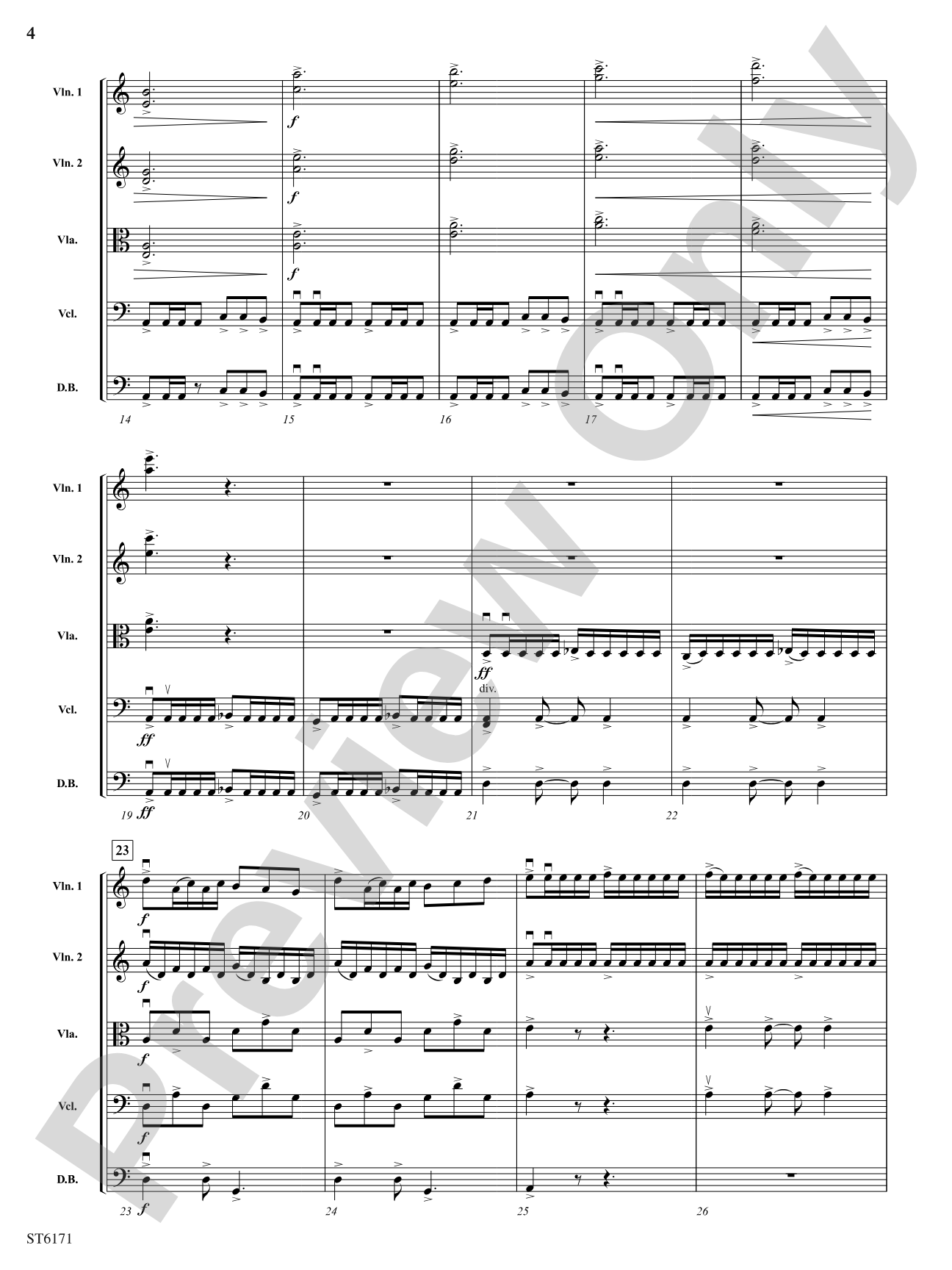
- Shape the soaring melodies with a long-line approach rather than phrase-by-phrase phrasing; let the bow weight and vibrato follow the arc of the storytelling.
- Use the contrast between the driving rhythmic sections and lyrical moments to deepen the dramatic stakes; younger players often rush the quieter passages, so rehearse those transitions deliberately.
- Balance the inner voices during the climactic passages; the triumph of Perseus works best when all sections are heard clearly, not just the first violins.
How to use it
Program this as a centerpiece for a concert that explores classical mythology or heroic narratives in music, pairing it alongside works that build similar dramatic tension. Its five-minute-forty-five-second length makes it ideal for festival or contest programming where you need an impactful statement piece that doesn't overextend rehearsal resources.
Skills your students will build
- Reading and executing rhythmic figures in varied meters with precision and control
- Sustaining long melodic lines with consistent vibrato and bow control
- Balancing inner voices in full orchestration
- Responding to rapid dynamic and textural changes within a programmatic narrative
- Ensemble cohesion during both rhythmic and sustained passages