
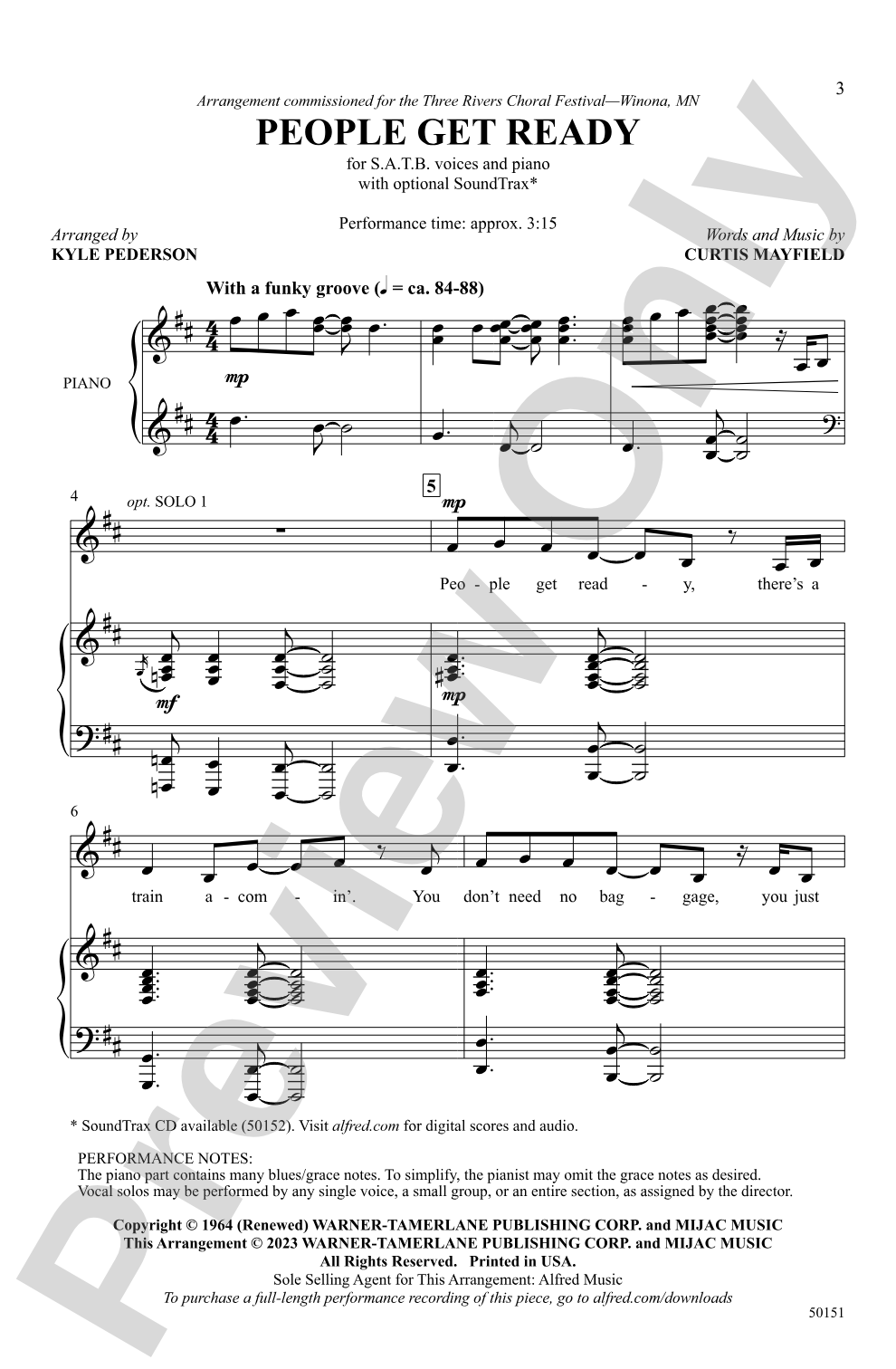

People Get Ready: SATB Choral Octavo
Words and music by Curtis Mayfield / arr. Kyle Pederson
Item: 00-PO-0007025
$2.25
Minimum order quantity: 20 copies
One moment…
Description
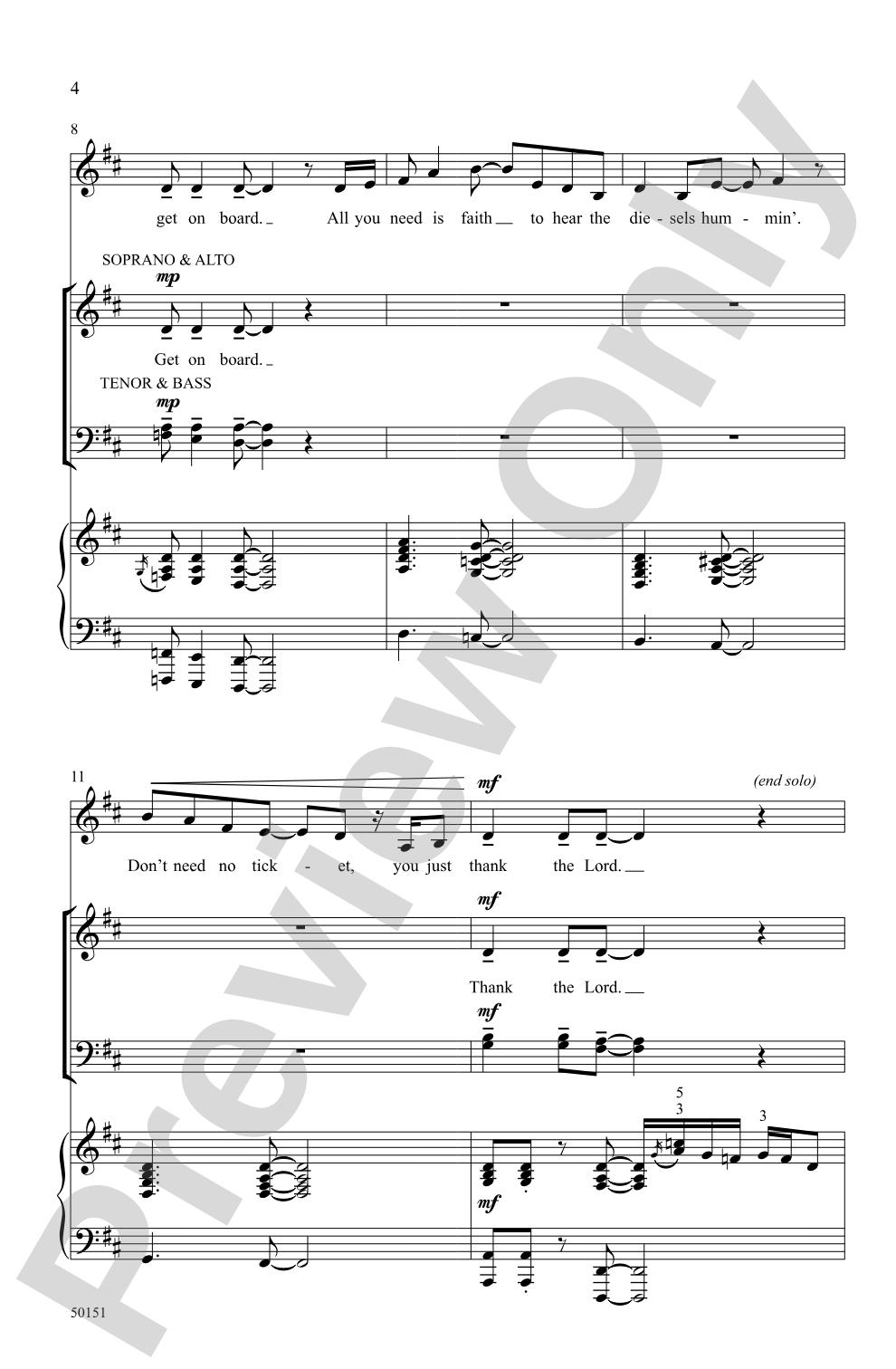
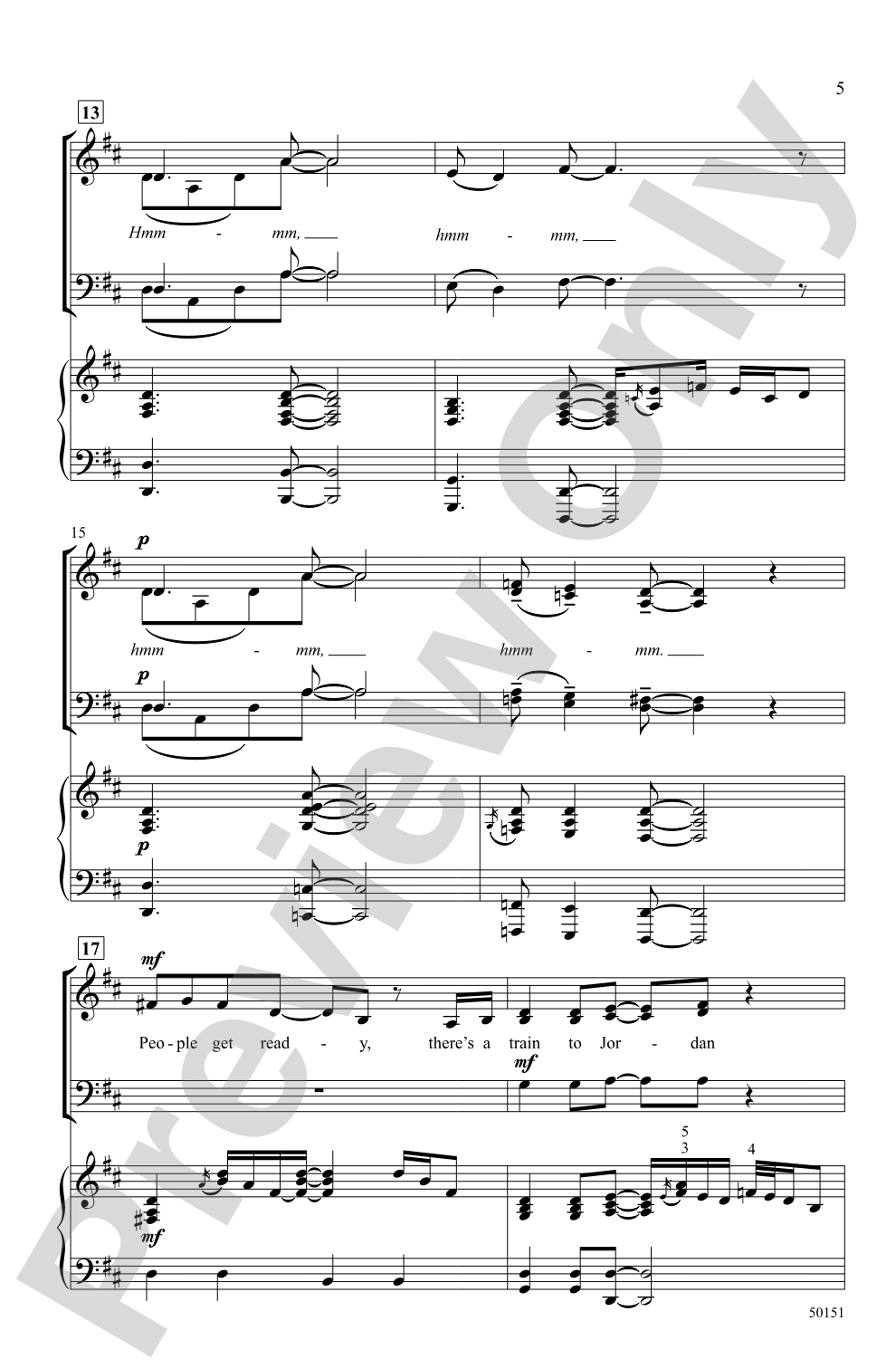
Immortalized by Rolling Stone as one of the greatest songs of all time, this gospel-influenced Curtis Mayfield classic has remained relevant since its release in 1965. Part of a long tradition of African American freedom songs that use train imagery, Dr. Martin Luther King, Jr. considered this the unofficial anthem of the Civil Rights Movement. Kyle's groovy arrangement captures the musical style with bluesy vocals and a riff-filled piano part.


People Get Ready: SATB Choral Octavo isn't in MakeMusic Cloud just yet...but it could be. Let us know you'd like to see it, and you'll help shape what comes next. In the meantime, start a free trial and dive into thousands of interactive titles your students can play along with today.
Request This Title
Tell us you want it.
Start Your Free Trial
Explore everything that's ready to play right now.
Sample Audio
1
Audio File
--:--
0:00
0:00
Sample Video
1 / 2
Additional Details
Series:
Alfred Pop Choral Series
Publisher:
Alfred Music
Page Count:
16
SKU:
00-PO-0007025
More about this title
About the Composer: Curtis Mayfield
Curtis Mayfield (1942-1999) was a singer, songwriter, and guitarist whose music became inseparable from the Civil Rights Movement and the Black Power era. As the lead voice of The Impressions and later as a solo artist, Mayfield crafted socially conscious songs that moved people to action while maintaining infectious melodic hooks and sophisticated harmonic arrangements. His work demonstrated that popular music could be both commercially successful and politically urgent, influencing generations of artists who followed.
Why we love this
Kyle Pederson's arrangement honors the song's historical weight while making it singable and energetic for today's choirs. The bluesy vocal writing and riff-driven piano part keep the arrangement grounded in its gospel and soul roots rather than over-orchestrating it. Programming this piece allows your choir to engage with one of America's most important songs while delivering a performance that feels authentic and immediate.
What to expect
The arrangement radiates both urgency and joy. Groovy, bluesy harmonies move beneath the familiar melody while the piano riffs propel the song forward with infectious energy. Singing this piece feels like being part of something larger than yourself, a conversation across decades about freedom and faith.
Who it's for
This piece suits intermediate and advanced choirs ready to tackle social justice repertoire with musical sophistication. It works particularly well for groups comfortable with jazz and soul inflections, and for singers who want to connect their performance to a specific historical moment and ongoing movement.
How to get the most out of it
- Lock the vocal lines into the groove early in rehearsal. Mayfield's phrasing sits slightly behind the beat in the verses, so work on ensemble feel before polishing individual parts.
- Balance the piano part carefully. Kyle's riffs should be heard clearly without burying the chorus, especially in sections where all four voice parts are singing.
- Approach the bluesy inflections with confidence. Minor alterations to pitch and rhythm are part of the style; encourage singers to listen to recordings and absorb the vocal character rather than reading every marking literally.
- Shape the dynamics to build from verse to chorus. The arrangement gains momentum through repetition, so small crescendos and changes in articulation matter more than dramatic contrasts.
How to use it
Open a concert with this piece to set a powerful tone, or pair it with other freedom songs and contemporary works addressing social themes to create a thematic program. Its historical significance and contemporary musical appeal make it equally at home in a spring pops concert or a more serious evening focused on American choral traditions.
Skills your students will build
- Singing with rhythmic flexibility and swing feel in popular music contexts
- Balancing bluesy vocal inflections with ensemble intonation
- Understanding and performing music rooted in African American musical traditions
- Interpreting a song's social and historical meaning through performance choices
- Listening to and learning from recorded versions across different arrangements