
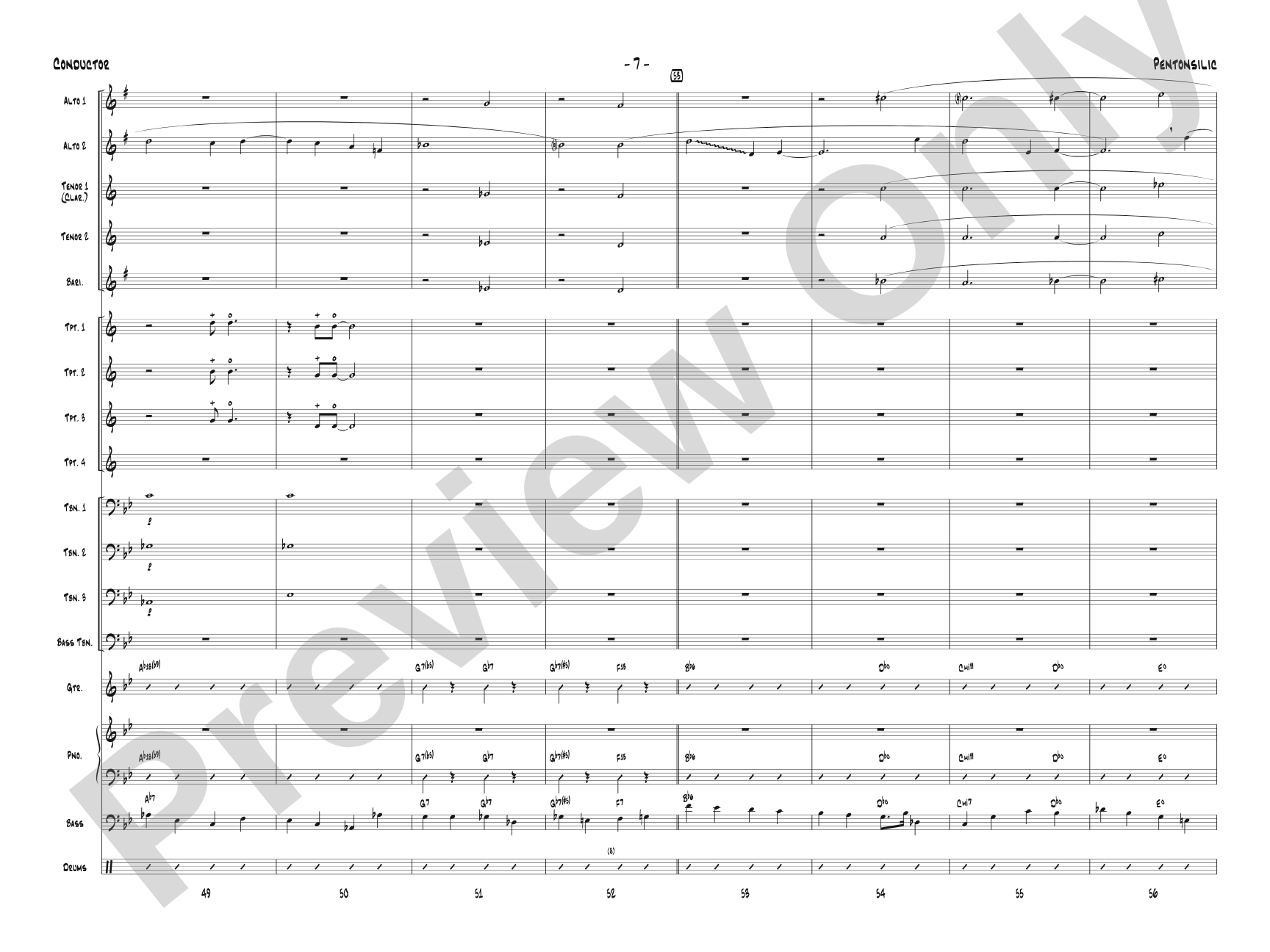
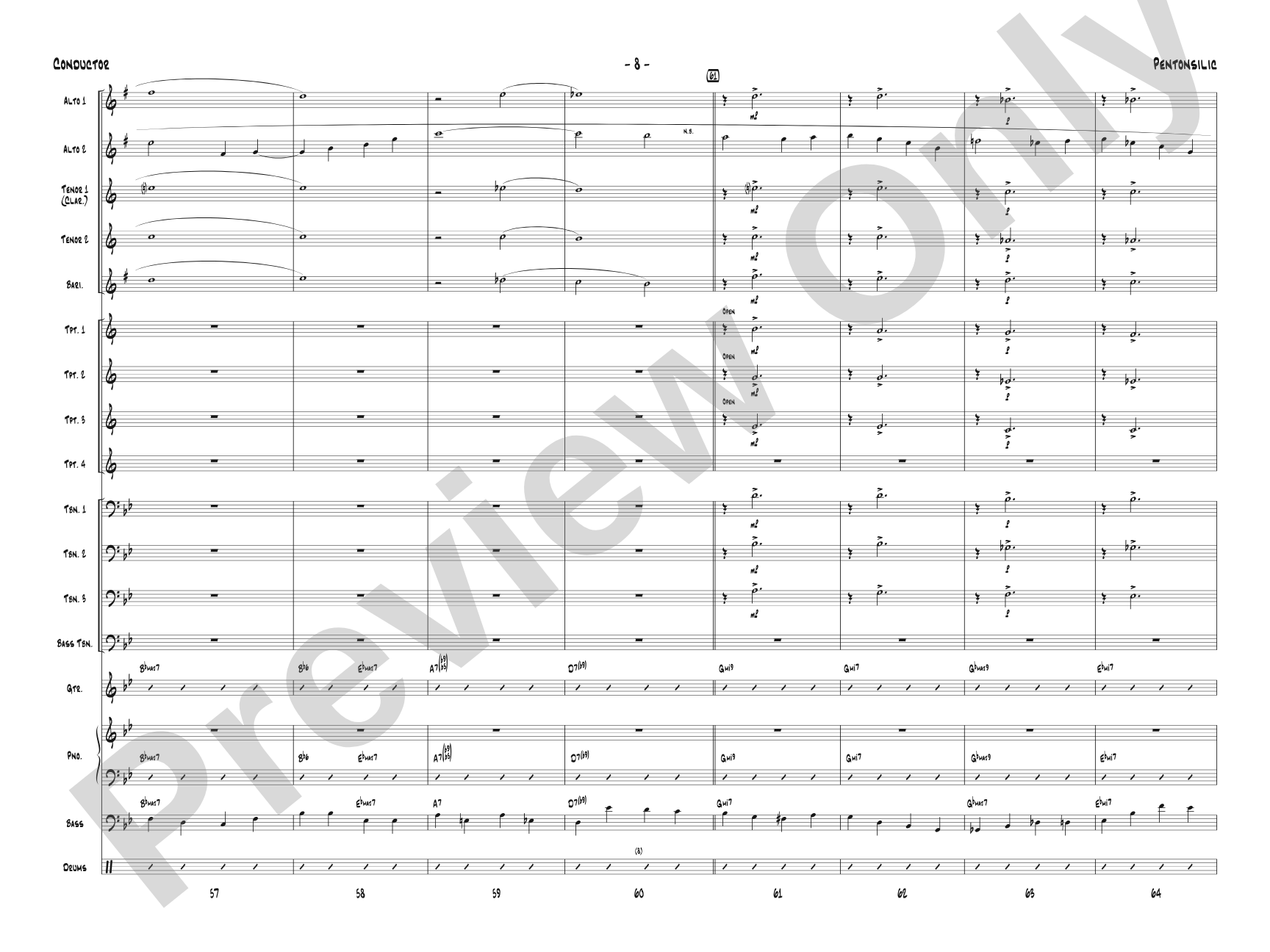
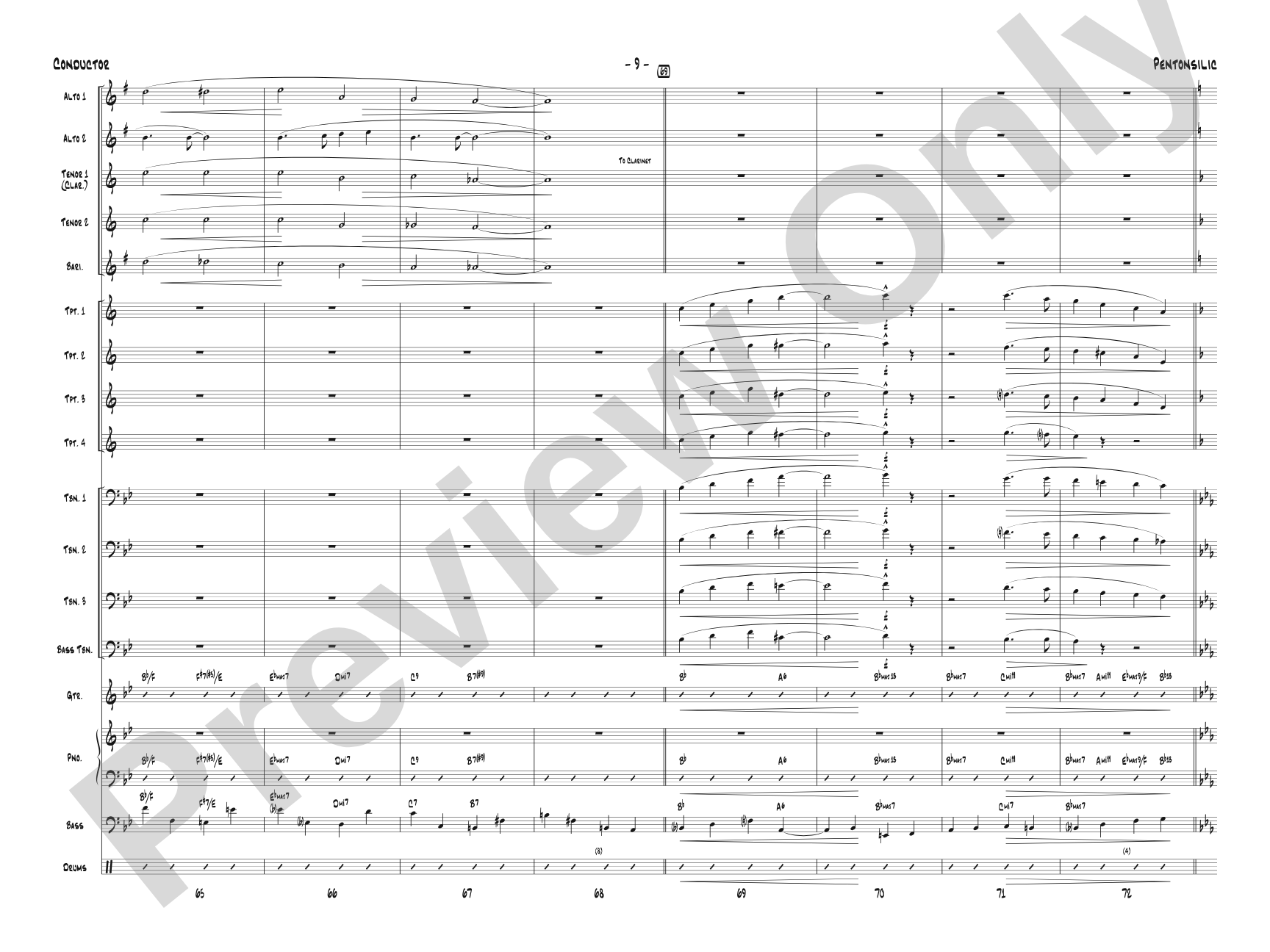
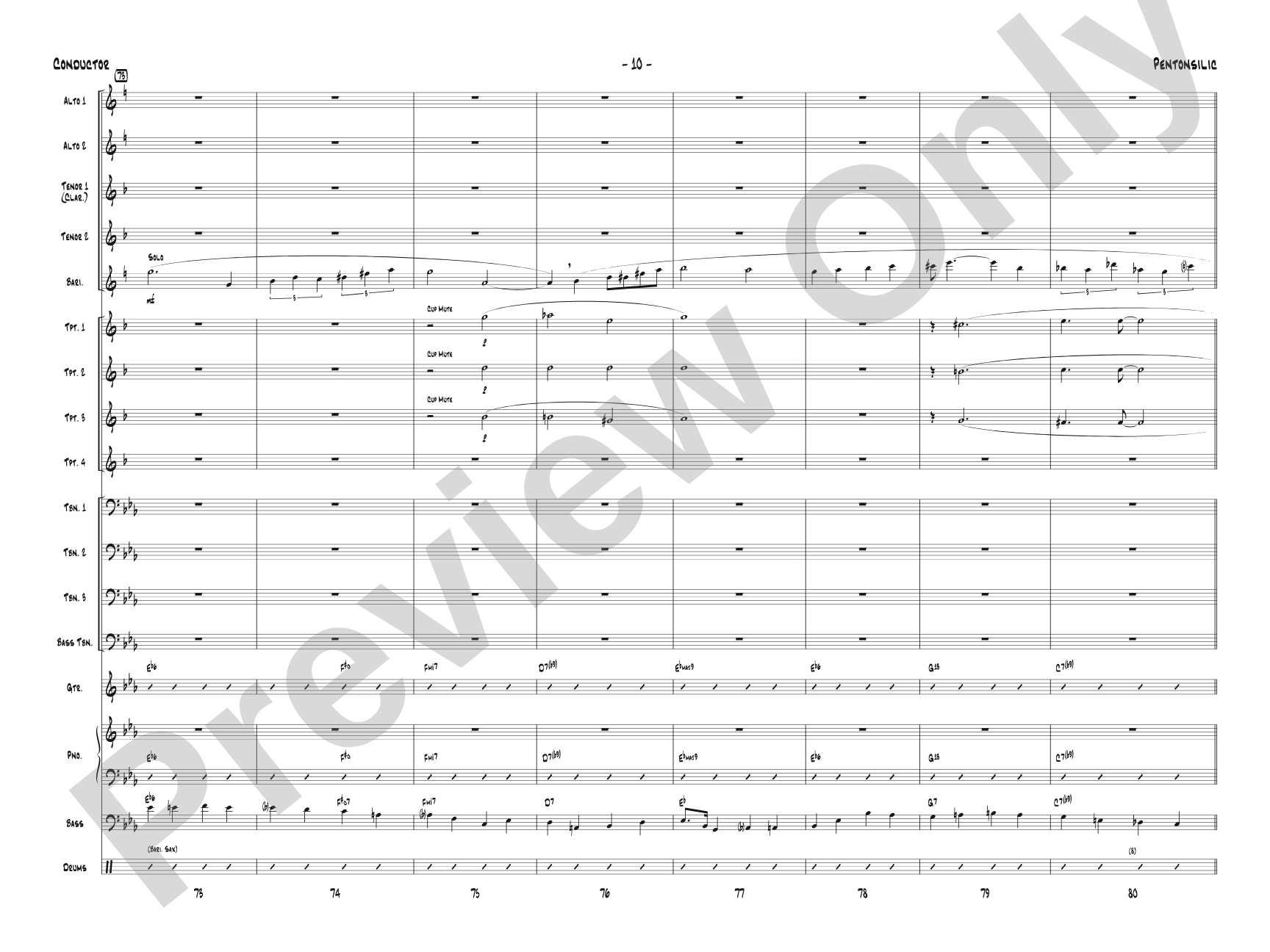
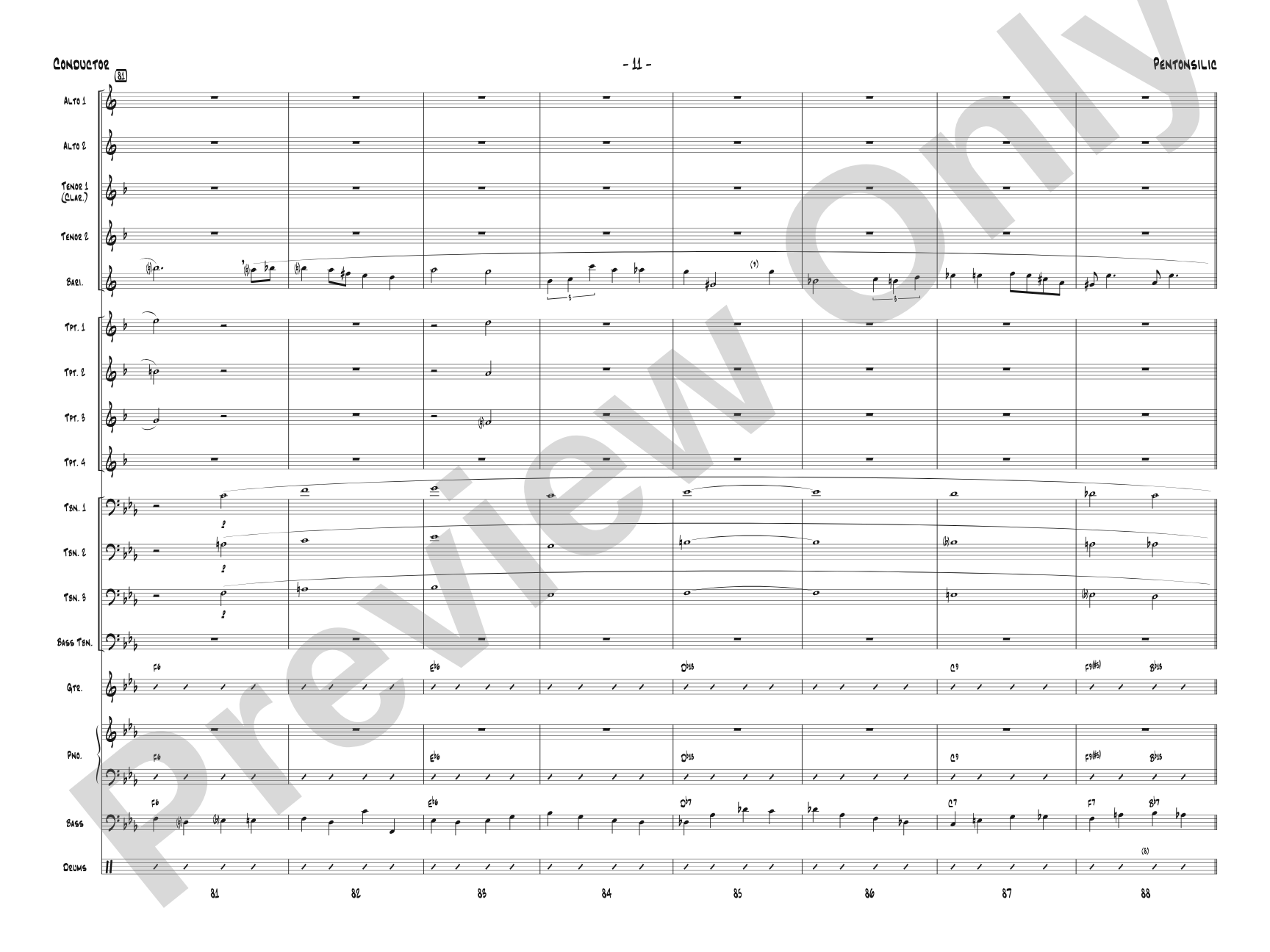
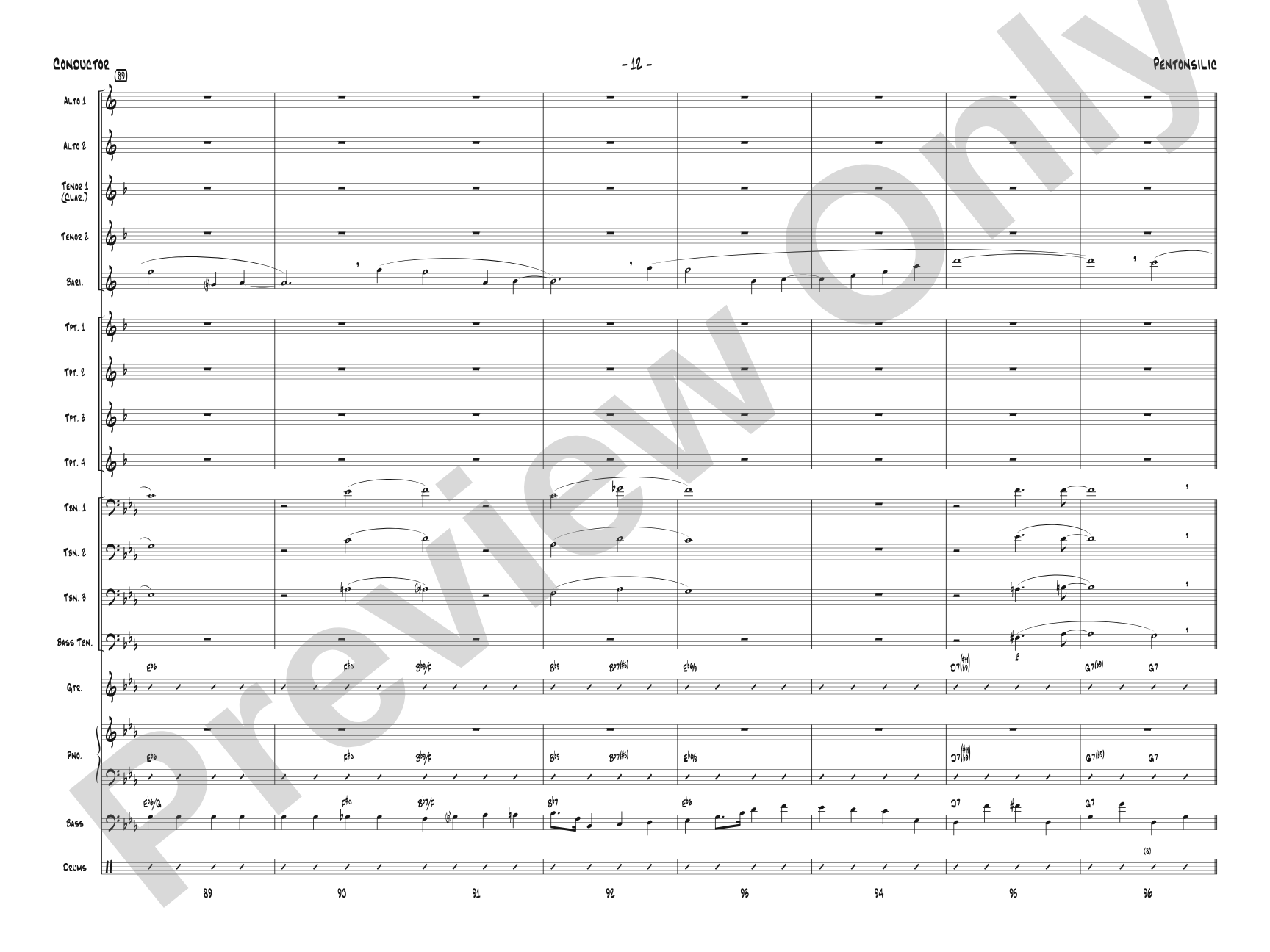
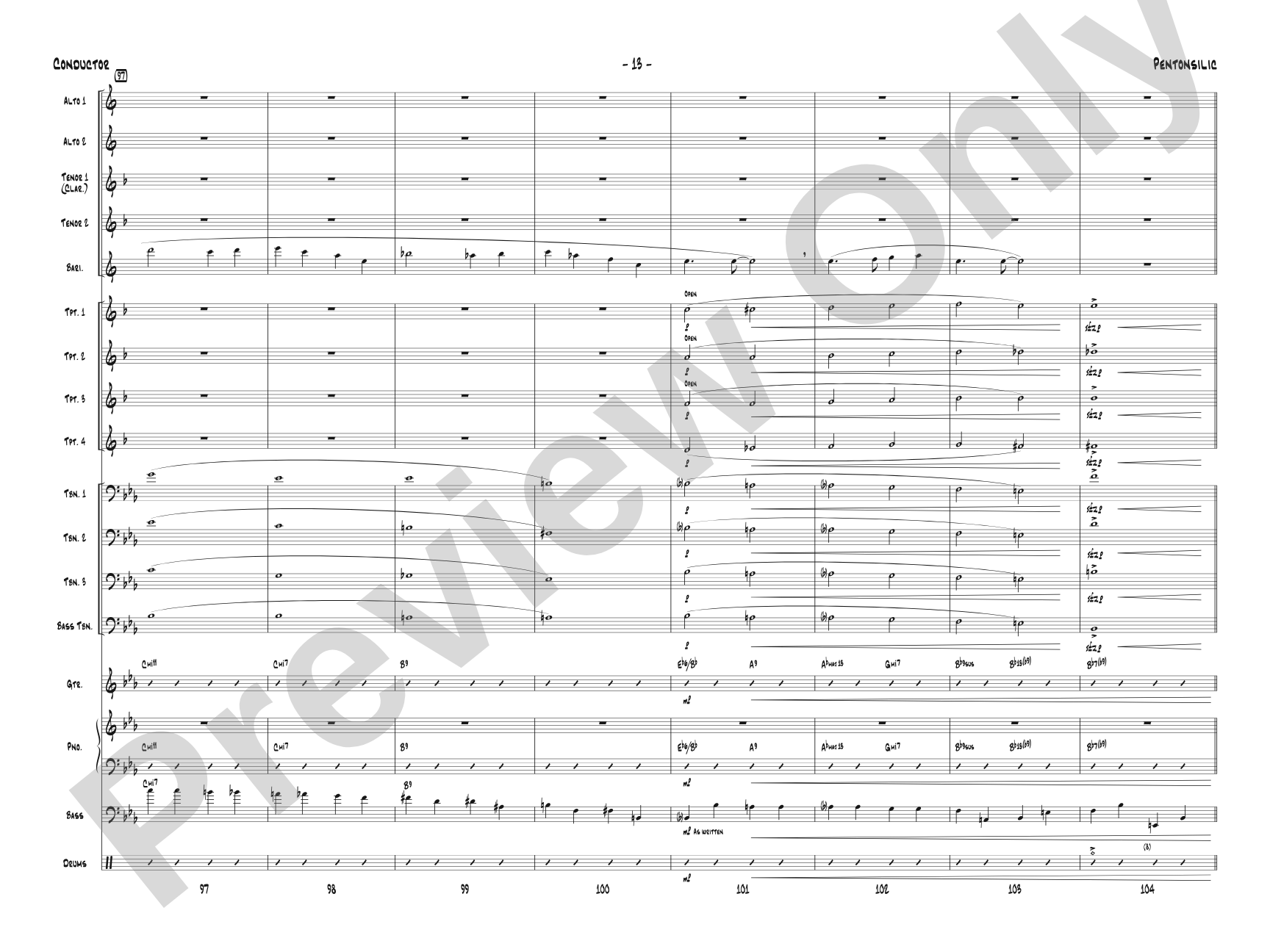
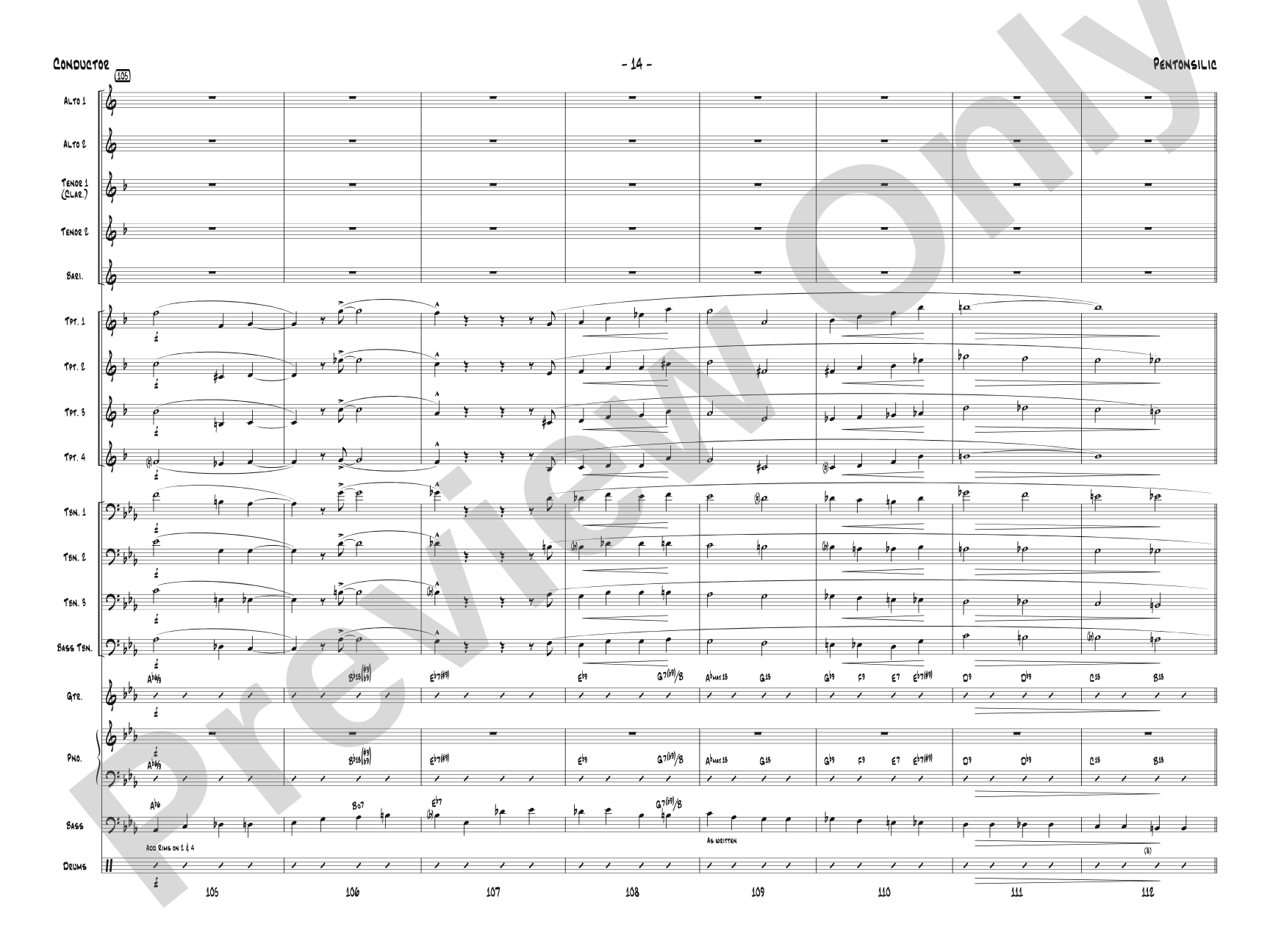
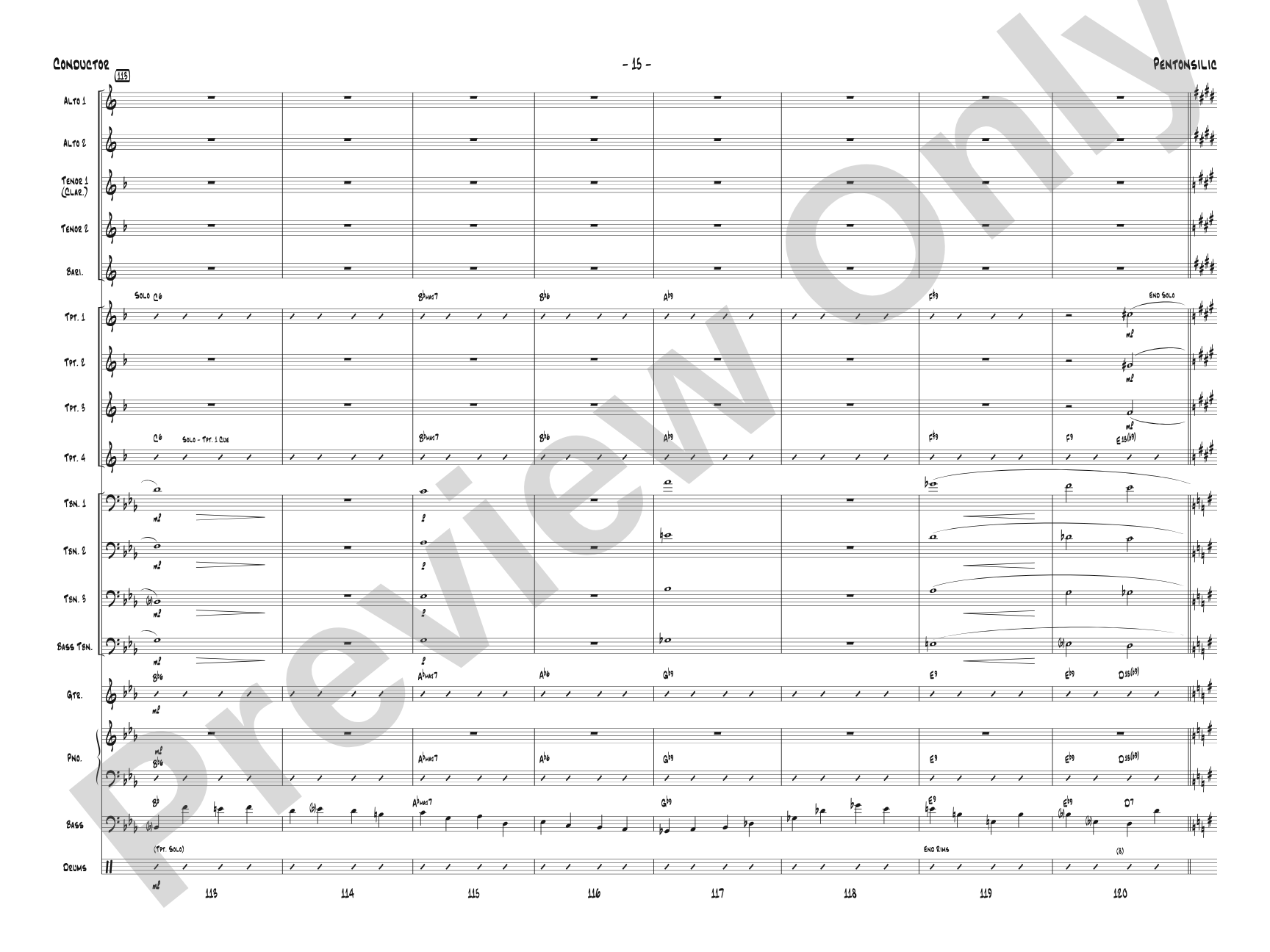
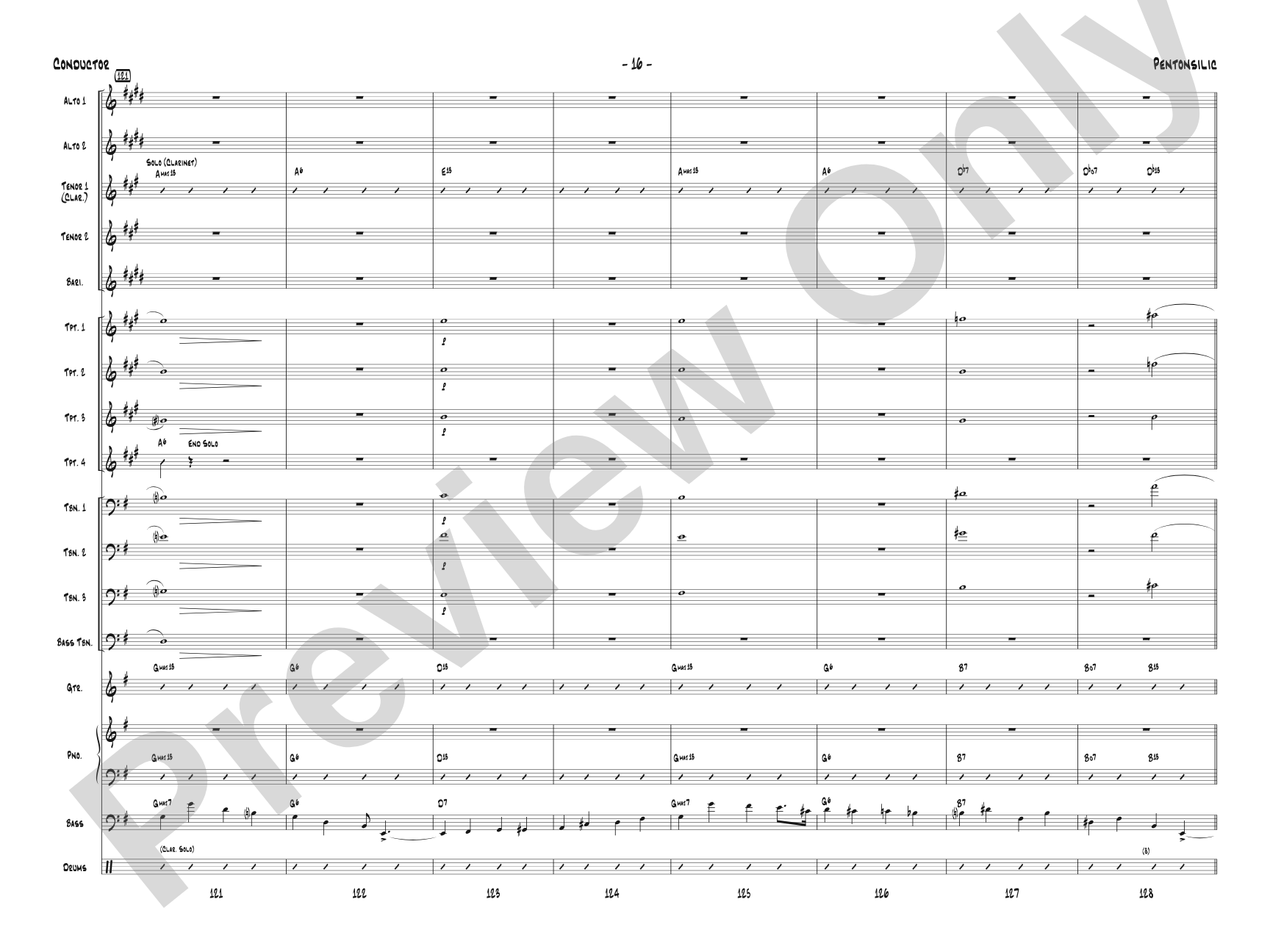
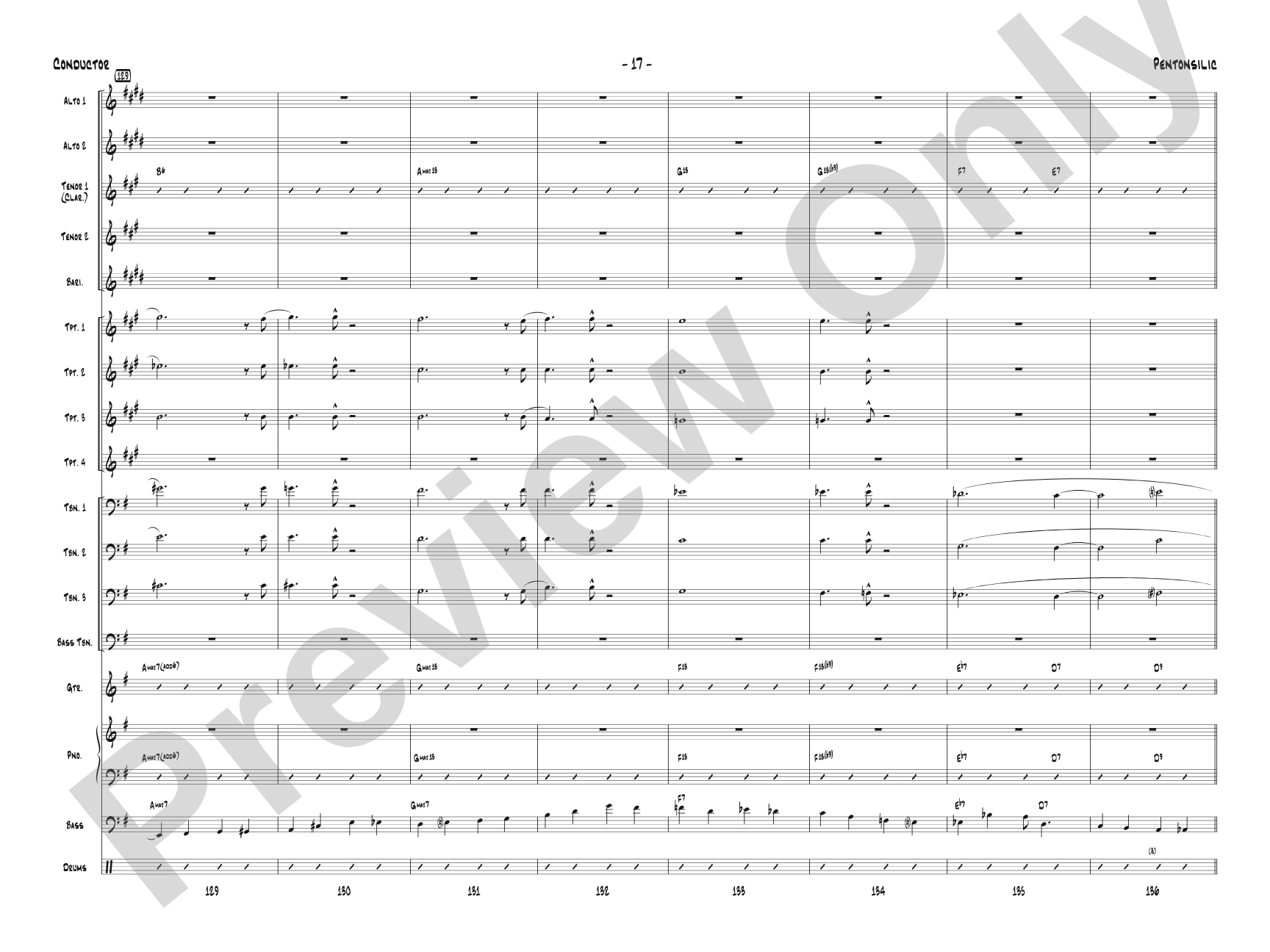
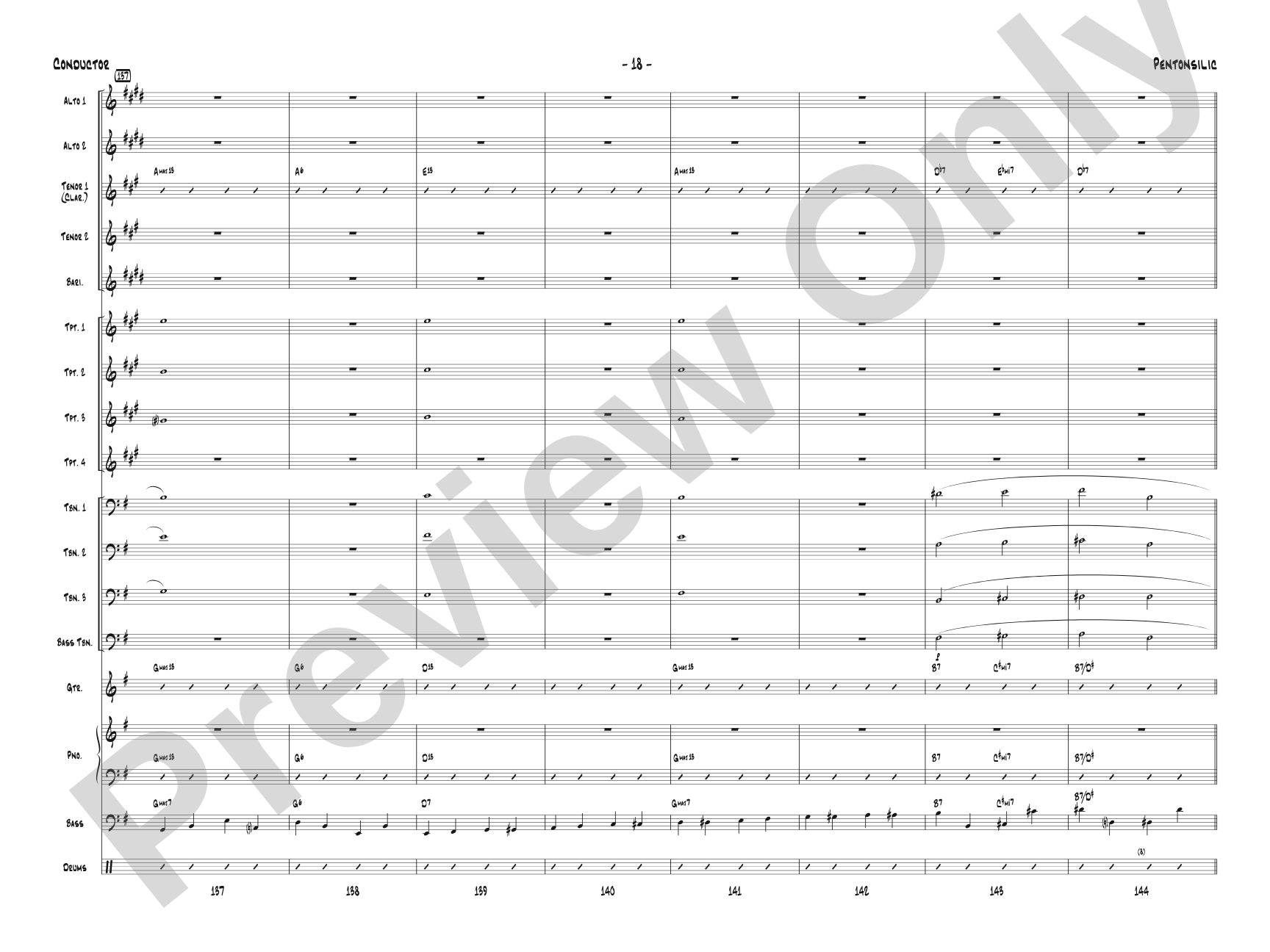
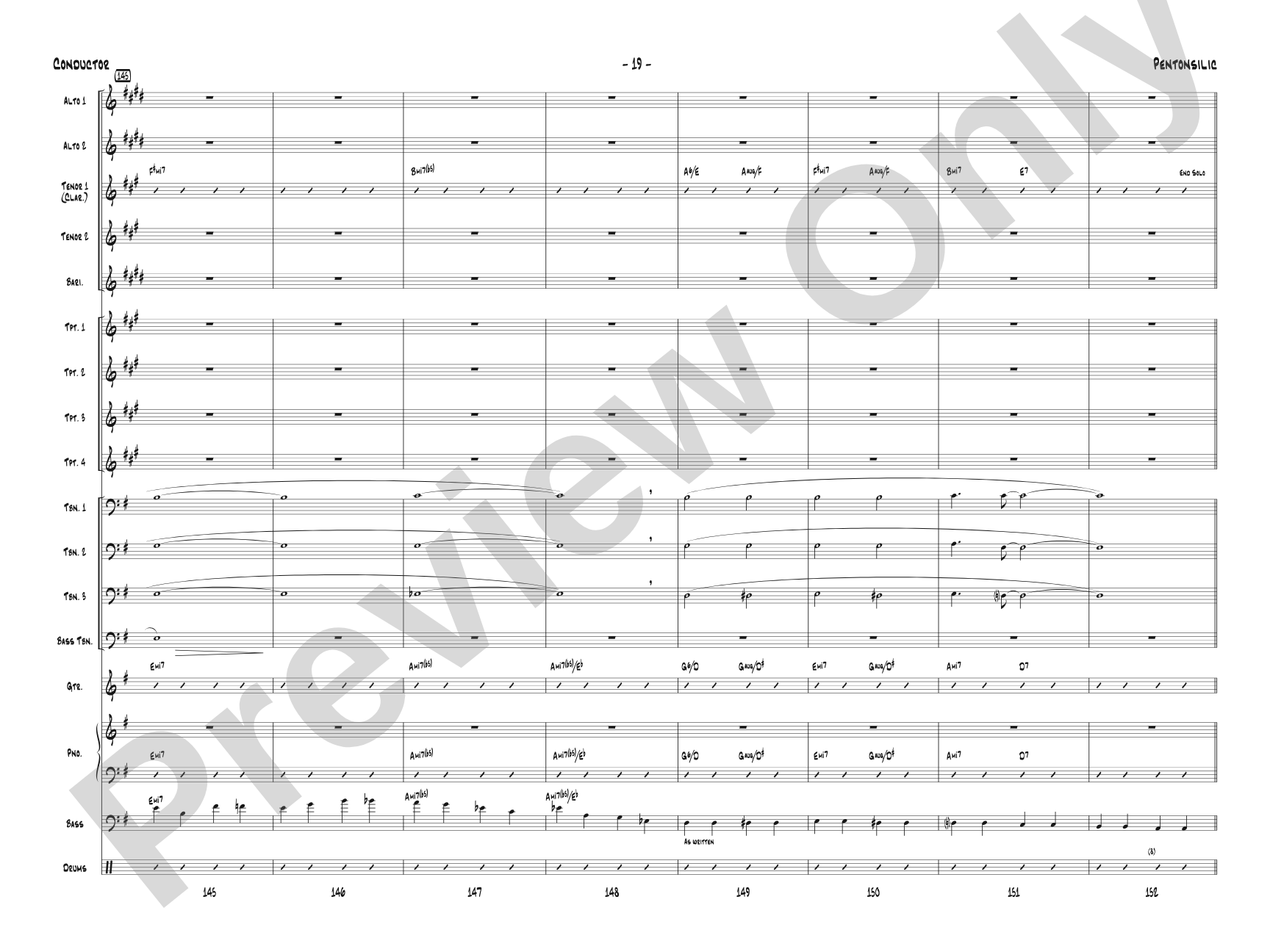
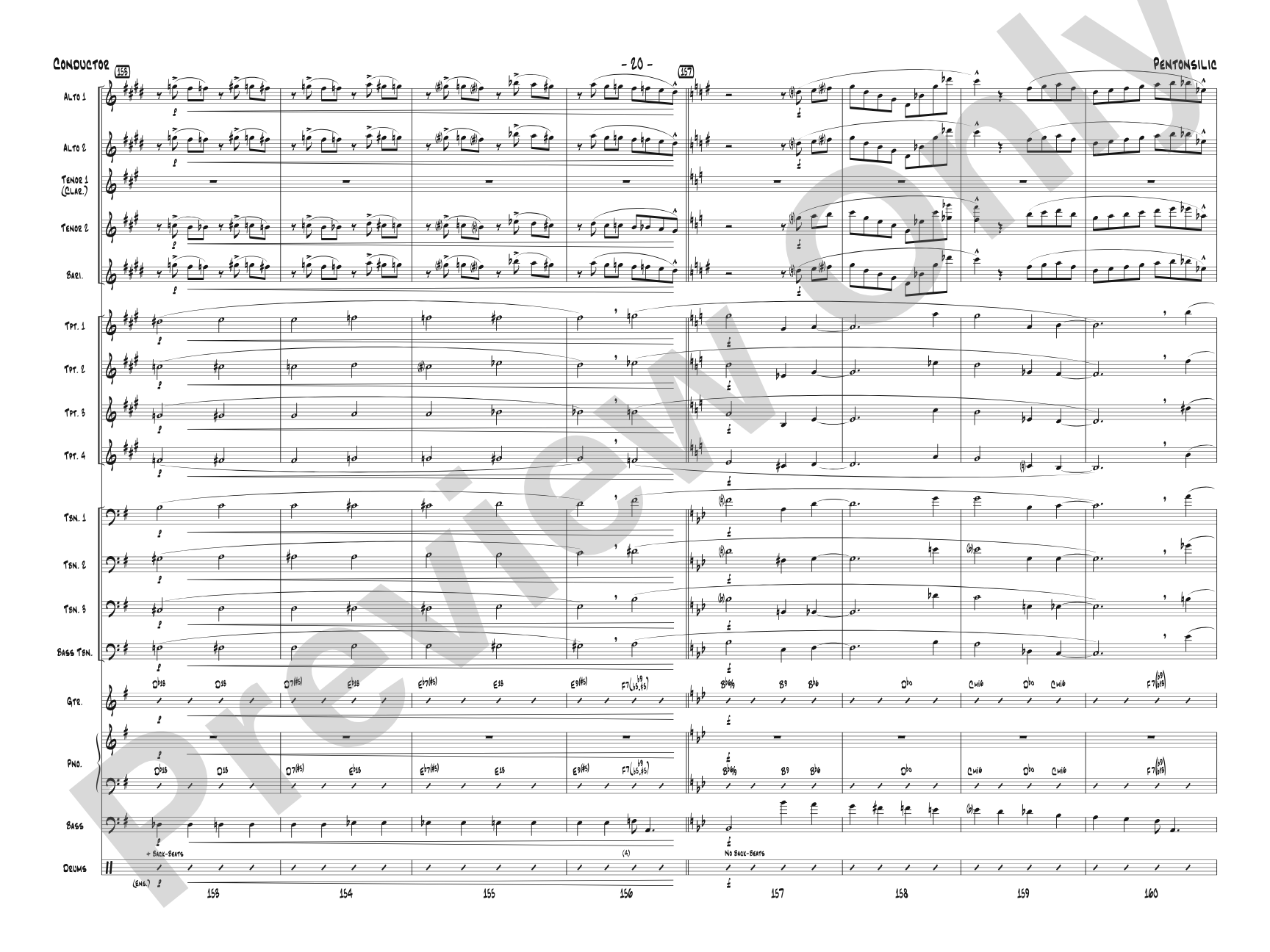
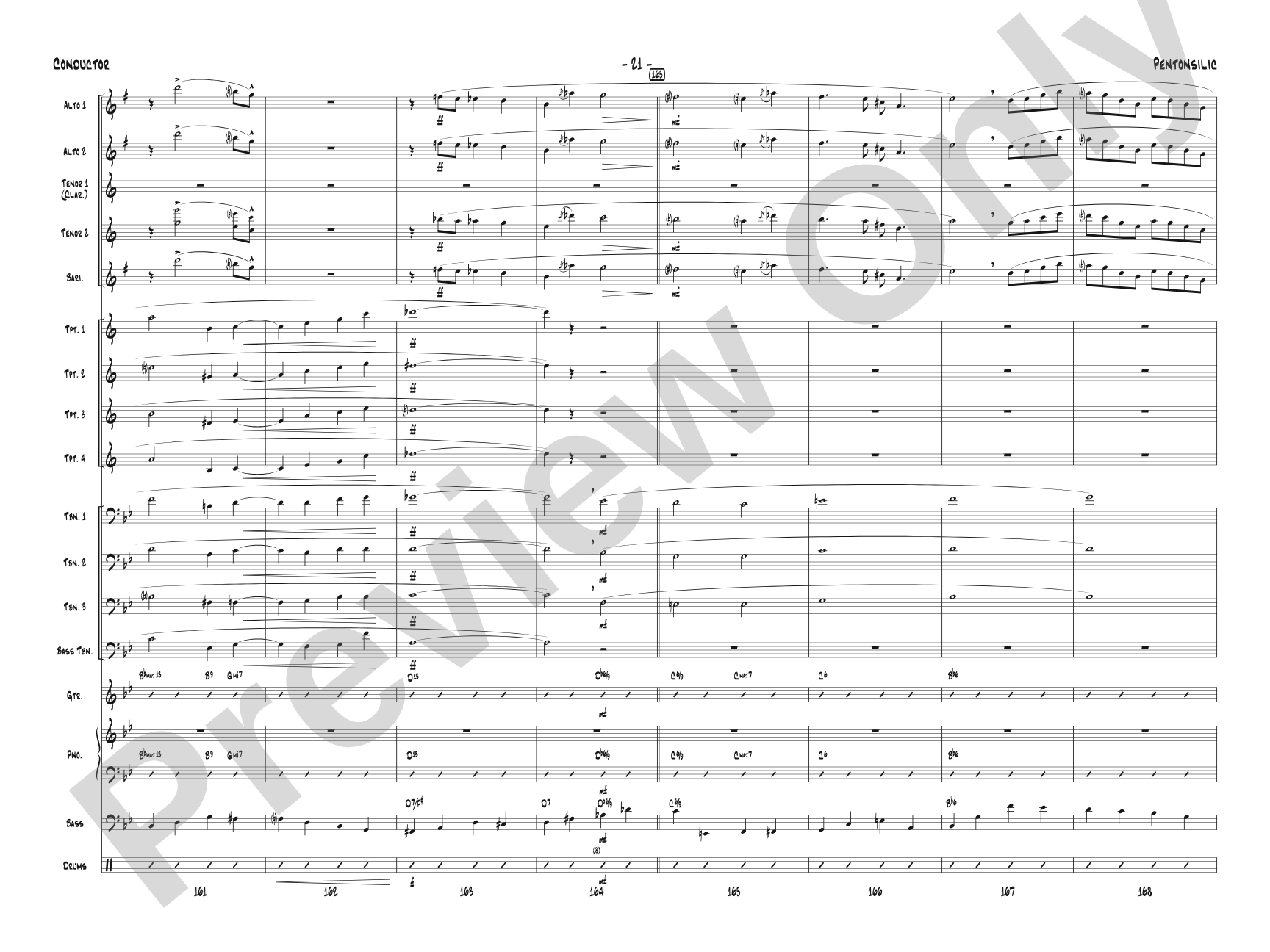
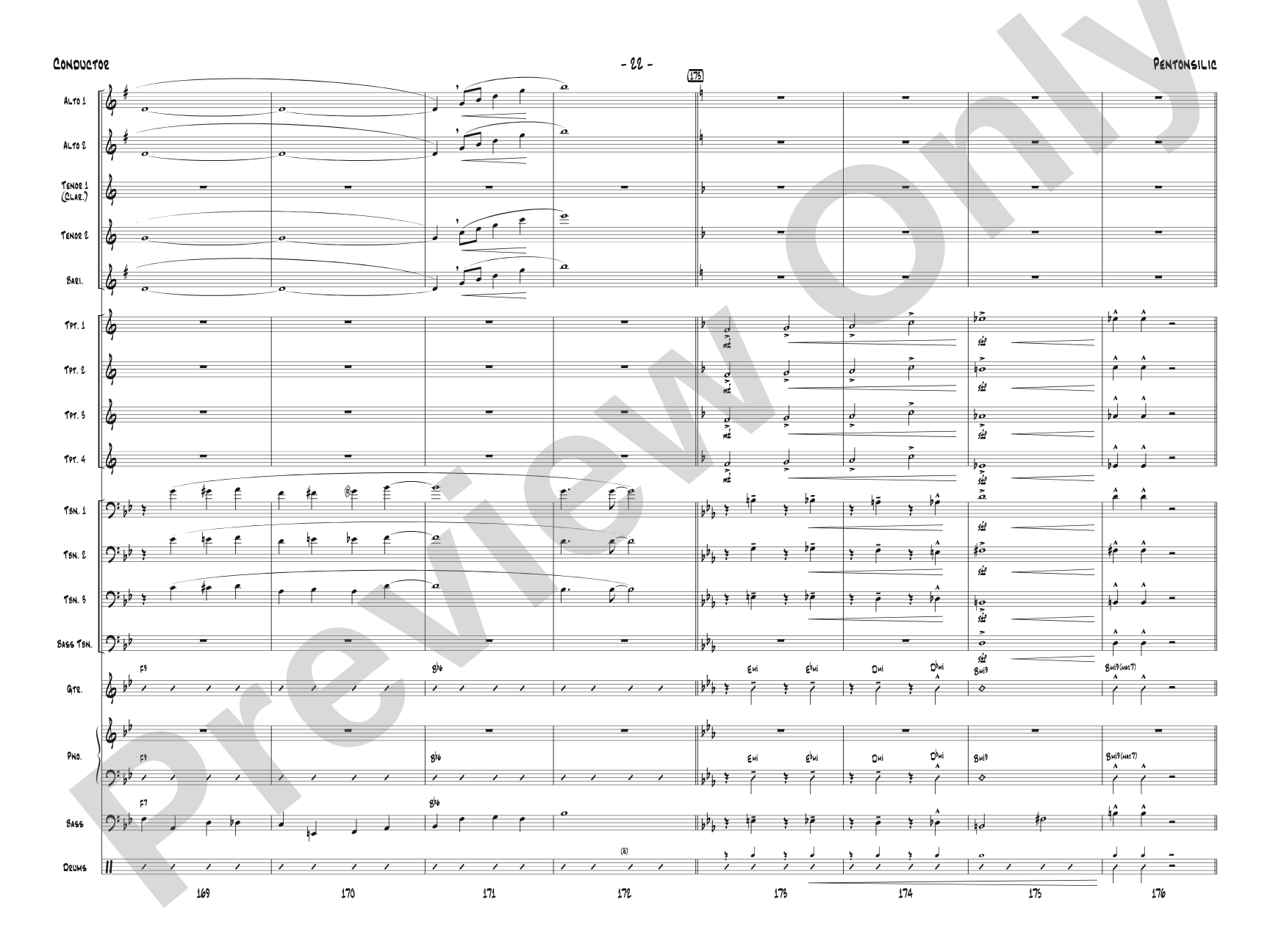
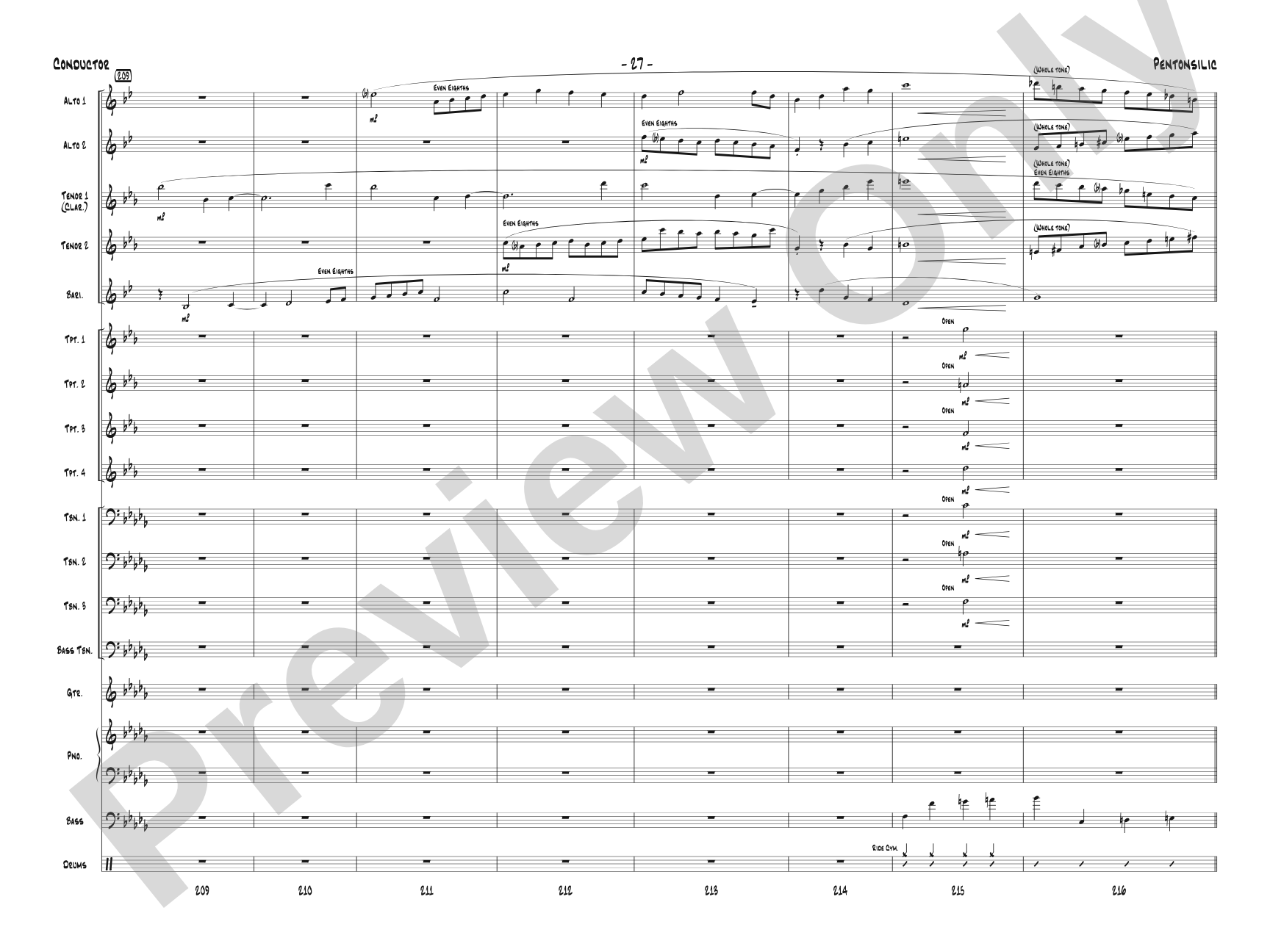
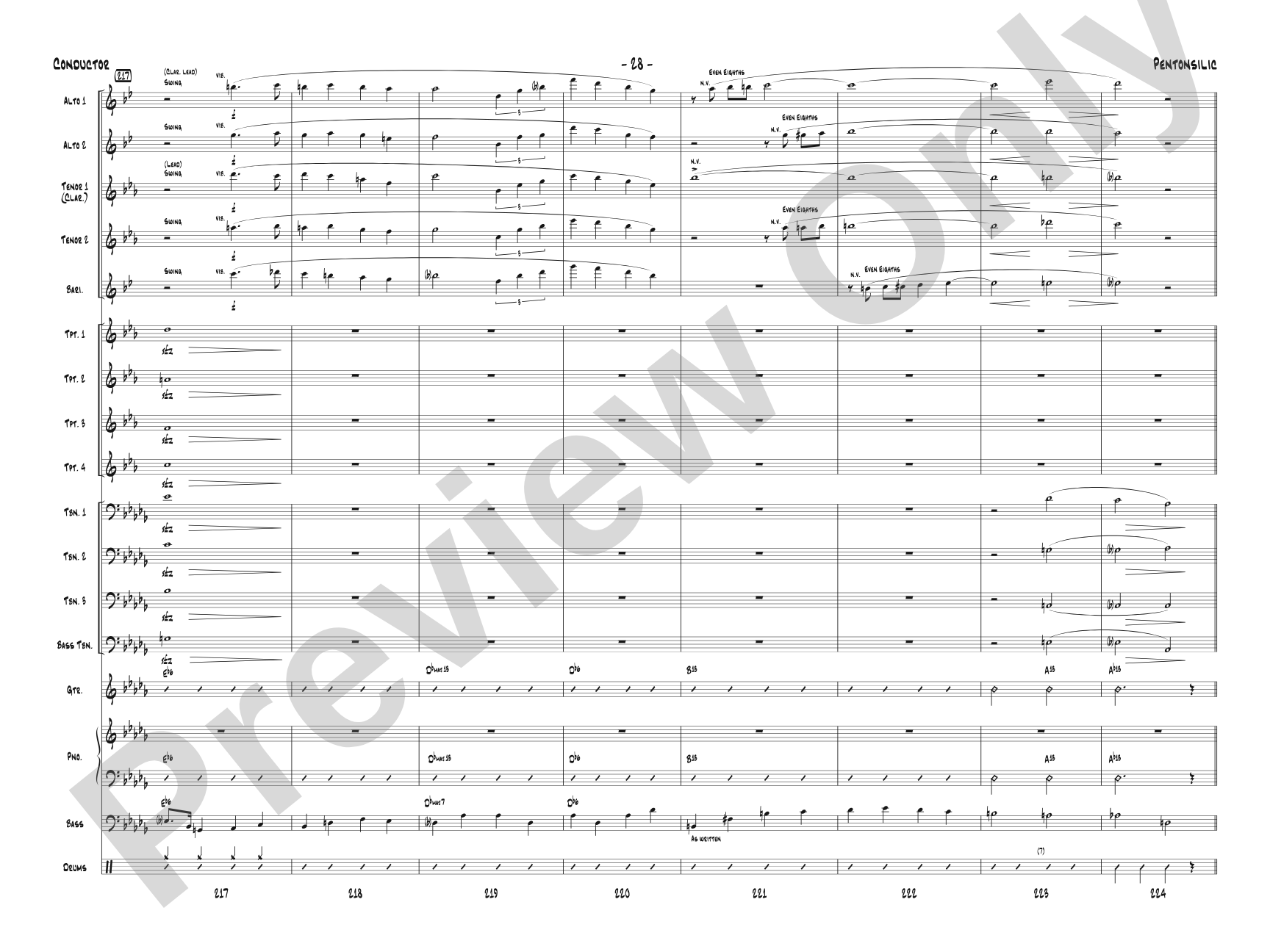
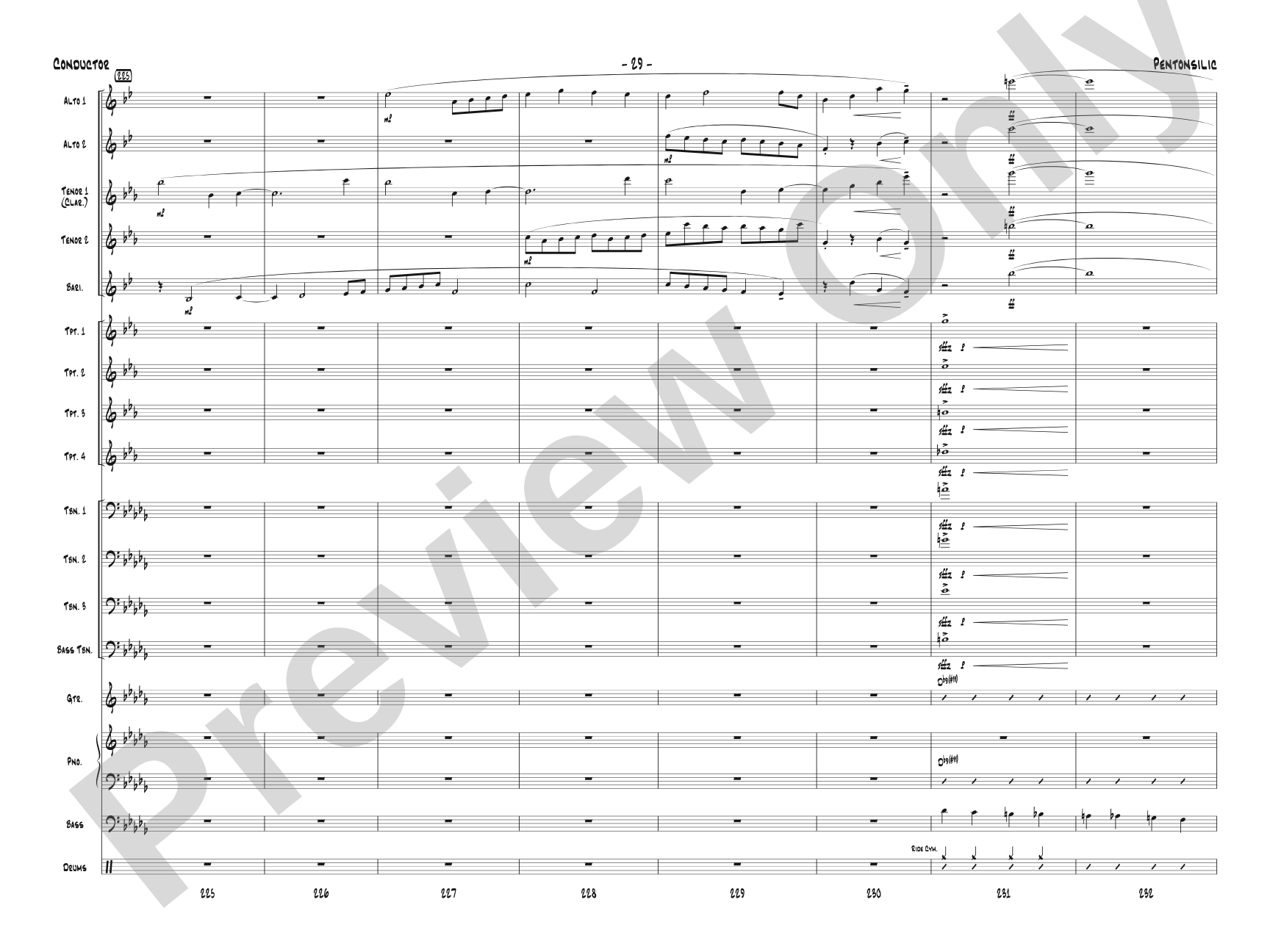
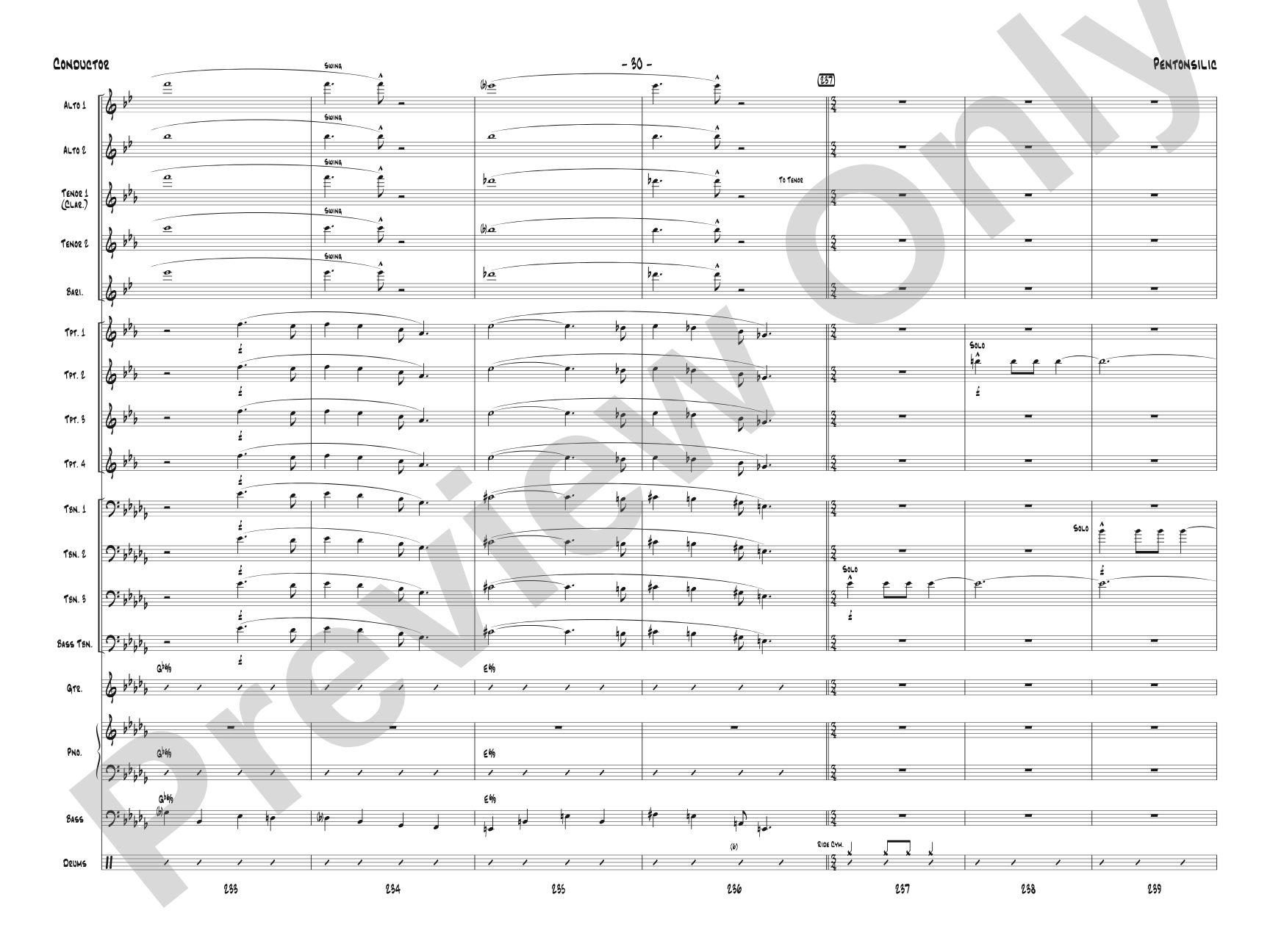
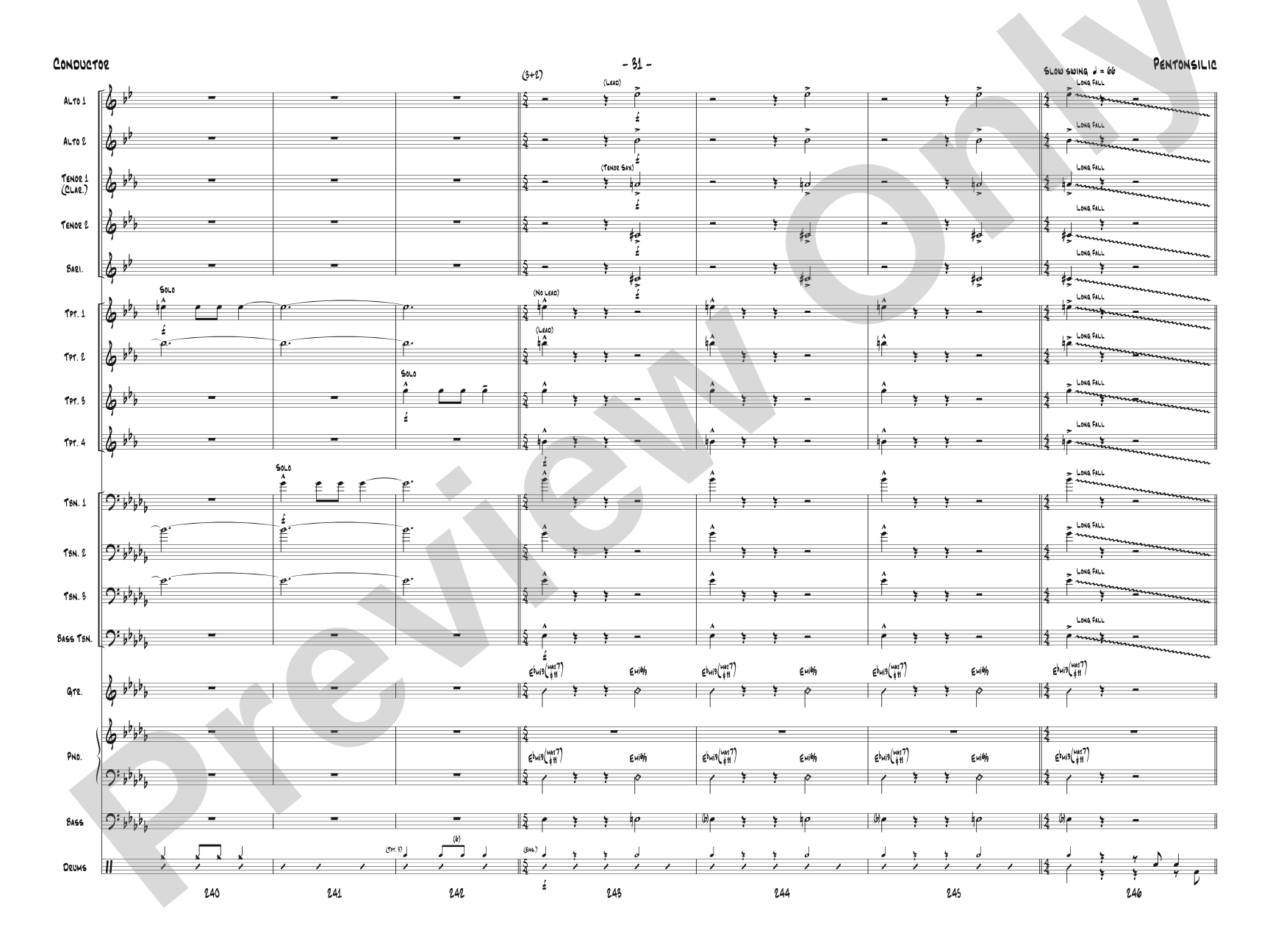
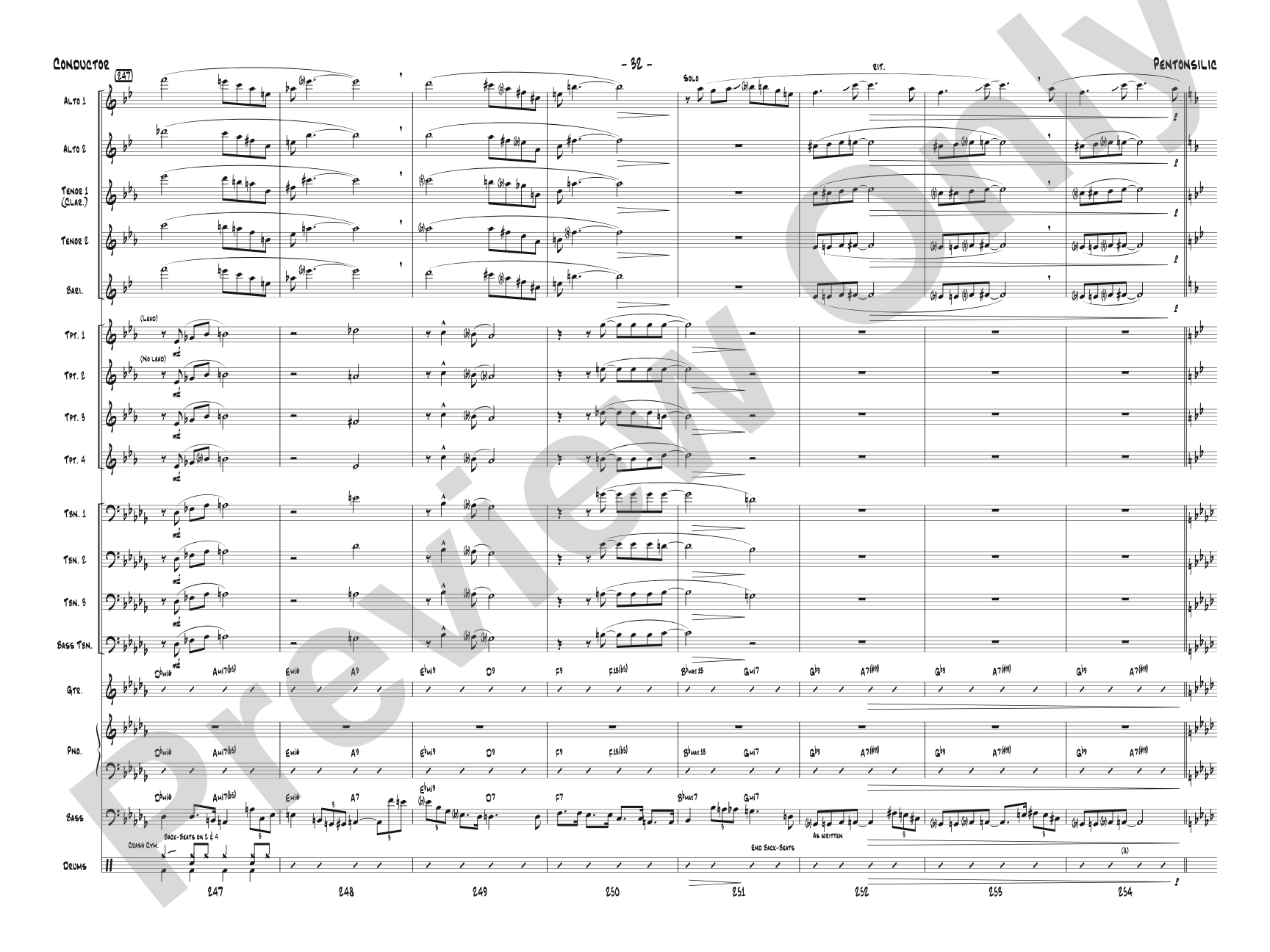
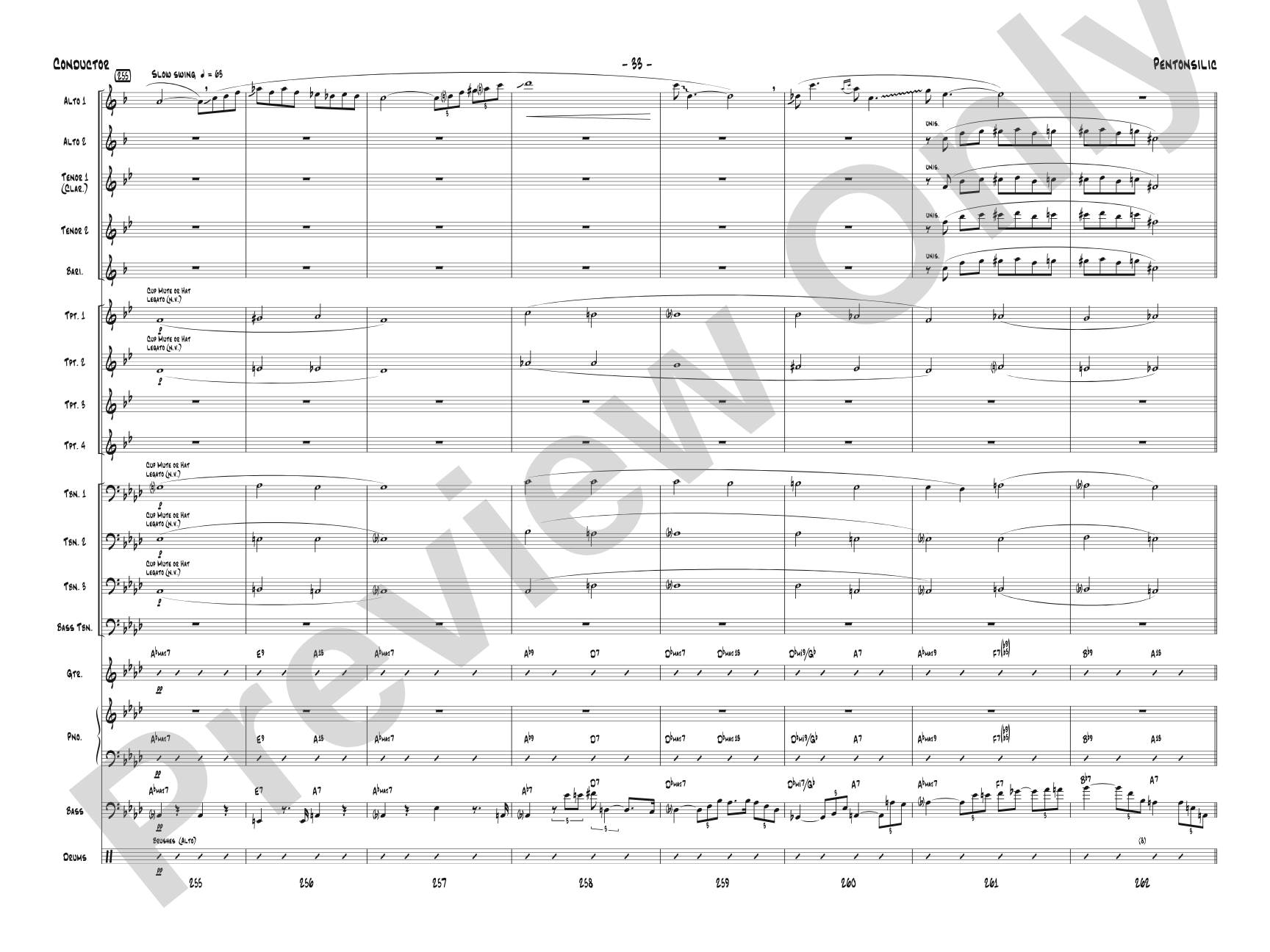
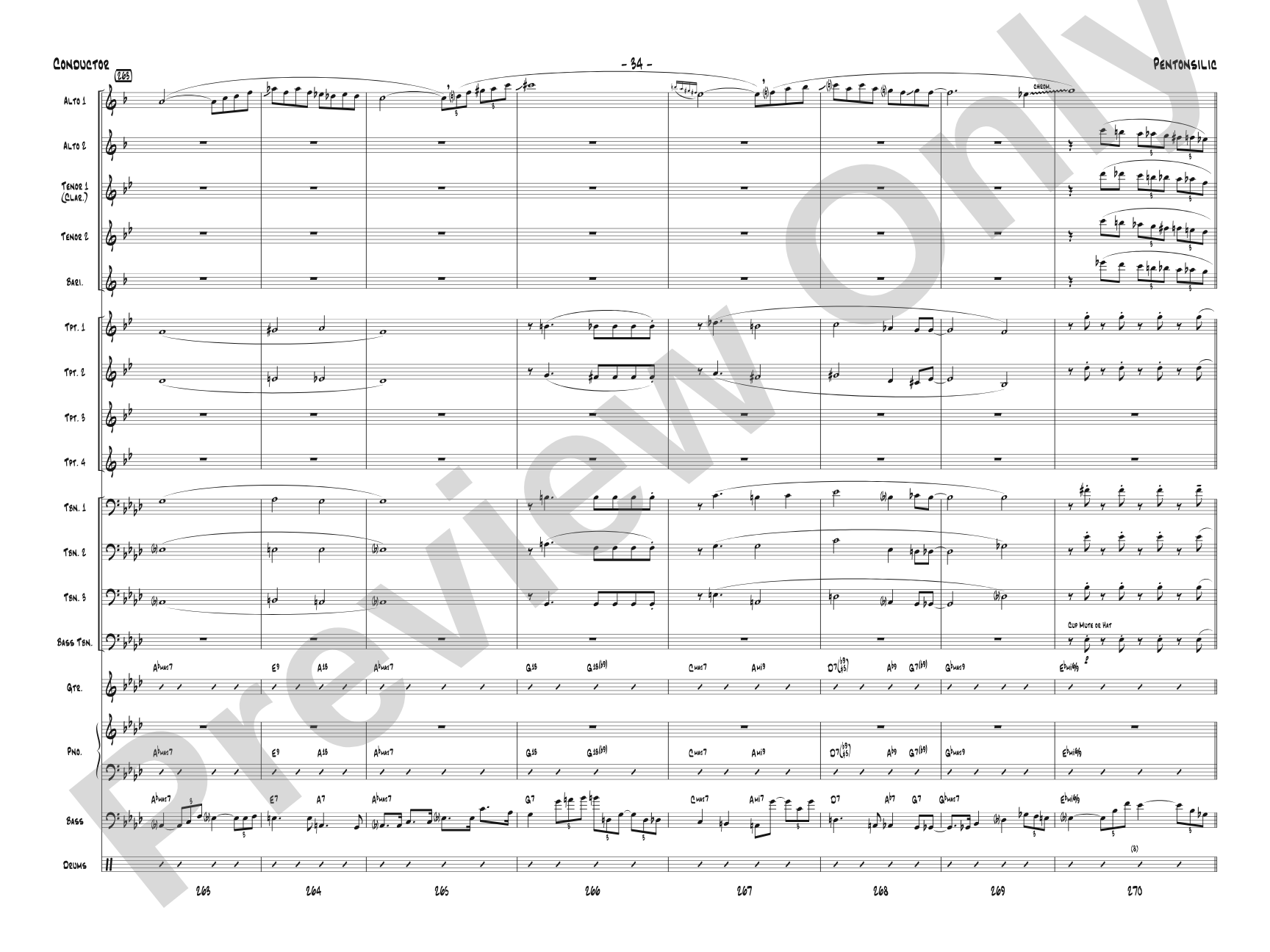
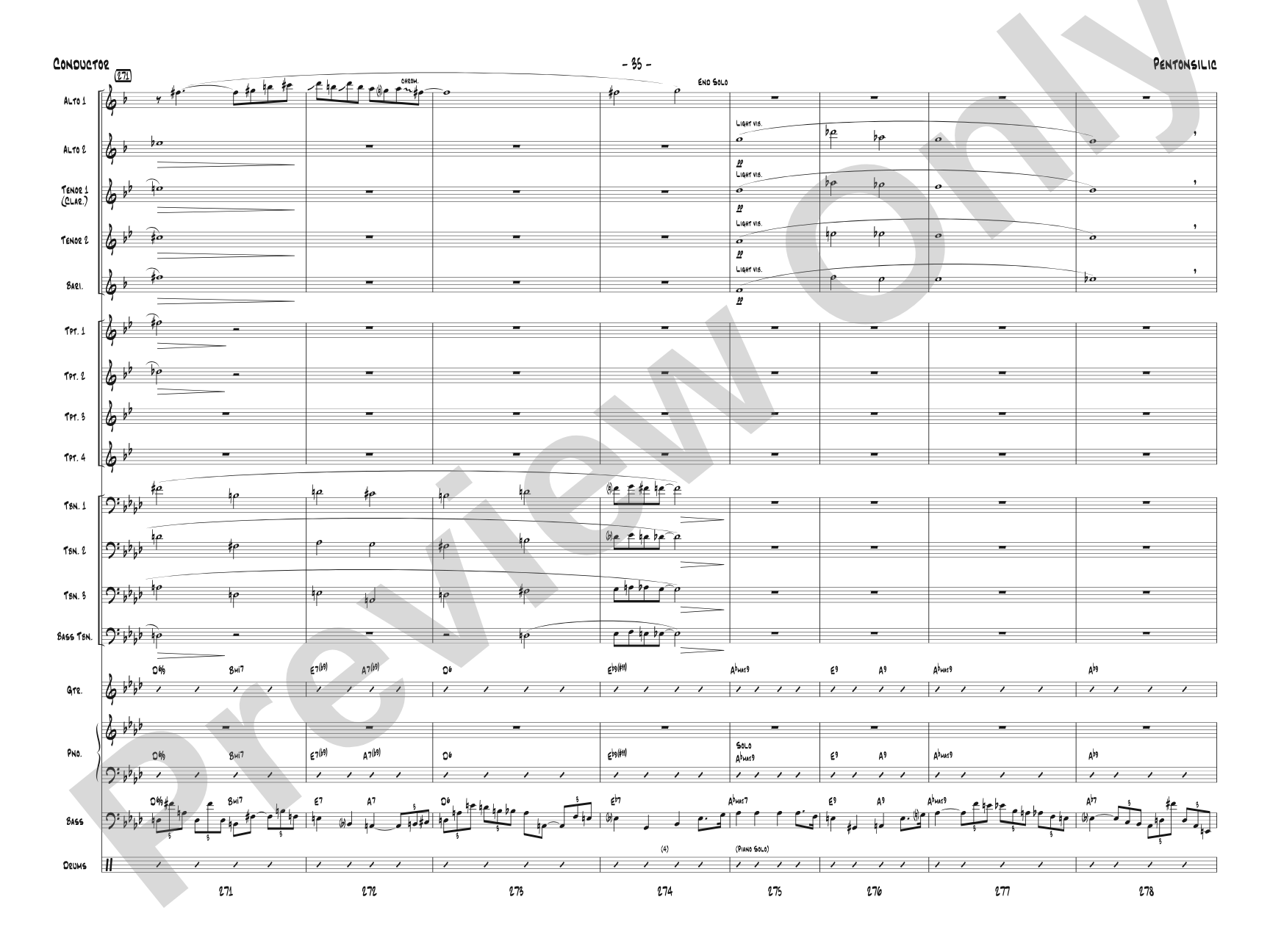
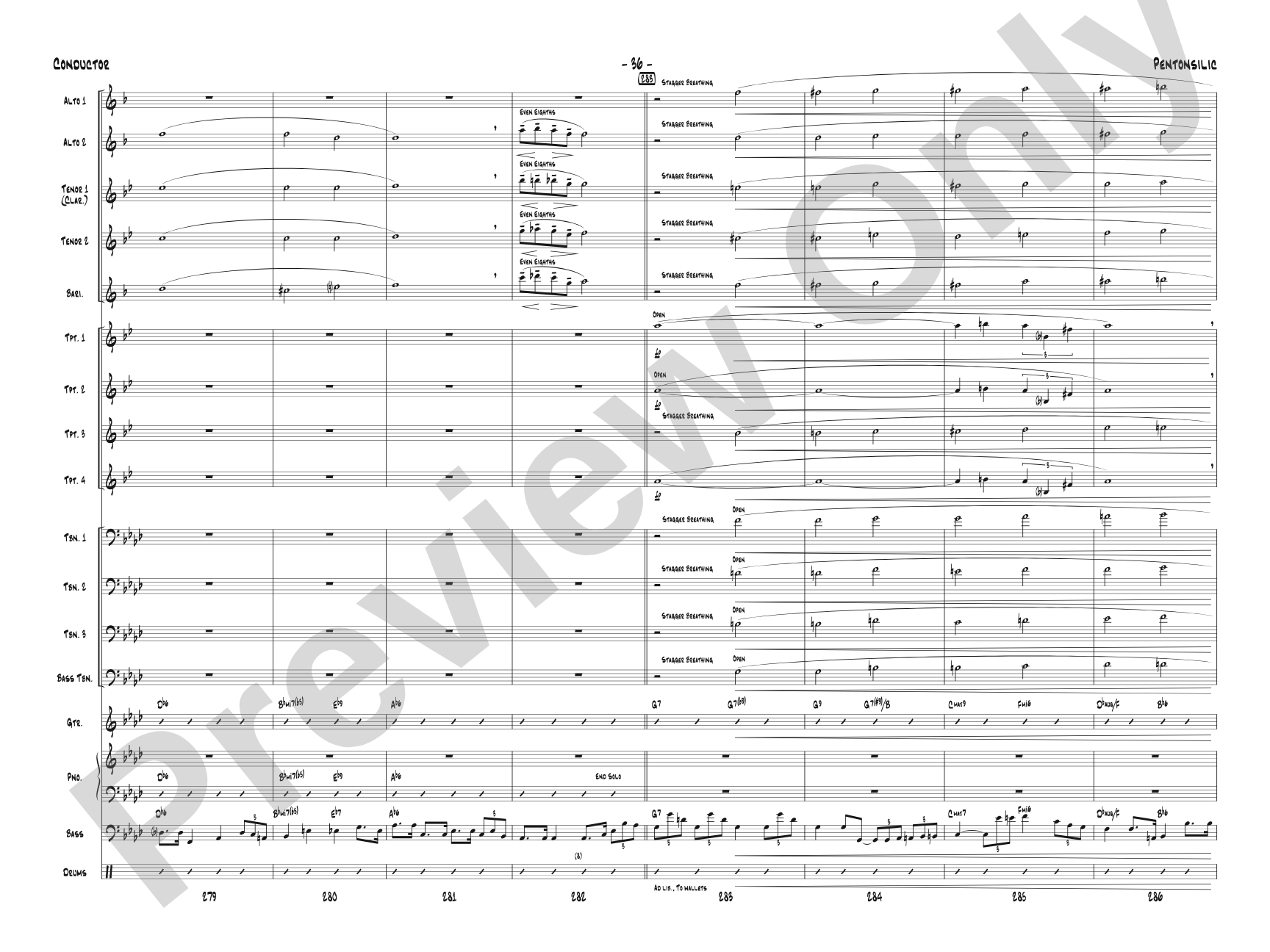
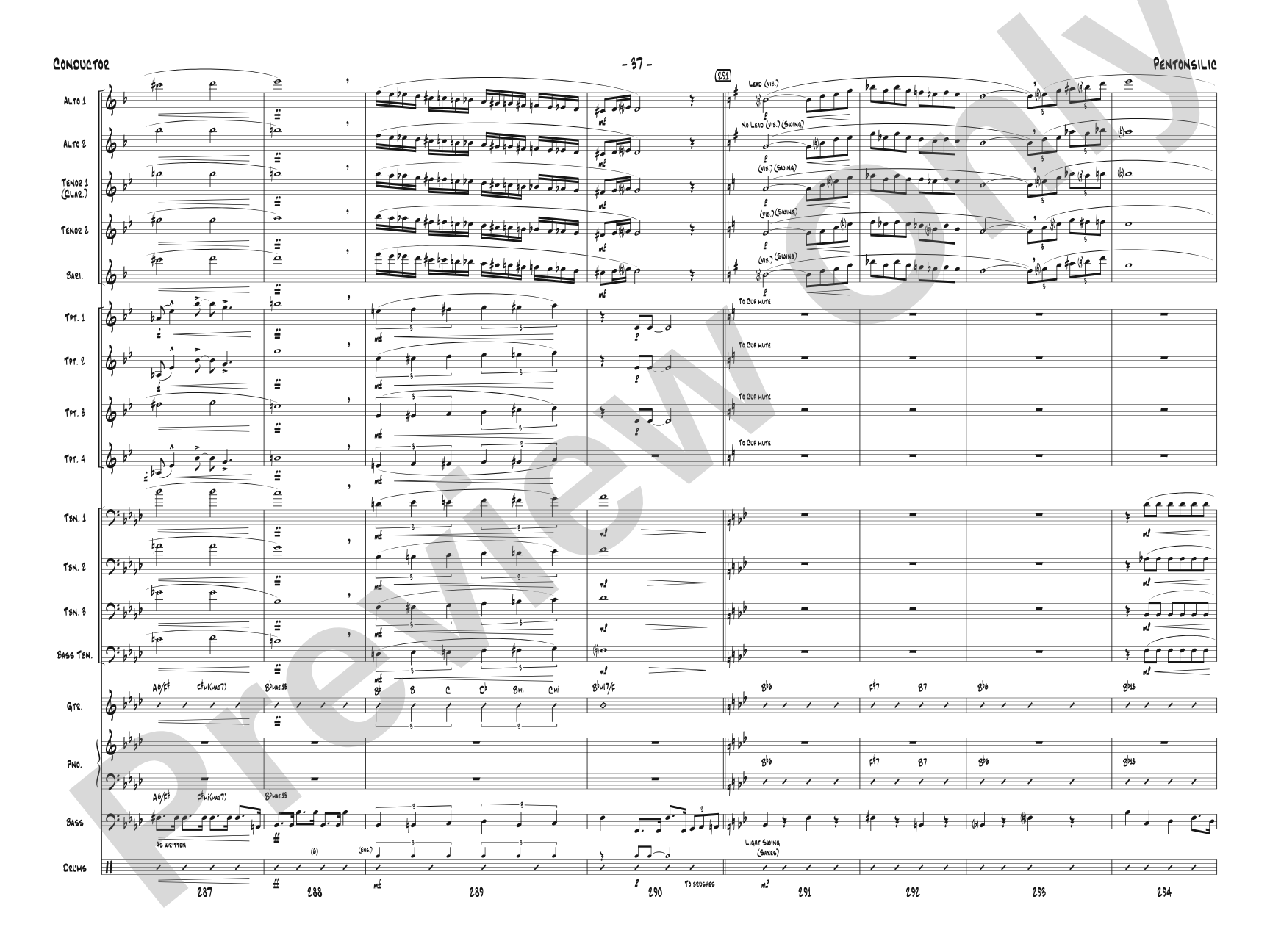
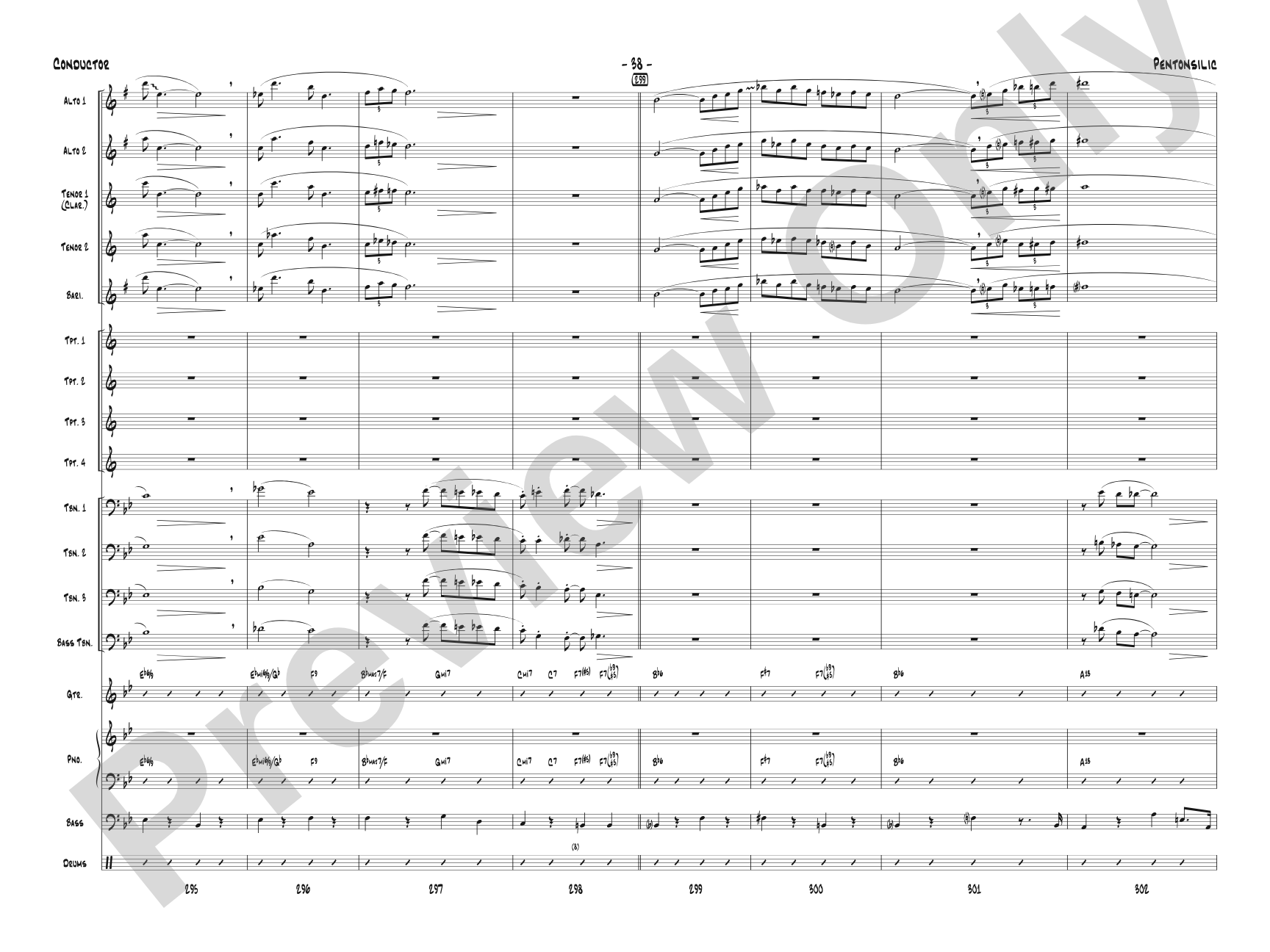
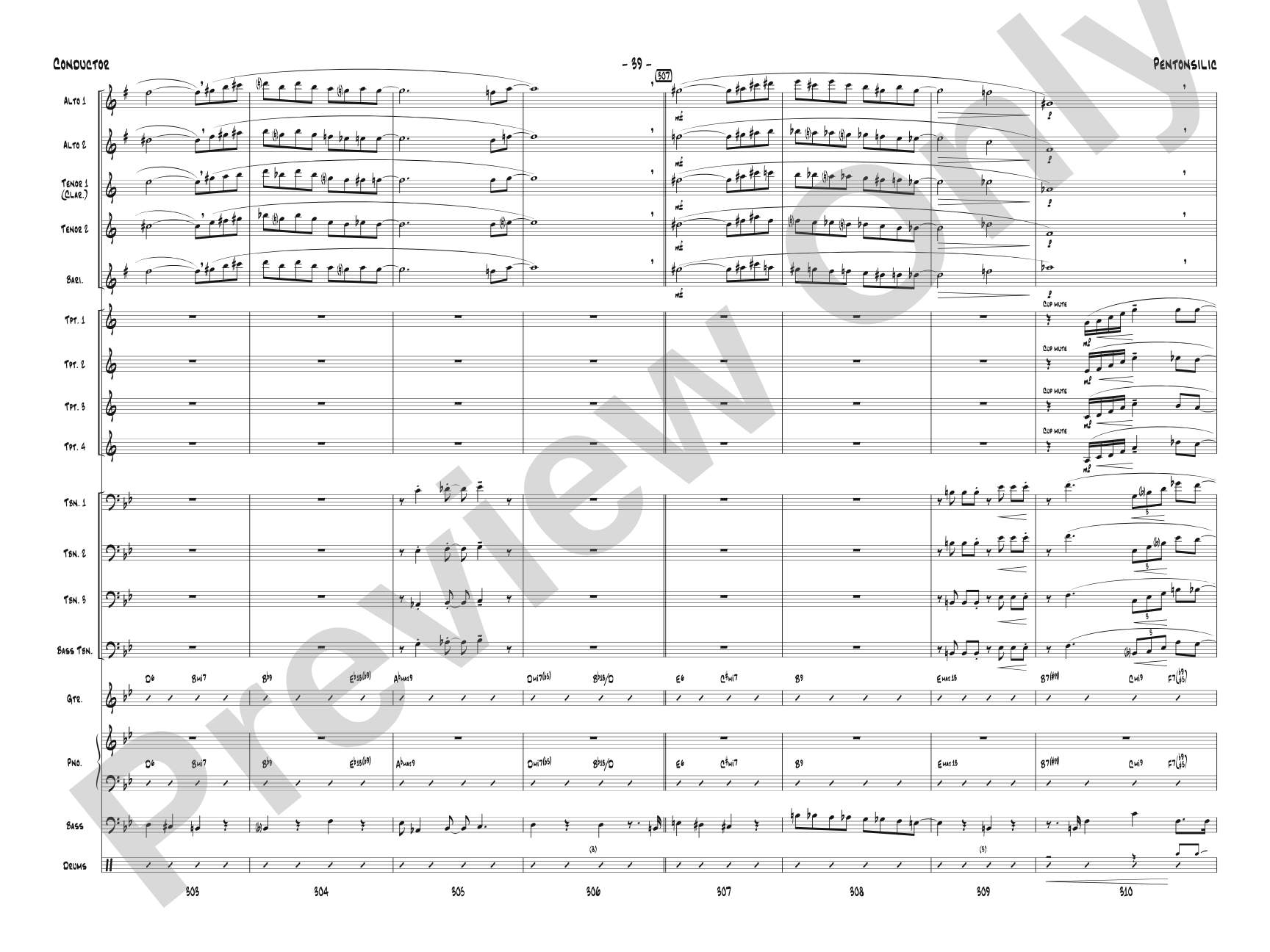
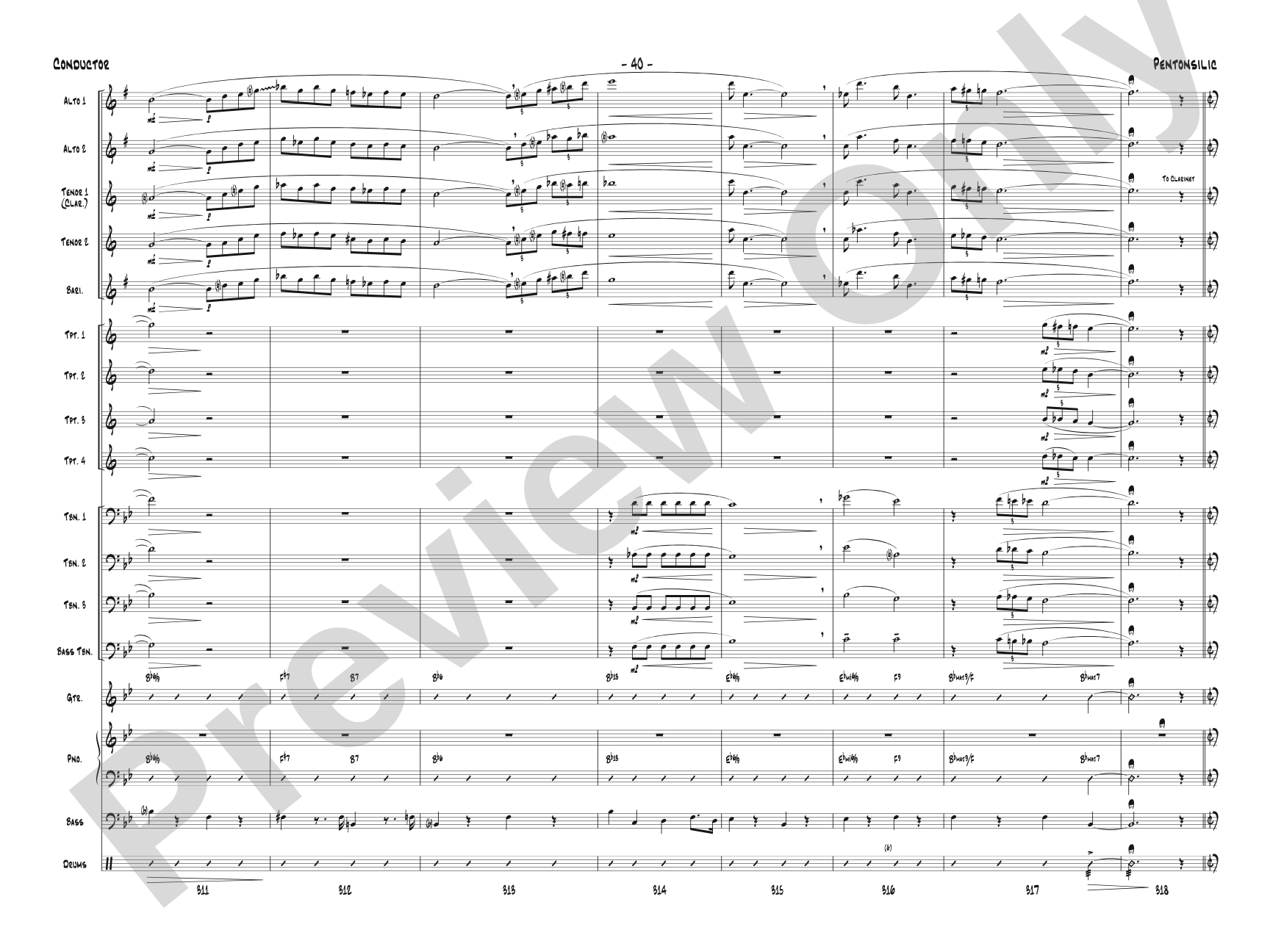
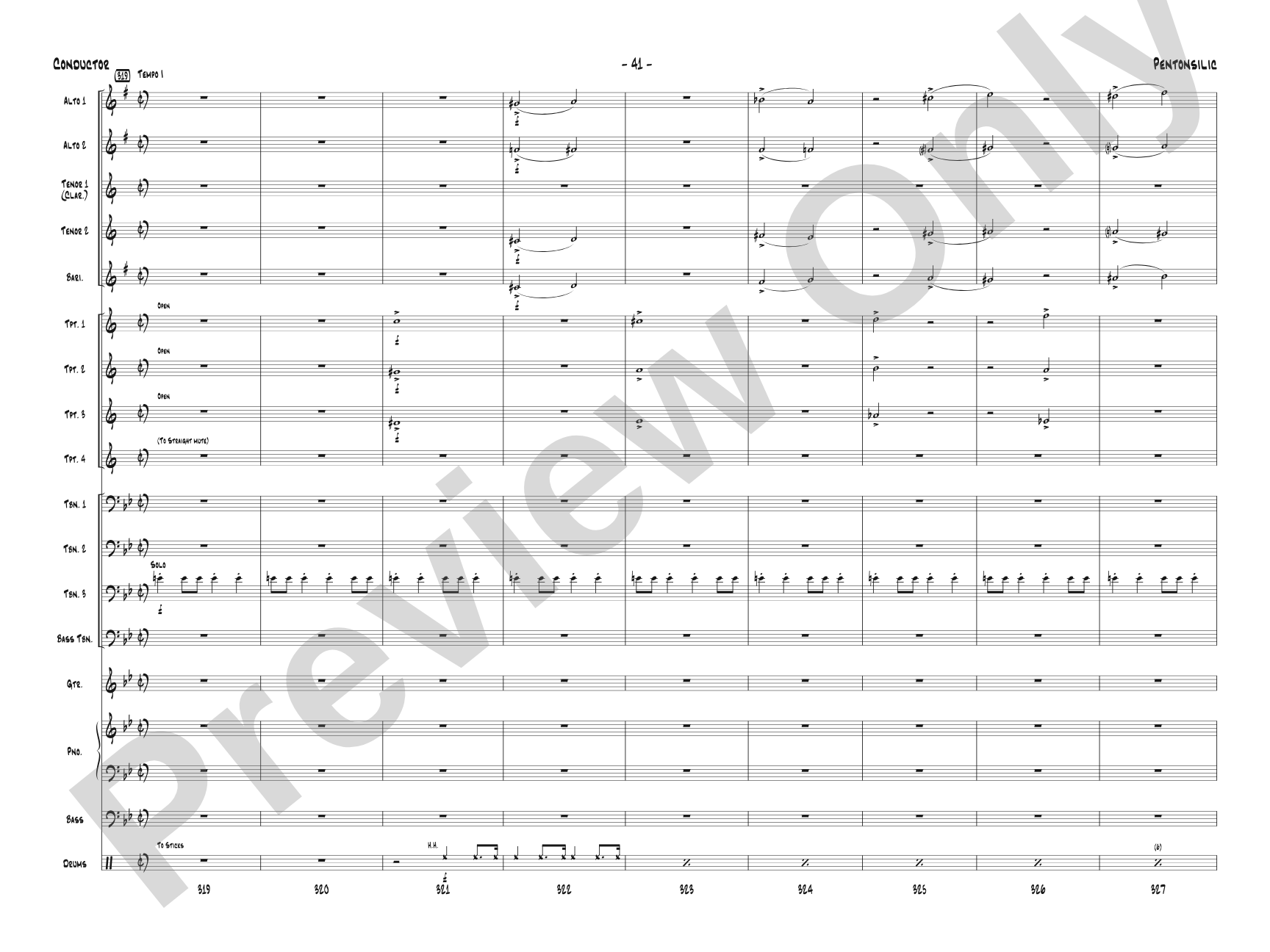
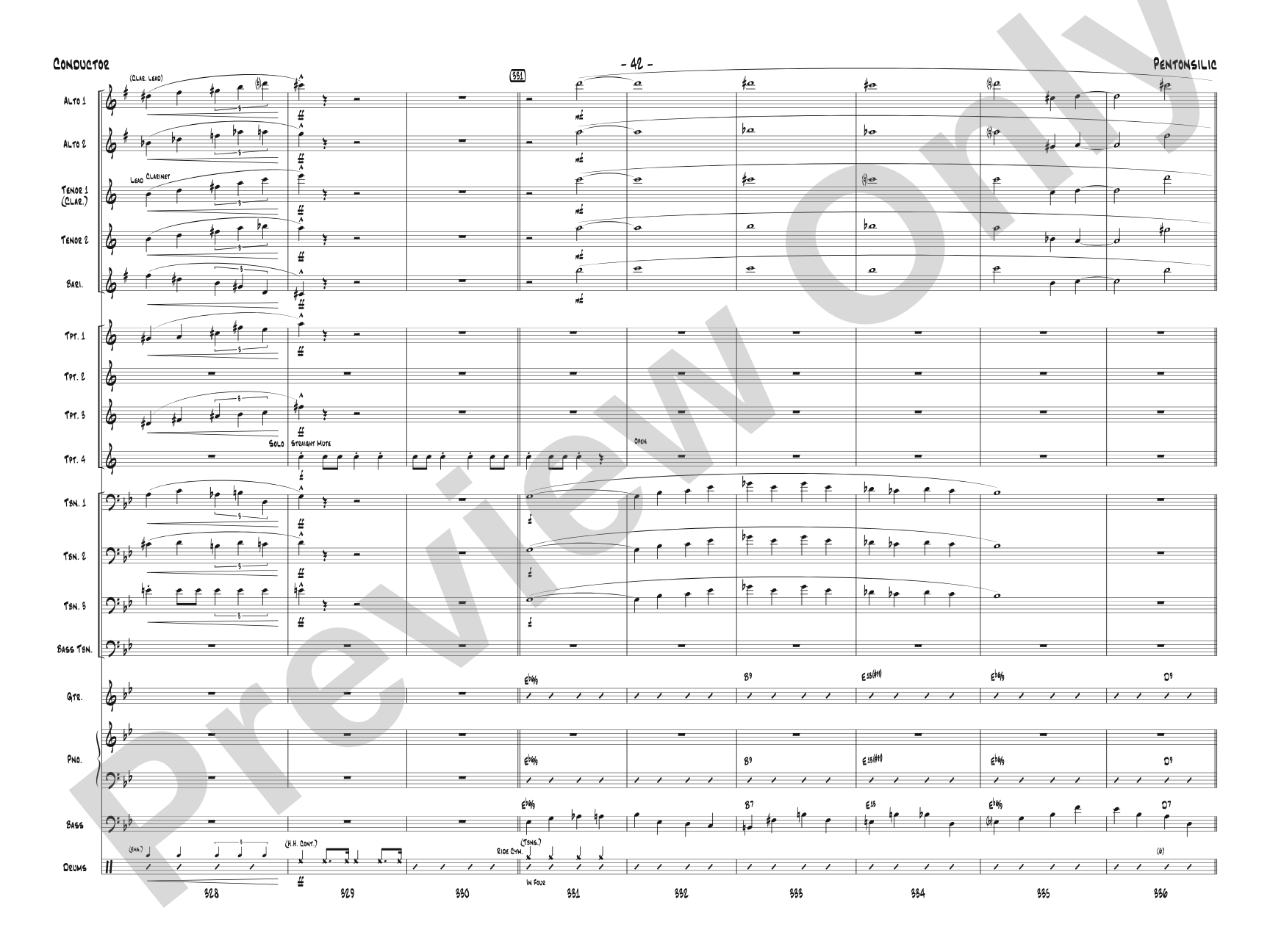
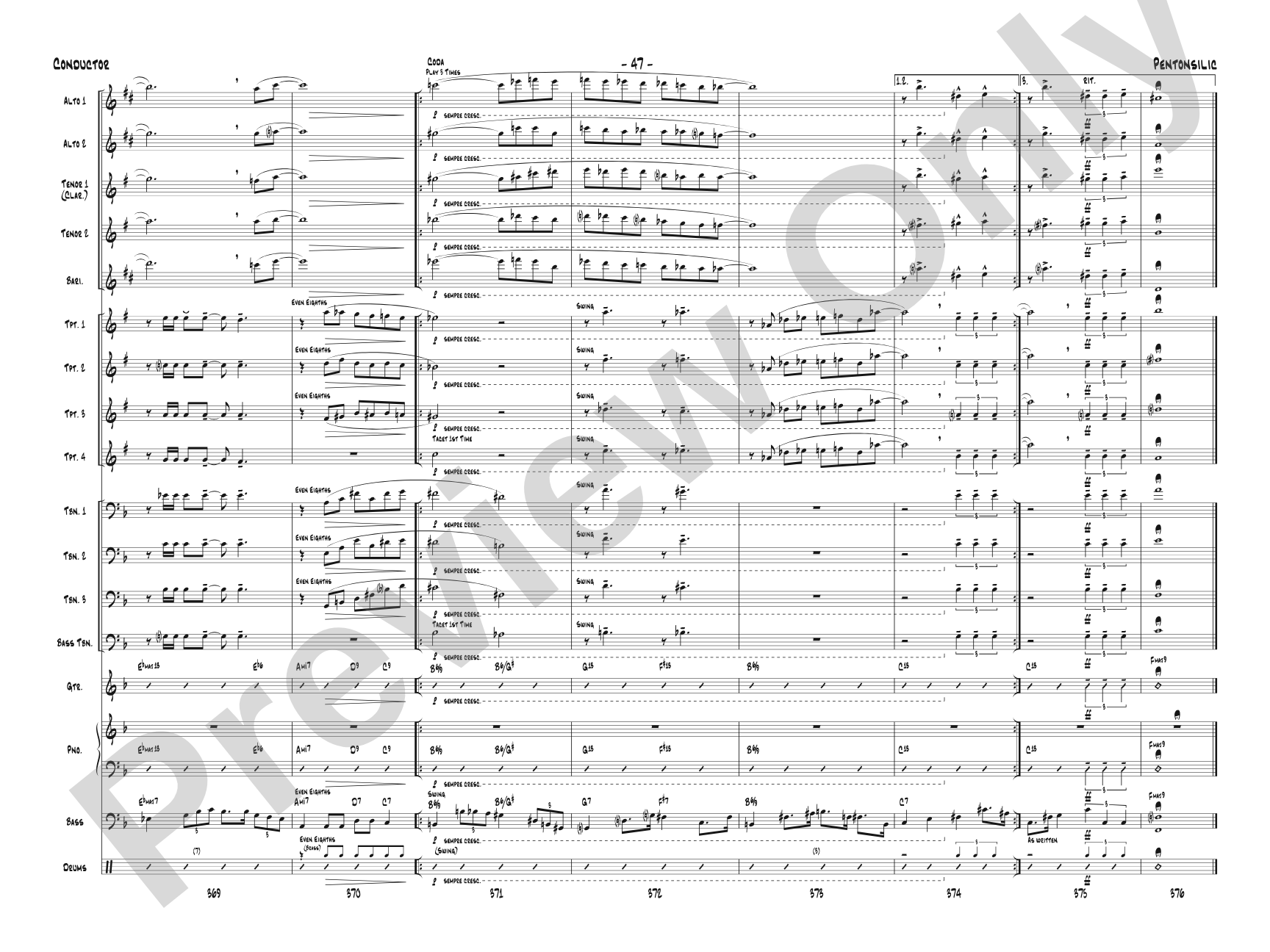

Pentonsilic: Score
By Billy Strayhorn / ed. Jeff Lindberg
Grade: 5 (Advanced / Difficult)
Item: 00-PR-0005773
$14.00
Pickup currently not available
Description
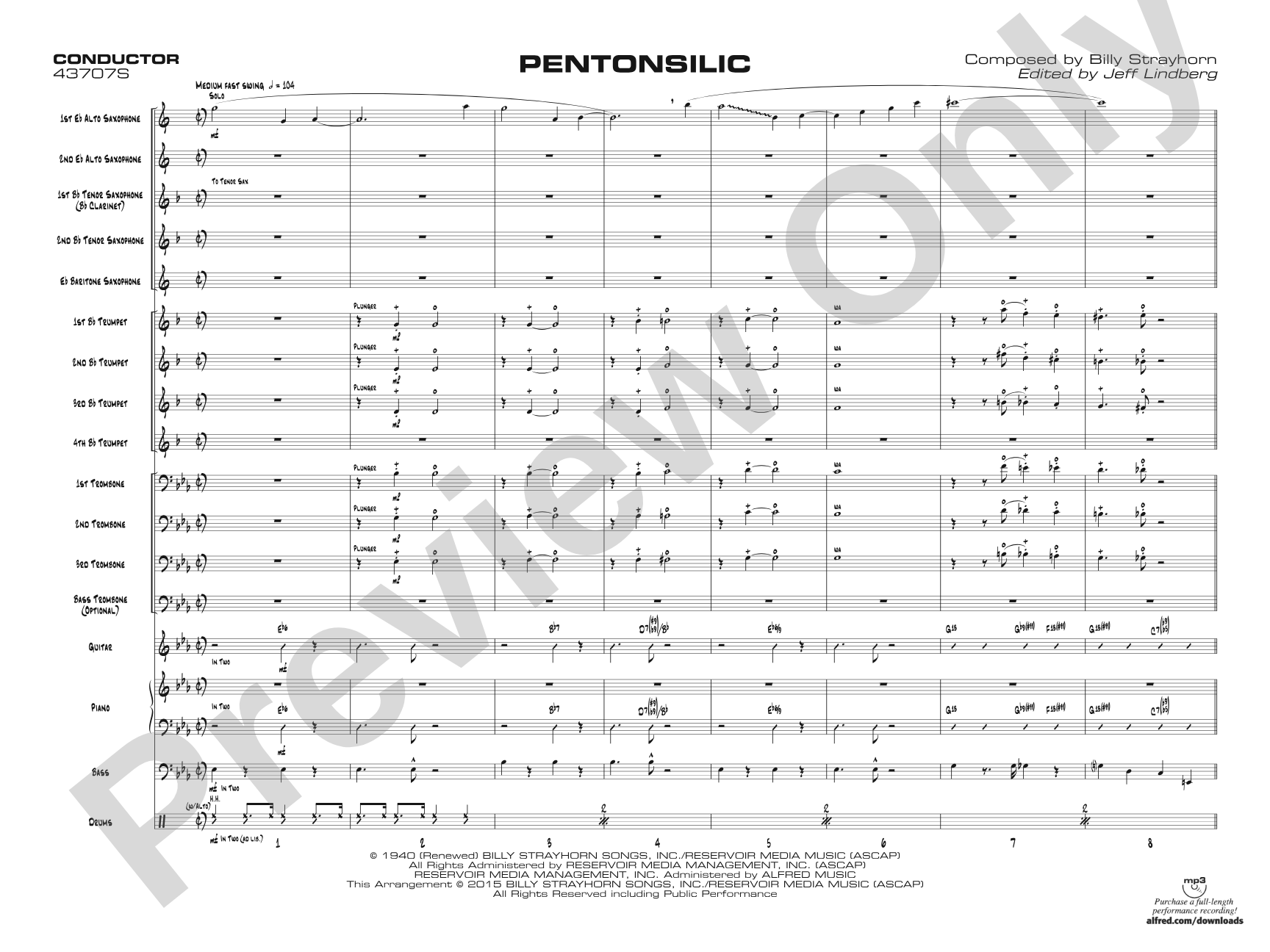
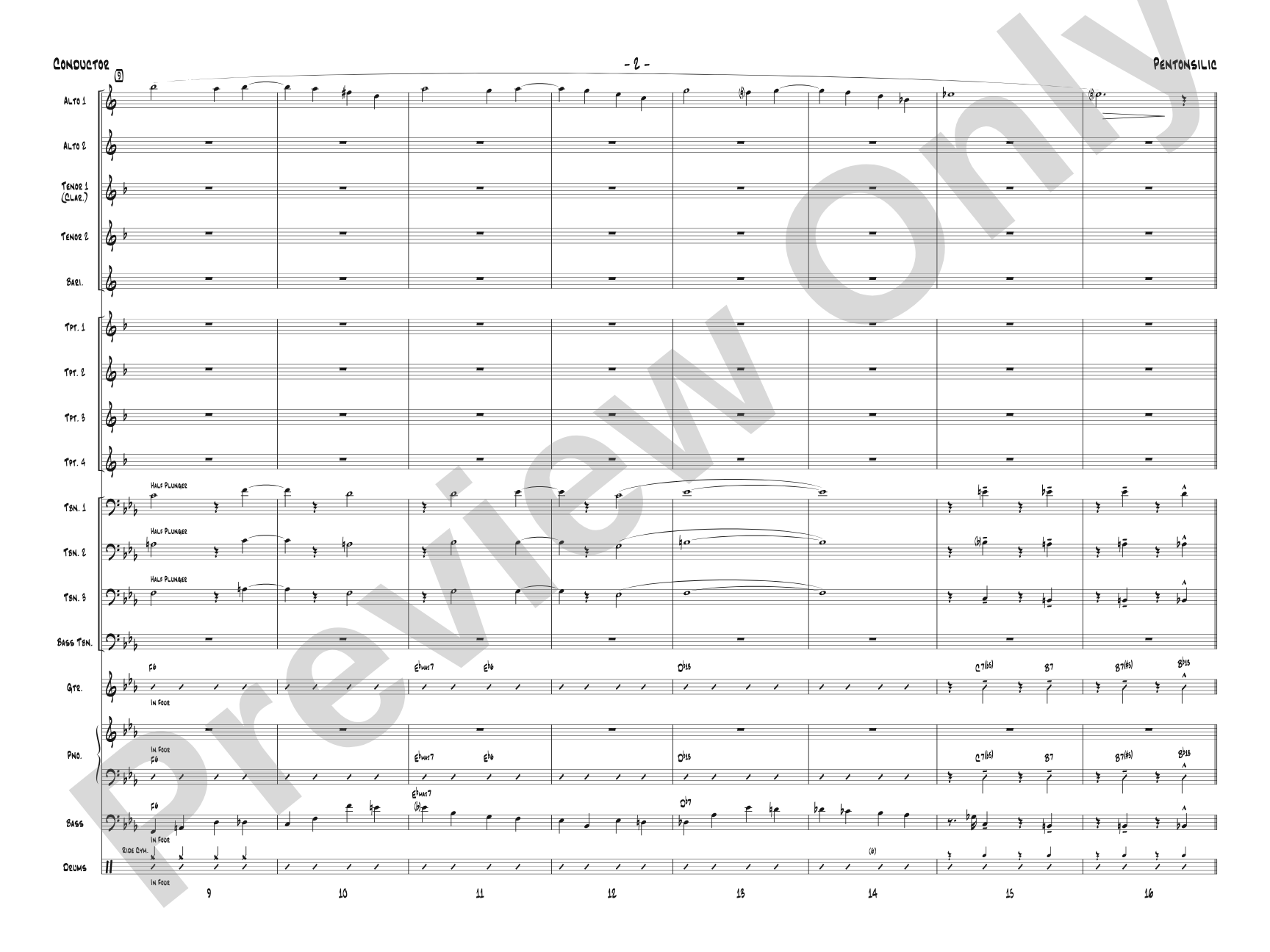
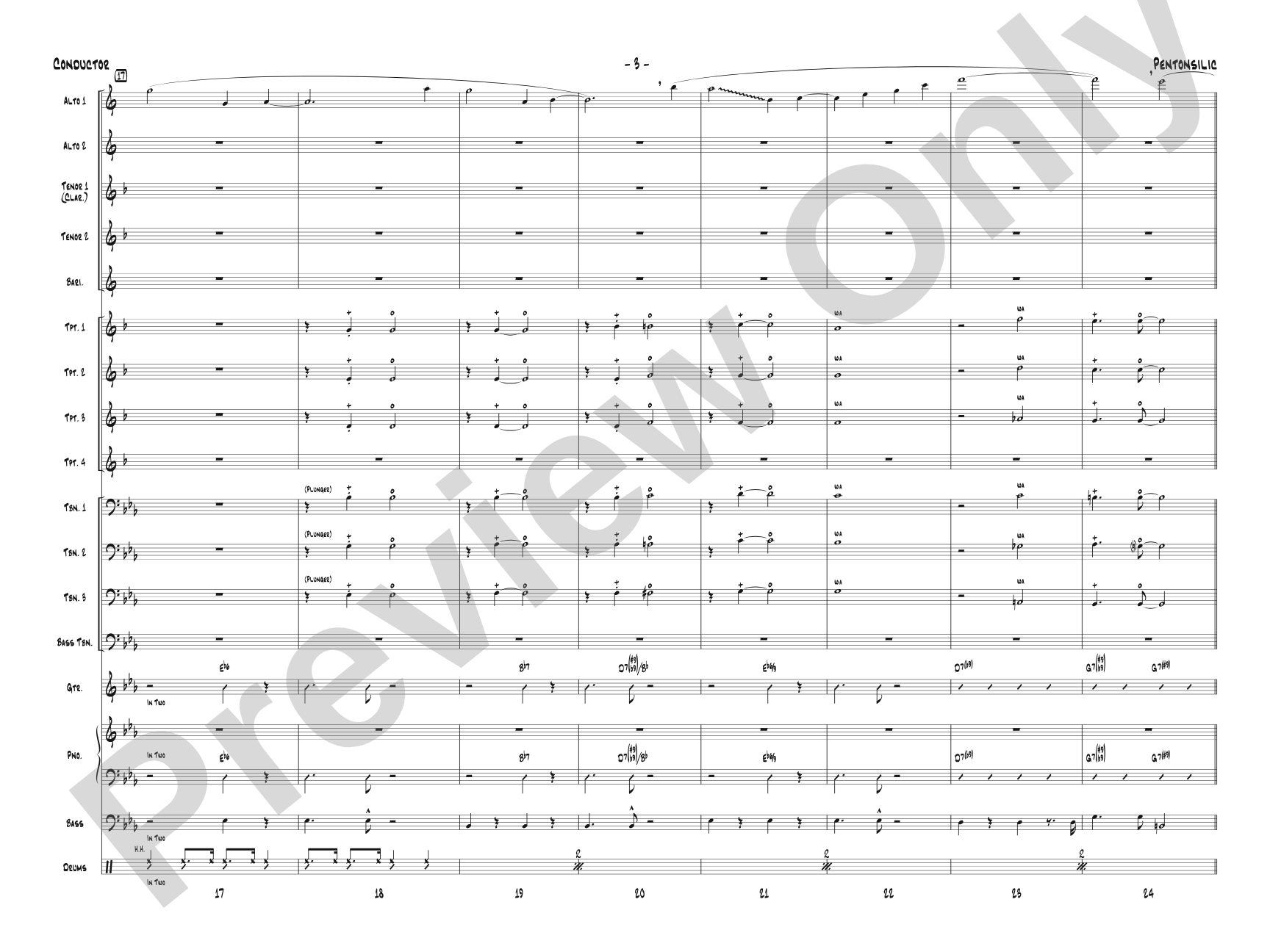
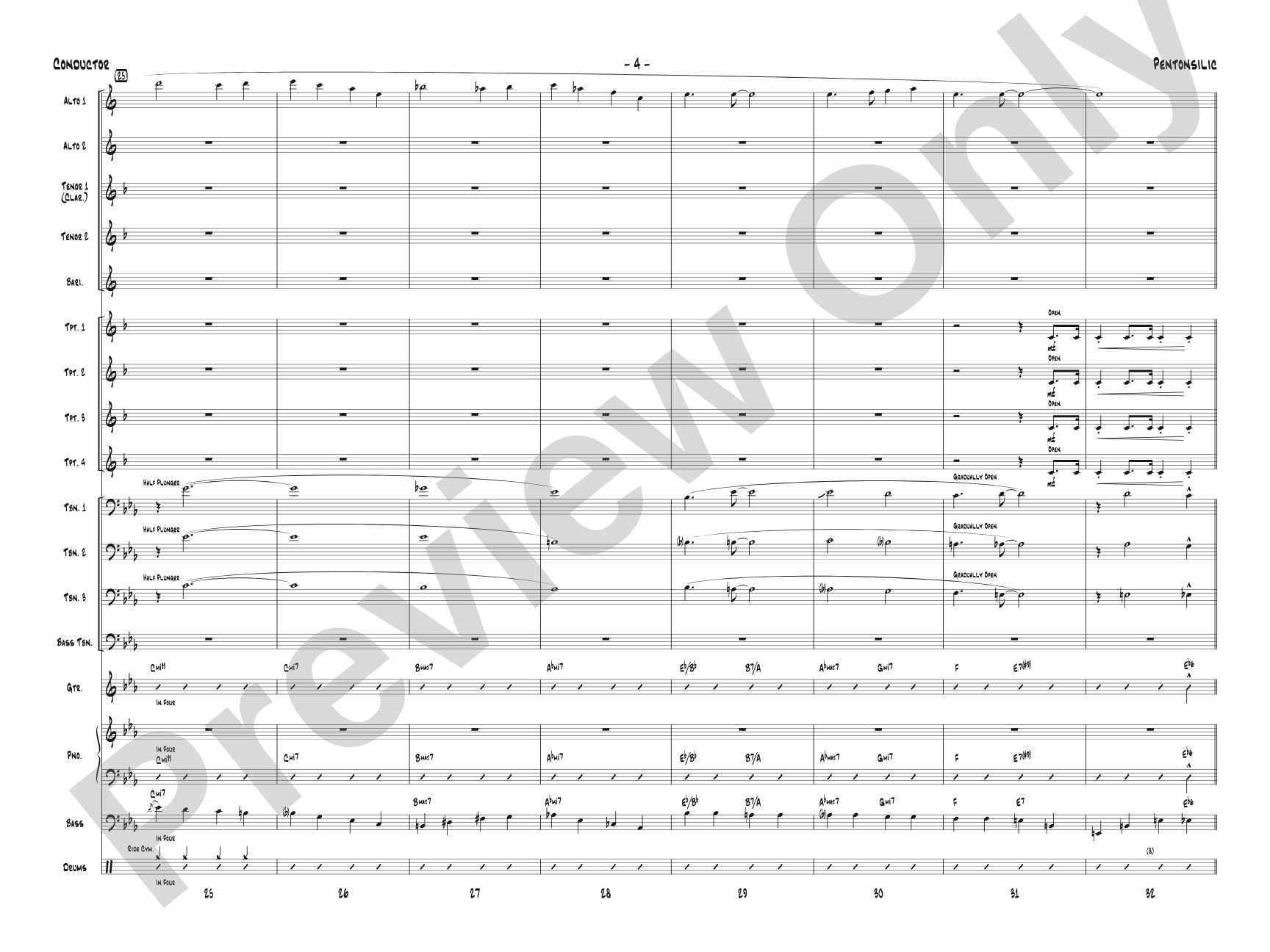
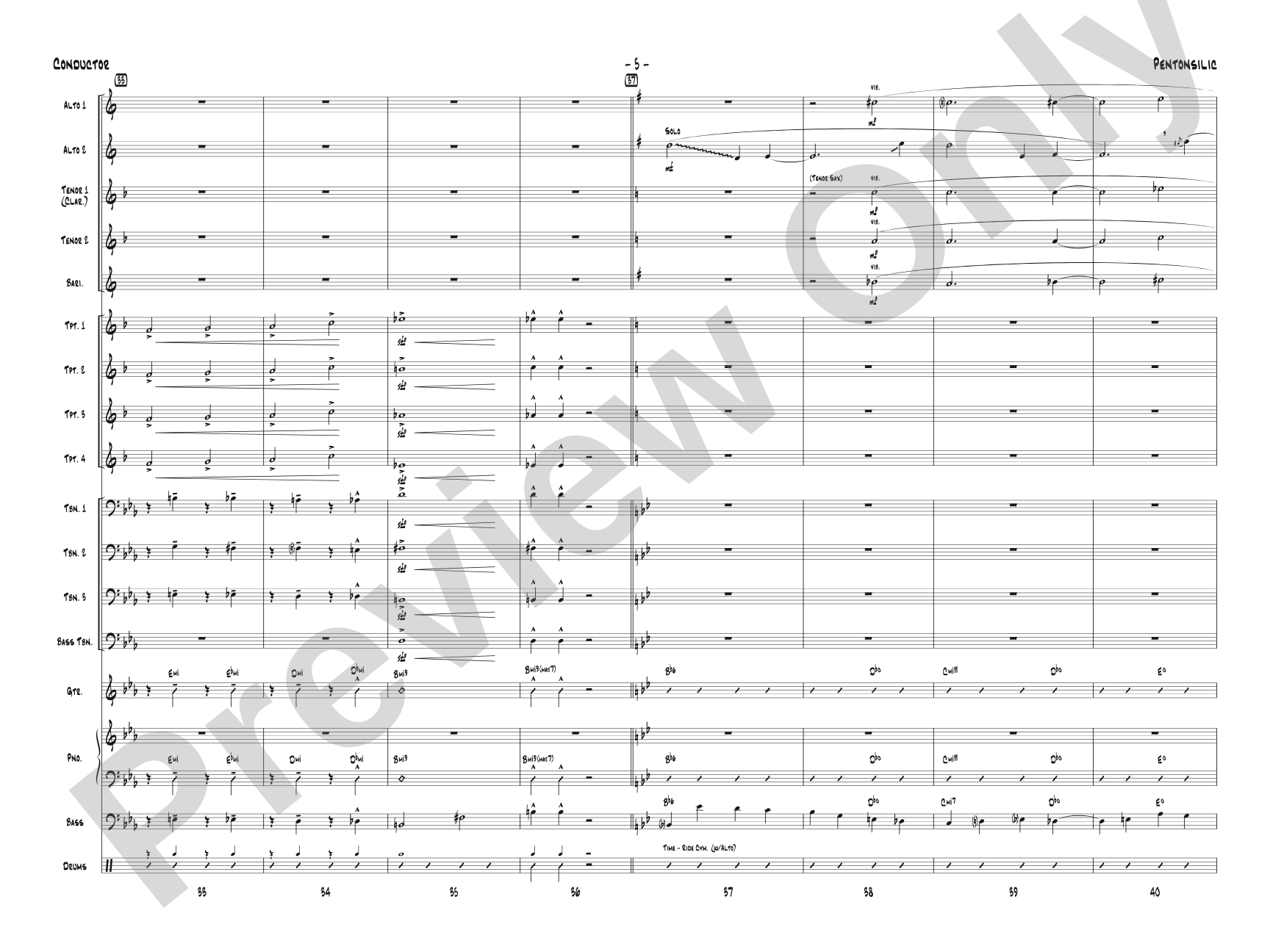
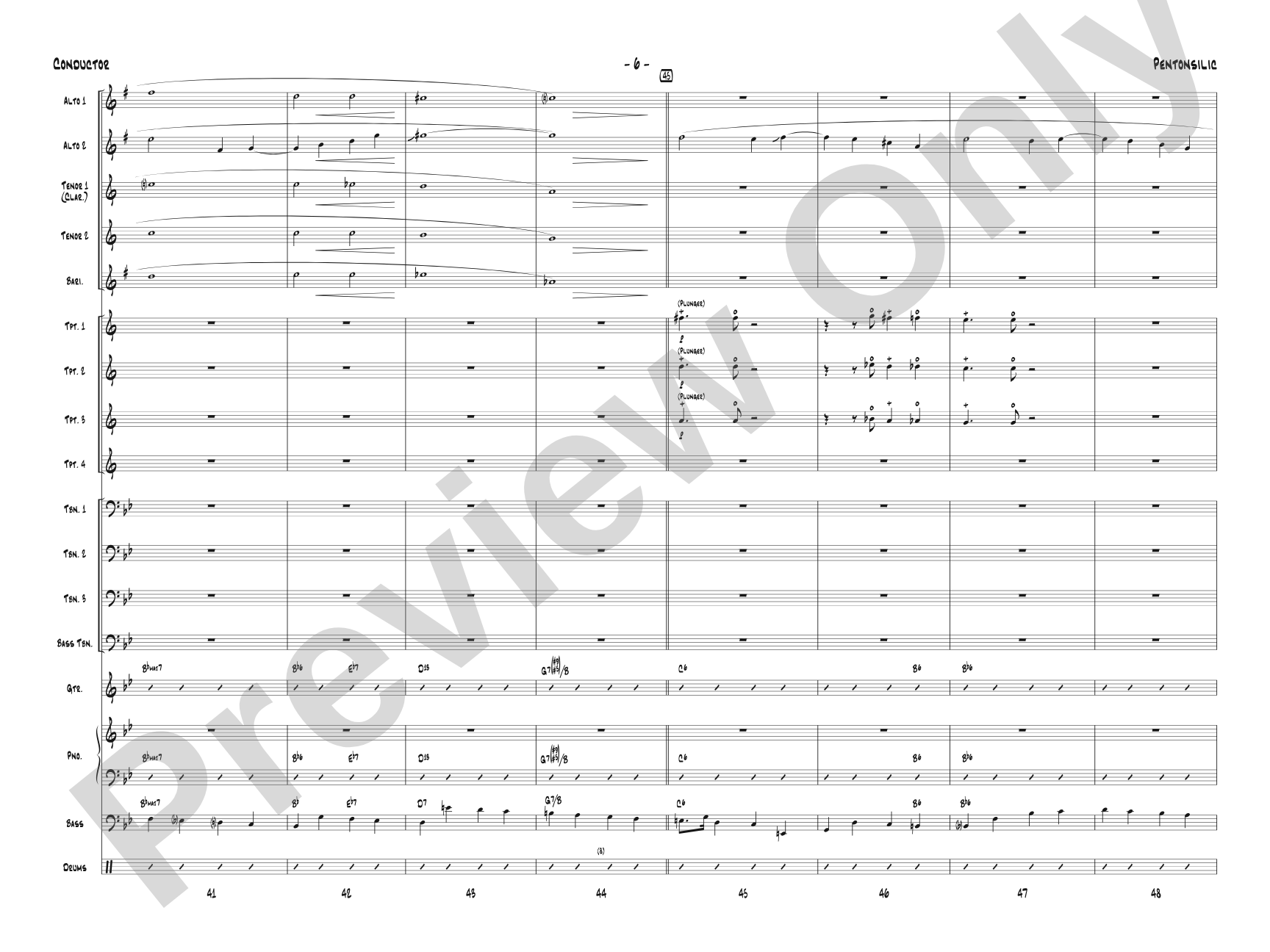
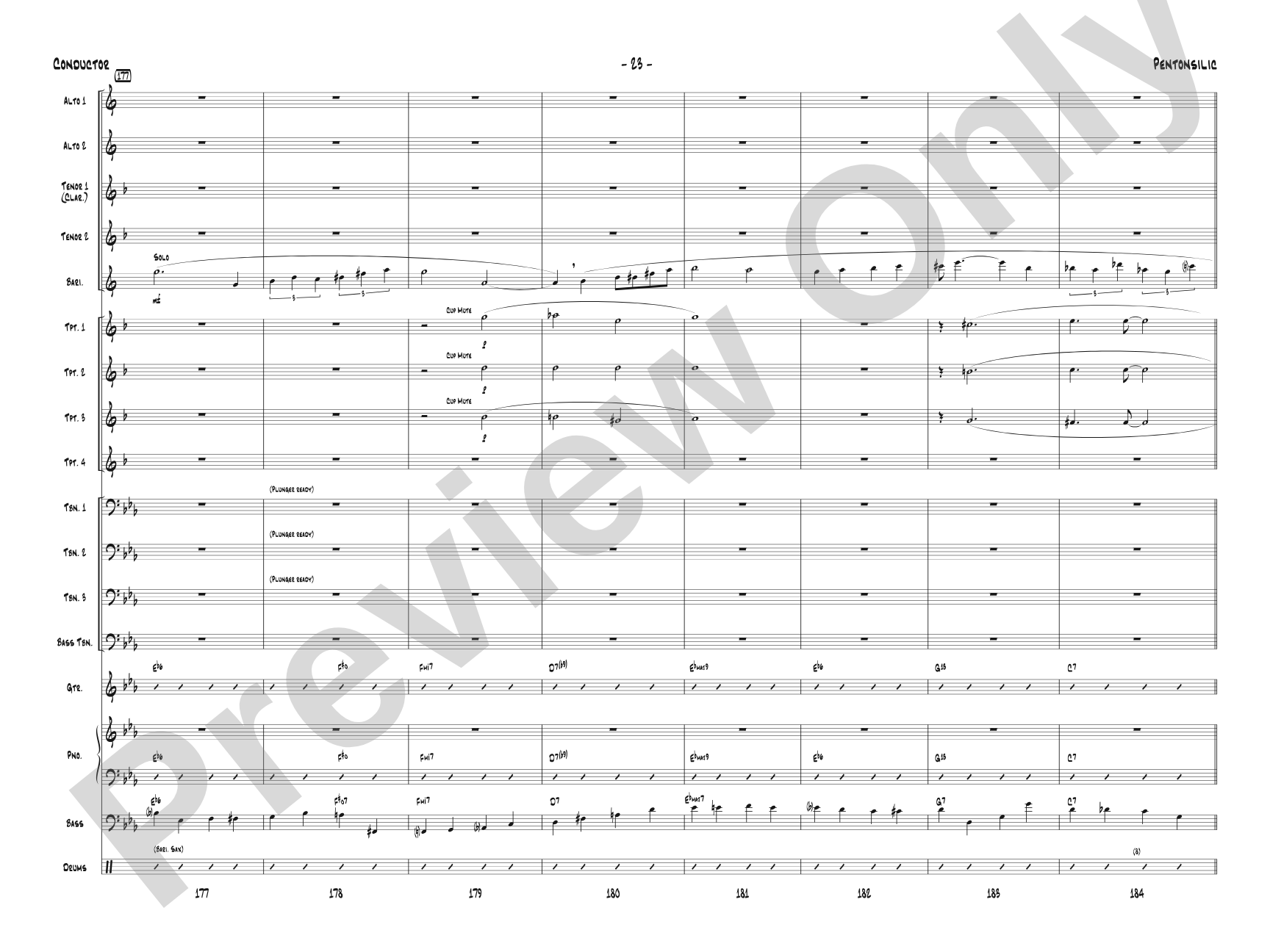
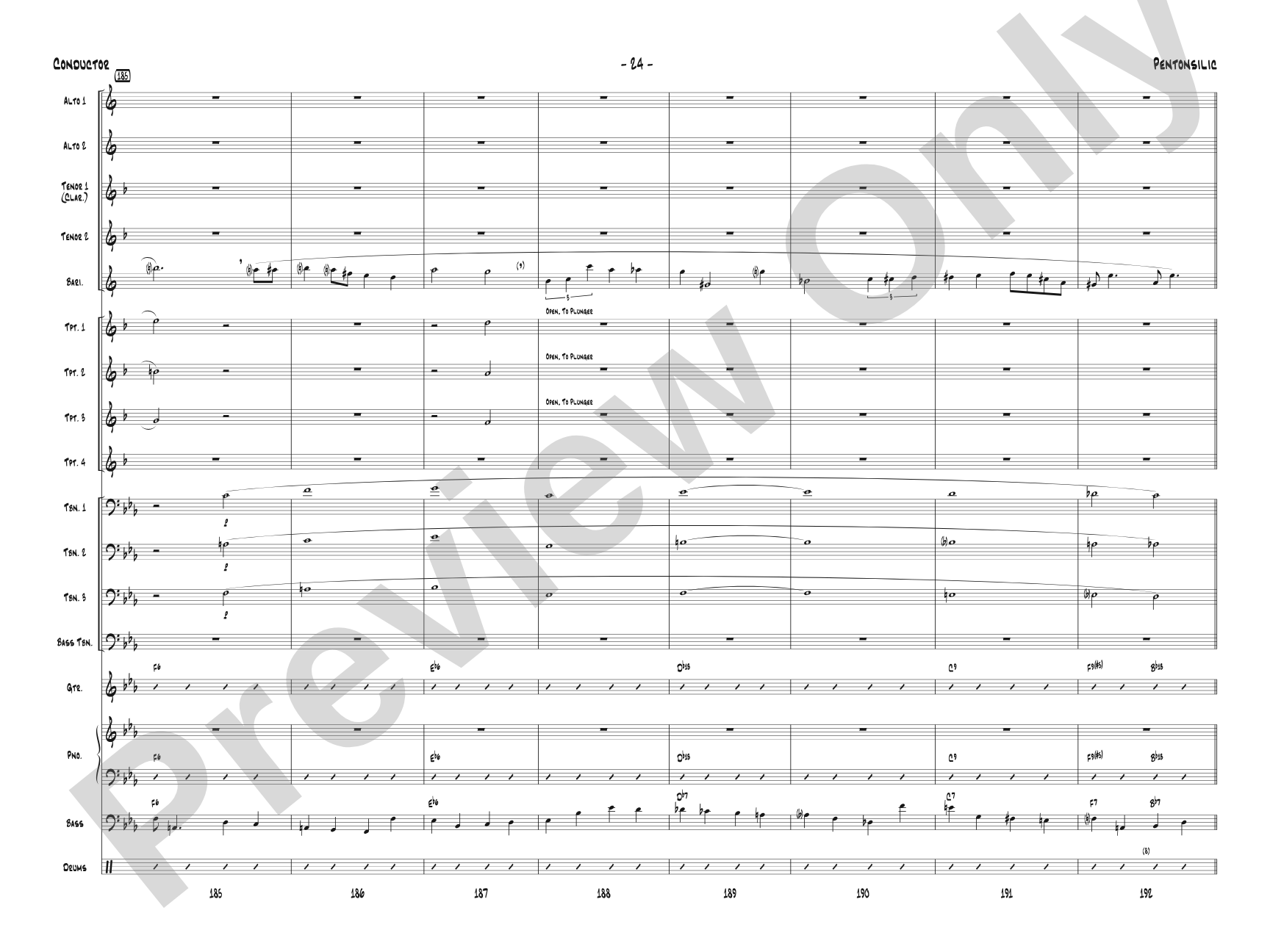
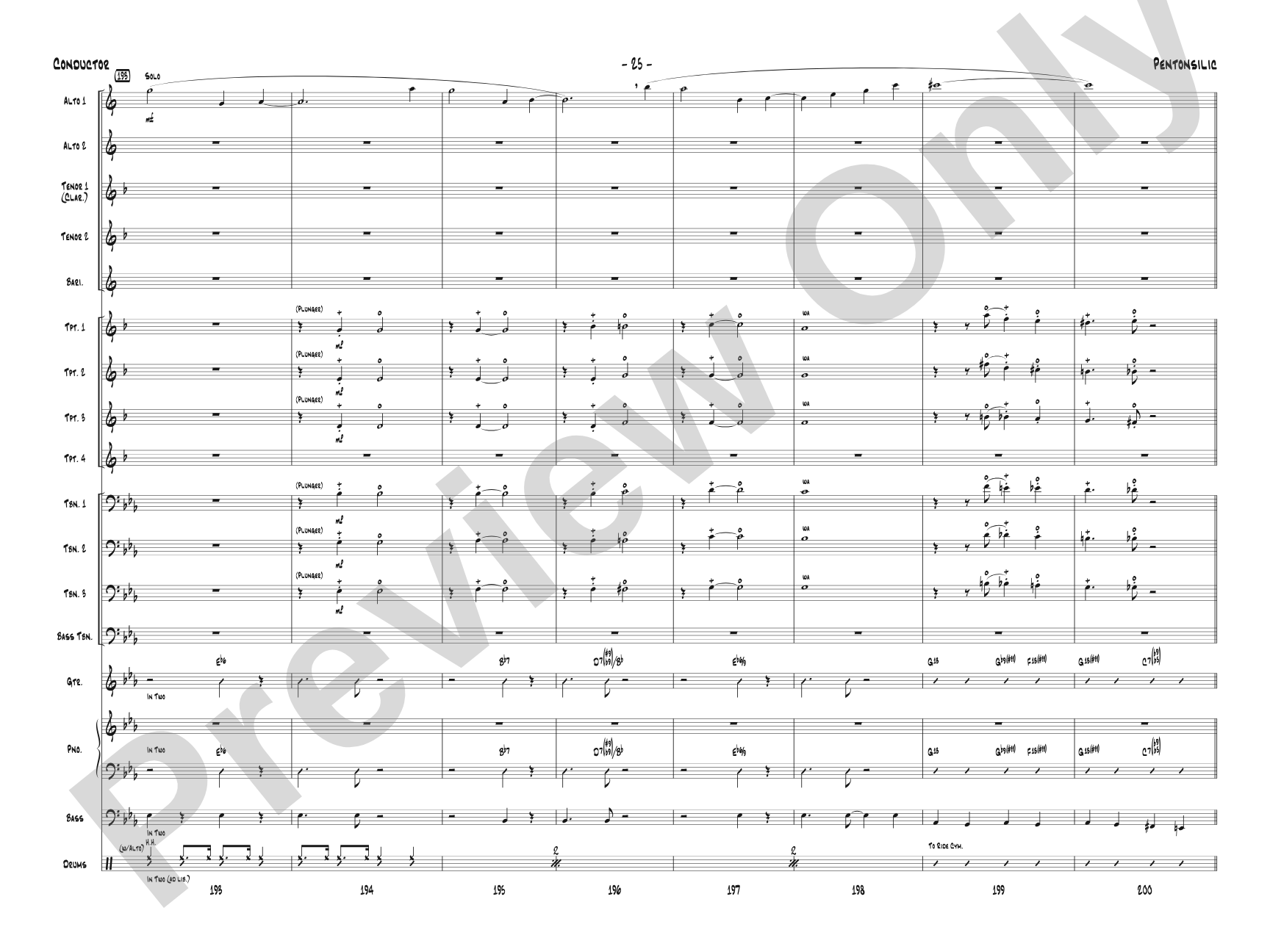
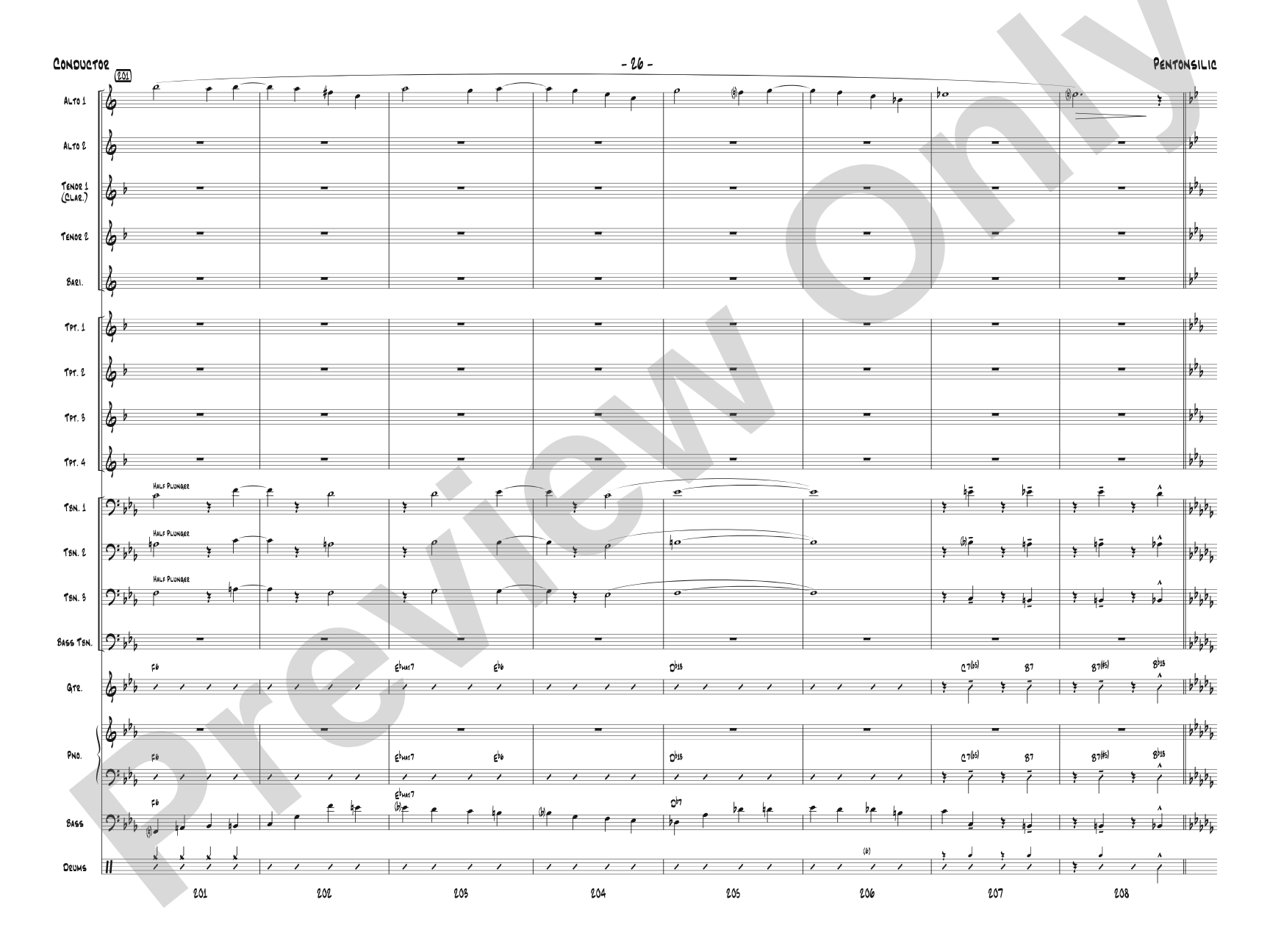
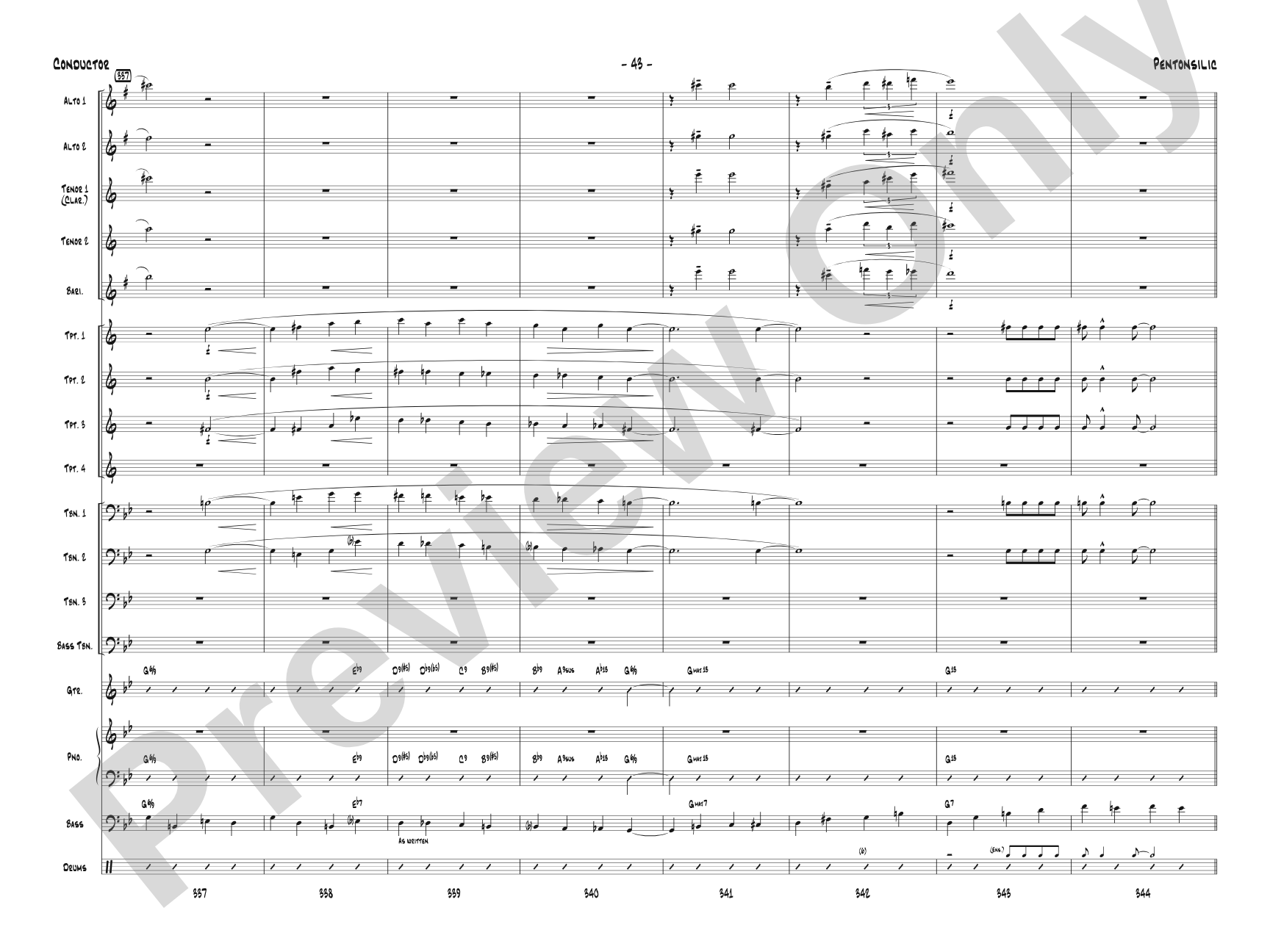
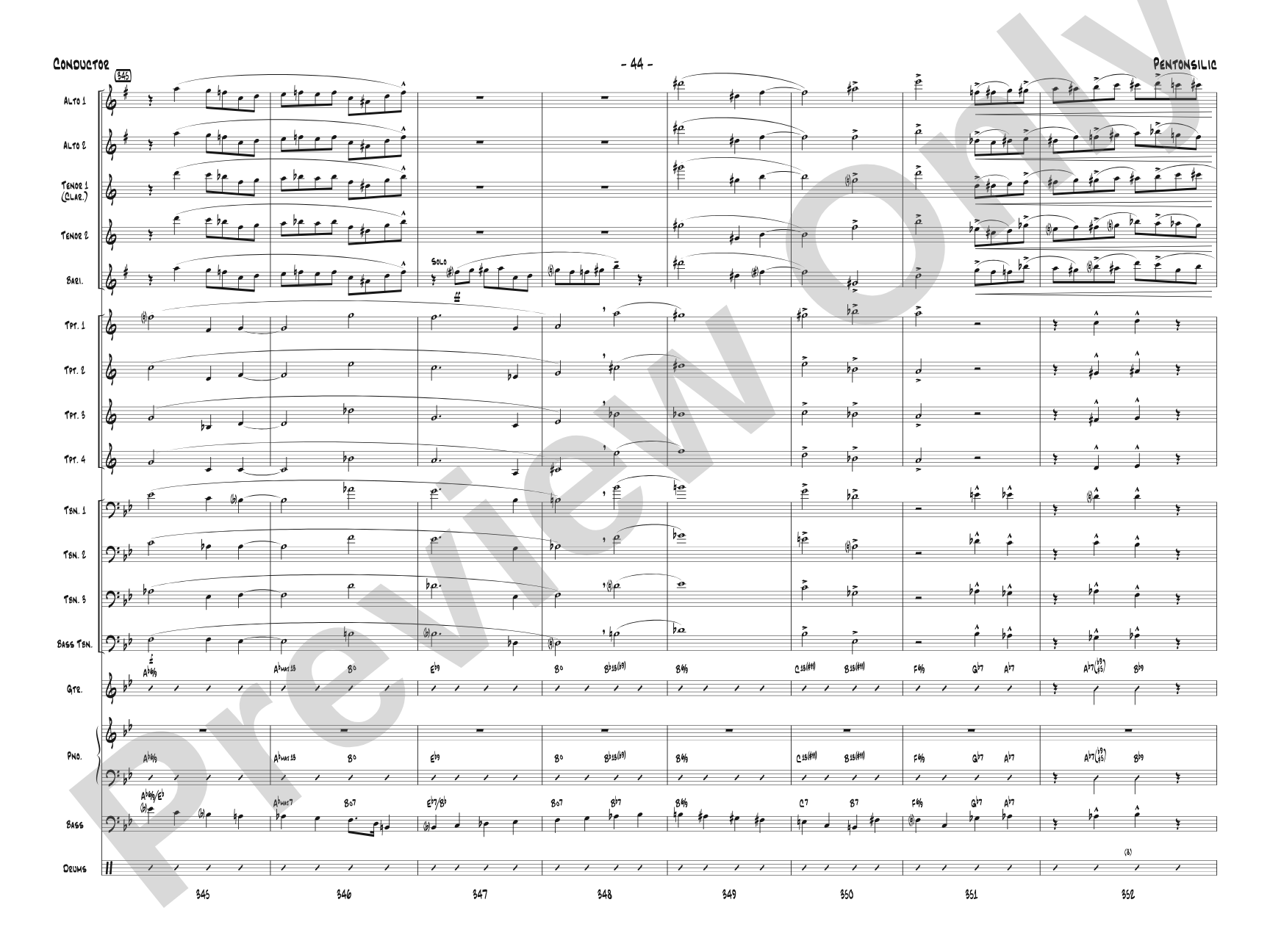
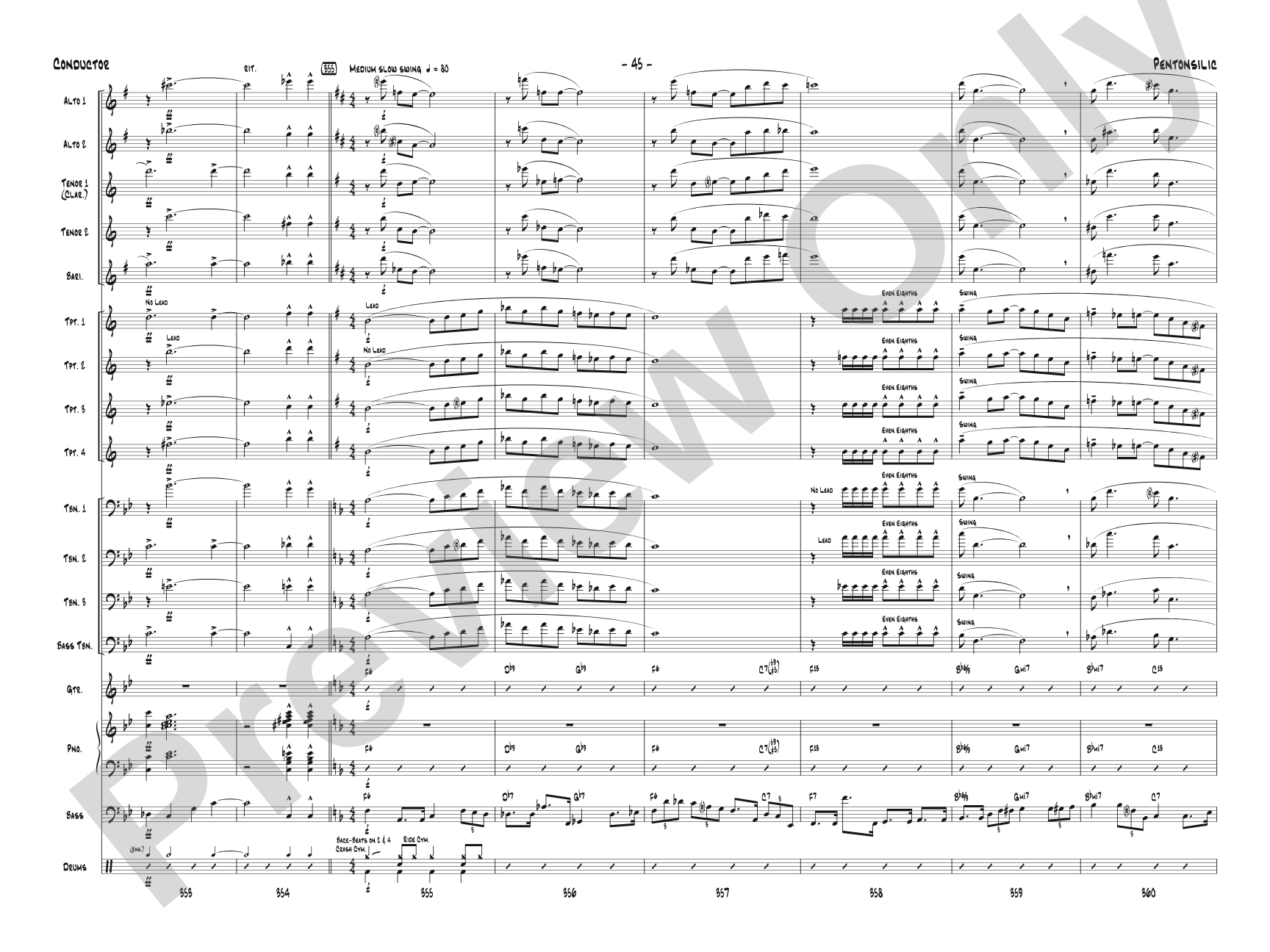
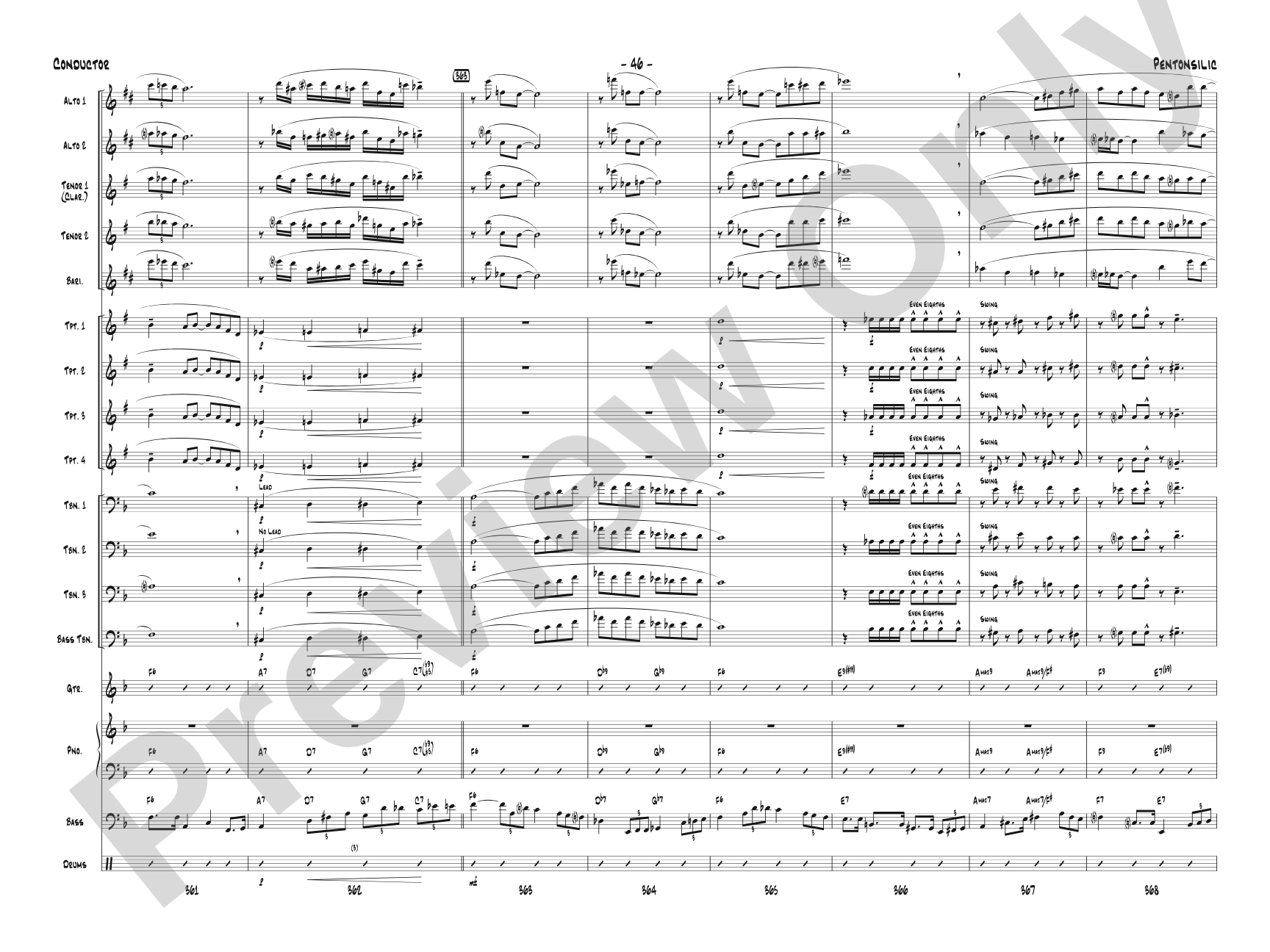
One of Strayhorns finest works, Billy's original score of "Pentonsilic" has been edited by Jeff Lindberg. The tempo is bright at 208 BPM and there is clarinet on the tenor 1 part to include solo space. Add a very nice written bari sax solo, a few meter changes, and you've got an a meaty arrangement at a high level. A brilliant and creative orchestration.


Don't just read it, hear it, play along with it, and watch your students grow with it. In MakeMusic Cloud, Pentonsilic: Score comes alive with professional accompaniment, adjustable tempo, and built-in practice tools that turn solo practice into real progress.
Open in the Player
Jump straight in and assign it today.
Start Your Free Trial
Open this title and explore the full library in minutes.
Sample Audio
No sample audio found.
Sample Video
No sample videos found.
Additional Details
Series:
Belwin Jazz Legend Series
Publisher:
Alfred Music
Page Count:
130
SKU:
00-PR-0005773
More about this title
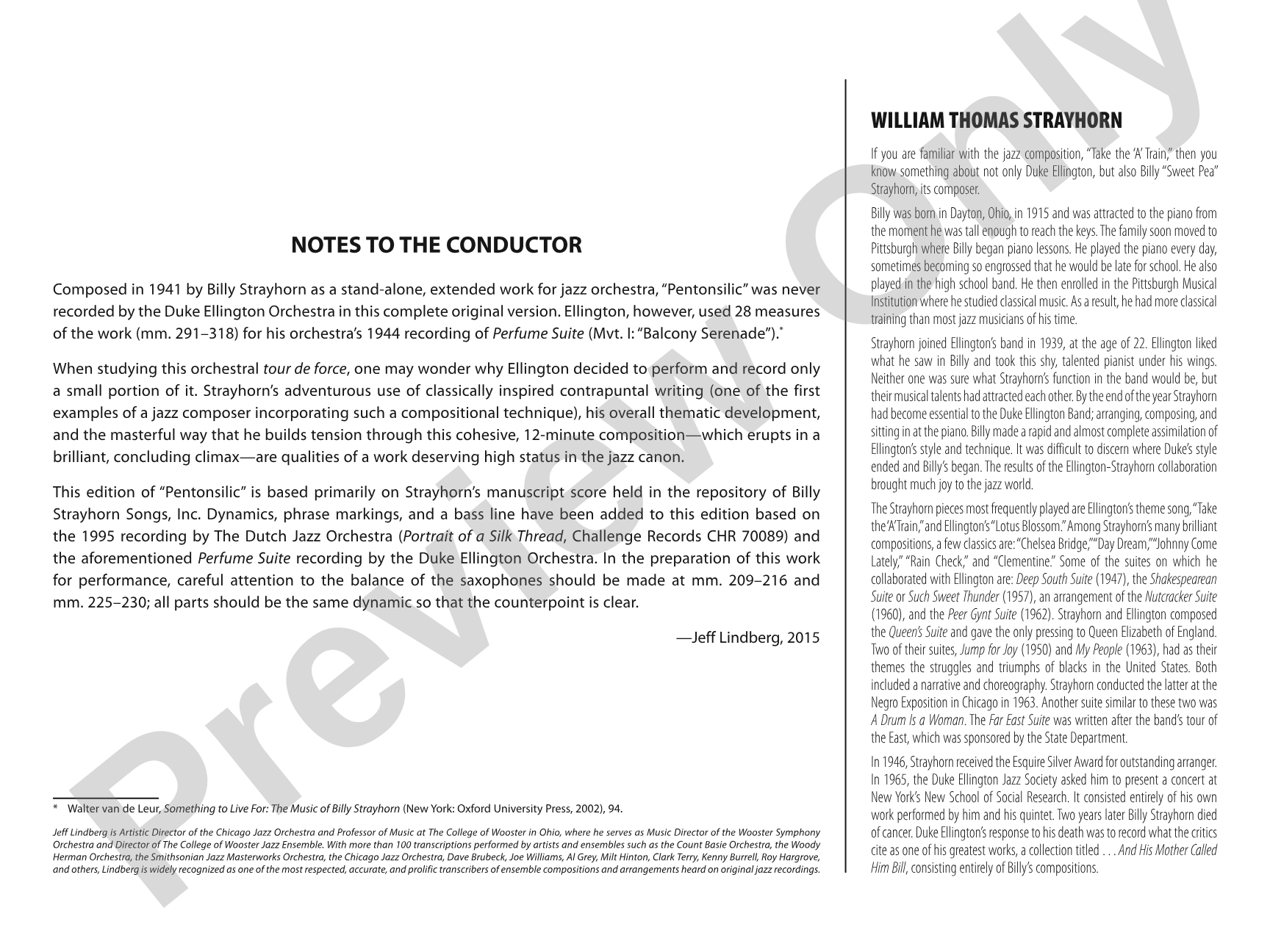
About the Composer: Billy Strayhorn
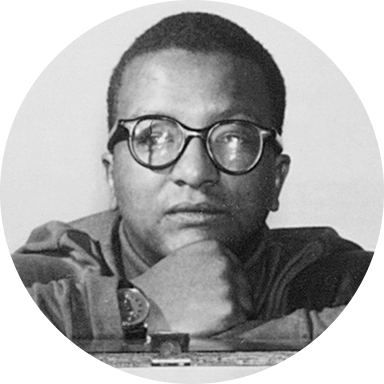
Billy Strayhorn (1915-1967) shaped the sound of American jazz through decades of composing and arranging, though his contributions often went uncredited during his lifetime. Born in Dayton, Ohio, Strayhorn joined Duke Ellington's orbit in 1939 and became one of the most prolific voices in twentieth-century jazz, creating standards that defined the genre. His harmonic sophistication and melodic gift produced works like "Take the 'A' Train" (the Ellington Orchestra's theme since the 1940s) and "Lush Life" (a ballad so harmonically intricate that it remains a test piece for serious jazz vocalists). Written when Strayhorn was just 16, "Lush Life" has been recorded by everyone from Nat King Cole to John Coltrane, cementing his place among jazz's most essential composers.
Strayhorn's legacy extends far beyond his most famous compositions. Jazz historians recognize him as one of the most recorded composers in the music, yet his name remained largely unknown to the public even as his music traveled through every corner of jazz performance. His decision to live openly as a Black gay man in mid-twentieth-century America contributed to a public anonymity that persisted until well after his death. Today, scholars and musicians alike acknowledge that Strayhorn deserves recognition among America's greatest composers, period.
Why we love this
Jeff Lindberg's edition of this Strayhorn original captures the sophistication that made Strayhorn an irreplaceable voice in the Ellington orchestra, now scaled for the advanced jazz ensemble. The meaty arrangement includes a substantial baritone saxophone solo and clarinet on tenor I to expand solo opportunities, plus the harmonic and metric complexity that defines Strayhorn's writing. At 208 BPM with meter changes woven through the score, this is a piece that challenges your band's reading, phrasing, and rhythmic independence while delivering the elegance that made Strayhorn's work timeless.
What to expect
Sophisticated, propulsive, and harmonically rich, "Pentonsilic" moves with the elegance that defines Strayhorn's best work. The bright tempo and meter shifts create momentum and forward motion, while the voicings and the solo space carve room for individual voices to breathe within a carefully constructed ensemble sound.
Who it's for
Advanced jazz ensemble directors and musicians who want to program genuine Strayhorn material at a level that respects both the composer's vision and their ensemble's capabilities. This is for bands that have already developed solid jazz fundamentals and are ready to engage with harmonic complexity, metric sophistication, and the kind of ensemble maturity that Strayhorn's writing demands.
How to get the most out of it
- Lock the tempo at 208 BPM from rehearsal one. This is a bright, driving piece, and any wavering in the foundation will expose the rhythmic shifts and metric changes to the ensemble.
- Balance the baritone solo with the rest of the ensemble so it cuts through the harmonic texture without overwhelming the voicings around it. Strayhorn's writing asks for clarity in every part.
- Pay attention to the meter changes as textural events, not obstacles. They're part of Strayhorn's compositional voice and should feel natural as the harmony evolves, not jarring or forced.
- Shape the ensemble sections with the same attention to phrase and line that you'd give to the solos. The written parts deserve to sing.
How to use it
Feature this as a centerpiece on a concert devoted to jazz standards and composers who defined the genre. Its sophistication and length make it ideal for a concert where you can build the program around significant works rather than shorter charts. Pair it with other advanced repertoire to showcase your ensemble's reading ability and harmonic maturity.
Skills your students will build
- Reading and executing meter changes (multiple shifts throughout the score)
- Maintaining tempo integrity at bright tempos while navigating metric complexity
- Solo development in a harmonically dense setting (baritone and clarinet features)
- Ensemble voicing and balance in Strayhorn's characteristic harmonic language
- Phrasing and articulation in a sophisticated jazz idiom