

Pentascale Pro, Book 2: An Introduction to Major and Minor 5-Finger Patterns: Piano
An Introduction to Major and Minor 5-Finger Patterns
By Melody Bober, Gayle Kowalchyk, and E. L. Lancaster
Level: Late Elementary
Item: 00-PB-0001104
$8.95
Pickup currently not available
Related Items
Pentascale Pro, Book 2: Piano Book |
$8.95
|
View |
Description
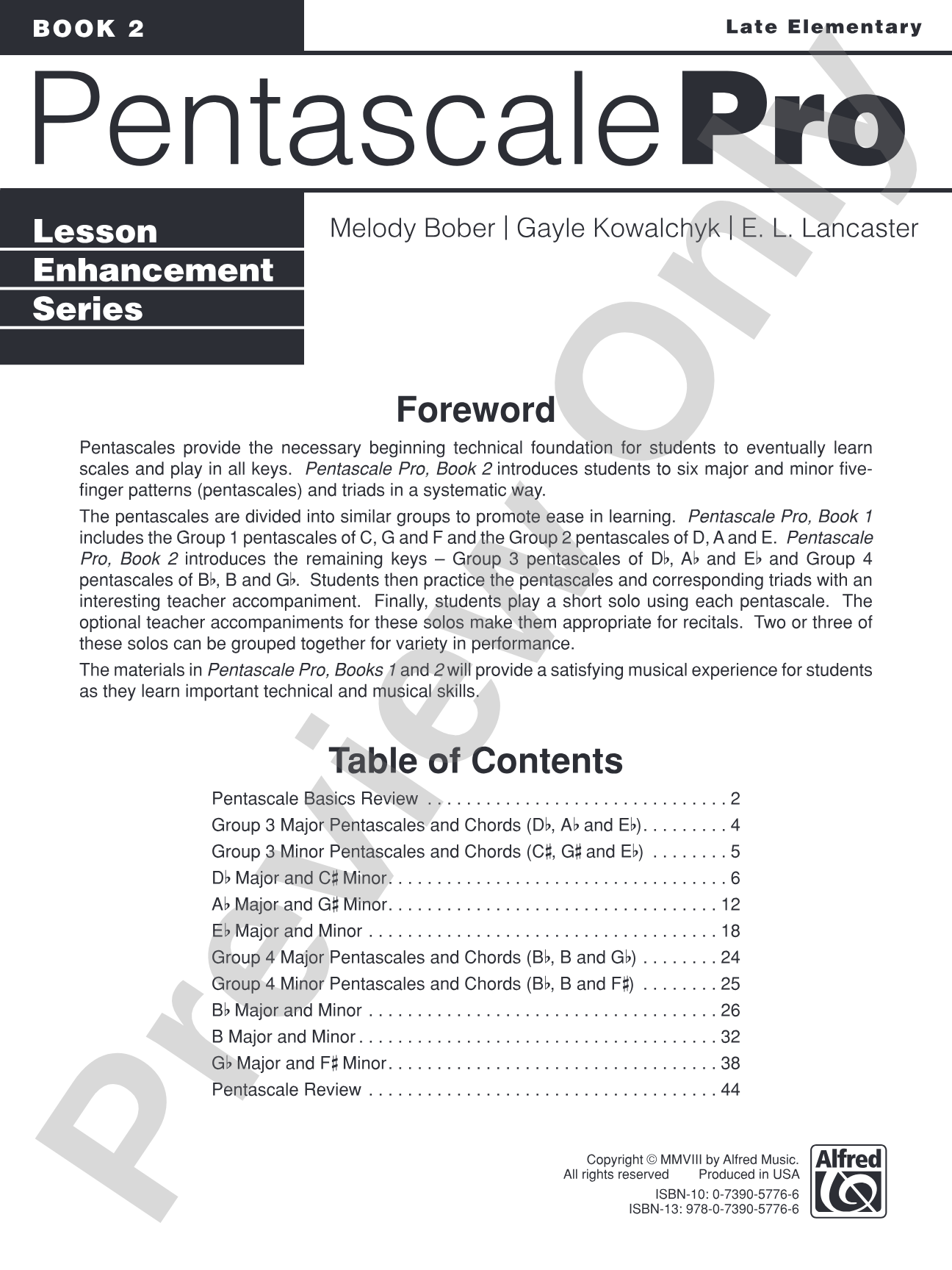
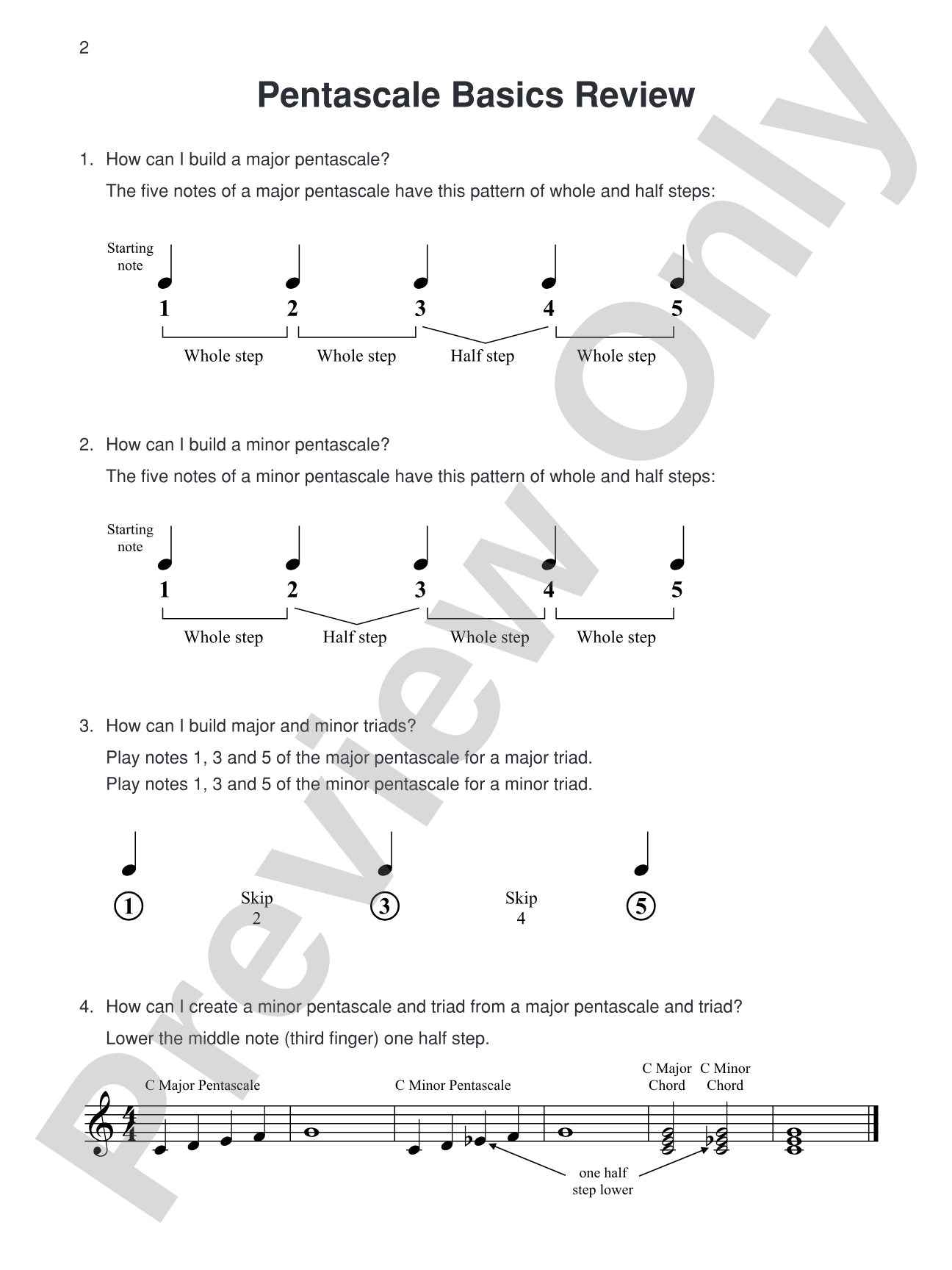
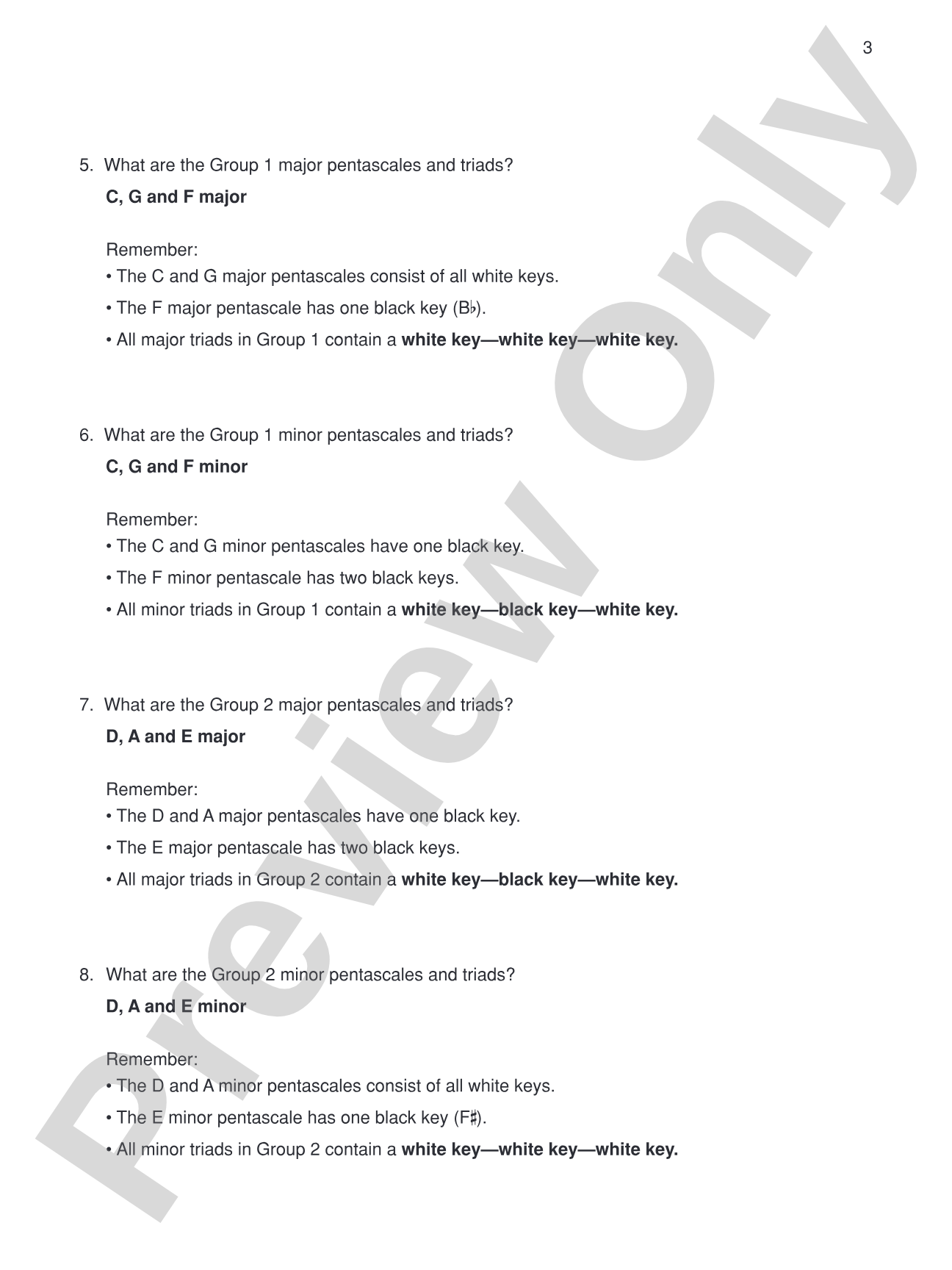
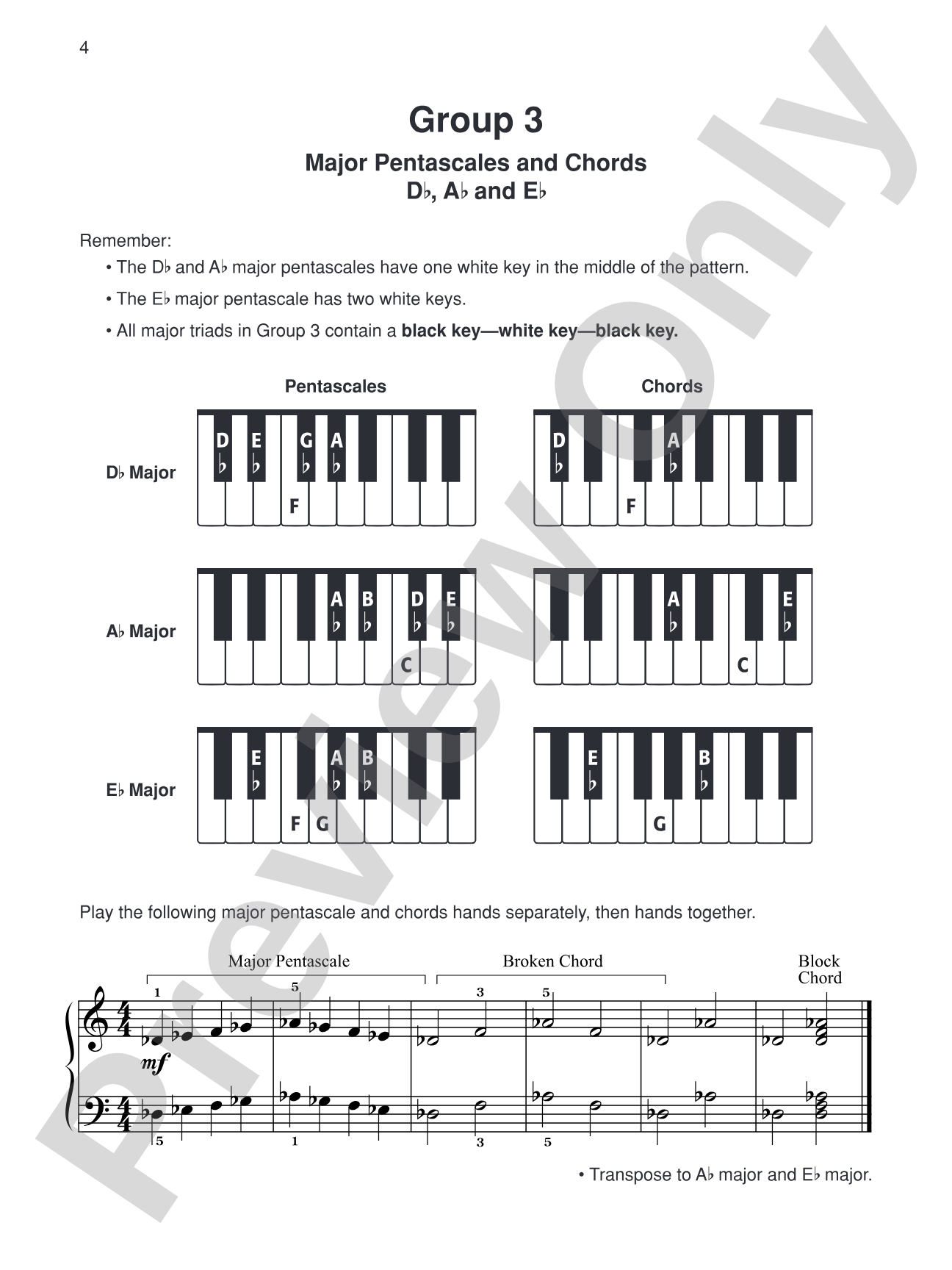
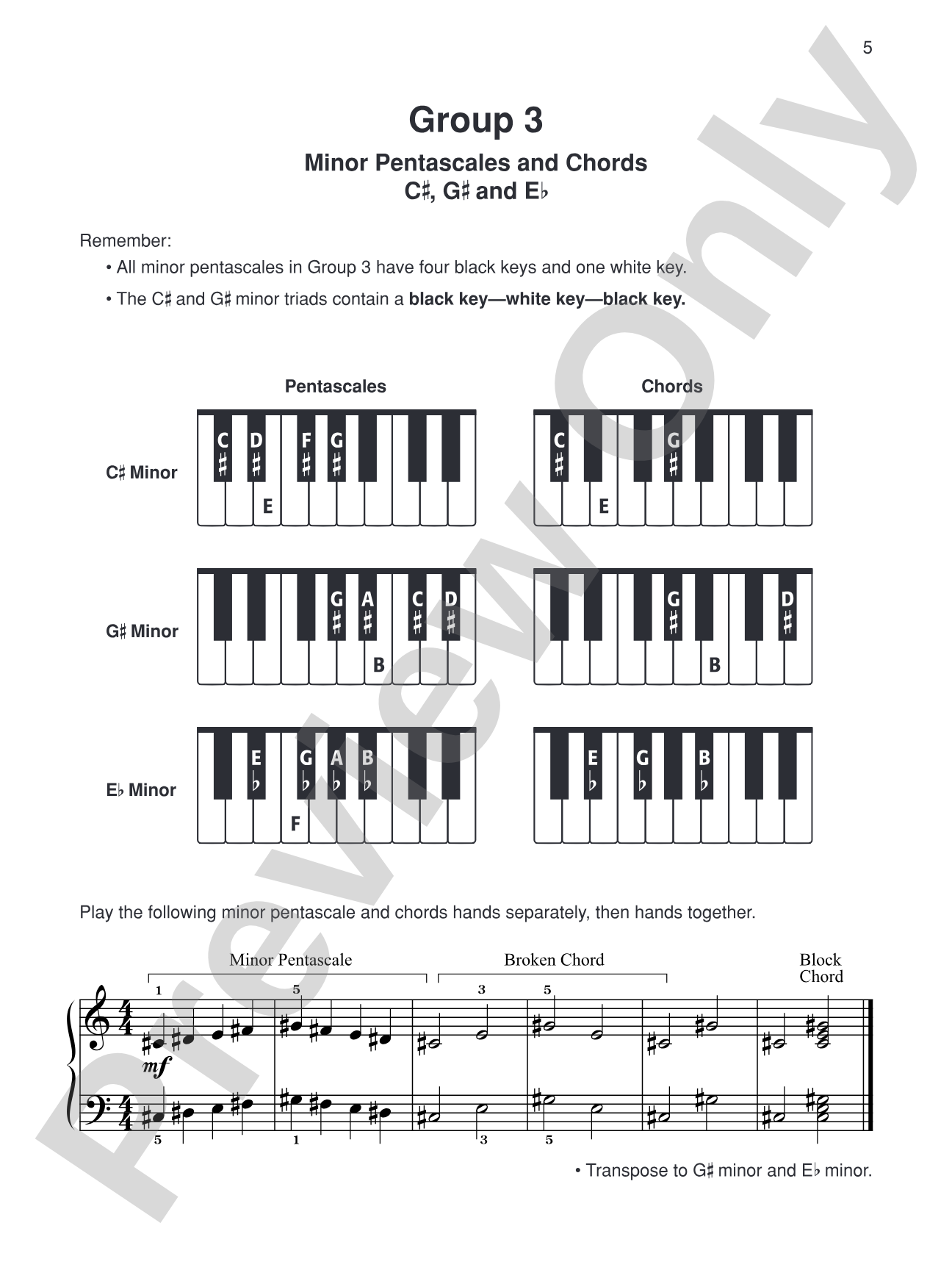
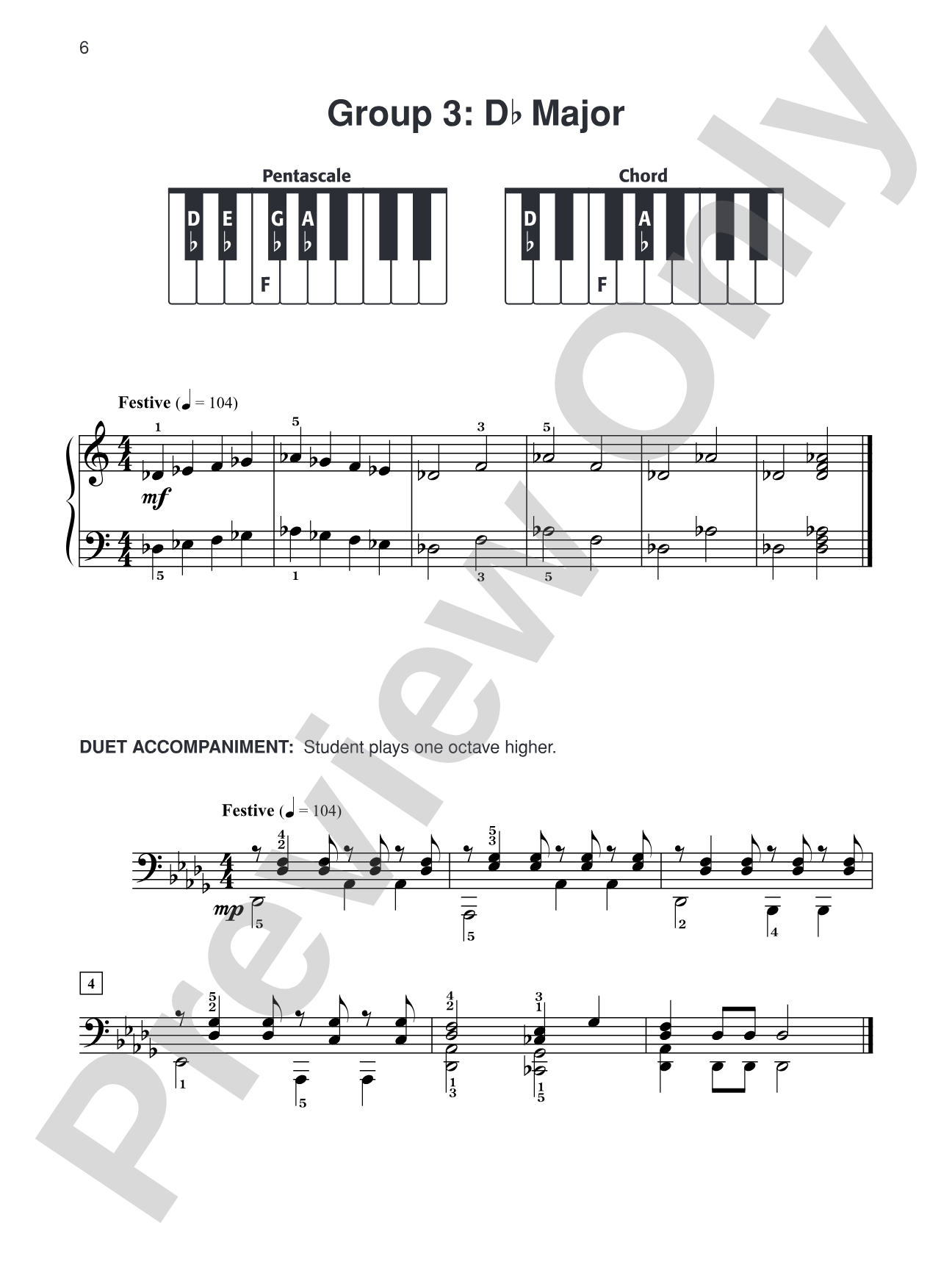
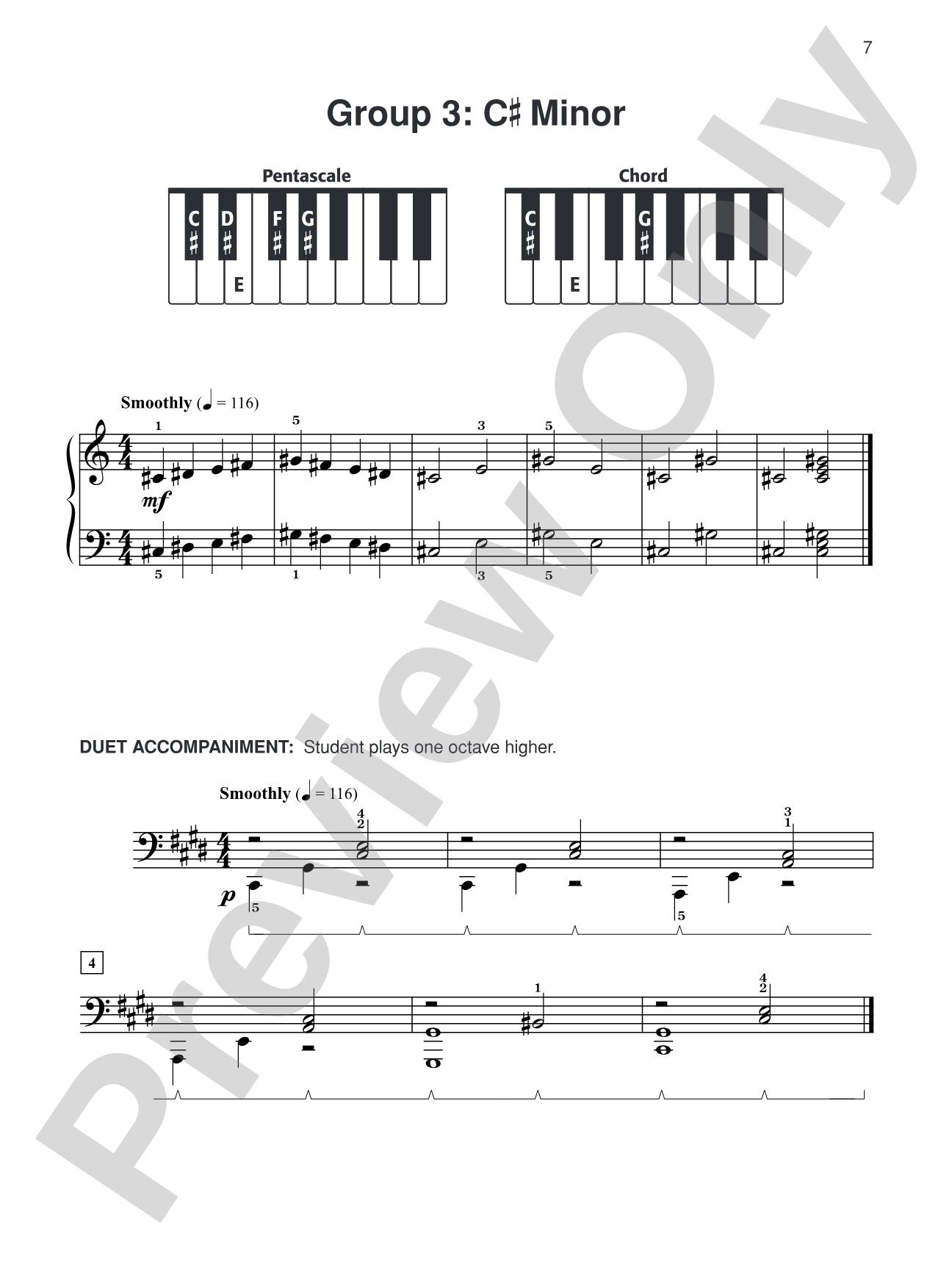
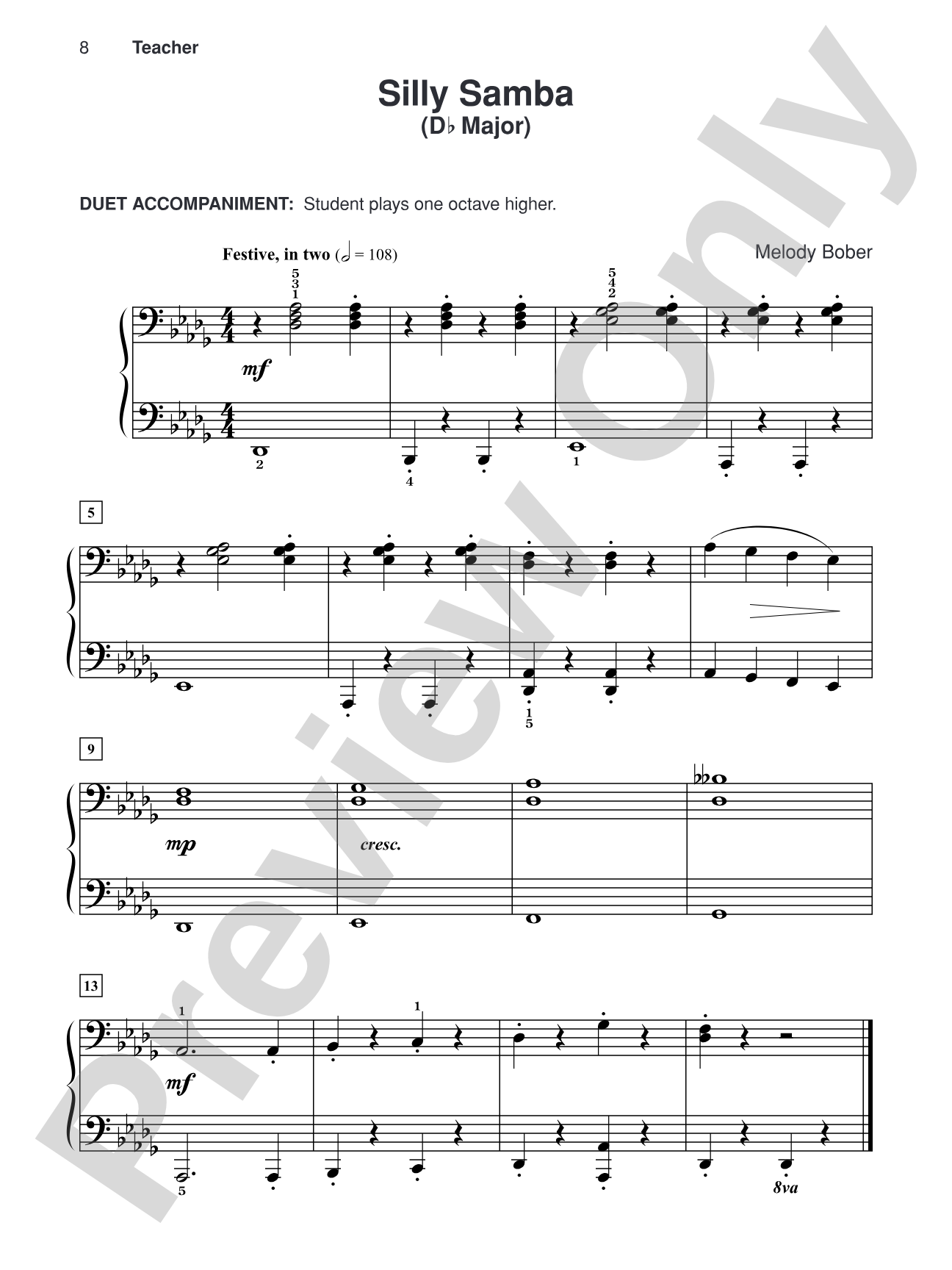
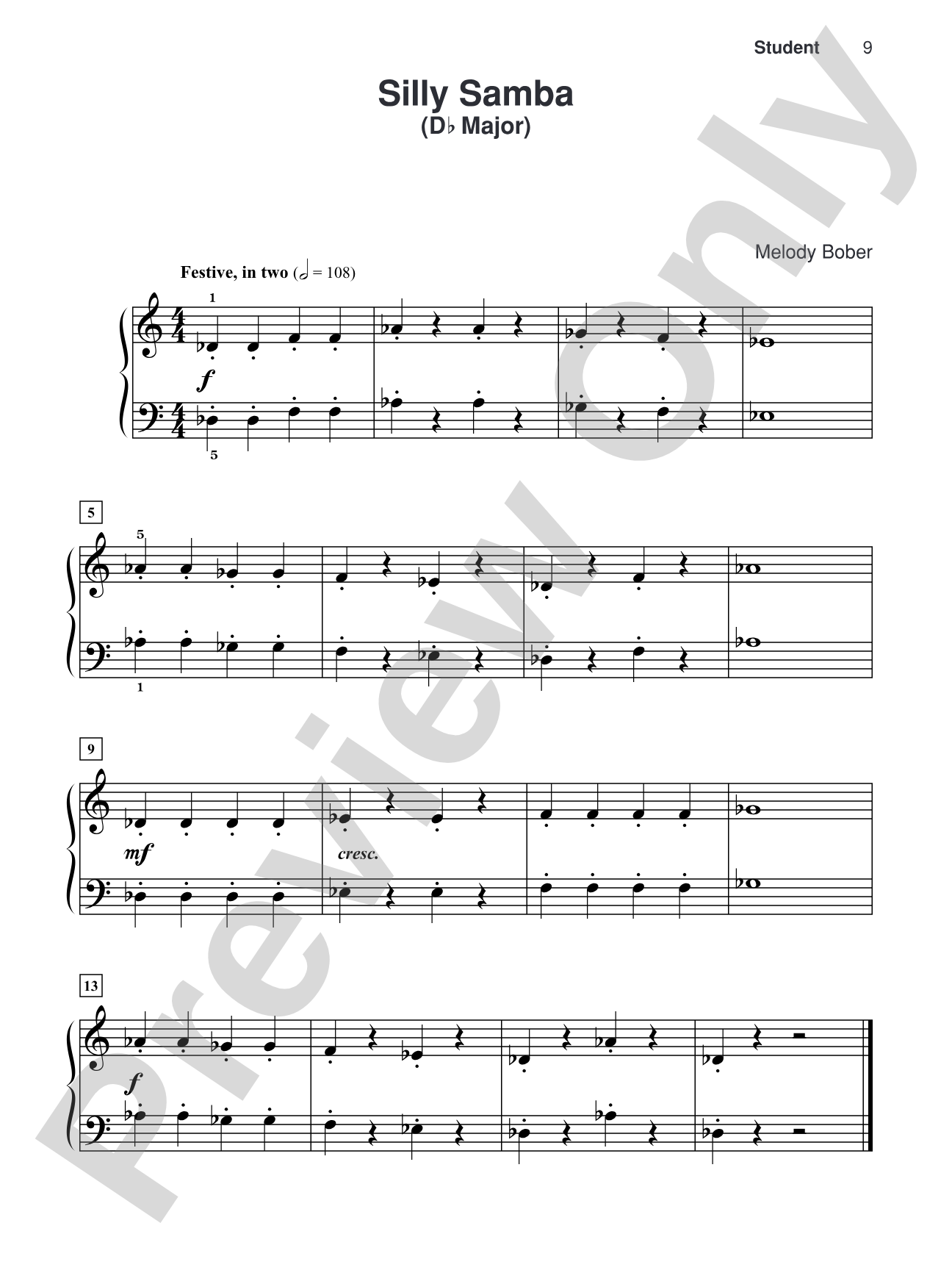
These first books in Alfred's Lesson Enhancement Series introduce students to all major and minor five finger patterns in all 12 keys. The pentascales are divided into similar groups to promote ease in learning. Book 1 includes the Group 1 Keys (C, G, F major and minor) and the Group 2 Keys (D, A, E major and minor). Book 2 includes the Group 3 Keys (D-flat, A-flat, E-flat major and minor) and the Group 4 Keys (B-flat, B, G-flat or F-sharp major and minor). In each book, technical exercises are provided in each key with an interesting teacher accompaniment. A short solo is included for each key, in addition to an optional teacher duet accompaniment. Two or three of these solos can be grouped together for variety in performance.


Pentascale Pro, Book 2: An Introduction to Major and Minor 5-Finger Patterns: Piano isn't in MakeMusic Cloud just yet...but it could be. Let us know you'd like to see it, and you'll help shape what comes next. In the meantime, start a free trial and dive into thousands of interactive titles your students can play along with today.
Request This Title
Tell us you want it.
Start Your Free Trial
Explore everything that's ready to play right now.
Sample Audio
No sample audio found.
Sample Video
No sample videos found.
Additional Details
Series:
Lesson Enhancement Series
Publisher:
Alfred Music
Page Count:
44
SKU:
00-PB-0001104
More about this title
About the Composer: Melody Bober

Melody Bober is a composer whose work centers on creating piano pieces that spark genuine musical understanding in her students. She holds a bachelor's degree in music education from the University of Illinois at Champaign-Urbana and a Master of Arts in piano performance from Minnesota State University, Moorhead, where she studied with pianists Joel Shapiro and Andrew Froelich.
Beyond composition, Bober has built a multifaceted career in music education. She has taught piano privately for decades, worked in public school settings for two decades, and taught at the university level. Her roles have also included church pianist, accompanist, and music director. Known for her dynamic approach to teaching and innovative compositional voice, she is frequently invited to present at piano teacher conventions and workshops throughout North America.
Why we love this
Pentascale Pro Book 2 organizes the sharper and flatter keys in logical groups that students can genuinely understand rather than memorize. The inclusion of both technical exercises and short solo pieces in each key means you get performance material built from the foundational patterns your students are learning, making the connection between technique and musicality immediate and tangible.
What to expect
Organized and achievable. Each group of keys shares harmonic or finger-pattern characteristics, so the learning curve feels gradual rather than overwhelming. The solos have genuine melodic shape and invite expressive playing, making these patterns feel purposeful rather than purely technical.
Who it's for
Late elementary pianists ready to expand beyond a single five-finger pattern and begin thinking about tonal relationships across keys. This book works particularly well for students in the second or third year of study who have solid hand position and basic reading skills but need systematic exposure to flat key signatures and their relative minor forms.
How to get the most out of it
- Prepare the teacher accompaniment in advance so students hear how their five-finger pattern fits into a harmonic context. This transforms a technical drill into chamber music.
- Group two or three solos from different keys into a short recital set to showcase your student's progress across the book and give recital performances real architecture.
- Play through the technical exercises with consistent tempo and tone quality rather than rushing through them. Students will internalize the muscle patterns far more effectively when these are treated as brief musicianship moments, not just mechanics.
How to use it
Reserve this for spring recitals where you want to feature the progression several students have made over the year. A sequence of two or three solos from different groups within the book makes an elegant 5, 7 minute showcase that demonstrates skill development without requiring students to learn entirely new pieces outside their method book.
Skills your students will build
- Major and minor five-finger patterns in all 12 keys with emphasis on flat key signatures
- Hand position stability and finger independence across different key signatures
- Reading and playing relative major and minor forms
- Recognizing harmonic contexts through teacher accompaniment
- Transferring technical patterns into short solo pieces with musicality