

Pentascale Pro, Book 1: An Introduction to Major and Minor 5-Finger Patterns: Piano
An Introduction to Major and Minor 5-Finger Patterns
By Melody Bober, Gayle Kowalchyk, and E. L. Lancaster
Level: Elementary
Item: 00-PB-0001103
$8.95
Pickup currently not available
Related Items
Pentascale Pro, Book 1: Piano Book |
$8.95
|
View |
Description
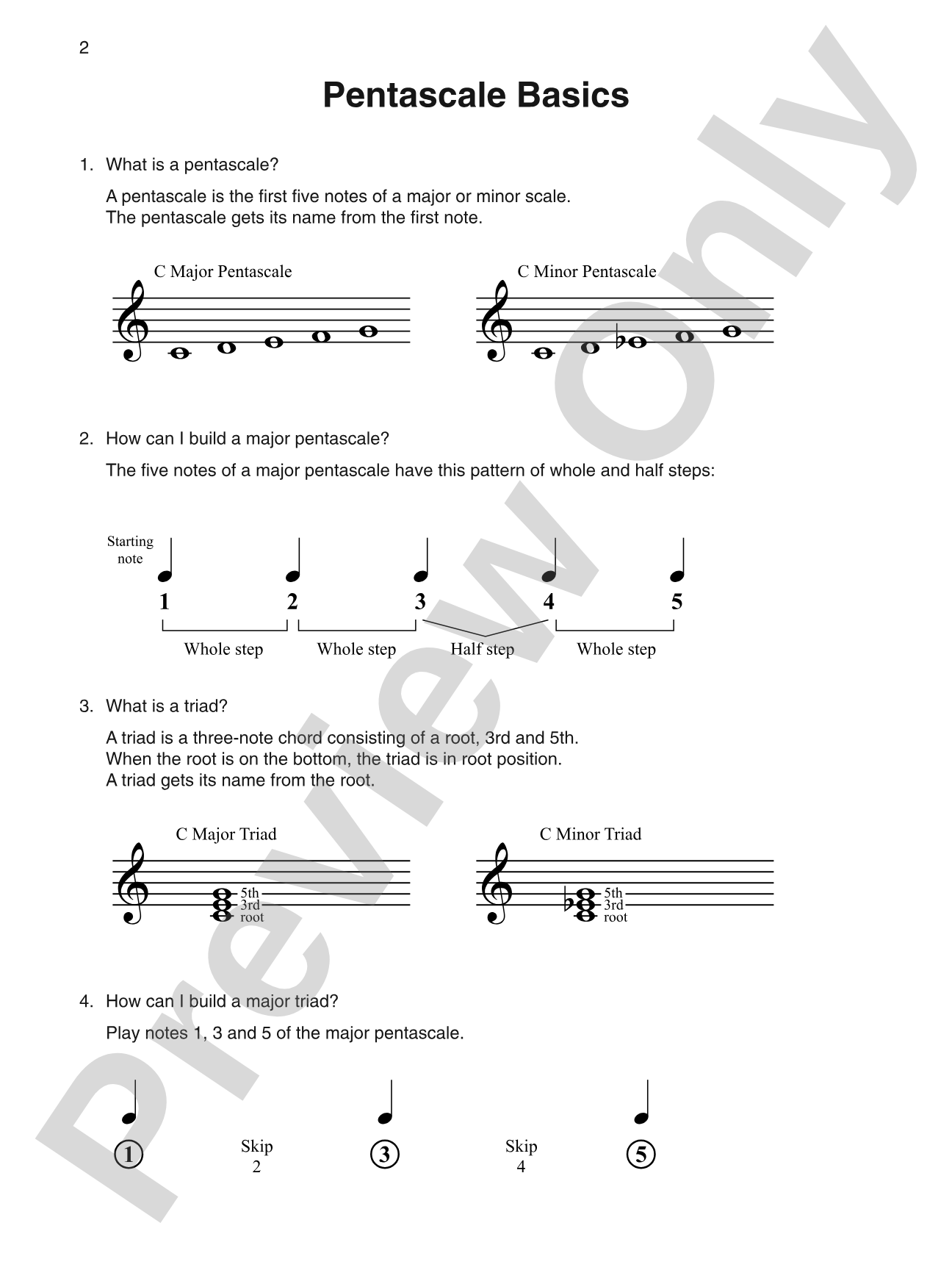
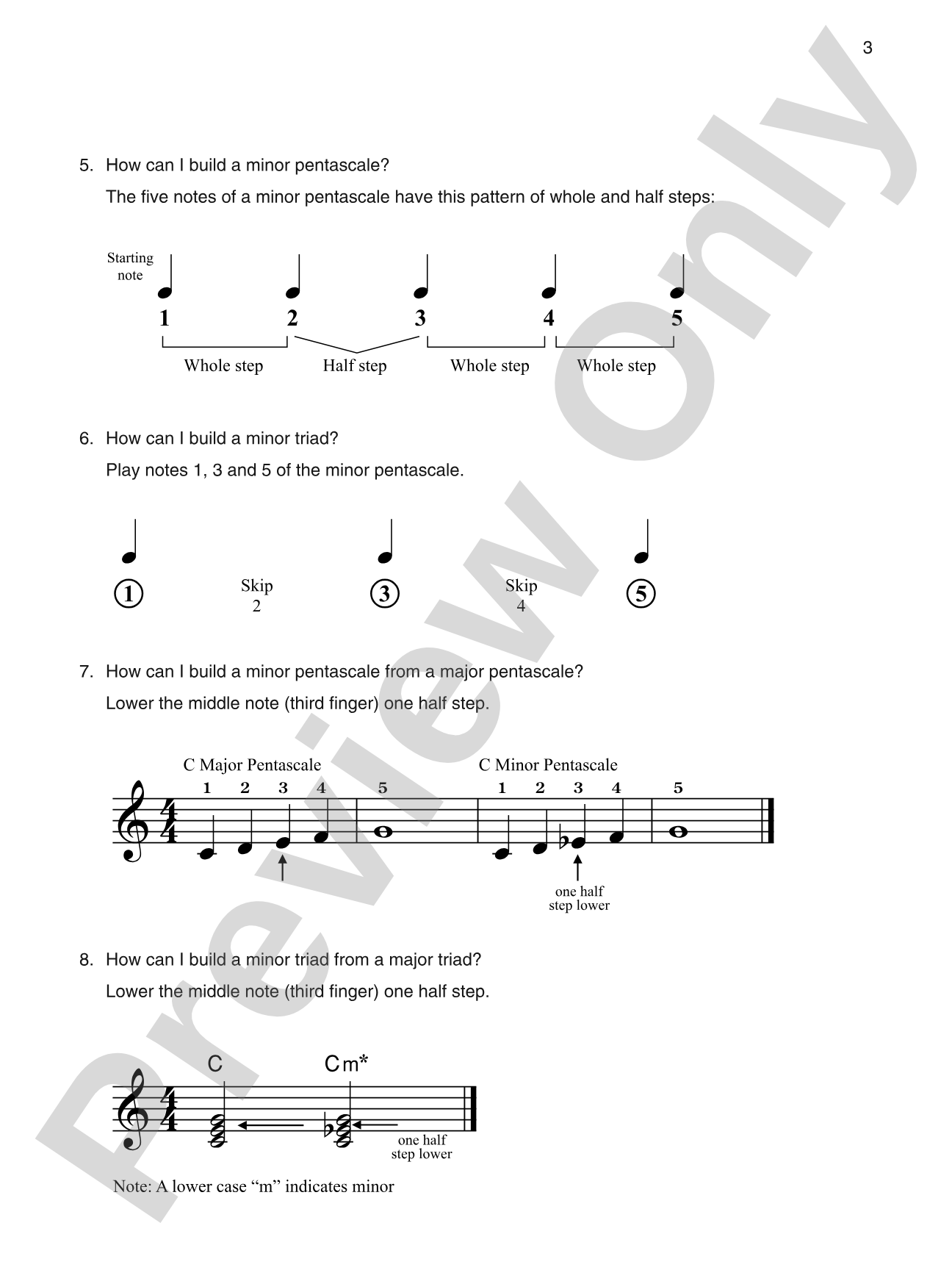
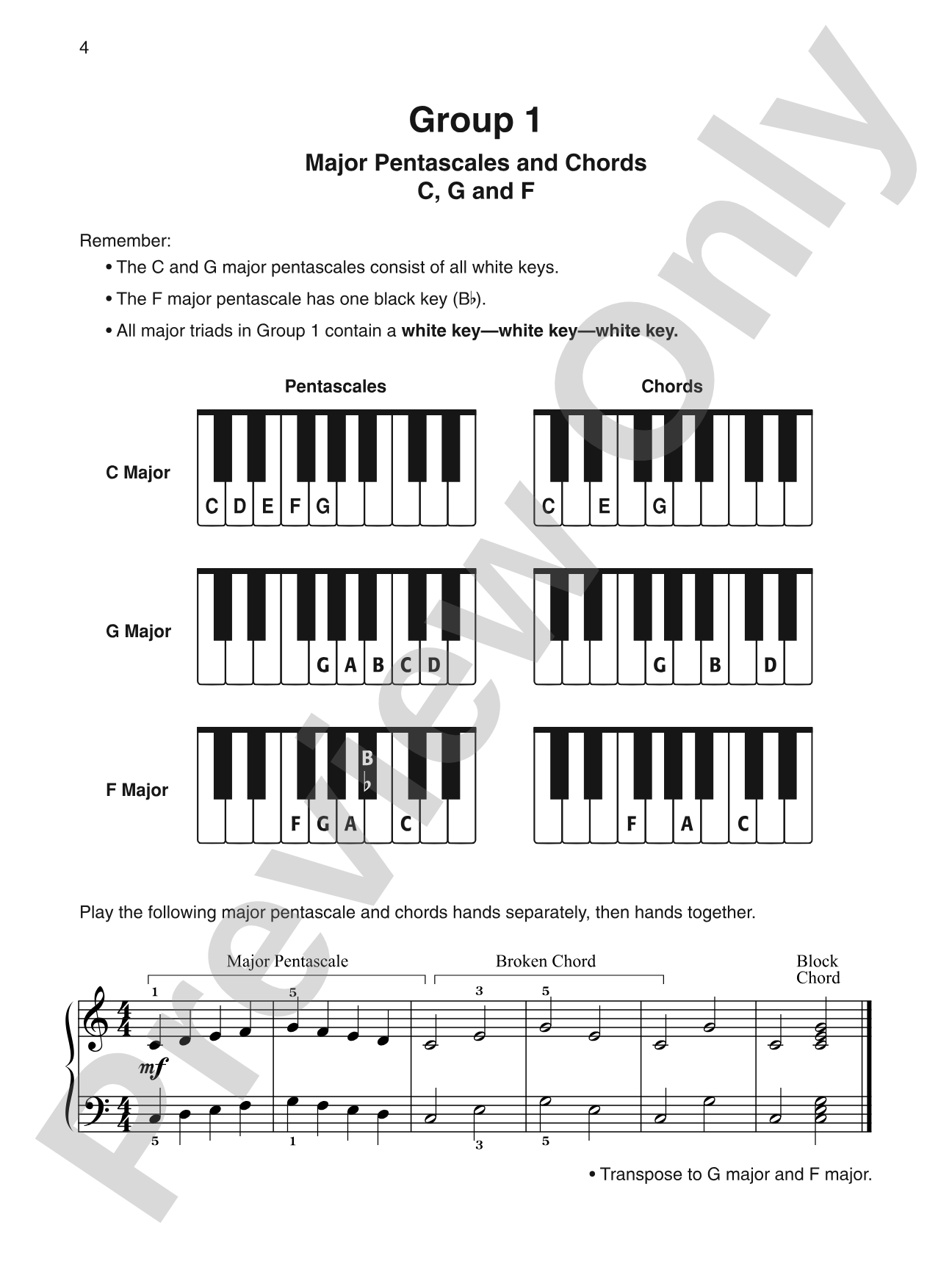
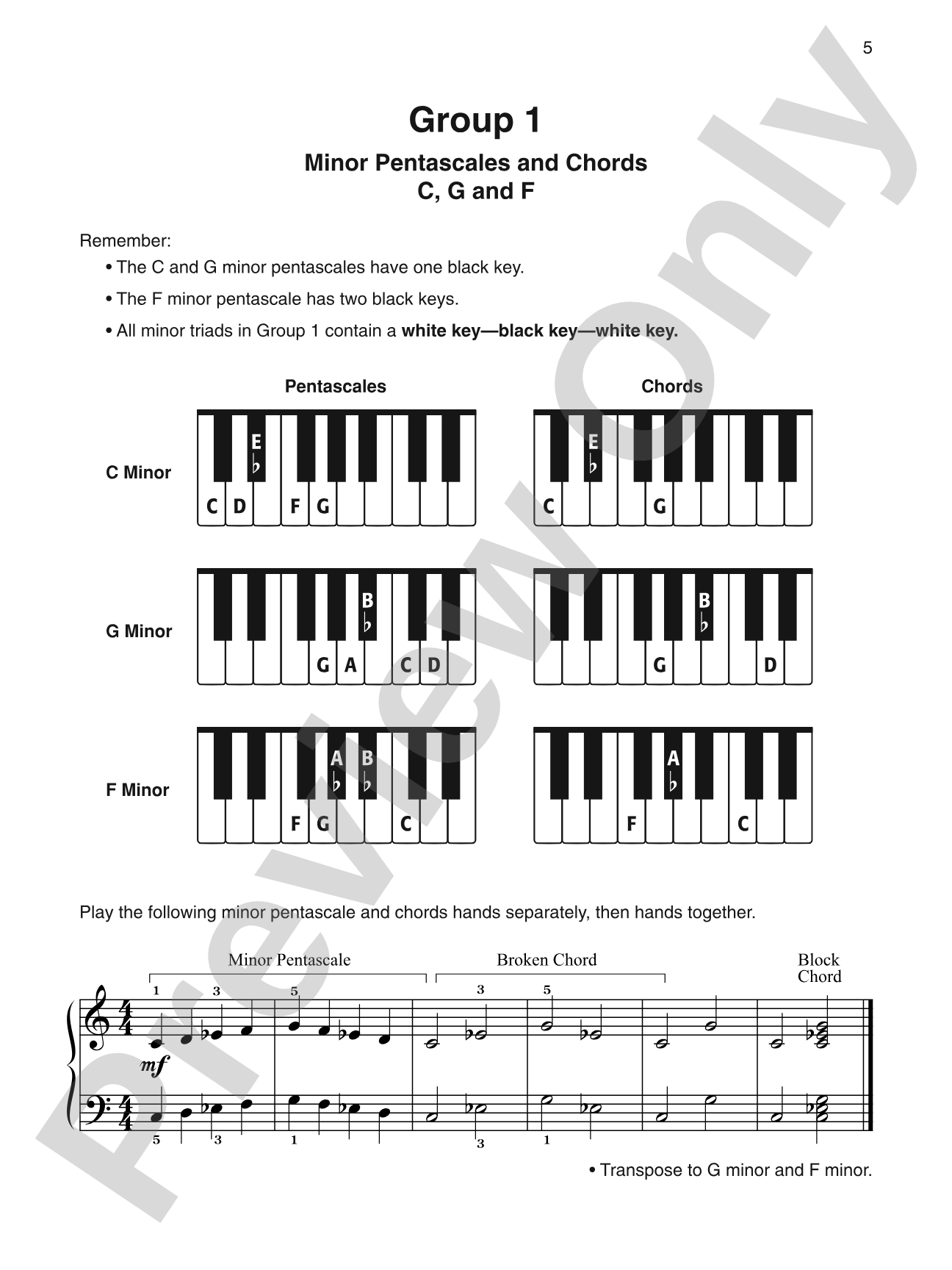
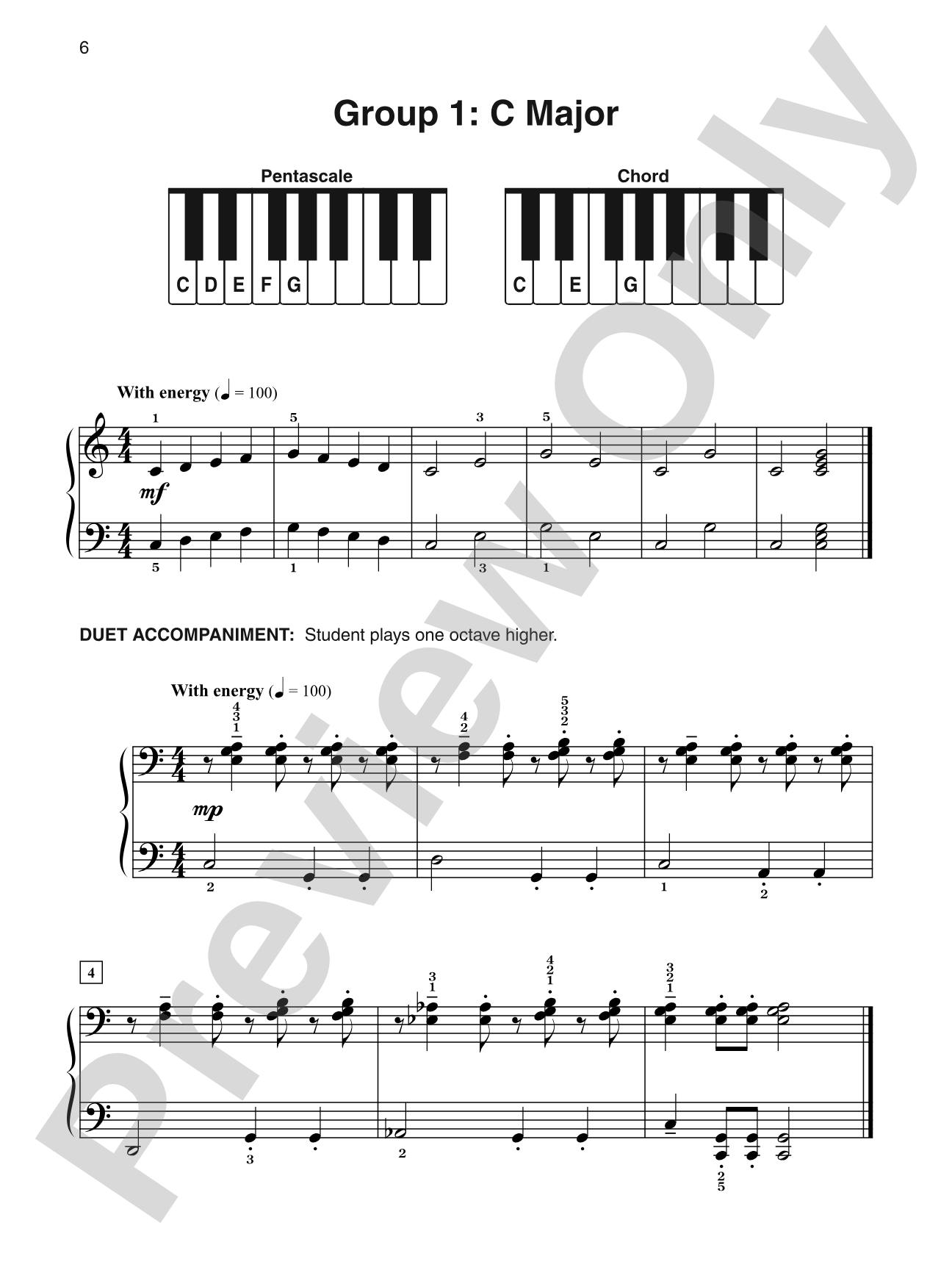
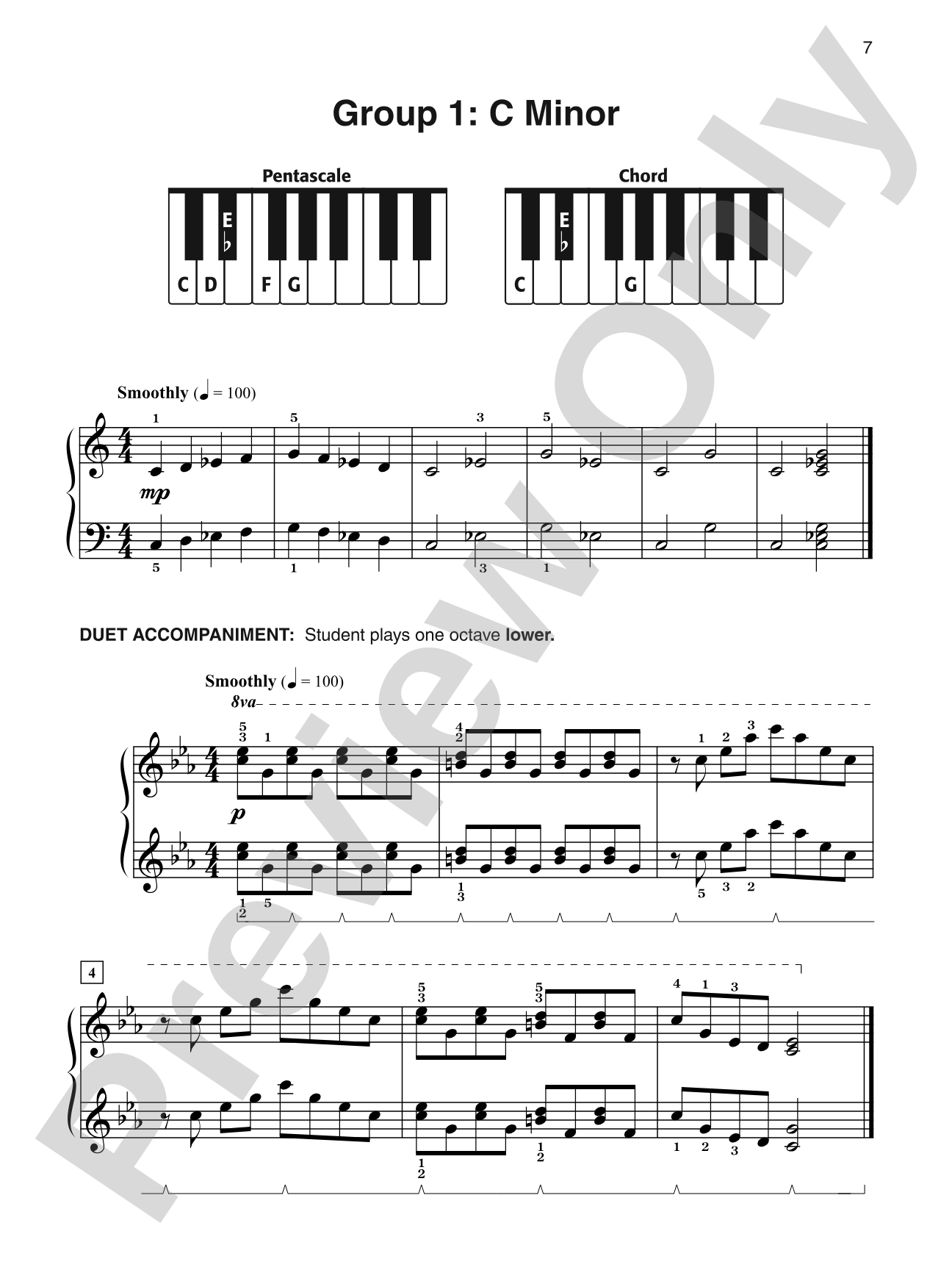
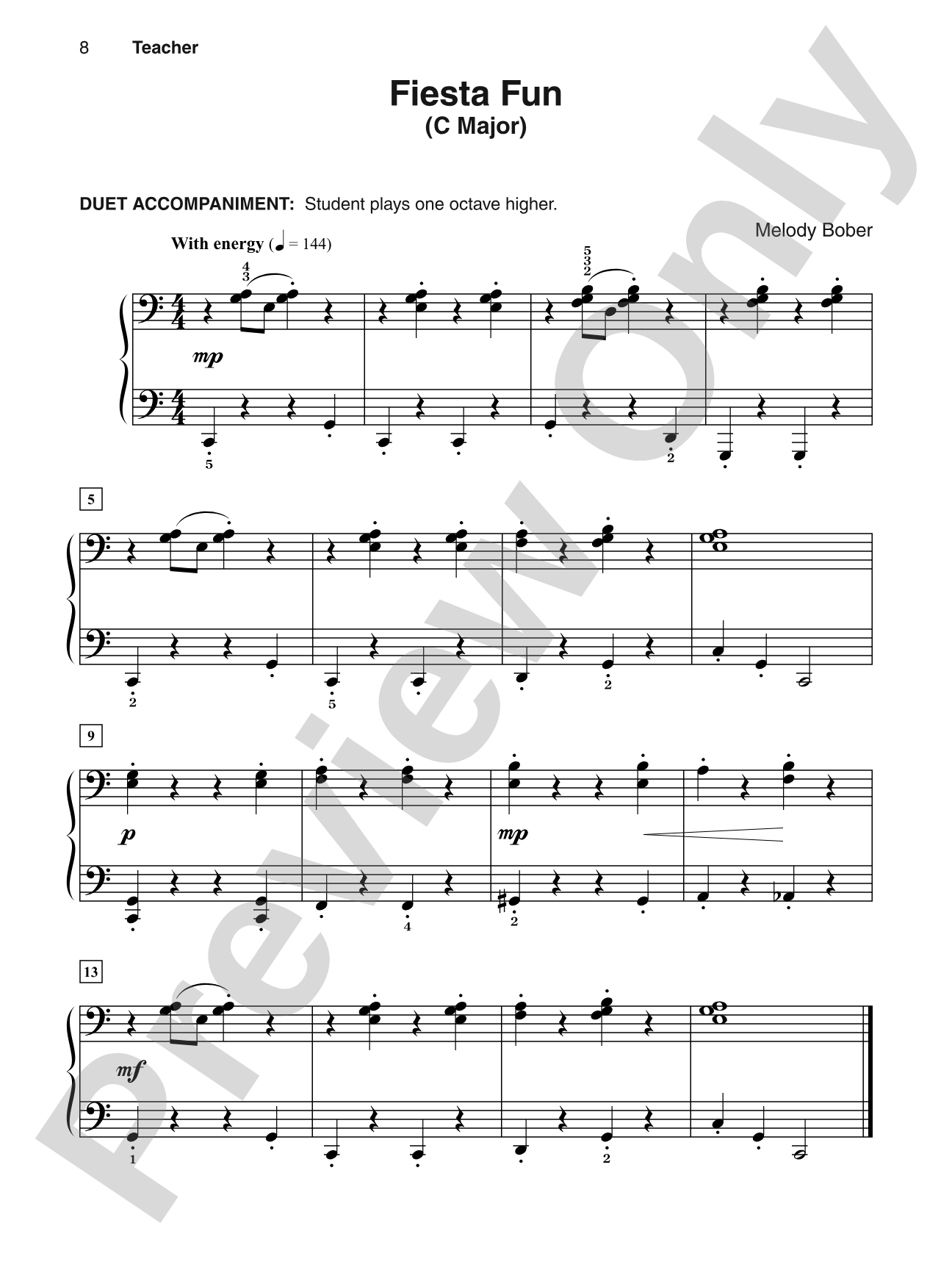
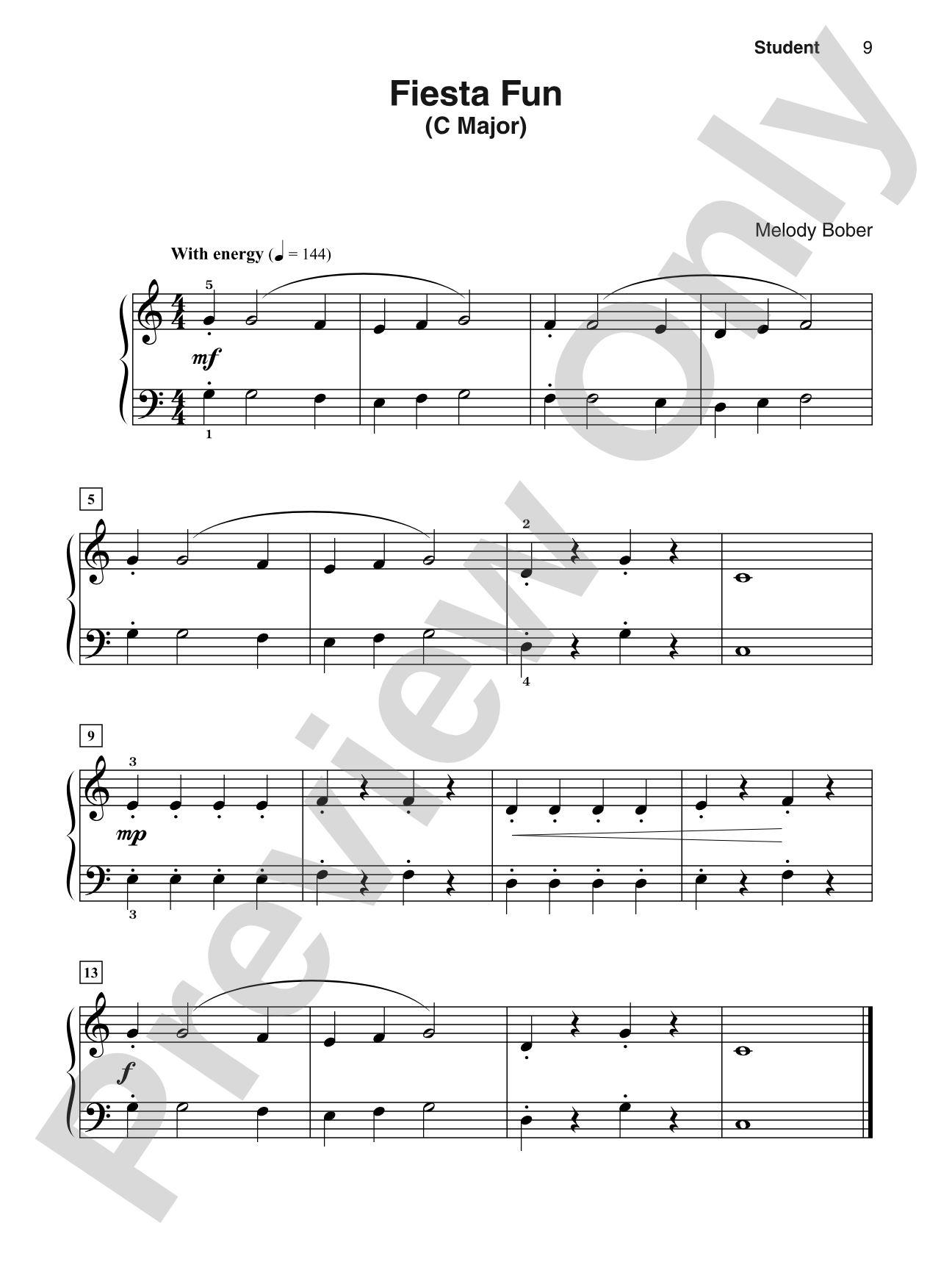
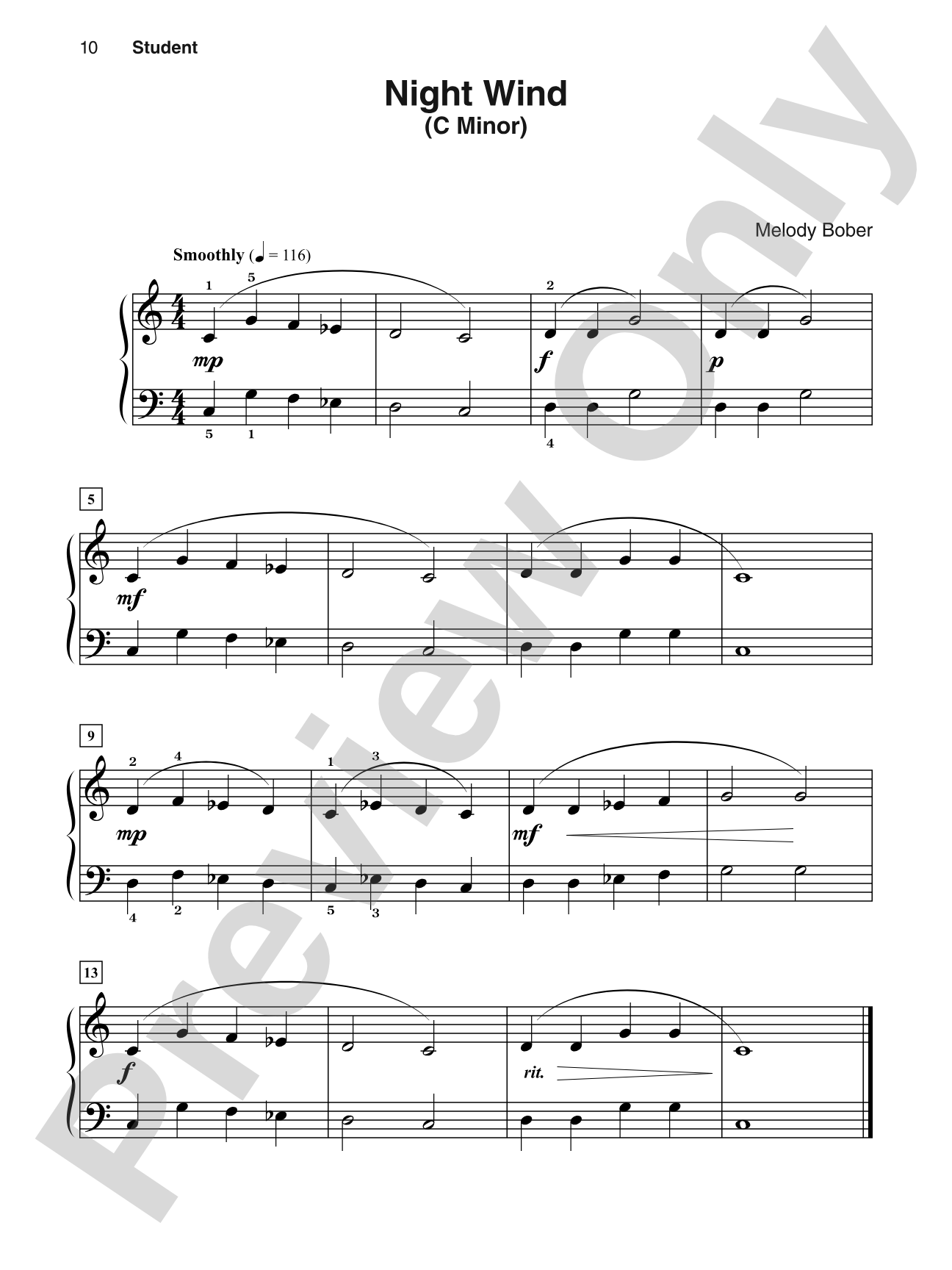
These first books in Alfred's Lesson Enhancement Series introduce students to all major and minor five finger patterns in all 12 keys. The pentascales are divided into similar groups to promote ease in learning. Book 1 includes the Group 1 Keys (C, G, F major and minor) and the Group 2 Keys (D, A, E major and minor). Book 2 includes the Group 3 Keys (D-flat, A-flat, E-flat major and minor) and the Group 4 Keys (B-flat, B, G-flat or F-sharp major and minor). In each book, technical exercises are provided in each key with an interesting teacher accompaniment. A short solo is included for each key, in addition to an optional teacher duet accompaniment. Two or three of these solos can be grouped together for variety in performance.


Pentascale Pro, Book 1: An Introduction to Major and Minor 5-Finger Patterns: Piano isn't in MakeMusic Cloud just yet...but it could be. Let us know you'd like to see it, and you'll help shape what comes next. In the meantime, start a free trial and dive into thousands of interactive titles your students can play along with today.
Request This Title
Tell us you want it.
Start Your Free Trial
Explore everything that's ready to play right now.
Sample Audio
No sample audio found.
Sample Video
No sample videos found.
Additional Details
Series:
Lesson Enhancement Series
Publisher:
Alfred Music
Page Count:
44
SKU:
00-PB-0001103
More about this title
About the Composer: Melody Bober

Melody Bober has built her reputation on writing piano music that genuinely motivates students while deepening their musical understanding. She holds a bachelor's degree in music education from the University of Illinois at Champaign-Urbana (summa cum laude) and a Master of Arts in piano performance from Minnesota State University, Moorhead, where she studied under pianist Joel Shapiro and Andrew Froelich.
Beyond composition, Bober brings two decades of public school teaching experience along with university-level instruction to her work. She maintains an active private piano studio in Minnesota, serves as a church pianist and accompanist, and is frequently invited to lead clinics and workshops for piano teachers throughout North America. Her teaching background directly informs the pedagogical clarity and motivational quality of her compositions.
Why we love this
Bober's organizational system for pentascales cuts through the abstract by grouping keys strategically, allowing students to see patterns rather than memorize isolated finger positions. Each key includes both technical work and a short solo that students can perform, turning what could be dry technique into genuine musical accomplishment.
What to expect
The solos have a bright, straightforward charm that feels encouraging rather than intimidating. Working through the pentascales creates a sense of mastery as patterns emerge and keys become familiar.
Who it's for
This book is designed for elementary piano students who have completed foundational note-reading and hand position work and are ready to systematize their understanding of major and minor patterns across keys. Teachers using this will find it especially useful alongside a primary method book to build technical fluency without slowing down progress in repertoire and music theory.
How to get the most out of it
- Play the technical exercises in each key at a steady tempo before moving to the solo, treating them as musical preparation rather than just mechanical drills.
- Use the teacher accompaniments during solos to give students the experience of playing within harmonic context; this builds security and ear training simultaneously.
- Group two or three solos from different keys together for a short recital set, which creates variety and demonstrates mastery across multiple tonal areas.
How to use it
Use individual solos from Book 1 as performance pieces in student recitals or informal studio gatherings, selecting pieces that showcase different keys to demonstrate breadth of student learning. The duet accompaniments make these especially effective for showcasing teacher-student collaboration at performance events.
Skills your students will build
- Major and minor 5-finger pattern recognition across C, G, F, D, A, and E
- Keyboard navigation and comfort in six different keys
- Reading treble clef within pentascale ranges
- Right-hand and left-hand independence when using teacher accompaniments
- Finger strength and evenness through systematic technical exercises