

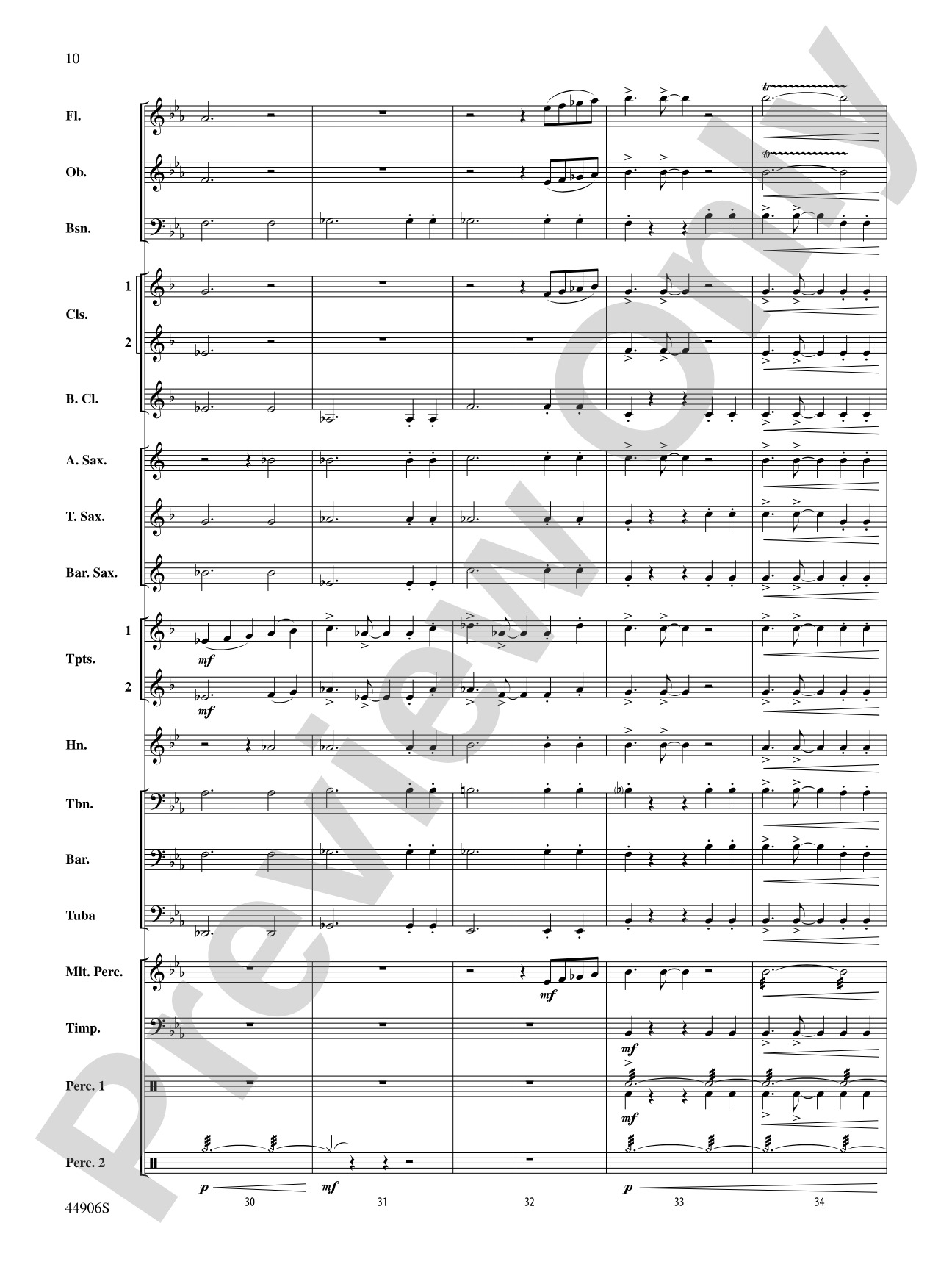
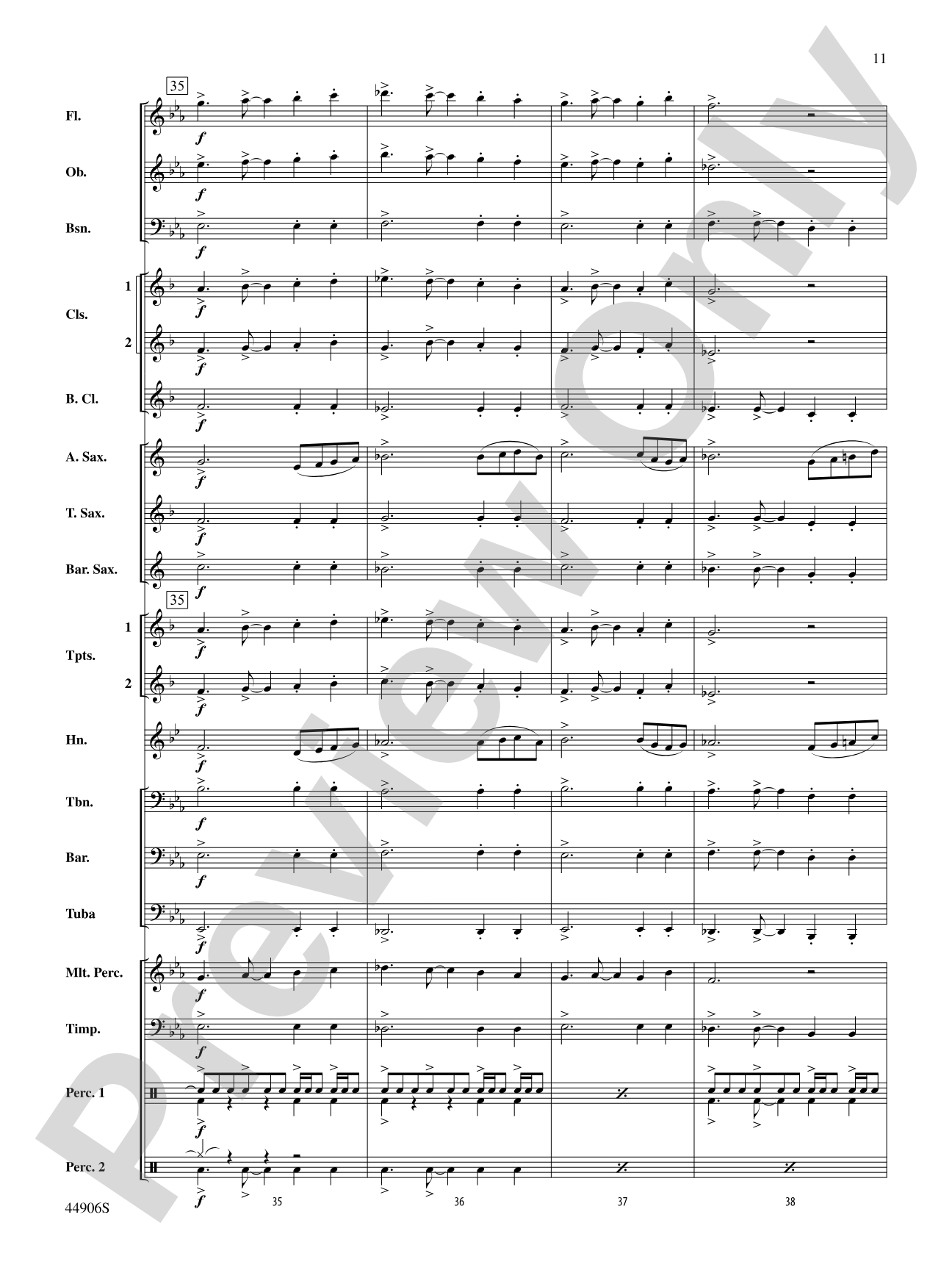
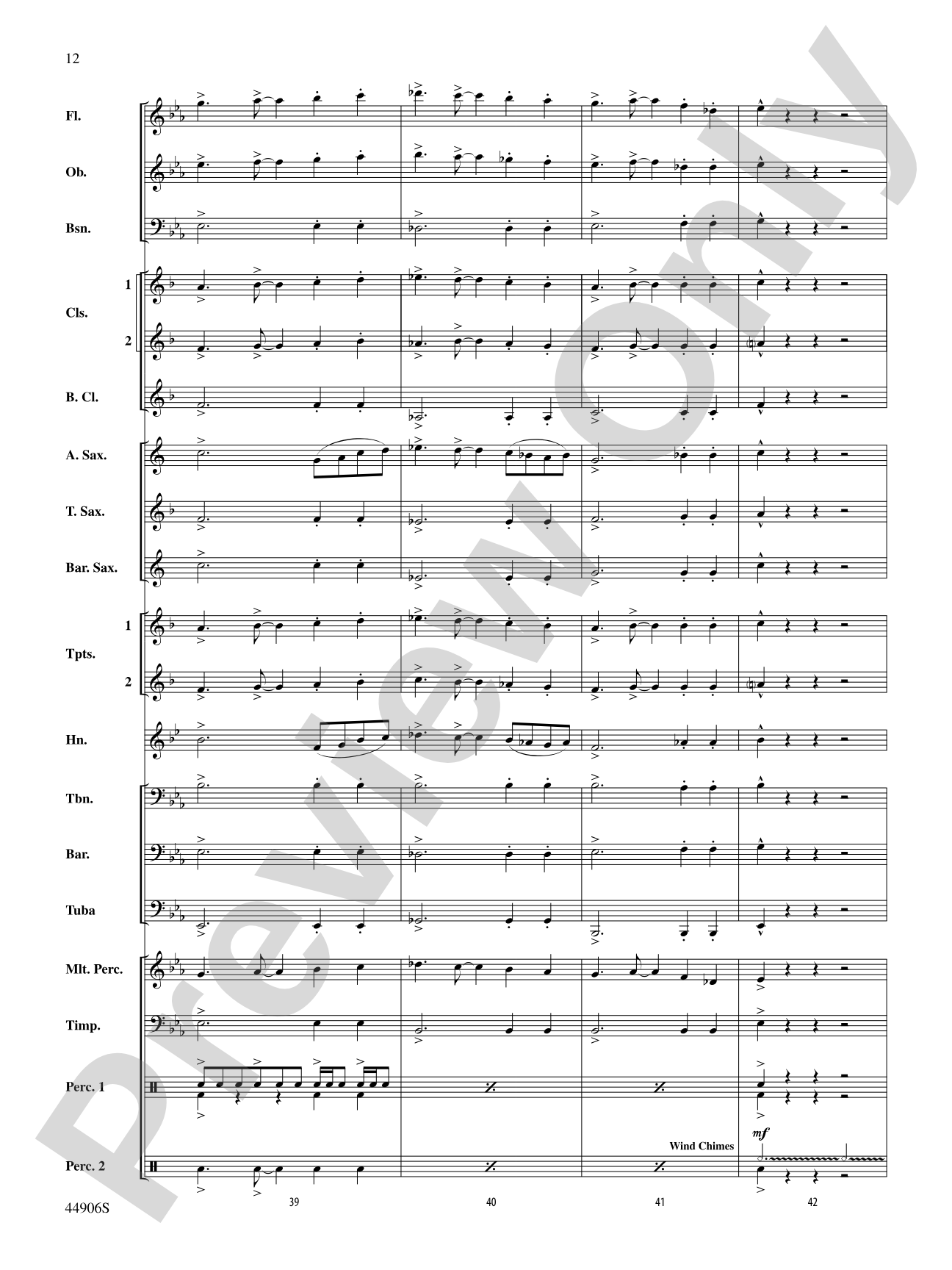
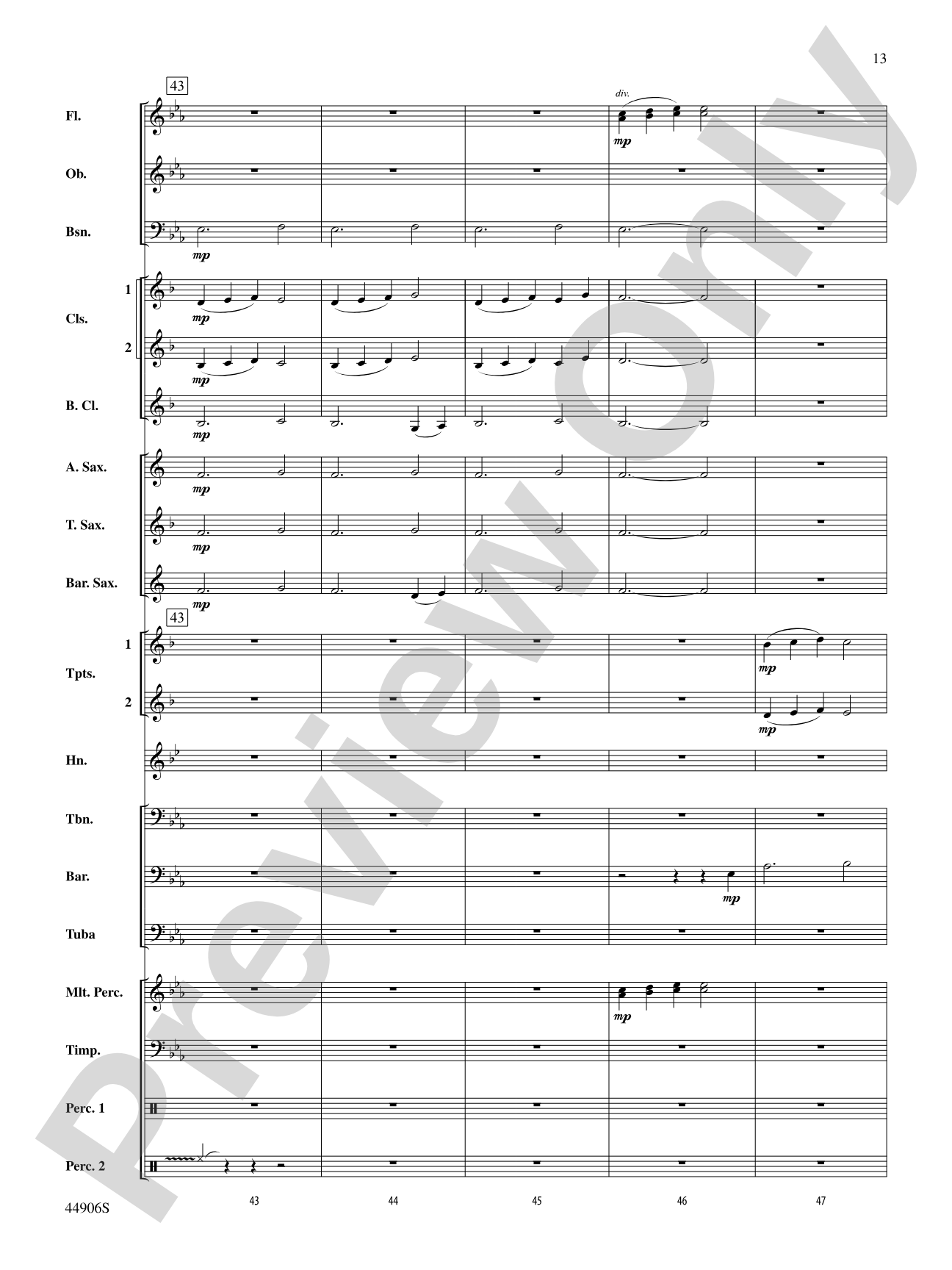

Pentagram: Concert Band Conductor Score & Parts
By Michael Story
Grade: 2 (Easy)
Item: 00-PK-0007152

$62.00
Pickup currently not available
Buy Extra Parts (Digital PDF Download)
| Product | Price | Quantity |
|---|---|---|
| Pentagram: Score | $10.00 | |
| Pentagram: Flute | $3.00 | |
| Pentagram: Oboe | $3.00 | |
| Pentagram: Bassoon | $3.00 | |
| Pentagram: 1st B-flat Clarinet | $3.00 | |
| Pentagram: 2nd B-flat Clarinet | $3.00 | |
| Pentagram: B-flat Bass Clarinet | $3.00 | |
| Pentagram: E-flat Alto Saxophone | $3.00 | |
| Pentagram: B-flat Tenor Saxophone | $3.00 | |
| Pentagram: E-flat Baritone Saxophone | $3.00 | |
| Pentagram: 1st B-flat Trumpet | $3.00 | |
| Pentagram: 2nd B-flat Trumpet | $3.00 | |
| Pentagram: 1st F Horn | $3.00 | |
| Pentagram: 1st Trombone | $3.00 | |
| Pentagram: Baritone T.C. | $3.00 | |
| Pentagram: Baritone B.C. | $3.00 | |
| Pentagram: Tuba | $3.00 | |
| Pentagram: Mallets | $3.00 | |
| Pentagram: 1st Percussion | $3.00 | |
| Pentagram: 2nd Percussion | $3.00 | |
| Pentagram: Timpani | $3.00 |
Parts Added to Cart!
Related Items
Pentagram: Concert Band Conductor Score |
$10.00
|
View |
Description
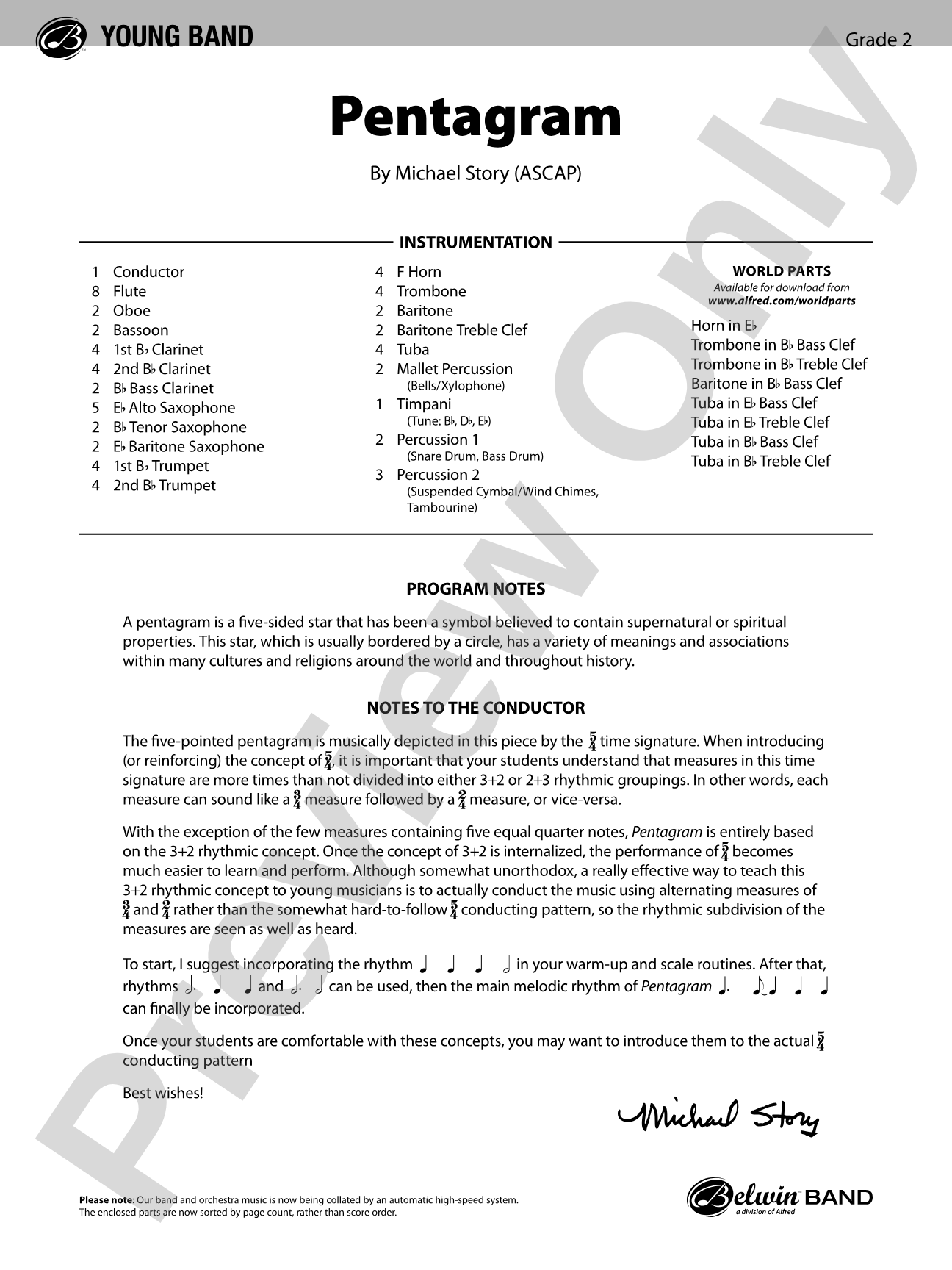
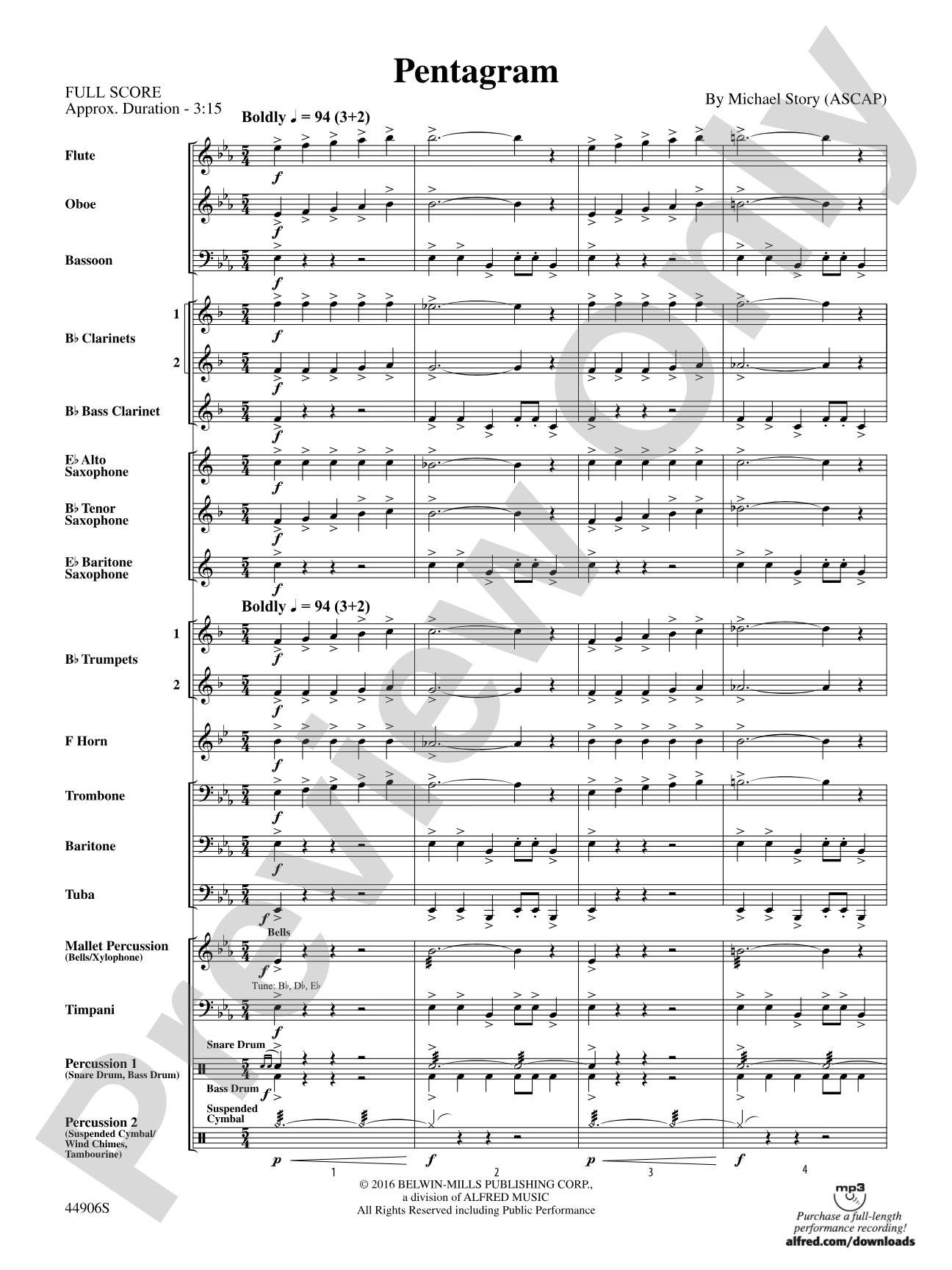
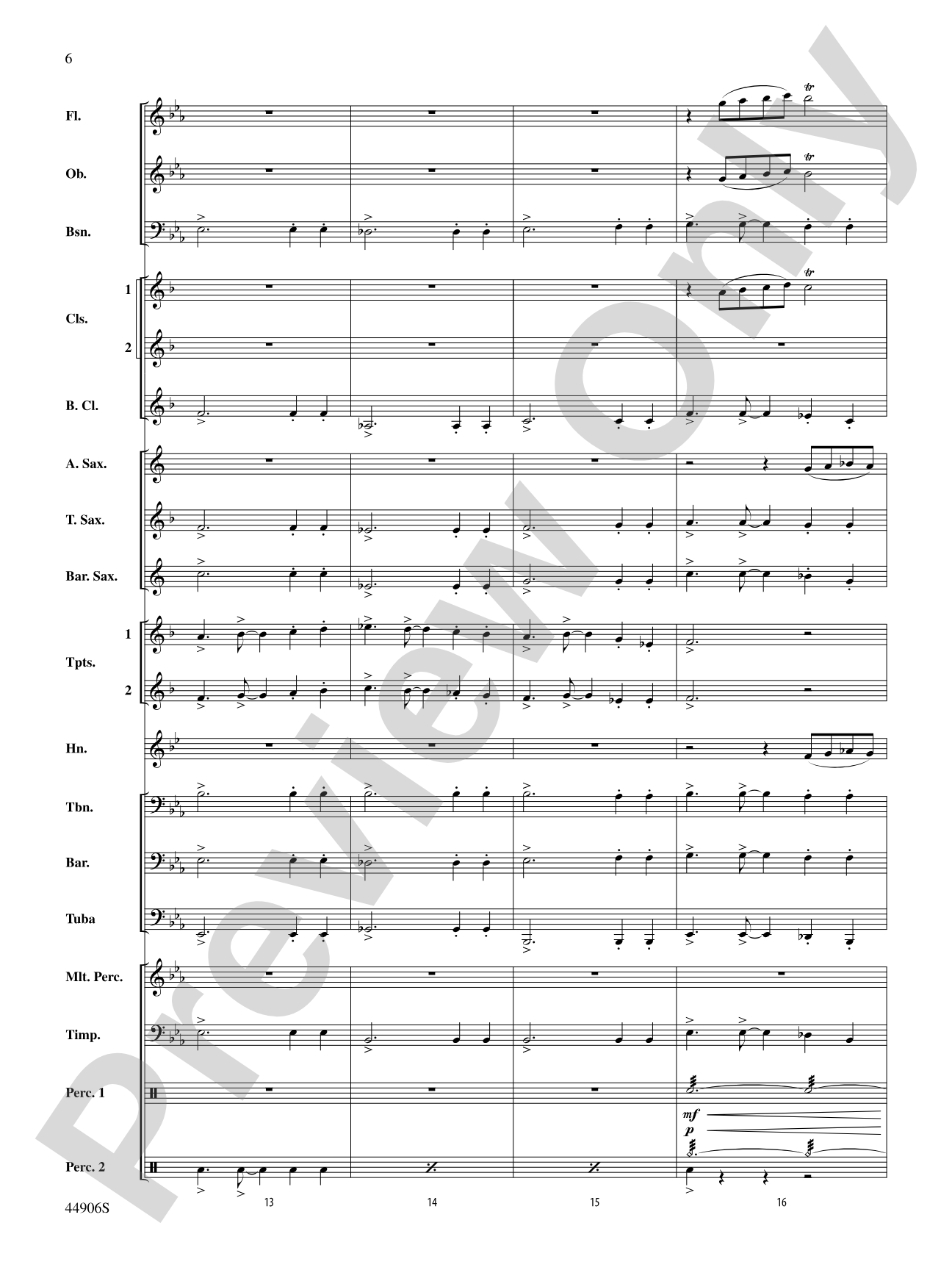
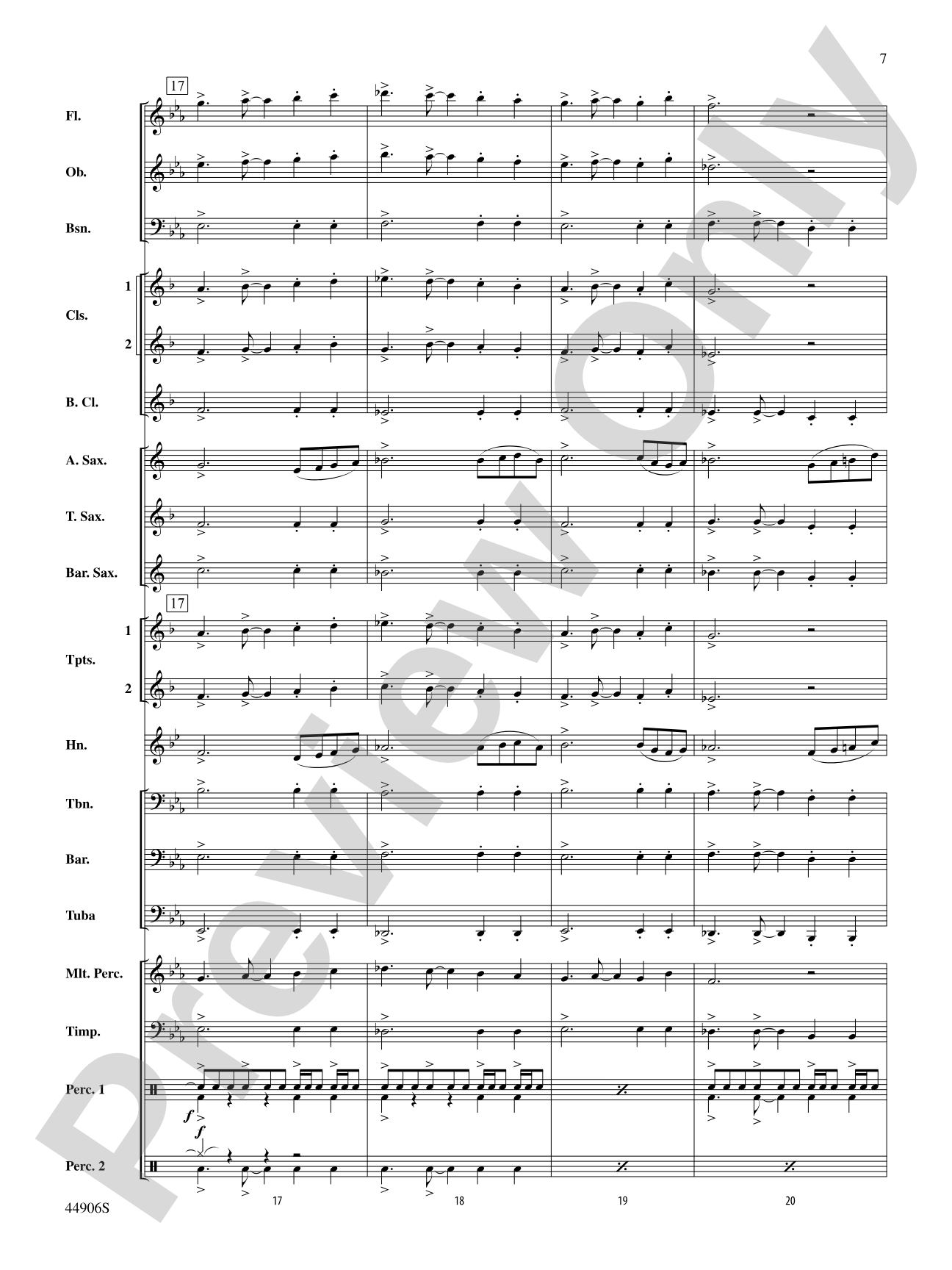
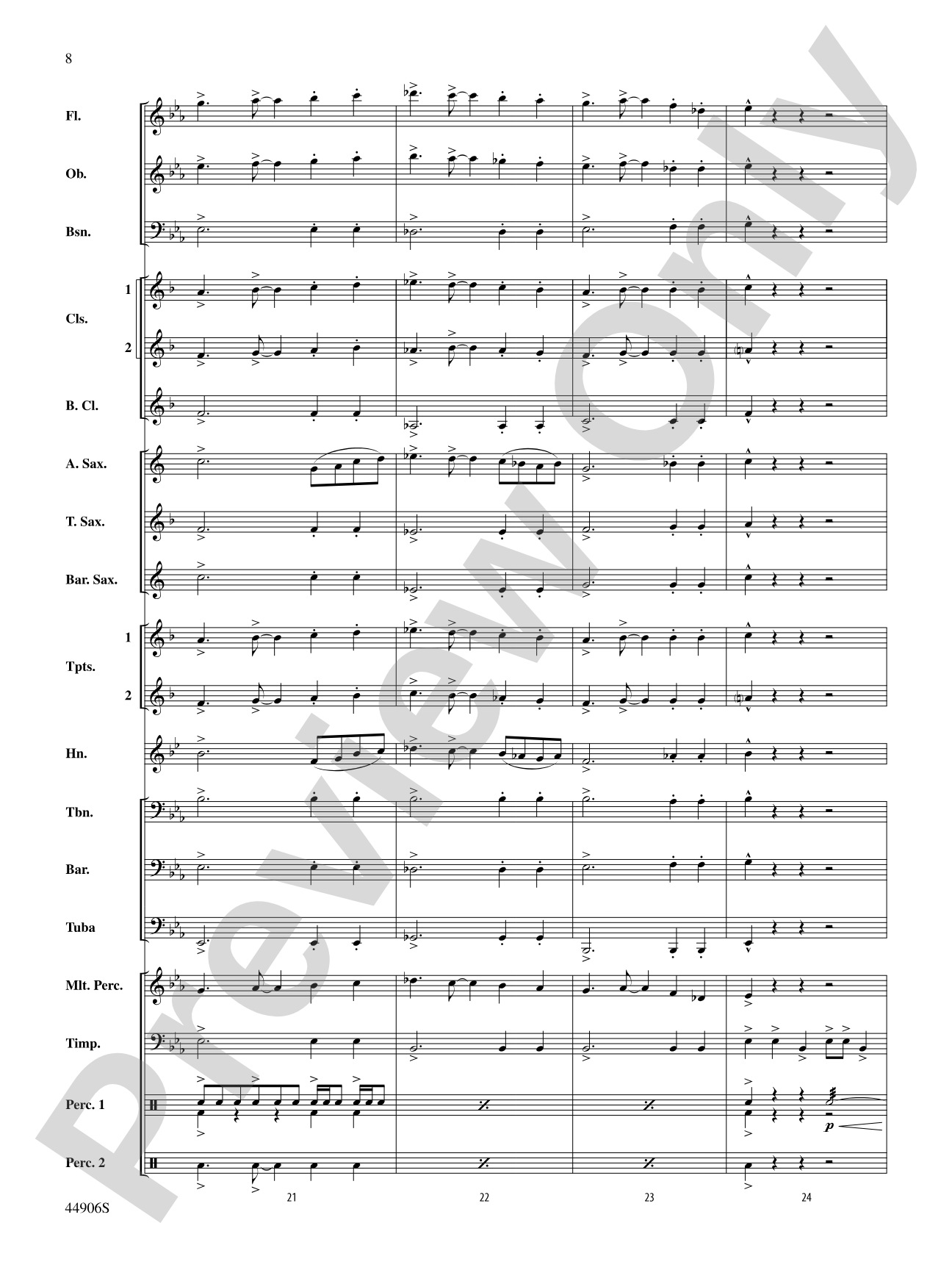
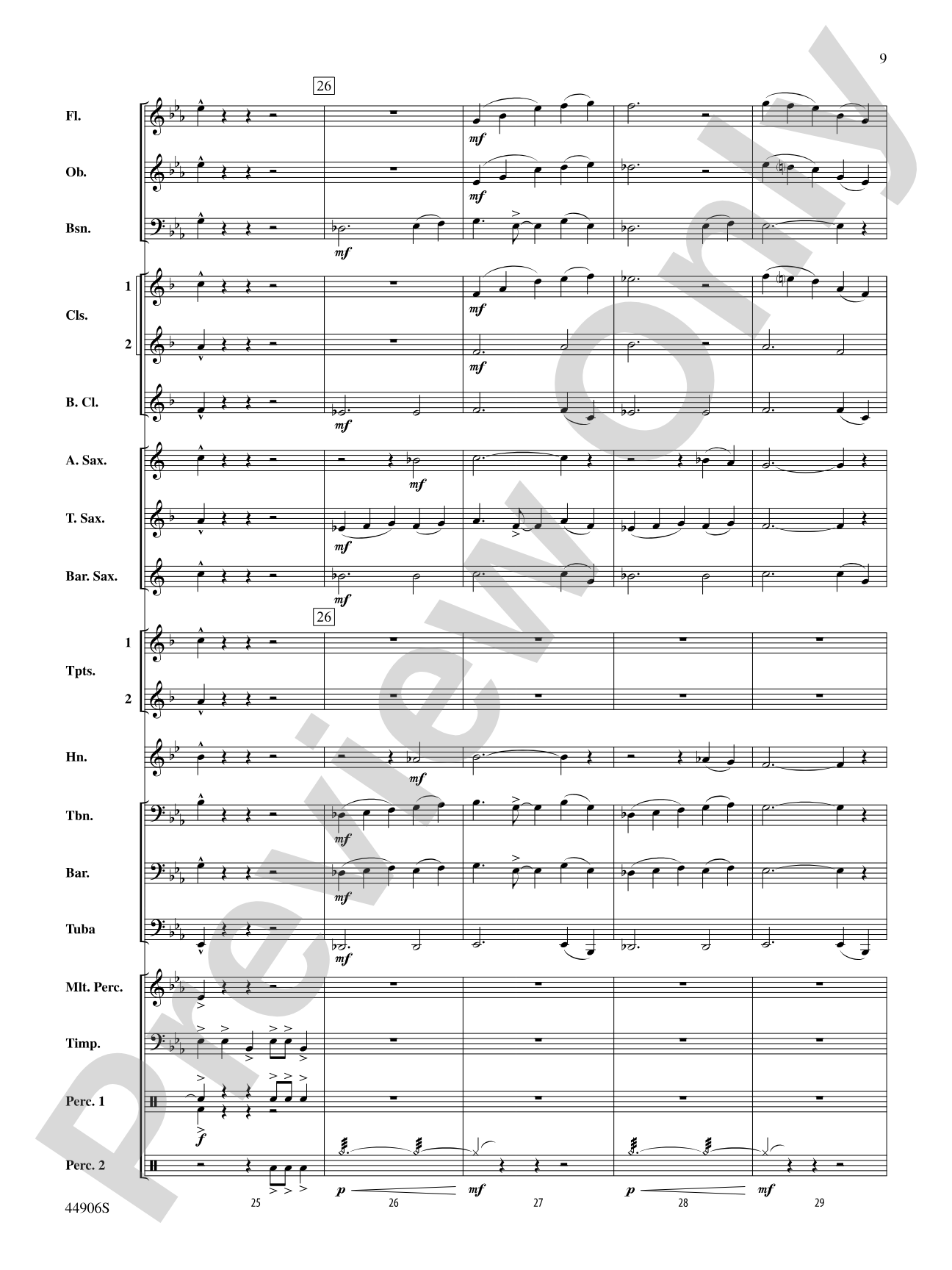
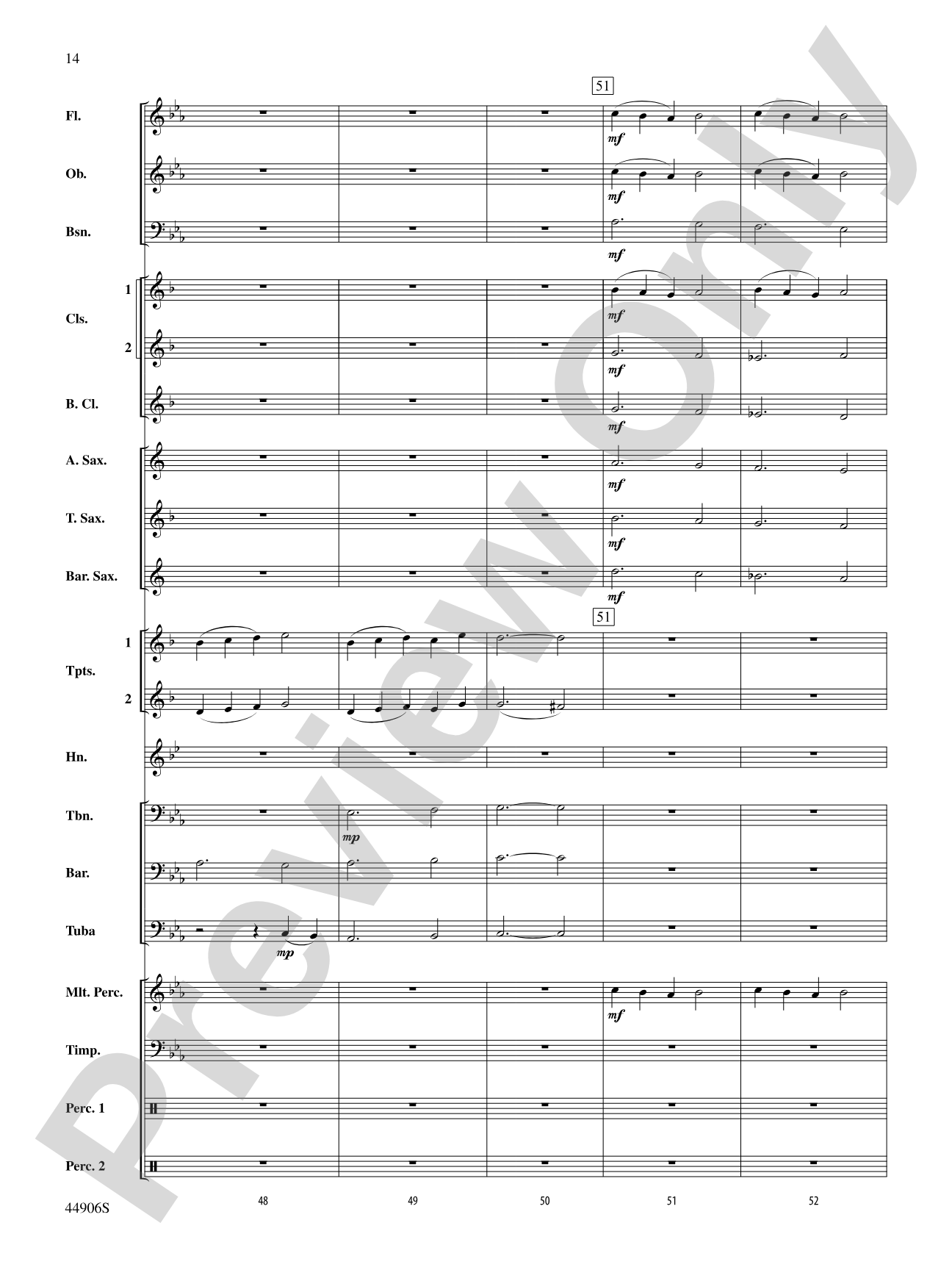
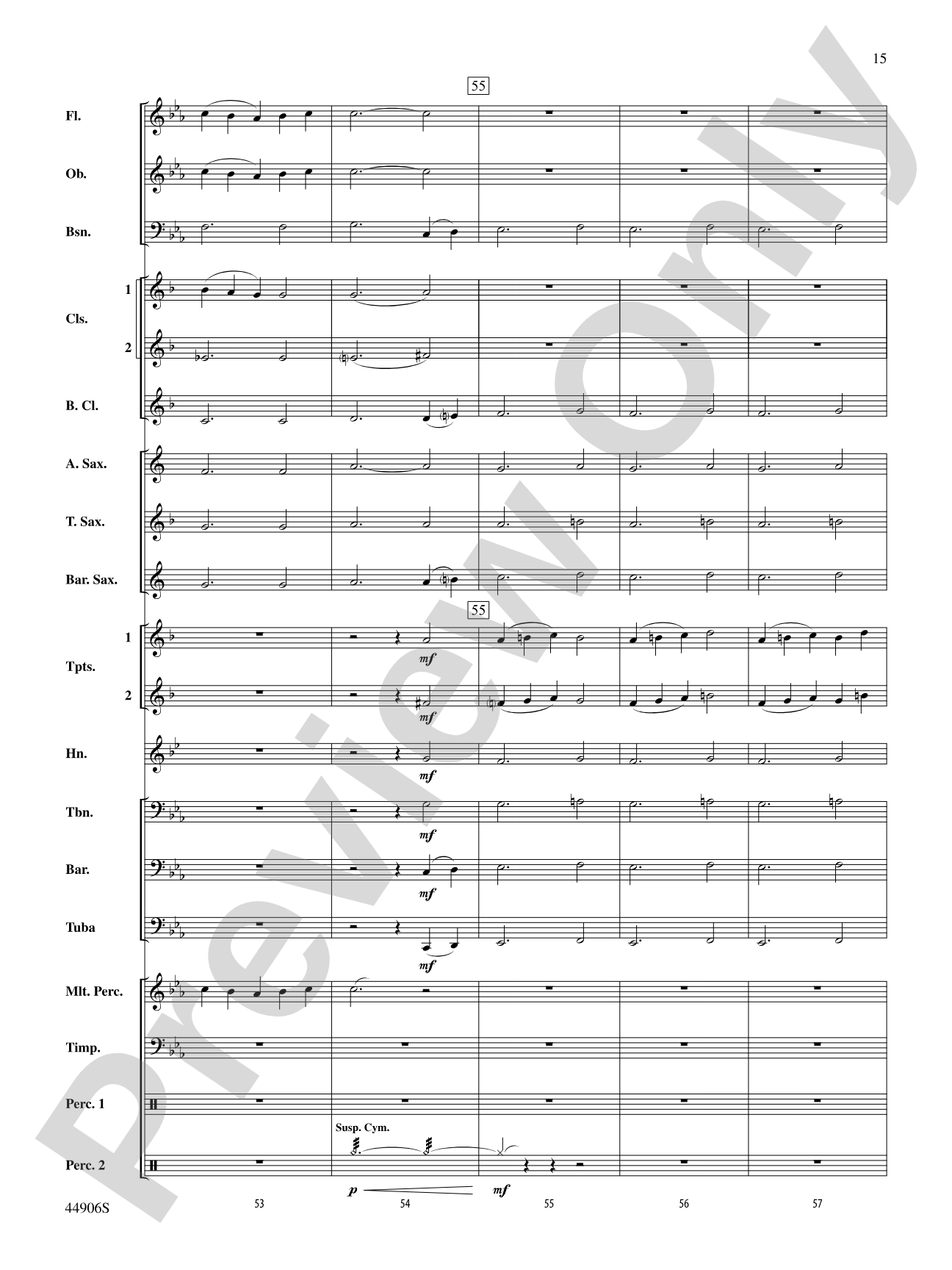
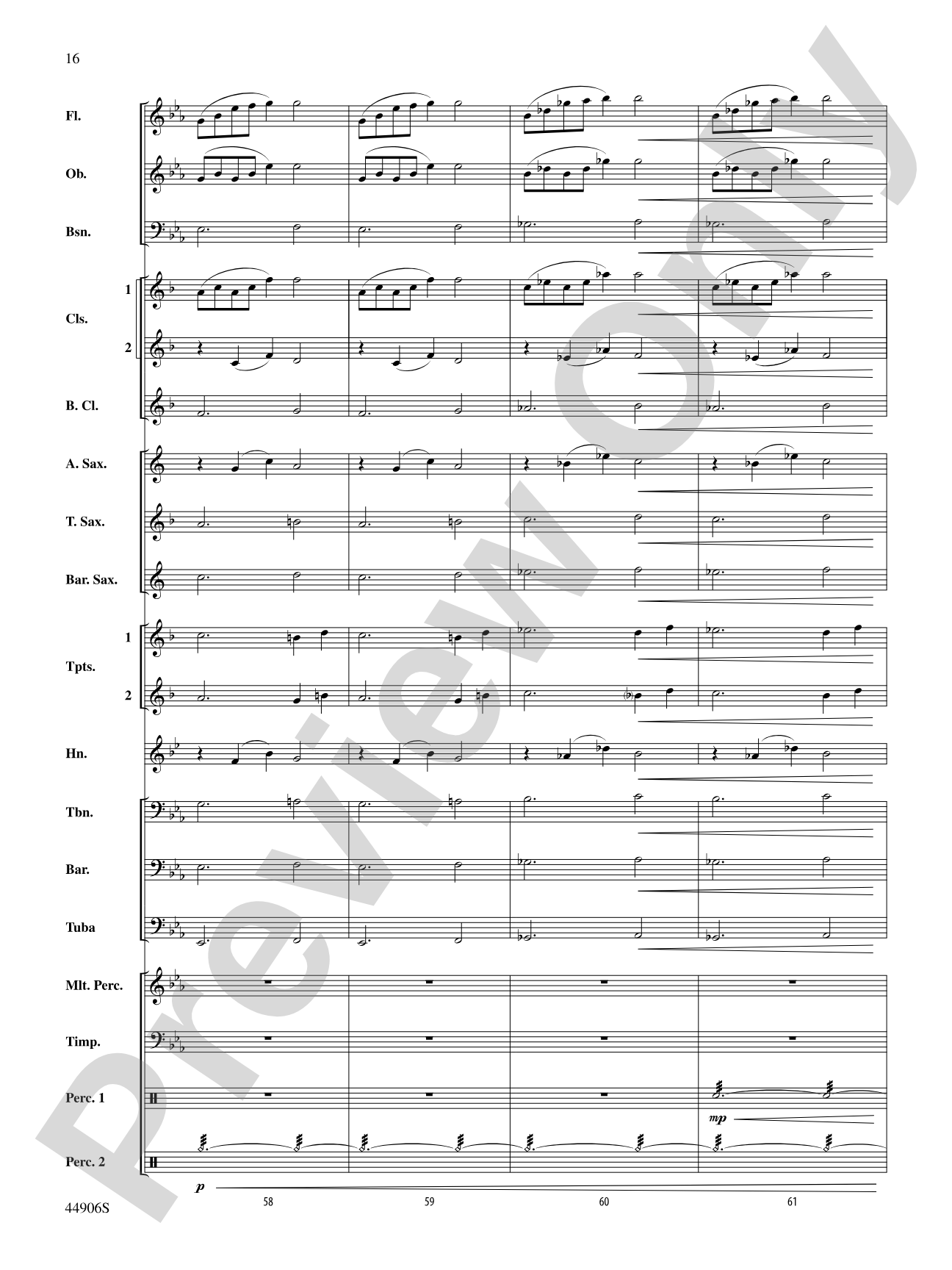
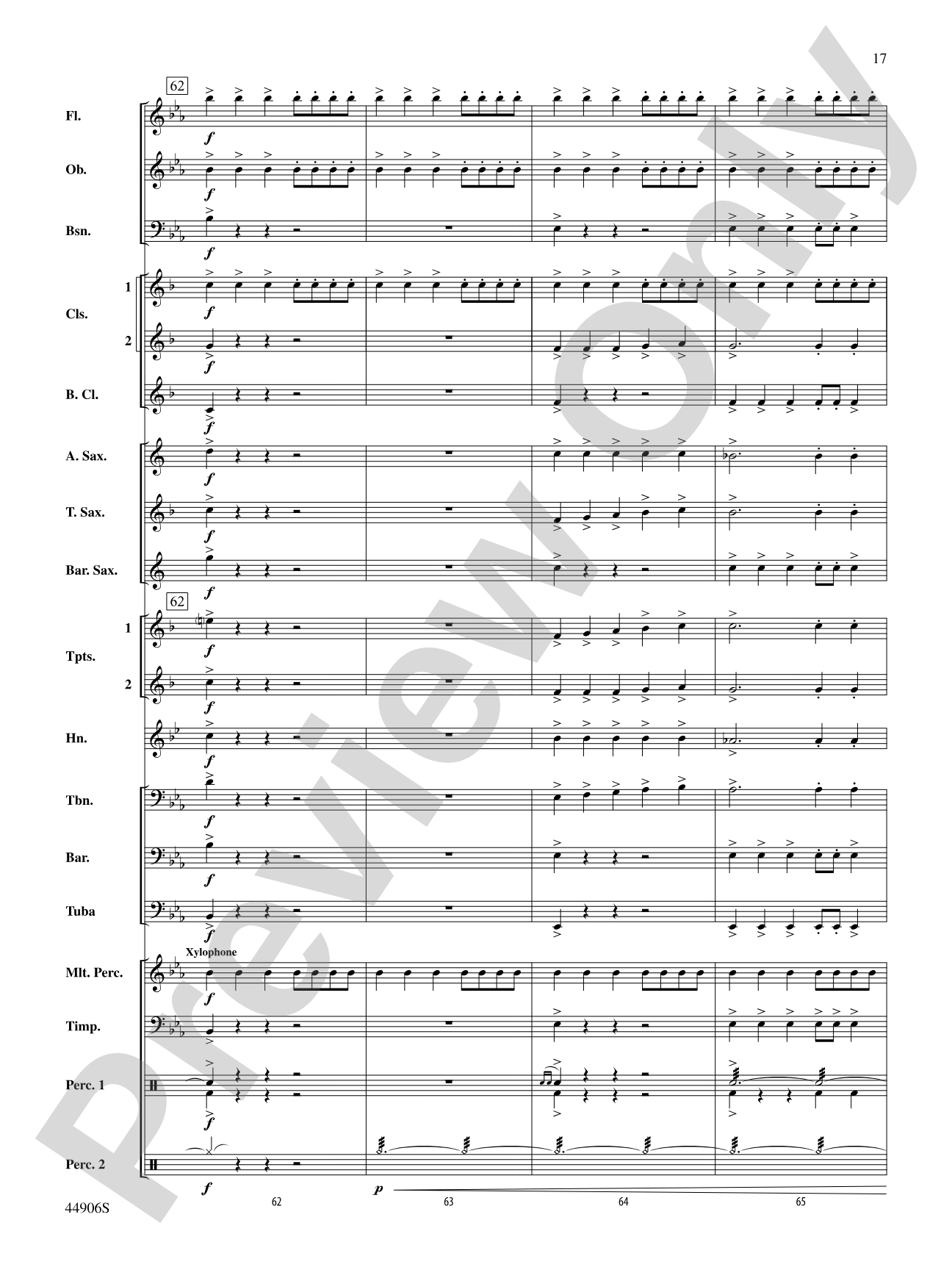
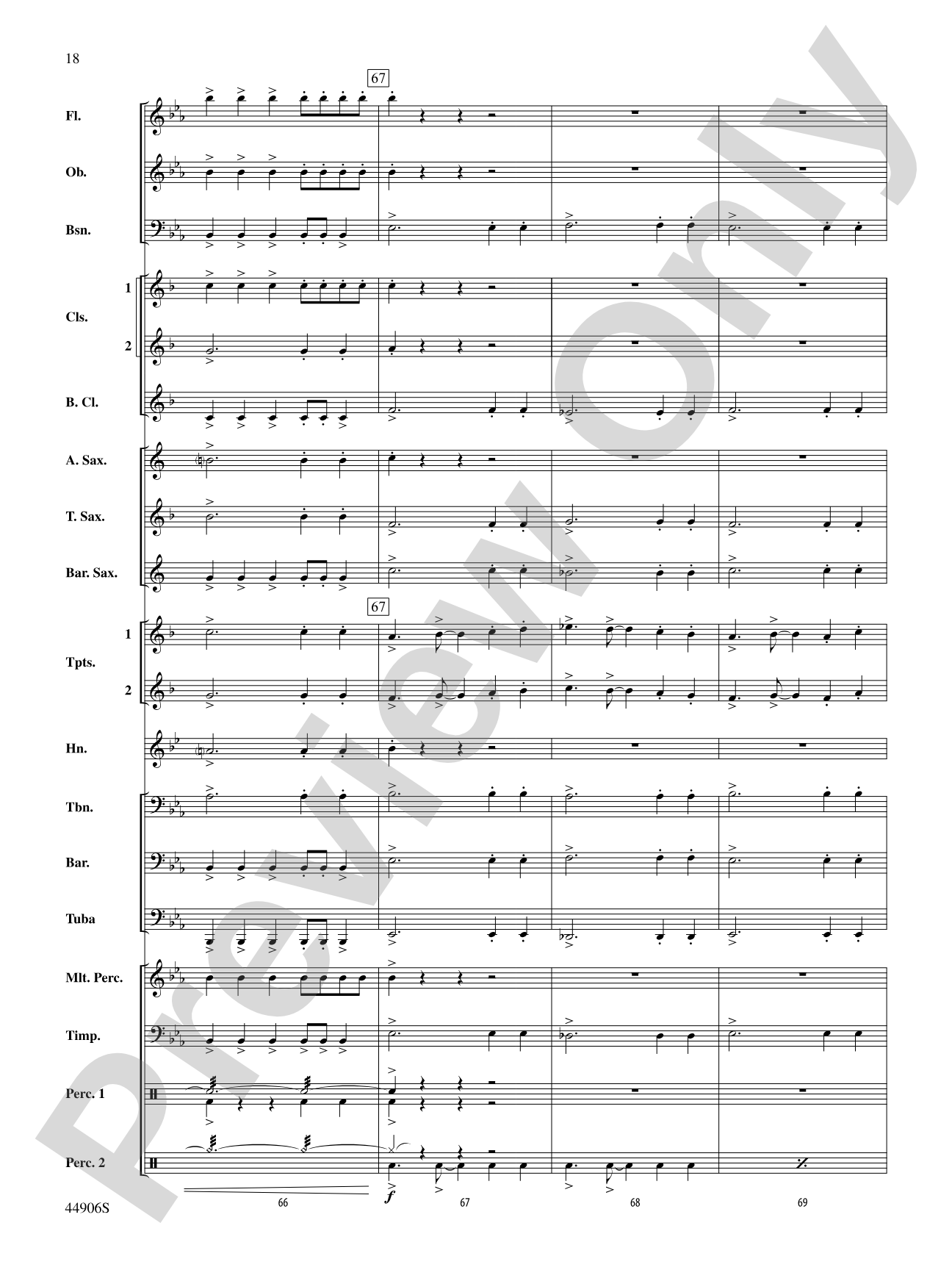
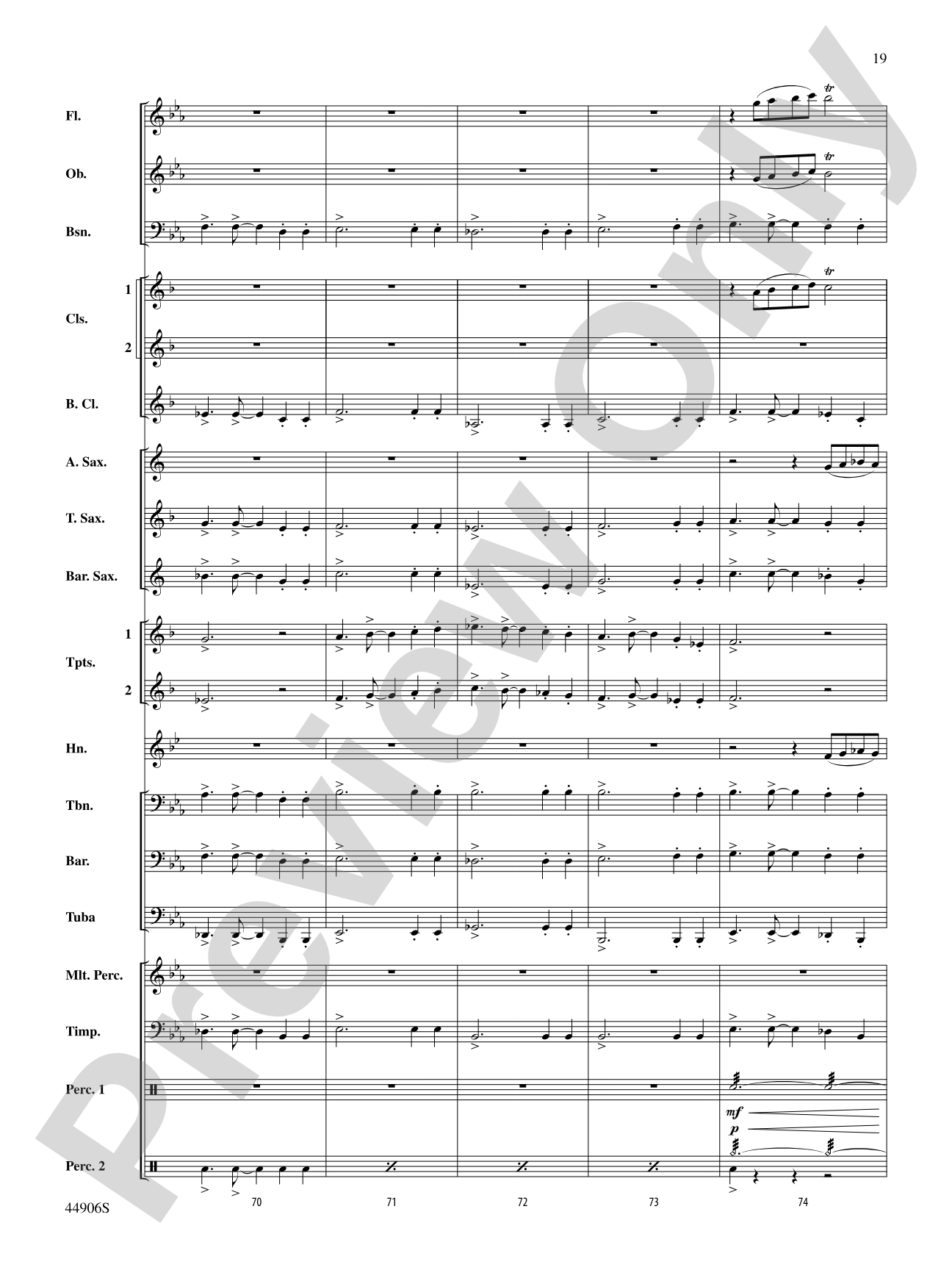
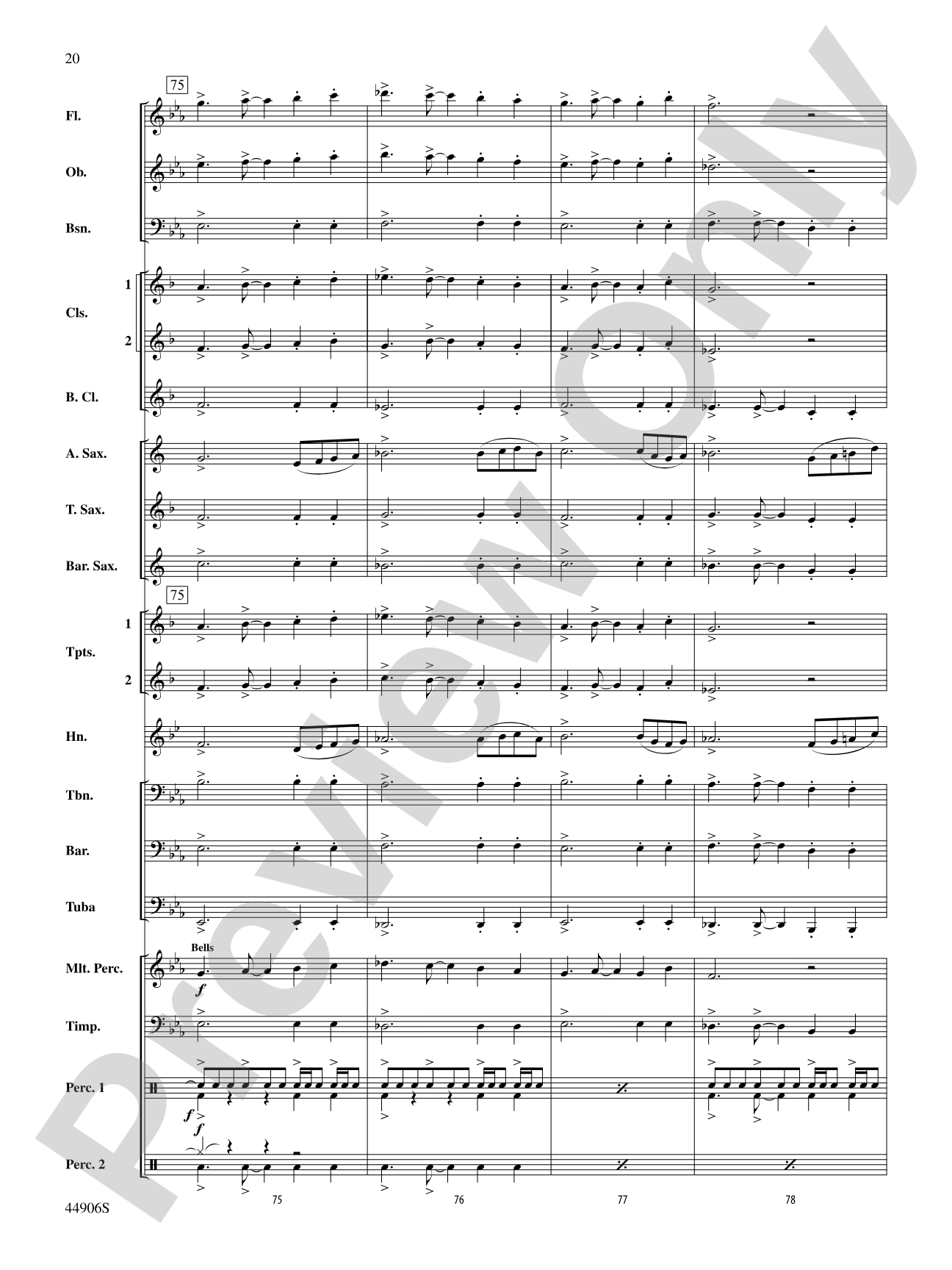
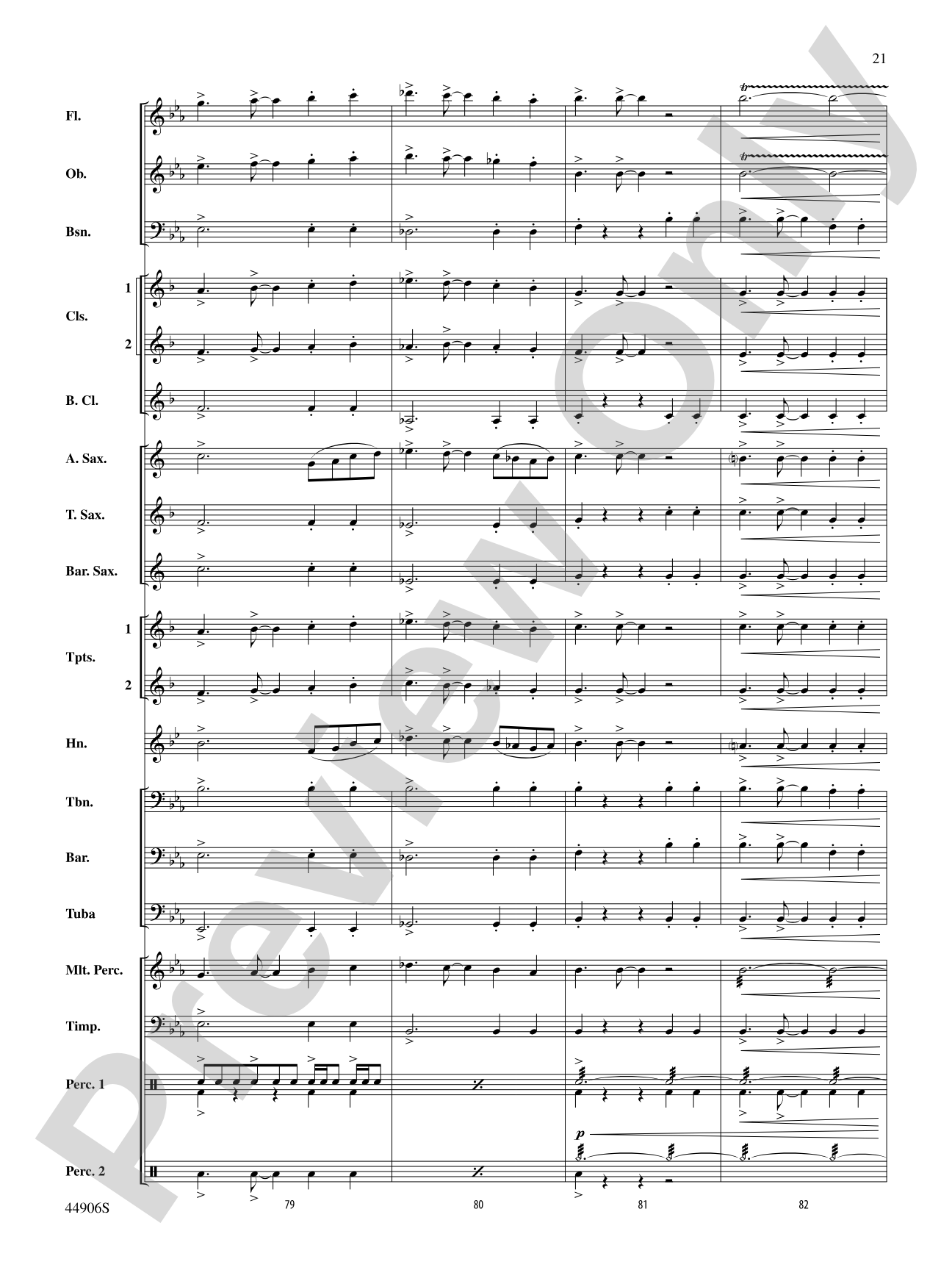
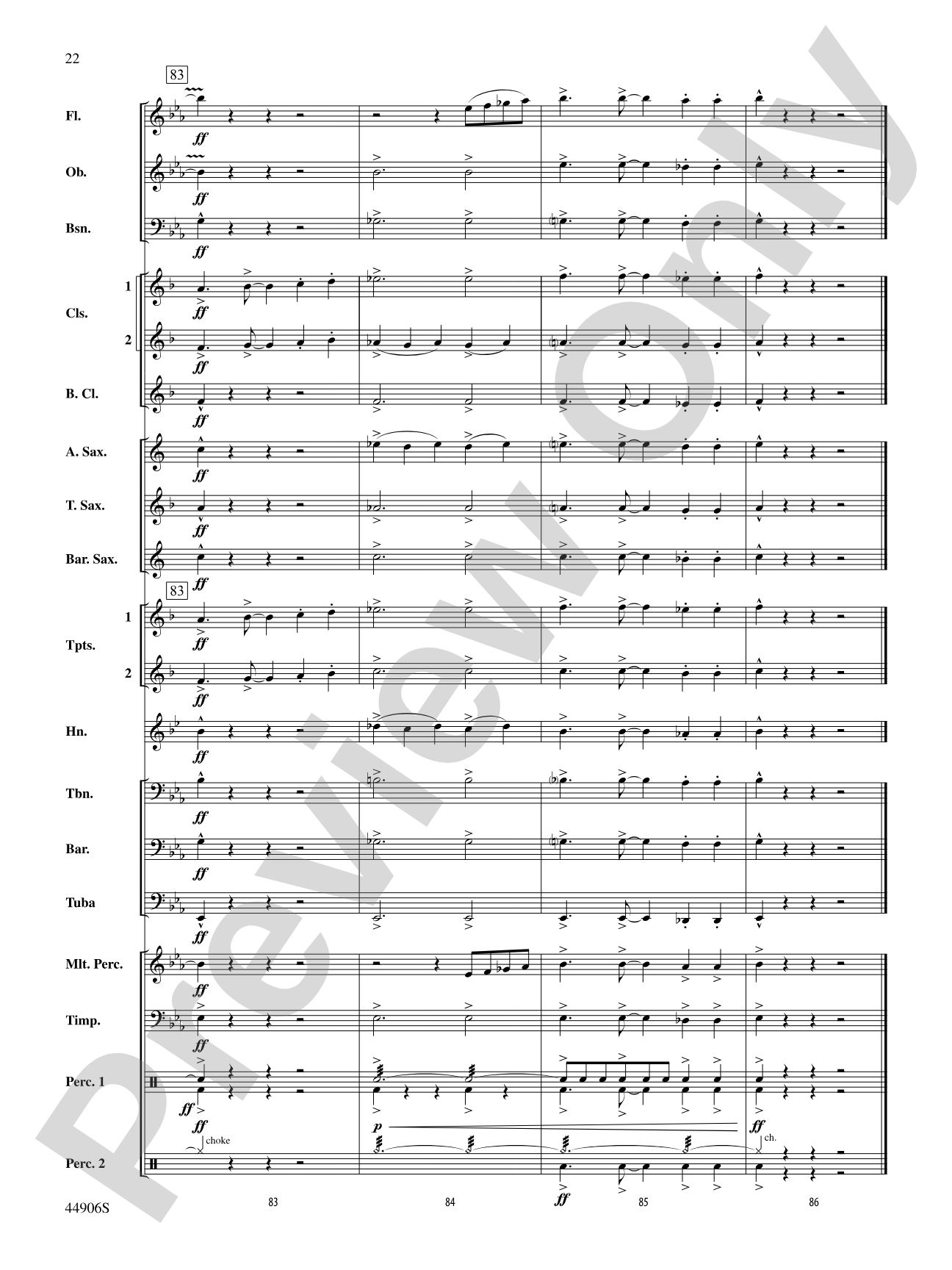
A pentagram is a five-sided star that has been a symbol believed to contain supernatural or spiritual properties. There's nothing supernatural about this tremendous introduction or reinforcement of 5/4 time for your developing band. Cast in a bold overture style, your students are able to easily grasp the time signature. Featuring a variety of styles and textures, this dynamic composition builds to a bold punctuated conclusion. (3:15)


Don't just read it, hear it, play along with it, and watch your students grow with it. In MakeMusic Cloud, Pentagram: Concert Band Conductor Score & Parts comes alive with professional accompaniment, adjustable tempo, and built-in practice tools that turn solo practice into real progress.
Open in the Player
Jump straight in and assign it today.
Start Your Free Trial
Open this title and explore the full library in minutes.
Sample Audio
1
Audio File
--:--
0:00
0:00
Sample Video
Additional Details
Series:
Belwin Young Band
Publisher:
Alfred Music
Page Count:
252
SKU:
00-PK-0007152
More about this title
About the Composer: Michael Story
Michael Story is a prolific composer and arranger whose work spans concert band, wind ensemble, orchestra, and choral settings. His compositions for developing ensembles are known for their clear harmonic language, engaging orchestration, and pedagogical insight—he writes music that teaches while it entertains.
Why we love this
Pentagram solves the real challenge of teaching an unfamiliar meter: it doesn't feel like a lesson. The bold overture style gives 5/4 time dignity and momentum, so students experience it as a natural musical framework rather than an obstacle. The variety of textures keeps the band engaged while reinforcing the meter across the full 3:15 duration.
What to expect
Pentagram unfolds with ceremonial confidence. The five-pointed star imagery carries through into music that feels intentional and propulsive, never fumbling or apologetic about its time signature. The textures shift—sometimes grand and unified, sometimes layered and intricate—but the underlying pulse remains clear and driving, building toward a decisive moment of emphasis.
Who it's for
This piece is built for Grade 2 bands ready to expand their metrical vocabulary. It works equally well for ensembles taking on 5/4 for the first time and for those reinforcing their grasp of the meter with something more sophisticated than a etude.
How to get the most out of it
- Establish a rock-solid internal pulse for the conductor. 5/4 must feel inevitable rather than awkward; your confidence will translate directly to the band's comfort with the meter.
- Let the variety of textures breathe. The piece shifts between different instrumental combinations and styles, so use those transitions to reset articulation and balance rather than charging forward at the same intensity.
- Shape the dynamic arc carefully toward the bold punctuated conclusion. The build isn't just about getting louder; it's about gradually adding layers and weight so the final punctuation lands with real impact.
How to use it
Open a concert with this piece to establish your band's technical growth and musicianship in a single statement. It pairs well with more traditional meter pieces (4/4 or 3/4 repertoire) on the same program, creating a natural arc that demonstrates the ensemble's rhythmic range. The 3:15 length and overture style also make it an effective opener for festival performances or preconcert demonstrations.
Skills your students will build
- Reading and internalizing 5/4 meter
- Conducting patterns in five (for conductors)
- Ensemble balance across varied orchestrations
- Dynamic shaping and phrase architecture
- Articulation clarity across different textures and style shifts