


Penguin and Polar Bear March: String Orchestra Conductor Score & Parts
By Sara Bongo and Robert Moore
Grade: 1.5
Item: 00-PK-0005276

$49.00
Pickup currently not available
Buy Extra Parts (Digital PDF Download)
| Product | Price | Quantity |
|---|---|---|
| Penguin and Polar Bear March: Score | $7.00 | |
| Penguin and Polar Bear March: 1st Violin | $5.99 | |
| Penguin and Polar Bear March: 2nd Violin | $5.99 | |
| Penguin and Polar Bear March: Viola | $5.99 | |
| Penguin and Polar Bear March: Cello | $5.99 | |
| Penguin and Polar Bear March: String Bass | $5.99 |
Parts Added to Cart!
Description
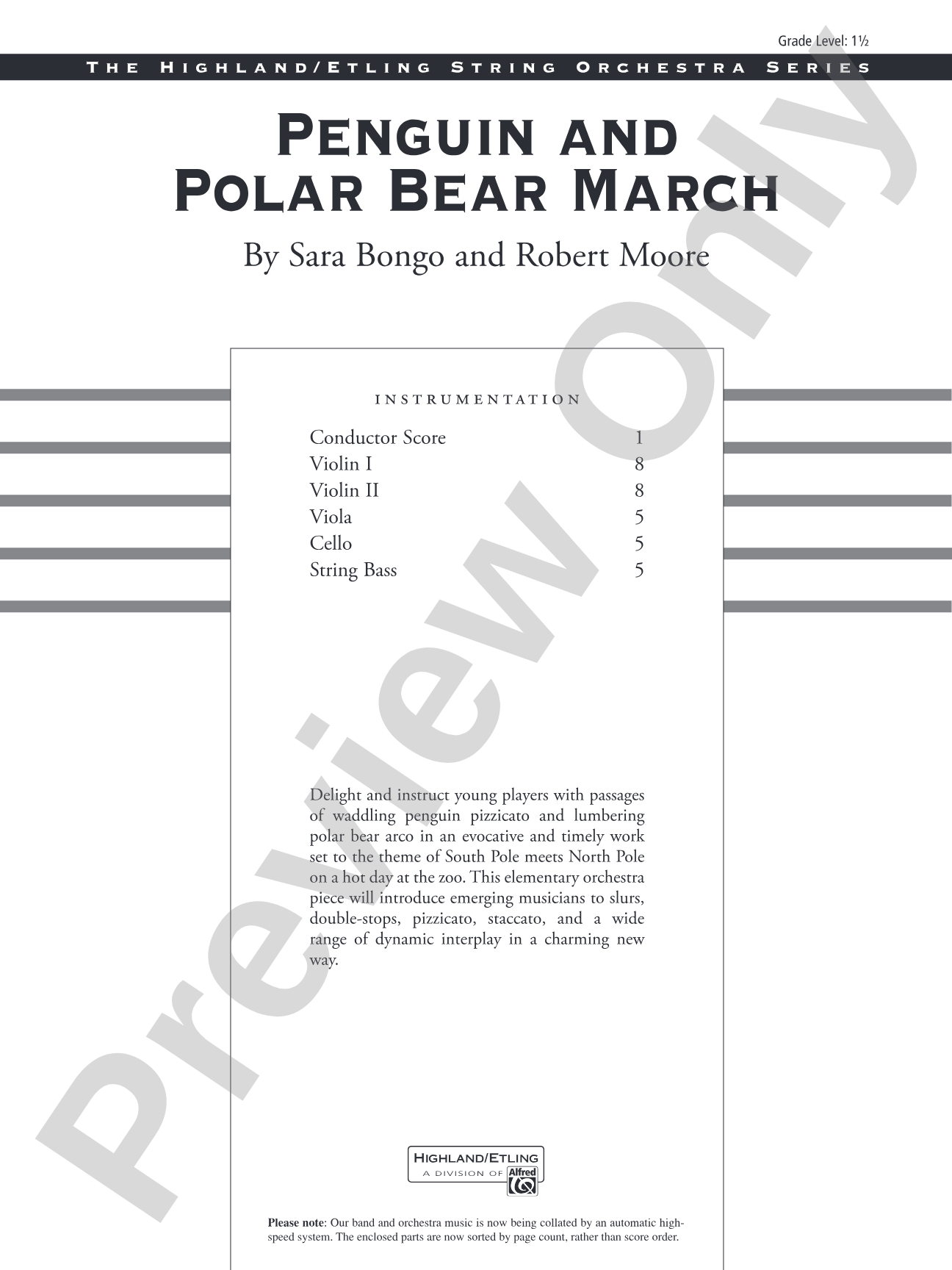
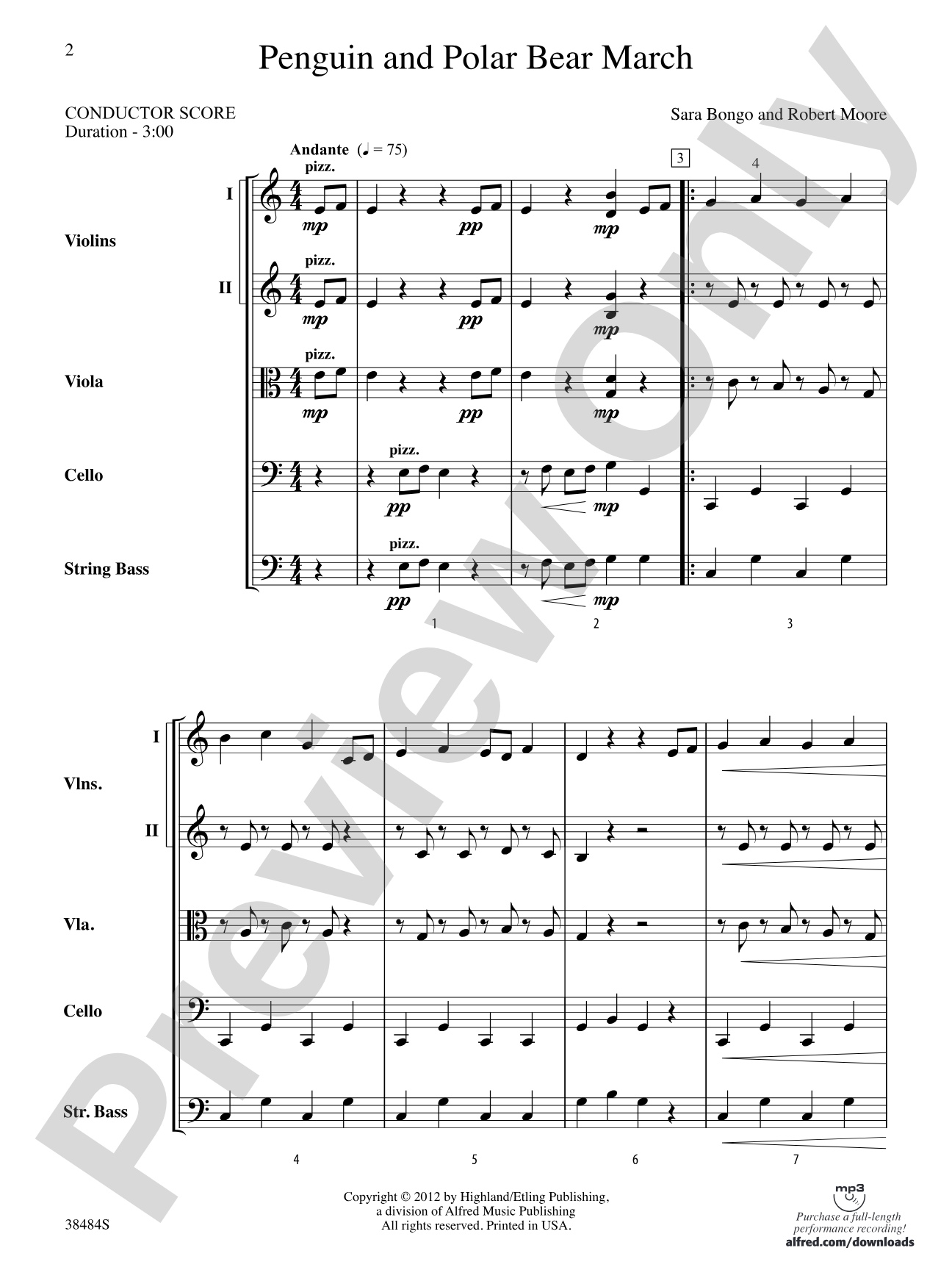
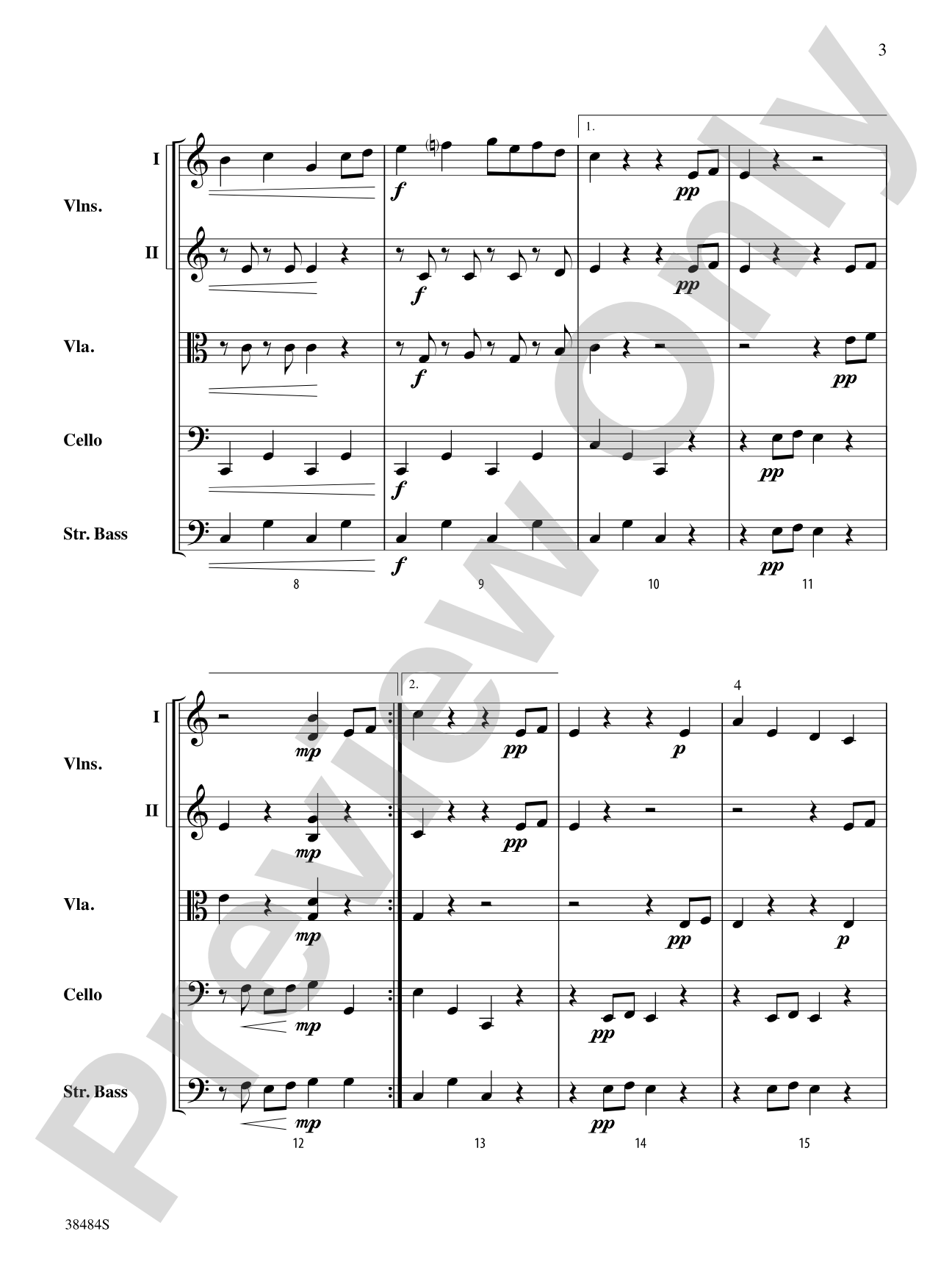
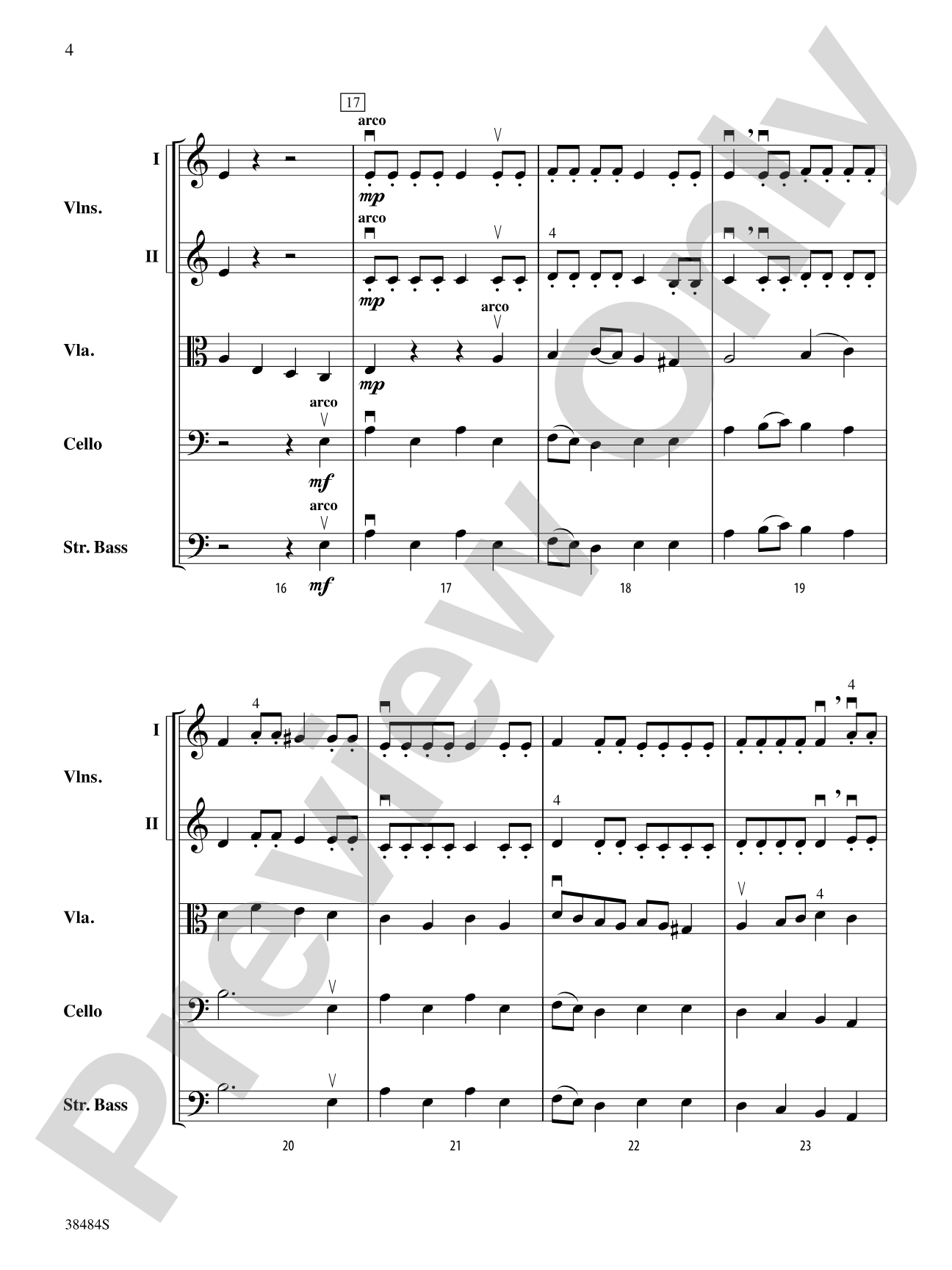
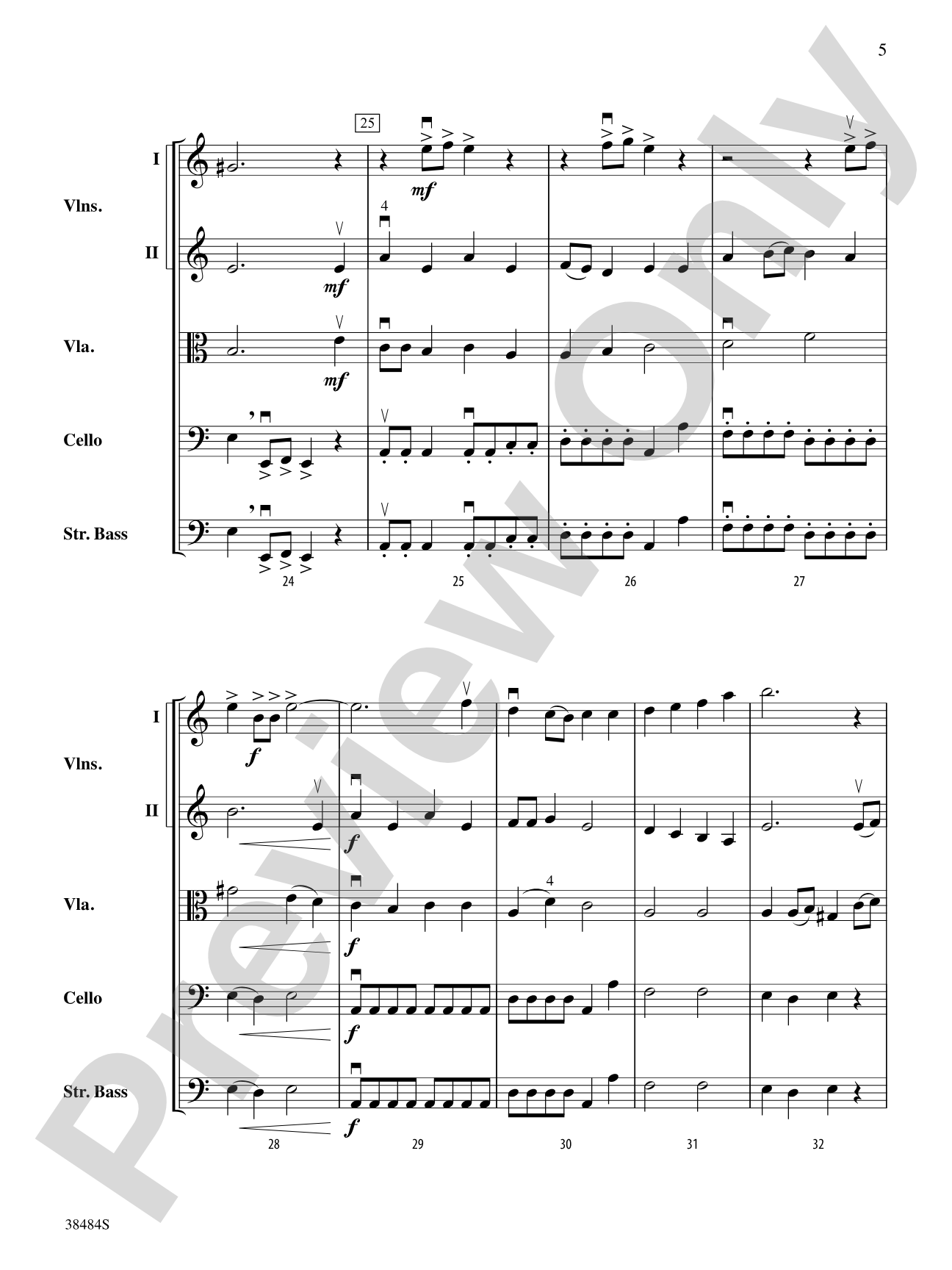
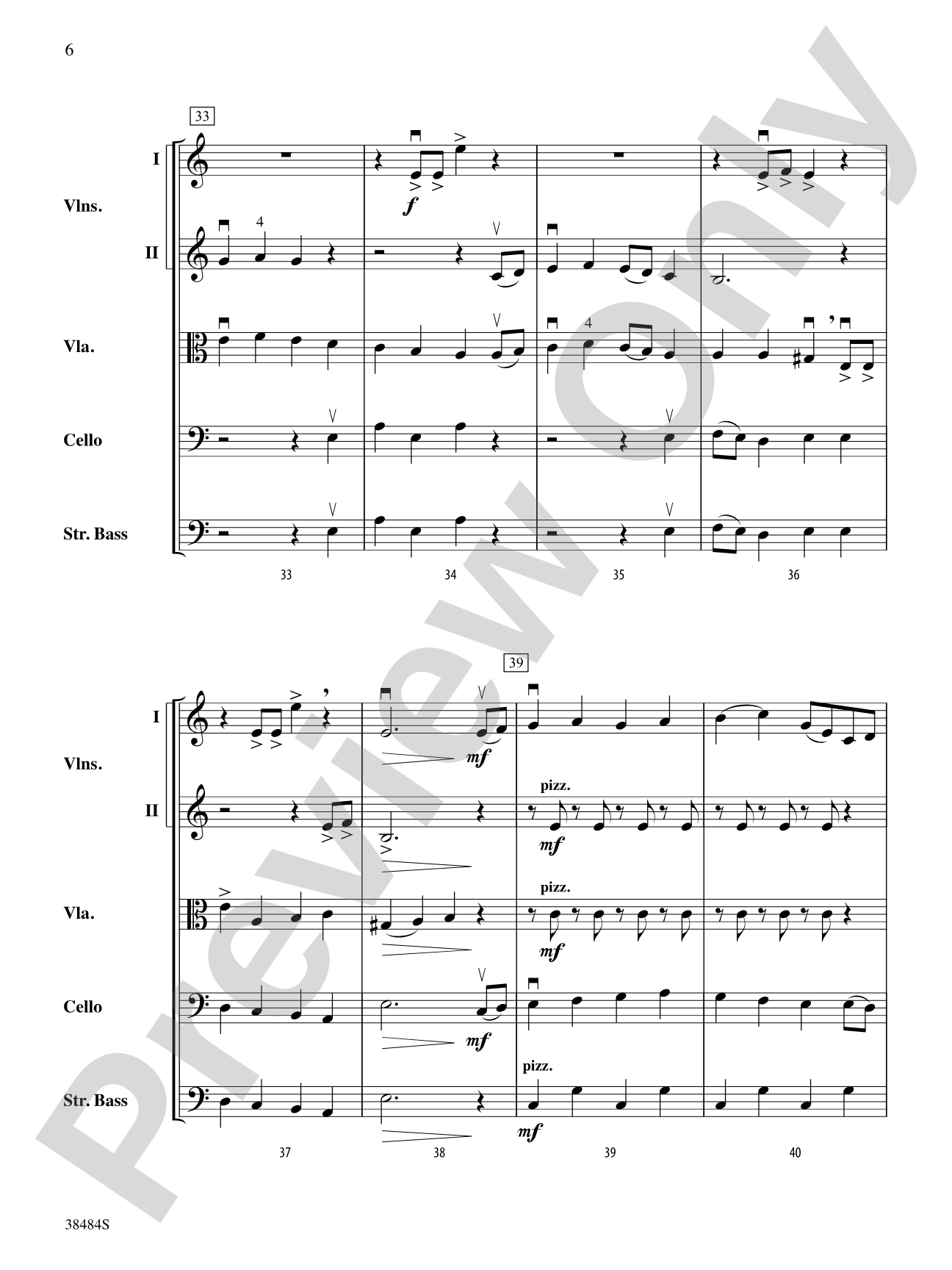
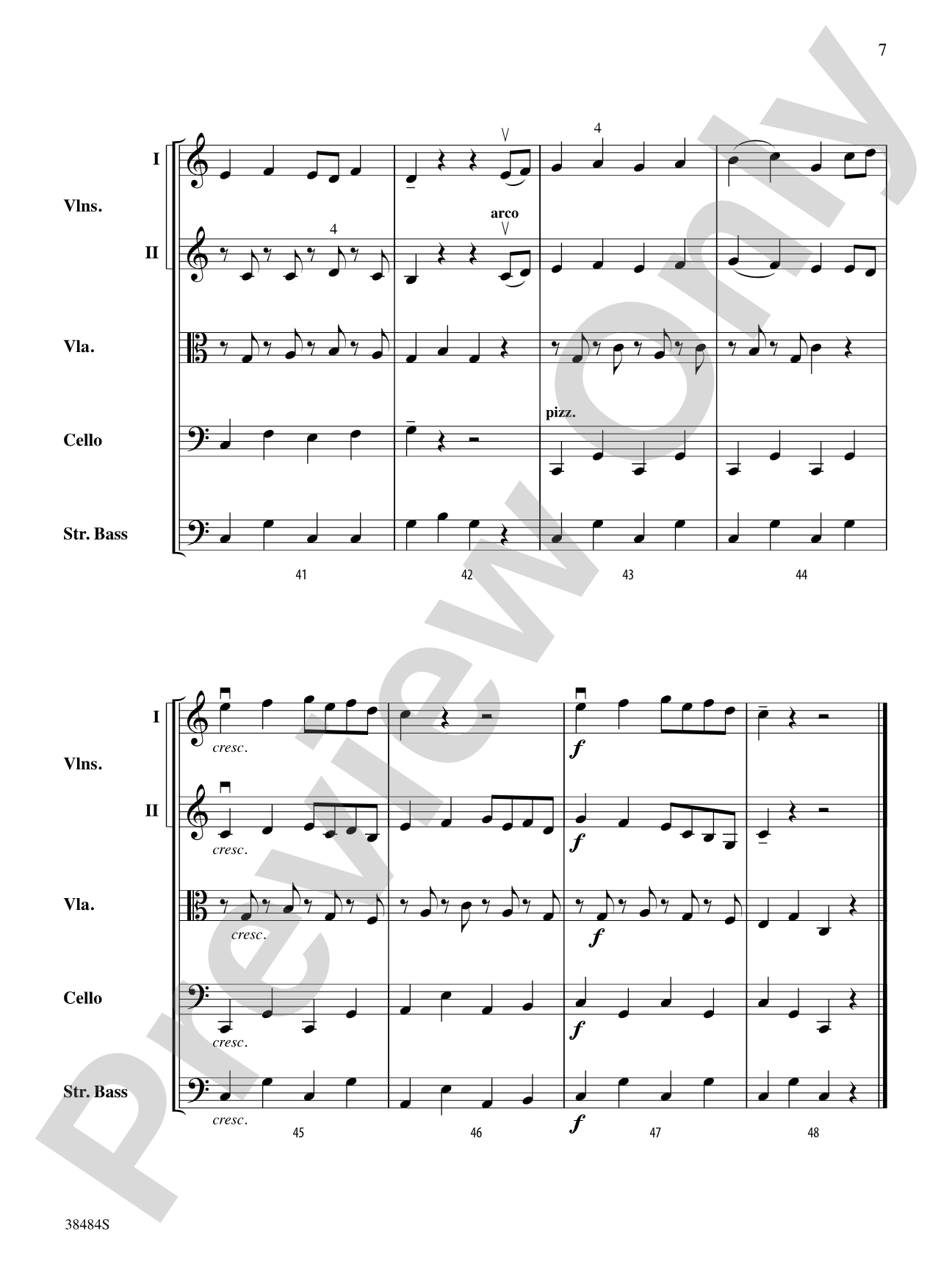
Delight and instruct young players with passages of waddling penguin pizzicato and lumbering polar bear arco in an evocative and timely work set to the theme of South Pole meets North Pole on a hot day at the zoo. This elementary orchestra piece will introduce emerging musicians to slurs, double-stops, pizzicato, staccato, and a wide range of dynamic interplay in a charming new way.


Don't just read it, hear it, play along with it, and watch your students grow with it. In MakeMusic Cloud, Penguin and Polar Bear March: String Orchestra Conductor Score & Parts comes alive with professional accompaniment, adjustable tempo, and built-in practice tools that turn solo practice into real progress.
Open in the Player
Jump straight in and assign it today.
Start Your Free Trial
Open this title and explore the full library in minutes.
Sample Audio
1
Audio File
--:--
0:00
0:00
Sample Video
No sample videos found.
Additional Details
Series:
Highland/Etling String Orchestra
Publisher:
Alfred Music
Page Count:
124
SKU:
00-PK-0005276
More about this title
Why we love this
This piece bridges programmatic storytelling and genuine technique work without talking down to young players. The penguin and polar bear characters give conductors a narrative hook that makes bow control, pizzicato clarity, and dynamic shape feel purposeful rather than abstract.
What to expect
Charming and playful, with a vivid sense of place. The waddling penguin sections bounce lightly across the strings in pizzicato, then shift to broad, rolling arco lines as the polar bear ambles in. The contrast between the two characters unfolds naturally, letting young ears distinguish articulation and tone color without strain.
Who it's for
Conductors working with emerging string orchestras (Grade 1.5) who want to introduce technical vocabulary through character and storytelling. Students will gain real facility with slurs, double-stops, pizzicato, and staccato while playing something that feels like a complete musical journey, not an exercise.
How to get the most out of it
- Shape the penguin pizzicato passages with crisp articulation and even tone across the ensemble. Unison pizzicato requires listening as much as picking, so rehearse with the score projected so players can track each other visually.
- Balance the arco polar bear sections by checking that lower strings aren't overwhelmed by upper voices. The lumbering character needs weight in the cellos and basses, not brightness.
- Exaggerate the dynamic shifts between sections during early rehearsals. Young players often play at one volume; marking contrasts clearly (and conducting them deliberately) helps them hear the difference between waddling and lumbering.
- Use the double-stops as a chance to address intonation ensemble-wide. Since they land in both parts simultaneously, tuning issues become immediately obvious and worth the rehearsal time.
How to use it
Program this early in a winter concert as an audience-friendly opener that showcases what young orchestras can accomplish technically. Its timely zoo narrative also works well in family or educational concert settings where you want to celebrate emerging technique while keeping the mood light and accessible.
Skills your students will build
- Slurs and bow changes
- Pizzicato technique and consistency
- Double-stops (intonation and balance)
- Staccato articulation
- Dynamic contrast and shaping
- Listening and ensemble balance across articulation changes