
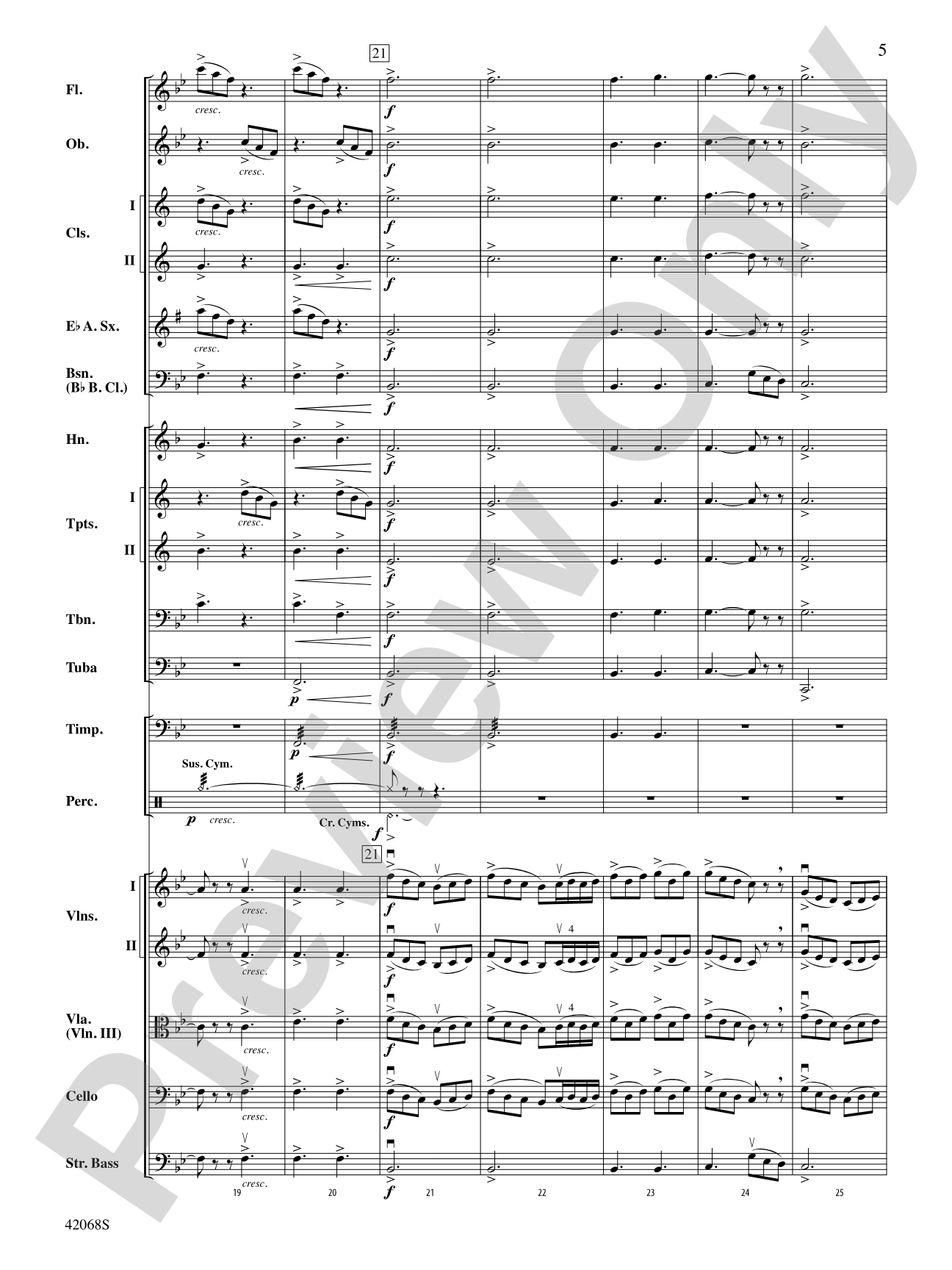
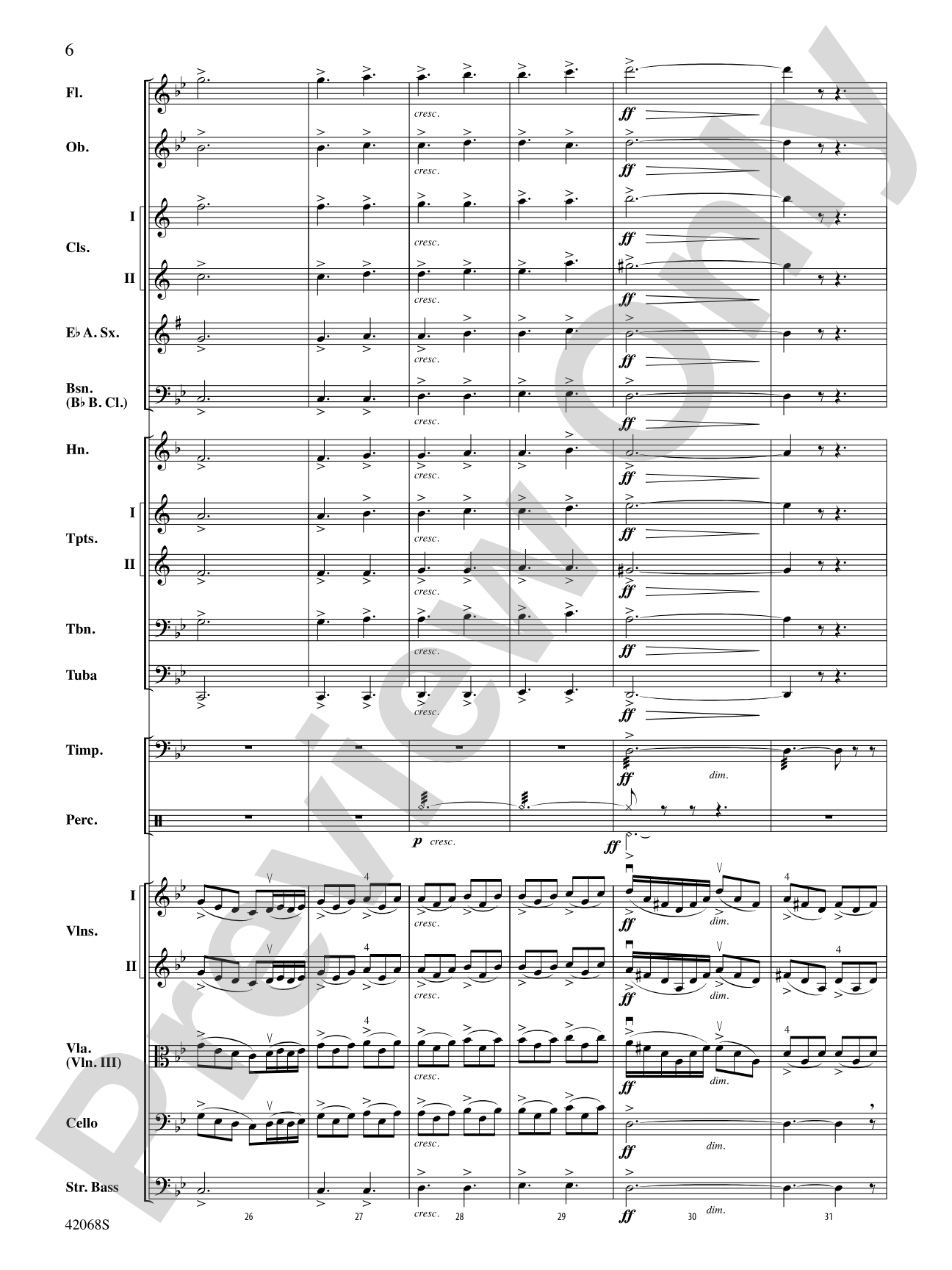
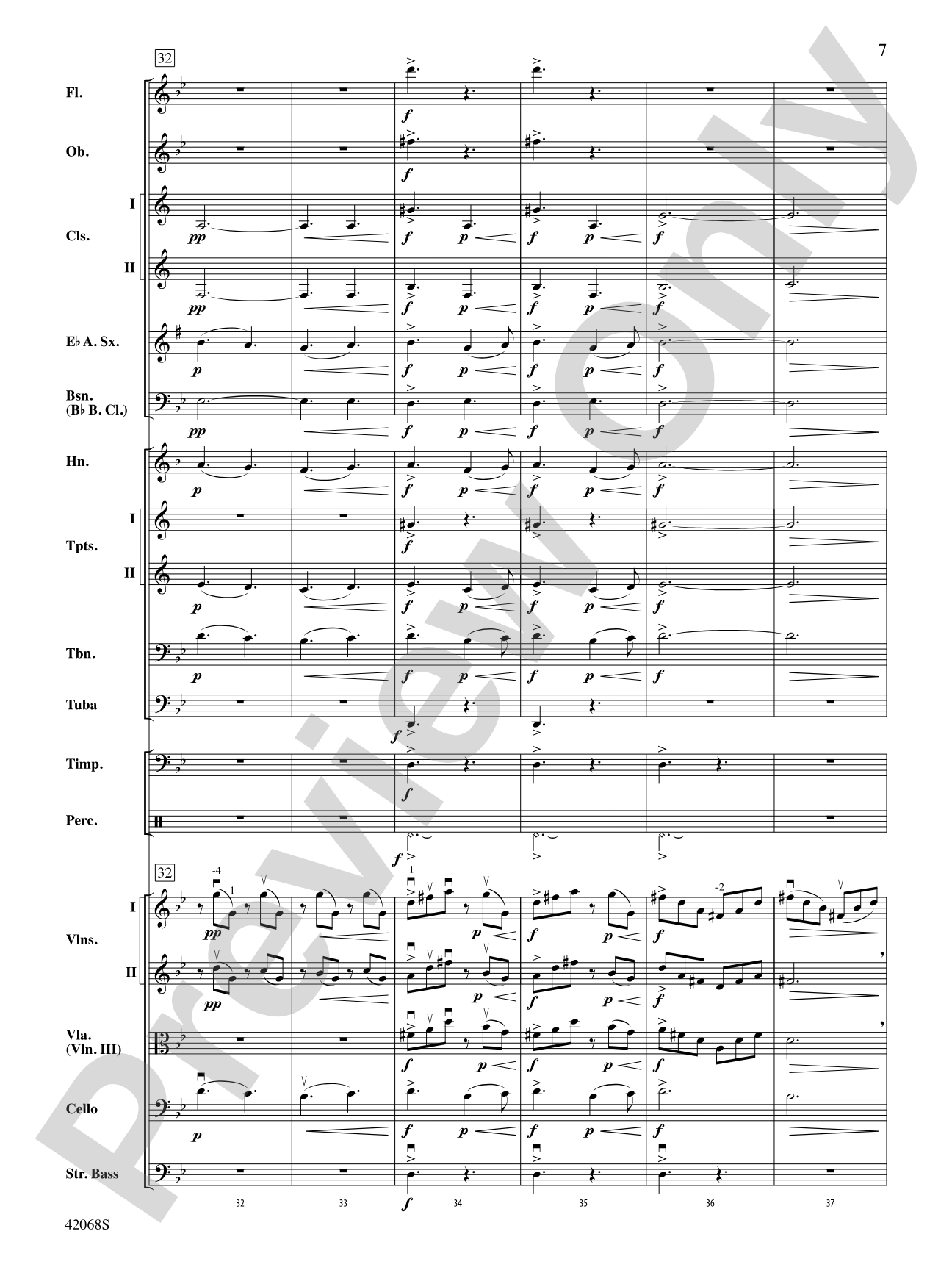
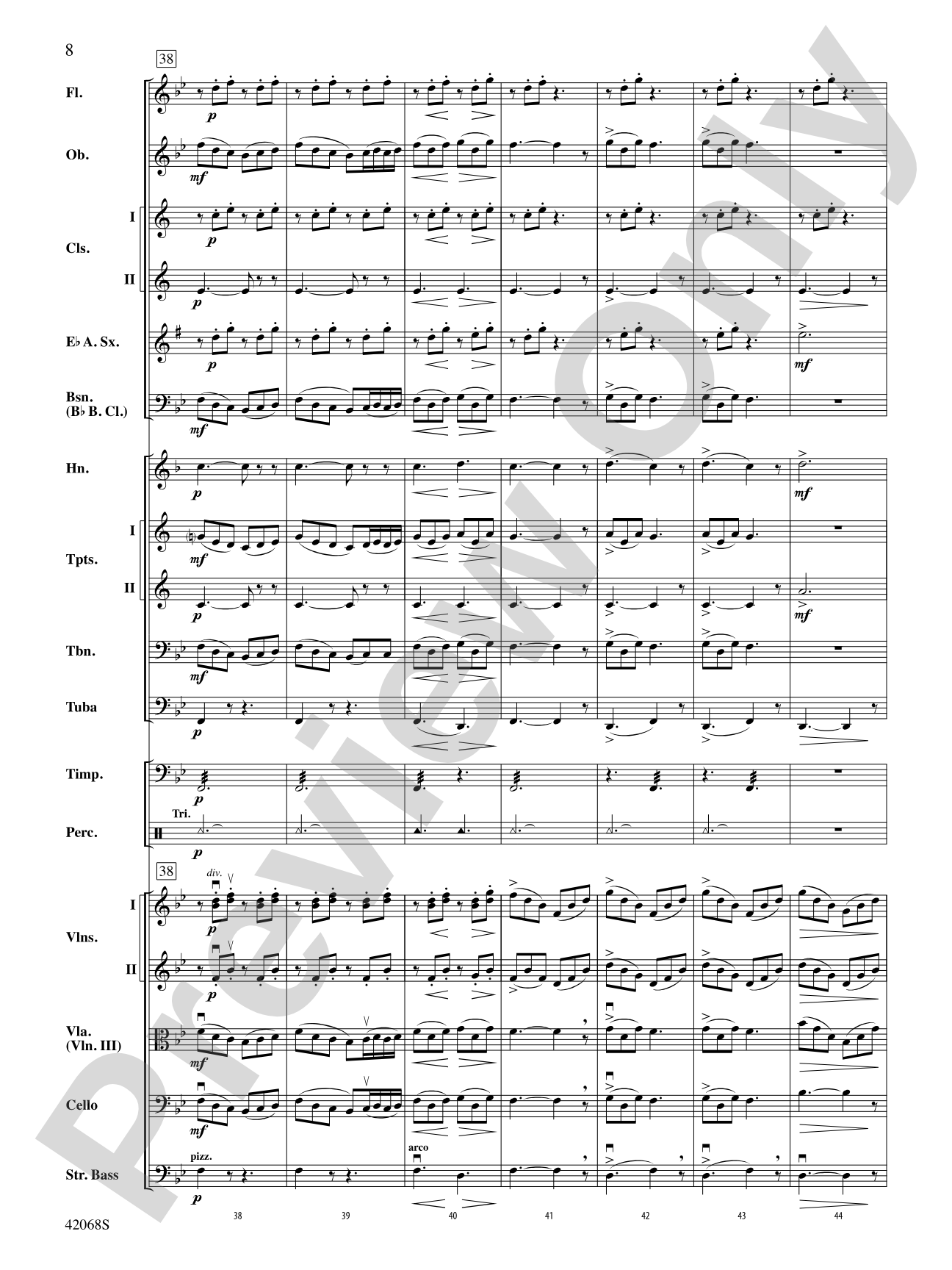
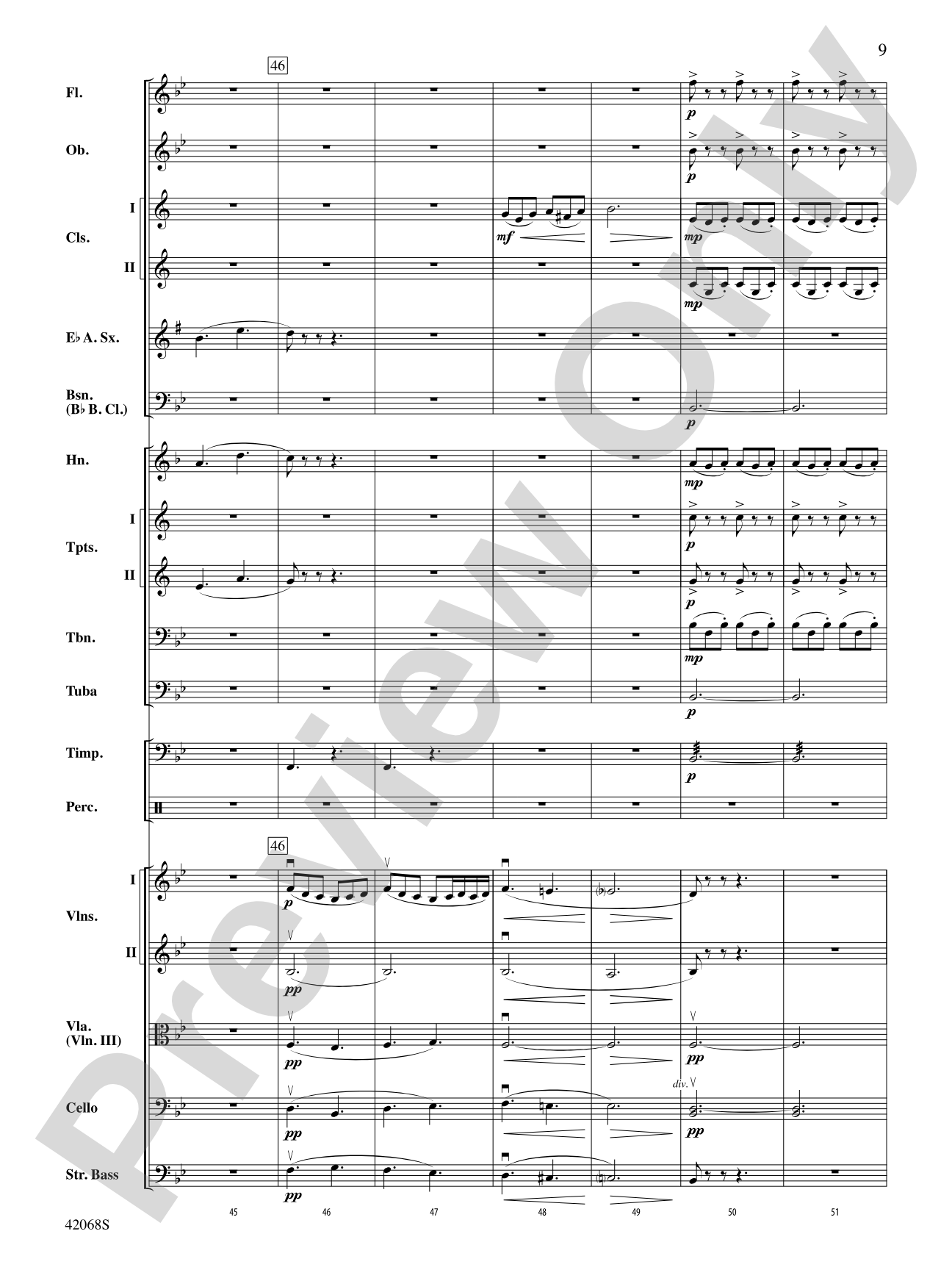
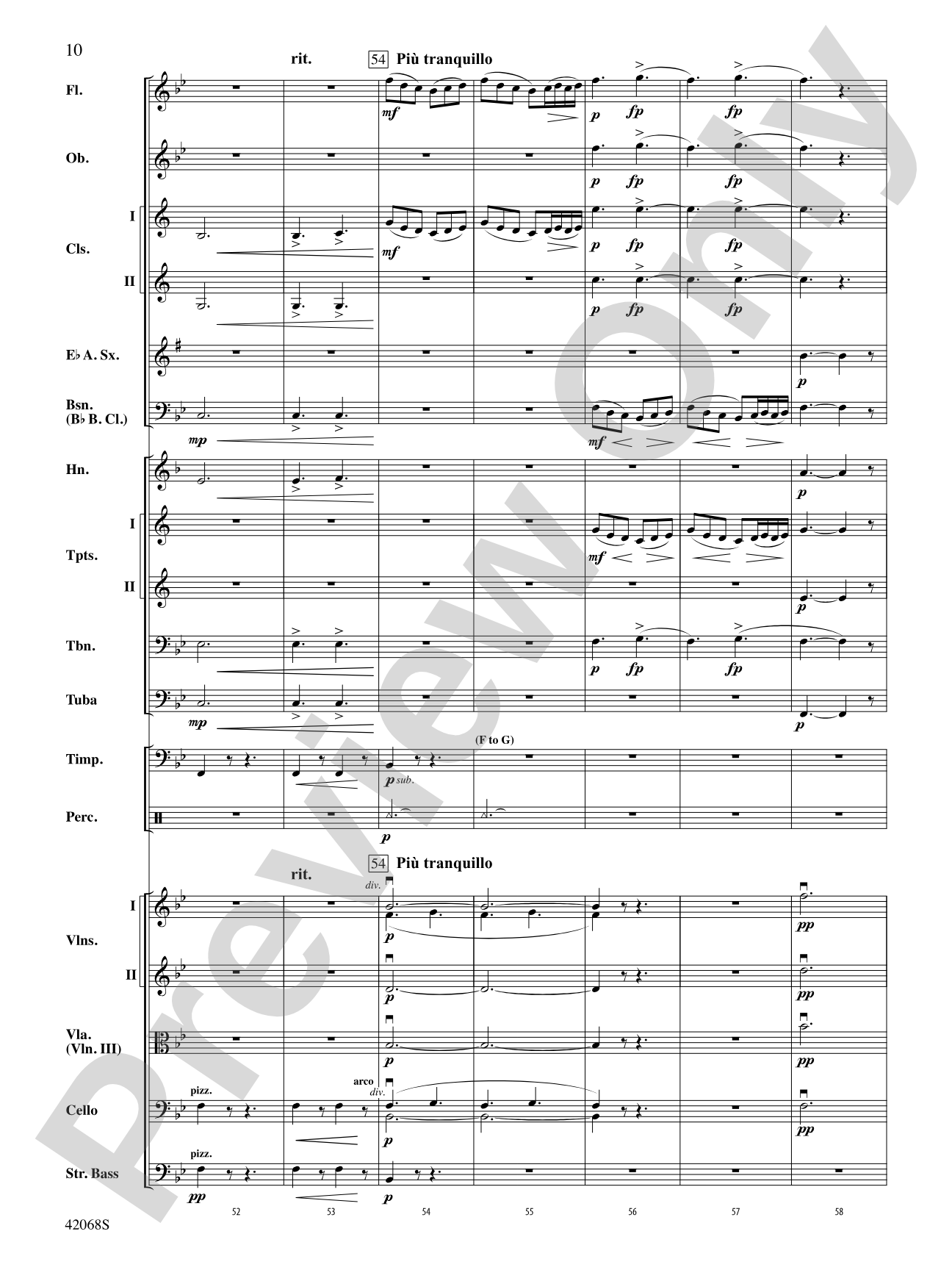
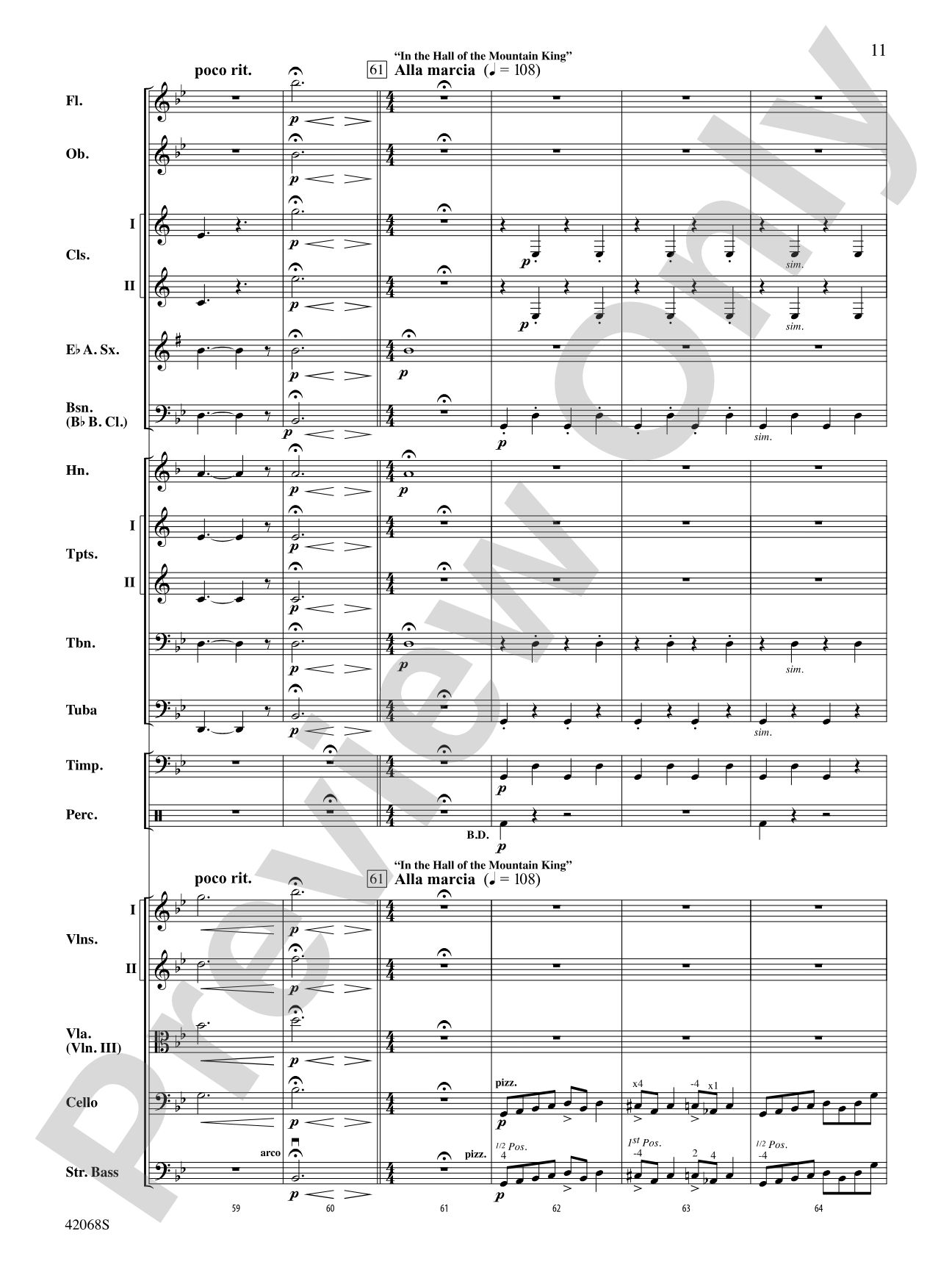
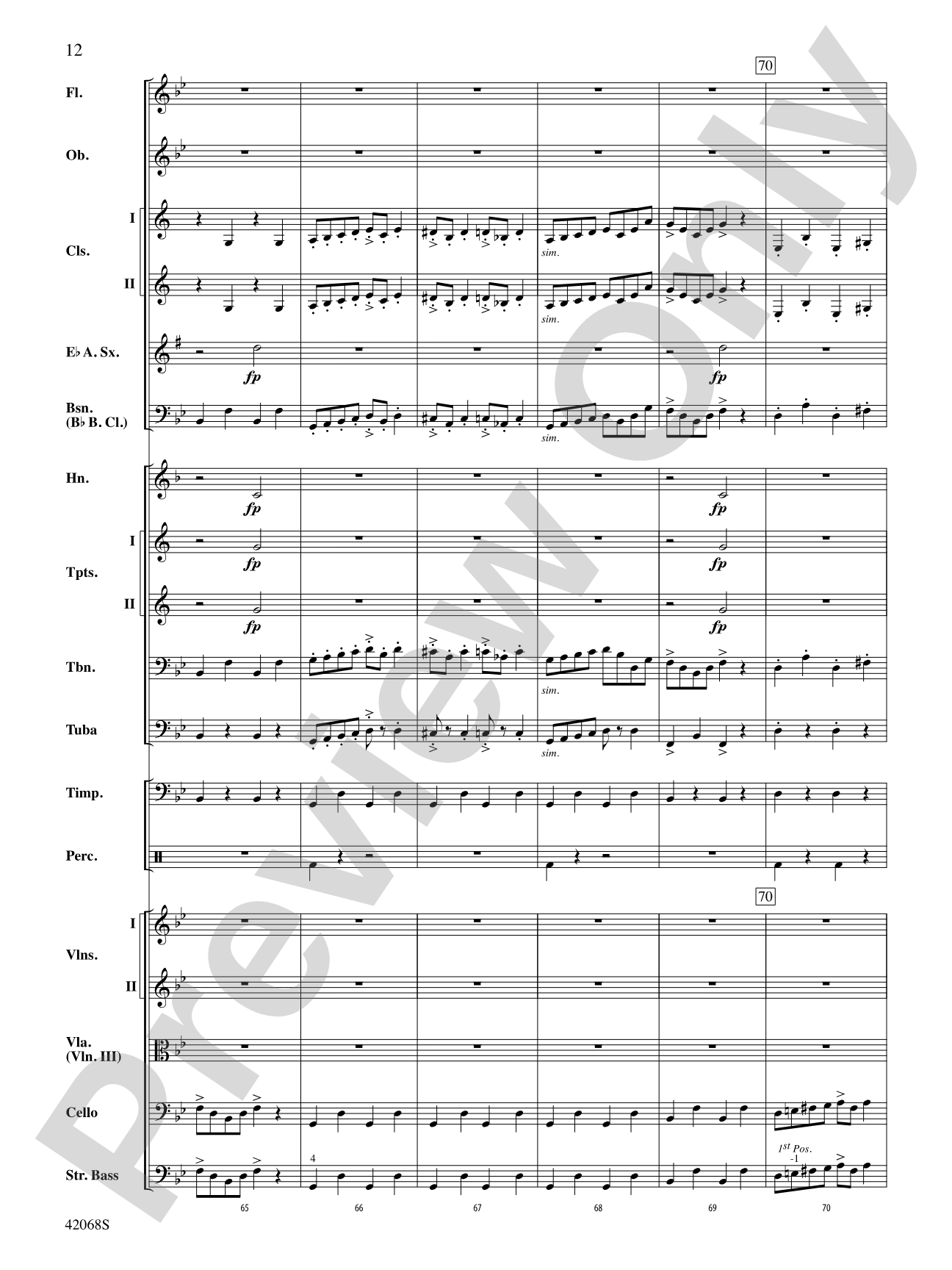
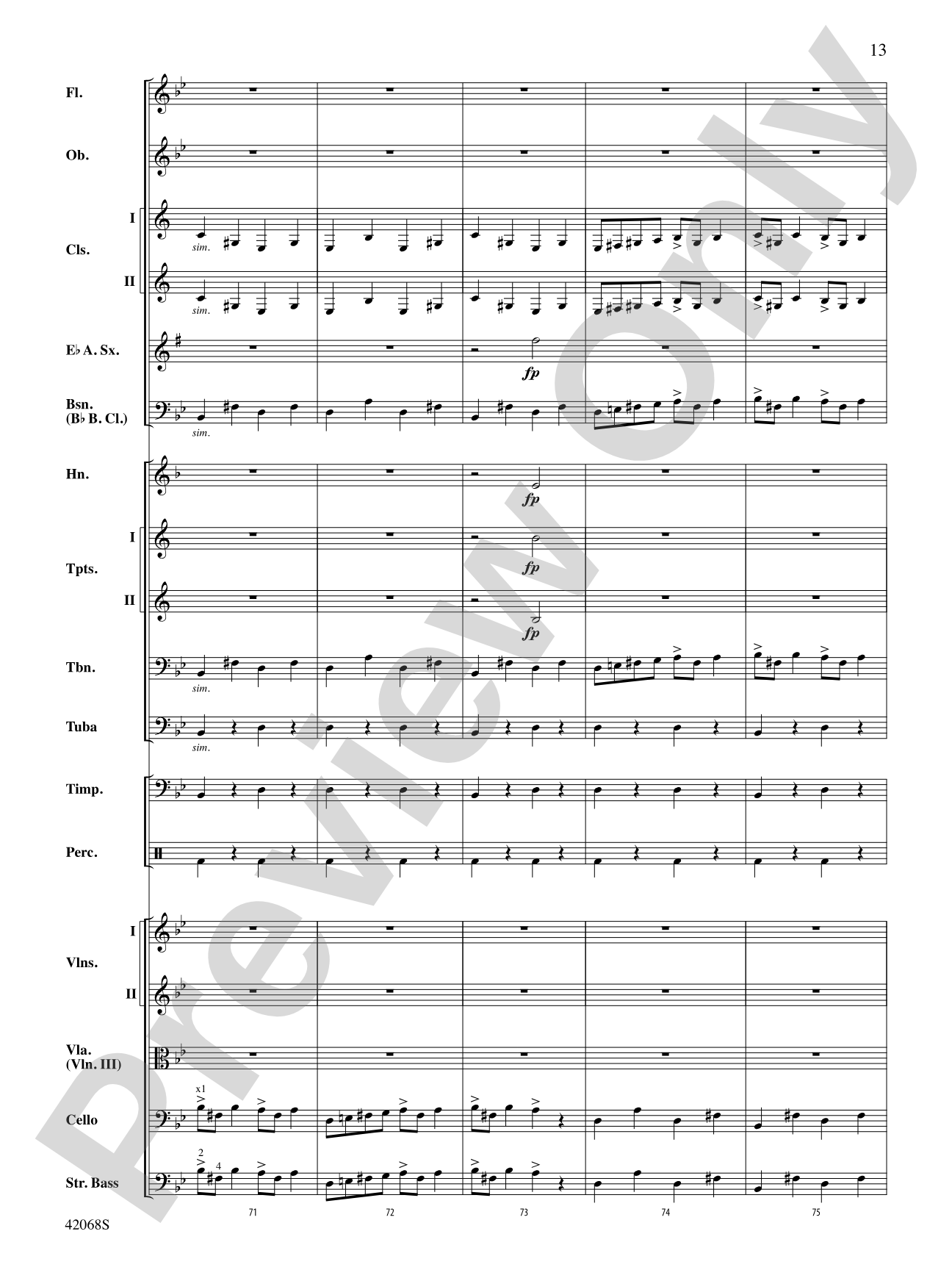
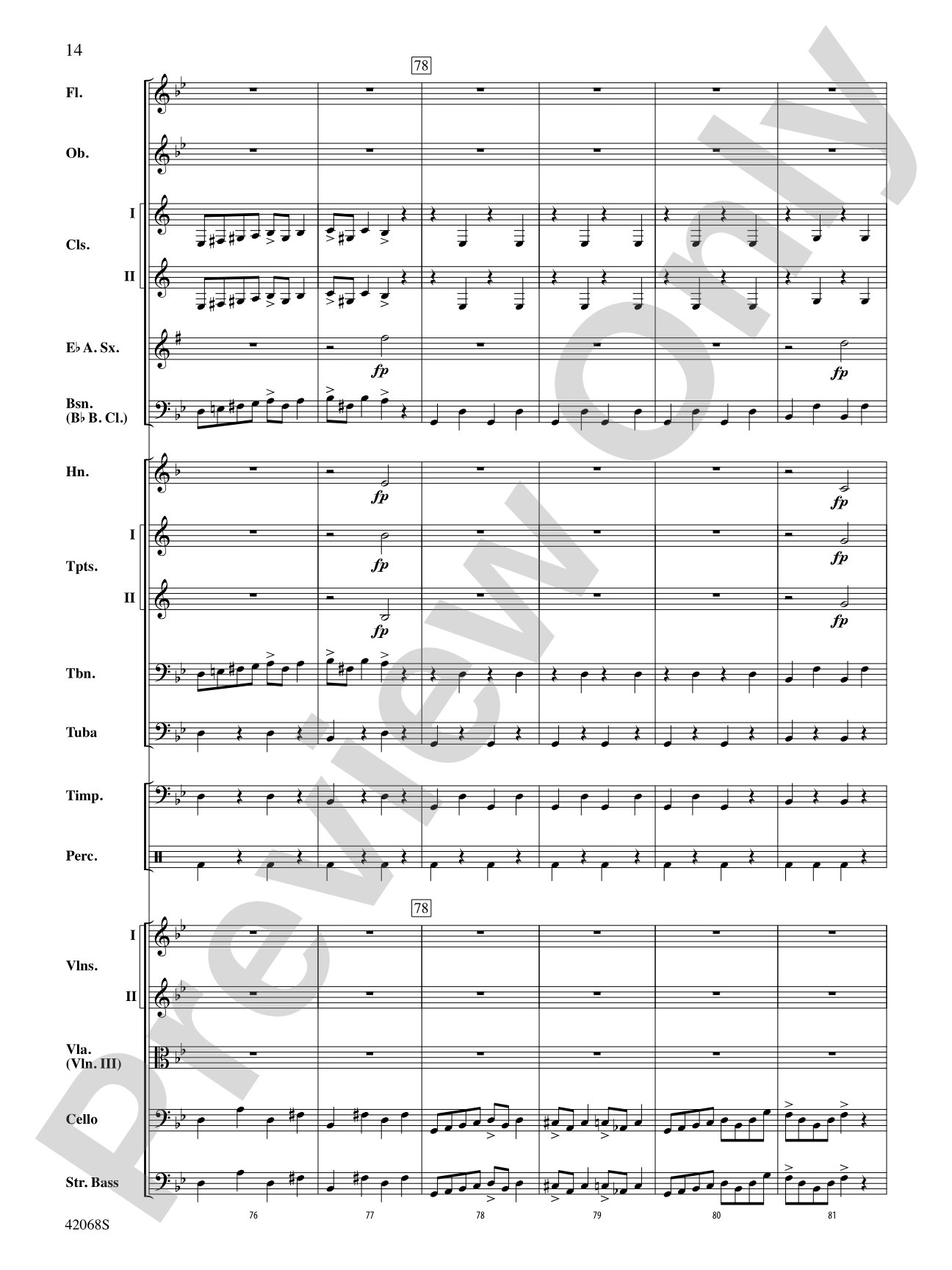
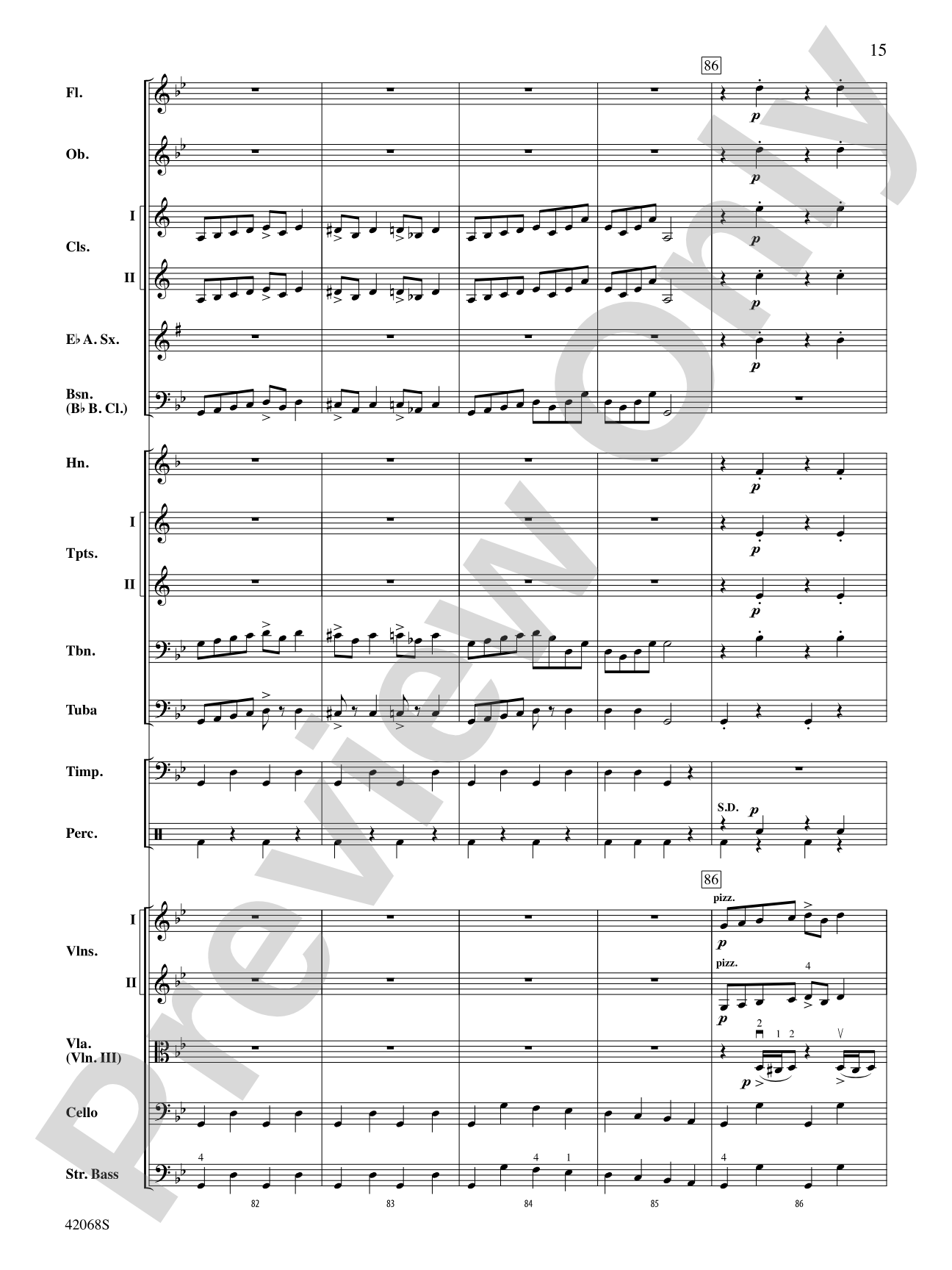
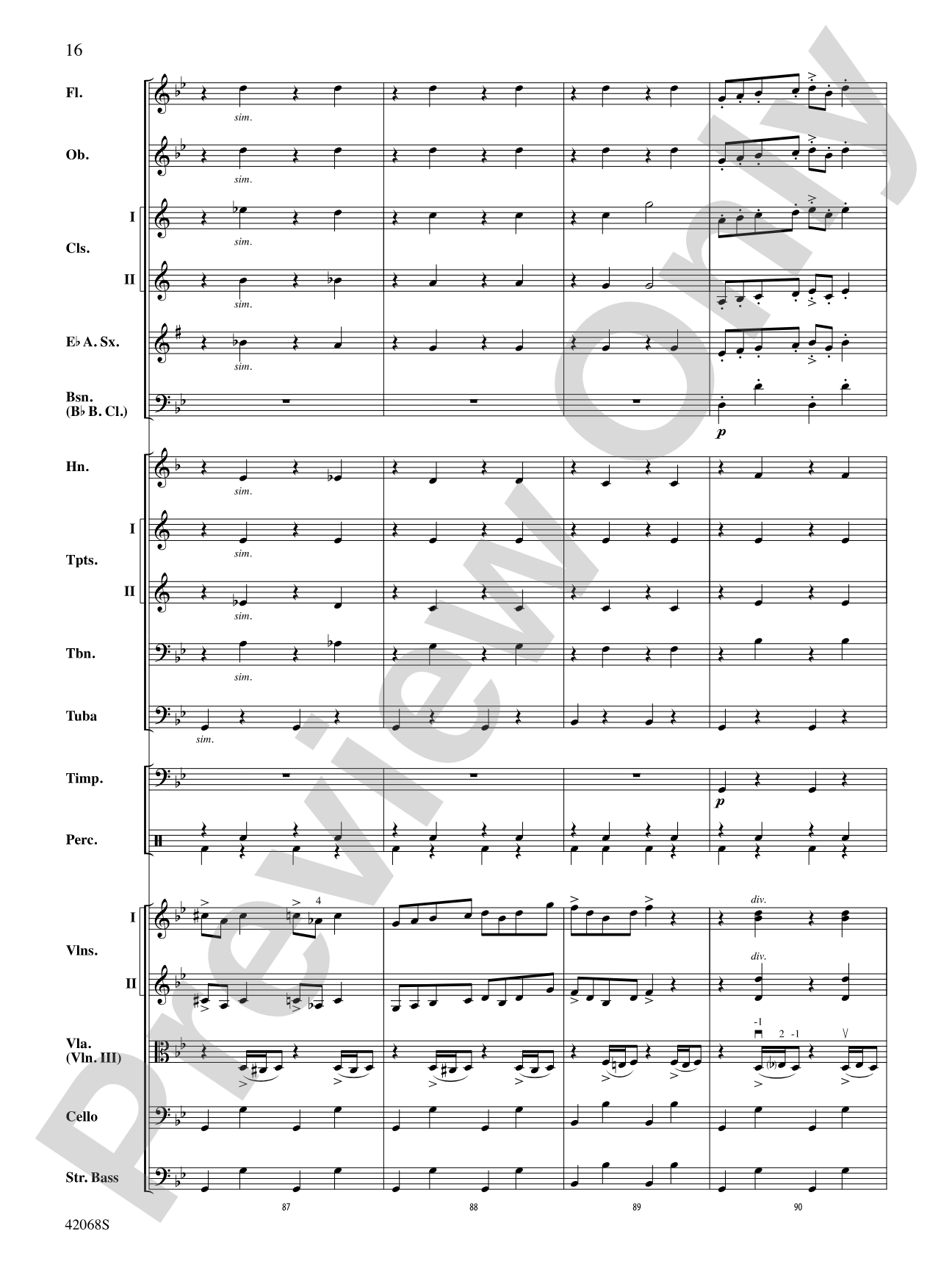
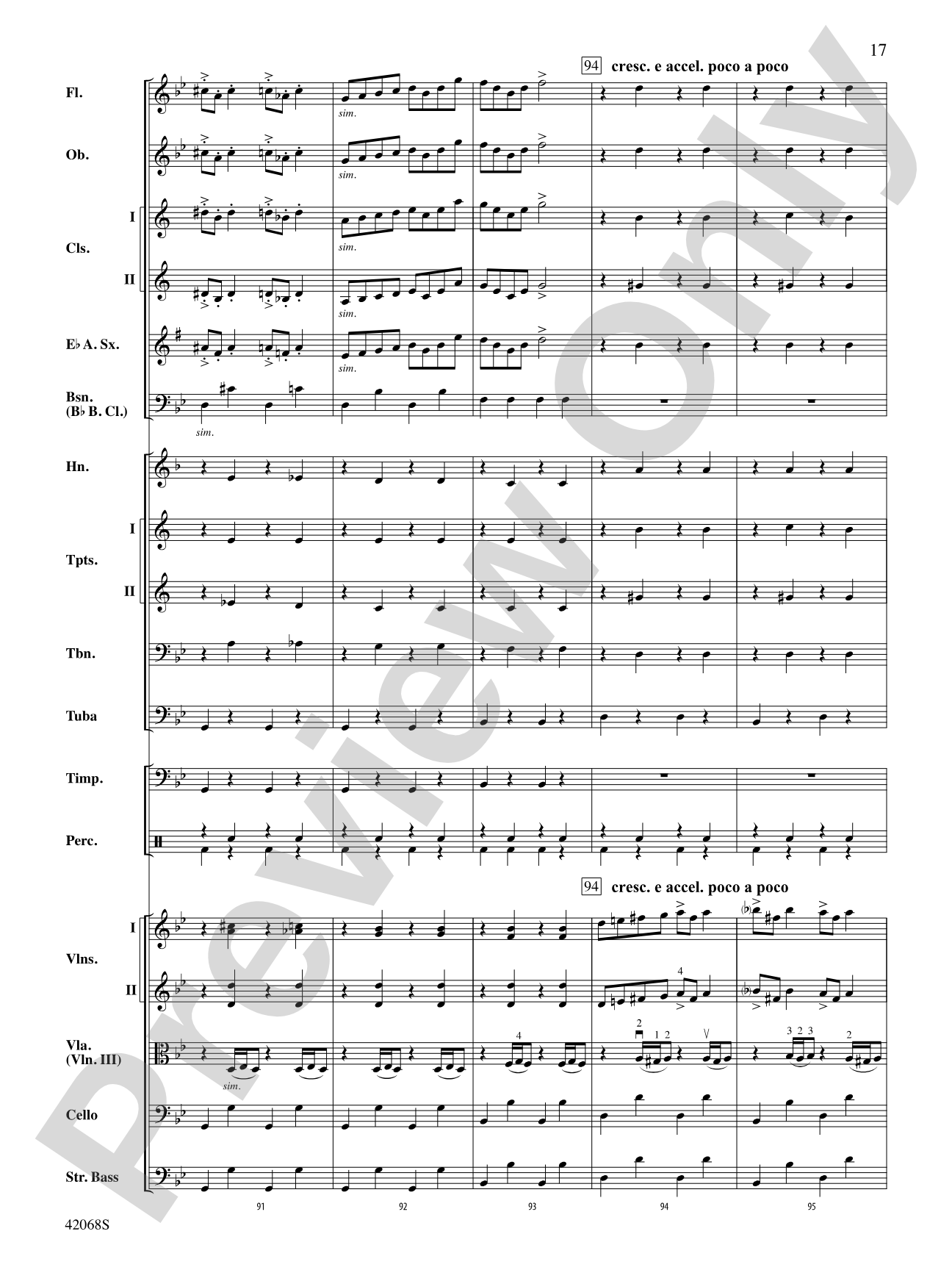
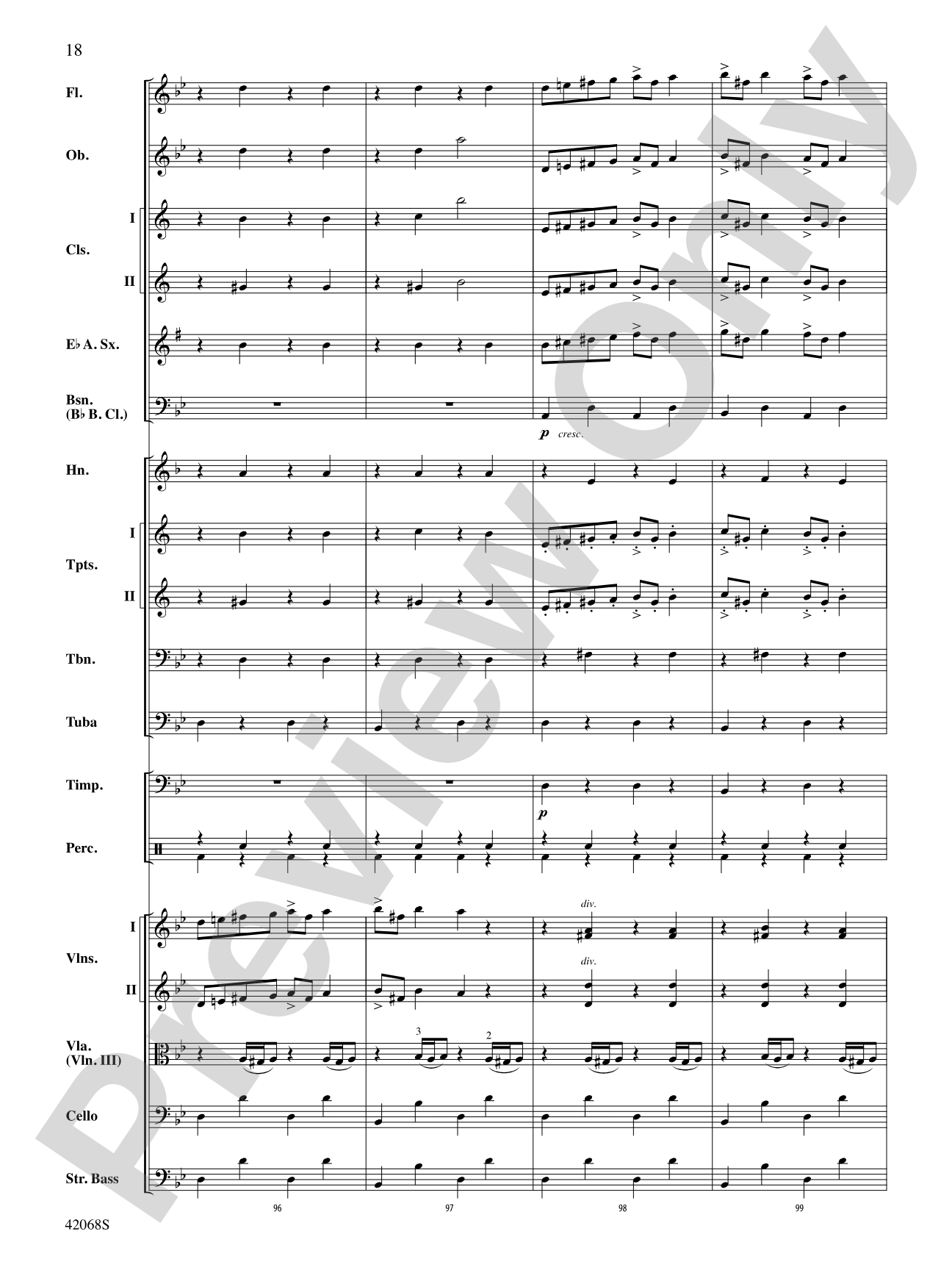
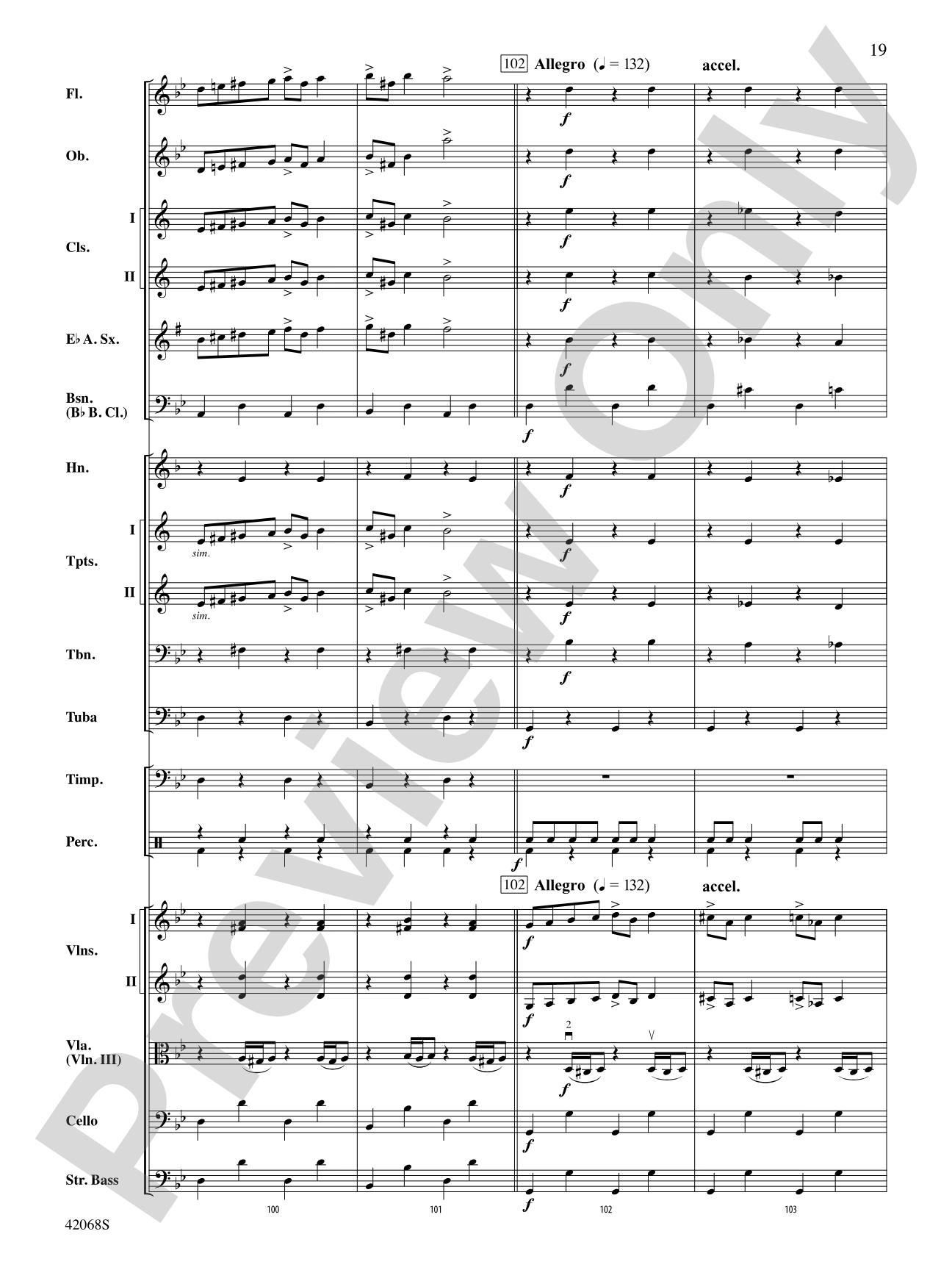
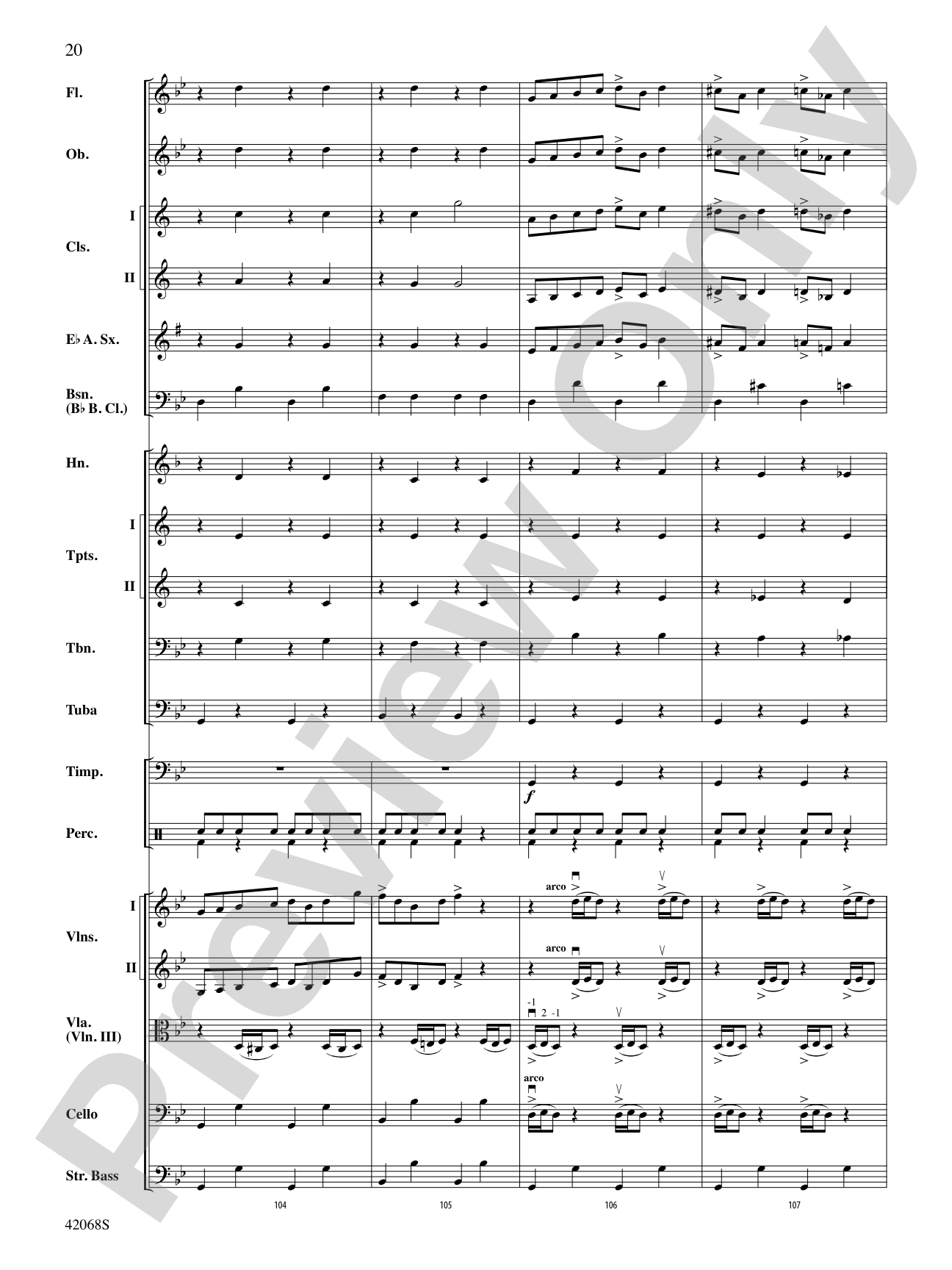
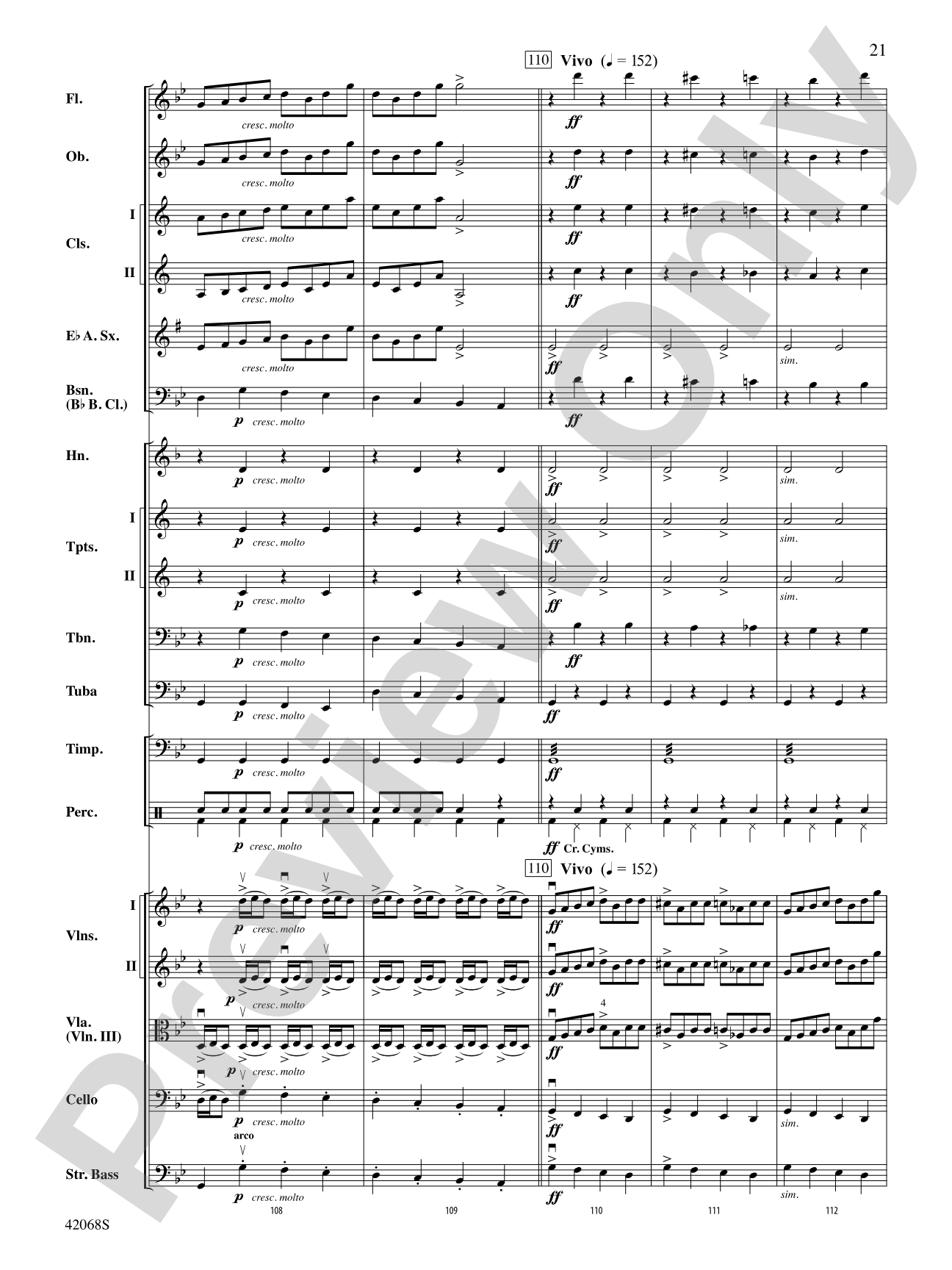
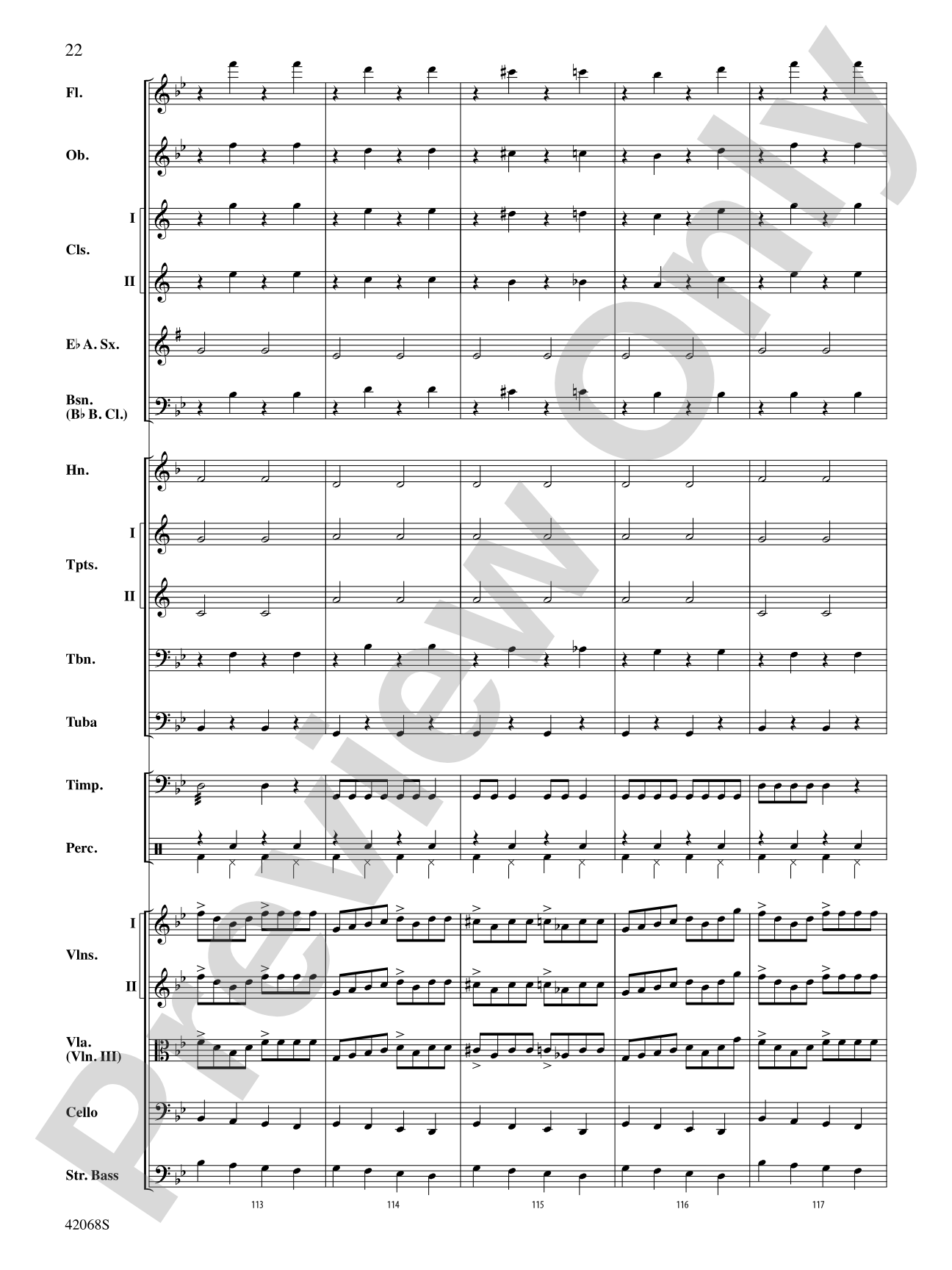
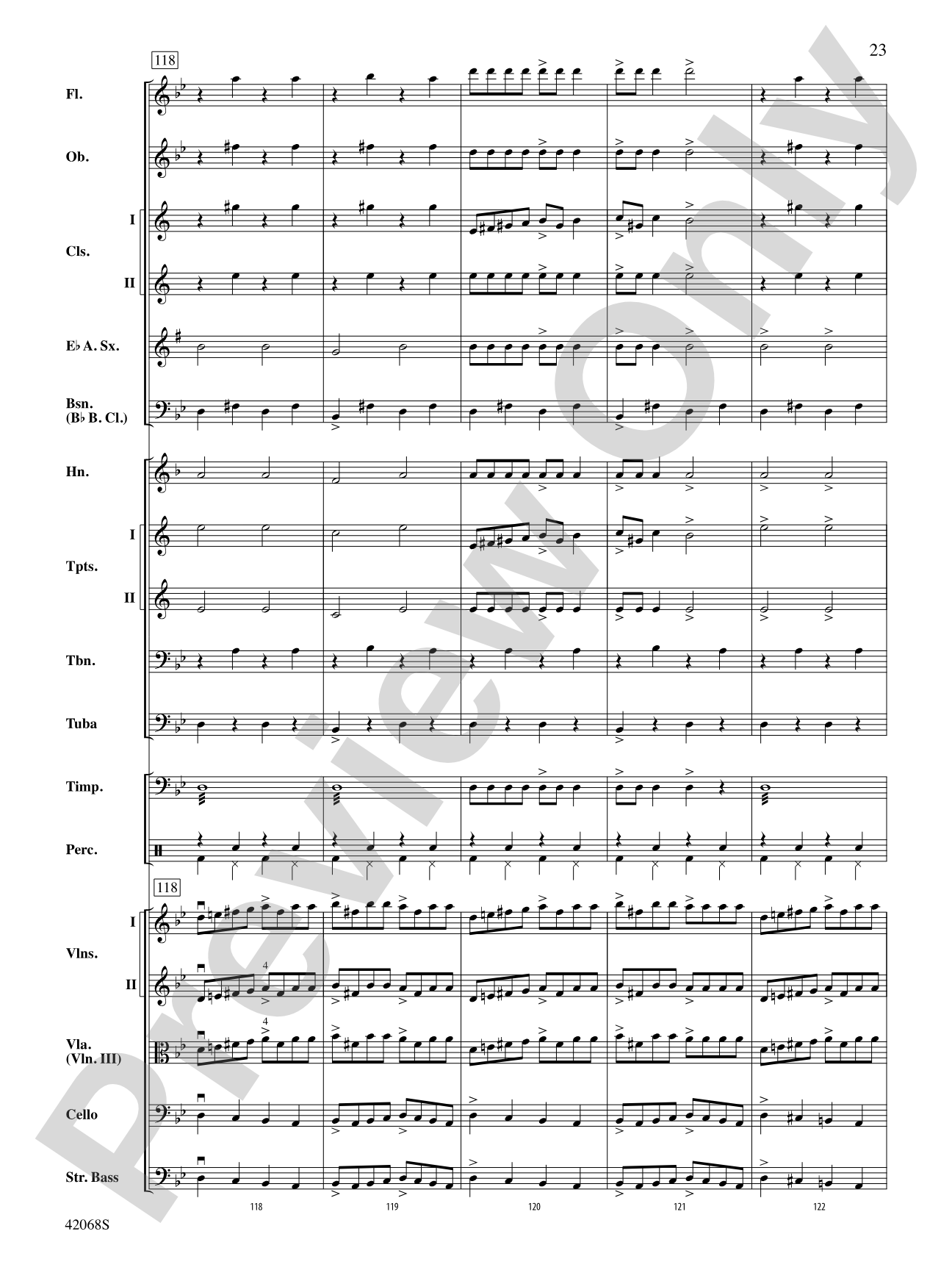
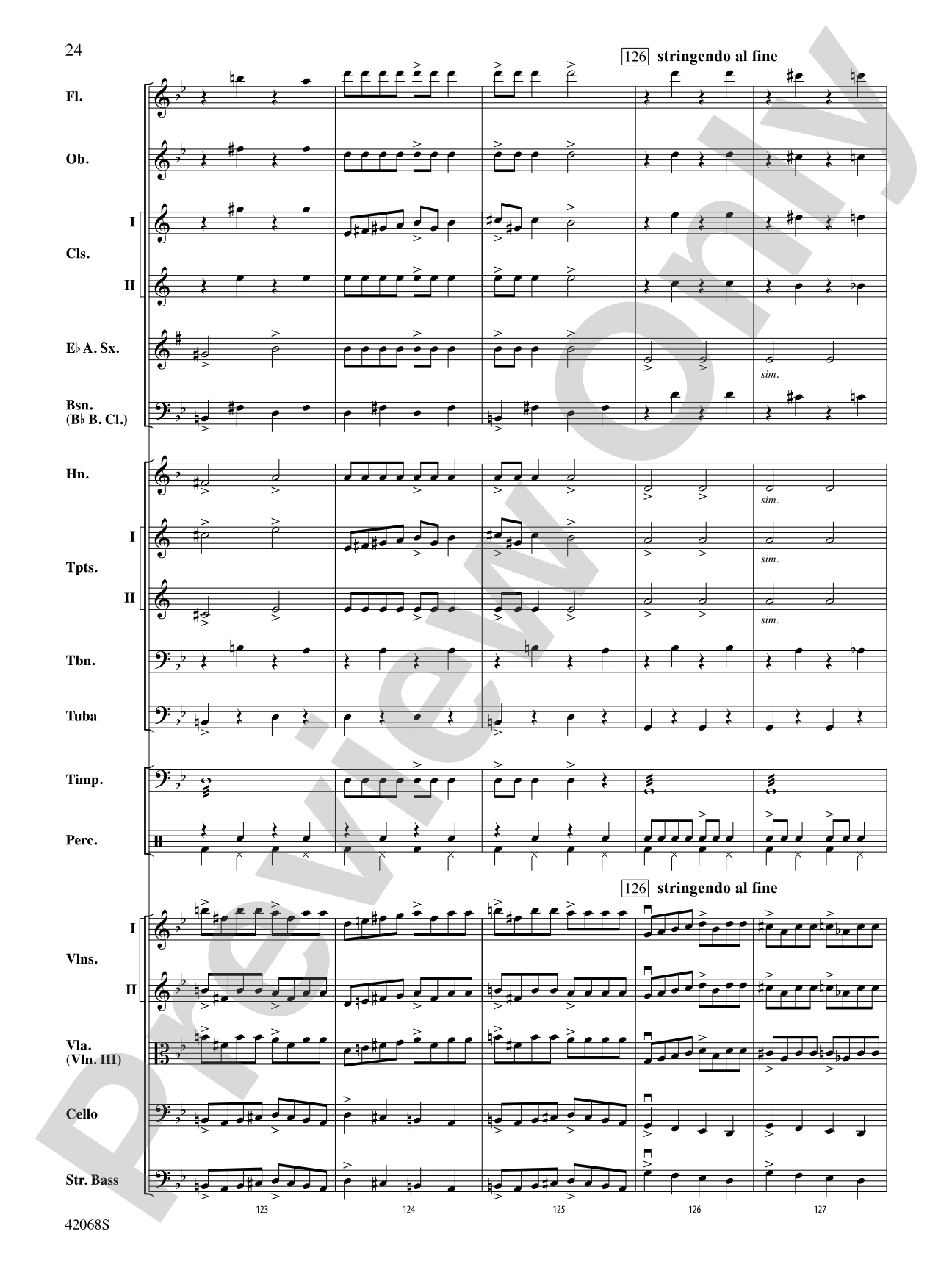
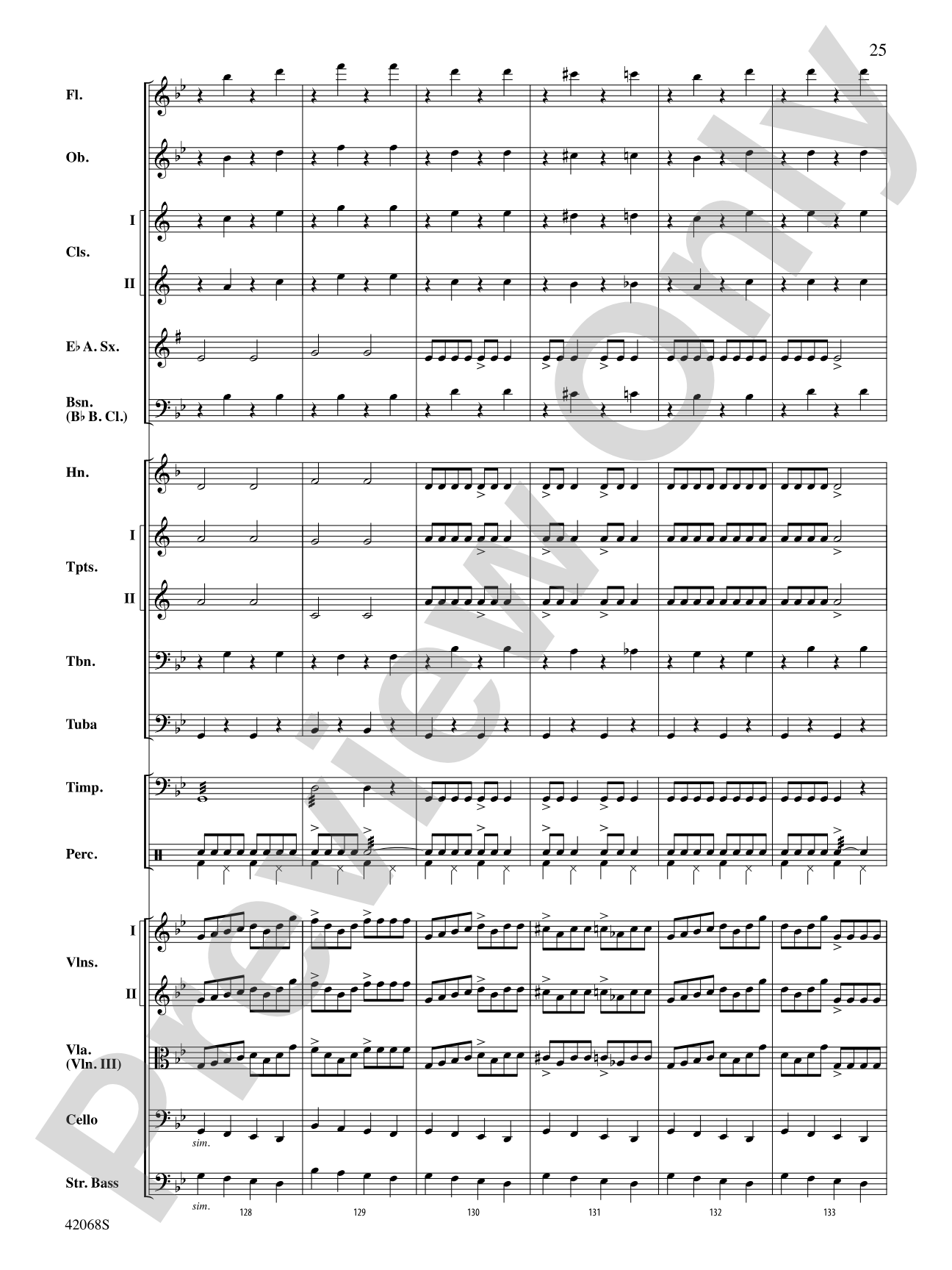
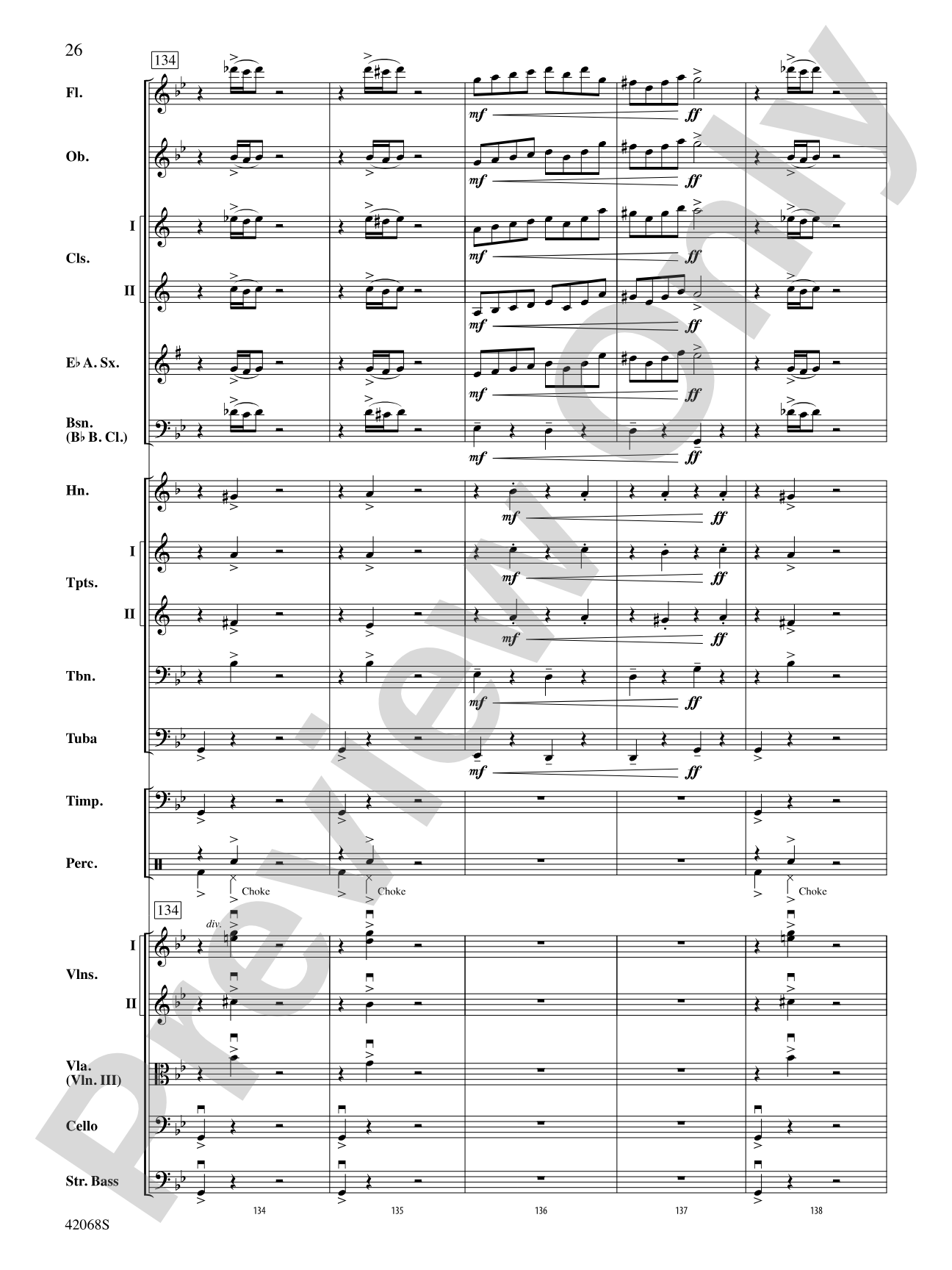
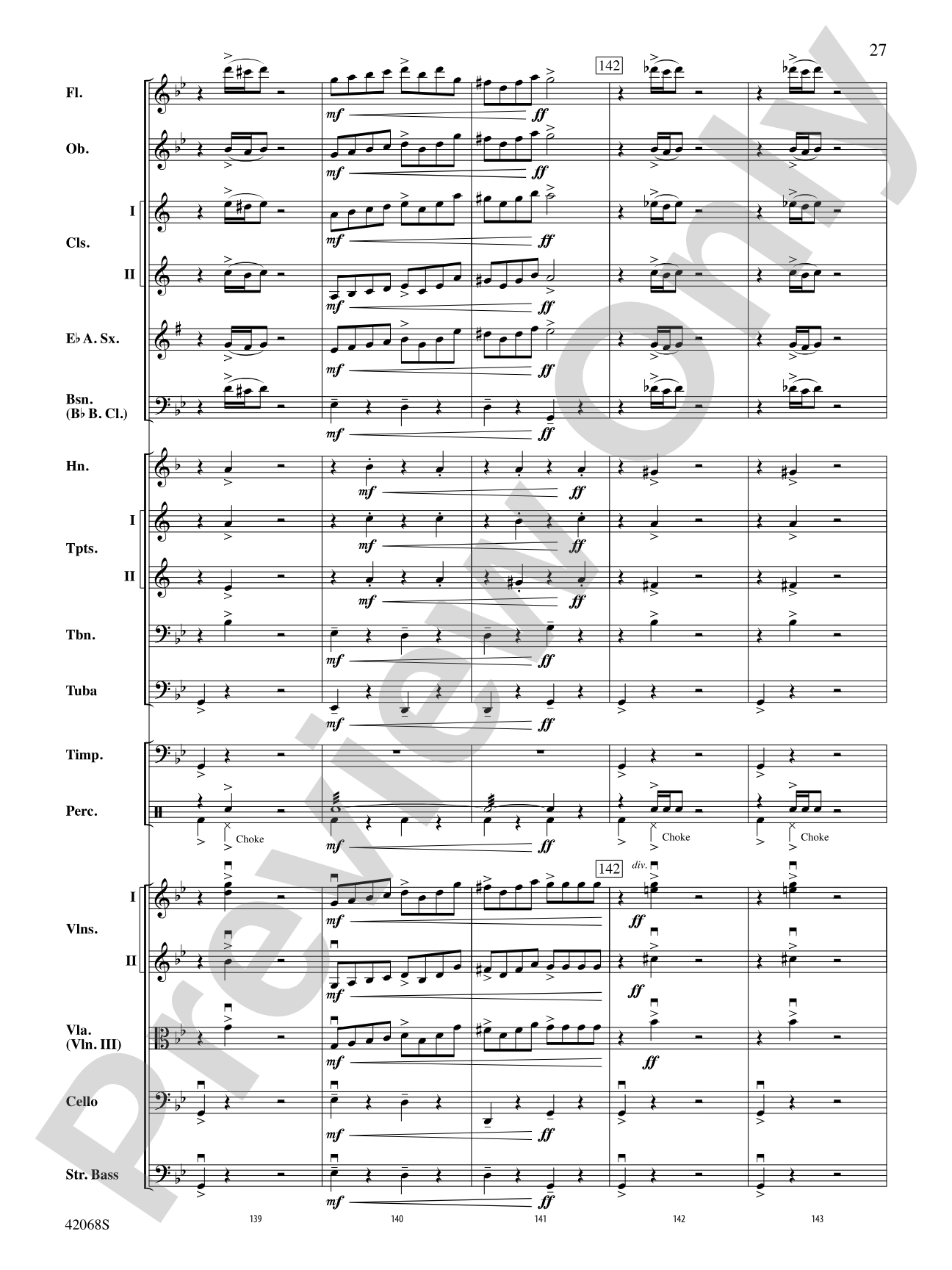
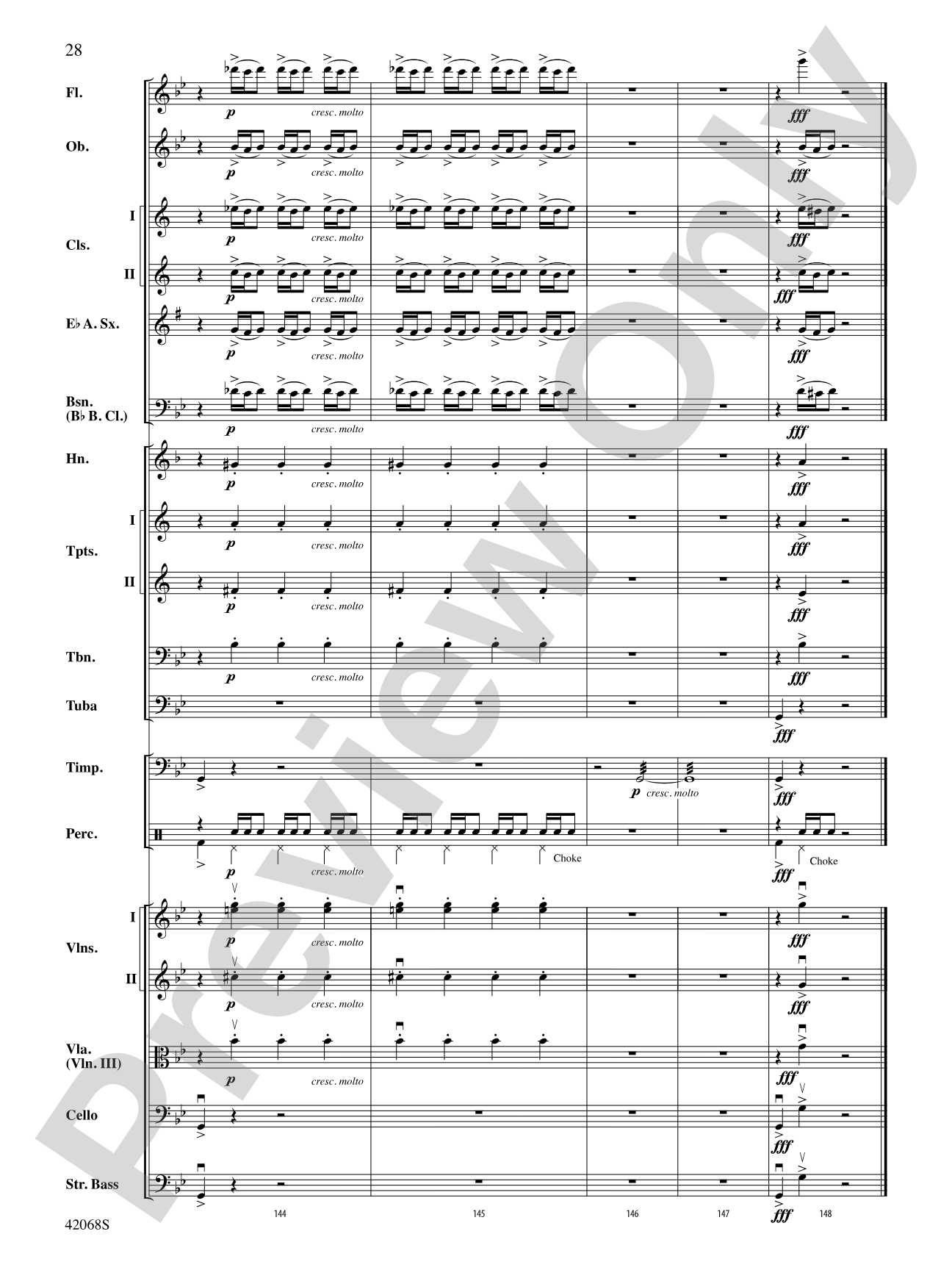

Peer Gynt Suite Selections: Score
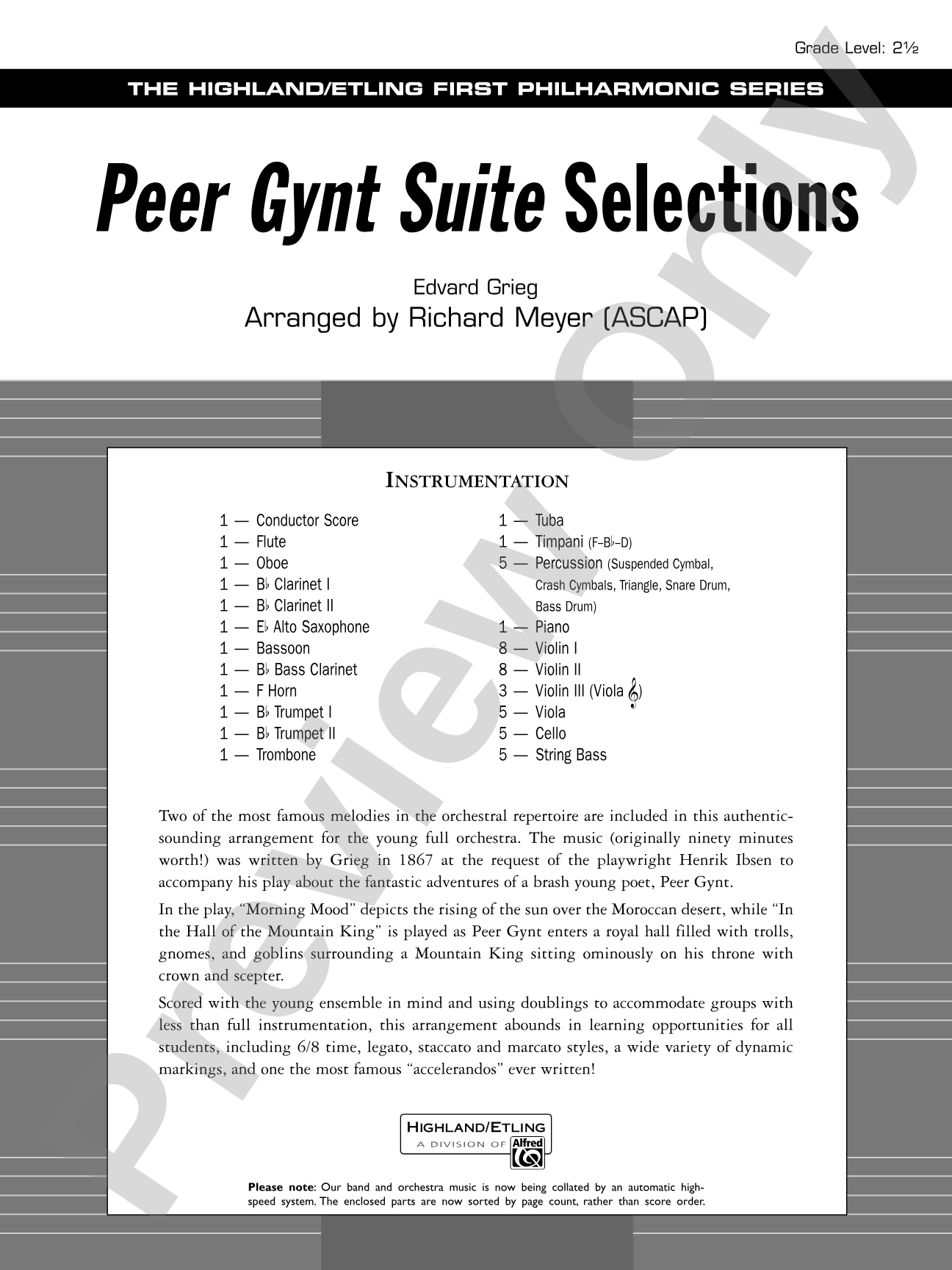
Featuring: Morning Mood / In the Hall of the Mountain King
By Edvard Grieg / arr. Richard Meyer
Grade: 2.5
Item: 00-PR-0004698
$9.00
Pickup currently not available
Description
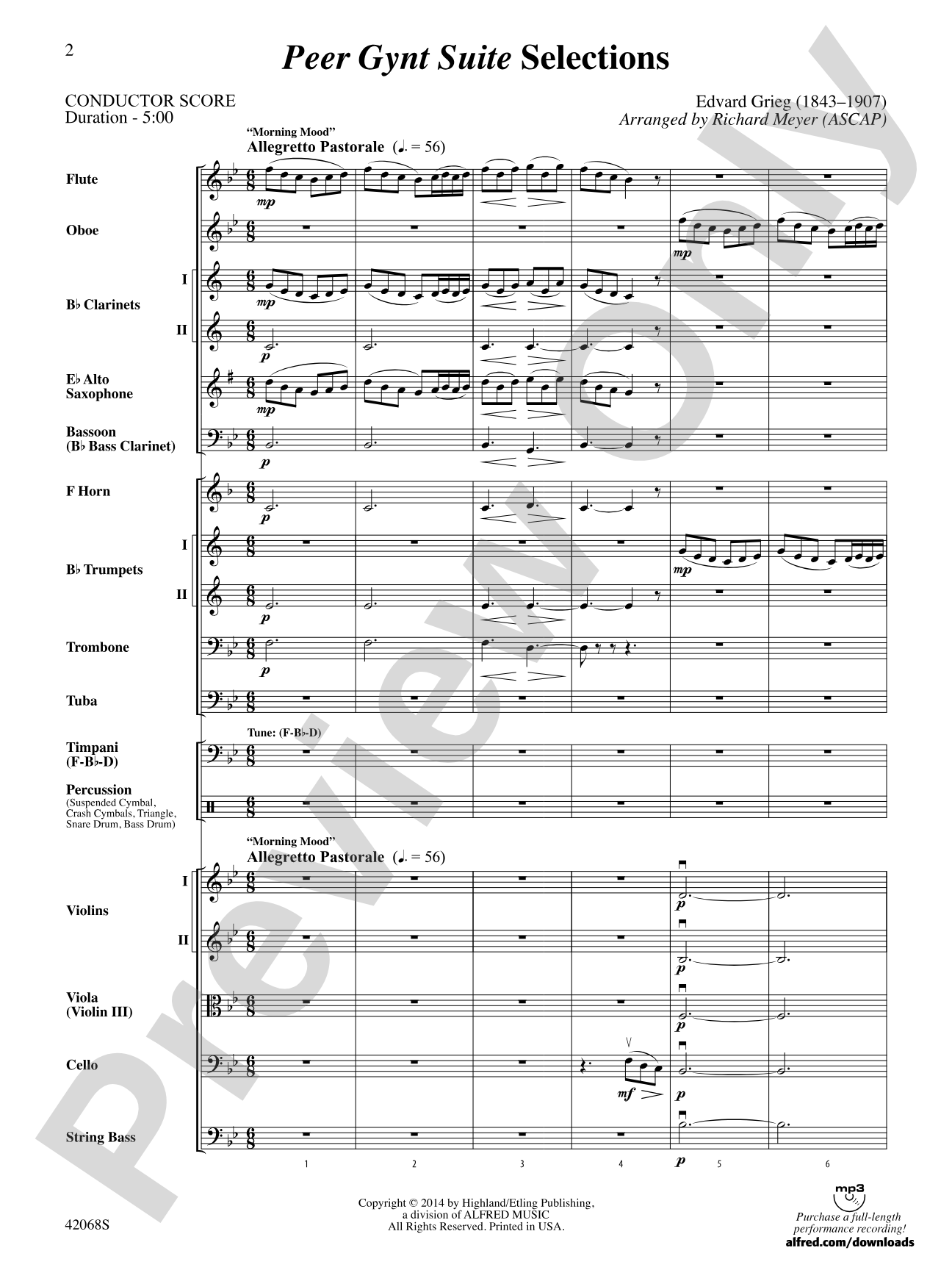
Featuring "Morning Mood" and "In the Hall of the Mountain King," this authentic-sounding arrangement includes 6/8 time; legato, staccato and marcato styles; frequent doublings; a wide variety of dynamic markings; and one of the most famous accelerandos ever written! (5:00) This title is available in MakeMusic Cloud.


Don't just read it, hear it, play along with it, and watch your students grow with it. In MakeMusic Cloud, Peer Gynt Suite Selections: Score comes alive with professional accompaniment, adjustable tempo, and built-in practice tools that turn solo practice into real progress.
Open in the Player
Jump straight in and assign it today.
Start Your Free Trial
Open this title and explore the full library in minutes.
Sample Audio
1
Audio File
--:--
0:00
0:00
Sample Video
Additional Details
Series:
Highland/Etling First Philharmonic
Publisher:
Alfred Music
Page Count:
212
SKU:
00-PR-0004698
More about this title
About the Composer: Edvard Grieg
Edvard Grieg (1843-1907) was a Norwegian composer whose music became the sound of Scandinavian nationalism. His works drew deeply from Norwegian folk melodies, dance rhythms, and the dramatic landscapes of his homeland, making him one of the most distinctive voices of the Romantic era.
Grieg's gift for orchestration and his ability to capture vivid musical imagery remain central to music education. His melodies are instantly memorable, his harmonies warm yet sophisticated, and his orchestral writing remains a model for clarity and color. Teachers and conductors return to his music again and again because it engages students musically while teaching them about voice leading, orchestration, and the power of a strong melodic idea.
Why we love this
Richard Meyer's arrangement preserves the orchestral grandeur and melodic integrity of Grieg's originals while remaining entirely accessible to developing ensembles. The pairing of "Morning Mood" with "In the Hall of the Mountain King" creates a program arc that moves from intimate sunrise beauty to triumphant theatrical drama, and that accelerando in the finale is the kind of moment that reminds students why orchestral music matters.
What to expect
"Morning Mood" unfolds like watching the sun break over a Norwegian fjord, gentle and luminous. "In the Hall of the Mountain King" explodes into comic-strip fury, full of mischievous energy and mounting chaos that students feel in their bones the moment the accelerando begins.
Who it's for
This arrangement serves Grade 2.5 orchestras that are ready to tackle authentic Romantic-era repertoire without a year-long learning curve. Conductors seeking concert or festival repertoire that combines musical substance with reliable student engagement will find both pieces invaluable teaching tools.
How to get the most out of it
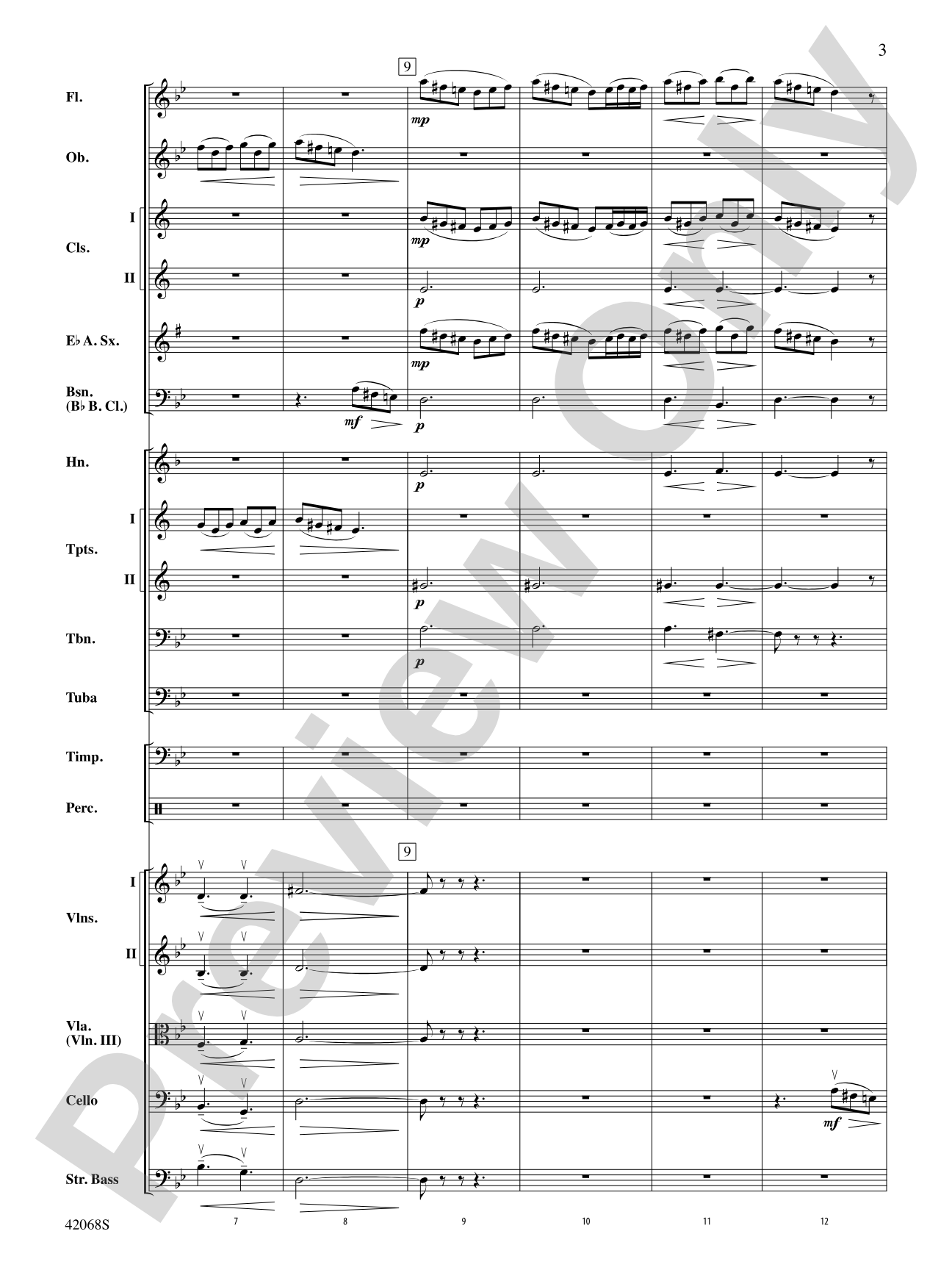
- Shape "Morning Mood" with long-lined phrasing in the woodwinds and strings; resist the urge to rush despite the 6/8 meter. The piece breathes like morning light.
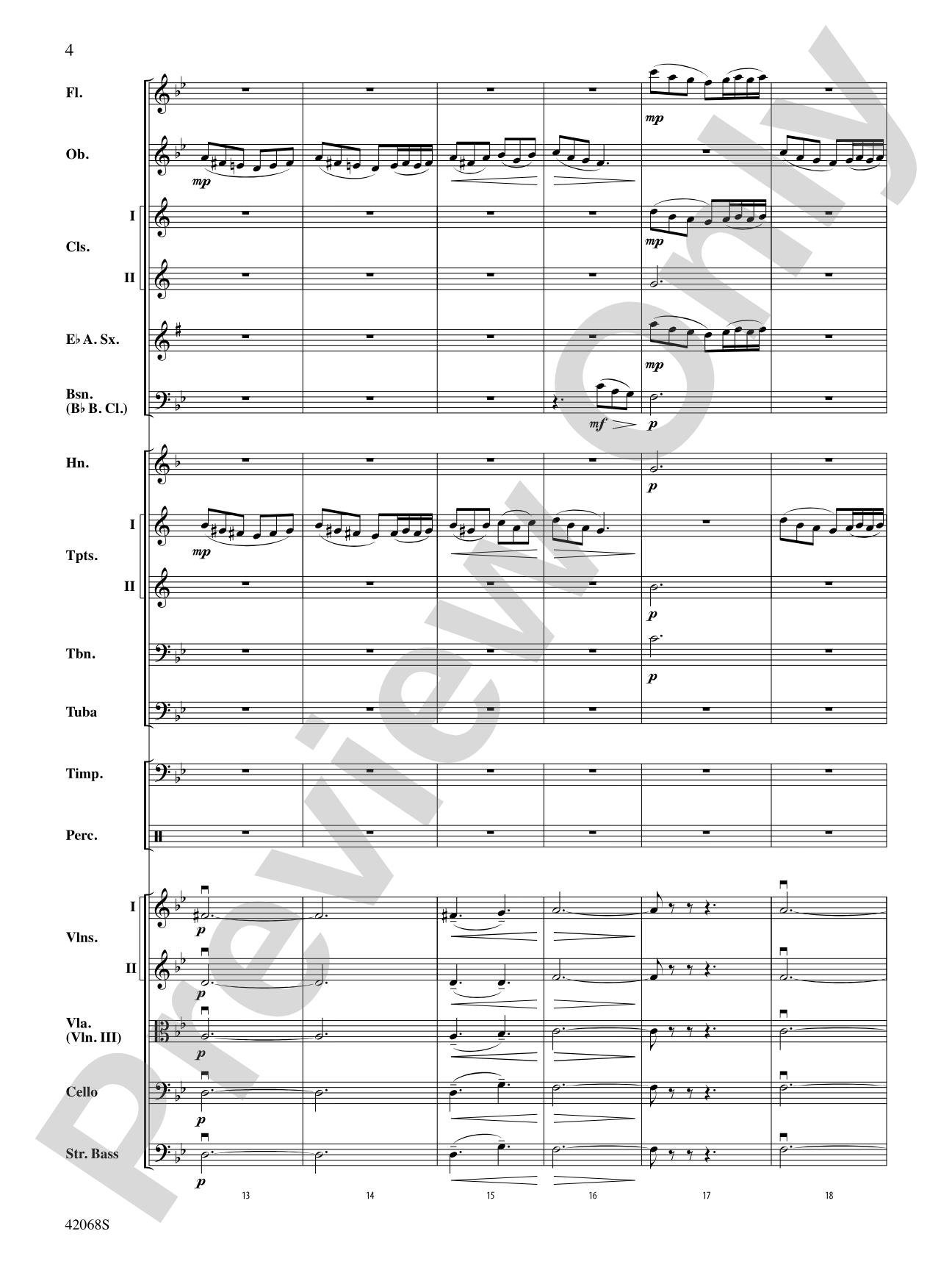
- Balance the doublings carefully so the primary melodic line remains clear even when multiple sections carry it. Grieg wrote doublings for color and support, not to bury the tune.
- Build the accelerando in "In the Hall of the Mountain King" gradually and steadily, making sure each tempo increment feels inevitable rather than jerky. The ensemble must lock in rhythmically as the tempo climbs.
- Pay attention to the marcato and staccato articulation markings as character-building tools. They define the goblin-like mischief of the Mountain King and prevent the piece from becoming shapeless rhythmic chaos.
How to use it
Program both selections as a complete suite to showcase your orchestra's range from lyrical sensitivity to rhythmic drive. Alternatively, "Morning Mood" works beautifully as a concert opener or a moment of contrast in a festival program dominated by heavier works.
Skills your students will build
- Maintaining steady pulse and clarity in 6/8 meter with lyrical material
- Reading and executing dynamic markings across a full orchestral score
- Balancing doublings so that melodic lines remain prominent
- Executing controlled accelerandos with ensemble precision
- Distinguishing articulation styles (legato, staccato, marcato) as interpretive choices