
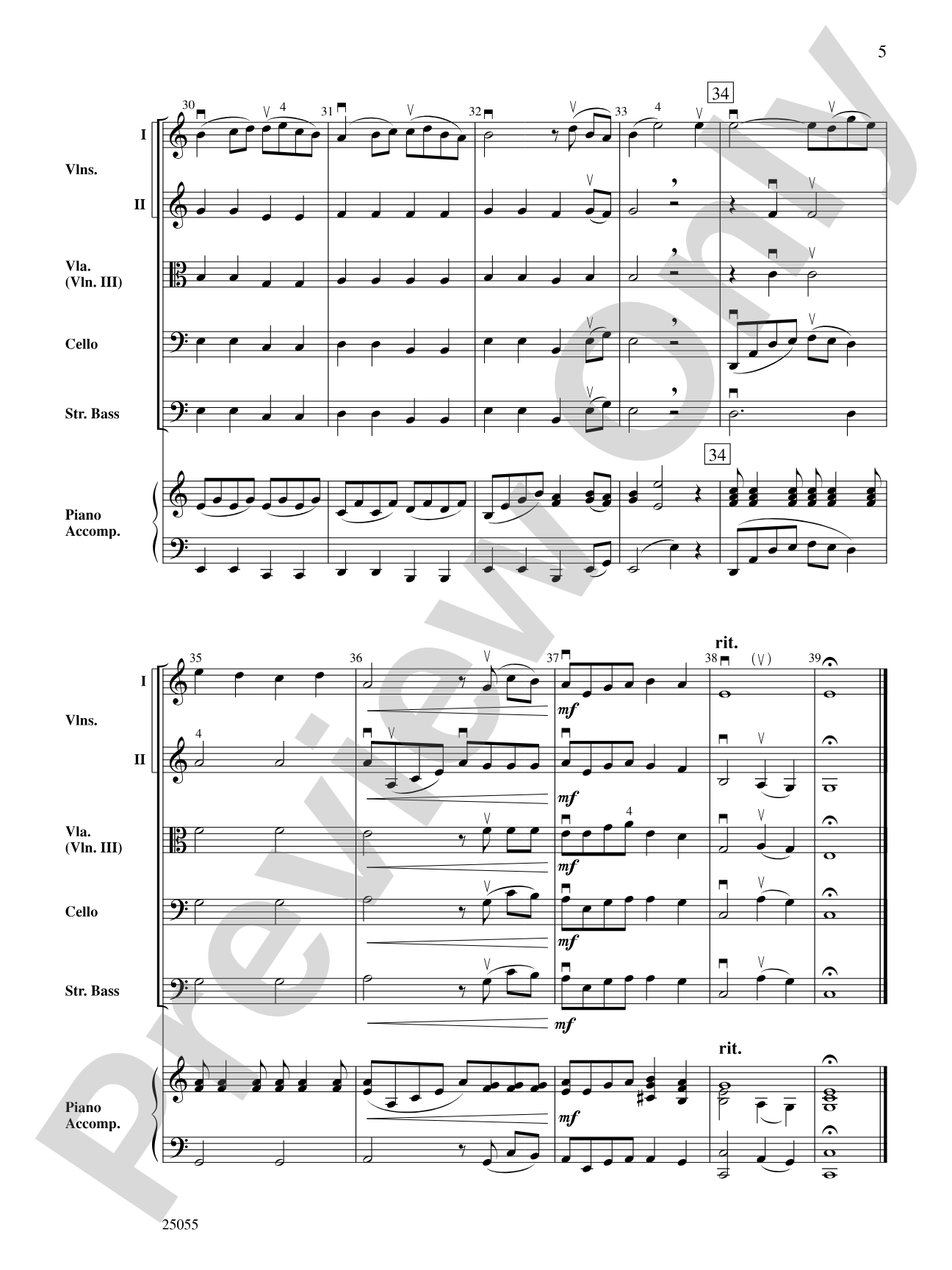




Pavane (Pour Une Infante Defunte): Score
By Maurice Ravel / arr. Michael Story
Grade: 1.5
Item: 00-PR-0001009
$8.00
Pickup currently not available
Description
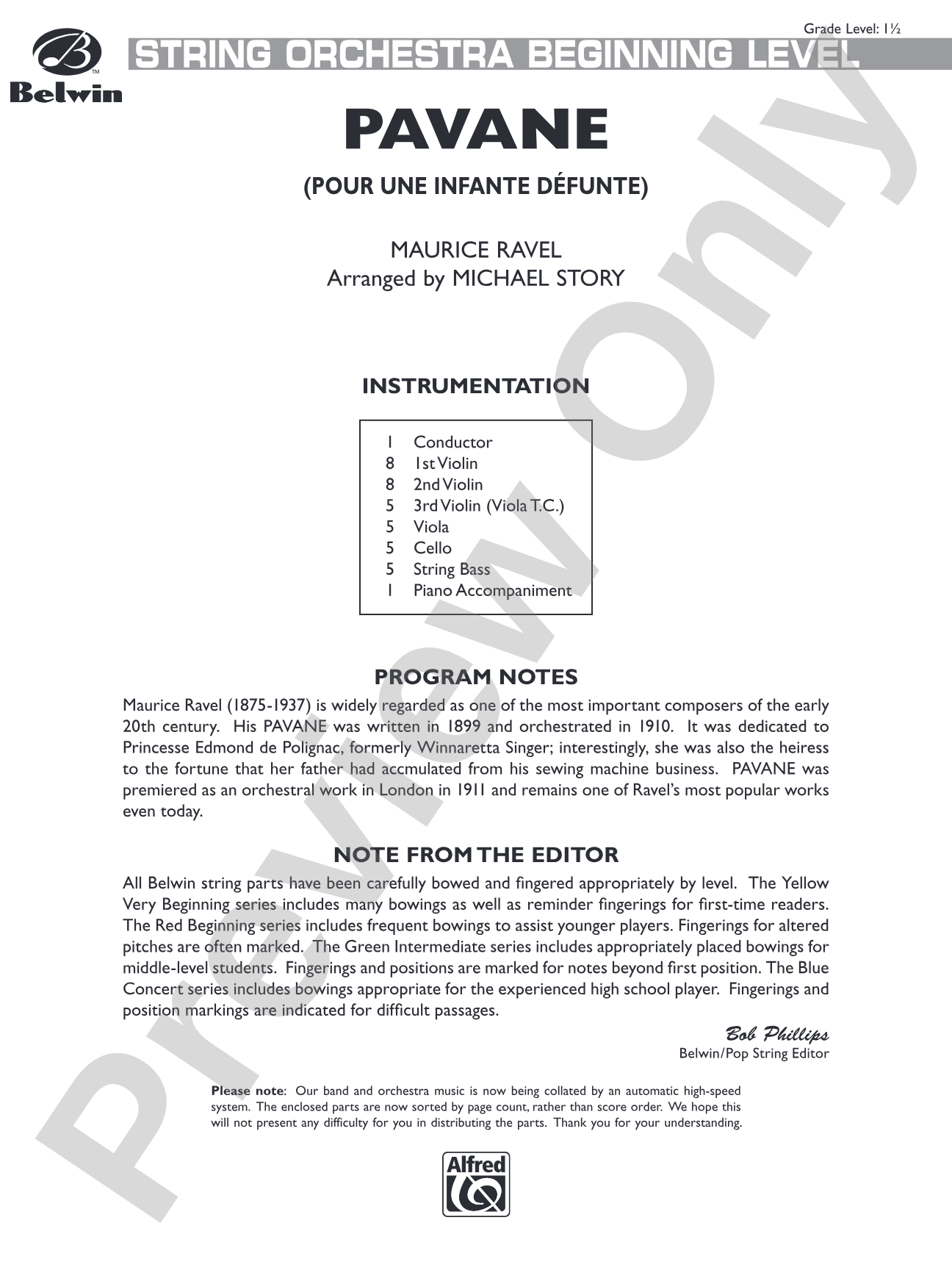
Maurice Ravel (1875-1937) is widely considered one of most important composers of the early 20th century. His Pavane was written in 1899 and orchestrated in 1910. It was dedicated to the Princesses Edmond de Polignac, formerly Winnaretta Singer, who inherited the fortune that her father had accumulated from his sewing machine business. Pavane was first performed as an orchestral work in London in 1911 and still remains one of Ravel's most popular works today.


Don't just read it, hear it, play along with it, and watch your students grow with it. In MakeMusic Cloud, Pavane (Pour Une Infante Defunte): Score comes alive with professional accompaniment, adjustable tempo, and built-in practice tools that turn solo practice into real progress.
Open in the Player
Jump straight in and assign it today.
Start Your Free Trial
Open this title and explore the full library in minutes.
Sample Audio
1
Audio File
--:--
0:00
0:00
Sample Video
No sample videos found.
Additional Details
Series:
Belwin Beginning String Orchestra
Publisher:
Alfred Music
Page Count:
76
SKU:
00-PR-0001009
More about this title
About the Composer: Maurice Ravel
Maurice Ravel (1875-1937) shaped the sound of twentieth-century classical music through his meticulous orchestration and harmonic innovation. A French composer trained in traditional forms yet drawn to impressionistic color and jazz influences, Ravel produced a relatively small catalog of works, each one painstakingly refined. His orchestrations are studied as masterclasses in instrumental writing; he famously orchestrated Mussorgsky's Pictures at an Exhibition and reworked many of his own piano compositions for larger ensembles, always with an ear for balance and clarity.
Pavane stands among his most beloved pieces, bridging his early romantic sensibilities with the sophisticated harmonies that made him distinctive. Written originally for solo piano, the 1910 orchestration revealed Ravel's gift for translating intimate musical thought into shimmering orchestral texture without losing the work's essential grace.
Why we love this
Michael Story's arrangement opens one of the classical repertoire's most elegant pieces to young orchestras without compromising its impressionistic essence. At grade 1.5, students encounter genuine Ravel without the technical walls that would keep this work out of reach for developing ensembles. The Belwin Beginning String Orchestra series consistently delivers orchestrations that honor the source material while prioritizing playability and musical reward.
What to expect
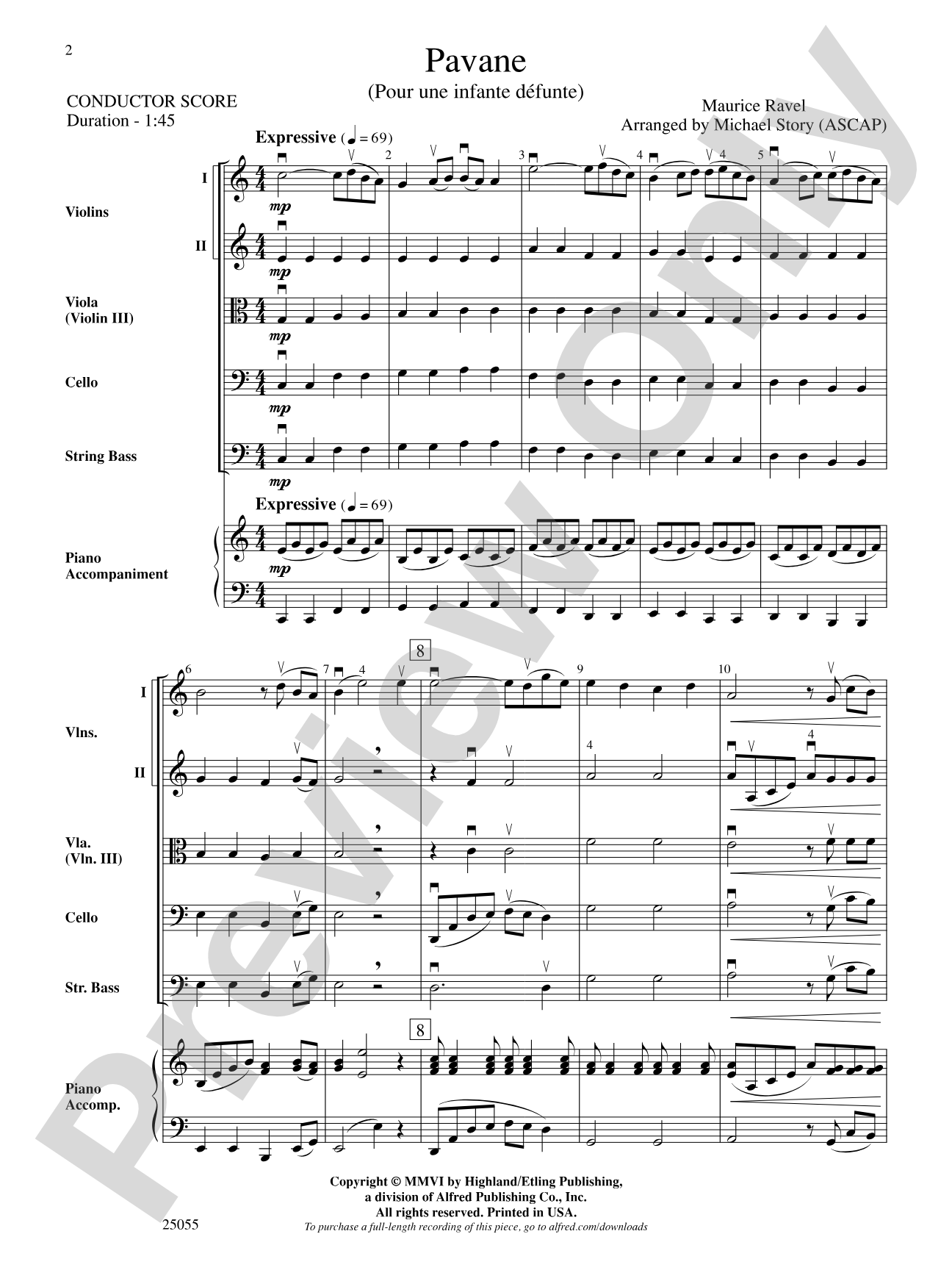
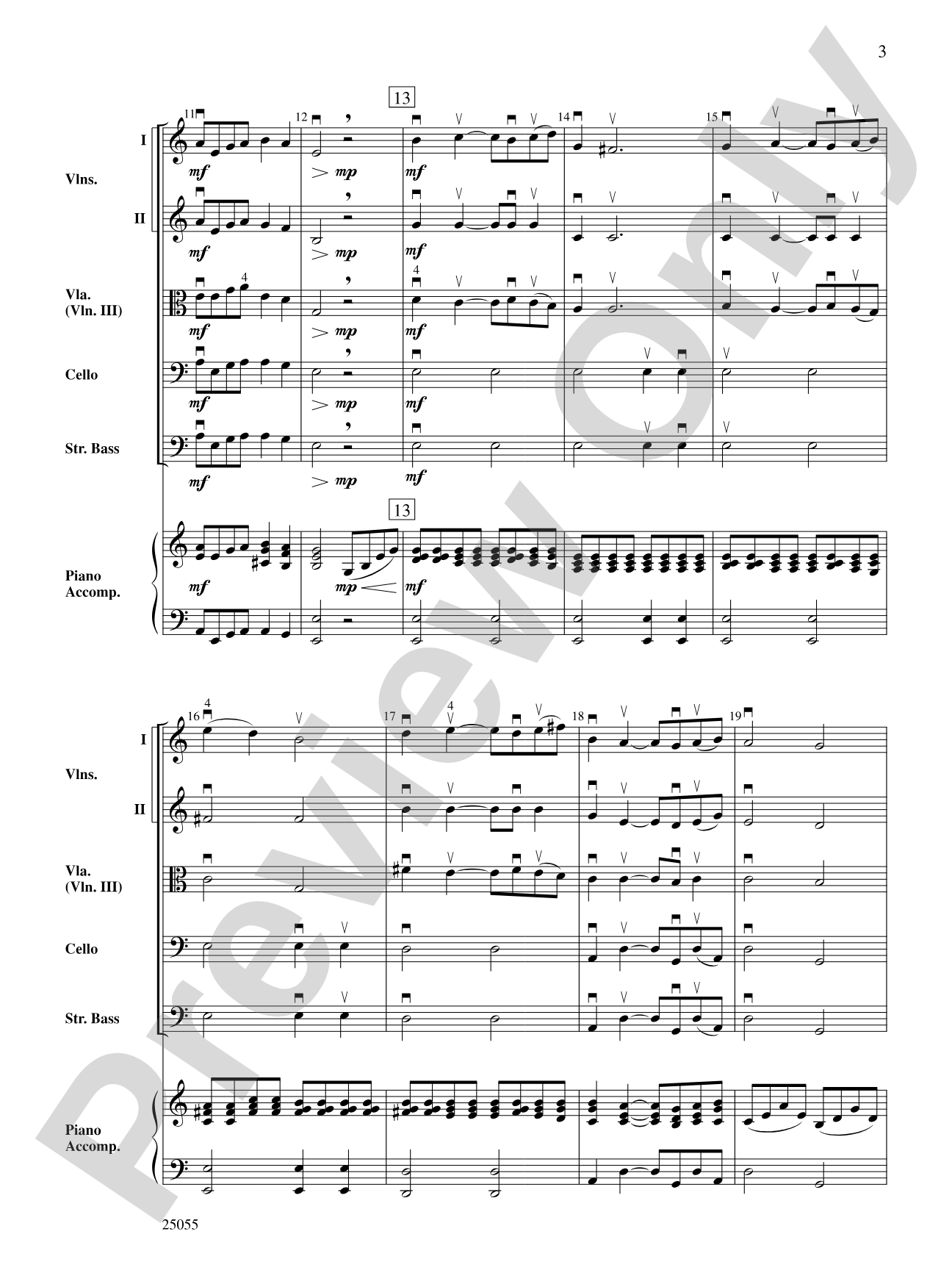
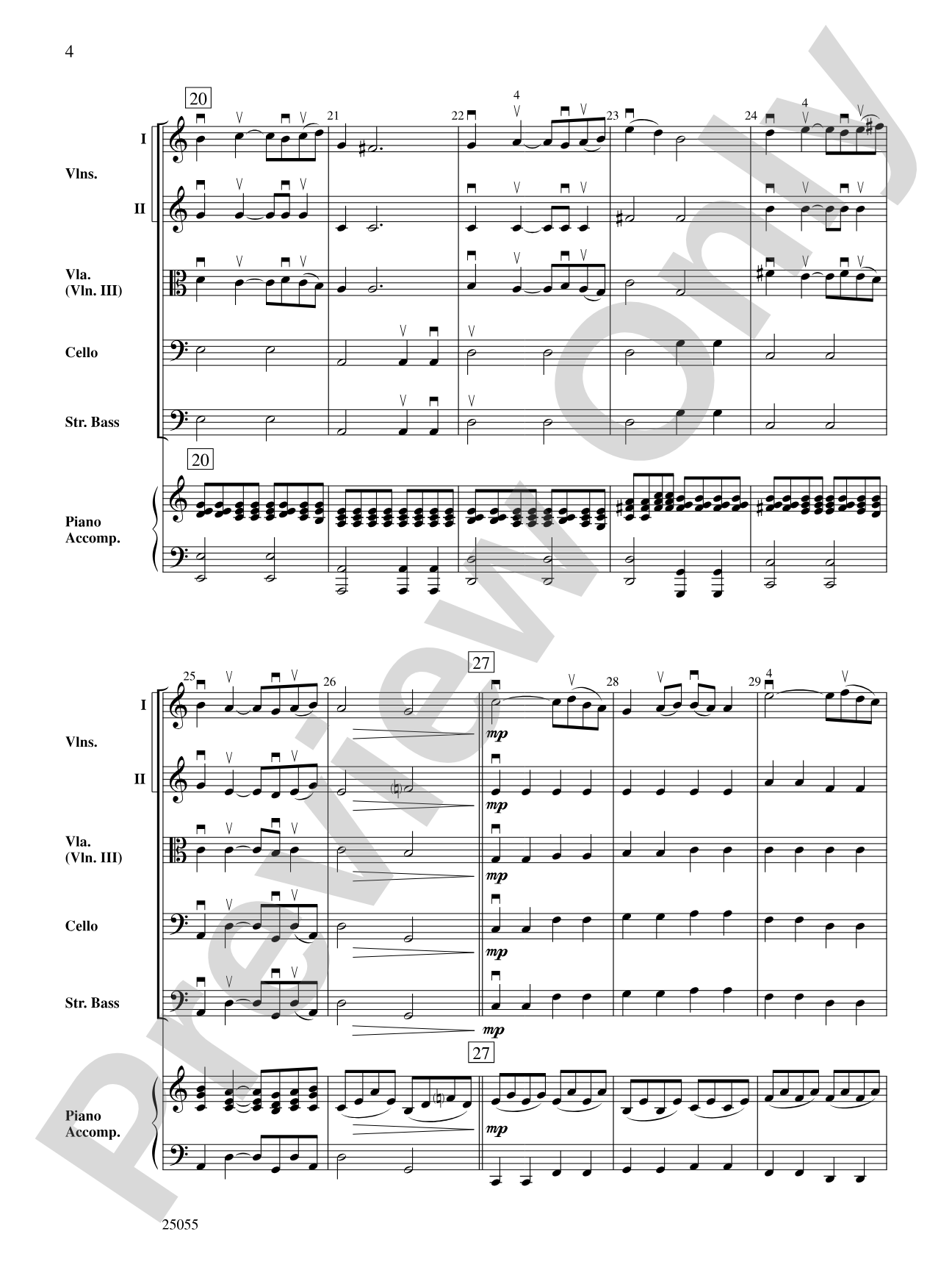
Pavane unfolds like a processional through a palace of soft light. The melody moves with unhurried grace, supported by delicate harmonic shifts that shimmer and dissolve rather than resolve. There is no drama here, only contemplation and refinement, a moment suspended between walking and dancing.
Who it's for
String orchestras with players reading at grade 1-2 level who want to program something with genuine artistic substance and historical weight. This arrangement works for developing ensembles that are ready to move beyond pedagogical pieces into genuine repertoire, or for more advanced orchestras seeking to rebuild fundamentals with meaningful music.
How to get the most out of it
- Shape phrases with gentle dynamic breathing rather than sudden contrasts. Ravel's music lives in the spaces between notes, so allow silence and air to define the lines.
- Balance the melody across your first violins without letting them overshadow the internal voices; the magic of this work depends on hearing all four string parts working together.
- Establish a quiet, unhurried tempo that gives players time to listen to one another. Rushing obscures the harmonic movement that makes Pavane special.
- Address intonation carefully in the sustained passages, particularly when moving between chords. Even small tuning issues become audible in the quiet, transparent textures Ravel favored.
How to use it
Open a spring concert with this piece to set an elegant, introspective mood before moving to contrasting works. Its modest duration and accessible performance level make it ideal for building orchestral cohesion and tone quality early in the season. Pair it with other impressionistic or neoclassical string works to create a programming theme around early twentieth-century aesthetics.
Skills your students will build
- Playing sustained tones with consistent tone quality and intonation
- Balancing melody and accompaniment across string parts
- Shaping long phrases with subtle dynamic gradations
- Reading in moderate keys and standard string orchestra textures
- Responding to impressionistic harmonic language and color