
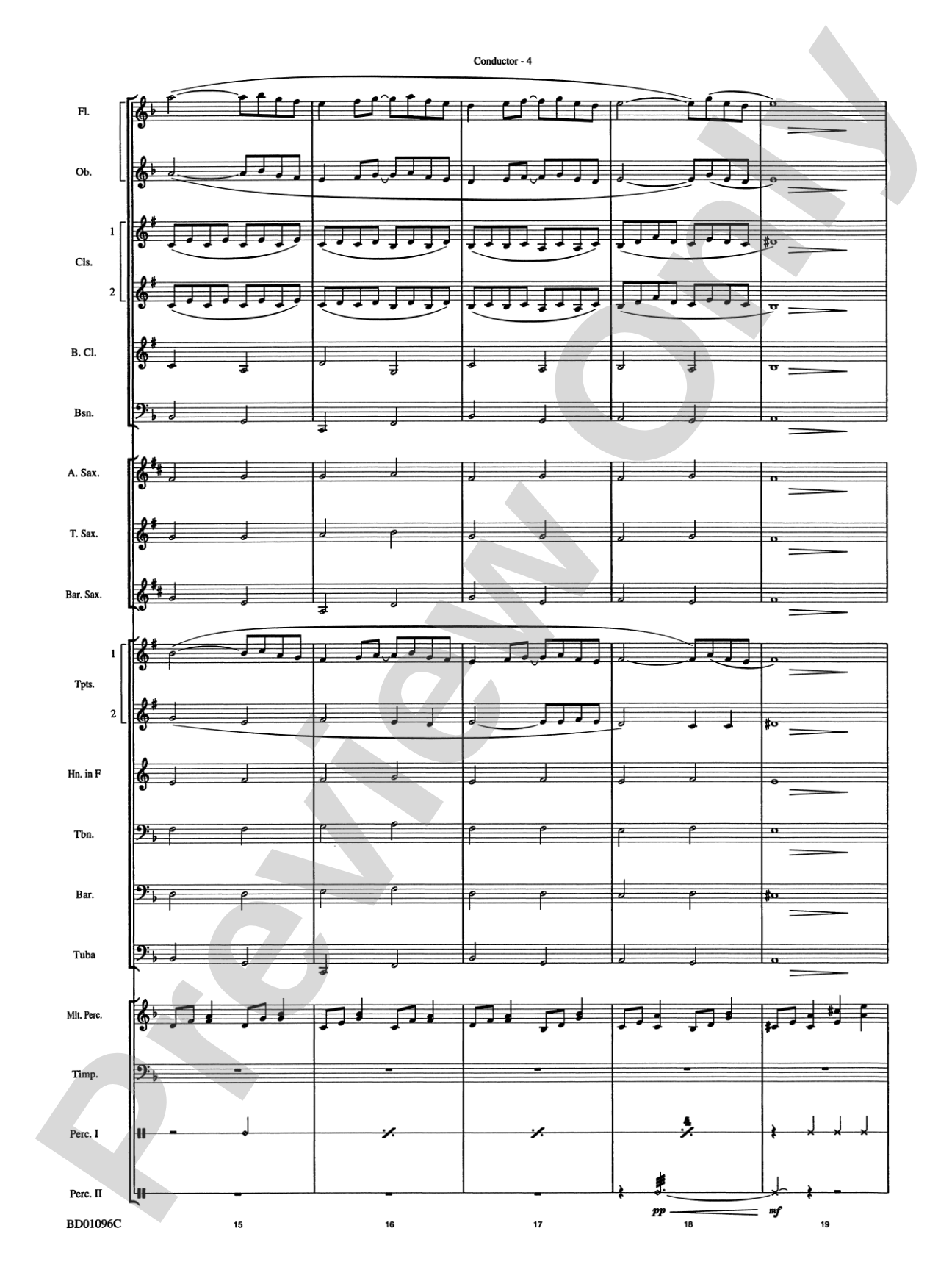
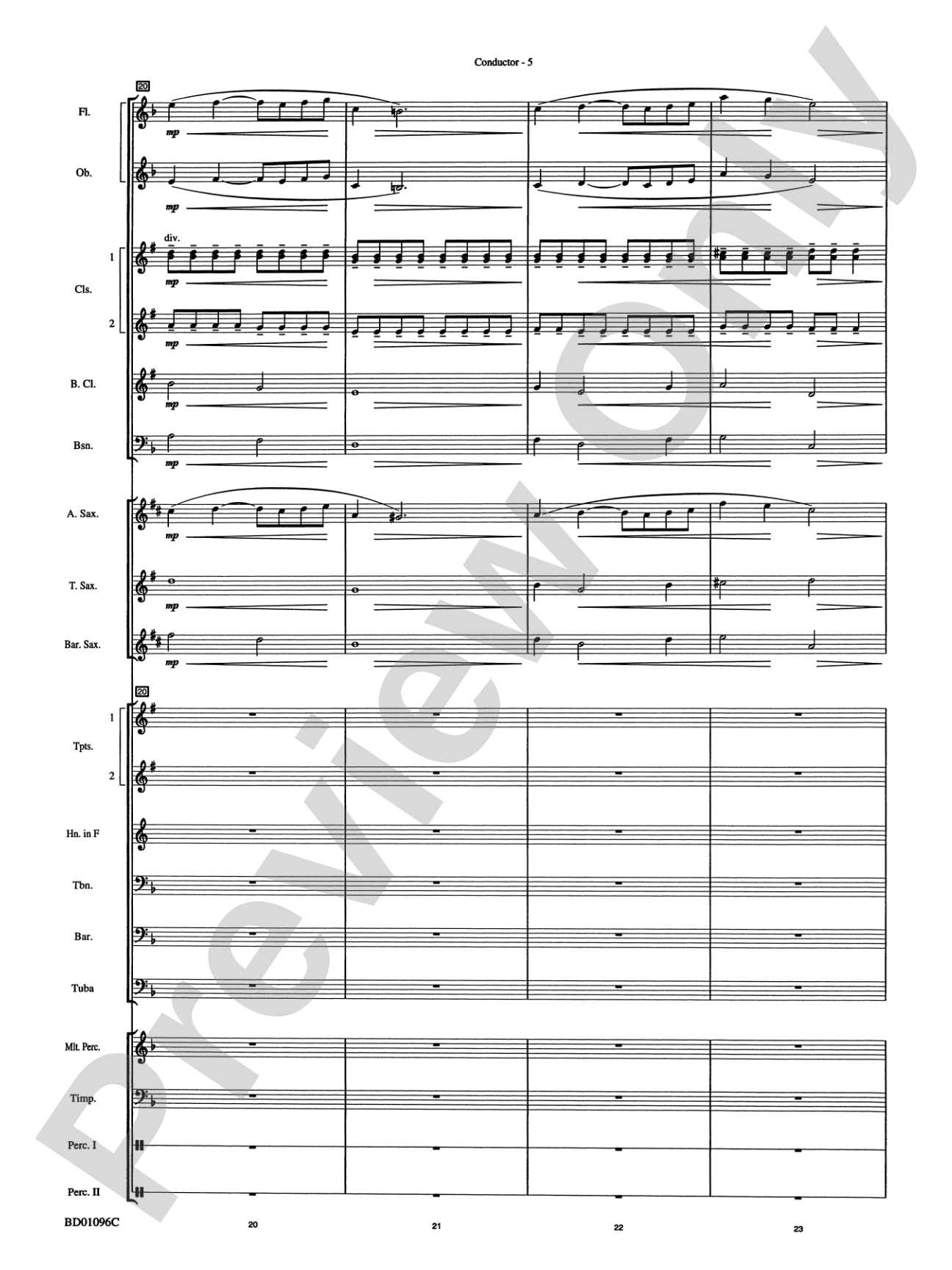
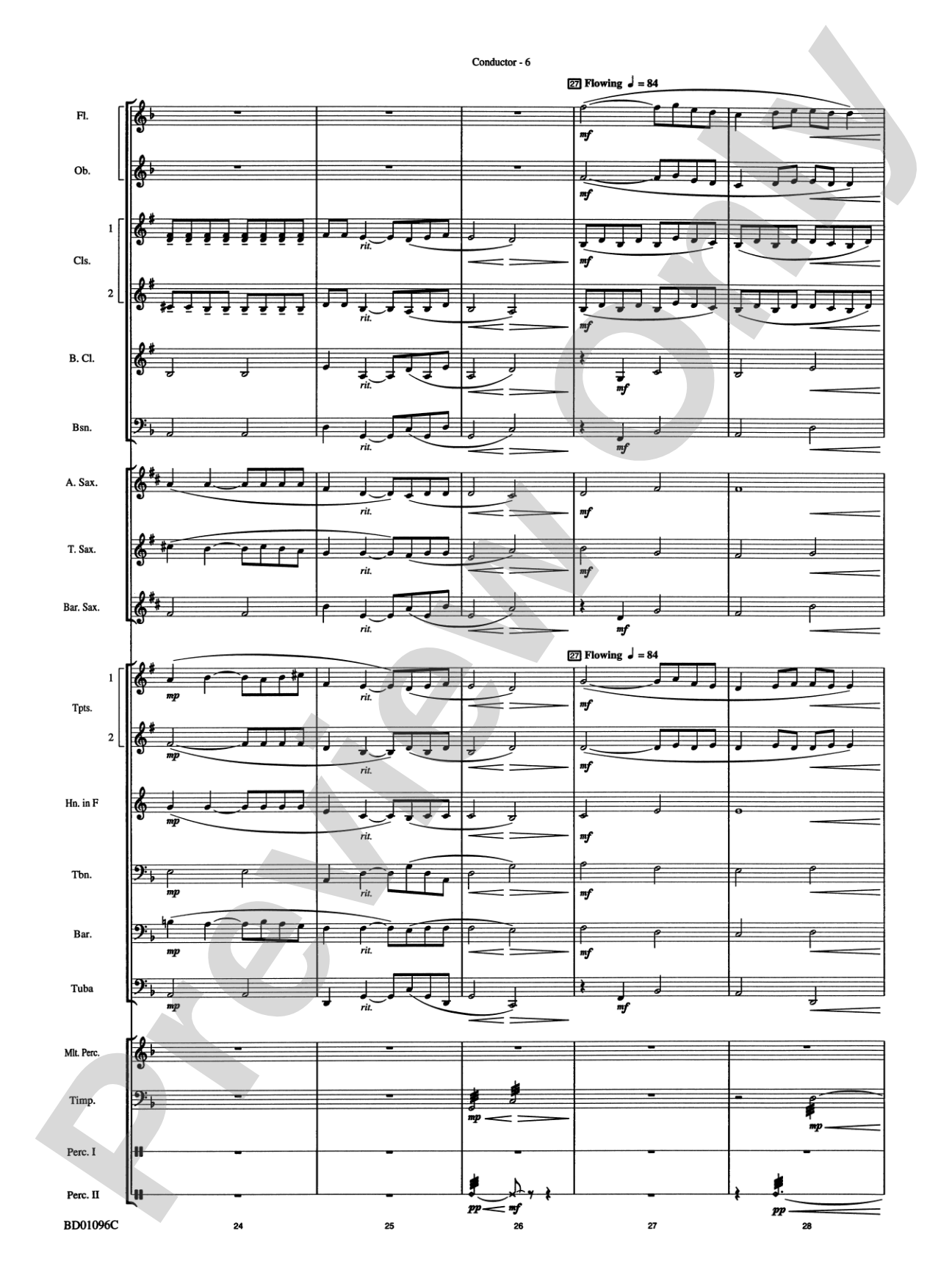
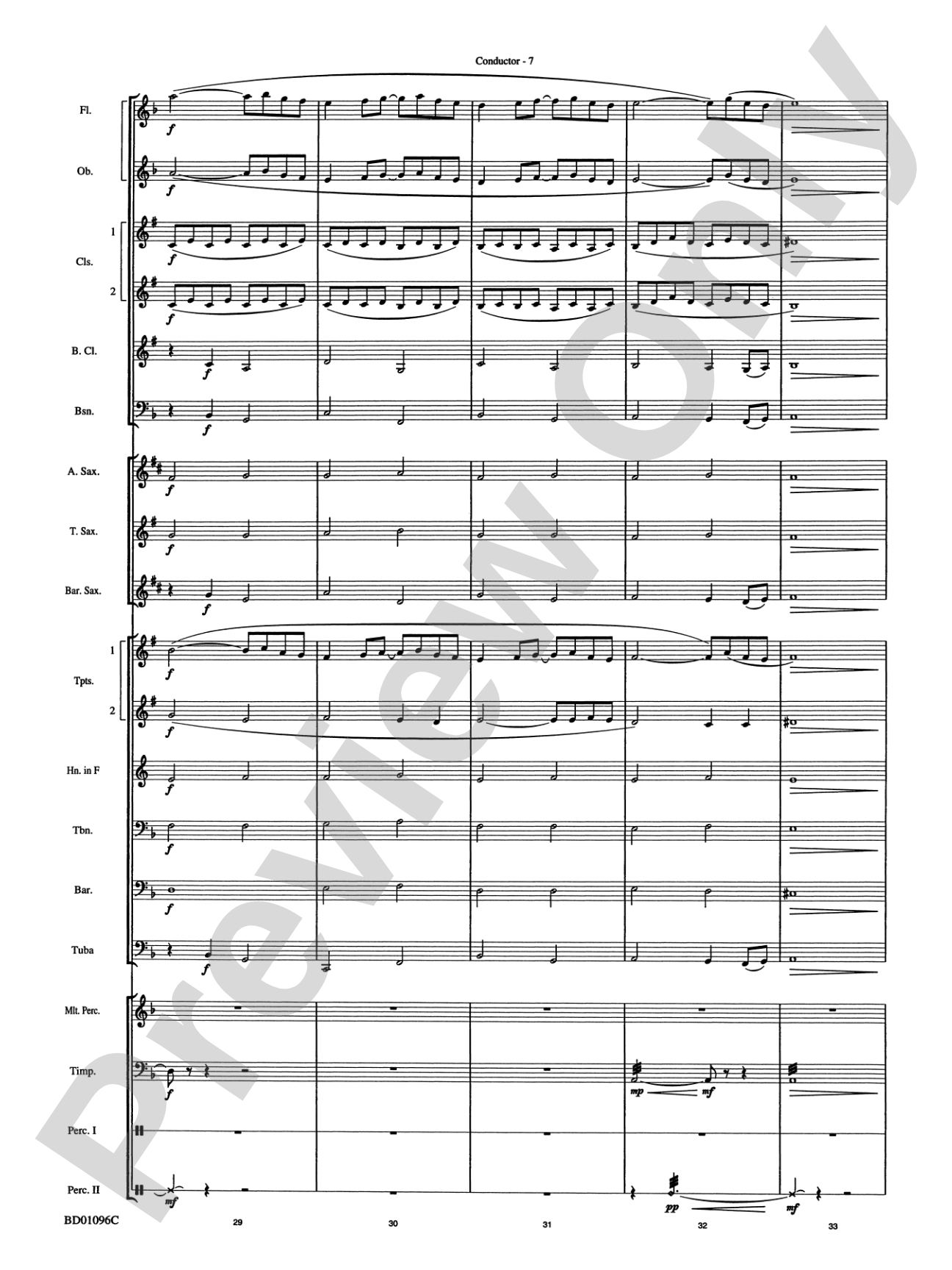



Pavane (Pour Une Infante Defunte): Concert Band Conductor Score & Parts
By Maurice Ravel / arr. Robert W. Smith
Grade: 2 (Easy)
Item: 00-PK-0002024

$57.00
Pickup currently not available
Buy Extra Parts (Digital PDF Download)
Parts Added to Cart!
Description
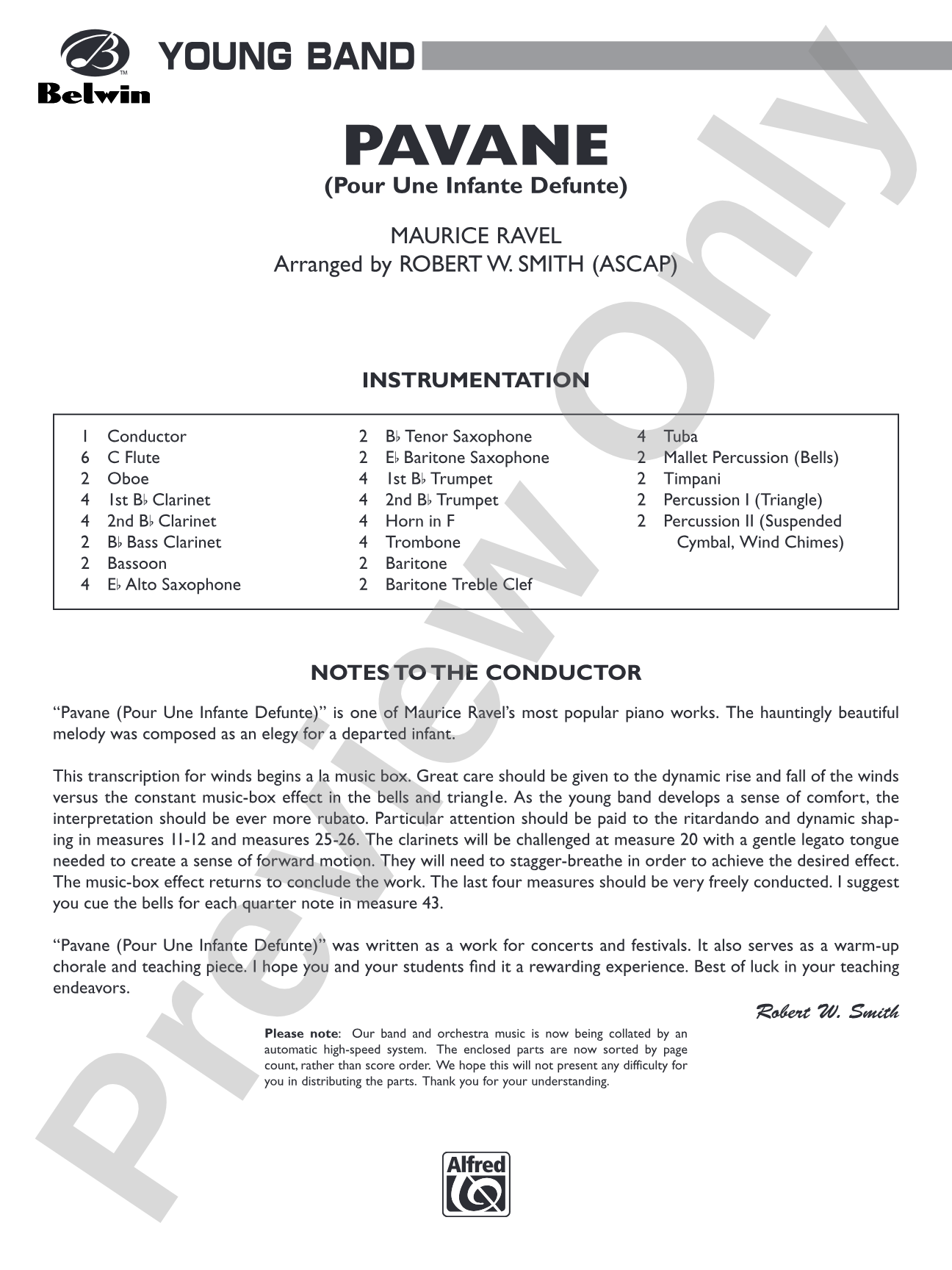
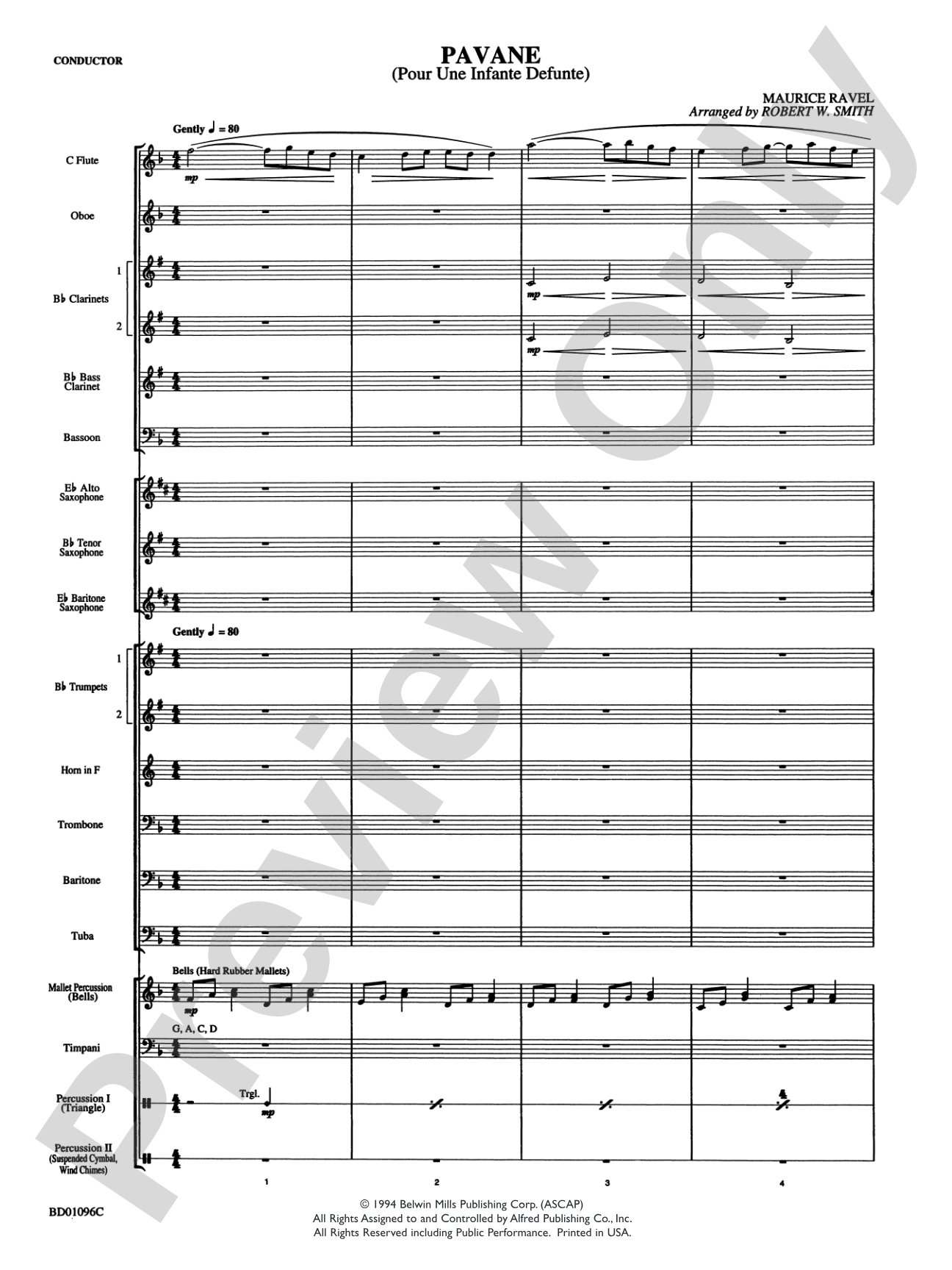
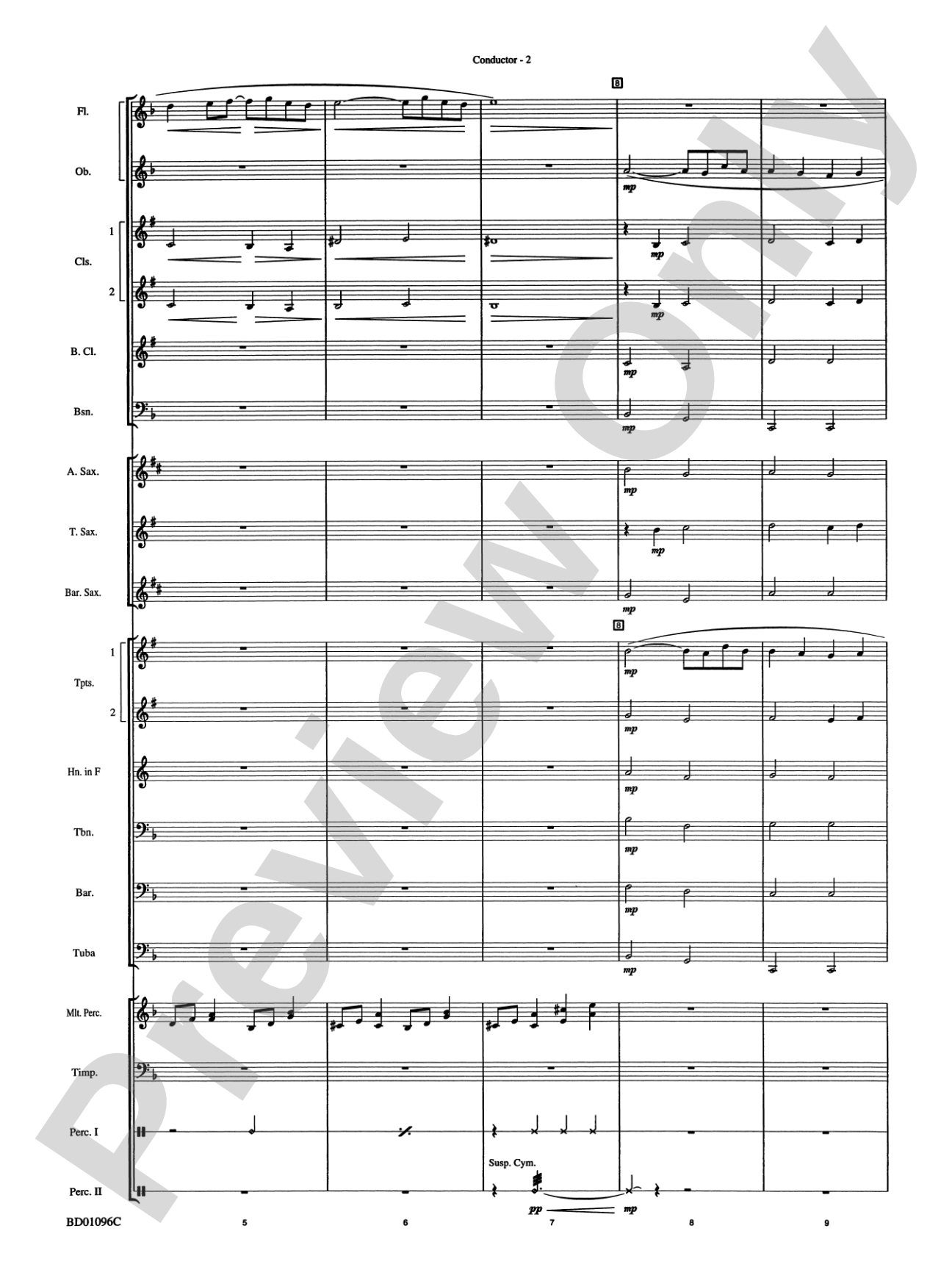
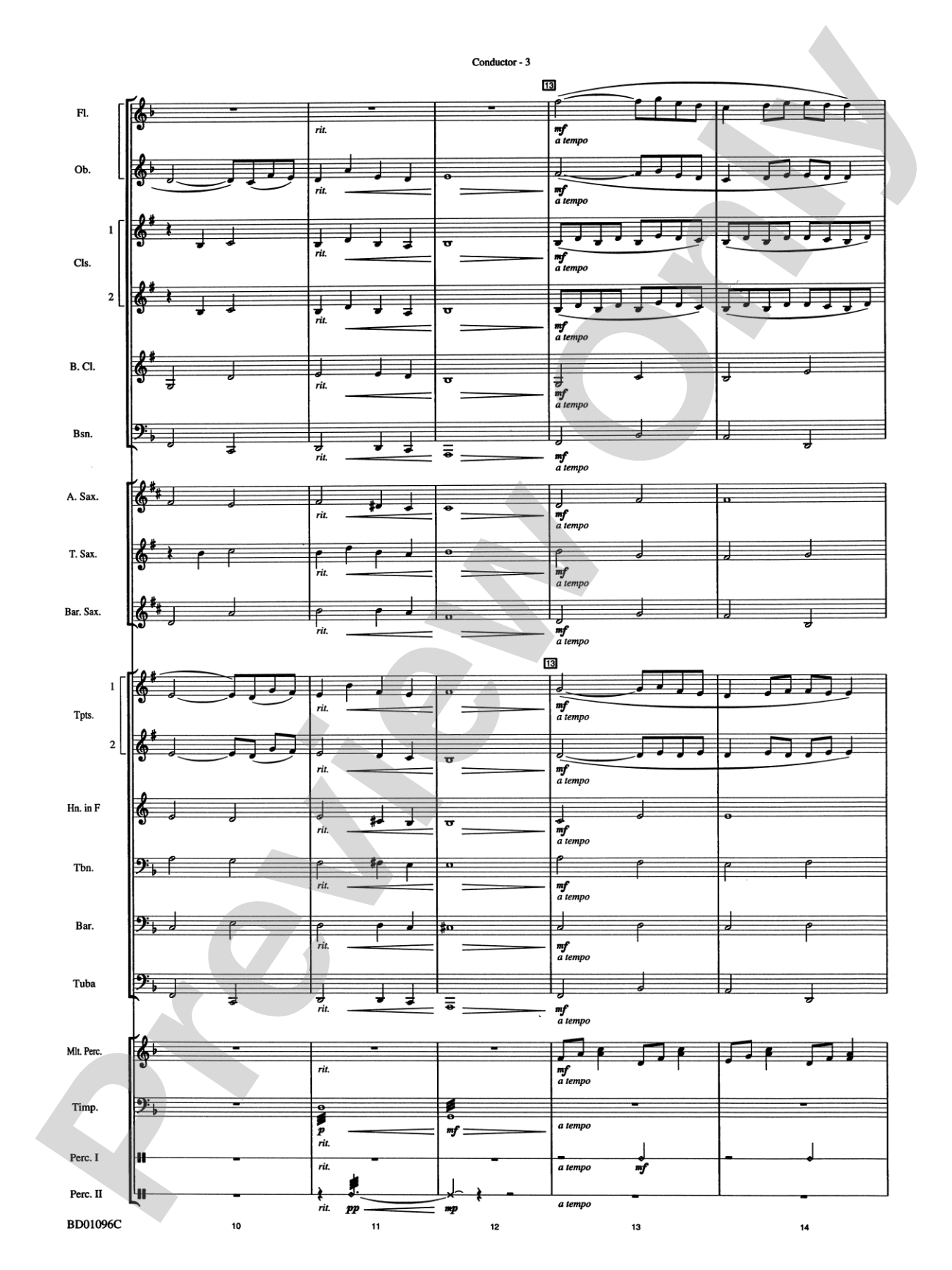
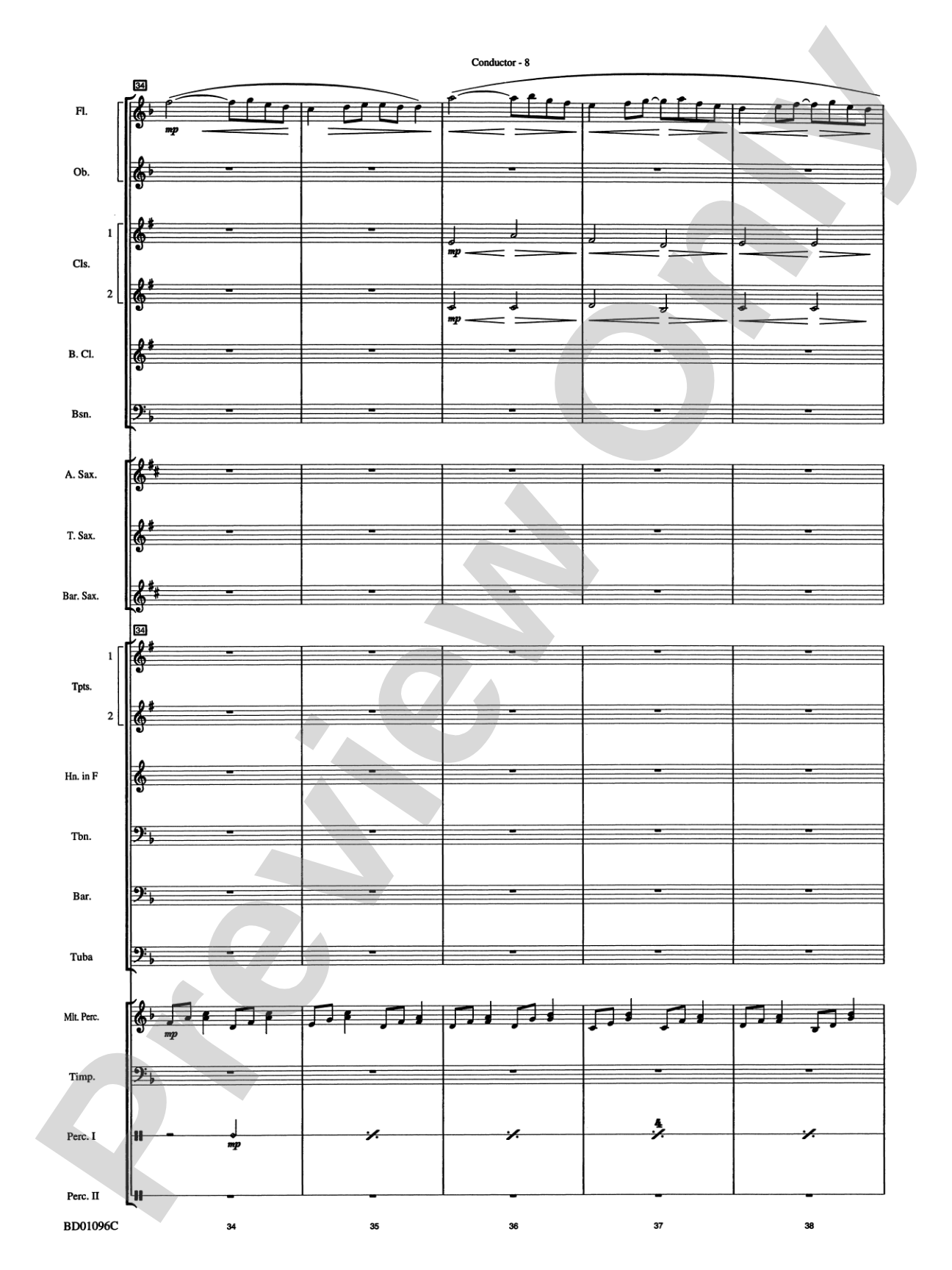
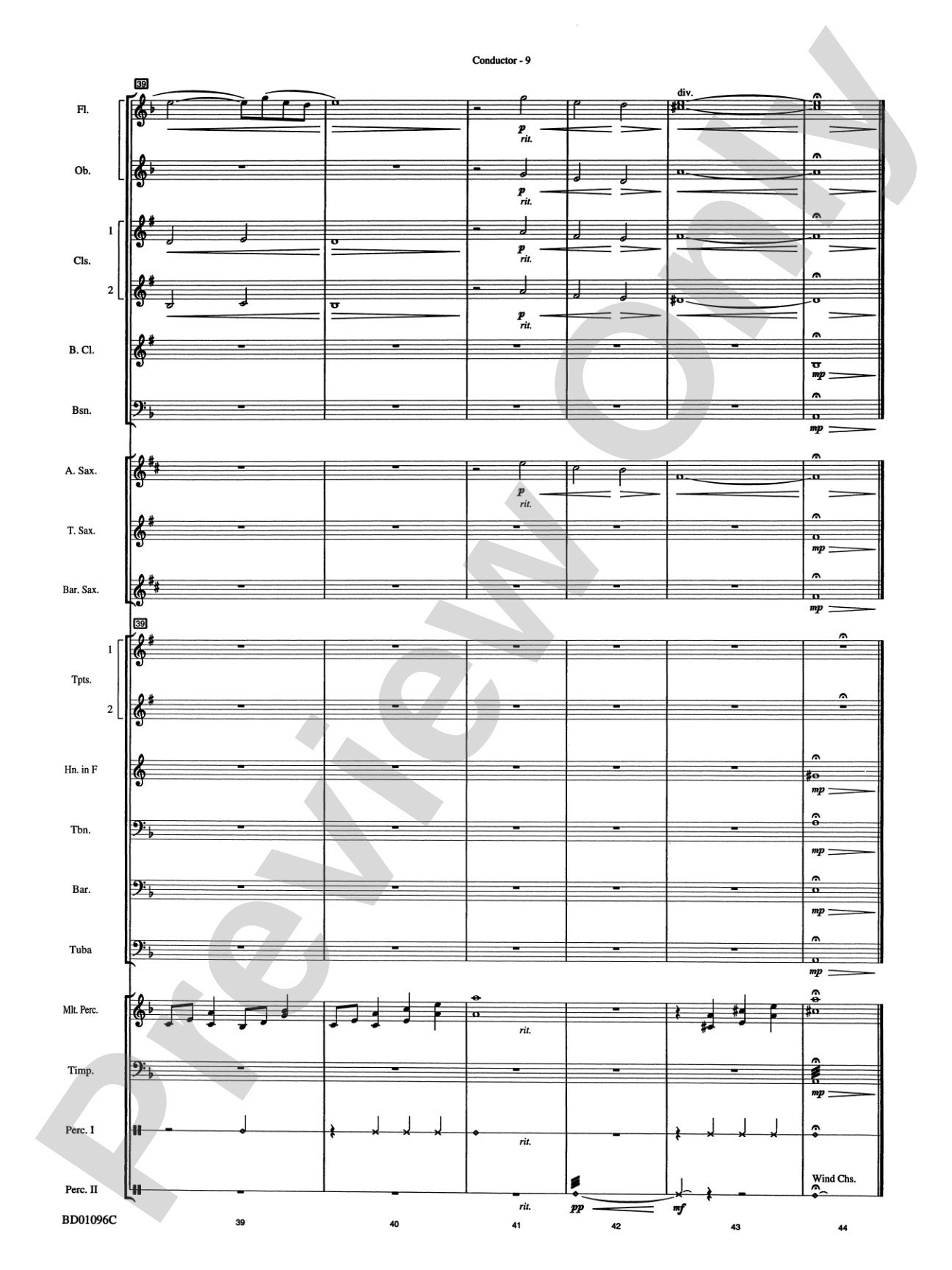
This hauntingly beautiful piece is one of Maurice Ravel's most popular piano works. Robert W. Smith's transcription for winds contrasts a 'music box' effect in bells and triangle against the dynamic rise and fall of the winds. Written as a contest/festival/concert work, it will also serve as a warmup chorale. A great teaching piece!


Don't just read it, hear it, play along with it, and watch your students grow with it. In MakeMusic Cloud, Pavane (Pour Une Infante Defunte): Concert Band Conductor Score & Parts comes alive with professional accompaniment, adjustable tempo, and built-in practice tools that turn solo practice into real progress.
Open in the Player
Jump straight in and assign it today.
Start Your Free Trial
Open this title and explore the full library in minutes.
Sample Audio
1
Audio File
--:--
0:00
0:00
Sample Video
Additional Details
Series:
Belwin Young Band
Publisher:
Alfred Music
Page Count:
60
SKU:
00-PK-0002024
More about this title
About the Composer: Maurice Ravel
Maurice Ravel (1875–1937) was a French composer whose orchestral and piano works defined impressionistic music in the early 20th century. His harmonic innovations, obsession with timbre, and gift for orchestration made him one of the most influential composers of his era, and his music remains central to concert repertoire and music education worldwide.
Ravel's facility with different media—piano, orchestra, chamber ensembles—meant his works translate exceptionally well across instrumental combinations. "Pavane pour une infante défunte," originally composed for solo piano in 1899, exemplifies his ability to create emotionally direct music with sophisticated harmonic underpinnings. That same combination of accessibility and craftsmanship makes his works invaluable teaching tools.
Why we love this
Smith's transcription honors Ravel's delicate orchestral instincts while remaining transparent enough for a developing band to execute with clarity and elegance. The Grade 2 scoring lets younger players discover the difference between prettiness and real sophistication, and the recorded performance context (contest/festival) means students immediately understand this as substantial concert literature, not a simplified exercise.
What to expect
A procession viewed from a distance; stately but never heavy. The 'music box' bells create an almost wistful frame around the melodic line, and the gentle dynamic swells and subsides like breath itself. It's contemplative, elegant, and tinged with melancholy without ever becoming sentimental.
Who it's for
Directors building strong concert programs for developing bands who want literature that teaches both musicianship and respect for compositional craft. This works equally well in a contest setting or as a concert-opening or intermezzo piece that says something meaningful without overextending the ensemble's technical capacity.
How to get the most out of it
- Balance the triangle and bells carefully against the woodwind melody. Those percussion voices should shimmer without overwhelming; they're commentary, not accompaniment.
- Shape the dynamic arc across entire phrases rather than treating each measure as a unit. This piece breathes, and young bands benefit from hearing and feeling that sustained arc during rehearsal.
- Allow space and silence to register. The rests are part of Ravel's sophistication; resist the urge to fill them with unnecessary conductor gestures or ensemble tension.
- Tune the ensemble in the soft passages with extra care. Intonation becomes audible when the volume drops, and Ravel's harmony depends on accurate pitch relationships.
How to use it
Program this as a concert opener to establish sophistication and set a reflective mood, or use it as an effective intermission or finale. It also functions as an excellent warmup vehicle when you need students attending to intonation, balance, and phrasing without the demands of faster technical writing.
Skills your students will build
- Balancing melody against sustained accompaniment in soft dynamics
- Shaping long-lined phrases through dynamic architecture rather than note-level articulation
- Listening to and matching intonation in ensemble-wide unison and parallel passages
- Playing with controlled tone in the low-volume range without sacrificing resonance or projection
- Coordinating independent rhythmic figures across multiple sections while maintaining ensemble cohesion