
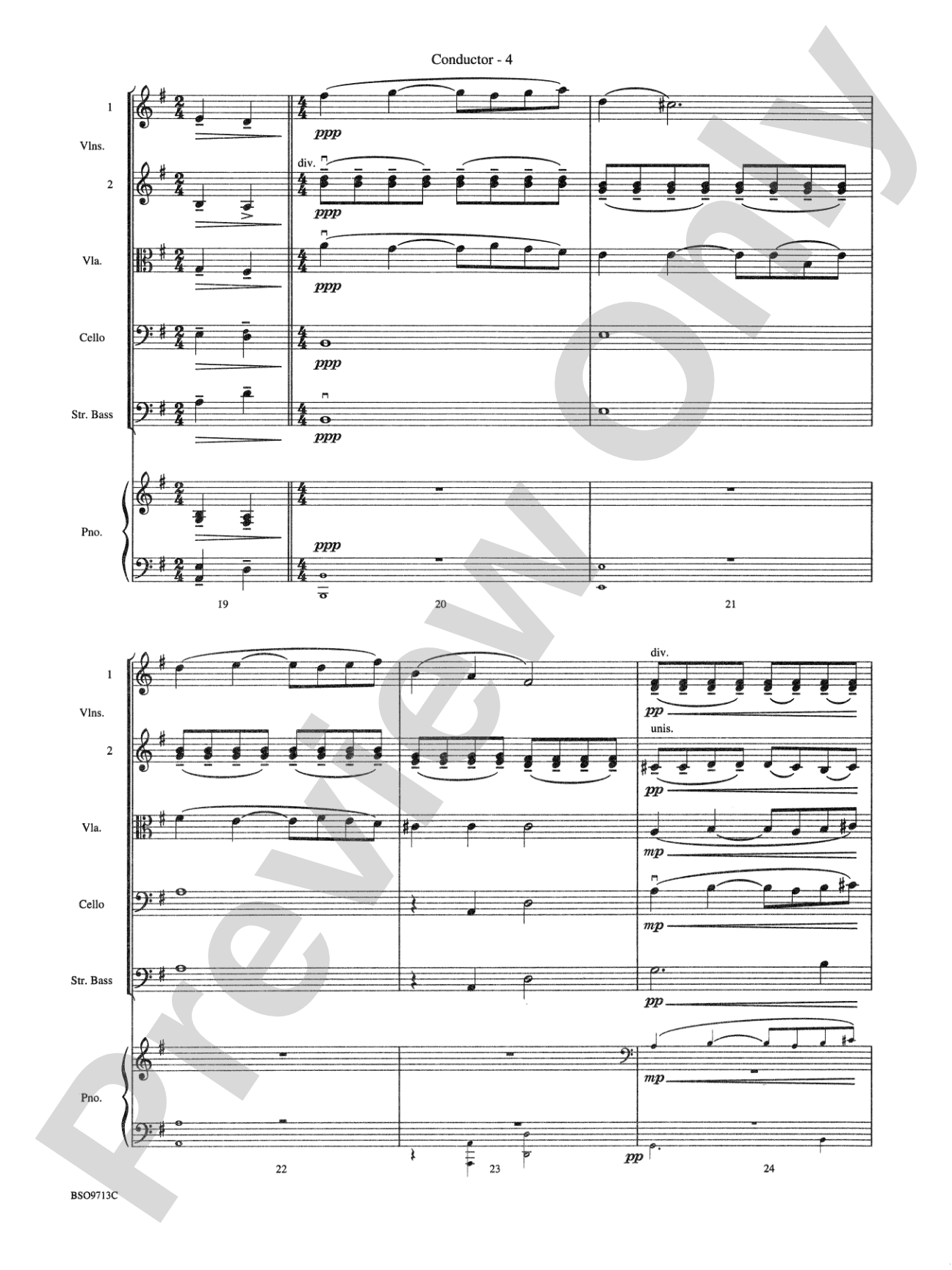
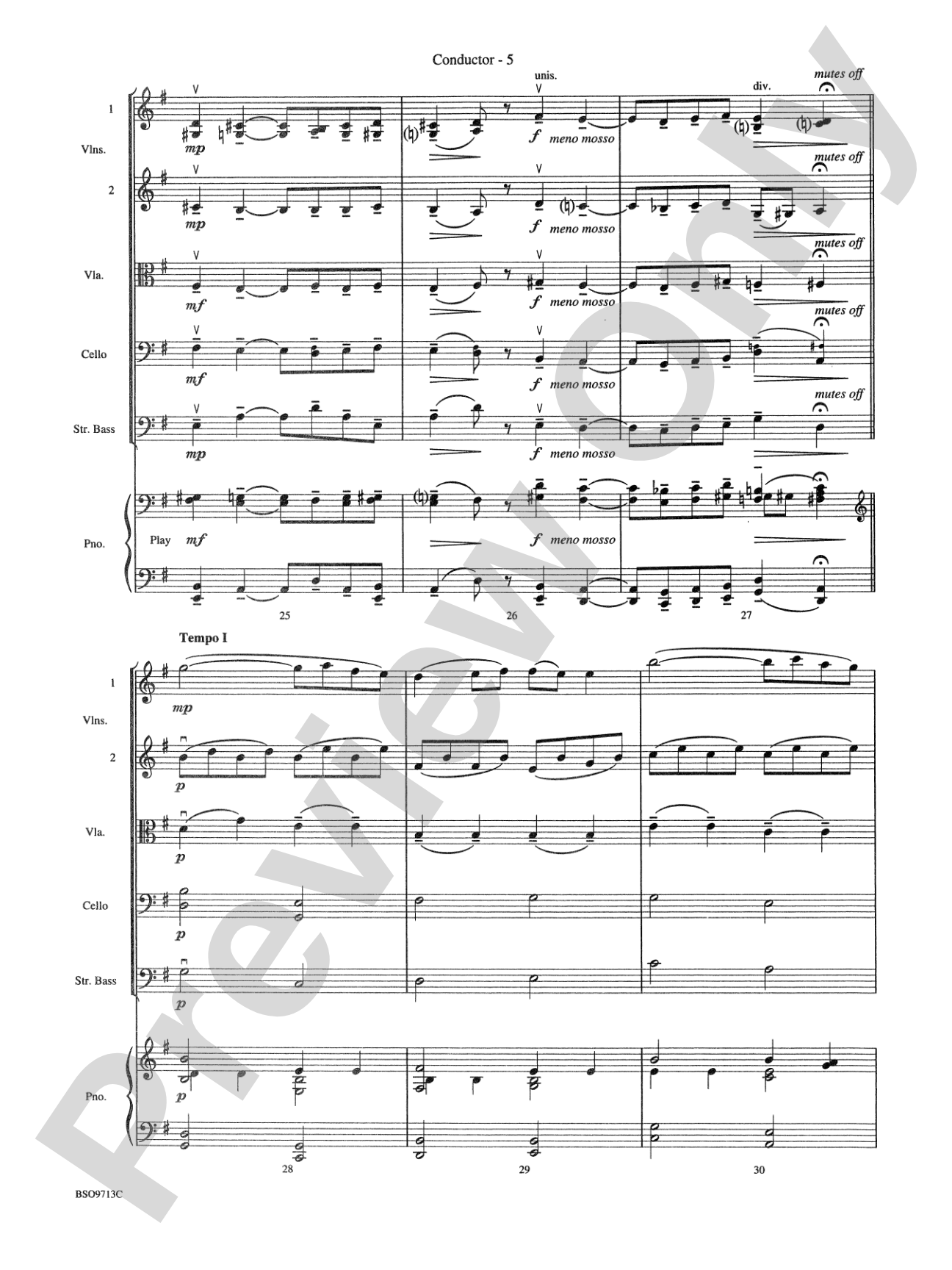
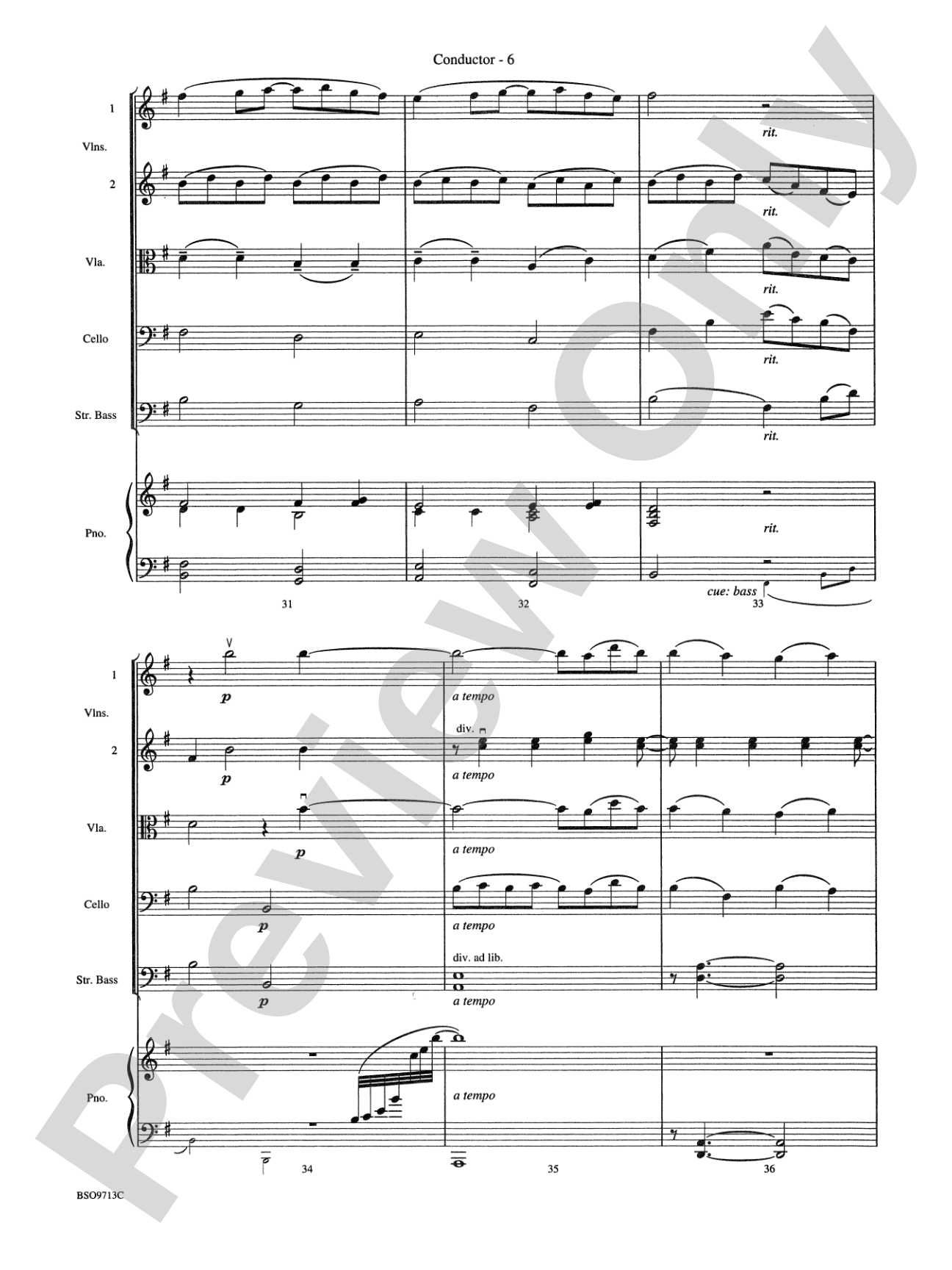
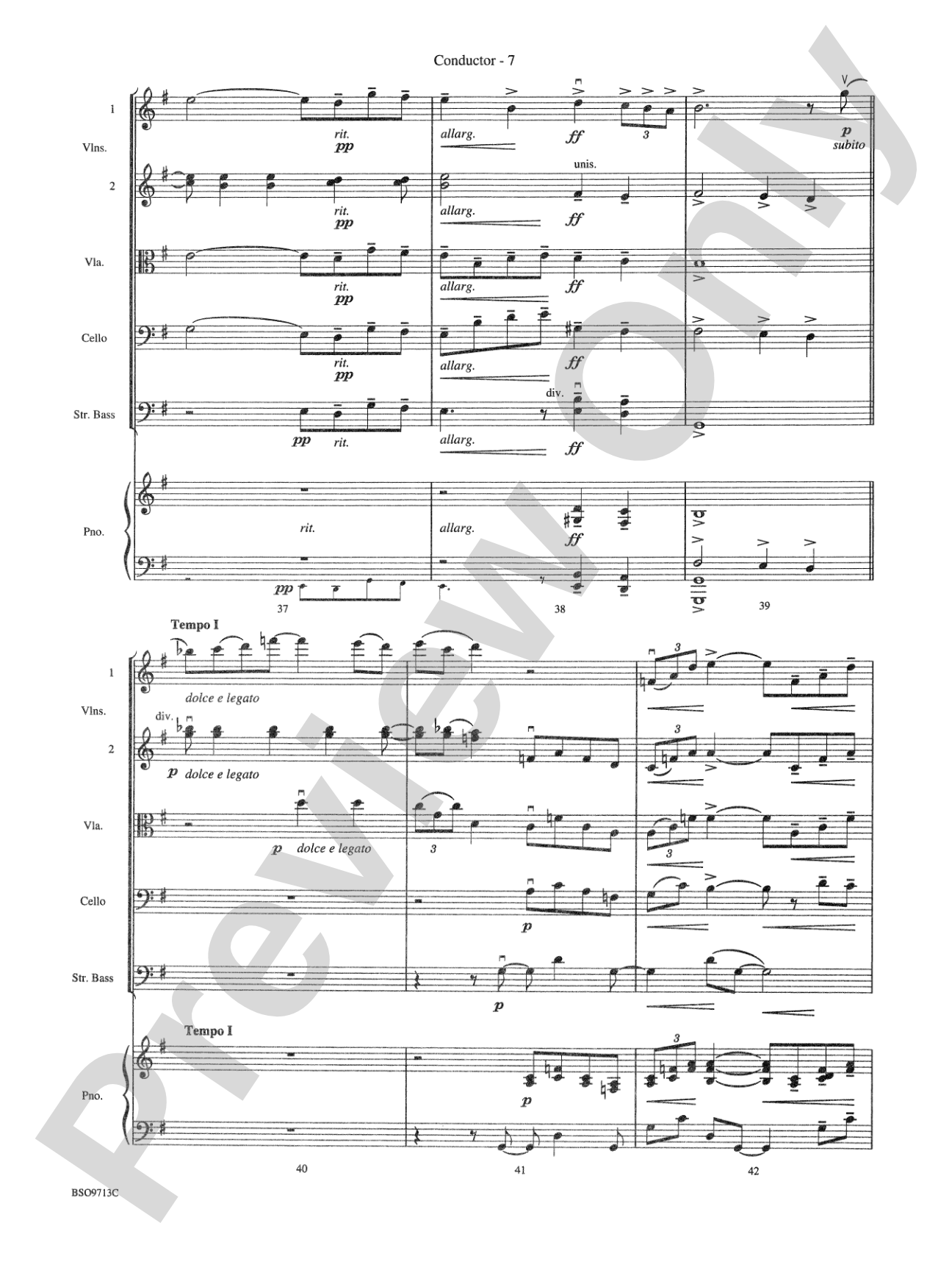
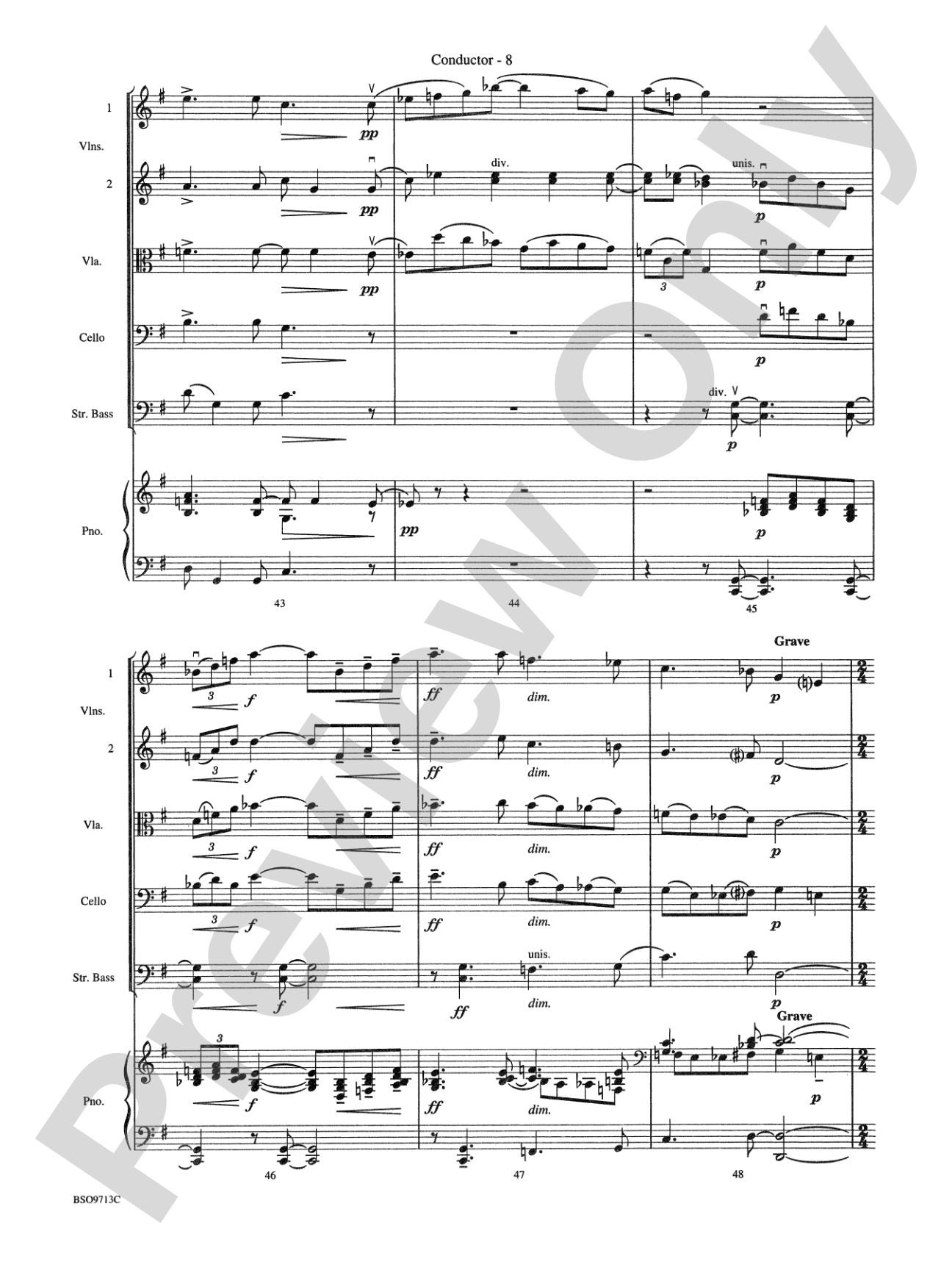
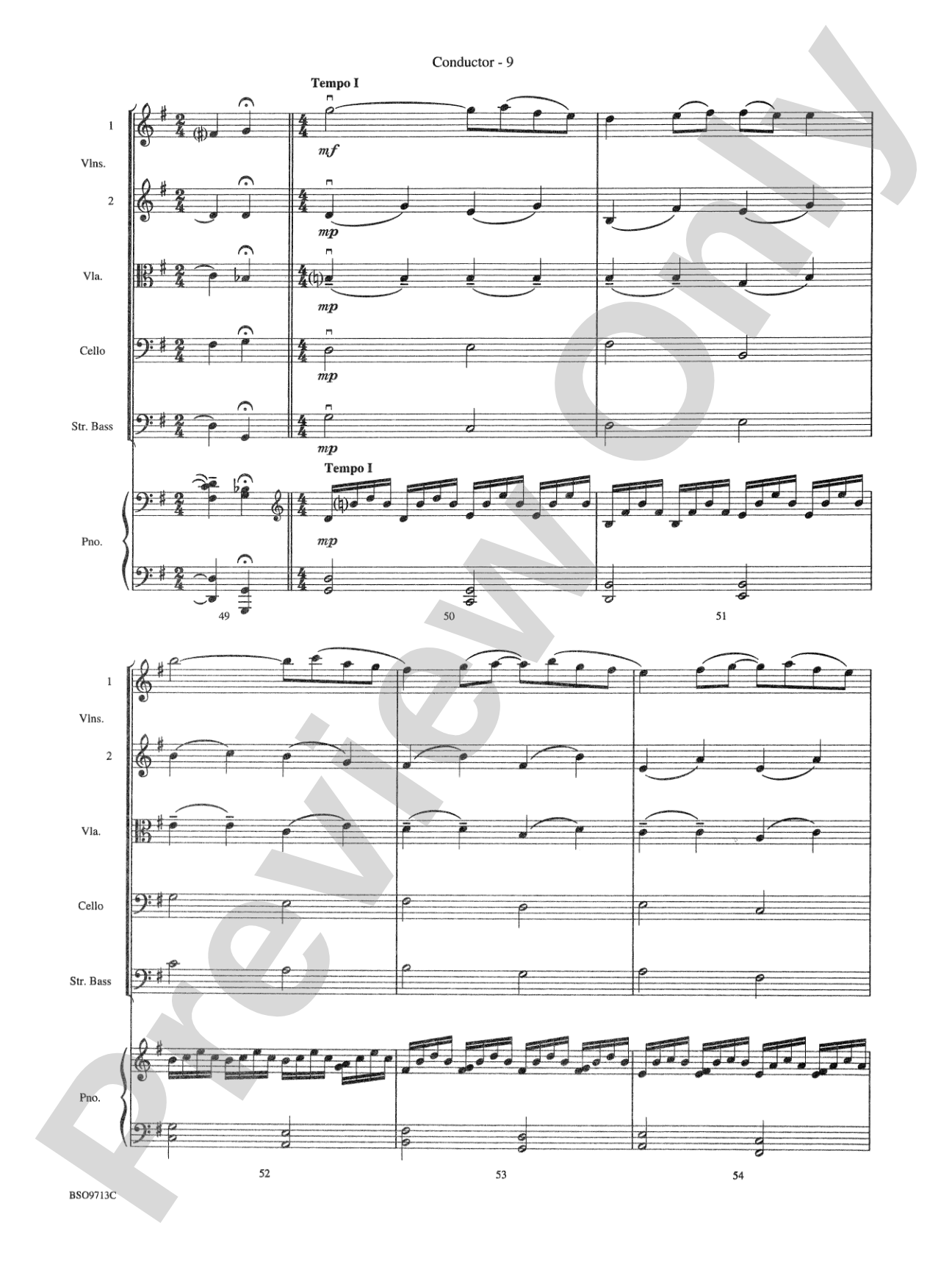
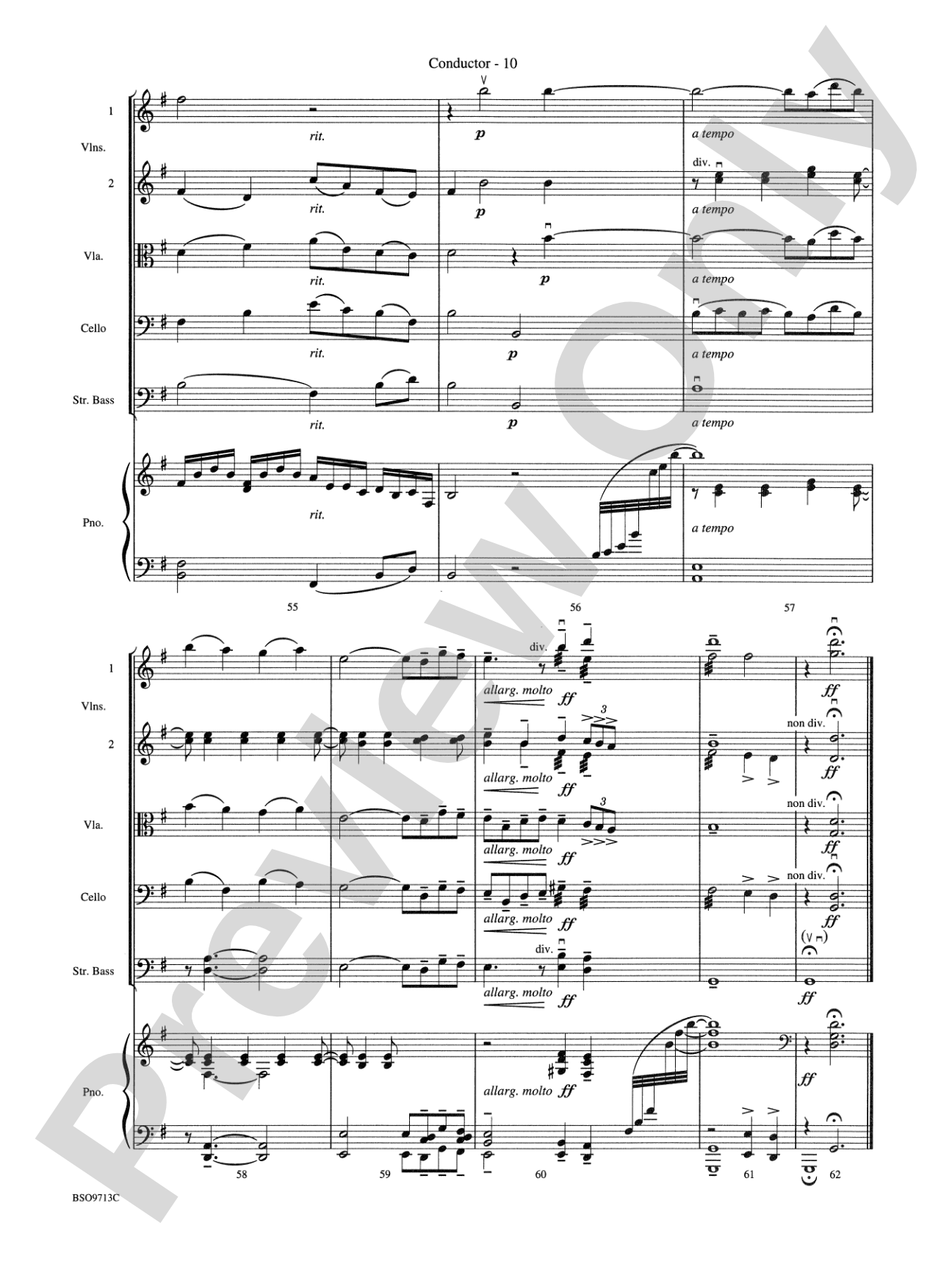


Pavane: String Orchestra Conductor Score & Parts
Pour une Infante Défunte
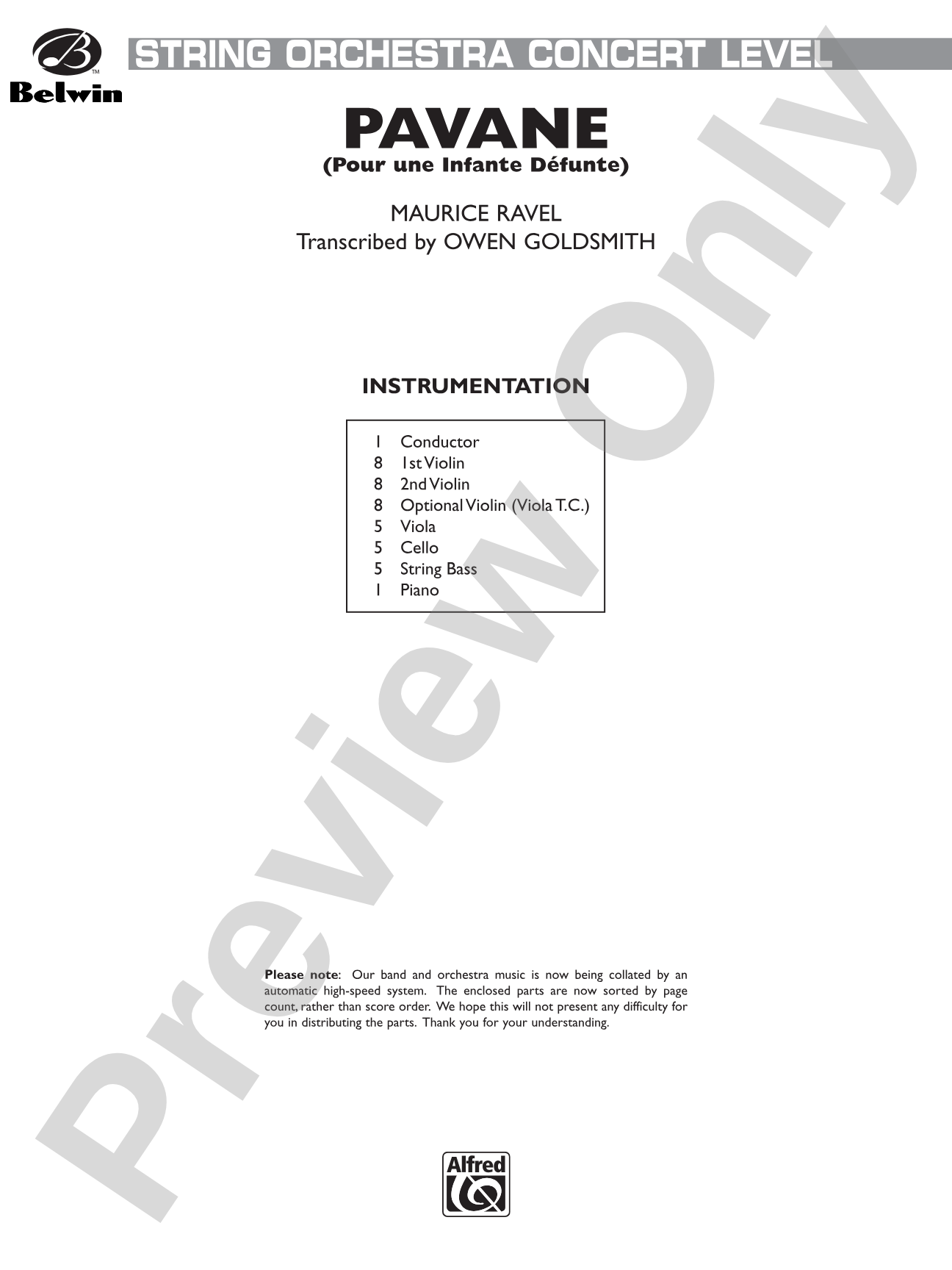
By Maurice Ravel / transcr. Owen Goldsmith
Grade: 3.5
Item: 00-PK-0002283

$59.00
Pickup currently not available
Buy Extra Parts (Digital PDF Download)
| Product | Price | Quantity |
|---|---|---|
| Pavane: Score | $7.00 | |
| Pavane: 1st Violin | $5.99 | |
| Pavane: 2nd Violin | $5.99 | |
| Pavane: 3rd Violin (Viola [TC]) | $5.99 | |
| Pavane: Viola | $5.99 | |
| Pavane: Cello | $5.99 | |
| Pavane: String Bass | $5.99 | |
| Pavane: Piano Accompaniment | $5.99 |
Parts Added to Cart!
Description
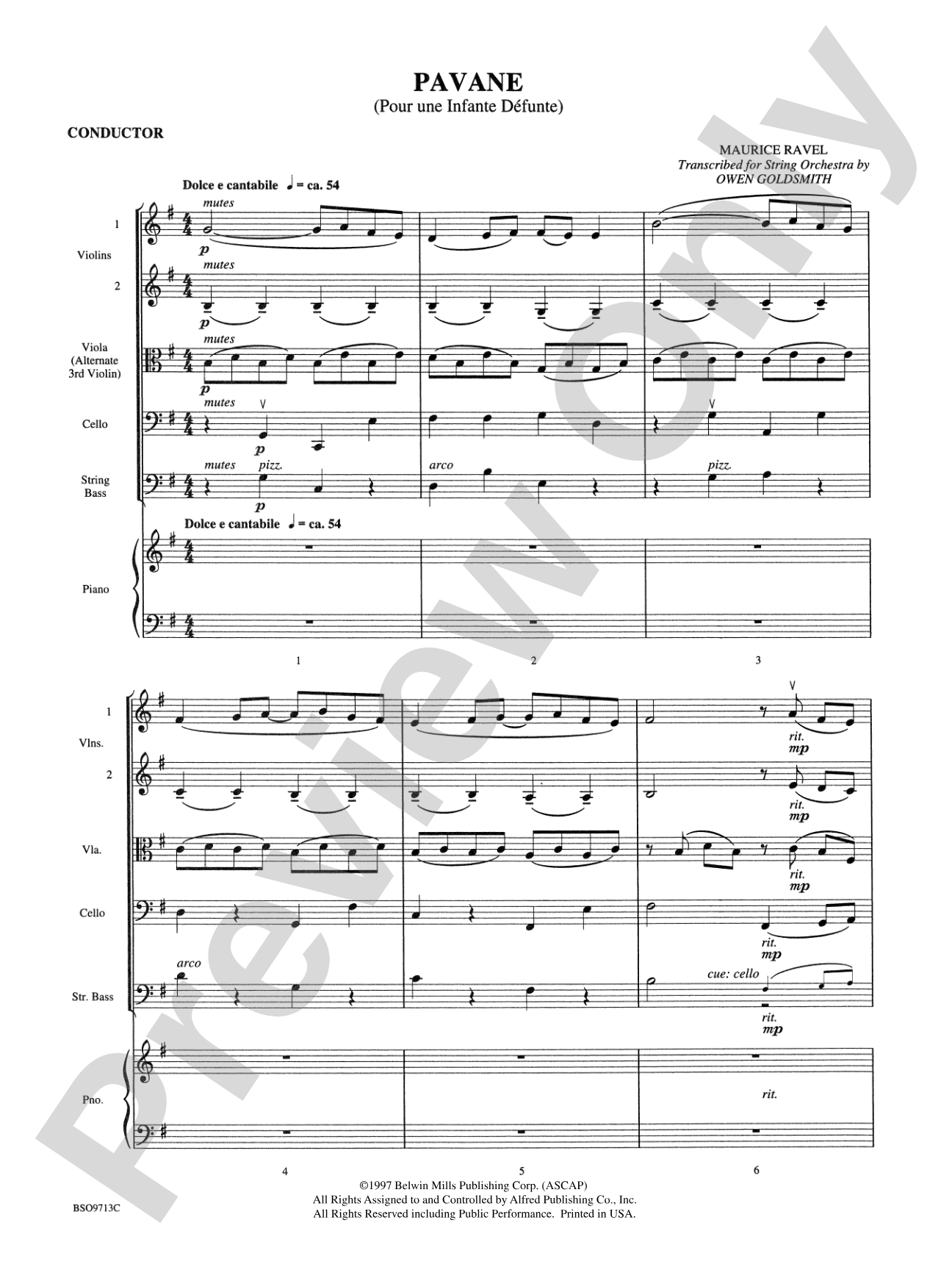
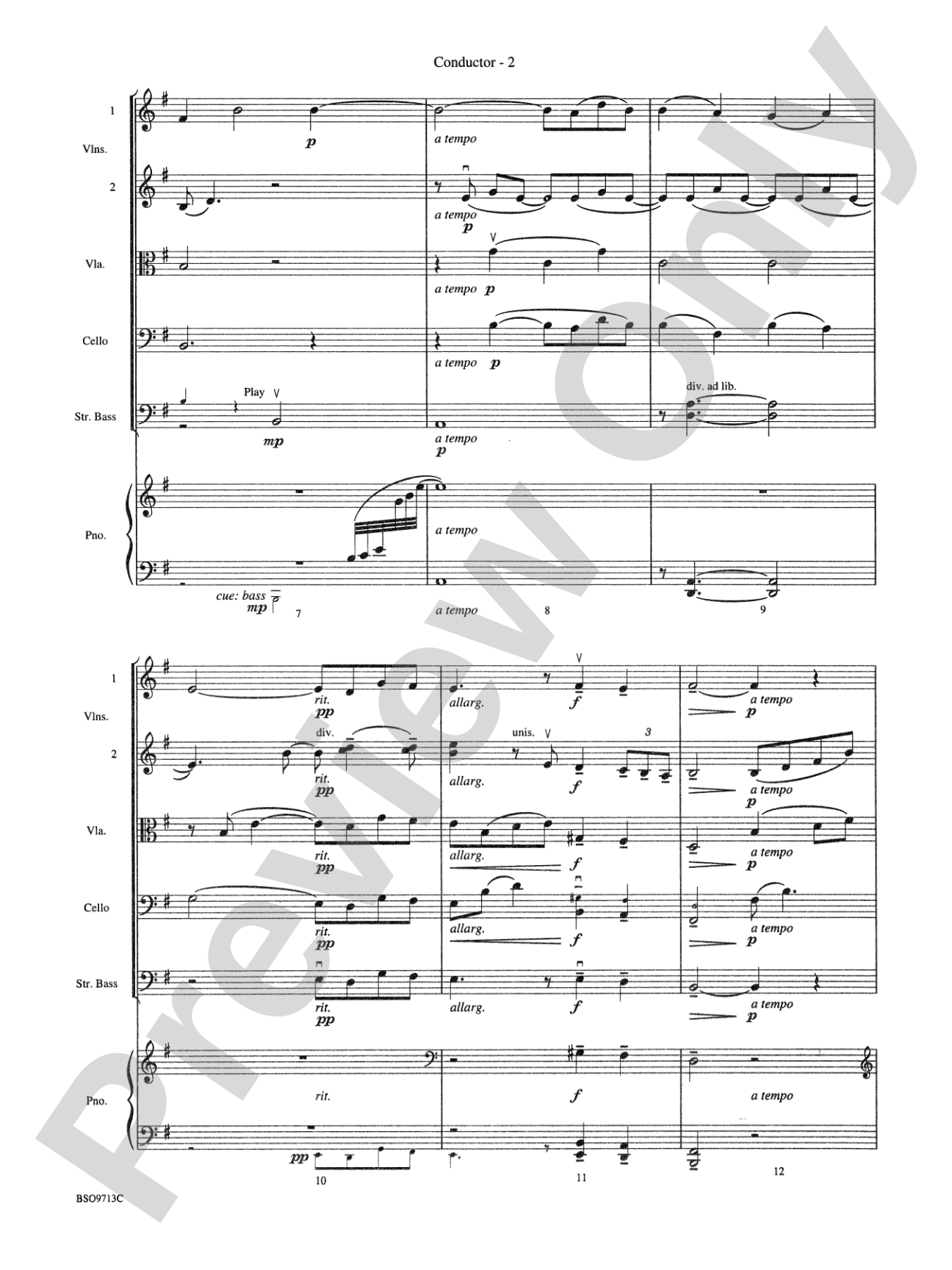
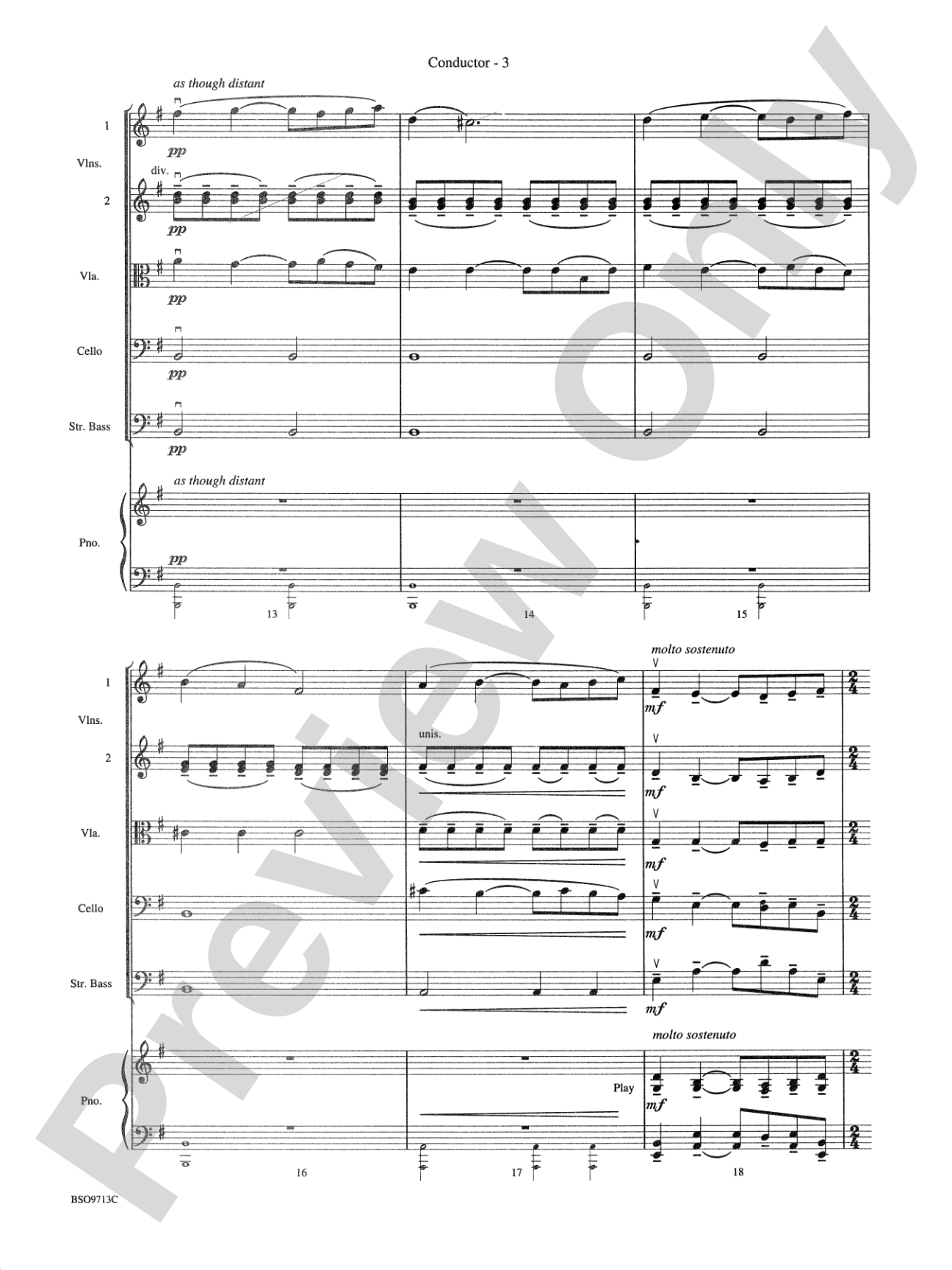
A pavane is a very old, elegant dance form. Ravel's masterwork is notable for its supremely sensitive nuances, and is representative of the school of French composition so much in favor at the turn of the century. The silken melodic lines weave through transparent settings of delicate beauty. Owen Goldsmith's transcription retains a sharp musical focus resulting in a most comfortable and highly moving work. (5:24)


Don't just read it, hear it, play along with it, and watch your students grow with it. In MakeMusic Cloud, Pavane: String Orchestra Conductor Score & Parts comes alive with professional accompaniment, adjustable tempo, and built-in practice tools that turn solo practice into real progress.
Open in the Player
Jump straight in and assign it today.
Start Your Free Trial
Open this title and explore the full library in minutes.
Sample Audio
No sample audio found.
Sample Video
No sample videos found.
Additional Details
Series:
Belwin Concert String Orchestra
Publisher:
Alfred Music
Page Count:
136
SKU:
00-PK-0002283
More about this title
About the Composer: Maurice Ravel
Maurice Ravel (1875, 1937) was a French composer who shaped early twentieth-century music through his meticulous orchestration and harmonic innovation. His work sits at the intersection of Impressionism and Classicism, favoring clarity and architectural precision over the atmospheric vagueness sometimes associated with his contemporaries. Pavane for a Dead Princess, composed in 1899, exemplifies his gift for extracting maximum expressive power from restrained, elegant materials.
Why we love this
Goldsmith's transcription captures everything that makes the original devastatingly beautiful while landing comfortably within the reach of advancing ensembles. The arrangement preserves Ravel's transparent orchestration and the hypnotic pull of the main melody without requiring virtuosic technique, making it an ideal choice for conductors seeking repertoire with genuine artistic substance at the 3.5 level.
What to expect
Unhurried and contemplative. The piece moves like a formal procession, with transparent harmonies that shimmer without becoming ethereal. There's a quality of noble repose throughout, a sense that time has slowed to allow listeners to absorb each melodic phrase fully.
Who it's for
String orchestras at the intermediate-advanced level looking for a masterwork with immediate artistic impact. This works equally well for concert programming, festival competition, or as a teaching work that exposes students to French compositional elegance.
How to get the most out of it
- Shape the main melodic line with unhurried phrasing; the piece unfolds gradually, and rushing undermines its meditative character.
- Balance the accompaniment so it remains transparent and supports rather than obscures the silken upper voices.
- Let silence breathe between sections. Ravel spaces his materials deliberately, and patience makes each phrase land more effectively.
- Attend to dynamic nuance within the p and pp range; much of the piece's beauty lives in subtle gradations rather than dramatic gestures.
How to use it
Pair this with other French or Impressionistic works to build a thematic concert, or use it as a centerpiece in a program of elegant contrasts. Its five-and-a-half minute length and accessible brilliance make it particularly effective as an opener or a reflective break between more energetic works.
Skills your students will build
- Sustaining long melodic lines with consistent tone and focus
- Balancing transparent harmonic textures across string sections
- Responding to subtle dynamic and expressive indications
- Understanding and performing in the Impressionistic idiom
- Maintaining ensemble cohesion at slower tempos