
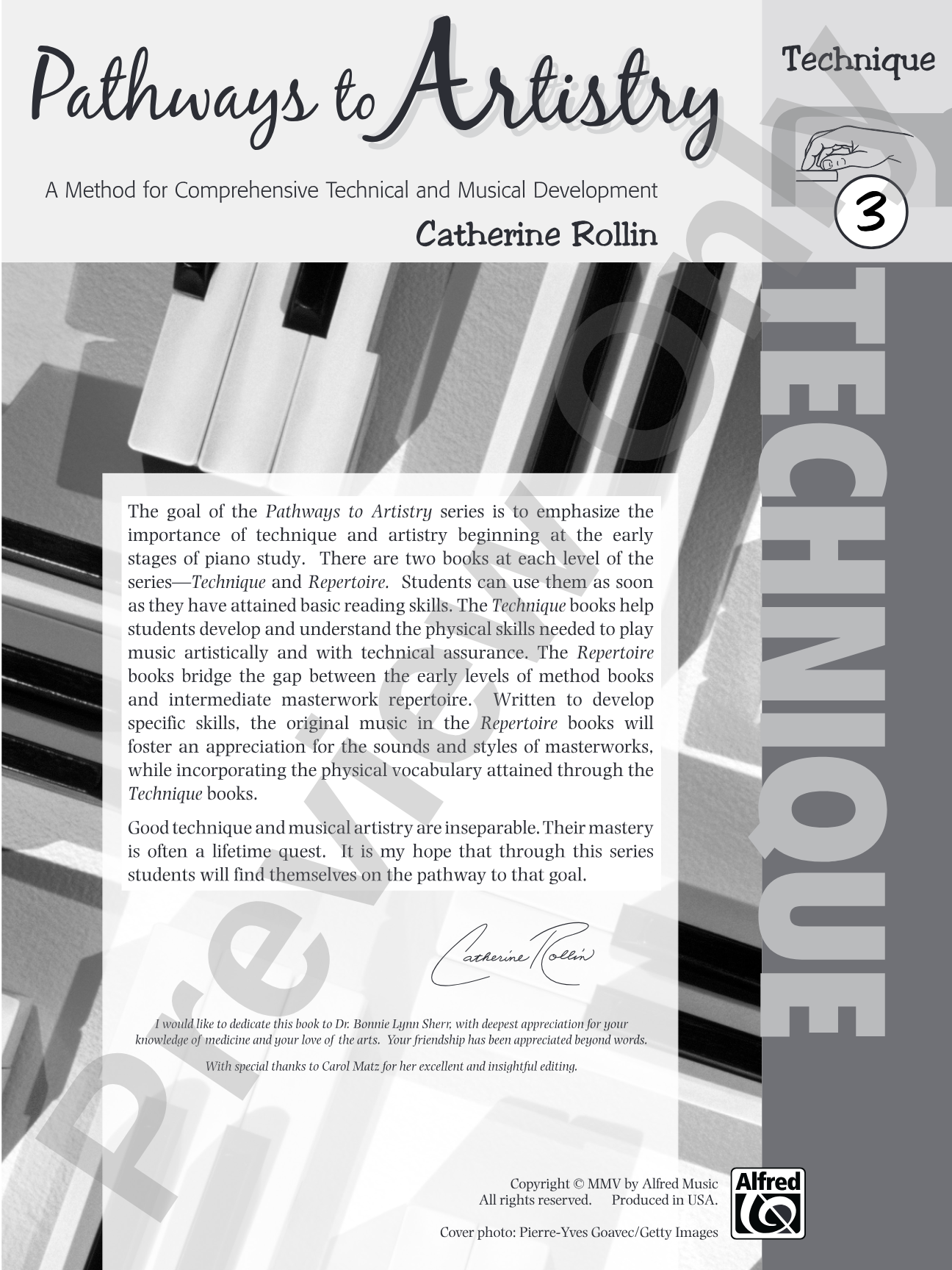
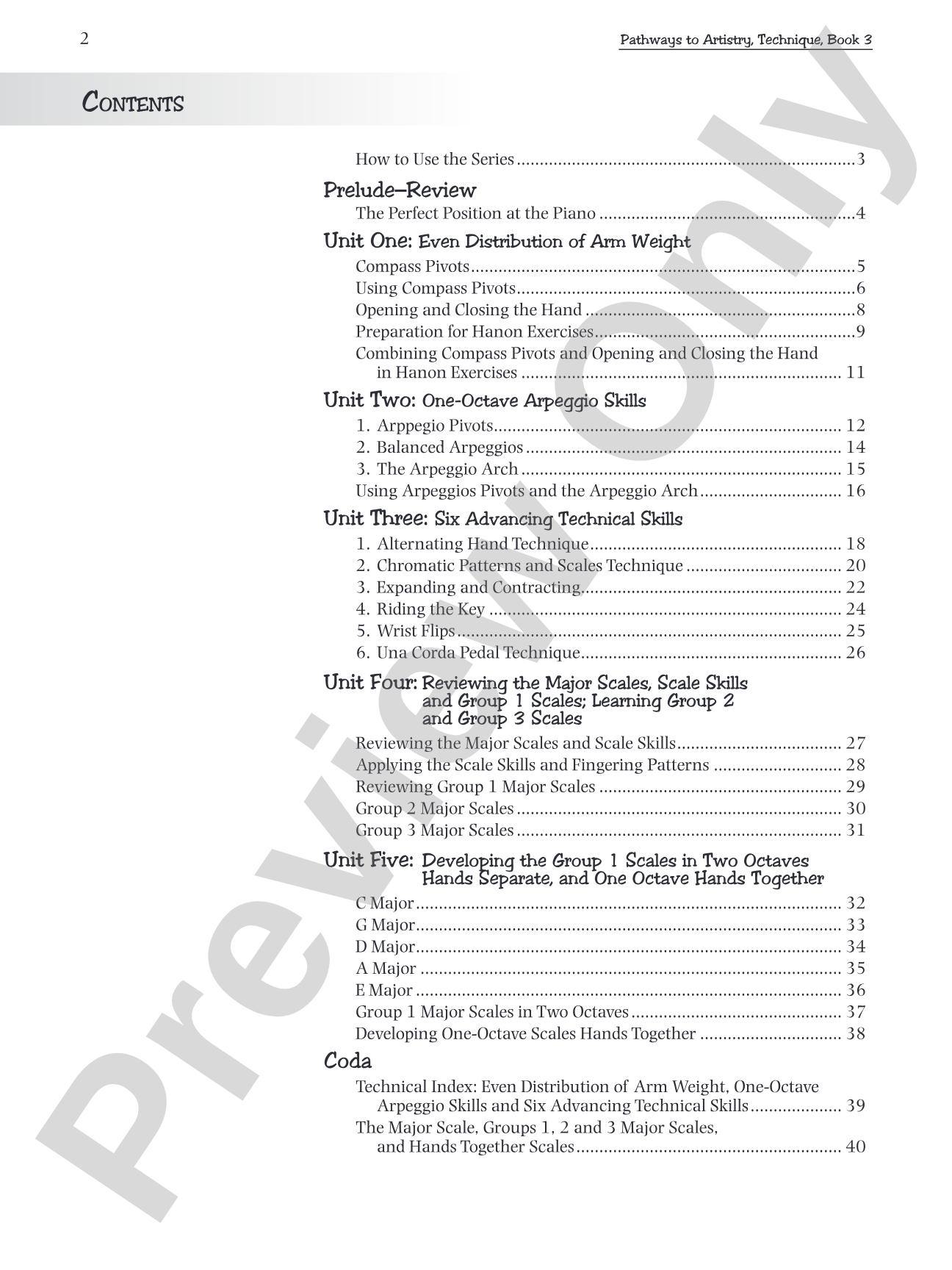
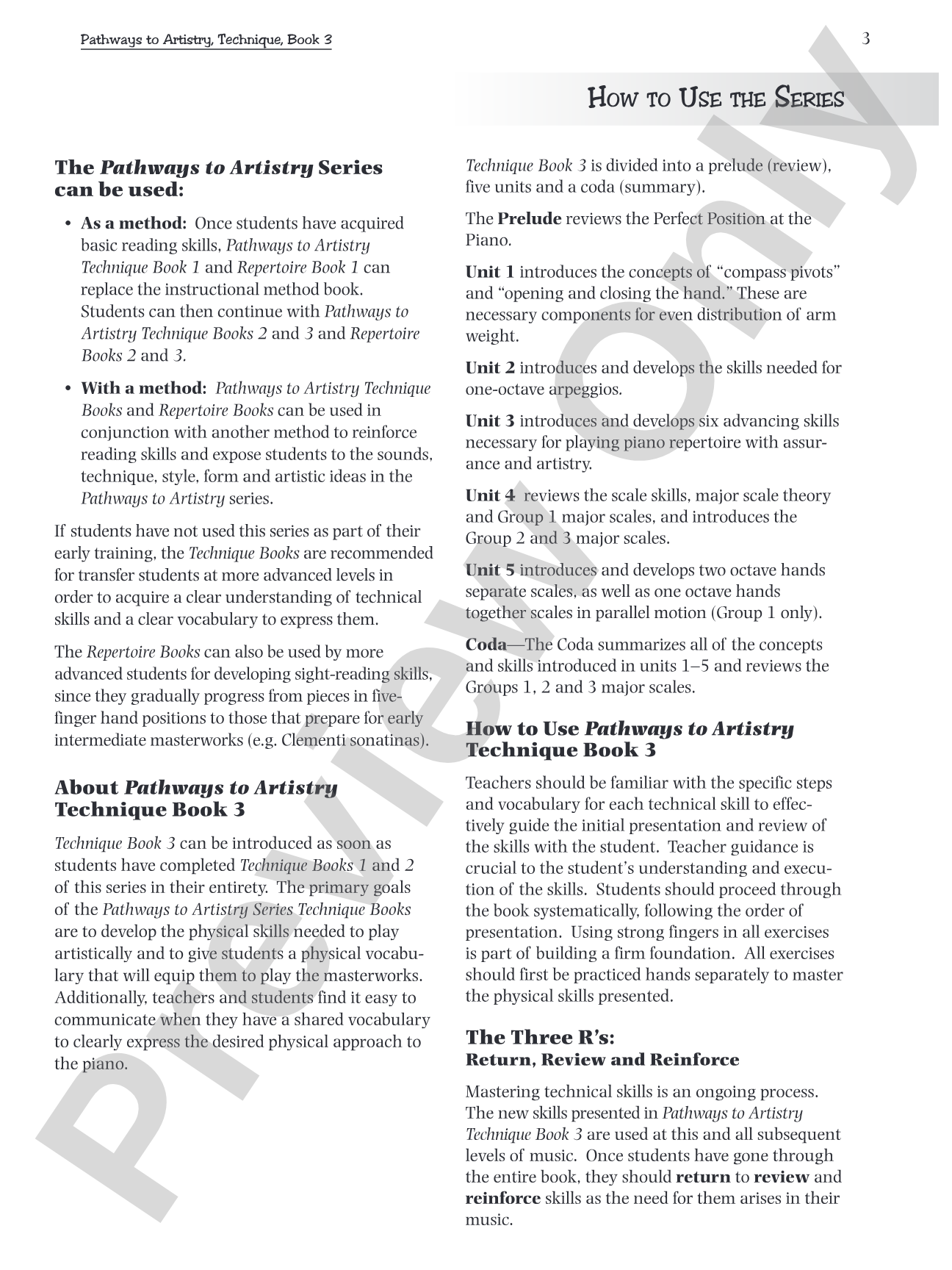
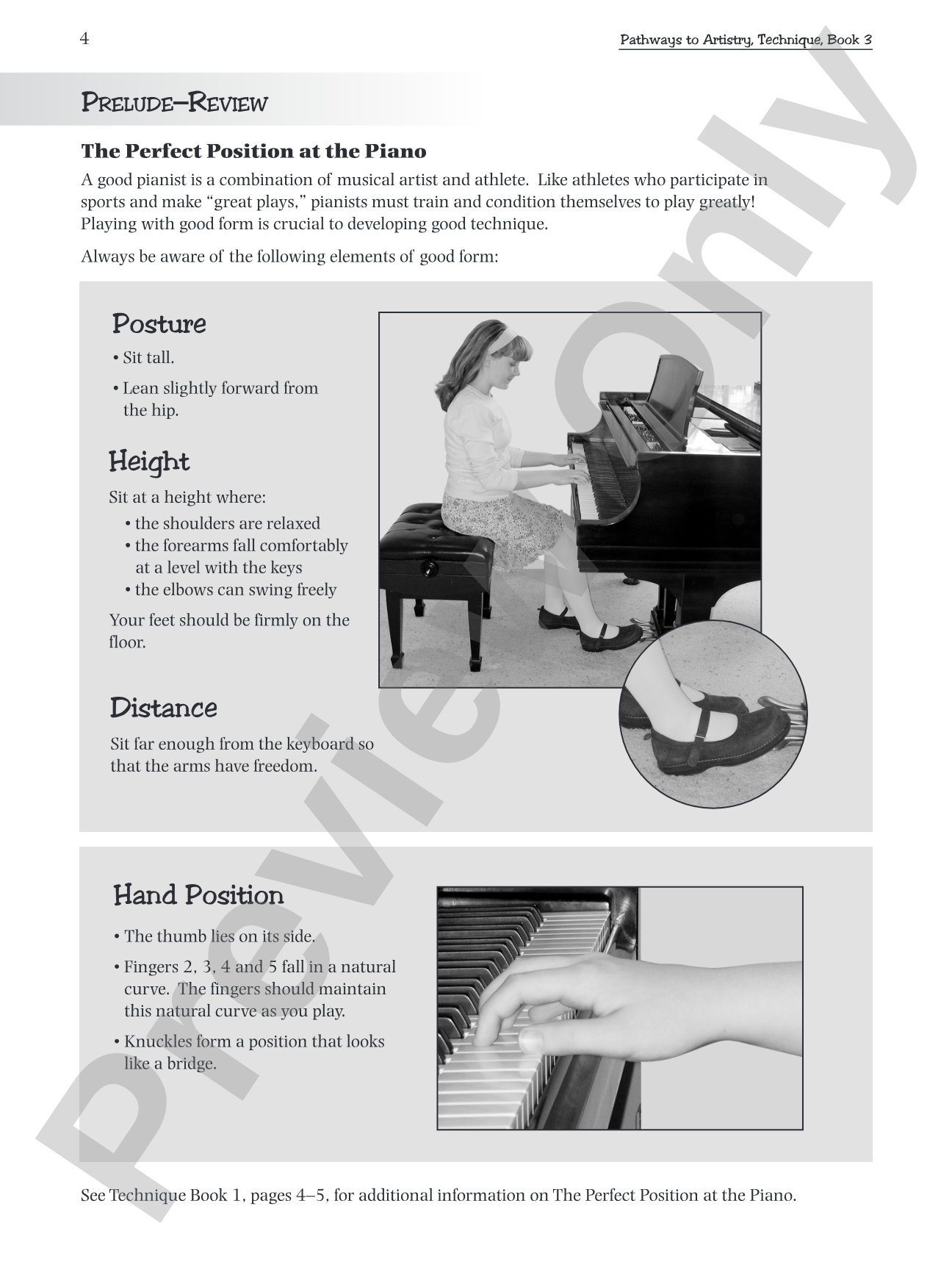

Pathways to Artistry: Technique, Book 3: A Method for Comprehensive Technical and Musical Development: Piano
A Method for Comprehensive Technical and Musical Development
By Catherine Rollin
Level: Early Intermediate
Item: 00-PB-0001088
$8.99
Pickup currently not available
Related Items
Pathways to Artistry: Technique, Book 3: Piano Book |
$8.99
|
View |
Description
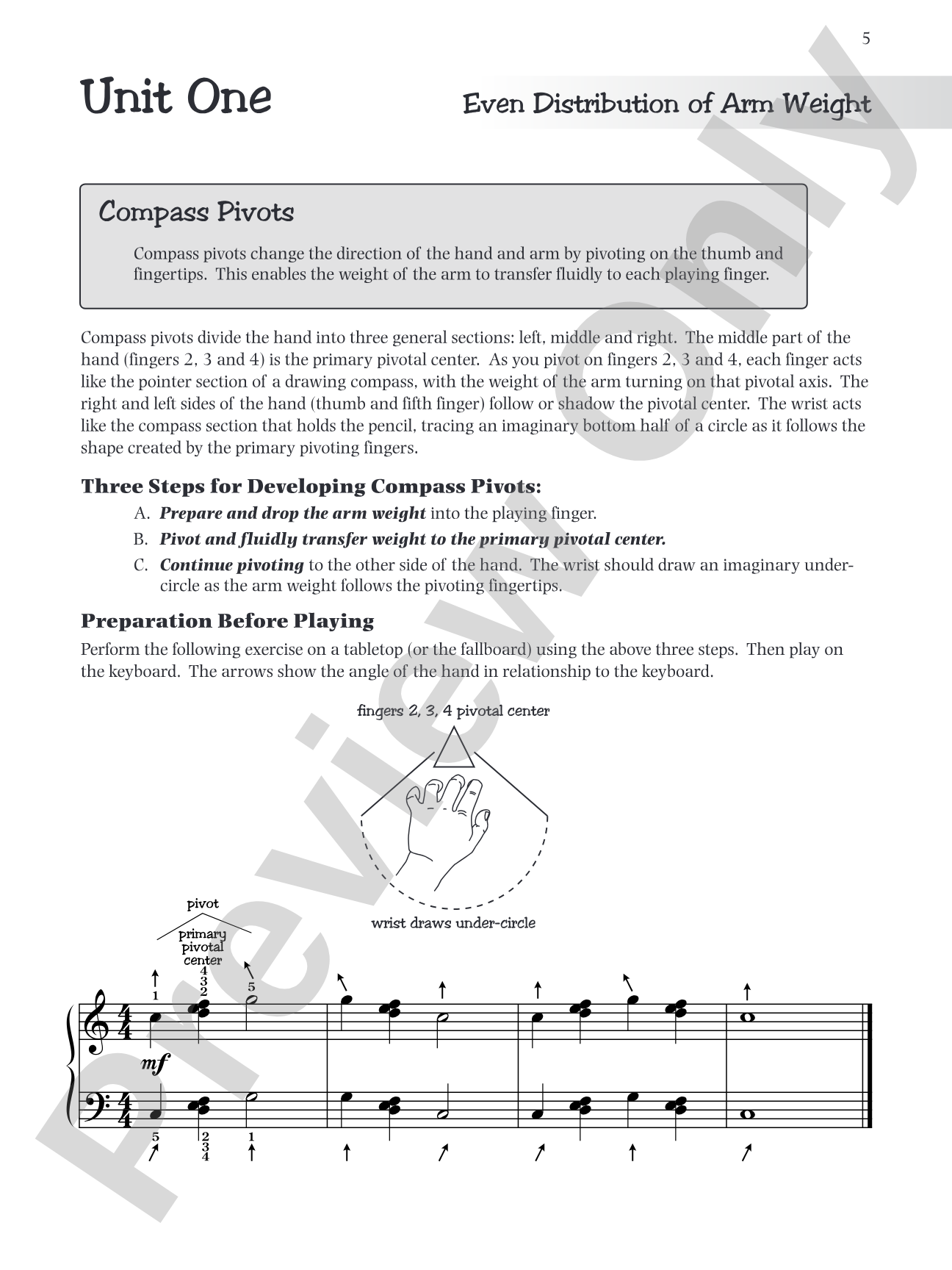
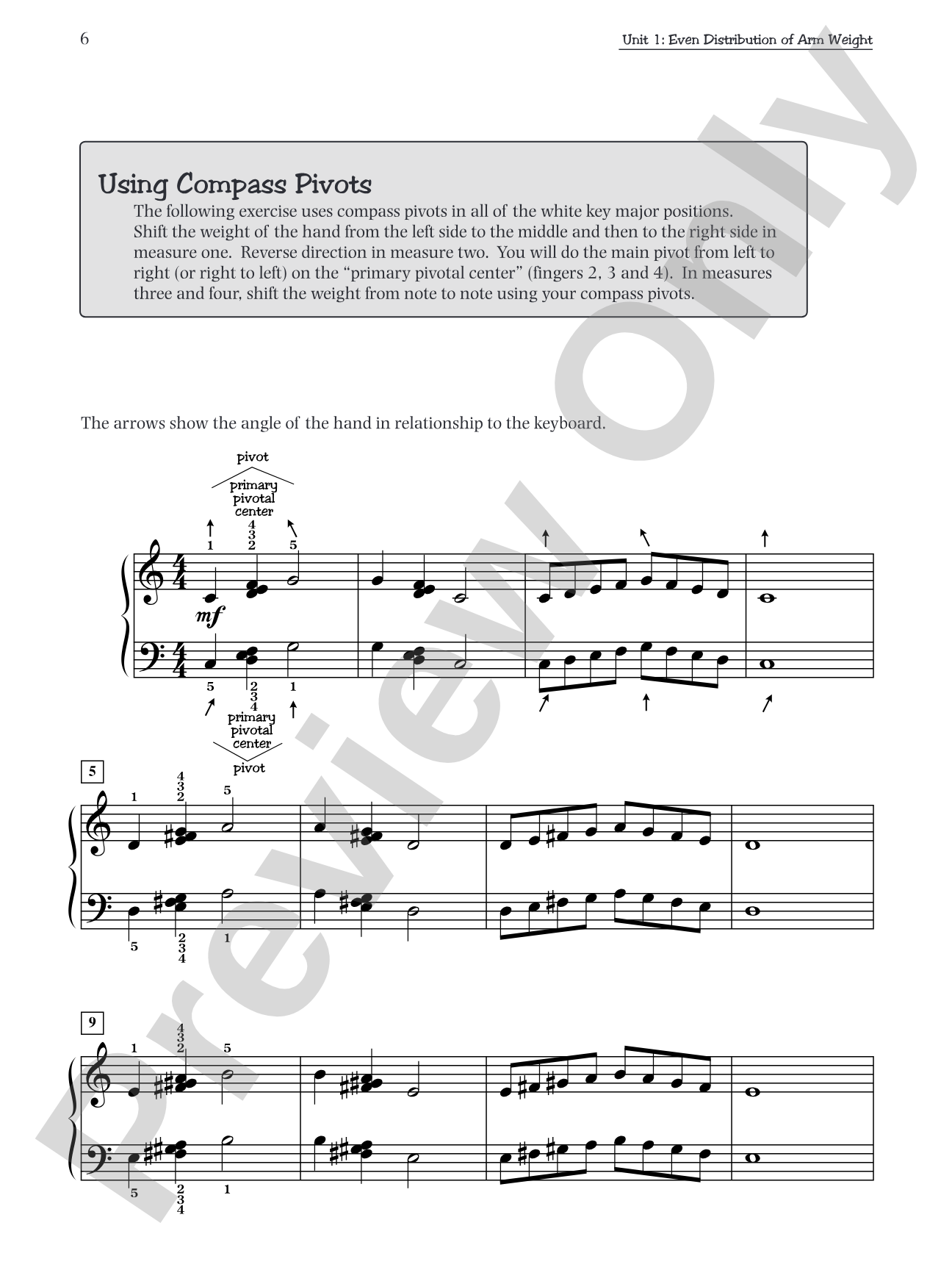
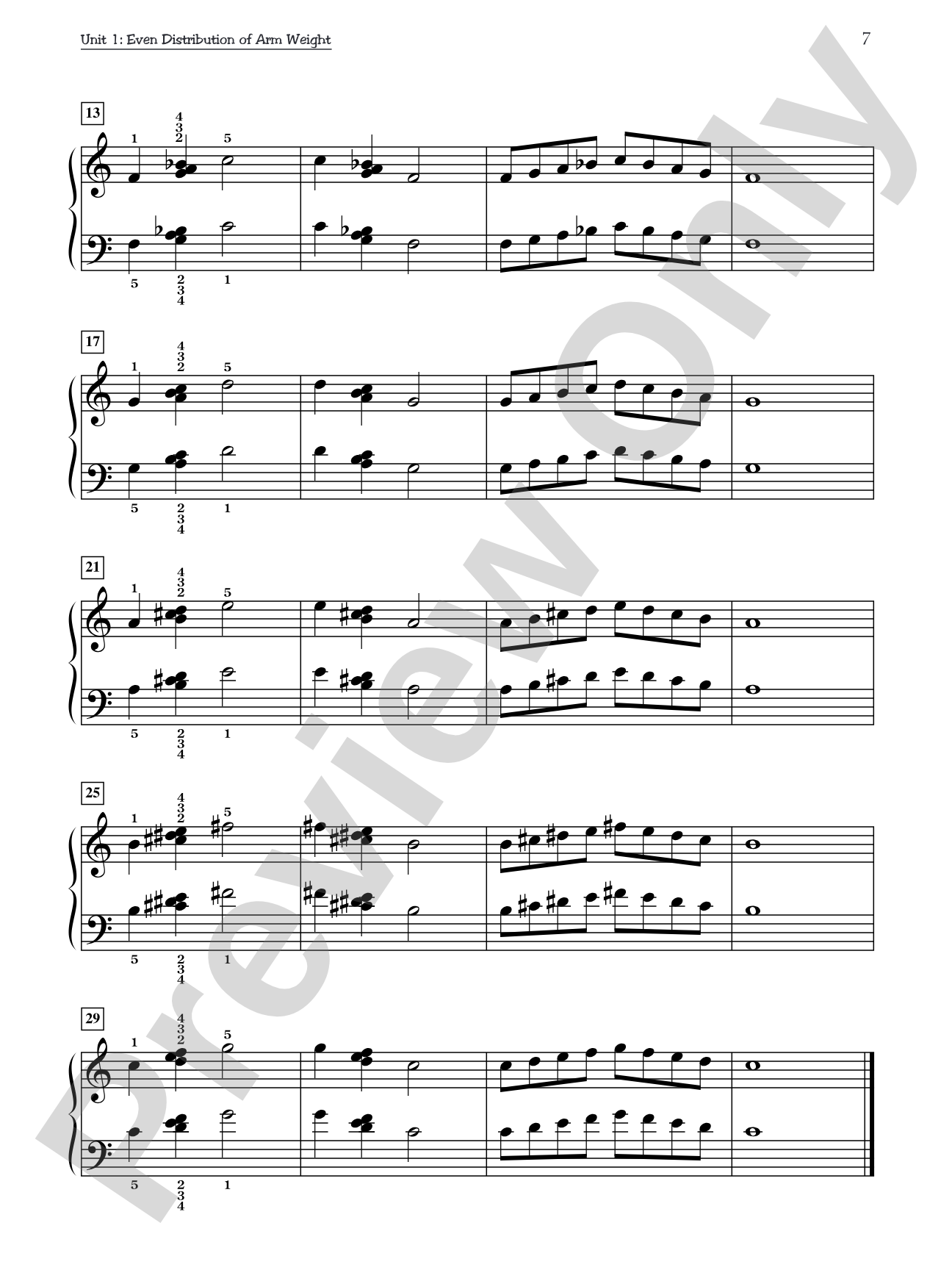
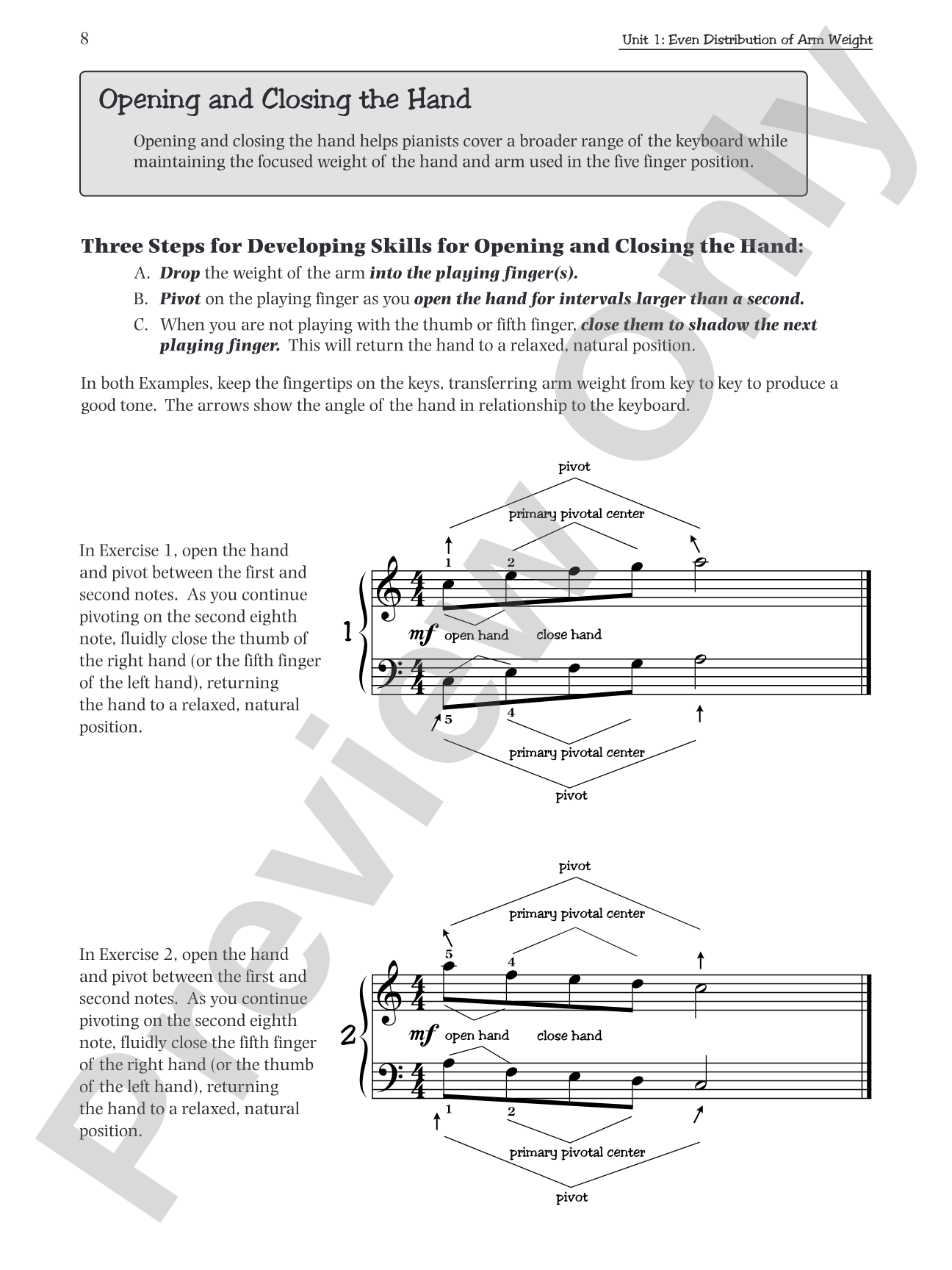
Usable either as a method or with a method, this series introduces basic technical skills and expands the student's knowledge of style, form and artistic ideas.


Pathways to Artistry: Technique, Book 3: A Method for Comprehensive Technical and Musical Development: Piano isn't in MakeMusic Cloud just yet...but it could be. Let us know you'd like to see it, and you'll help shape what comes next. In the meantime, start a free trial and dive into thousands of interactive titles your students can play along with today.
Request This Title
Tell us you want it.
Start Your Free Trial
Explore everything that's ready to play right now.
Sample Audio
No sample audio found.
Sample Video
No sample videos found.
Additional Details
Series:
Pathways to Artistry
Publisher:
Alfred Music
Page Count:
40
SKU:
00-PB-0001088
More about this title
About the Composer: Catherine Rollin

Catherine Rollin is a composer and pianist who balances an active performance schedule with a teaching studio that has produced award-winning students. Her workshop and masterclass presentations have taken her across the United States, Canada, Japan, and Taiwan, reaching audiences in over 200 cities. She holds a Bachelor of Musical Arts degree with distinction from the University of Michigan and a Master of Music degree from Oakland University School of Performing Arts.
Rollin's compositions have earned recognition from major music organizations, including commissions from Clavier Companion magazine, the Music Teachers National Association (MTNA), and the Michigan Music Teachers Association. Her work has been selected multiple times for the National Federation of Music Clubs Festivals Bulletin, and she has served as a judge for the MTNA Student Composition Competition and the Lynn Freeman Olson Composition Contest. In 2018, she received a commission from MTNA's prestigious From the Pen to the Premiere series, resulting in Suite Detroit, a trio for flute, alto saxophone, and piano that premiered at the MTNA national conference. Her ASCAP award-winning Museum Masterpieces series (Books 1-4) was featured in a multimedia concert presentation by the Steinway Society, showcasing her work as both composer and pianist.
Why we love this
Rollin understands exactly what early intermediate pianists need to progress musically rather than just mechanically. Book 3 weaves technical development into pieces that give students real reasons to care about accuracy and expression, making the work feel purposeful rather than purely remedial. The integrated approach to technique and musicianship means you're not juggling separate materials or wondering how to bridge the gap between skills and artistry.
What to expect
Purposeful and engaging. Each piece communicates a clear musical idea while asking the student to solve a specific technical challenge. The writing respects the student's developing musicality rather than treating technique as something separate from expression.
Who it's for
Early intermediate pianists ready to connect technical growth with musical understanding. This book works equally well as a primary method or as a supplement to your current curriculum, making it ideal for students who need a bridge between basic technique and genuine artistry.
How to get the most out of it
- Identify the specific technical focus of each piece before assigning it, so the student understands what problem the music is designed to solve.
- Record yourself playing through the piece first to model the style and artistic intention you want to hear from your student.
- Ask your student to name the form, style period, or compositional device at work in each study before diving into technique.
- Use the pieces as springboards for exploration: pause during practice to discuss why a particular fingering, tempo, or dynamic choice serves the music.
How to use it
Assign pieces selectively throughout the year alongside repertoire and scales, using them to target technique that your student needs in other music they're learning. This is especially effective in the weeks before recitals, when you want to reinforce a technical point through study material rather than always returning to the repertoire itself.
Skills your students will build
- Technical skills in scales, intervals, and hand independence through musically coherent pieces
- Recognition and performance of different style periods and compositional forms
- Understanding how technique serves musical expression and artistic intention
- Sight-reading fluency at the early intermediate level
- Independent practice strategies through purposeful study design