

Pathways to Artistry: Technique, Book 2: A Method for Comprehensive Technical and Musical Development: Piano
A Method for Comprehensive Technical and Musical Development
By Catherine Rollin
Level: Late Elementary / Early Intermediate
Item: 00-PB-0001087
$7.95
Pickup currently not available
Related Items
Pathways to Artistry: Technique, Book 2: Piano Book |
$7.95
|
View |
Description
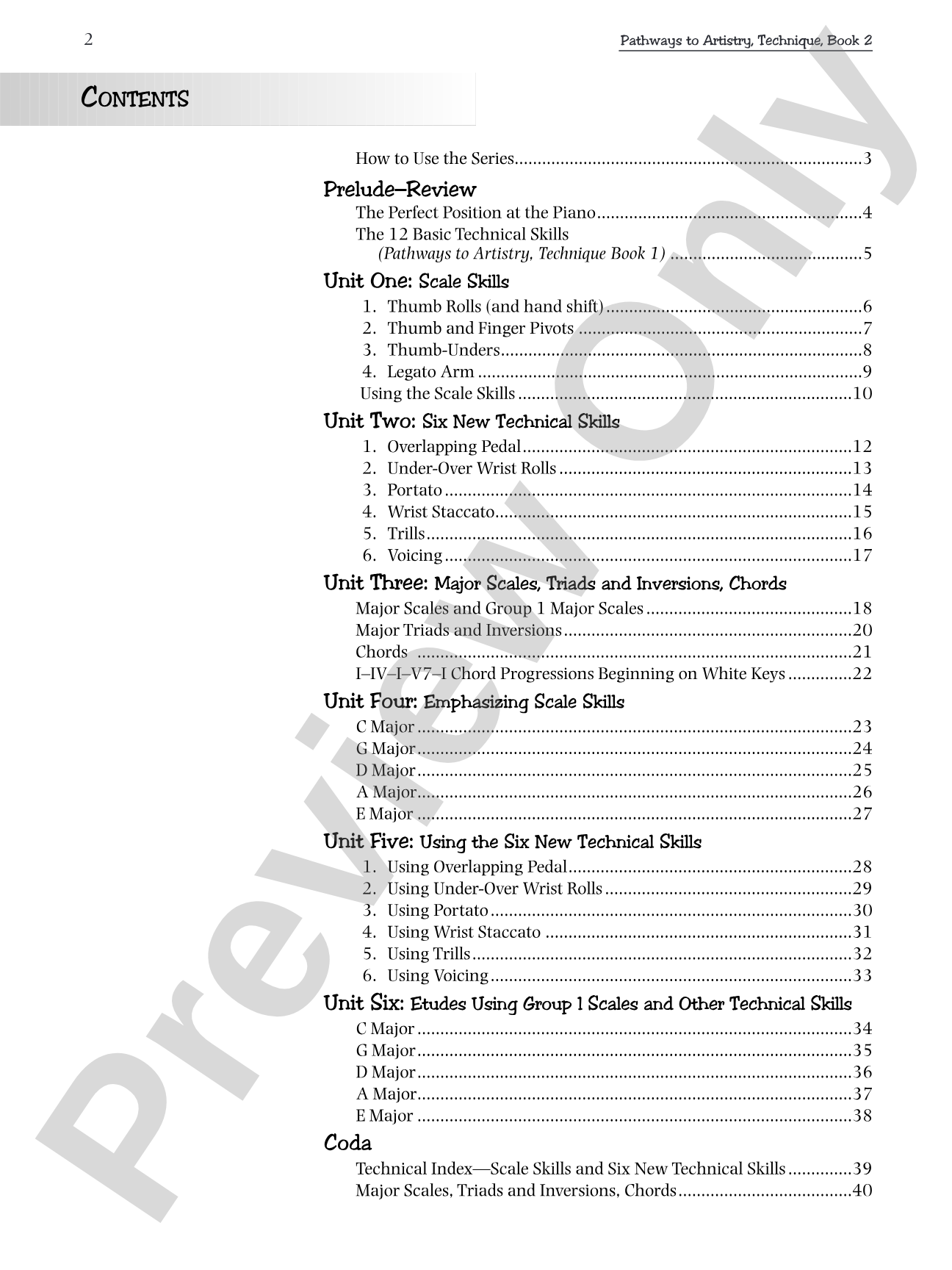
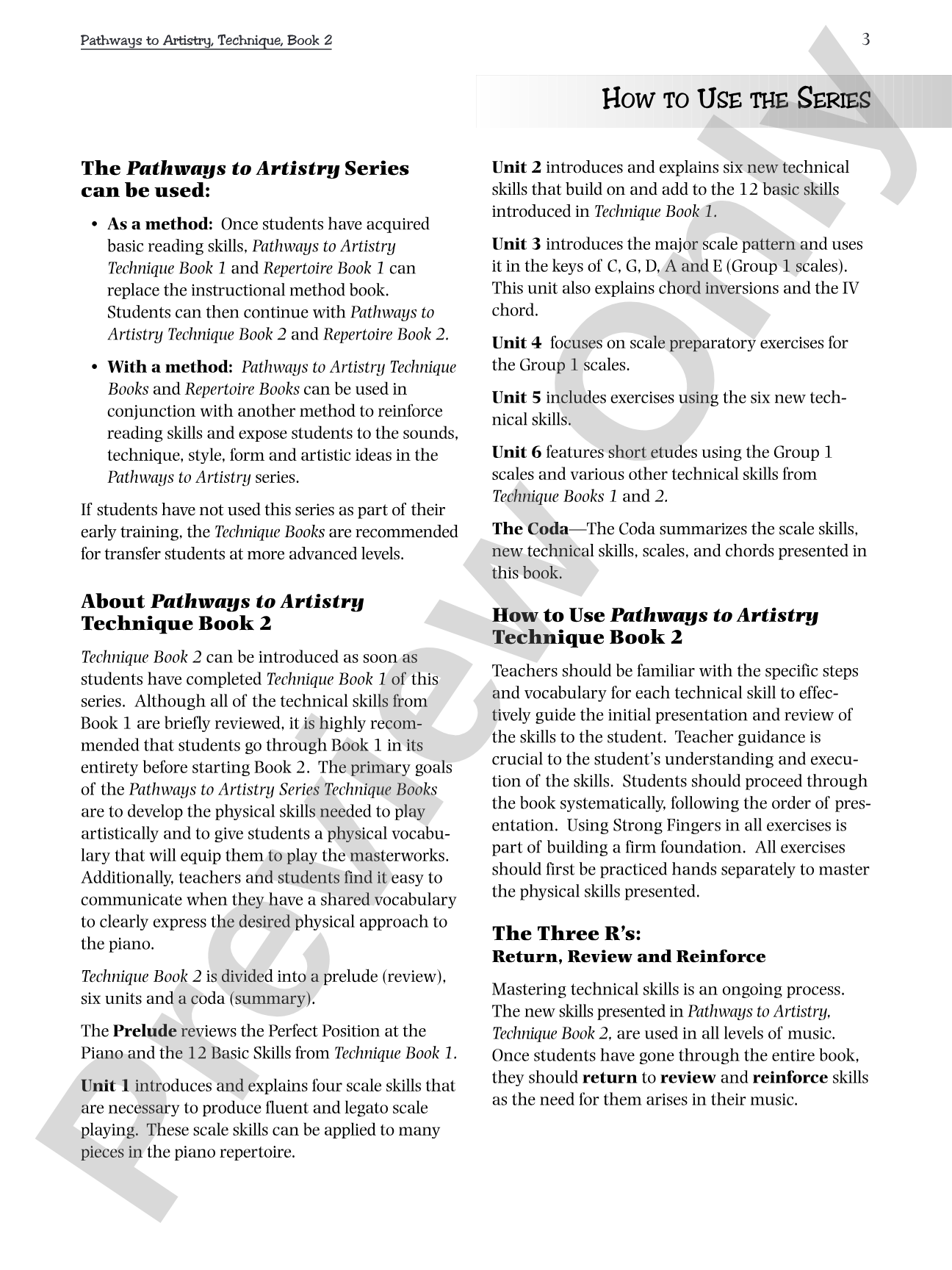
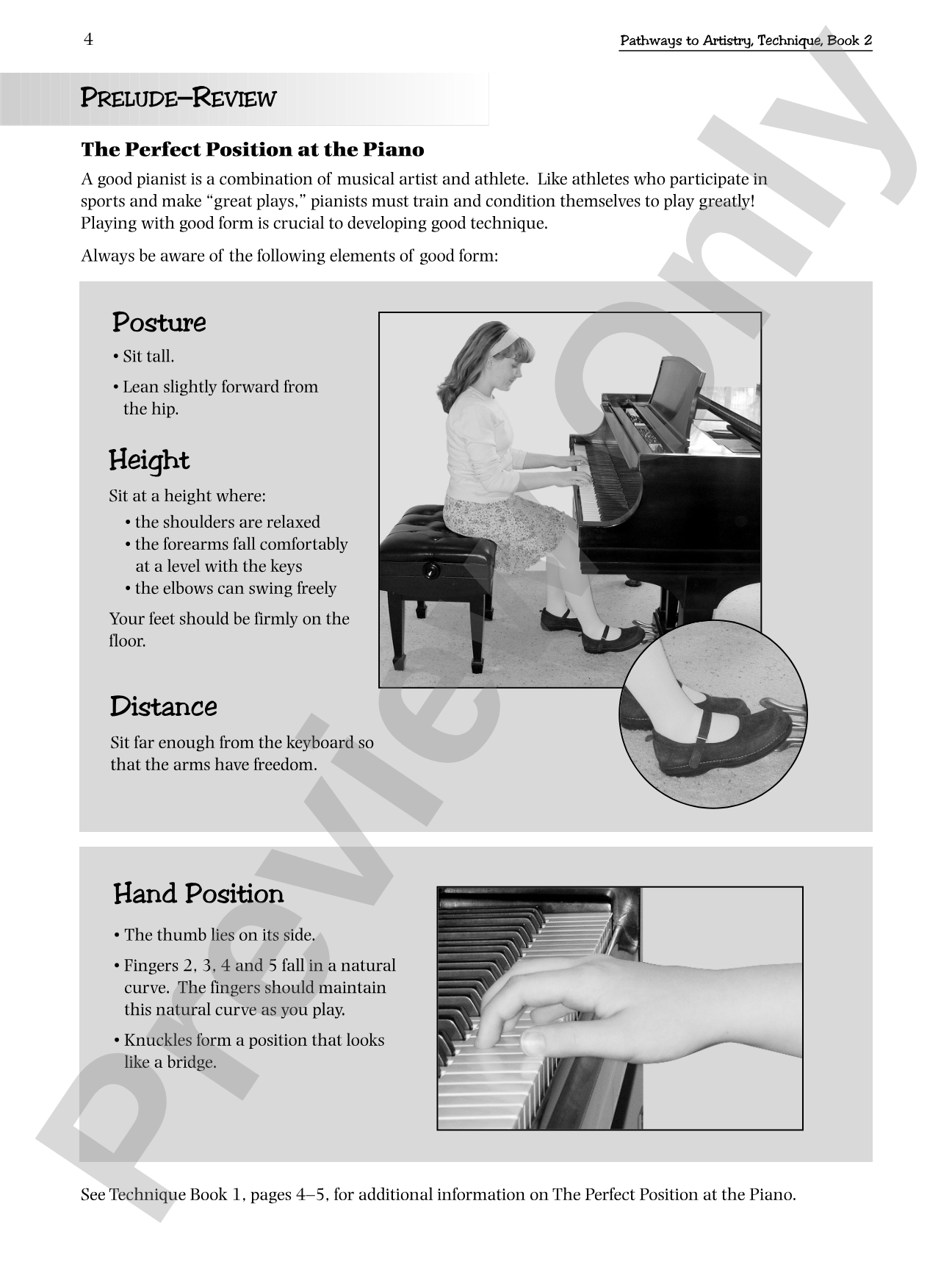
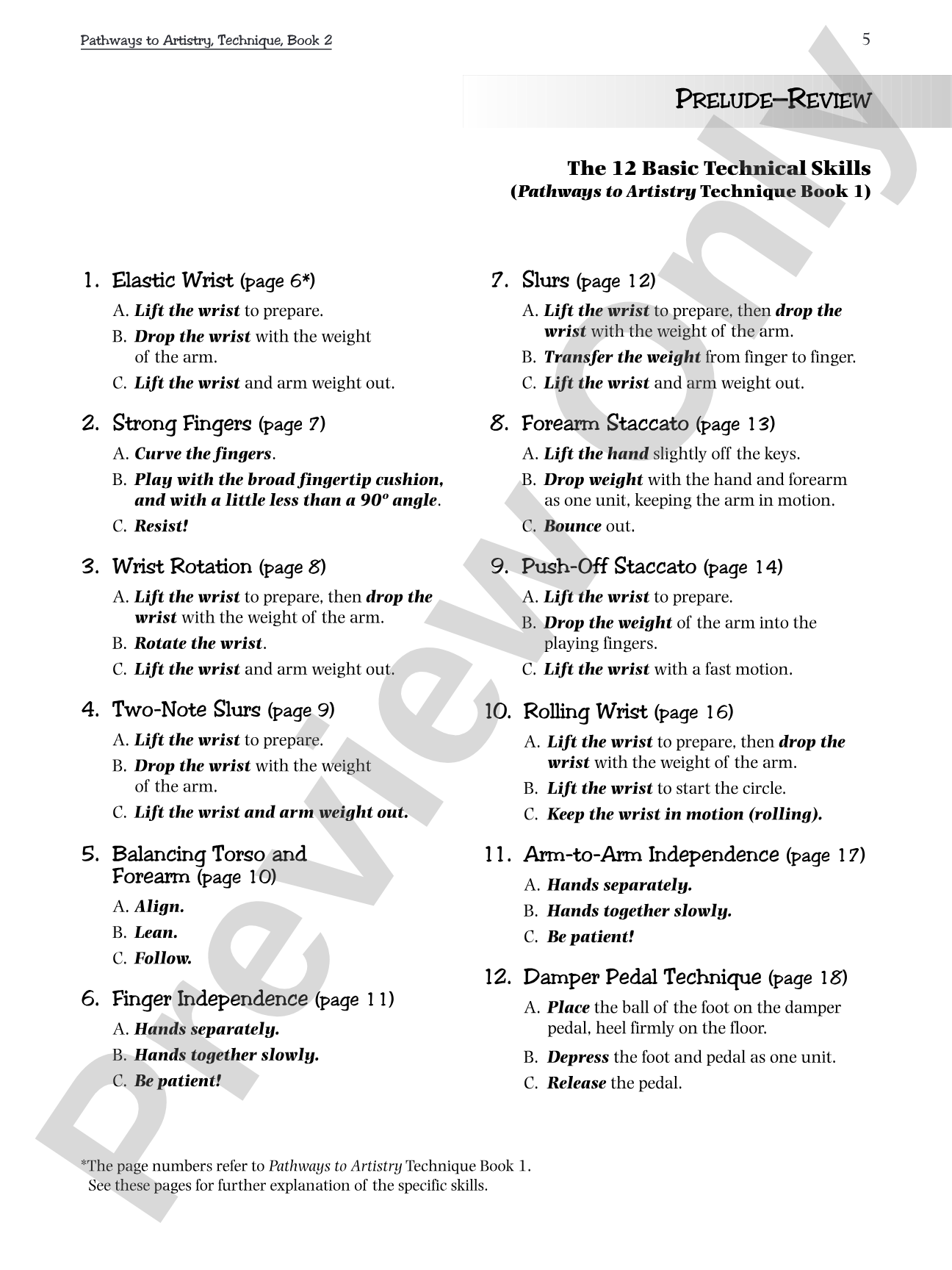
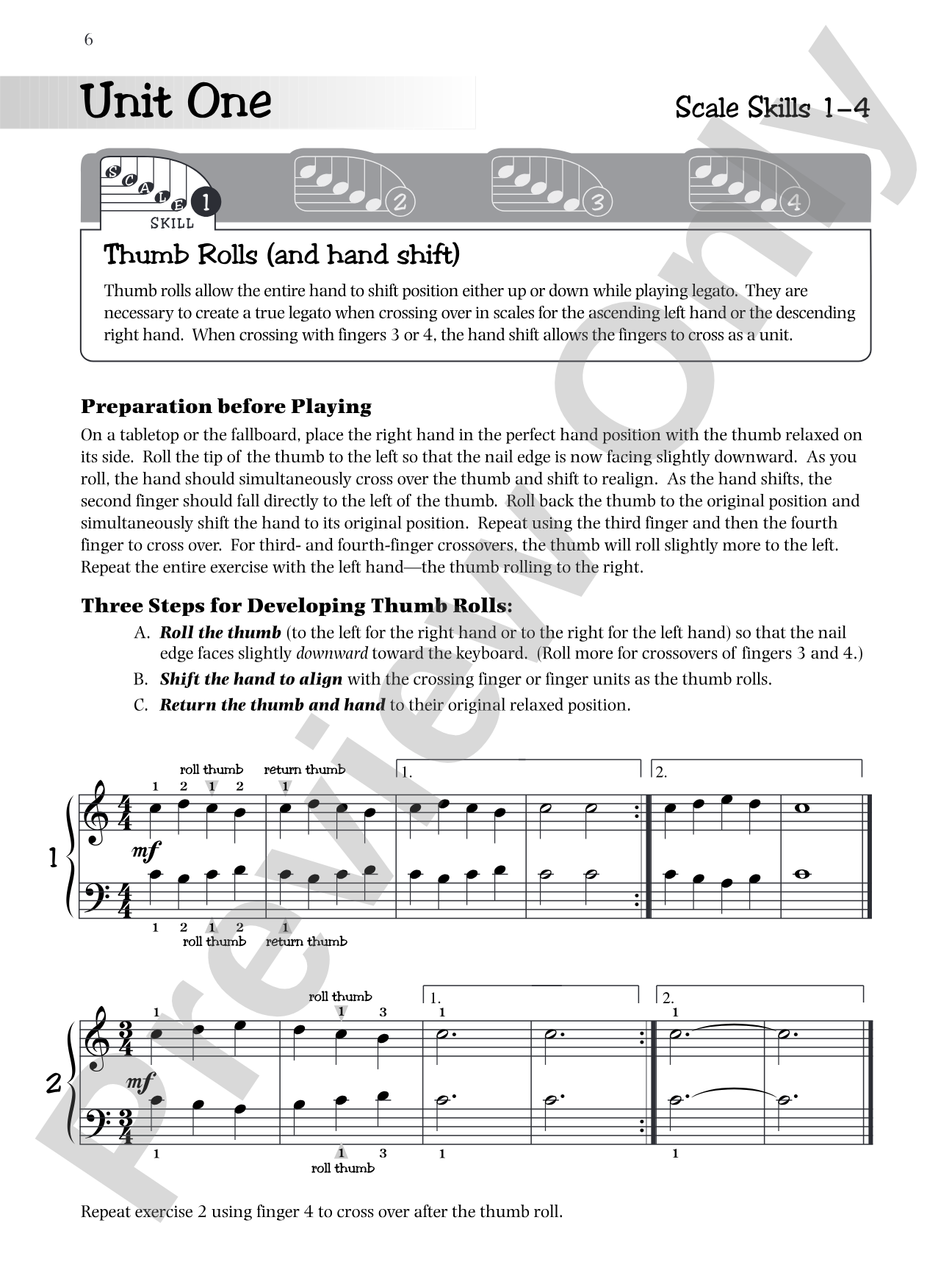
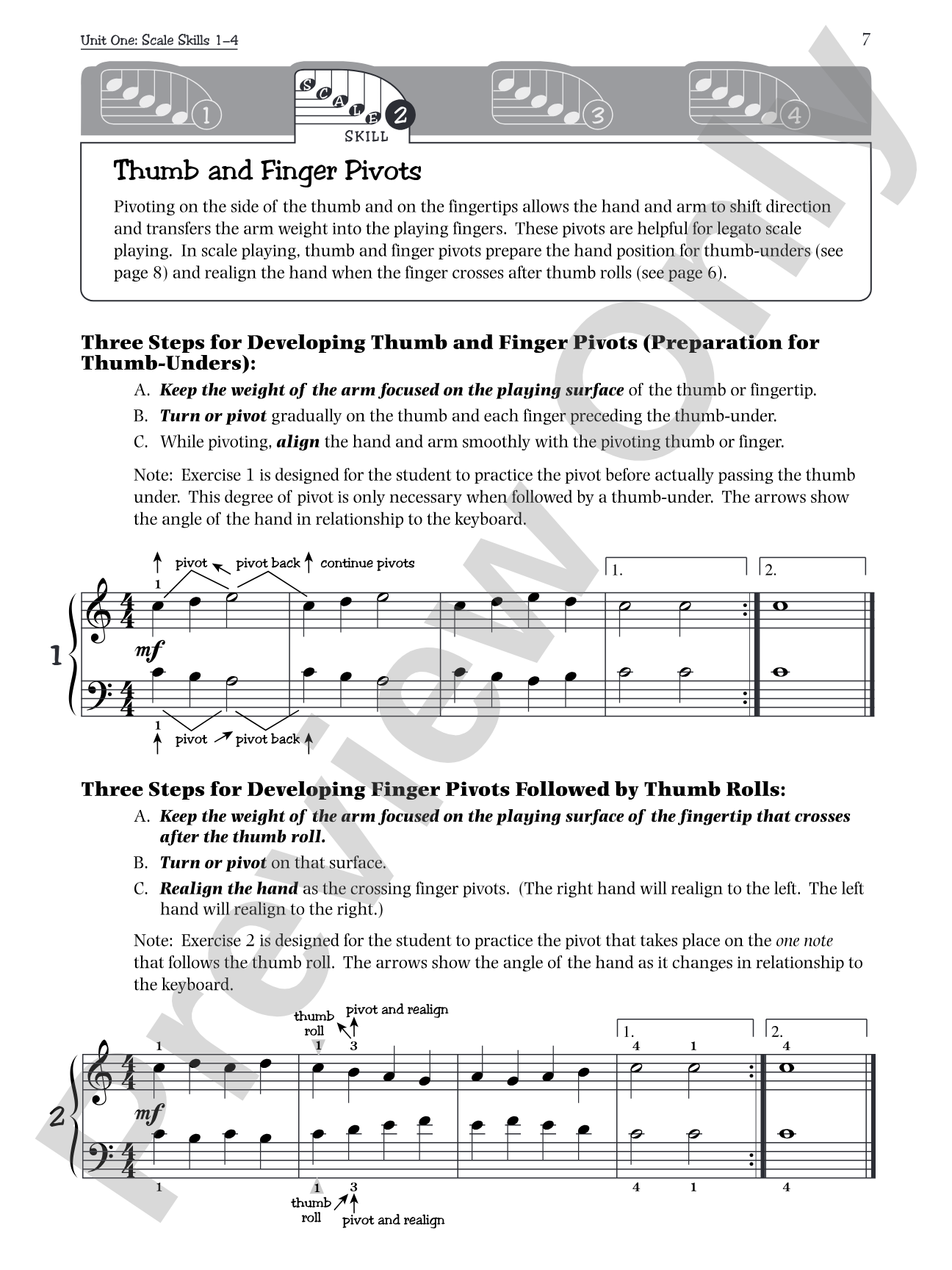
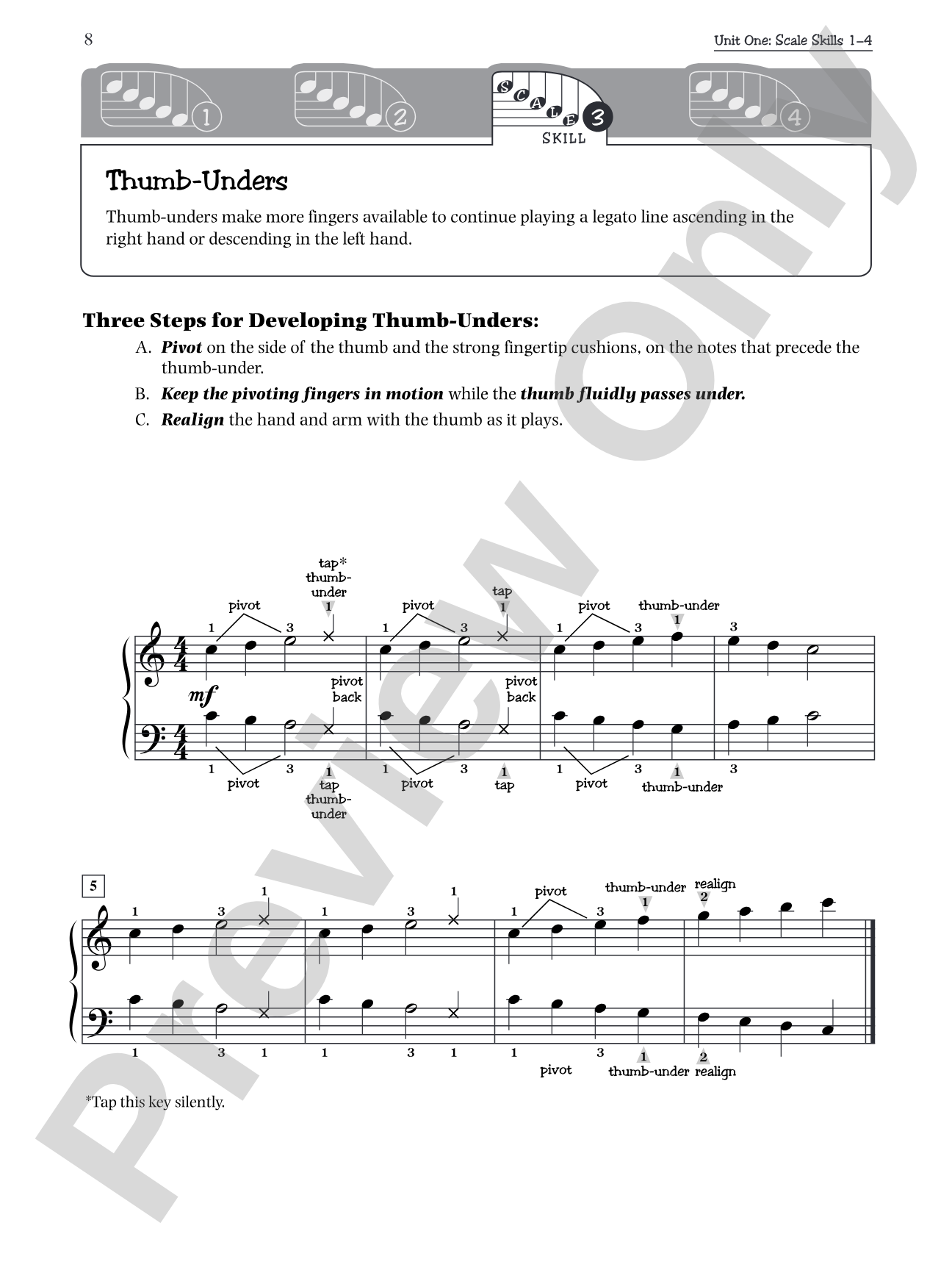
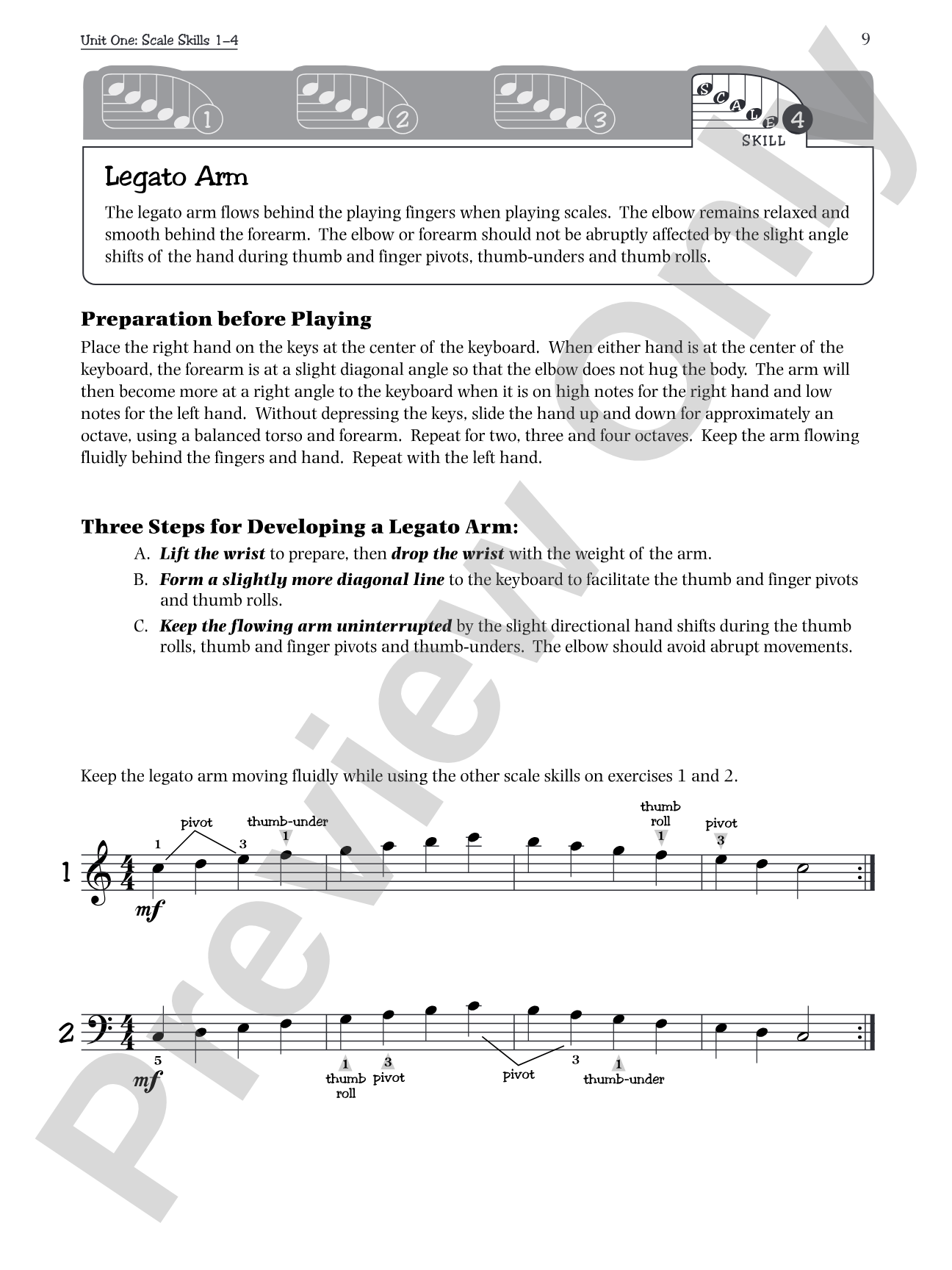
Usable either as a method or with a method, this series introduces basic technical skills and expands the student's knowledge of style, form and artistic ideas. Technique Book 2 continues from Book 1, providing students with the physical skills needed to play music artistically and with technical assurance.


Pathways to Artistry: Technique, Book 2: A Method for Comprehensive Technical and Musical Development: Piano isn't in MakeMusic Cloud just yet...but it could be. Let us know you'd like to see it, and you'll help shape what comes next. In the meantime, start a free trial and dive into thousands of interactive titles your students can play along with today.
Request This Title
Tell us you want it.
Start Your Free Trial
Explore everything that's ready to play right now.
Sample Audio
No sample audio found.
Sample Video
No sample videos found.
Additional Details
Series:
Pathways to Artistry
Publisher:
Alfred Music
Page Count:
40
SKU:
00-PB-0001087
More about this title
About the Composer: Catherine Rollin

Catherine Rollin brings decades of performance experience and pedagogical insight to her compositions. A graduate of the University of Michigan and Oakland University School of Performing Arts, she has built a teaching studio known for developing prize-winning students while maintaining an active concert career across North America, Japan, and Taiwan. Her work has earned commissions from the Music Teachers National Association, the Michigan Music Teachers Association, and Clavier Companion magazine, with pieces selected repeatedly for the National Federation of Music Clubs Festivals Bulletin.
Rollin's contributions to music education extend beyond composition into adjudication and mentorship. She has judged the MTNA Student Composition Competition at the national level and served on the prestigious panel for the Lynn Freeman Olson Composition Contest. Her ASCAP award-winning Museum Masterpieces series demonstrates her commitment to making substantial musical ideas accessible to developing pianists, while her recent multimedia presentations and commissions like Suite Detroit (premiered at the 2018 MTNA national conference) showcase her evolution as a composer.
Why we love this
Rollin understands the exact transition point between beginner and intermediate piano study, and she writes music that makes technique feel purposeful rather than mechanical. Book 2 deepens the artistic foundation laid in Book 1 while introducing the physical demands students need to encounter at this stage. The pieces are substantial enough to hold a young pianist's musical interest but remain within reach of their hands and minds.
What to expect
This book strikes a careful balance between craft and artistry. Passages that demand finger dexterity sit alongside moments that ask for expressive control and shaping, inviting students to discover that technique and music-making are inseparable. The writing has warmth without sentimentality, challenge without frustration.
Who it's for
Late elementary and early intermediate pianists who have completed Pathways to Artistry: Technique, Book 1 and are ready to deepen both their technical command and musical understanding. This book serves students preparing for their first substantive recital performances or those working toward festival participation at the intermediate level.
How to get the most out of it
- Shape each phrase with intention rather than allowing technical passages to flatten into mere finger work. The artistic development Rollin emphasizes requires students to hear the musical architecture even while building facility.
- Balance the study material with performance pieces throughout the book. Some selections are designed primarily for technique building; others are written for recital, so pair them thoughtfully within a practice week.
- Listen closely to how Rollin uses style variety (from baroque to contemporary forms) to expose different technical demands. Let each style inform how your student approaches posture, touch, and voicing.
How to use it
Integrate Book 2 into the second or third year of private piano study as the primary technical and musical curriculum. Draw performance pieces from the collection for student recitals throughout the year, using remaining selections as focused technical studies between repertoire projects. Teachers using a traditional method book can also use this as a supplementary technique and musicianship resource.
Skills your students will build
- Hand independence and coordination across varied technical patterns
- Stylistic awareness (baroque, classical, romantic, and contemporary forms)
- Phrase shaping and expressive control at the late elementary level
- Facility with scales and arpeggios in multiple keys
- Reading and interpreting dynamic and articulation markings with musical intent
- Building physical stamina and proper posture for extended practice sessions