

Pathways to Artistry: Repertoire, Book 2: A Method for Comprehensive Technical and Musical Development: Piano
A Method for Comprehensive Technical and Musical Development
By Catherine Rollin
Level: Late Elementary / Early Intermediate
Item: 00-PB-0001091
$7.99
Pickup currently not available
Related Items
Pathways to Artistry: Repertoire, Book 2: Piano Book |
$7.99
|
View |
Description
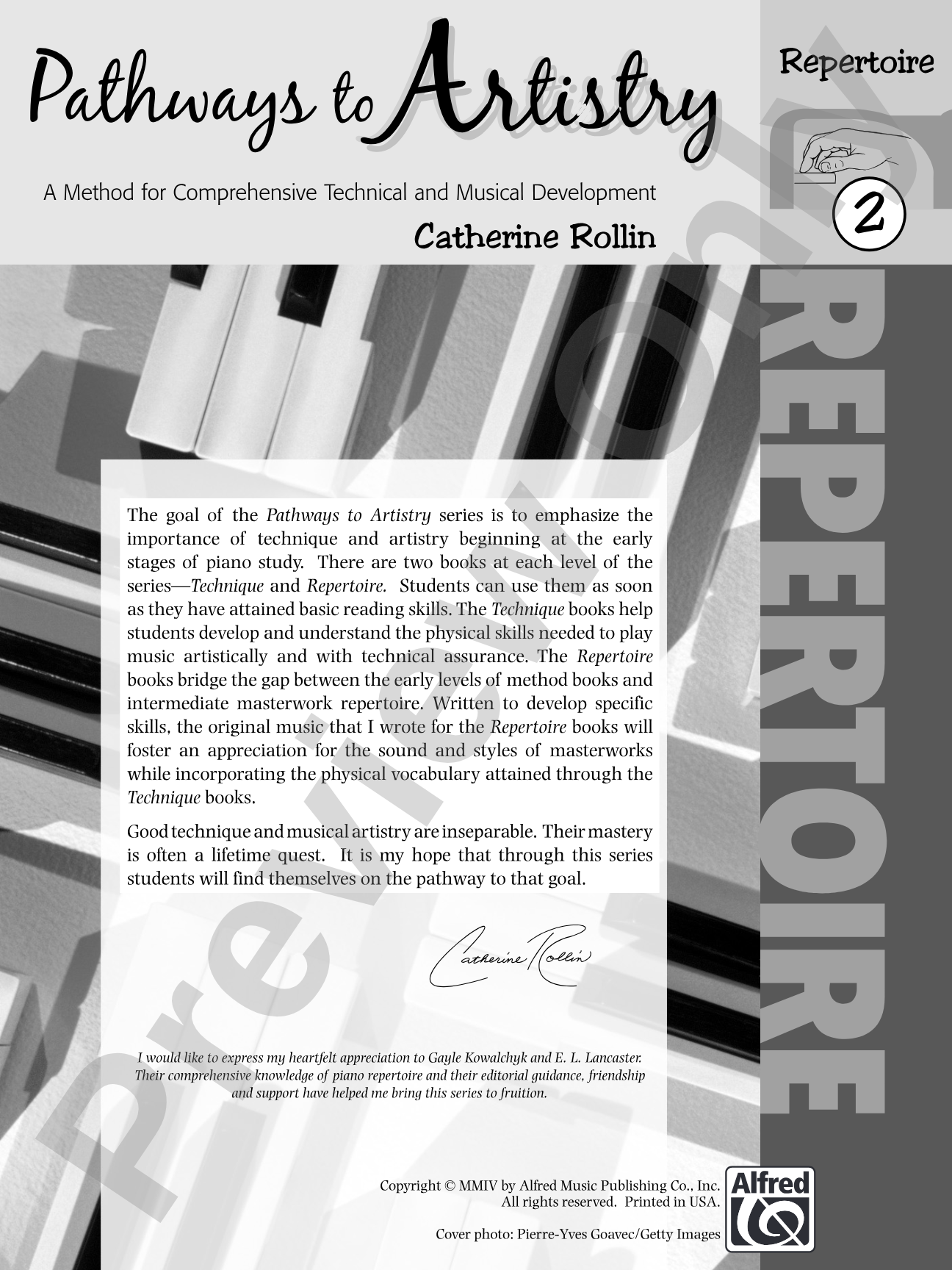
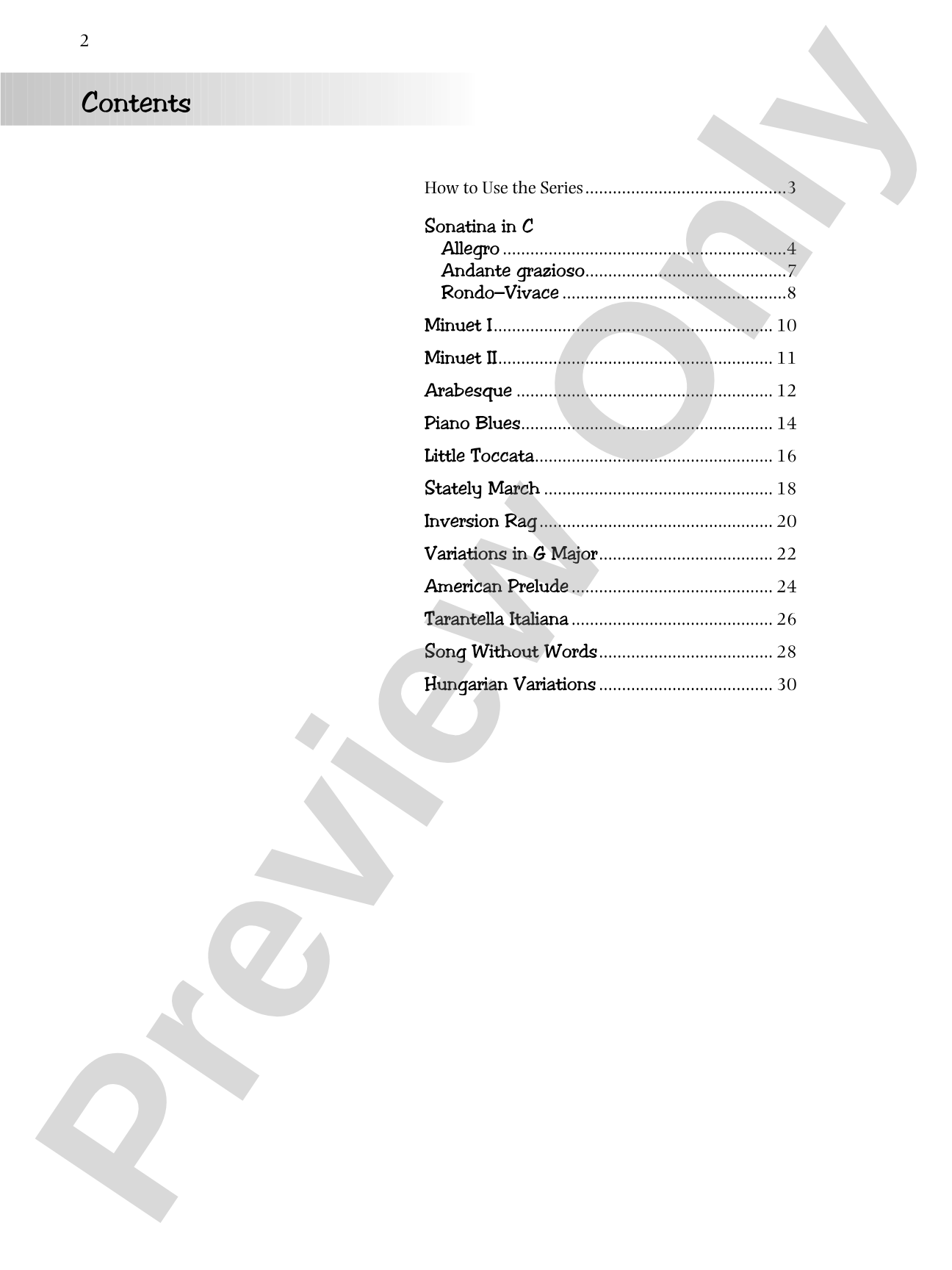
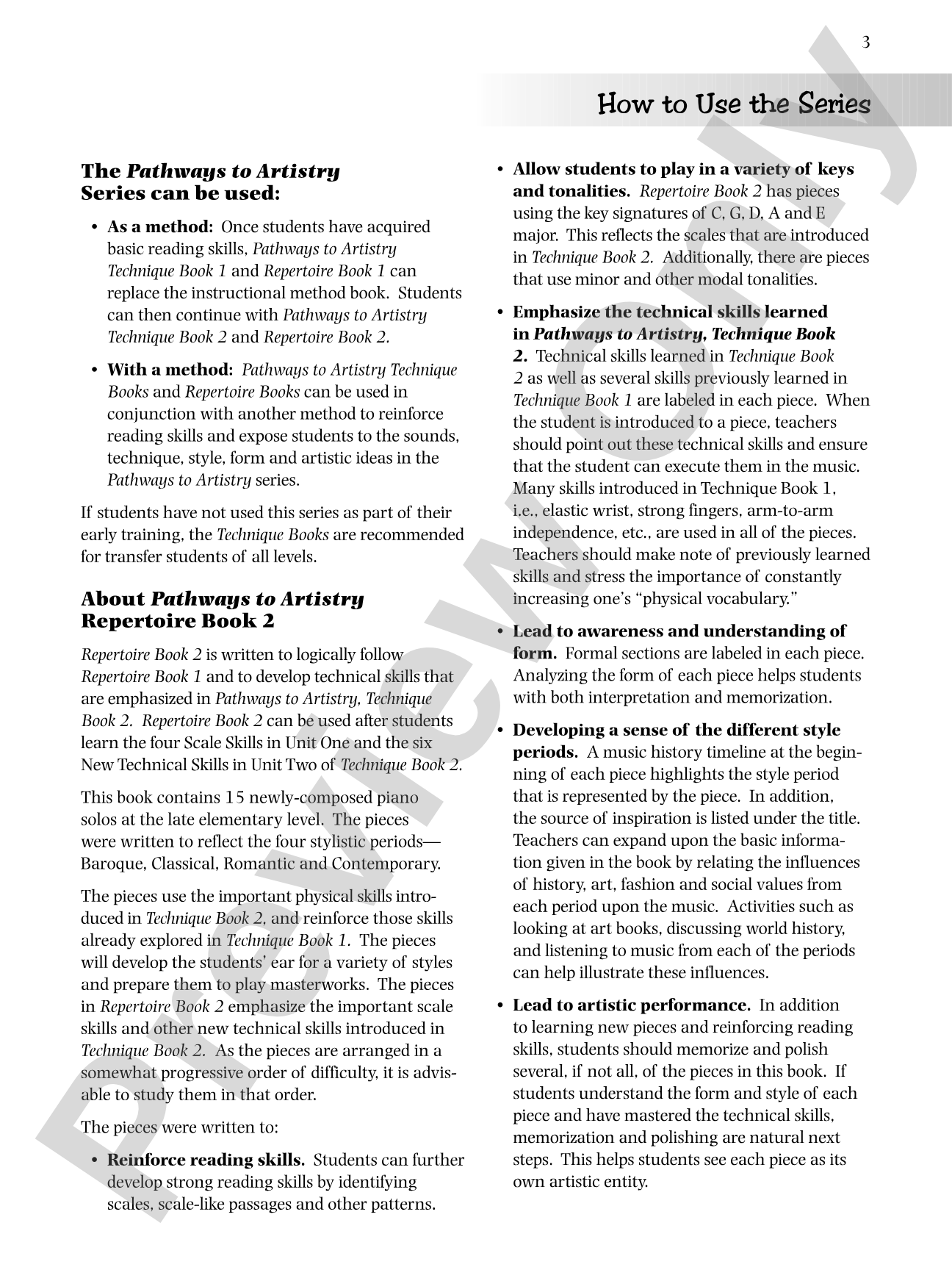
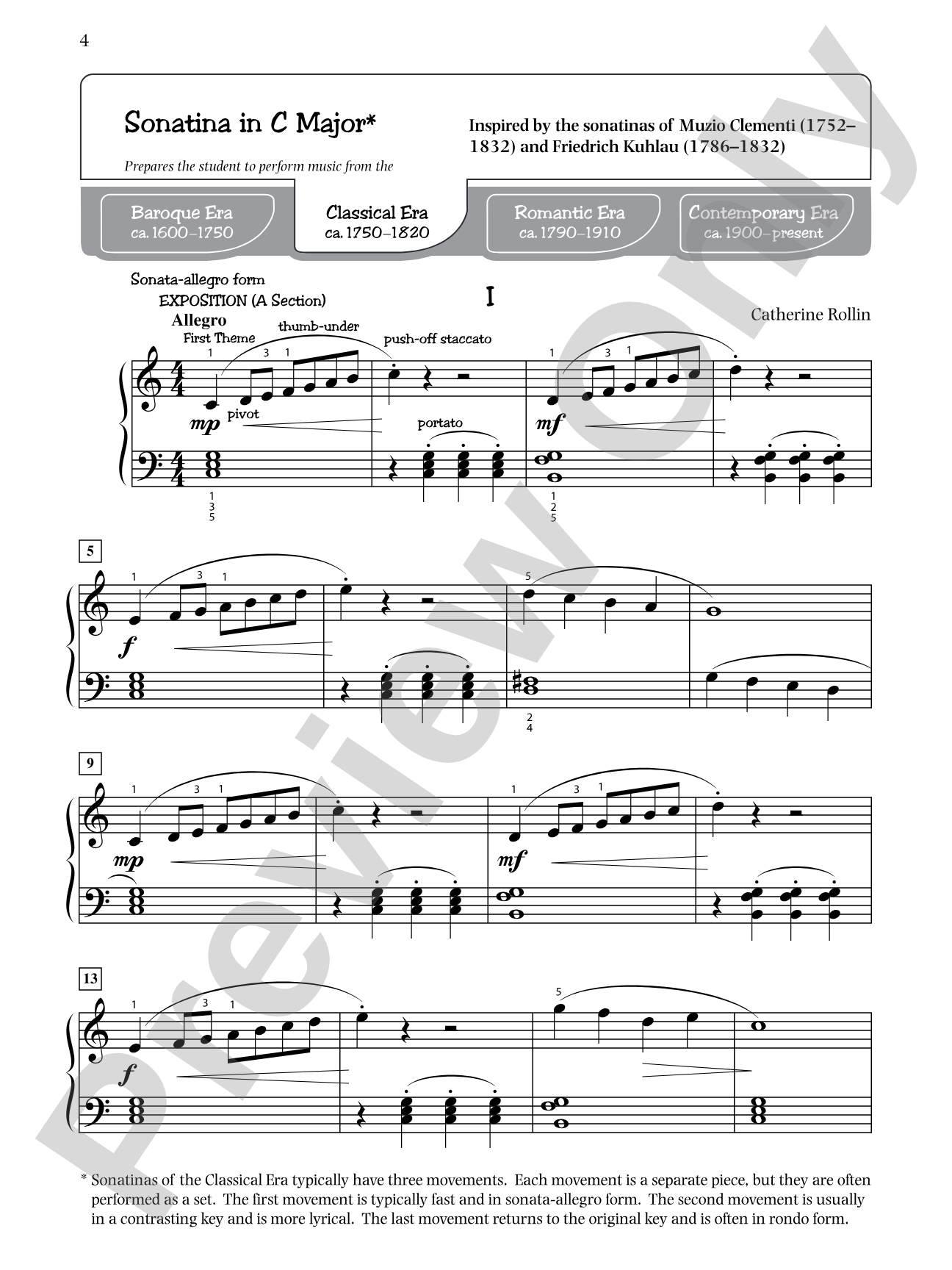
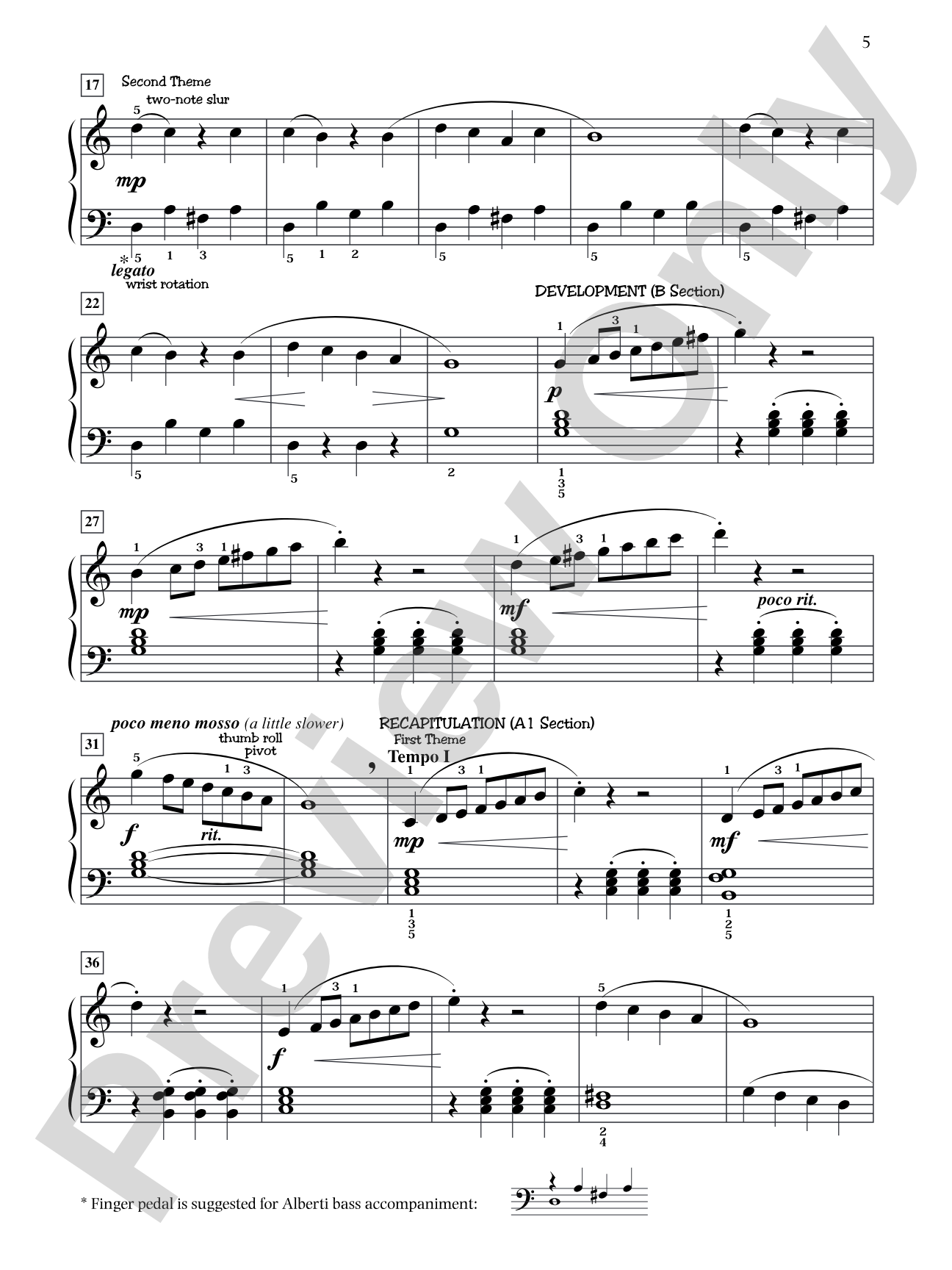
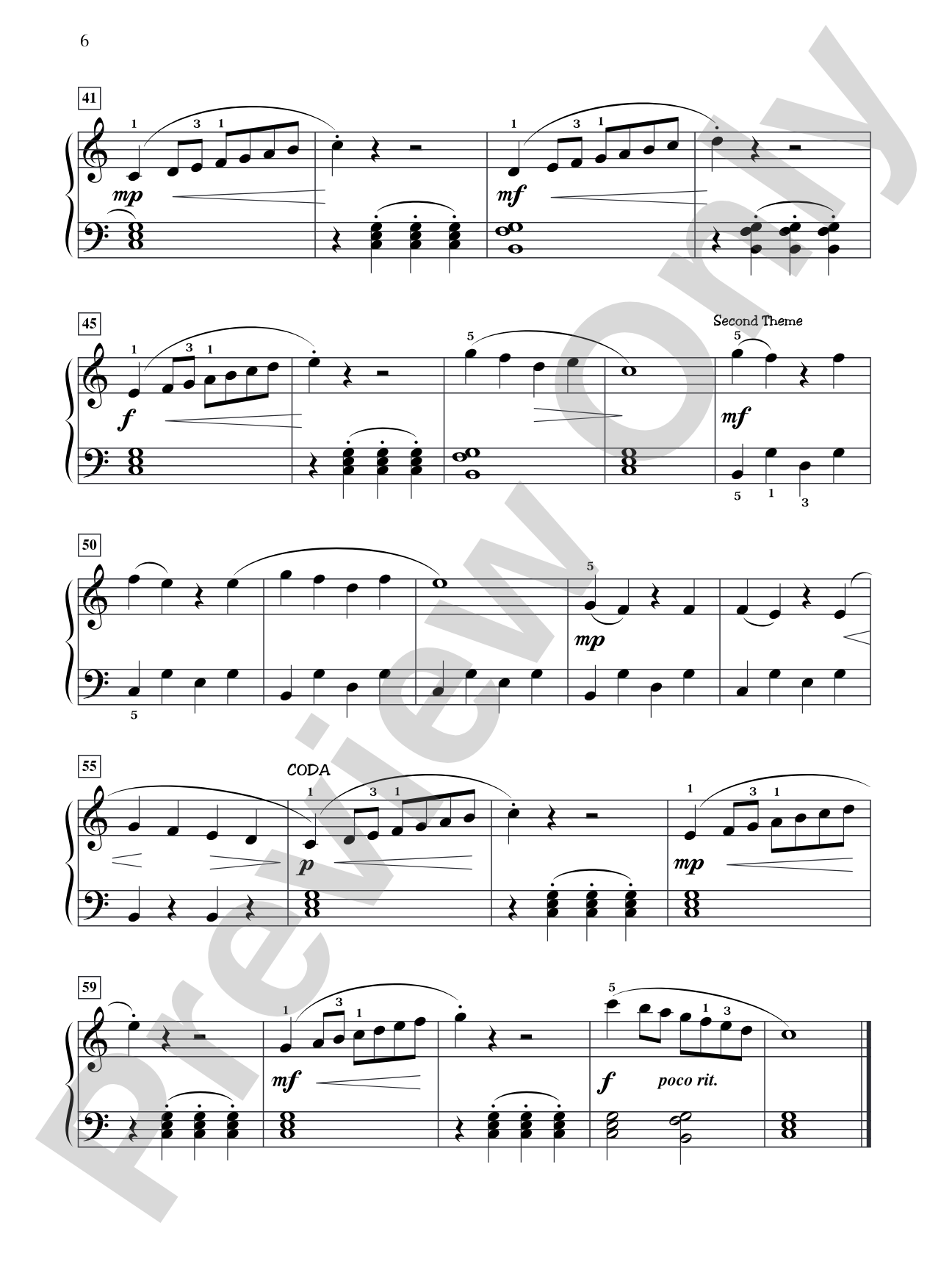
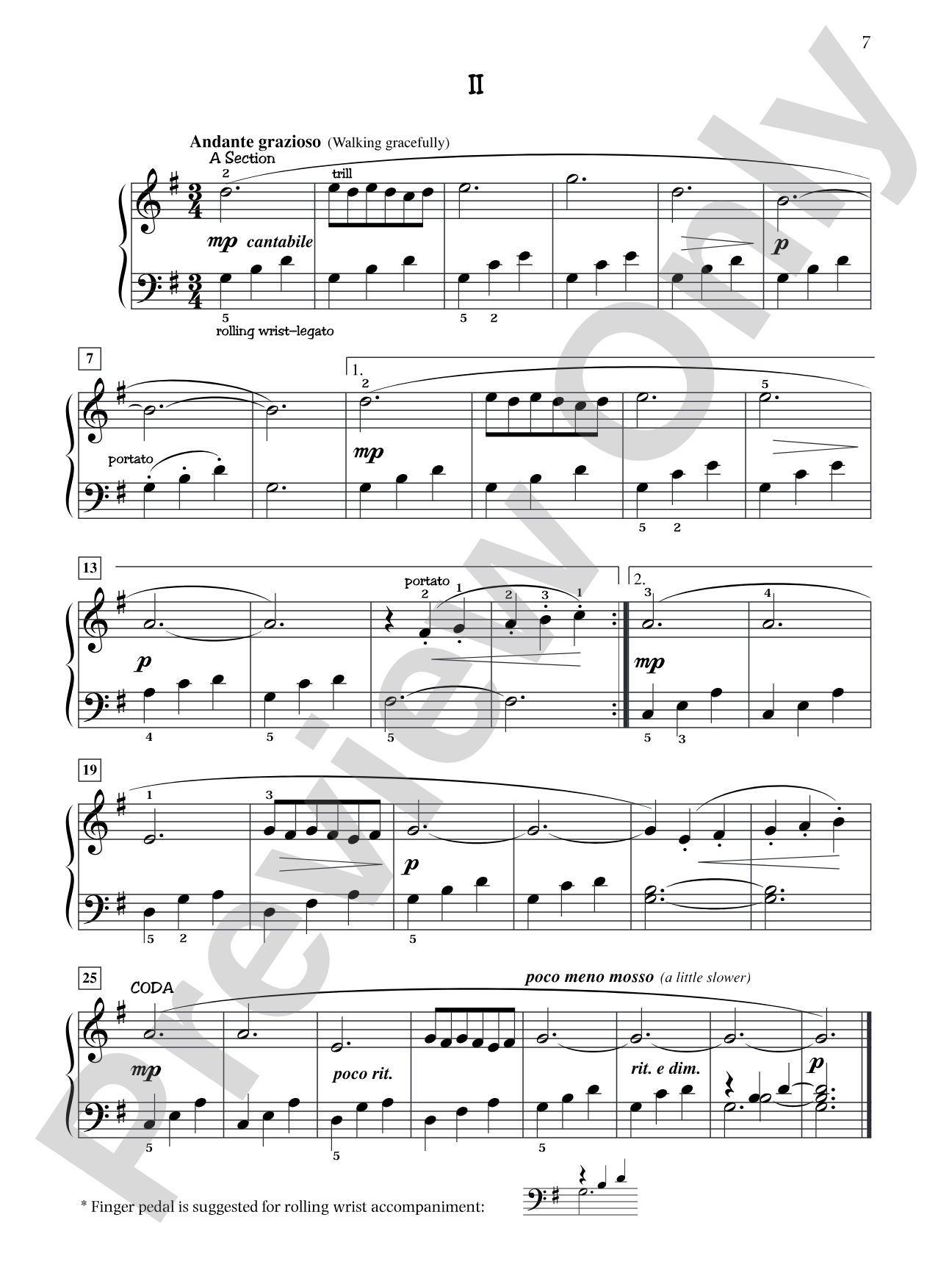
Usable either as a method or with a method, this series introduces basic technical skills and expands the student's knowledge of style, form and artistic ideas. Repertoire Book 2 includes 15 original pieces that reflect the four stylistic periods and incorporate the technical skills learned in the companion book.


Pathways to Artistry: Repertoire, Book 2: A Method for Comprehensive Technical and Musical Development: Piano isn't in MakeMusic Cloud just yet...but it could be. Let us know you'd like to see it, and you'll help shape what comes next. In the meantime, start a free trial and dive into thousands of interactive titles your students can play along with today.
Request This Title
Tell us you want it.
Start Your Free Trial
Explore everything that's ready to play right now.
Sample Audio
No sample audio found.
Sample Video
No sample videos found.
Additional Details
Series:
Pathways to Artistry
Publisher:
Alfred Music
Page Count:
32
SKU:
00-PB-0001091
More about this title
About the Composer: Catherine Rollin

Catherine Rollin balances an active composing career with studio teaching, developing students who consistently earn recognition in competitions and festivals. She holds degrees from the University of Michigan and Oakland University School of Performing Arts, and has delivered workshops and masterclasses across the United States, Canada, Japan, and Taiwan.
Rollin's compositions have earned commissions from the Music Teachers National Alliance (MTNA), Clavier Companion magazine, and the Michigan Music Teachers Association. Her work appears regularly in the National Federation of Music Clubs Festivals Bulletin, and she has served as a judge for the MTNA Student Composition Competition and the Lynn Freeman Olson Composition Contest. The Steinway Society featured her in concert as both pianist and composer in 2018, and the MTNA's prestigious From the Pen to the Premiere series commissioned her trio for flute, alto saxophone, and piano, which premiered at the 2018 MTNA national conference.
Why we love this
Rollin writes music that sounds genuinely pianistic rather than instrumental transcriptions at the keyboard. The 15 original pieces in this book move across four style periods while reinforcing technical development in a way that never feels like drill, and the integration of form, style, and artistry builds the kind of musical thinking that carries students beyond the early intermediate level.
What to expect
Each piece offers a window into a different musical world. You'll experience the clarity and logical architecture of Baroque forms, the elegance and balance of Classical phrases, the emotional depth of Romantic expression, and the fresh sounds of contemporary writing. The collection balances technical challenge with musical reward, never asking hands to do more than ears can follow.
Who it's for
Late elementary and early intermediate pianists ready to expand beyond basic repertoire and explore how stylistic periods sound at the keyboard. Students working through the companion Pathways to Artistry method book will find these pieces reinforce and celebrate the skills they've learned.
How to get the most out of it
- Study each piece's stylistic period first. Understanding whether you're exploring Baroque counterpoint, Classical form, Romantic expression, or Contemporary technique changes how you voice, pedal, and shape the musical line.
- Pay attention to Rollin's dynamic and articulation markings; they reveal the composer's intent for character and style. These are not suggestions to interpret freely, but part of the compositional design.
- Connect the technical skills from the companion method book as you prepare each piece. Notice where hand position, scale work, or rhythmic precision directly applies to the musical demands on the page.
How to use it
Use these pieces as repertoire for studio recitals, especially when you want students to program across multiple styles in a single performance. The book's breadth makes it ideal for students preparing for festival play-off rounds, where variety and stylistic range matter. Integrate individual pieces into lessons as technique reinforcement and as stepping stones toward more advanced solo repertoire.
Skills your students will build
- Sight-reading across multiple stylistic periods
- Baroque contrapuntal voice leading and ornament execution
- Classical phrase structure and harmonic progression
- Romantic pedal techniques and expressive dynamics
- Contemporary notation and rhythmic independence
- Hand position and finger independence at increased tempo
- Artistic interpretation informed by historical style
- Aural awareness of form and structural design