Party Peeps Cover Image

Party Peeps: Jazz Ensemble Conductor Score

$10.00 USD
Sale price  $10.00 USD Regular price 
Skip to product information
Party Peeps Cover Image

Party Peeps: Jazz Ensemble Conductor Score

By Kris Berg

Grade: 2.5 (Medium Easy)

Item: 00-48218S

$10.00
Shipped

One moment…

Description
Okay, it's chicken time! Party Peeps by Kris Berg is a funky rock groove played around 130 BPM. Solos provided for tenor 1 and trumpet 2, lead trumpet range is to written G-sharp on top of the staff and a sweet bari part. Easy to rehearse with a rock-infused guitar for an effective contemporary sound. The usual optional parts plus flute and vibes. (3:57)

Party Peeps: Jazz Ensemble Conductor Score isn't in MakeMusic Cloud just yet...but it could be. Let us know you'd like to see it, and you'll help shape what comes next. In the meantime, start a free trial and dive into thousands of interactive titles your students can play along with today.

Sample Pages

Sample Audio
0:00
0:00
Sample Video
Additional Details
Series: Young Jazz Ensemble
Publisher: Alfred Music
Page Count: 20
UPC: 038081559285
SKU: 00-48218S

More about this title

About the Composer: Kris Berg
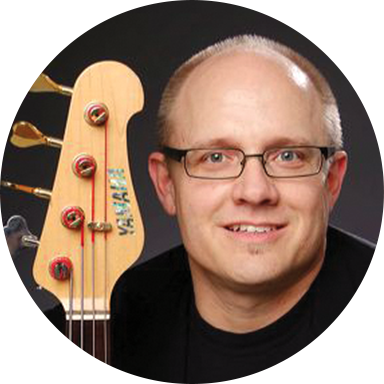
Kris Berg

Kris Berg directs the jazz studies program at Collin County Community College in Texas, where he earned both his bachelor's and master's degrees in jazz studies from the University of North Texas. His ensembles have received repeated invitations to perform at the Montreux Jazz Festival, and he founded both the Collin Jazz Fest and the Texas All-Star Jazz Camp.

Berg's original compositions and arrangements have circulated globally and are published through Belwin Jazz, part of Alfred Publishing. Beyond the podium, he remains active as a clinician and artist for Yamaha Corporation and has shared stages with major jazz artists including Kurt Elling, Randy Brecker, Peter Erskine, Bob Mintzer, and Clark Terry. He also authored the widely-used Bass Lines in Minutes and maintains endorsements from Walter Woods Amplifiers.

Why we love this

Berg writes with an ear for what works in the ensemble room. Party Peeps balances accessibility with genuine groove; it's rock-solid enough that your section leaders can lock in immediately, yet distinctive enough that audiences hear something fresh. The solo features for tenor saxophone and trumpet give your soloists room to shine without requiring virtuosic range or technique.

What to expect

Funky and infectious. This piece moves with a rock-infused swagger, built on a syncopated groove that feels current without chasing trends. The energy is playful and forward-driving, grounded in solid harmonic writing and punctuated by those opportunities for soloists to stretch.

Who it's for

Medium-easy jazz ensembles that need contemporary material with genuine appeal to student soloists and audiences alike. Works particularly well for groups that include competent lead trumpet and tenor saxophone players ready for spotlight moments.

How to get the most out of it

  • Find the pocket early in rehearsal by isolating the rhythm section and guitar for the first run-through. The 130 BPM groove sits right in the sweet spot where timing feels natural but demands precision from the whole ensemble.
  • Let your soloists own their space. The tenor and trumpet solos are designed to breathe within the arrangement, so resist the urge to overcontrol tempo or dynamics once they enter.
  • Bring the vibes forward in the mix during rehearsal. They're often an afterthought, but they anchor the contemporary sound Berg is after and help lock the rhythm section together.

How to use it

Program Party Peeps as a second-set opener or as the anchor of a contemporary jazz showcase. It pairs well with both straight-ahead swing charts and other funk-influenced pieces, and its confident style reads well on concert programs where you want to signal that your ensemble has range and personality.

Skills your students will build

  • Locking into and maintaining a rock-influenced groove at moderate tempo
  • Reading and performing within contemporary jazz voicings and harmonic structures
  • Soloing over blues and funk changes with appropriate stylistic phrasing
  • Balancing ensemble cohesion while featuring individual soloists
  • Interpreting written rhythmic figures in a rock-inflected jazz context

You May Also Like