


Parade Procession: Concert Band Conductor Score & Parts
By Christopher Salerno
Grade: 1 (Very Easy)
Item: 00-PK-0005074

$45.00
Pickup currently not available
Buy Extra Parts (Digital PDF Download)
Parts Added to Cart!
Description
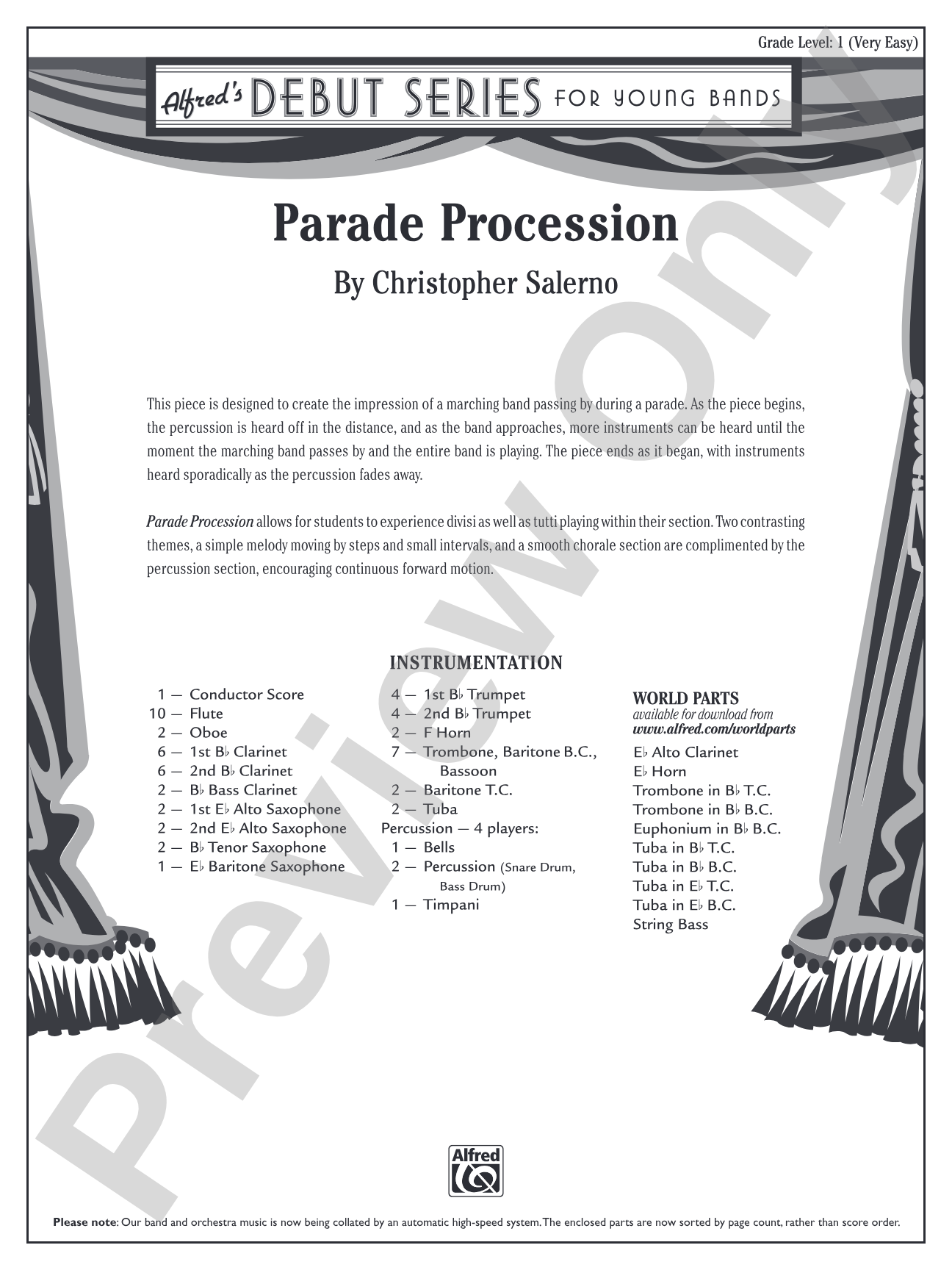
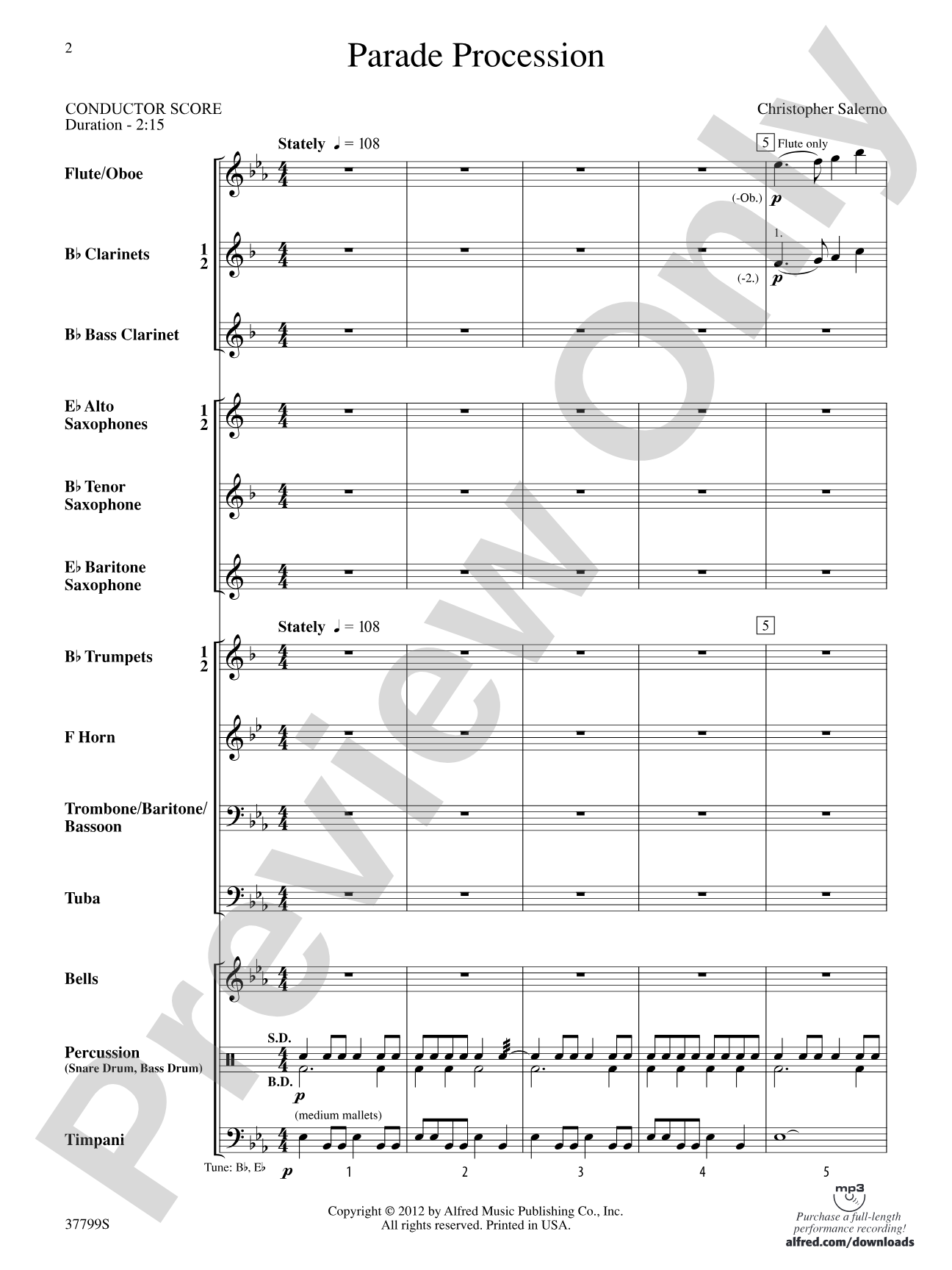
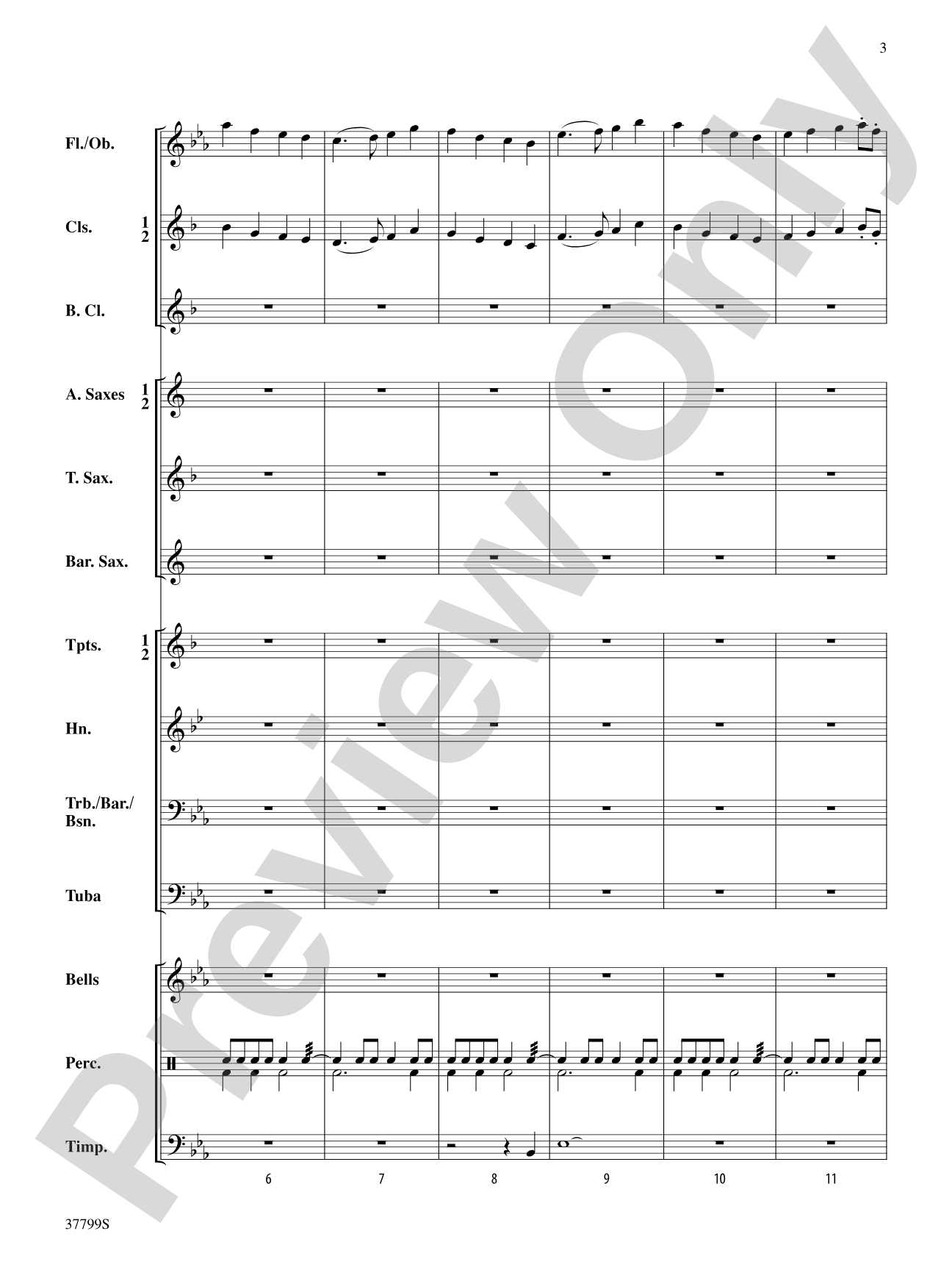
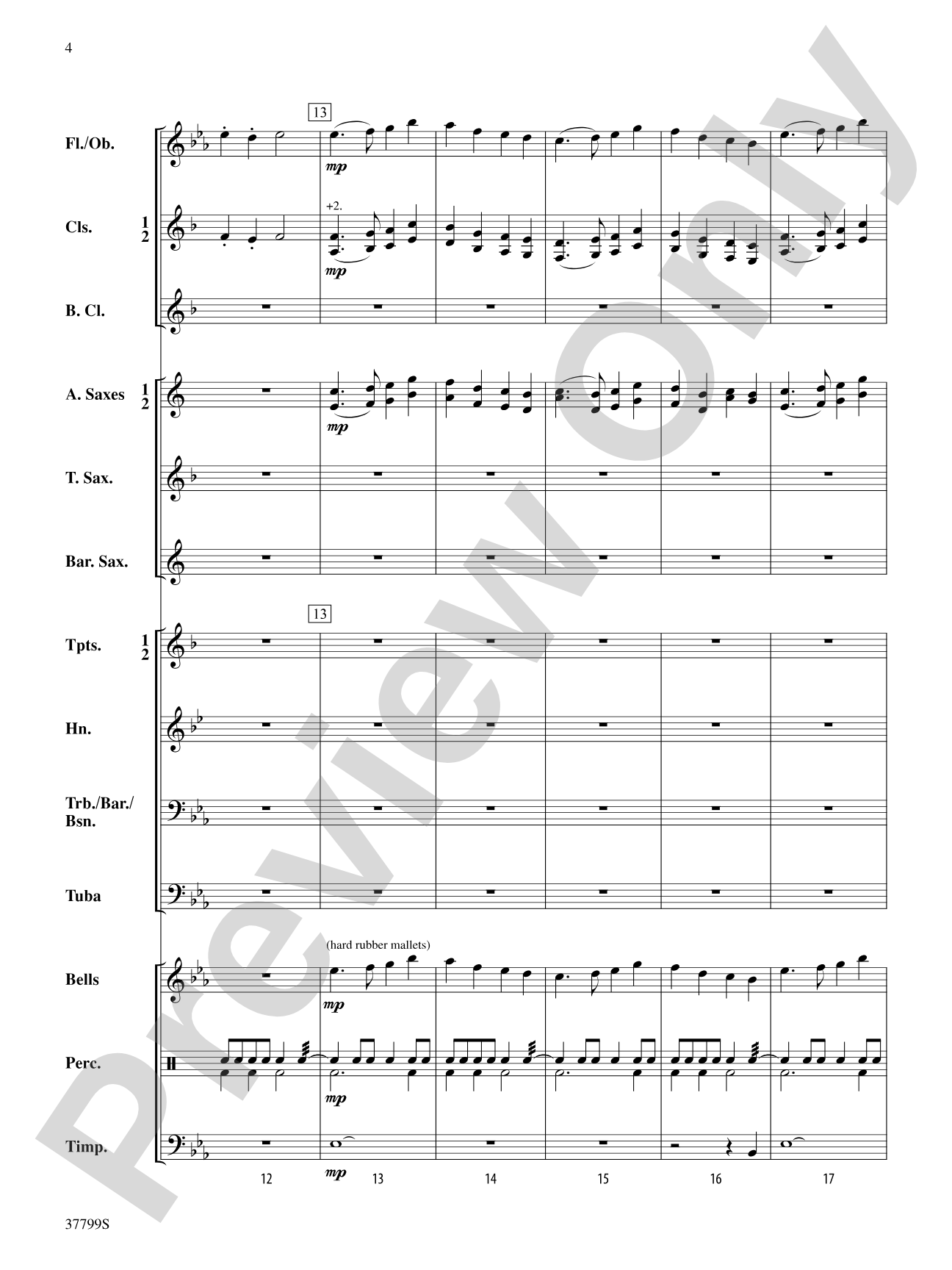
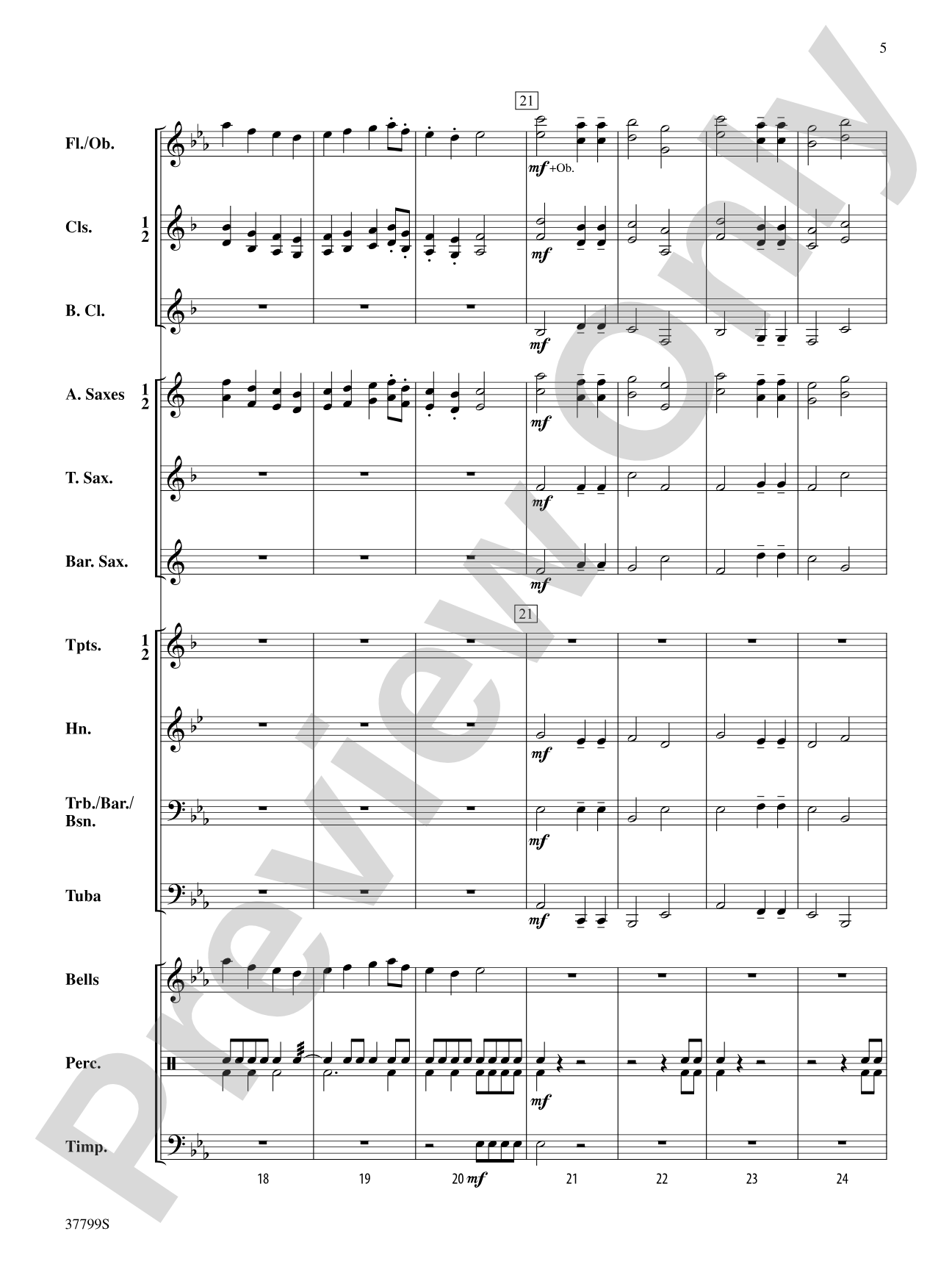
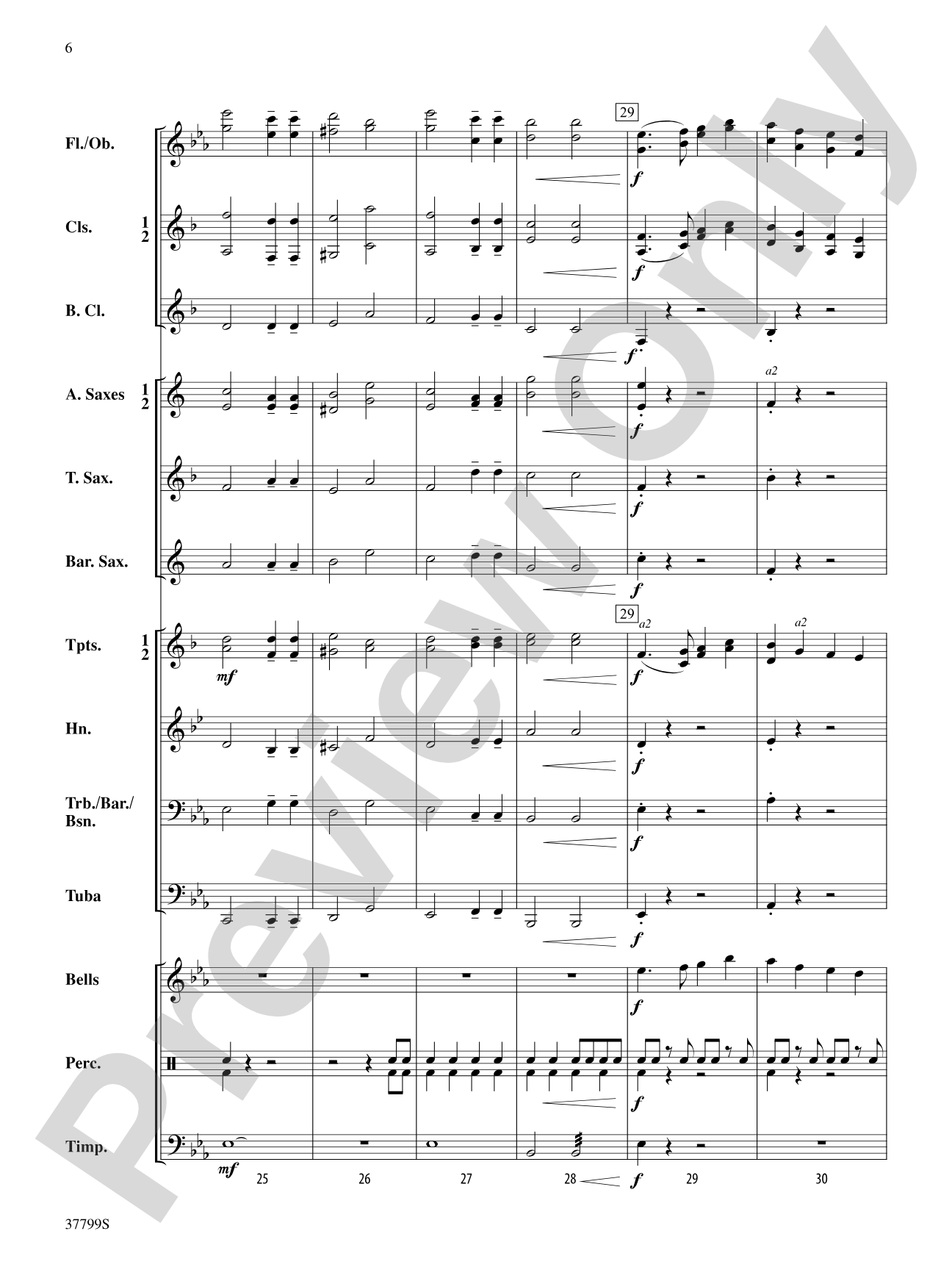
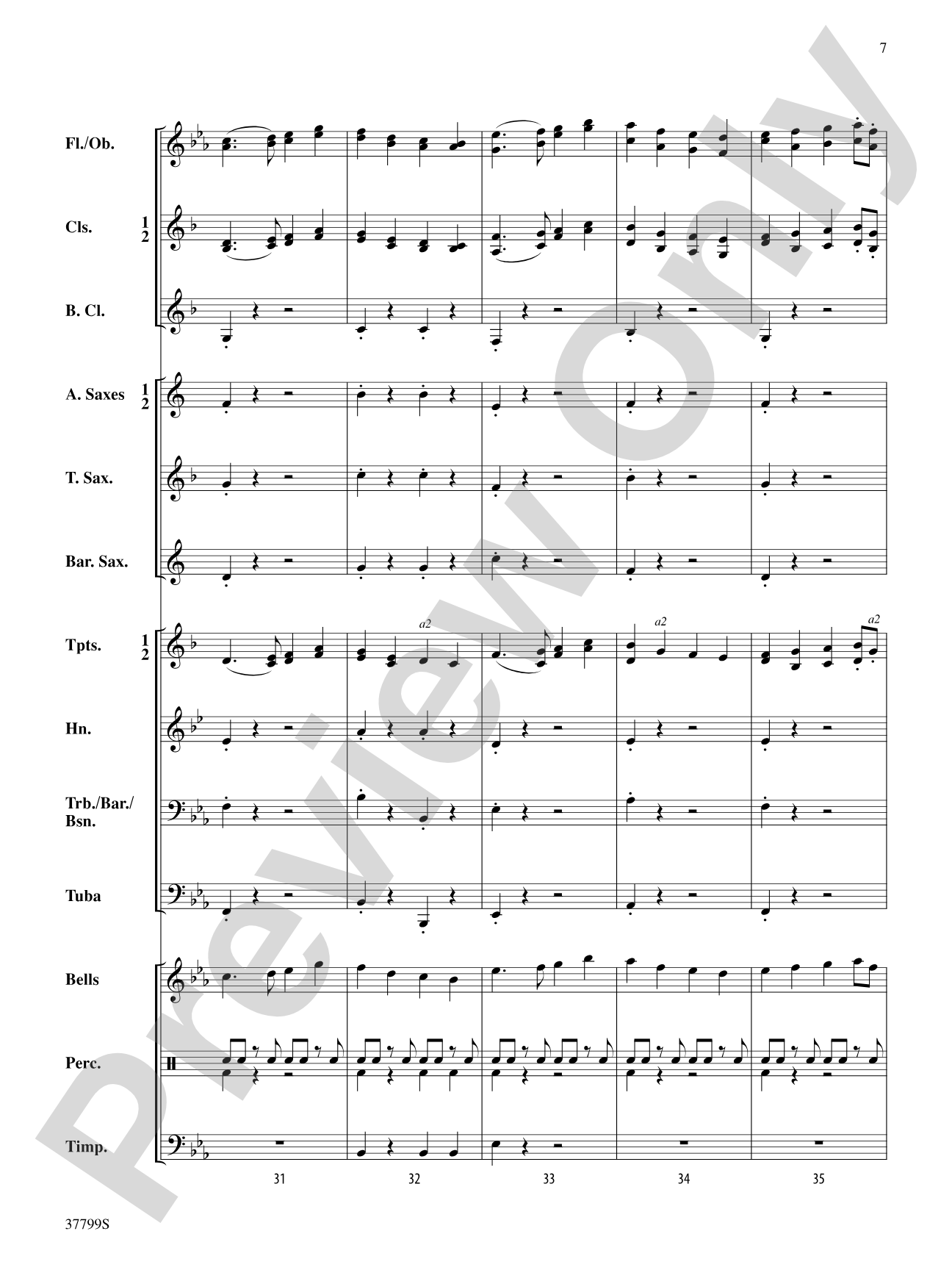
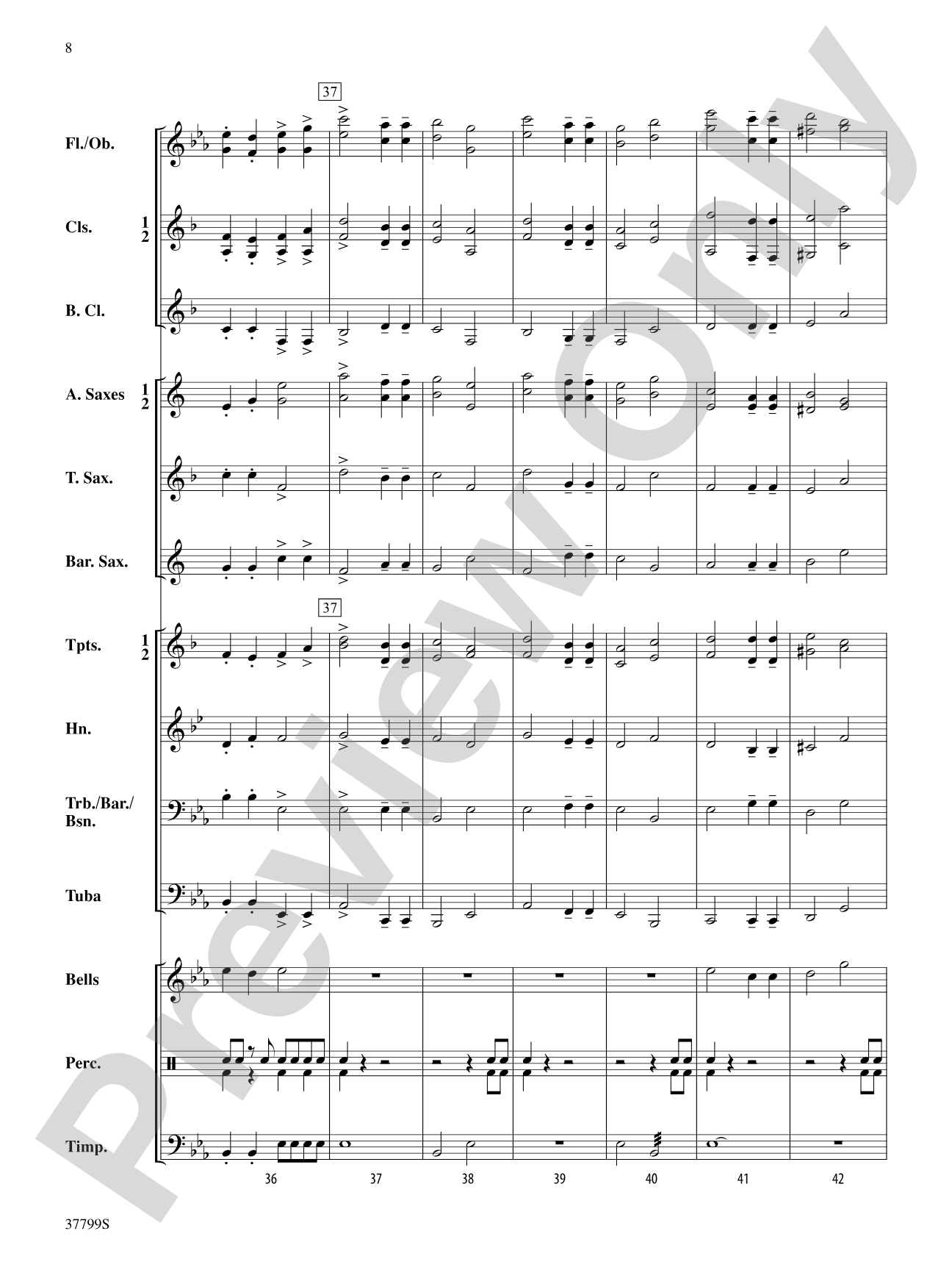
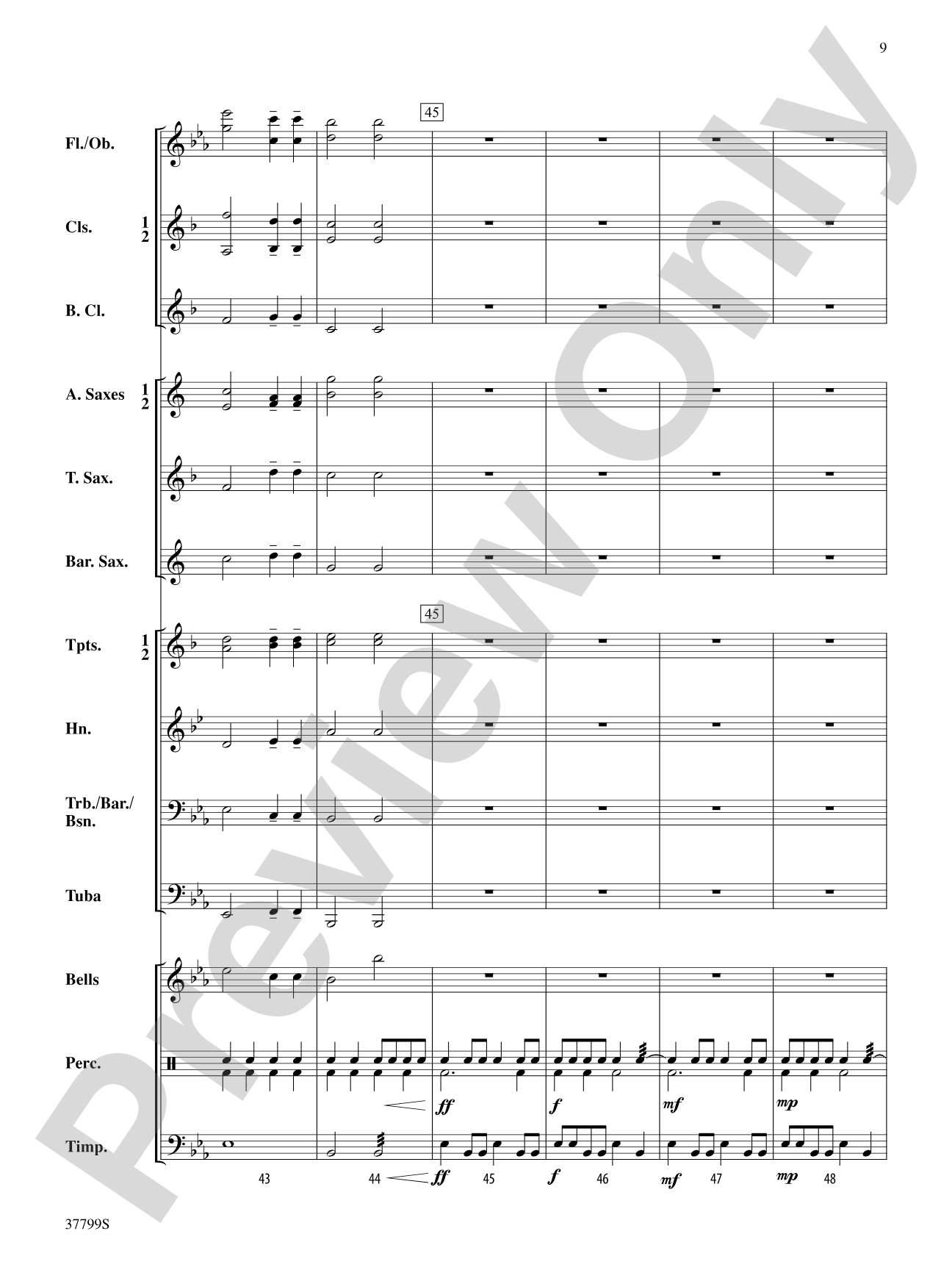
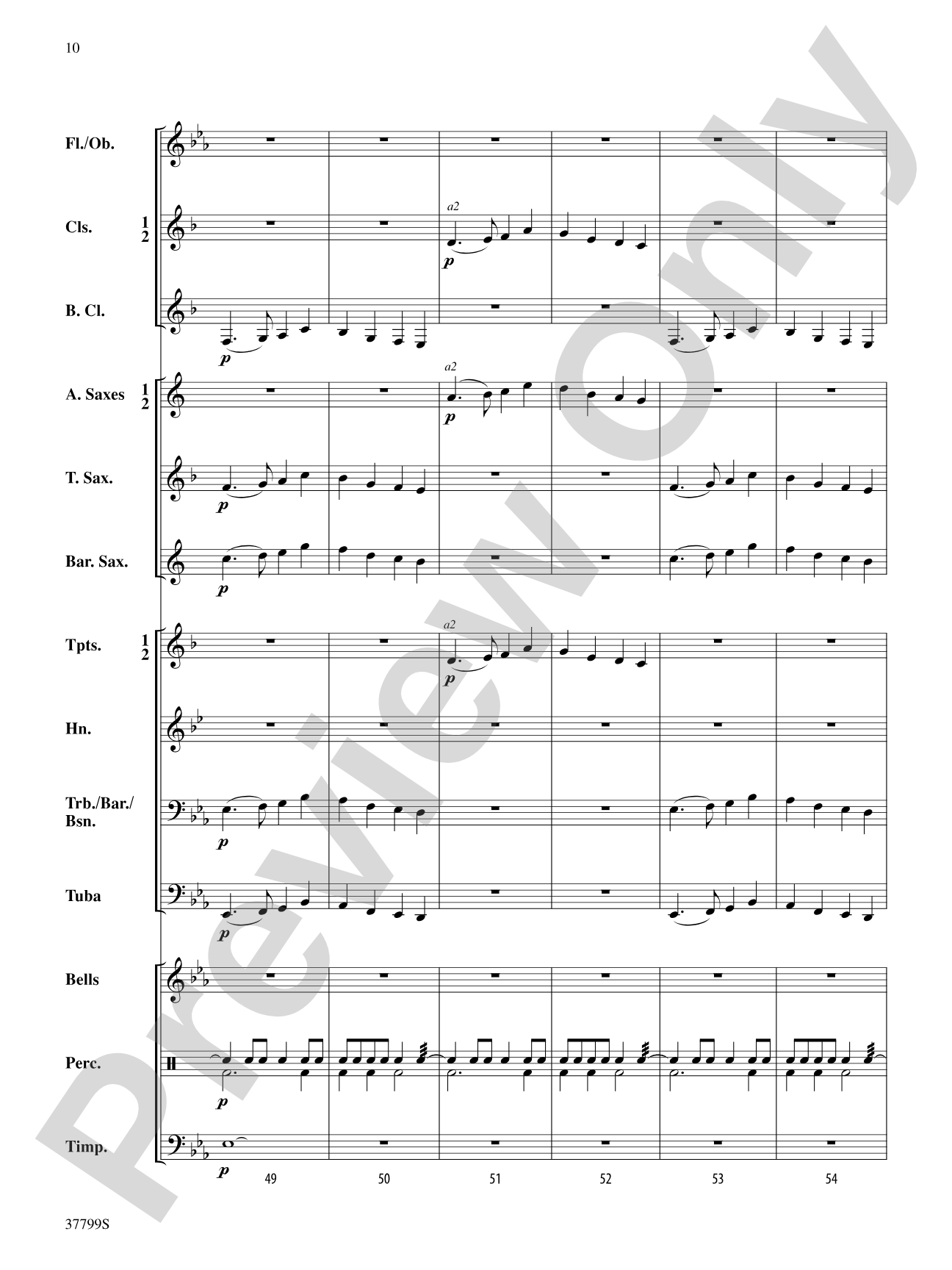
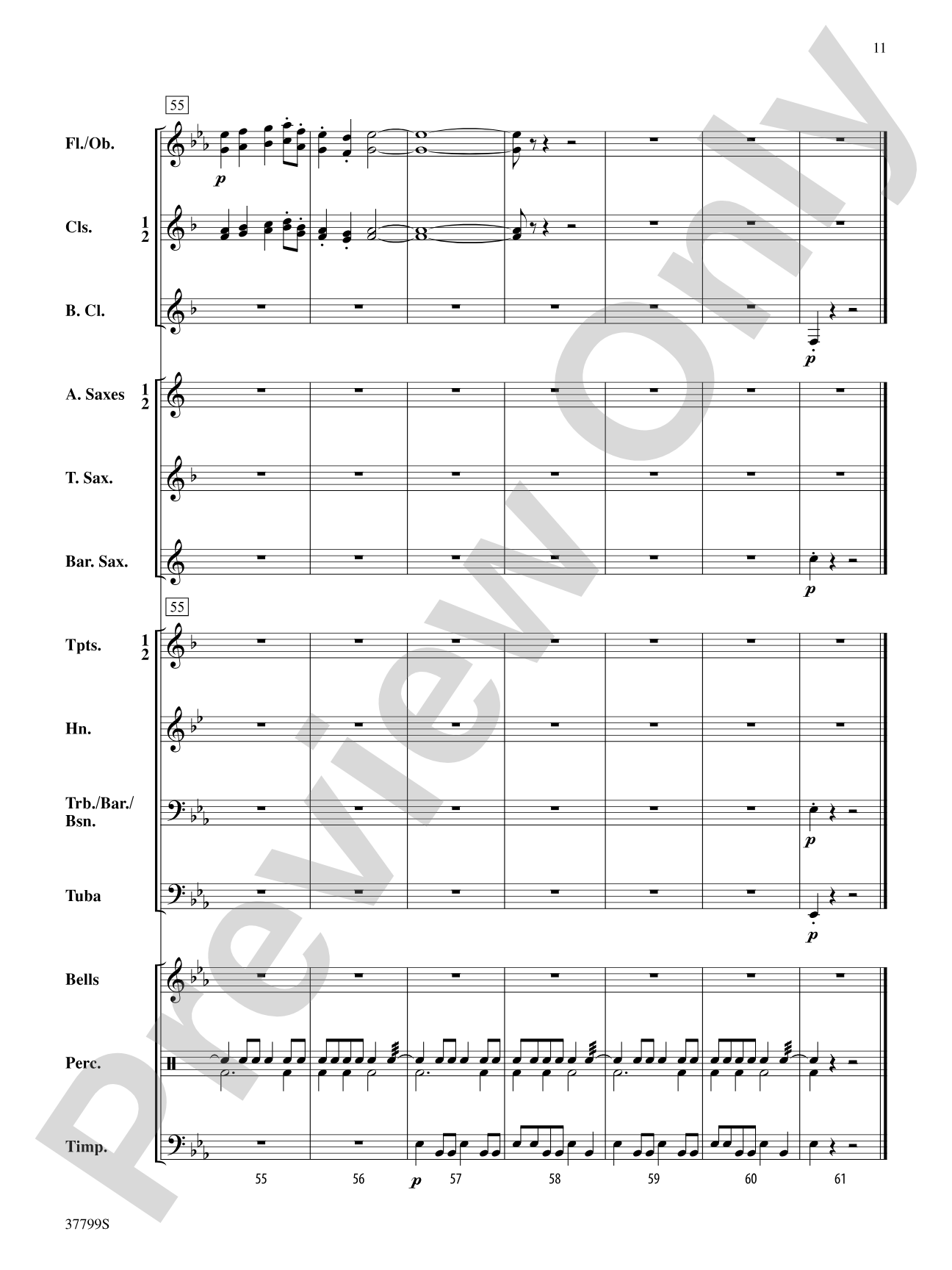
This piece is designed to create the impression of a marching band passing by during a parade. As the piece begins, the percussion is heard off in the distance, and as the band approaches, more instruments can be heard until the moment the marching band passes by and the entire band is playing. The piece ends as it began, with instruments heard sporadically as the percussion fades away. (2:15)


Don't just read it, hear it, play along with it, and watch your students grow with it. In MakeMusic Cloud, Parade Procession: Concert Band Conductor Score & Parts comes alive with professional accompaniment, adjustable tempo, and built-in practice tools that turn solo practice into real progress.
Open in the Player
Jump straight in and assign it today.
Start Your Free Trial
Open this title and explore the full library in minutes.
Sample Audio
1
Audio File
--:--
0:00
0:00
Sample Video
No sample videos found.
Additional Details
Series:
Alfred Debut Series
Publisher:
Alfred Music
Page Count:
116
SKU:
00-PK-0005074
More about this title
About the Composer: Christopher Salerno
Christopher Salerno is a composer and arranger whose work spans concert band, wind ensemble, and educational settings. His pieces for developing musicians balance musical substance with accessibility, making him a trusted voice in the Alfred Debut Series.
Why we love this
Salerno captures the theatrical magic of a parade's approach and retreat with elegant simplicity. The spatial design of the piece—instruments entering and exiting to create distance and proximity—teaches young musicians how orchestration and dynamics convey narrative without relying on complex technical demands. It's a clever choice for ensembles that need accessible concert material with genuine musical storytelling.
What to expect
The piece unfolds like watching a parade round a distant corner. You hear faint drum patterns first, then bright colors of brass and woodwinds gradually entering the soundscape until the entire procession marches past in full glory. As quickly as it arrived, it recedes into memory, leaving only echoes of percussion in the distance.
Who it's for
Beginning concert bands seeking a piece that teaches musicianship and ensemble balance at an approachable technical level. The Grade 1 demands are genuine, making it ideal for younger or developing ensembles that benefit from material with musical purpose beyond skill practice.
How to get the most out of it
- Balance the opening carefully so the distant percussion remains clearly audible but never overrides the emerging melodic lines. Rehearse the volume relationships between sections before adding all instruments together.
- Shape the dynamic swell as the band approaches its zenith around the midpoint. Conductors should encourage students to think of this as a gradual intensification rather than an abrupt change, creating the illusion of continuous forward motion.
- Pay attention to the final fade. The return to sparse textures is as important as the opening; rehearse the cutoffs and sustained notes so the ensemble releases energy and sound together, leaving the listener with a natural sense of conclusion.
How to use it
This works beautifully as a concert opener that captures the audience's imagination immediately. It also pairs naturally with more energetic or lyrical pieces, serving as a whimsical interlude that showcases the ensemble's ability to shape texture and space. Consider programming it early in the season when students are rebuilding ensemble cohesion and responding to conductor gesture.
Skills your students will build
- Dynamic control and balance across multiple instrumental sections
- Responding to conductor cues for synchronized entrances and exits
- Creating musical narrative through orchestration rather than complex harmony or rhythm
- Sustaining pitch and tone quality in sparse textures
- Understanding how pacing and spacing convey distance and movement