

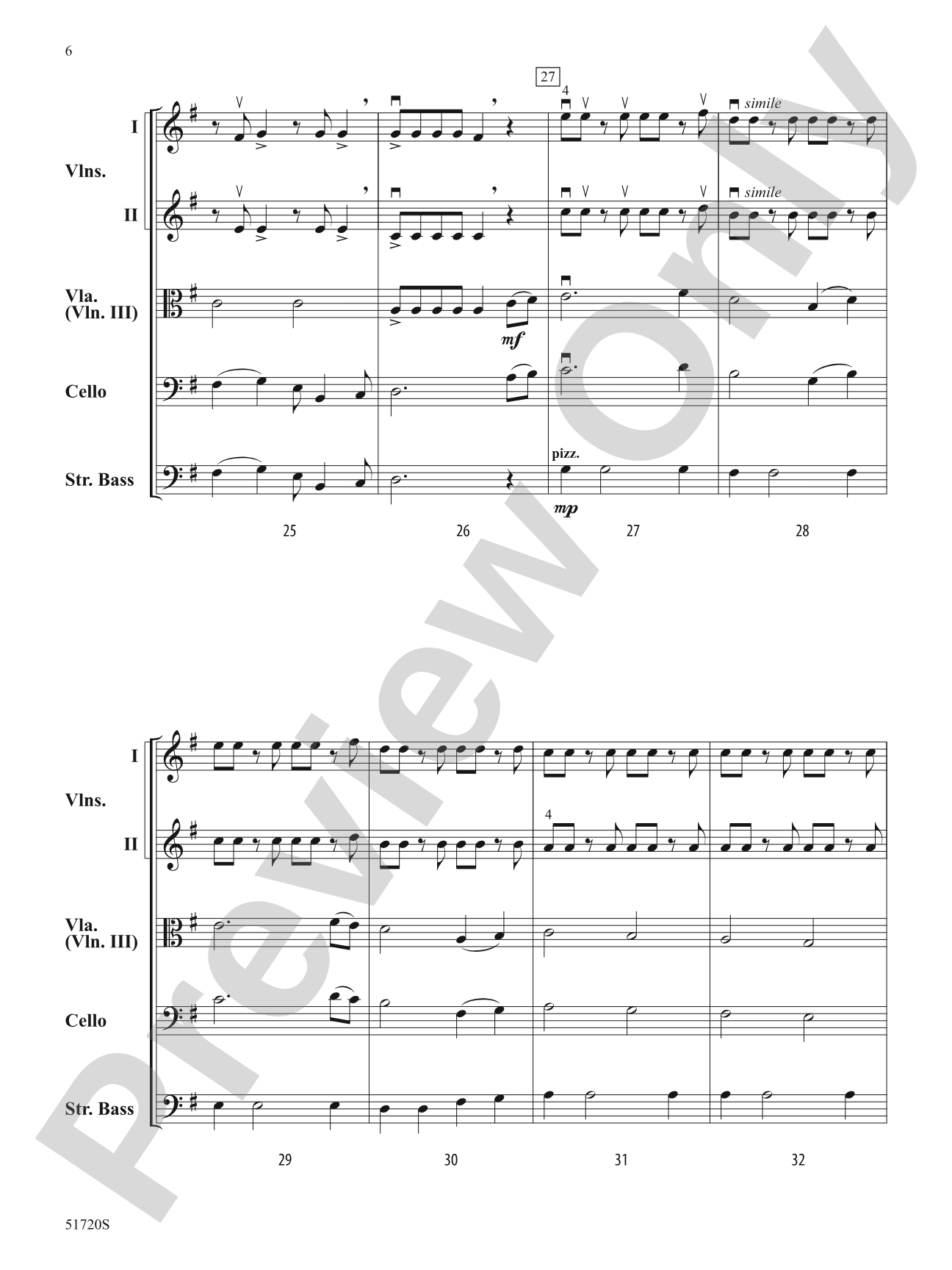
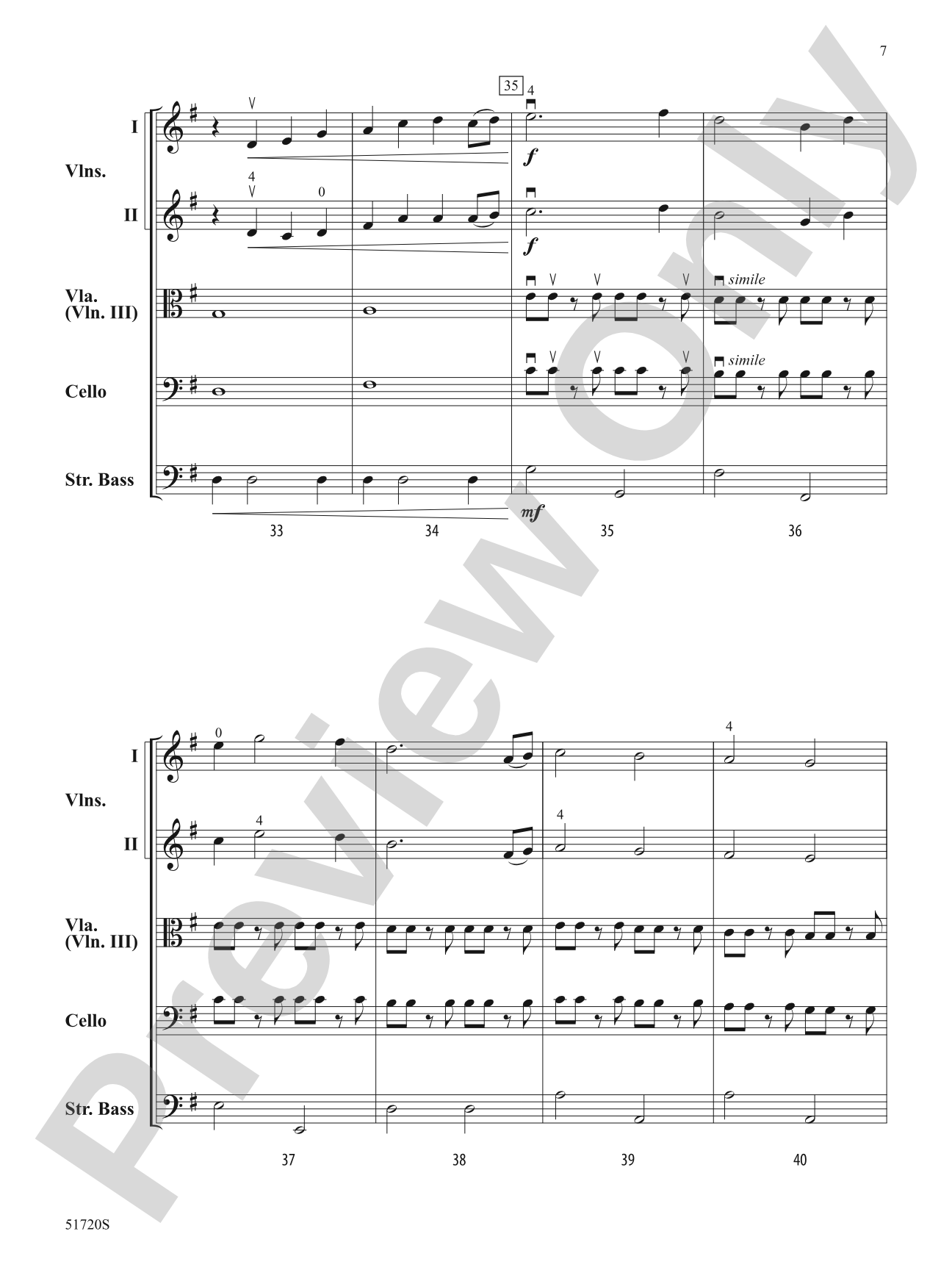
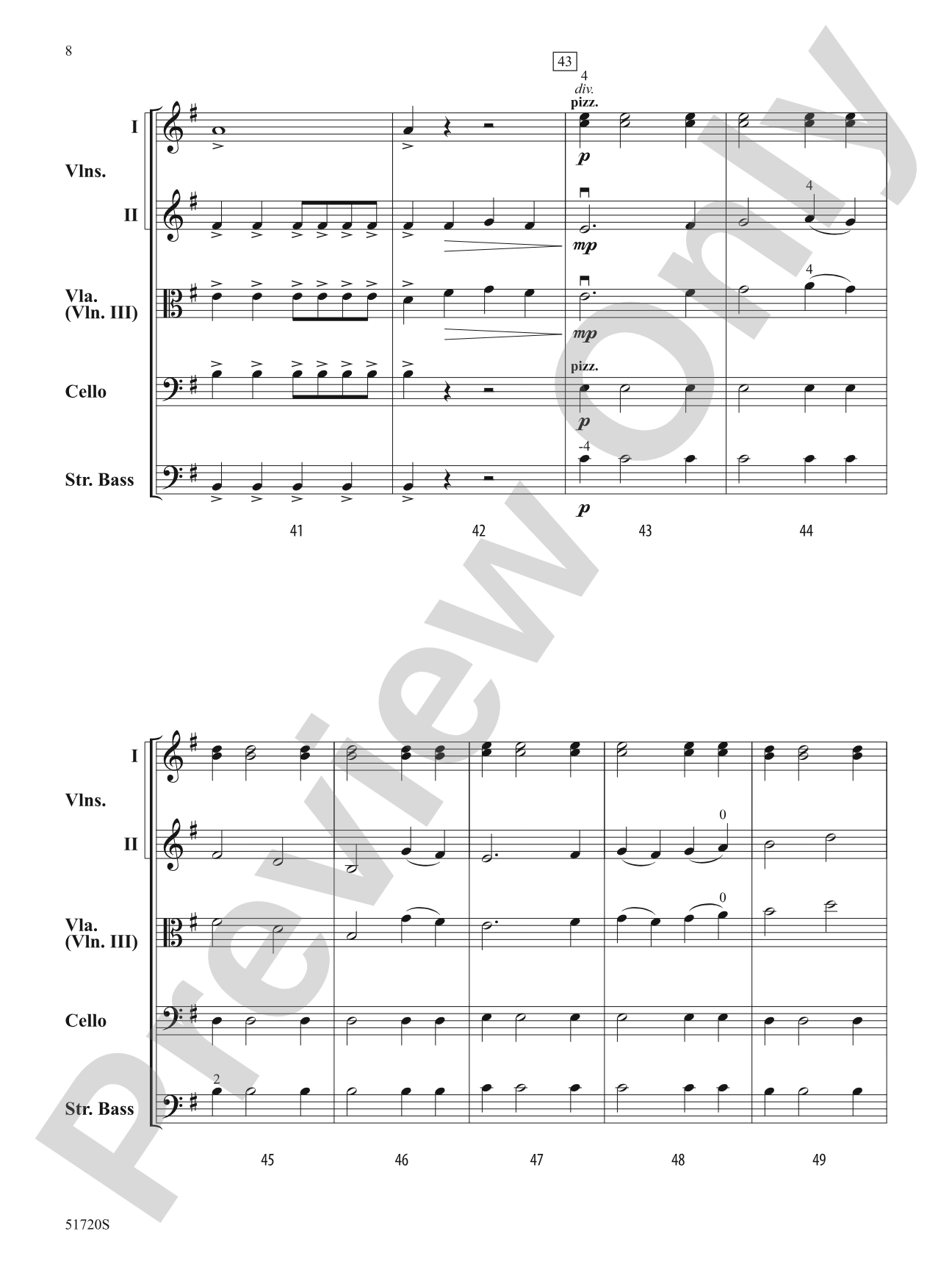
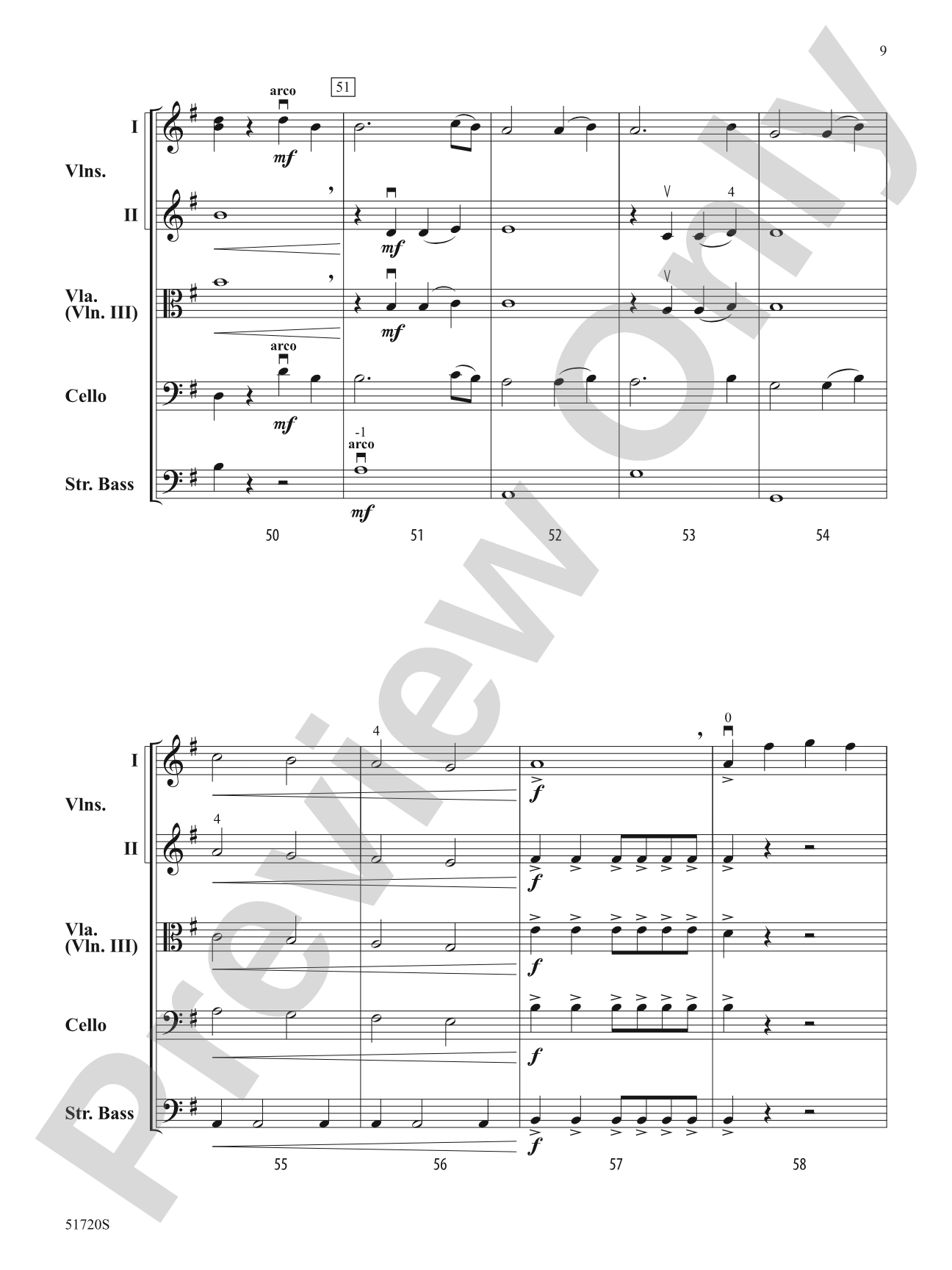
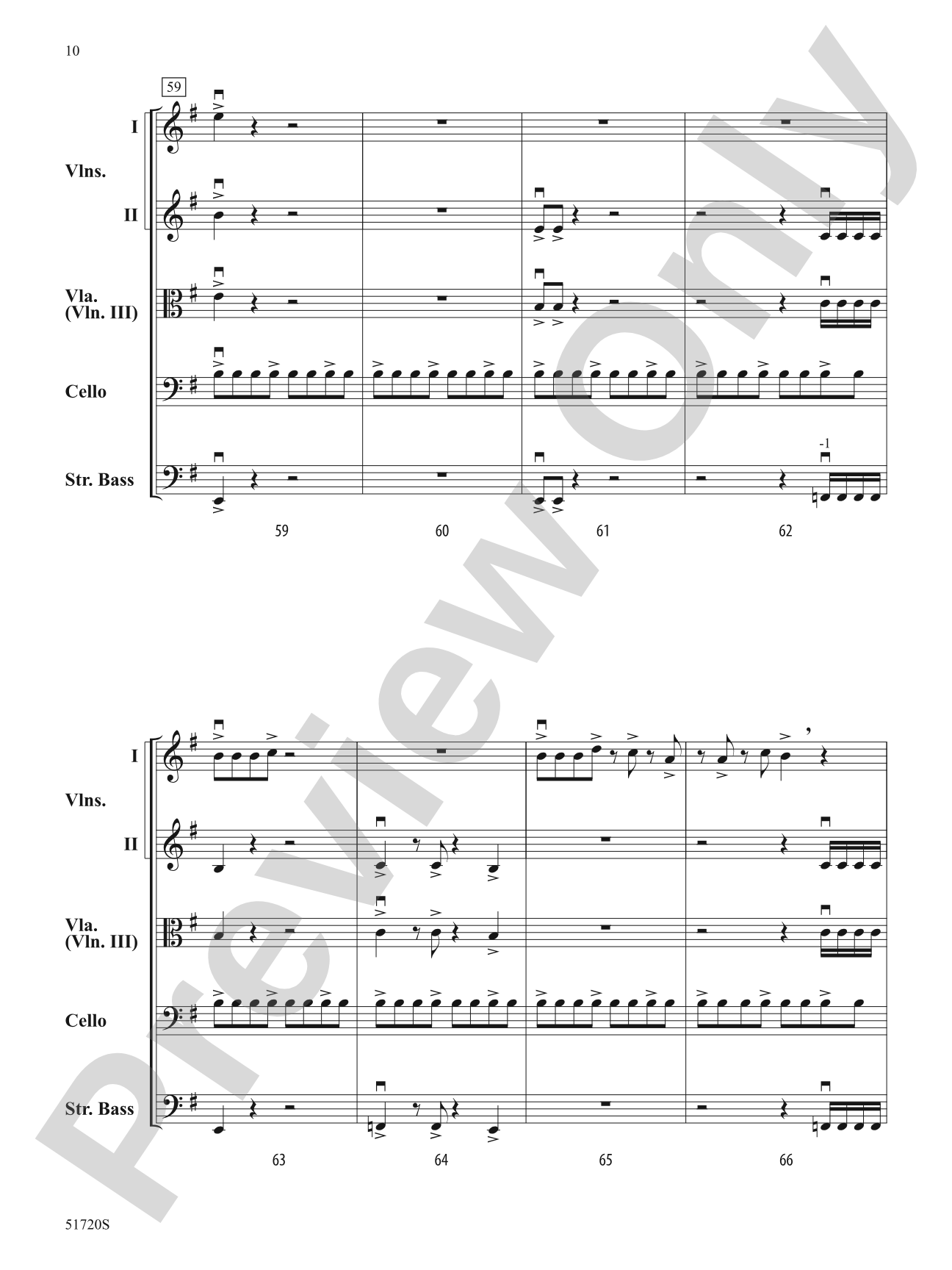
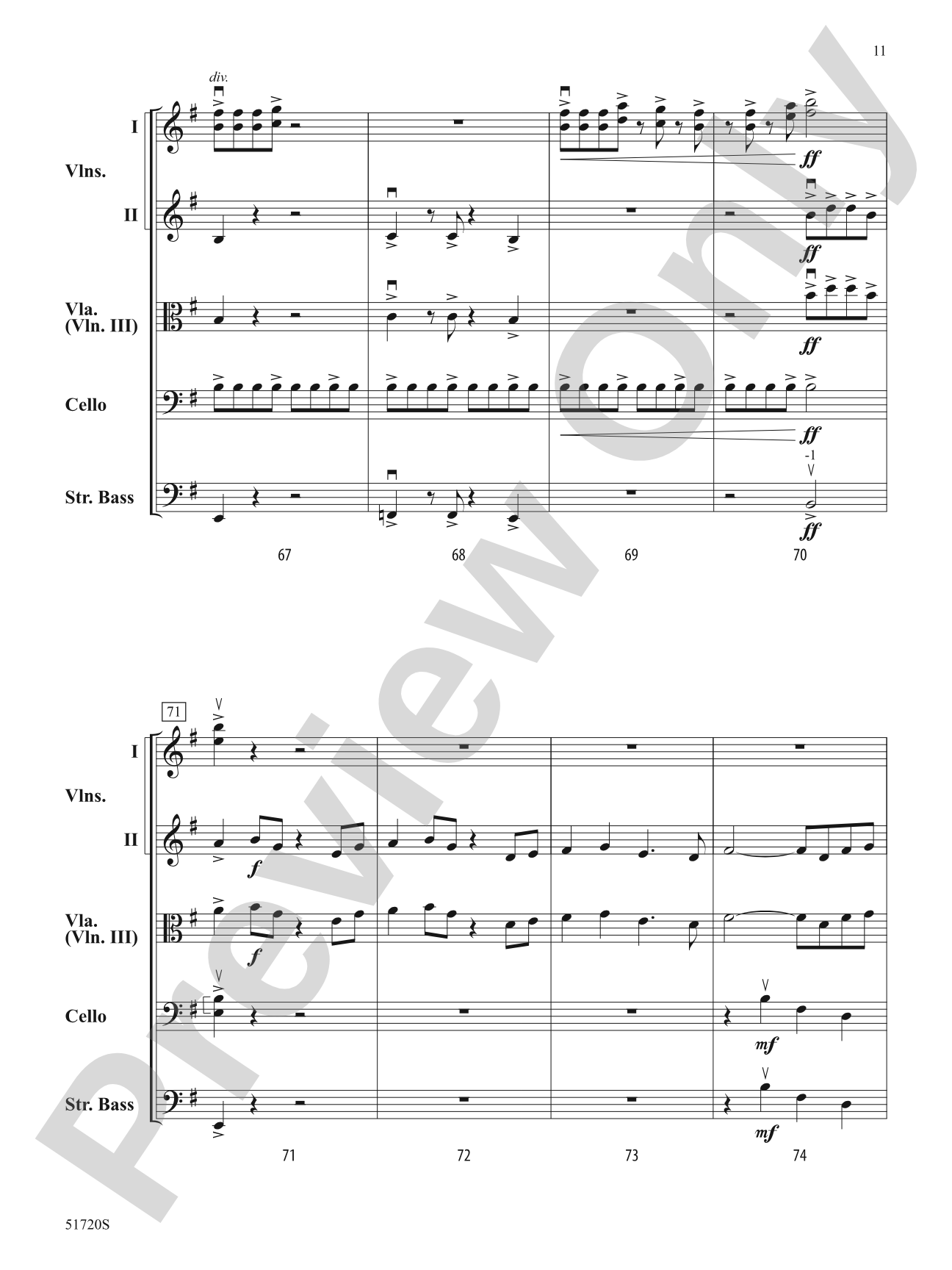
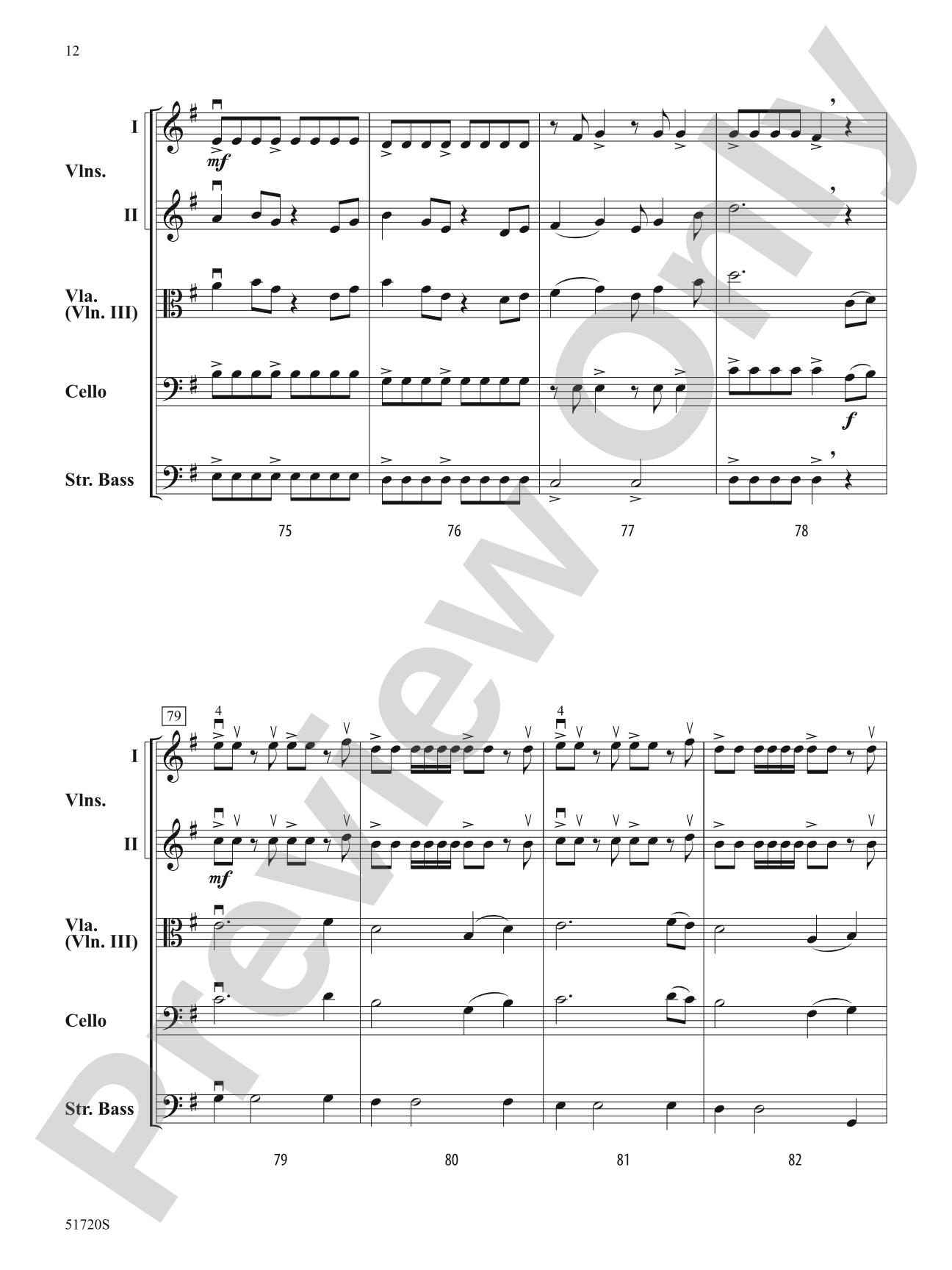
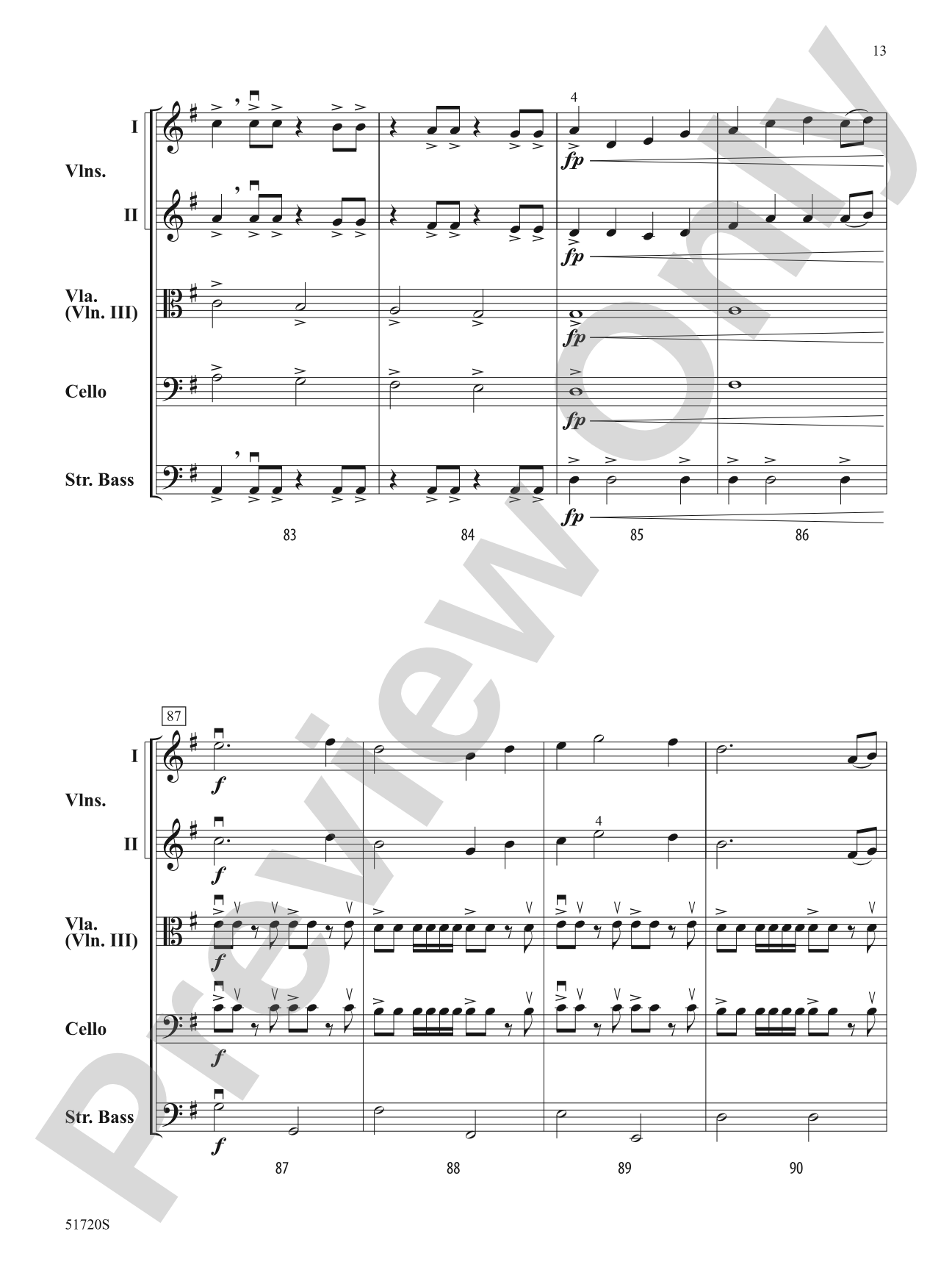
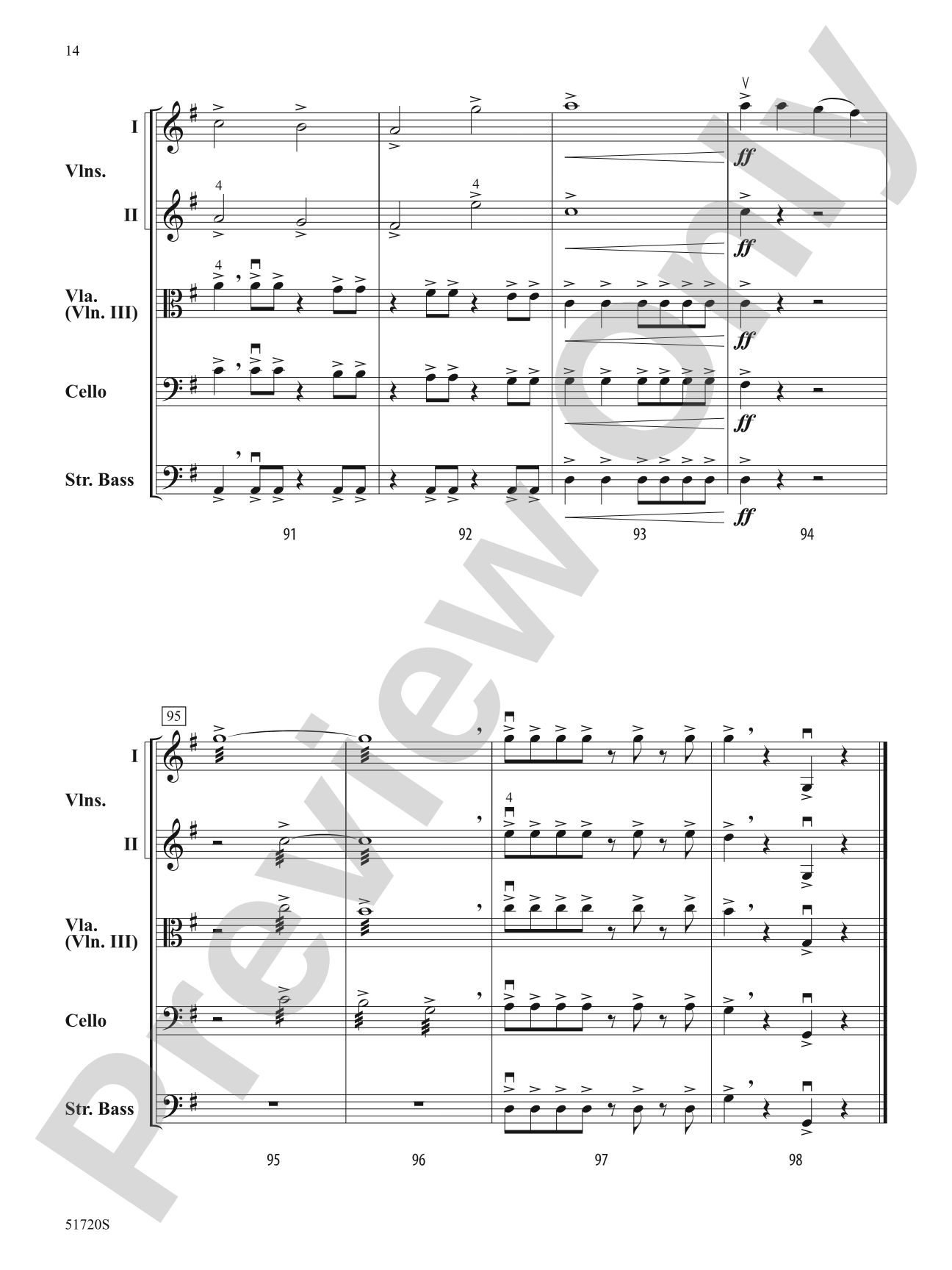

Parable: Score
By Michael Kamuf
Grade: 2.5
Item: 00-PR-0007708
$10.00
Pickup currently not available
Description
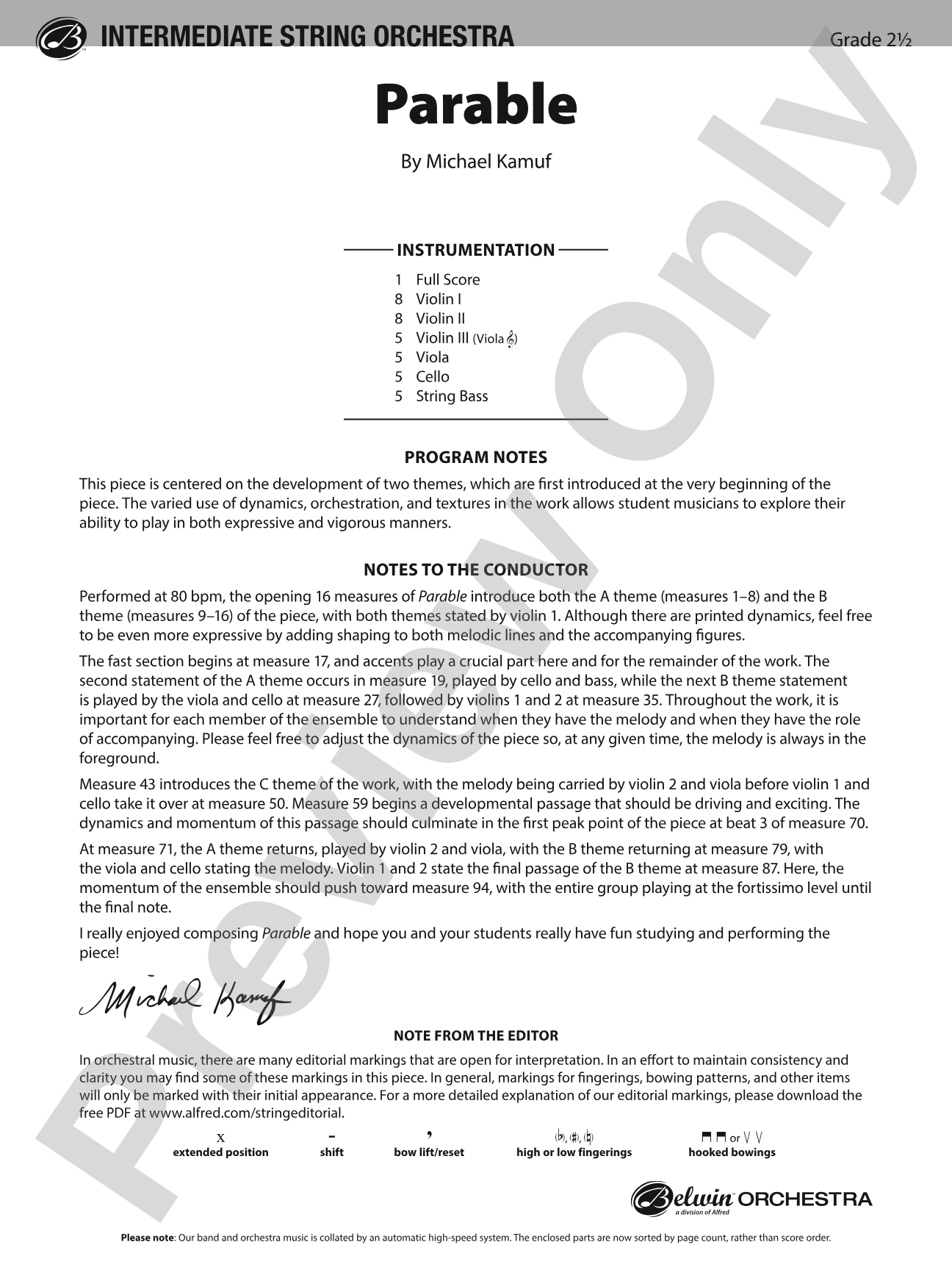
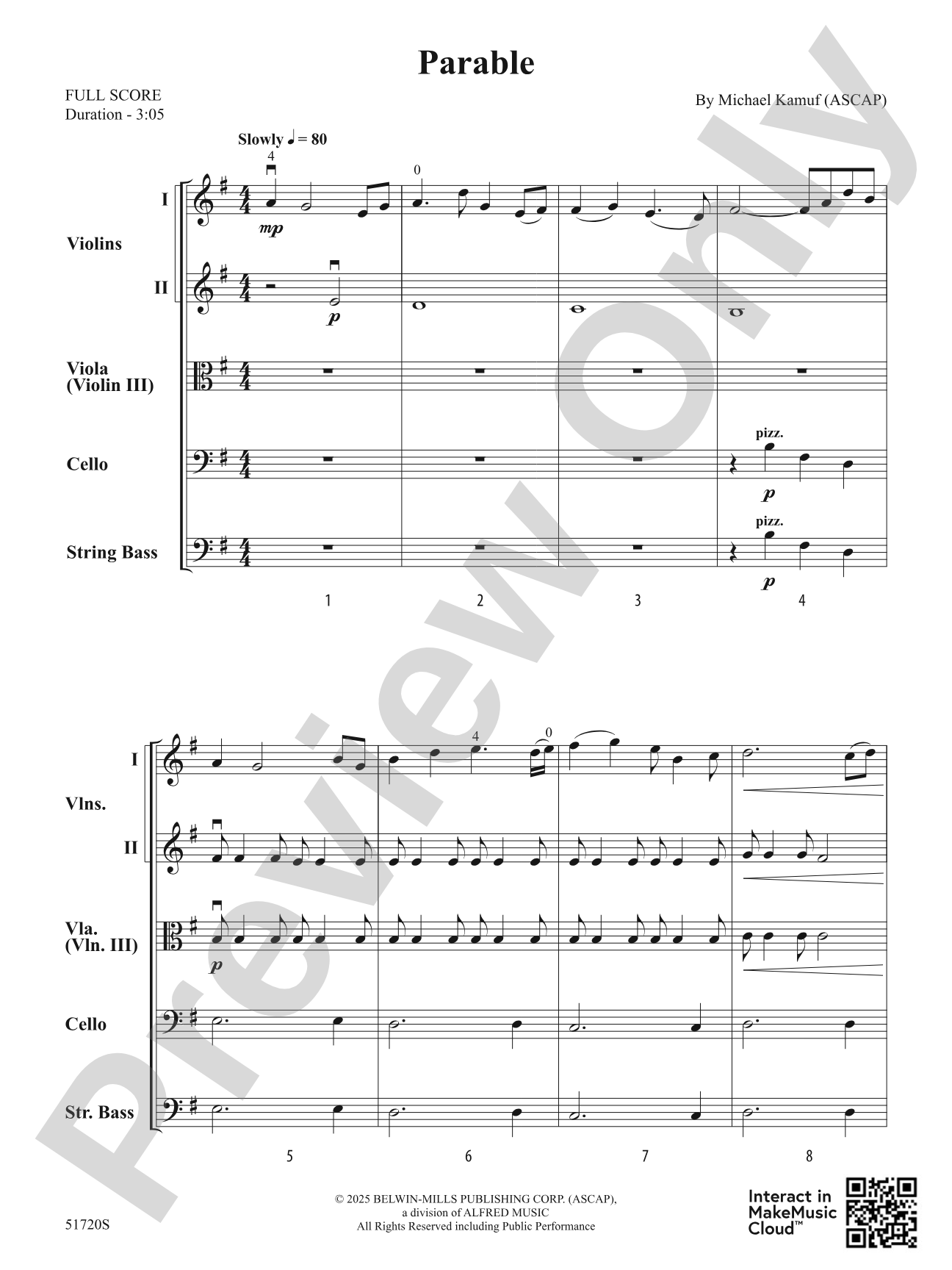
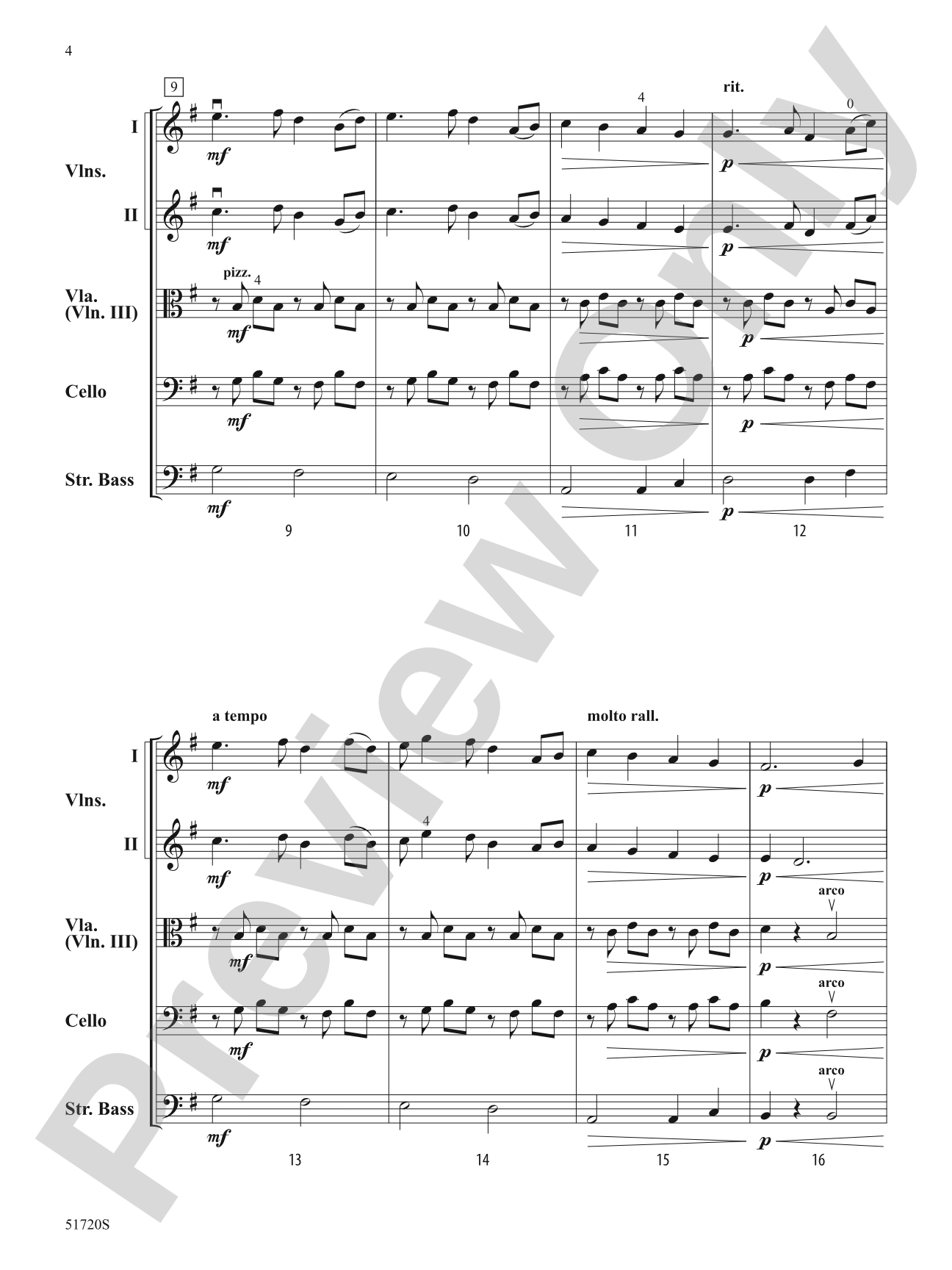
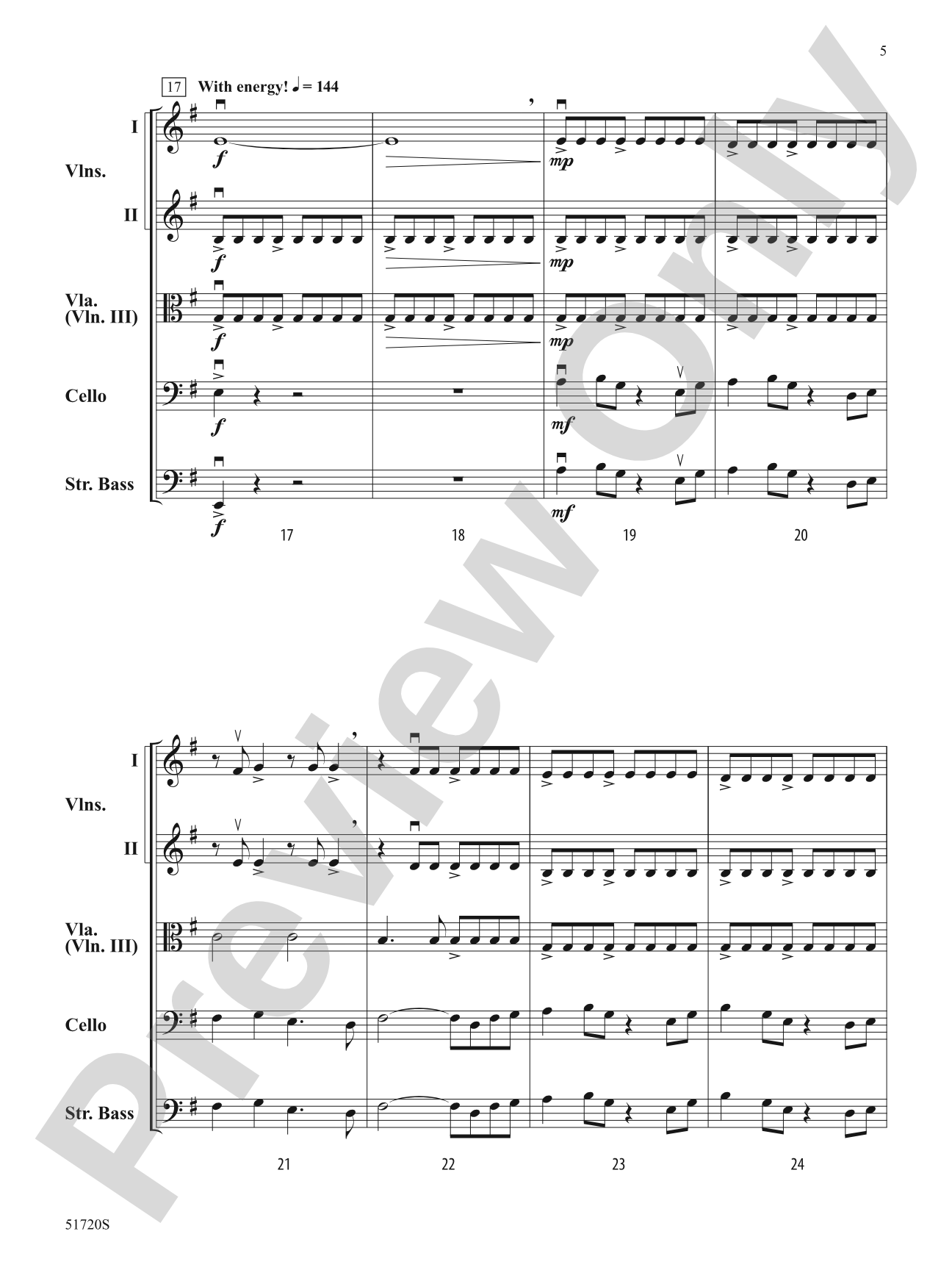
Showcase your ensemble's ability to play both expressively and vigorously with this bold and energetic work by Michael Kamuf that gives each section a chance to shine with soaring melodies and driving accompaniment. Parable is a perfect choice for your next concert or festival performance! (3:05)


Parable: Score isn't in MakeMusic Cloud just yet...but it could be. Let us know you'd like to see it, and you'll help shape what comes next. In the meantime, start a free trial and dive into thousands of interactive titles your students can play along with today.
Request This Title
Tell us you want it.
Start Your Free Trial
Explore everything that's ready to play right now.
Sample Audio
1
Audio File
--:--
0:00
0:00
Sample Video
Additional Details
Series:
Belwin Intermediate String Orchestra
Publisher:
Alfred Music
SKU:
00-PR-0007708
More about this title
About the Composer: Michael Kamuf

Michael Kamuf earned degrees in Jazz Performance and Music Education from Youngstown State University's Dana School of Music, followed by a Master of Arts in Instrumental Conducting from George Mason University. His compositions and arrangements have been performed by prestigious ensembles including the Woody Herman and Glenn Miller Orchestras, the USAF Airmen of Note, the US Navy Commodores, and soloists such as James Moody, Eddie Daniels, and Sean Jones. He has recorded with the Alan Baylock Jazz Orchestra and currently leads the Mike Kamuf Little Big Band in the Baltimore and Washington, DC region.
Kamuf served as an instrumental music teacher for thirty years with Montgomery County Public Schools in Maryland, including twenty-seven years as Director of Bands and Orchestras and Music Department Chairperson at John T. Baker Middle School in Damascus. Under his leadership, the school's ensembles earned consistent high ratings at festivals and commissioned multiple works for young concert bands. As an exclusive writer for Belwin Division of Alfred Music Publishing, Kamuf has over 100 publications in print across jazz, orchestra, and concert band catalogs, with arrangements that have become standard repertoire in young jazz ensemble programs.
Why we love this
Kamuf crafts this piece with genuine understanding of what makes string orchestra writing sing at this level. Each section gets genuine melodic material rather than filler, and the rhythmic drive keeps student players engaged without asking for technical prowess beyond Grade 2.5. The balance between expression and energy gives your ensemble room to make musical choices while the clear architecture makes it accessible to prepare quickly for contests or concerts.
What to expect
A piece that builds momentum without losing its heart. Kamuf balances soaring, singing lines with propulsive accompaniment that gives the ensemble forward motion and purpose. At three minutes, it leaves the impression of something substantial and satisfying without overstaying its welcome.
Who it's for
String orchestras in the intermediate range looking for a piece that satisfies both the expressive side of orchestra playing and the need for rhythmic vitality. It works equally well for groups preparing for festival adjudication or seeking a bold opener or closer for a concert program.
How to get the most out of it
- Balance the soaring melodies in the first violins against supporting lines; the violas and cellos need enough dynamic space to anchor the harmony without disappearing.
- Lock in the rhythmic drive of the accompaniment figures so they propel rather than drag; this energy is what gives the piece its character.
- Attend to the sectional transitions; mark where the focus shifts between violins, cellos, and full ensemble so the conductor's gestures guide the narrative clearly.
- Use the dynamic contrasts to shape phrases expressively; resist playing at one volume even within the driving passages, as this brings out Kamuf's melodic intent.
How to use it
Program this as a contest selection where technical accessibility meets interpretive richness, or use it as a concert opener that commands attention from the first measures. It pairs well alongside lighter character pieces or more lyrical works, as its energy and boldness provide strong architectural contrast.
Skills your students will build
- Dynamic contrast and shaping within driving rhythmic figures
- Balancing independent section melodies against harmonic accompaniment
- Phrase continuity across tempo and character shifts
- Intonation precision in full ensemble voicings at faster tempos
- Responding to sectional cues and conductor gestures in structured arrangements