

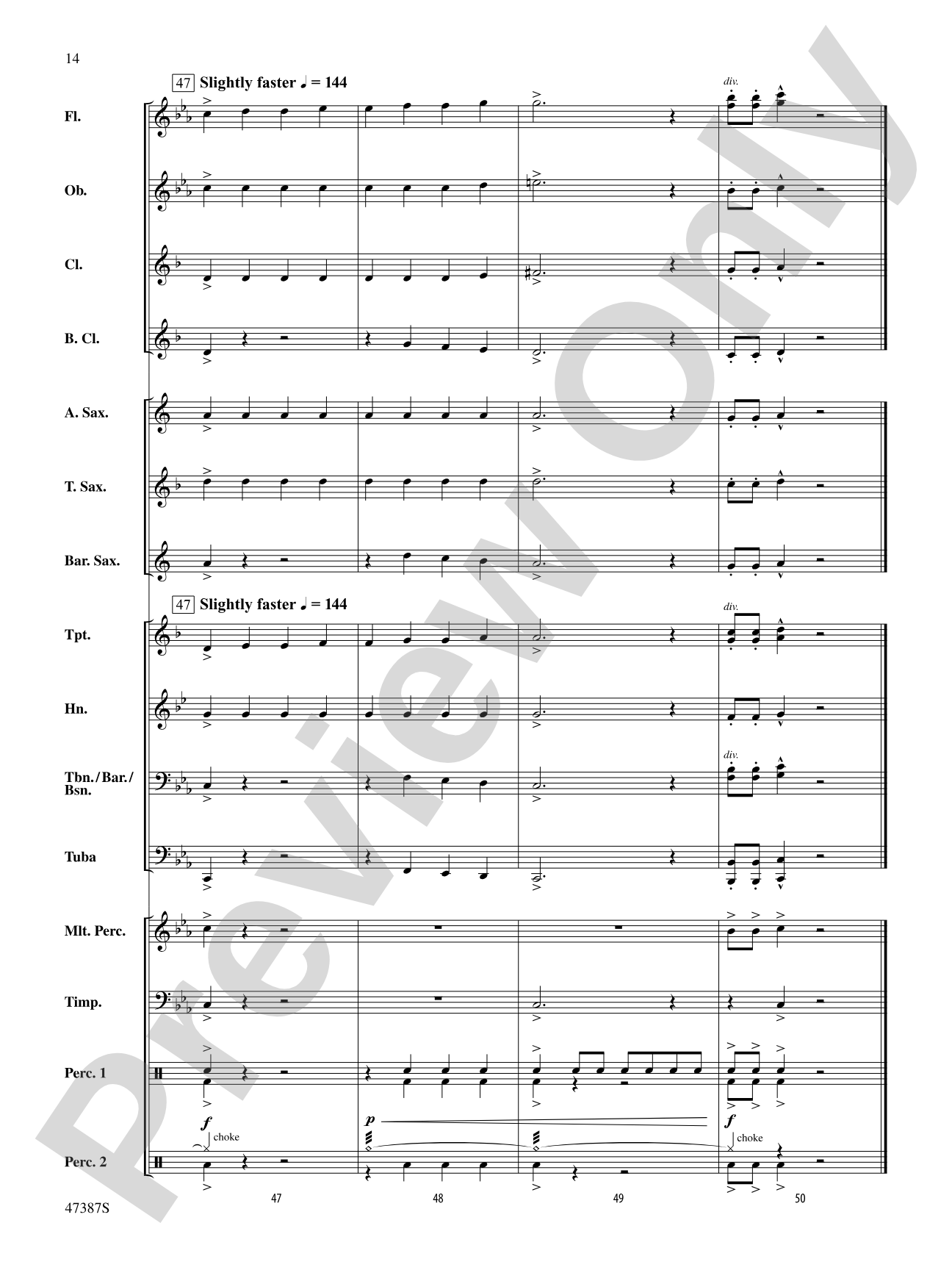

Pandemonium: Concert Band Conductor Score & Parts
By Michael Story
Grade: 1 (Very Easy)
Item: 00-PK-0007628

$51.00
Pickup currently not available
Buy Extra Parts (Digital PDF Download)
| Product | Price | Quantity |
|---|---|---|
| Pandemonium: Score | $9.00 | |
| Pandemonium: Flute | $3.00 | |
| Pandemonium: Oboe | $3.00 | |
| Pandemonium: 1st B-flat Clarinet | $3.00 | |
| Pandemonium: B-flat Bass Clarinet | $3.00 | |
| Pandemonium: E-flat Alto Saxophone | $3.00 | |
| Pandemonium: B-flat Tenor Saxophone | $3.00 | |
| Pandemonium: E-flat Baritone Saxophone | $3.00 | |
| Pandemonium: 1st B-flat Trumpet | $3.00 | |
| Pandemonium: 1st F Horn | $3.00 | |
| Pandemonium: 1st Trombone | $3.00 | |
| Pandemonium: Baritone T.C. | $3.00 | |
| Pandemonium: Tuba | $3.00 | |
| Pandemonium: Mallets | $3.00 | |
| Pandemonium: 1st Percussion | $3.00 | |
| Pandemonium: 2nd Percussion | $3.00 | |
| Pandemonium: Timpani | $3.00 |
Parts Added to Cart!
Description
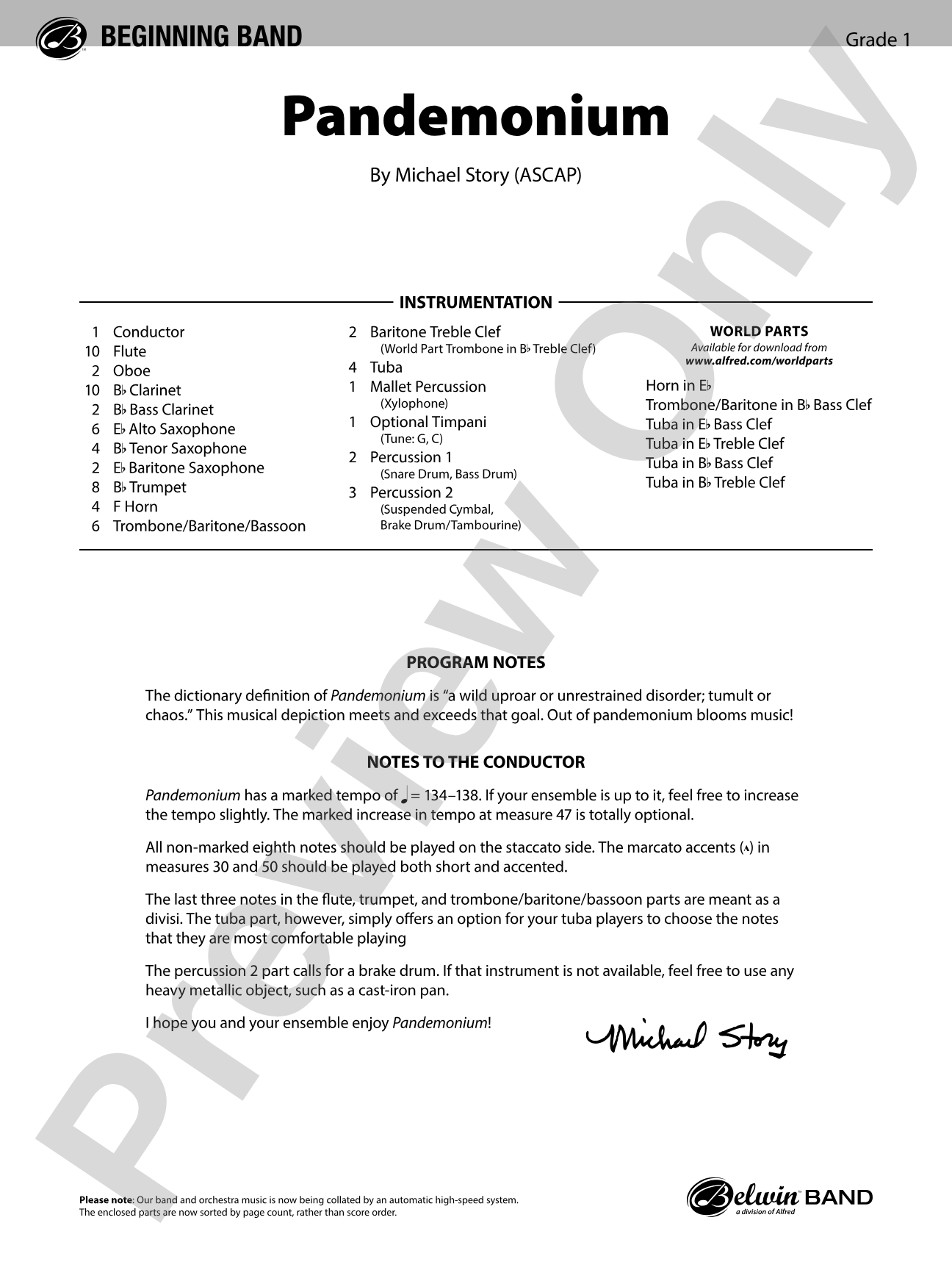
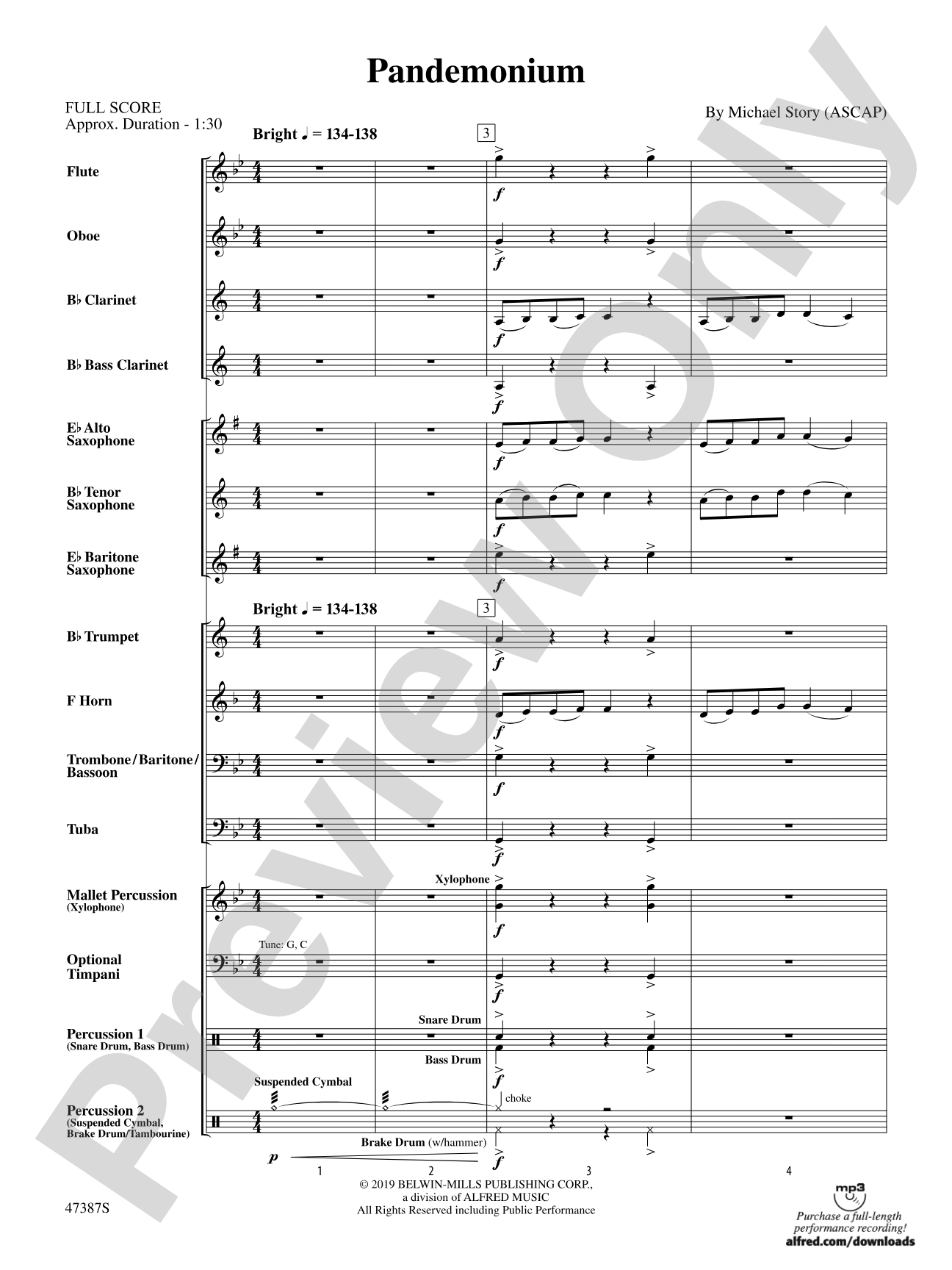
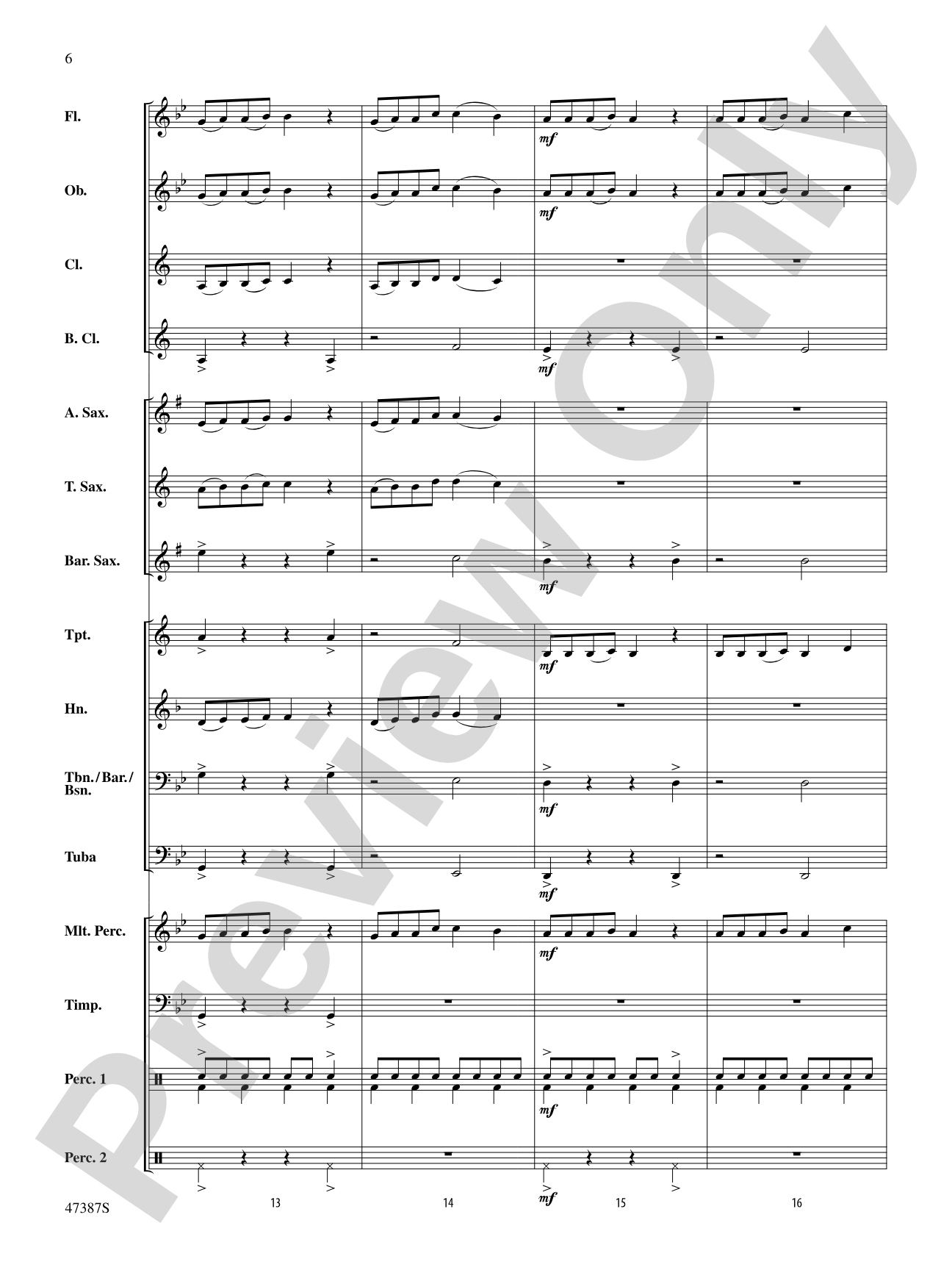
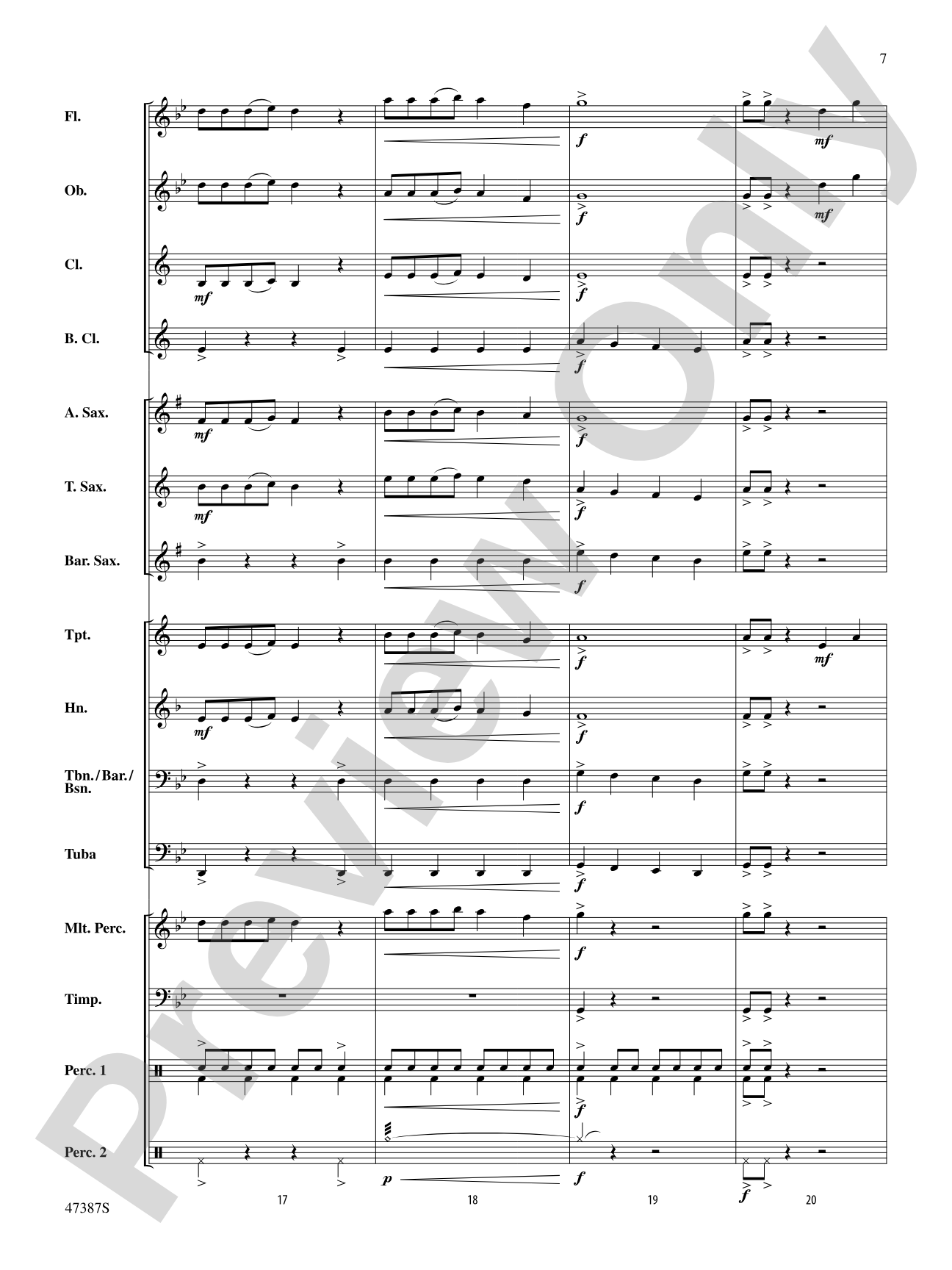
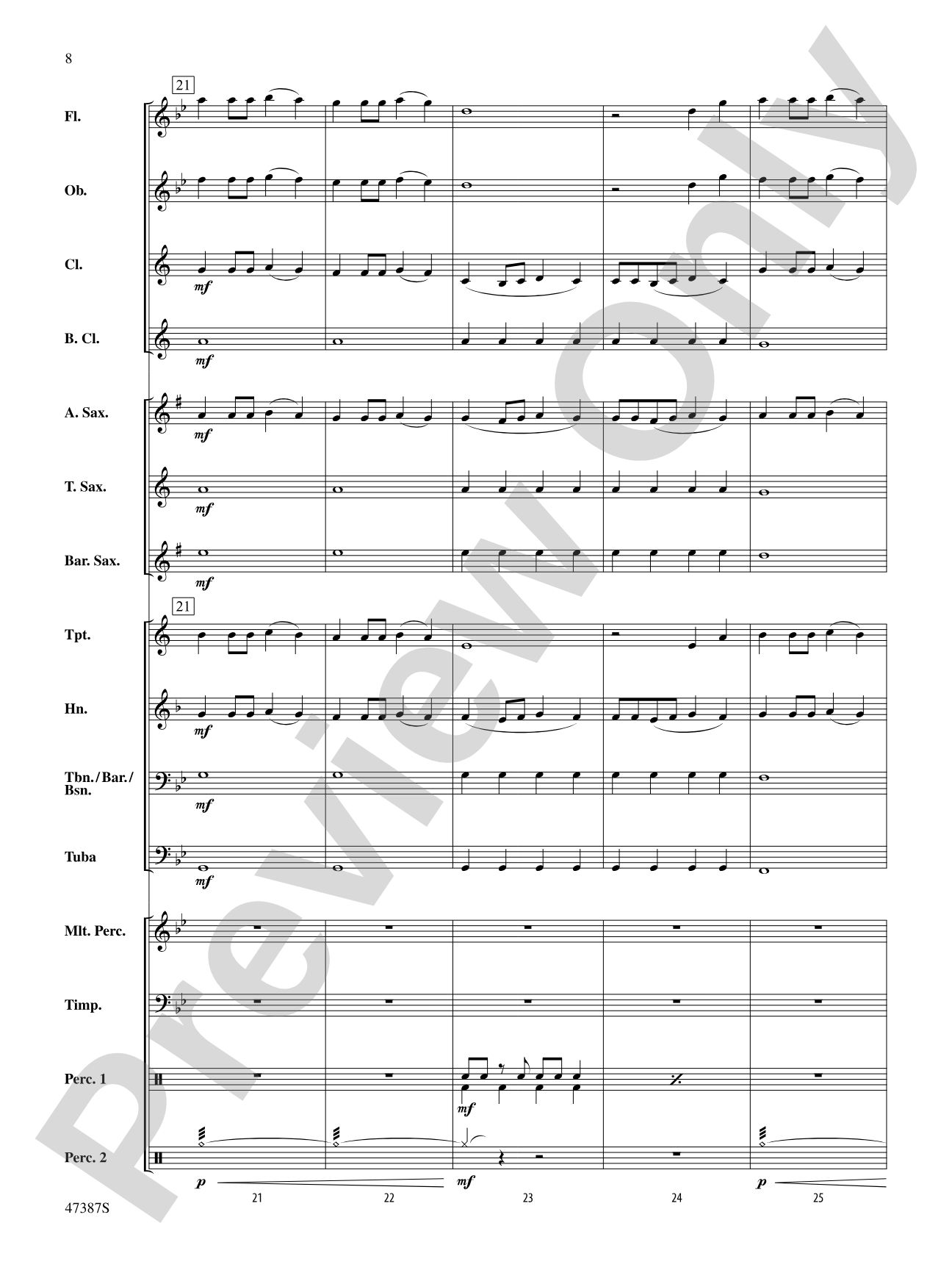
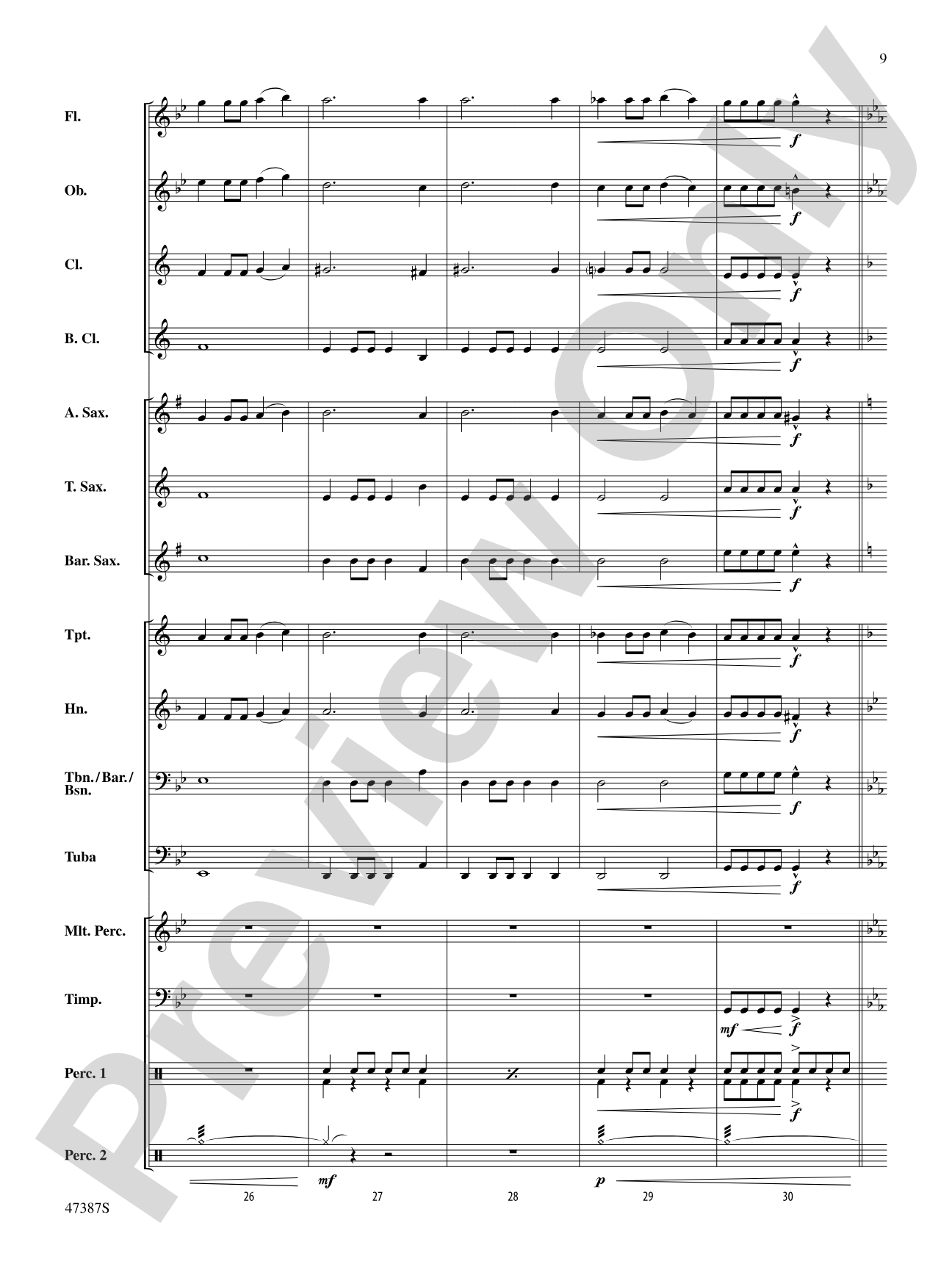
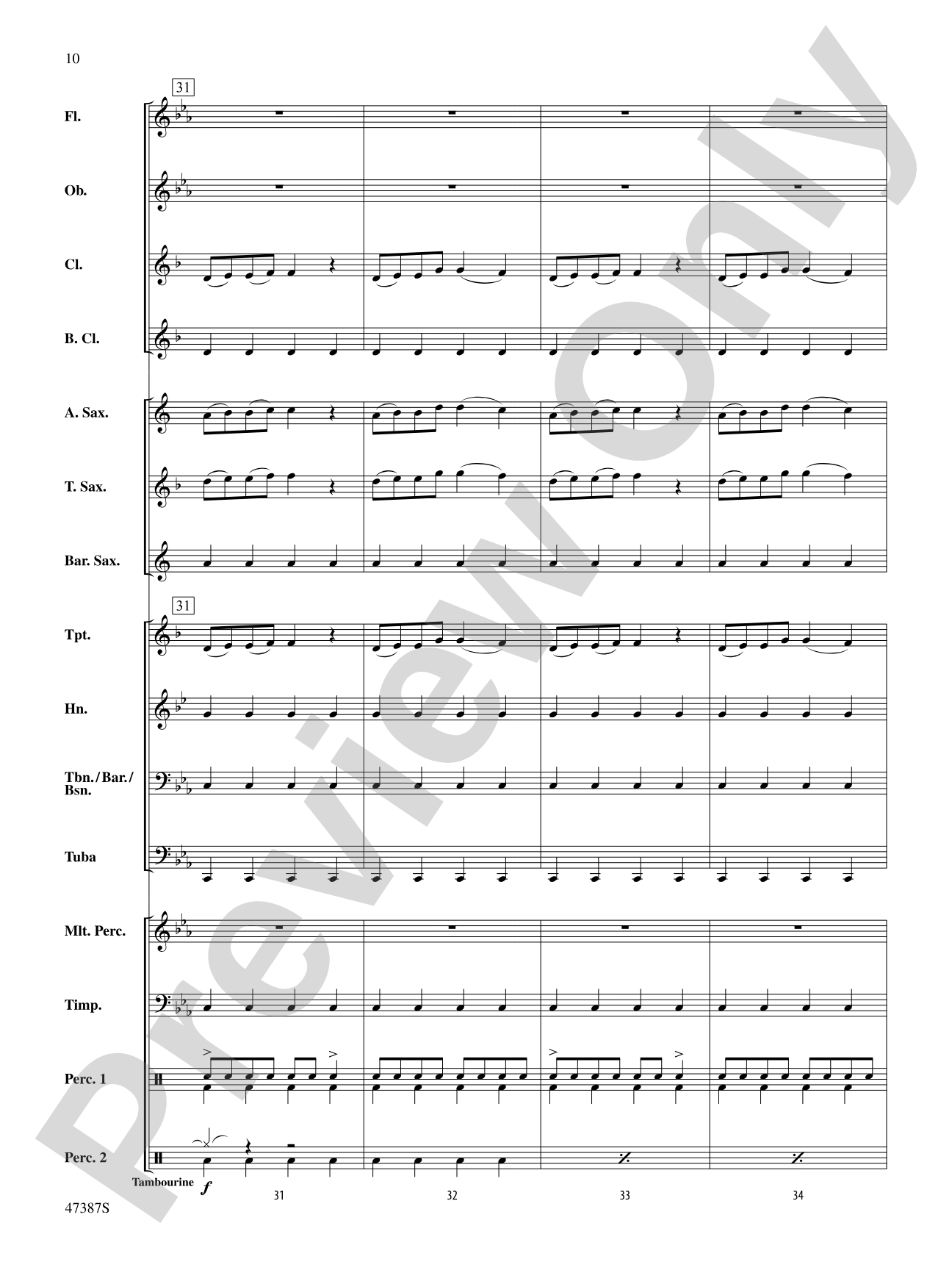
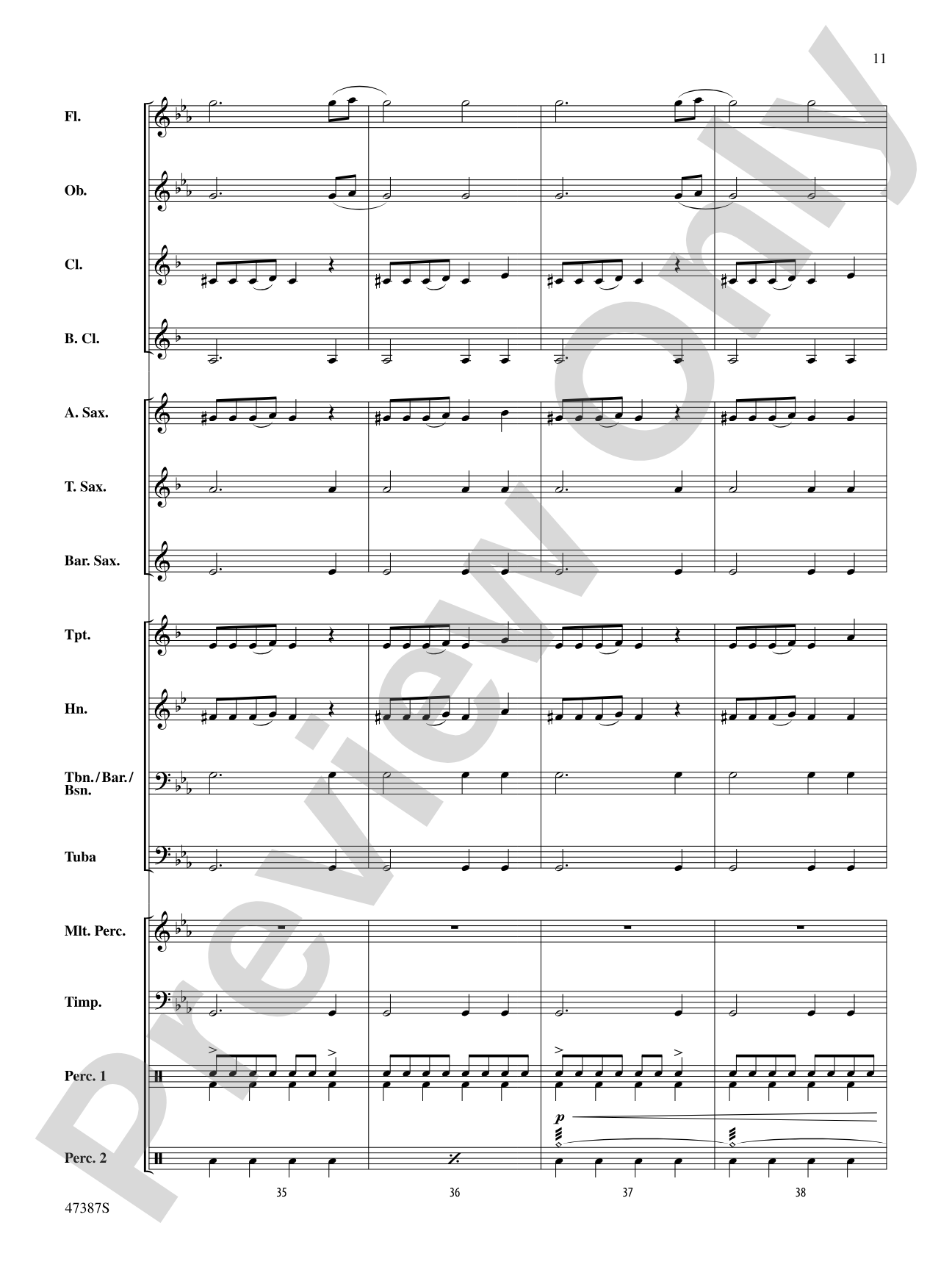
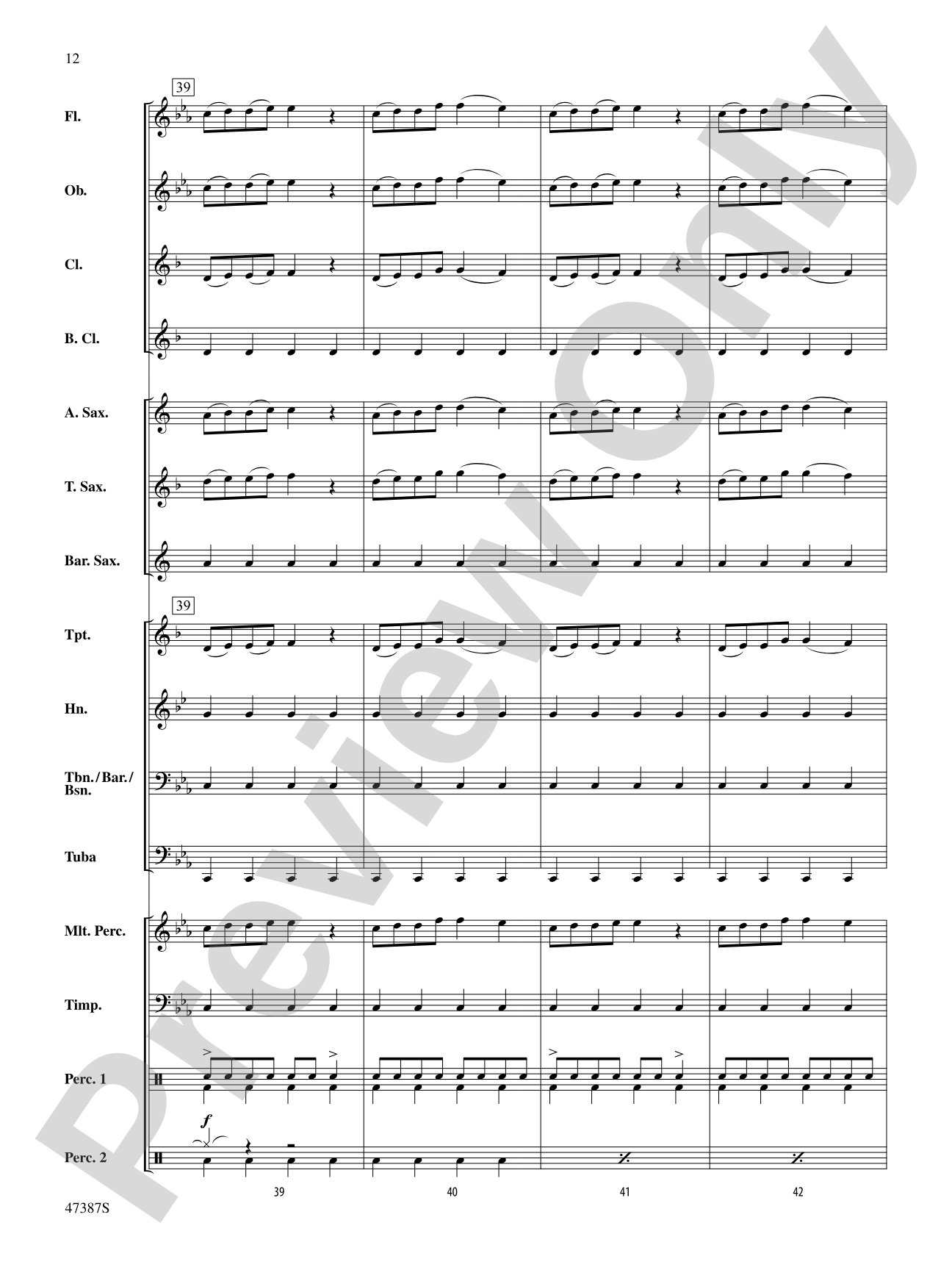
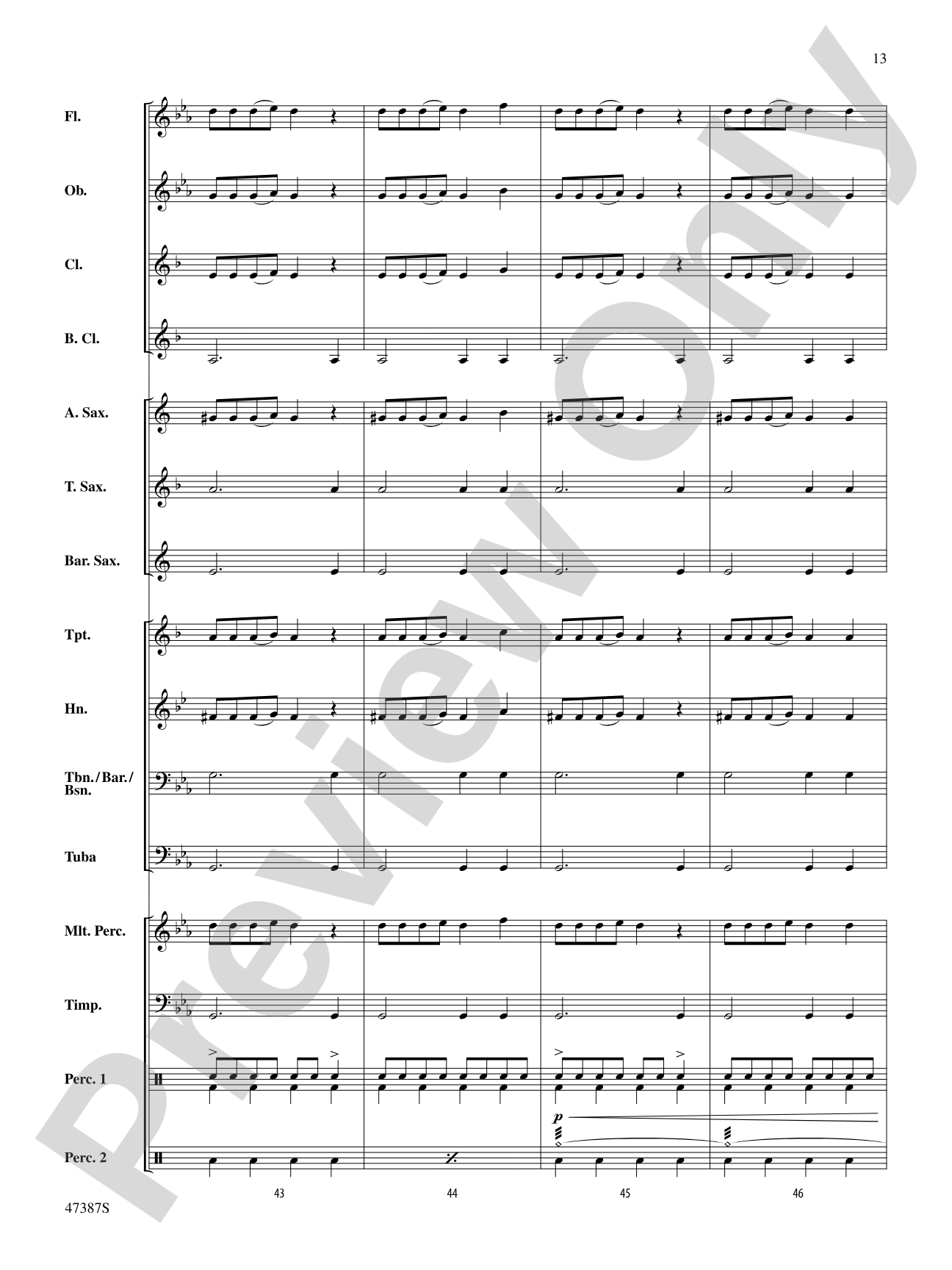
Just as the title suggests, this piece is a musical depiction of wild uproar or unrestrained disorder; tumult or chaos. Complete with hammered brake drum, the piece is a real attention-getter. Out of pandemonium blooms music! (1:30)


Don't just read it, hear it, play along with it, and watch your students grow with it. In MakeMusic Cloud, Pandemonium: Concert Band Conductor Score & Parts comes alive with professional accompaniment, adjustable tempo, and built-in practice tools that turn solo practice into real progress.
Open in the Player
Jump straight in and assign it today.
Start Your Free Trial
Open this title and explore the full library in minutes.
Sample Audio
1
Audio File
--:--
0:00
0:00
Sample Video
Additional Details
Series:
Belwin Beginning Band
Publisher:
Alfred Music
Page Count:
134
SKU:
00-PK-0007628
More about this title
About the Composer: Michael Story
Michael Story stands among the most prolific and widely performed composers of beginning and intermediate band music. His catalog spans thousands of titles across multiple educational publishers, making him a defining voice in accessible concert band literature. Story has an instinctive gift for writing music that engages young musicians without patronizing them, balancing technical accessibility with genuine musical interest.
Why we love this
Pandemonium delivers exactly what a Grade 1 program needs: a showstopper that doesn't require advanced chops. The brake drum adds visual spectacle and memory appeal without overshadowing the ensemble's growth, and the underlying musical arc proves Story understands how to build drama even within strict technical limits. It's the kind of piece that makes young musicians feel they're playing something real.
What to expect
The opening erupts like an organized collision, with every voice contributing to the sensory overload. Gradually, beneath the swirl of activity, coherent musical phrases emerge, and what began as controlled chaos resolves into surprisingly lyrical writing. It's a sonic journey that audiences never forget.
Who it's for
Grade 1 concert bands making their first forays into expressive programming. This piece works equally well for elementary school beginners and younger middle school ensembles still building foundational skills. The straightforward technical demands free students to focus on ensemble balance and following the conductor's shape.
How to get the most out of it
- Let the brake drum player own their moment. This is not a subtle effect; it's the hook that captures the audience. Rehearse the timing between the drumline and their entrance so it lands with confidence.
- Shape the transition from chaos to order deliberately. The conductor's preparation and clear gestures here determine whether the audience hears a structured payoff or just noise giving way to more noise.
- Keep the early pandemonium grounded in rhythm. Young bands often rush when playing "wild" passages. Steady quarter-note anchors in the low voices prevent the section from becoming genuinely uncontrolled.
How to use it
Program this as a first-half closer or a confident opener when you want to establish that your group plays with energy and musicality, not just accuracy. It pairs well alongside more lyrical Grade 1 material in a concert, offering the contrast and momentum shifts that keep audiences engaged. The brief runtime (1:30) makes it ideal filler in a mixed-level festival or concert program.
Skills your students will build
- Following the conductor through rapid dynamic and textural shifts
- Balancing individual voice parts within a dense harmonic texture
- Responding to contrasting musical characters within a single piece
- Sustaining focus and intonation during rhythmically complex unison passages