
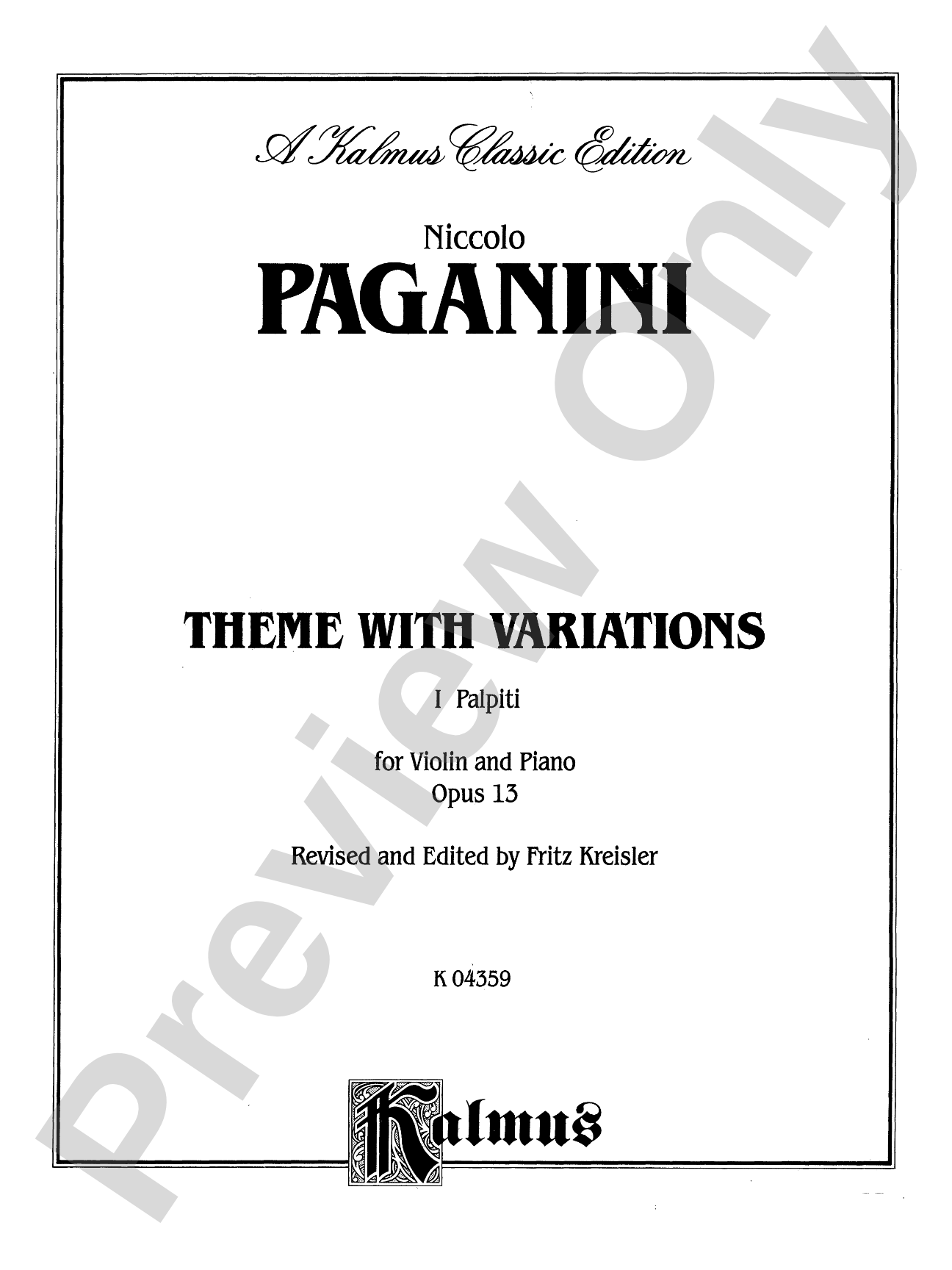
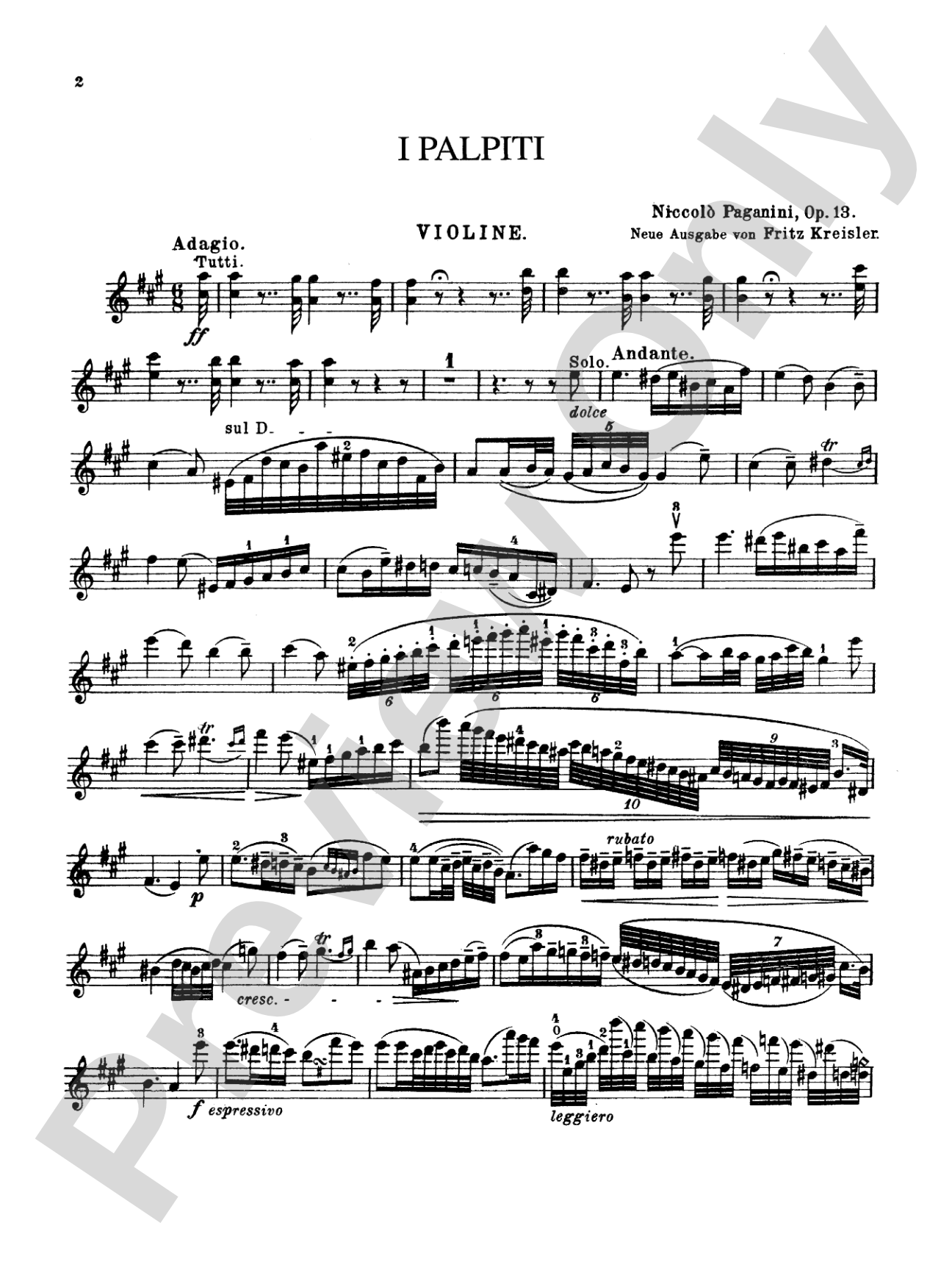
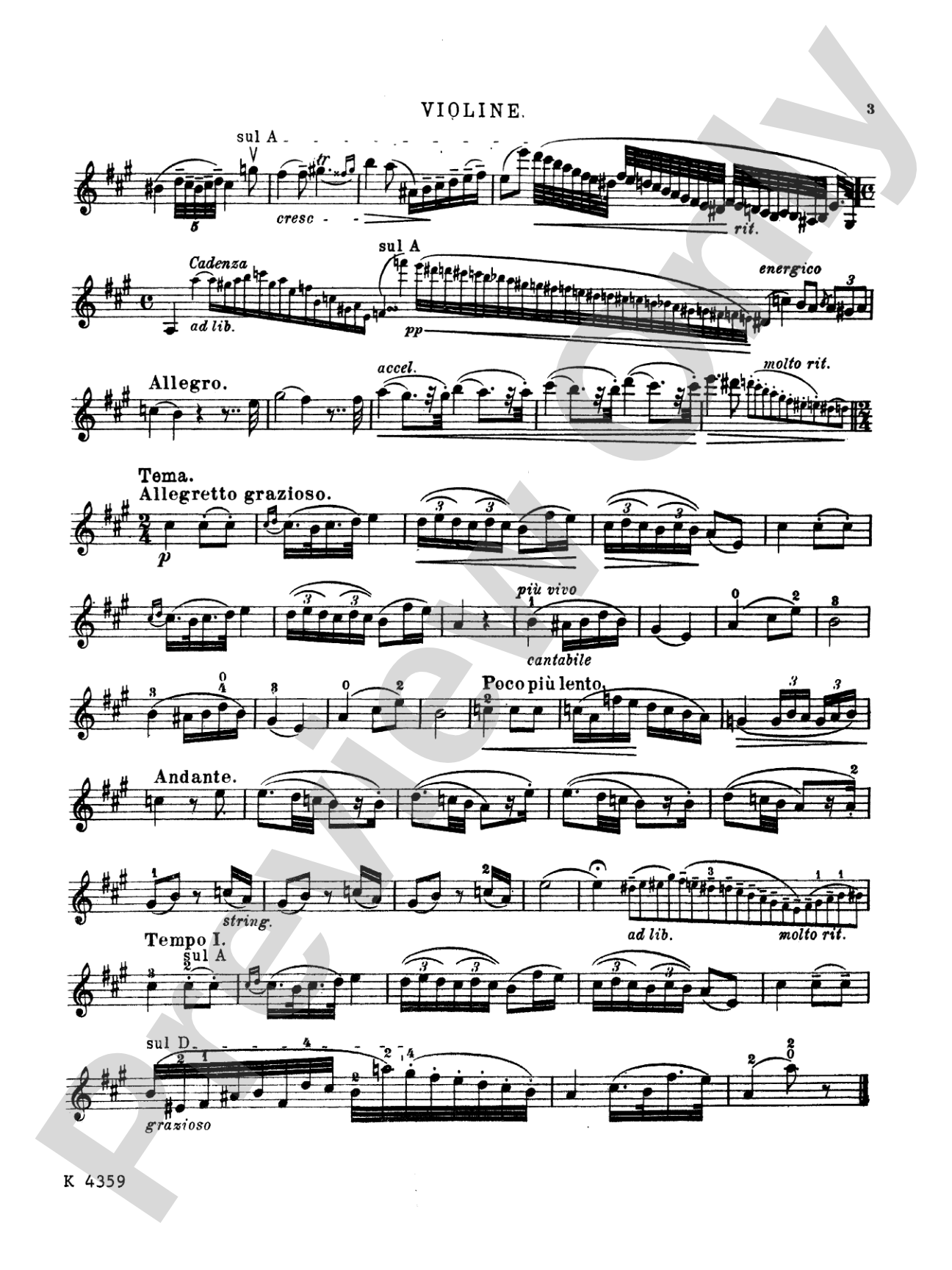
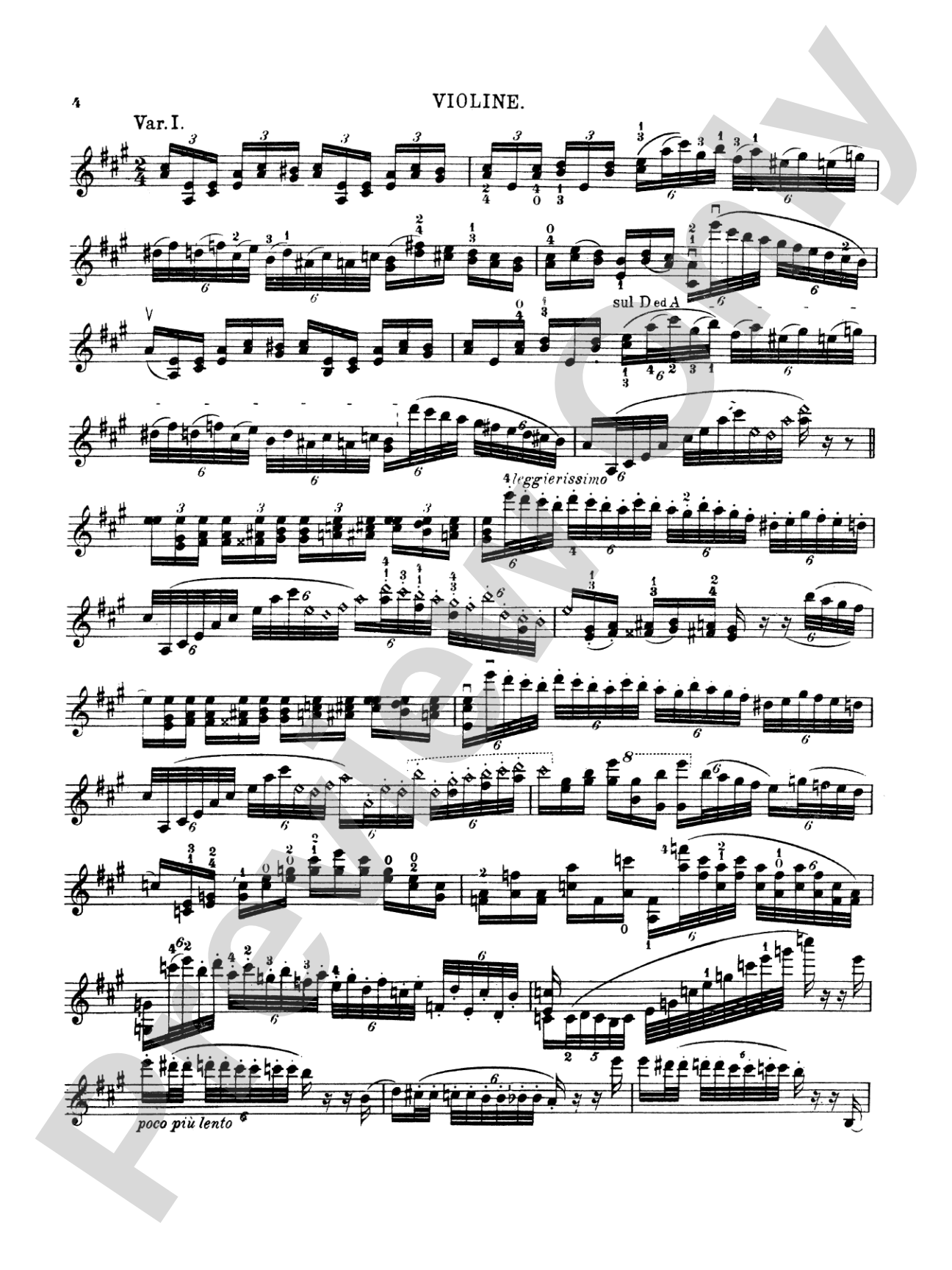
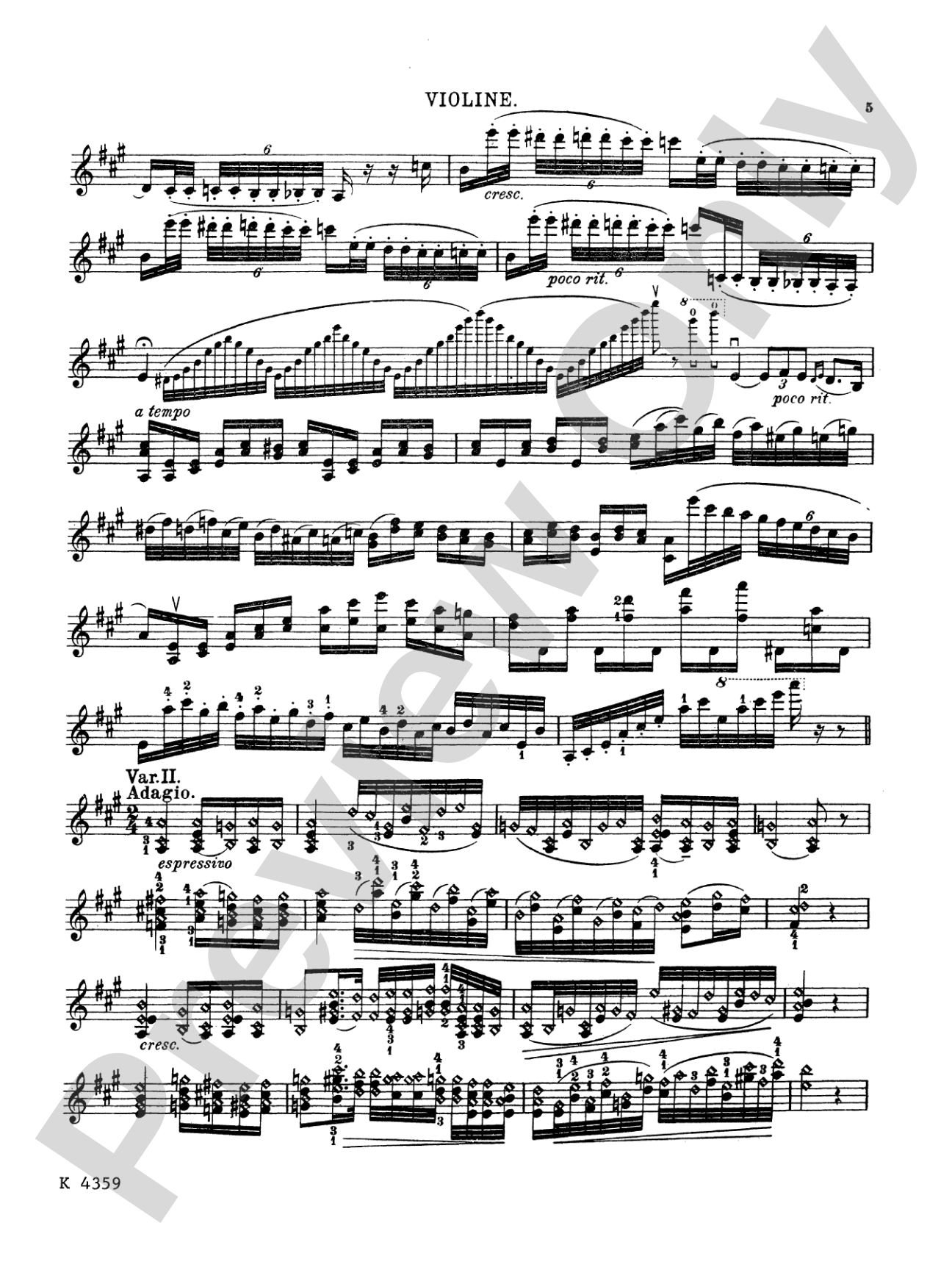
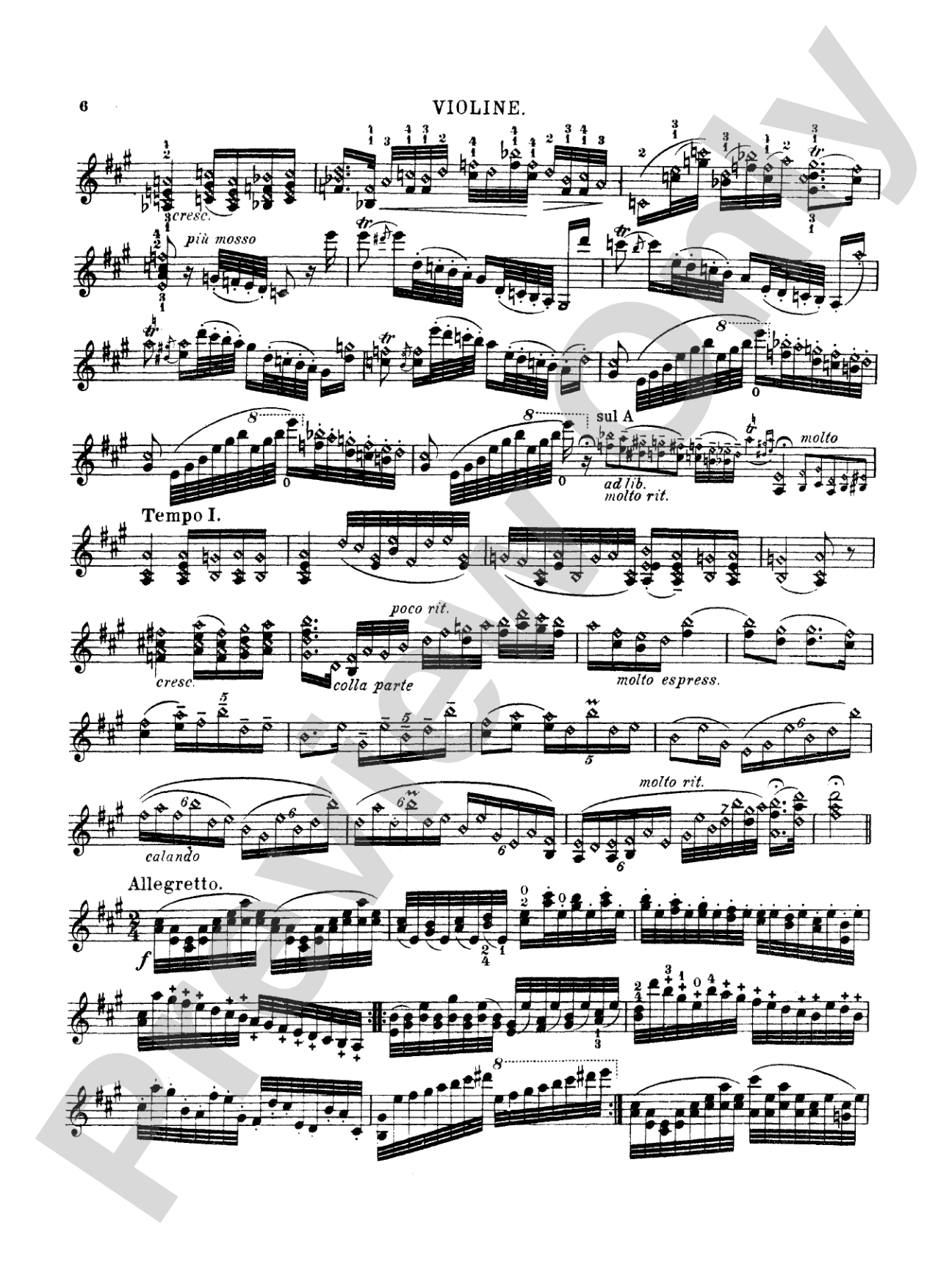
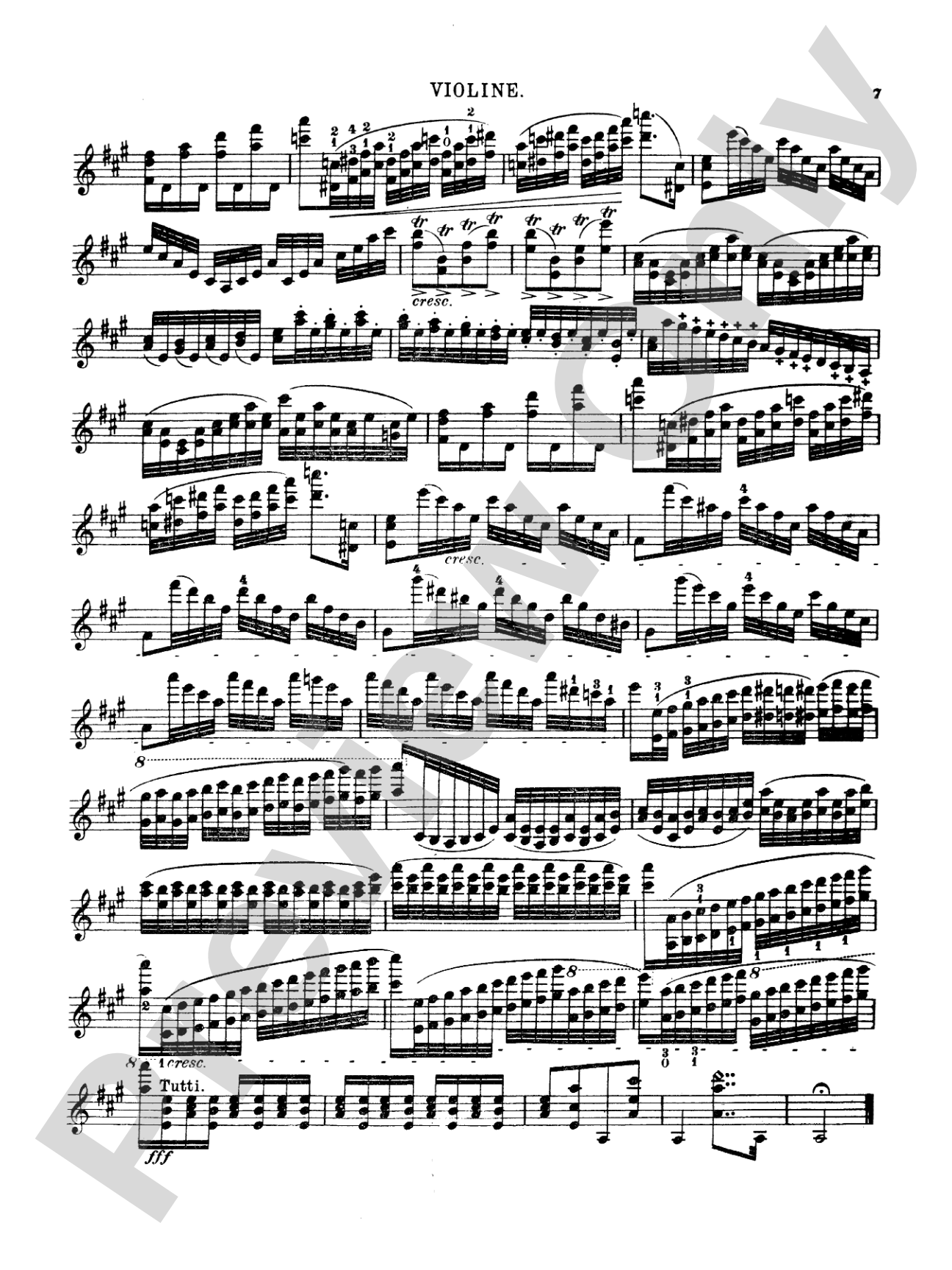


Paganini: Theme with Variations, Op. 13 (Arr. Fritz Kreisler)
By Niccolò Paganini / arr. Fritz Kreisler
Item: 00-PK-0003483

$9.99
Pickup currently not available
Buy Extra Parts (Digital PDF Download)
| Product | Price | Quantity |
|---|---|---|
| Paganini: Theme with Variations, Op. 13 (Arr. Fritz Kreisler) | $3.99 |
Parts Added to Cart!
Description


Don't just read it, hear it, play along with it, and watch your students grow with it. In MakeMusic Cloud, Paganini: Theme with Variations, Op. 13 (Arr. Fritz Kreisler) comes alive with professional accompaniment, adjustable tempo, and built-in practice tools that turn solo practice into real progress.
Open in the Player
Jump straight in and assign it today.
Start Your Free Trial
Open this title and explore the full library in minutes.
Sample Audio
No sample audio found.
Sample Video
No sample videos found.
Additional Details
Series:
Kalmus Edition
Publisher:
Alfred Music
Page Count:
24
SKU:
00-PK-0003483
More about this title
About the Composer: Niccolò Paganini
Niccolò Paganini (1782-1840) transformed the violin from an accompanying instrument into a virtuosic solo voice. His twenty-four Caprices and numerous concertos expanded technical possibilities so dramatically that many considered them unplayable in his own time. Paganini's innovations in double stops, artificial harmonics, and left-hand pizzicato remain foundational to advanced violin pedagogy and repertoire.
Beyond his technical breakthroughs, Paganini crafted music of genuine lyrical substance. His variations exploit brilliant passagework without sacrificing melodic coherence, making his work endlessly appealing to performers and audiences alike. This balance between spectacle and musicality secured his legacy as one of history's most influential string composers.
Why we love this
Fritz Kreisler's arrangement opens this Paganini masterwork to advanced students who may not yet command the full technical arsenal of the original. The piano part remains engaging and supportive rather than reductive, preserving Paganini's rhetorical sweep while making the work accessible at an earlier stage of development. For recital programming, it delivers unquestionable prestige and genuine musical substance without requiring the virtuosic extremes that limit performance opportunities.
What to expect
The theme emerges with aristocratic confidence, singing with the restraint of a Romantic artist. As variations unfold, the music alternates between virtuosic brilliance and tender lyricism, each section revealing a different facet of the melody's potential. The work radiates refinement and ambition in equal measure, rewarding careful listening with moments of genuine beauty amid technical display.
Who it's for
Advanced undergraduate and graduate violin students, as well as accomplished amateurs preparing for recital performance. This arrangement suits violinists seeking substantial, recognizable repertoire that displays mature musicianship without demanding the full technical arsenal of Paganini's original Caprice Op. 1, No. 24. It also serves teachers seeking to introduce students to theme-and-variations form through music of proven artistic merit.
How to get the most out of it
- Shape each variation as a distinct character. Paganini's theme statement should be lyrical and centered; subsequent variations shift between technical display, rhythmic vigor, and cantabile passages. Mark these shifts clearly in your score before rehearsals begin.
- Balance the violin line against the piano rather than competing with it. Kreisler's arrangement assigns moments of melodic weight to the accompaniment. Listen through the piano part to identify these passages and adjust your dynamic shaping accordingly.
- Attend to the precise articulation in fast passagework. The distinction between slurred, separate, and staccato notes defines character and clarity. Practice variations at half tempo, exaggerating articulation markings before restoring full speed.
- Coordinate with your pianist on rubato in the theme and lyrical variations. Agreeing on phrase contours and breath points before rehearsal prevents the accompaniment from feeling rushed or detached.
How to use it
Position this work as a centerpiece in a recital devoted to nineteenth-century string repertoire or as the anchor in a program exploring theme-and-variations across multiple styles and eras. Its 24-page length and moderate difficulty make it suitable for a solo recital alongside works in contrasting character, such as contemporary pieces or Baroque suites.
Skills your students will build
- Double stops in multiple positions and registers
- Rapid position shifts and extensions across four strings
- Contrasting articulation techniques (slur, détaché, staccato) at virtuosic tempos
- Lyrical expression and phrase shaping through extended melodic lines
- Balance and blend with piano accompaniment in varied textures
- Interpretation of theme-and-variations form across multiple character transformations