
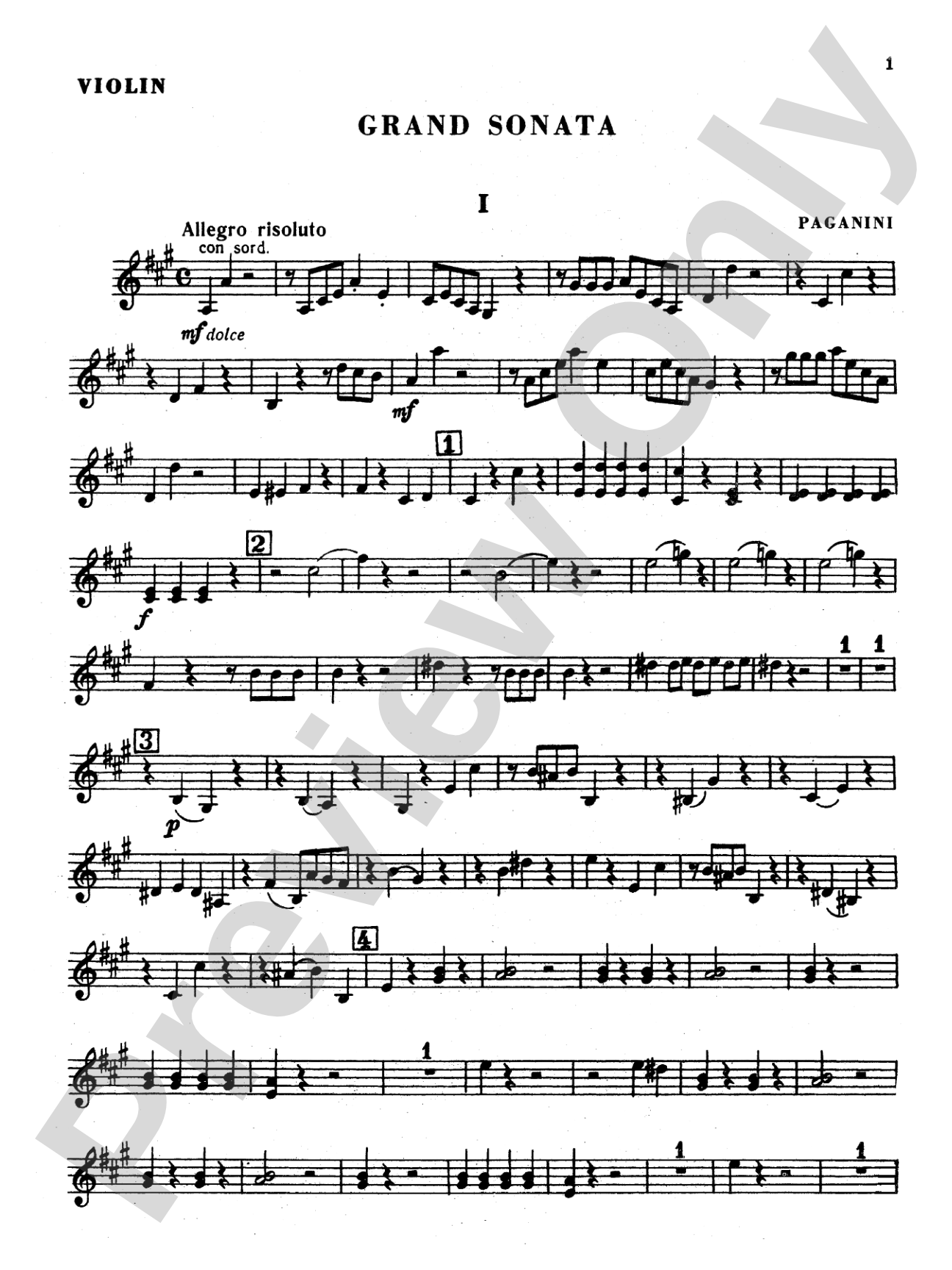
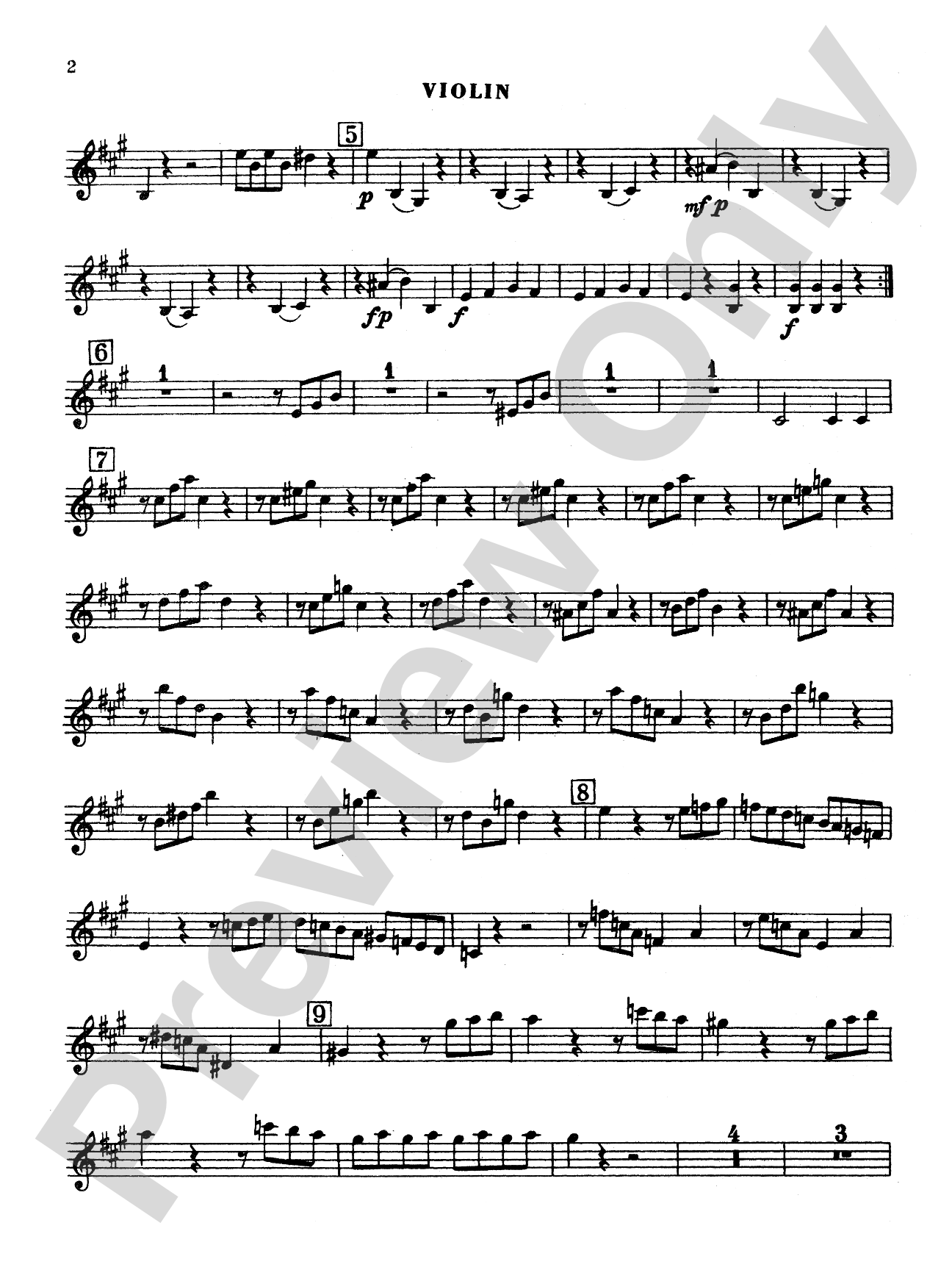
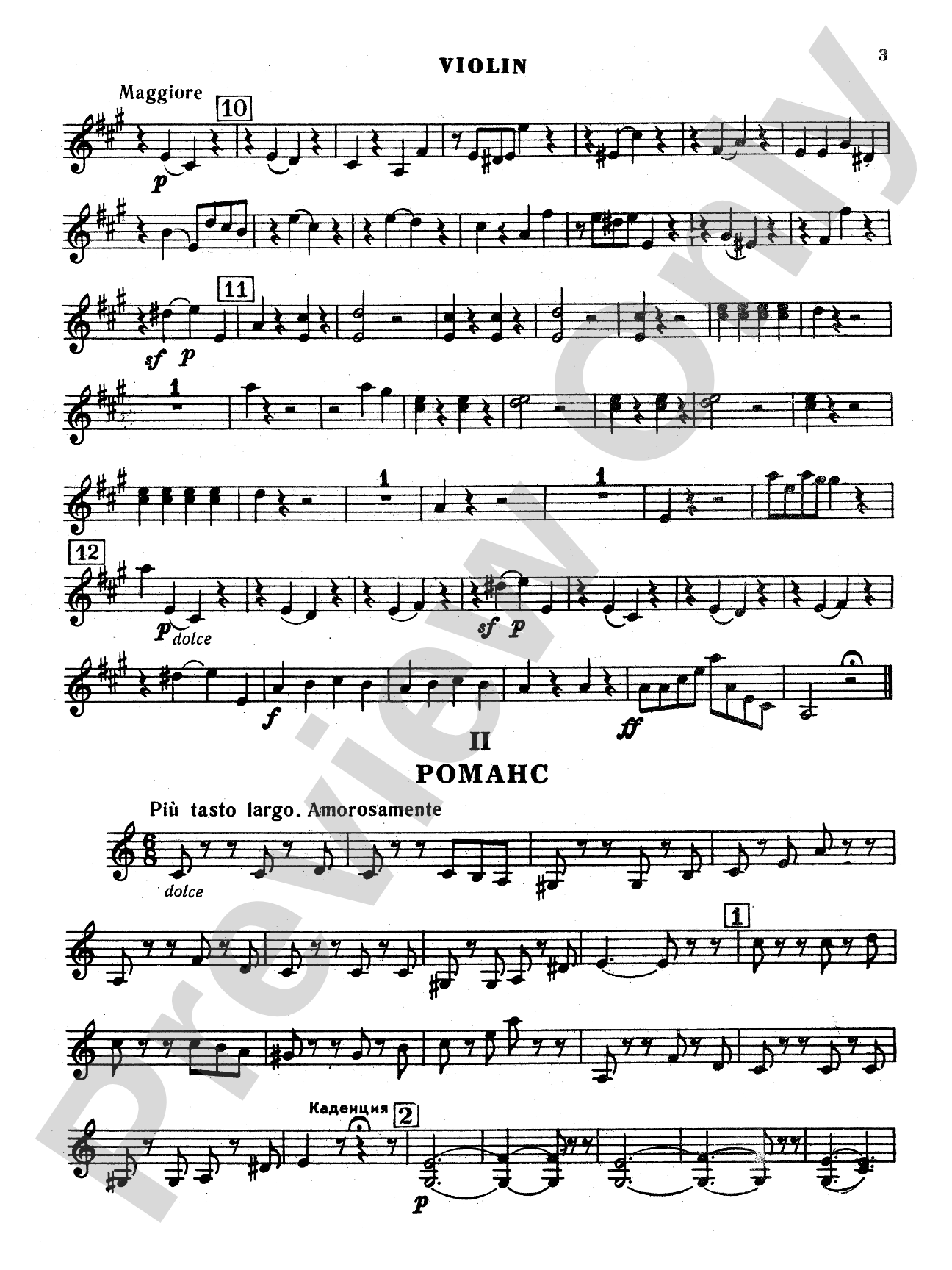
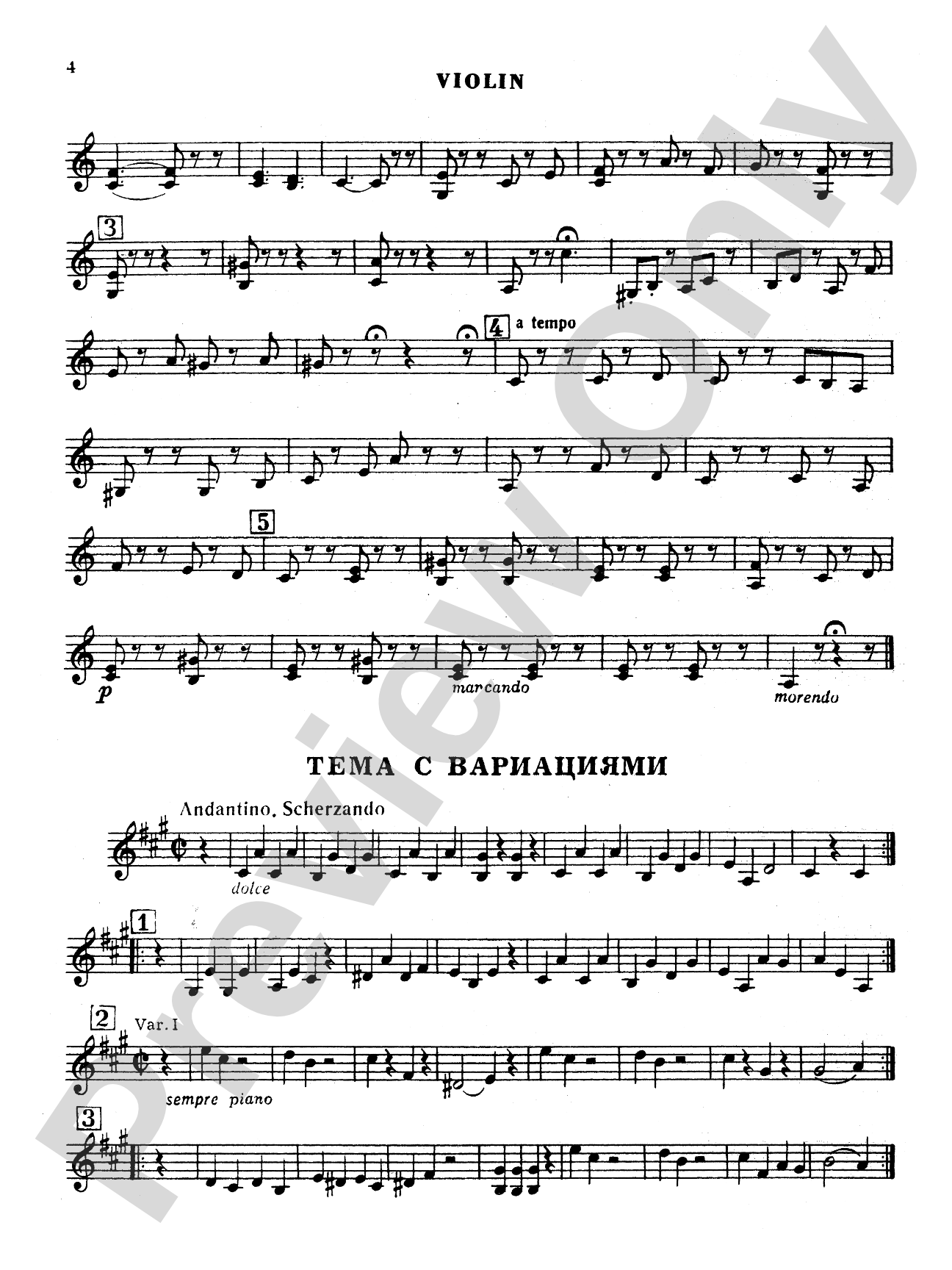
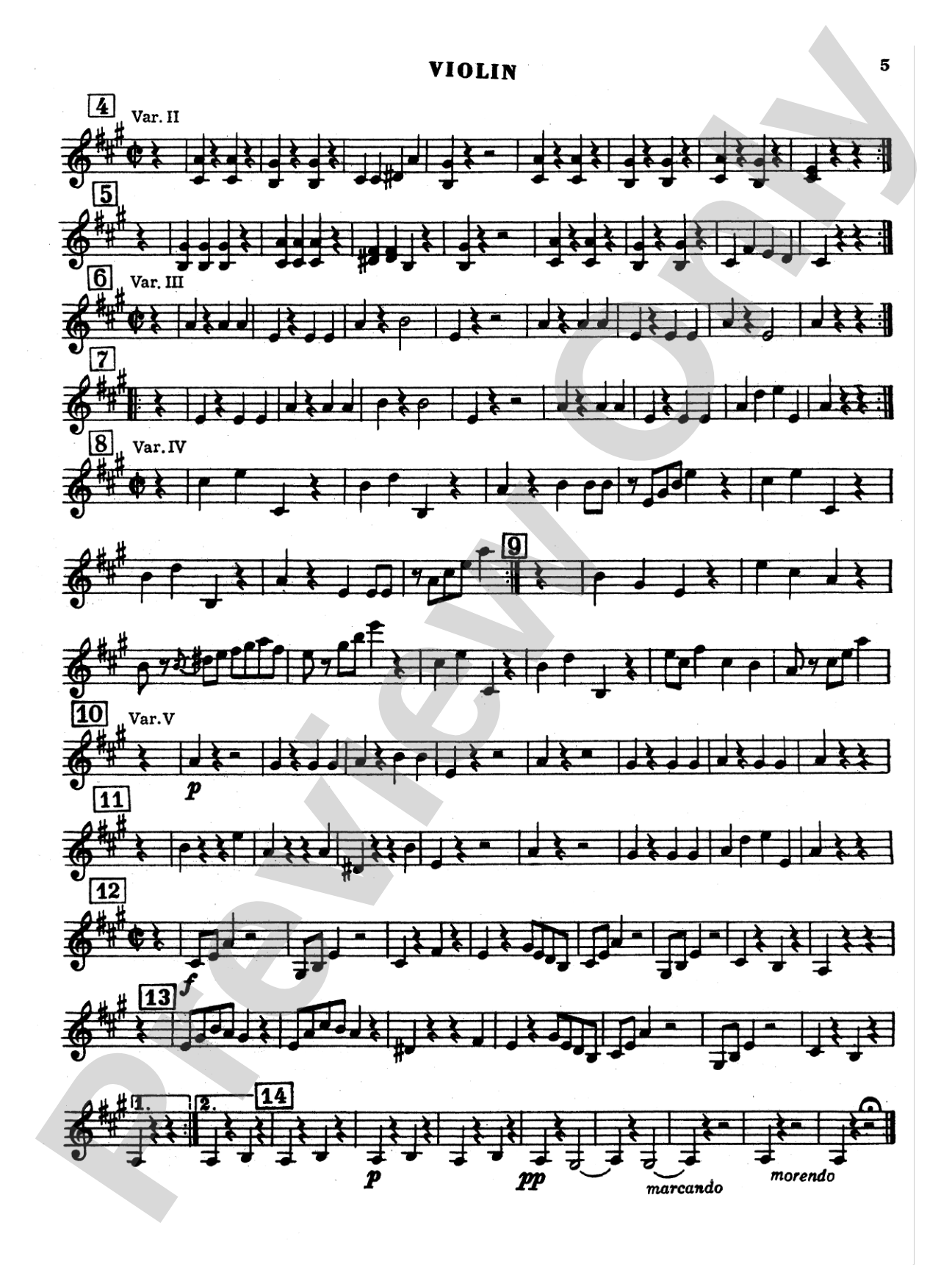




Paganini: Grand Sonata for Guitar and Piano with Accompanying Violin: Guitar Book
For Guitar and Piano with Accompanying Violin
By Niccolò Paganini
Item: 00-PK-0003592

$12.99
Pickup currently not available
Buy Extra Parts (Digital PDF Download)
| Product | Price | Quantity |
|---|---|---|
| Paganini: Grand Sonata for Guitar and Piano with Accompanying Violin | $5.99 | |
| Paganini: Grand Sonata for Guitar and Piano with Accompanying Violin | $5.95 |
Parts Added to Cart!
Related Items
Grand Sonata: Guitar Book |
$12.95
|
View |
Description
For guitar with violin or piano accompaniment. An advanced level piece suitable for concert performance.


Don't just read it, hear it, play along with it, and watch your students grow with it. In MakeMusic Cloud, Paganini: Grand Sonata for Guitar and Piano with Accompanying Violin: Guitar Book comes alive with professional accompaniment, adjustable tempo, and built-in practice tools that turn solo practice into real progress.
Open in the Player
Jump straight in and assign it today.
Start Your Free Trial
Open this title and explore the full library in minutes.
Sample Audio
No sample audio found.
Sample Video
No sample videos found.
Additional Details
Series:
Kalmus Edition
Publisher:
Alfred Music
Page Count:
44
SKU:
00-PK-0003592
More about this title
About the Composer: Niccolò Paganini
Niccolò Paganini (1782-1840) stands as one of the most technically formidable violinists in music history. His mastery of the instrument pushed virtuosity to unprecedented extremes, and his compositions for strings remain touchstones of advanced performance technique. Though best known for his 24 Caprices for solo violin, Paganini wrote across multiple genres, including chamber works and pieces for guitar, an instrument he played with considerable skill.
Paganini's legacy extends far beyond violin repertoire. His compositional voice shaped Romantic instrumental writing, influencing composers from Liszt to Rachmaninoff. His works for guitar demonstrate that his command of technique and dramatic expression transcended his primary instrument, offering guitarists access to genuinely sophisticated music written by a master who understood both virtuosity and composition.
Why we love this
This sonata gives advanced guitarists the rare opportunity to perform a substantial work by one of history's greatest string virtuosos. The piece demands genuine musical maturity while remaining genuinely idiomatic for guitar, and the optional violin part adds flexibility for concert programming or collaborative performance.
What to expect
The sonata captures Paganini's Romantic sensibility: passages of brilliant technical display alternate with moments of singing lyricism, all underscored by harmonic sophistication. Performance demands control and elegance alongside virtuosic flair.
Who it's for
This work suits advanced guitarists preparing for recitals, auditions, or competitions who want to expand beyond the standard guitar repertoire. It also serves ensemble players seeking chamber music with genuine substance and historical weight.
How to get the most out of it
- Establish the harmonic foundation with the piano or violin part before working on your own voice in isolation; this sonata requires absolute rhythmic and tonal coordination between parts.
- Pay close attention to Paganini's articulation markings and dynamic indications, which shape the character as much as the melodic line itself.
- When performing with piano, ensure clarity in both registers; the guitar's acoustic limitations mean precise voicing and strategic rest placement become interpretive tools.
- Approach cadential passages with confidence and allow the guitar's natural resonance to bloom without rushing through sustained chords.
How to use it
Program this as a centerpiece for a classical guitar recital, perhaps pairing it with works by Sor or Giuliani to contextualize Paganini within the early Romantic guitar tradition. It also works as a bridge piece for guitarists performing in mixed chamber ensembles, demonstrating the guitar's capacity for serious musical discourse.
Skills your students will build
- Coordinating independent melodic lines with written accompaniment
- Reading complex articulation and dynamic markings in Romantic-era notation
- Navigating extended range and demanding fingerboard positions across the neck
- Balancing technical passage work with sustained musical phrasing
- Ensemble listening and rhythmic coordination with multiple instrumental partners