
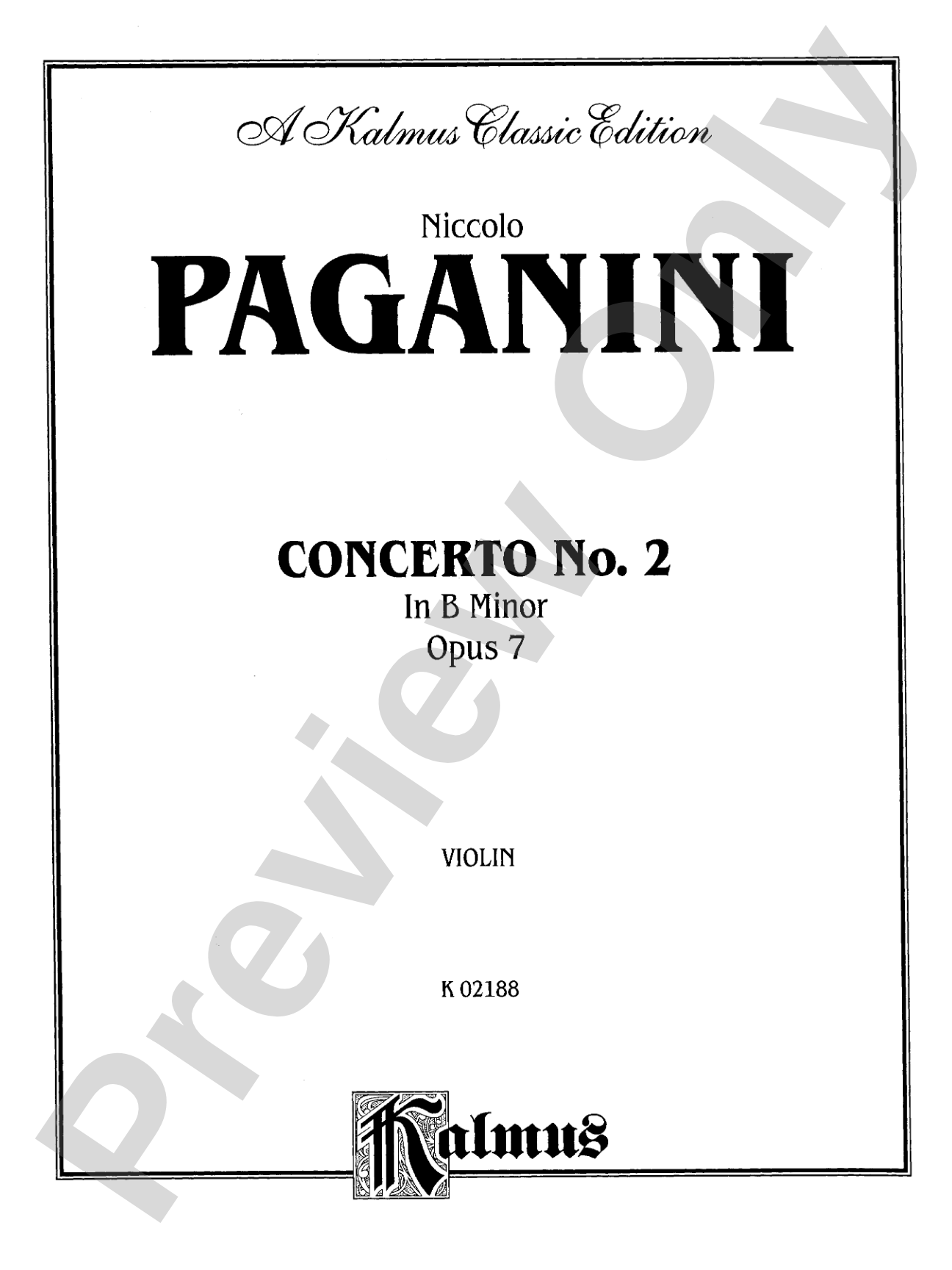

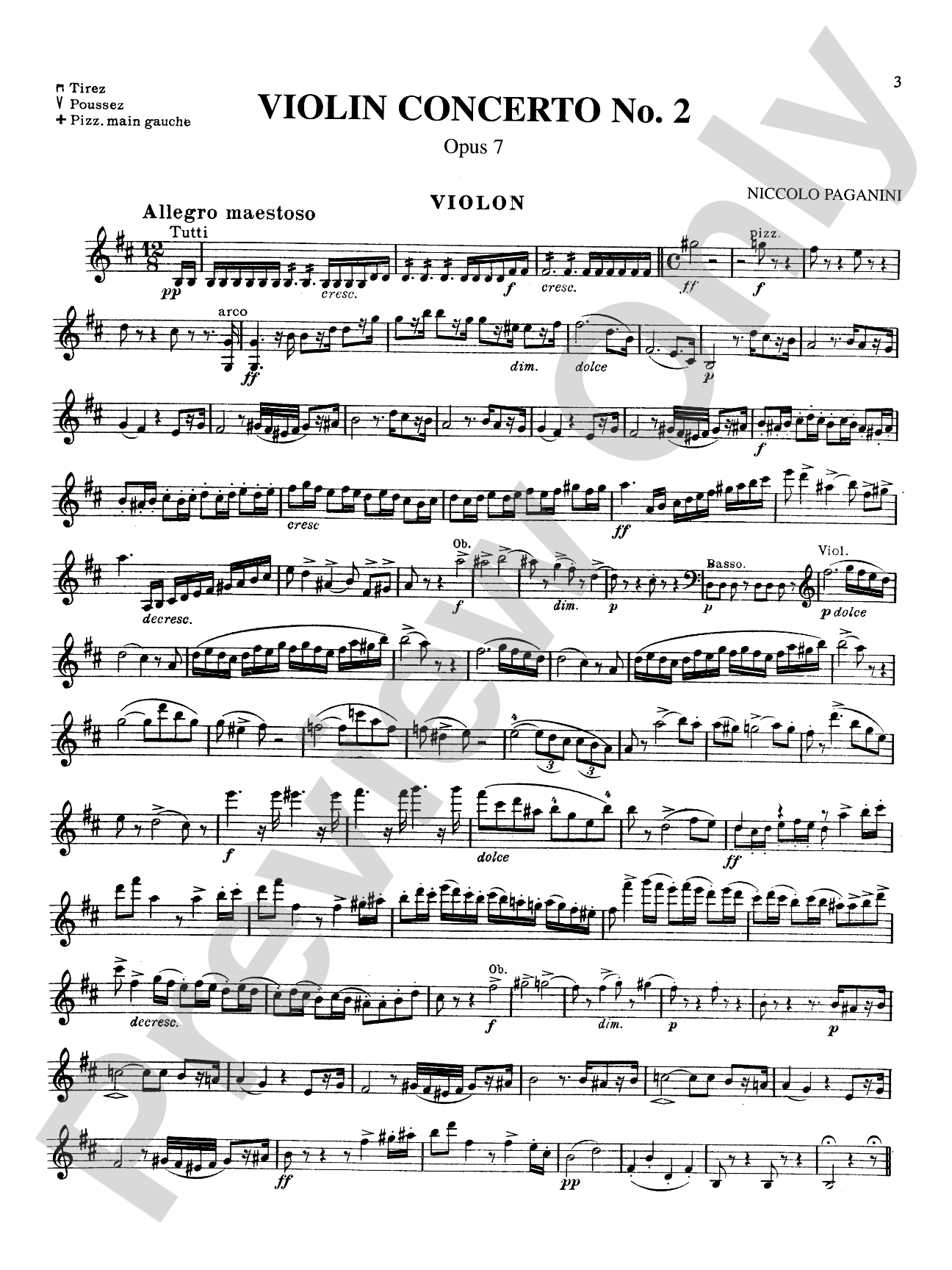
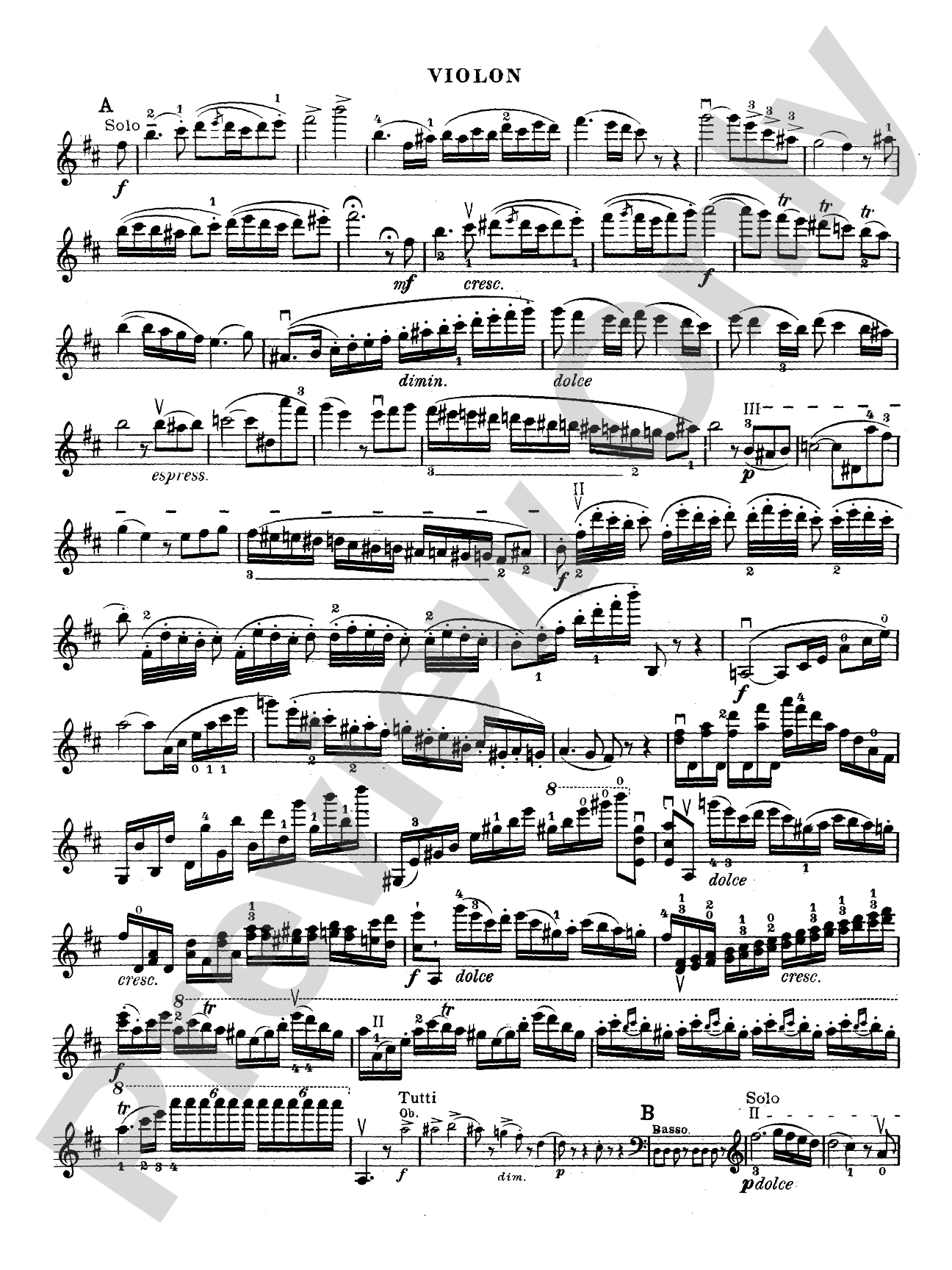
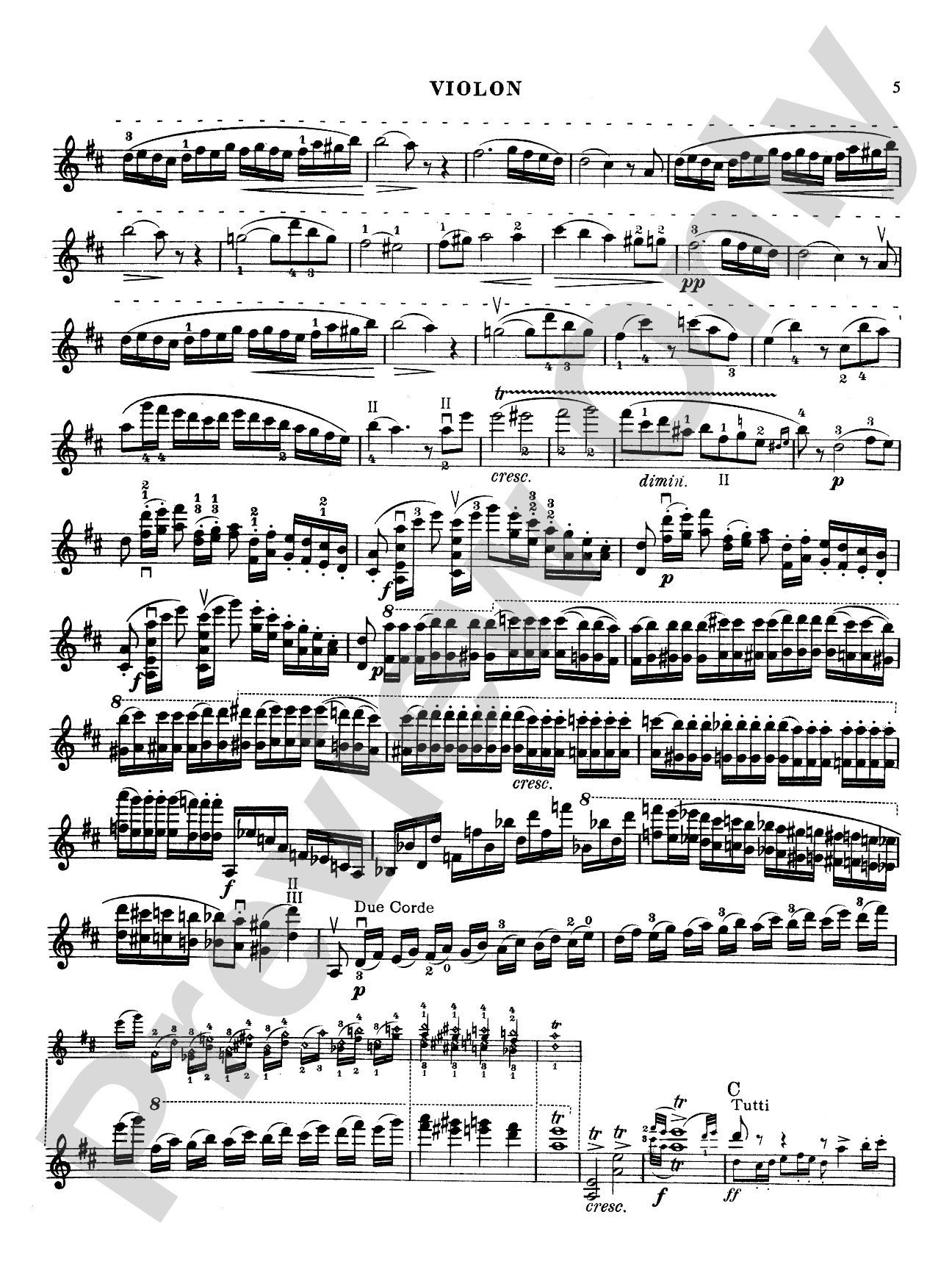
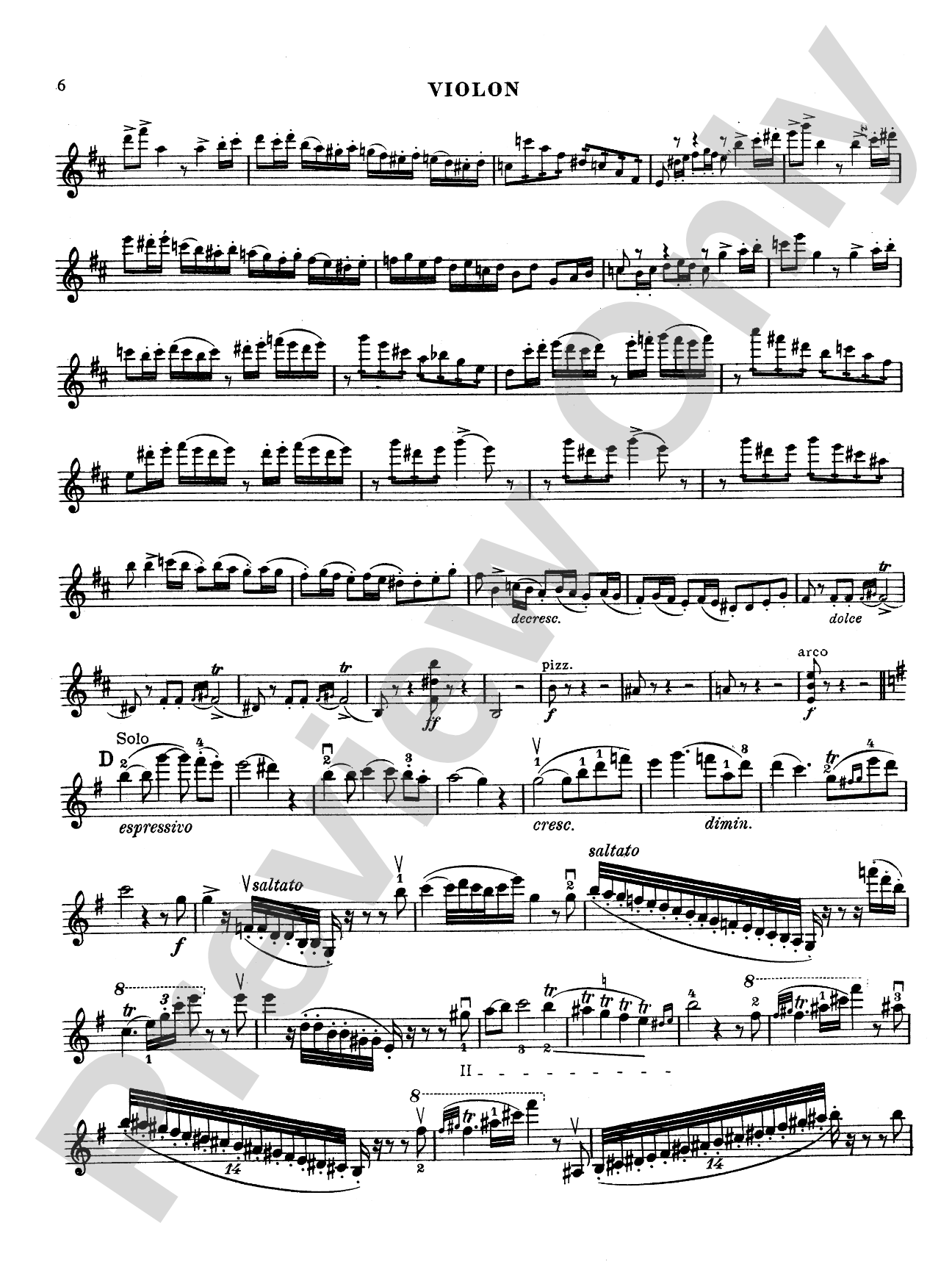
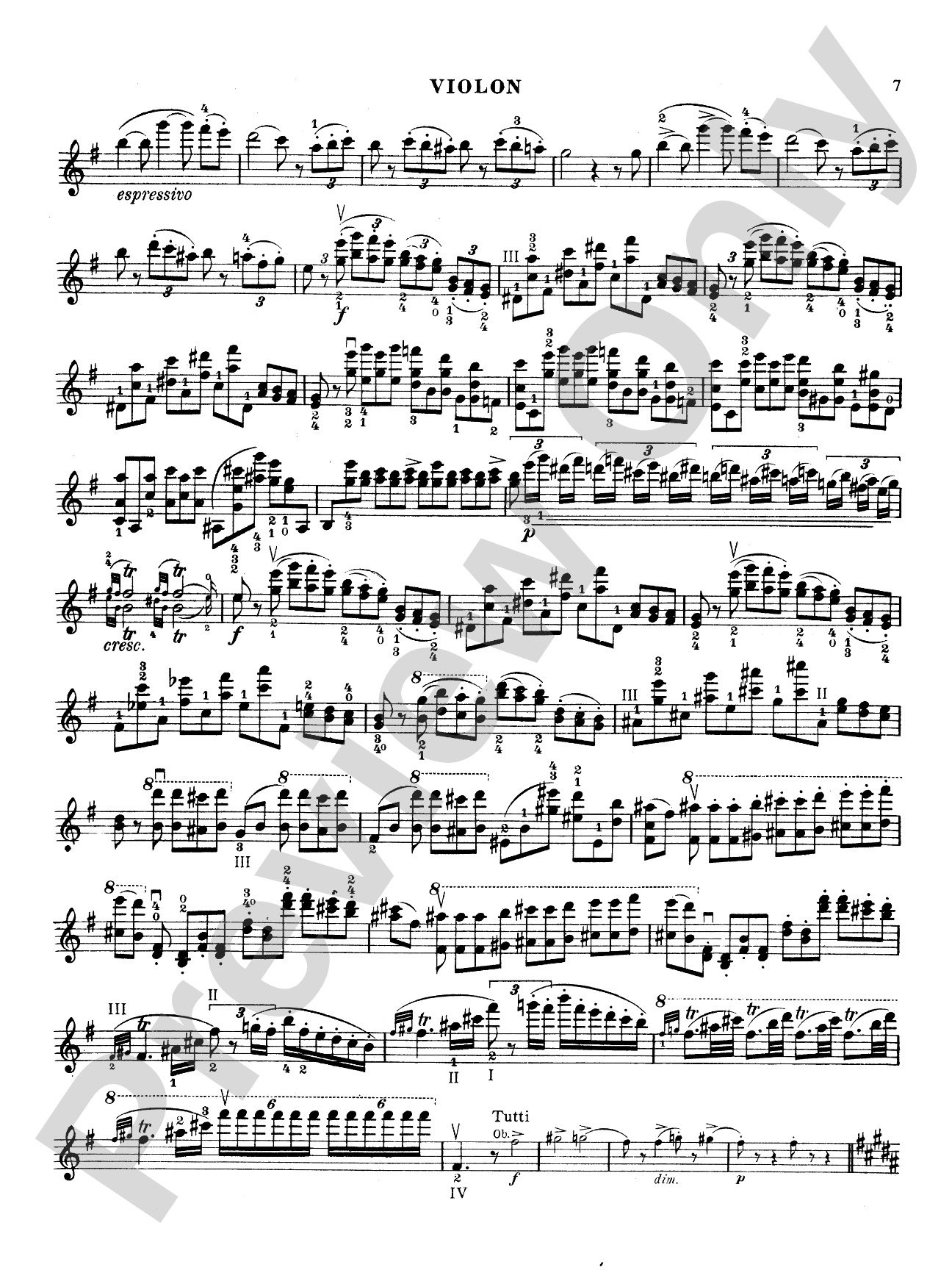
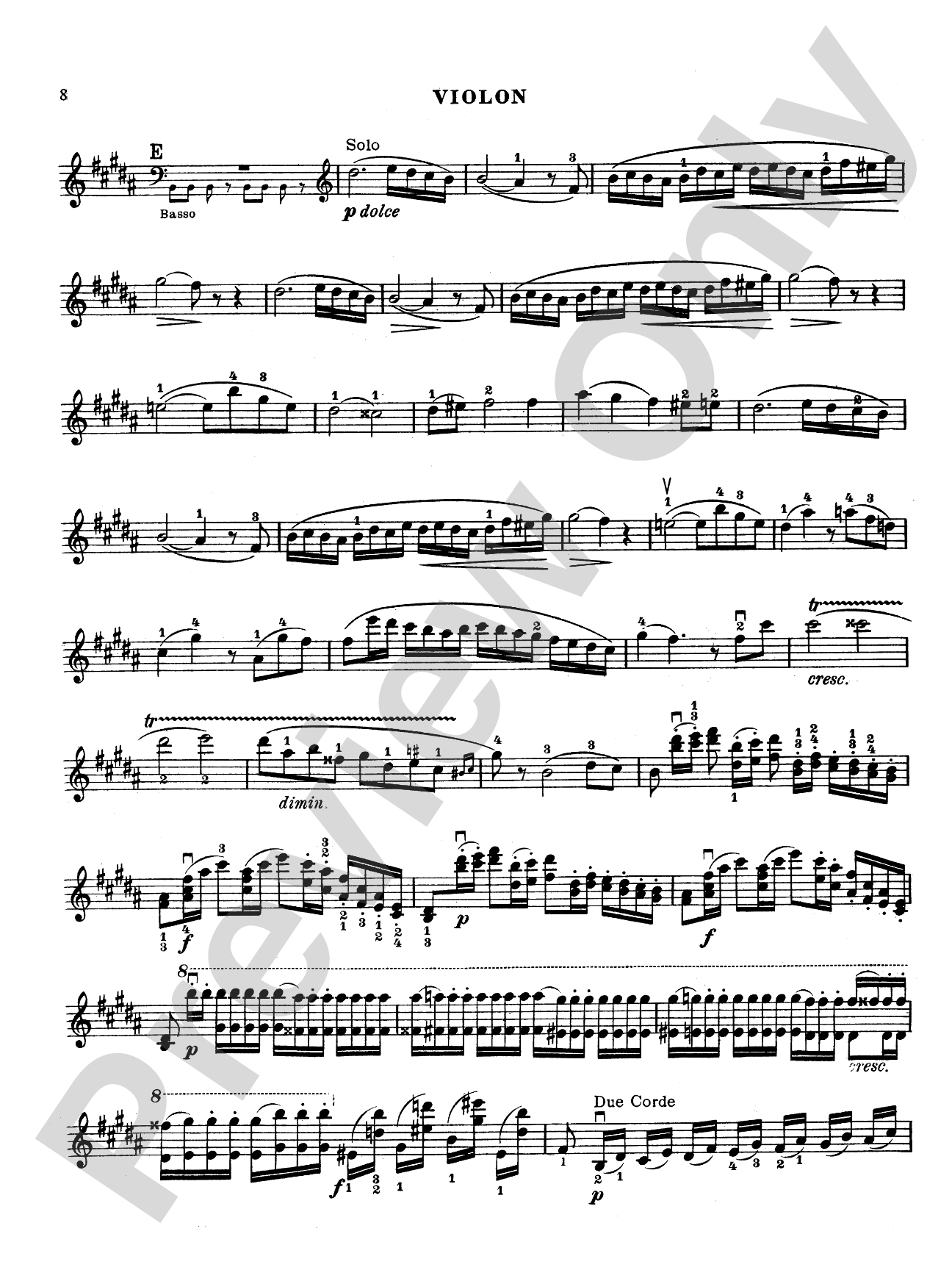
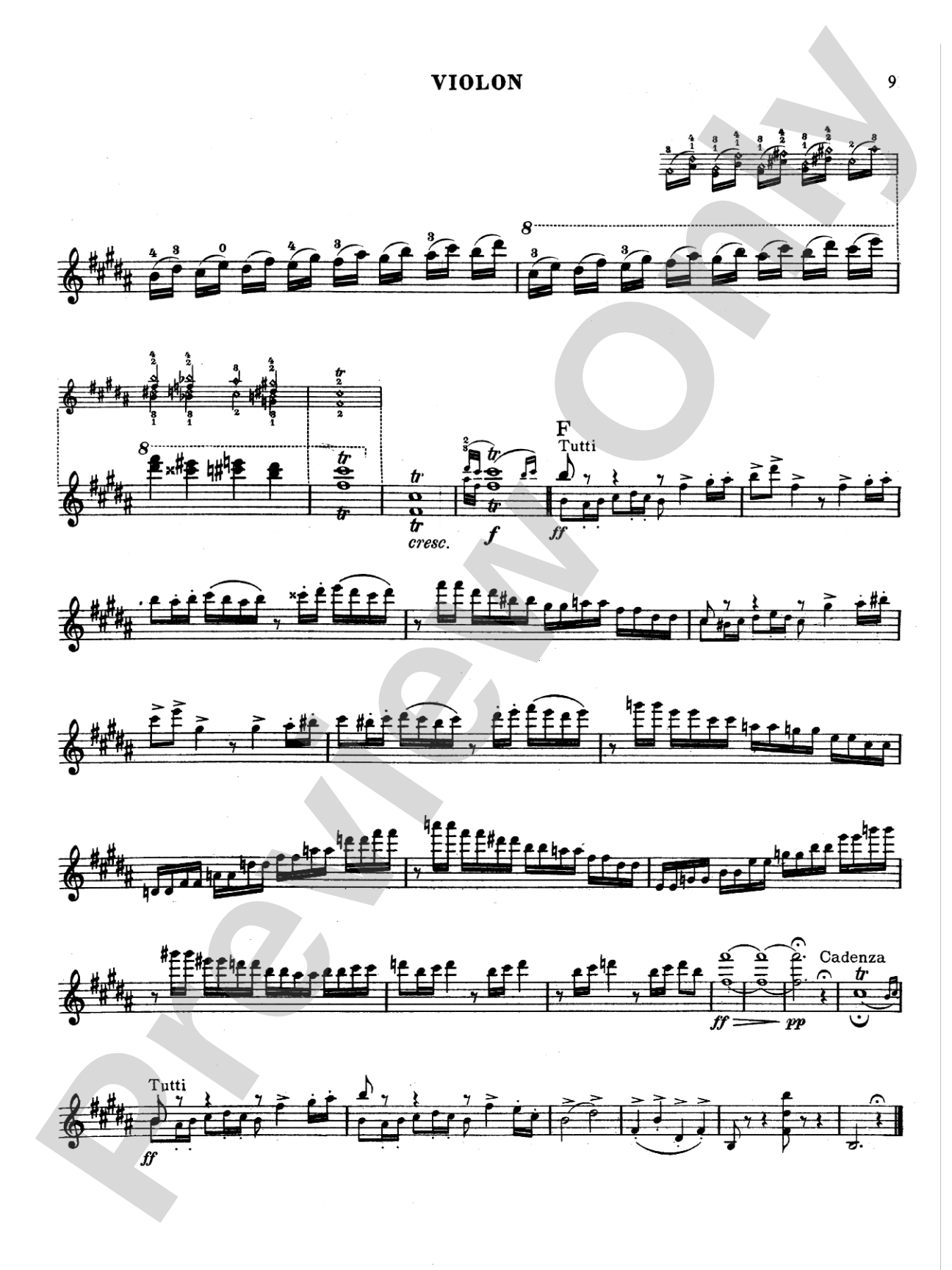
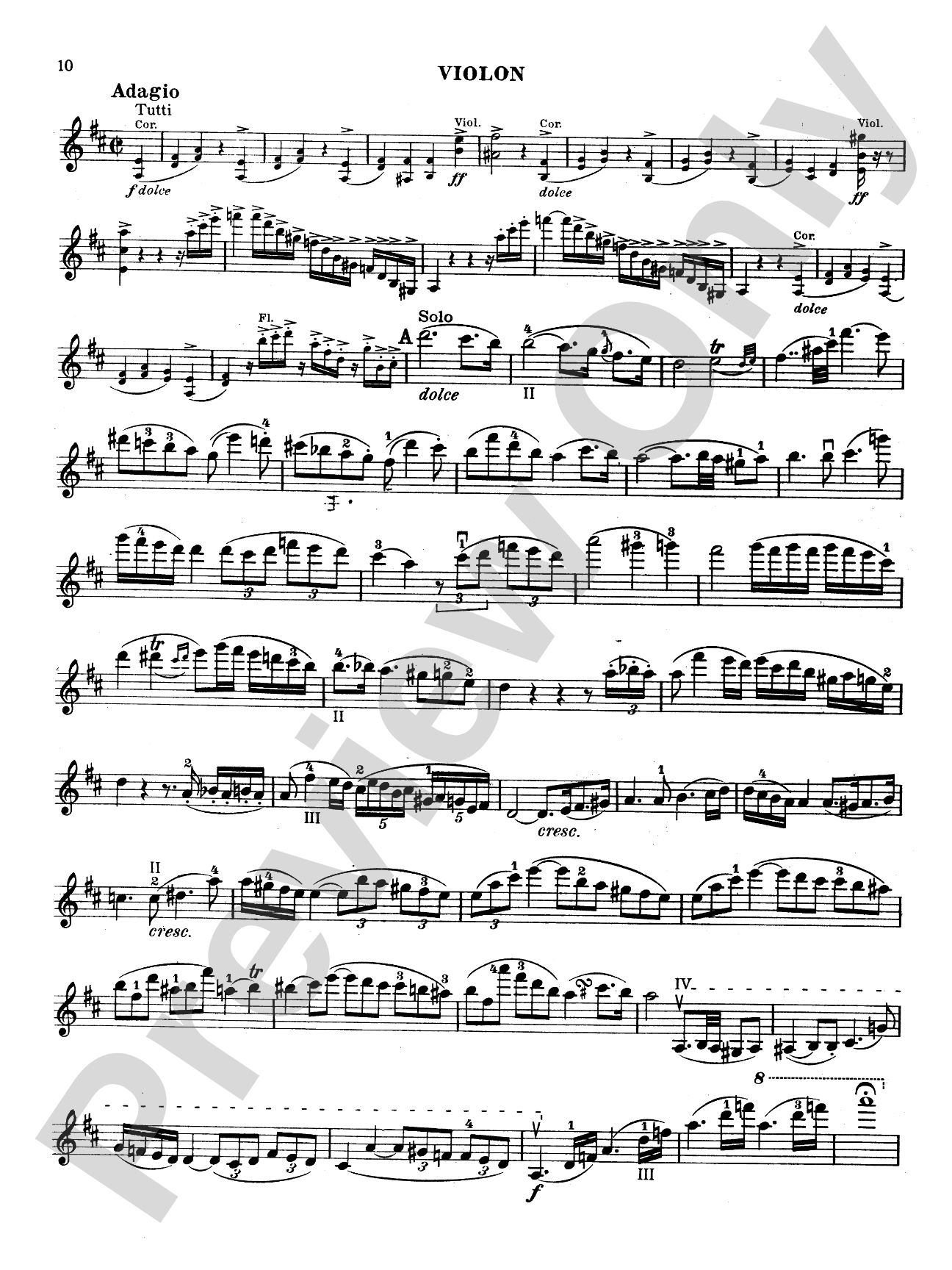
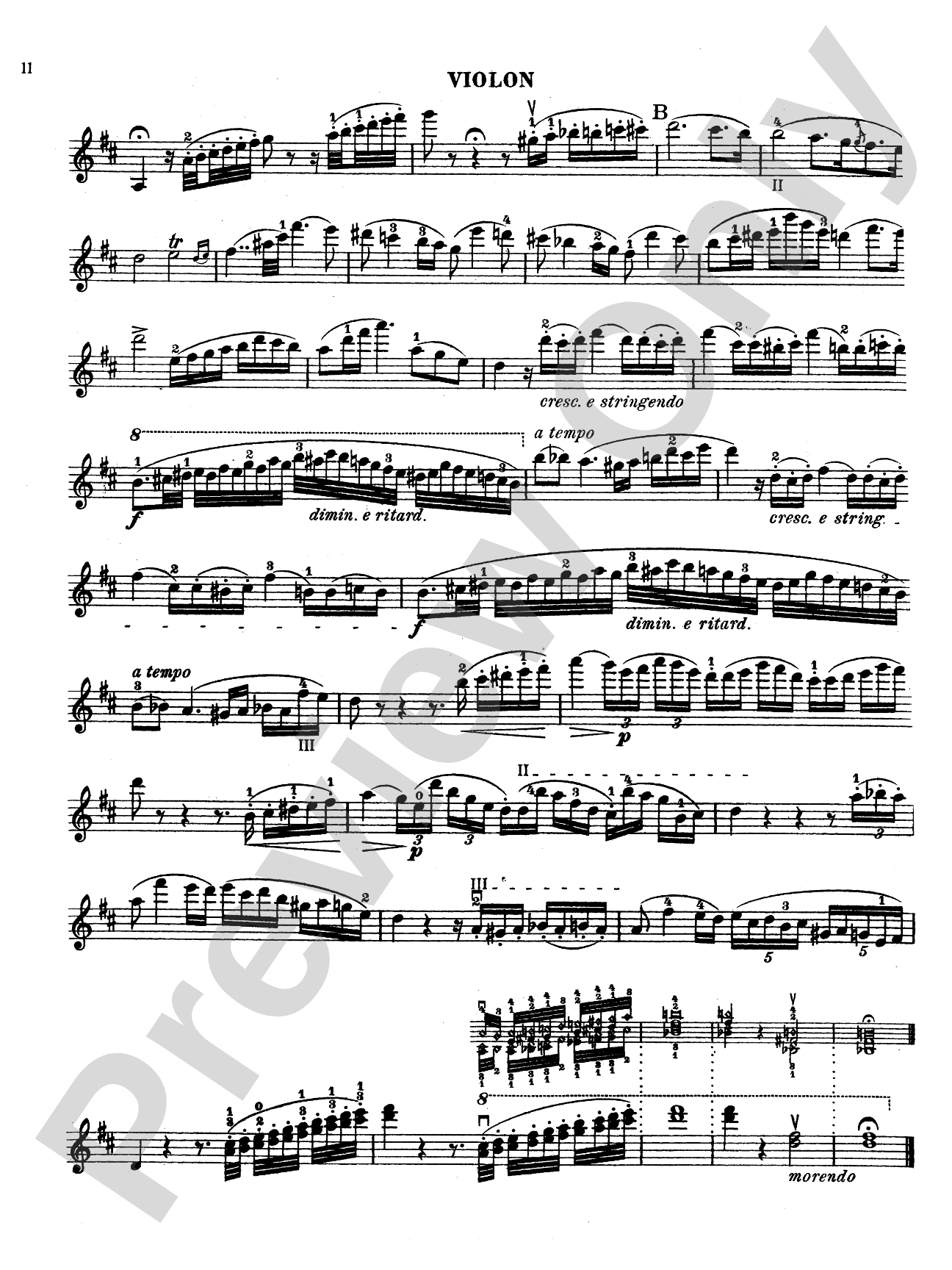
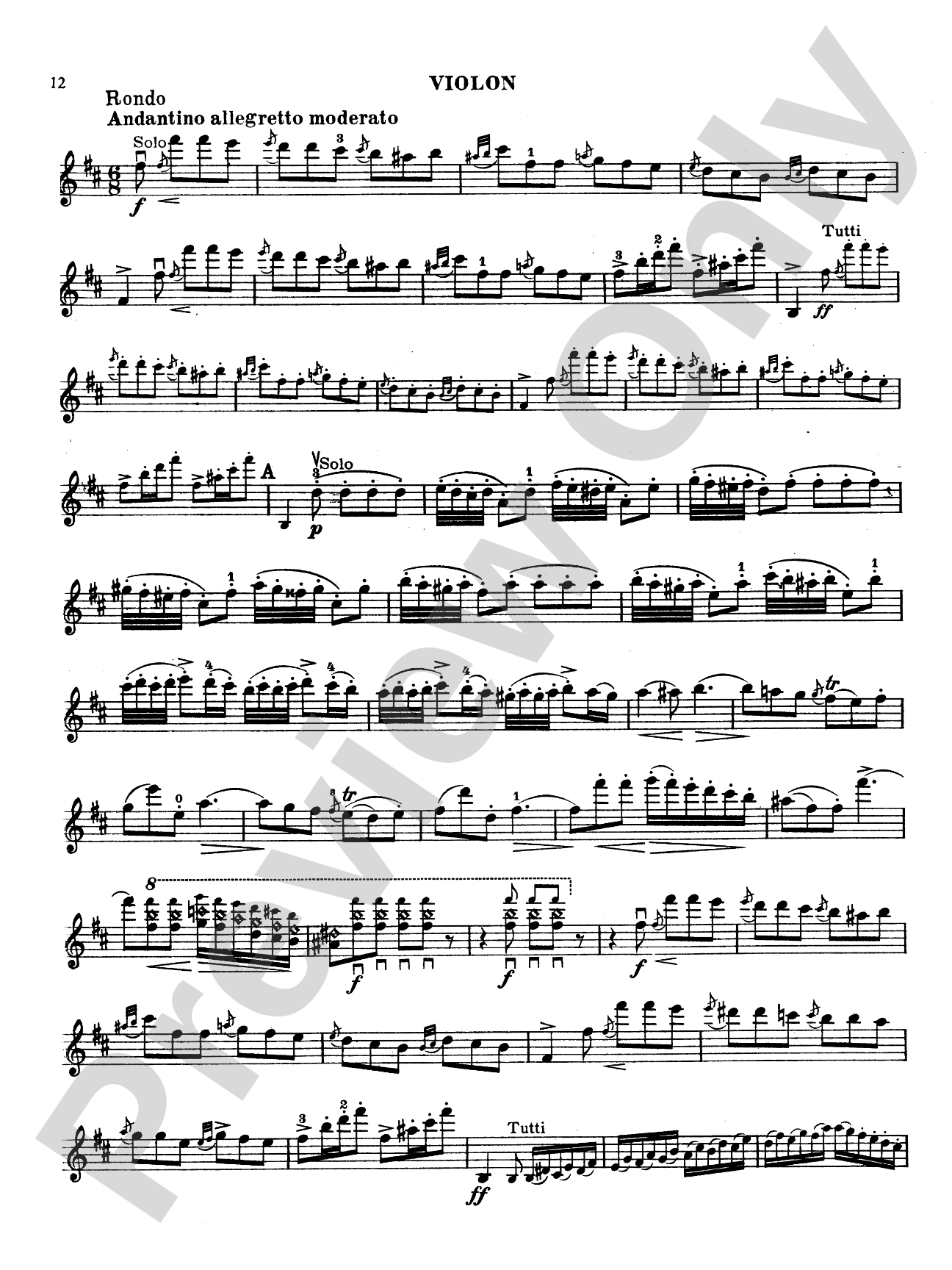
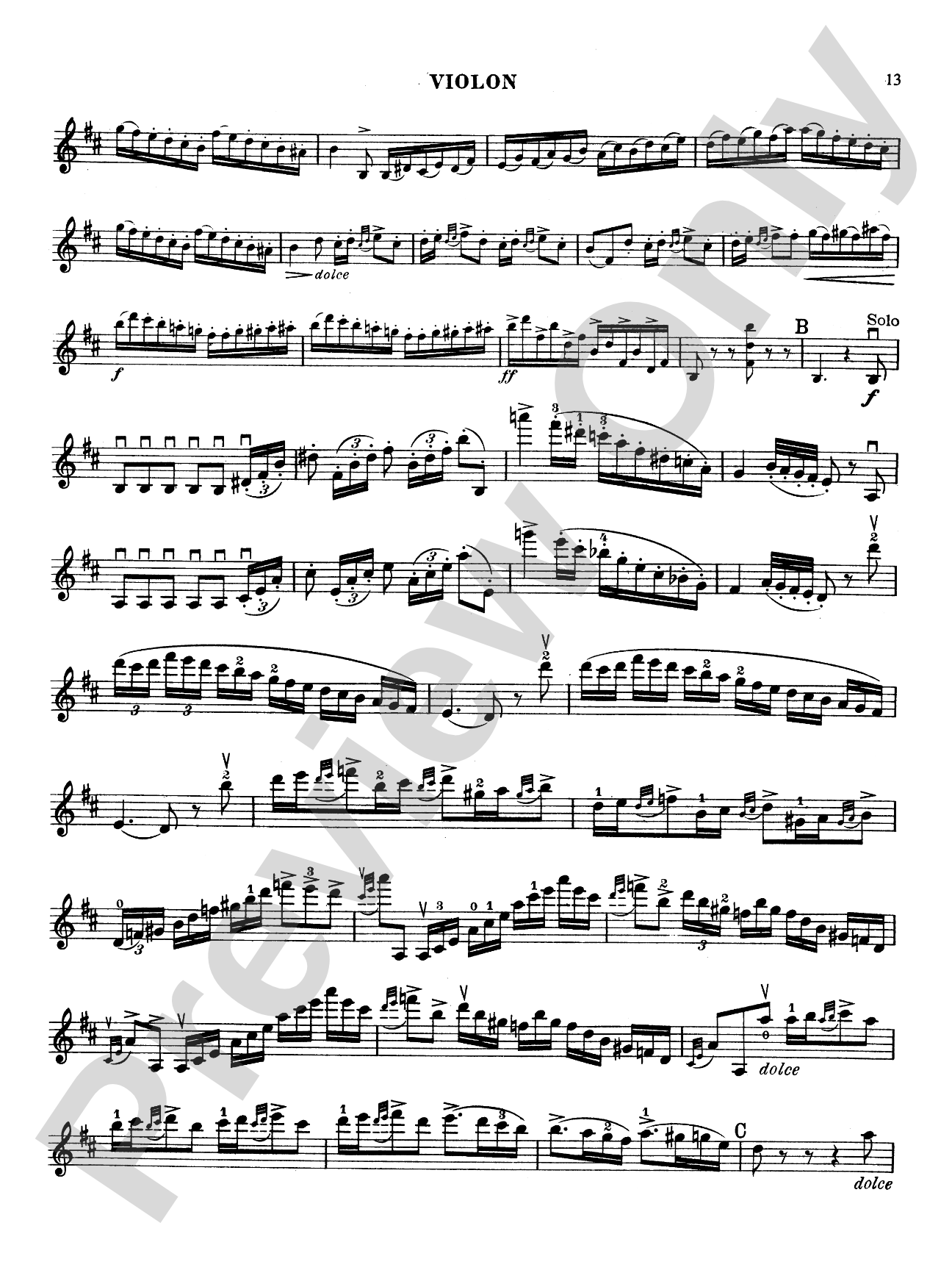
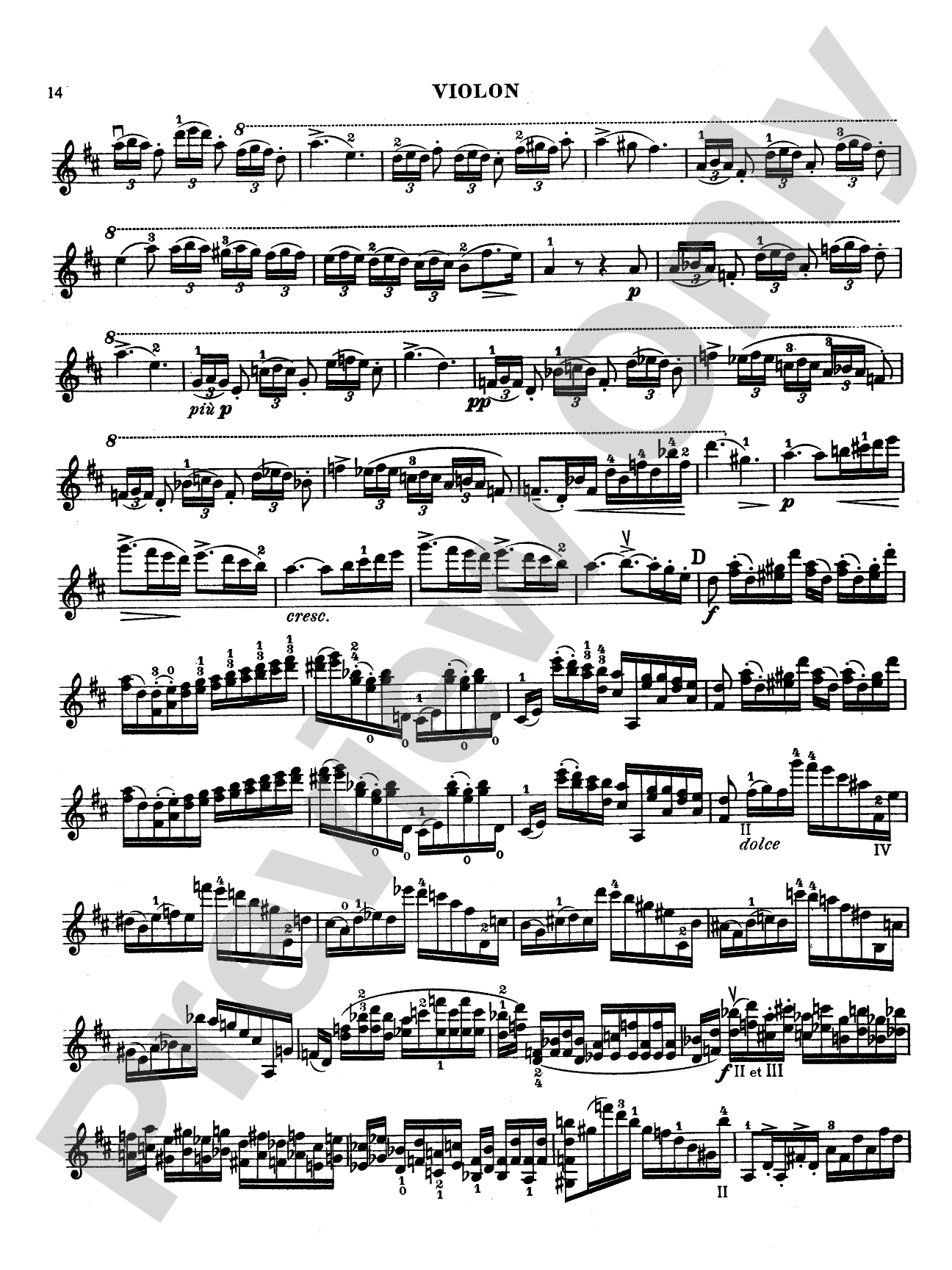
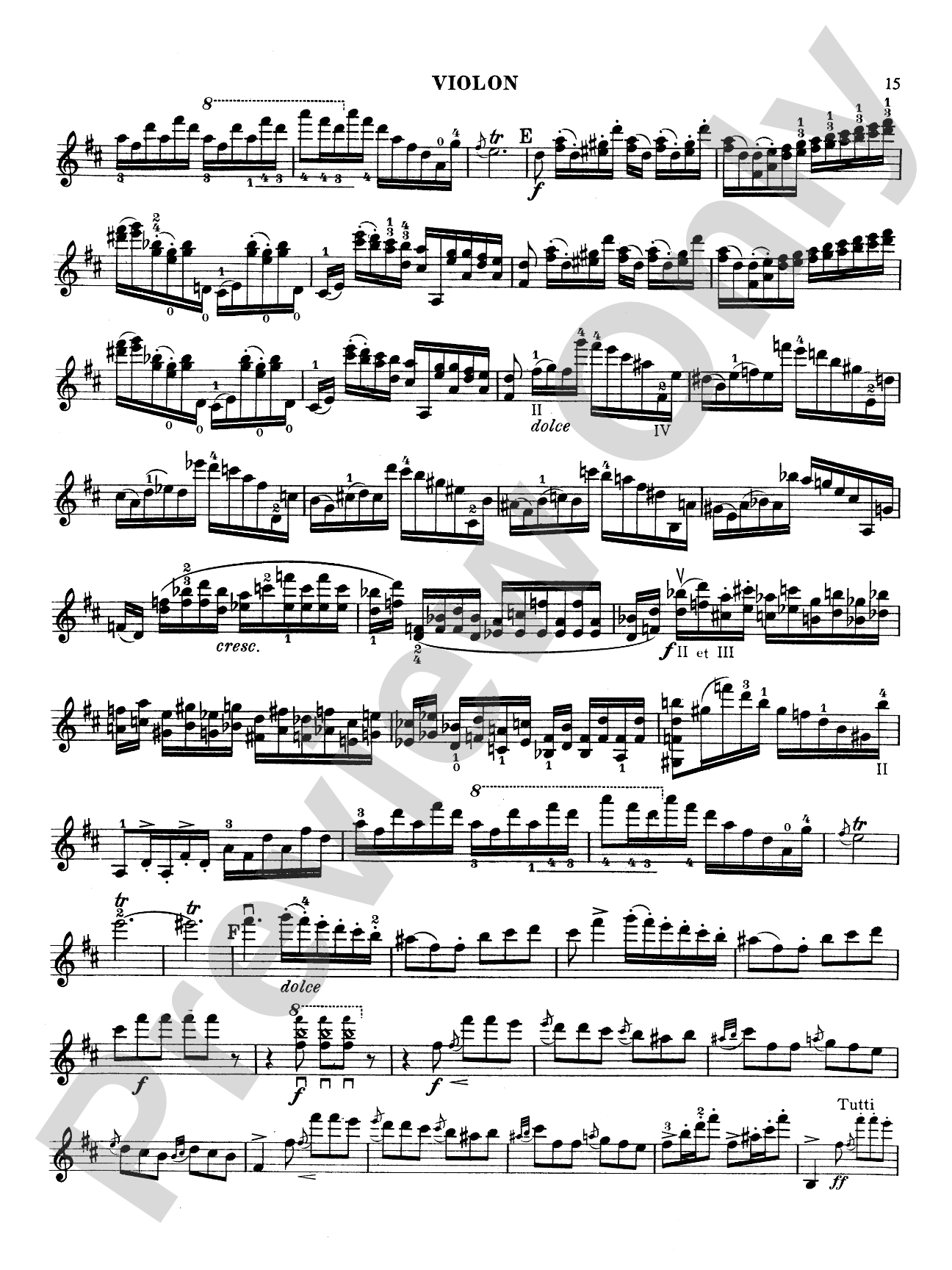
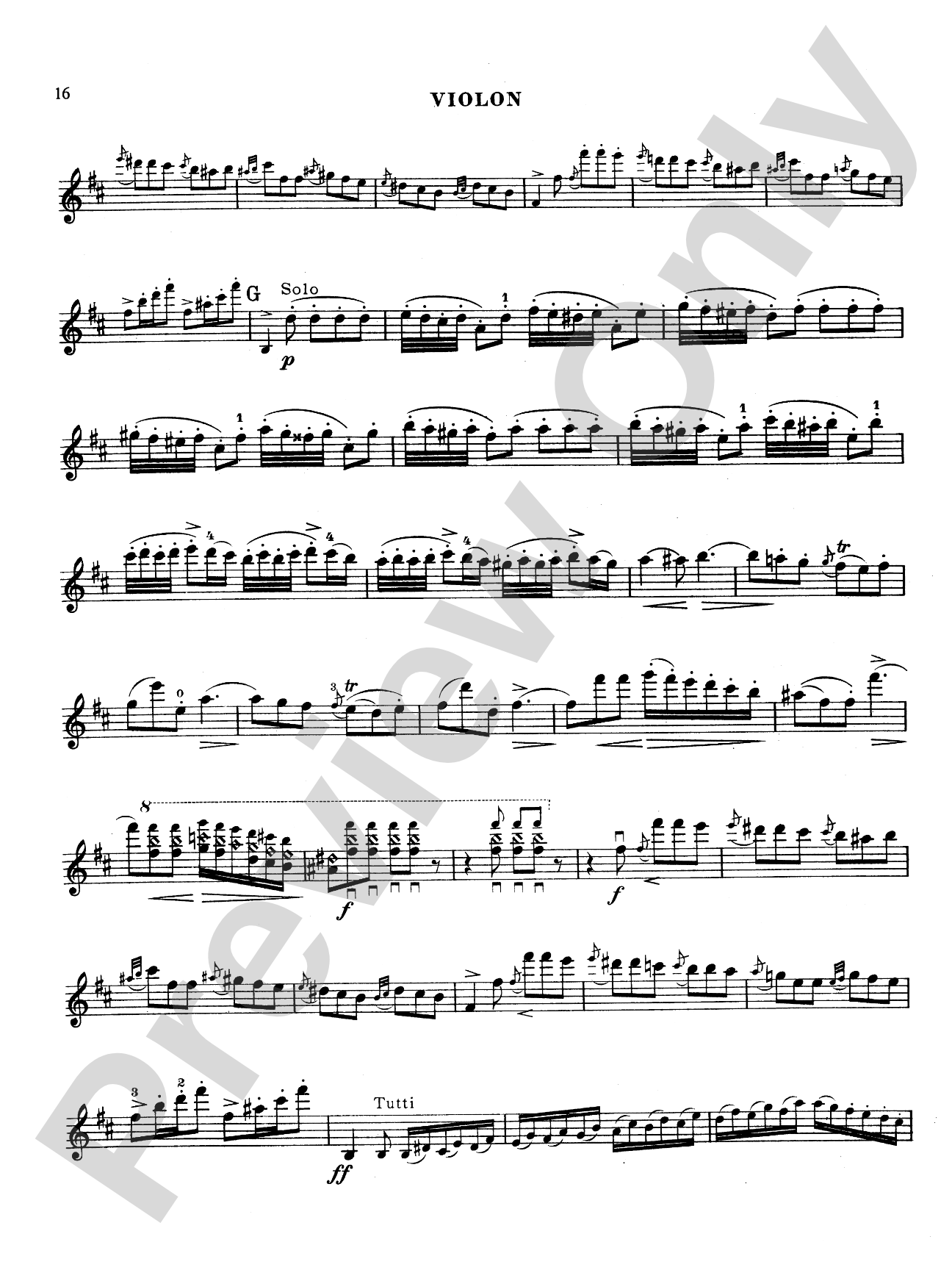
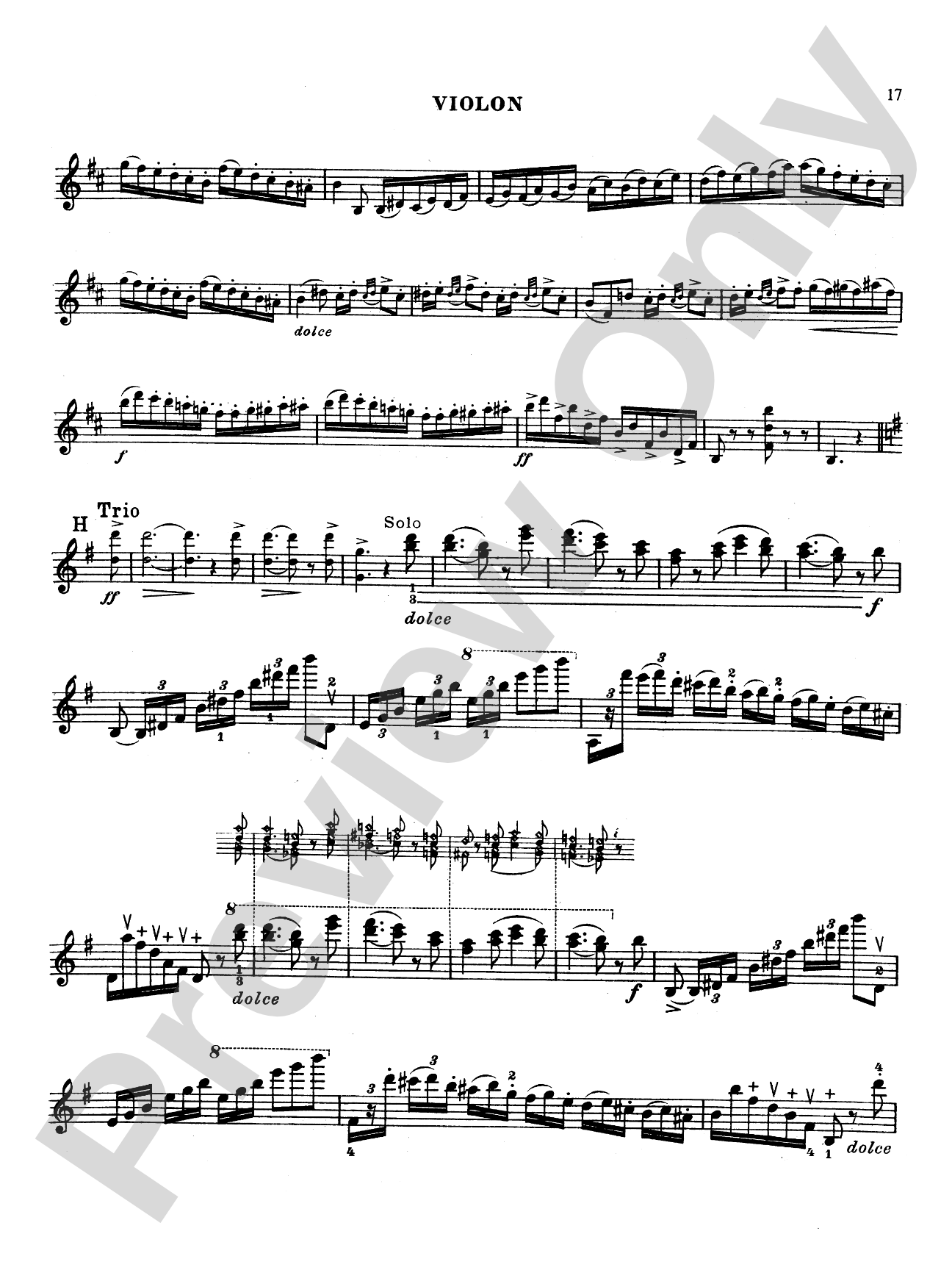
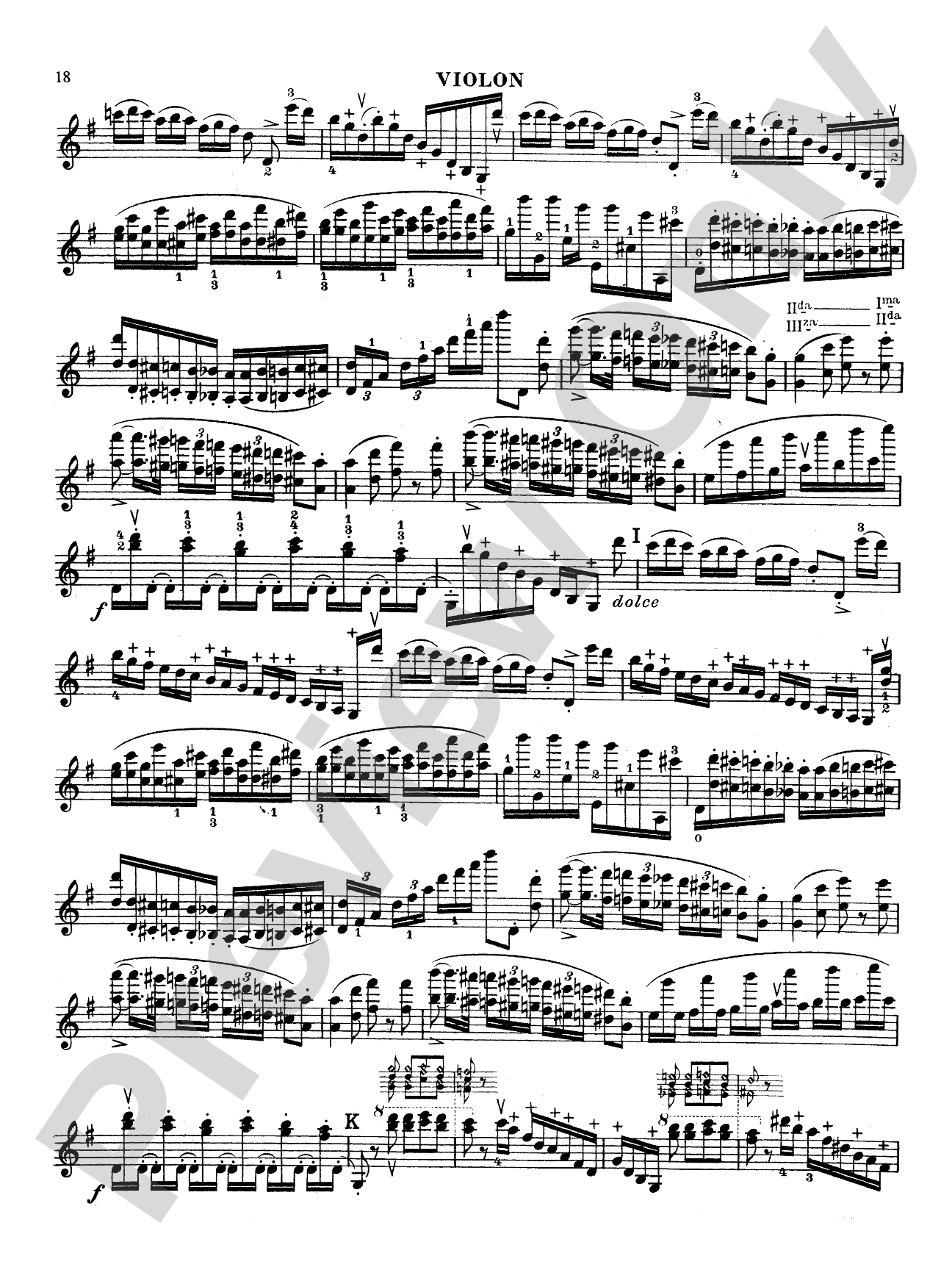
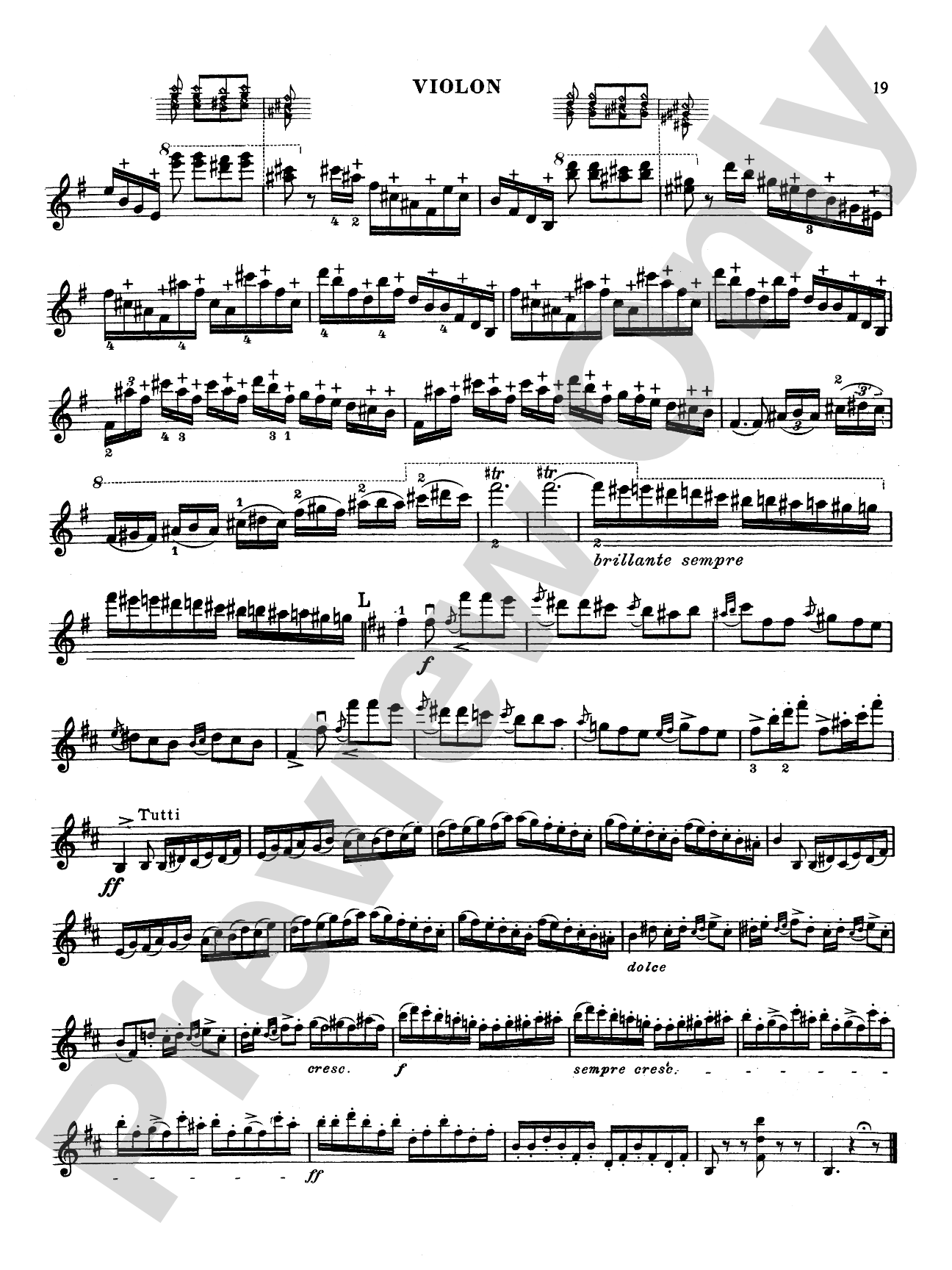


Paganini: Concerto No. 2 in B Minor, Op. 7: Violin Book
By Niccolò Paganini
Item: 00-PK-0002798

$9.95
Pickup currently not available
Buy Extra Parts (Digital PDF Download)
| Product | Price | Quantity |
|---|---|---|
| Paganini: Concerto No. 2 in B Minor, Op. 7 | $3.95 | |
| Paganini: Concerto No. 2 in B Minor, Op. 7 | $3.95 |
Parts Added to Cart!
Related Items
Concerto No. 2 in B Minor, Opus 7: Violin Book |
$9.95
|
View |
Description
Niccolo Paganini was widely recognized as the greatest violinist of all time and his compositions for violin, not surprisingly, are some of the most fantastic ever written. Hector Berlioz commented " . . . broad Italian melodies full of passionate ardour, seldom found in the best pages of dramatic composers . . . harmonies are always clear, simple, and of extraordinary sonorousness. His orchestration is brilliant and energetic without being noisy." Kalmus is proud to present the second violin concerto by the master, Paganini. A cleanly printed edition for the advanced player.


Don't just read it, hear it, play along with it, and watch your students grow with it. In MakeMusic Cloud, Paganini: Concerto No. 2 in B Minor, Op. 7: Violin Book comes alive with professional accompaniment, adjustable tempo, and built-in practice tools that turn solo practice into real progress.
Open in the Player
Jump straight in and assign it today.
Start Your Free Trial
Open this title and explore the full library in minutes.
Sample Audio
No sample audio found.
Sample Video
No sample videos found.
Additional Details
Series:
Kalmus Edition
Publisher:
Alfred Music
Page Count:
60
SKU:
00-PK-0002798
More about this title
About the Composer: Niccolò Paganini
Niccolò Paganini (1782, 1840) fundamentally expanded what the violin could do. His technical innovations, from left-hand pizzicato to rapid string crossings, were so far ahead of his time that contemporaries suspected supernatural assistance. He withheld publication of most of his works during his lifetime, which only deepened the mystique around his genius.
Paganini's concertos stand as the bridge between Classical virtuosity and Romantic expression. Unlike earlier concertos that treat the soloist as a showpiece over an accompaniment, Paganini's works demand complete mastery while delivering rich harmonic language and genuinely moving melodic lines. His influence on violin pedagogy and repertoire remains unmatched; violinists still measure themselves against his works.
Why we love this
This concerto sits at the intersection of concert prestige and genuine musical substance. Advanced students and professional violinists prepare it for competitions, recitals, and festival performances because its reputation is unquestionable, but it also contains the lyrical depth and harmonic sophistication that makes it rewarding to play beyond the showpiece element. The Kalmus edition presents it cleanly, removing any editorial distraction from the composer's vision.
What to expect
The opening draws you into Paganini's world of virtuosic display and emotional intensity. Brilliant passagework alternates with soaring Italian melodies that demand both technical precision and singing tone, creating a landscape where dazzling technique and genuine musical expression intertwine. The work feels like a conversation between the showman and the artist within the same performer.
Who it's for
This concerto is written for advanced violinists with solid command of position work, double stops, and rapid scalar passages. It serves competition and festival contexts, solo recital programming, and musicians preparing for university auditions or professional performance opportunities. This is not introductory material; it assumes years of serious study.
How to get the most out of it
- Map out the hand position shifts required in the virtuosic passages before attempting tempo; isolate the left hand movement separate from the right hand to build muscle memory without the additional cognitive load of coordinating bow and fingers simultaneously.
- Establish a clear tonal palette for the lyrical sections that contrasts with the technical display; Berlioz's observation about Paganini's 'Italian melodies full of passionate ardour' suggests these moments demand warmth and vibrato depth, not merely correct notes.
- Work through the double stops and complex chords with a tuner; the 'extraordinary sonorousness' that Berlioz praised depends on precise intonation in these demanding passages.
- Use a metronome conservatively in early preparation; set it for the underlying pulse rather than every note, allowing musical shaping to emerge as technical security develops.
How to use it
This concerto commands a solo recital spot or serves as the centerpiece of a competition entry. Pair it with a contrasting Romantic or contemporary work to show range, or program it alongside chamber music if your performing musician has the stamina. Its reputation makes it ideal for festival competitions and solo competitions where technical display and musical maturity are equally valued.
Skills your students will build
- Rapid position shifts and left-hand navigation across the fingerboard
- Double stops and complex chord intonation
- Left-hand pizzicato and advanced right-hand articulation
- Sustained vibrato and tonal control in high passages
- Musical phrasing and melodic shaping within virtuosic textures
- Endurance and technical security at performance tempo