

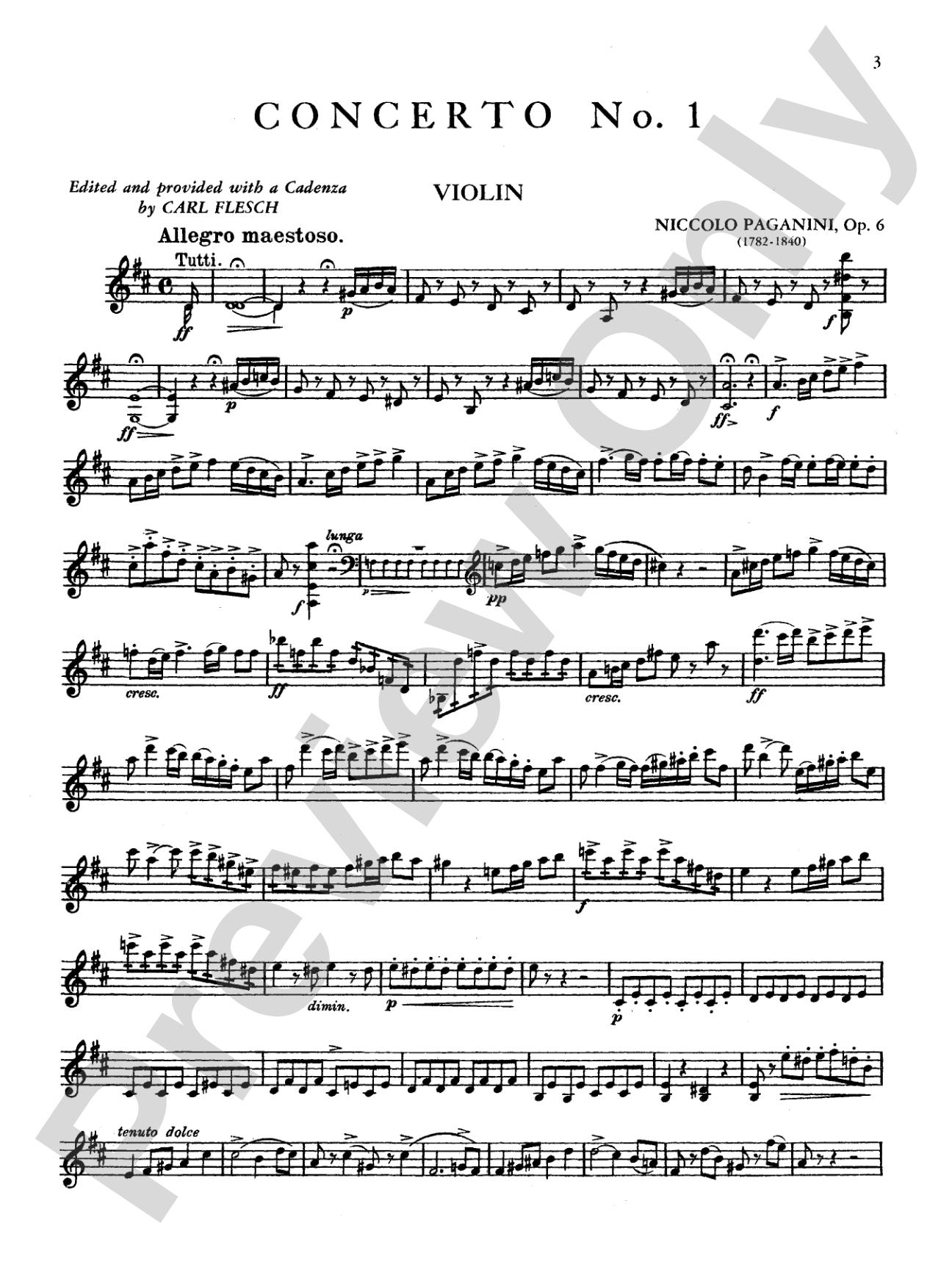
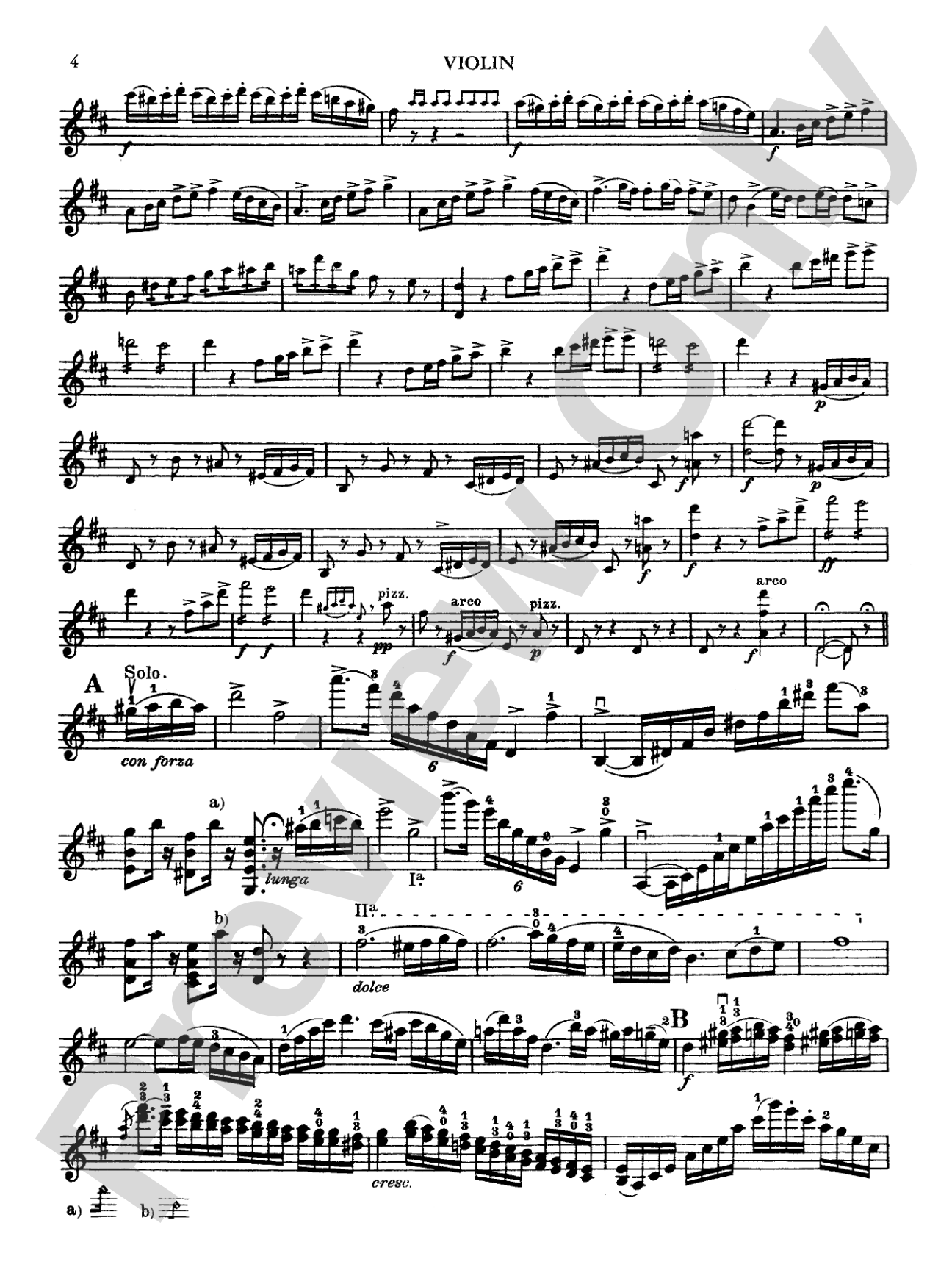
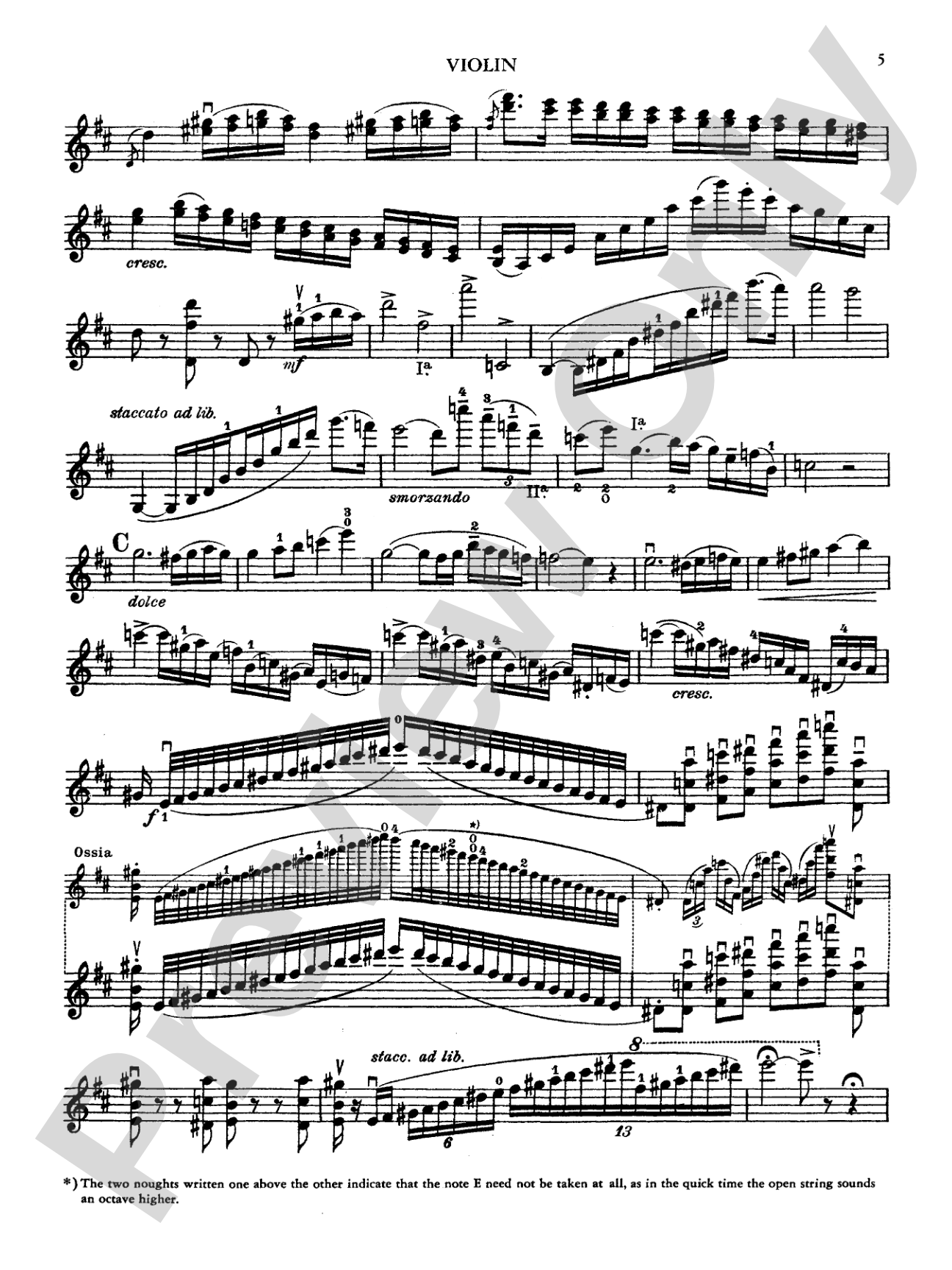
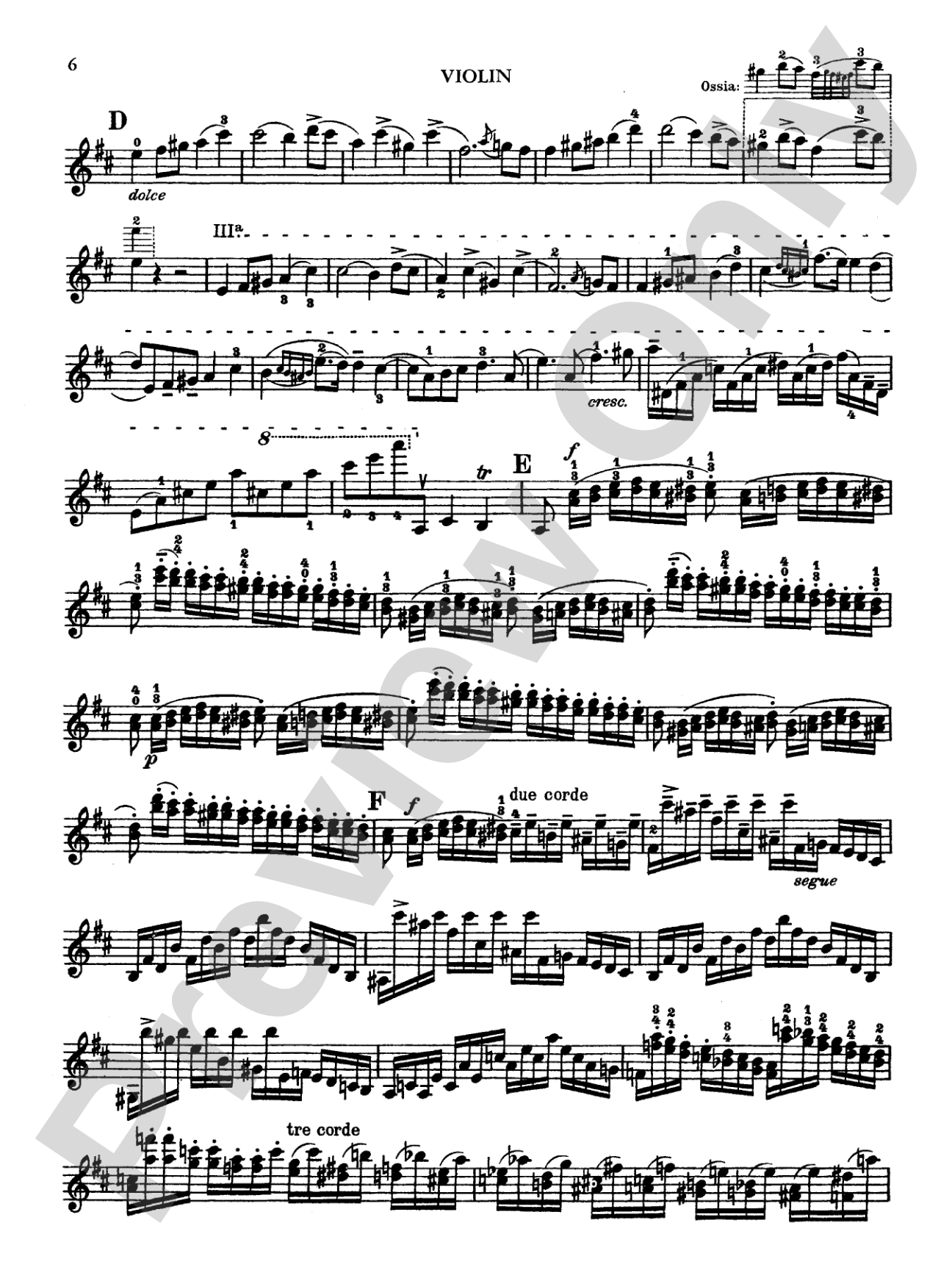
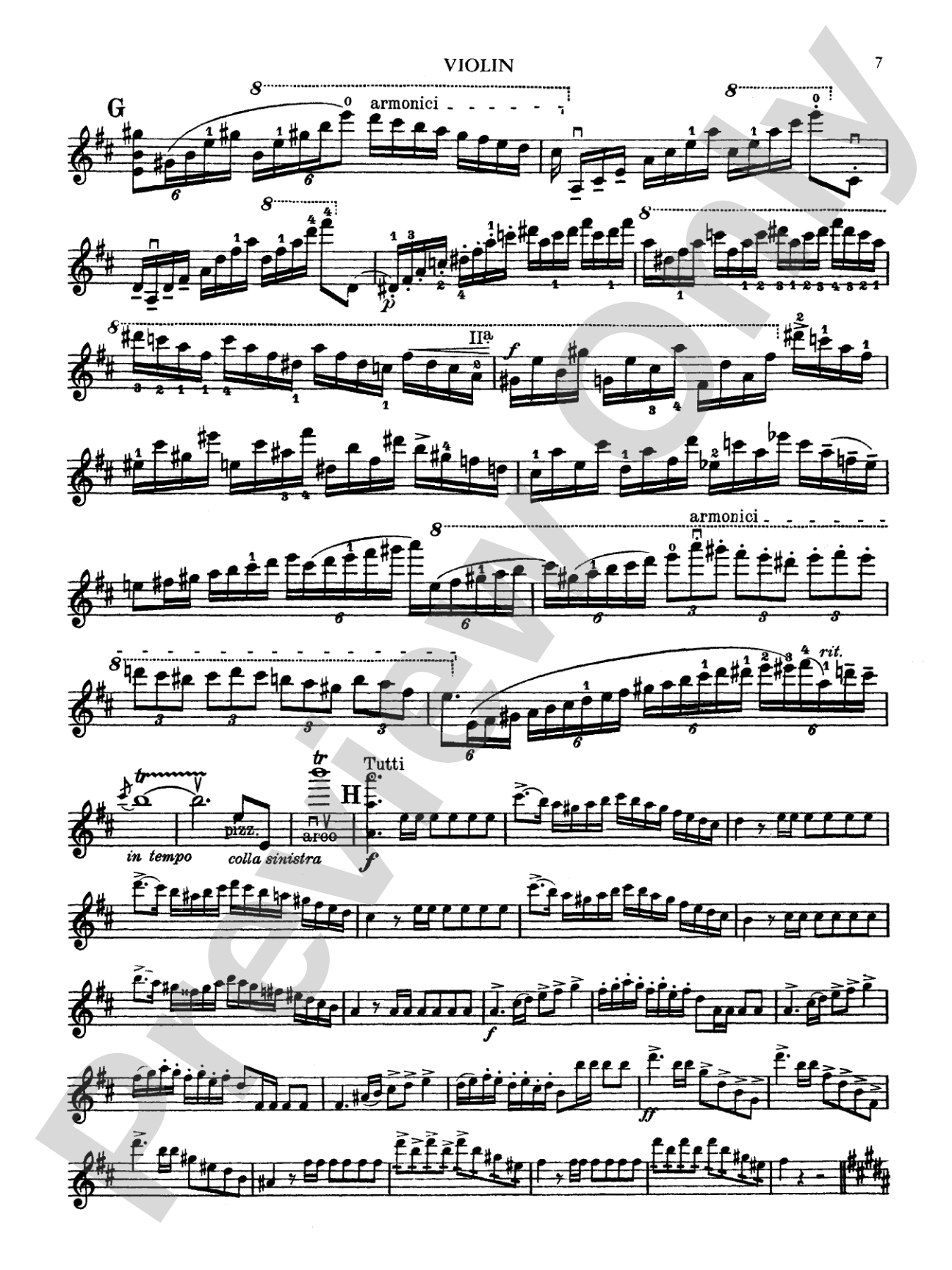
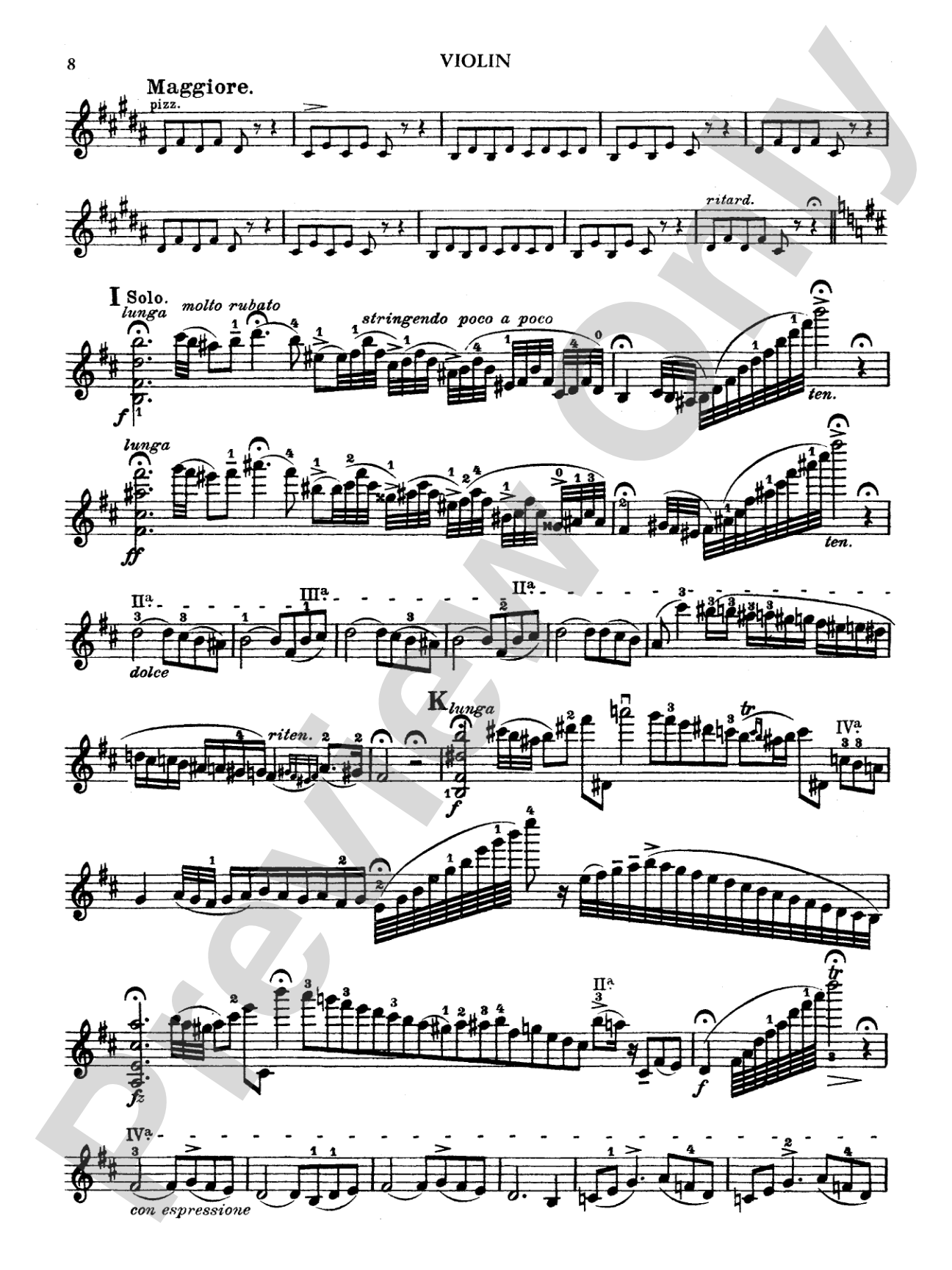
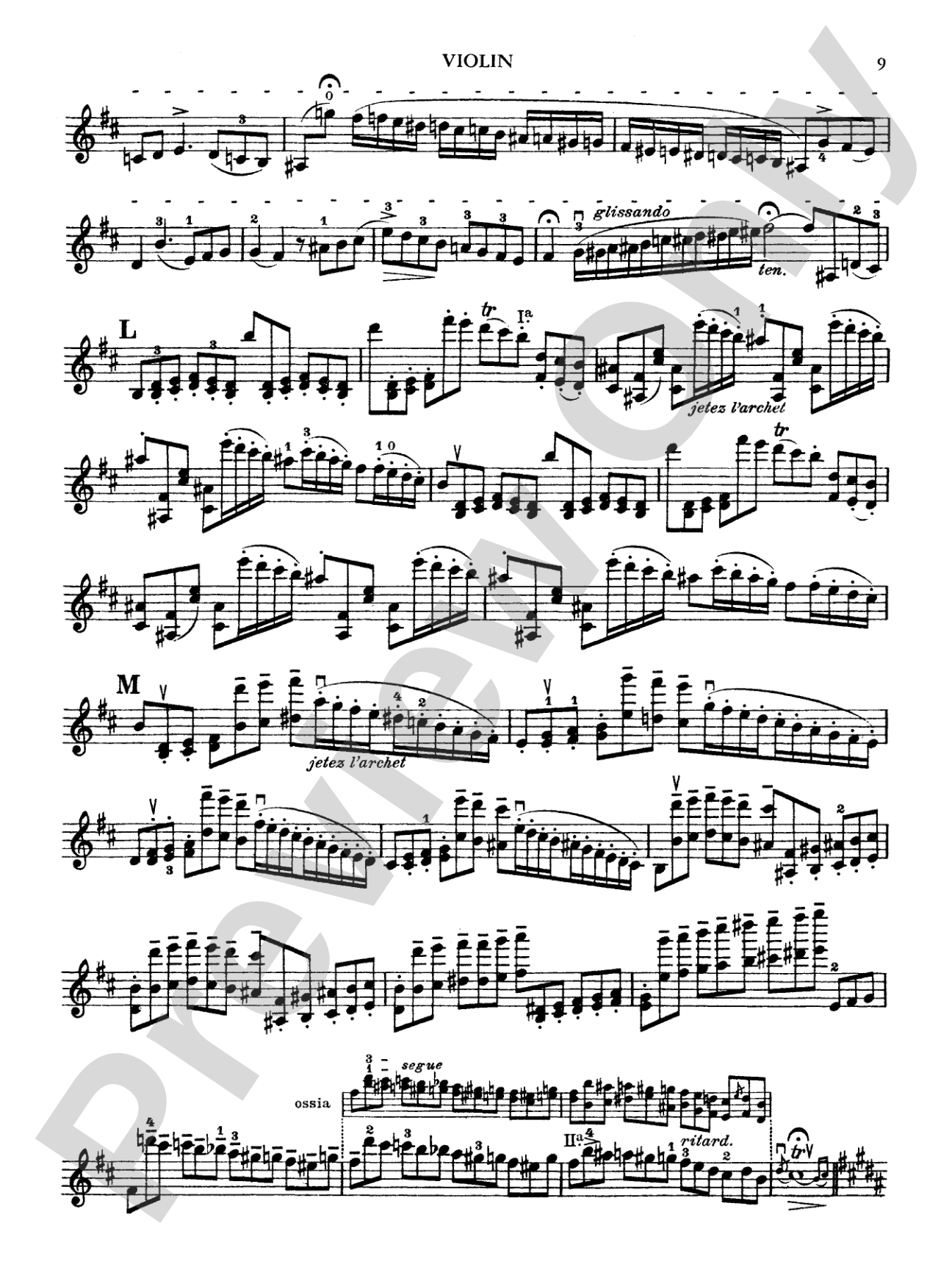
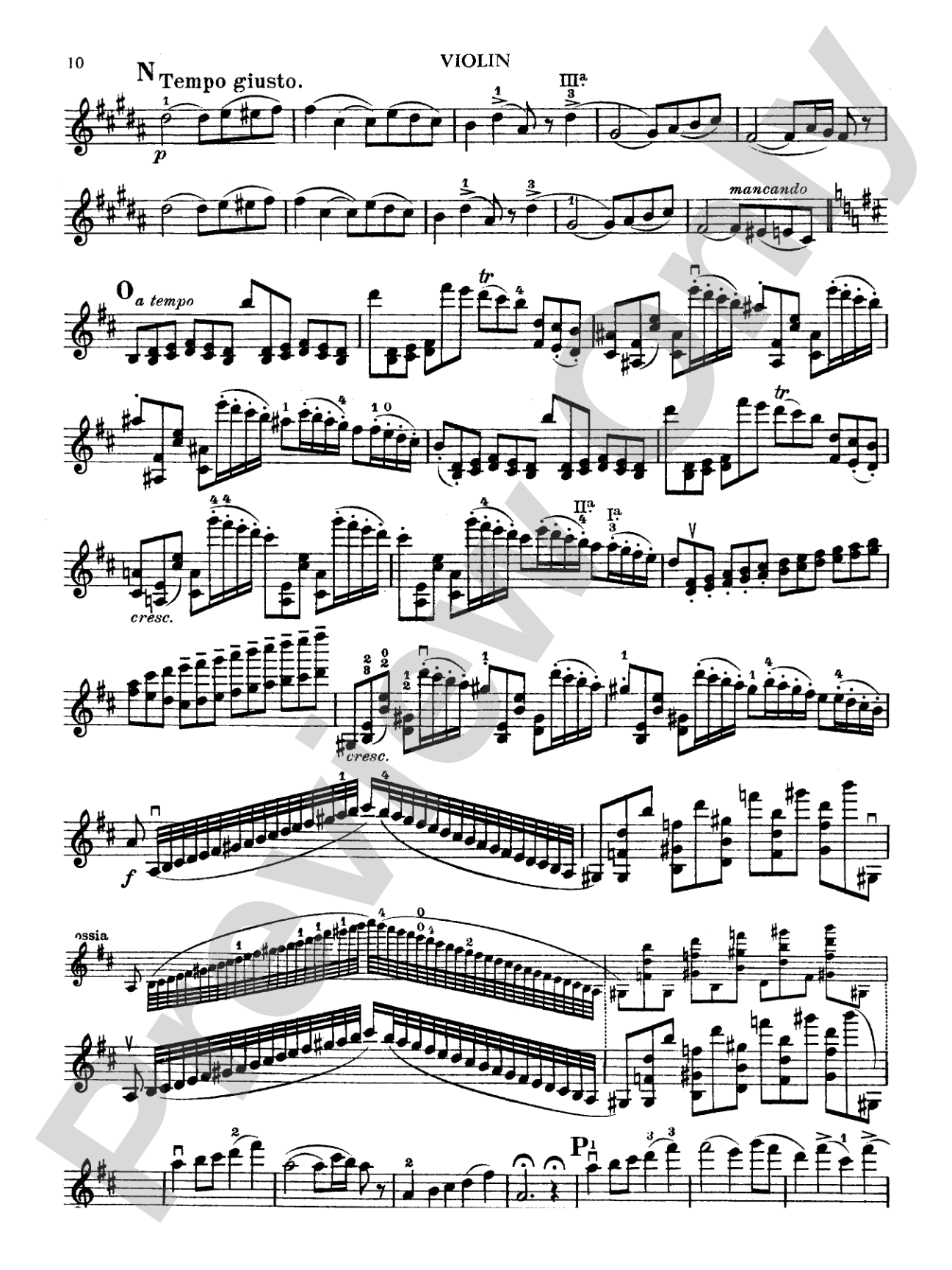
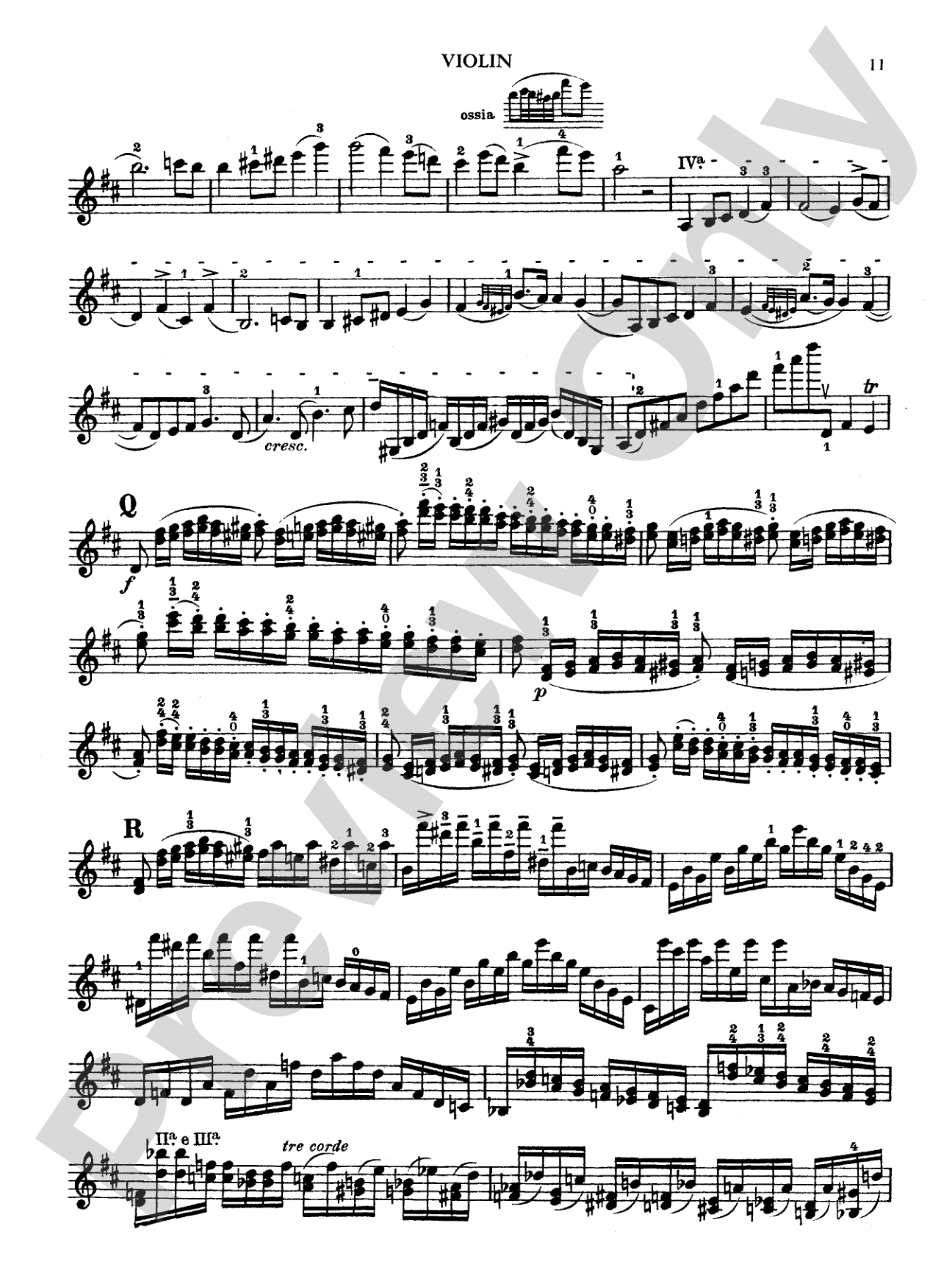
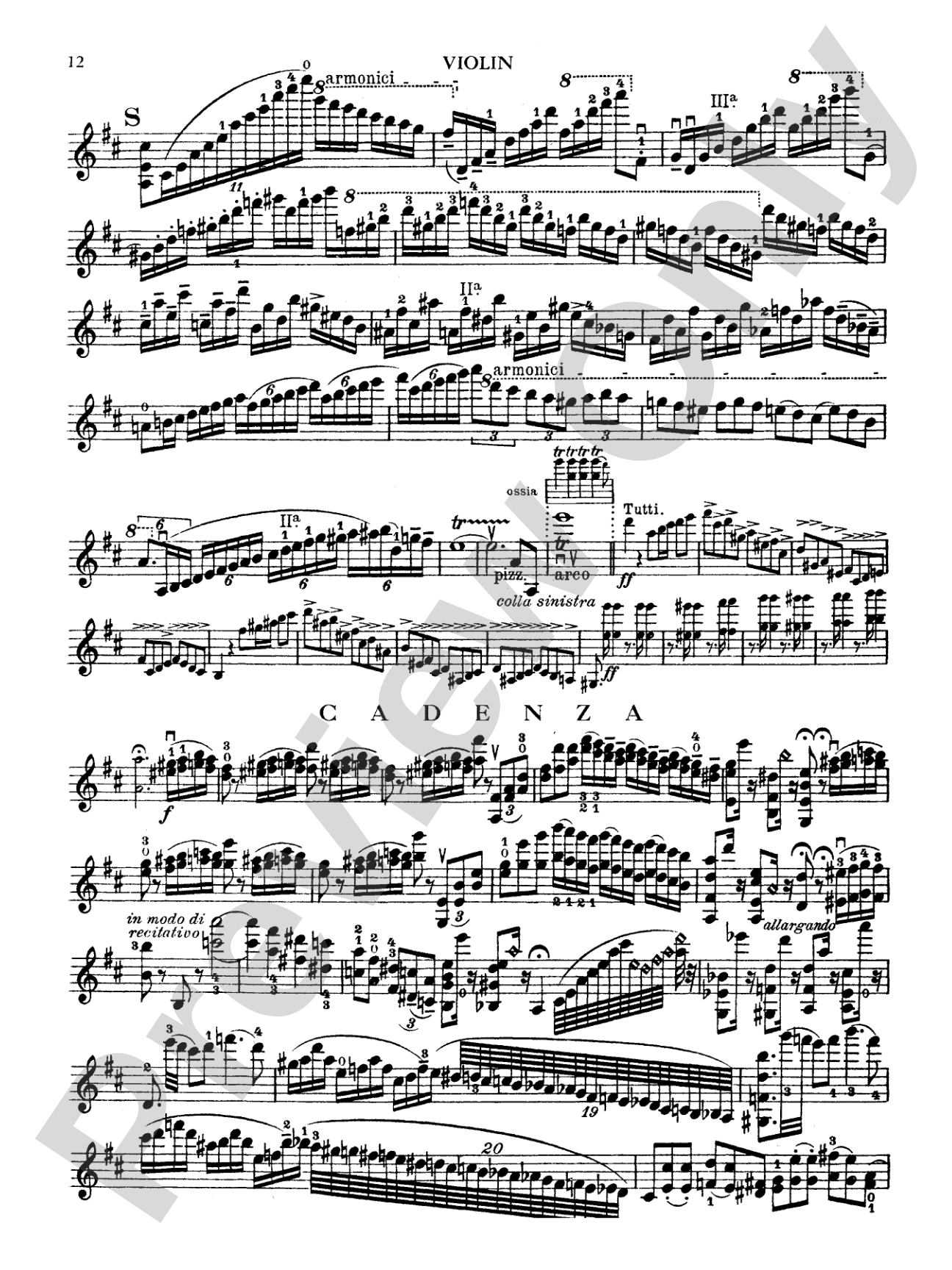
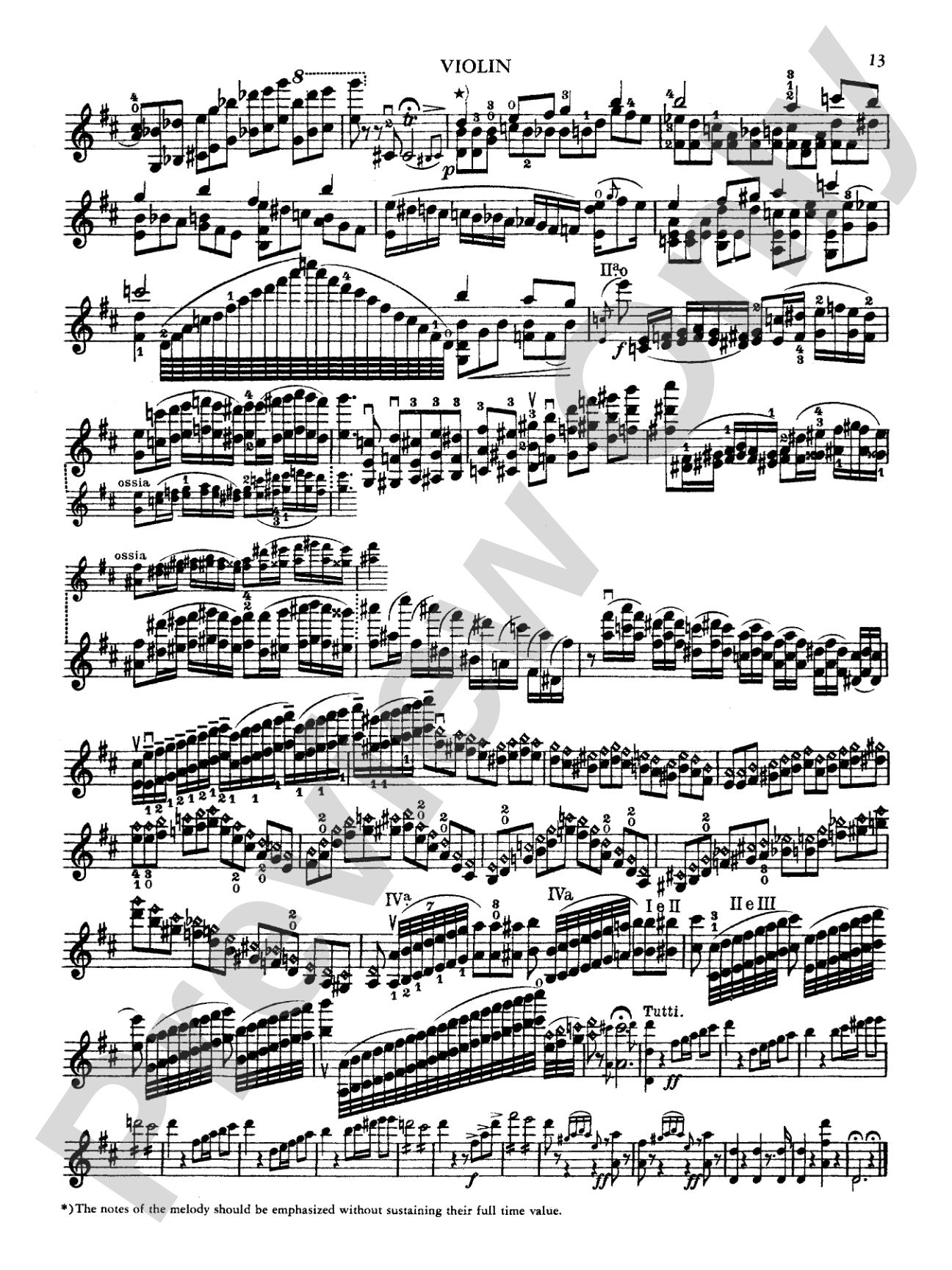
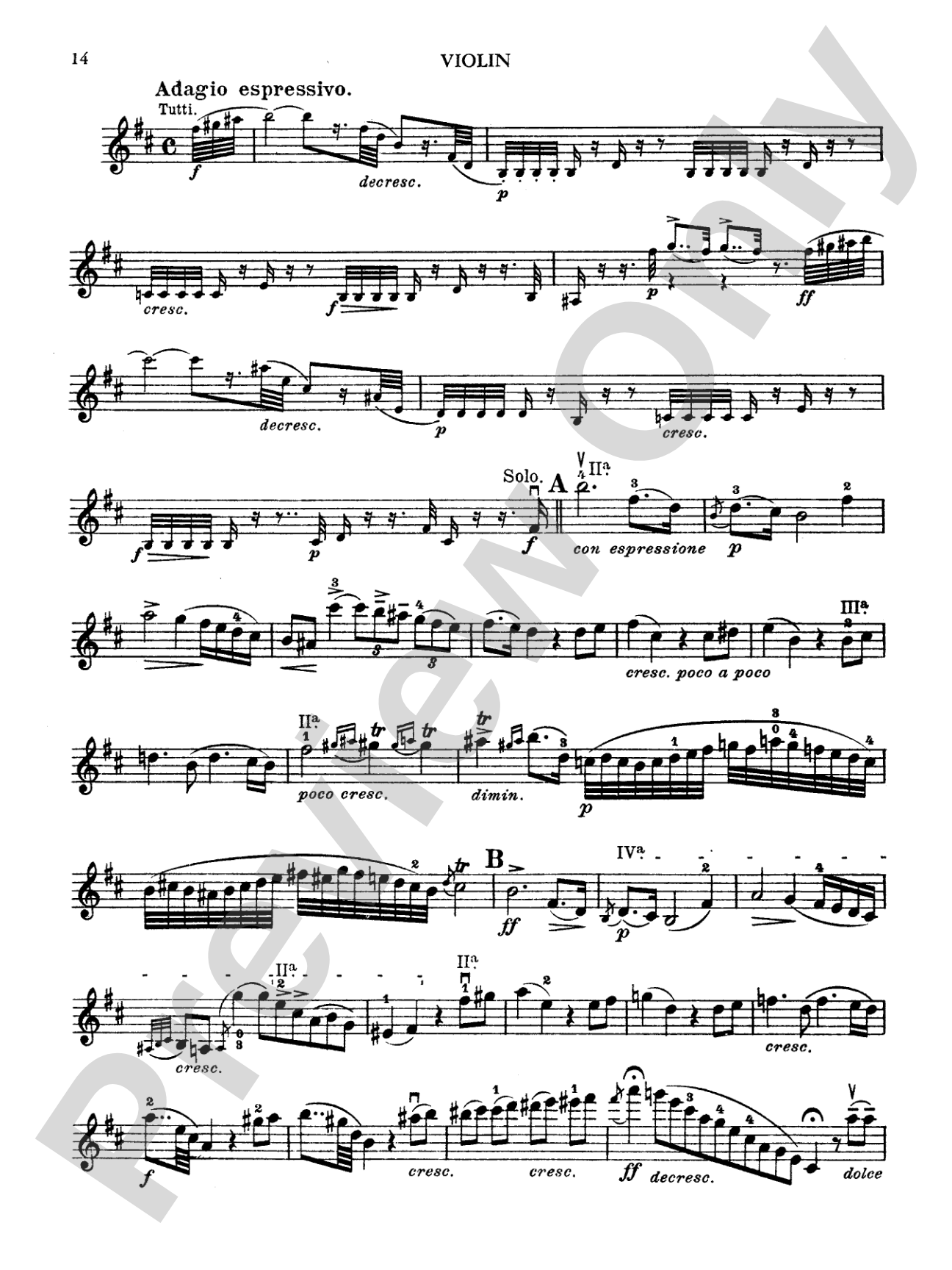
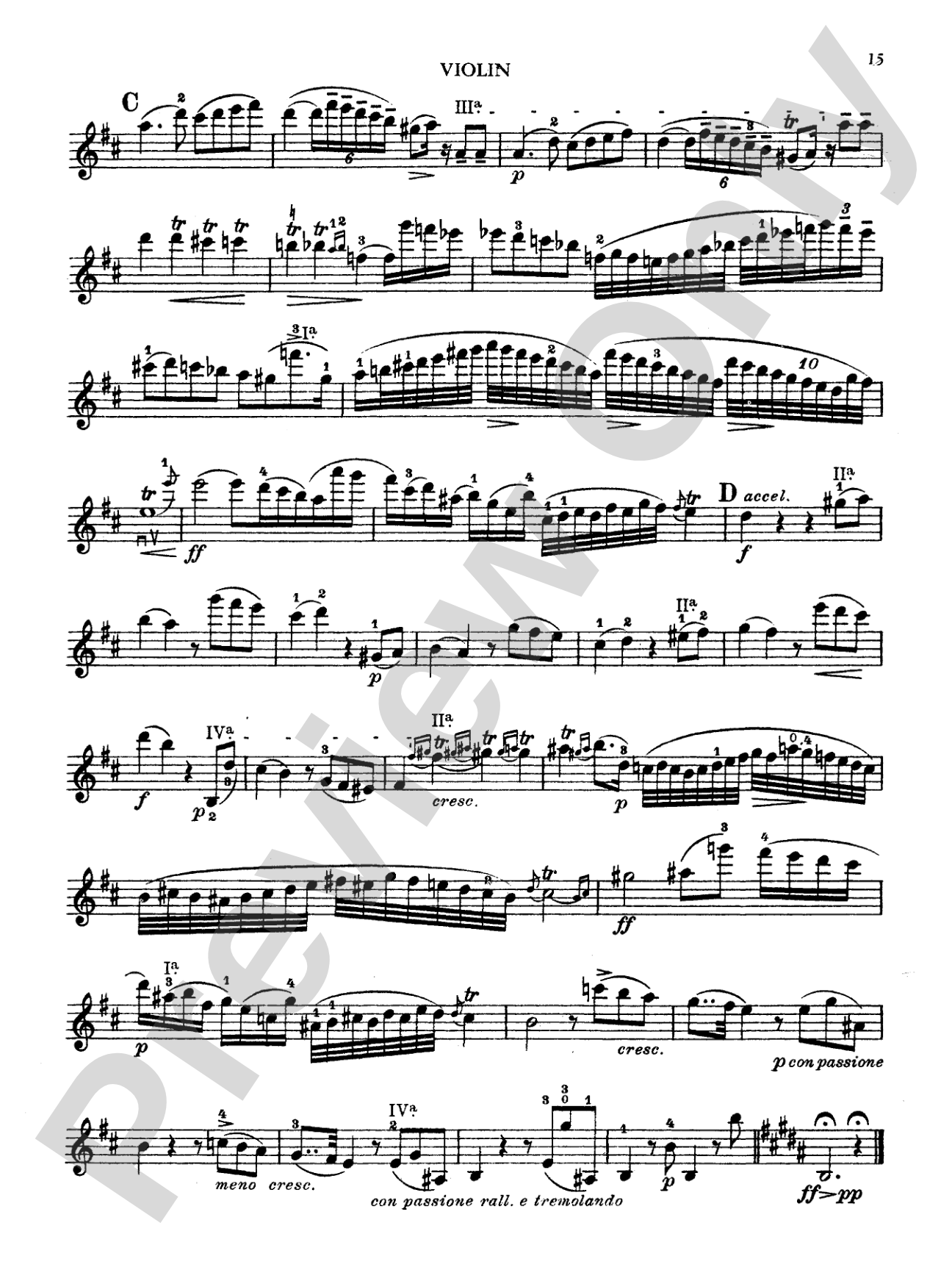
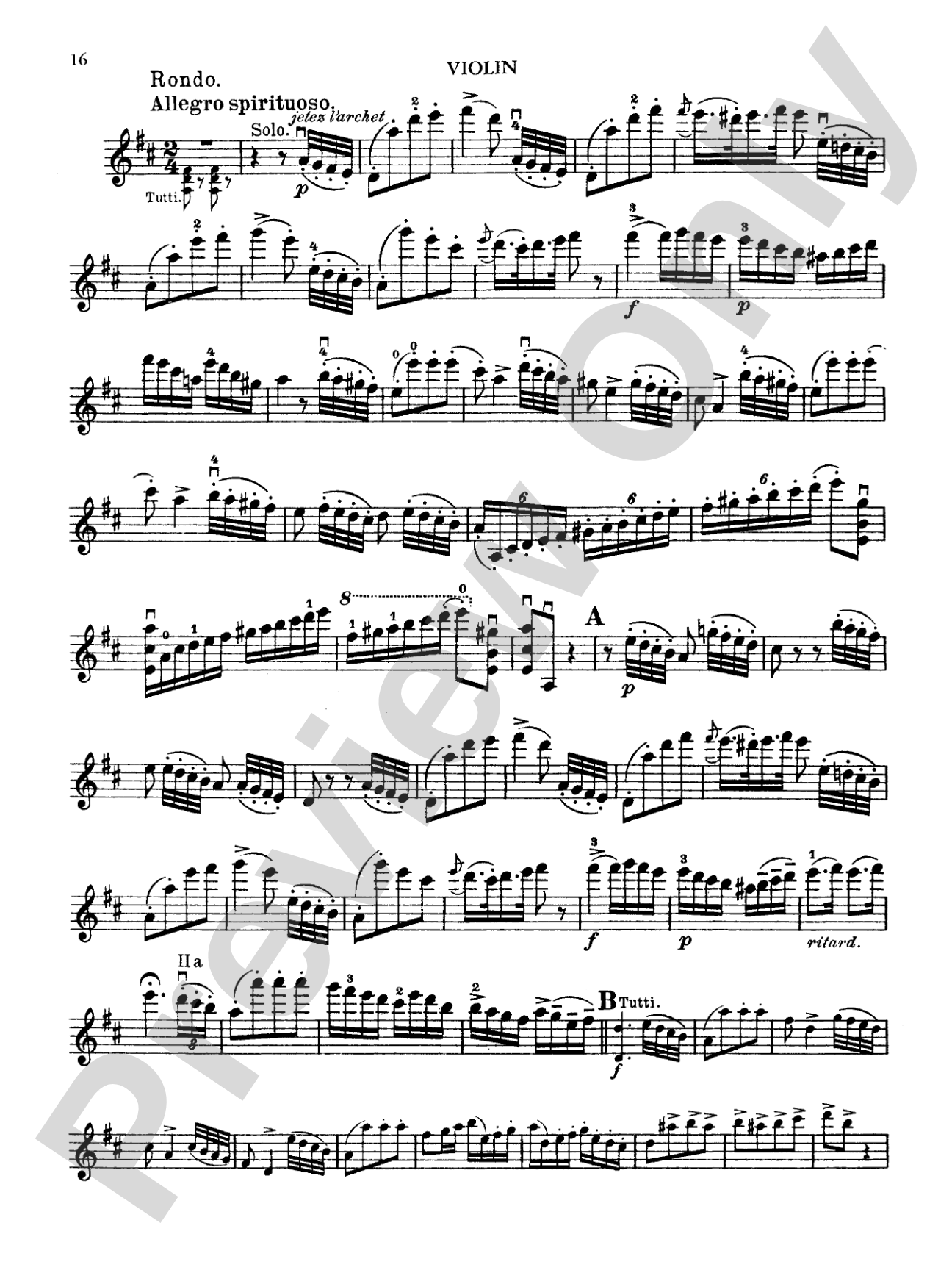
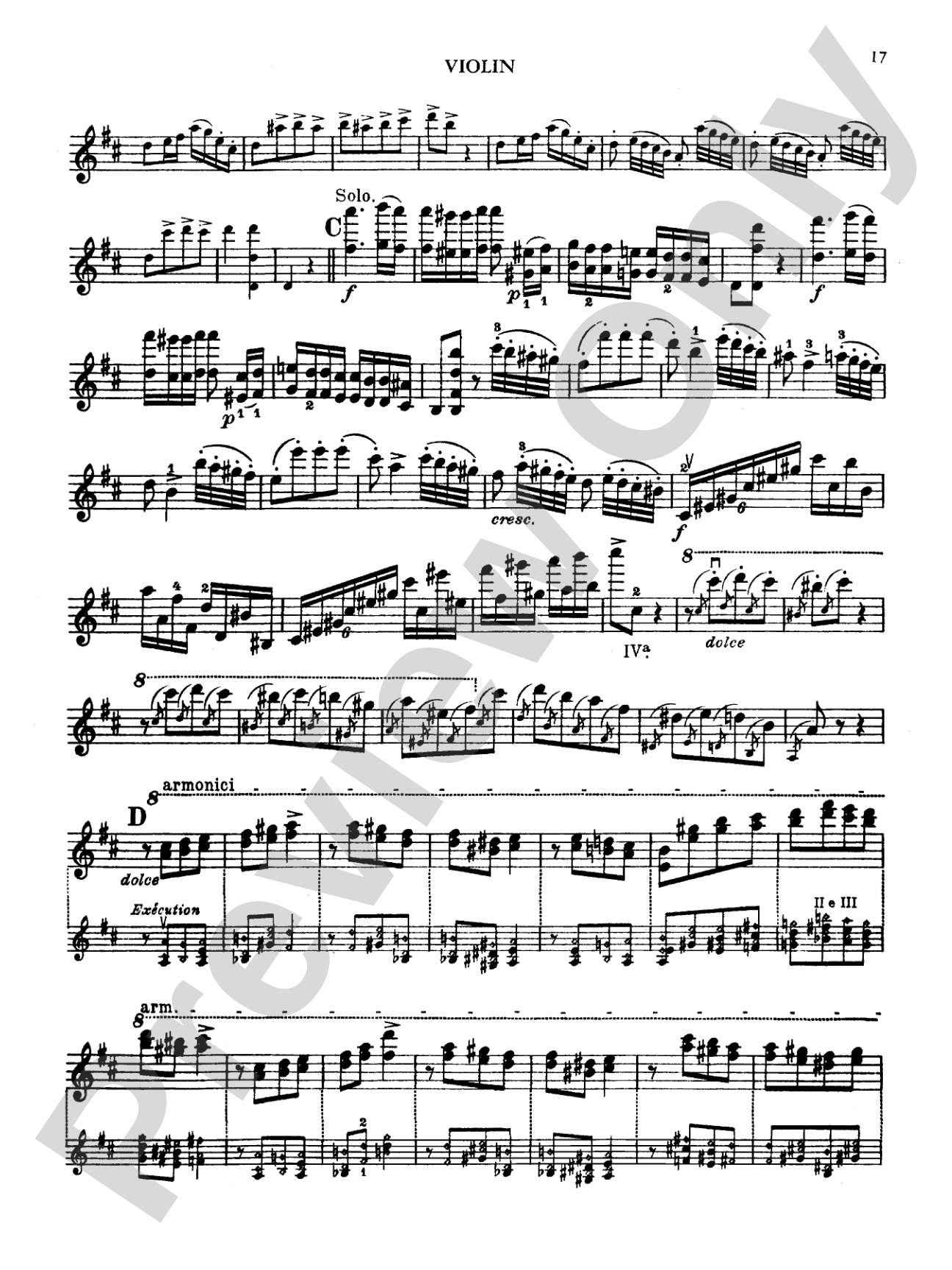
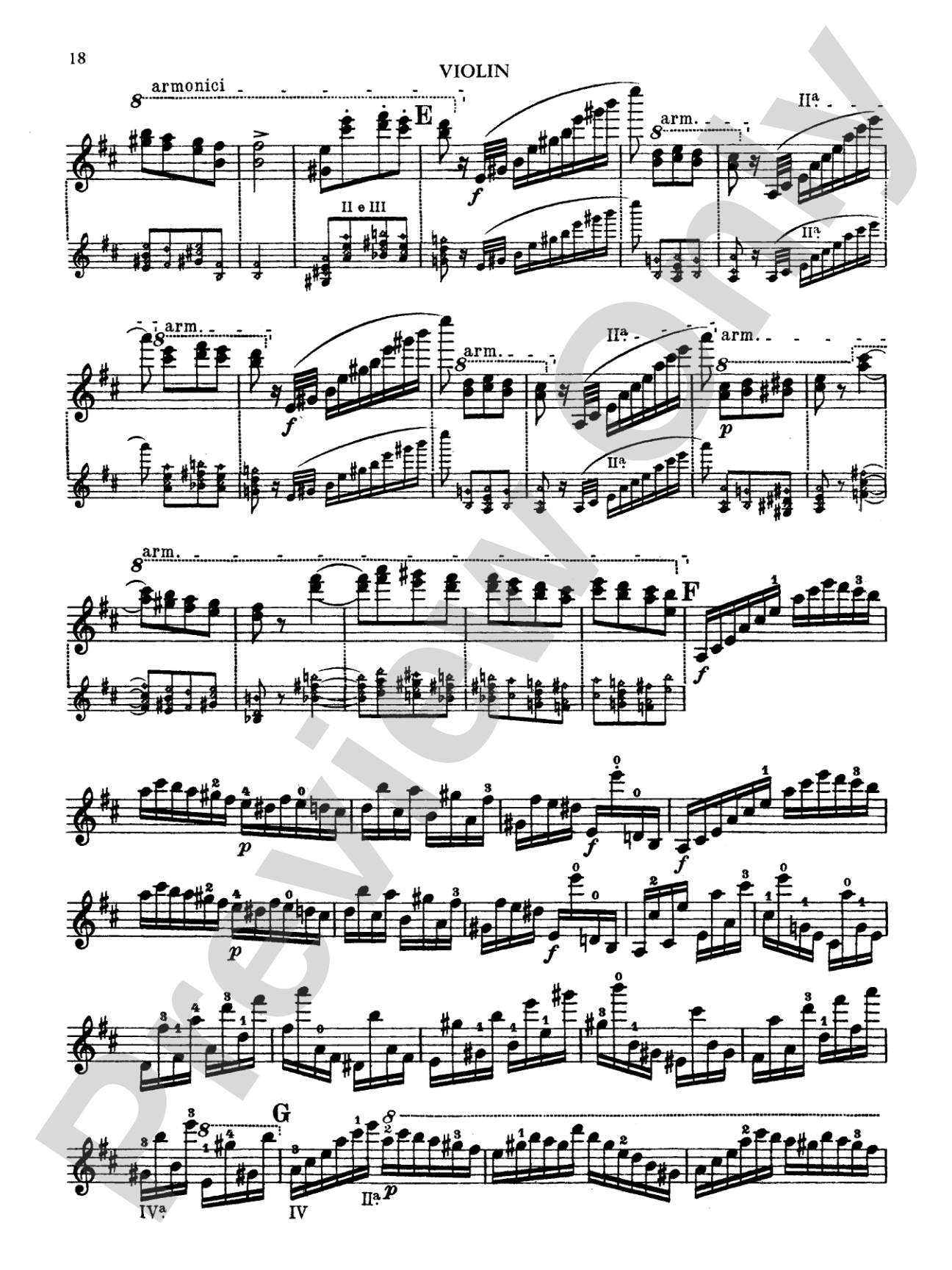
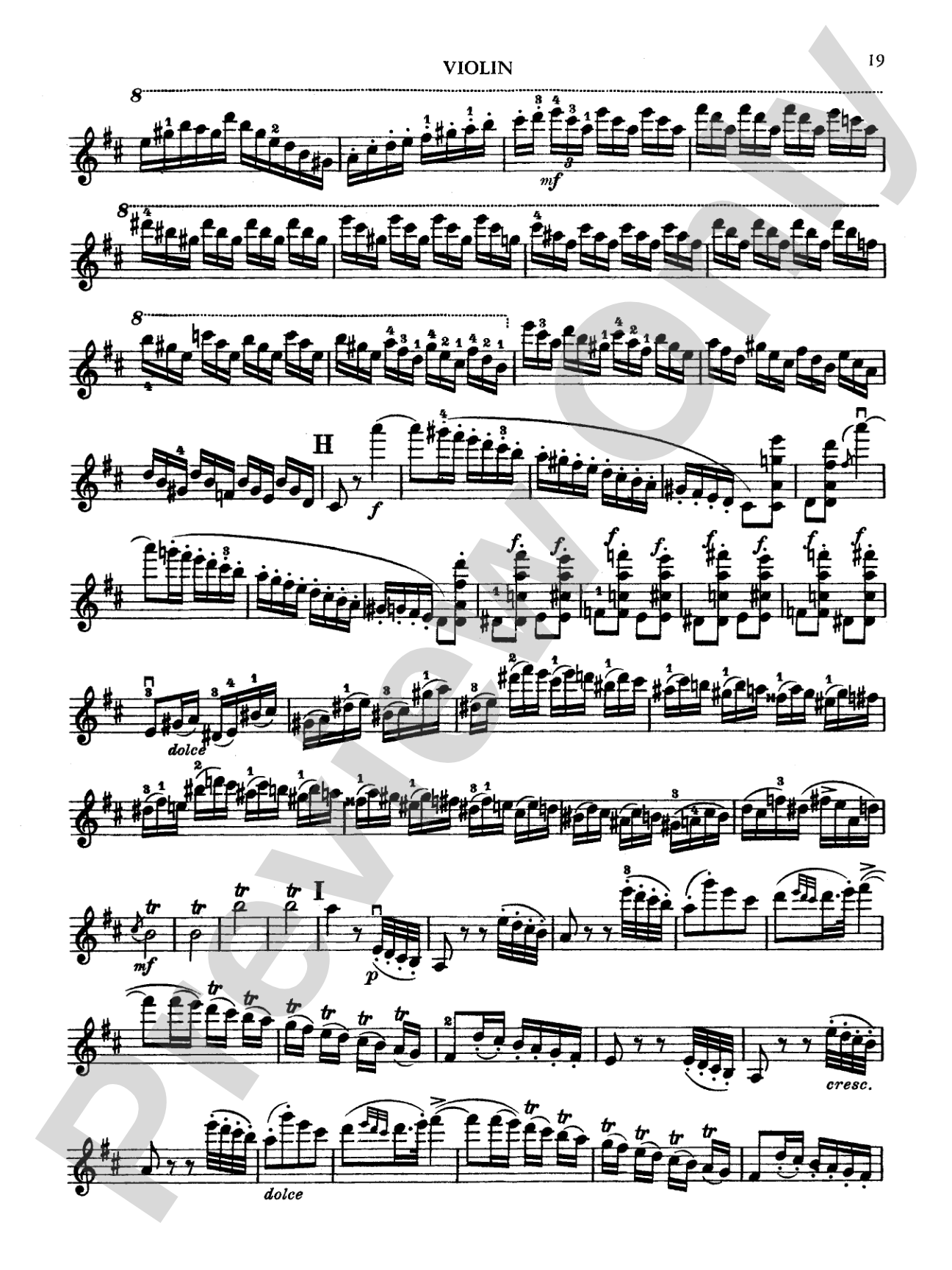
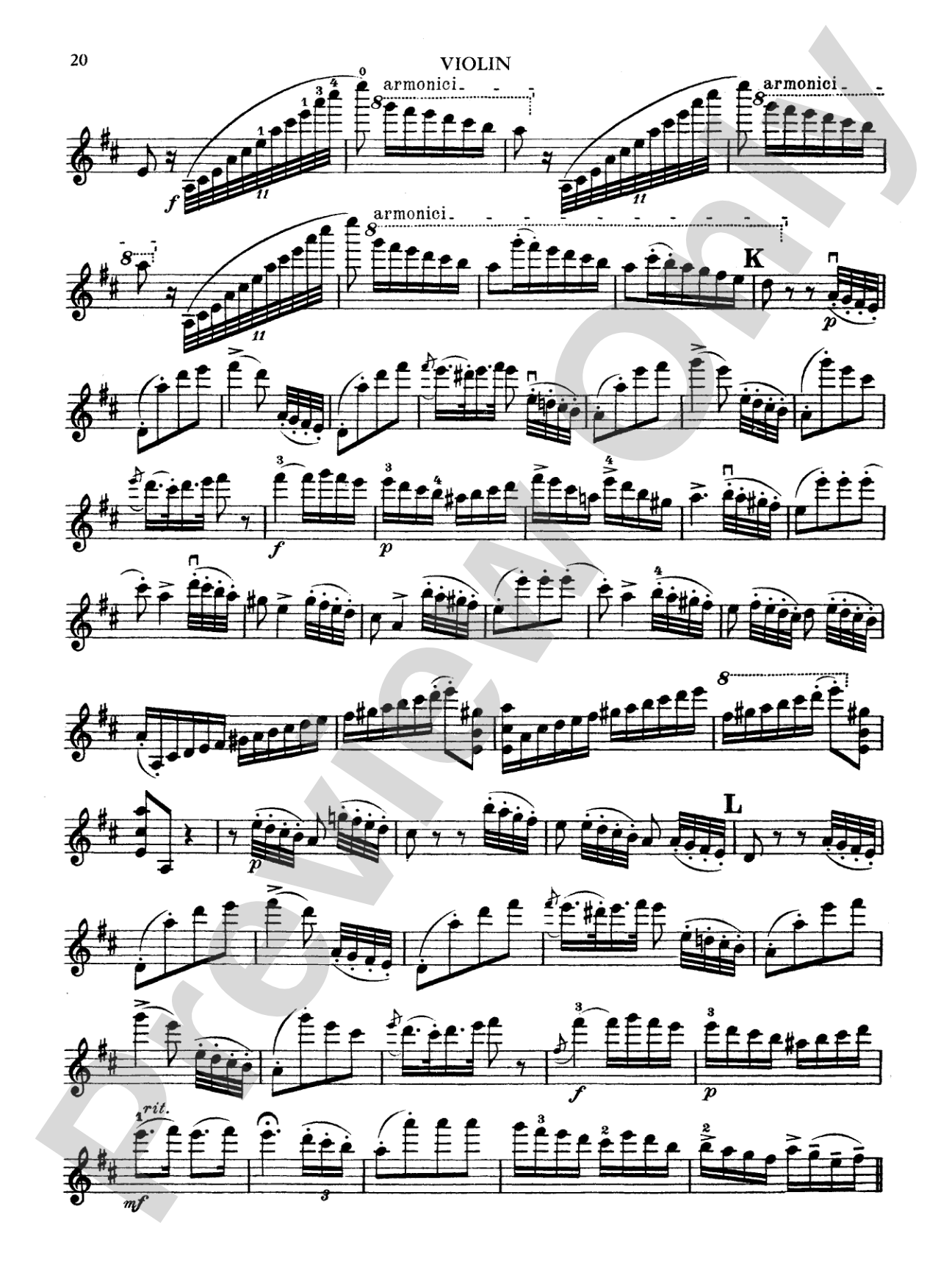
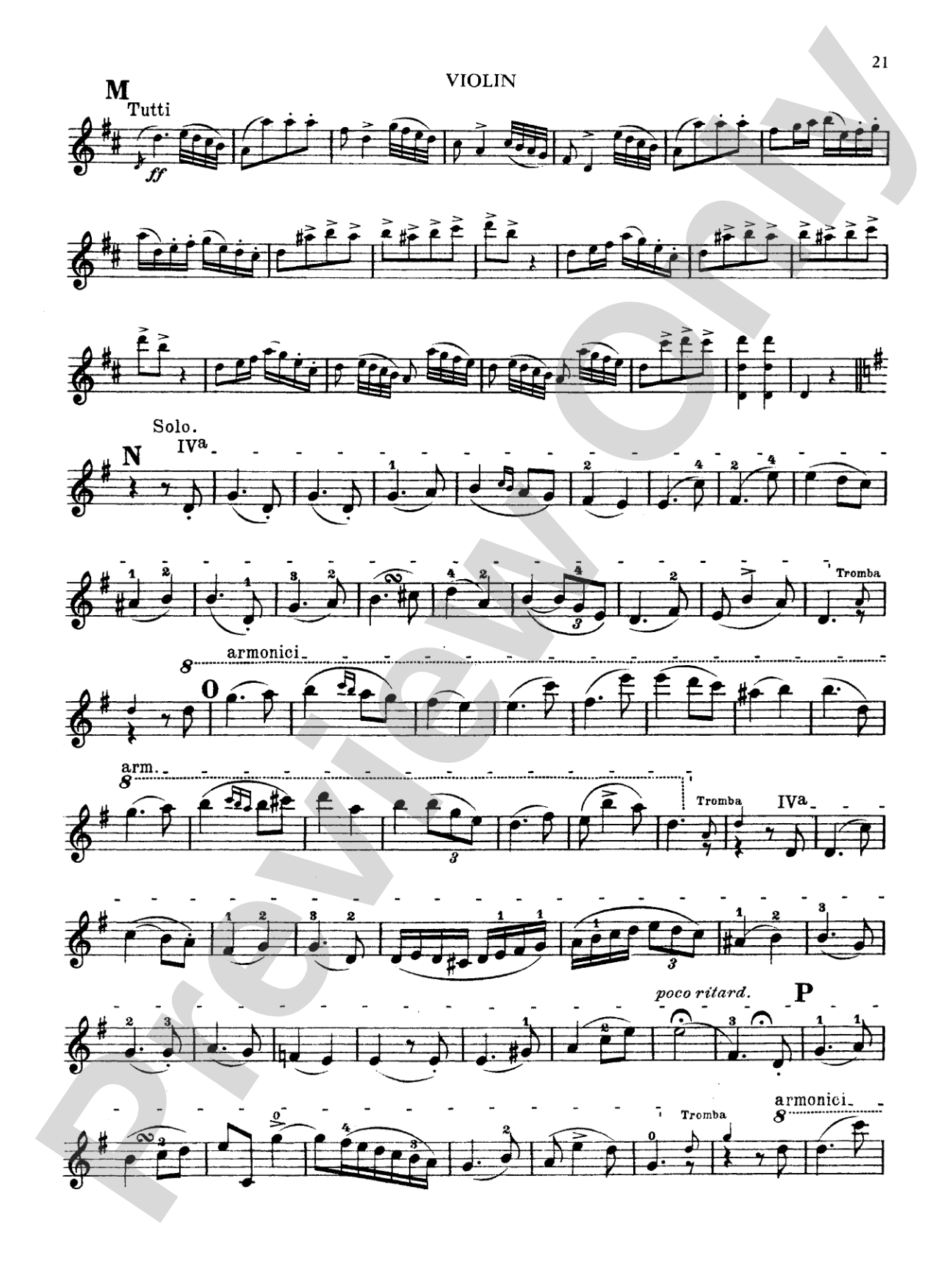
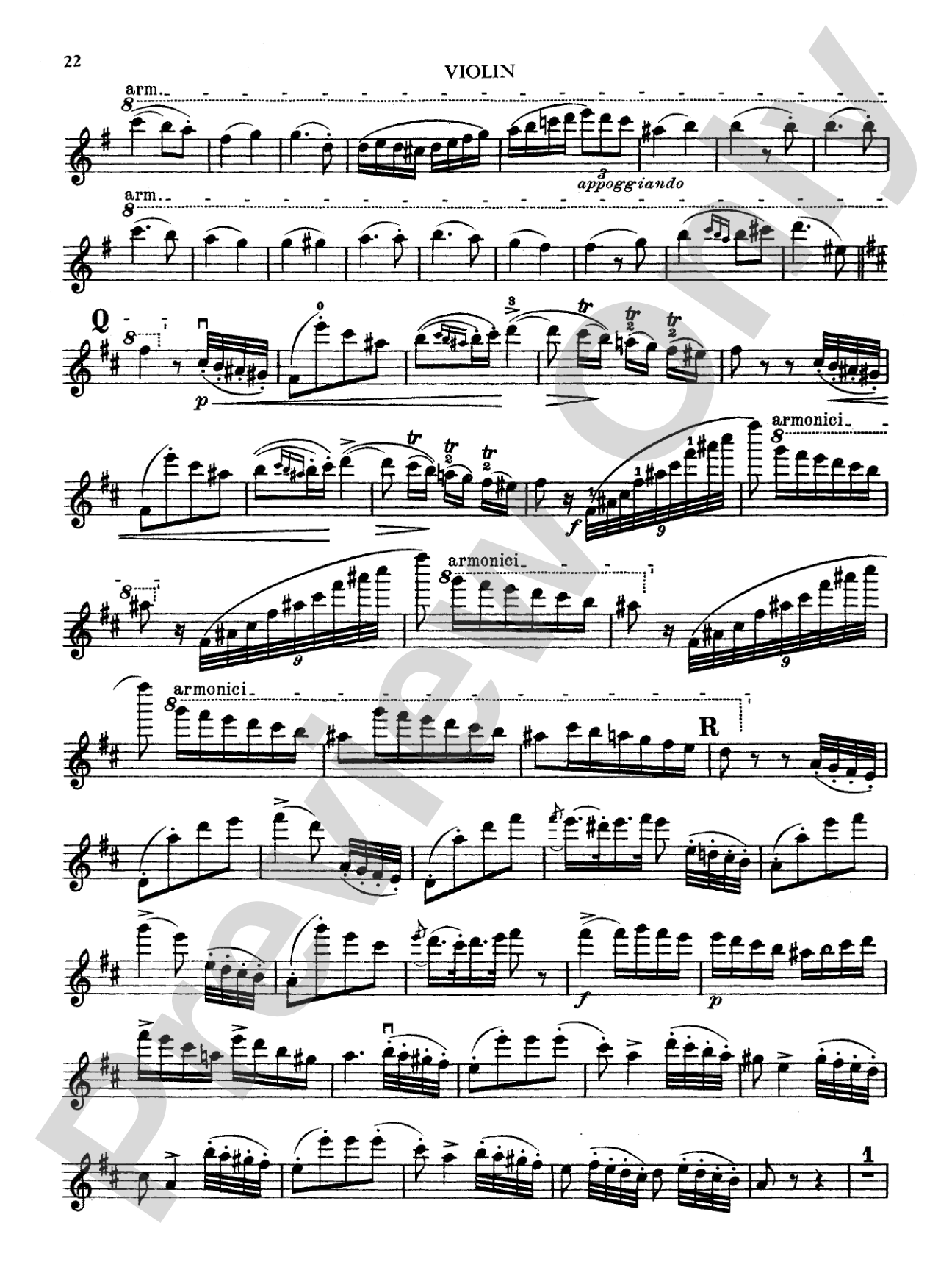
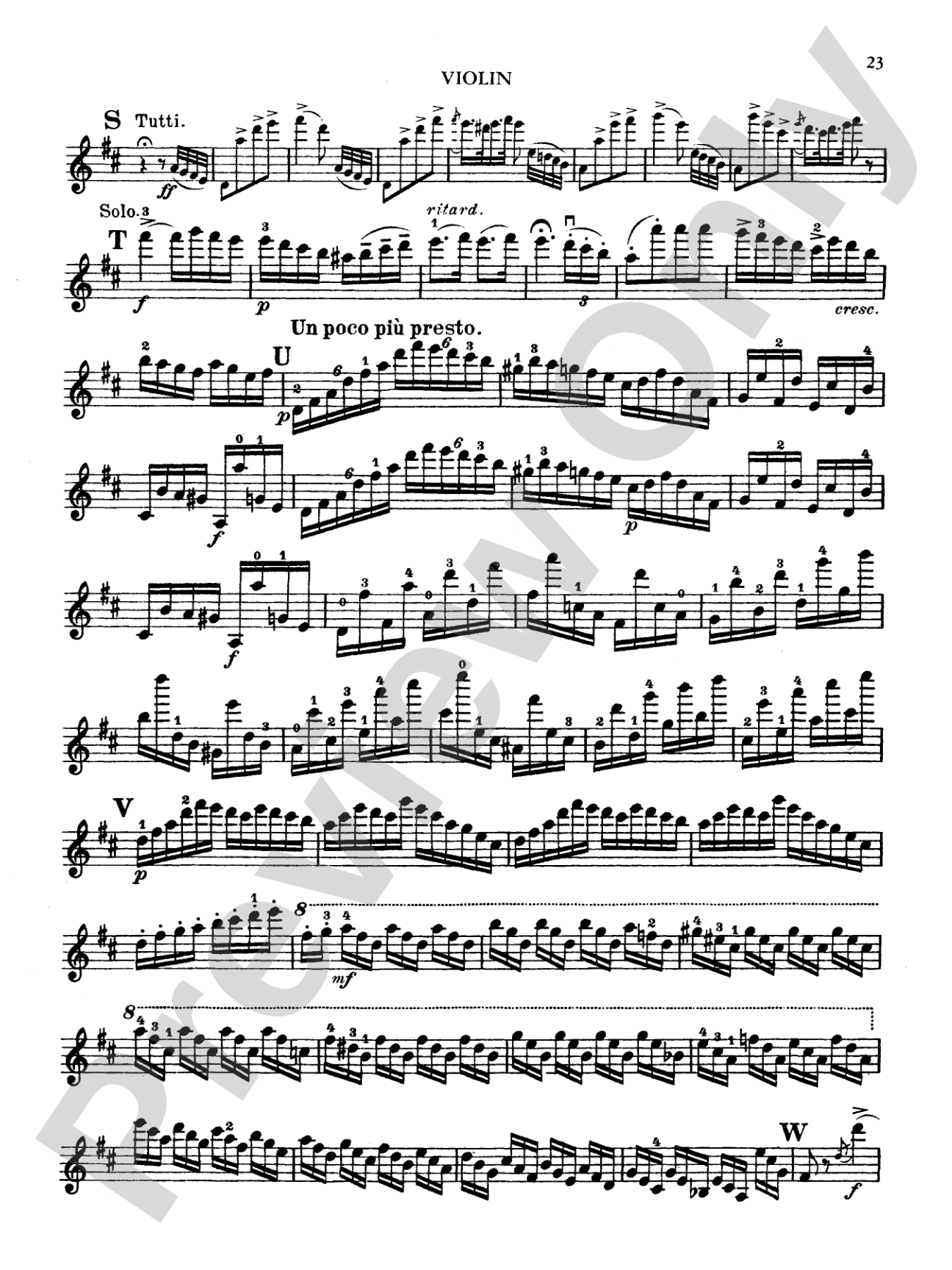
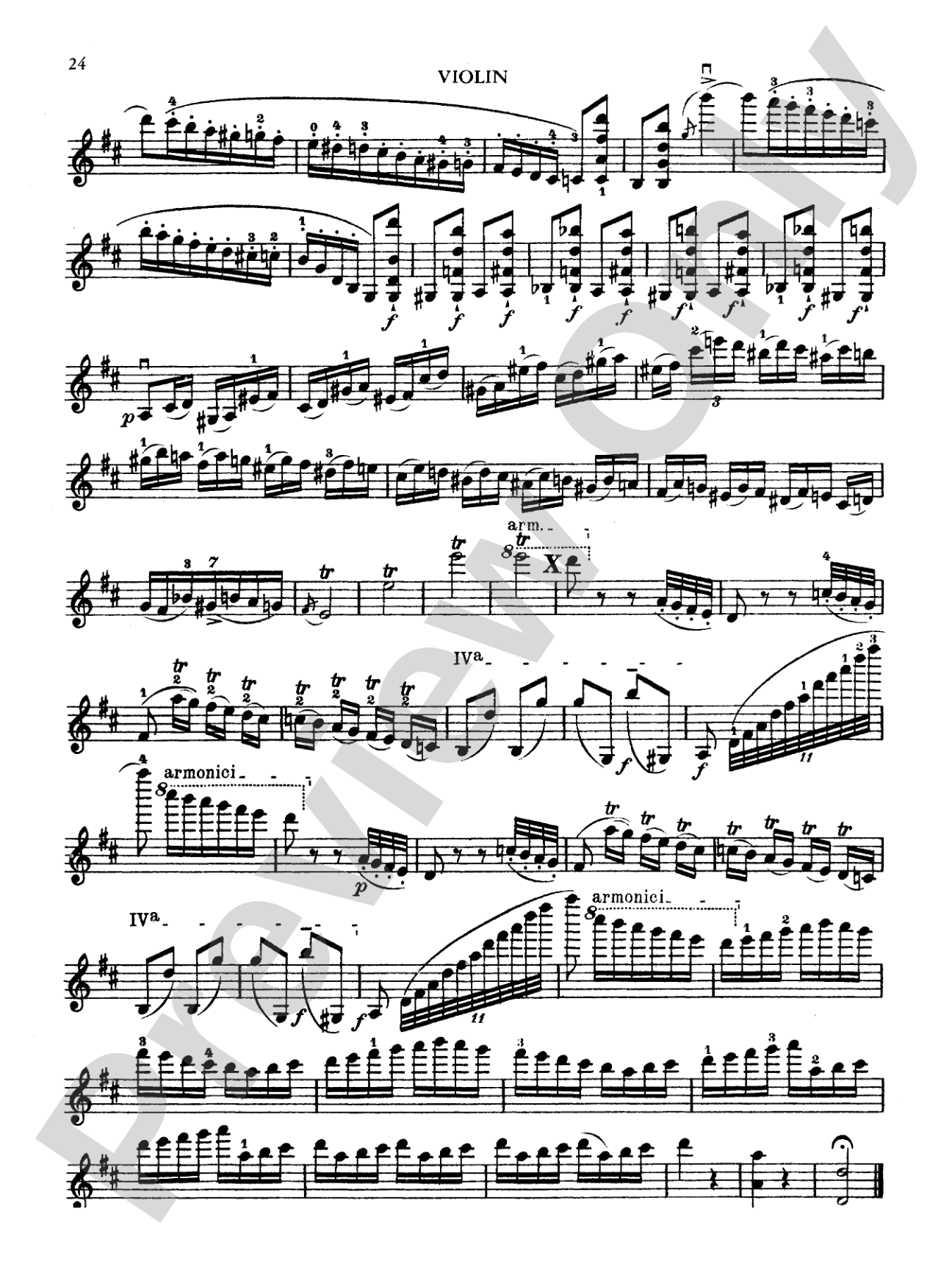

Paganini: Concerto No. 1 in D Major, Op. 6 (Arr. Carl Flesch): Violin Book
By Niccolò Paganini / arr. Carl Flesch
Item: 00-PK-0003273

$14.95
Pickup currently not available
Buy Extra Parts (Digital PDF Download)
| Product | Price | Quantity |
|---|---|---|
| Paganini: Concerto No. 1 in D Major, Op. 6 (Arr. Carl Flesch) | $6.95 | |
| Paganini: Concerto No. 1 in D Major, Op. 6 (Arr. Carl Flesch) | $6.95 |
Parts Added to Cart!
Related Items
Concerto No. 1, Opus 6: Violin Book |
$14.95
|
View |
Description
A Violin solo with Piano Accompaniment composed by Niccolò Paganini and arranged by Carl Flesch.


Don't just read it, hear it, play along with it, and watch your students grow with it. In MakeMusic Cloud, Paganini: Concerto No. 1 in D Major, Op. 6 (Arr. Carl Flesch): Violin Book comes alive with professional accompaniment, adjustable tempo, and built-in practice tools that turn solo practice into real progress.
Open in the Player
Jump straight in and assign it today.
Start Your Free Trial
Open this title and explore the full library in minutes.
Sample Audio
No sample audio found.
Sample Video
No sample videos found.
Additional Details
Series:
Kalmus Edition
Publisher:
Alfred Music
Page Count:
68
SKU:
00-PK-0003273
More about this title
About the Composer: Niccolò Paganini
Niccolò Paganini (1782-1840) was an Italian violinist and composer who fundamentally expanded the technical and expressive possibilities of the instrument. His virtuosic writing emerged from his own extraordinary abilities as a performer, and his concertos and caprices became benchmarks for violin mastery that remain unmatched in their demands.
Paganini's influence on violin pedagogy is immeasurable. Teachers and soloists have long used his works to develop facility, intonation control, and interpretive maturity. The Concerto No. 1 in D Major stands as one of his most performed works, offering both the technical challenges and the lyrical passages that define his compositional voice.
Why we love this
This Flesch arrangement makes one of the Romantic era's most important concertos genuinely accessible for advanced violinists preparing for competitions and festivals. The editing and fingering guidance from a master pedagogue removes interpretive guesswork while leaving the music's inherent drama and brilliance intact. Programming this signals serious artistic intent while honoring repertoire that has shaped violin playing for nearly two centuries.
What to expect
Paganini's writing captures the Romantic impulse toward individual virtuosity and emotional expression in a single gesture. The opening melody sings with operatic warmth before transforming into flights of rapid figuration that feel both technically daunting and musically purposeful, creating an arc that moves from lyrical intimacy to public brilliance.
Who it's for
This concerto suits advanced violinists preparing repertoire for competitions, festival performances, or recital programs where substantial technical and musical maturity is expected. It works equally well for conservatory students refining their interpretive voice and serious amateur violinists seeking to engage with canonical solo literature.
How to get the most out of it
- Shape the opening D Major theme with a singing tone that establishes the melodic authority of the piece before virtuosic passagework takes over; clarity of phrasing in this material sets up expectations for the entire concerto.
- Balance technical precision in rapid figures with harmonic direction, particularly in cadenza-like sections where notes per se matter less than the phrase architecture they create.
- Work with your accompanist to establish consistent tempos and breathing room around the solo writing; the piano part grounds the harmonic foundation that allows your passagework to read as music rather than merely display.
- Attend carefully to intonation in sustained or repeated pitches that appear amid faster runs; the ear's tendency to flatten slightly becomes more noticeable when the violin is the sole melodic voice.
How to use it
Feature this as a centerpiece concerto in a solo recital or concerto competition, where its span of technical and interpretive demands will showcase an advanced performer's full range. The D Major tonality and Romantic aesthetic also pair naturally with other 19th-century violin works or with contemporary pieces that respond to the virtuosic tradition Paganini established.
Skills your students will build
- Sustained melodic playing with tonal control across longer phrases
- Rapid passagework and scalar facility across the full fingerboard
- Intonation accuracy in technical figures and in sustained or repeated pitches
- Interpretation of Romantic-era compositional language and virtuosic text
- Musical communication of contrast between lyrical and brilliant material
- Collaborative balance with piano accompaniment in a concert setting