

Pachelbel: Selected Organ Works, Volume IV
By Johann Pachelbel
Item: 00-PC-0008861
$1.99
Pickup currently not available
Description
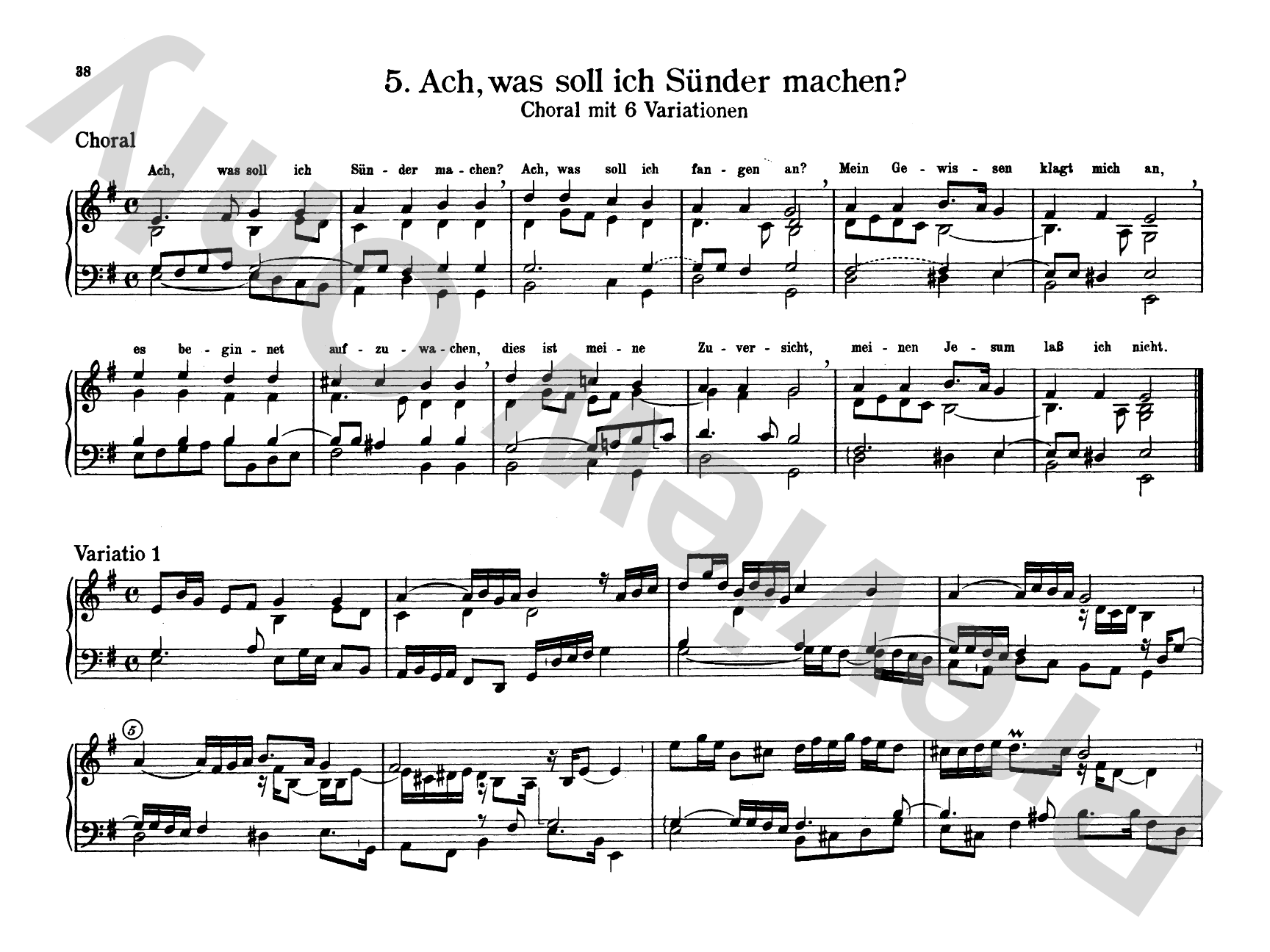
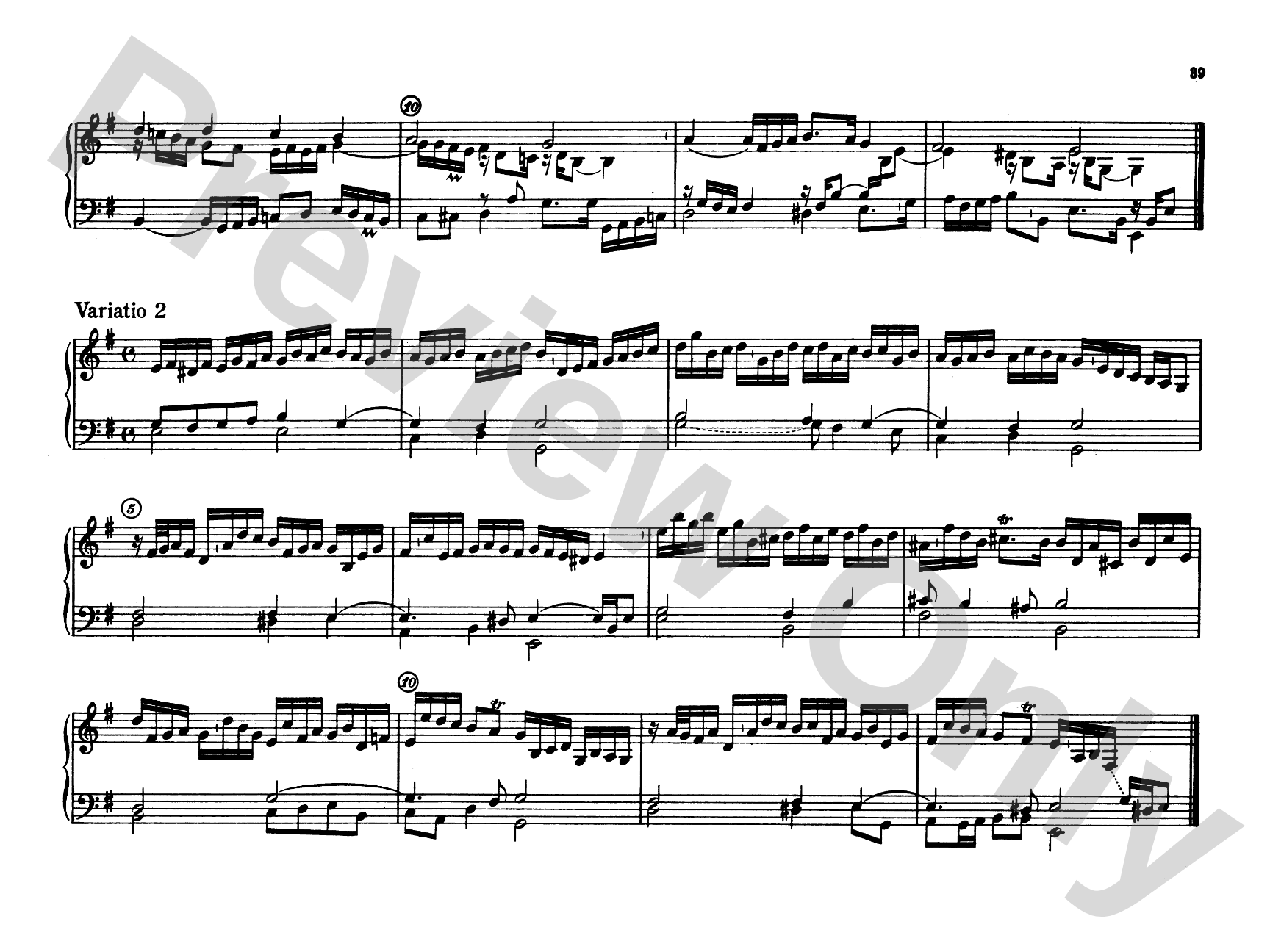
Seven Chorale Partitas. The comb binding creates a lay-flat book that is perfect for study and performance.


Don't just read it, hear it, play along with it, and watch your students grow with it. In MakeMusic Cloud, Pachelbel: Selected Organ Works, Volume IV comes alive with professional accompaniment, adjustable tempo, and built-in practice tools that turn solo practice into real progress.
Open in the Player
Jump straight in and assign it today.
Start Your Free Trial
Open this title and explore the full library in minutes.
Sample Audio
No sample audio found.
Sample Video
No sample videos found.
Additional Details
Series:
Kalmus Edition
Publisher:
Alfred Music
Page Count:
56
SKU:
00-PC-0008861
More about this title
About the Composer: Johann Pachelbel
Johann Pachelbel (1653–1706) was a central figure in establishing the Baroque organ tradition of northern Europe. Working in Erfurt, Stuttgart, and Nuremberg, he developed a distinctive compositional voice that balanced the German organ school's contrapuntal rigor with Italian harmonic sensibility. His keyboard works form the foundation of Baroque pedagogical literature and remain essential repertoire for organists seeking to understand the period's harmonic language and structural clarity.
Pachelbel's influence extended far beyond his lifetime through his students and published works. While his Canon in D overshadows much of his output in popular recognition, his chorale partitas and organ fugues represent sophisticated explorations of variation technique and liturgical music. For music educators, Pachelbel's compositions offer windows into how Baroque composers shaped devotional music and trained keyboard players in both technical facility and musical interpretation.
Why we love this
These seven chorale partitas showcase Pachelbel's gift for elegant variation and structural clarity, qualities that make his music exceptionally rewarding to study and perform. The lay-flat binding design acknowledges what organists need: a book that stays open without page weight, minimal fussing, and immediate access to the music during practice and recital. This volume assembles essential Baroque keyboard literature that deepens an organist's understanding of chorale treatment and the architecture beneath seemingly simple melodies.
What to expect
These partitas radiate Baroque clarity and warmth. Each one unfolds as a series of musical conversations around a familiar chorale melody, allowing both player and listener to appreciate how simple thematic material becomes richer through contrapuntal exchange and harmonic recoloration. The overall effect is meditative yet intellectually engaging, inviting performers and audiences into the mathematical beauty underlying Pachelbel's harmonic language.
Who it's for
Organists preparing for recitals or liturgical performances will find these chorale partitas indispensable. Advanced organ students working toward mastery of Baroque style and variation technique benefit from sustained engagement with Pachelbel's writing. Directors seeking substantive organ repertoire for concerts or worship settings will appreciate the musicality and accessibility of these pieces.
How to get the most out of it
- Treat each variation in the partita as a complete musical thought. Each iteration should have distinct character and registration, even when the harmonic framework remains consistent.
- Pay attention to Pachelbel's implicit articulation and phrasing. Baroque organ writing often leaves these matters to the performer; your choice of legato, detachment, and breath points shapes the music's character.
- Balance the two manual lines with clarity. Pachelbel frequently distributes counterpoint between hands; make sure the listener hears both voices as independent musical statements.
- Choose registrations thoughtfully before you begin each partita. Selecting stops that complement the chorale melody and support the inner voices will strengthen the harmonic progression.
How to use it
Program these partitas in recital settings where sustained keyboard music is valued; they pair naturally with other Baroque organ works or, if excerpted thoughtfully, can anchor a mixed concert of keyboard music from the 17th century. Organists preparing programs for worship can draw individual partitas as interludes or postludes, particularly during seasons where liturgical themes align with the chorale melodies. The variety across seven partitas allows you to build a full recital or program element without repetition.
Skills your students will build
- Variation technique and how chorale material transforms across multiple statements
- Two-part counterpoint and managing independent melodic lines between hands
- Registration choices that support harmonic color and structural clarity
- Baroque phrasing and articulation as tools for musical communication
- Sight-reading Baroque organ notation and baroque pitch conventions