

Pachelbel: Selected Organ Works, Volume III: Organ Comb Bound Book
By Johann Pachelbel
Item: 00-PK-0003271

$16.99
Pickup currently not available
Buy Extra Parts (Digital PDF Download)
Parts Added to Cart!
Related Items
Selected Organ Works, Volume III: Organ Comb Bound Book |
$16.95
|
View |
Description
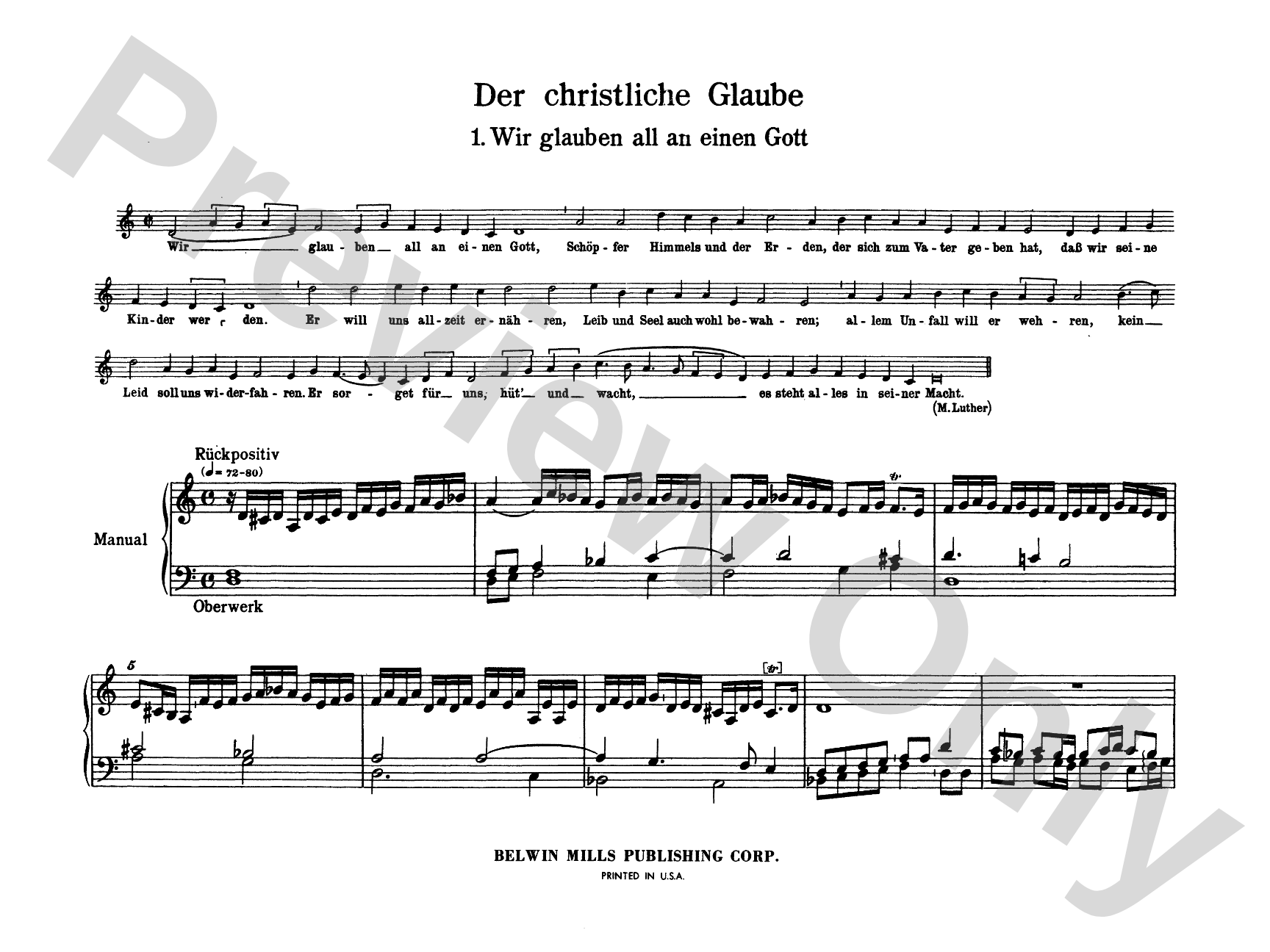
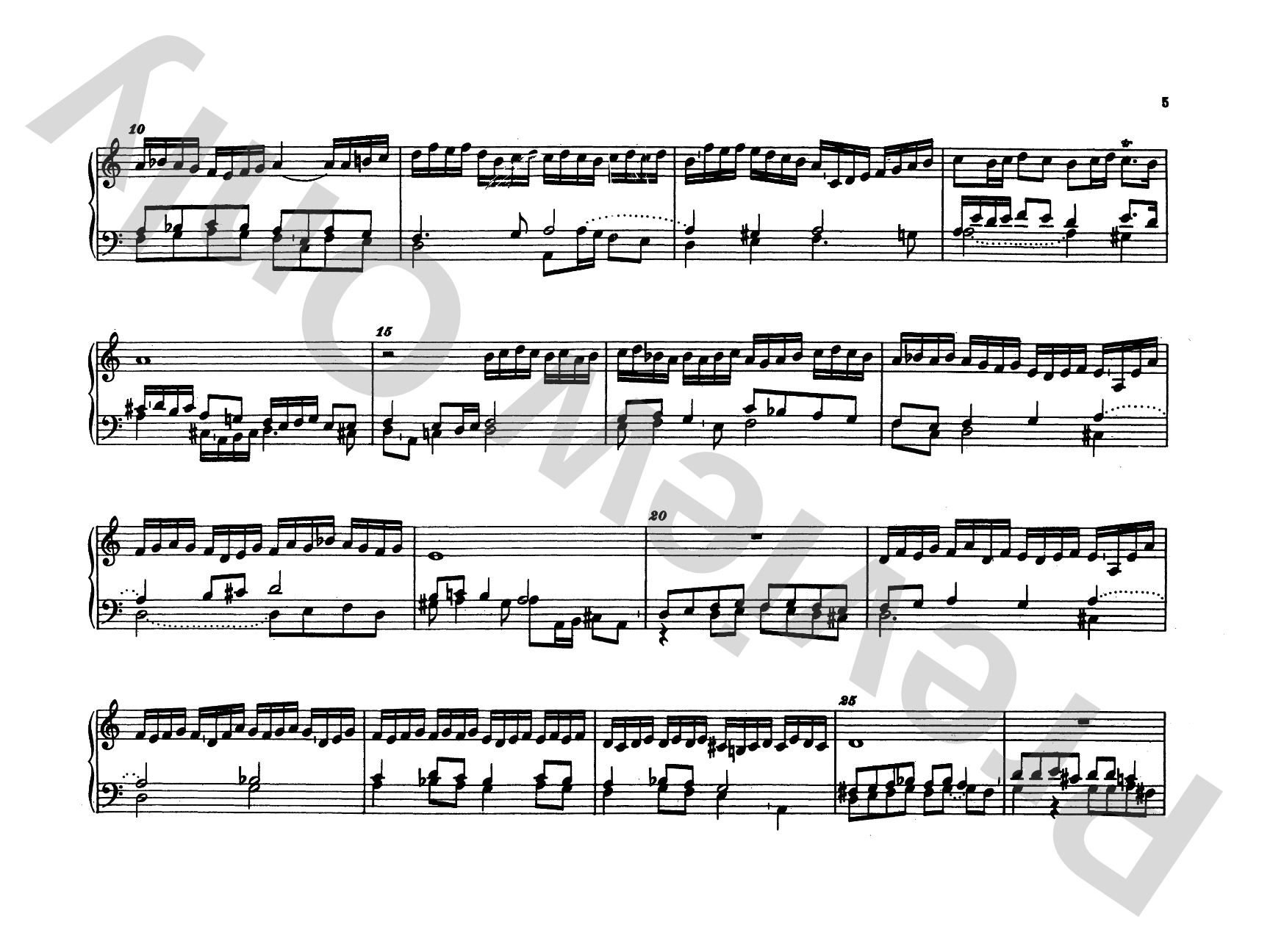
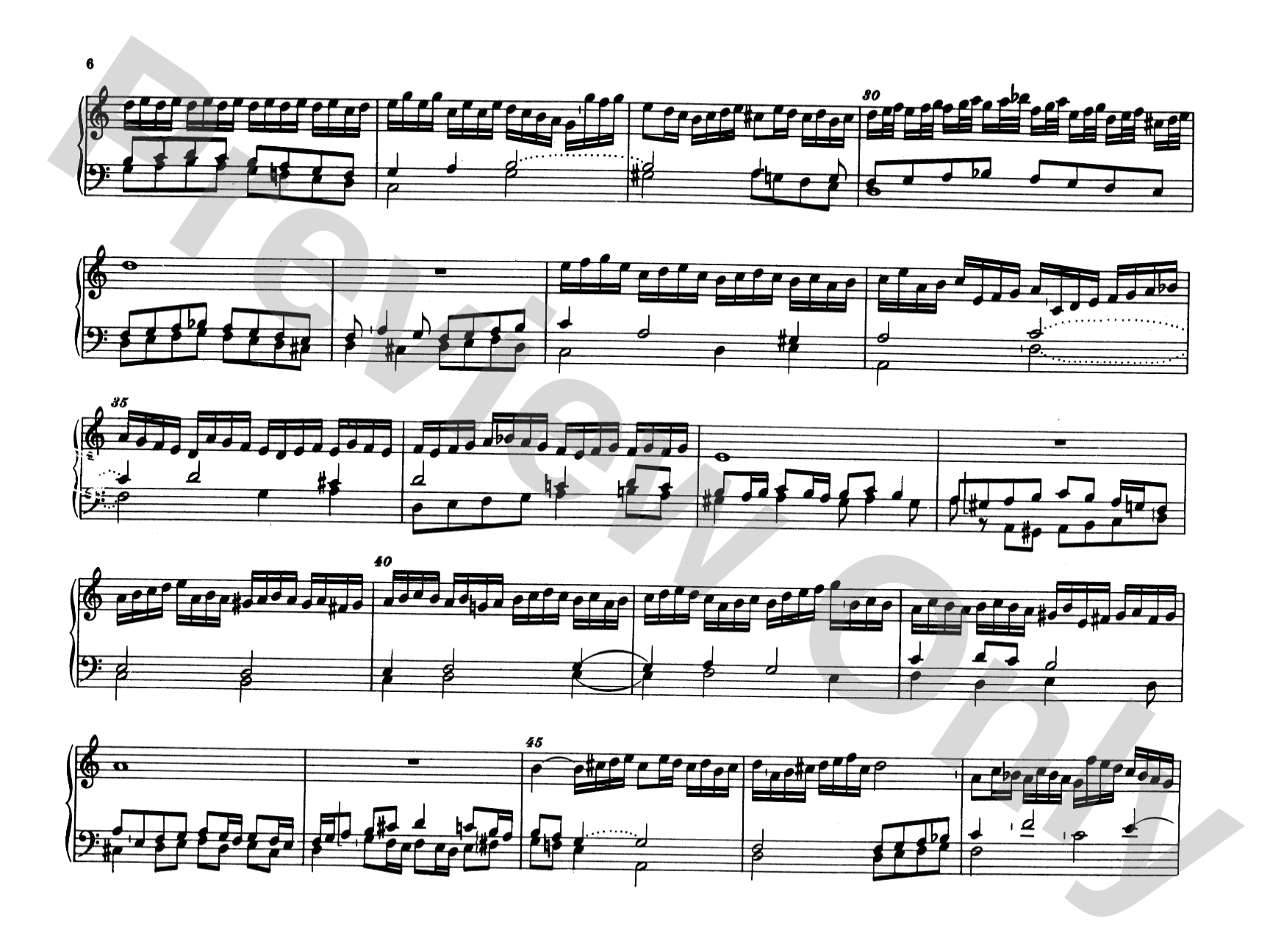
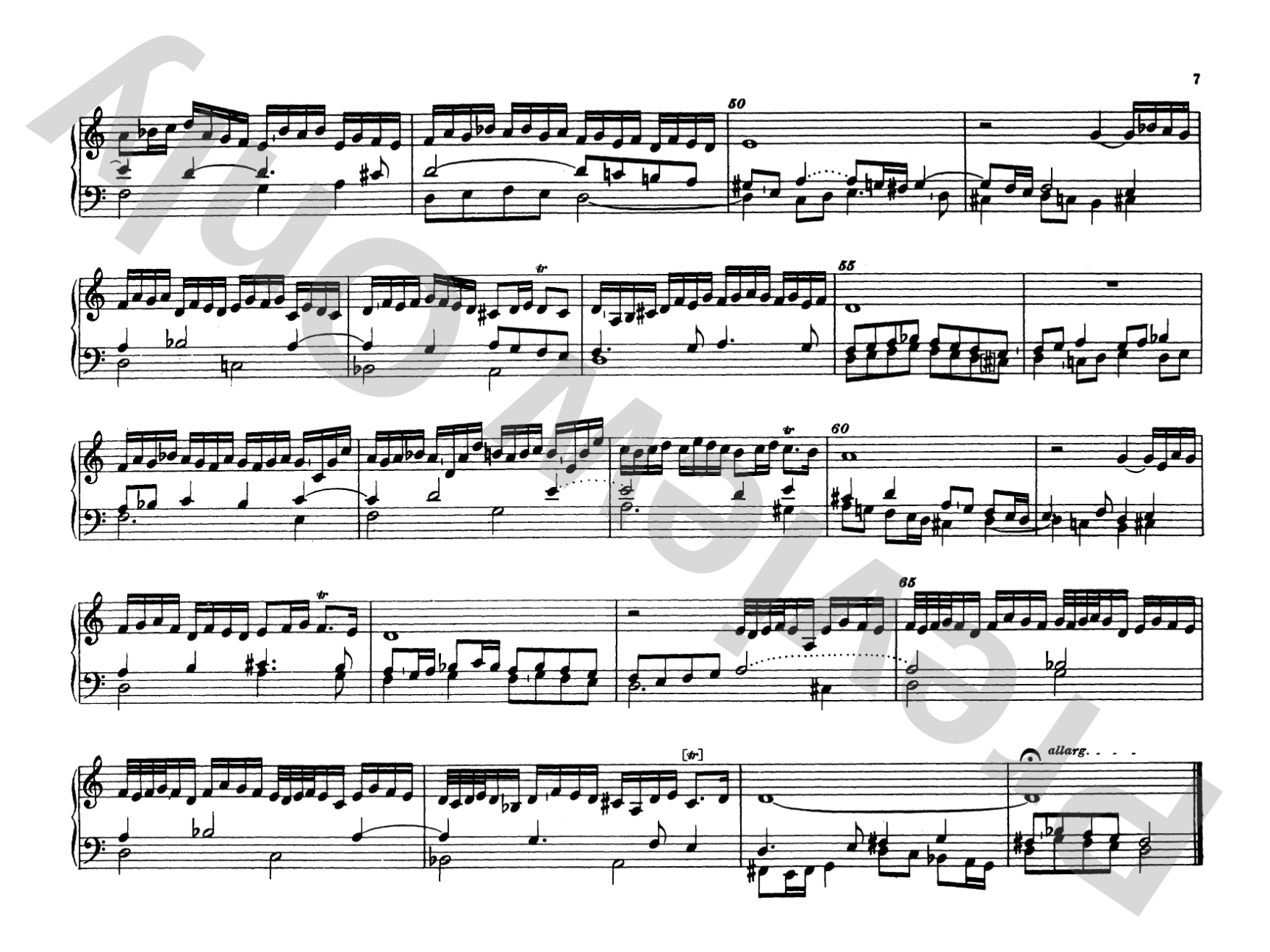
Chorale Preludes. The comb binding creates a lay-flat book that is perfect for study and performance.


Don't just read it, hear it, play along with it, and watch your students grow with it. In MakeMusic Cloud, Pachelbel: Selected Organ Works, Volume III: Organ Comb Bound Book comes alive with professional accompaniment, adjustable tempo, and built-in practice tools that turn solo practice into real progress.
Open in the Player
Jump straight in and assign it today.
Start Your Free Trial
Open this title and explore the full library in minutes.
Sample Audio
No sample audio found.
Sample Video
No sample videos found.
Additional Details
Series:
Kalmus Edition
Publisher:
Alfred Music
Page Count:
96
SKU:
00-PK-0003271
More about this title
About the Composer: Johann Pachelbel
Johann Pachelbel (1653-1706) was a central figure in the development of Baroque keyboard music, particularly in Germany. His prolific output shaped the aesthetic of chorale prelude composition and influenced generations of organists, from his contemporaries to J.S. Bach and beyond.
Pachelbel served as court organist and later Kapellmeister in positions across Germany, including roles in Eisenach, Paris, Stuttgart, Gotha, and finally Nuremberg. His sacred keyboard works demonstrate a gift for blending contrapuntal clarity with lyrical melodic writing, making them essential repertoire for understanding the organ's role in Lutheran worship and concert life.
Why we love this
Pachelbel's chorale preludes offer organists direct access to Baroque keyboard writing that is musically substantial without requiring virtuosic technical demands. The lay-flat binding of this edition makes score study and performance preparation genuinely practical; you can actually work through these pieces at the console without wrestling with a closed spine. This collection represents some of the most teachable yet artistically rewarding organ literature in the repertoire.
What to expect
The music balances intimacy with formal clarity. Each prelude unfolds with transparent counterpoint and unhurried harmonic movement, inviting the listener into a space of contemplation grounded in familiar hymn melodies. There is both depth and accessibility here: the language is direct, but the emotional and structural sophistication reward careful attention.
Who it's for
Organists working through Baroque keyboard literature, from intermediate students building facility with chorale prelude conventions to accomplished players seeking essential sacred works. Teachers and students in organ programs will use these pieces for technique, stylistic study, and recital programming.
How to get the most out of it
- Approach the chorale melody with singing tone and clear articulation; these pieces exist to illuminate the hymn tune, so the tune should always be the primary voice.
- Differentiate registration between movements and sections to clarify the underlying architecture and harmonic progressions.
- Practice the manual-pedal coordination in advance, particularly where pedal enters after manual statements, so the transition feels inevitable rather than grafted.
- Attend to the continuo-like accompanying figures; they should provide steady harmonic support rather than compete with structural voices.
How to use it
These work beautifully as part of a recital program exploring the evolution of the chorale prelude from Pachelbel through Bach, or as liturgical organ music for services centering on Lutheran hymn traditions. They also serve as anchors in educational contexts where students need substantial Baroque pieces that are genuinely learnable within a season.
Skills your students will build
- Baroque articulation and phrasing conventions
- Manual-pedal coordination and independence
- Accompaniment texture writing and voice leading
- Chorale prelude form and structure
- Ornamentation and improvisation over a figured bass aesthetic
- Registration choice for tonal shaping and architectural clarity