
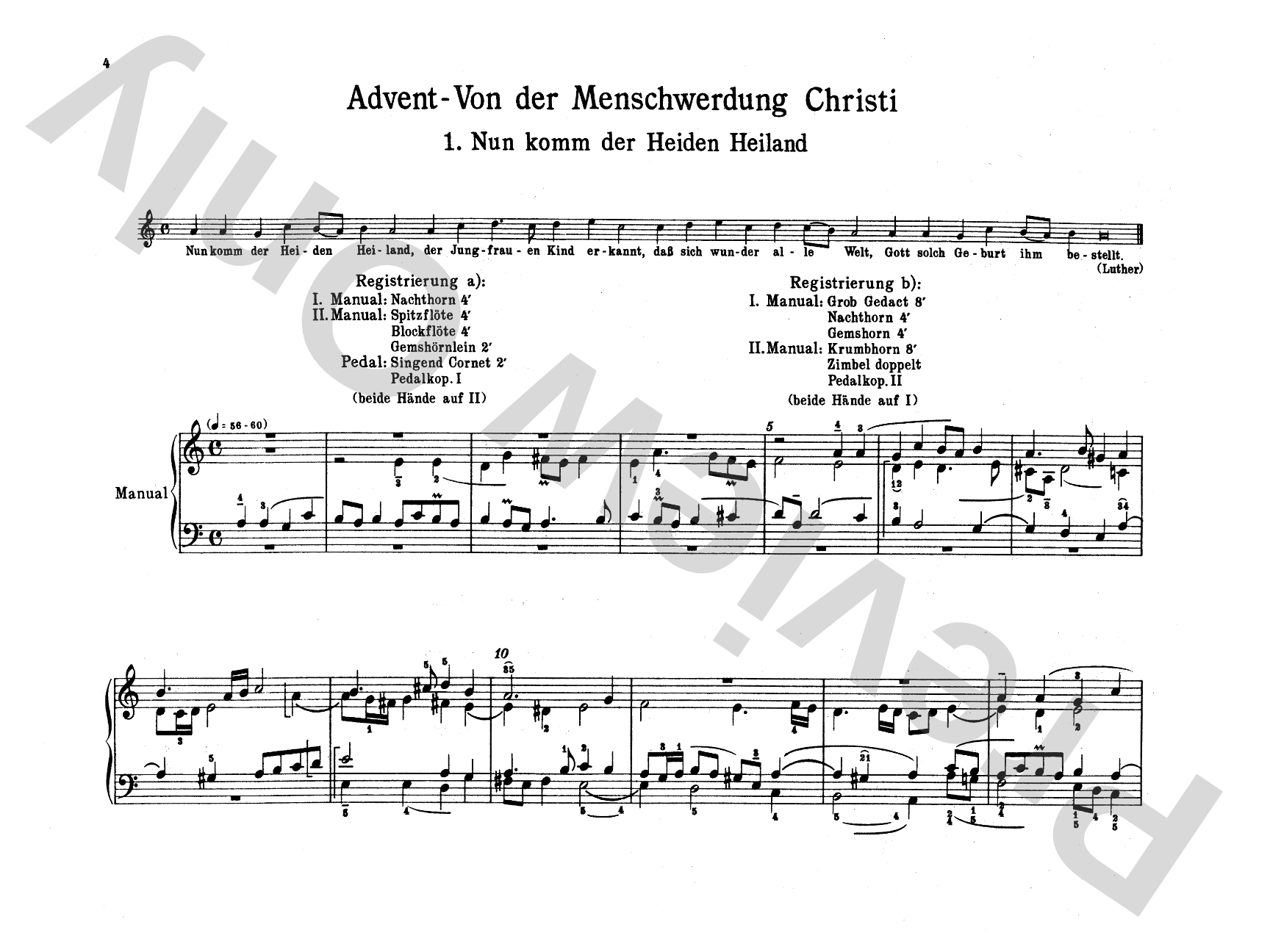
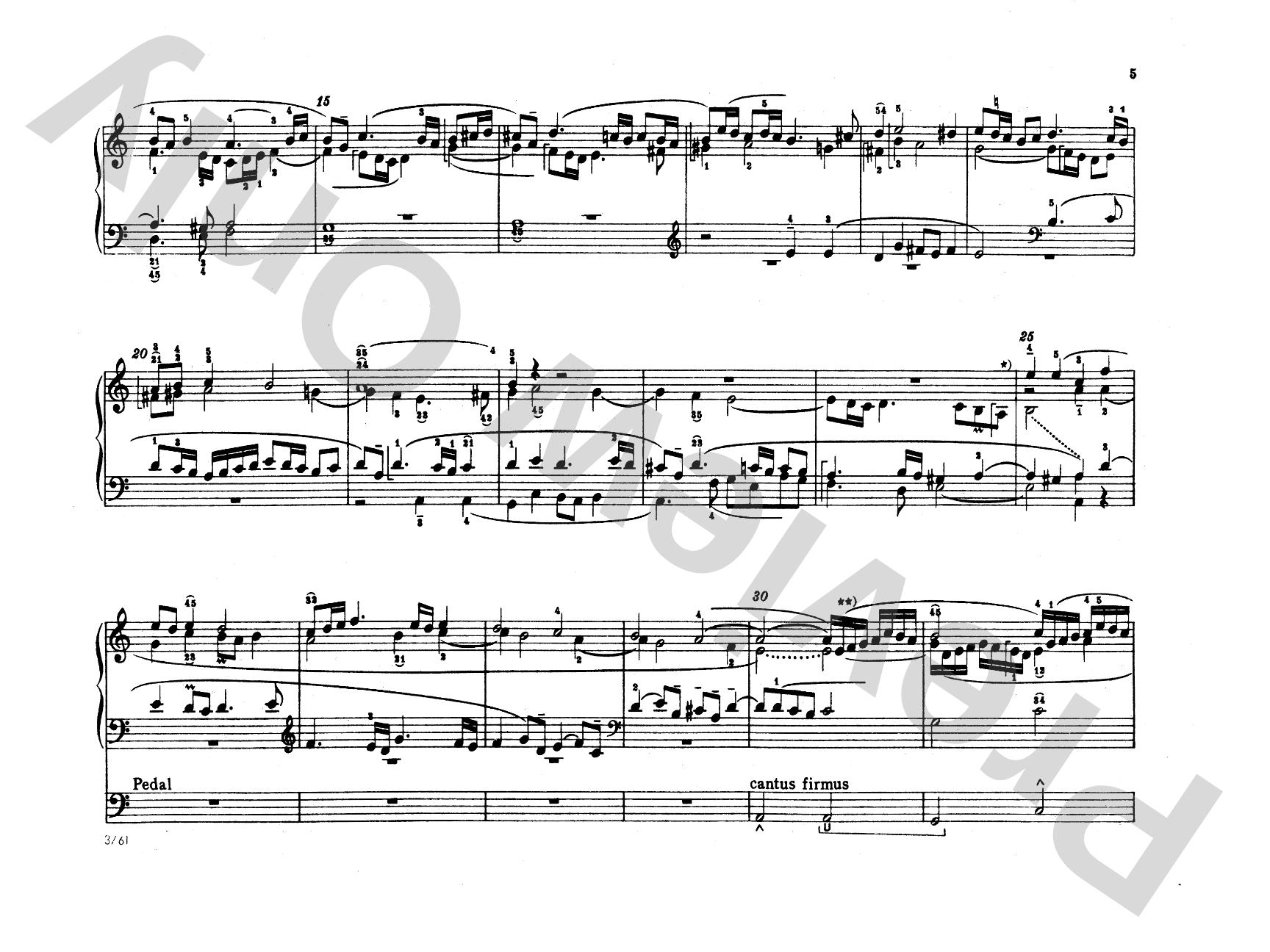
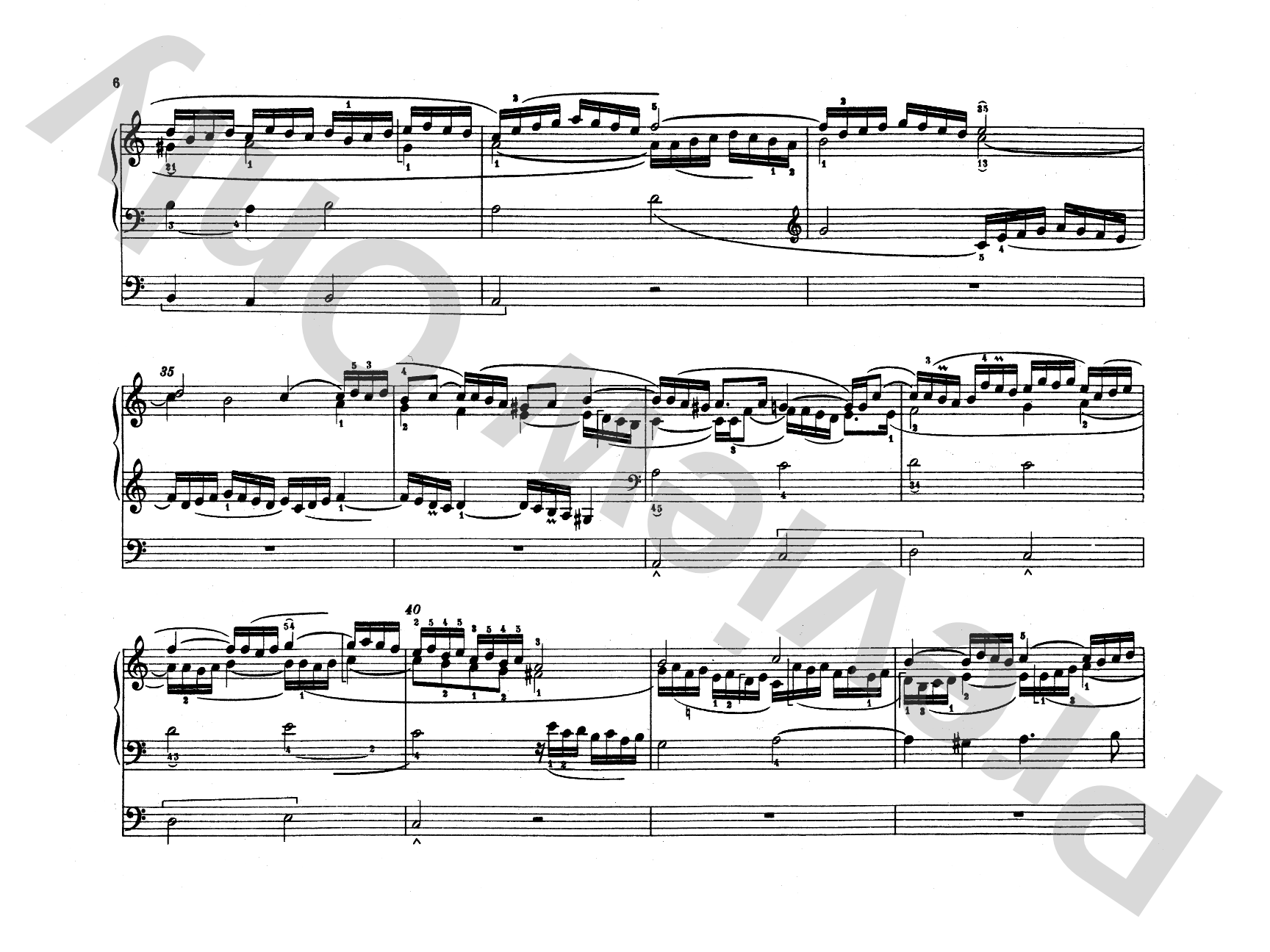
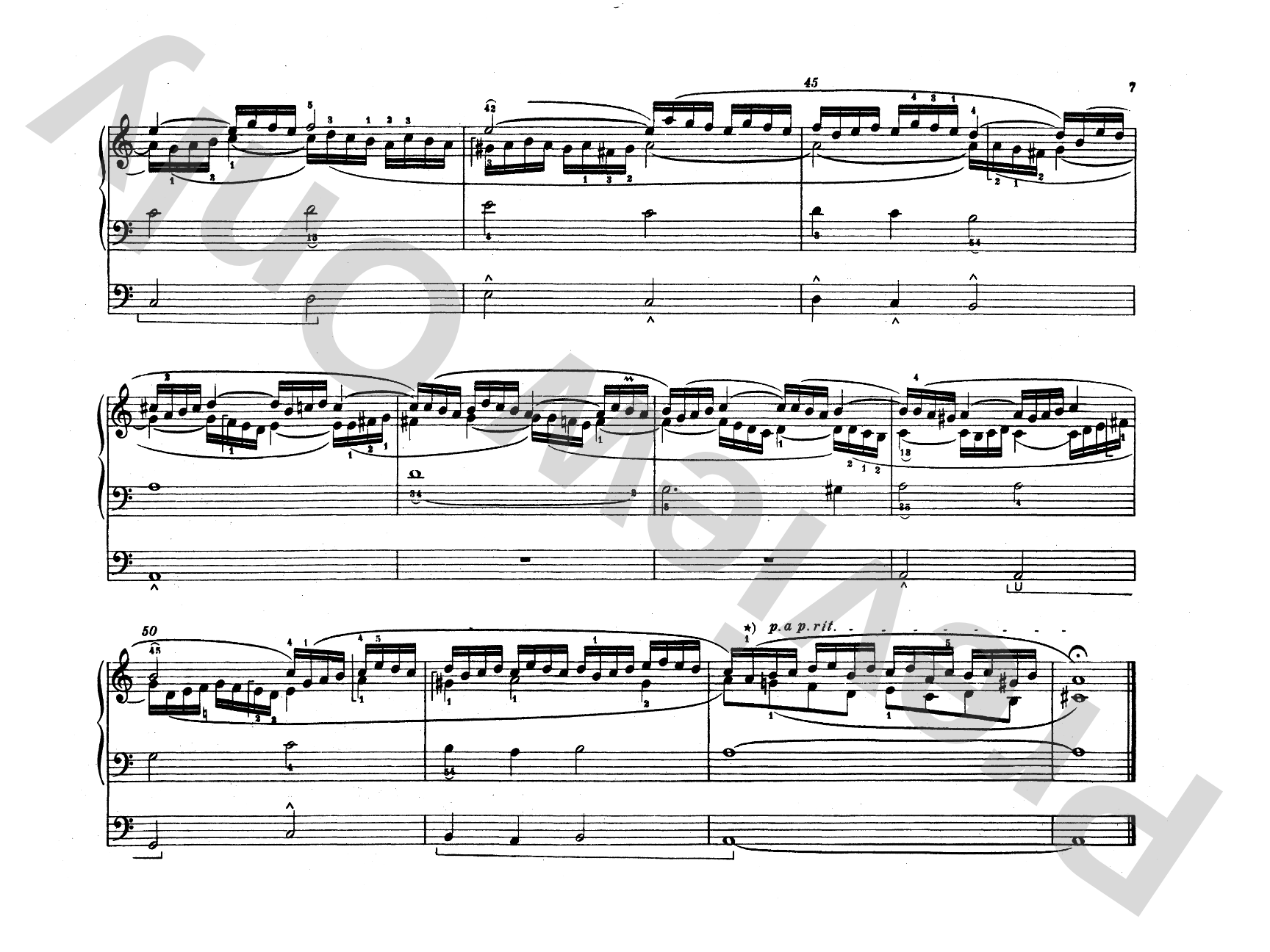

Pachelbel: Selected Organ Works, Volume II: Organ Comb Bound Book
By Johann Pachelbel
Item: 00-PK-0003270

$16.99
Pickup currently not available
Buy Extra Parts (Digital PDF Download)
Parts Added to Cart!
Description
Chorale Preludes. The comb binding creates a lay-flat book that is perfect for study and performance.


Don't just read it, hear it, play along with it, and watch your students grow with it. In MakeMusic Cloud, Pachelbel: Selected Organ Works, Volume II: Organ Comb Bound Book comes alive with professional accompaniment, adjustable tempo, and built-in practice tools that turn solo practice into real progress.
Open in the Player
Jump straight in and assign it today.
Start Your Free Trial
Open this title and explore the full library in minutes.
Sample Audio
No sample audio found.
Sample Video
No sample videos found.
Additional Details
Series:
Kalmus Edition
Publisher:
Alfred Music
Page Count:
64
SKU:
00-PK-0003270
More about this title
About the Composer: Johann Pachelbel
Johann Pachelbel (1653-1706) was a German Baroque organist and composer whose influence on keyboard music extended far beyond his lifetime. Known for his mastery of counterpoint and his ability to craft memorable melodic lines within rigorous harmonic frameworks, Pachelbel shaped the development of the chorale prelude as a liturgical form. His works remained central to German organ music for generations, studied intensively by Bach and his contemporaries.
Pachelbel's output includes over 95 chorale preludes, numerous fugues, and other keyboard works that balance technical brilliance with spiritual depth. His compositional approach, which emphasizes clarity of texture and elegant part-writing, makes his music both immediately accessible and endlessly rewarding to study. For organists, his works provide essential training in Baroque registration, pedal technique, and the interpretation of sacred music.
Why we love this
These chorale preludes showcase Pachelbel's gift for combining liturgical function with genuine musical substance. The lay-flat binding makes it genuinely easy to read at the organ bench during practice and performance, eliminating the frustration of pages closing or requiring hand-holding. This collection supplies the core repertoire every serious organist needs to master the Baroque idiom.
What to expect
These chorale preludes balance intimate devotion with architectural craft. The music unfolds with a sense of inevitability, where each phrase grows logically from the previous one, creating harmonic progressions that feel both intellectually satisfying and emotionally genuine. Beneath the formal elegance lies a warmth that invites the listener into the spiritual context of Lutheran worship.
Who it's for
This collection is essential for organists working through the Baroque repertoire and for students preparing for church positions or recitals. It works equally well as repertoire for intermediate advancing organists and as a resource for advanced players refining their interpretive understanding of the period. Teachers will find these pieces ideal for demonstrating Baroque formal conventions and building pedal independence.
How to get the most out of it
- Approach the pedal line with independence and clarity; Pachelbel often gives the pedal a distinct role that deserves to be heard without dominating the texture
- Observe the harmonic rhythm closely and allow it to shape your phrasing rather than imposing a steady, mechanical pulse
- Experiment with registration changes between the verses of multi-section pieces to create structural clarity and variety
- Shape the soprano line with gentle shaping and careful attention to dissonance; many of these pieces rely on tasteful suspensions and passing tones for their beauty
How to use it
Program these works to anchor recitals focused on Baroque organ literature or to create a liturgical context within a larger concert. They pair beautifully with chorale settings by other composers or with Bach's more elaborate keyboard works, offering a stylistic bridge that helps audiences understand the musical language of the period. Consider featuring one or two of these pieces in a service where they can function both as musical statements and as acts of worship.
Skills your students will build
- Independent pedal technique and coordination between hands and feet
- Reading figured bass notation and realizing harmonic implications
- Baroque articulation and phrasing conventions
- Counterpoint at multiple structural levels
- Registration choices and changes appropriate to the Baroque aesthetic
- Interpretation of suspensions, passing tones, and other nonharmonic tones