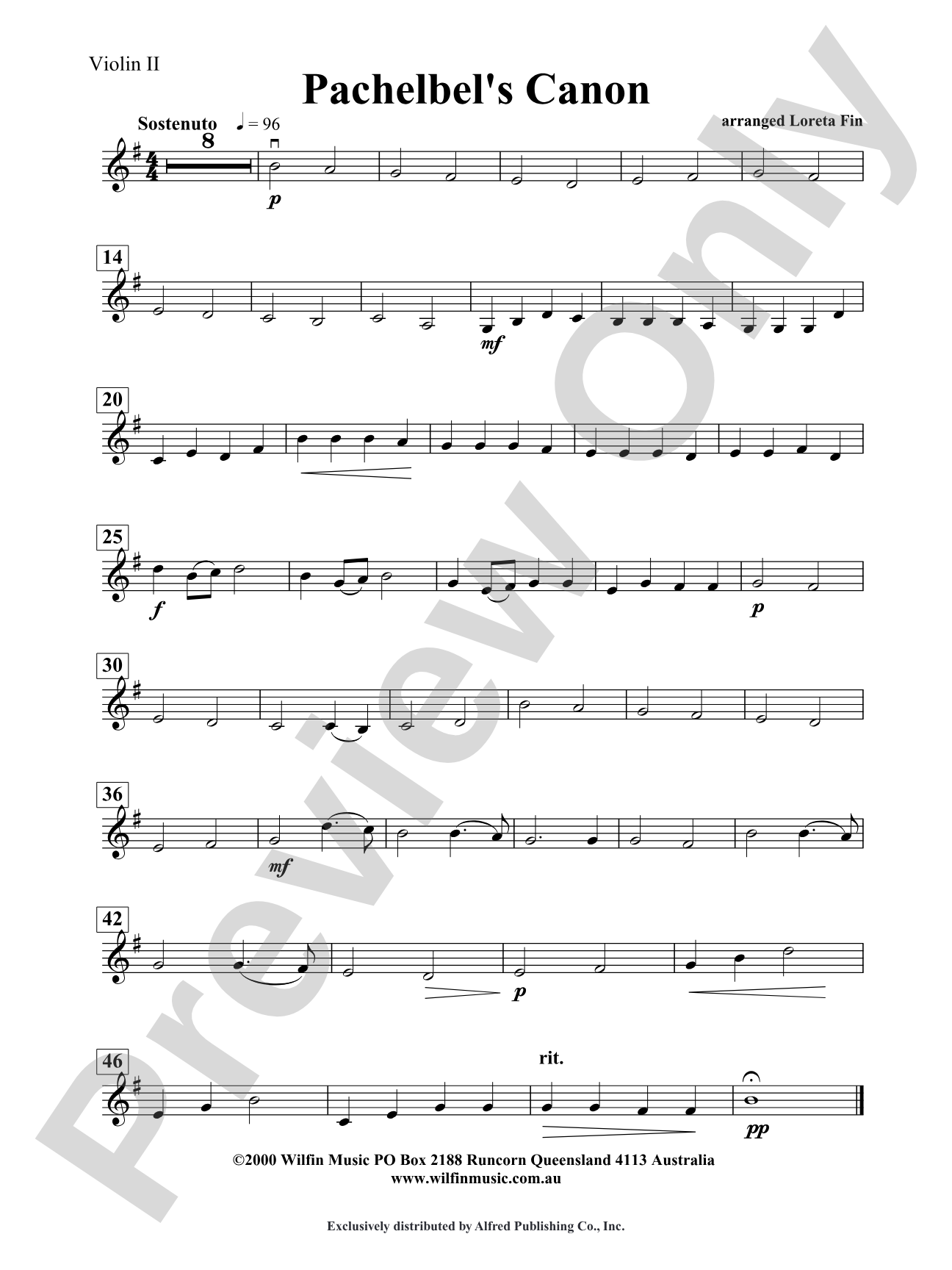
Series:Wilfin String Orchestra: Young String Ensemble Series
Publisher:Wilfin Music
Page Count:66
SKU:76-PC-0000011_VN2
More about this title
About the Arranger: Loreta Fin
Loreta Fin began her musical training at the Sydney Conservatorium of Music and served as first violinist with the Sydney Youth Orchestra. She has spent decades performing in chamber and orchestral settings while maintaining a 25-year tenure as Principal Viola player with the Queensland Pops Orchestra, collaborating with internationally renowned artists throughout her career.
As Director of Strings at Somerville House School in Brisbane since 1993, Fin has established herself as a respected educator, adjudicator, and advocate for string music in Australia. She has presented at multiple National Music Conferences, adjudicated major competitions, and authored over 100 published string orchestra works. Her contributions to the field earned her a Queensland State Award for services to music education, a nomination for the inaugural ARIA "Best Teacher" award, and the National Award for Services to Music and String Teaching. She currently serves as State Advisor for Strings with the Australian Music Examinations Board and regularly conducts state and national honours ensembles.
Why we love this
This arrangement captures the essence of Pachelbel's timeless progression while respecting the developmental reality of young string players. Fin's three to four-part texture gives every player a genuine voice in the texture, avoiding the common trap of relegating beginners to unison while more advanced players carry the real music. The simplification never feels reductive; instead, it honors the original's architectural beauty while making it genuinely playable for groups at this level.
What to expect
Serene and stately, with a meditative quality that young players find deeply rewarding to perform. The dialogue between the moving melodic line and the grounded harmonic foundation creates a sense of quiet ceremony, giving every performer a genuine role in building something larger than themselves.
Who it's for
This score and parts set works for upper elementary and middle school string orchestras, as well as heterogeneous beginning high school ensembles where you need something substantial but accessible. It's equally suited to pull-out string programs and community youth orchestras looking for recognizable literature that builds confidence.
How to get the most out of it
Balance the soprano line clearly against the accompaniment, but not so aggressively that the inner parts disappear. Young players need to hear themselves contributing to a larger whole.
Let the famous progression speak for itself. The harmonic movement is beautiful enough to engage the ear; resist the temptation to add expressive weight or tempo fluctuation that obscures the bass line's job.
Rehearse the parts independently first so each section understands their rhythmic role and how it interlocks with the others, then layer them gradually during sectional rehearsals.
Work through intonation challenges in the harmonic changes early. Young string players benefit from hearing how each chord sits before adding the complexity of ensemble balance.
How to use it
Open a family concert or school assembly with this piece; its elegance and clarity make it an inviting entry point for audiences new to classical music. You can also pair it with other Baroque works at the same level, or use it as a stepping stone before tackling fuller orchestrations of Pachelbel or other canonical masterworks with more advanced groups.
Skills your students will build
Reading across multiple staves and parts in standard score layout
Maintaining independent rhythmic lines while listening to surrounding voices
Sustaining tone and intonation through longer melodic phrases and harmonic progressions
Balancing between a primary melodic voice and accompaniment textures
Understanding figured bass and functional harmony through performance experience
You May Also Like
Scan to Complete Your Purchase
Use your phone's camera to scan the code below
You'll log in on your phone and the order will be added to your account