
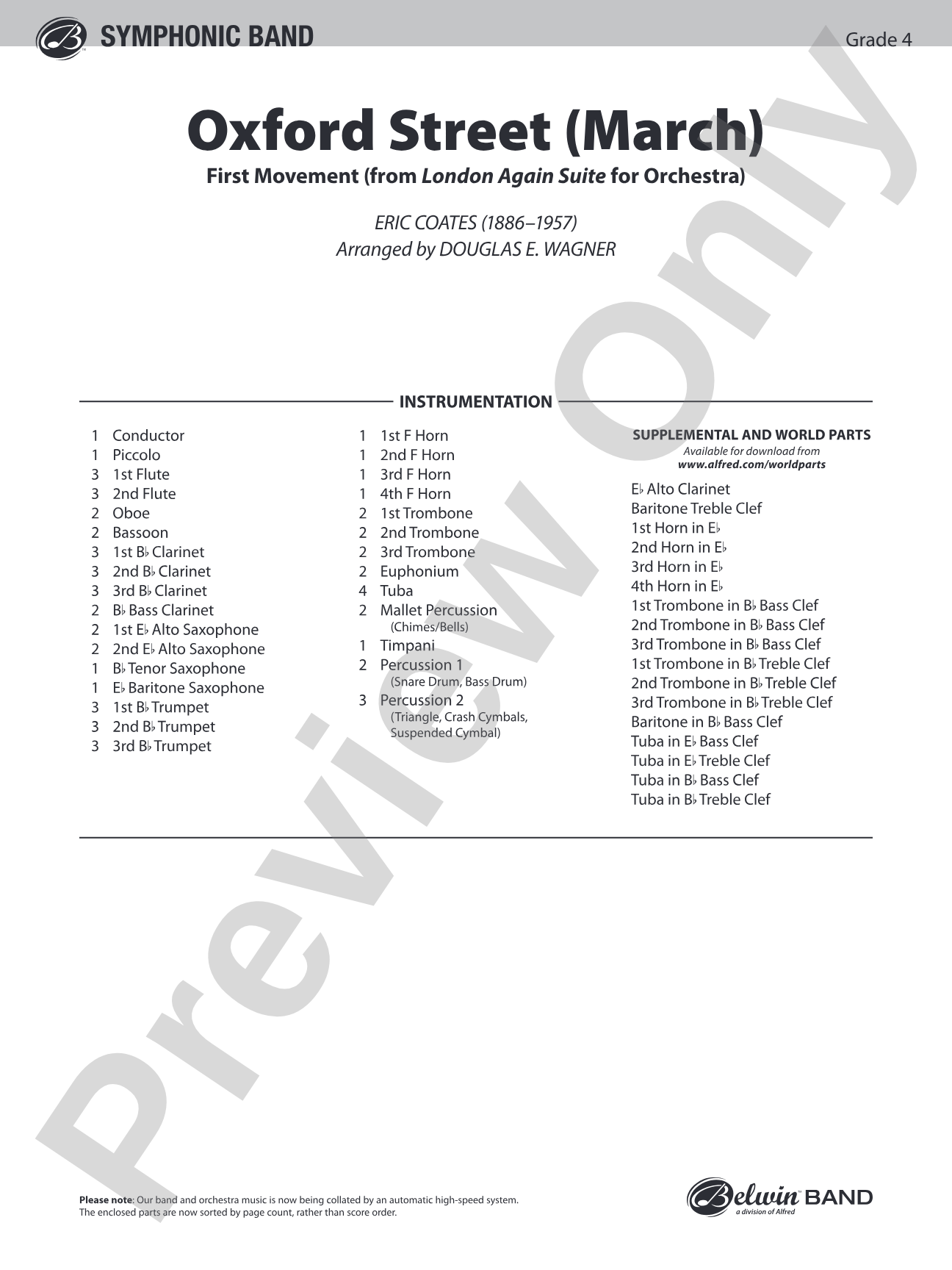
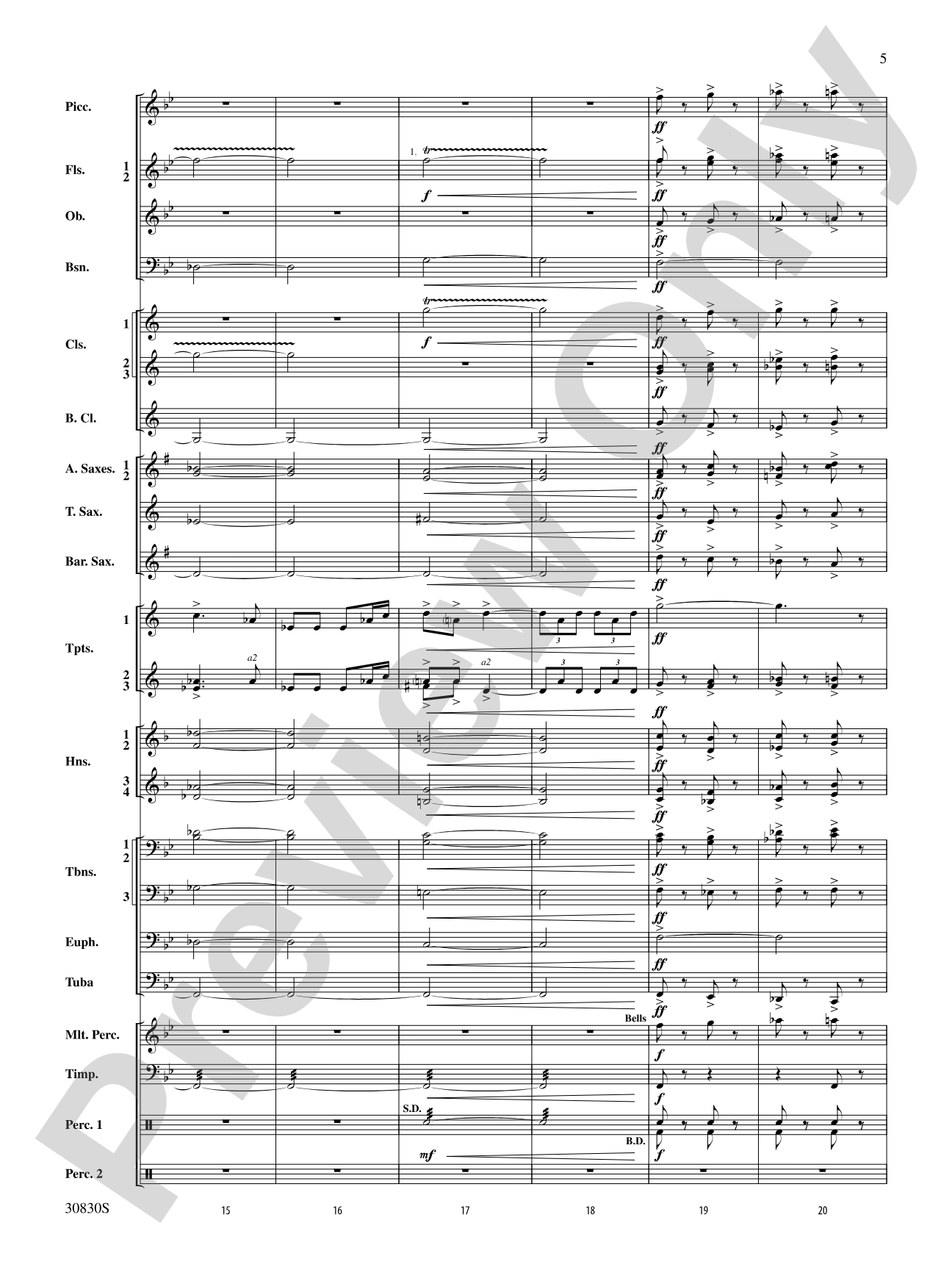
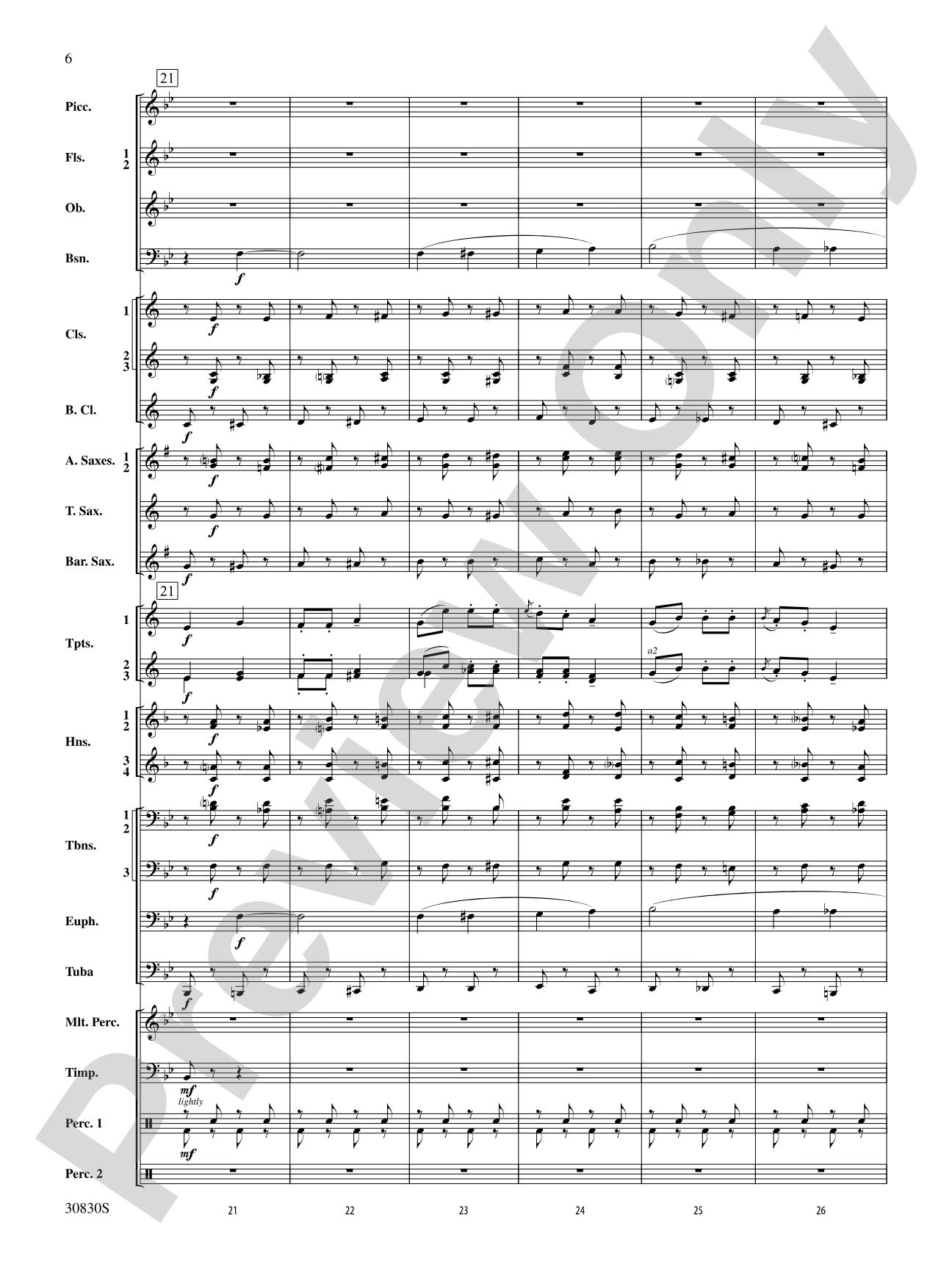
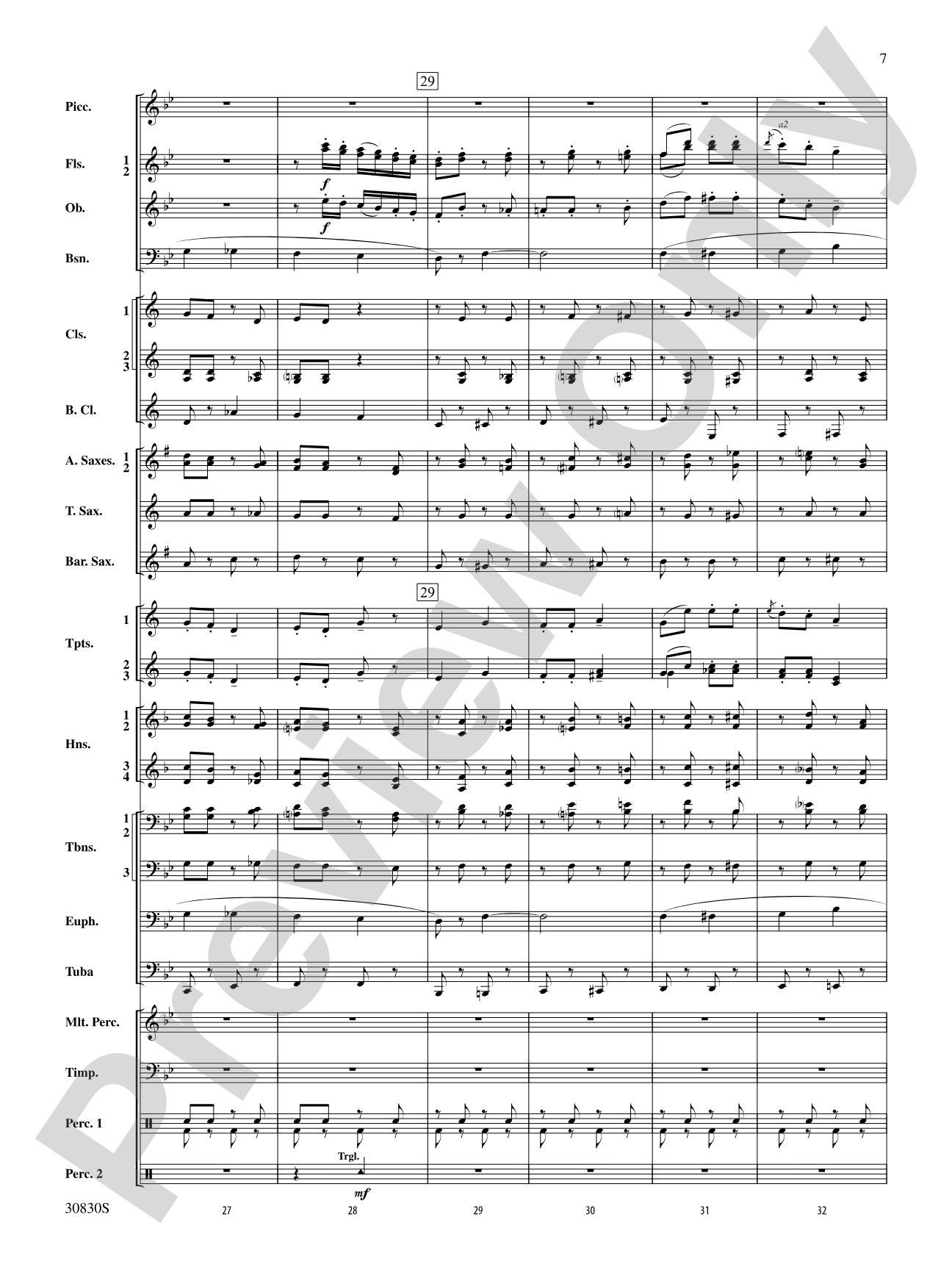
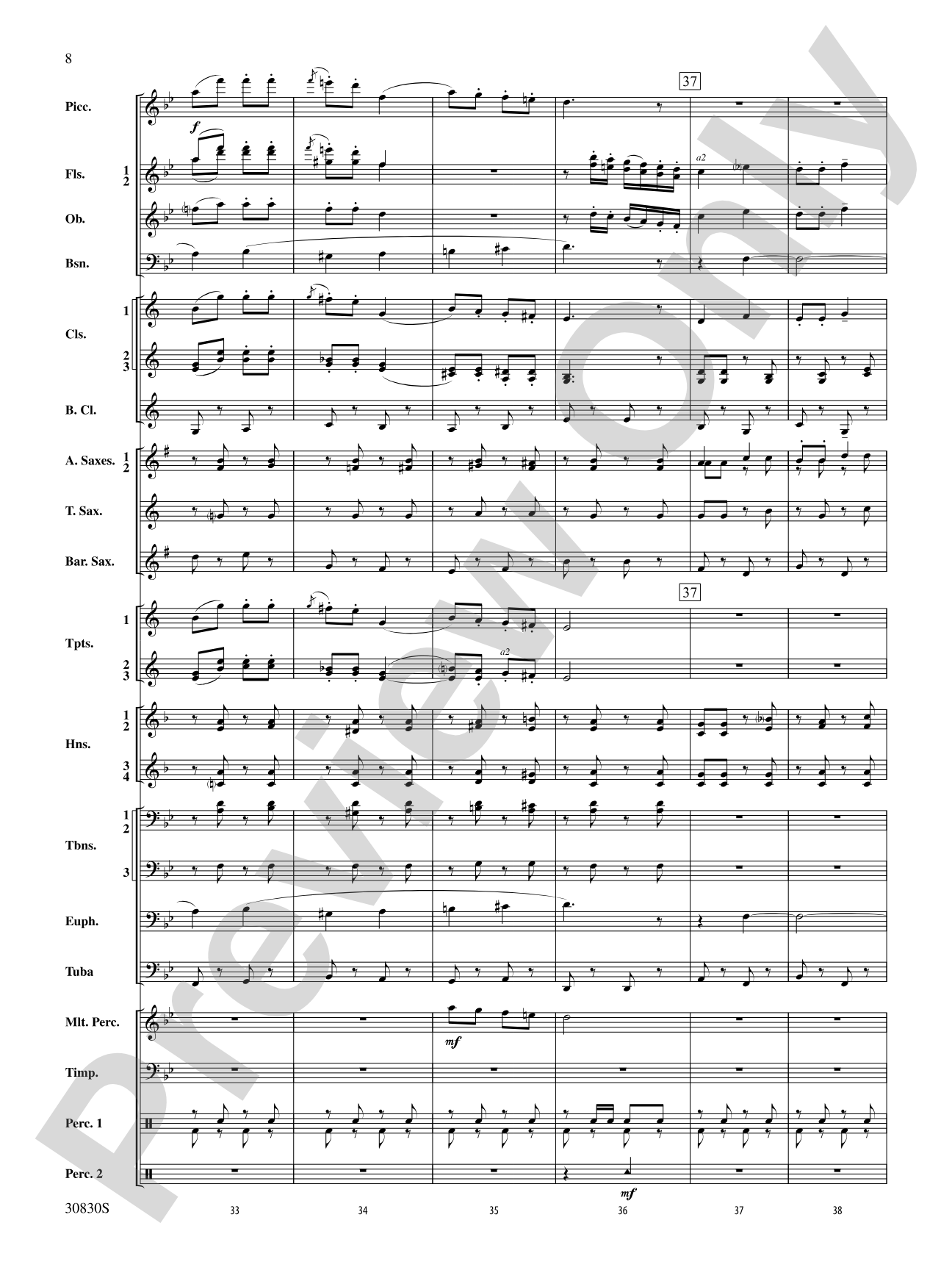
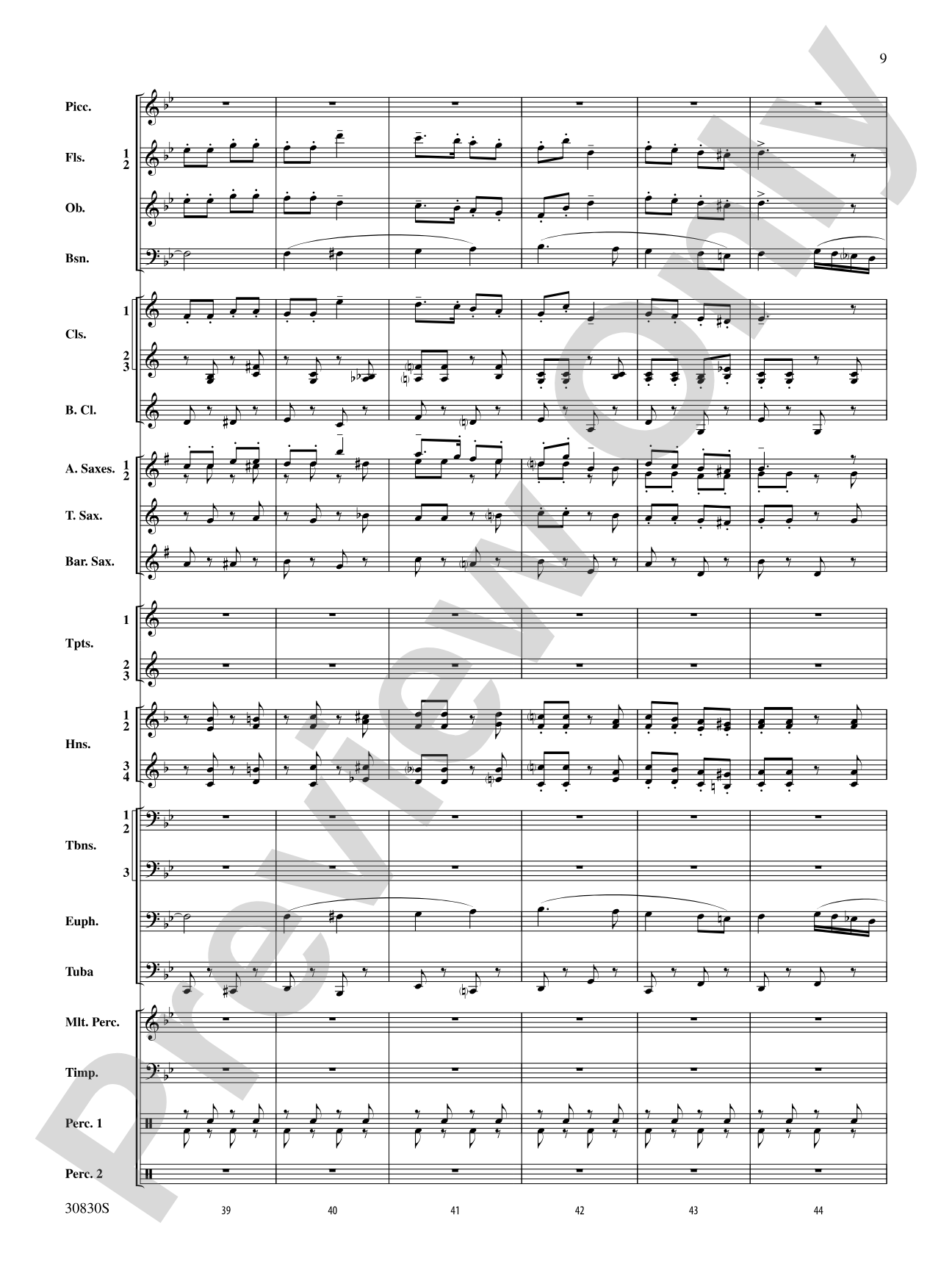
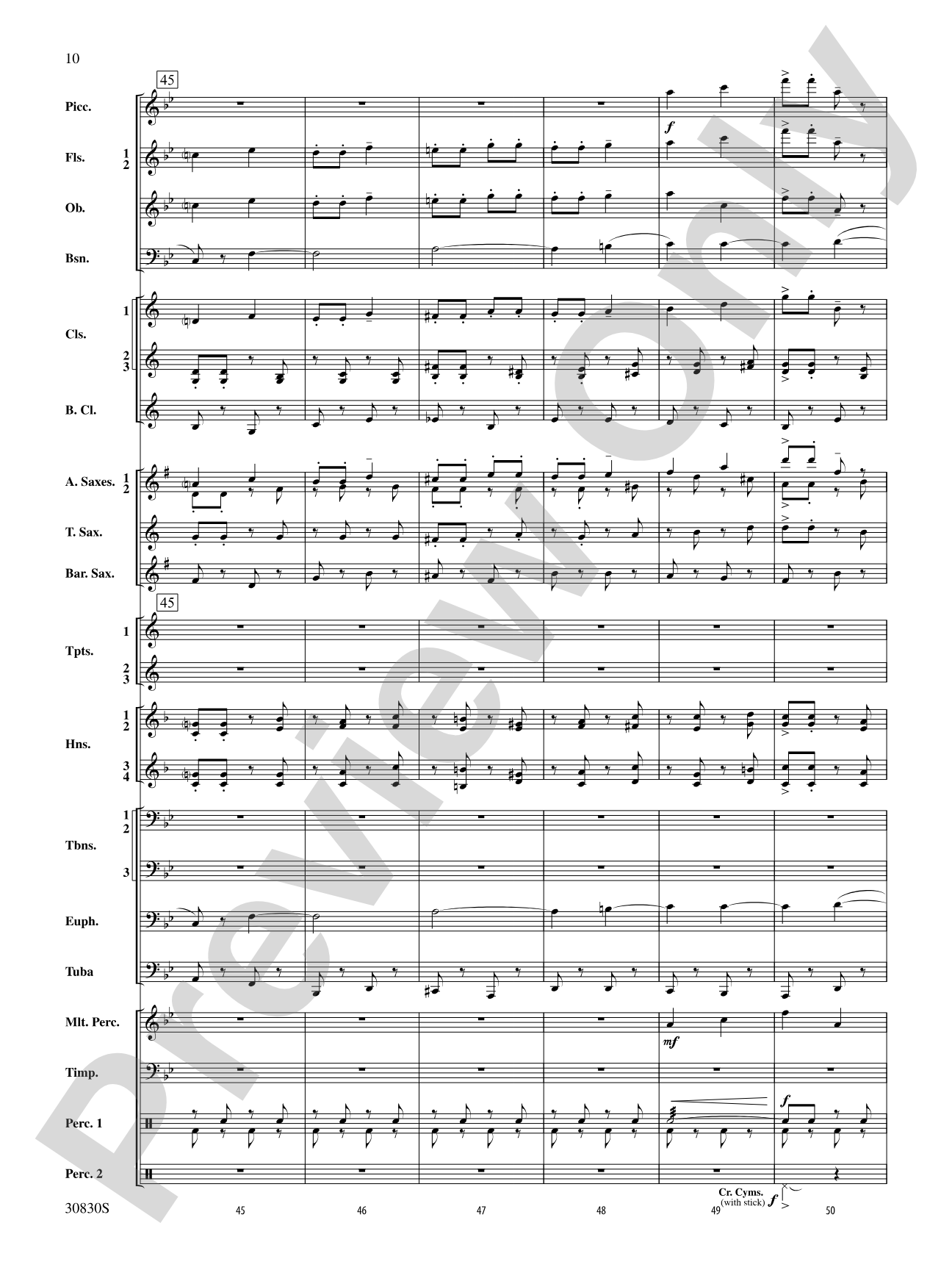
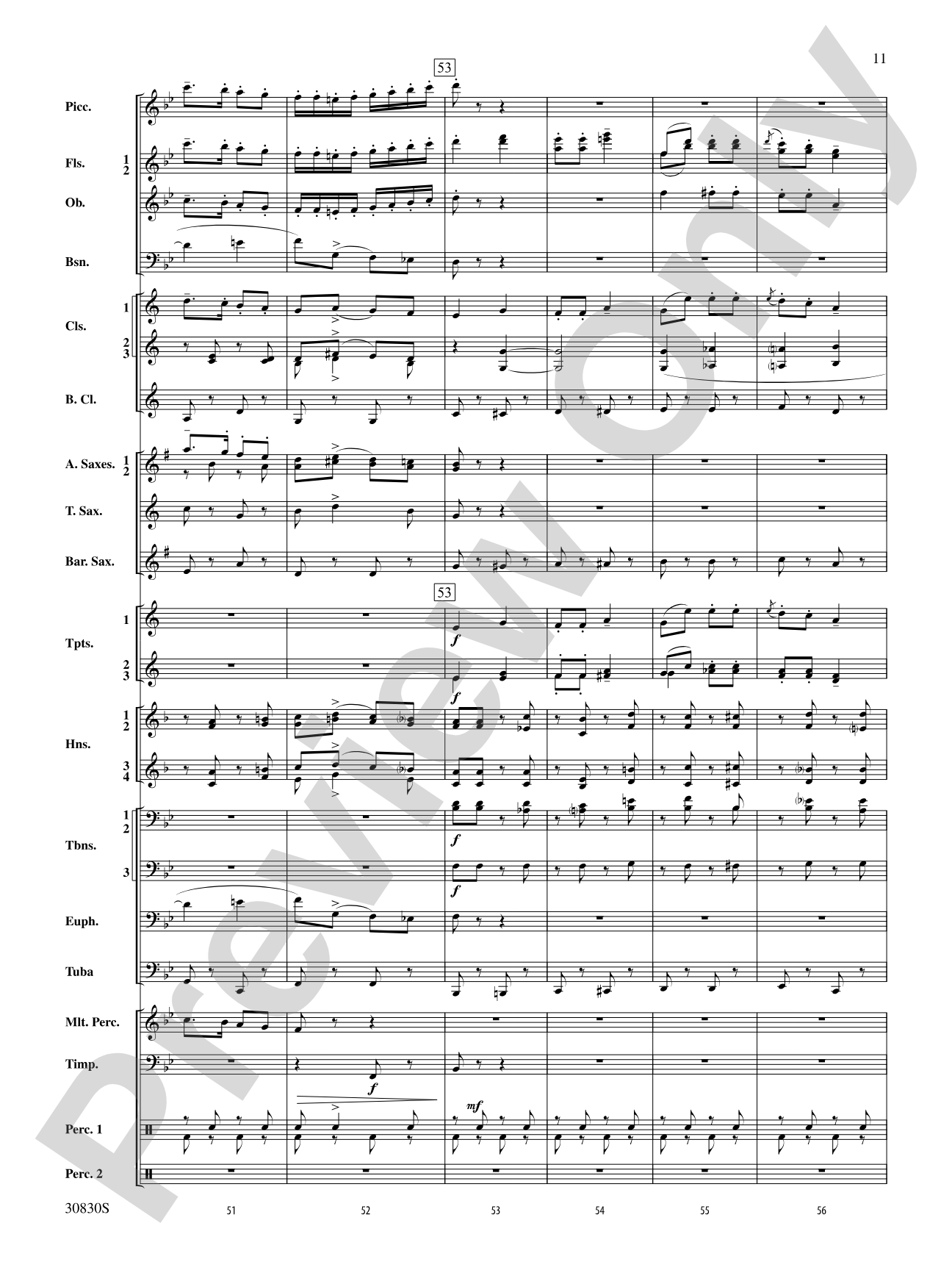
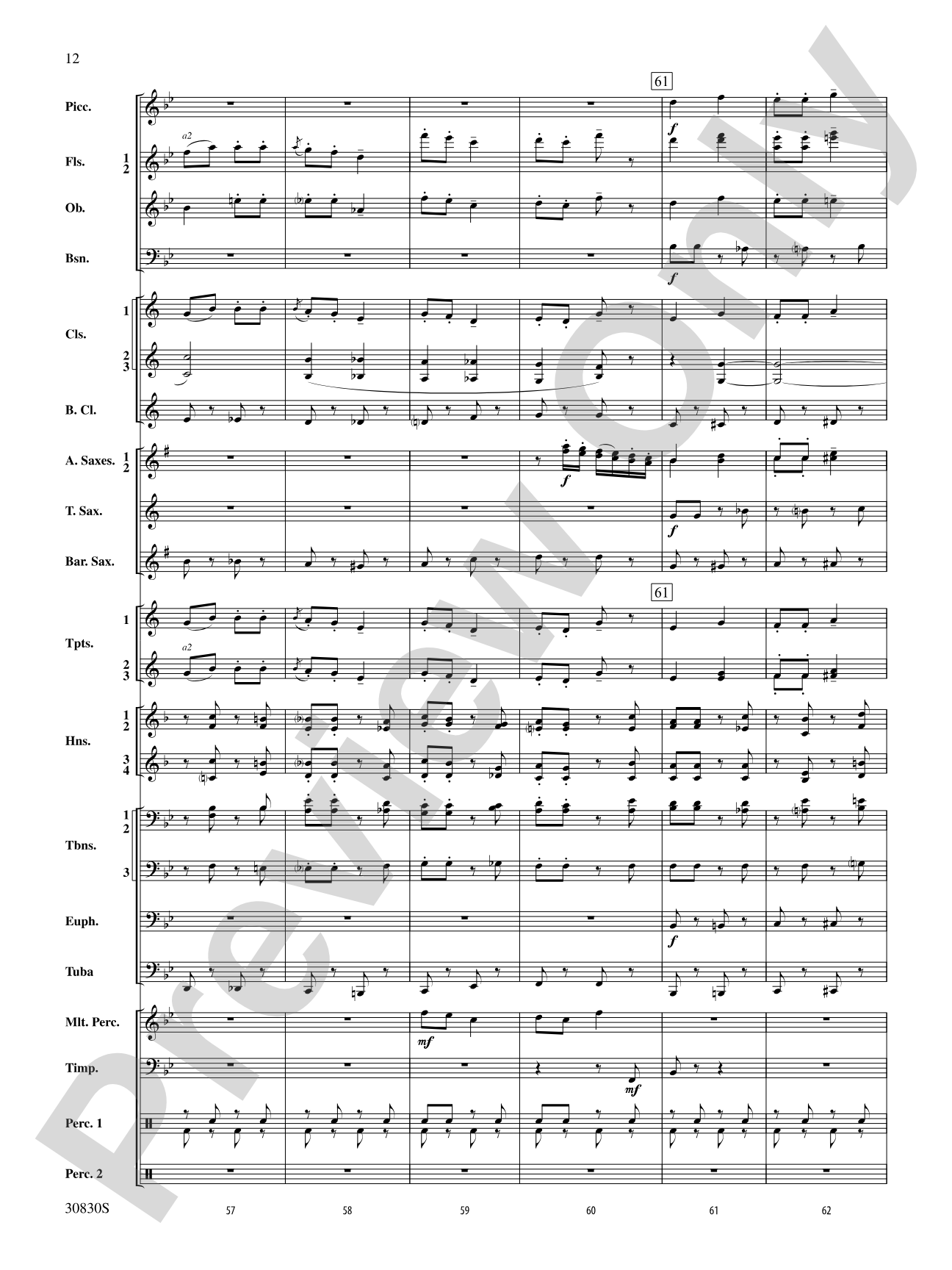
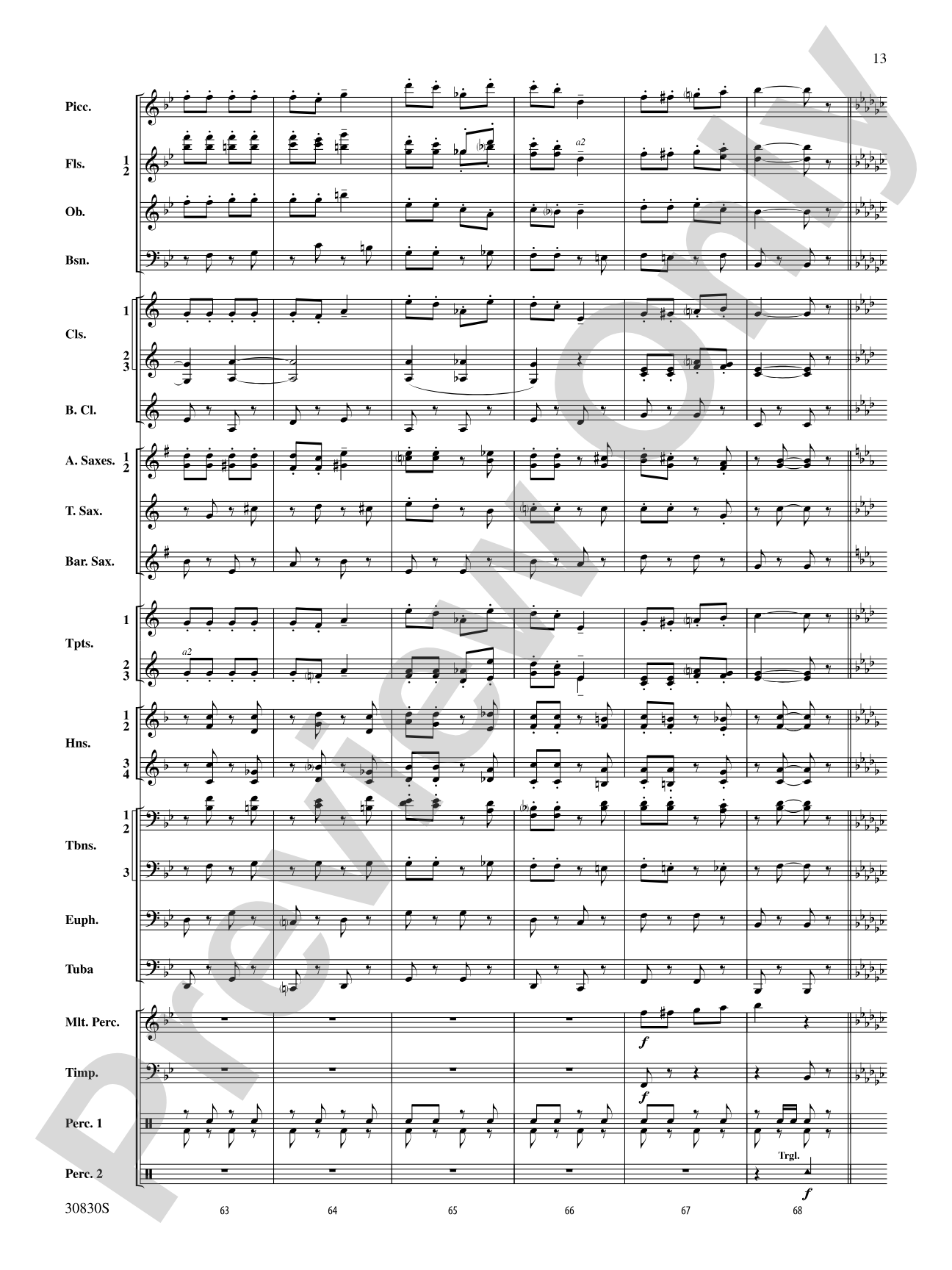
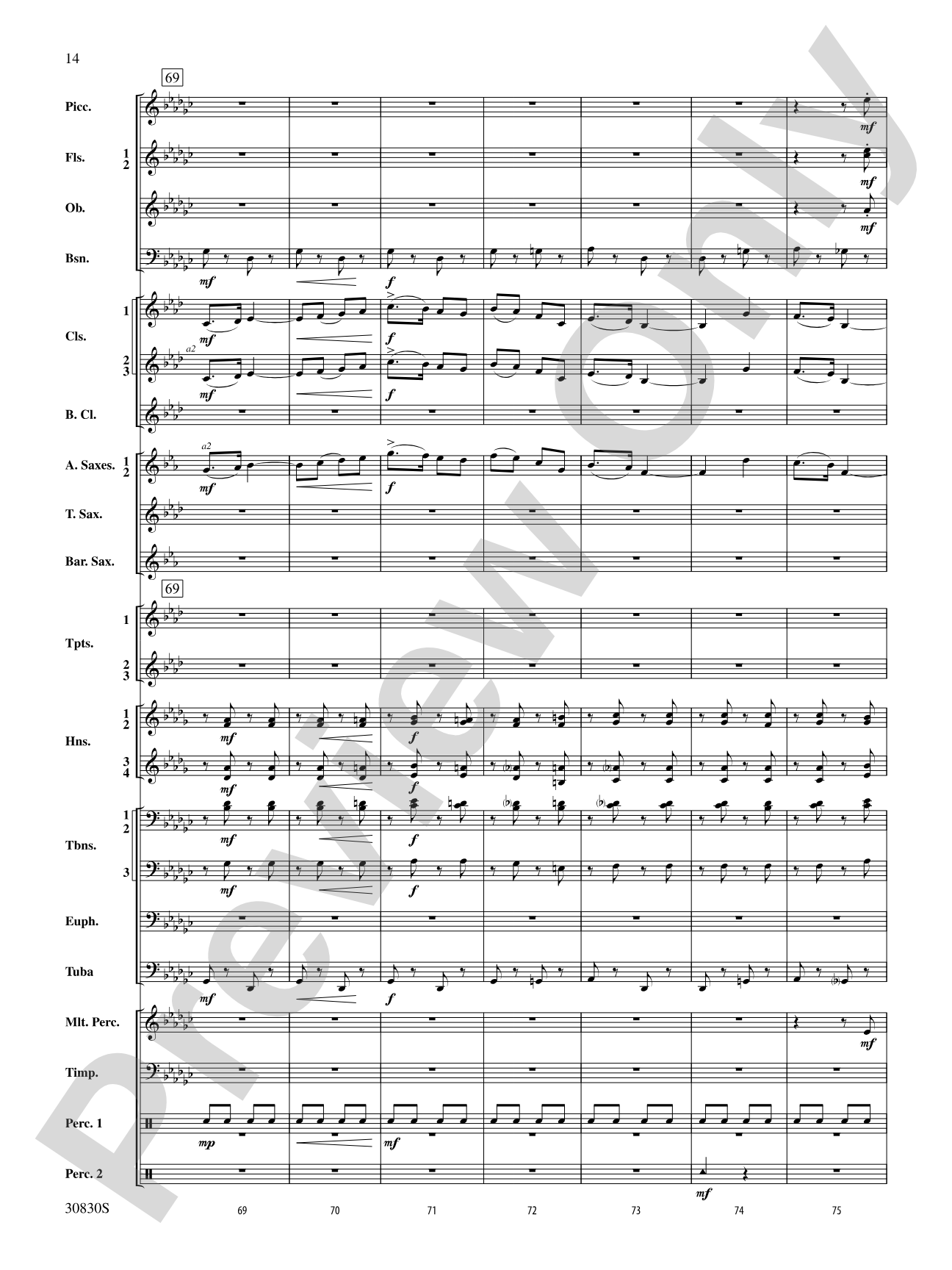
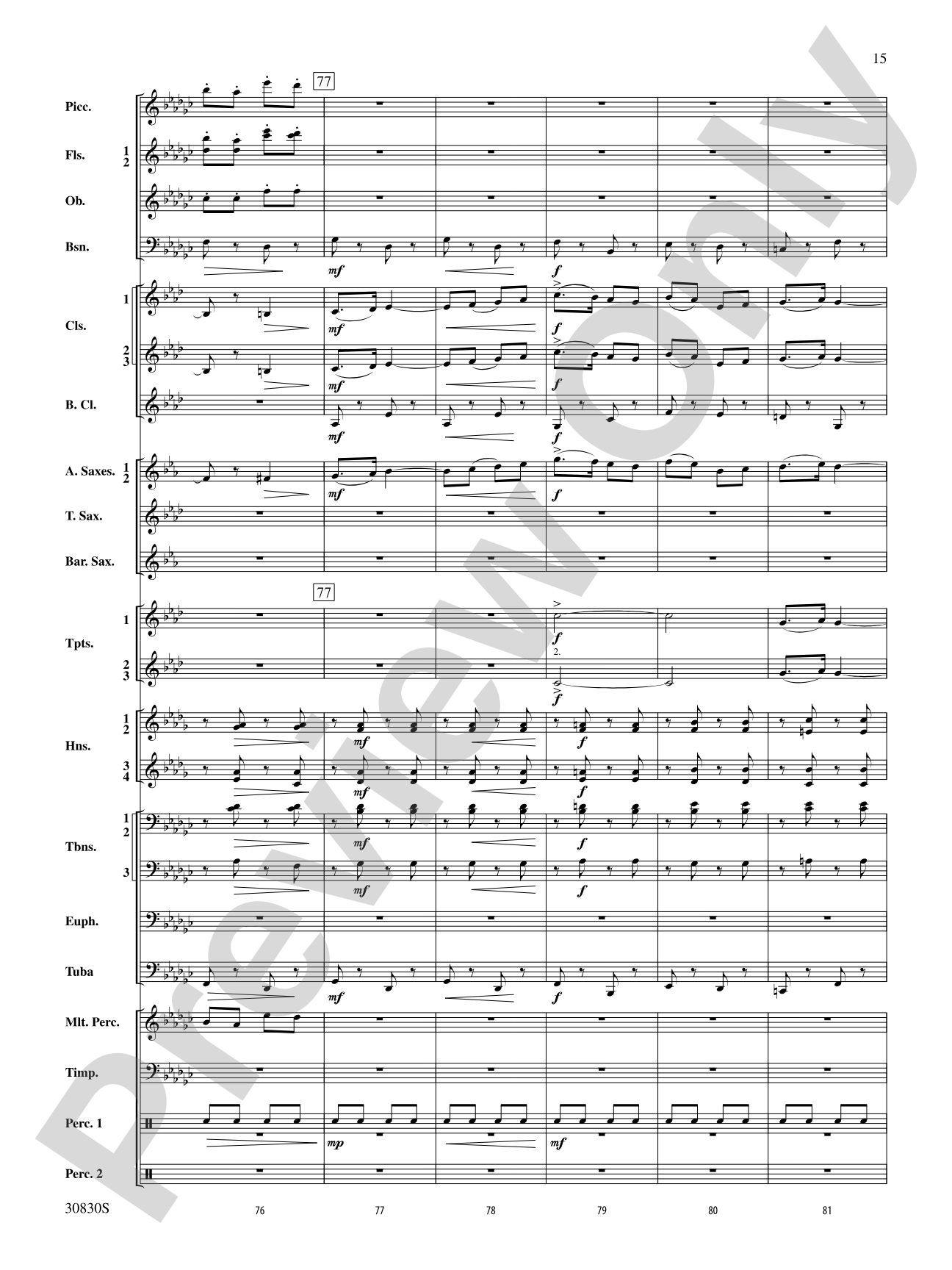
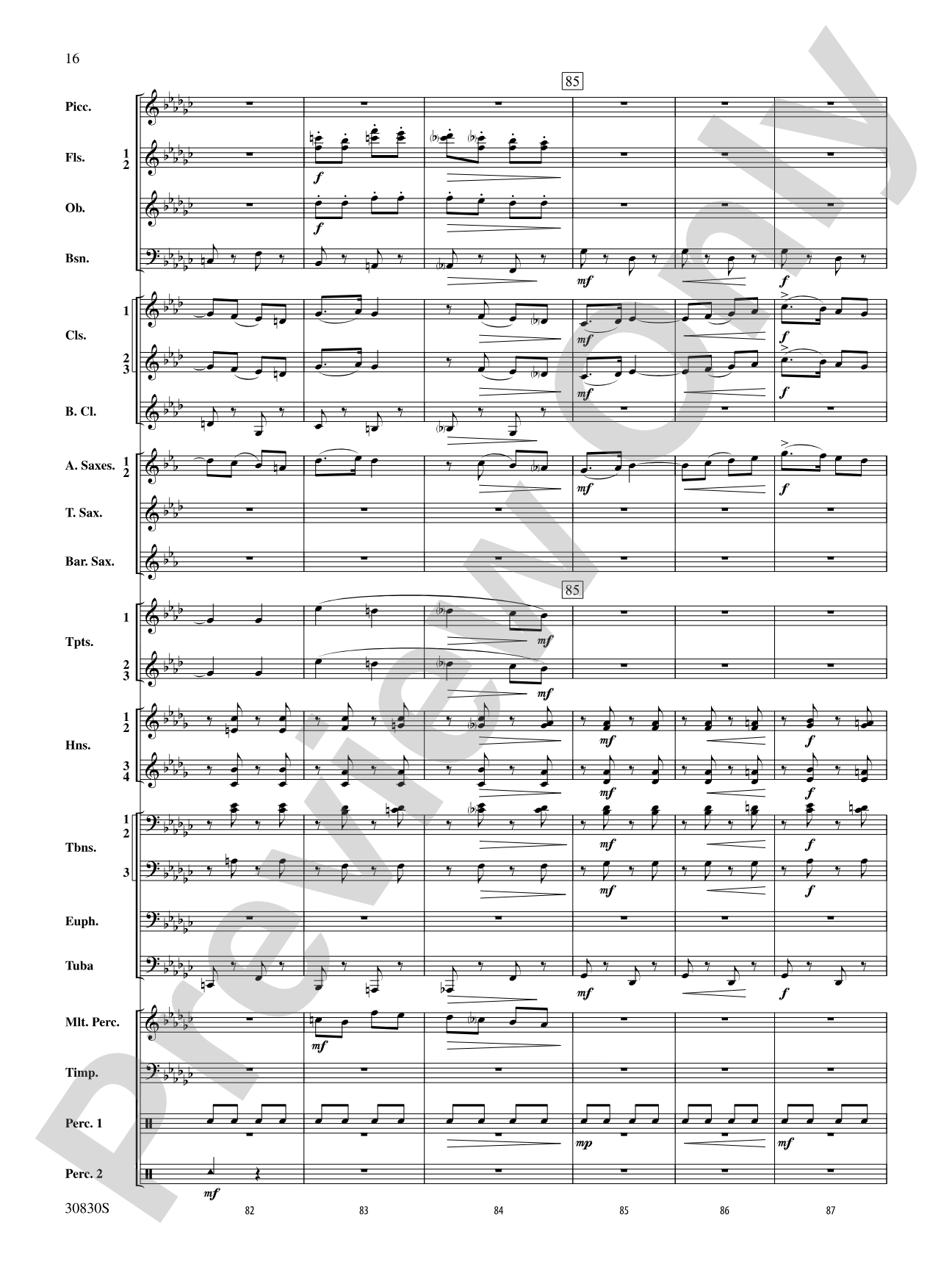
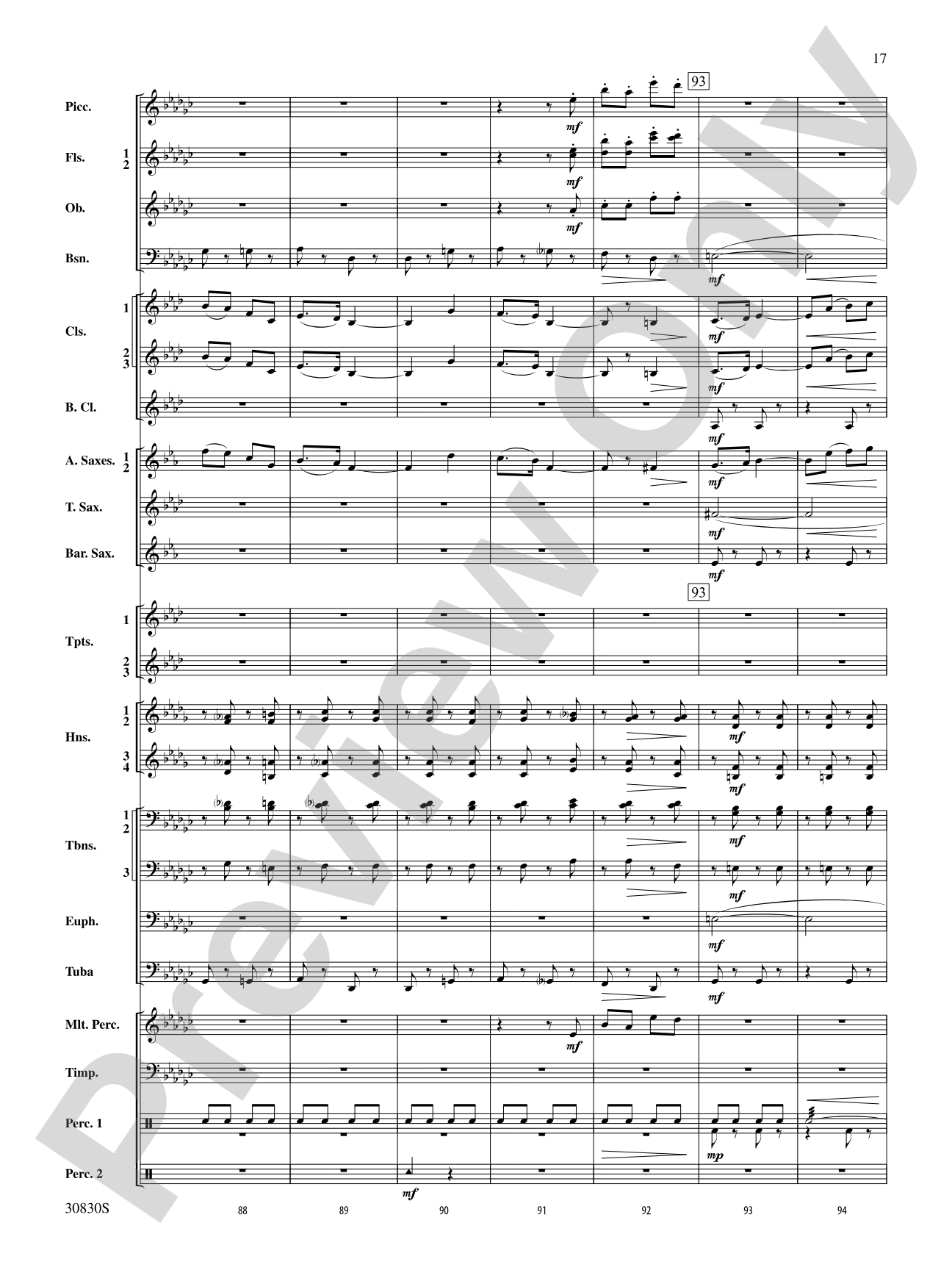
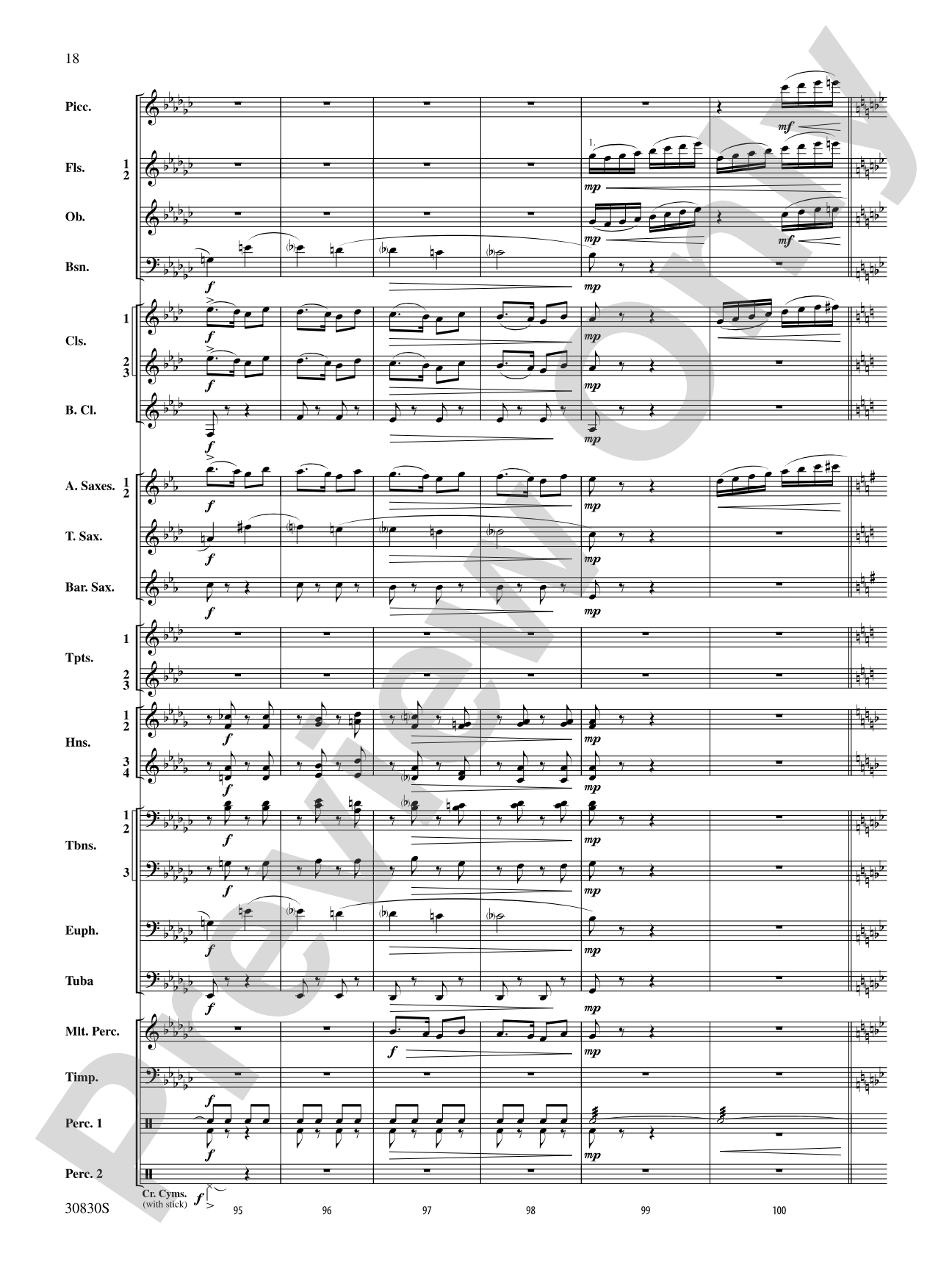
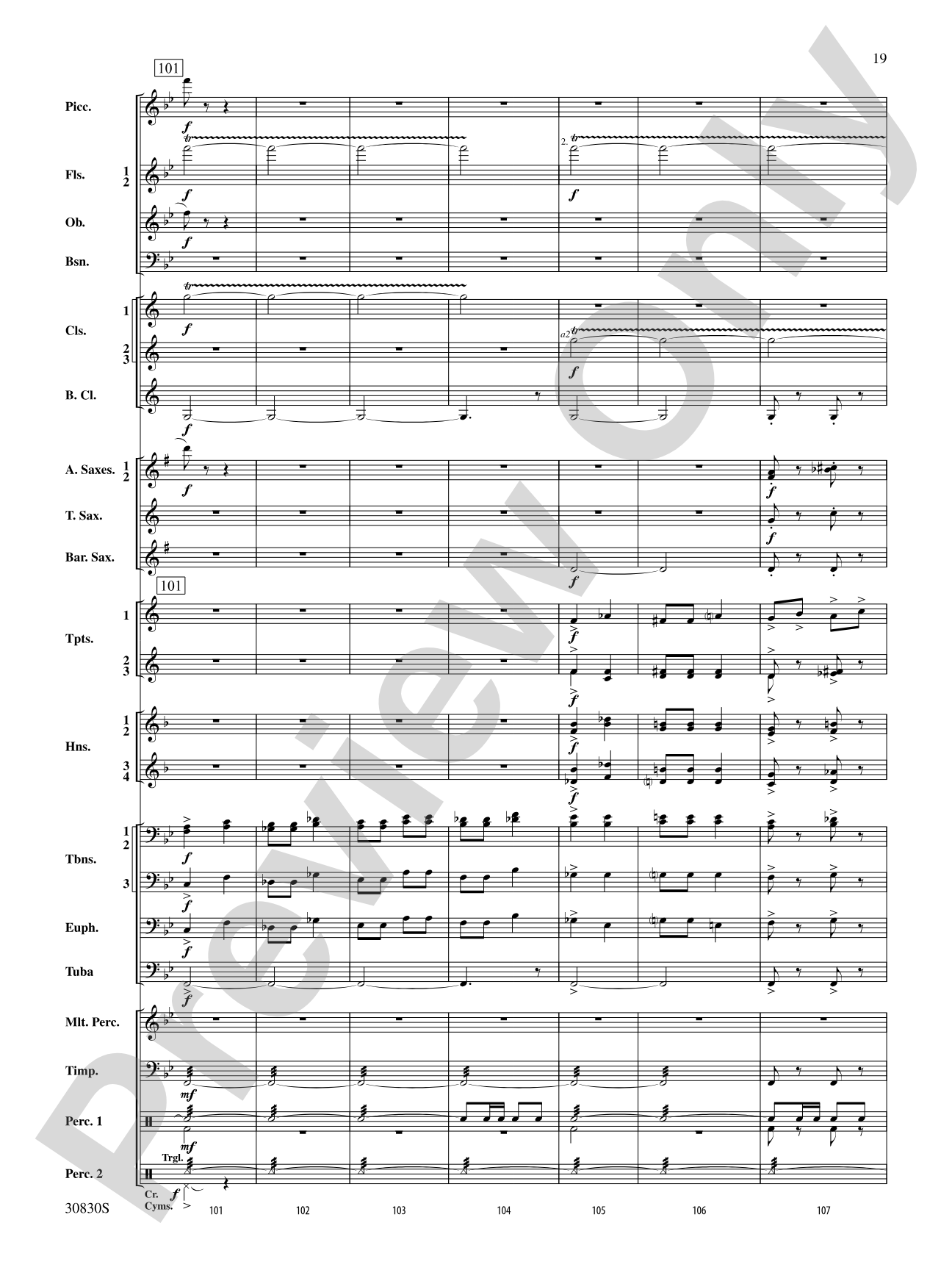
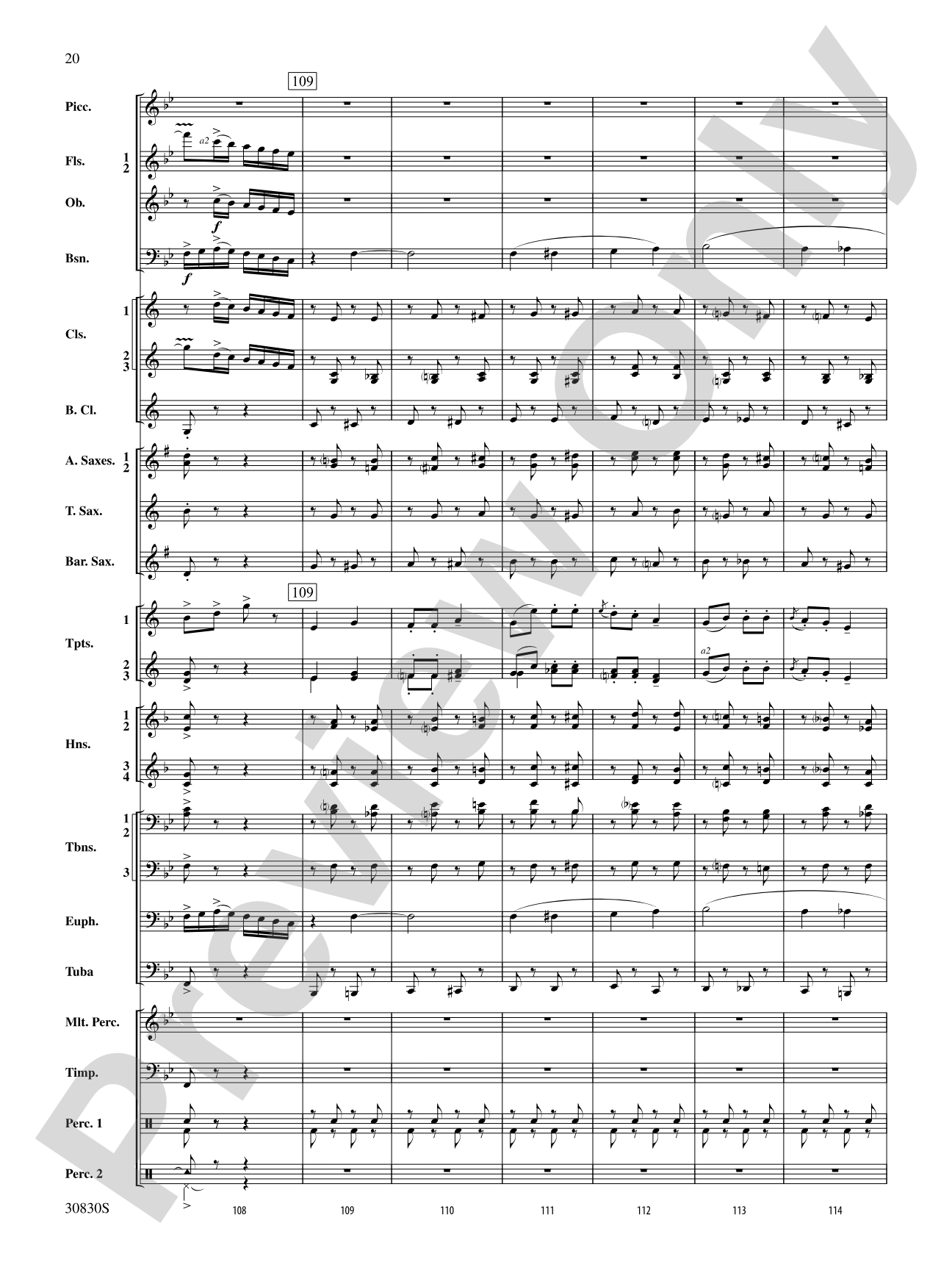
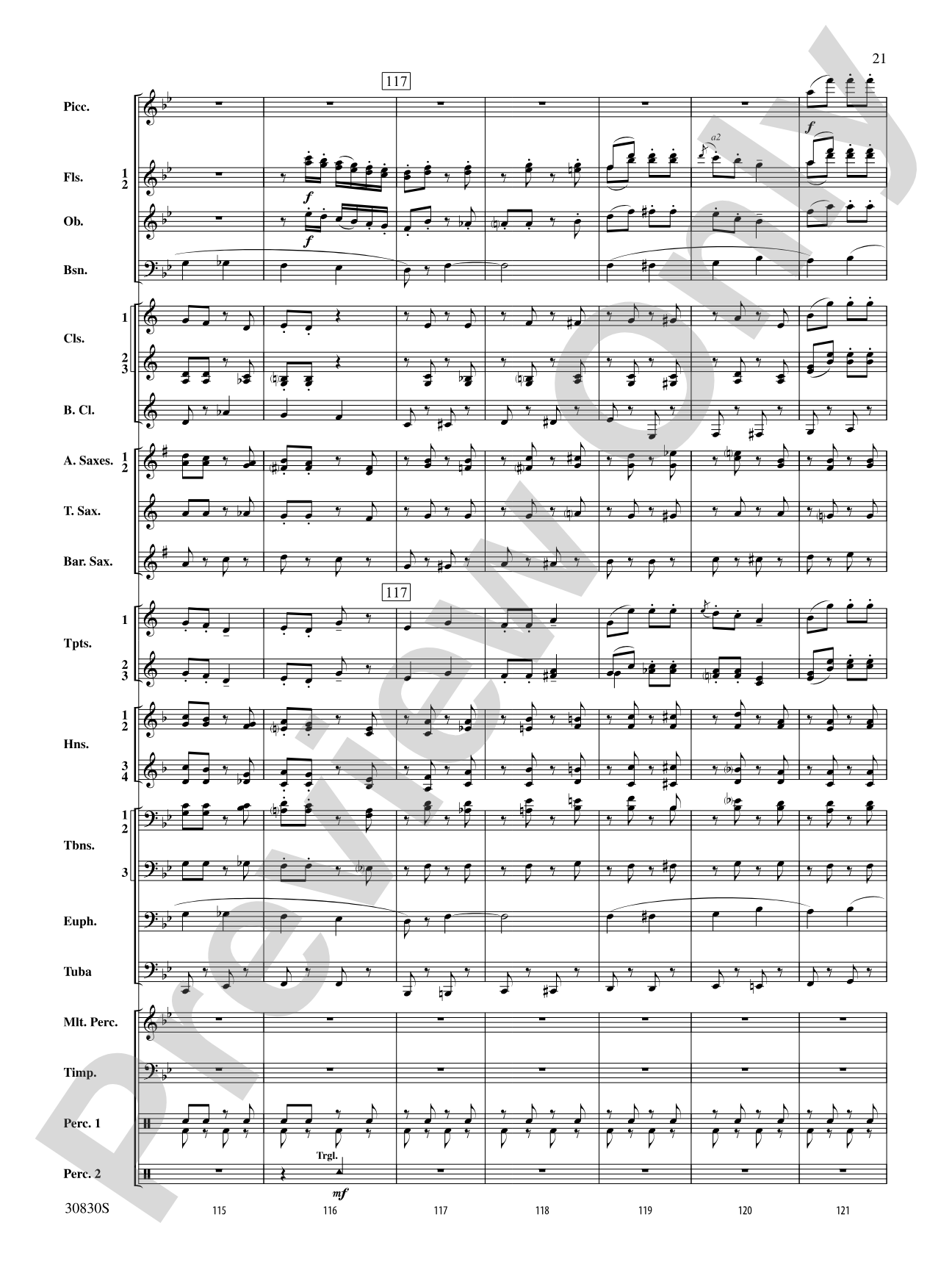
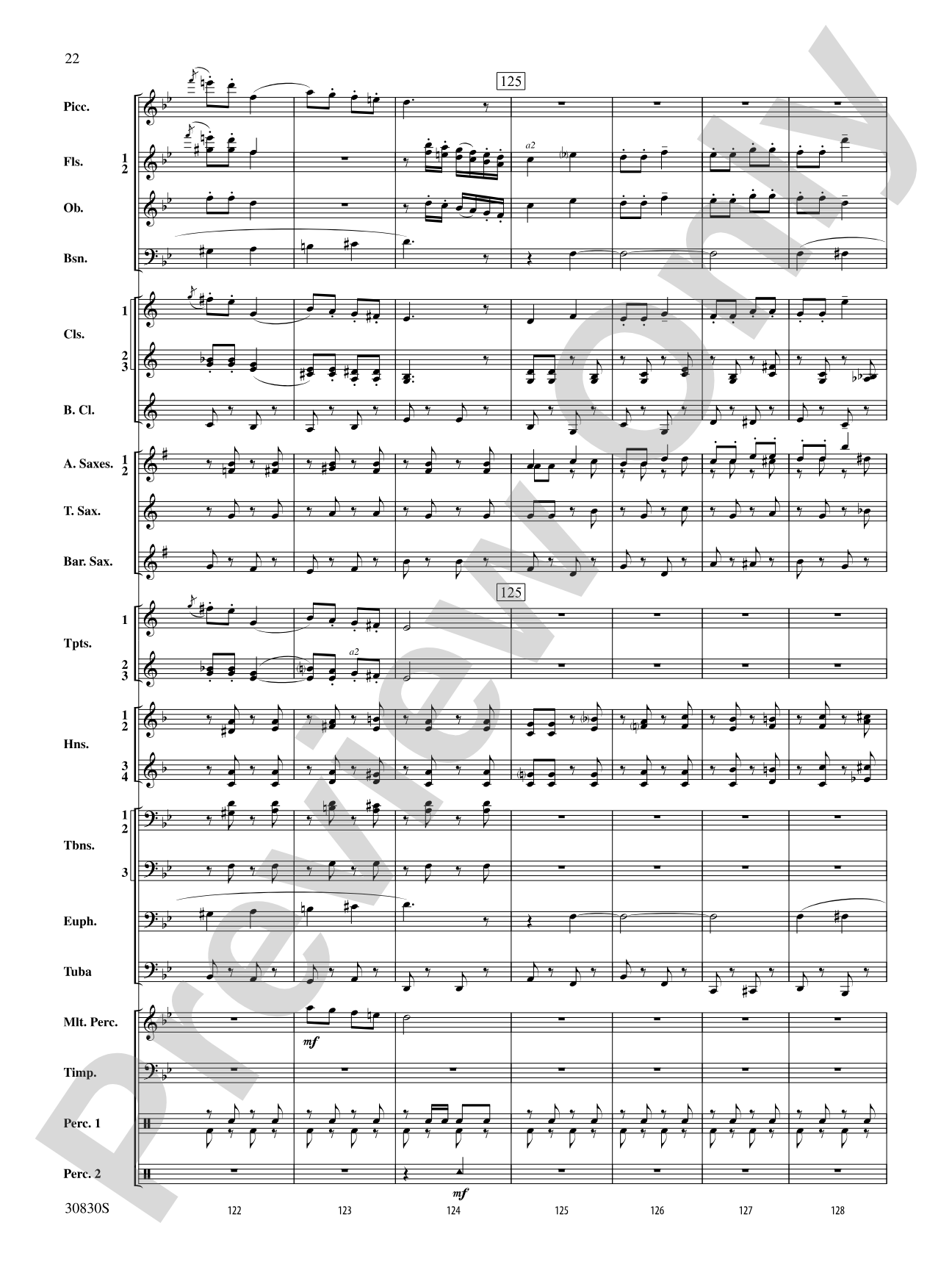
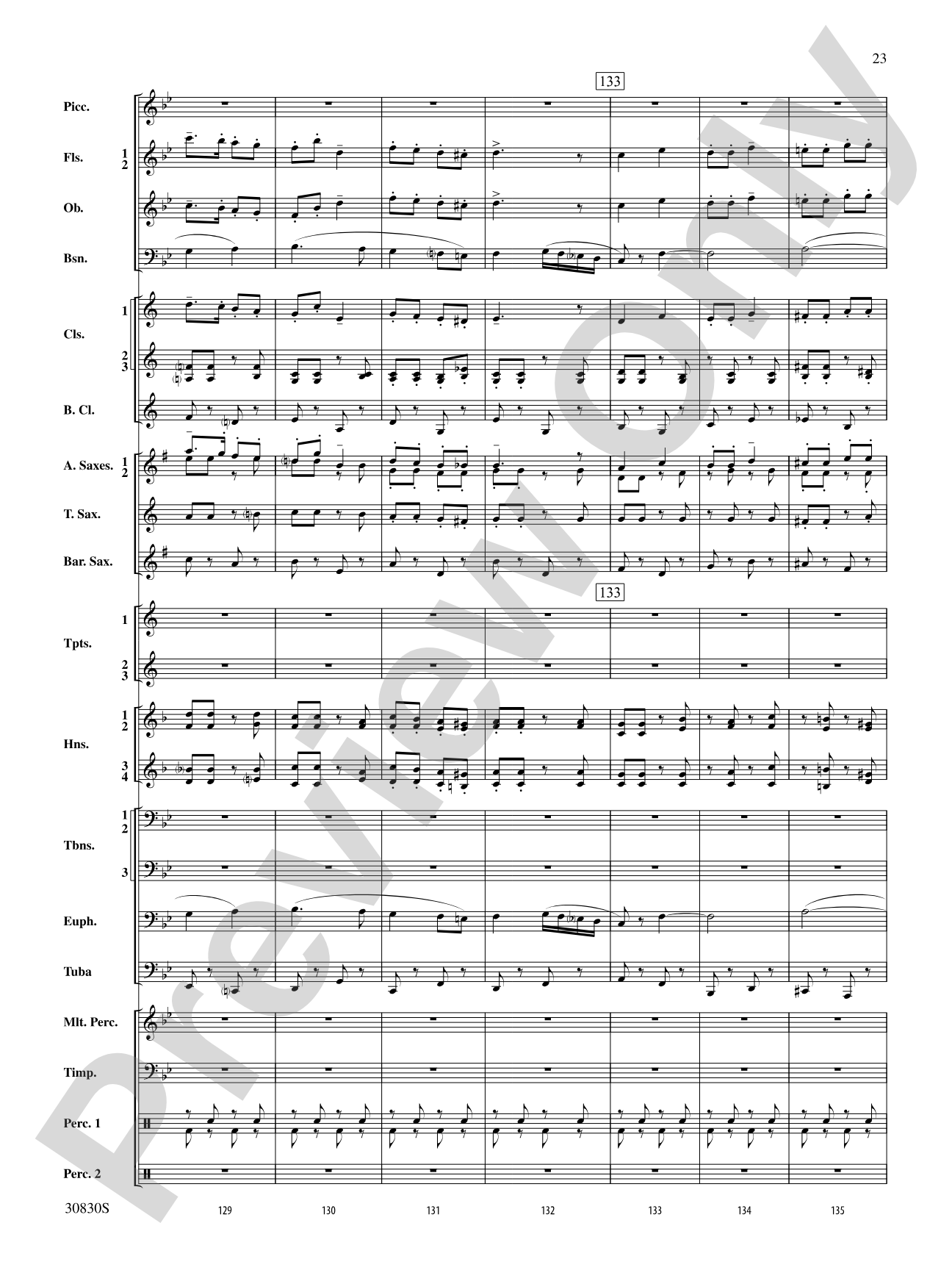
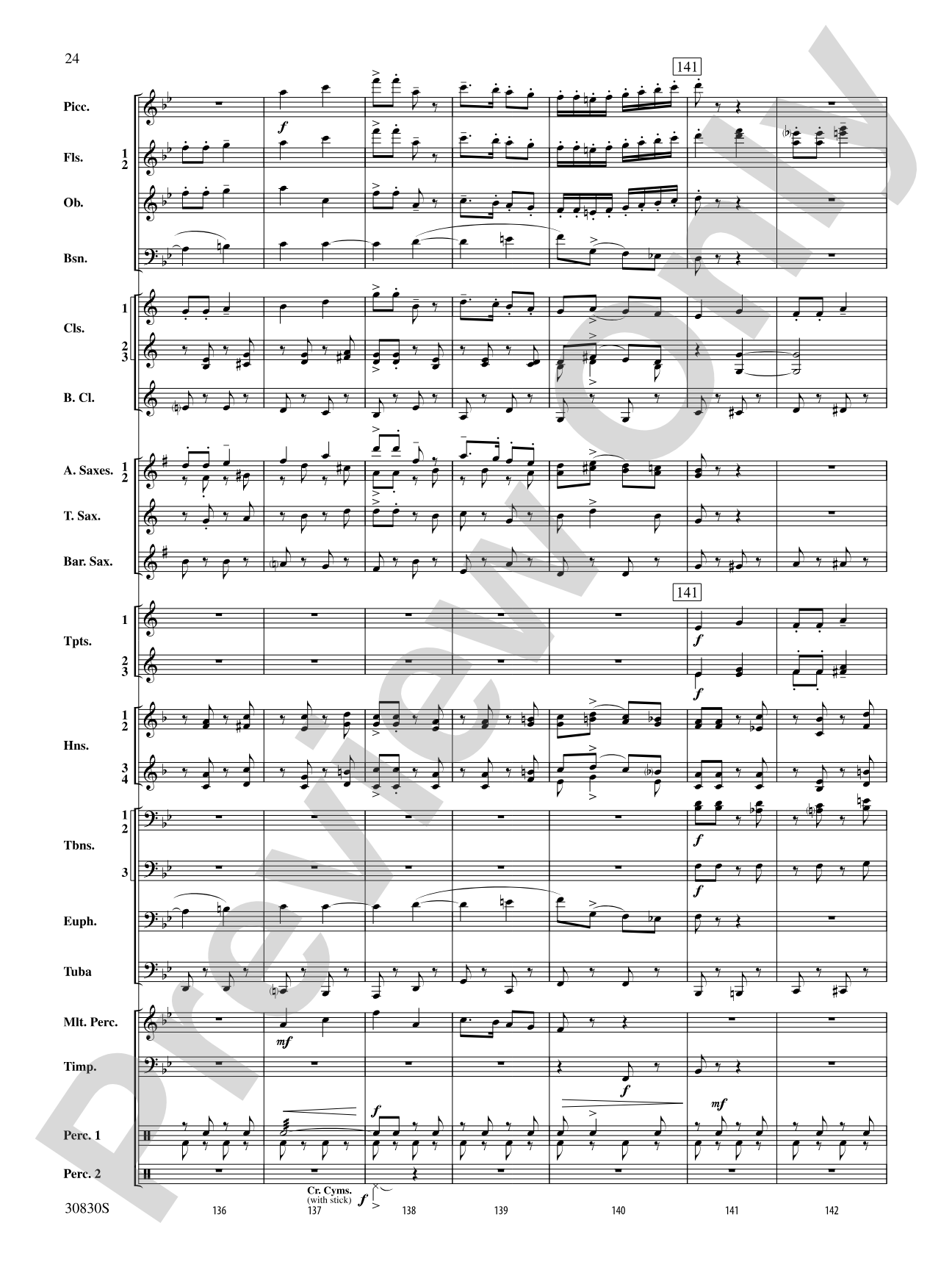
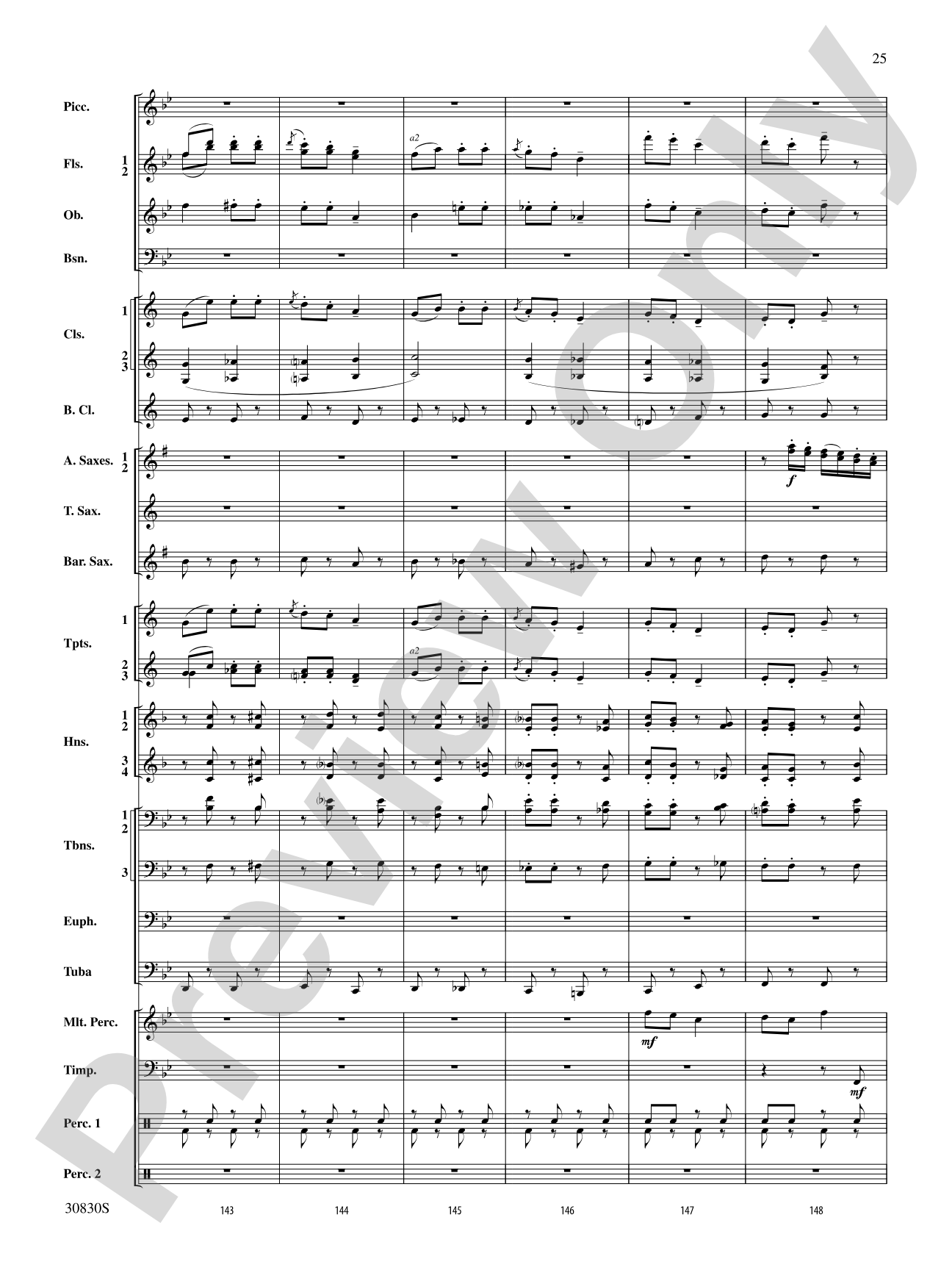
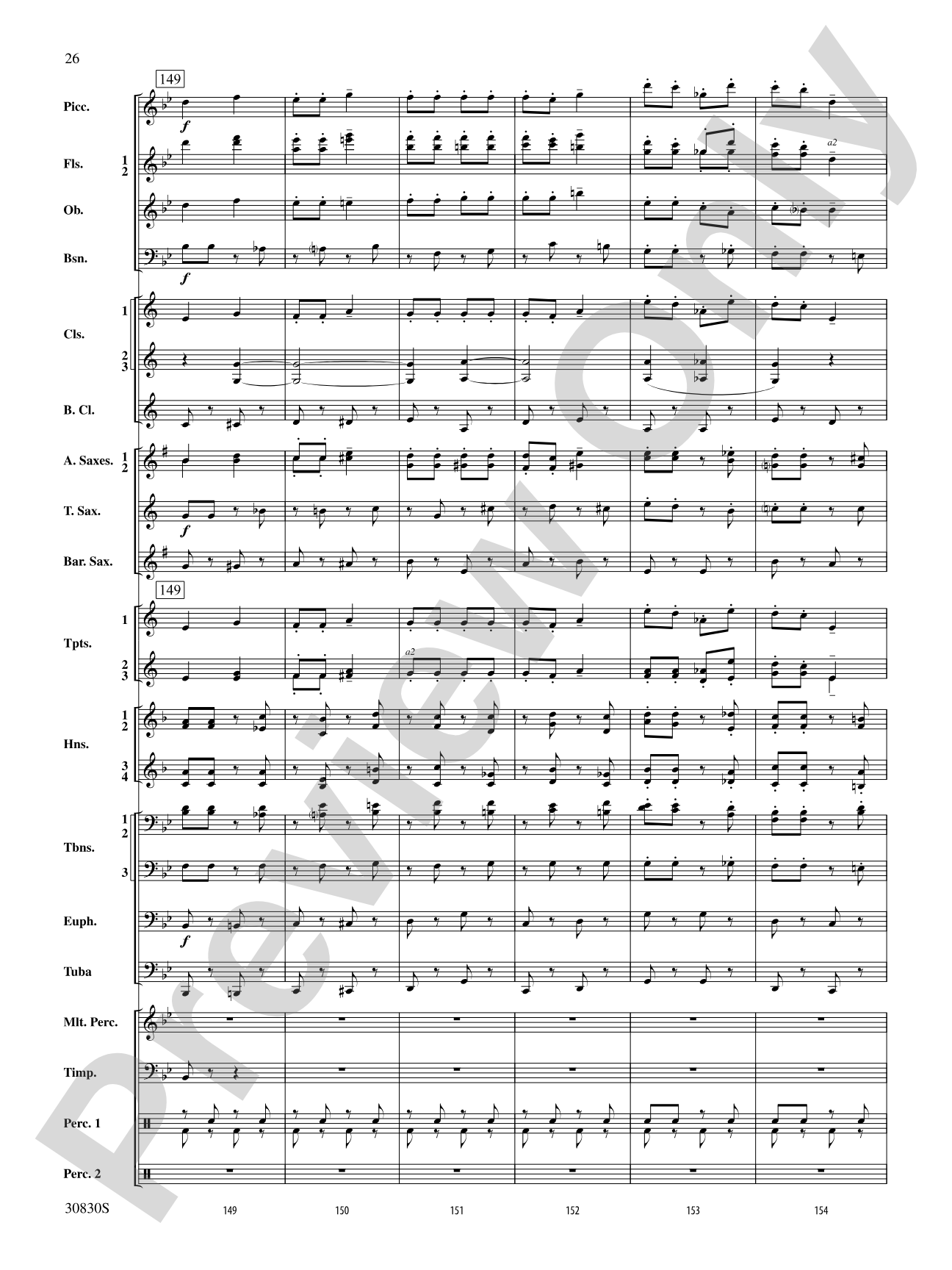
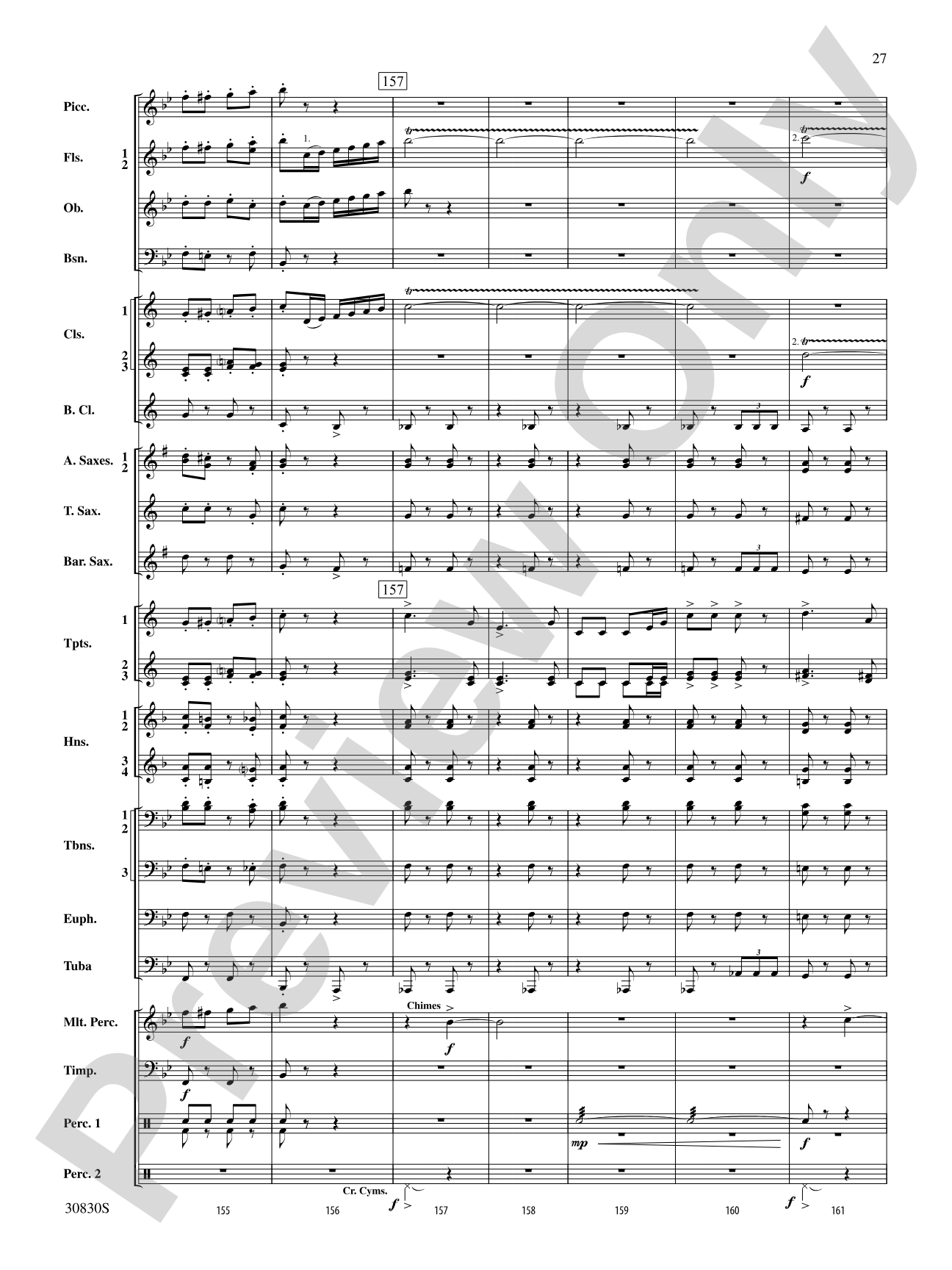
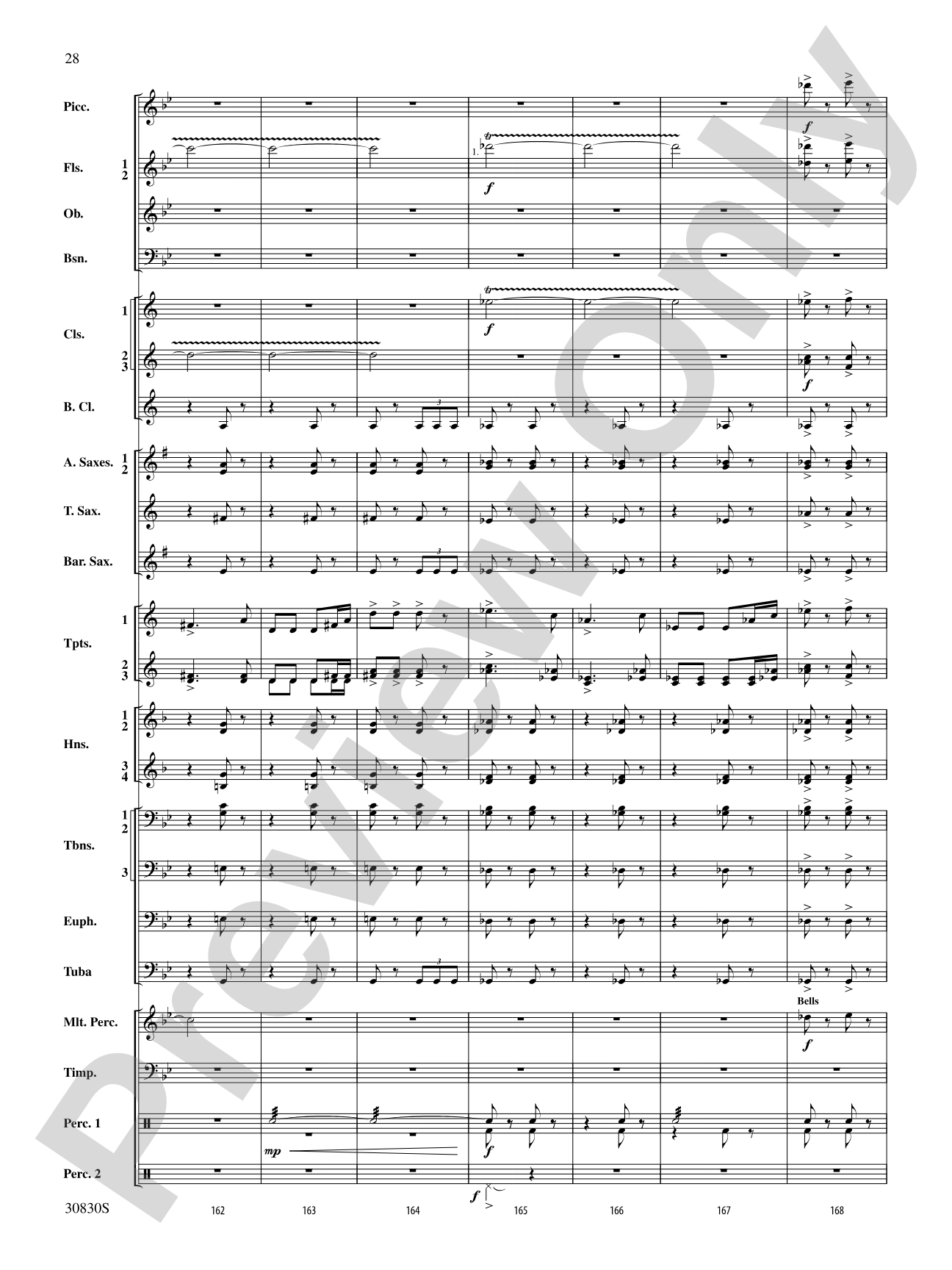
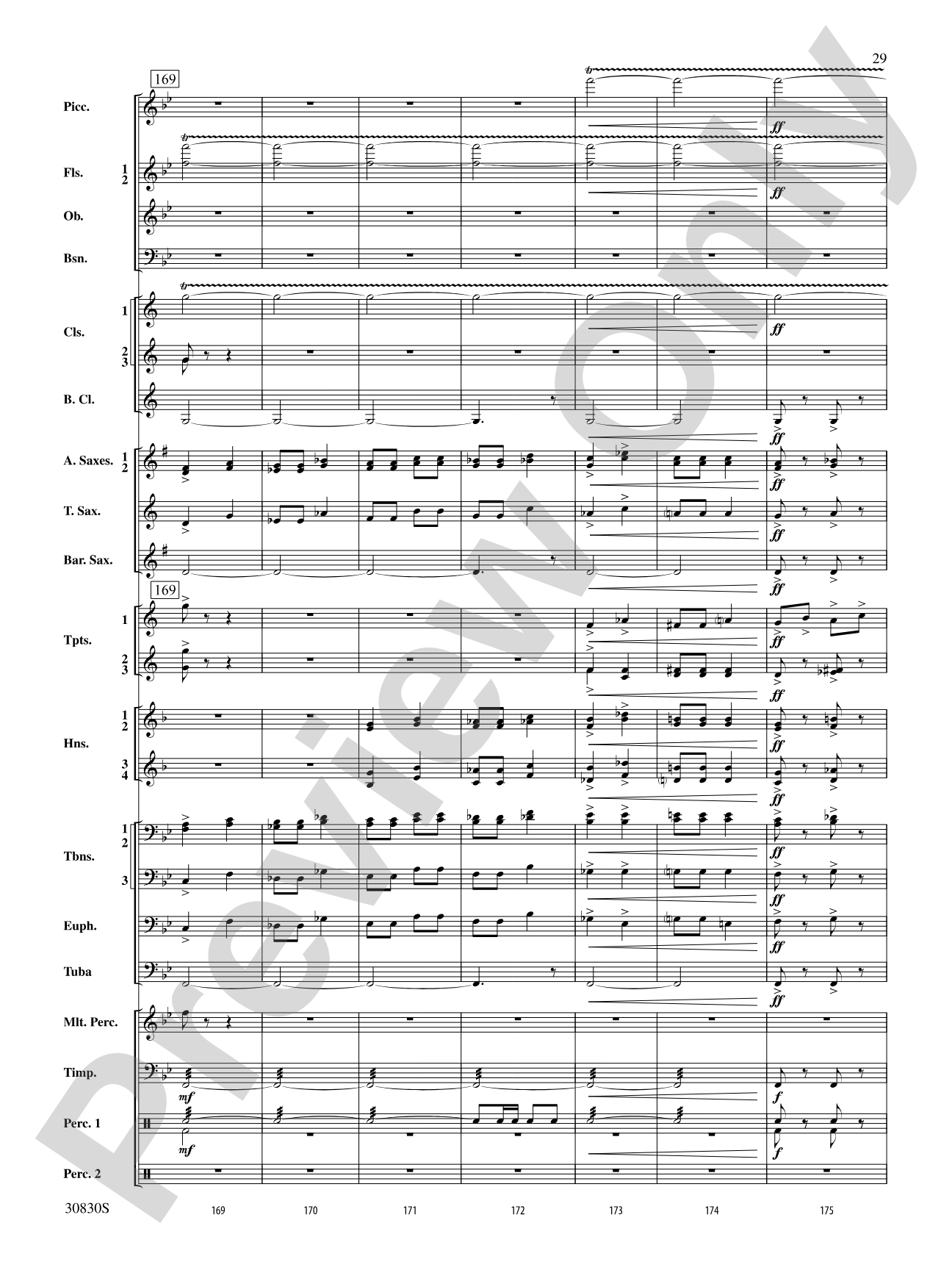
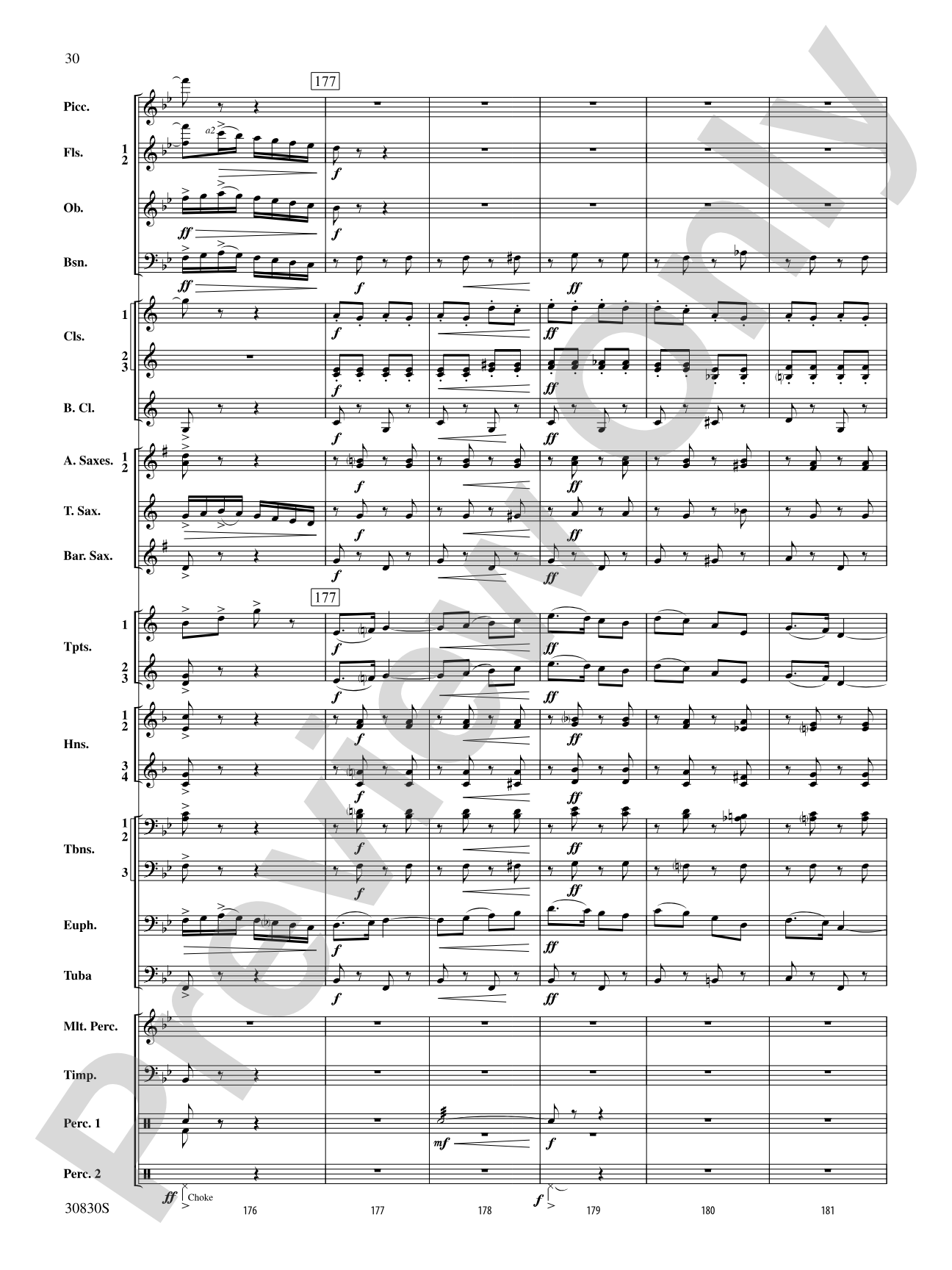
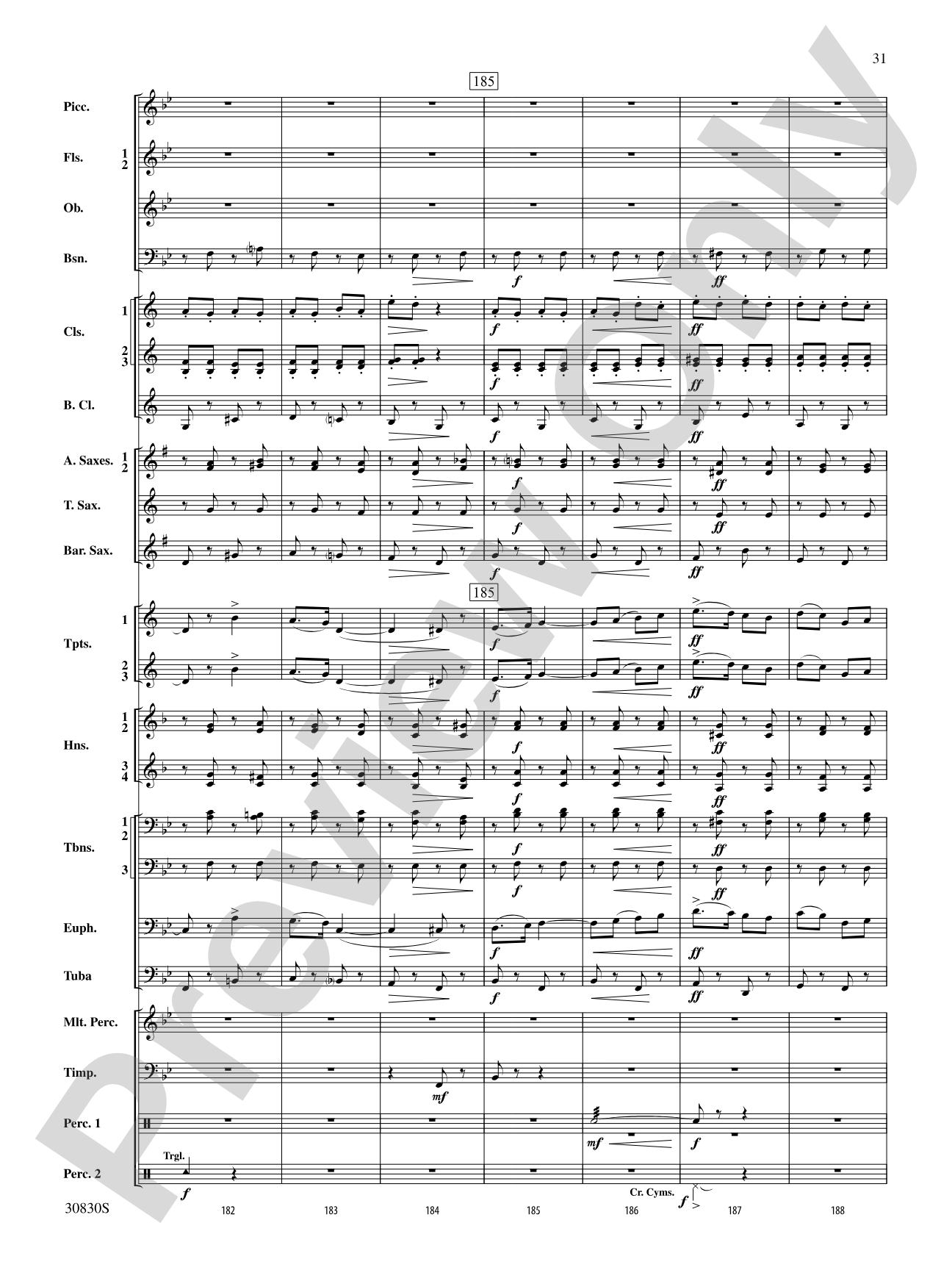
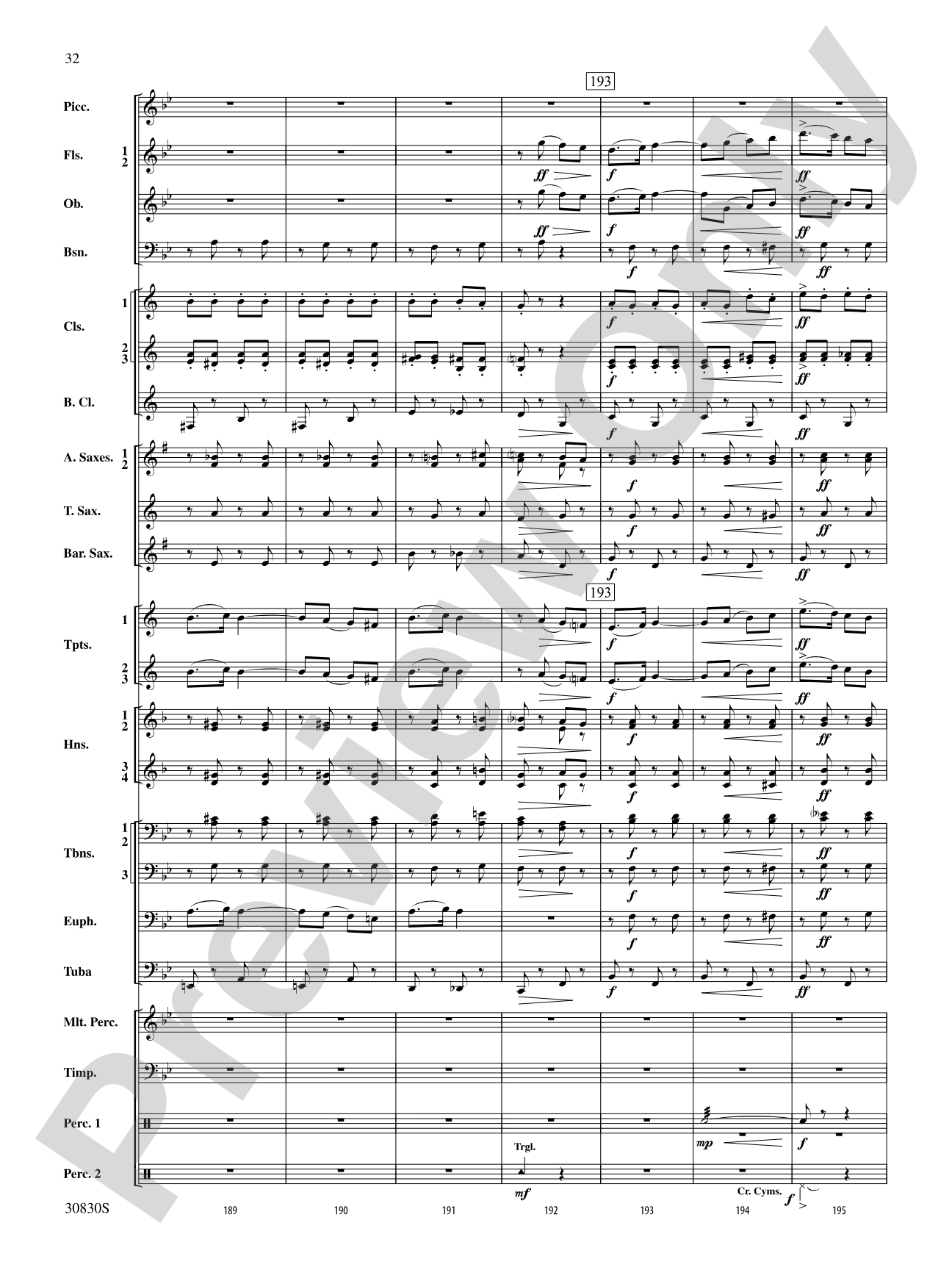
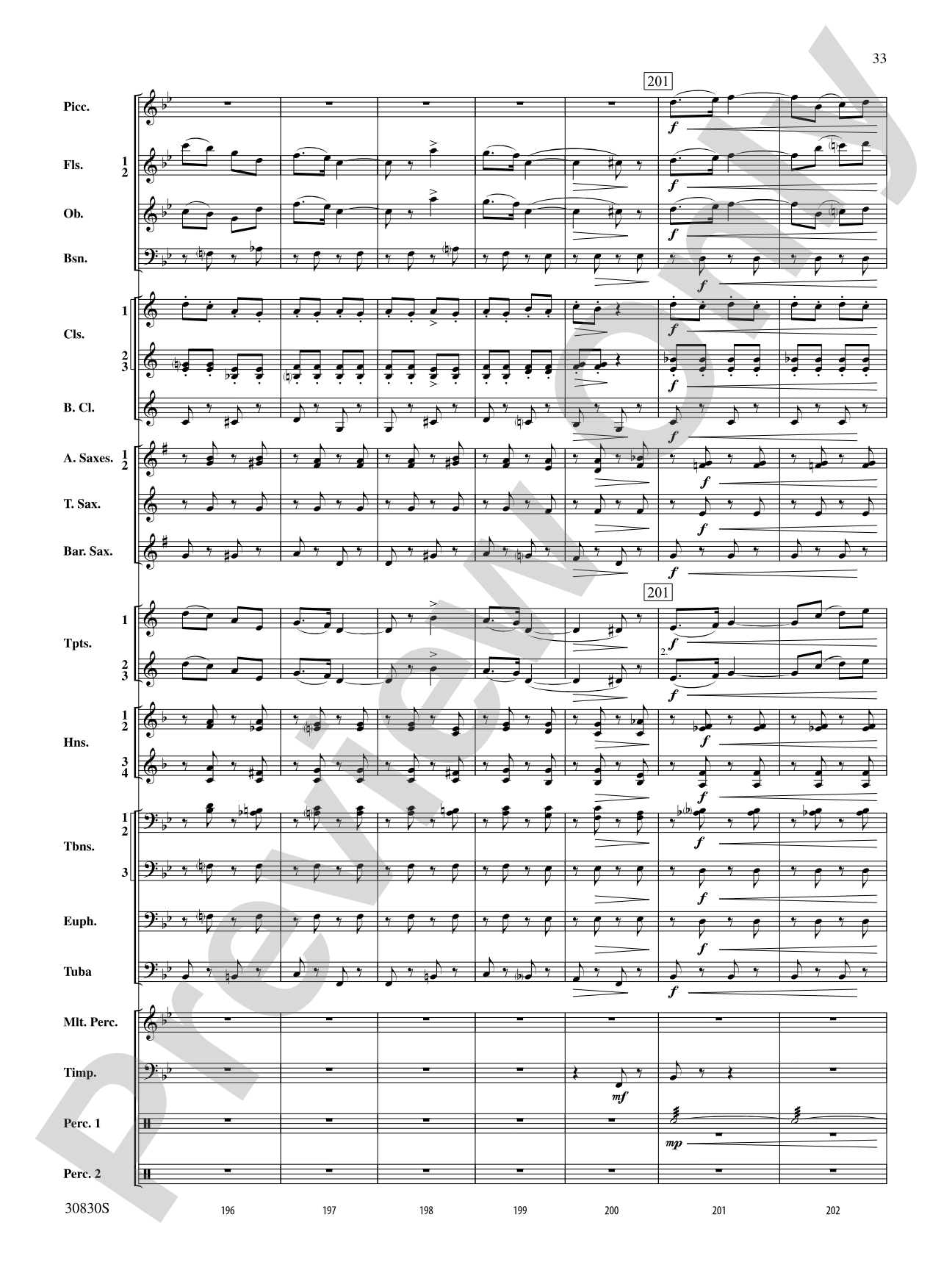
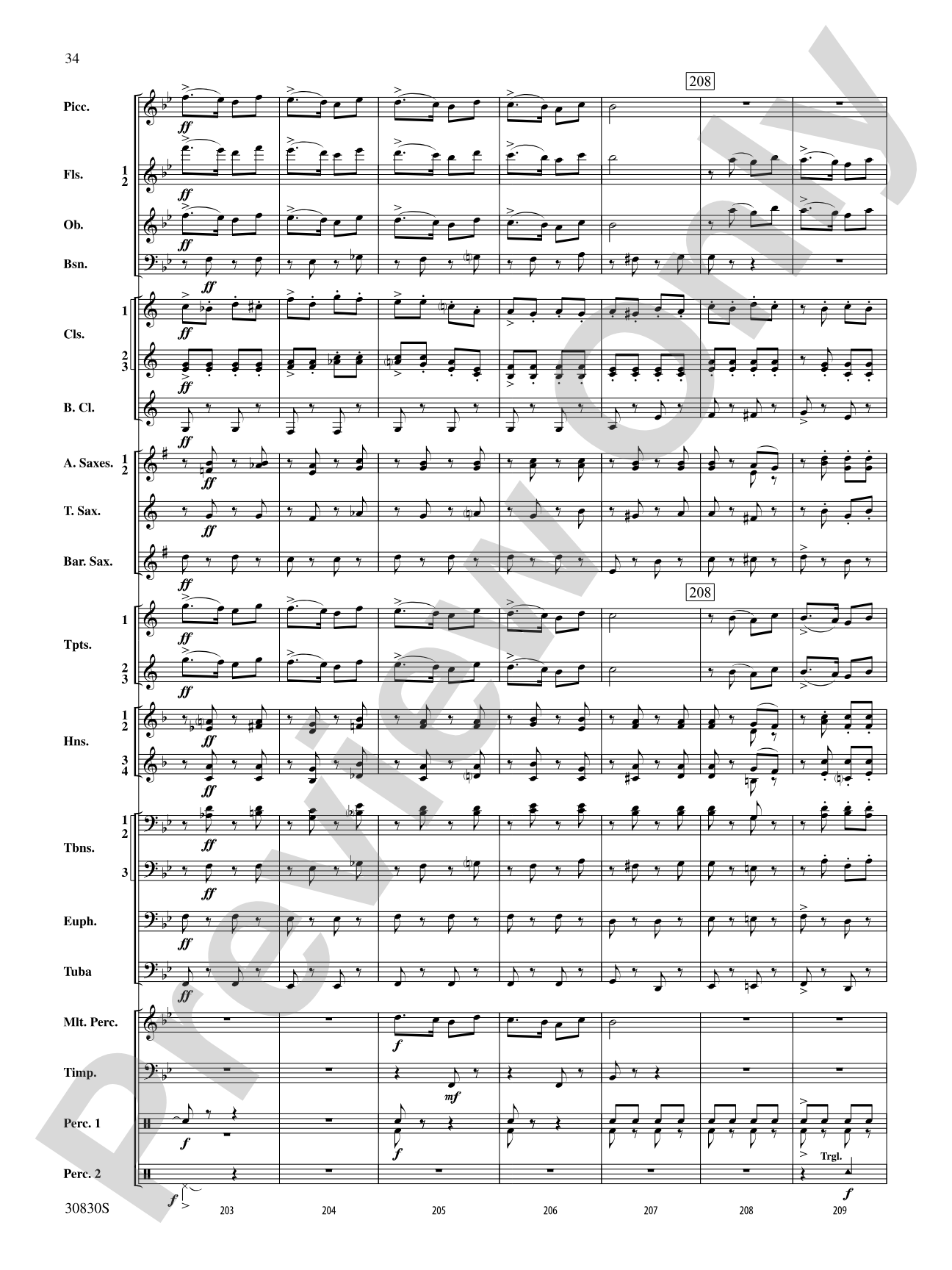
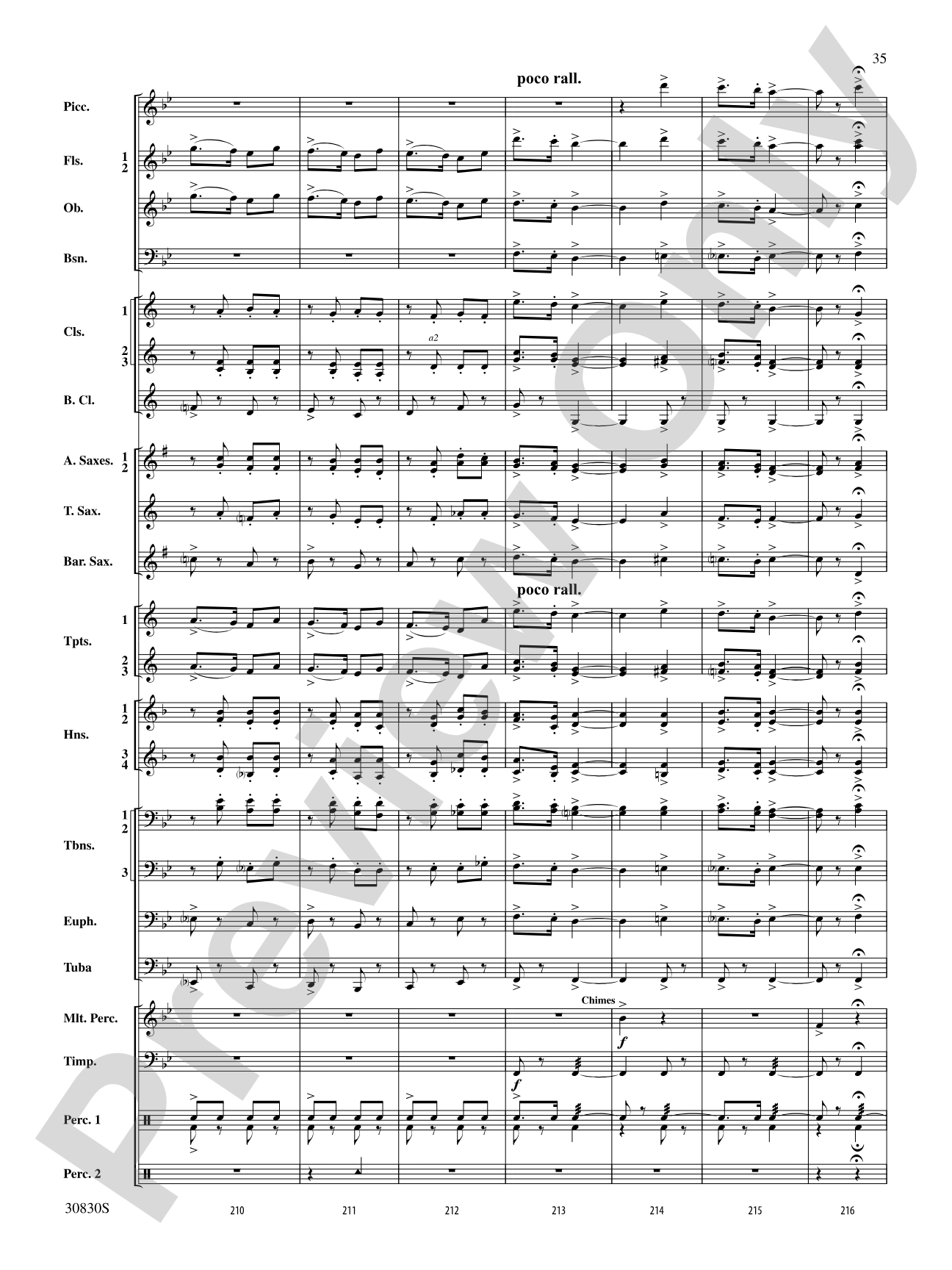
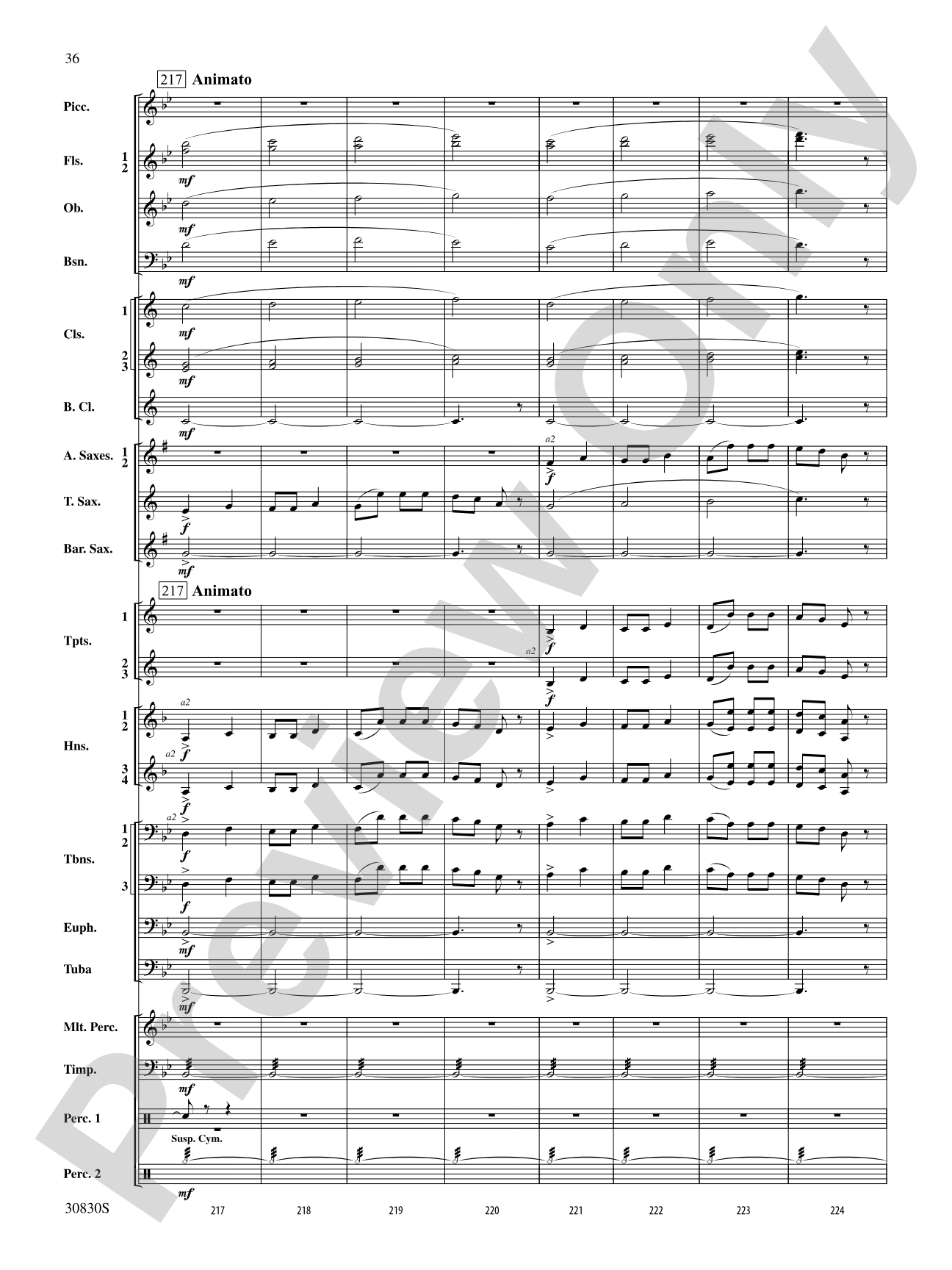



Oxford Street (March): Concert Band Conductor Score & Parts
First Movement (from "London Again" Suite for Orchestra)
By Eric Coates / arr. Douglas E. Wagner
Grade: 4 (Medium)
Item: 00-PK-0001698

$70.00
One moment…
Description
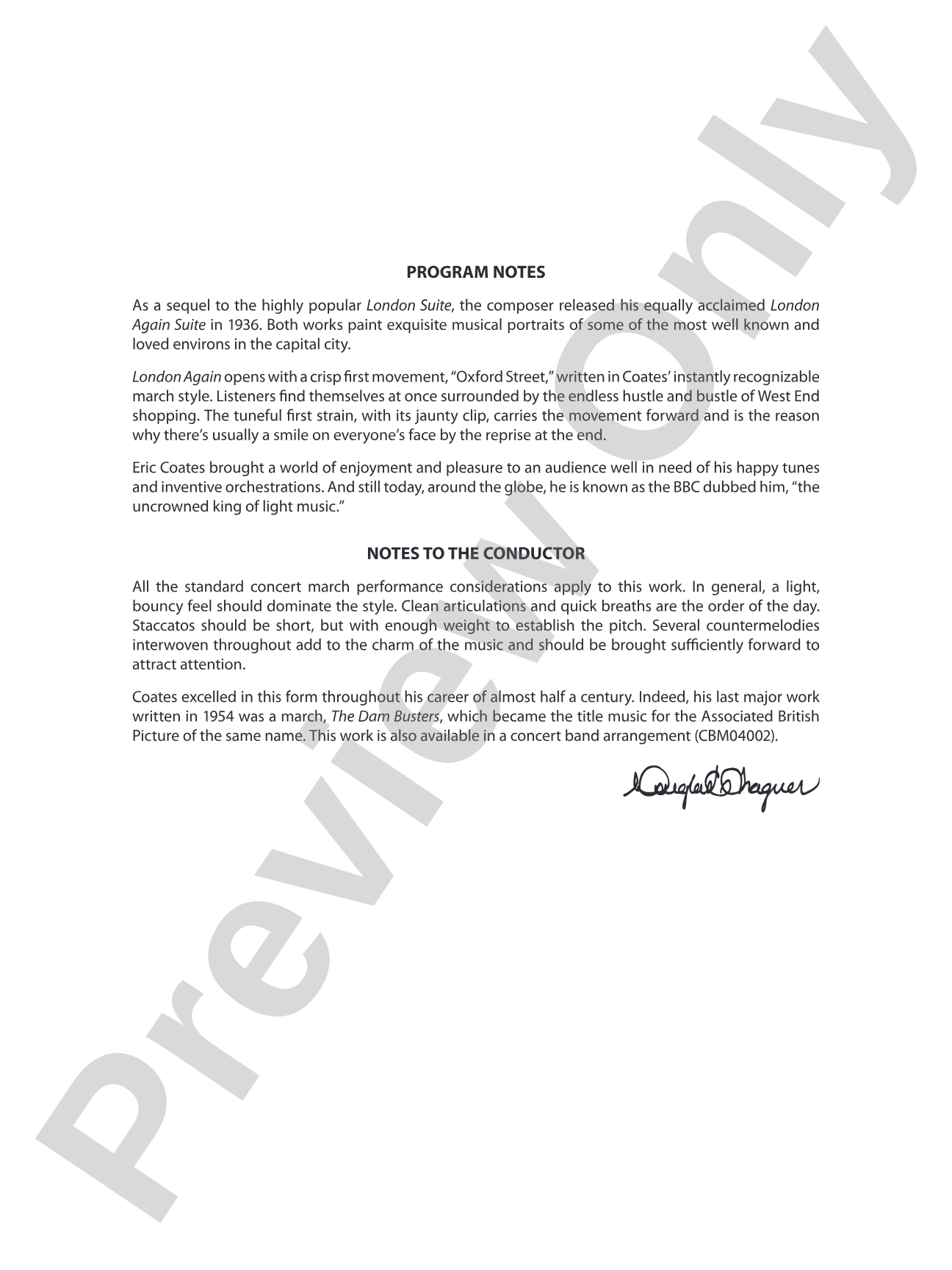
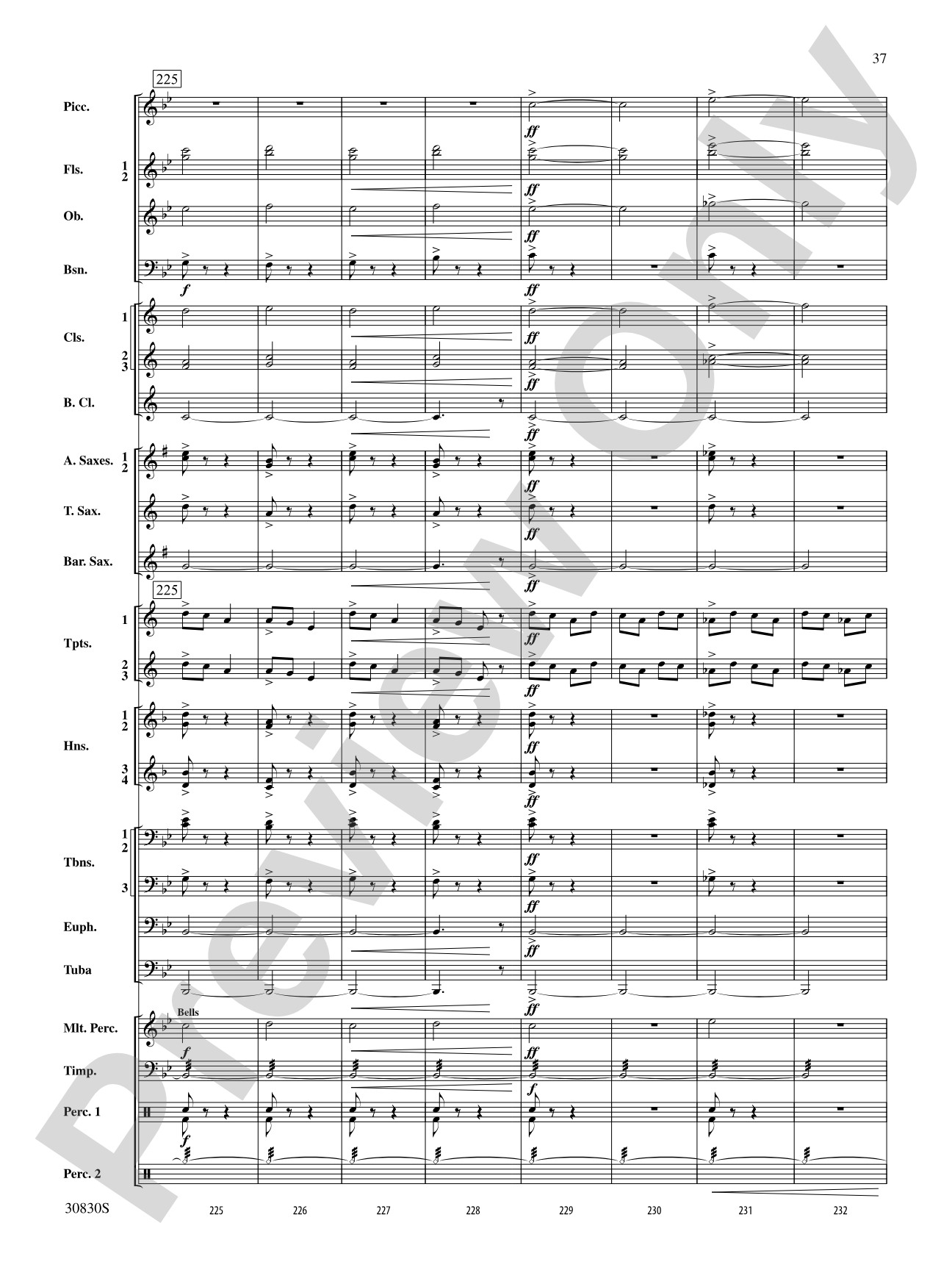
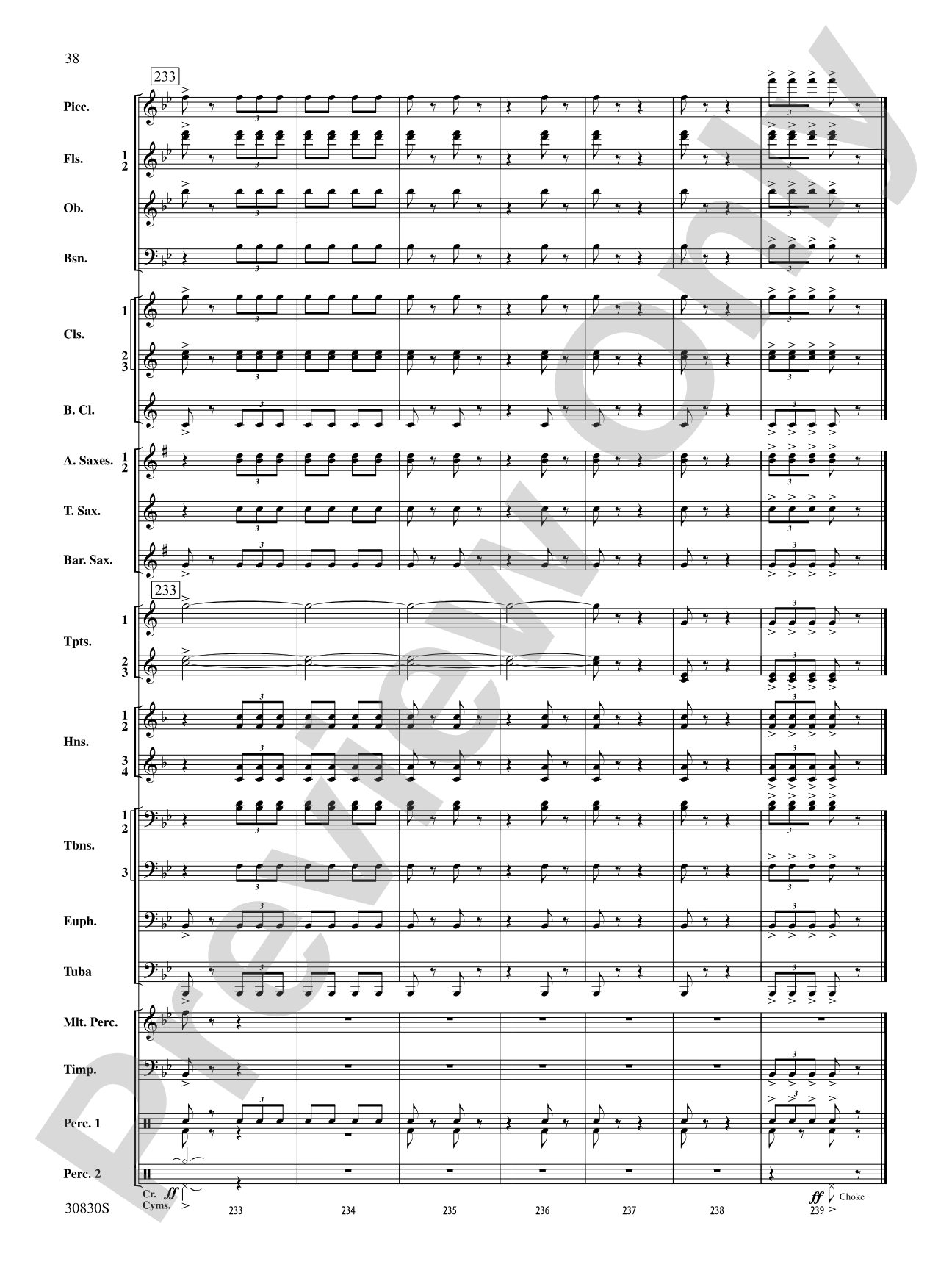
This first-ever transcription of the opening "march" takes the listener to the hustle and bustle of London's west-end shopping district. Dubbed the "uncrowned king of light music," Coates' instantly recognizable scoring in a march-style is a certain winner for Douglas Wagner's new concert band setting. Full of energy, Oxford Street (March) will be a cherished addition to any program. This title is available in MakeMusic Cloud.


Don't just read it, hear it, play along with it, and watch your students grow with it. In MakeMusic Cloud, Oxford Street (March): Concert Band Conductor Score & Parts comes alive with professional accompaniment, adjustable tempo, and built-in practice tools that turn solo practice into real progress.
Open in the Player
Jump straight in and assign it today.
Start Your Free Trial
Open this title and explore the full library in minutes.
Sample Audio
1
Audio File
--:--
0:00
0:00
Sample Video
No sample videos found.
Additional Details
Series:
Pop Symphonic Band
Publisher:
Alfred Music
Page Count:
238
SKU:
00-PK-0001698
More about this title
About the Composer: Eric Coates
Eric Coates (1886–1957) was a British composer and conductor who earned the title "uncrowned king of light music" for his gift at crafting spirited, accessible orchestral works that captivated audiences on both sides of the Atlantic. His prolific output spanned marches, waltzes, and descriptive orchestral pieces that became staples of British concert life and radio broadcasts during the mid-twentieth century. His melodies are instantly recognizable, shaped by clear harmonic language and orchestration that brings character and warmth to every phrase.
Why we love this
Douglas Wagner's band transcription captures the infectious swagger and rhythmic vitality of Coates' original scoring without sacrificing the piece's theatrical charm. Grade 4 bands often struggle to find repertoire that sounds confident and polished without demanding extreme technical facility or endless rehearsal time; this march delivers both. The energy is sustained throughout, the orchestration sits well in the band, and audiences respond immediately to its buoyant character.
What to expect
Oxford Street evokes the vibrant energy of a London shopping district in its heyday—purposeful, cheerful, and teeming with colorful motion. The march unfolds with the kind of buoyant optimism that draws listeners in immediately, combining traditional march structure with Coates' signature melodic gift. It's the musical equivalent of a brisk walk through a bustling street full of light and life.
Who it's for
Grade 4 concert bands looking for a march that showcases musicality, not just technical display. This transcription works equally well for educational ensembles building confidence and blend and for community or university bands seeking accessible concert programming with real musical substance.
How to get the most out of it
- Maintain clarity in the march rhythm across all sections; balance is more important than volume. Brass and reeds should lock together on articulation to keep the forward momentum sharp.
- Shape the melodic line with gentle dynamic curves rather than playing at a single volume. Coates' gift for tuneful writing shines when conductors allow the phrases to breathe and land naturally.
- Watch intonation in the woodwind choir during sustained harmonic passages. The piece's light orchestration exposes tuning issues that heavier arrangements might mask.
- Use the recorded accompaniment available in MakeMusic Cloud to build ensemble confidence and help students internalize the piece's characteristic rhythmic character before the first full rehearsal.
How to use it
This march pairs beautifully with other light music selections or contemporary band works in a concert devoted to accessible, audience-pleasing repertoire. It also works as an effective opening or closer for a mixed program, giving bands a confident, upbeat vehicle that builds momentum without requiring extended rehearsal time.
Skills your students will build
- Executing clean march articulation across multiple sections simultaneously
- Balancing melodic and harmonic lines within a light texture
- Shaping phrase contours in a rhythmic style without sacrificing forward motion
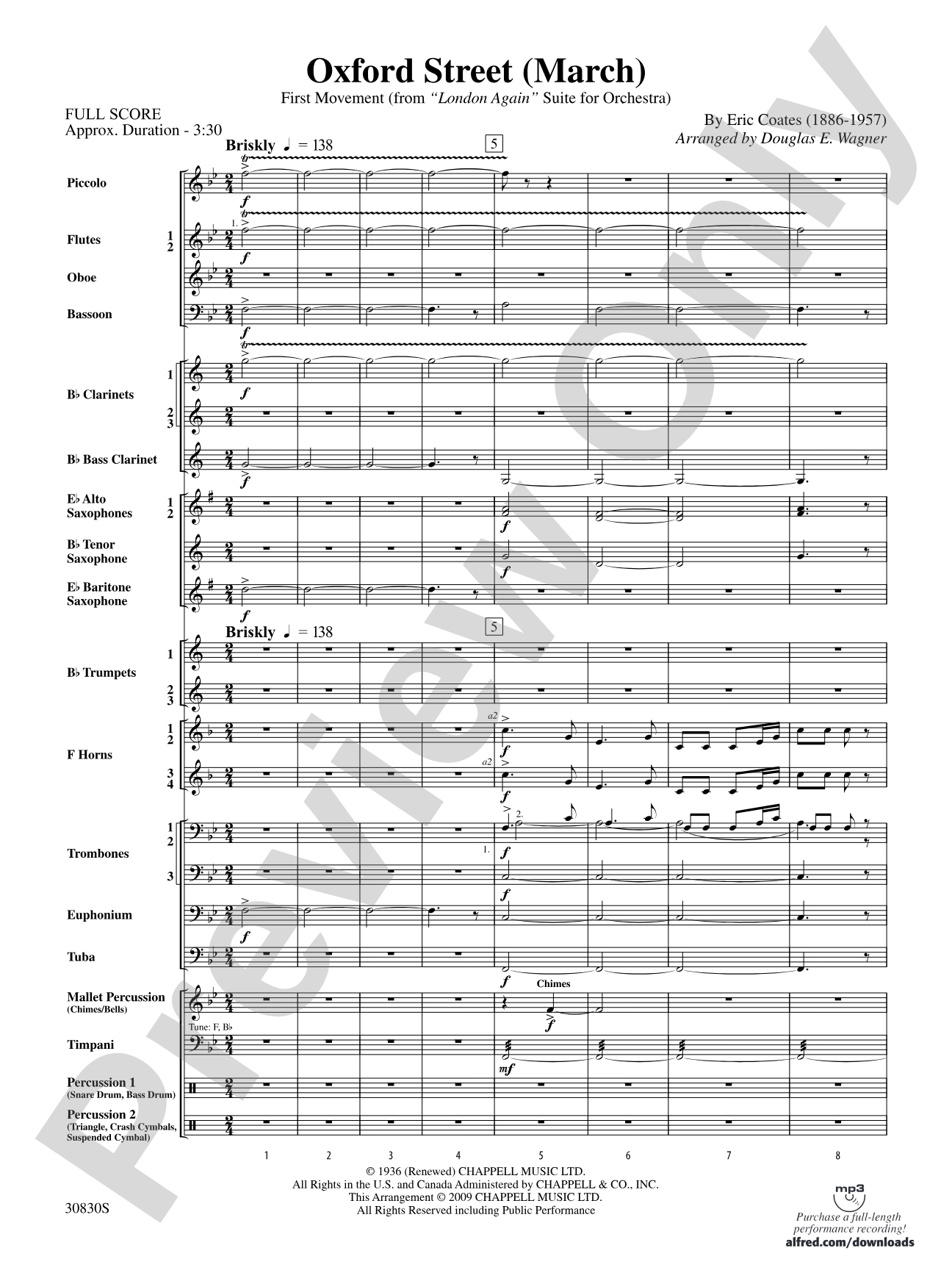
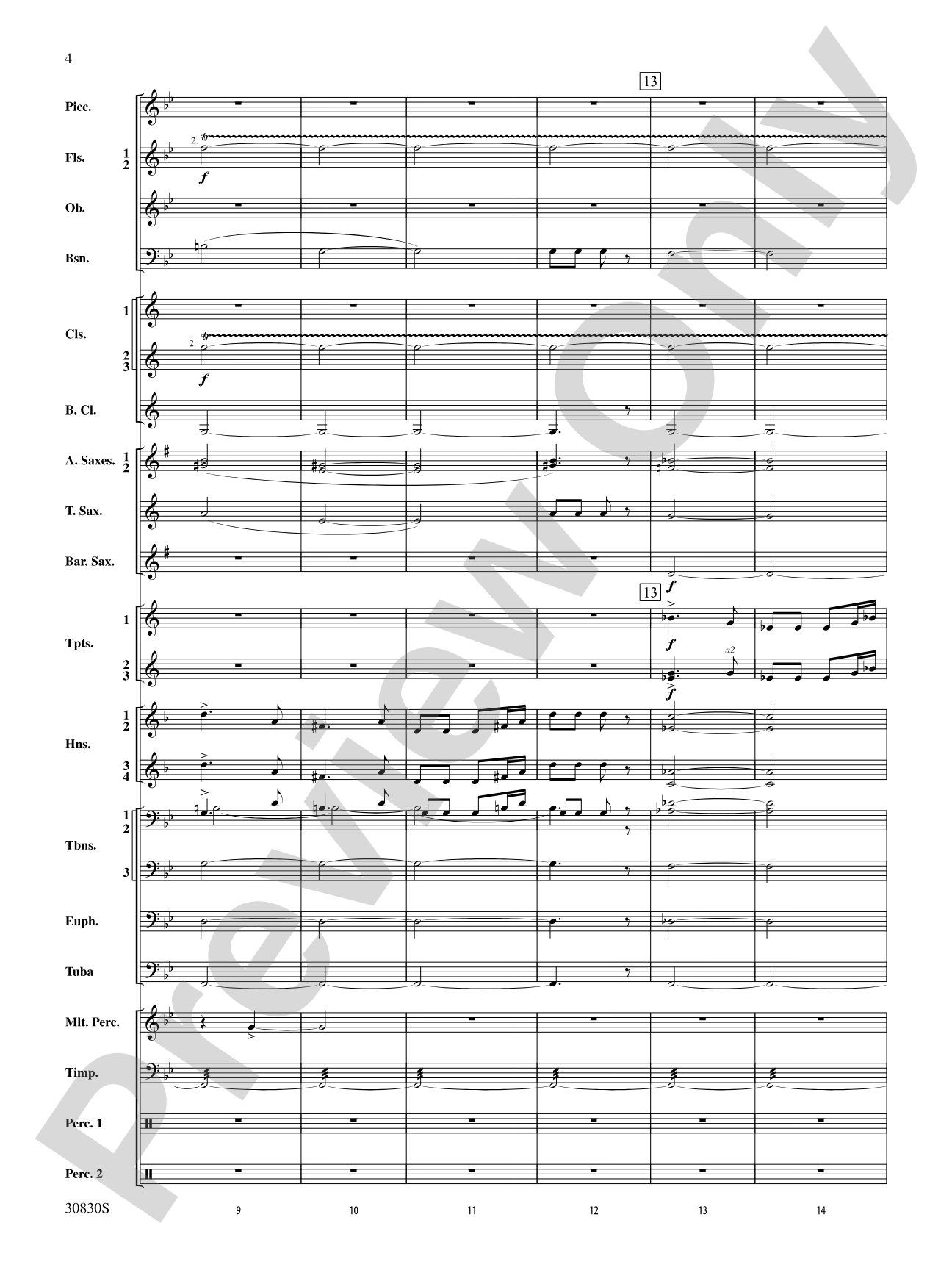
- Reading compact score layouts typical of concert band transcriptions