

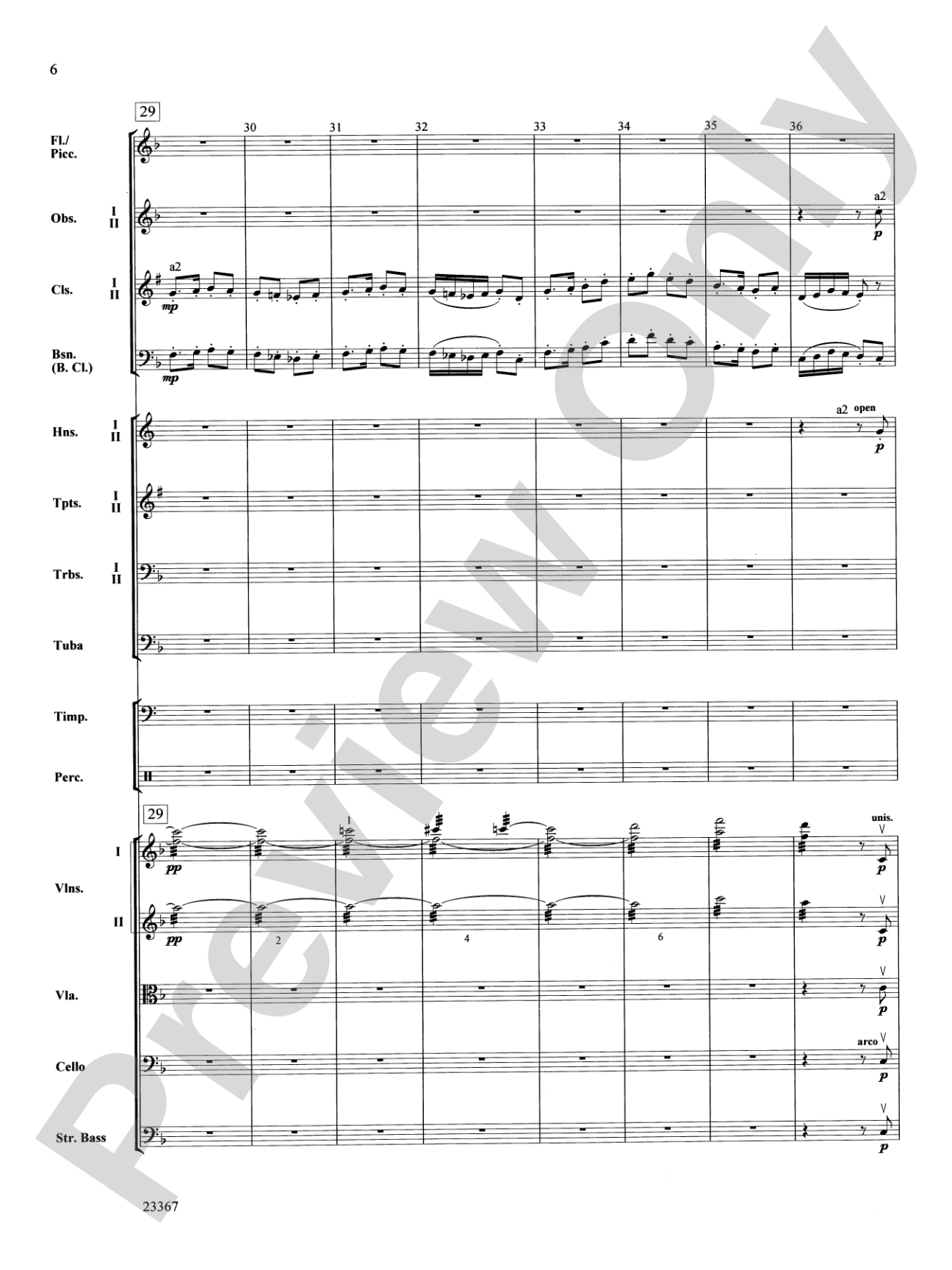
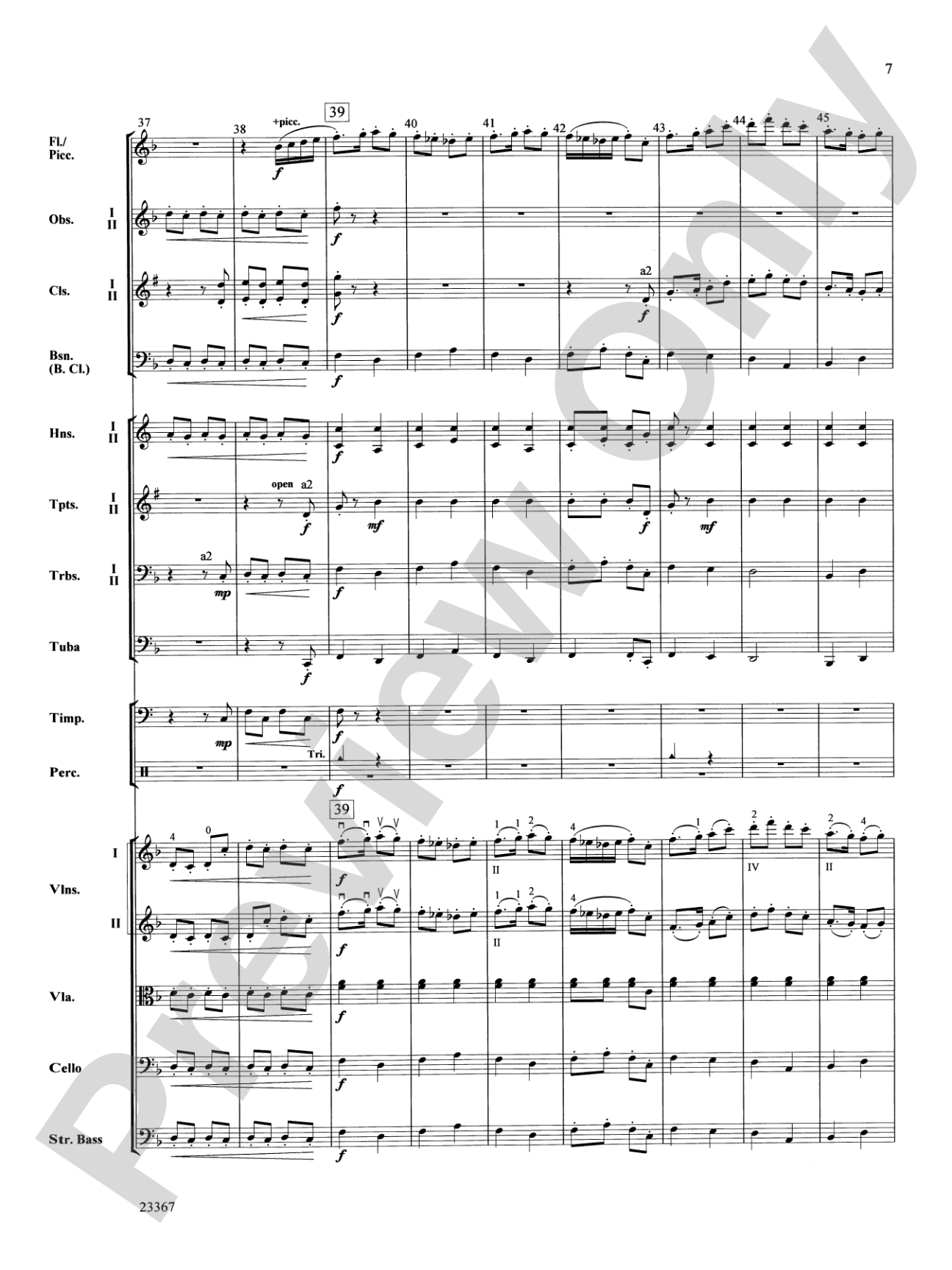
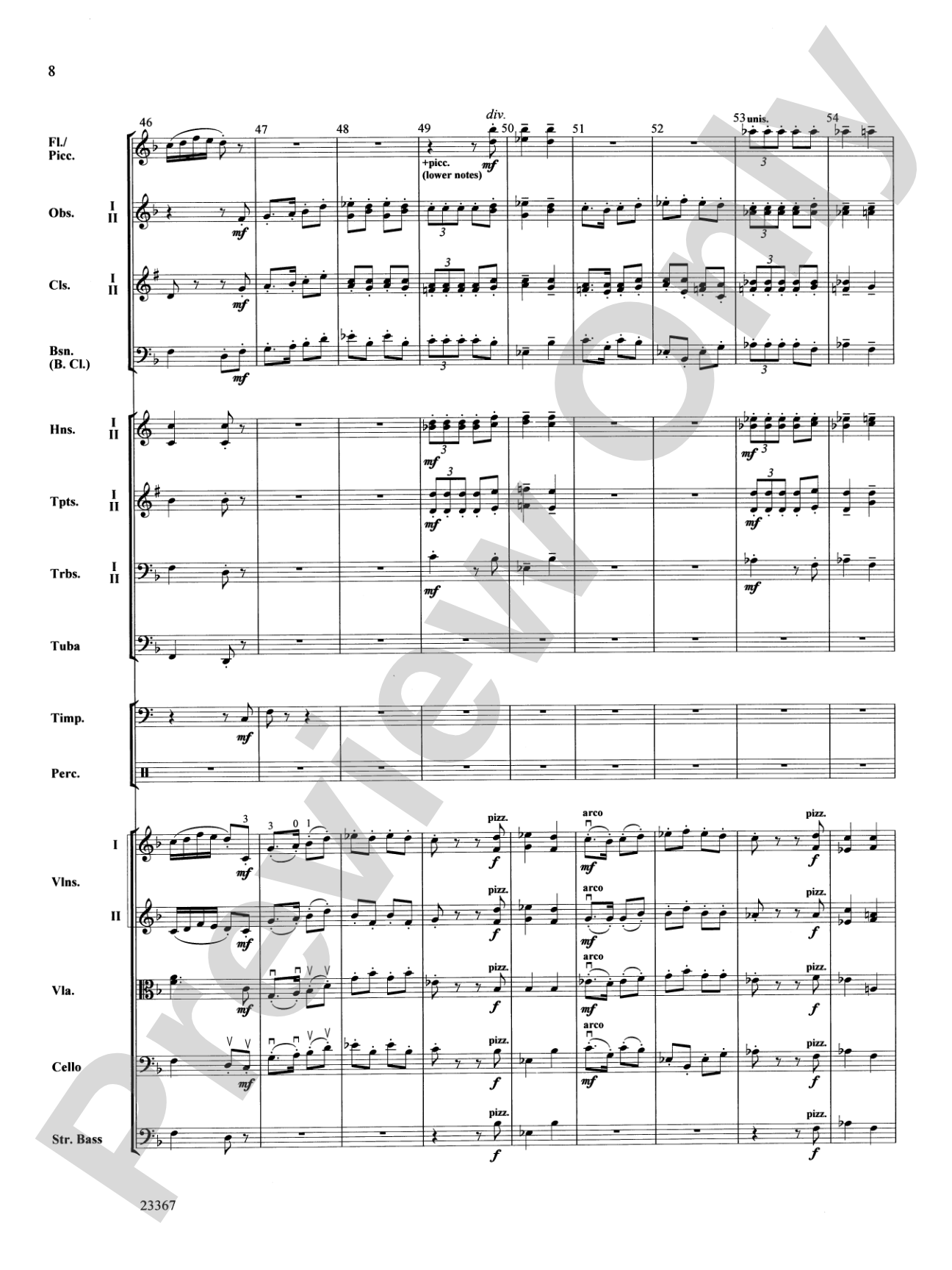
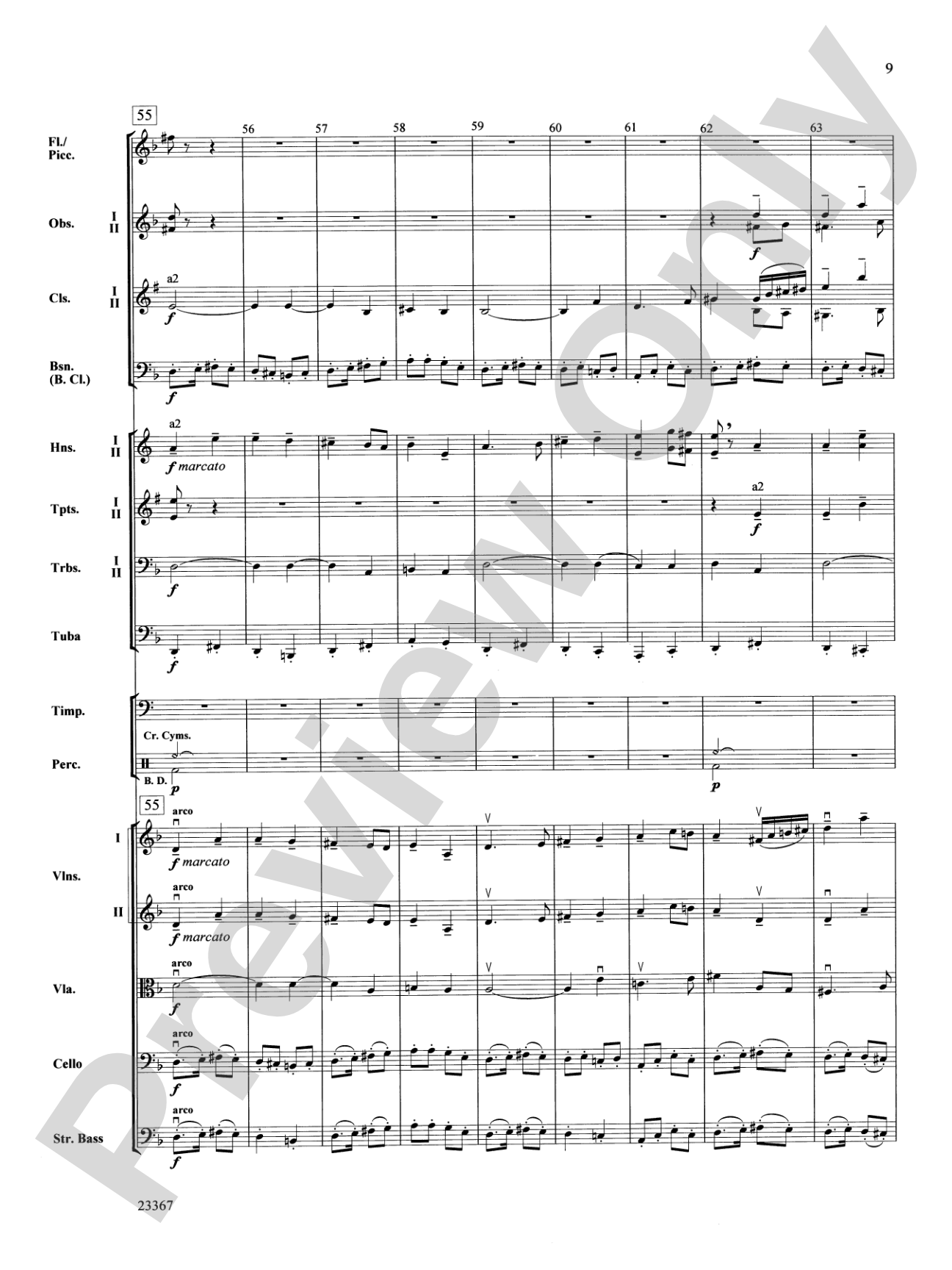
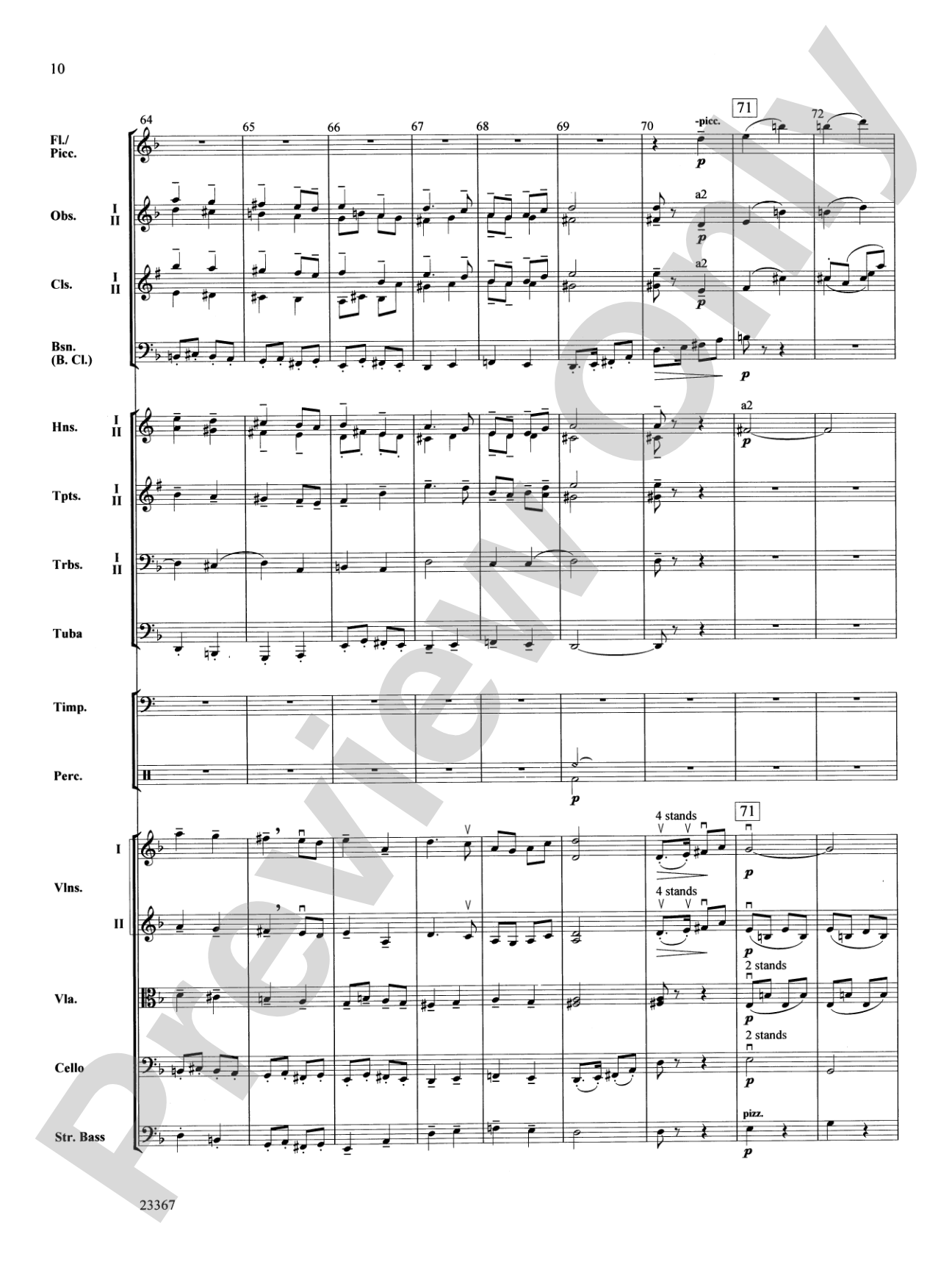
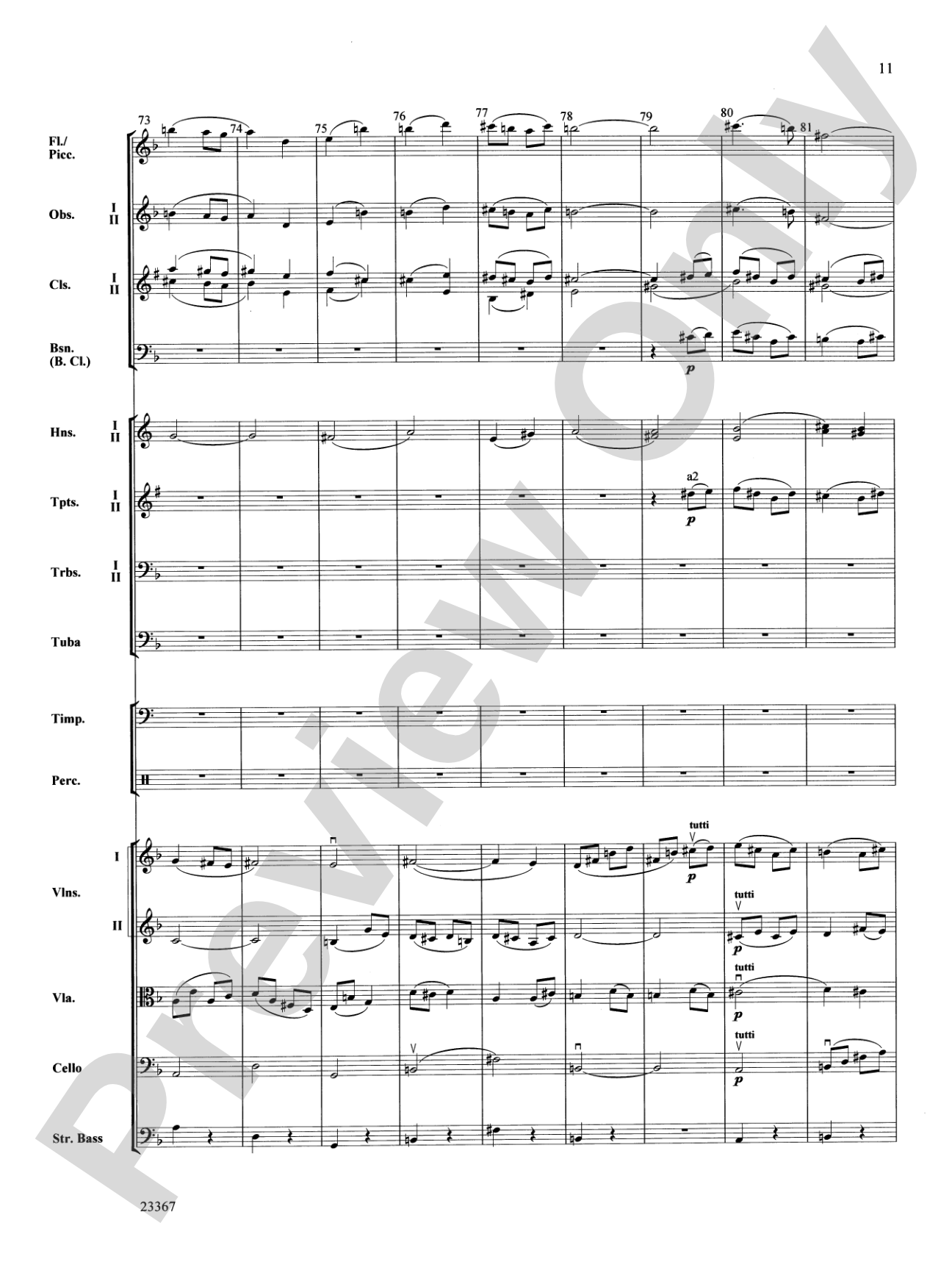
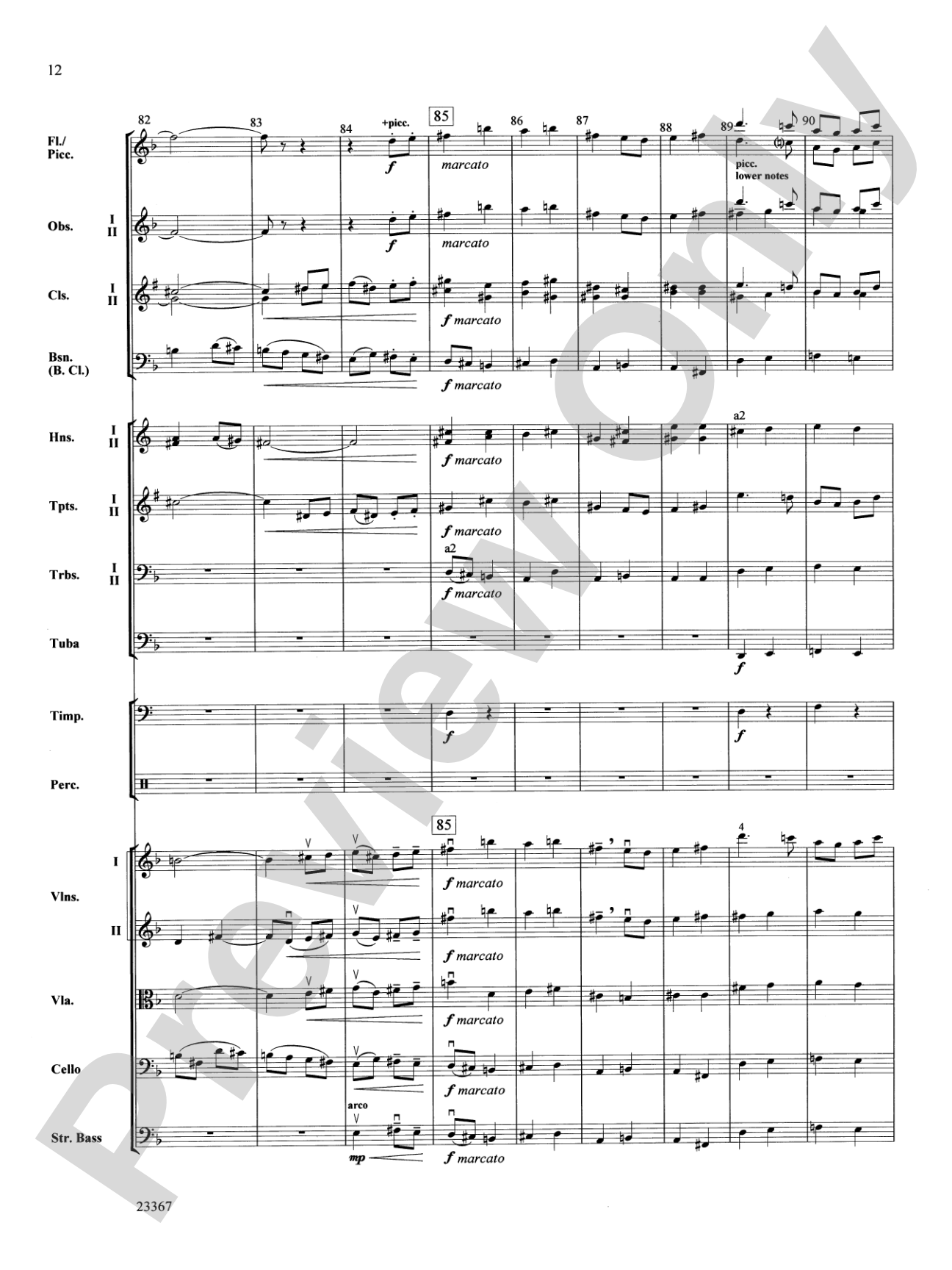
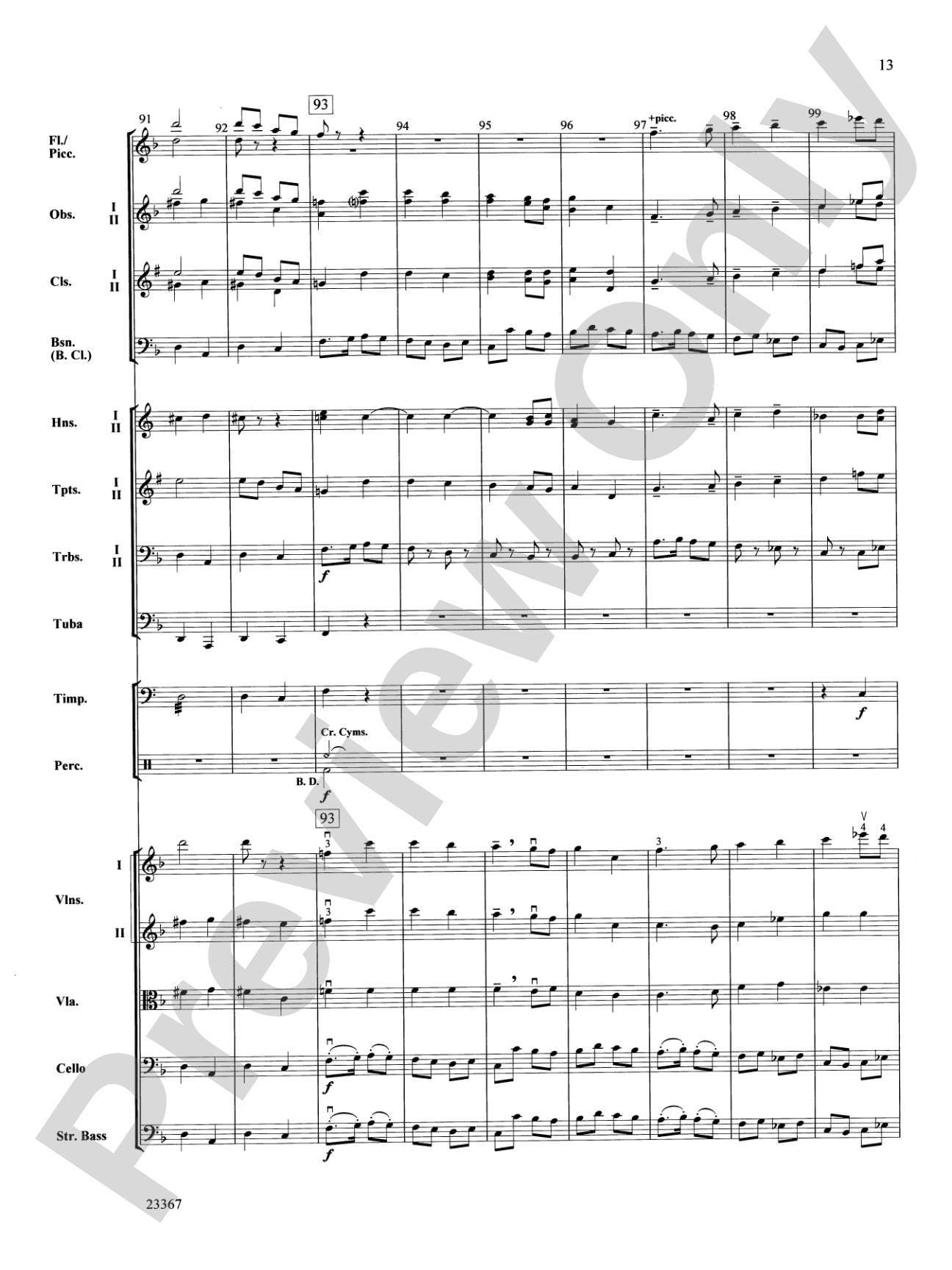
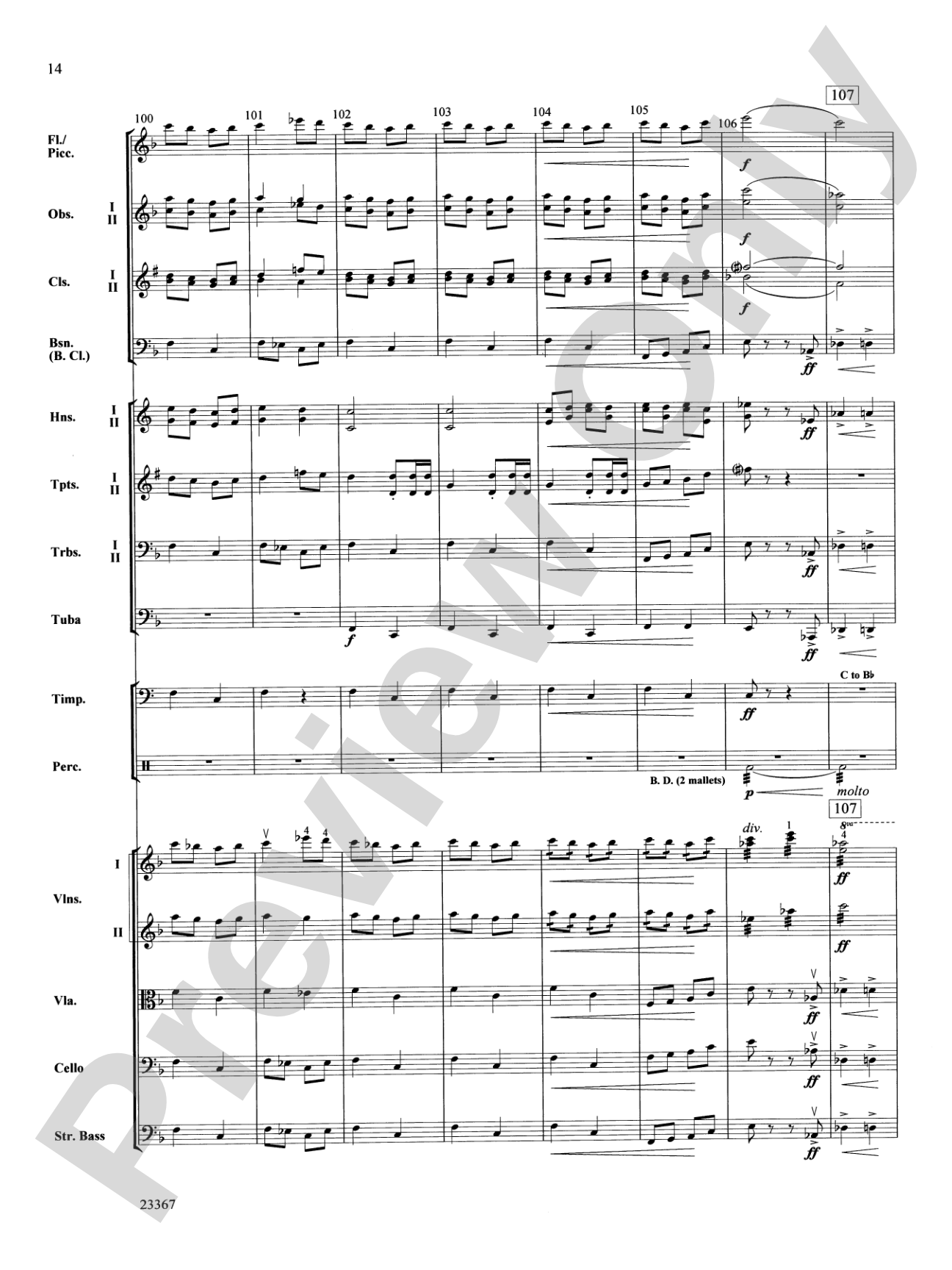
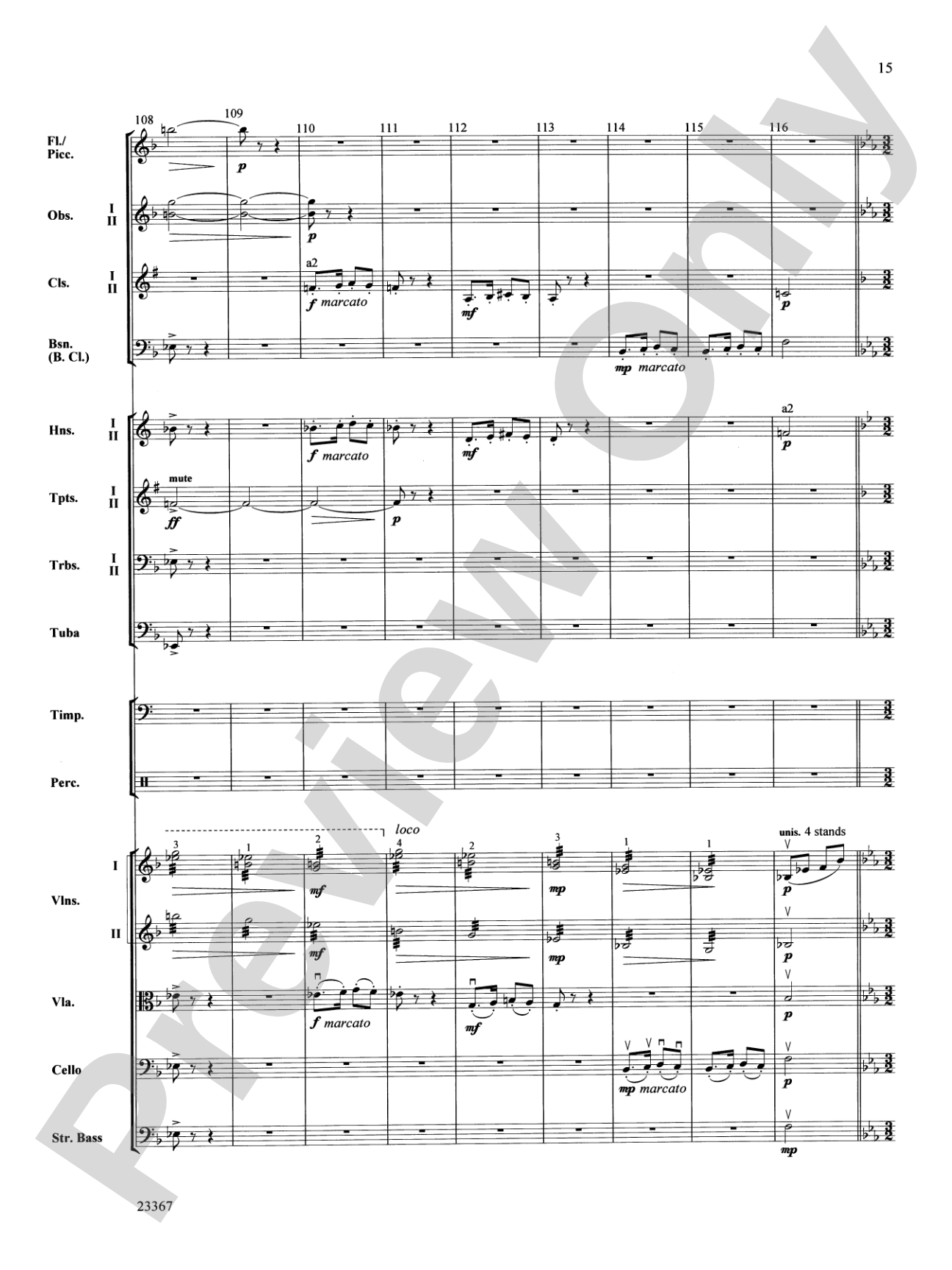
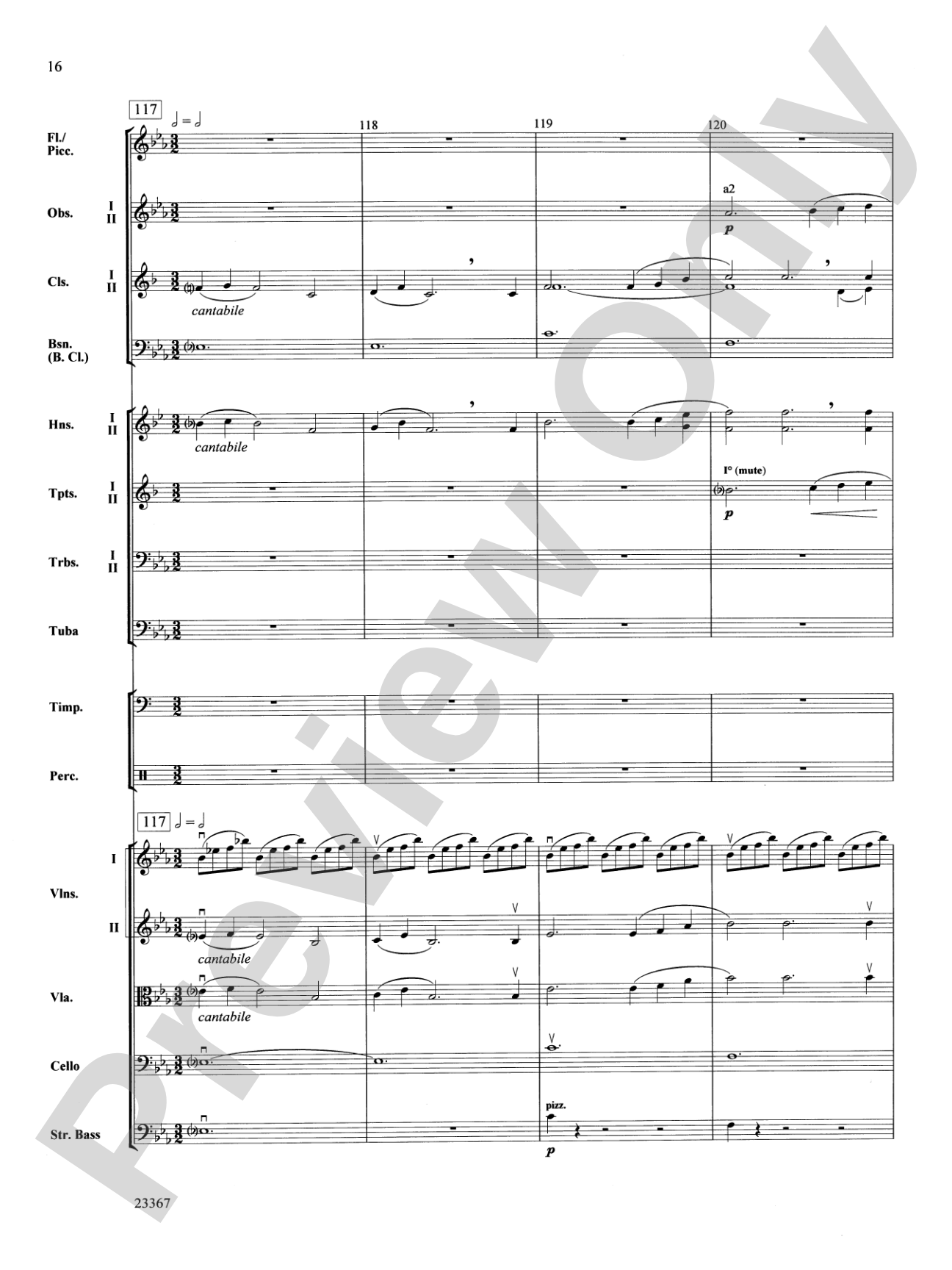
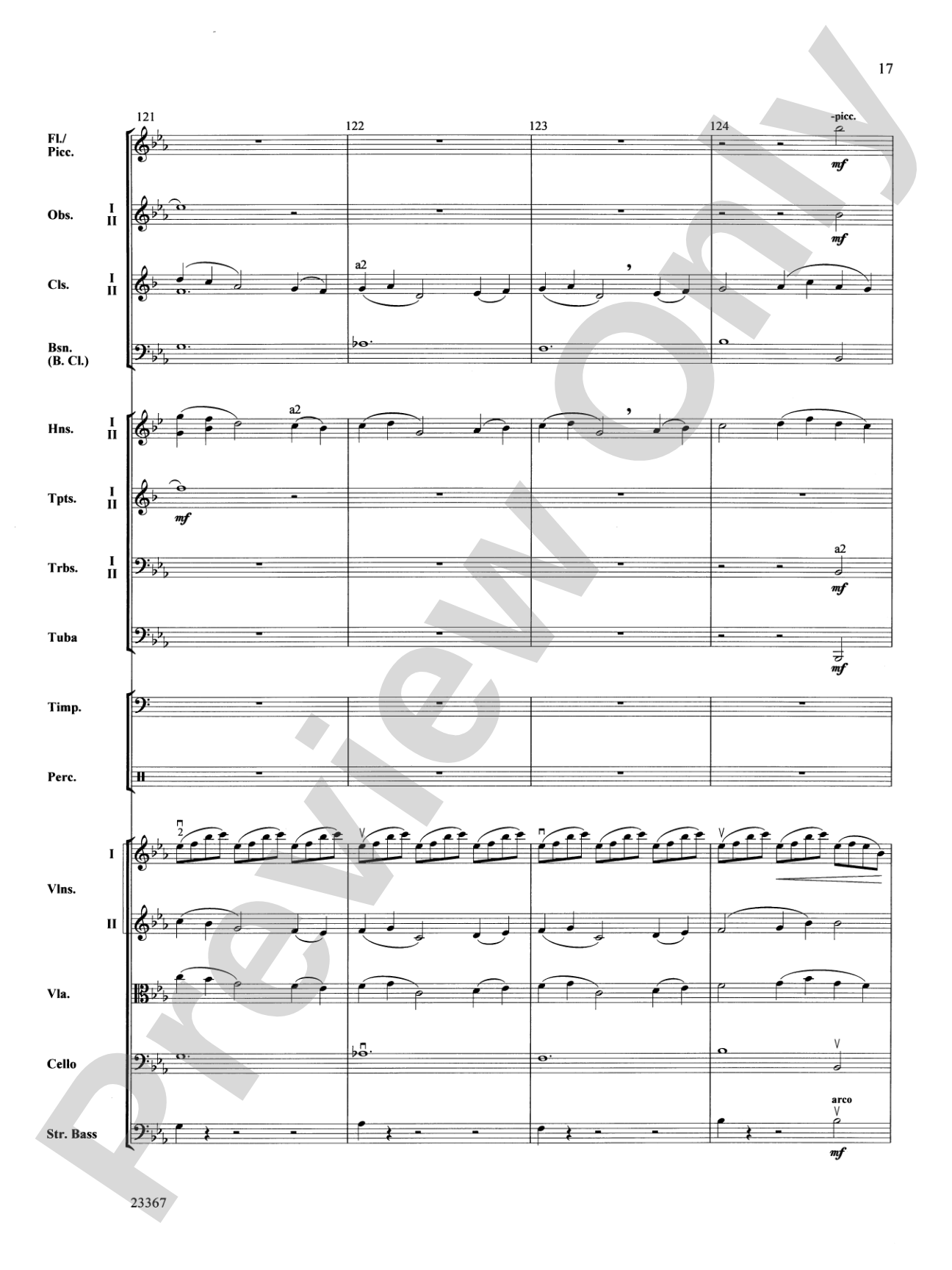
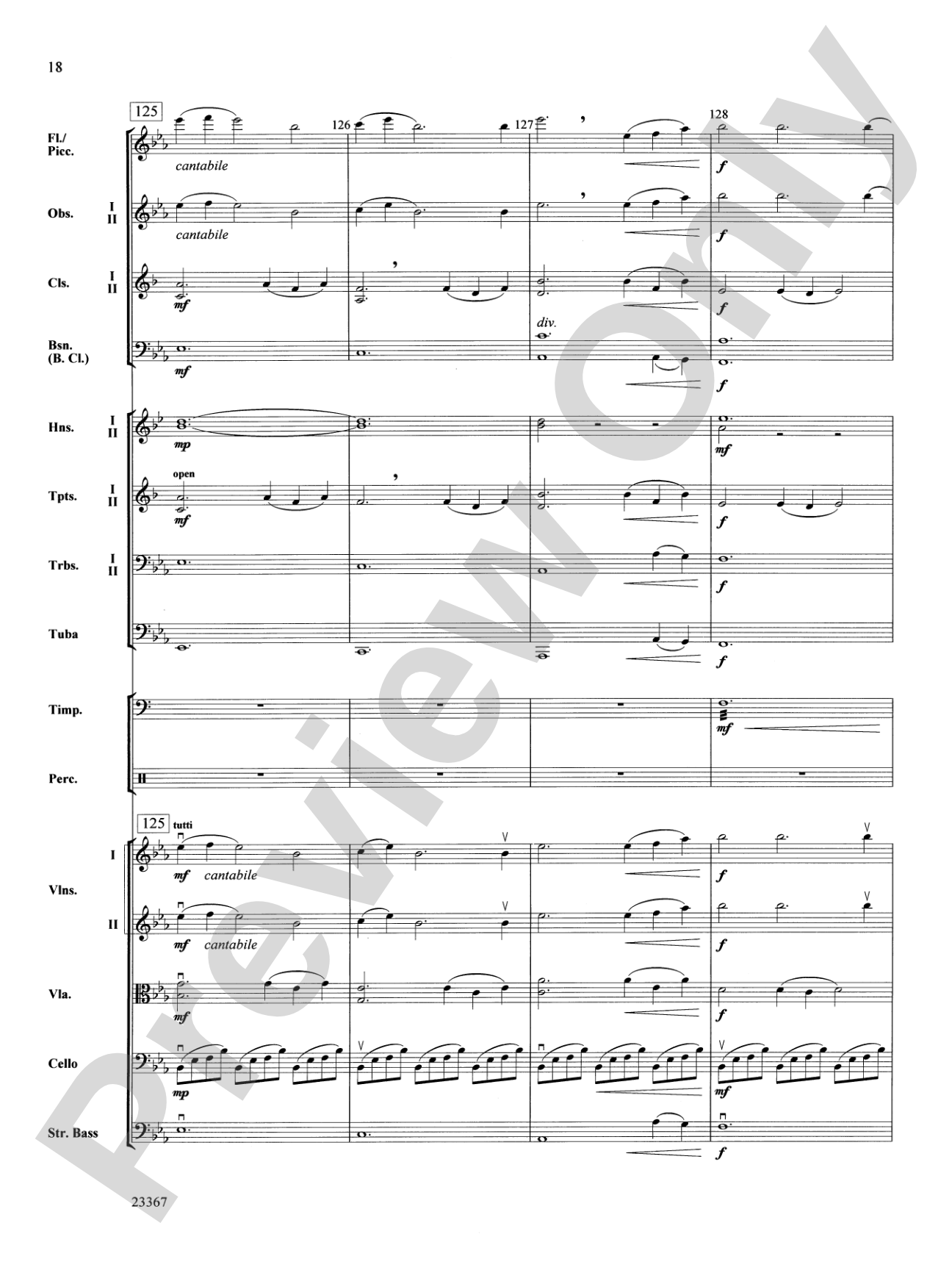
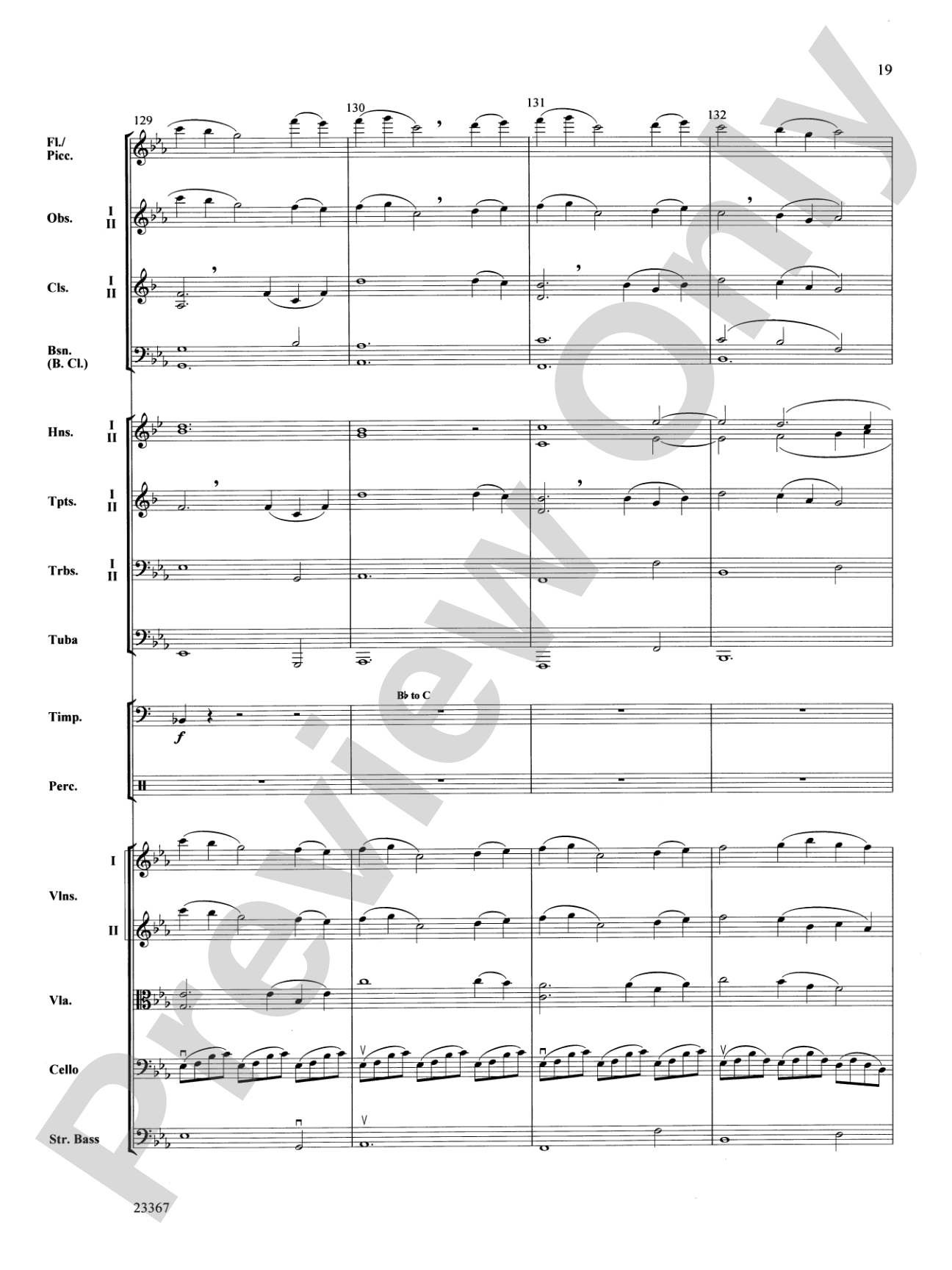
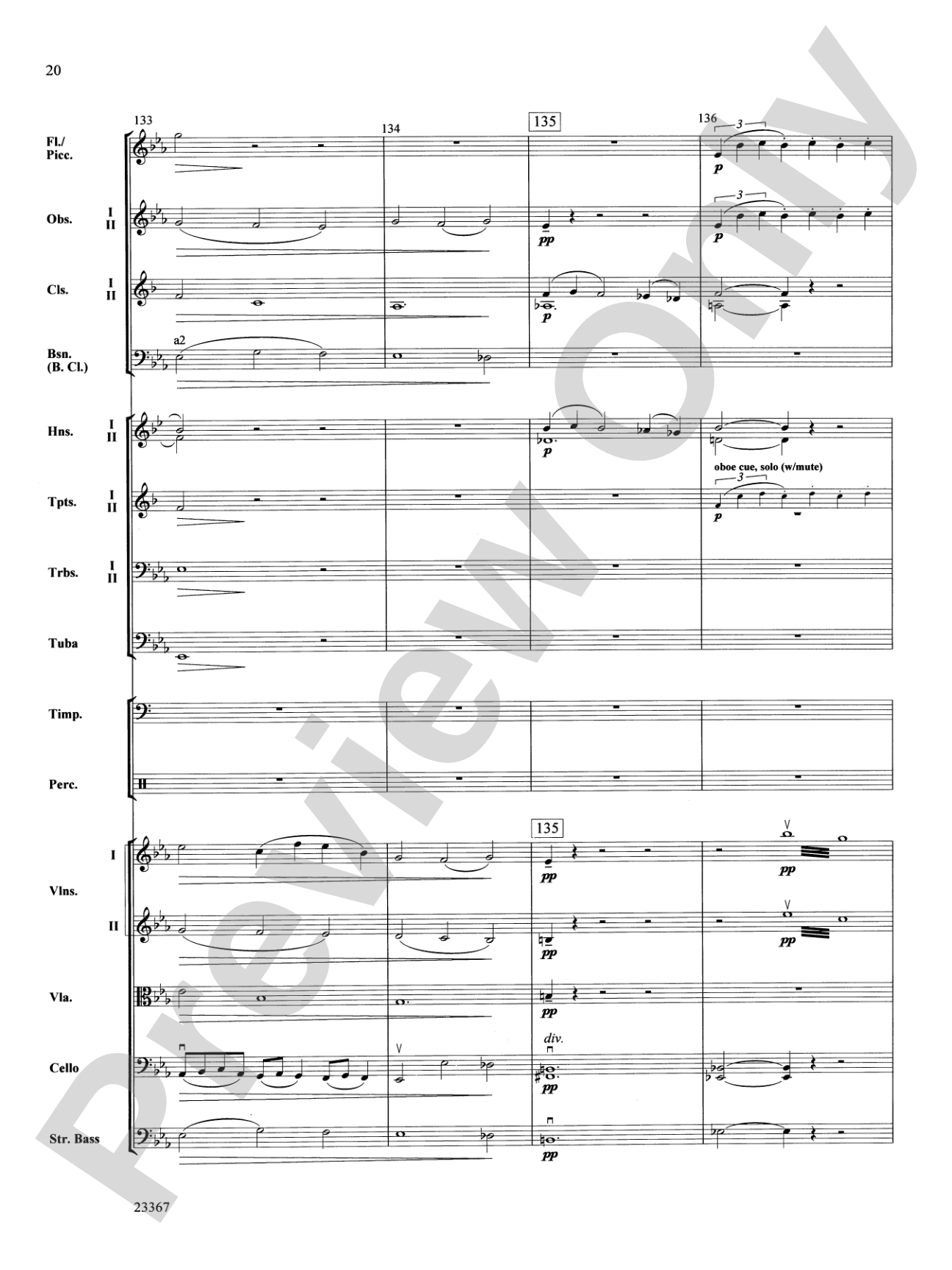
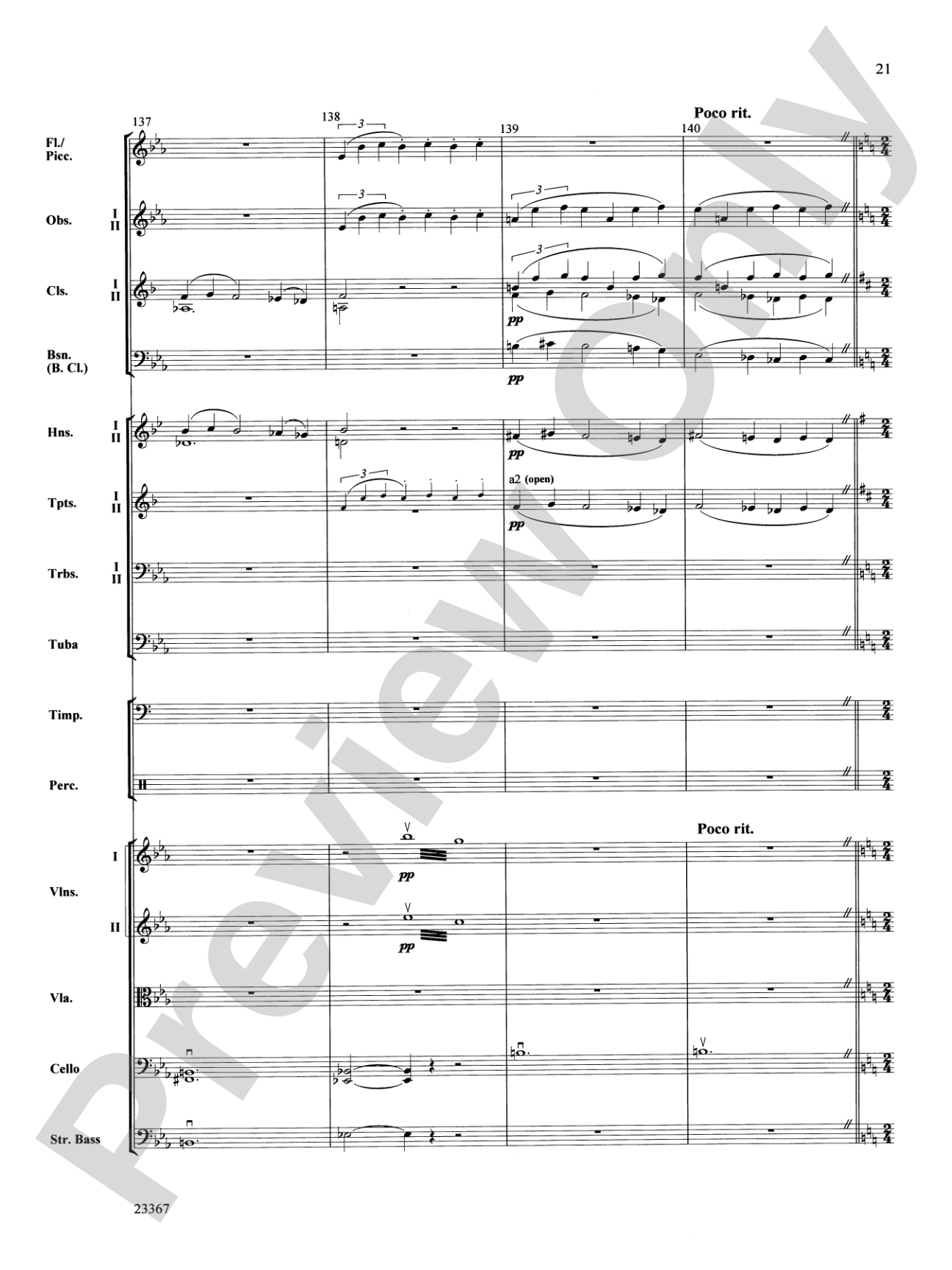
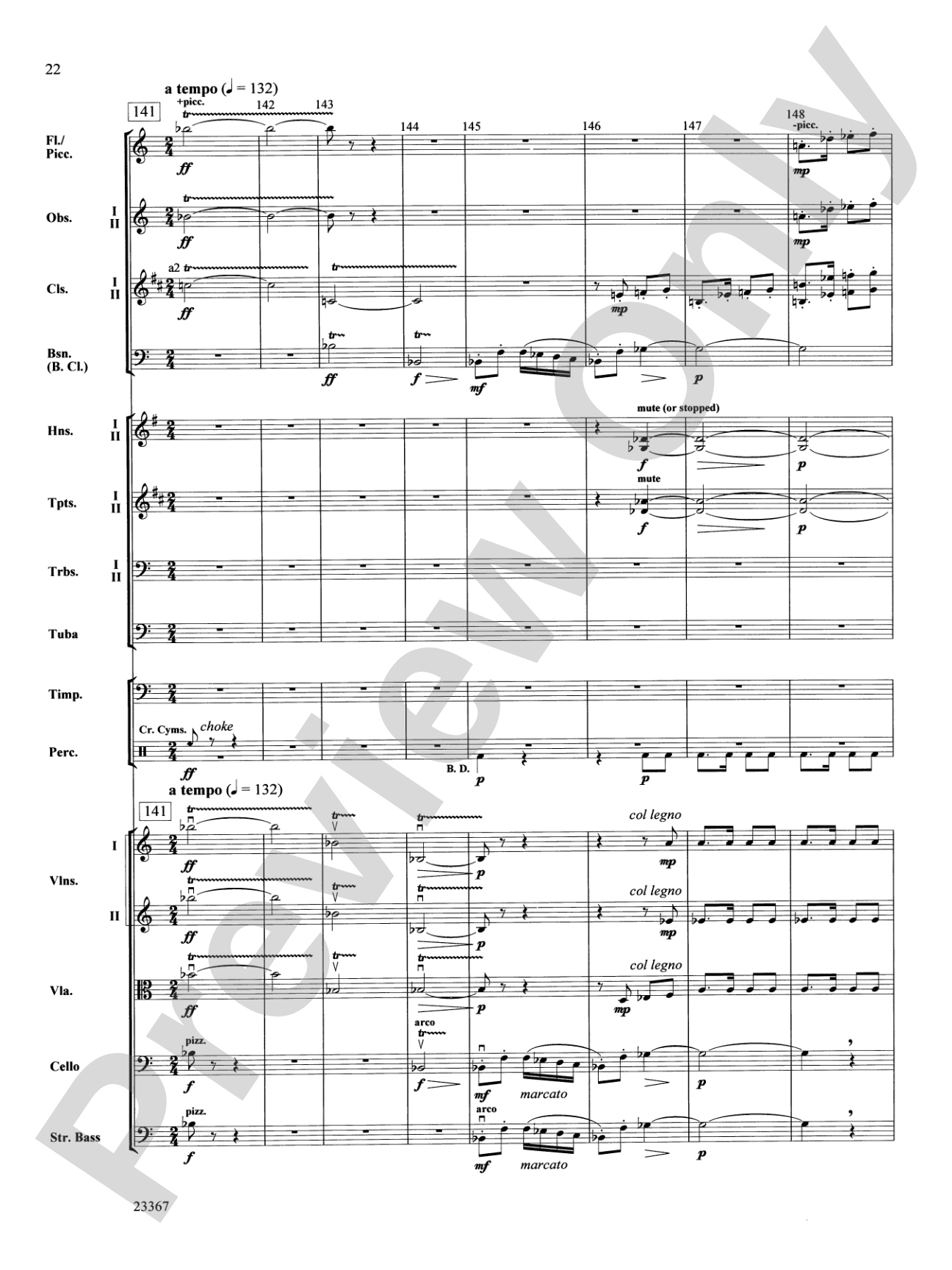
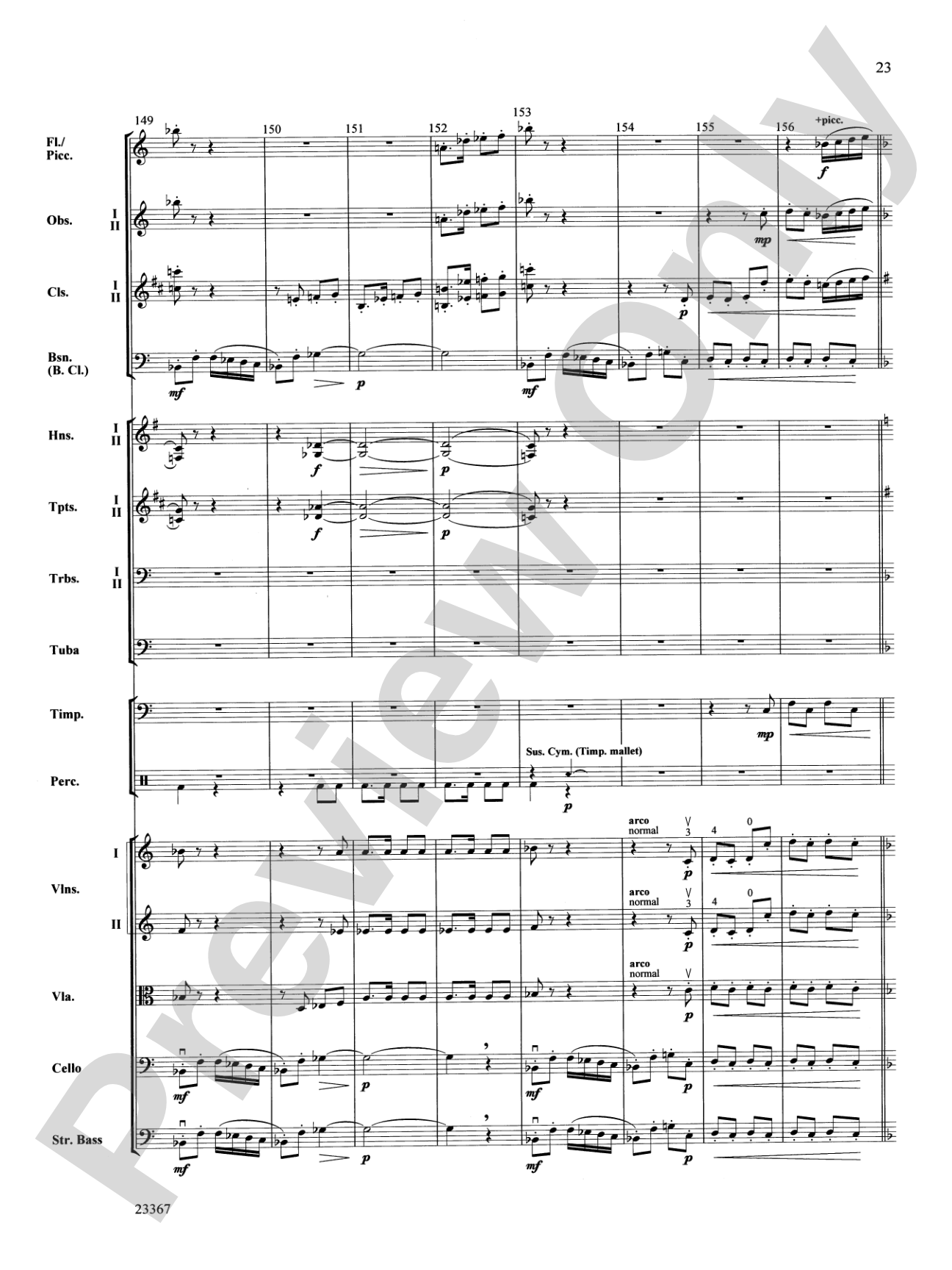
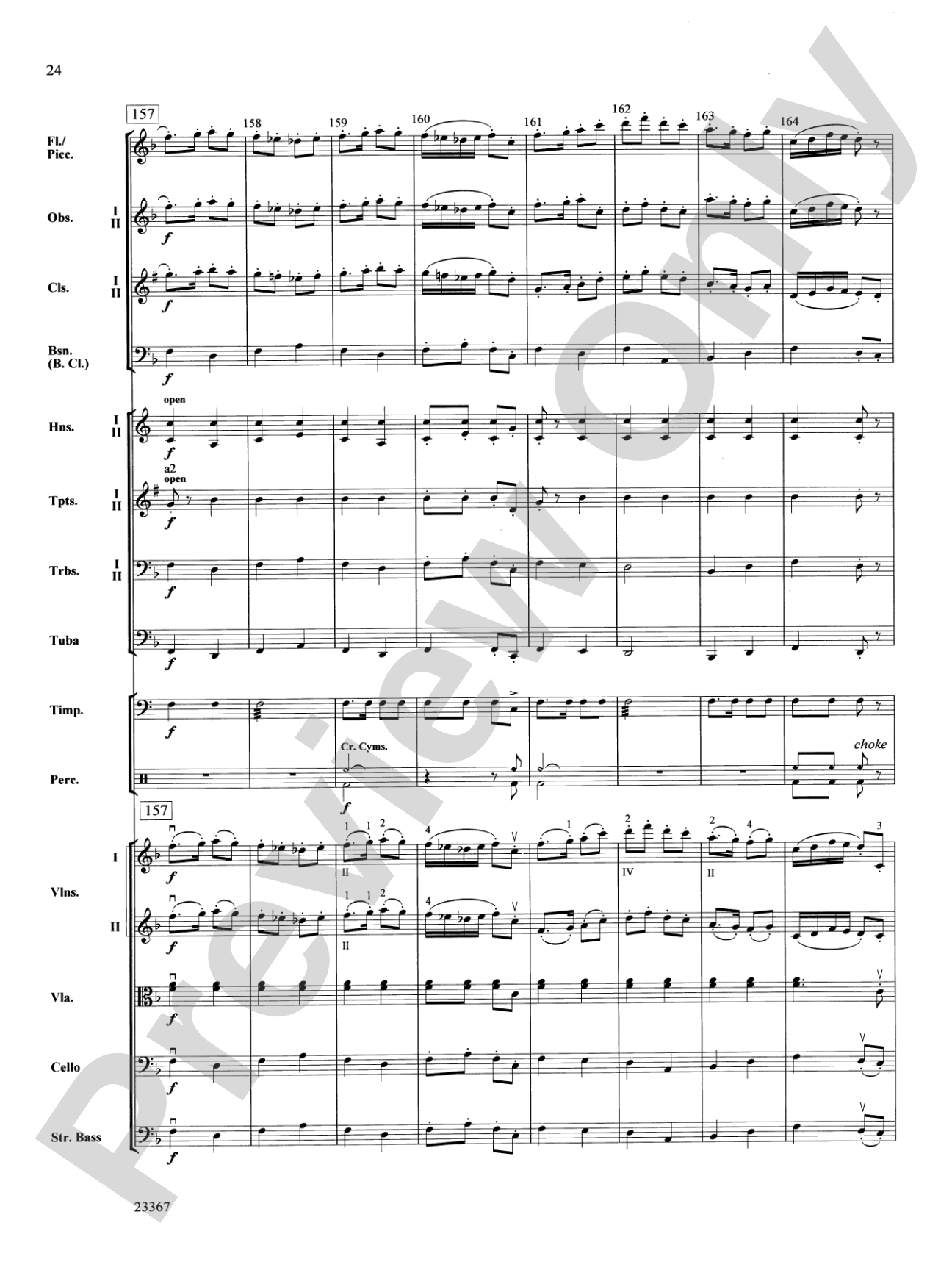
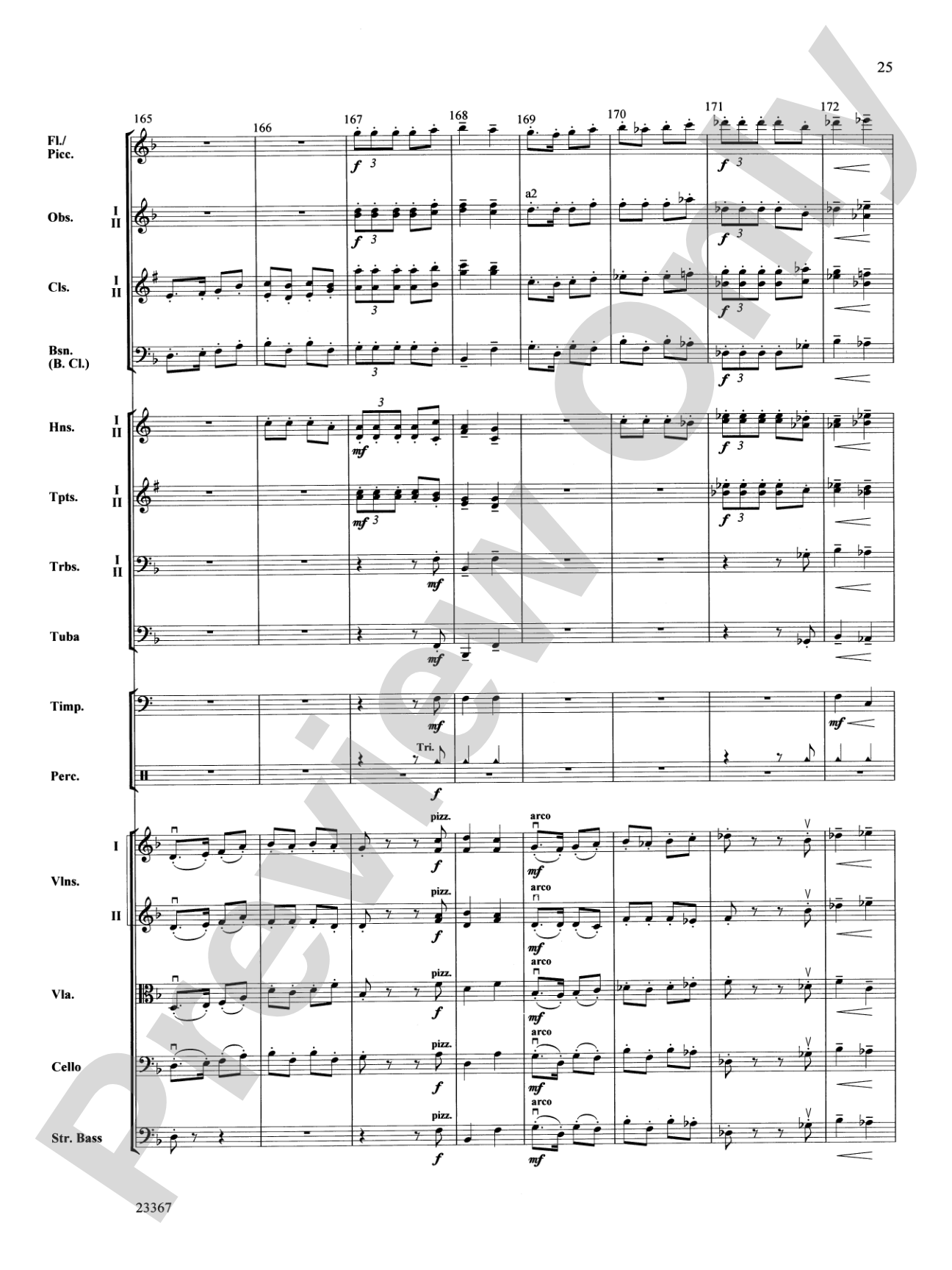
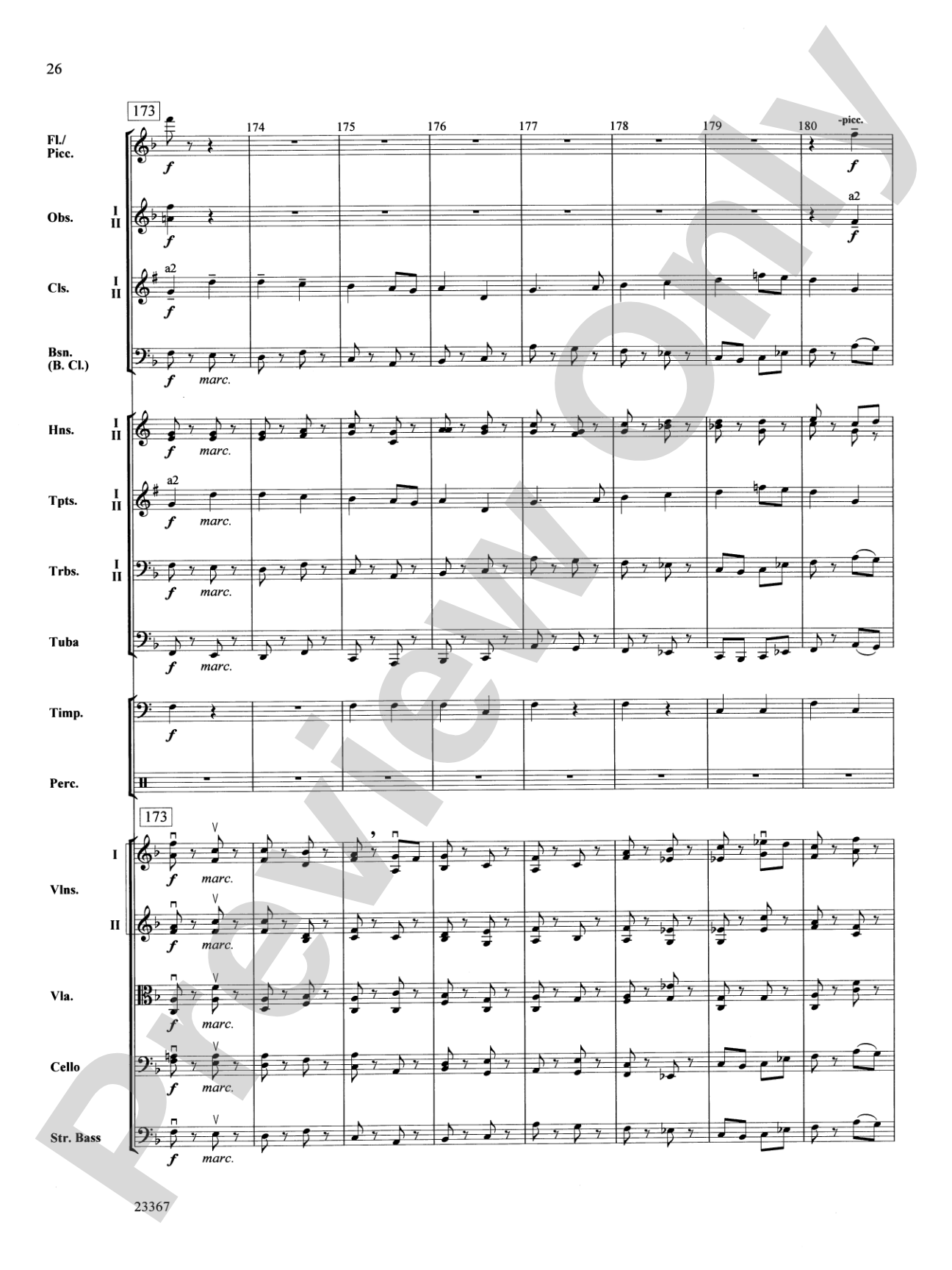
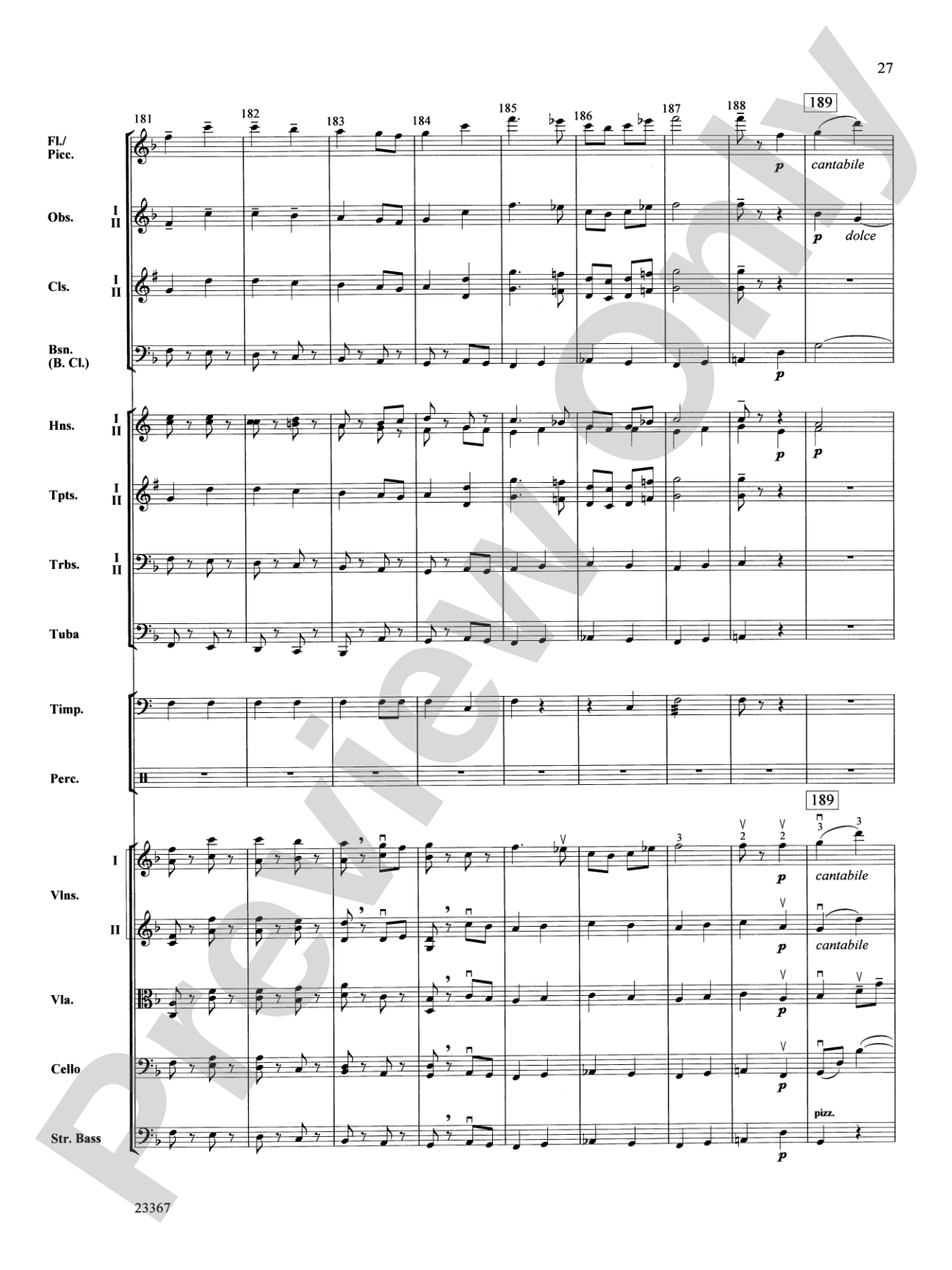
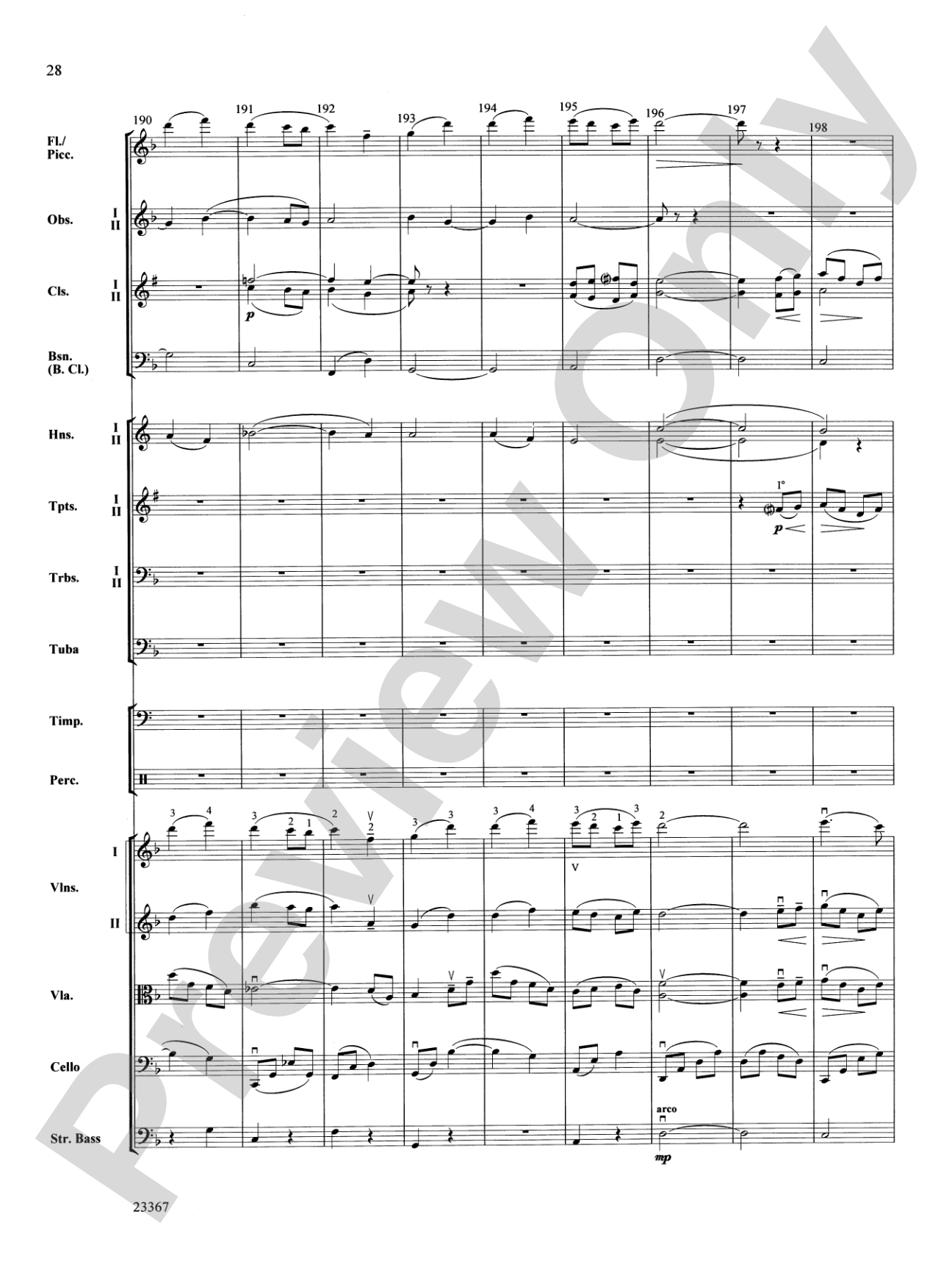
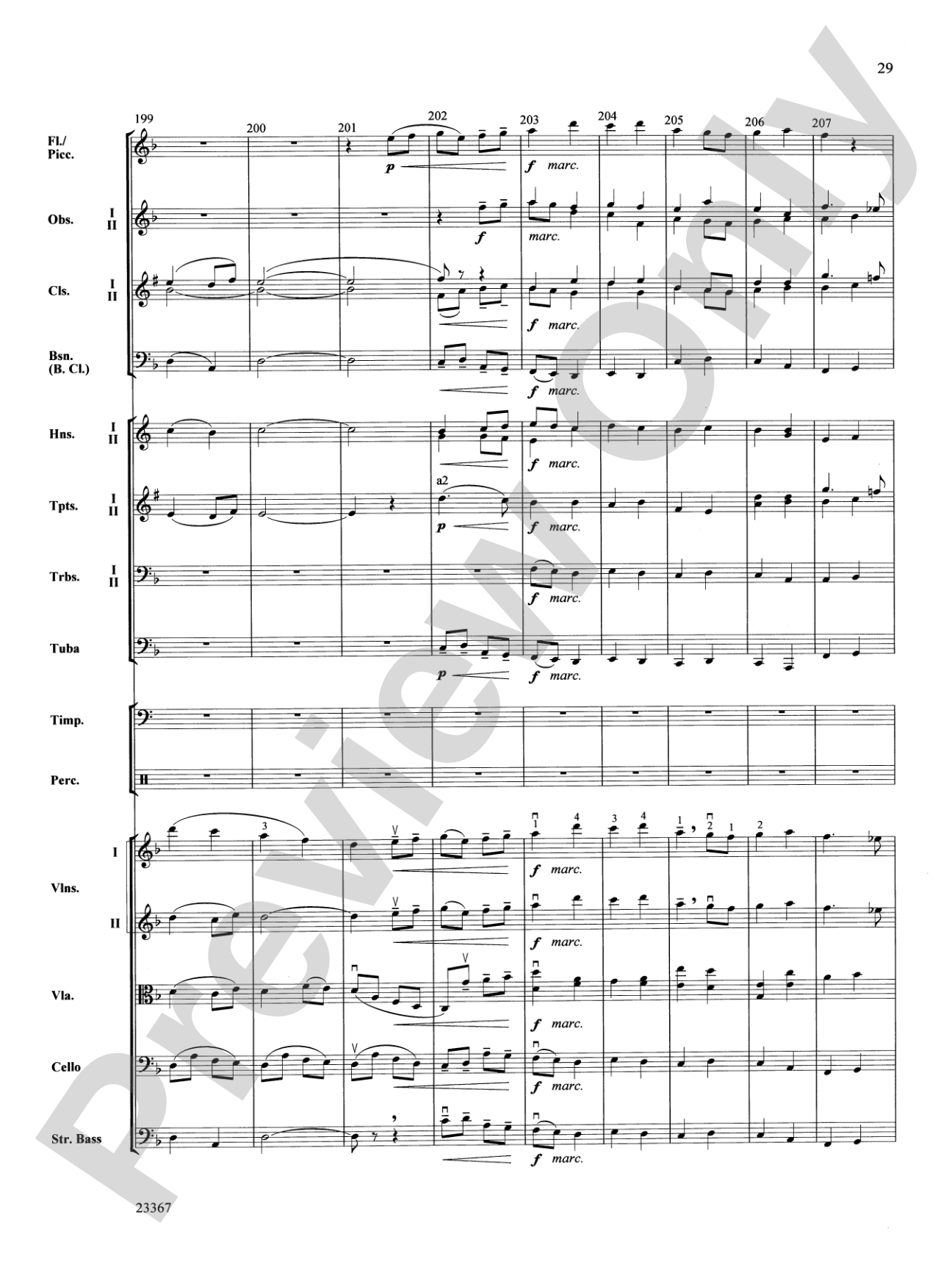
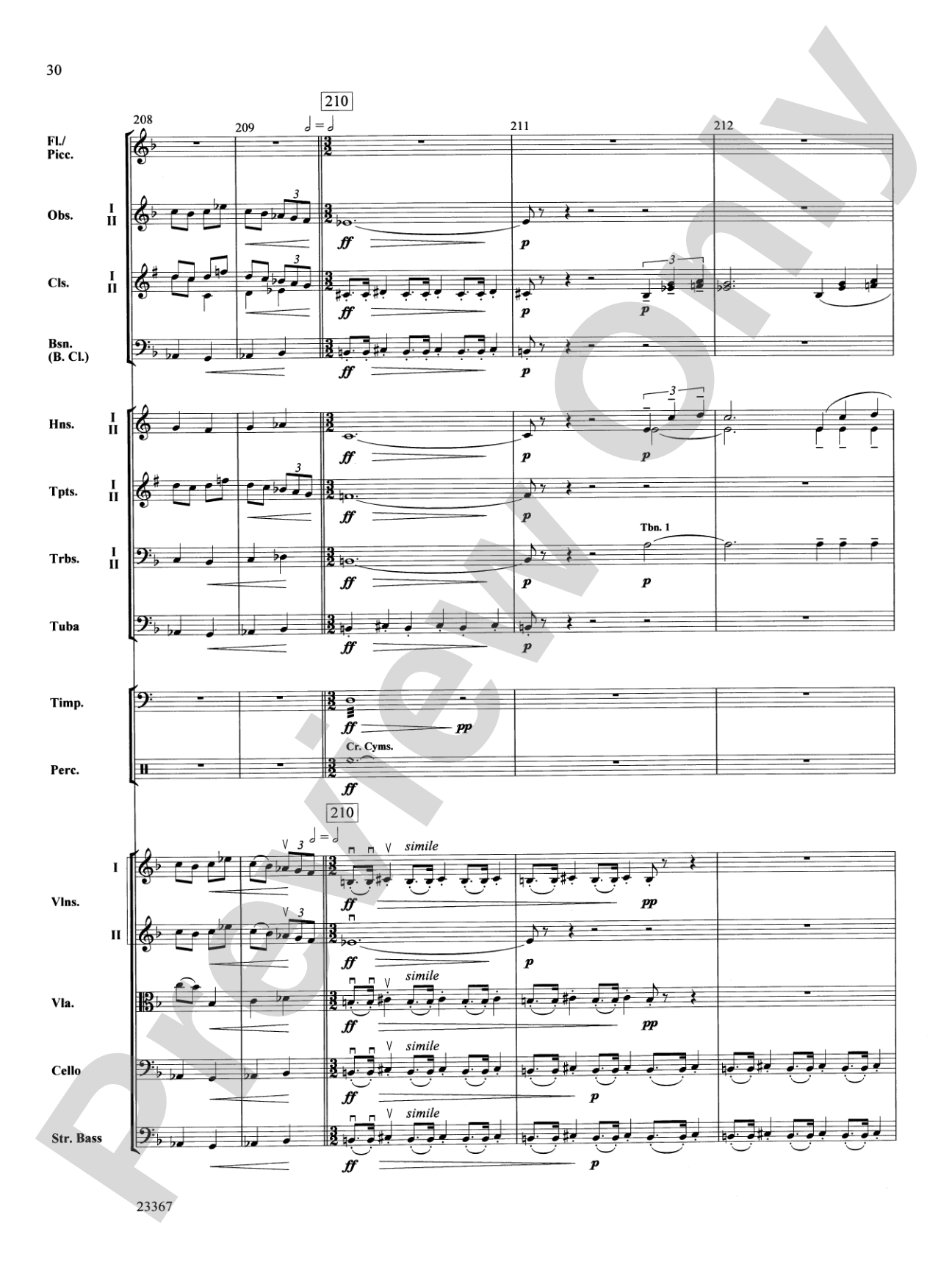
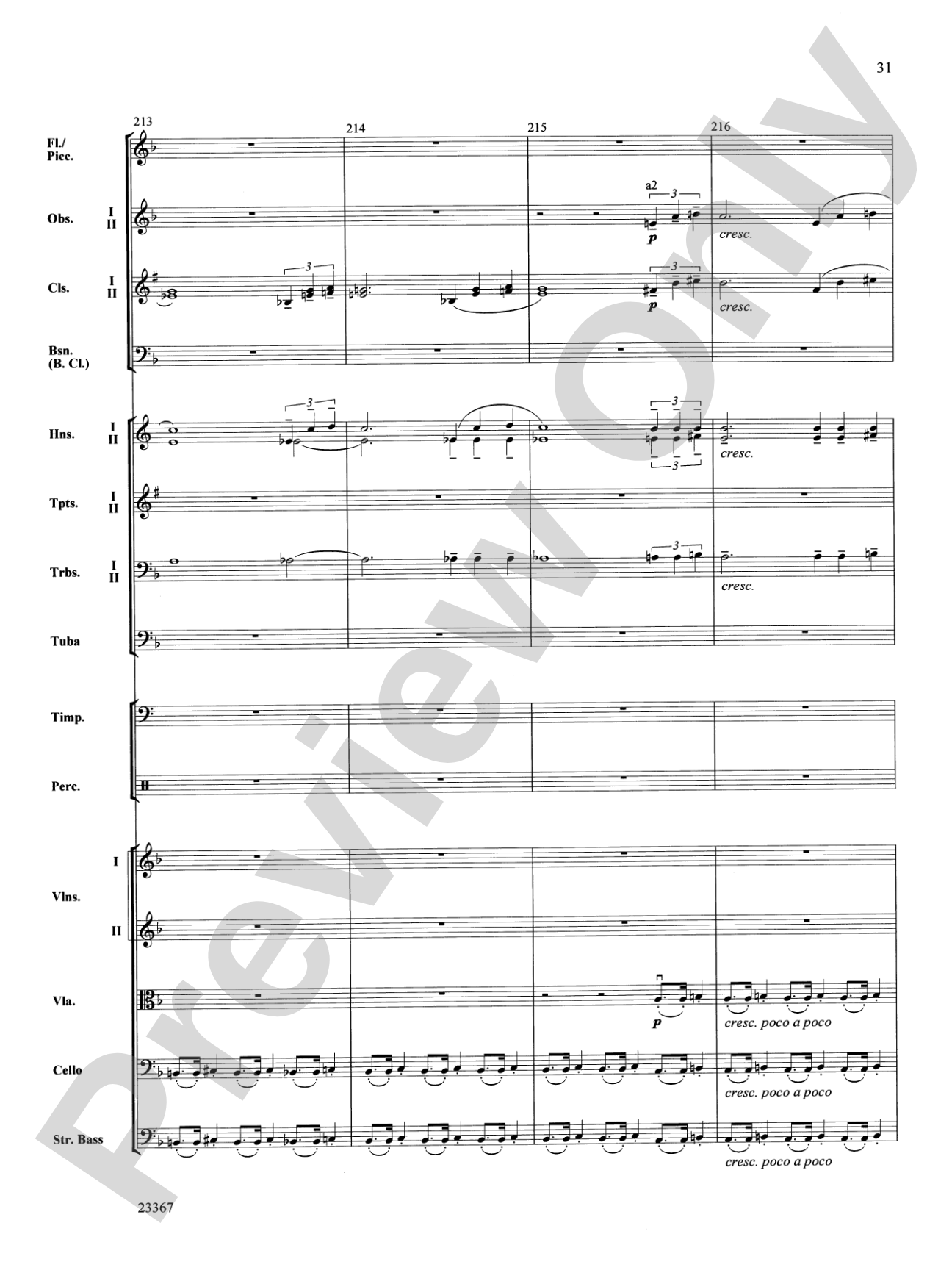
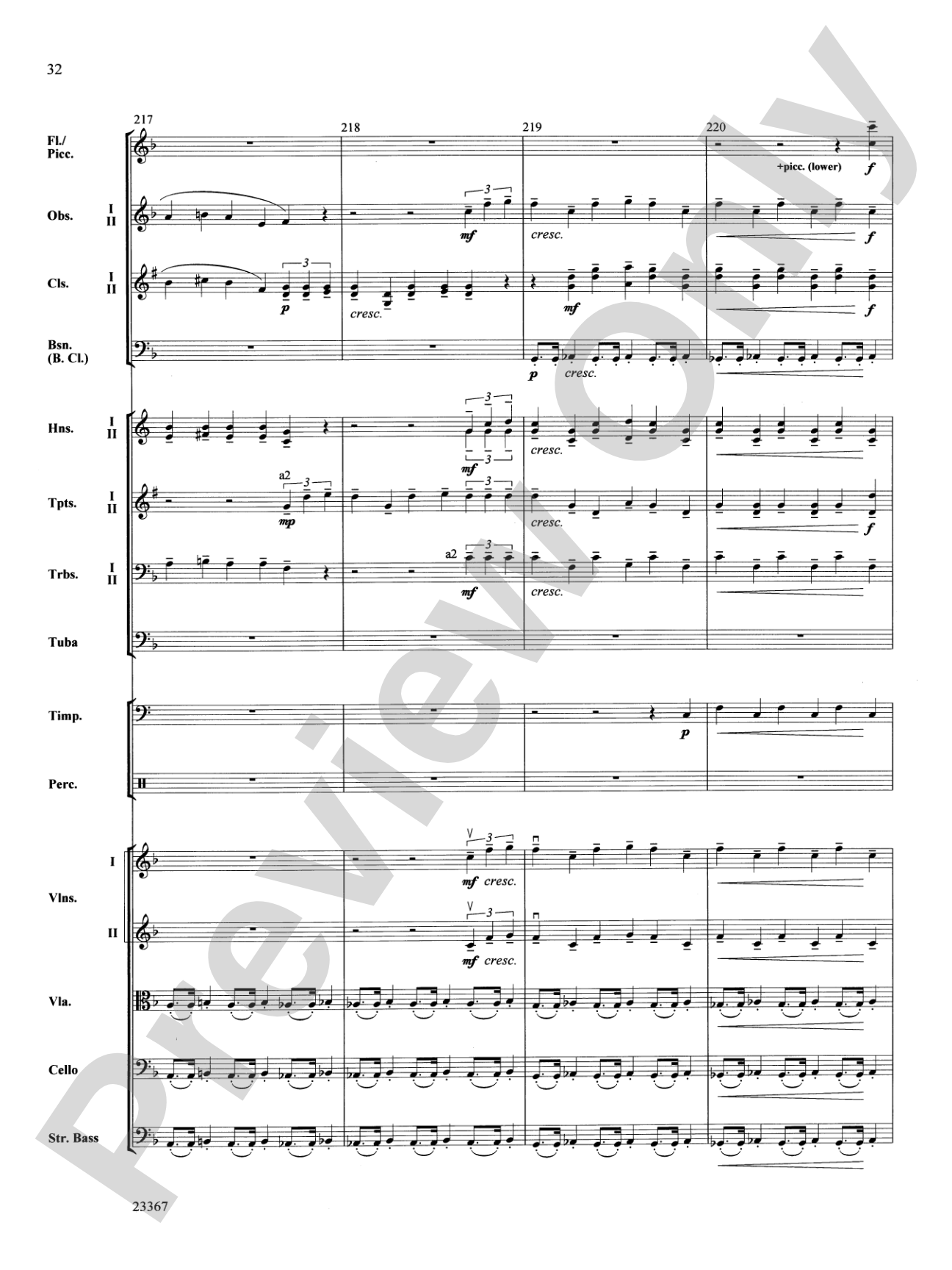
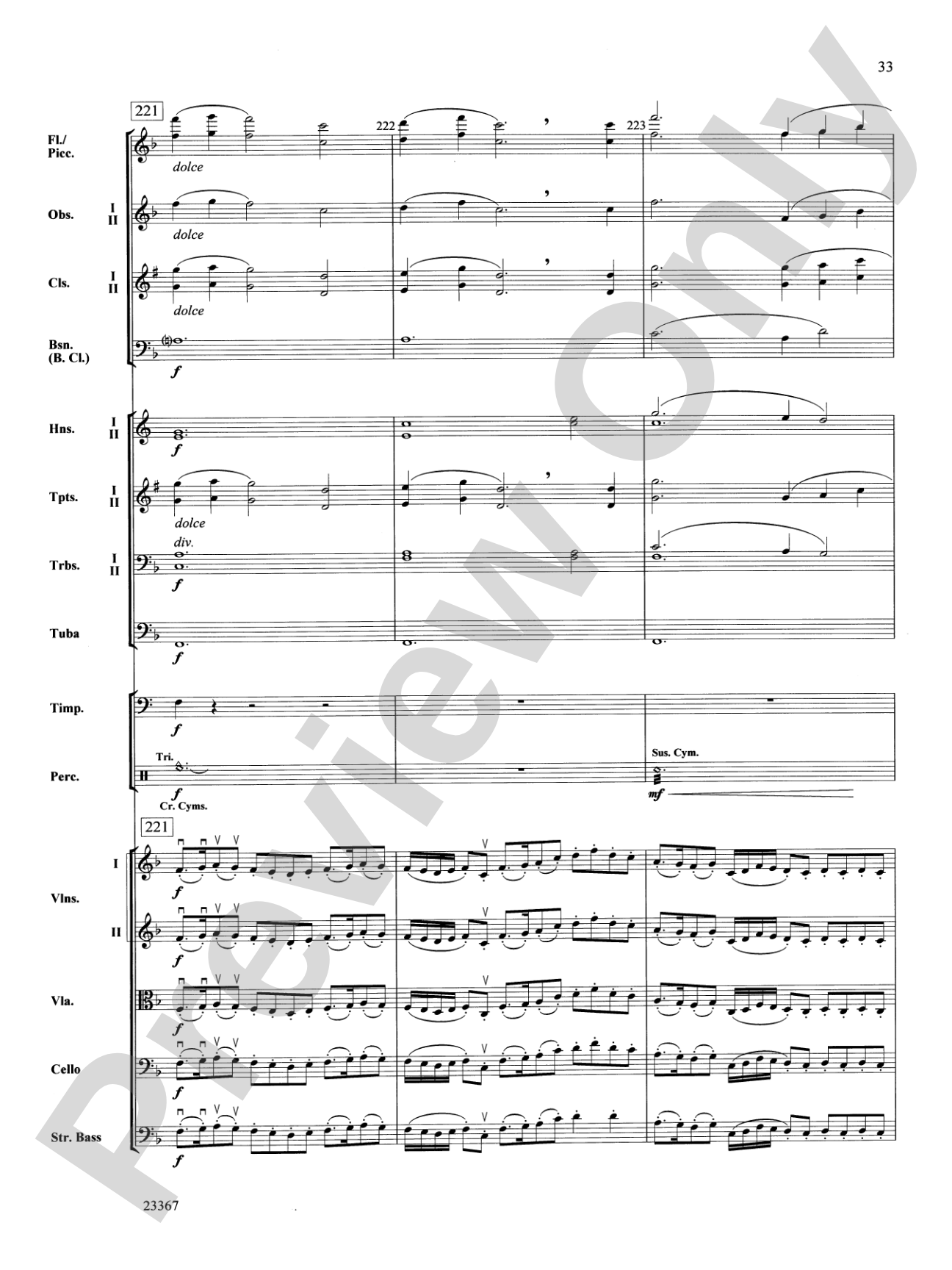
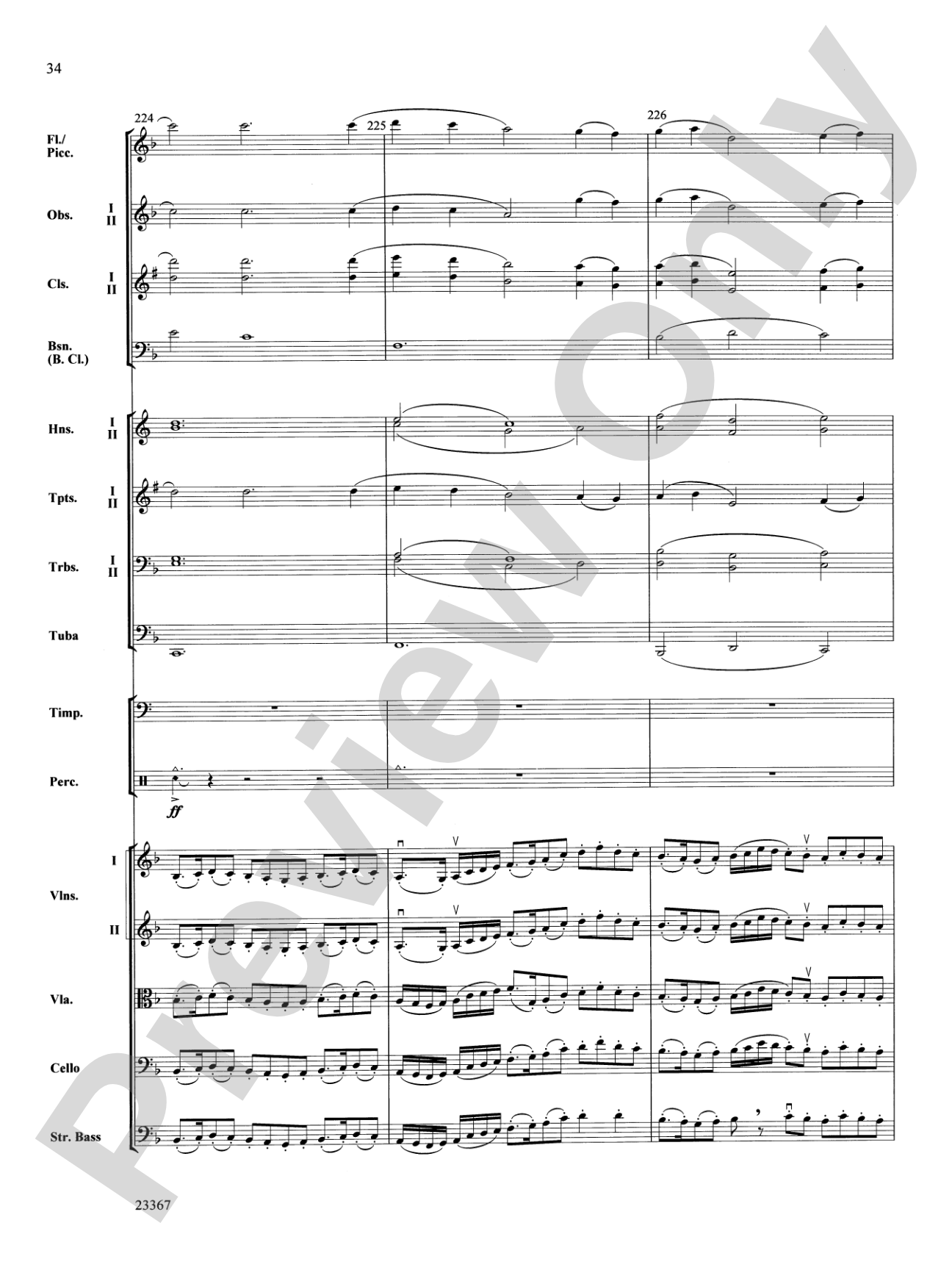
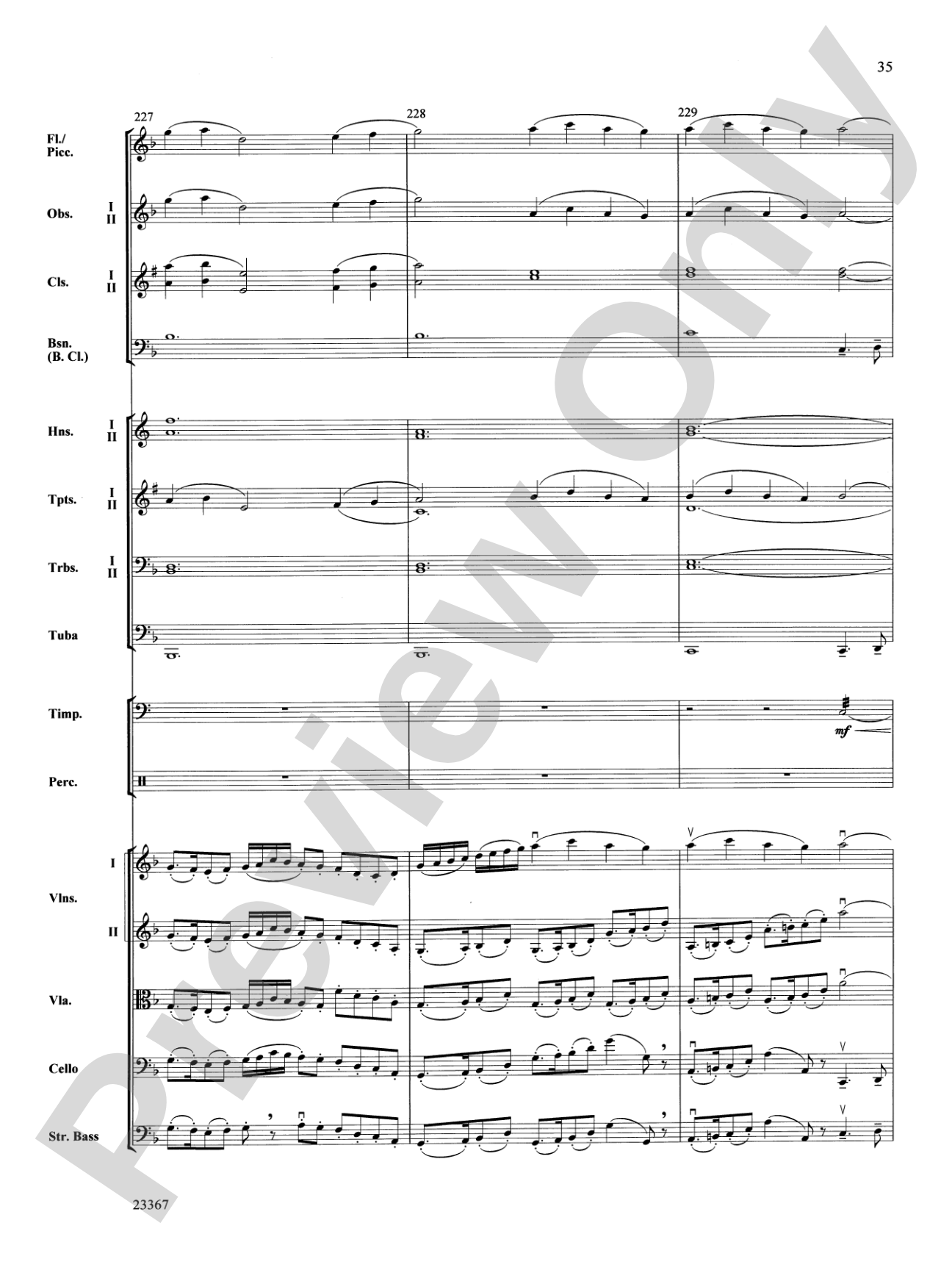
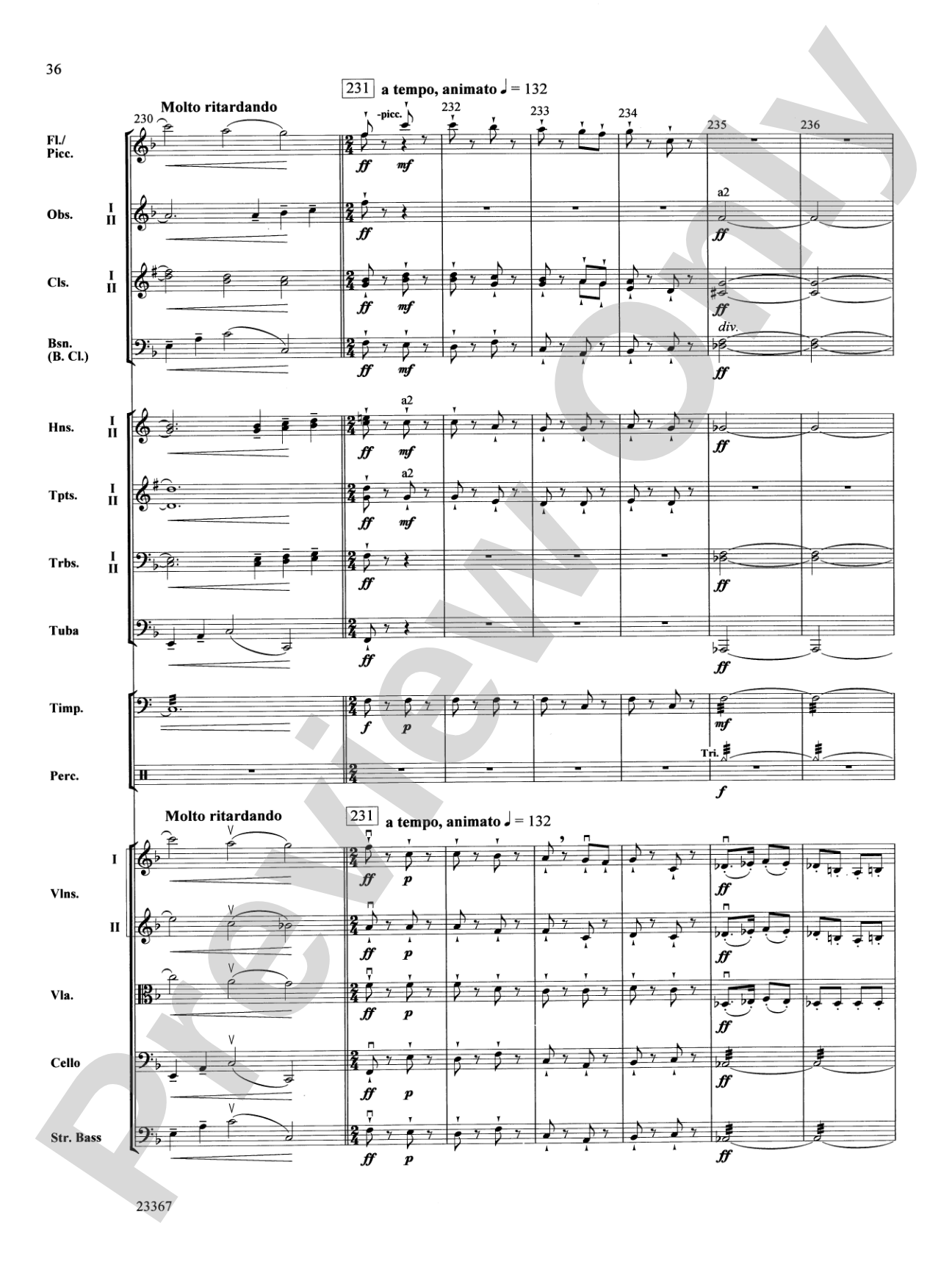
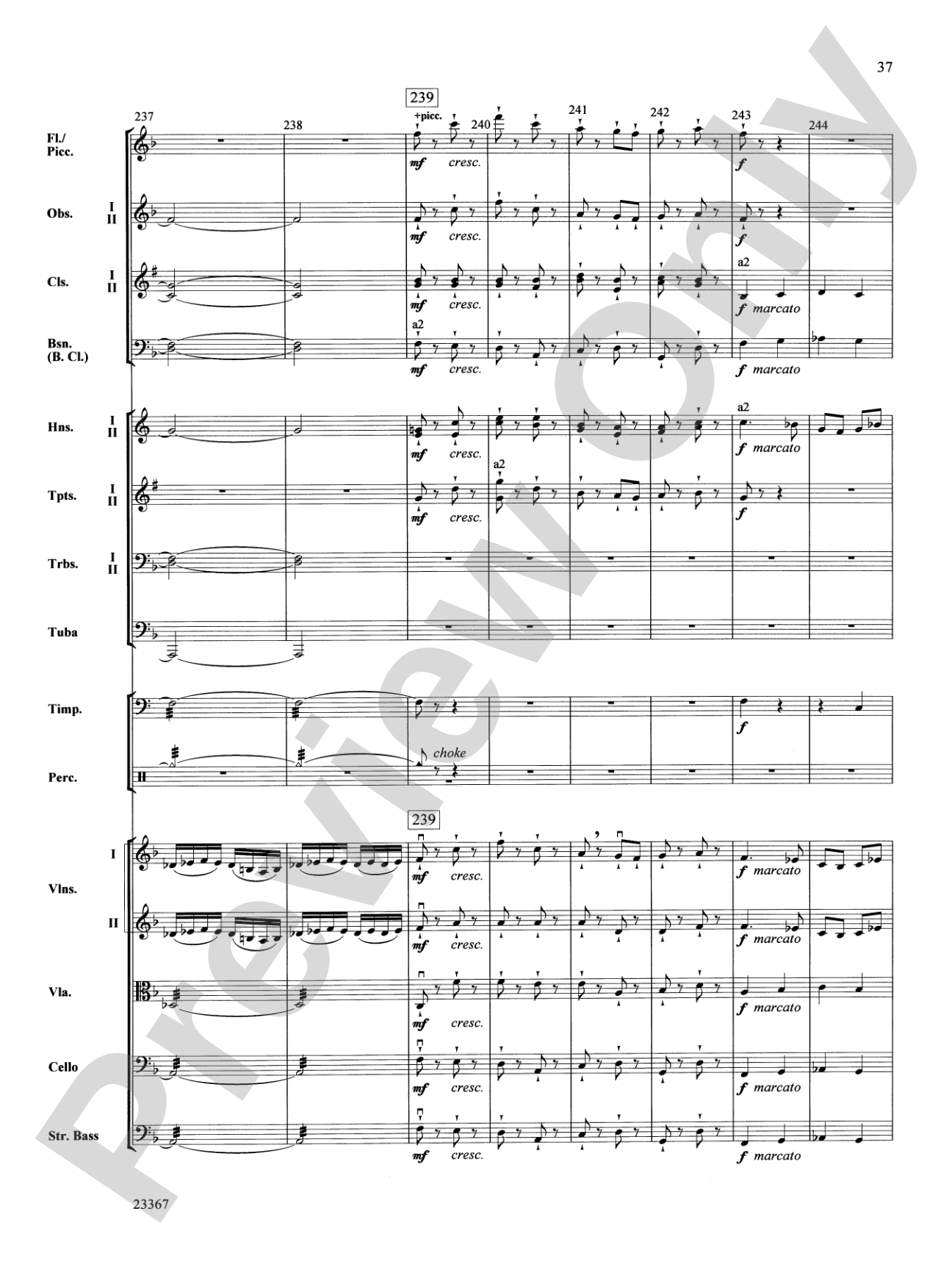
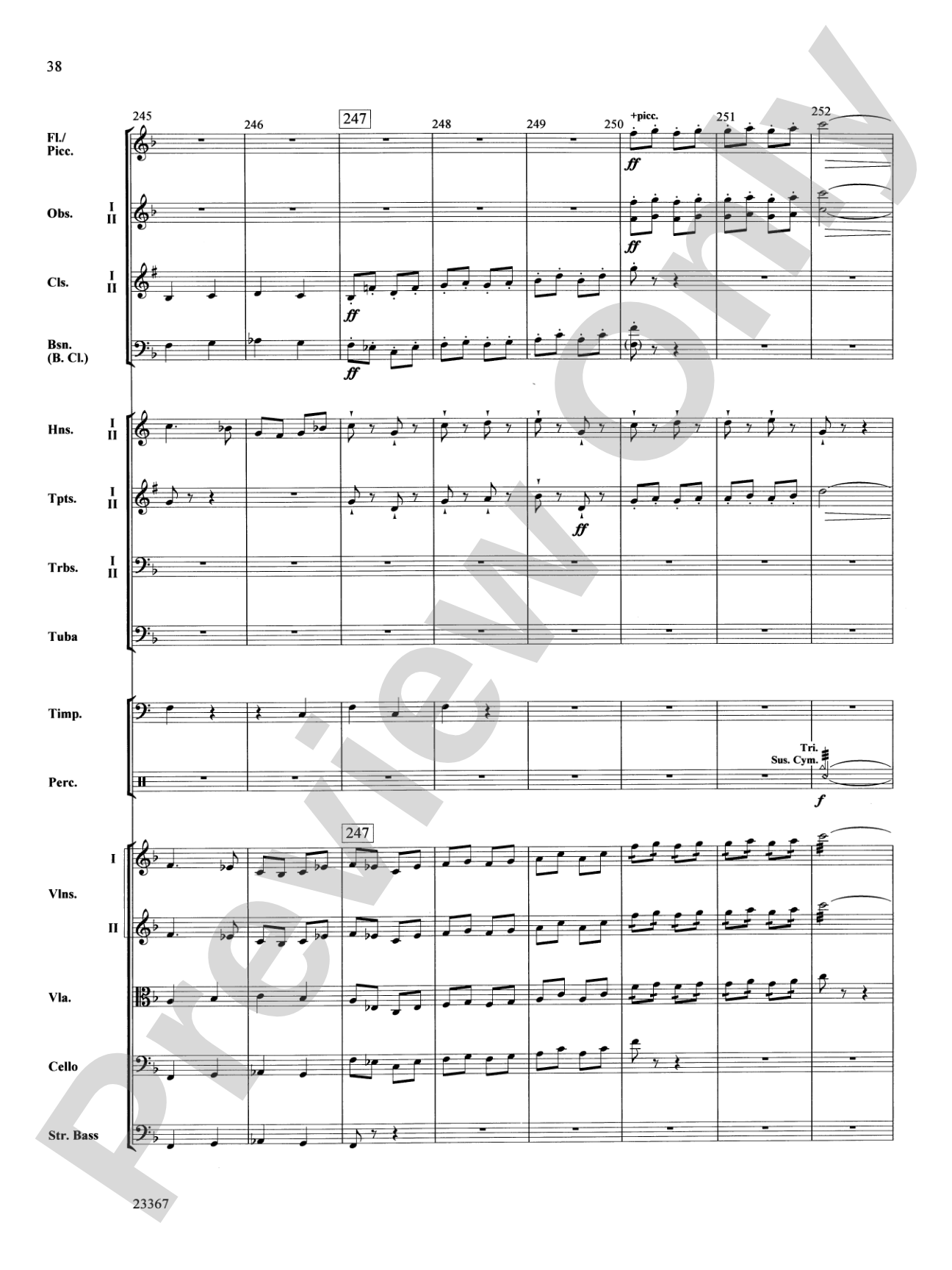
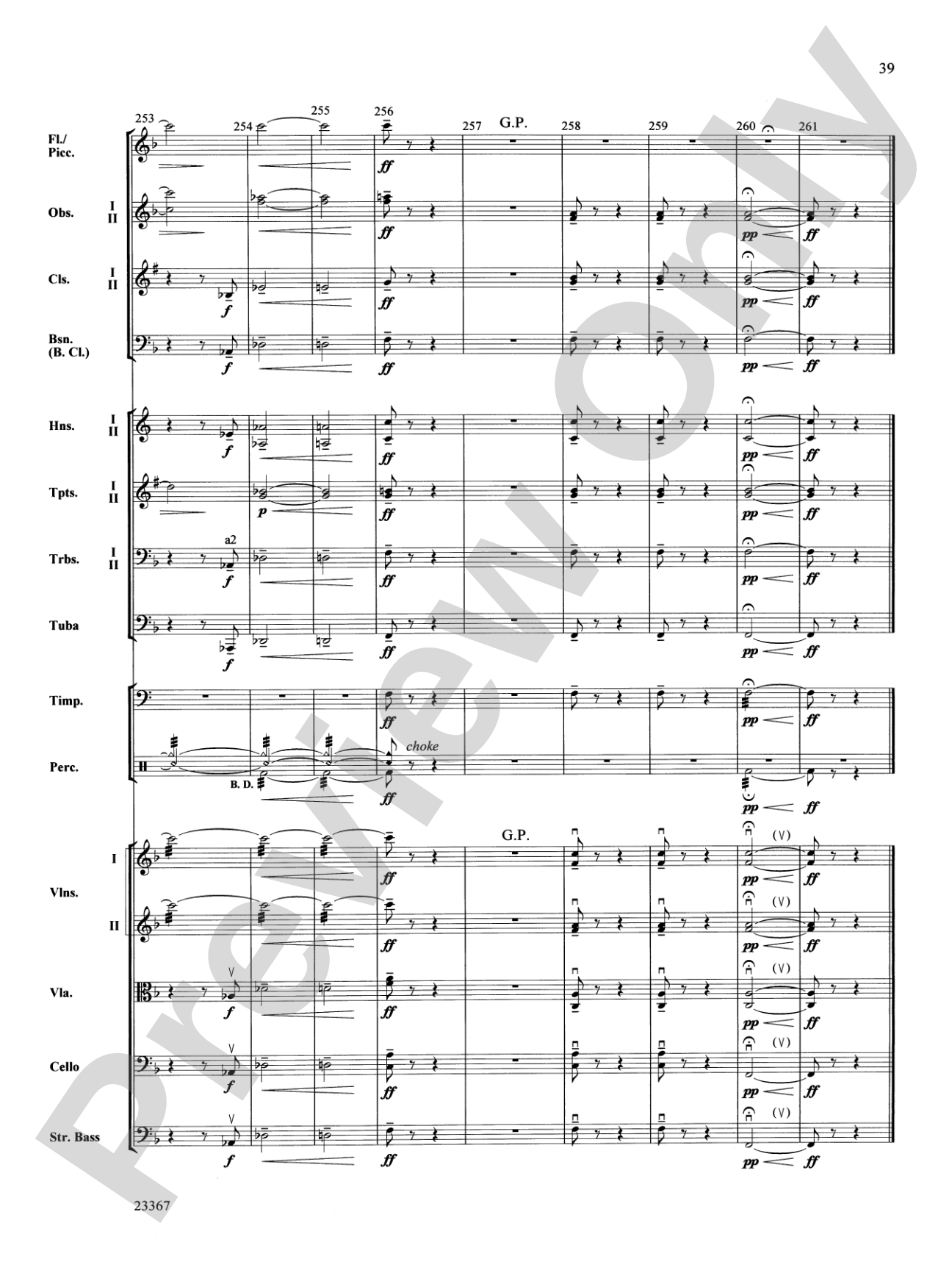


Overture to the Wasps: Full Orchestra Conductor Score & Parts
By Ralph Vaughan Williams / arr. Brendan McBrien
Grade: 4
Item: 00-PK-0000719

$85.00
One moment…
Description
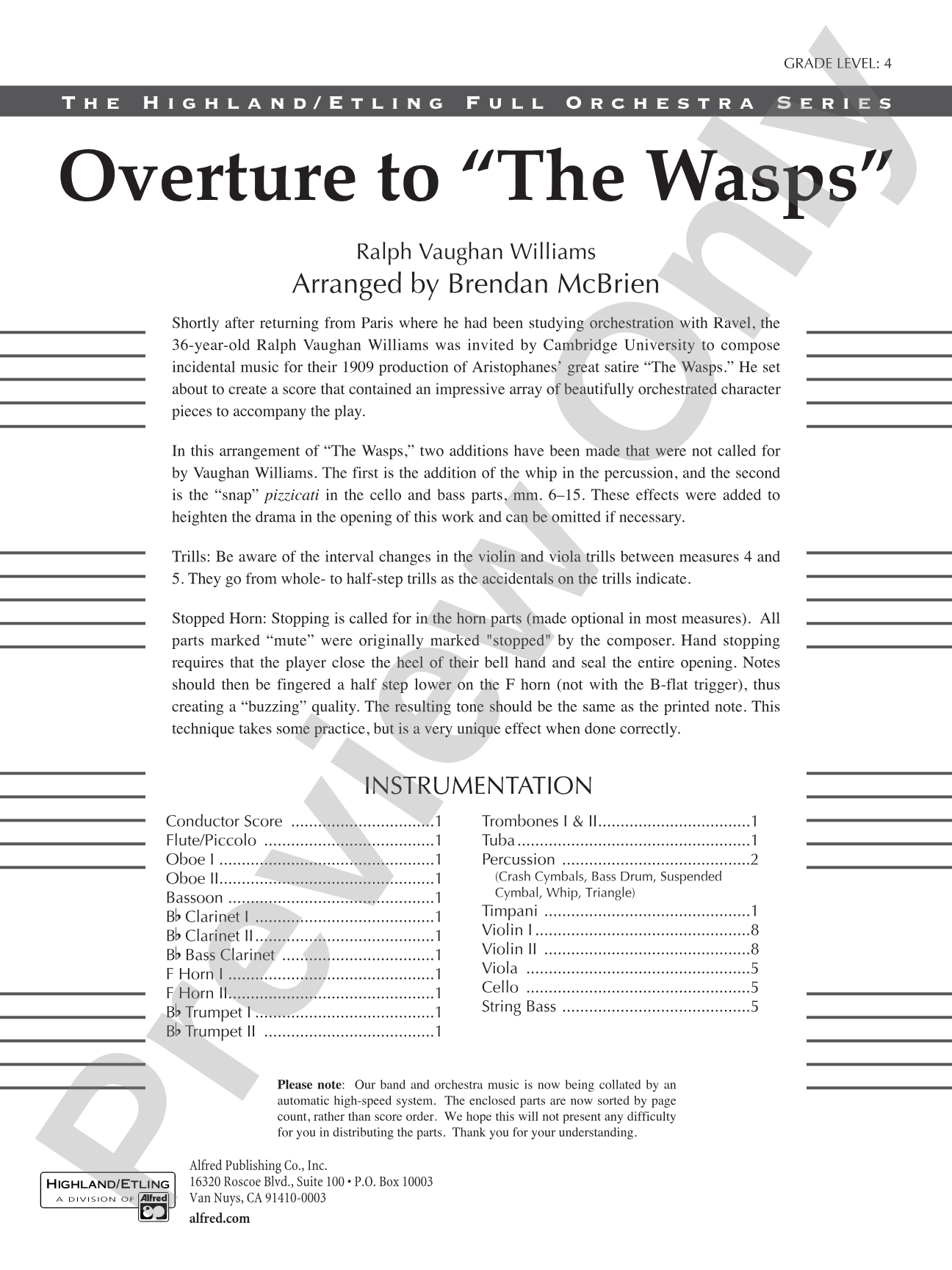
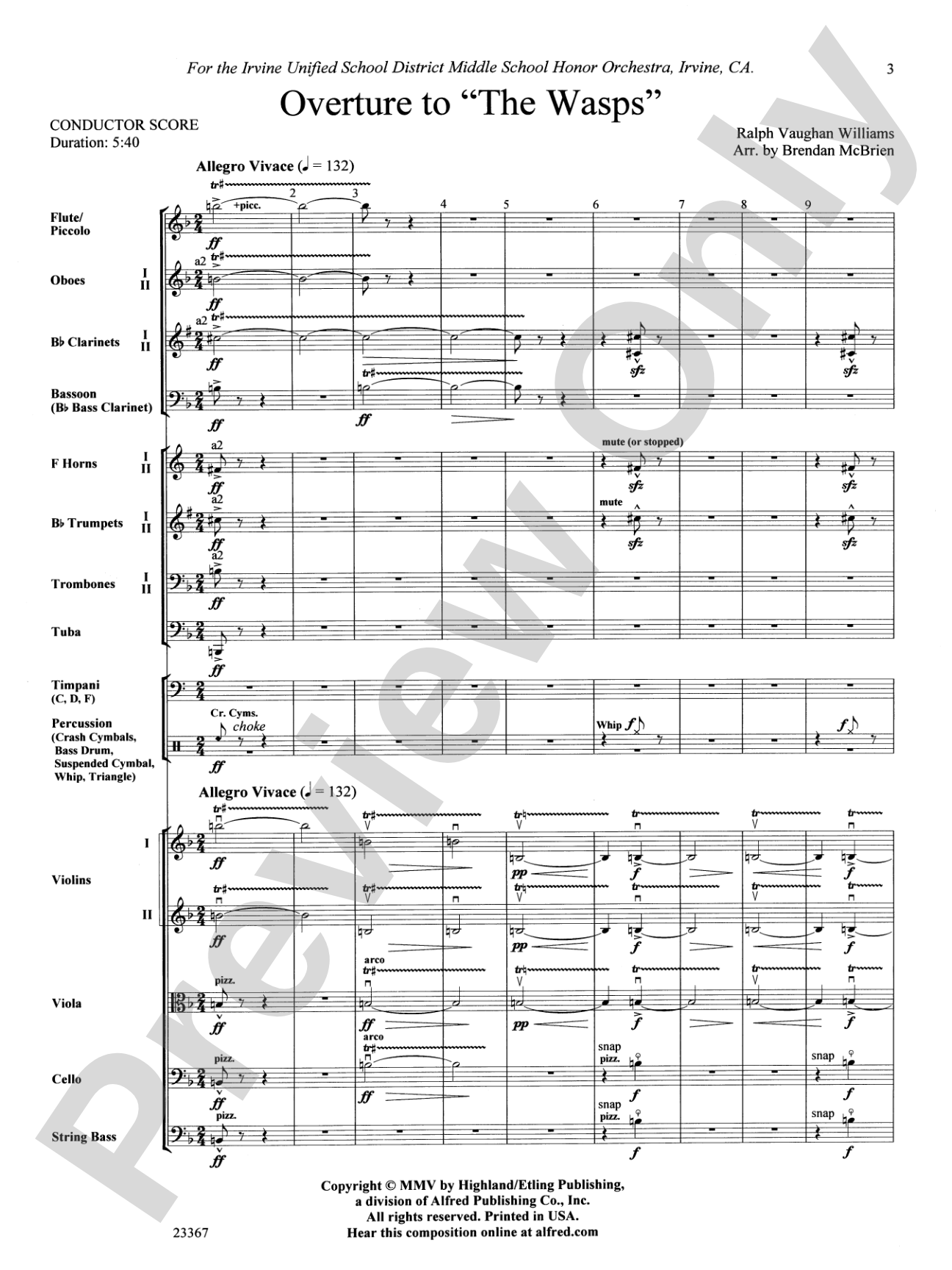
Shortly after returning from Paris where he had been studying orchestration with Ravel, the 36-year-old Ralph Vaughan Williams was invited by Cambridge University to compose incidental music for their 1909 production of Aristophanes' great satire "The Wasps." He set about to create a score that contained an impressive array of beautifully orchestrated character pieces to accompany the play.


Don't just read it, hear it, play along with it, and watch your students grow with it. In MakeMusic Cloud, Overture to the Wasps: Full Orchestra Conductor Score & Parts comes alive with professional accompaniment, adjustable tempo, and built-in practice tools that turn solo practice into real progress.
Open in the Player
Jump straight in and assign it today.
Start Your Free Trial
Open this title and explore the full library in minutes.
Sample Audio
No sample audio found.
Sample Video
No sample videos found.
Additional Details
Series:
Highland/Etling Full Orchestra
Publisher:
Alfred Music
Page Count:
192
SKU:
00-PK-0000719
More about this title
About the Composer: Ralph Vaughan Williams
Ralph Vaughan Williams (1872-1958) shaped the sound of twentieth-century British music by drawing deeply from English folk tradition while remaining open to continental influences. His study with Maurice Ravel in Paris from 1907-1908 left a lasting mark on his orchestration, evident in the luminous colors and sophisticated harmonic language he brought back to England.
Why we love this
This arrangement captures the wit and theatrical brilliance of Vaughan Williams' original score without overwhelming a Grade 4 ensemble. The orchestration remains idiomatically true to the composer's intentions while sitting comfortably within the abilities of advancing high school orchestras, making it an ideal choice for groups seeking repertoire with genuine musical substance and concert appeal.
What to expect
The music sparkles with character and color, mixing lyrical warmth with sharp, comic orchestral flourishes that mirror the satirical nature of Aristophanes' play. You'll hear moments of genuine tenderness alongside sharp-tongued musical jabs that keep players engaged and audiences entertained.
Who it's for
Advanced high school orchestras and community orchestras that have built solid fundamentals in intonation, balance, and ensemble coordination. This work also suits gifted middle school groups with experienced string and woodwind sections ready to tackle twentieth-century harmonic language.
How to get the most out of it
- Balance the character themes carefully; many are passed among different sections and require transparent, conversational playing rather than blended tutti sound.
- Attend to the rhythmic precision of the dance-like sections, which rely on crisp articulation and steady pulse to achieve the satirical humor Vaughan Williams intended.
- Shape melodic lines with long-line phrasing even in shorter character vignettes; this piece rewards conductors who draw singers' breath and architectural momentum from individual phrases.
- Utilize the parts to ensure section leaders hear all the motivic material surrounding their lines, which deepens players' understanding of how themes develop and recombine throughout the overture.
How to use it
Program this as a sophisticated opener or centerpiece for a concert designed around British or twentieth-century repertoire. Its manageable length and theatrical appeal make it equally effective at spring concerts, festival performances, or youth orchestra showcases where you want to demonstrate ensemble artistry without excessive technical demands.
Skills your students will build
- Reading twentieth-century harmonic language and chromatic voice leading
- Balancing transparent orchestration where themes pass between sections
- Coordinating rhythmic precision in folk-dance influenced figures
- Responding to conductor direction in rapid character and mood shifts
- Sustaining musical phrasing across shorter thematic units