
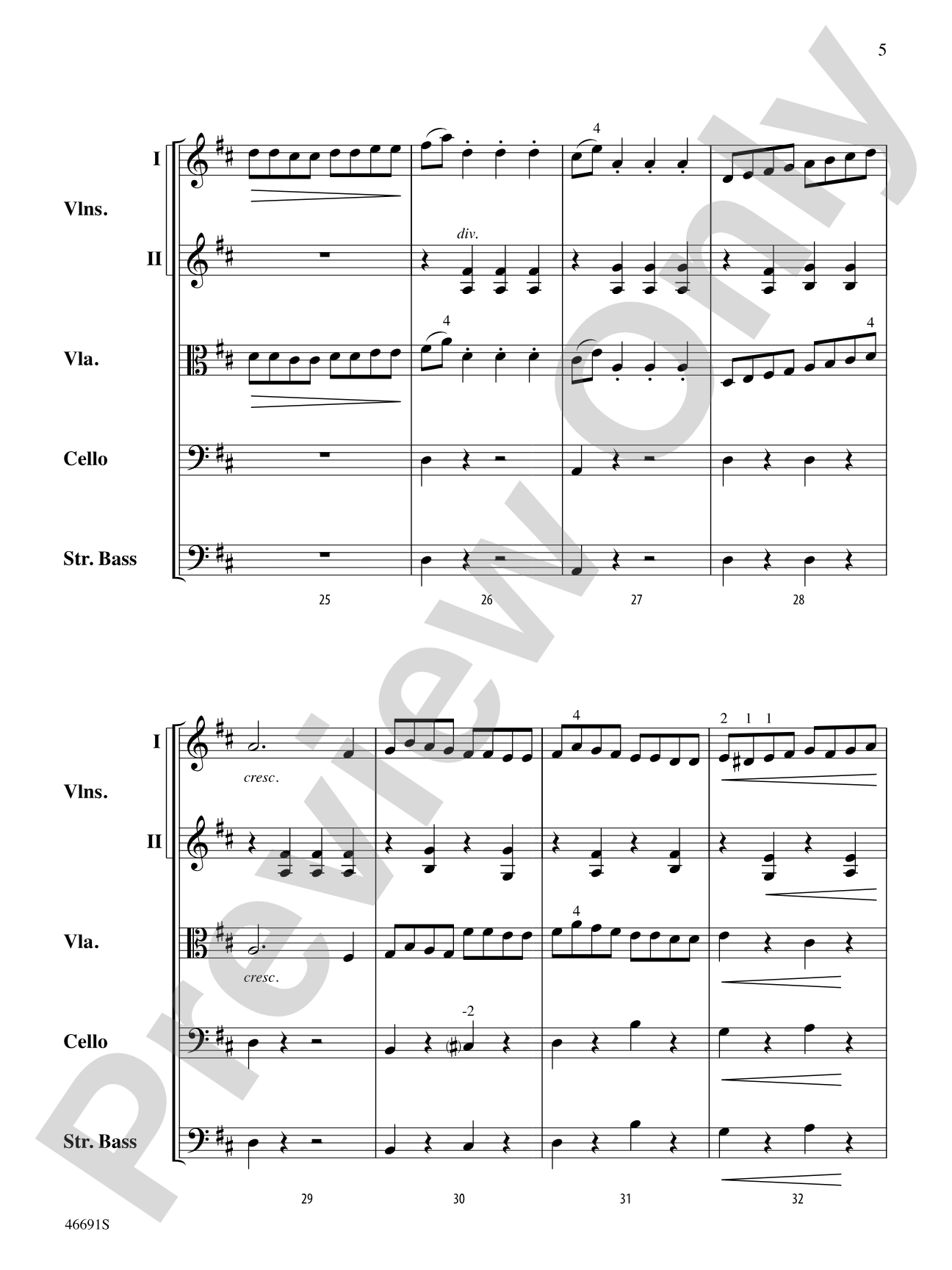
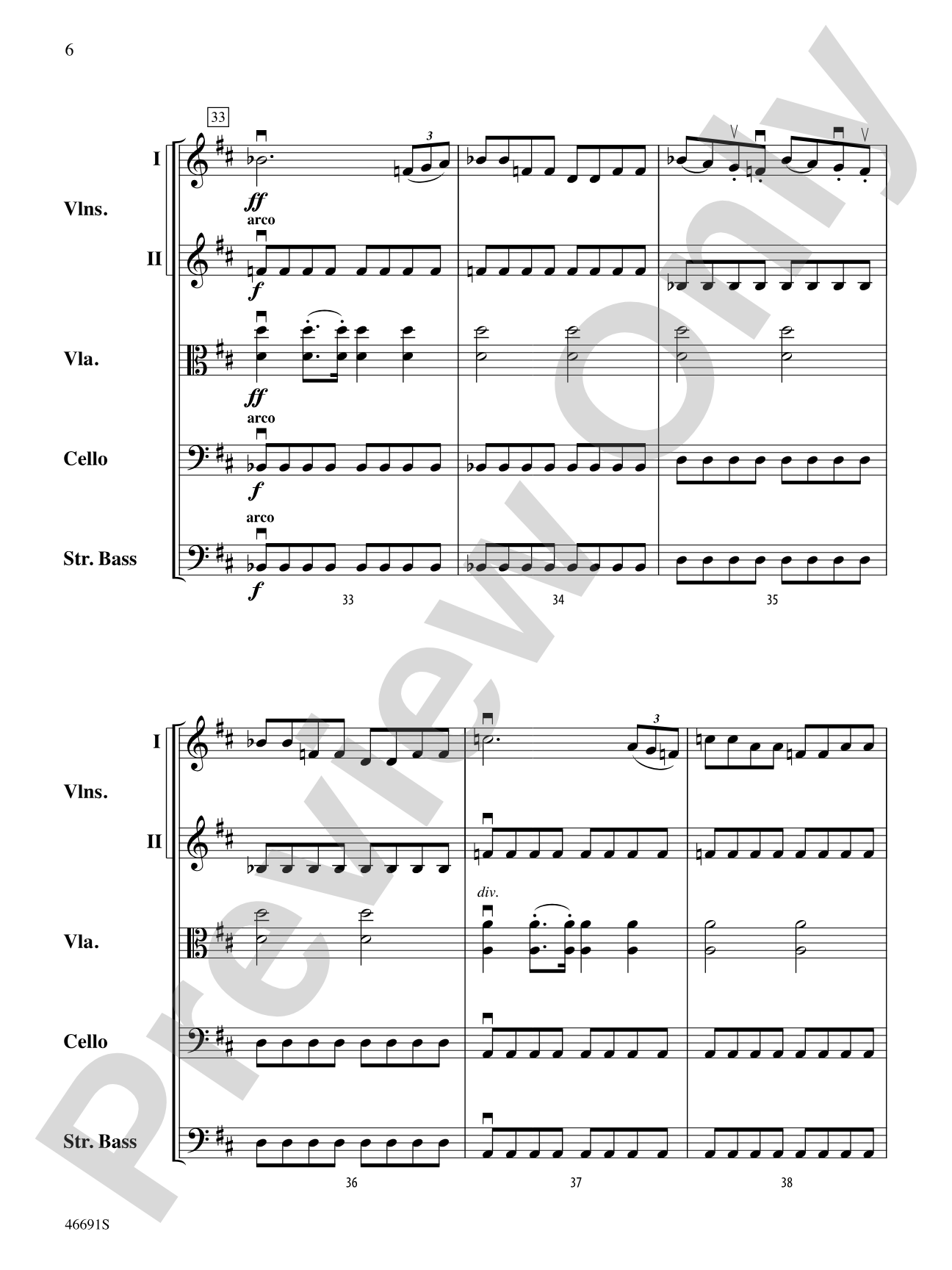
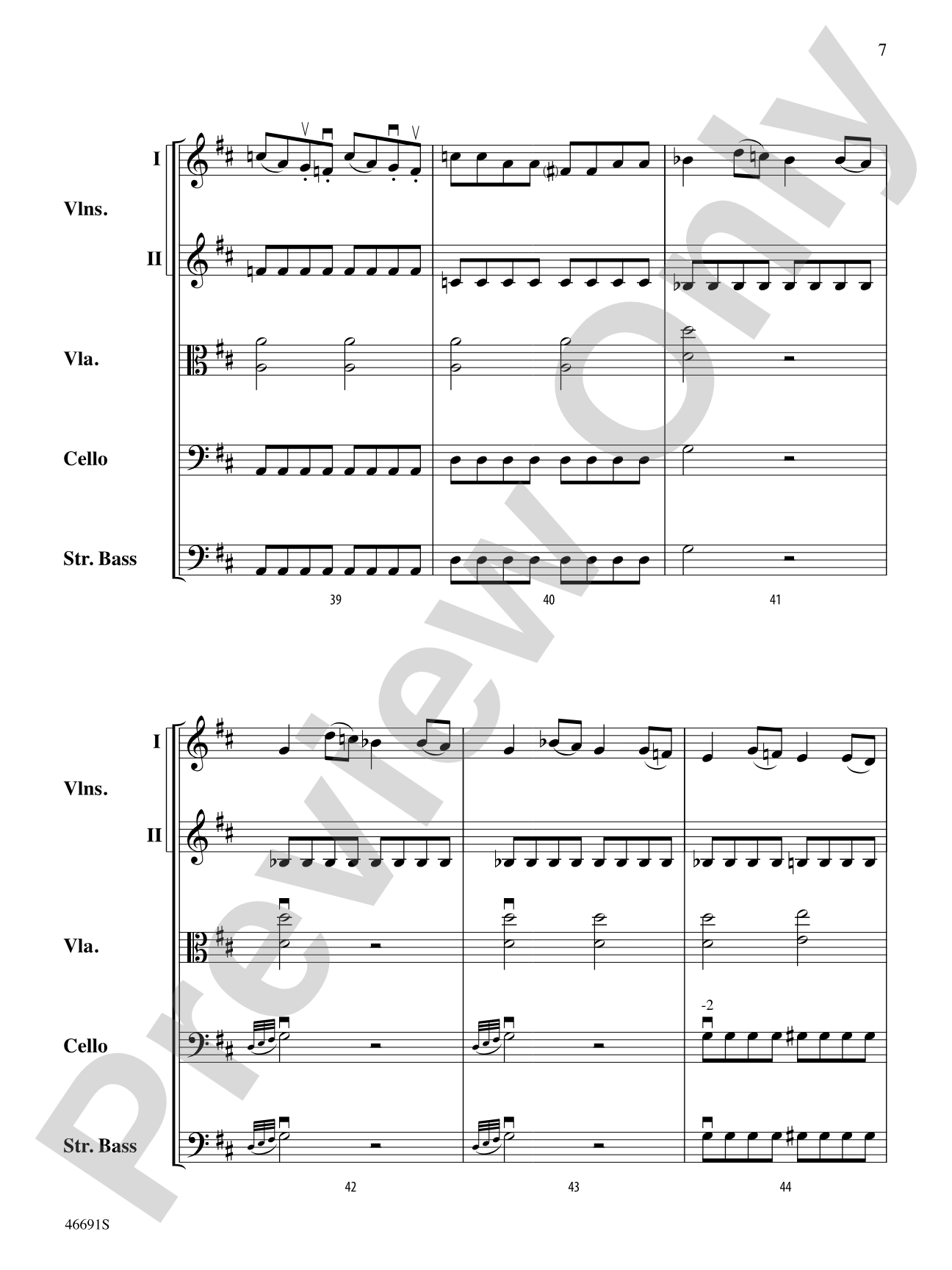
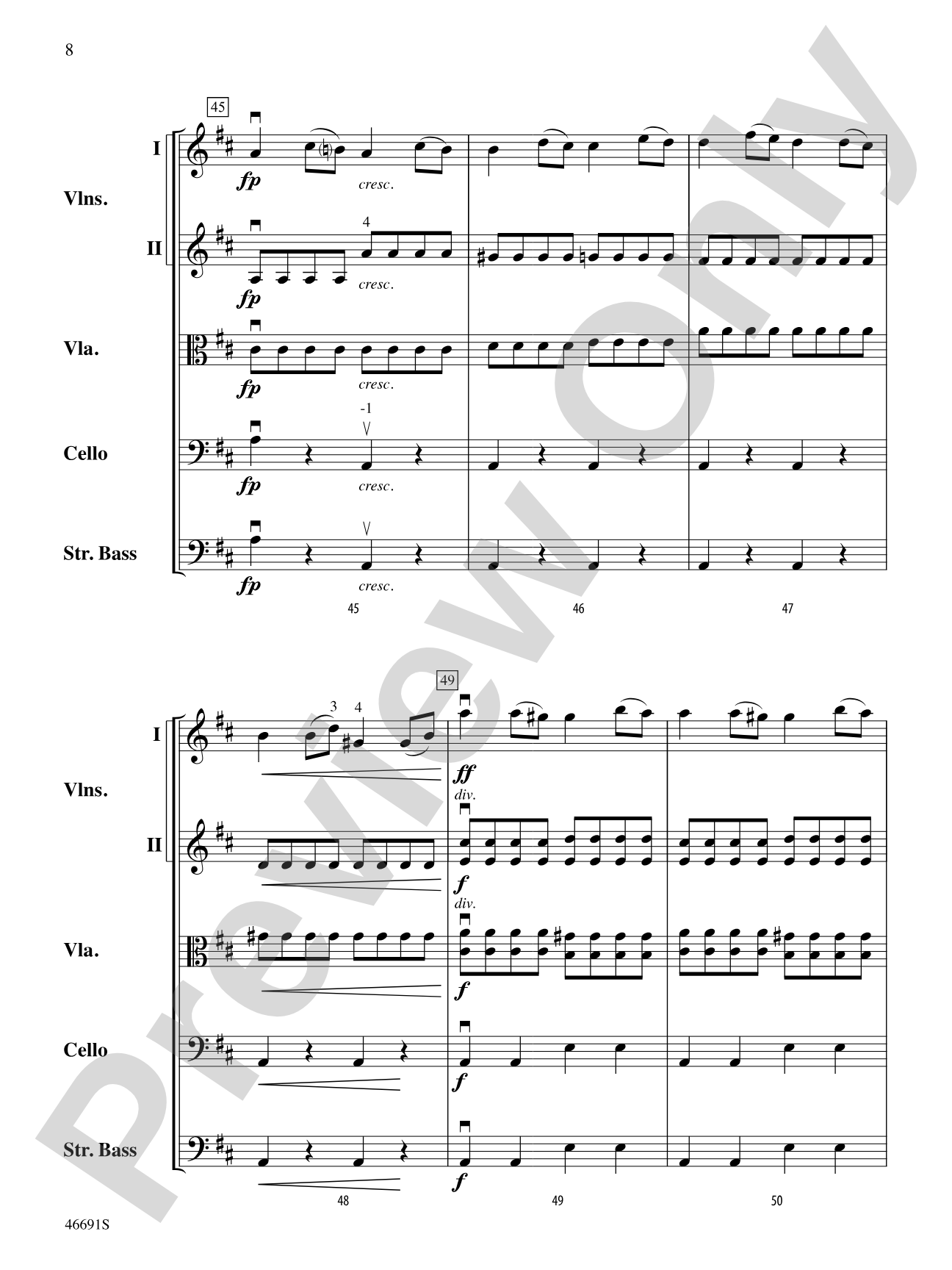

Overture to Il signor Bruschino: String Orchestra Conductor Score & Parts
By Gioachino Rossini / arr. Kirk Moss
Grade: 3
Item: 00-PK-0007536

$58.00
Pickup currently not available
Buy Extra Parts (Digital PDF Download)
| Product | Price | Quantity |
|---|---|---|
| Overture to Il signor Bruschino: Score | $10.00 | |
| Overture to Il signor Bruschino: 1st Violin | $5.99 | |
| Overture to Il signor Bruschino: 2nd Violin | $5.99 | |
| Overture to Il signor Bruschino: Viola | $5.99 | |
| Overture to Il signor Bruschino: Cello | $5.99 | |
| Overture to Il signor Bruschino: String Bass | $5.99 |
Parts Added to Cart!
Related Items
Overture to Il signor Bruschino: String Orchestra Conductor Score & Parts |
$58.00
|
View |
Description
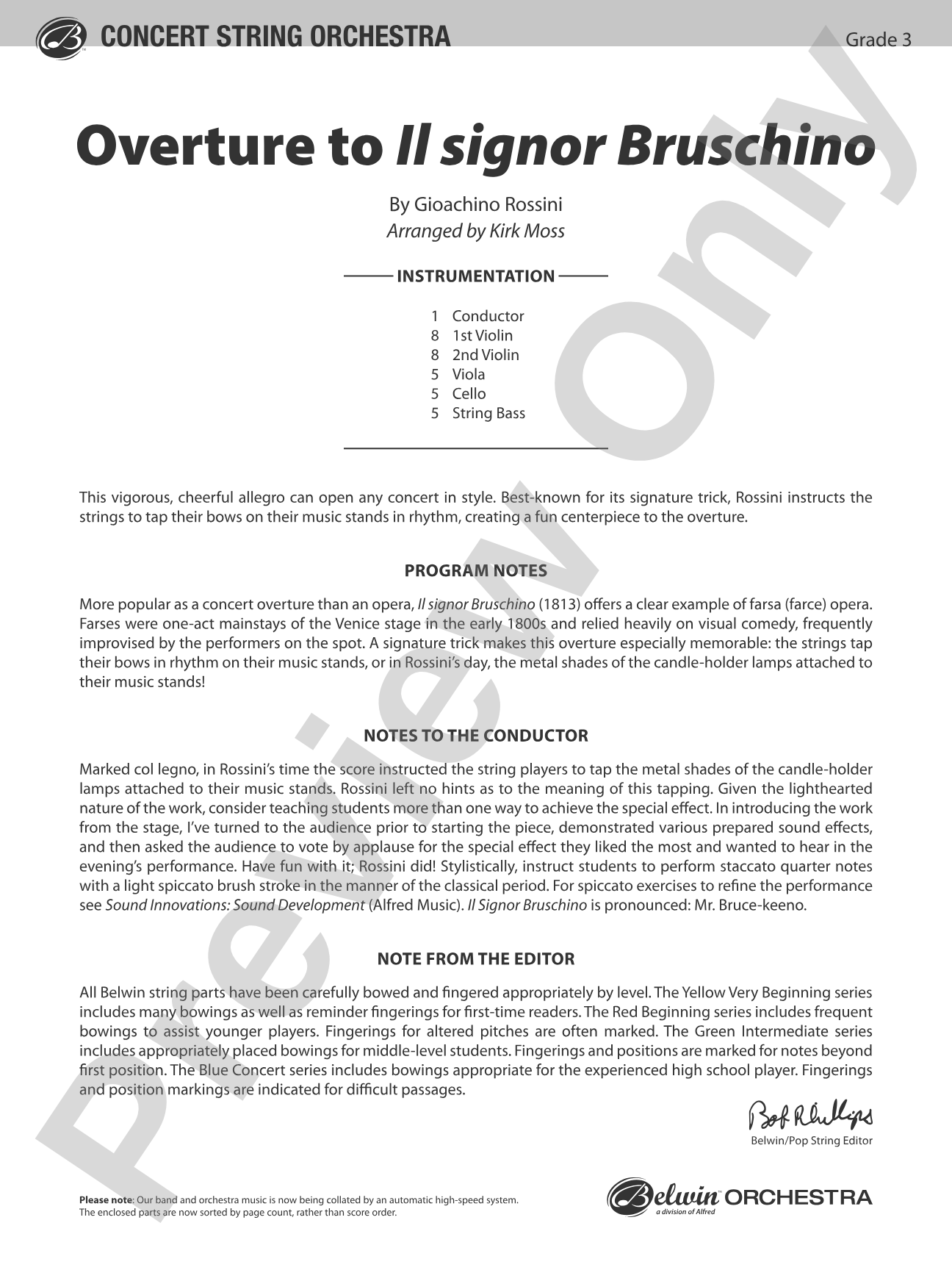
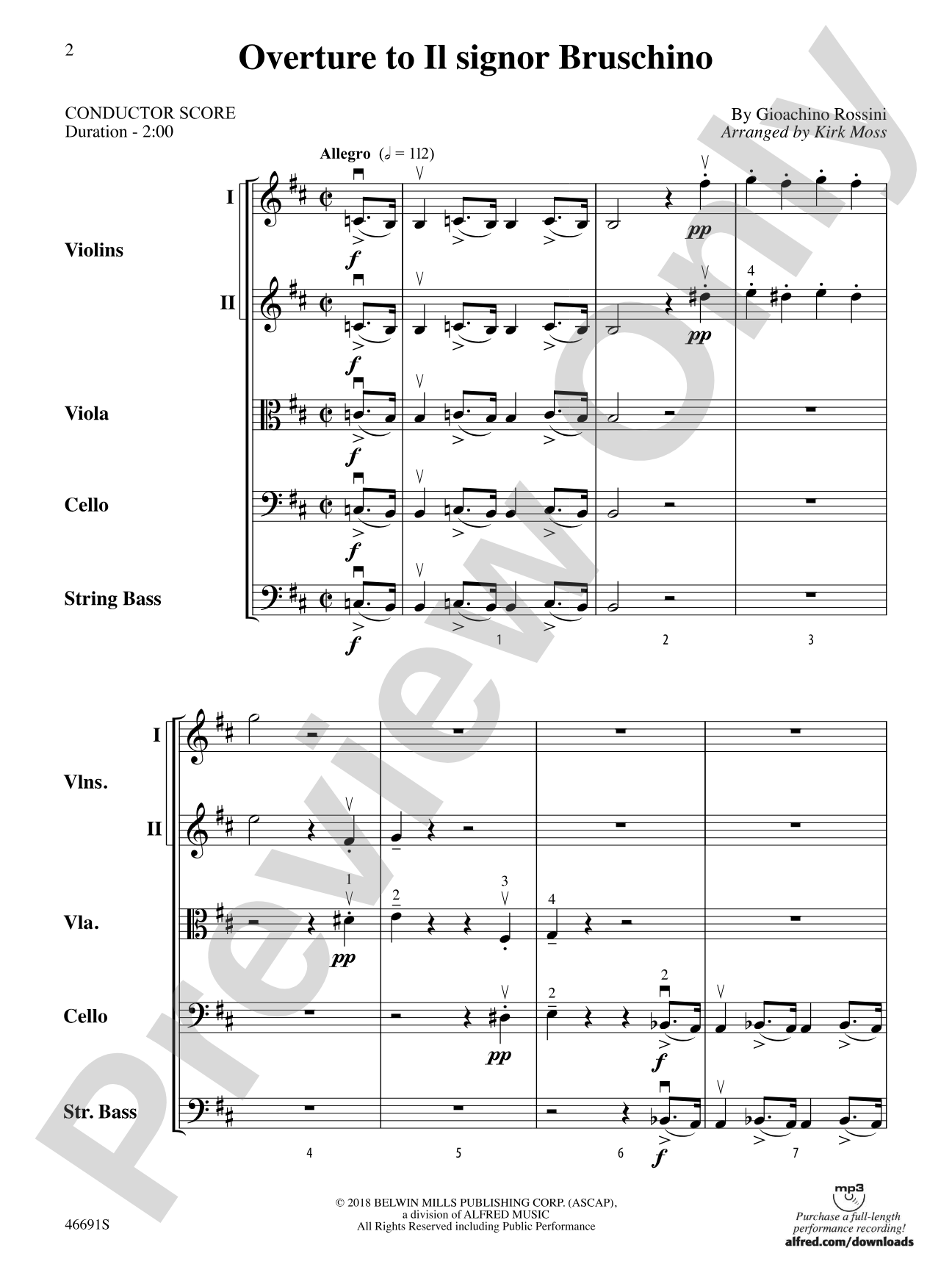
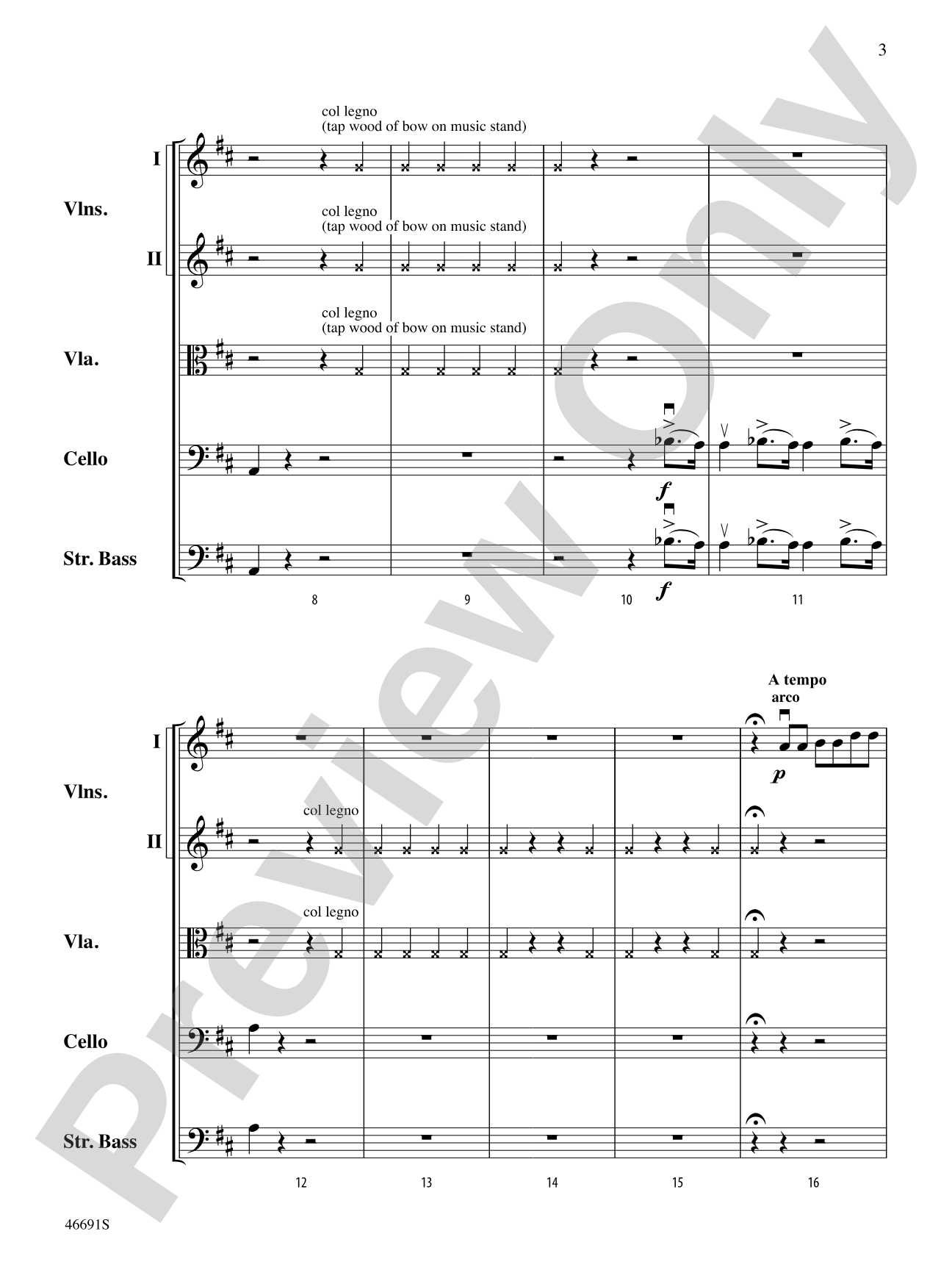
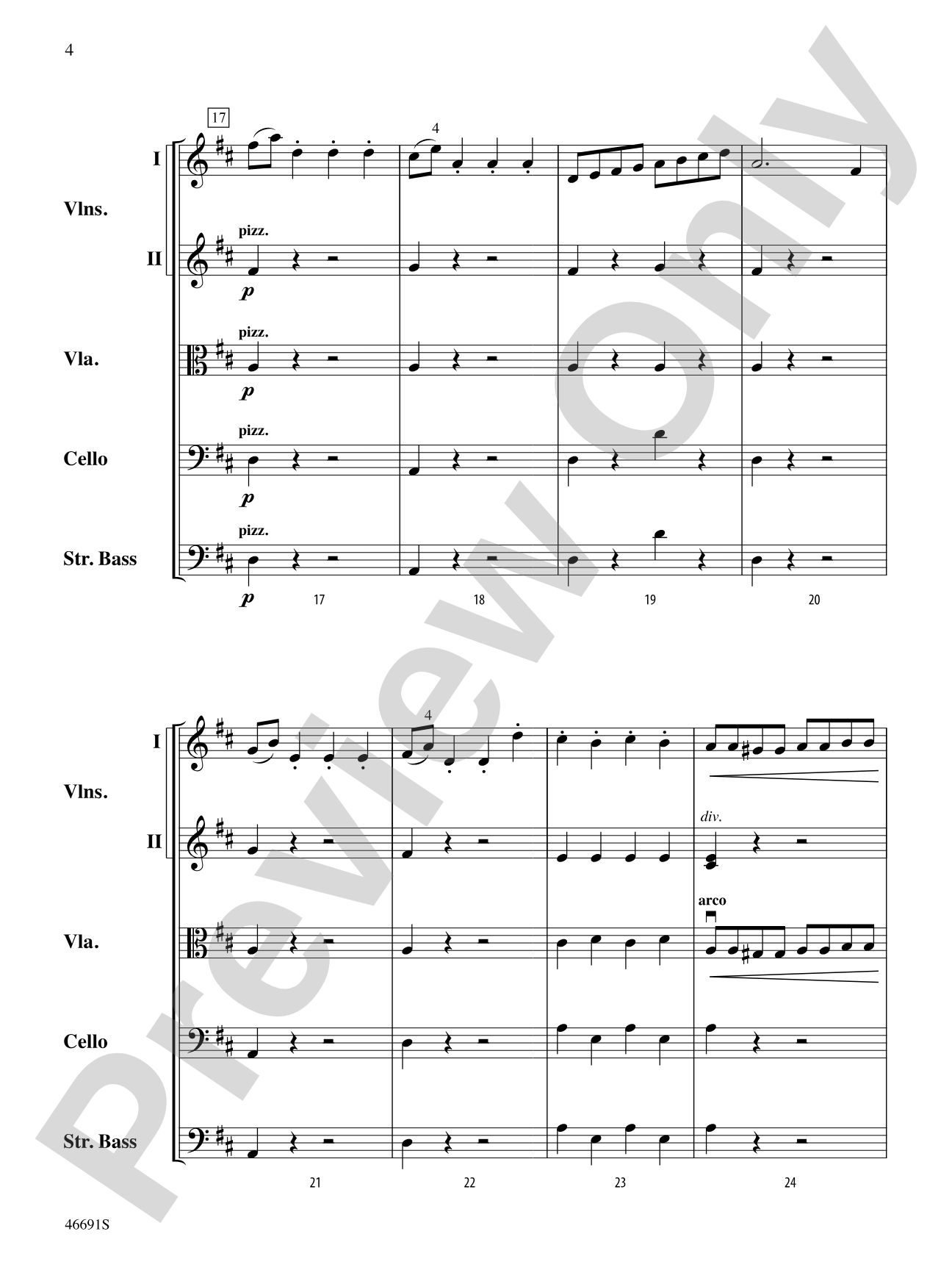
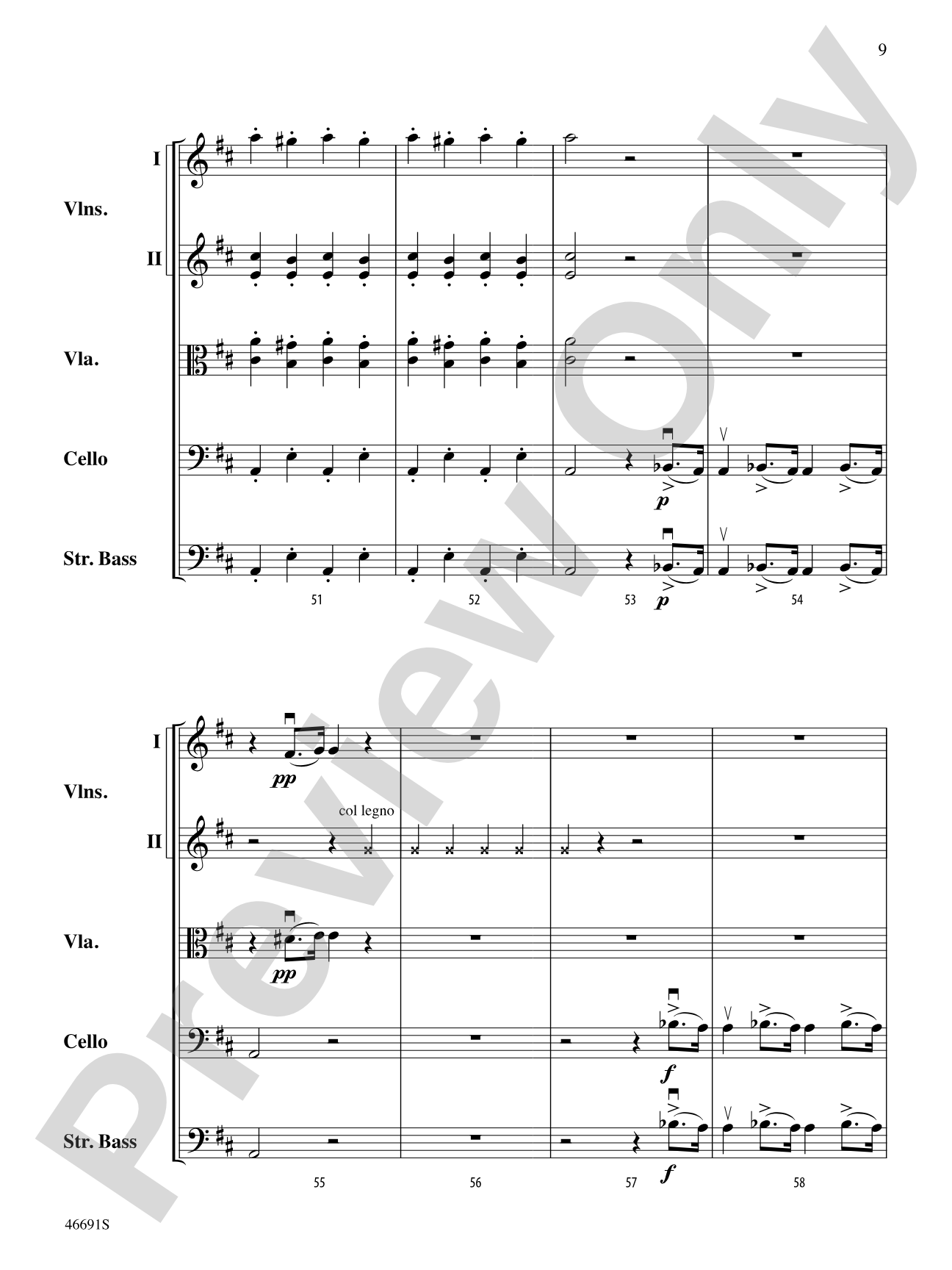
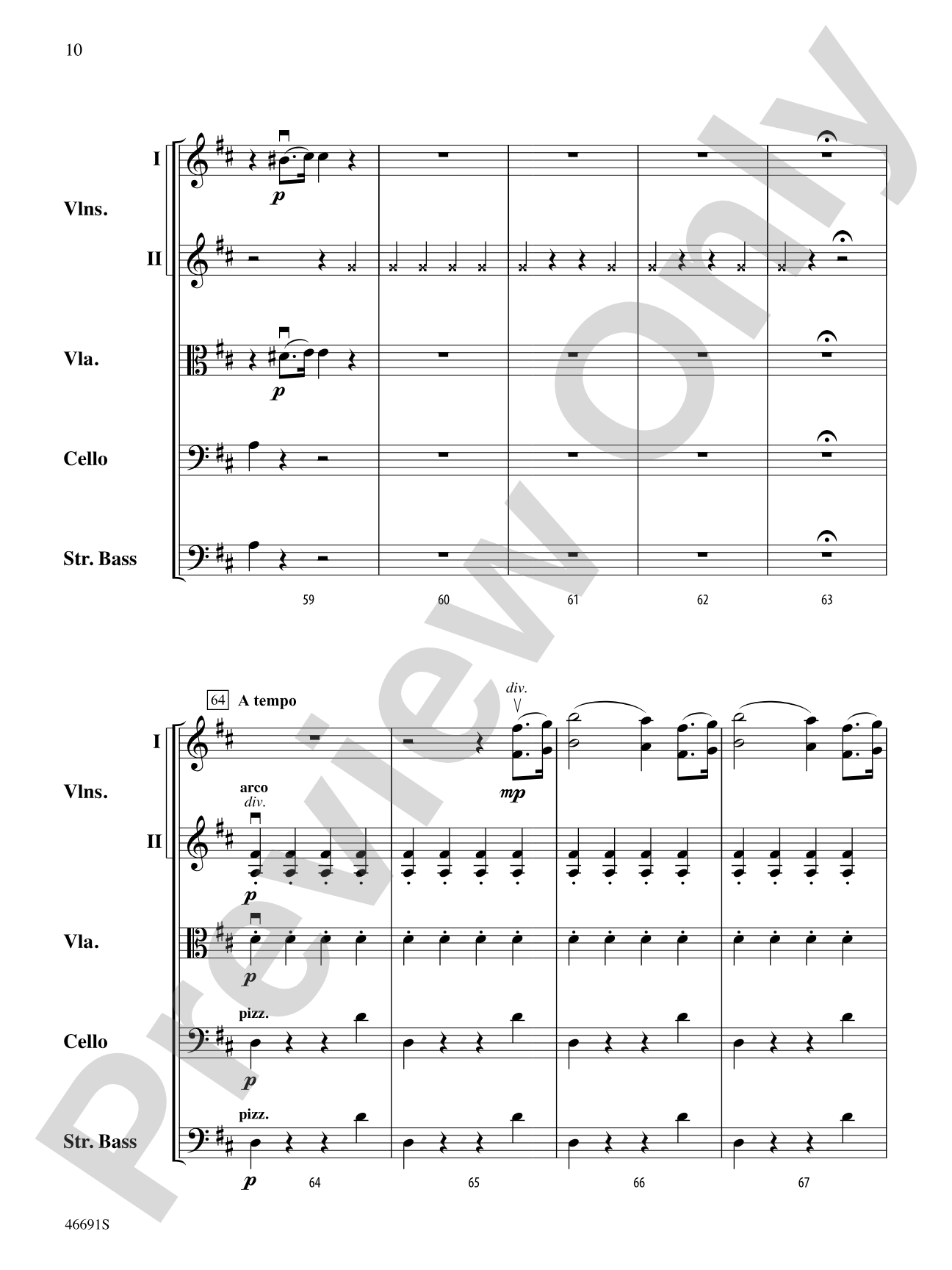
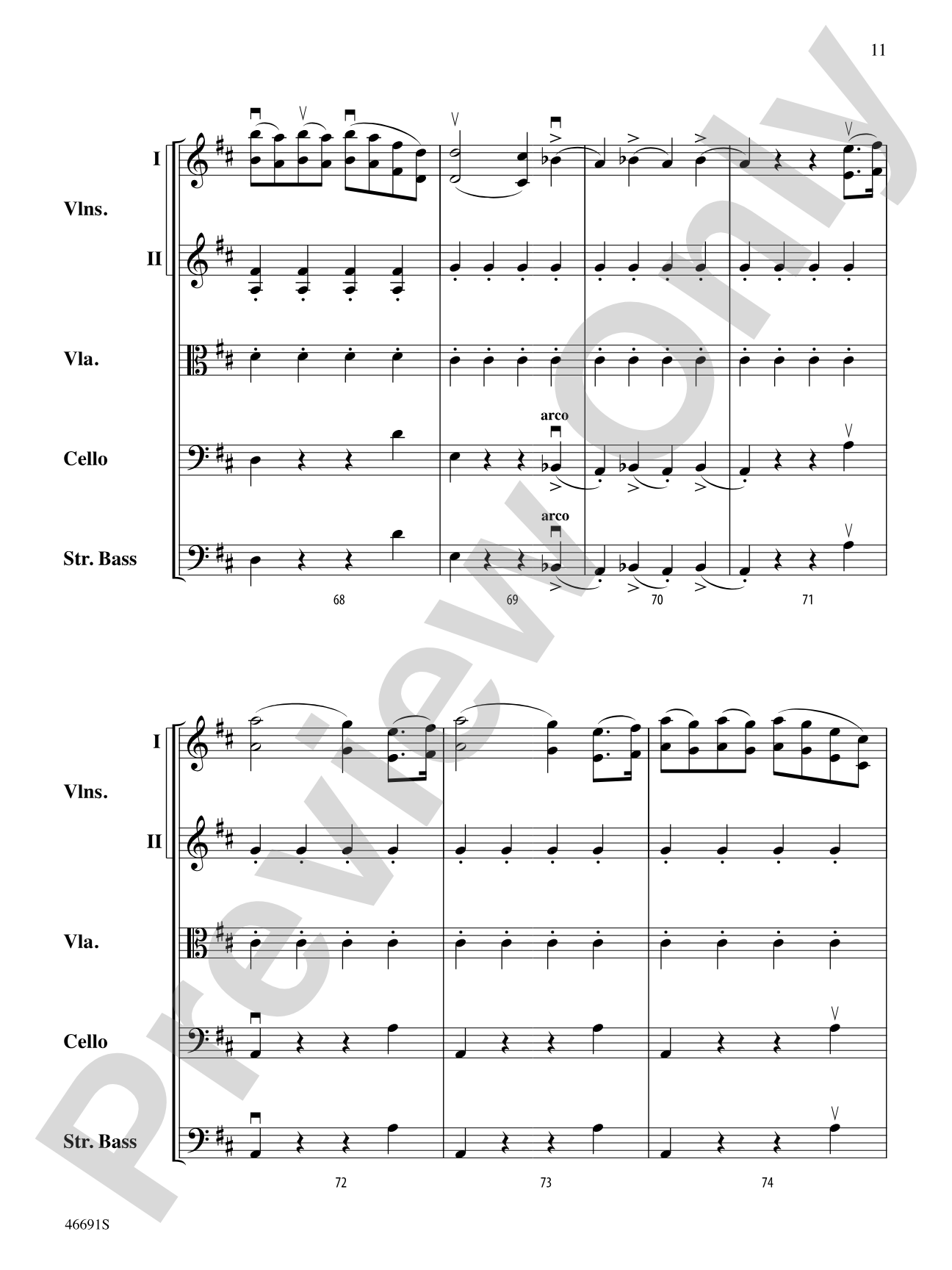
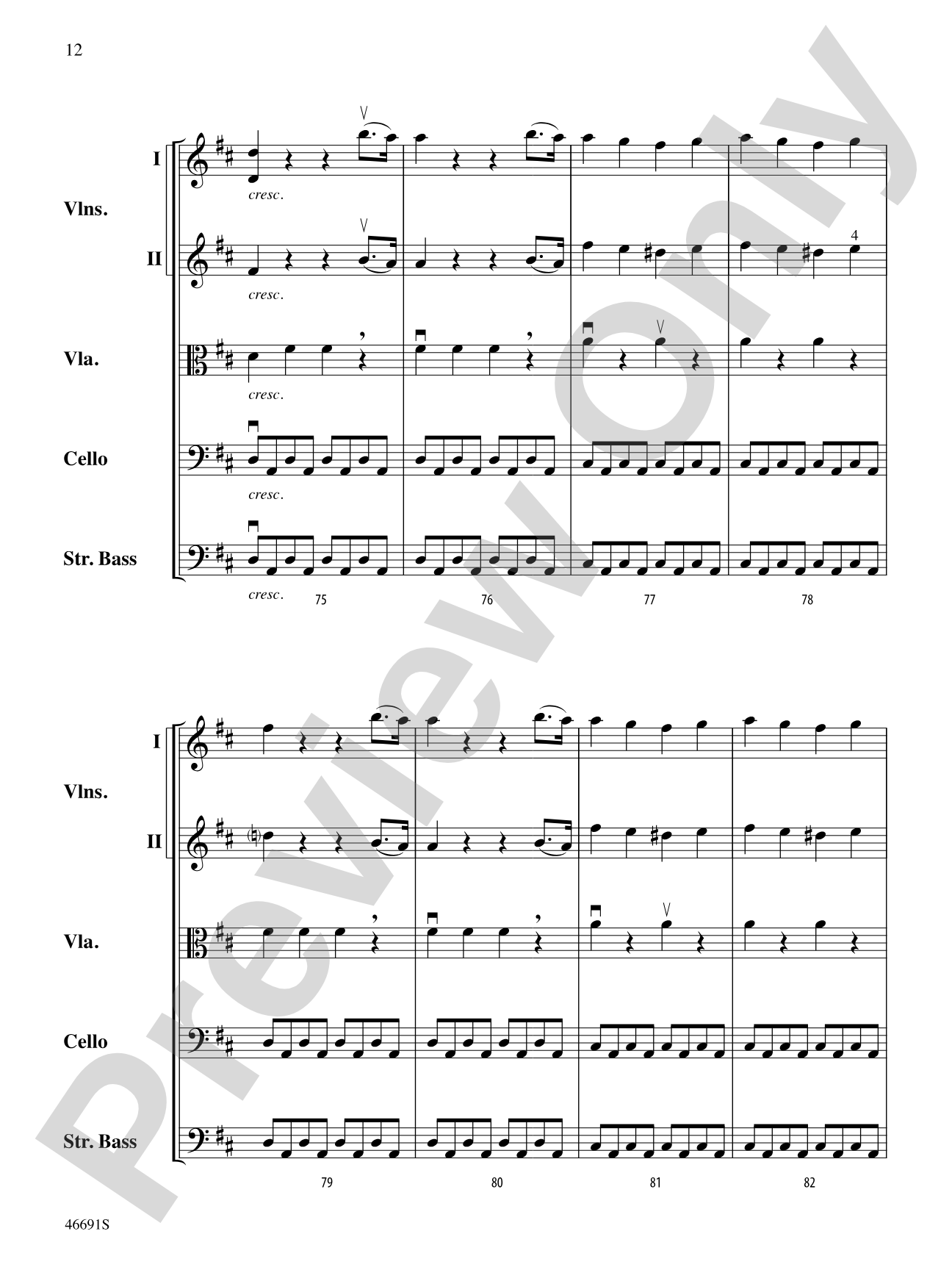
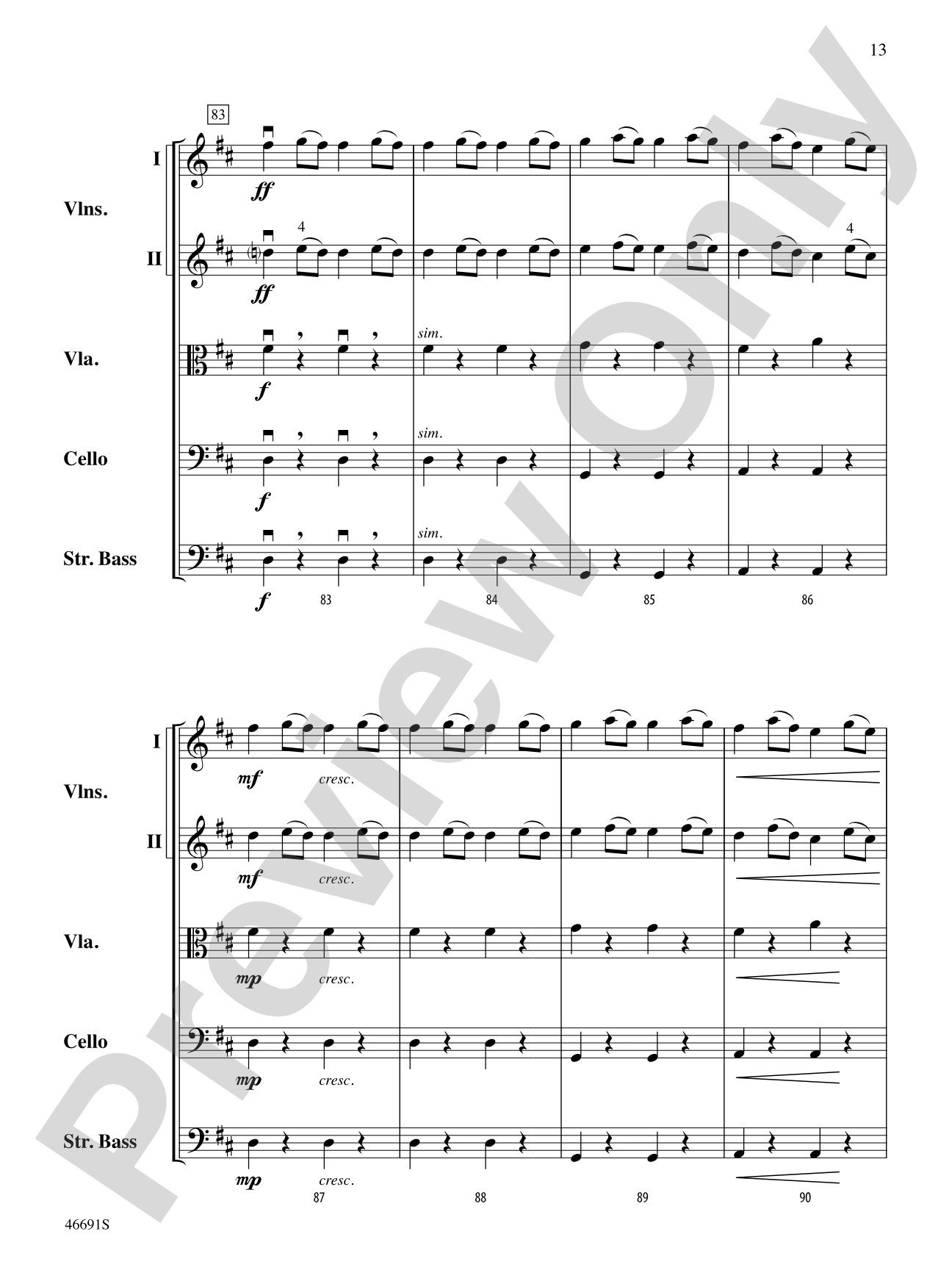
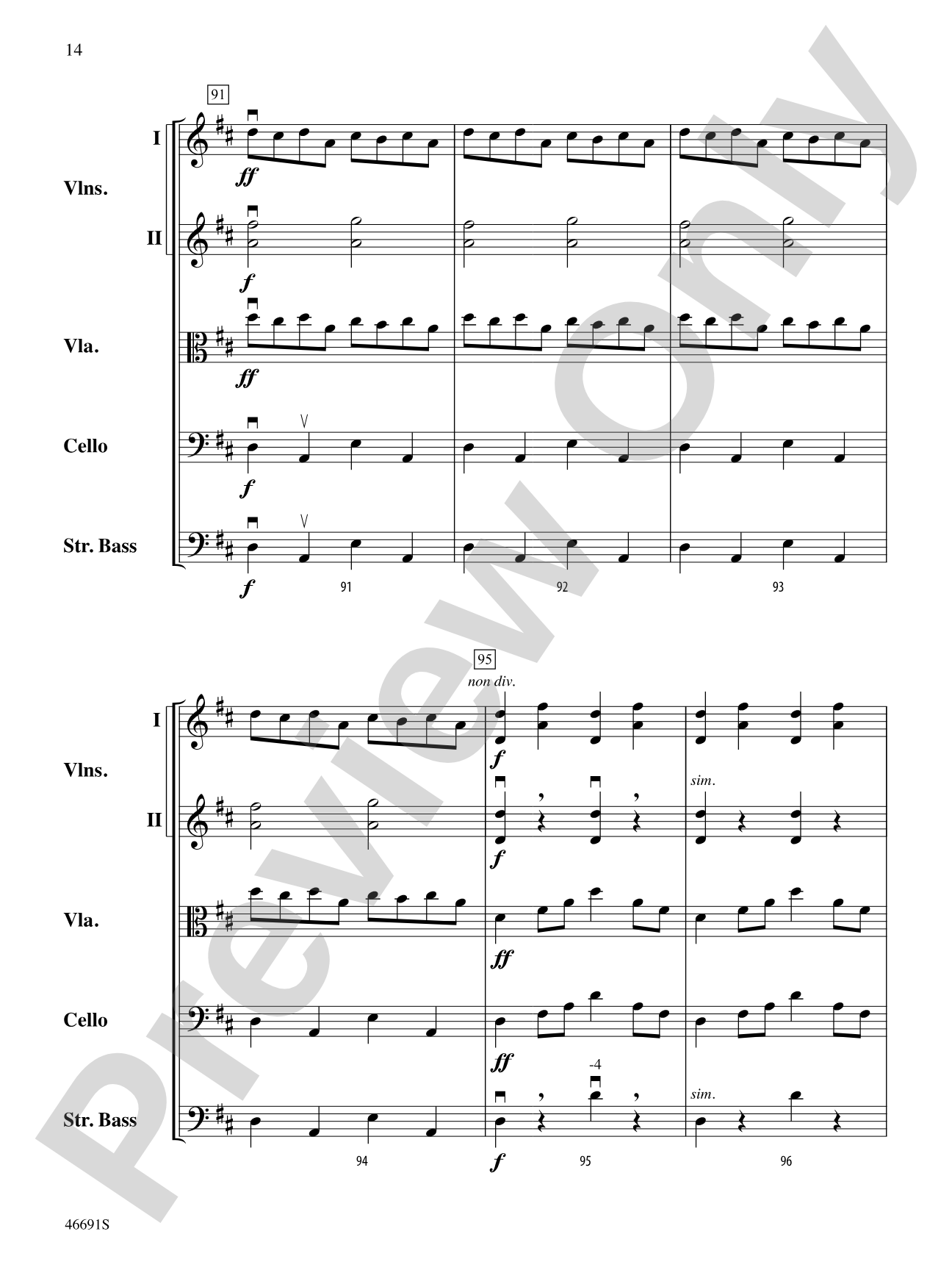
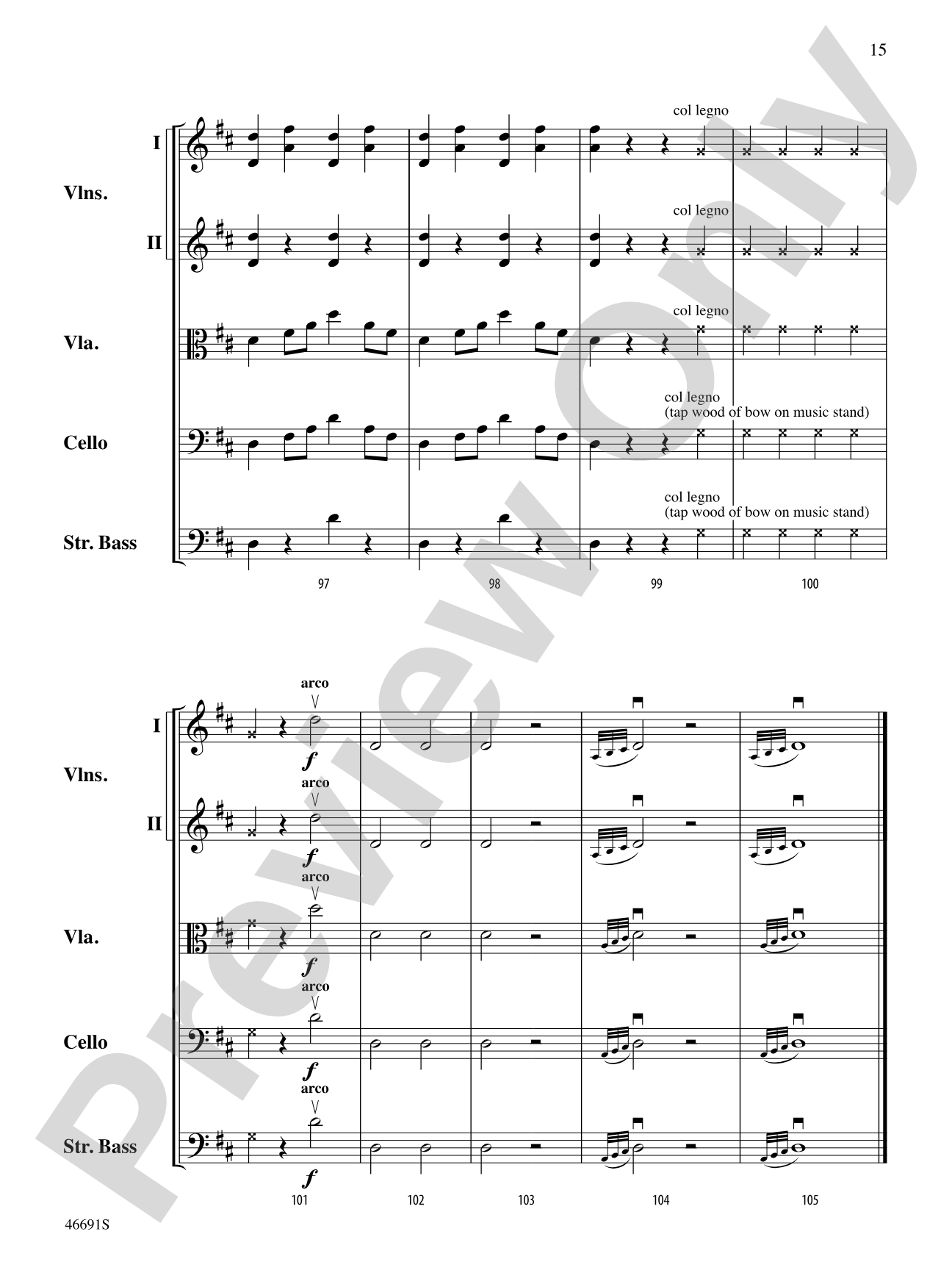
This vigorous, cheerful allegro, arranged by Kirk Moss, can open any concert in style. The piece is best-known for its signature trick in which Rossini instructs the strings to tap their bows on their music stands in rhythm, creating a fun centerpiece to the overture.


Don't just read it, hear it, play along with it, and watch your students grow with it. In MakeMusic Cloud, Overture to Il signor Bruschino: String Orchestra Conductor Score & Parts comes alive with professional accompaniment, adjustable tempo, and built-in practice tools that turn solo practice into real progress.
Open in the Player
Jump straight in and assign it today.
Start Your Free Trial
Open this title and explore the full library in minutes.
Sample Audio
1
Audio File
--:--
0:00
0:00
Sample Video
Additional Details
Series:
Belwin Concert String Orchestra
Publisher:
Alfred Music
Page Count:
124
SKU:
00-PK-0007536
More about this title
About the Composer: Gioachino Rossini
Gioachino Rossini (1792-1868) was an Italian composer whose gift for melody and theatrical timing made him one of the most performed composers of the 19th century. He wrote 39 operas before retiring from composition at 37, yet his overtures remain standard repertoire for orchestras of all levels because they combine technical brilliance with immediate appeal.
Rossini's overtures are masterclasses in orchestration and pacing. He understood how to build energy through rhythm and texture rather than relying solely on harmonic complexity, which is why his music works so well in educational settings. His instrumental writing rewards careful attention to articulation and ensemble balance while remaining accessible to developing musicians.
Why we love this
This arrangement captures everything that makes Rossini irresistible: propulsive forward motion, clear harmonic language, and a moment of genuine surprise that never fails to land with an audience. The bow-tapping effect is a guaranteed audience pleaser that students find genuinely fun rather than gimmicky, and Kirk Moss's arrangement preserves the orchestration's elegance while keeping the string parts manageable at Grade 3.
What to expect
Buoyant and irrepressible. The piece sparkles with Rossini's trademark energy, moving at a brisk clip that feels almost impulsive. The famous bow-tapping moment arrives like a delightful secret shared between composer and audience, turning an already engaging overture into something memorable.
Who it's for
String orchestra directors seeking a concert opener with personality and pedagogical value for Grade 3 ensembles. The piece works equally well for chamber orchestras and larger programs because Moss's arrangement scales naturally across different ensemble sizes.
How to get the most out of it
- Establish the bow-tapping section (the signature moment) in isolation first. Ensure players understand they're tapping the wooden part of the bow against the music stand, not the strings, and that the rhythm locks precisely with the pizzicato bass figures beneath it.
- Shape the opening allegro with forward momentum in the bow strokes. The piece thrives on rhythmic clarity and lightness, so encourage players to use relatively little bow and maintain crisp articulation throughout.
- Balance the tutti passages carefully so the melody line cuts through. Rossini's orchestration often places the tune in unexpected places, and young string players sometimes bury it beneath fuller harmony parts.
- Conduct the bow-tapping section with clear beats so the tapping ensemble stays locked together. This moment is both the musical climax and the theatrical centerpiece, so it deserves rehearsal time and confident direction.
How to use it
Program this as a concert opener when you want immediate engagement and a sense of theatrical flair. It pairs beautifully with more lyrical or introspective works later in the program, providing contrast. The piece also works well in festival or competition contexts where you want to establish ensemble character and confidence early.
Skills your students will build
- Rhythmic precision in fast-moving passages with running sixteenth-note figures
- Clear articulation and crisp bow control at tempo
- Balancing melody and accompaniment in densely orchestrated sections
- Tuning and synchronization in full ensemble passages
- Extended tremolo and pizzicato techniques
- Listening and responding to conductor direction during rapid harmonic changes