Overture to Idomeneo Cover Image

Overture to Idomeneo: String Orchestra Conductor Score & Parts

$55.00 USD
Sale price  $55.00 USD Regular price 
Skip to product information
Overture to Idomeneo Cover Image

Overture to Idomeneo: String Orchestra Conductor Score & Parts

Arranged by Robert D. McCashin

Grade: 4

Item: 98-ST6265

makemusic Cloud badge

Need it now?

Buy Digital Version
$55.00
Shipped

One moment…

Description
This terrific concert opener is considered by many to be Mozart's first mature work in the operatic medium. Retaining all the depth and nobility of the original, this arrangement also remains musically and structurally true to the harmonic and melodic spirit of Mozart's original opus. Engaging and musically satisfying!

Don't just read it, hear it, play along with it, and watch your students grow with it. In MakeMusic Cloud, Overture to Idomeneo: String Orchestra Conductor Score & Parts comes alive with professional accompaniment, adjustable tempo, and built-in practice tools that turn solo practice into real progress.

Sample Pages

Sample Audio
0:00
0:00
Sample Video
Additional Details
Series: FJH String Orchestra
Publisher: The FJH Music Company, Inc.
UPC: 674398229963
SKU: 98-ST6265

More about this title

About the Arranger: Robert D. McCashin
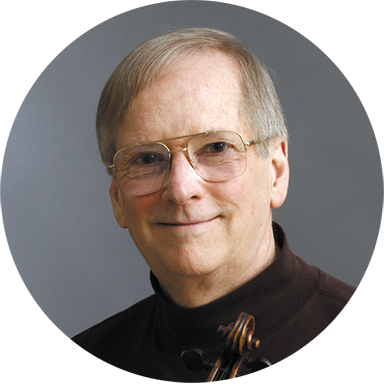
Robert D. McCashin

Robert D. McCashin, DMA, spent 43 years in higher education as a conductor and string pedagogue, culminating his career as Professor Emeritus and former Director of Orchestras at James Madison University. He holds degrees in violin performance from Louisiana State University and a doctorate in conducting from the University of Arizona, and received JMU's Distinguished Teacher Award in 2015. From 1992 to 2016, he led the university's orchestras and taught conducting and applied strings at the graduate and undergraduate levels.

McCashin is also an accomplished violinist and prolific arranger with nearly 80 published works spanning Grade 1 through 5. Many of his arrangements have earned bestseller status and recognition as Editors' Choice selections in educational music publishing. Before joining James Madison, he taught at the University of Texas at Arlington and Texas Wesleyan University, where he performed with regional orchestras, conducted youth ensembles, and maintained an active private studio. He is co-author of the widely adopted string method series New Directions® for Strings and A Scale in Time.

Why we love this

McCashin's handling of this Mozart masterwork strikes an ideal balance for Grade 4 orchestras: the arrangement preserves the opera's harmonic sophistication and structural integrity while remaining playable by developing musicians. It's a genuine concert opener that commands respect without demanding virtuosity, giving orchestras a repertoire win that audiences recognize immediately.

What to expect

This overture radiates the formal elegance and dramatic tension Mozart brought to his operatic style. The orchestration invites players into moments of both lyrical sweetness and decisive grandeur, creating a sense of theatrical occasion that lifts a concert from routine to memorable.

Who it's for

String orchestras working at Grade 4 level who want to tackle serious repertoire with artistic depth. This arrangement suits directors preparing concert or festival programs and looking for a piece that develops both musicianship and audience engagement without excessive technical demands.

How to get the most out of it

  • Shape the opening melodic line with clear phrasing and consistent vibrato in the first violins; Mozart's nobility depends on singing tone, not just note accuracy.
  • Balance the harmonic texture carefully in the accompaniment parts so inner voices support rather than overshadow the primary melodic material.
  • Maintain steady tempo through the harmonic rhythm and allow natural rubato only in cadential moments; this piece thrives on structural clarity.
  • Coordinate articulation across all sections so staccato passages feel rhythmically unified and propulsive rather than fragmented.

How to use it

Open a concert with this work to establish artistic credibility and audience attention immediately. Its formal structure and familiar operatic heritage make it an effective bridge between lighter opener repertoire and larger works, or program it on all-Mozart events where it shares company with sonata-form chamber pieces.

Skills your students will build

  • Playing with stylistic phrasing appropriate to classical opera overtures
  • Managing harmonic texture and balance in homophonic passages
  • Sustaining steady tempo while executing Mozart's articulation patterns
  • Responding to clear structural markers and cadential points in formal context

You May Also Like
