
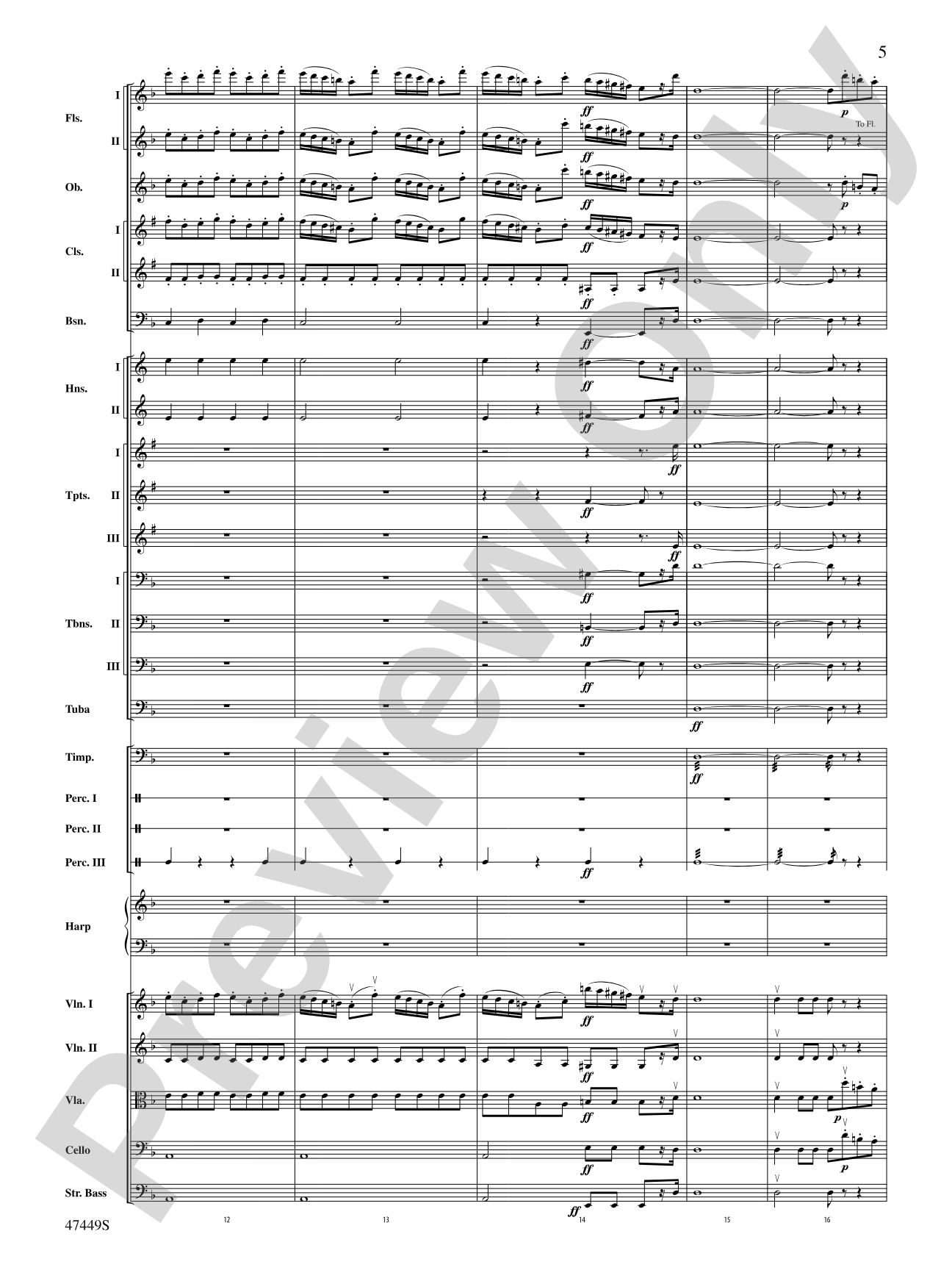
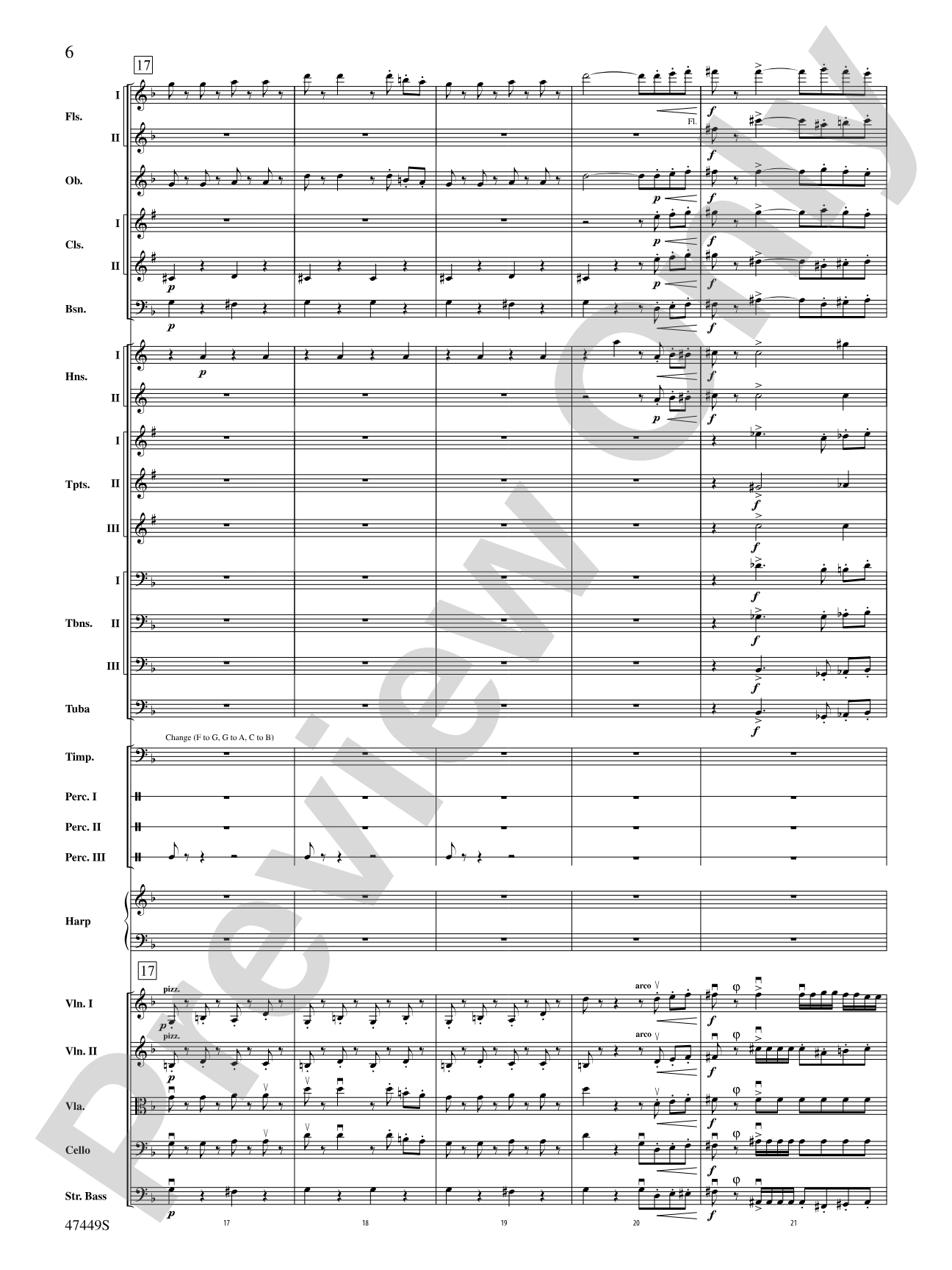
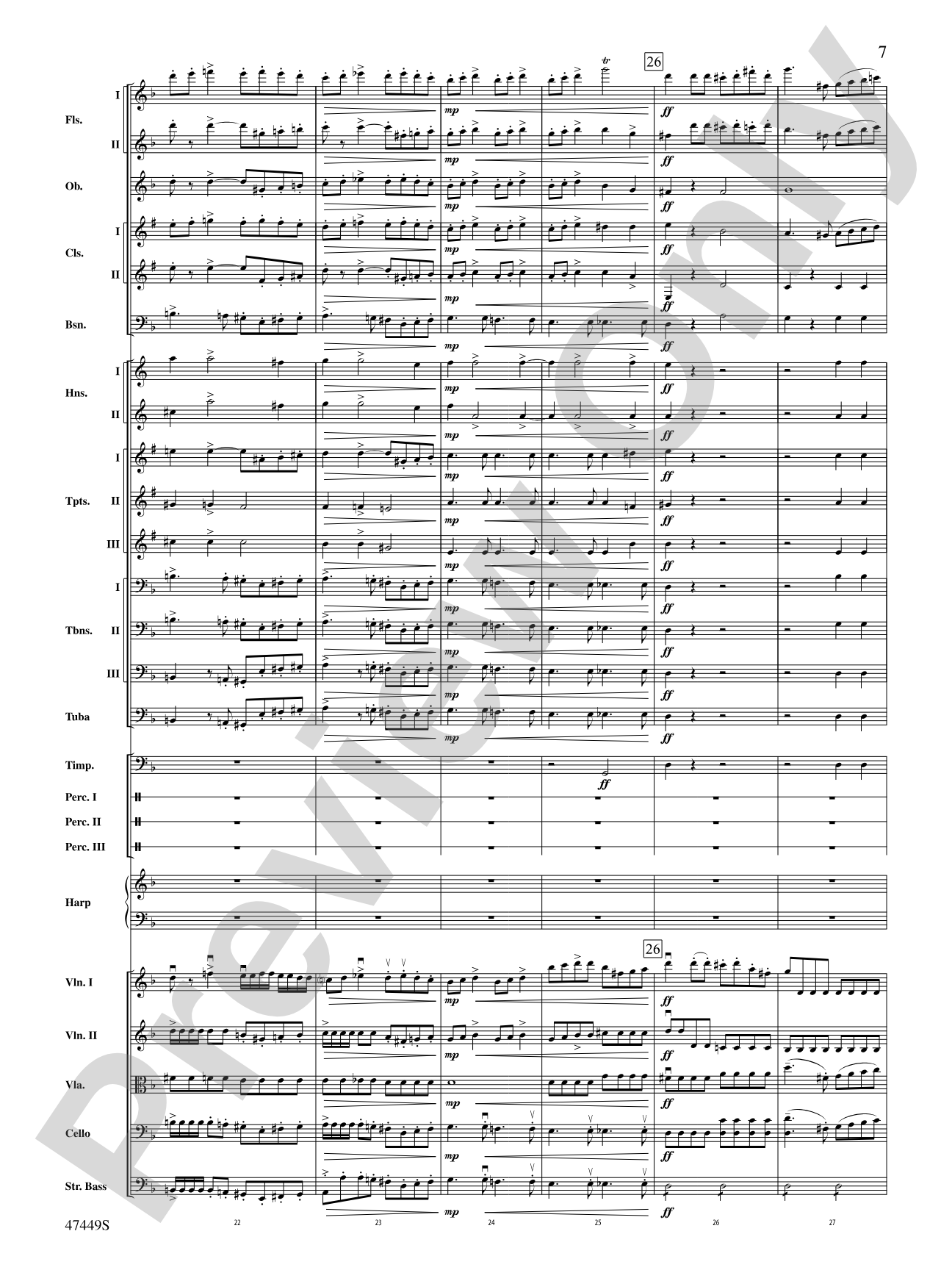
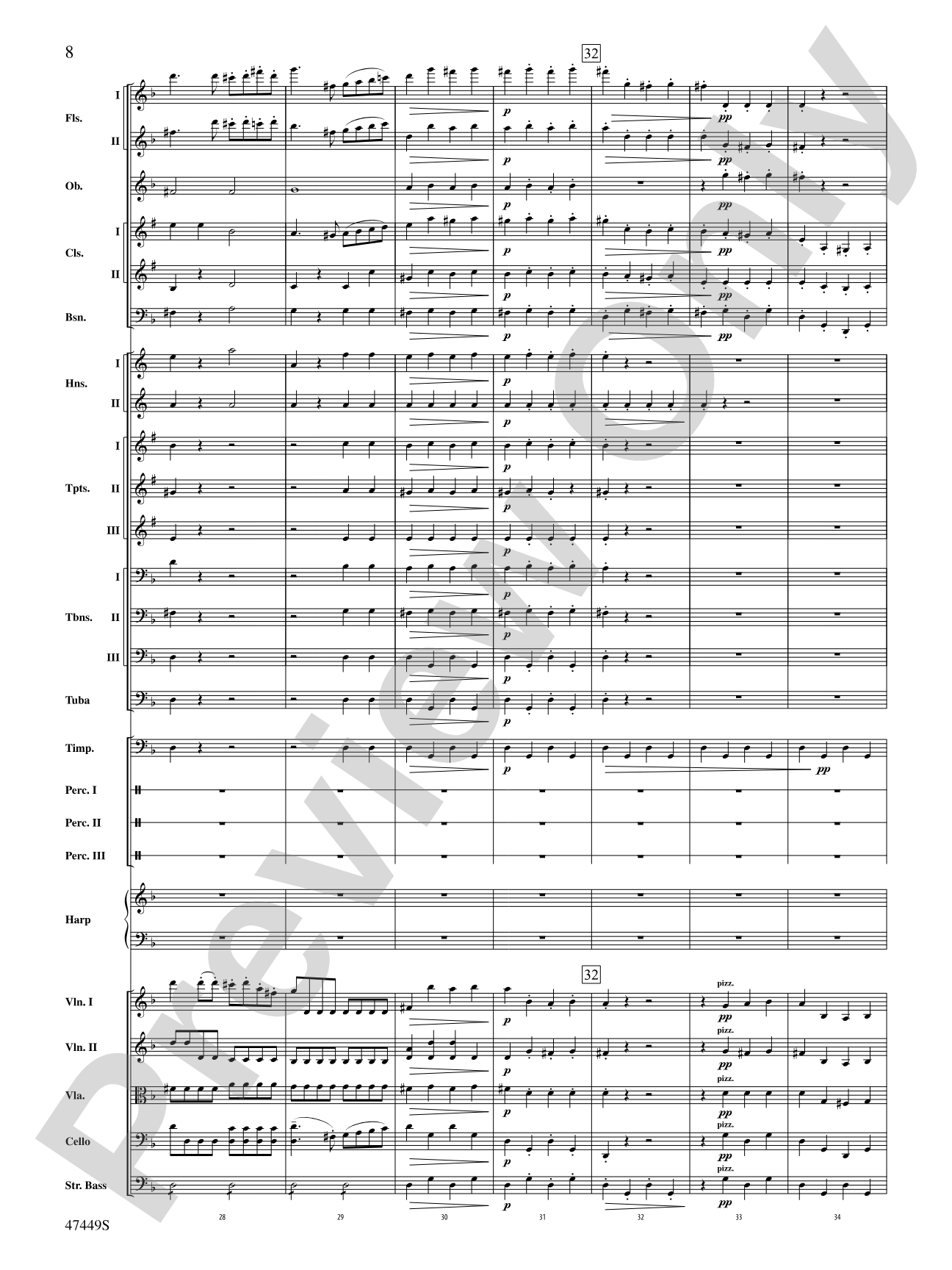
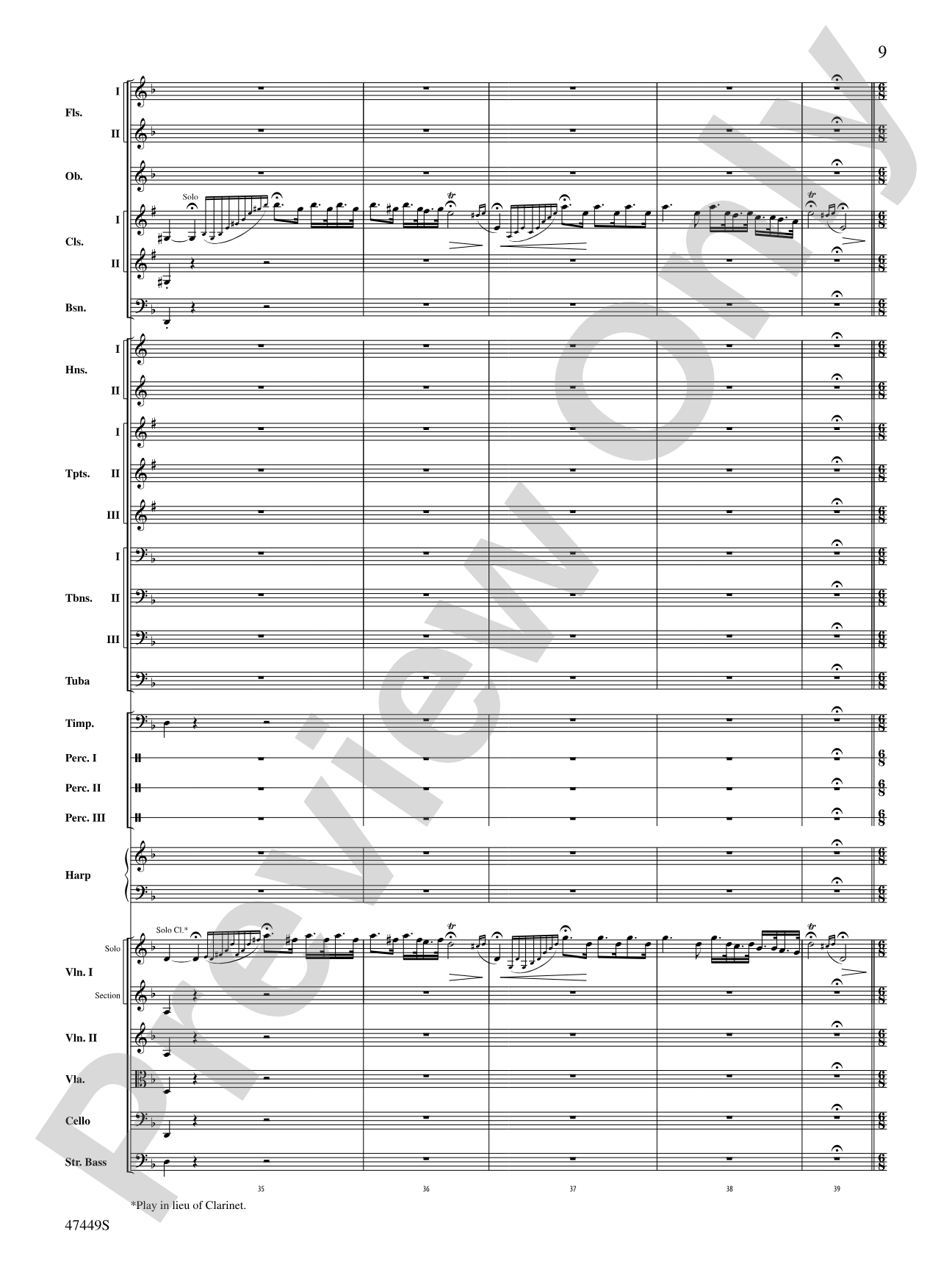
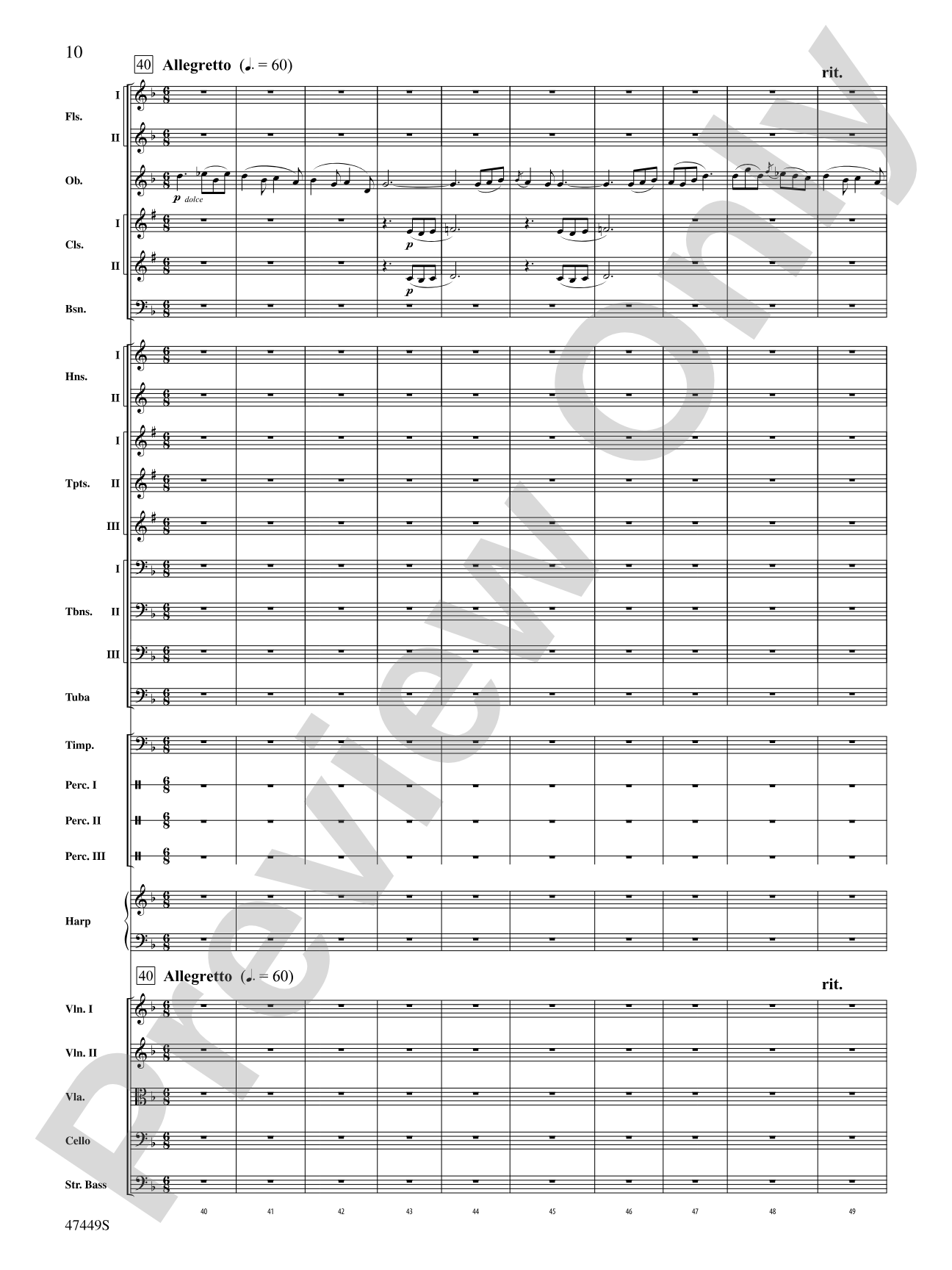
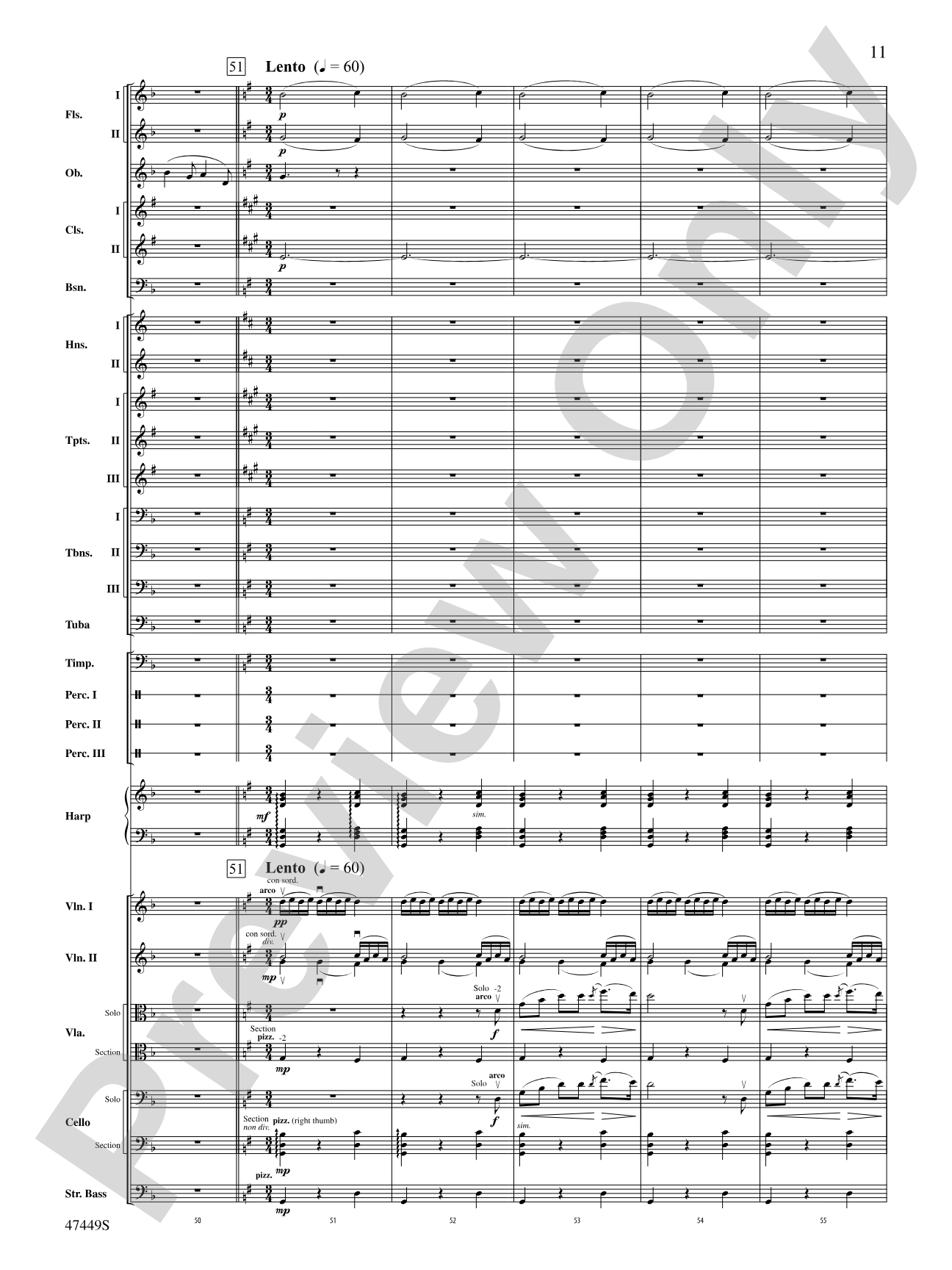
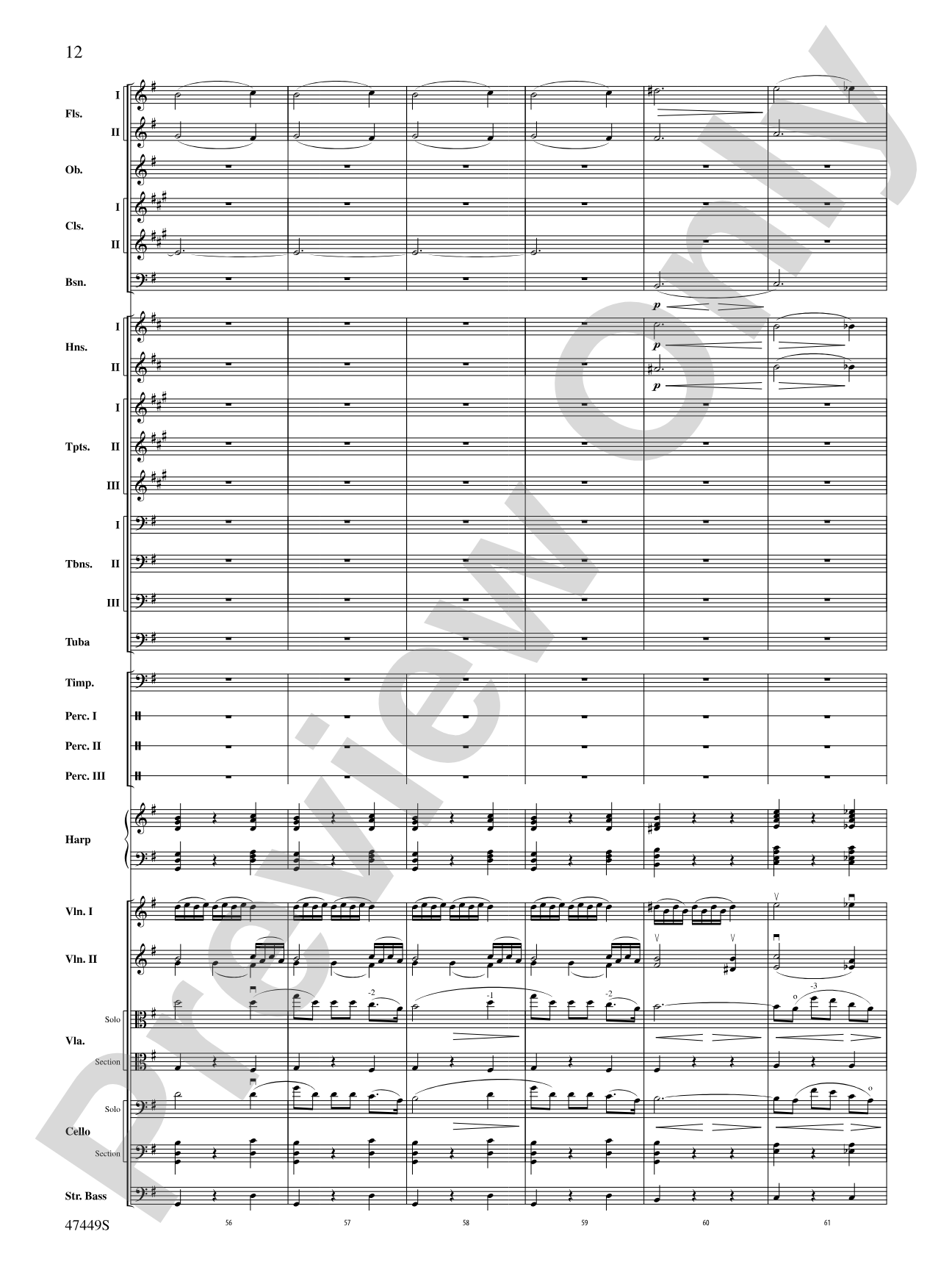
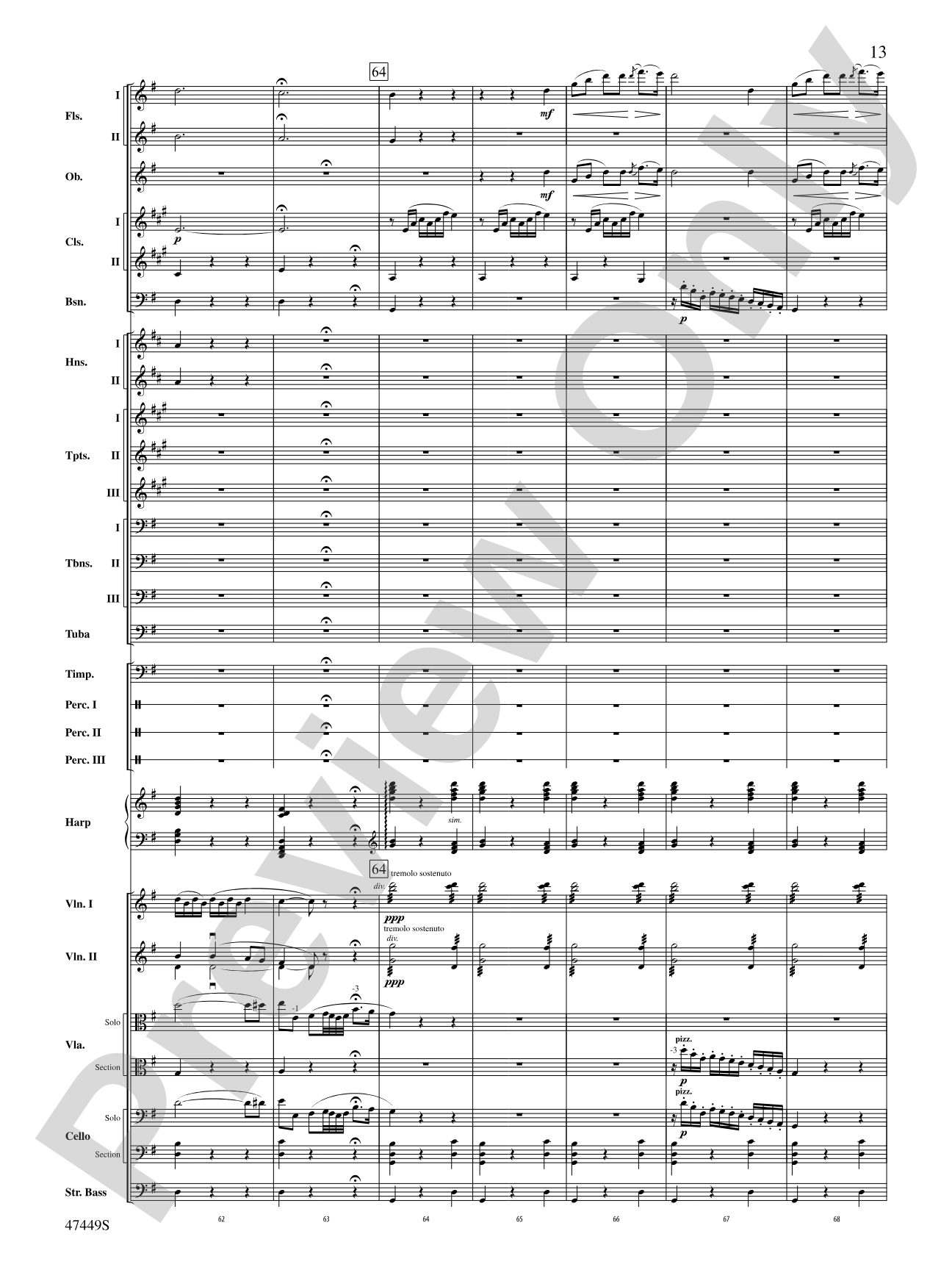
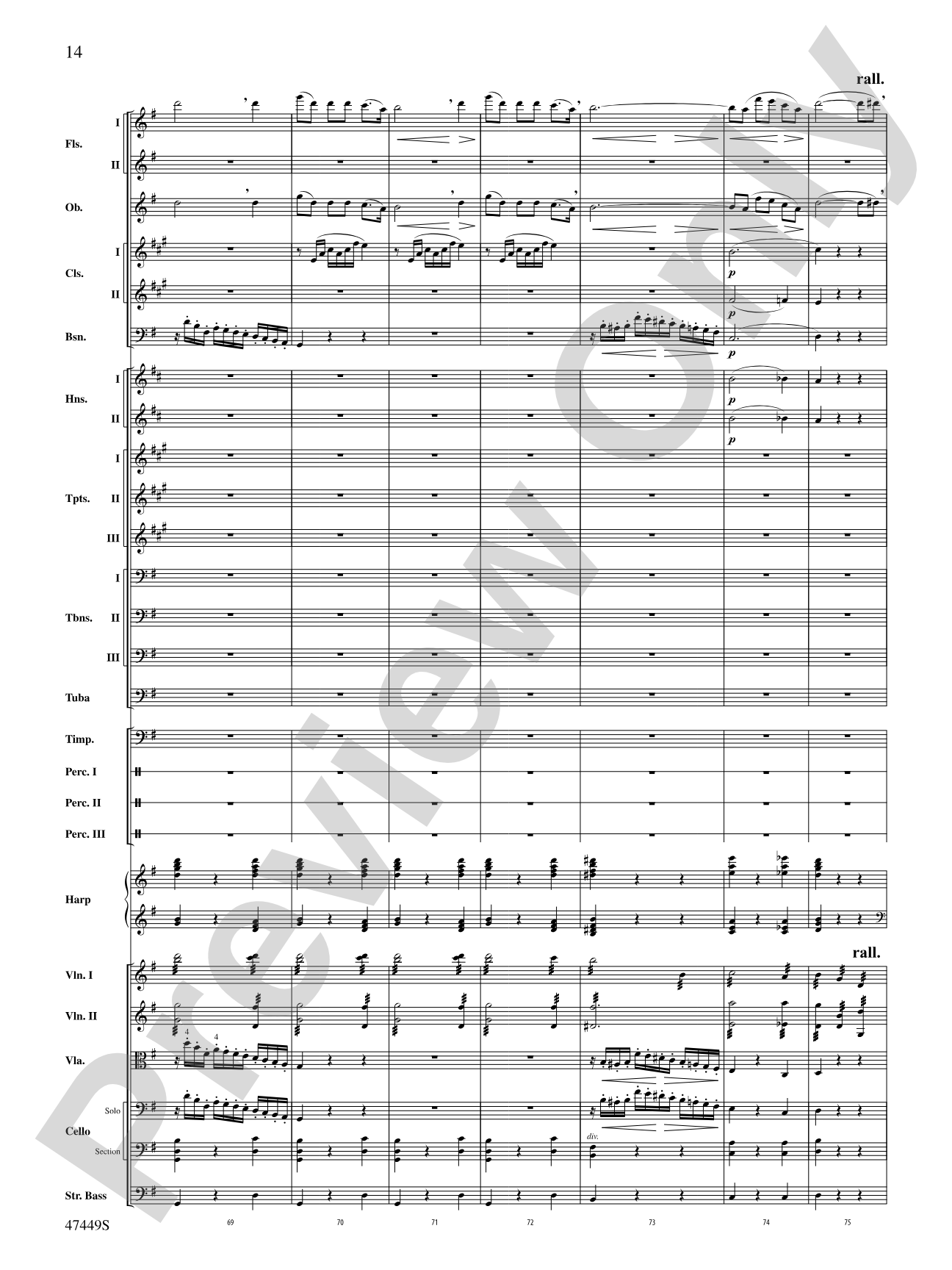
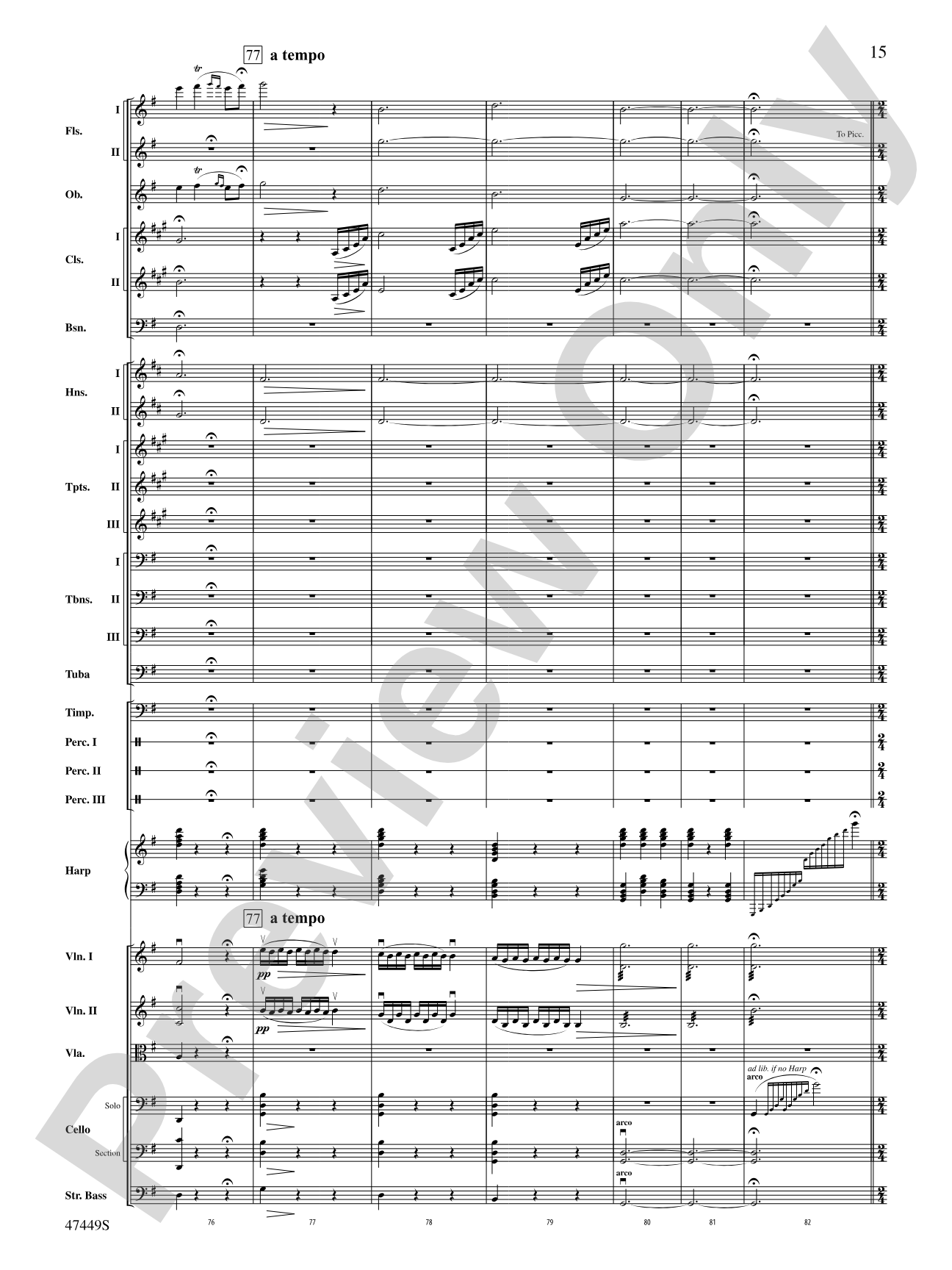
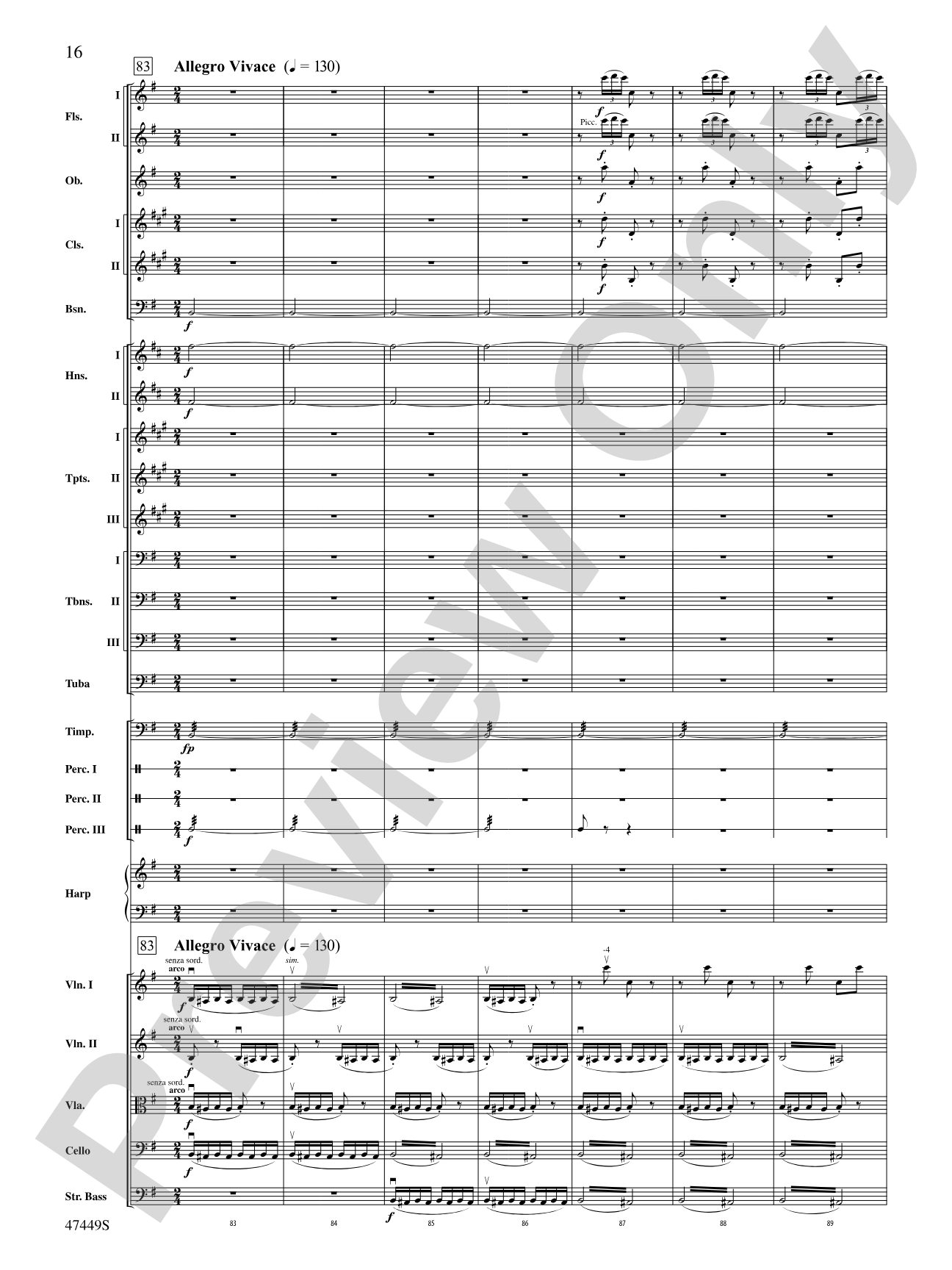
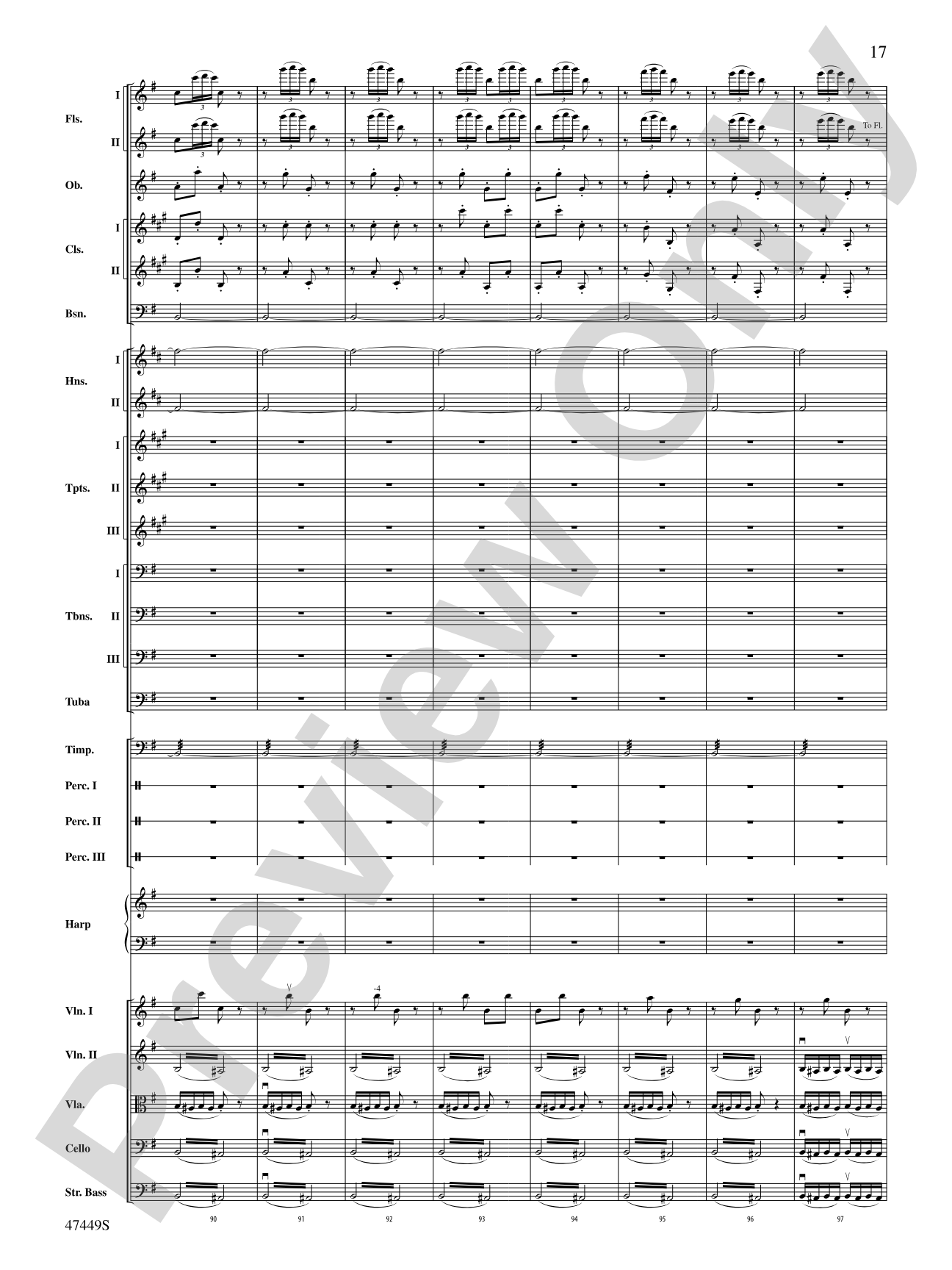
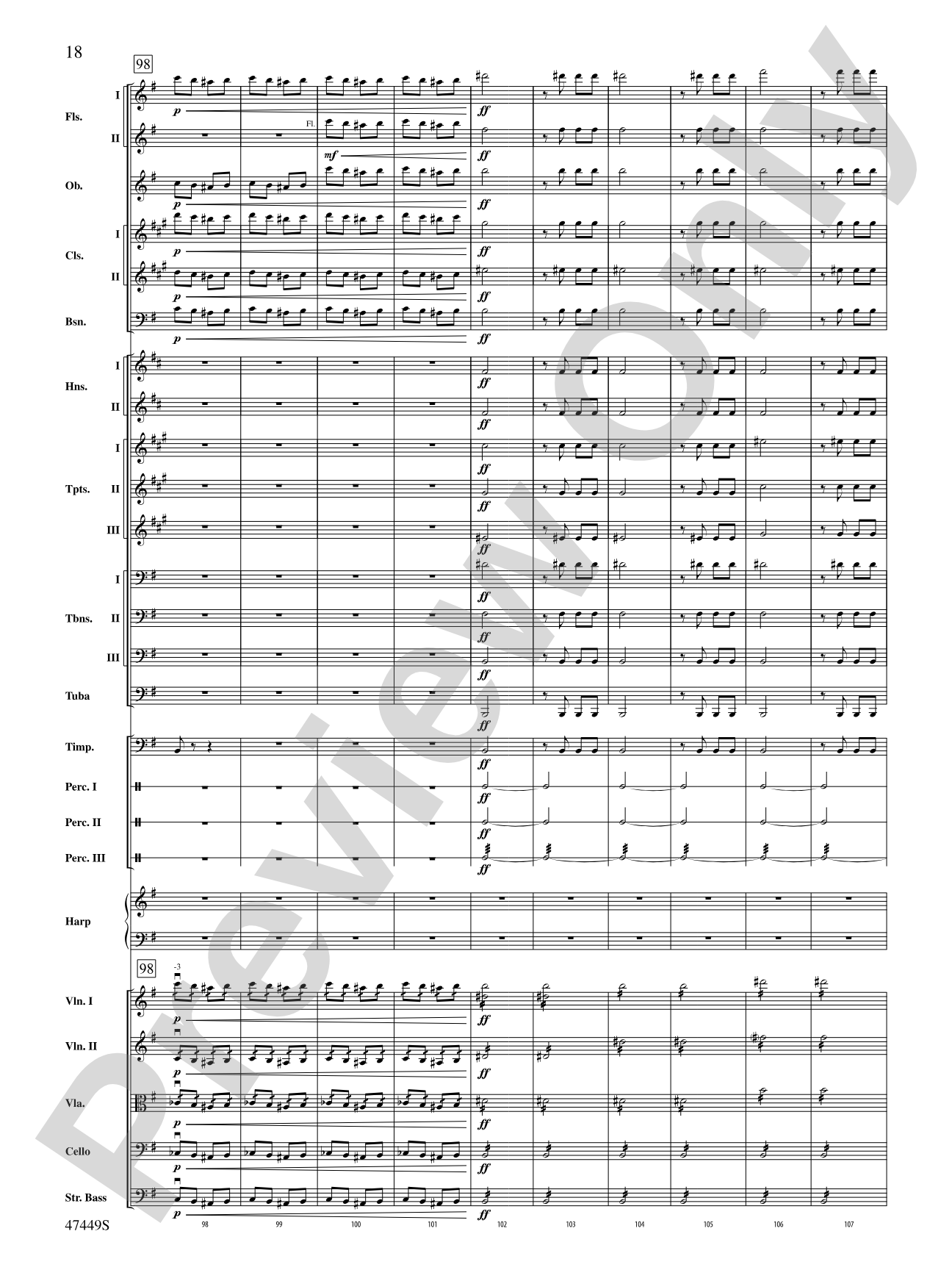
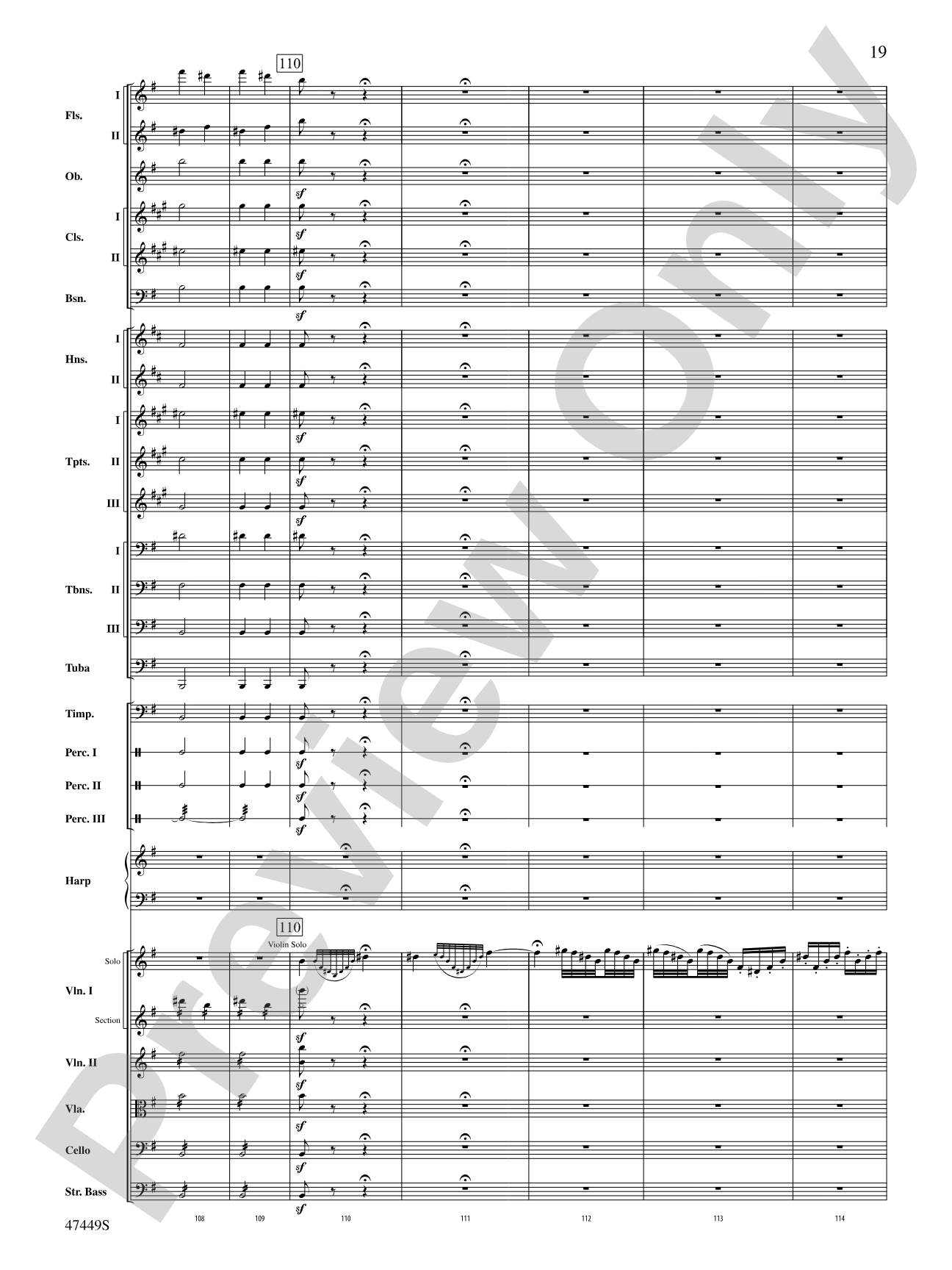
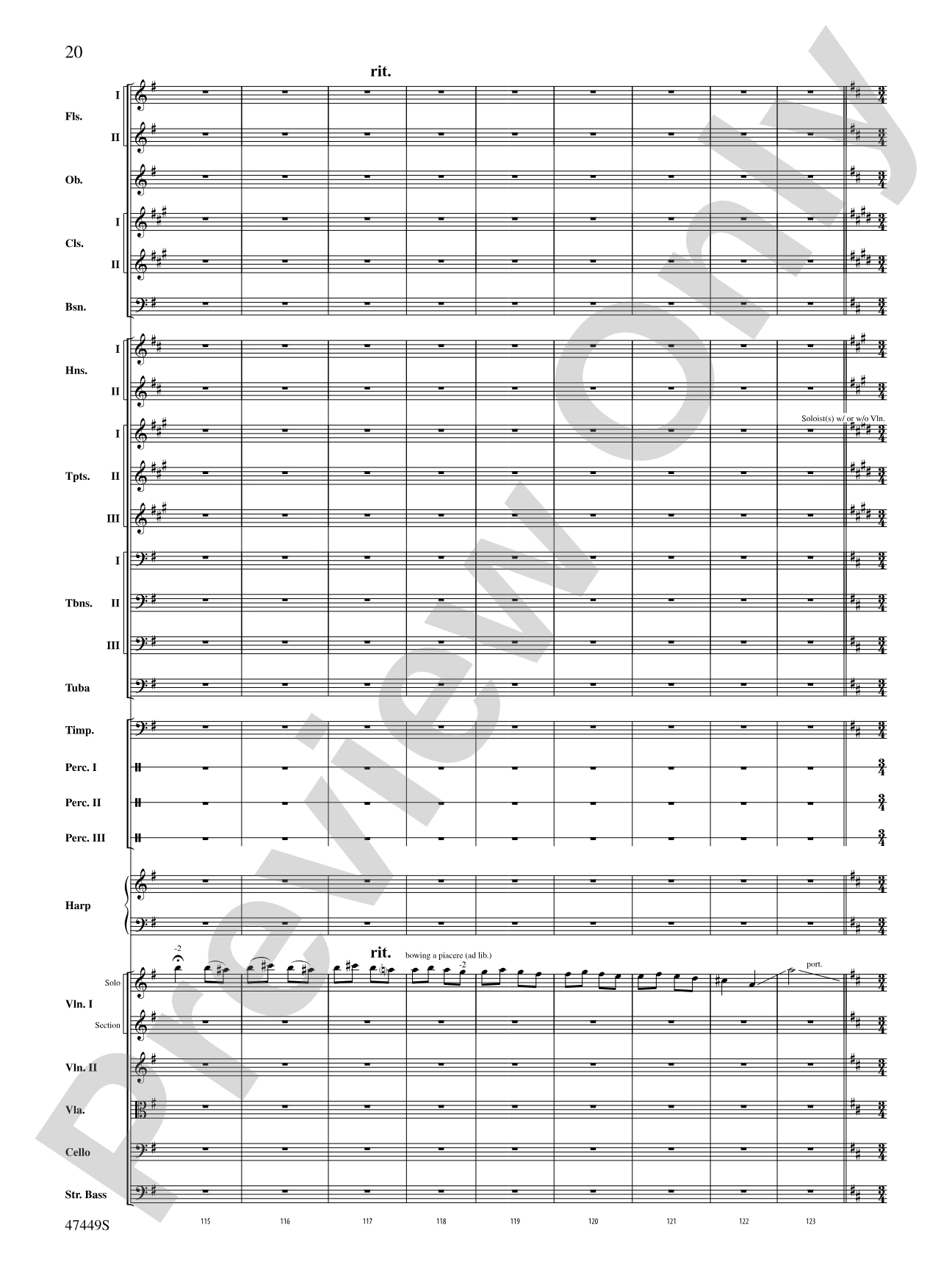
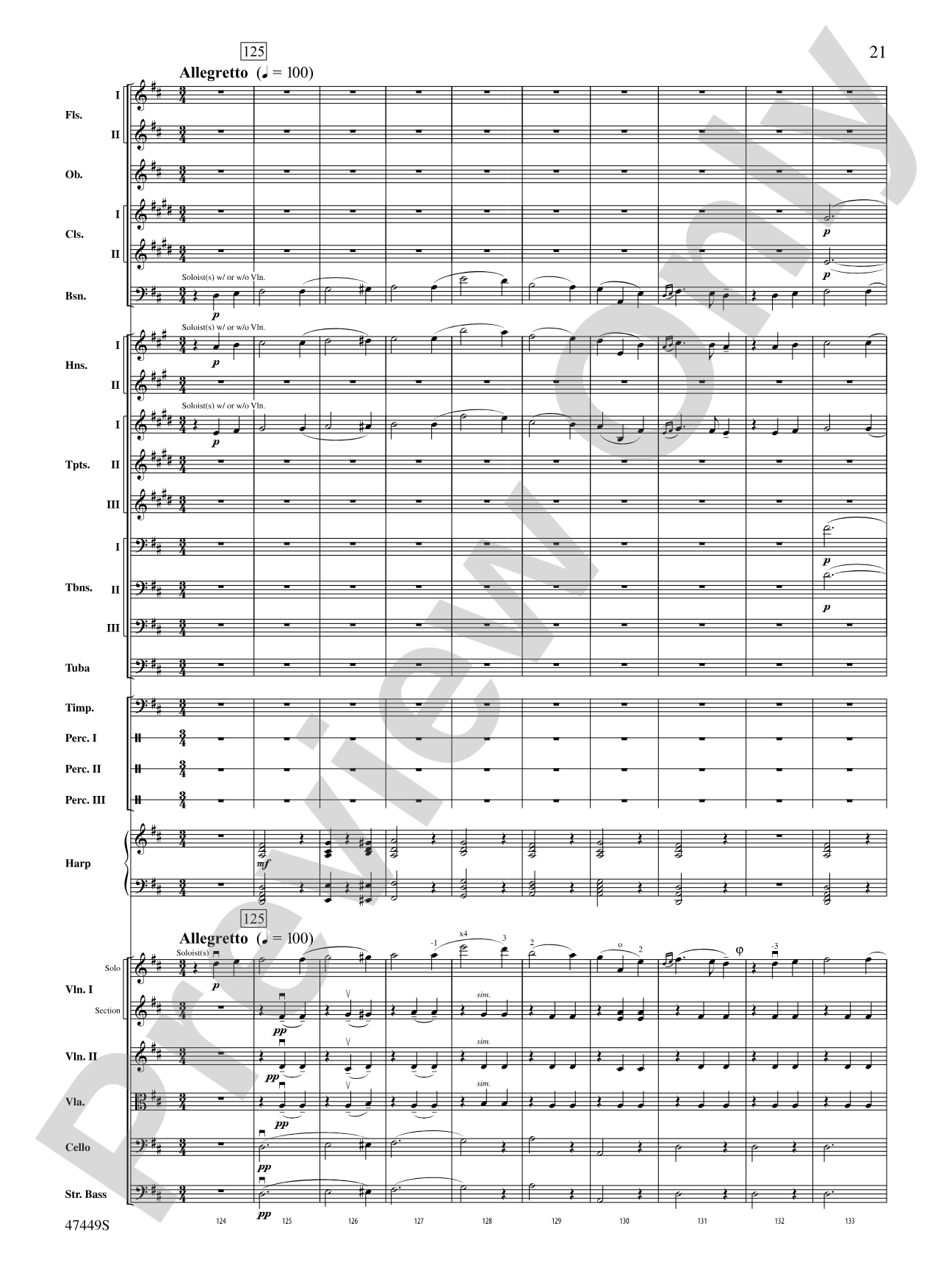
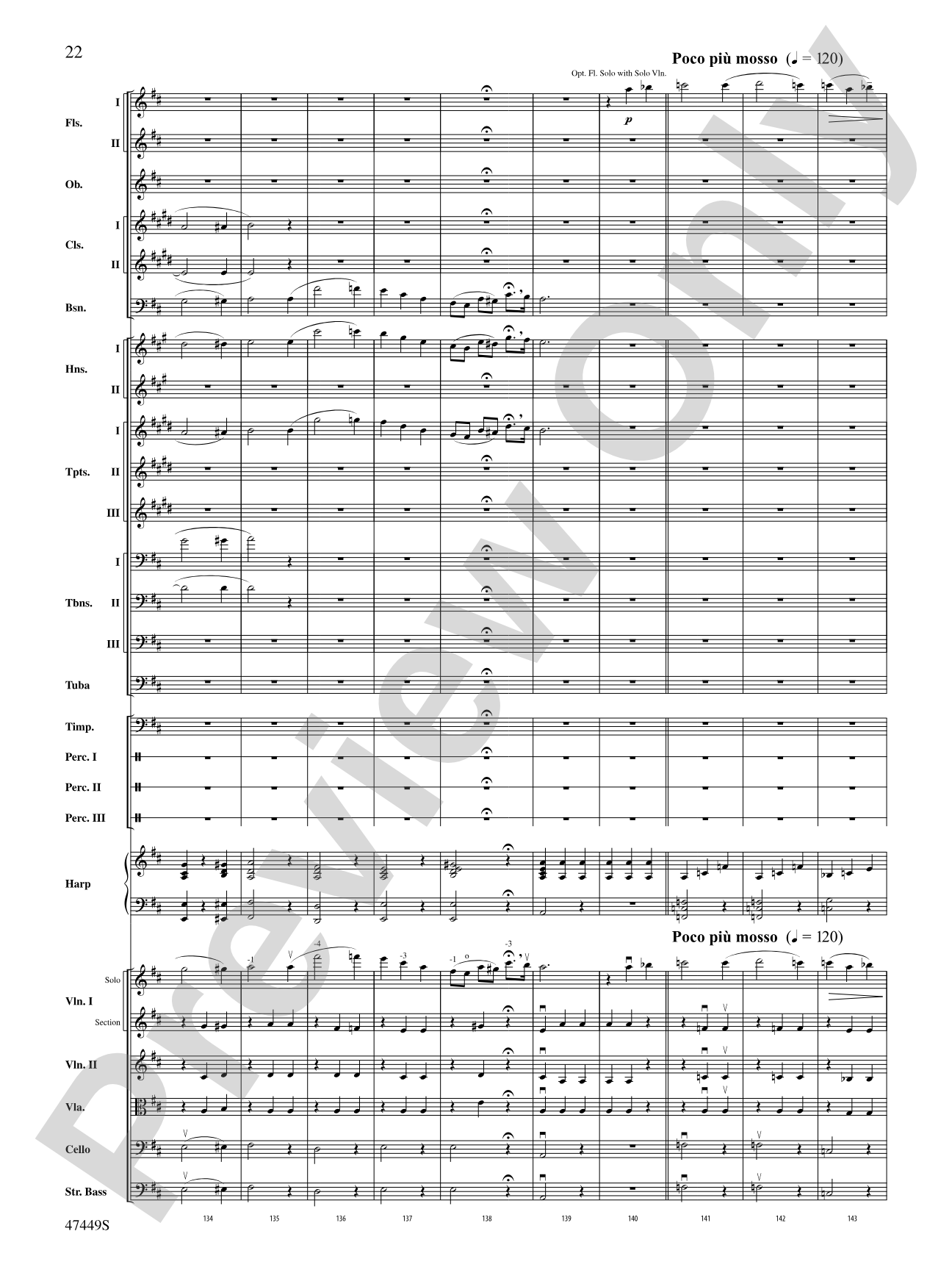
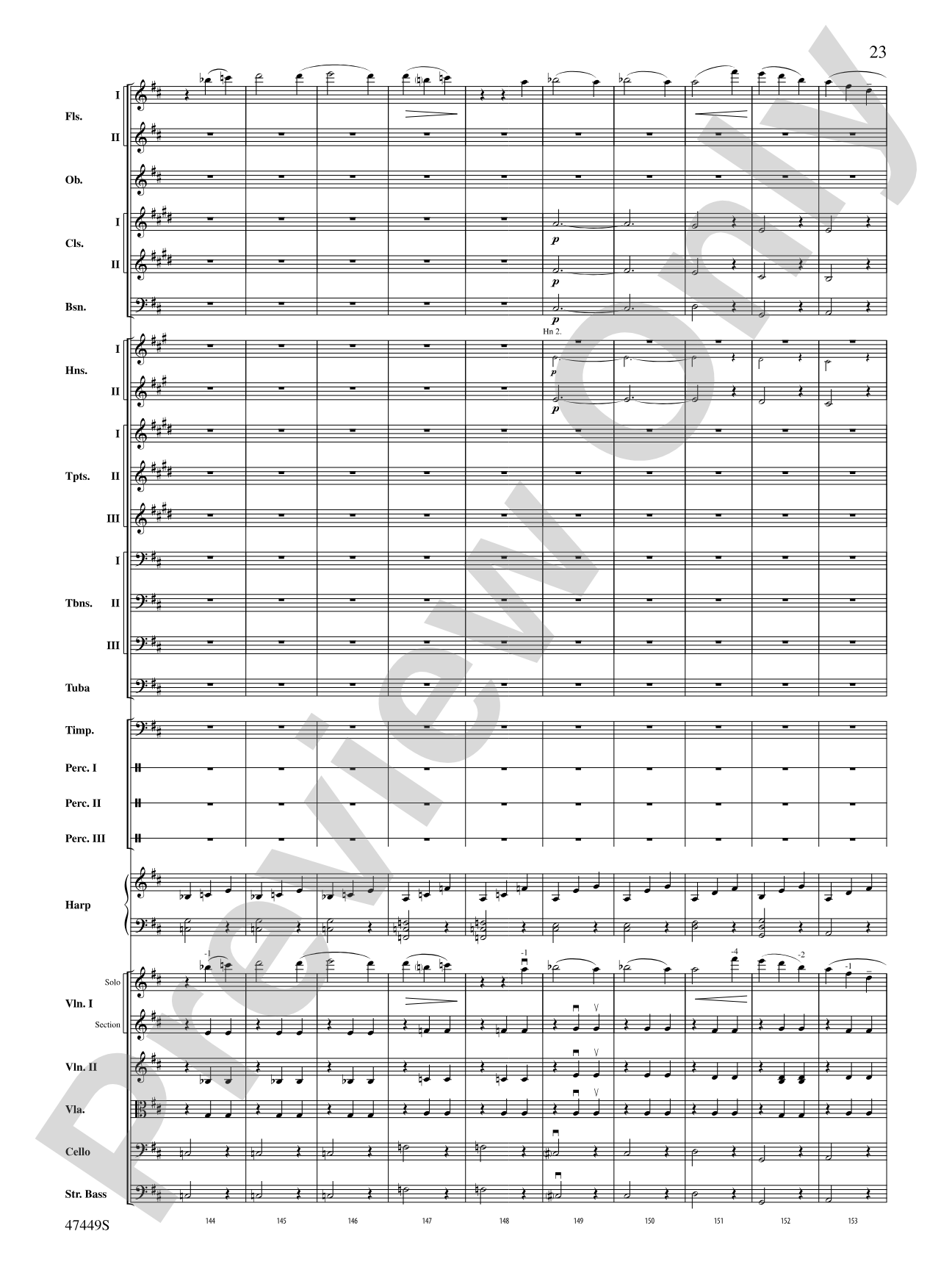
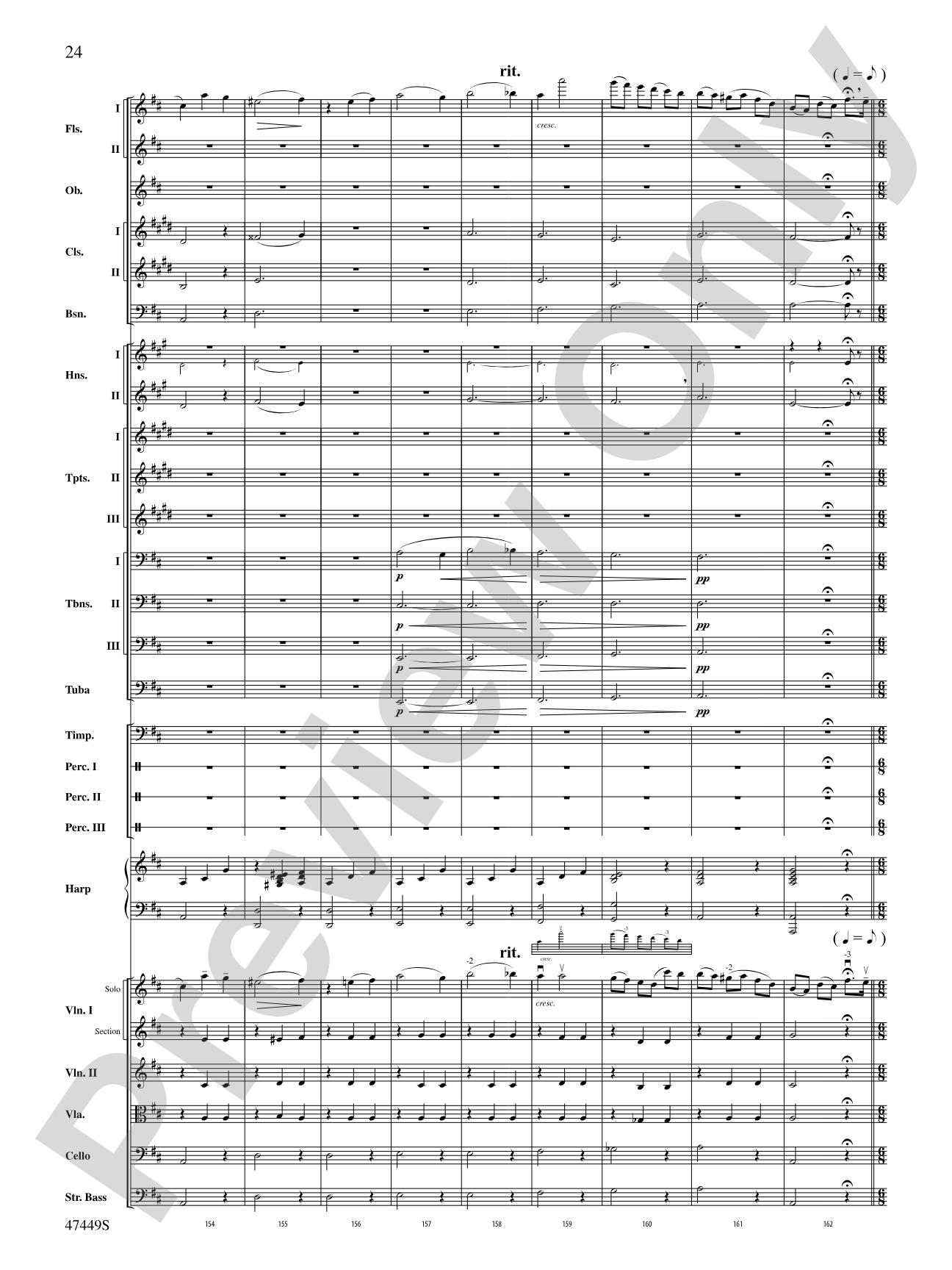
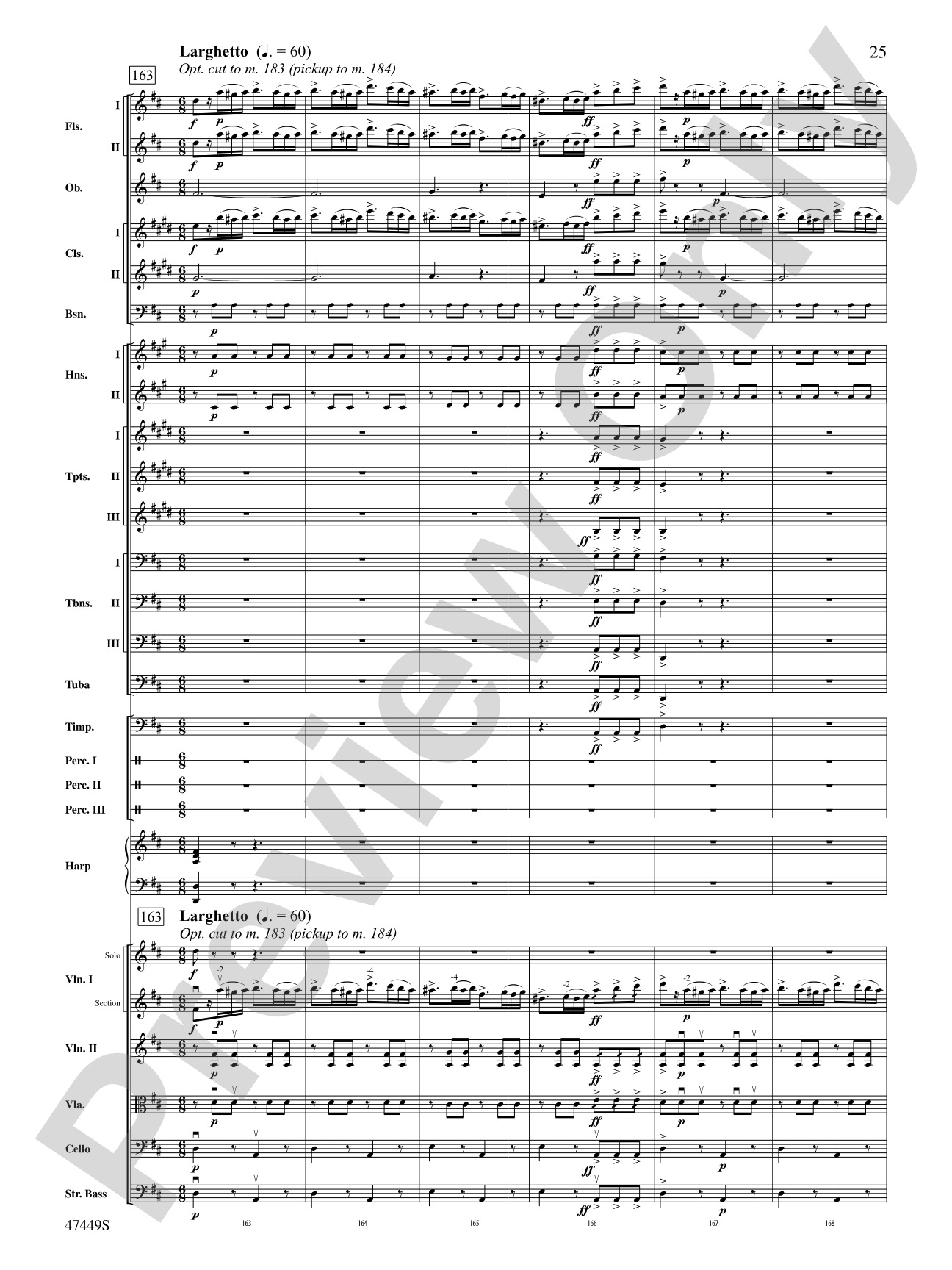
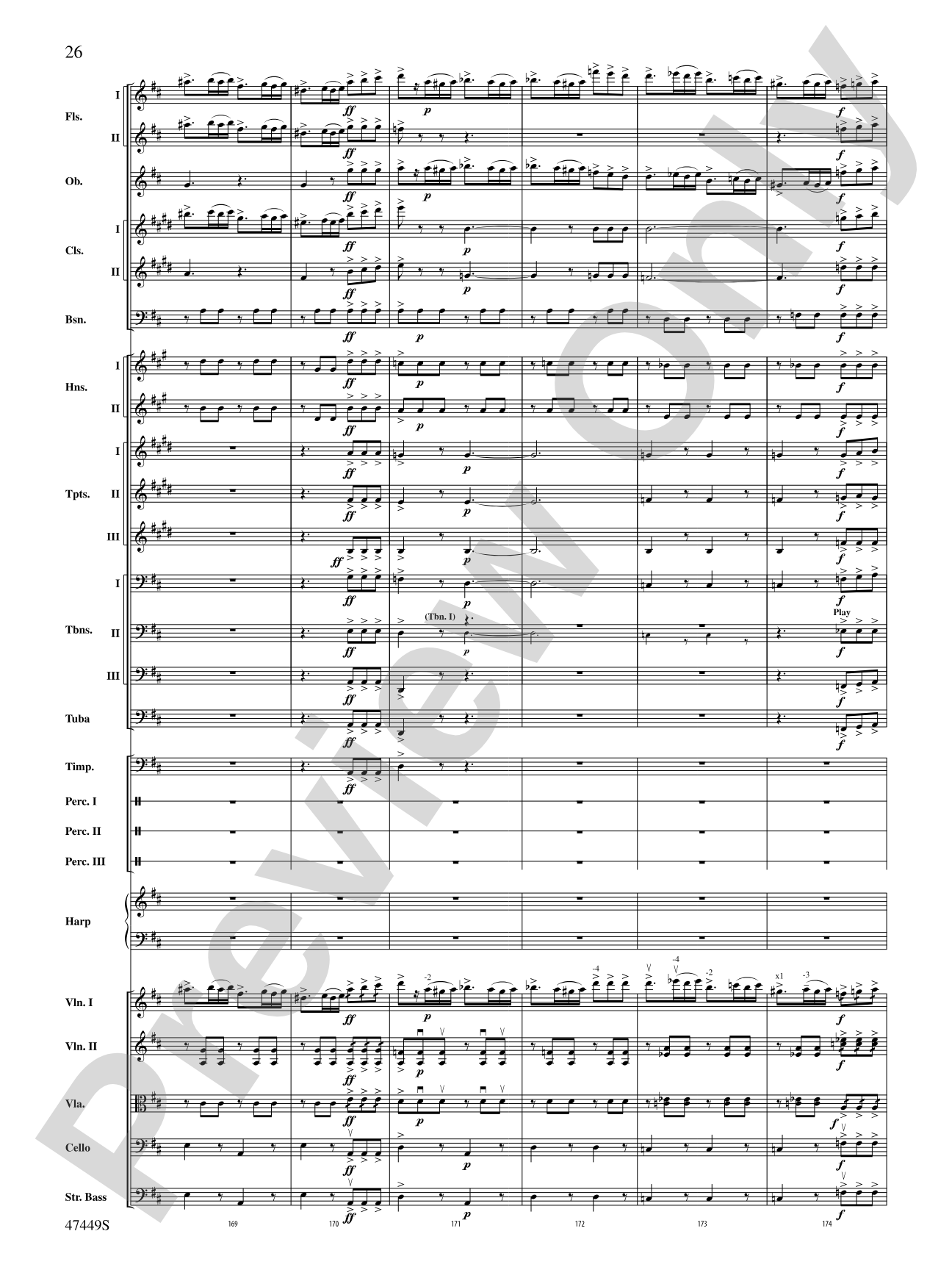
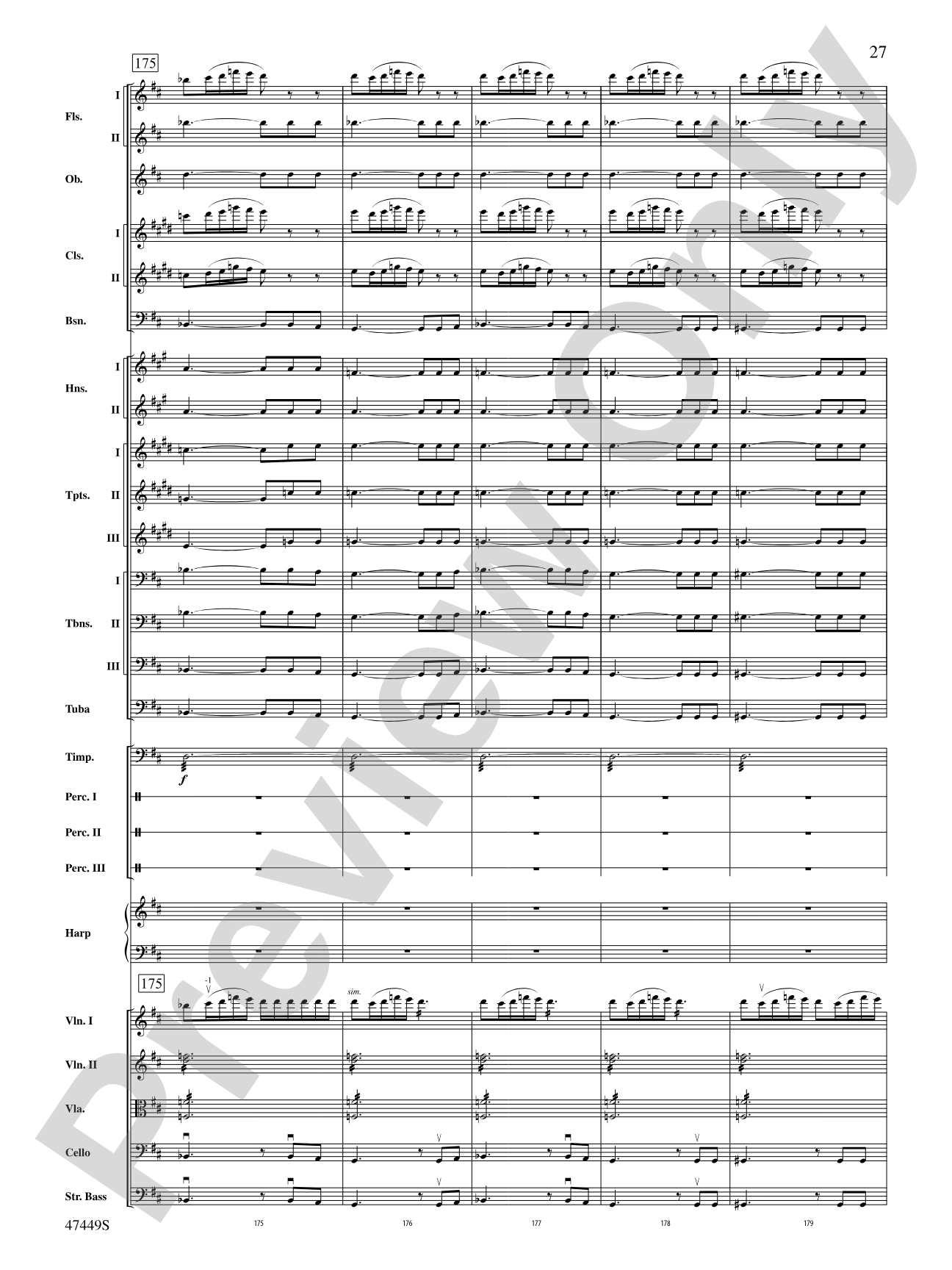
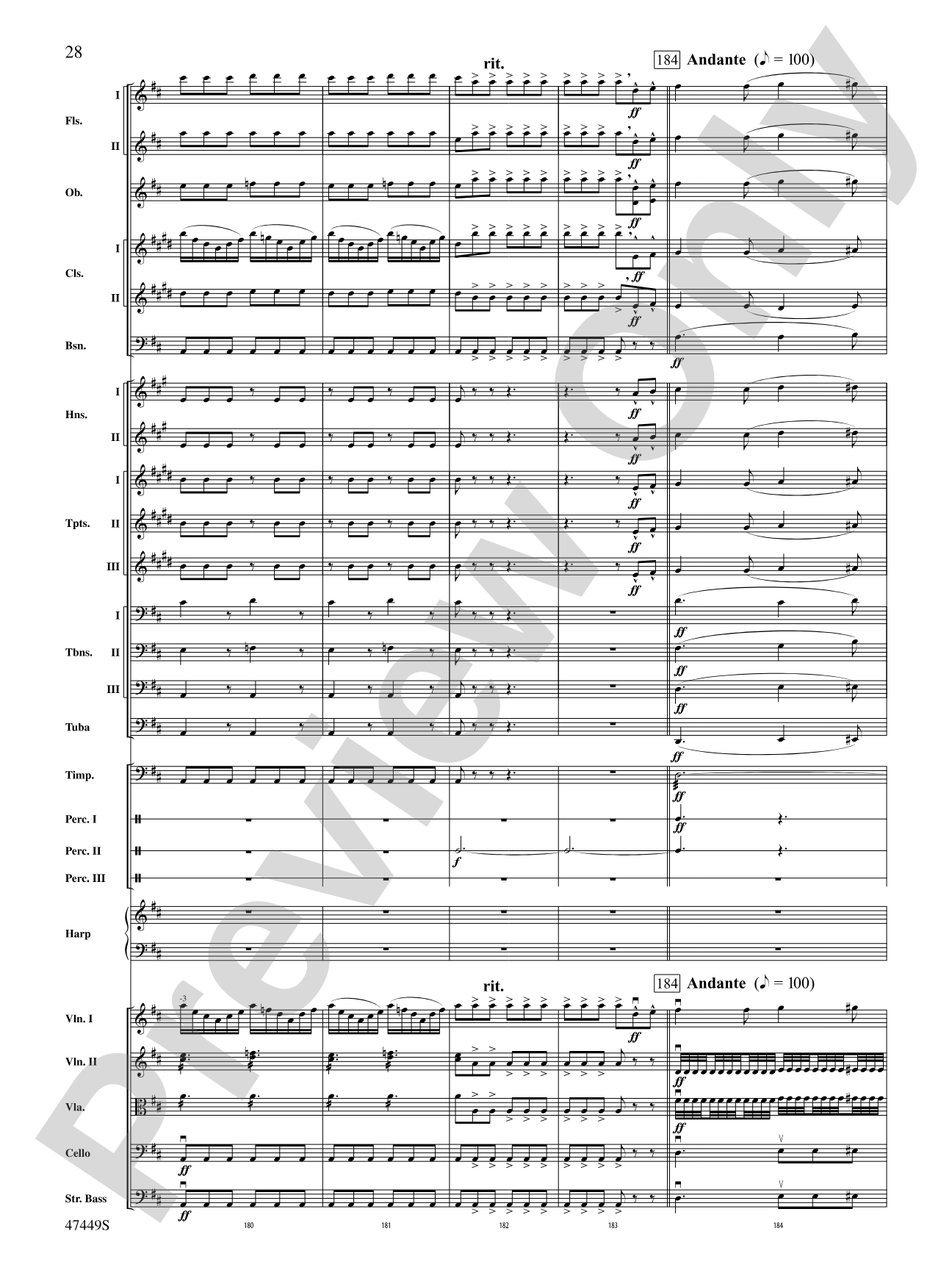
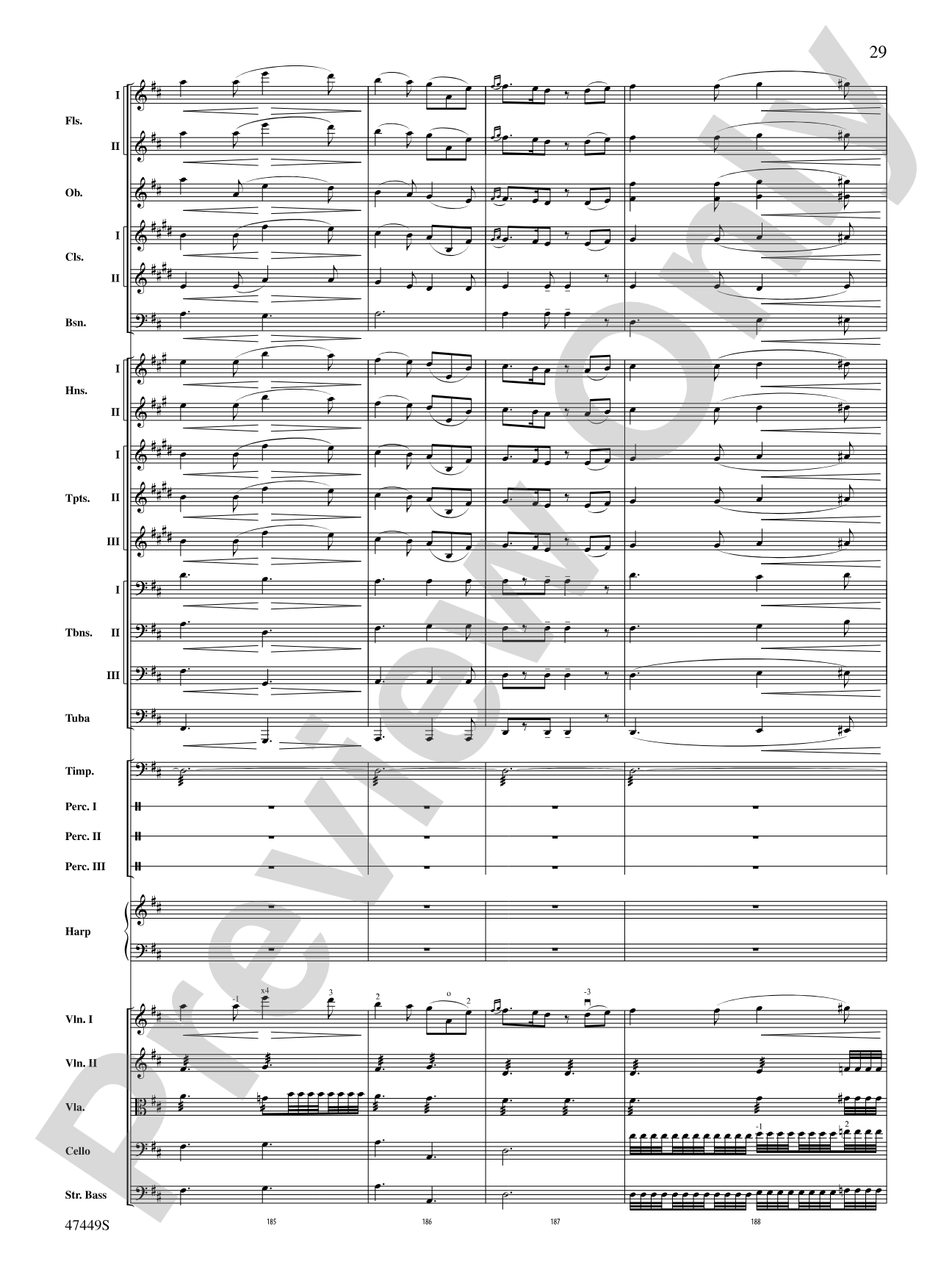
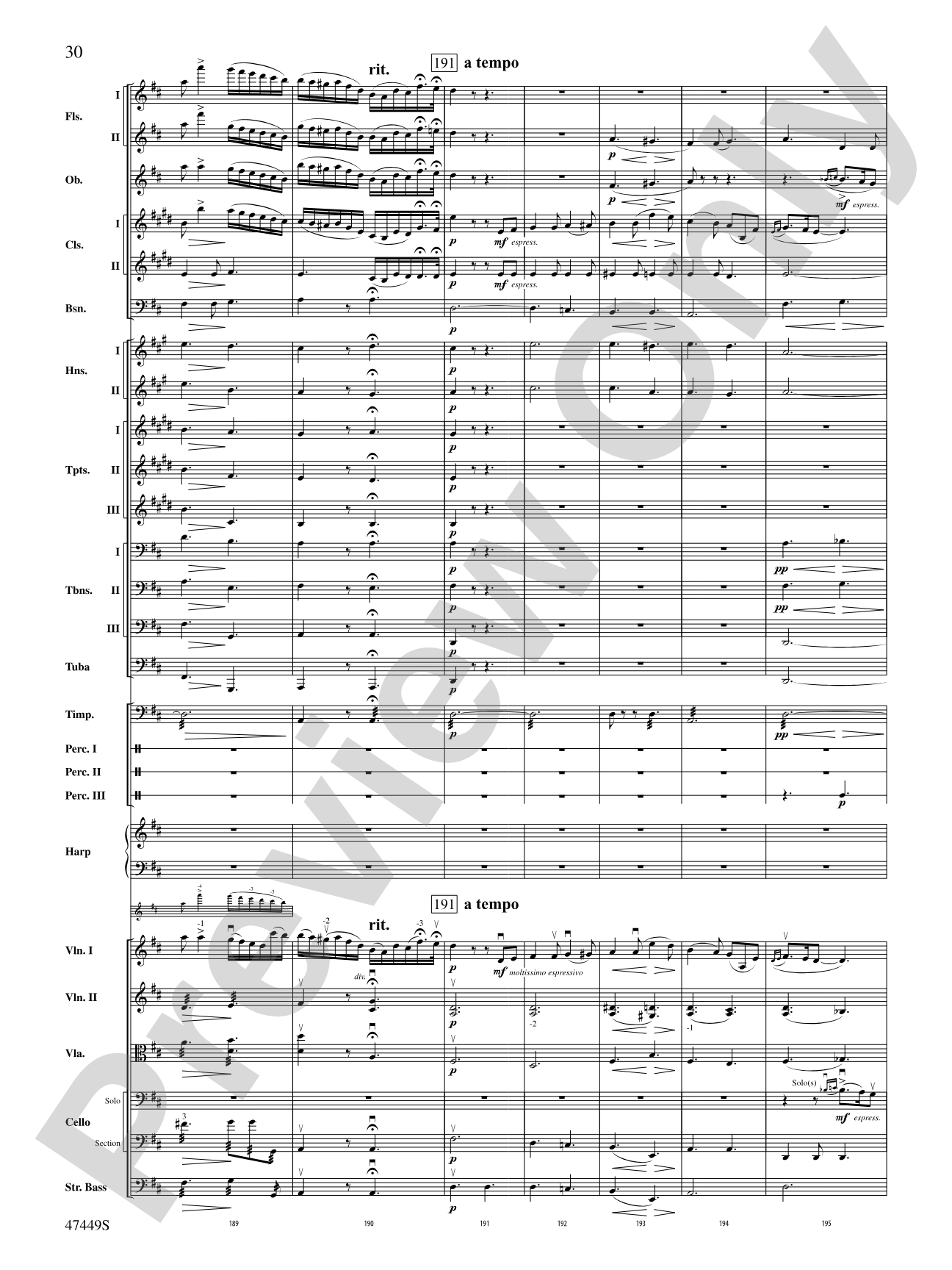
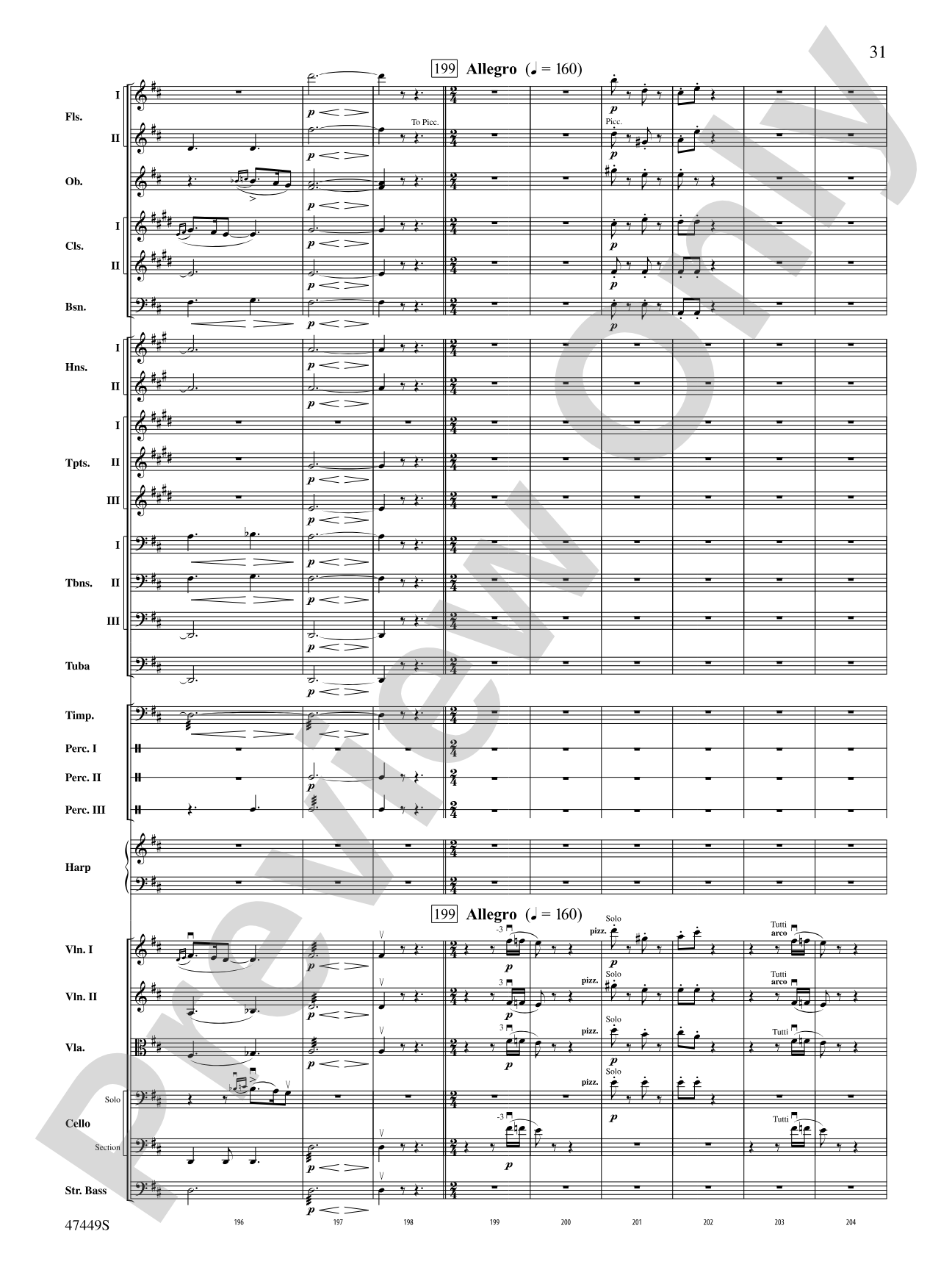
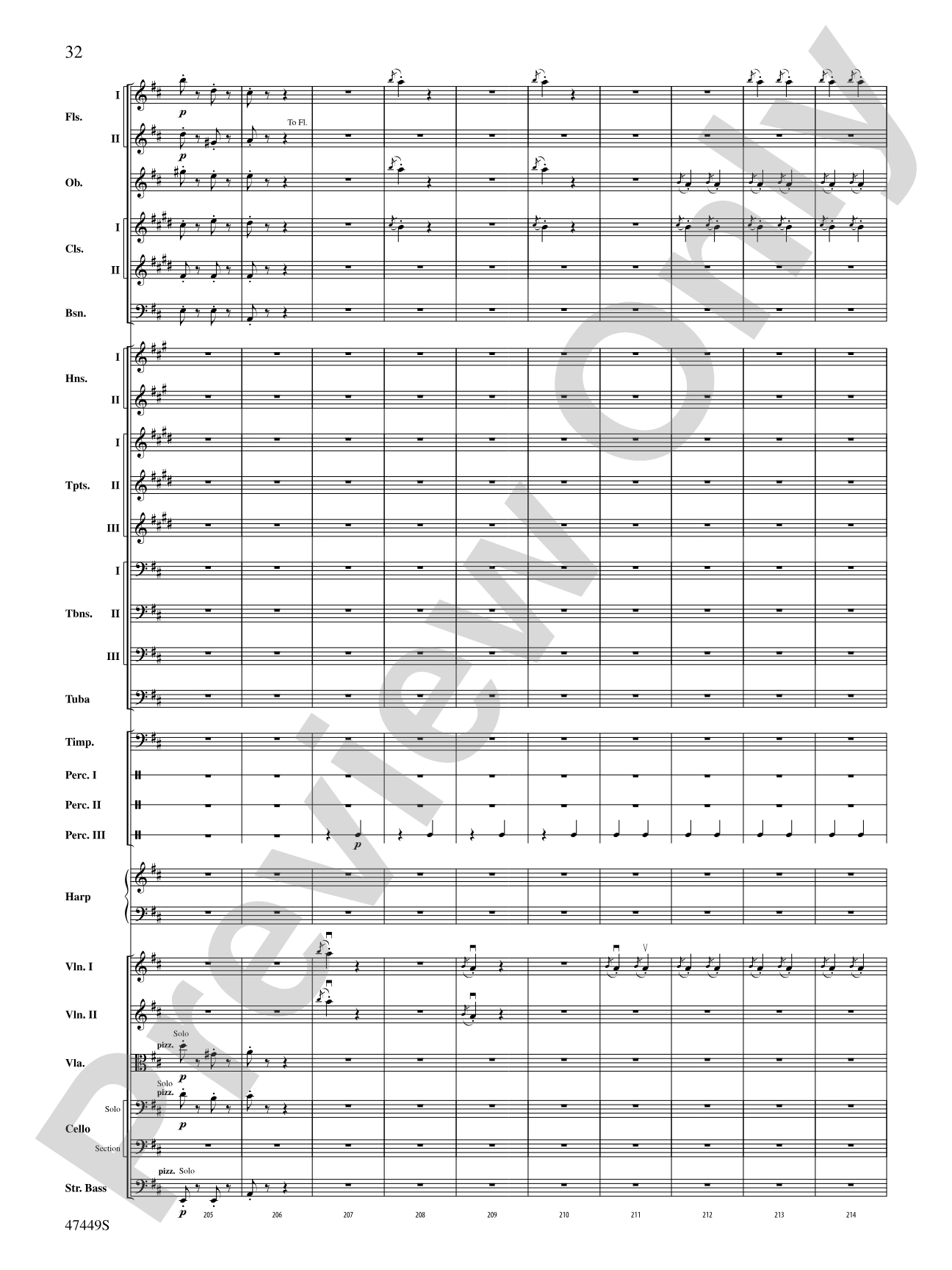
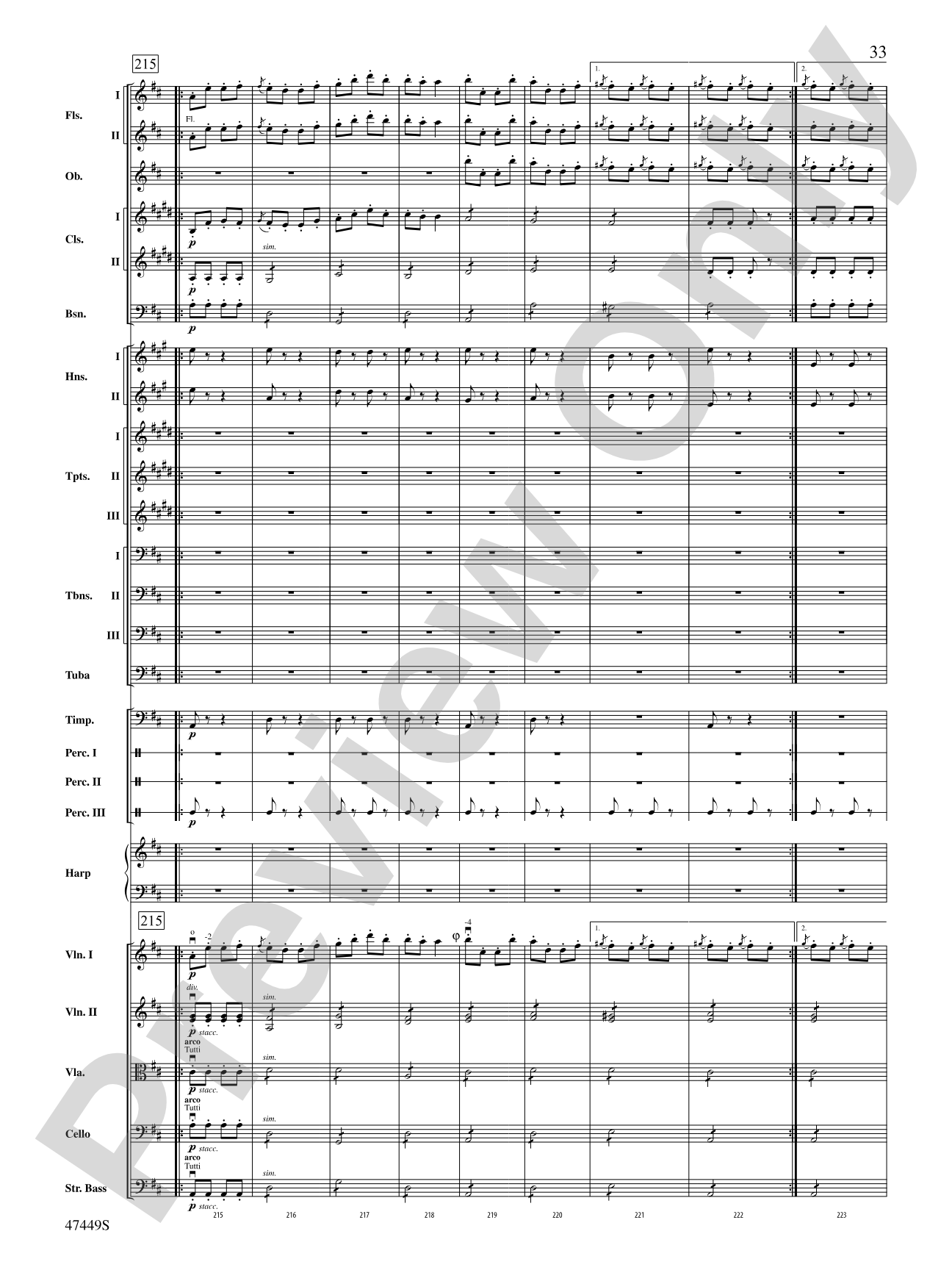
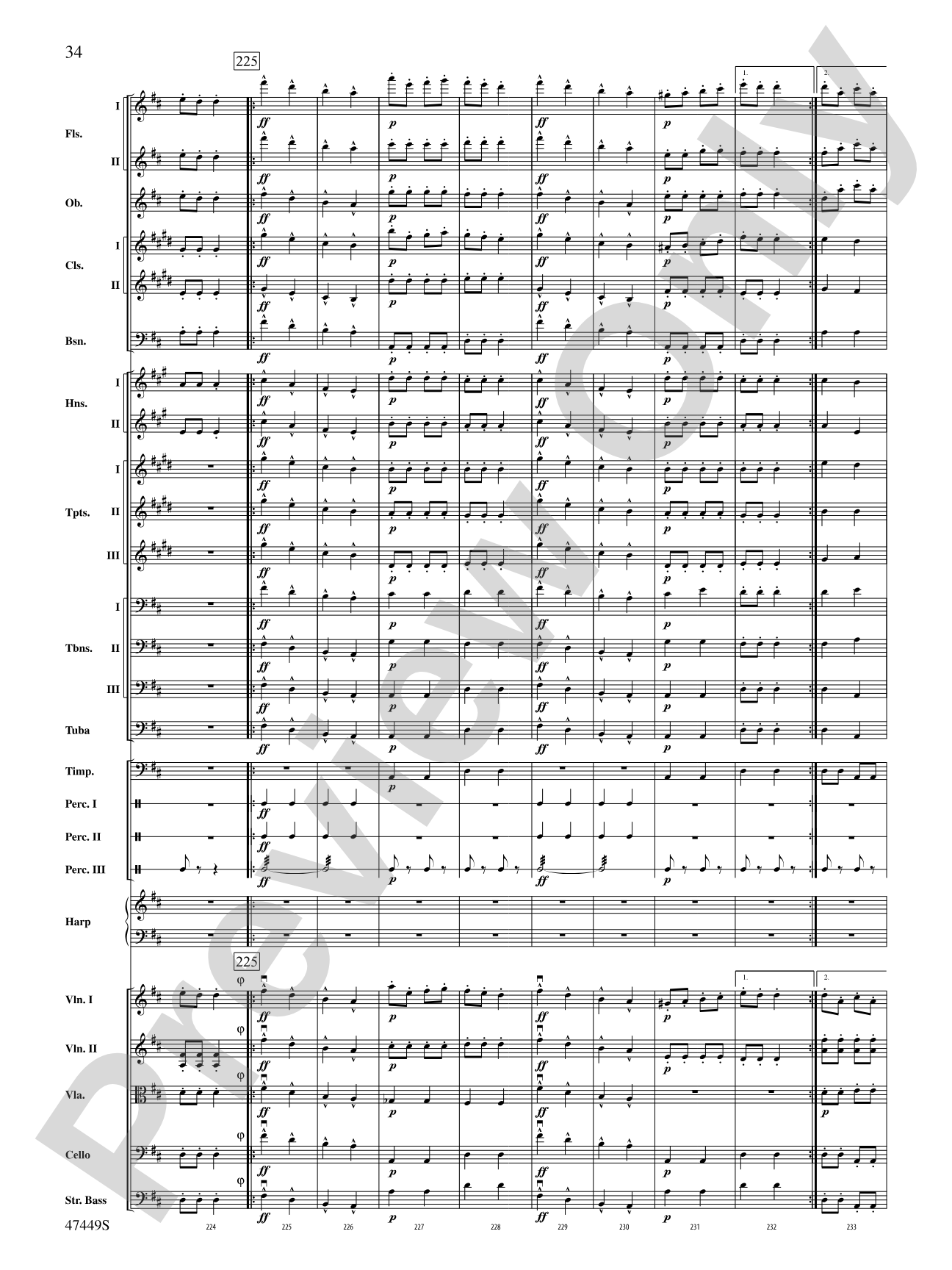
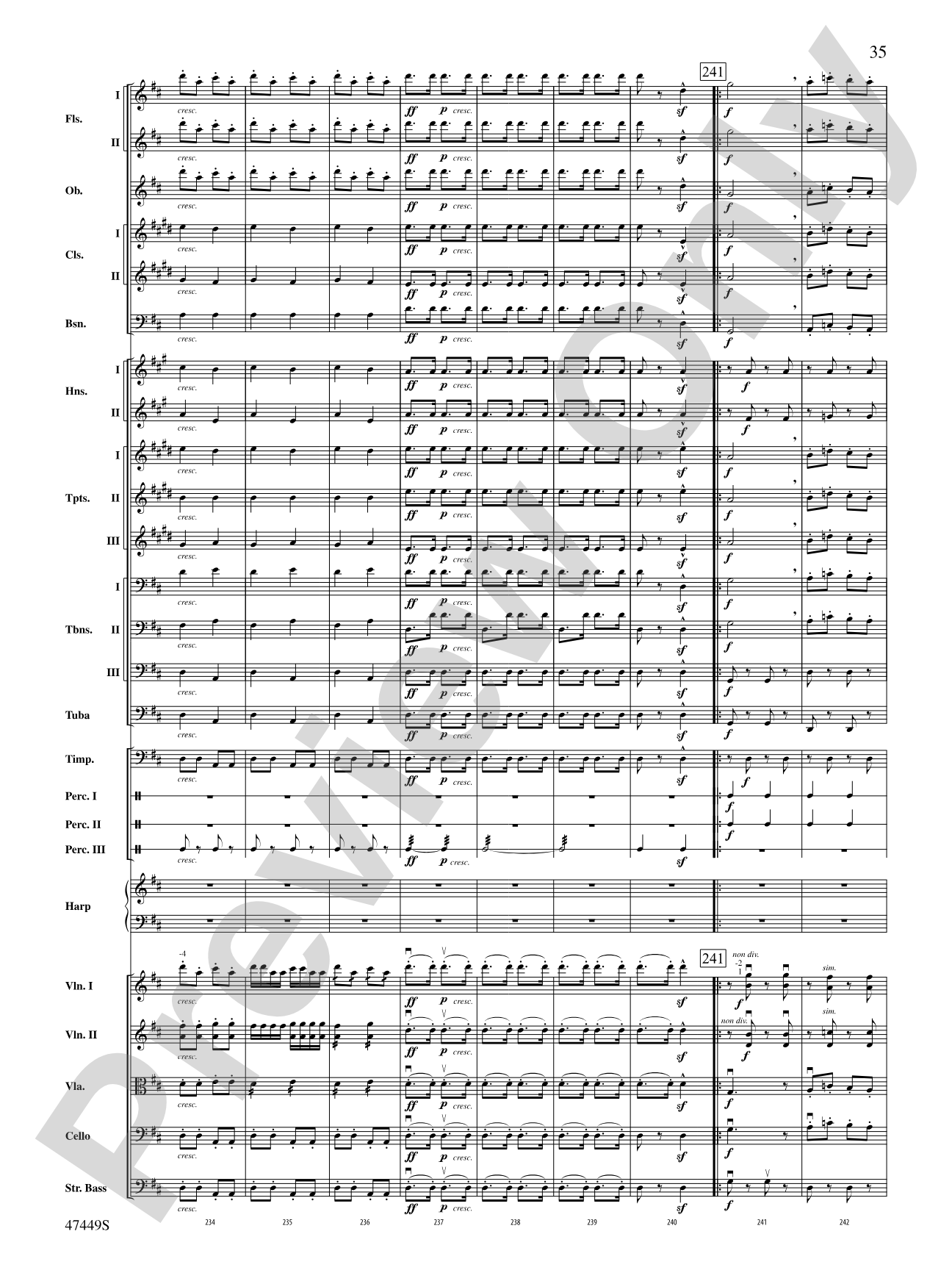
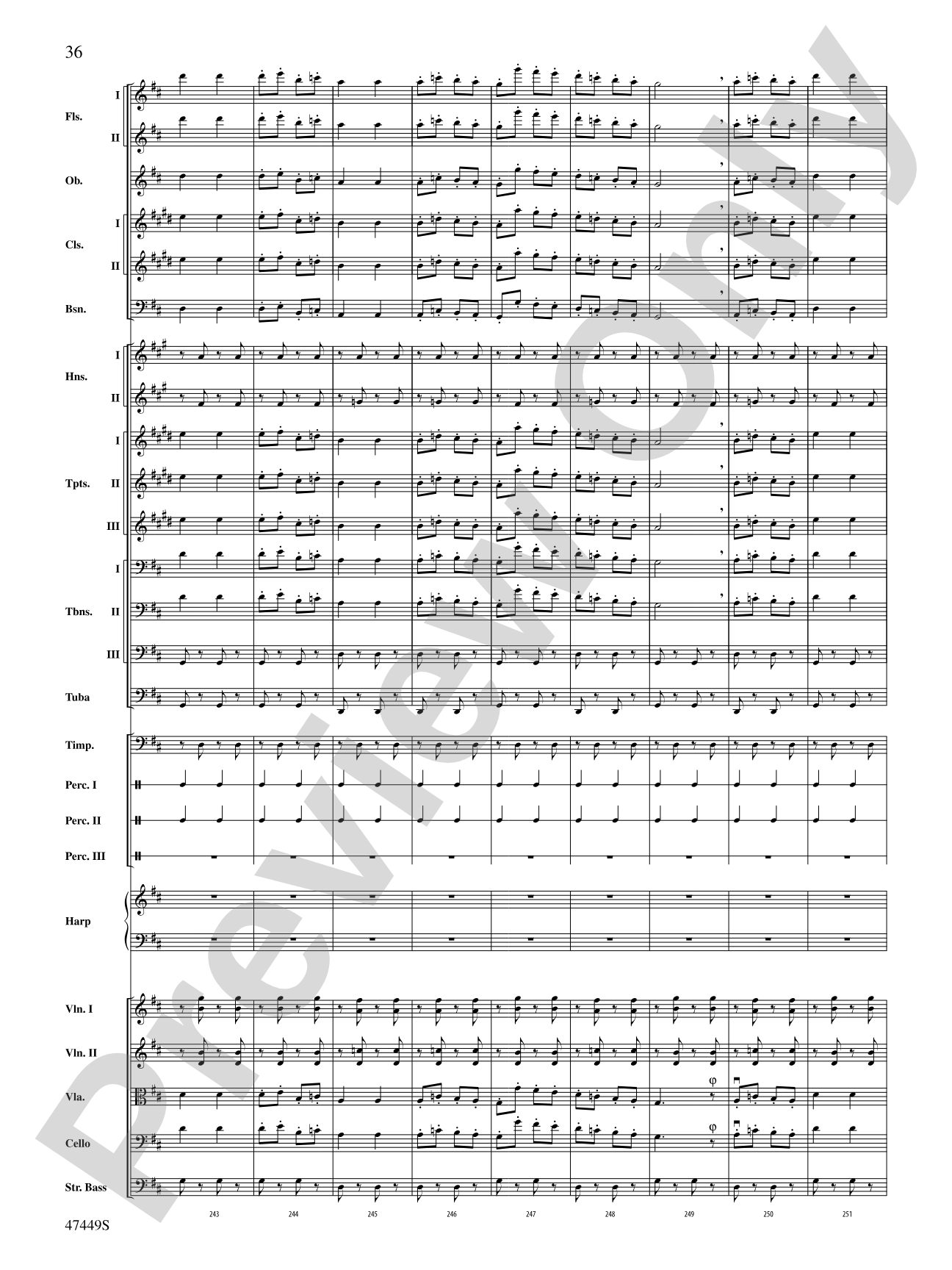
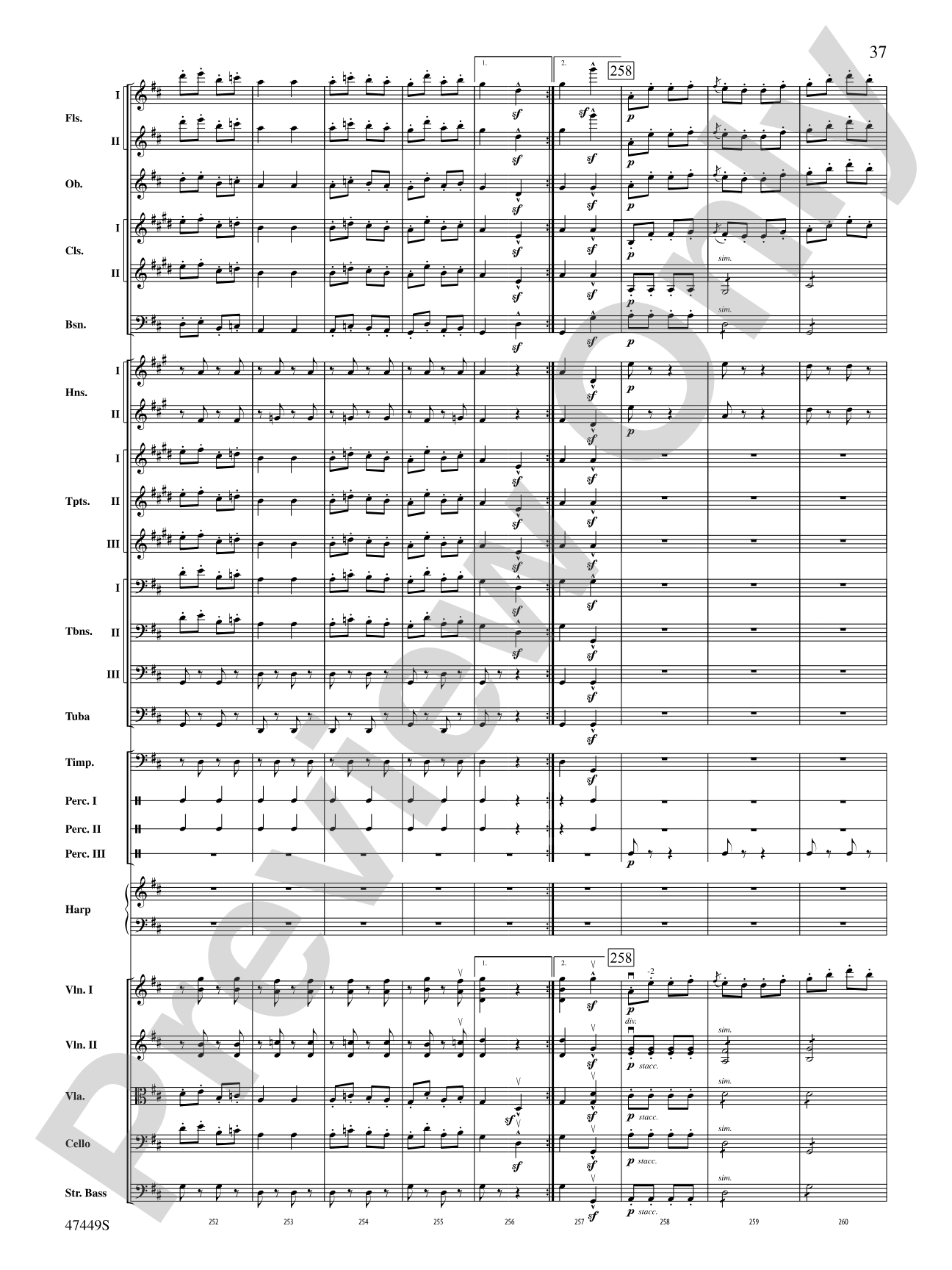
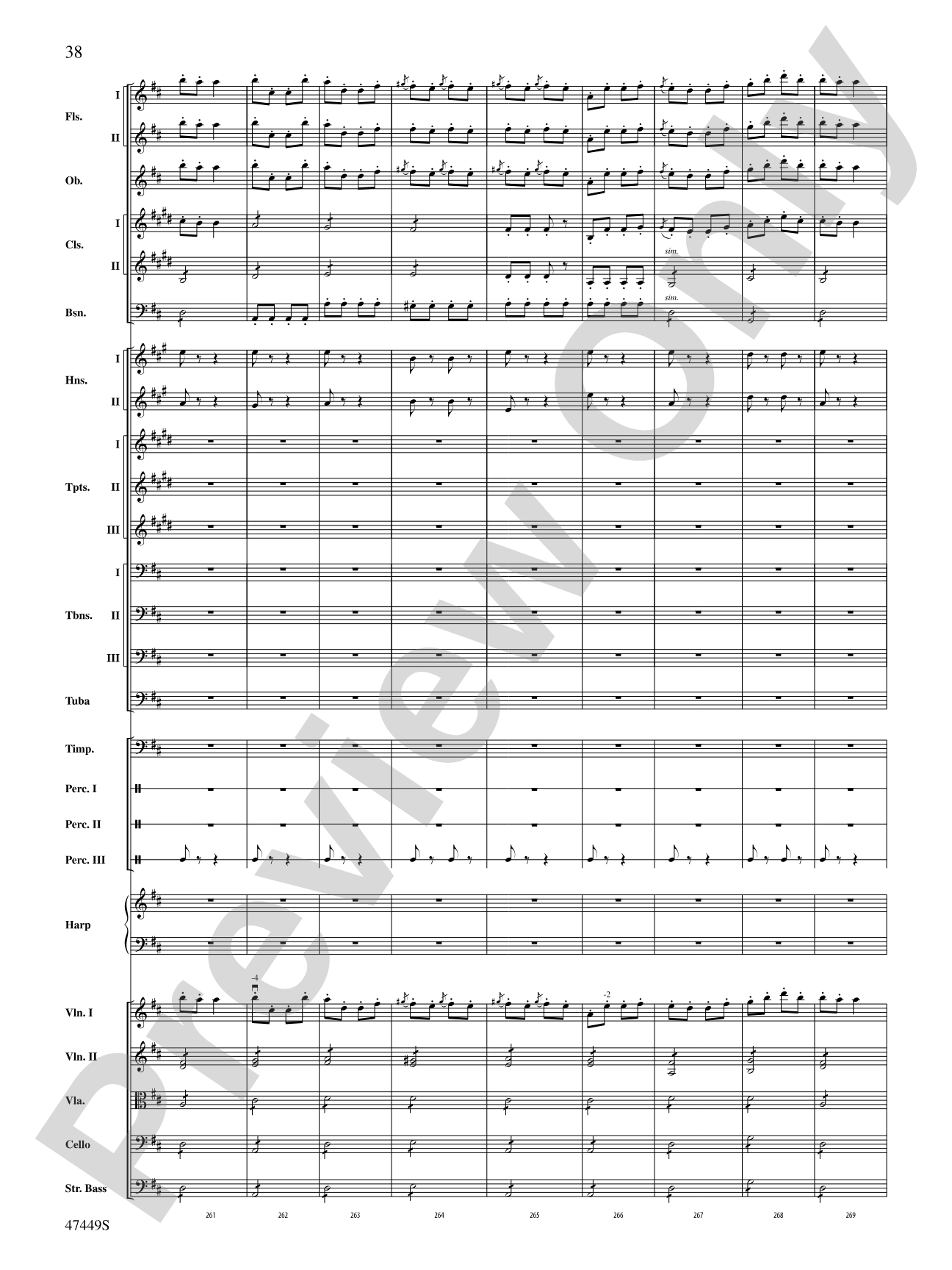
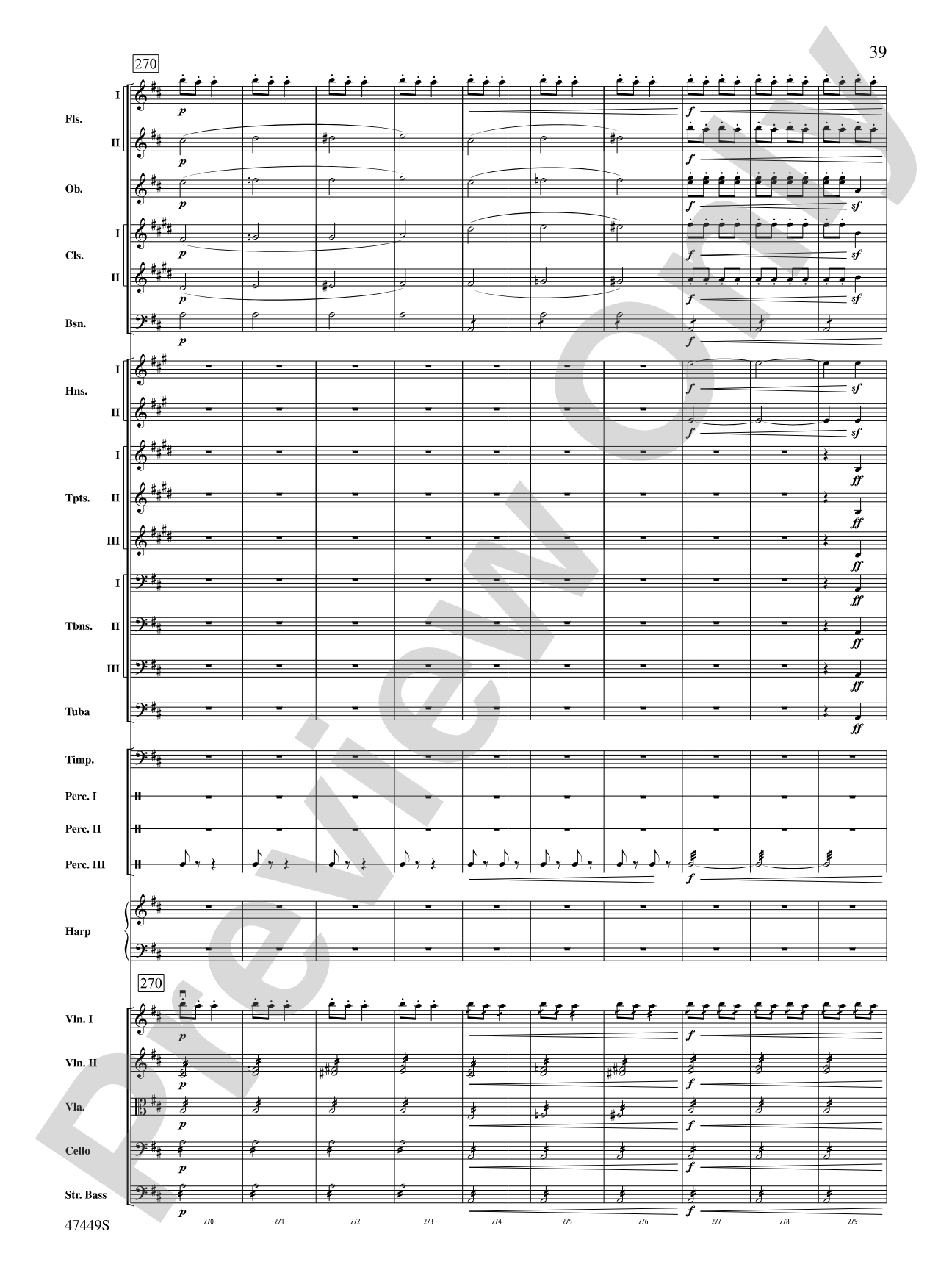
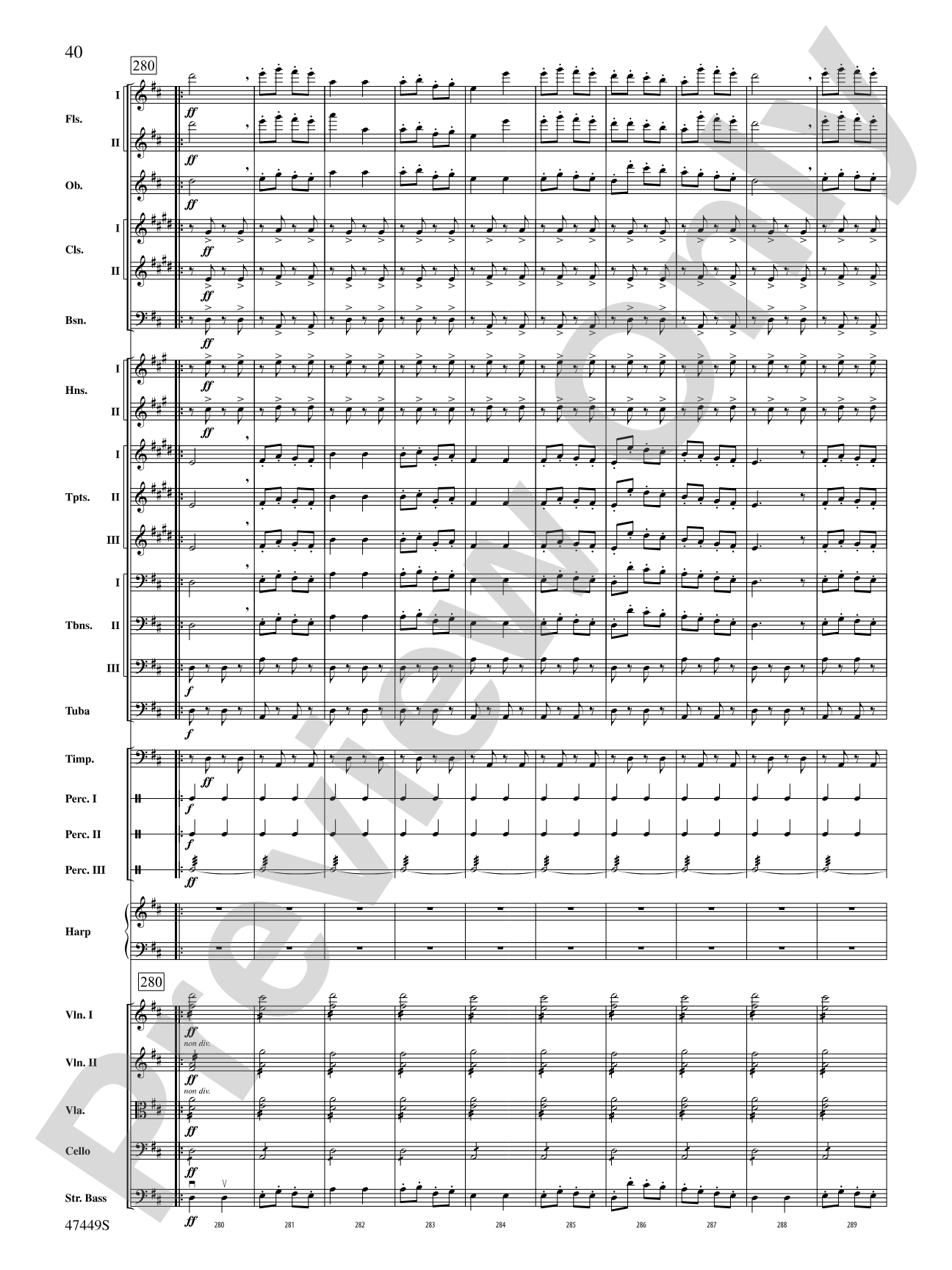
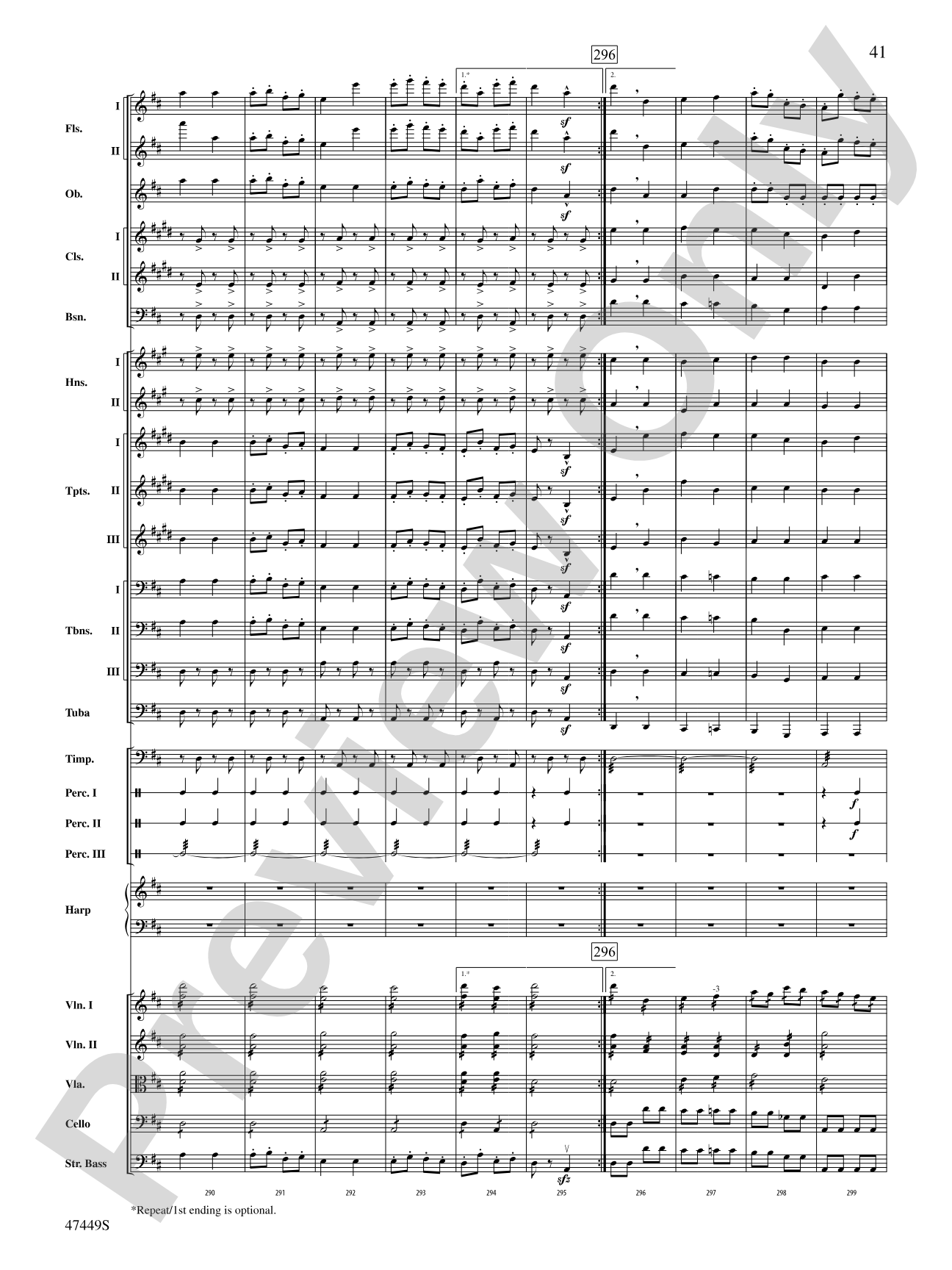
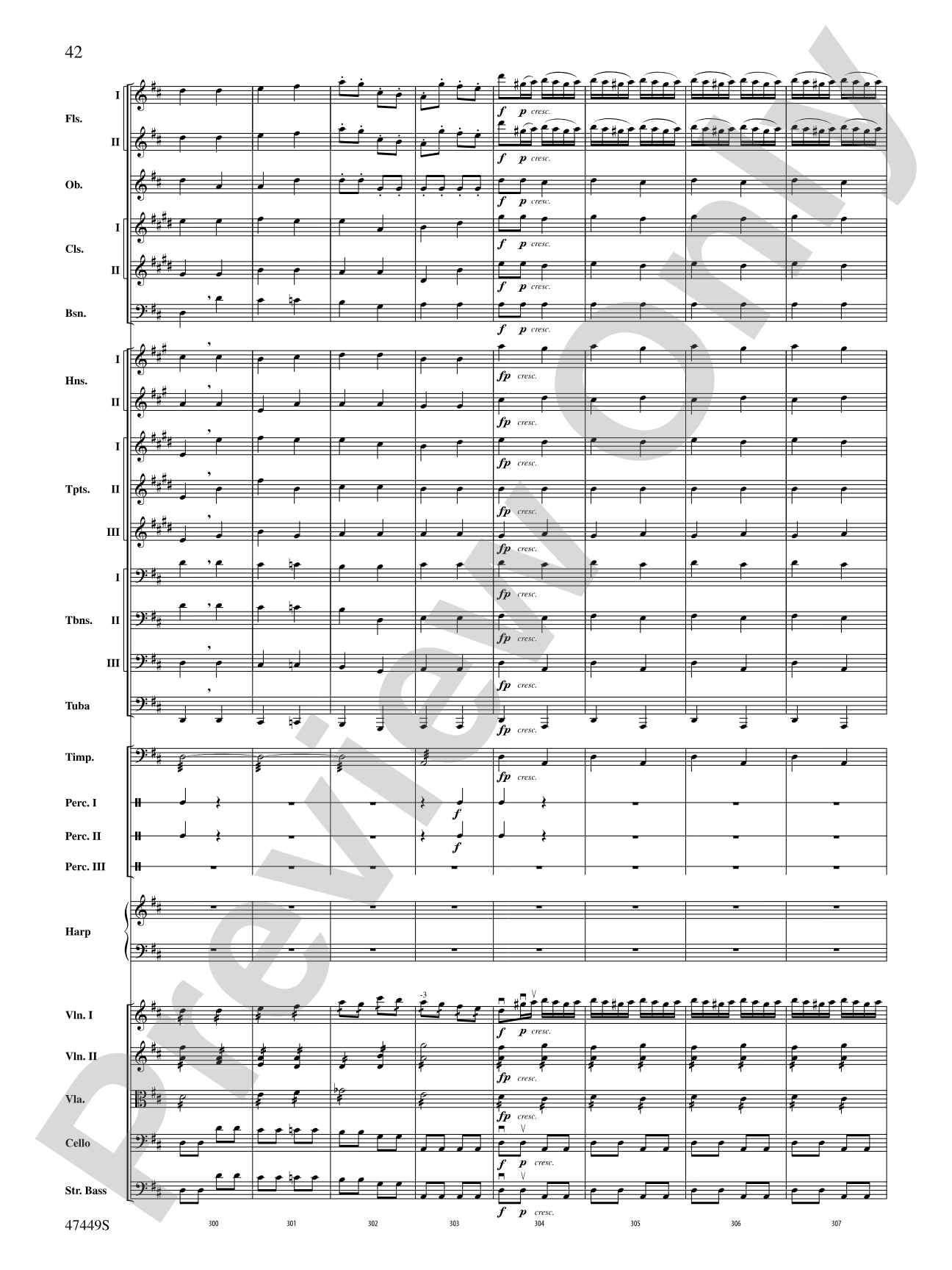
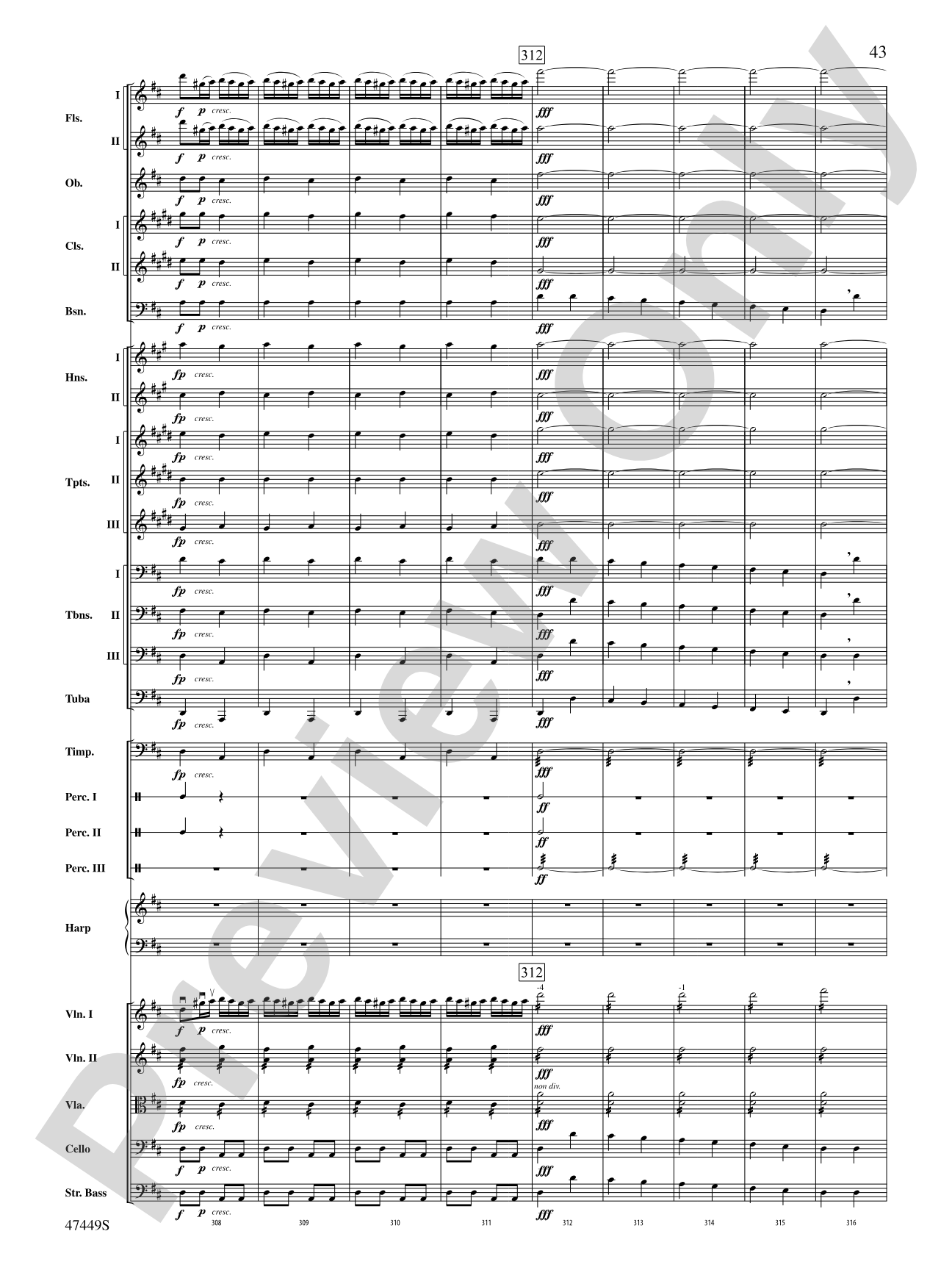
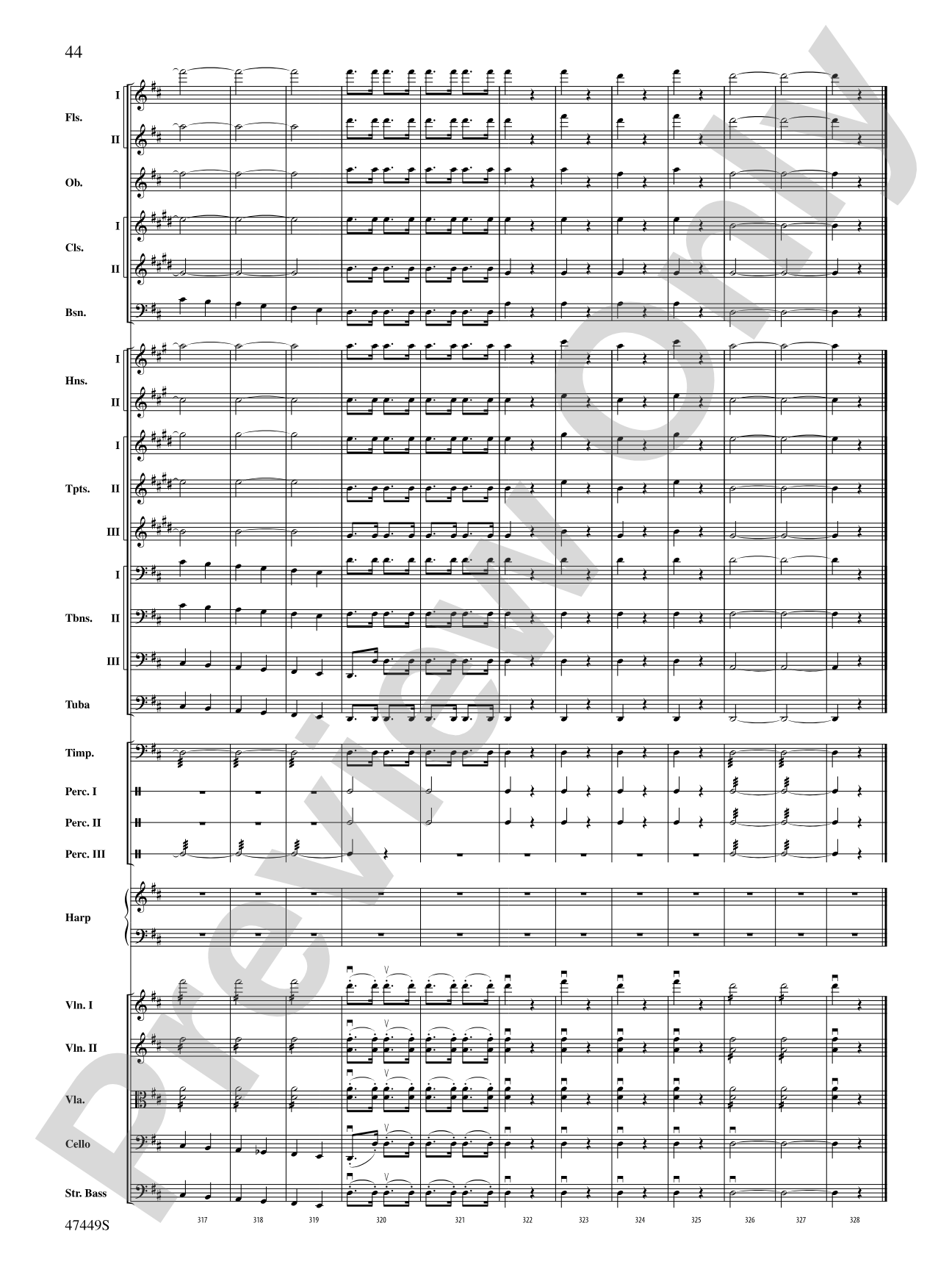

Overture from Orpheus in the Underworld: Score
By Jacques Offenbach / arr. Louis Bergonzi
Grade: 4
Item: 00-PR-0006184
$11.00
Pickup currently not available
Description
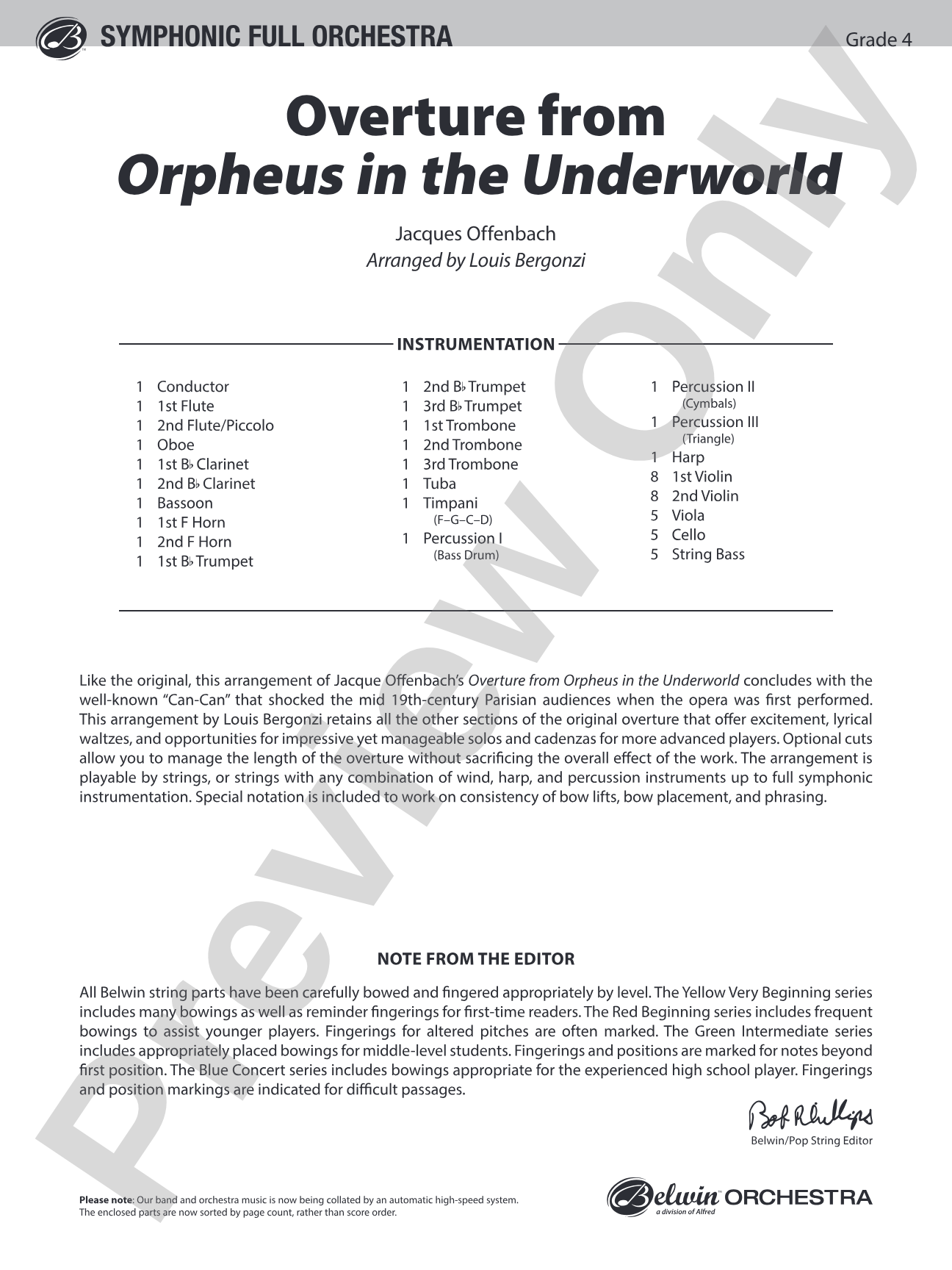
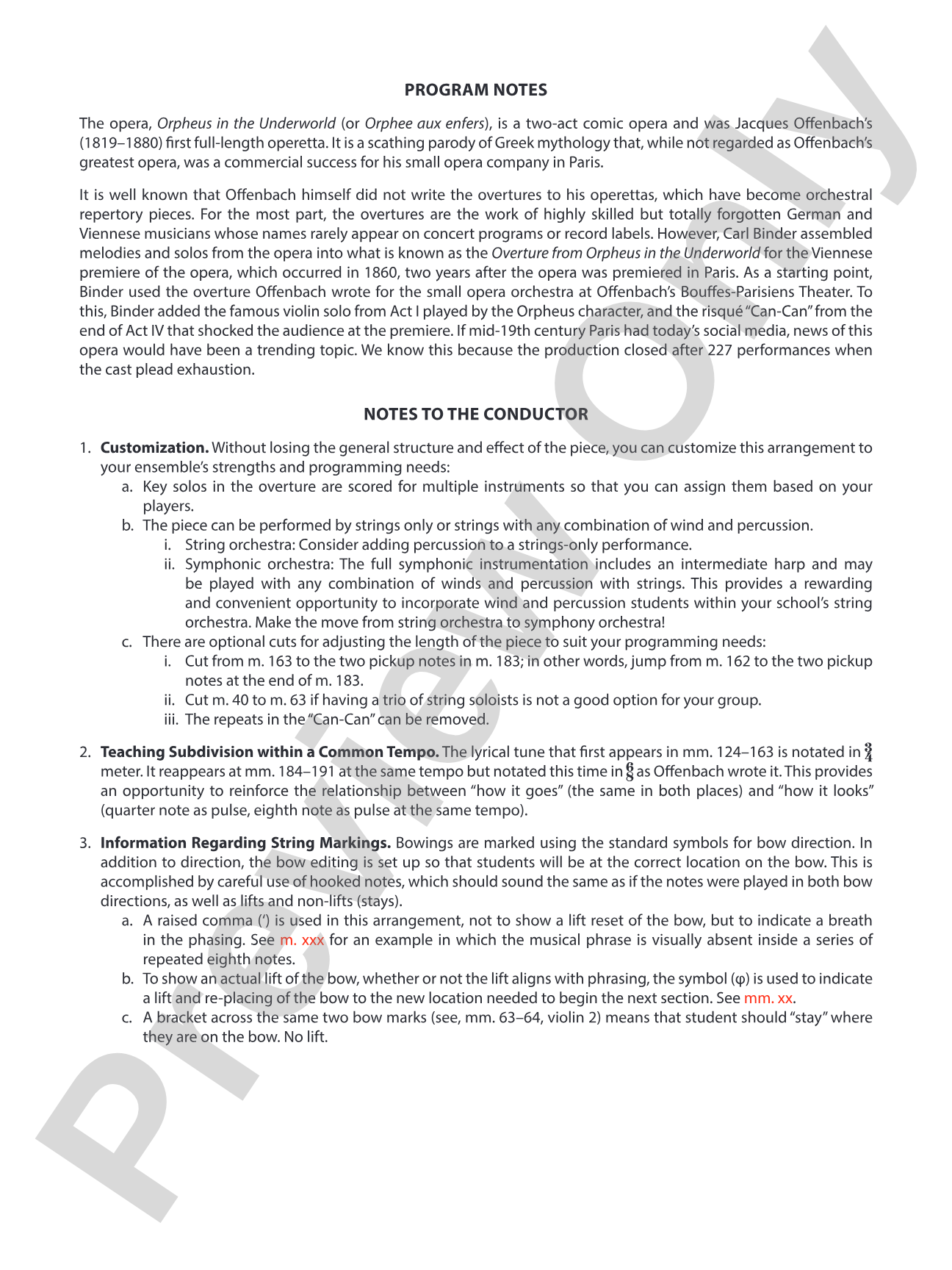
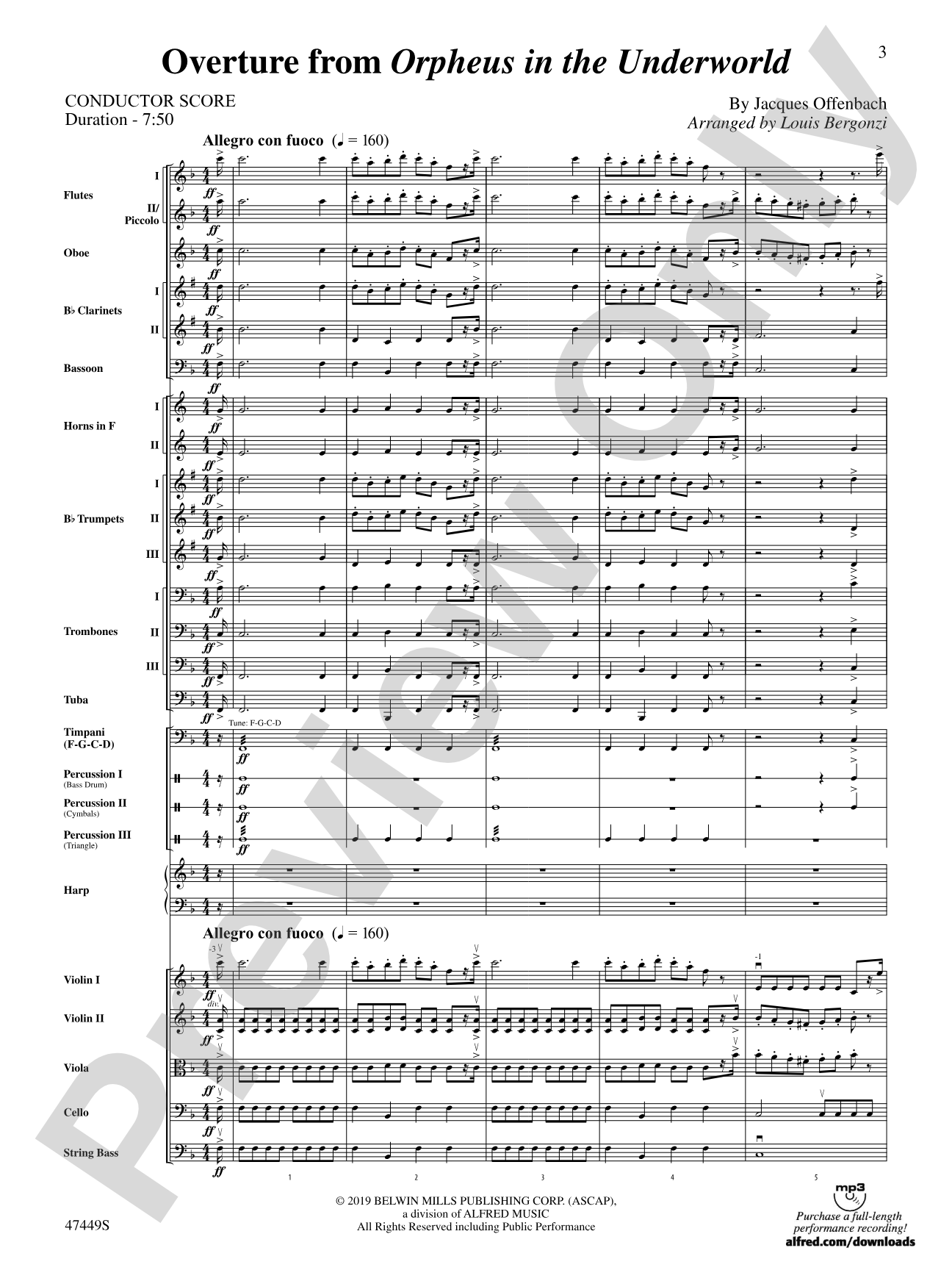
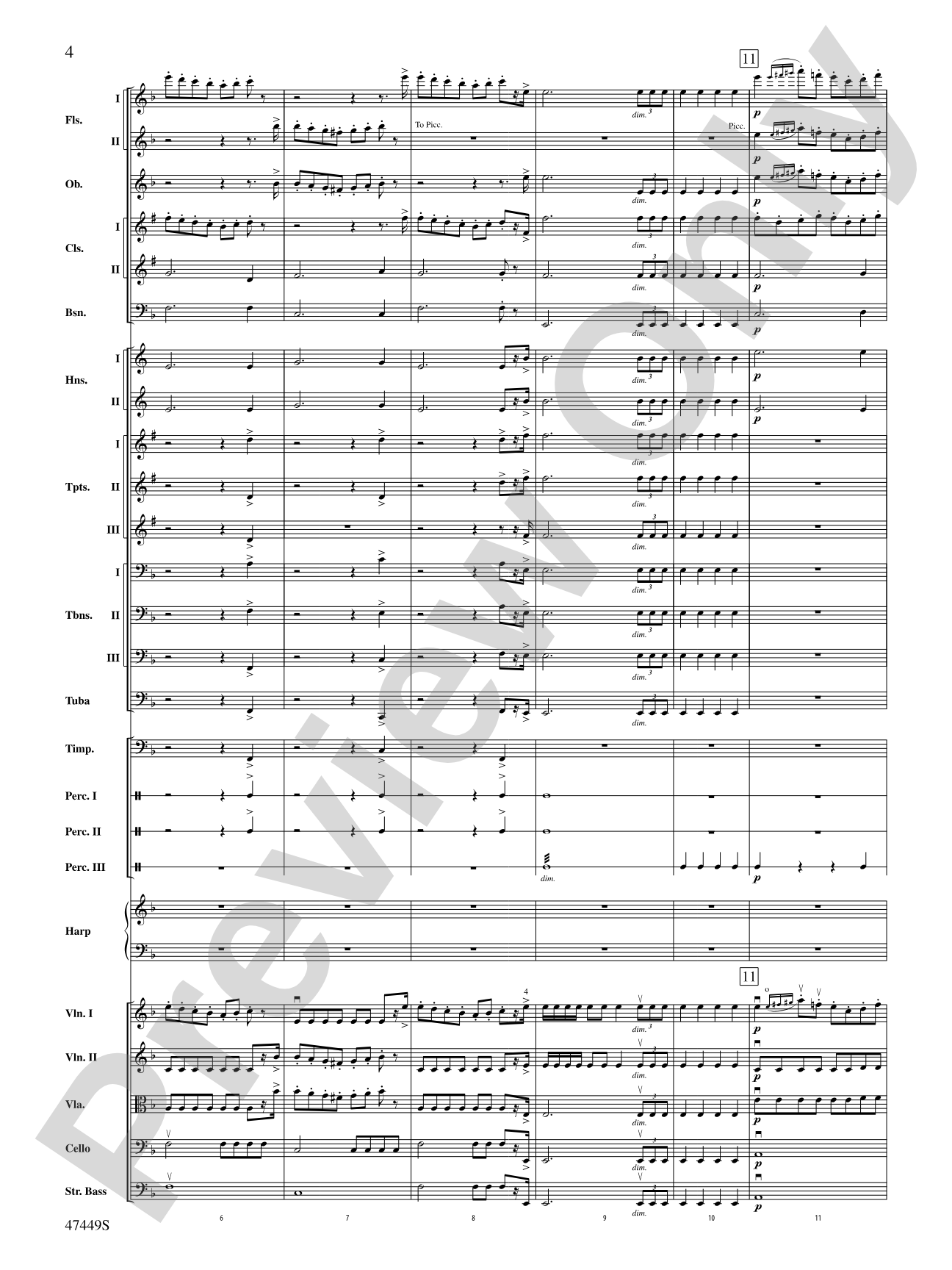
The quintessential "Can-Can" provides a rousing finish, yet this entire piece offers excitement, lyricism, and opportunities for impressive, yet manageable, solos and cadenzas. For strings alone or with any combination of winds, harp, and percussion---up to full symphonic orchestra. Optional cuts included.


Don't just read it, hear it, play along with it, and watch your students grow with it. In MakeMusic Cloud, Overture from Orpheus in the Underworld: Score comes alive with professional accompaniment, adjustable tempo, and built-in practice tools that turn solo practice into real progress.
Open in the Player
Jump straight in and assign it today.
Start Your Free Trial
Open this title and explore the full library in minutes.
Sample Audio
1
Audio File
--:--
0:00
0:00
Sample Video
Additional Details
Series:
Belwin Symphonic Full Orchestra
Publisher:
Alfred Music
Page Count:
240
SKU:
00-PR-0006184
More about this title
About the Composer: Jacques Offenbach
Jacques Offenbach (1819-1880) was a German-born French composer who revolutionized operetta as a genre, bringing wit, musical sophistication, and social satire to the Parisian stage. His melodies are instantly recognizable and his orchestrations remain models of clarity and brilliance; conductors and composers alike have studied his gift for combining elegant counterpoint with unforgettable tunes.
Orpheus in the Underworld stands among his most enduring works, debuting in 1858 to immediate acclaim. The opera's irreverent take on classical mythology opened doors for operetta as serious musical theater, and its melodies have transcended the stage to become part of the concert repertoire. The "Can-Can" from this work remains one of the most recognizable themes in all of classical music.
Why we love this
This arrangement captures everything that makes Offenbach irresistible: infectious energy, singable melodies that lodge in the ear instantly, and orchestral writing that lets every section shine without requiring virtuosos. The flexibility built into the scoring means you can perform this with what you have on any given Tuesday, yet it sounds complete and polished whether you're using strings alone or a full symphonic ensemble.
What to expect
Sparkling and buoyant throughout, with moments of genuine lyricism that ground the exuberance. The famous Can-Can finale lifts the whole experience into something joyful and celebratory, the kind of music that sends audiences out smiling.
Who it's for
Orchestra directors seeking a crowd-pleasing work that sits comfortably at Grade 4 and works for varied instrumentation. Students benefit from playing a recognized masterwork that demonstrates classical form and orchestration principles while remaining genuinely fun to perform.
How to get the most out of it
- Shape the melodic lines with clear phrasing and lift; Offenbach's tunes demand singing quality even in the most exuberant passages, so avoid letting orchestral excitement flatten the contour.
- Balance solo passages carefully, especially in the lyrical sections. The optional solos and cadenzas should feel conversational between soloist and ensemble, not detached or showpiece-like.
- Treat the Can-Can with rhythmic precision and snap. The lift and buoyancy come from tight articulation and crisp attacks, not from rushing the tempo.
- Use the optional cuts strategically in concert contexts where pacing matters; the included cuts are musically sensible and don't sacrifice the arc of the piece.
How to use it
Program this as a concert closer when you want to leave the audience entertained and energized. It also works beautifully as a contest/festival selection where judges appreciate clean orchestration, balanced writing, and a piece that's genuinely musical rather than merely showy.
Skills your students will build
- Balance and blend across multiple instrumental choirs
- Playing flexible solo passages within an ensemble context
- Recognizing and executing classical operetta style and phrasing
- Responding to conductor interpretation of contrasting sections (lyrical vs. rhythmic)
- Reading complex full orchestral textures with optional instrumental doubling