

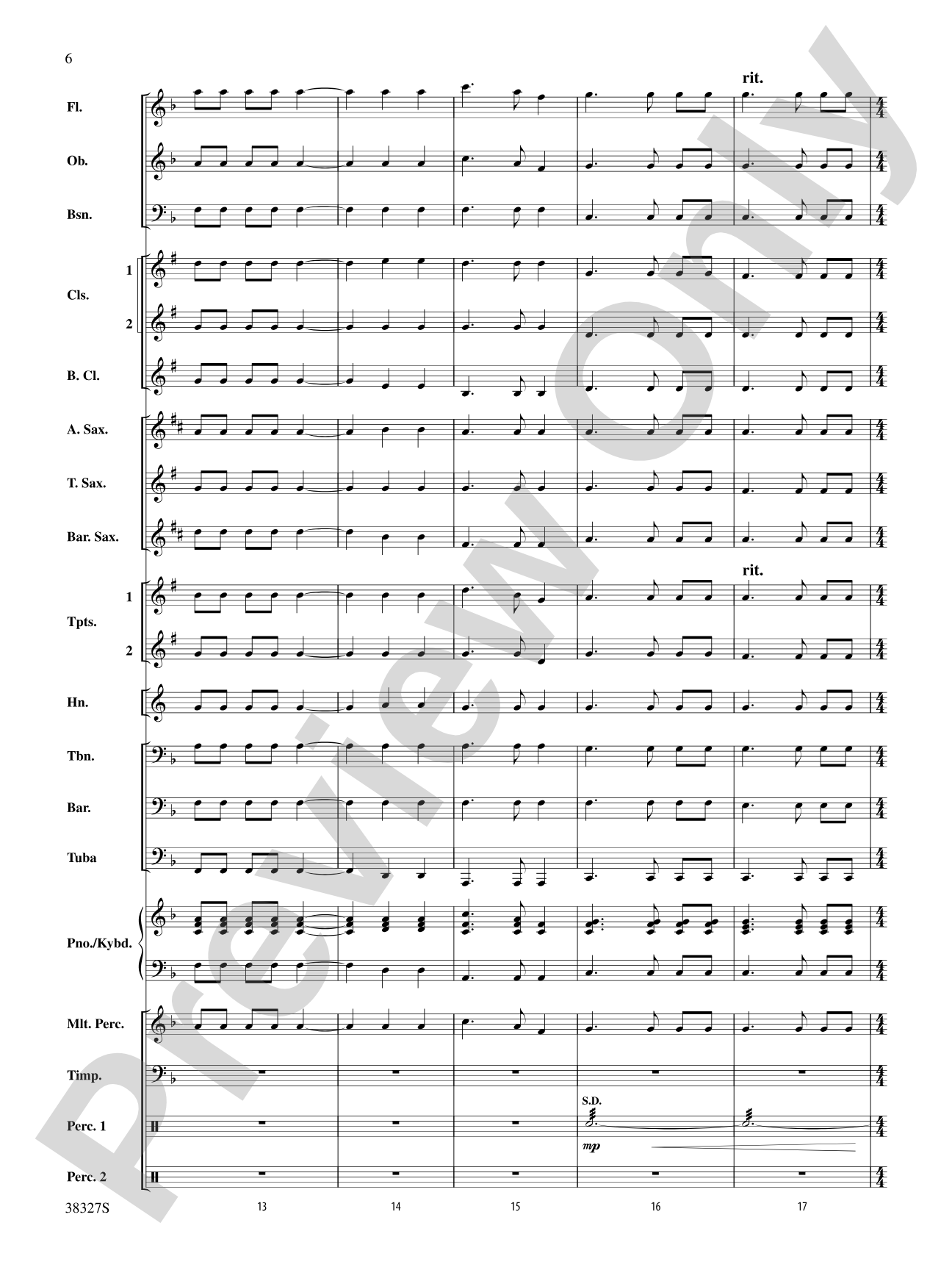
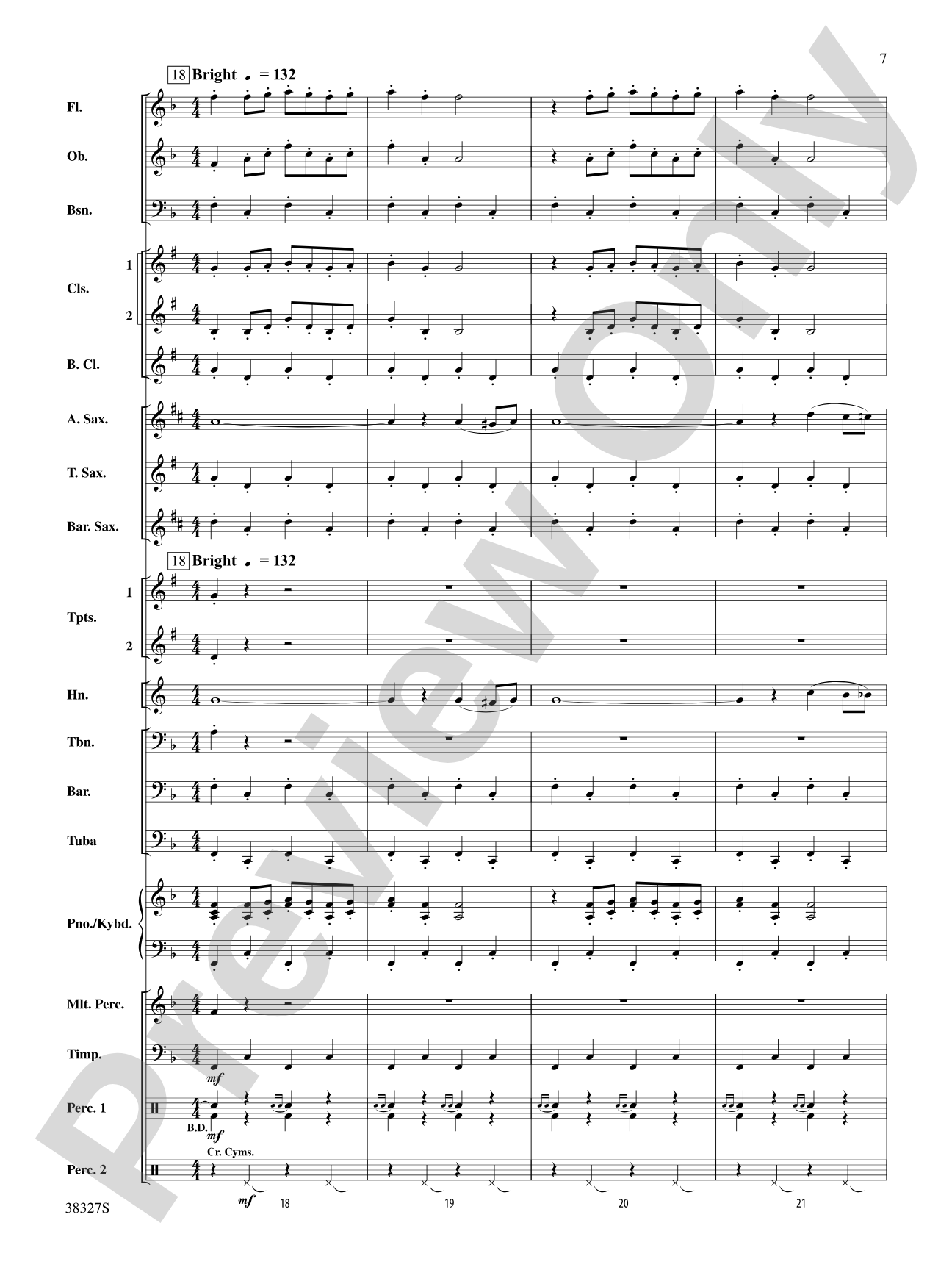
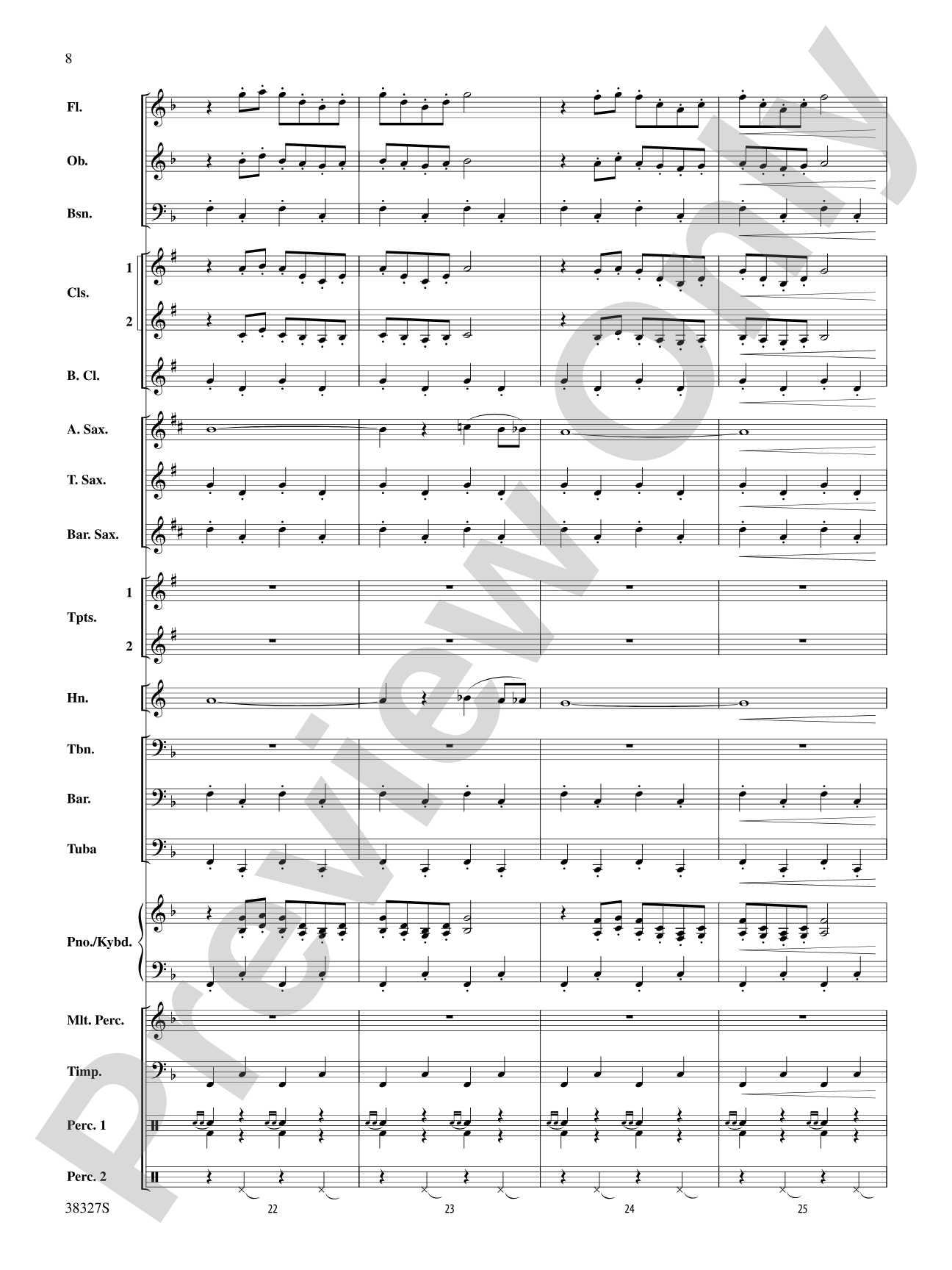
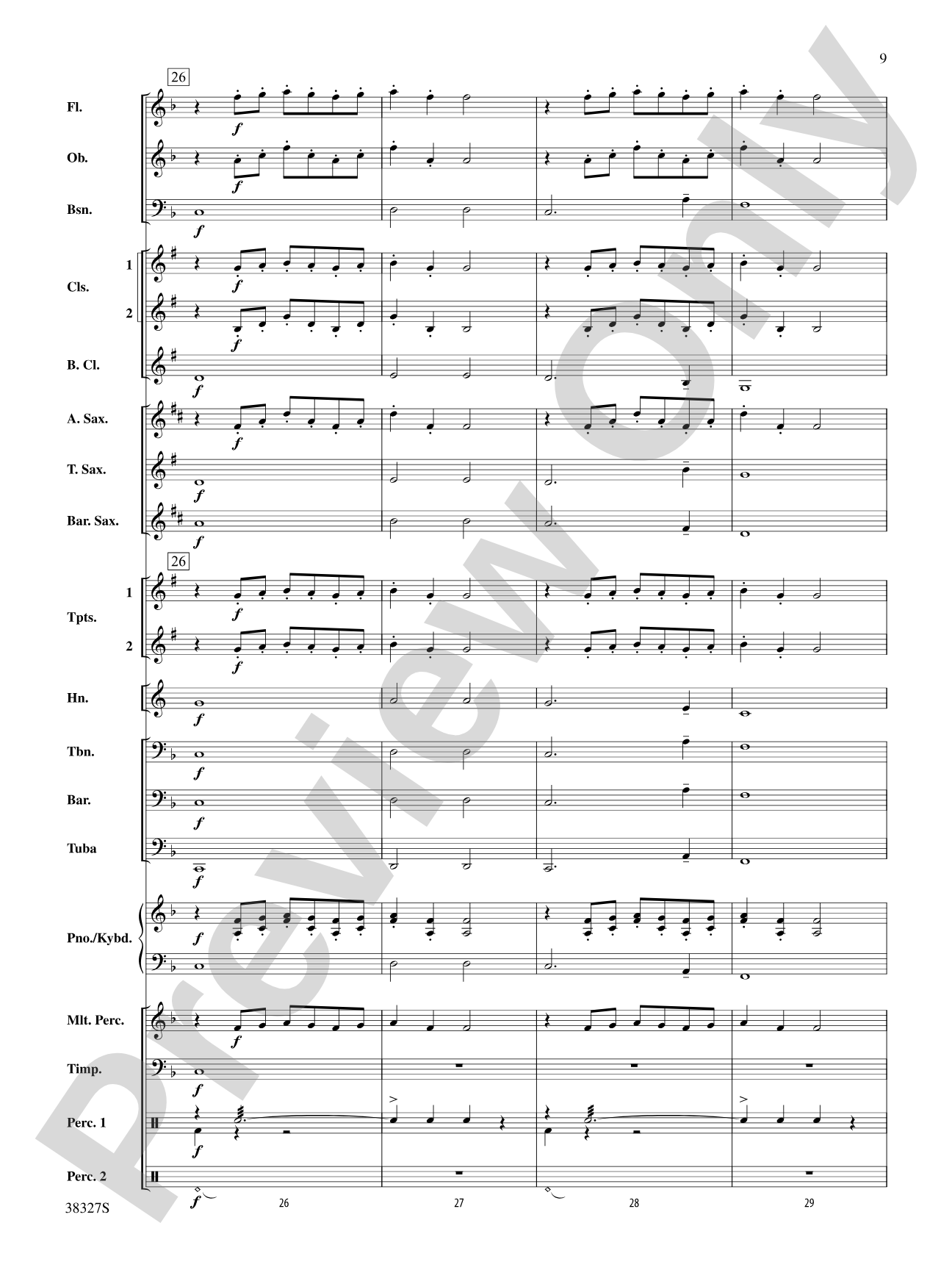
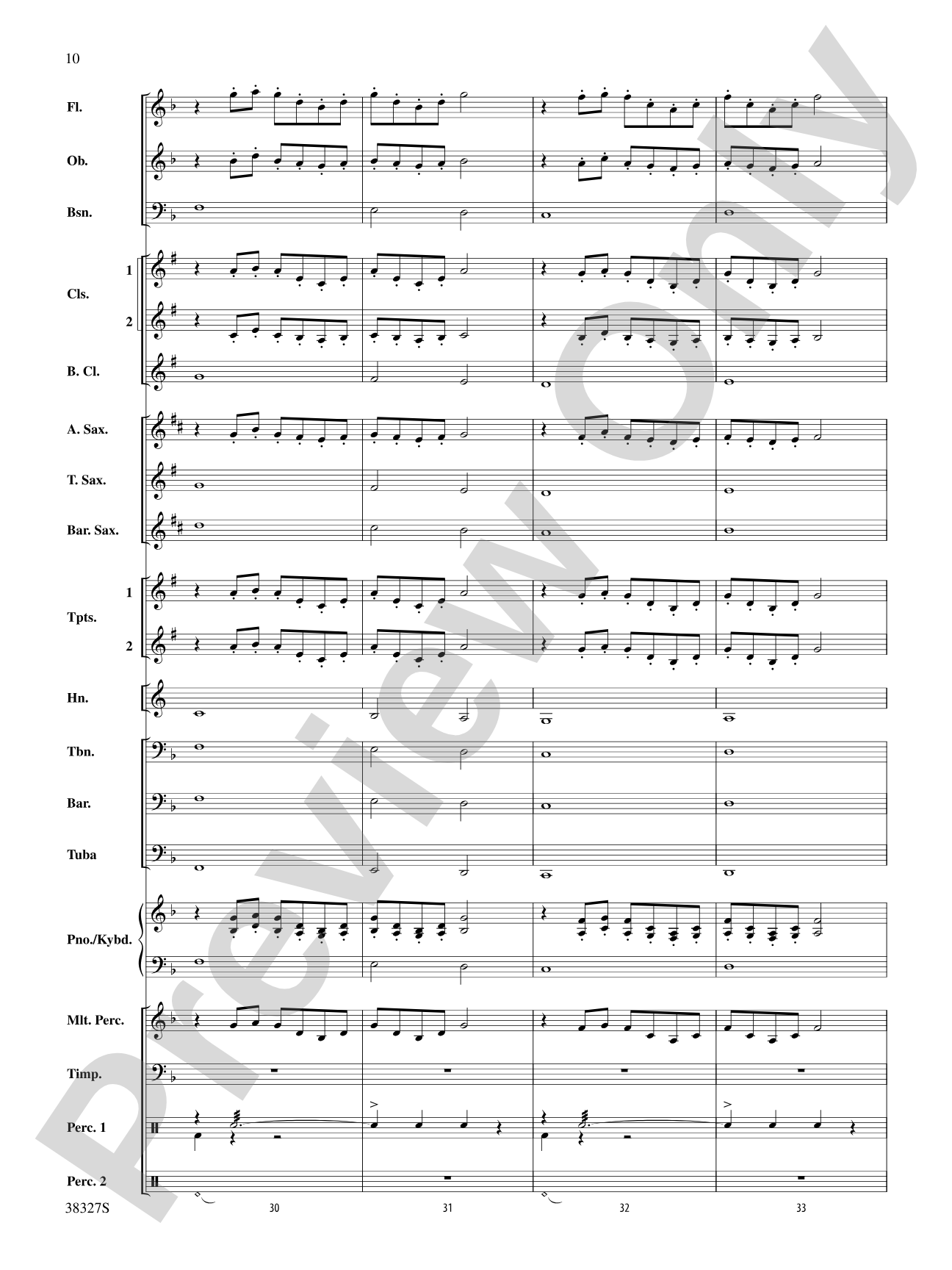
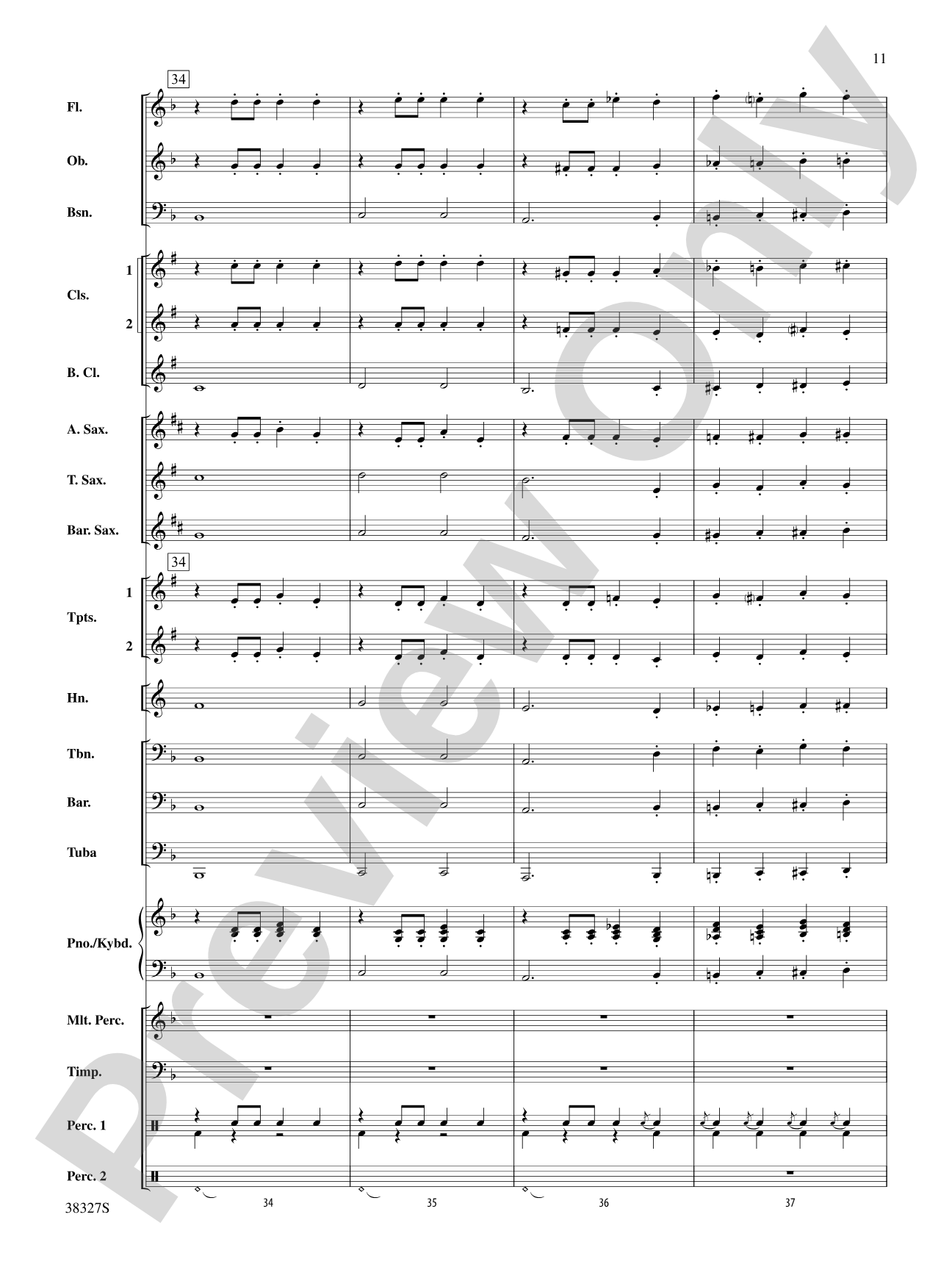
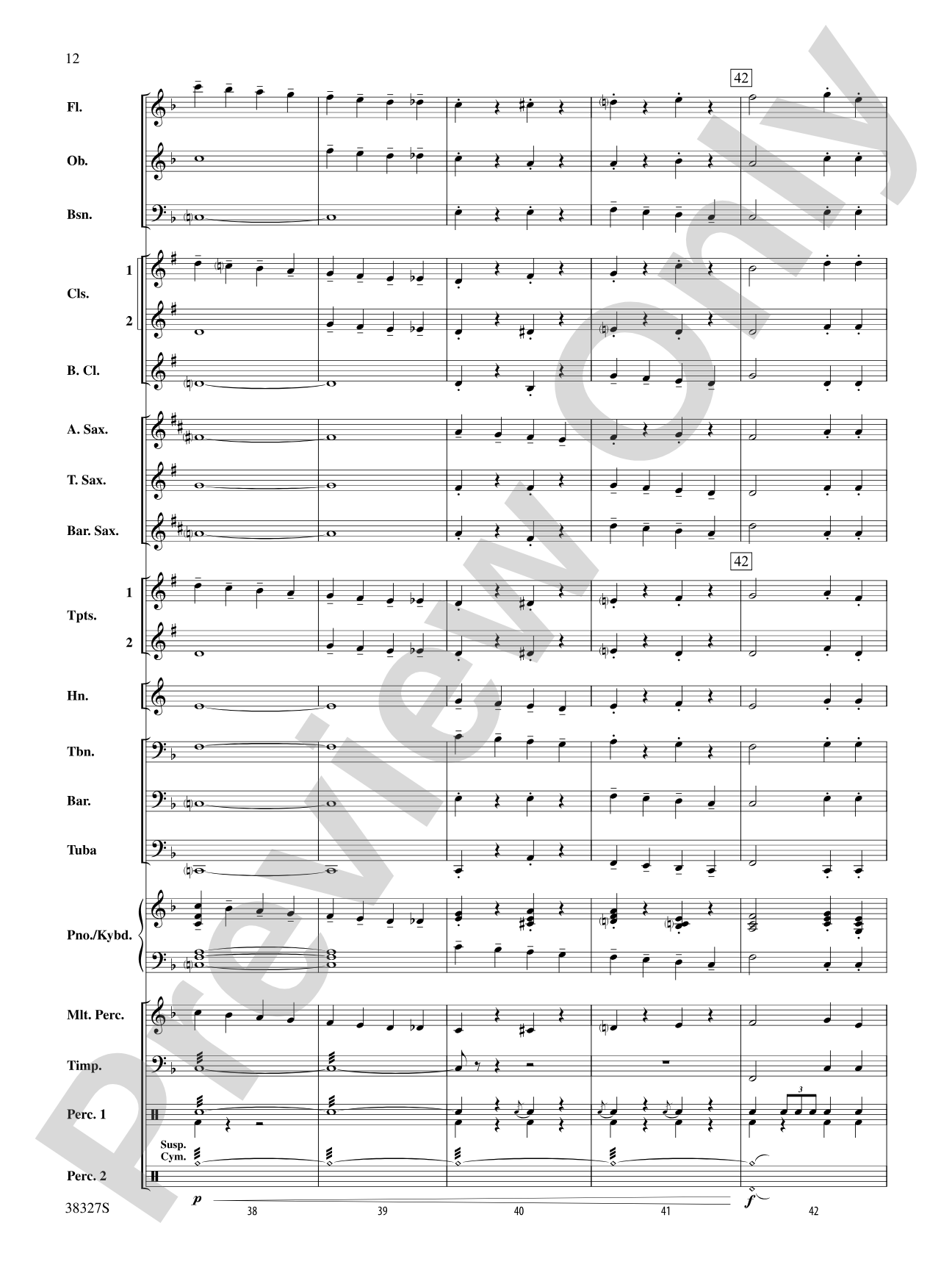
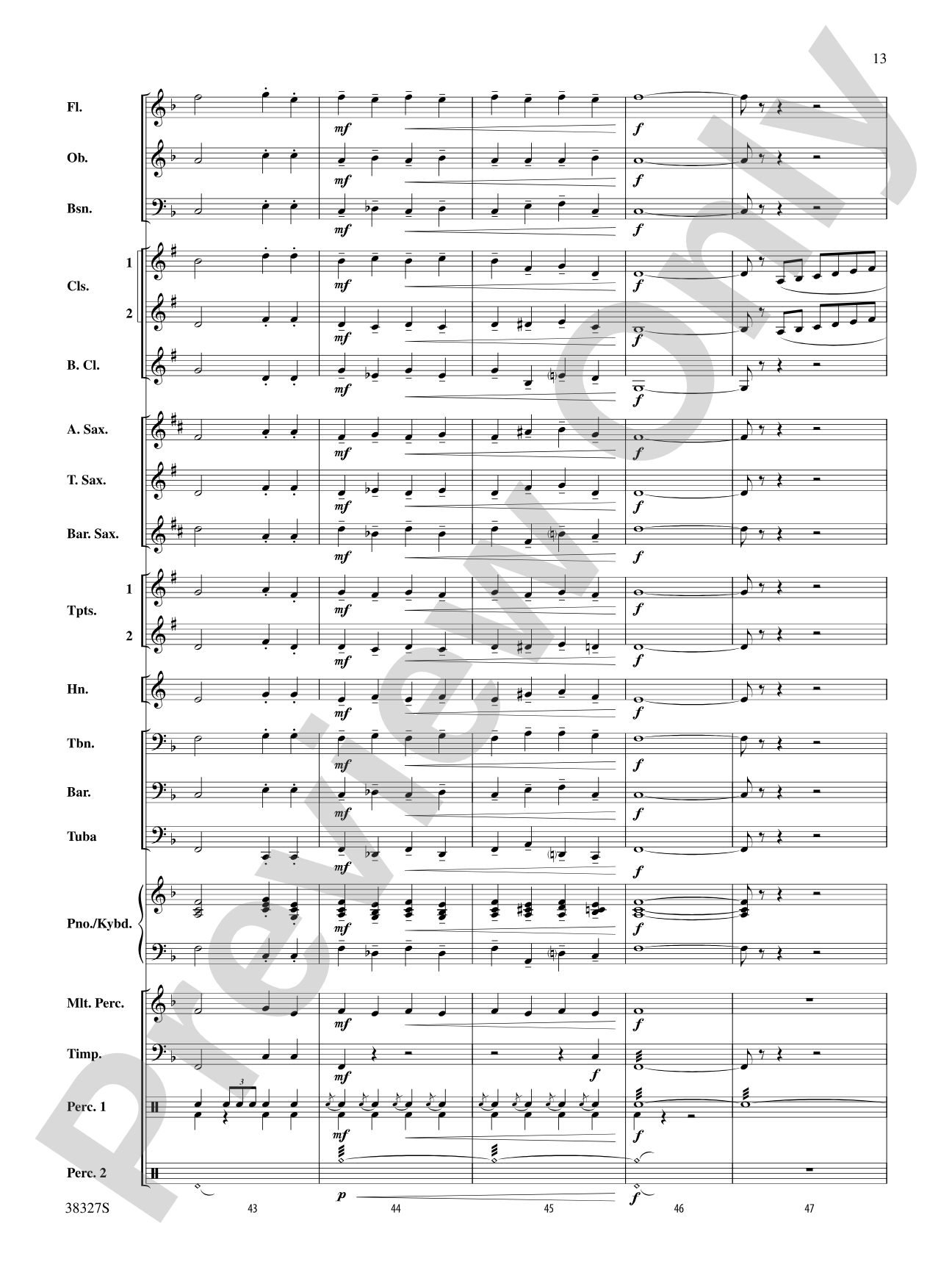



Overture 1812: Concert Band Conductor Score & Parts
By Peter Ilyich Tchaikovsky / arr. Michael Story and Robert W. Smith
Grade: 2 (Easy)
Item: 00-PK-0005167

$60.00
Pickup currently not available
Buy Extra Parts (Digital PDF Download)
| Product | Price | Quantity |
|---|---|---|
| Overture 1812: Score | $9.00 | |
| Overture 1812: Flute | $3.00 | |
| Overture 1812: Oboe | $3.00 | |
| Overture 1812: Bassoon | $3.00 | |
| Overture 1812: 1st B-flat Clarinet | $3.00 | |
| Overture 1812: 2nd B-flat Clarinet | $3.00 | |
| Overture 1812: B-flat Bass Clarinet | $3.00 | |
| Overture 1812: E-flat Alto Saxophone | $3.00 | |
| Overture 1812: B-flat Tenor Saxophone | $3.00 | |
| Overture 1812: E-flat Baritone Saxophone | $3.00 | |
| Overture 1812: 1st B-flat Trumpet | $3.00 | |
| Overture 1812: 2nd B-flat Trumpet | $3.00 | |
| Overture 1812: 1st F Horn | $3.00 | |
| Overture 1812: 1st Trombone | $3.00 | |
| Overture 1812: Baritone T.C. | $3.00 | |
| Overture 1812: Baritone B.C. | $3.00 | |
| Overture 1812: Tuba | $3.00 | |
| Overture 1812: Mallets | $3.00 | |
| Overture 1812: 1st Percussion | $3.00 | |
| Overture 1812: 2nd Percussion | $3.00 | |
| Overture 1812: Timpani | $3.00 | |
| Overture 1812: Piano Accompaniment | $3.00 |
Parts Added to Cart!
Description
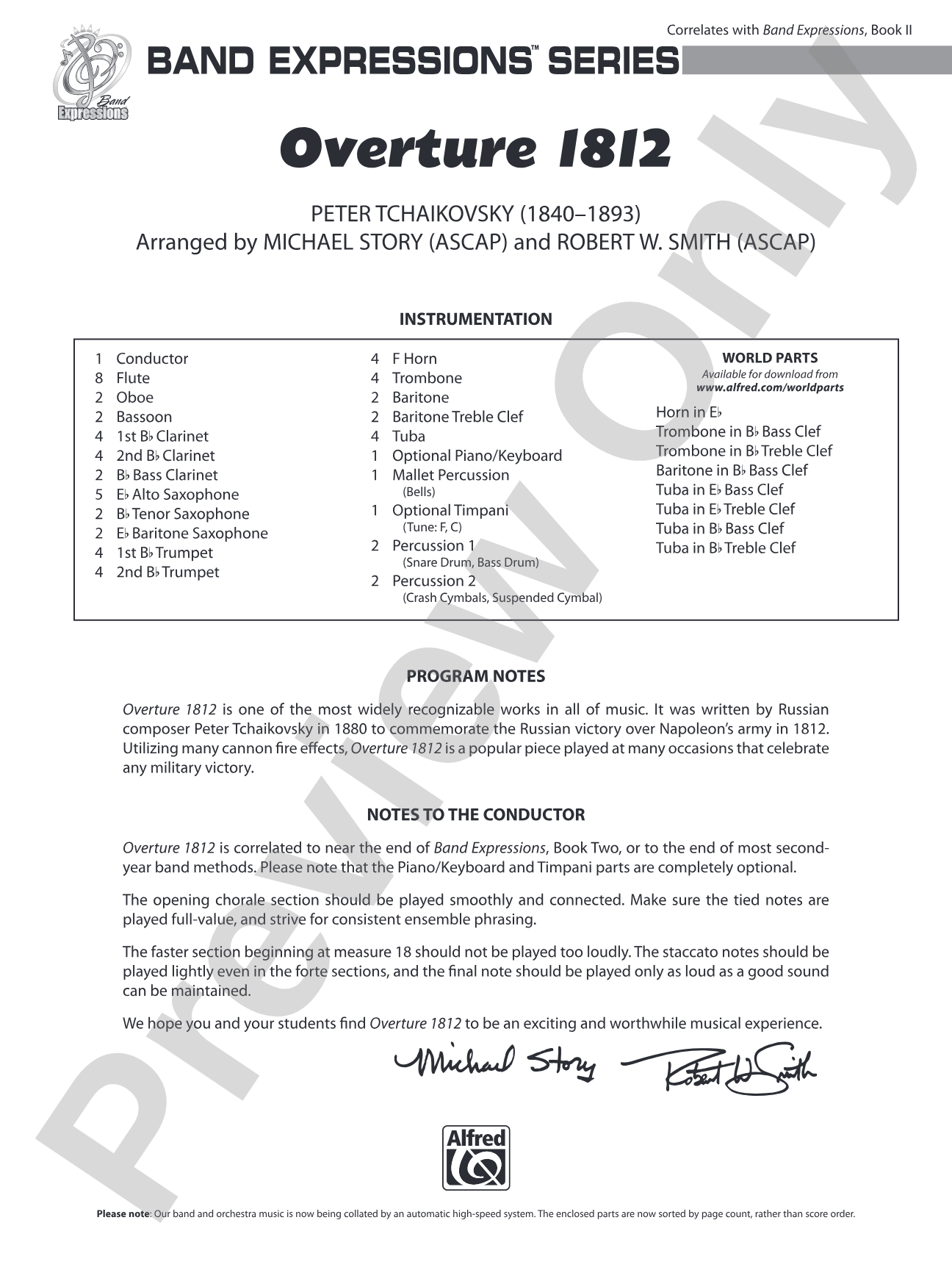
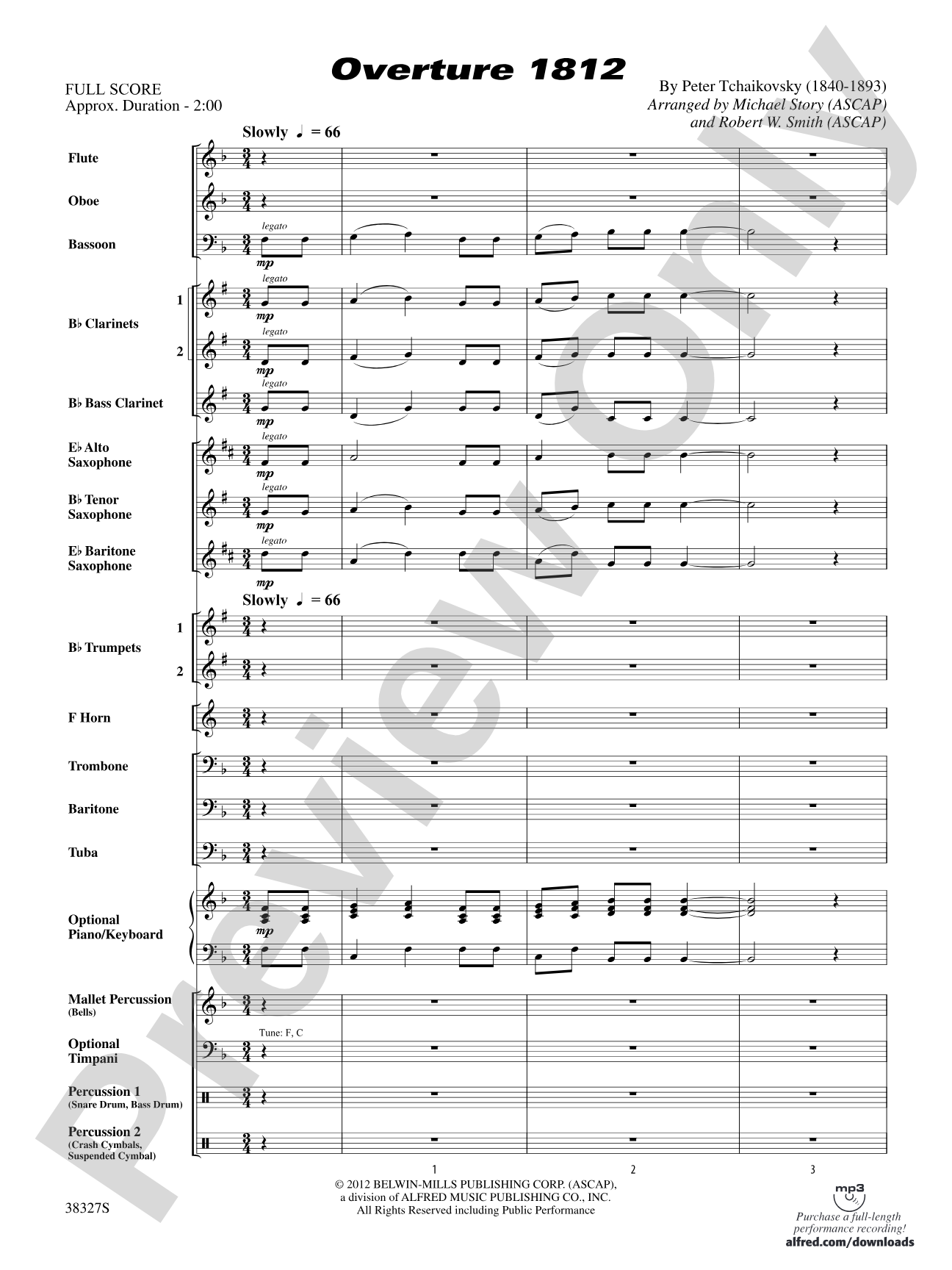
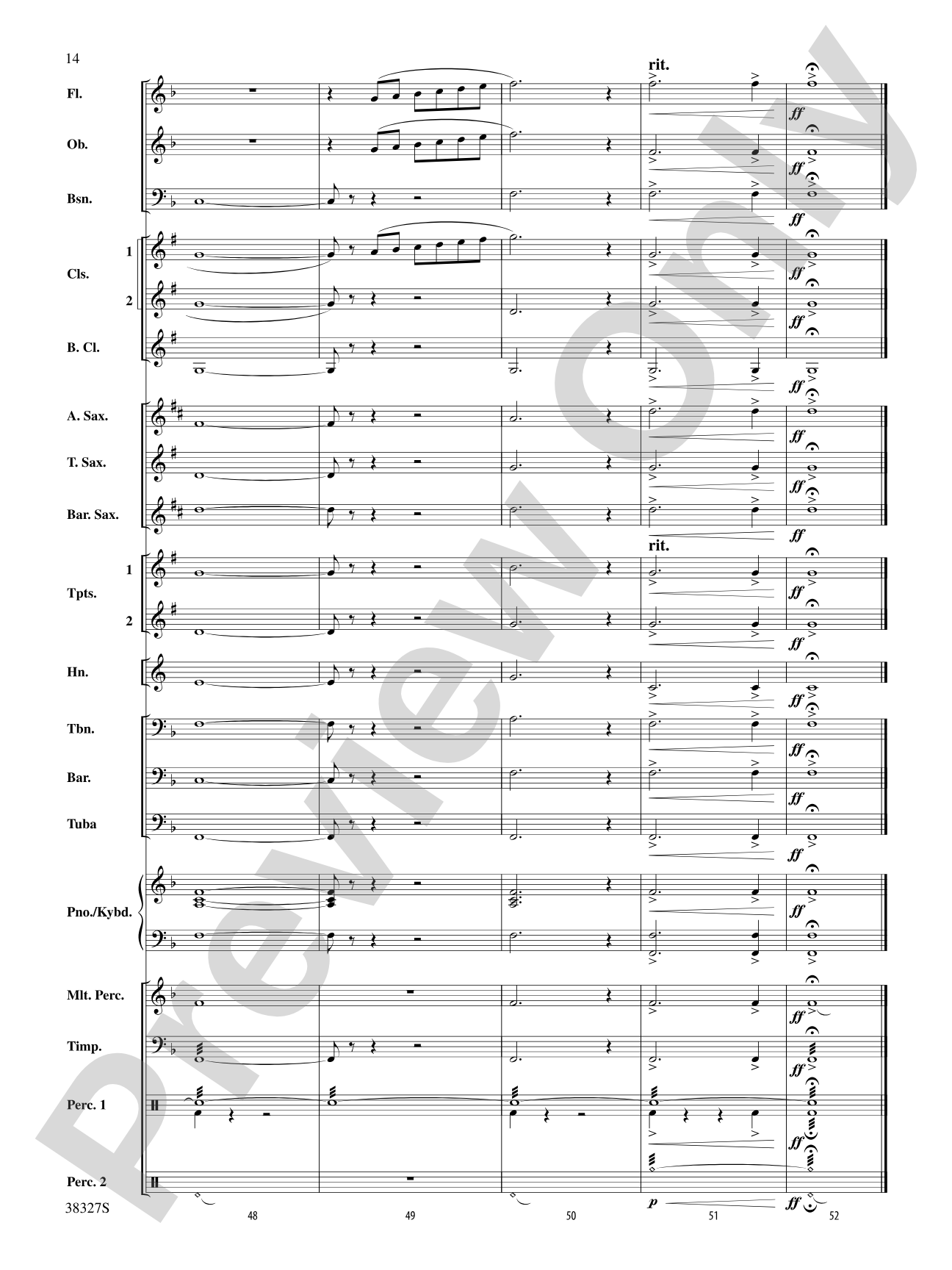
Tchaikovsky's "Overture 1812" is one of the most widely recognizable works in all of music. A bold musical statement, it was composed in 1880 to commemorate the Russian victory over Napoleon's army in 1812. Scored by Michael Story and Robert Smith, this rendition is a perfect fit for the end of the second year of instruction. The characteristic melody builds to a dramatic punctuated conclusion. Stunning! (2:00)


Don't just read it, hear it, play along with it, and watch your students grow with it. In MakeMusic Cloud, Overture 1812: Concert Band Conductor Score & Parts comes alive with professional accompaniment, adjustable tempo, and built-in practice tools that turn solo practice into real progress.
Open in the Player
Jump straight in and assign it today.
Start Your Free Trial
Open this title and explore the full library in minutes.
Sample Audio
1
Audio File
--:--
0:00
0:00
Sample Video
No sample videos found.
Additional Details
Series:
Band Expressions
Publisher:
Alfred Music
Page Count:
126
SKU:
00-PK-0005167
More about this title
About the Composer: Peter Ilyich Tchaikovsky
Peter Ilyich Tchaikovsky (1840-1893) was a Russian composer whose gift for melody and orchestration made him one of the most performed classical composers worldwide. His works span symphonies, ballets, concertos, and occasional pieces written to mark historical moments, and his music remains central to concert programming across all levels of musical training.
Tchaikovsky's ability to blend folk idioms with European forms gave his music both accessibility and depth. For student musicians, his works offer approachable melodies supported by rich harmonic language, making them ideal teaching repertoire that never feels condescending.
Why we love this
This arrangement captures the visceral energy of one of music's most iconic works while remaining solidly within the reach of Grade 2 ensembles. The arrangers have preserved Tchaikovsky's soaring themes and dramatic arc without overwhelming young players, making it a genuinely thrilling concert closer that audiences recognize instantly. Students get the reward of performing a "real" masterwork rather than a pale approximation.
What to expect
Bold and celebratory, building from a soaring, confident melody into a propulsive march toward a dramatic, triumphant finish. The piece breathes with Romantic grandeur while remaining rhythmically grounded and energetic. It's the sound of youthful musicians discovering that they can play something genuinely moving and powerful.
Who it's for
Band directors seeking a Grade 2 repertoire piece that delivers real musical substance and audience impact. This arrangement works for ensembles at the end of their second year of instruction, whether preparing for a concert, festival, or pop program where recognizable masterworks engage listeners.
How to get the most out of it
- Shape the opening theme with clear phrasing and lyrical tone; it's the emotional anchor of the piece and deserves singing, focused articulation from the melody section.
- Build the dynamic intensity gradually through the middle sections, resisting the urge to jump to full volume too early. The characteristic climb to the dramatic conclusion lands harder when you've paced the growth carefully.
- Lock the rhythm section on the punctuated rhythmic figures that drive the piece forward; precision here clarifies the architecture and prevents the band from sounding muddy as textures thicken.
- Balance the accompaniment voices so the main melodic line projects clearly even as fuller orchestration enters. Young musicians often play their parts too loudly out of enthusiasm, which obscures the tune everyone recognizes.
How to use it
Reserve this for your concert finale or a festival showcase where the two-minute runtime and crowd-pleasing familiarity make it a natural closer. It pairs well on a program with other Romantic-era arrangements or as the capstone to a unit on masterwork transcriptions, giving students the satisfaction of owning a piece they'll hear in concert halls for the rest of their lives.
Skills your students will build
- Phrasing and shaping of lyrical melodies
- Dynamic control across a building climactic arc
- Rhythmic precision in punctuated figures
- Balance and blend when melody and accompaniment textures thicken
- Performing recognizable concert repertoire with musicality